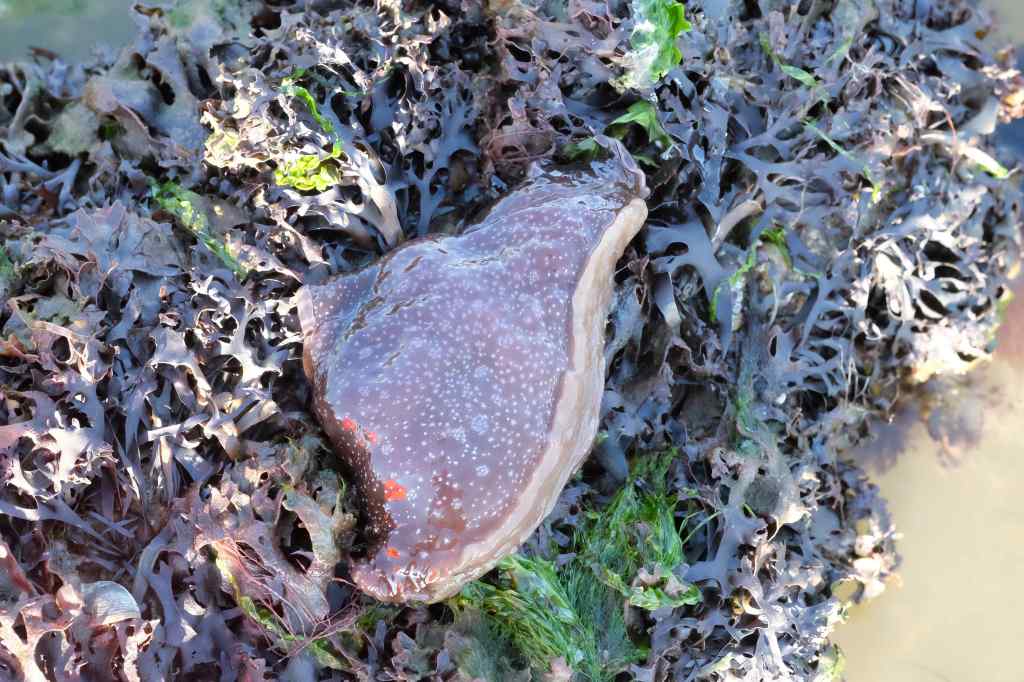
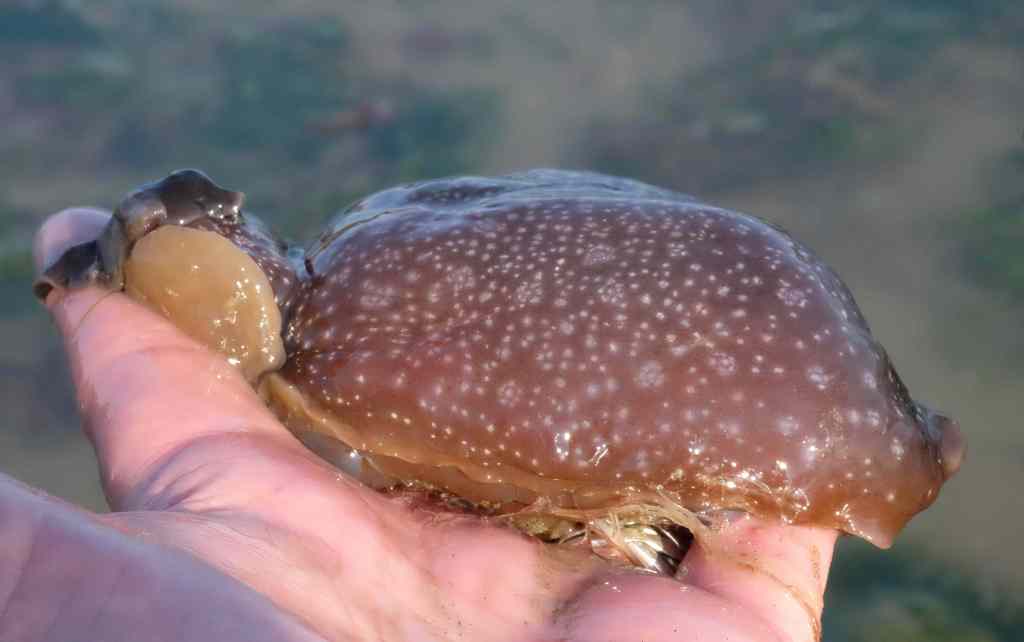
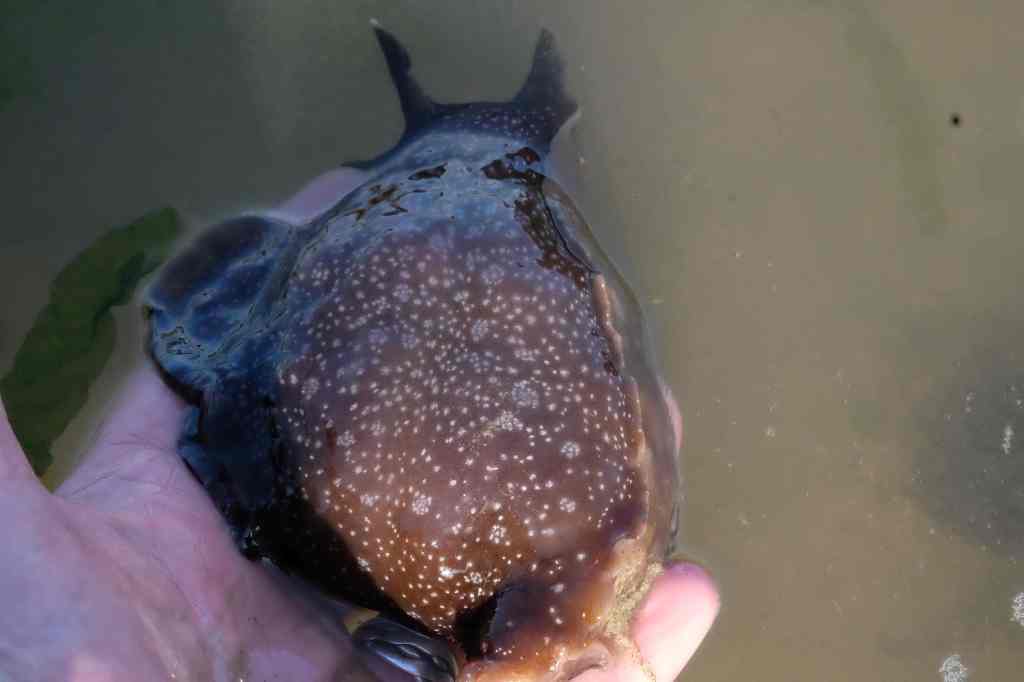
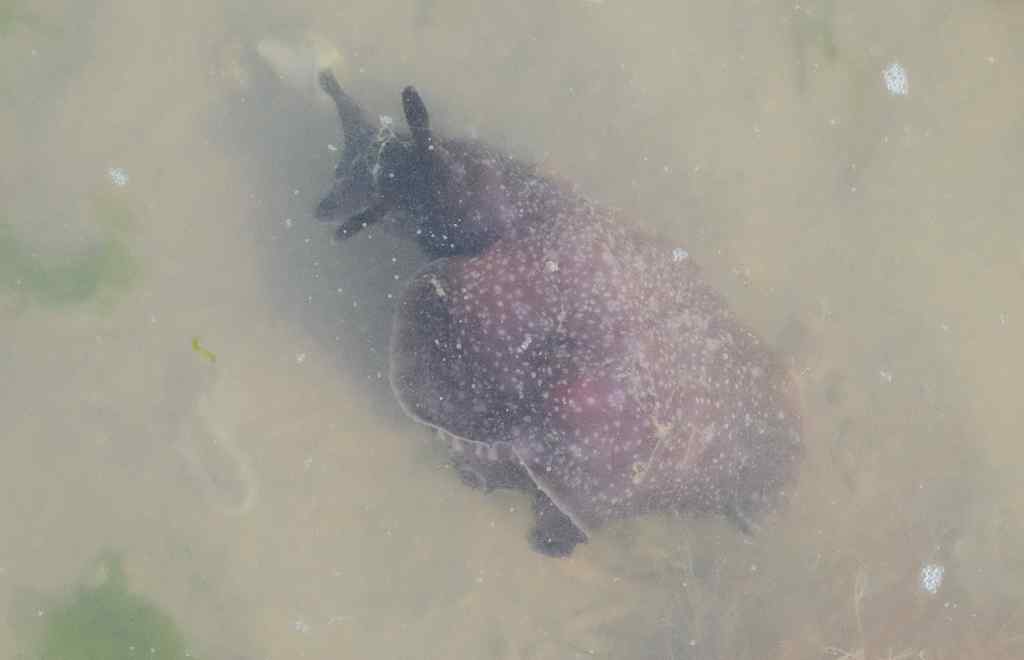
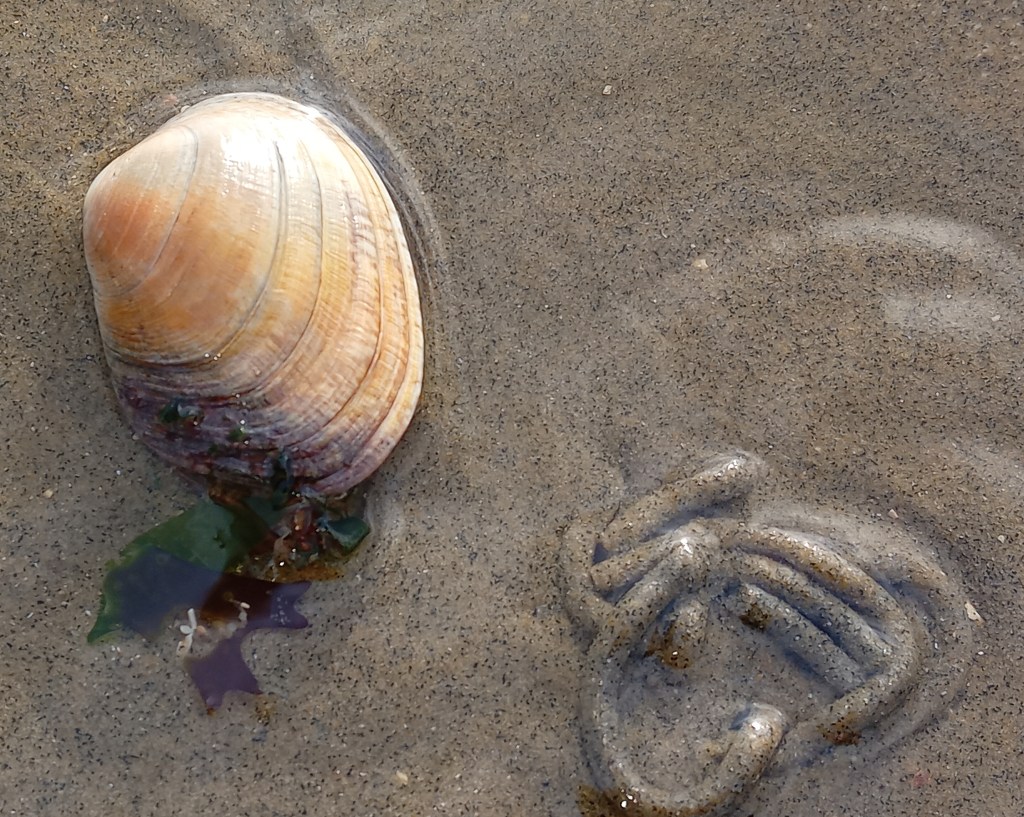
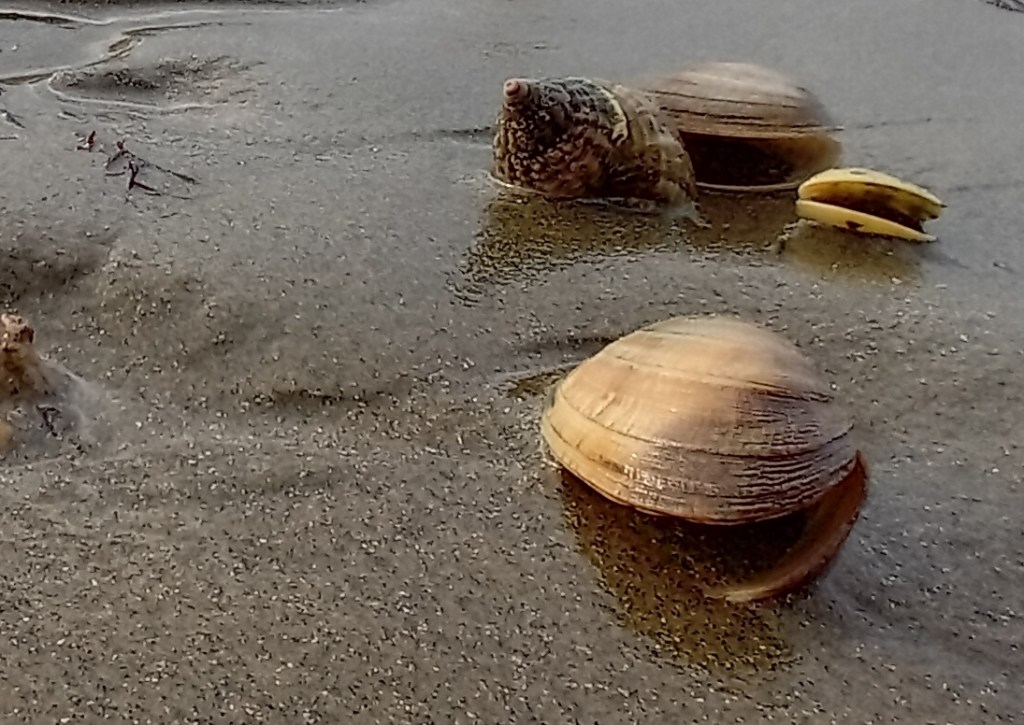
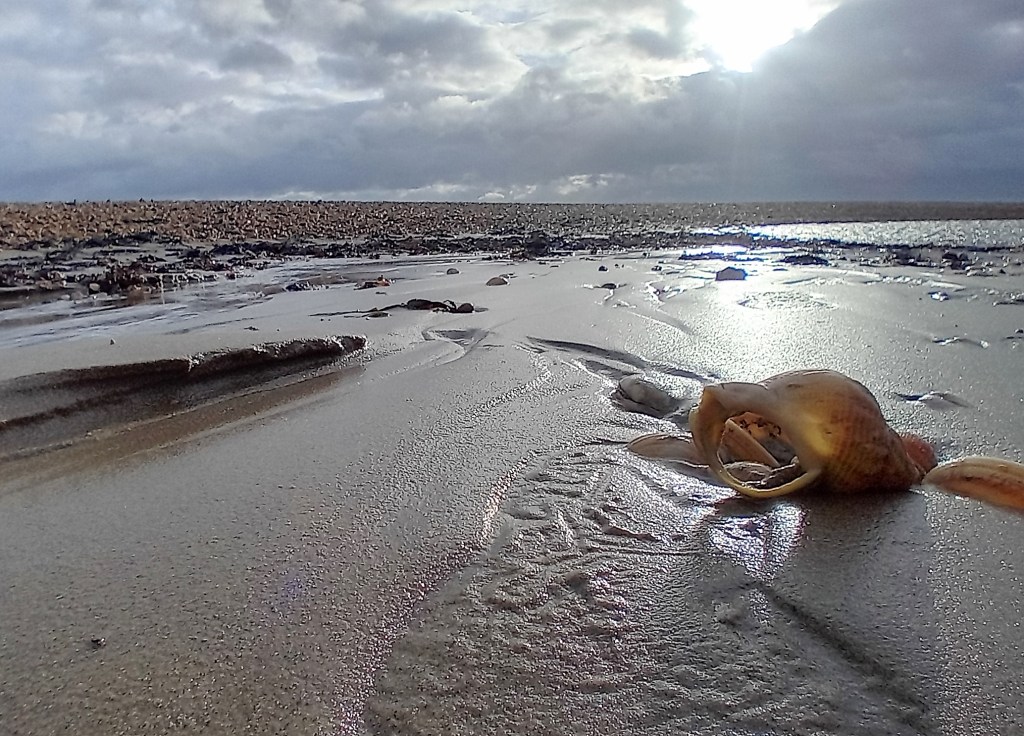
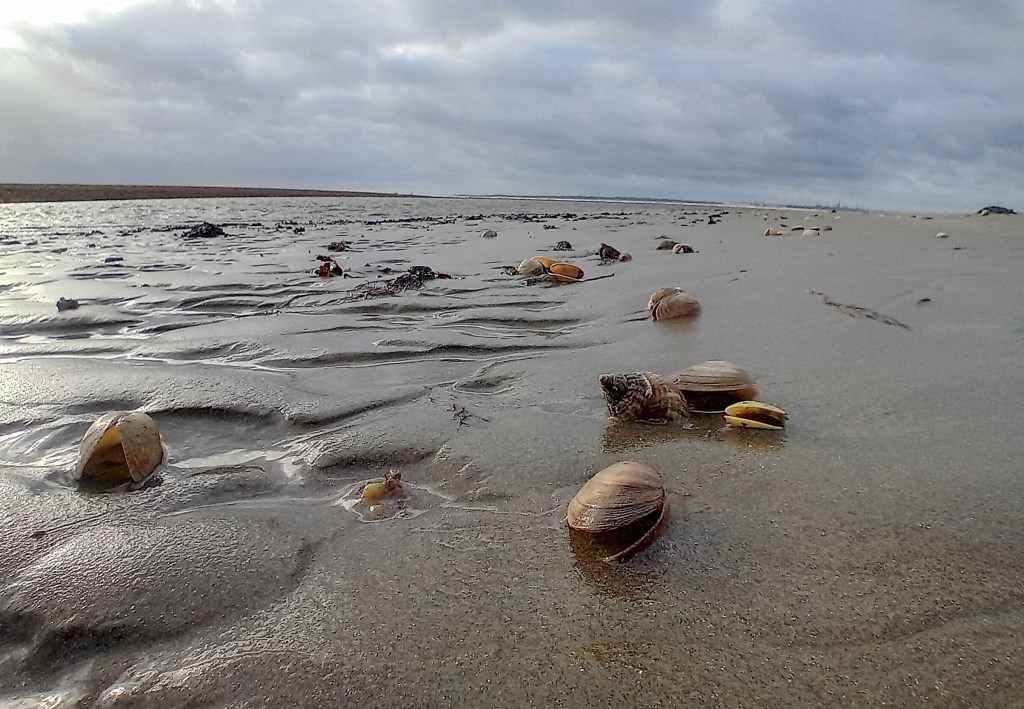
Commonly known as sea hares, The clade Anaspidea are medium-sized to large opisthobranch gastropod molluscs with a soft internal shell made of protein. Sorting out some memory sticks I came across these pictures I took at Meon Shore Beach in the summer of 2019. I have only ever found 2 of these interesting creatures and have not seen one since this sighting.
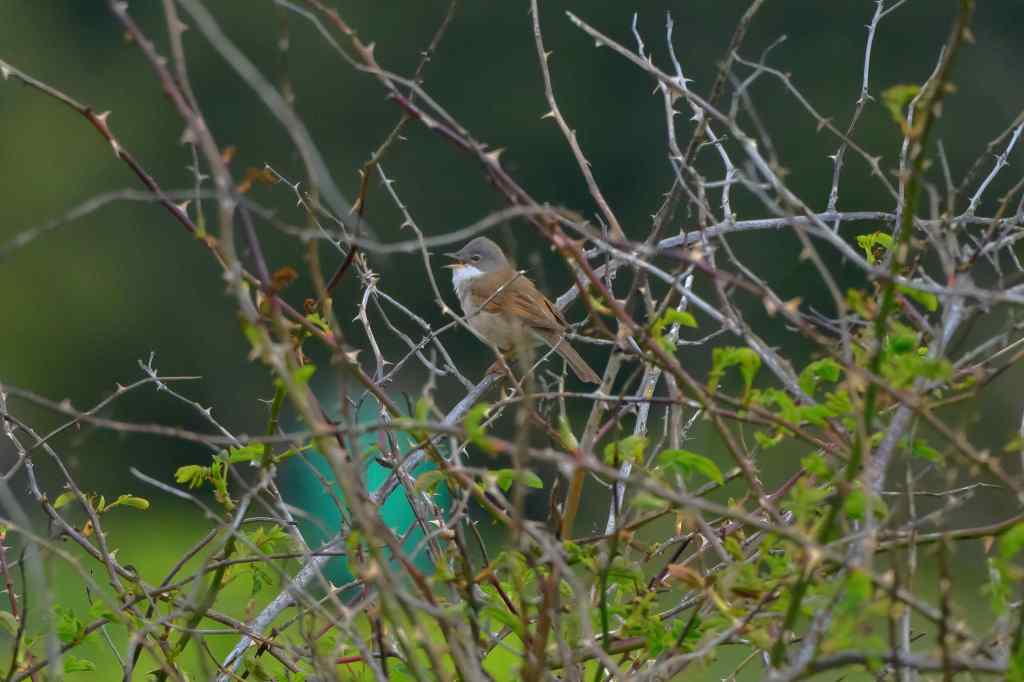
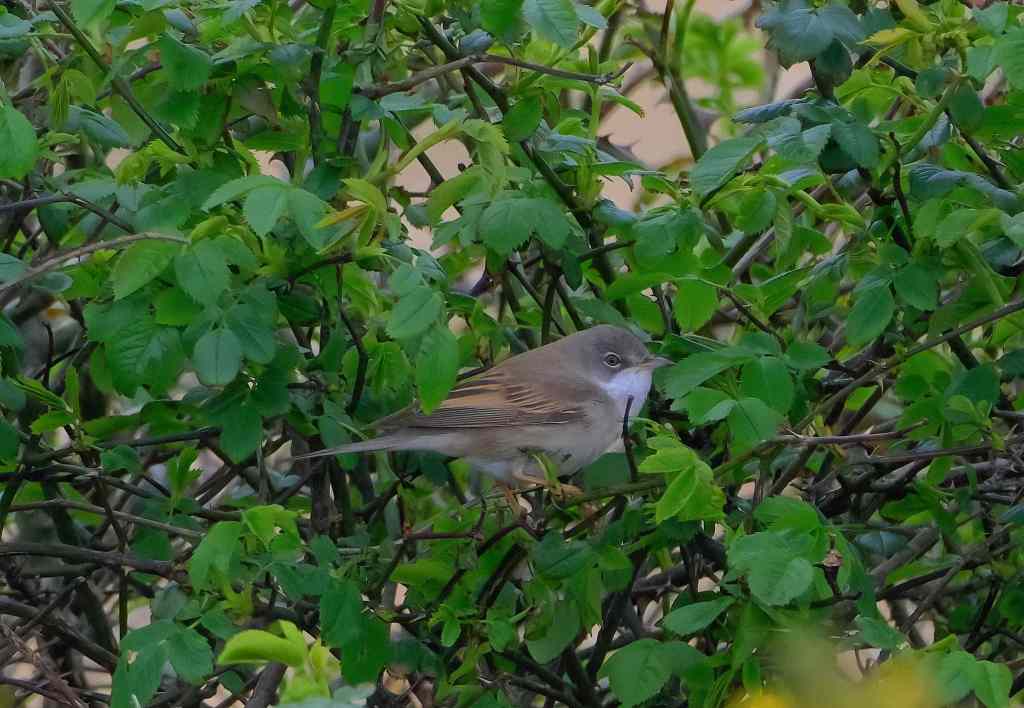
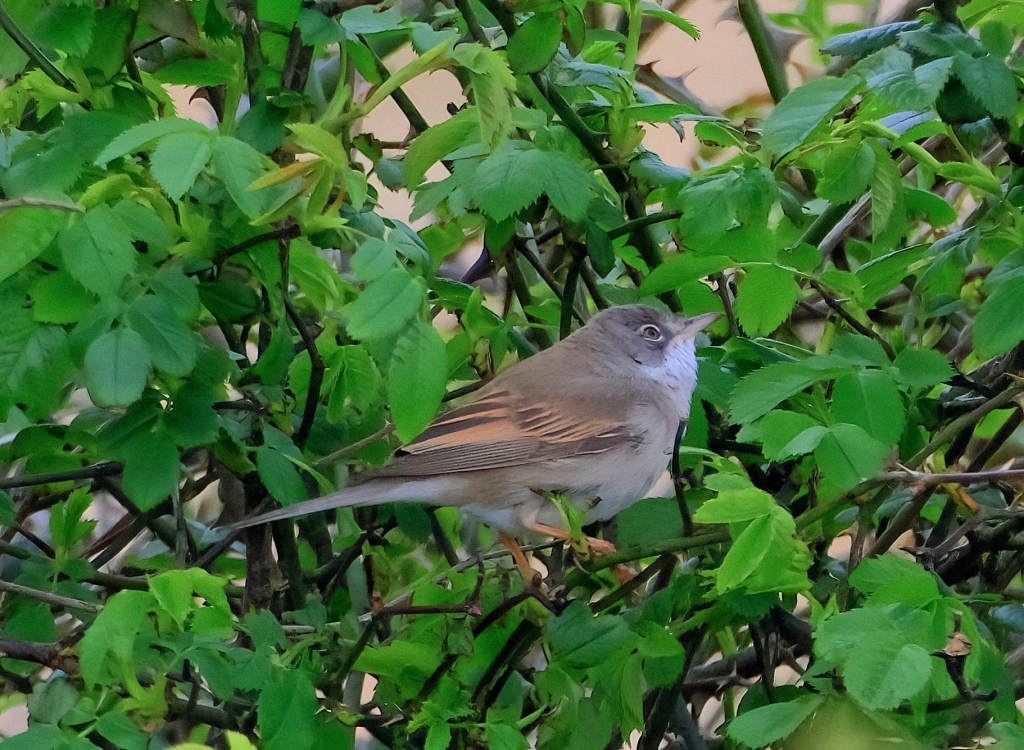
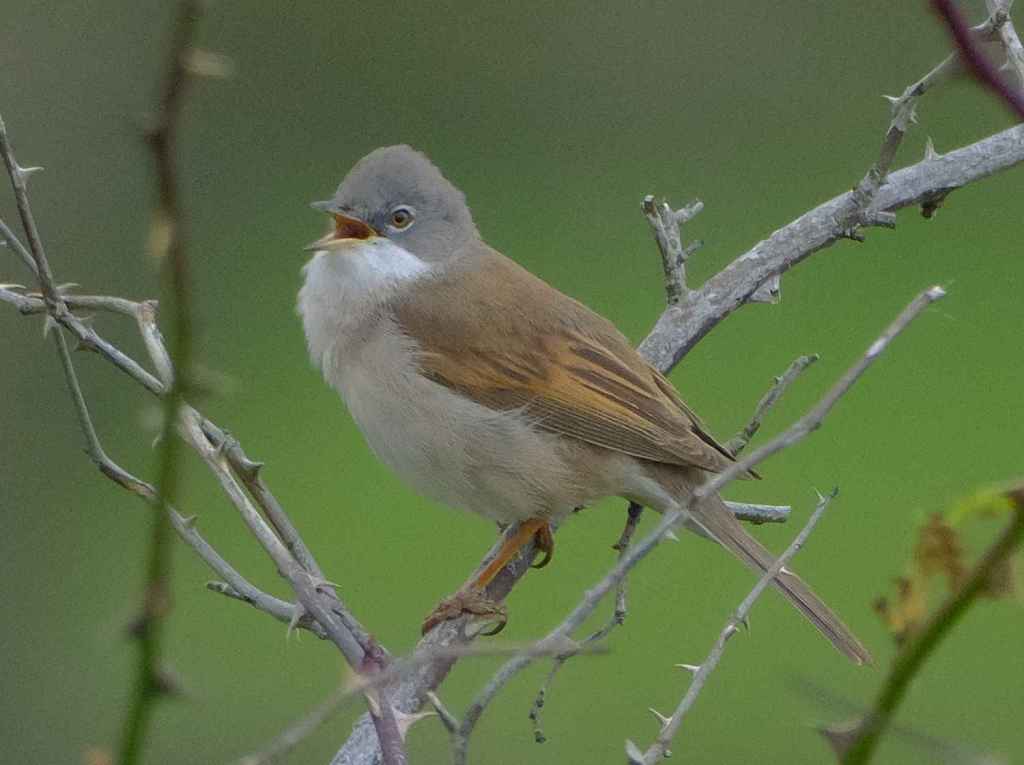
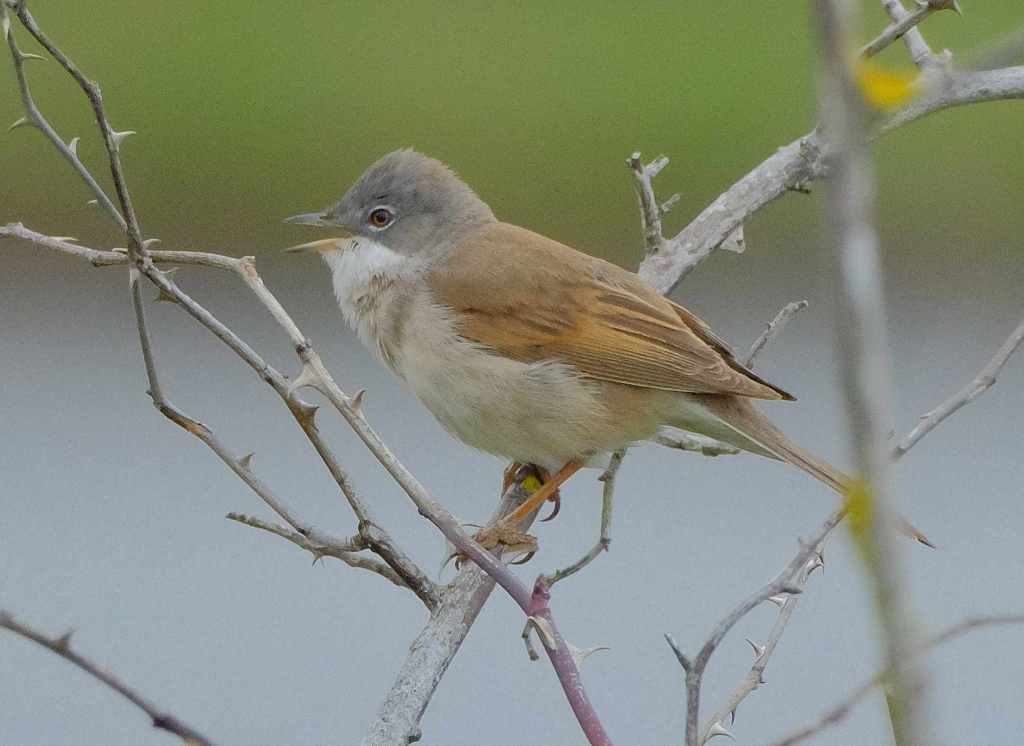
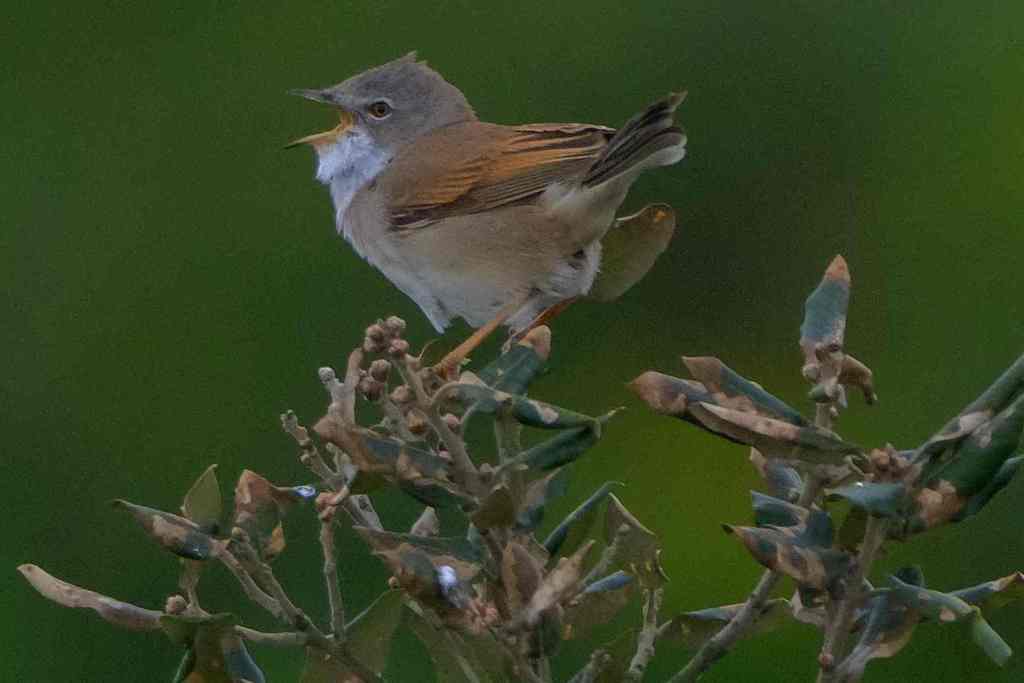
This bird is a summer visitor to the UK from Africa, this small, warbler frequents hedgerow and scrubby areas and can be seen singing from the top of bushes. They are here from April to October this bird was on the coast near Portsmouth.
Longshore drift is a geological process that involves transporting sediments such as single and pebbles along a coast parallel to the shoreline. It is dependent on the angle of the incoming wave direction. Incoming wind squeezes water along the coast, which generates a water current which moves parallel to the coast. Longshore drift is the sediment moved by this longshore current. This current and sediment movement occurs within the surf zone.
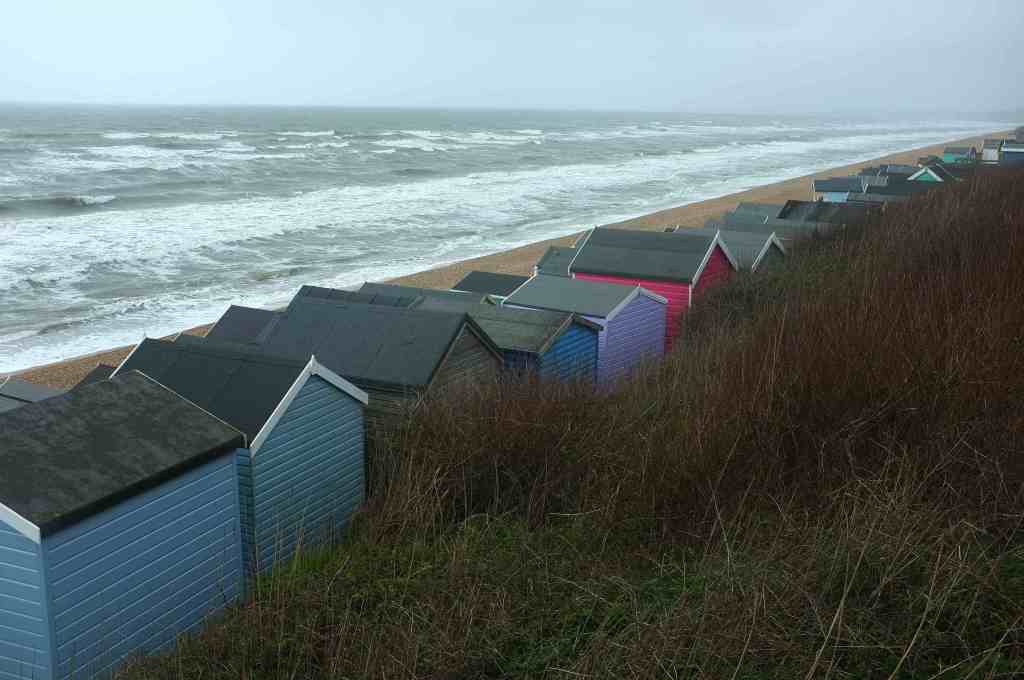
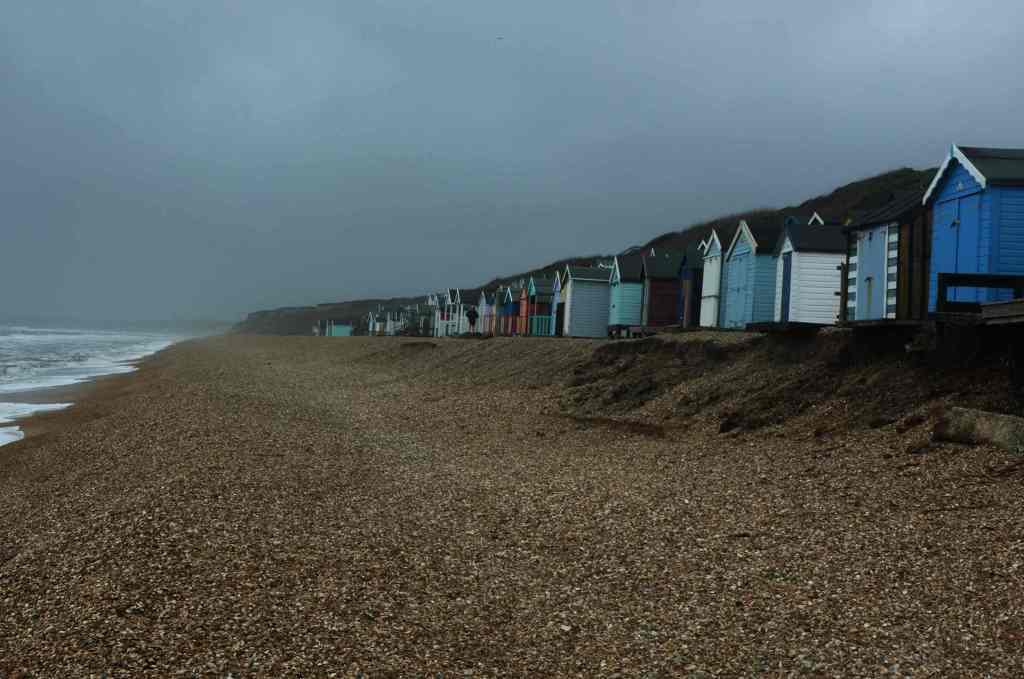
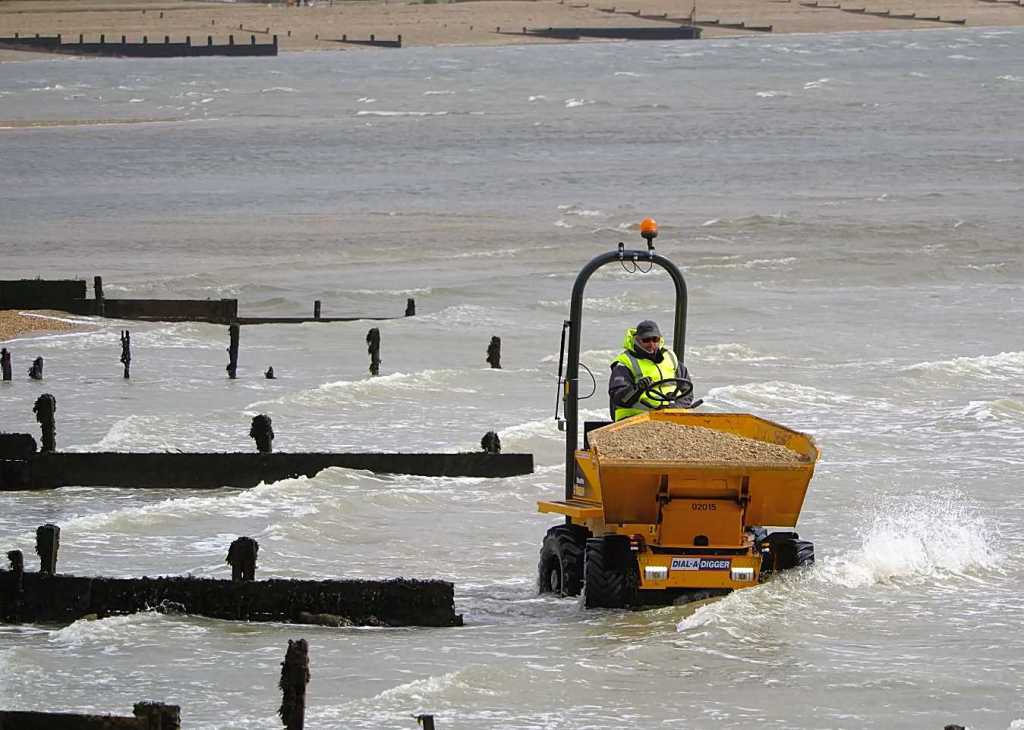
Longshore drift has happened along Meon Shore over the years I have watched the shoreline change with shingle spits changing and growing and the beach make-up changes as the shingle size changes. Wooden groins slow the currents and help stop erosion. The small harbour at Titchfield Haven entrance gets blocked up as stones and sand get dropped in that area as the currents slow and can not hold their weight as they slow. This week the sailing club has been moving the shingle back from the harbour mount to fill in the area on the spit that is being eroded with it.
A day out is not complete without some nature watching.
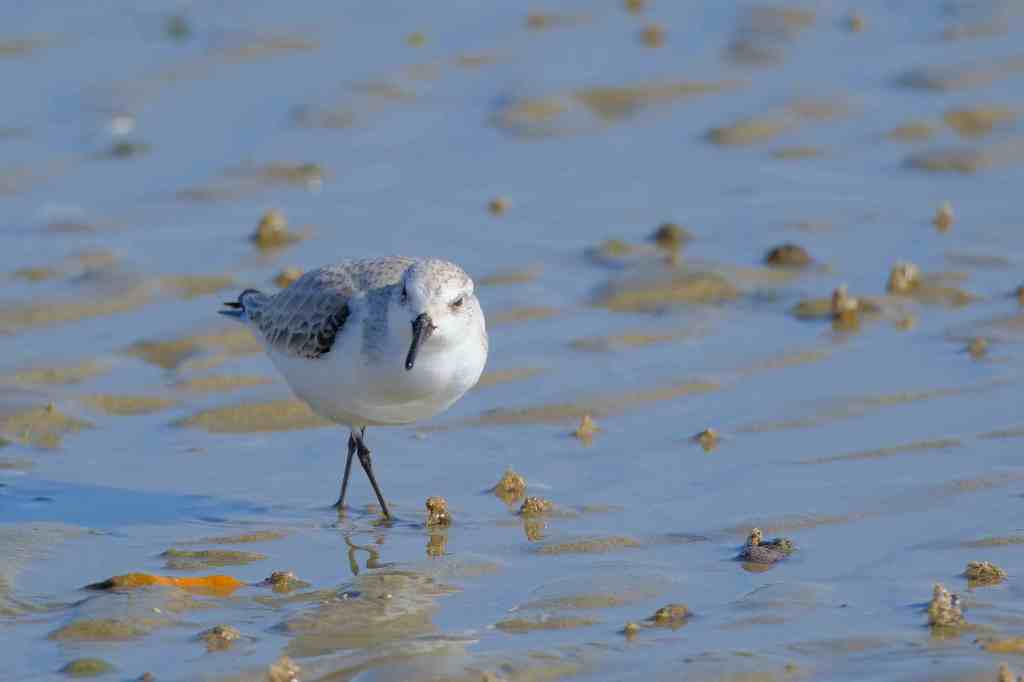
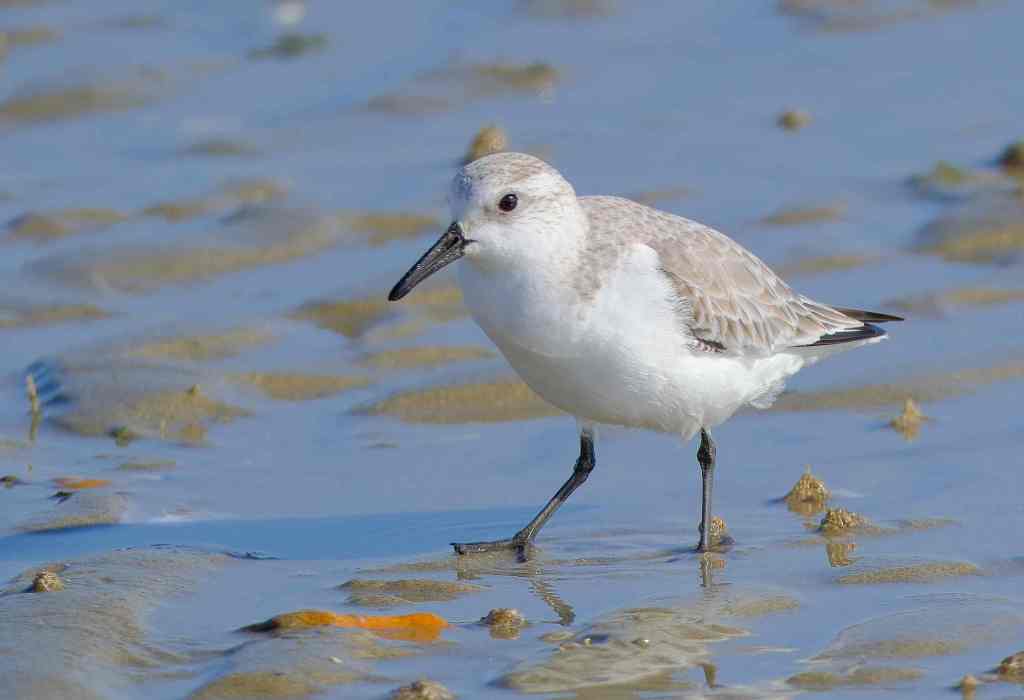
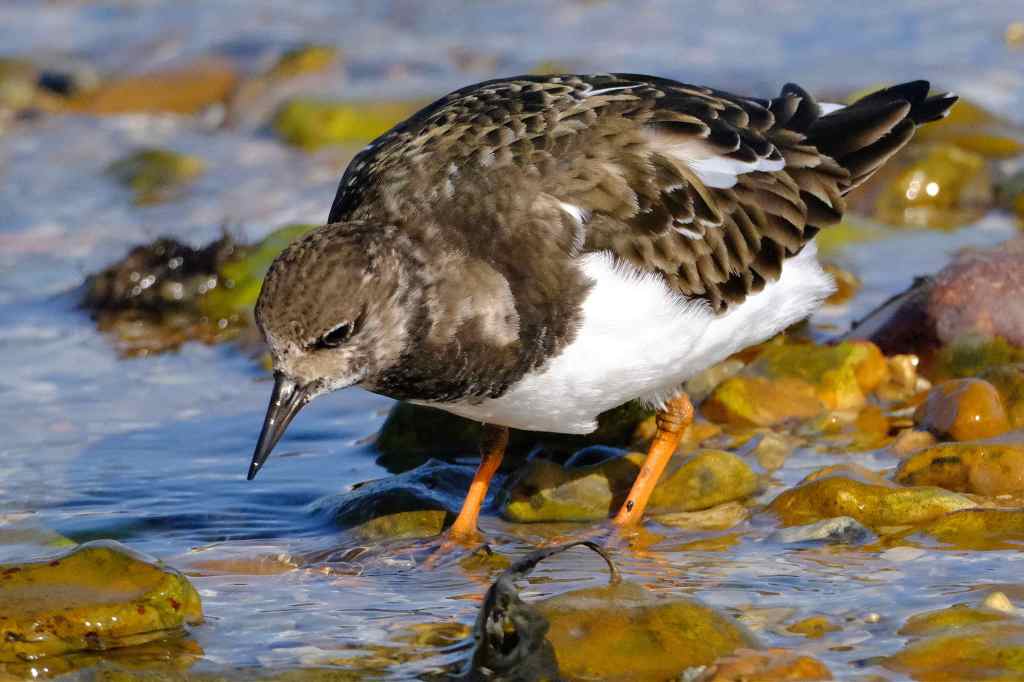
Today was a bright sunny day that made it a joy to be by the sea at Lee on Solent, paddling in the retreating tide all be it in Wellington boots!
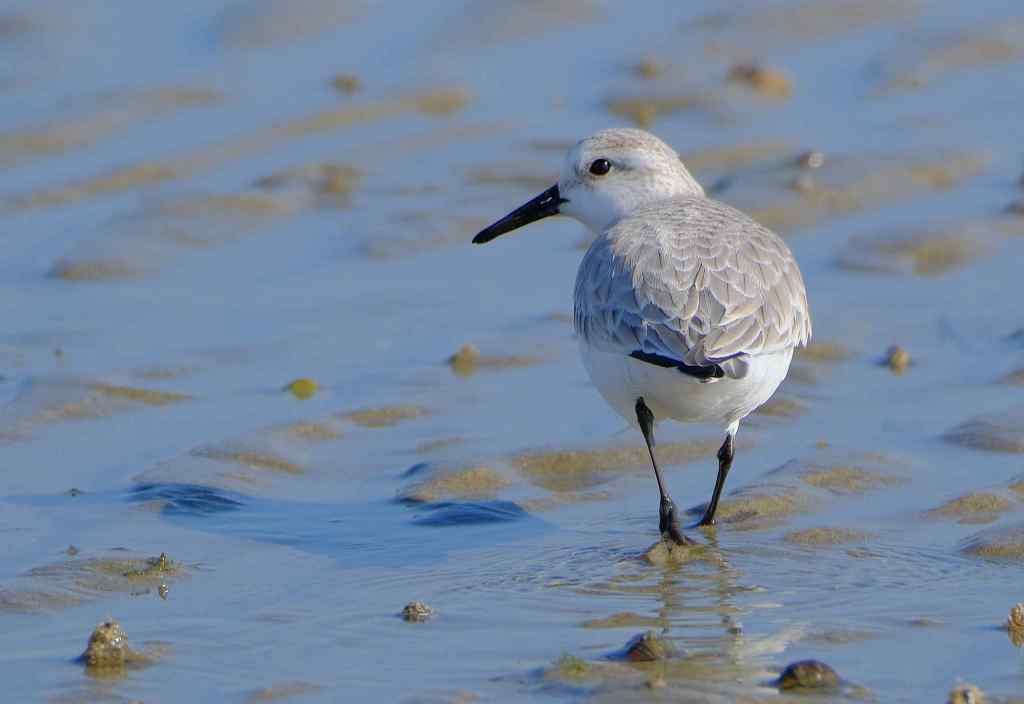
The Sanderling looks great in the sunshine.
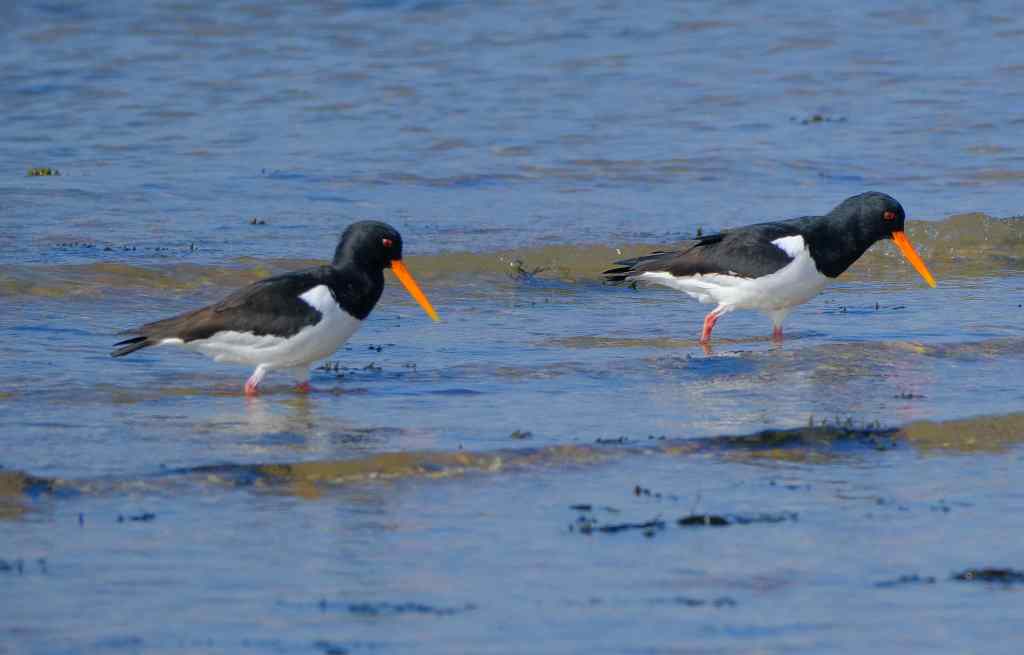
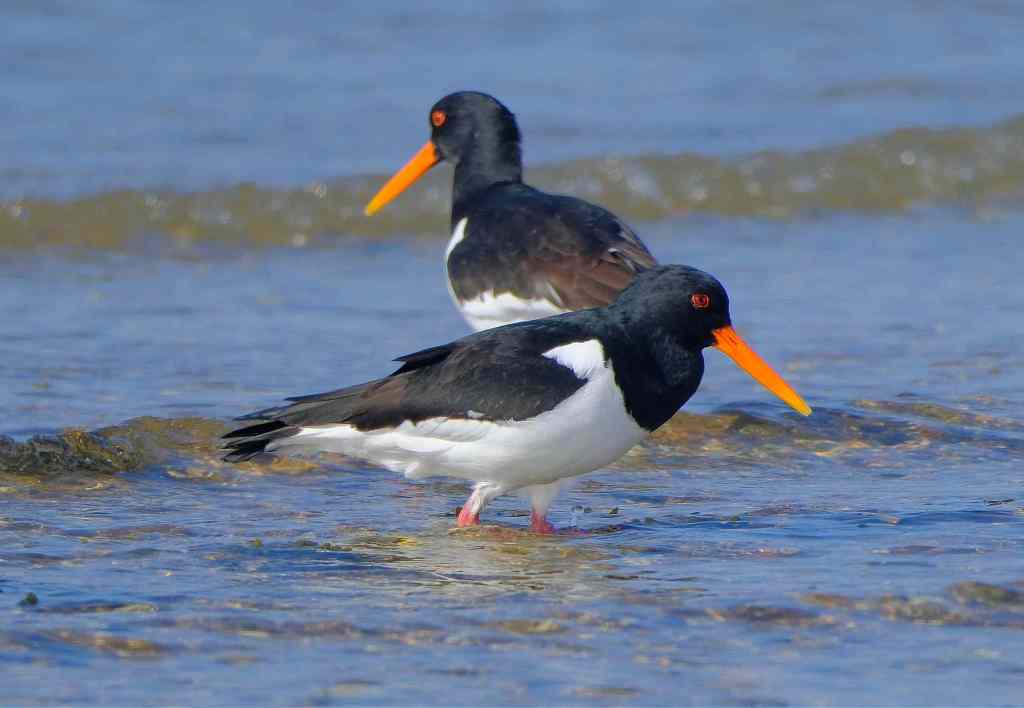
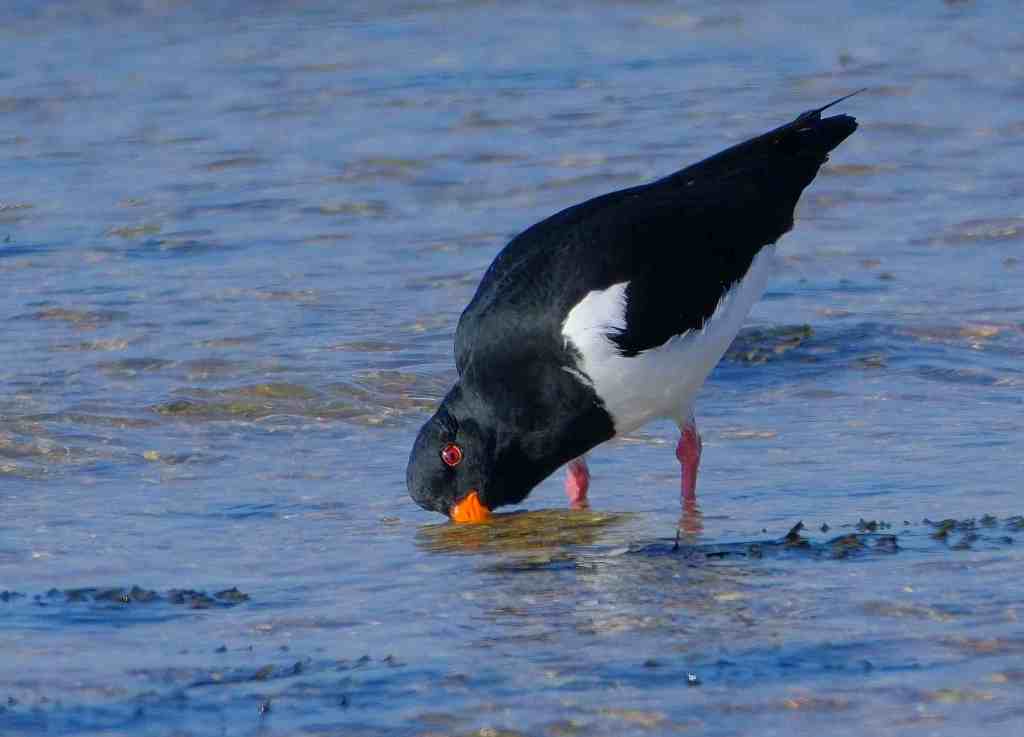
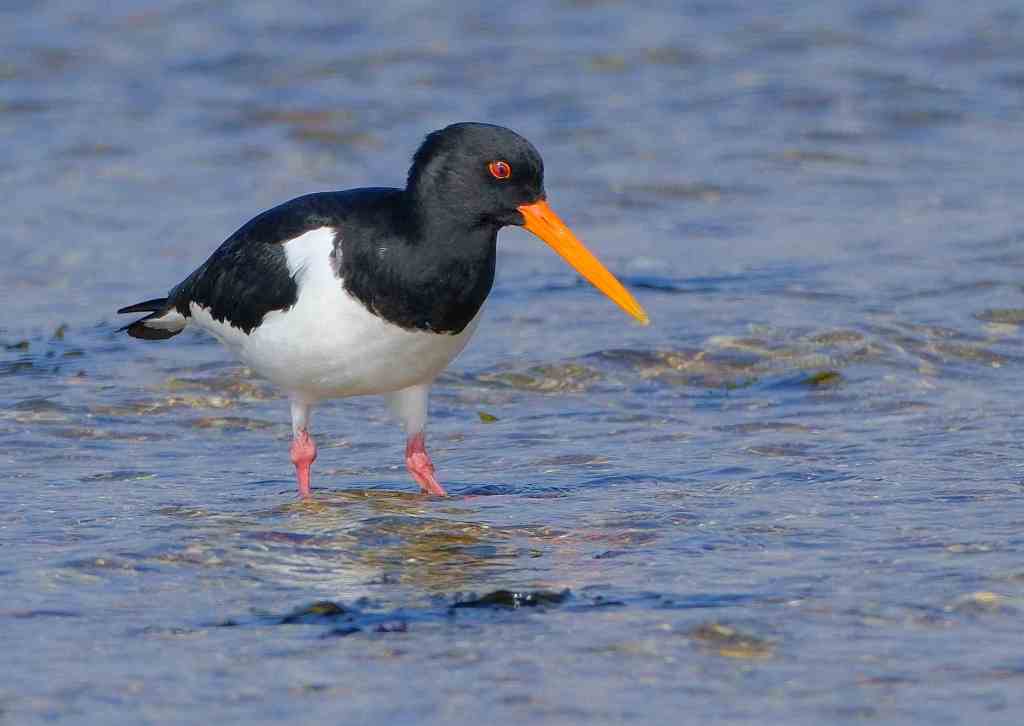
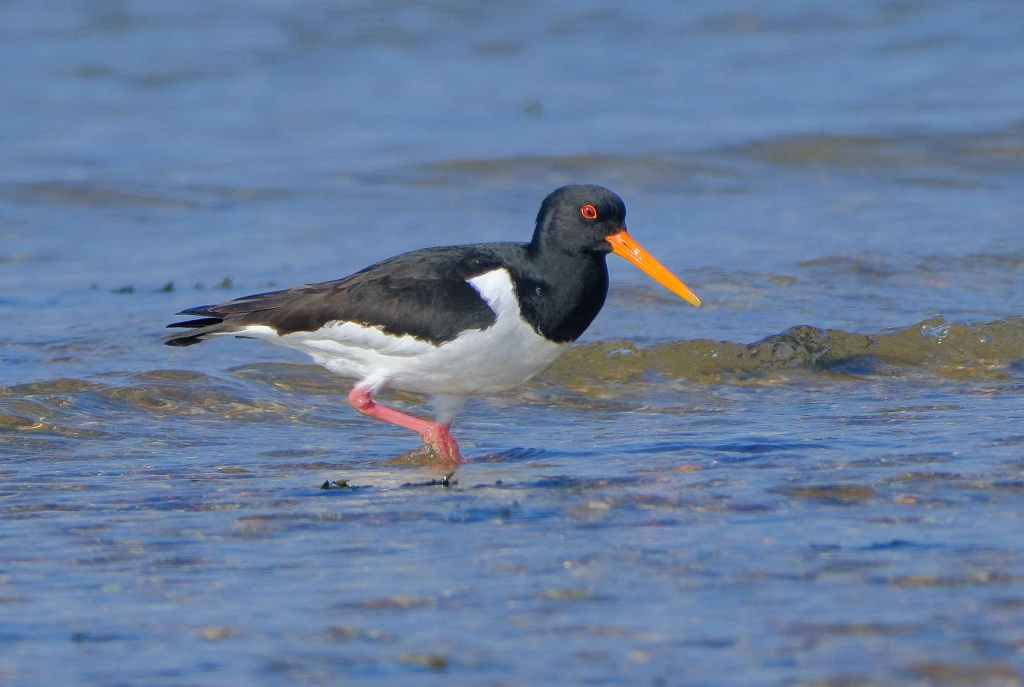
When the tide is in the Oystercatchers roost on the island within Titchfield Haven Nature Reserve. As the tide starts to fall they take off and move out to the beach and follow the tide as it goes out. When the tide turns and starts to come in they make their way back to the reserve. Without looking at the tide table I knew the tide was going out as when I arrived the Oystercatchers were flying out.
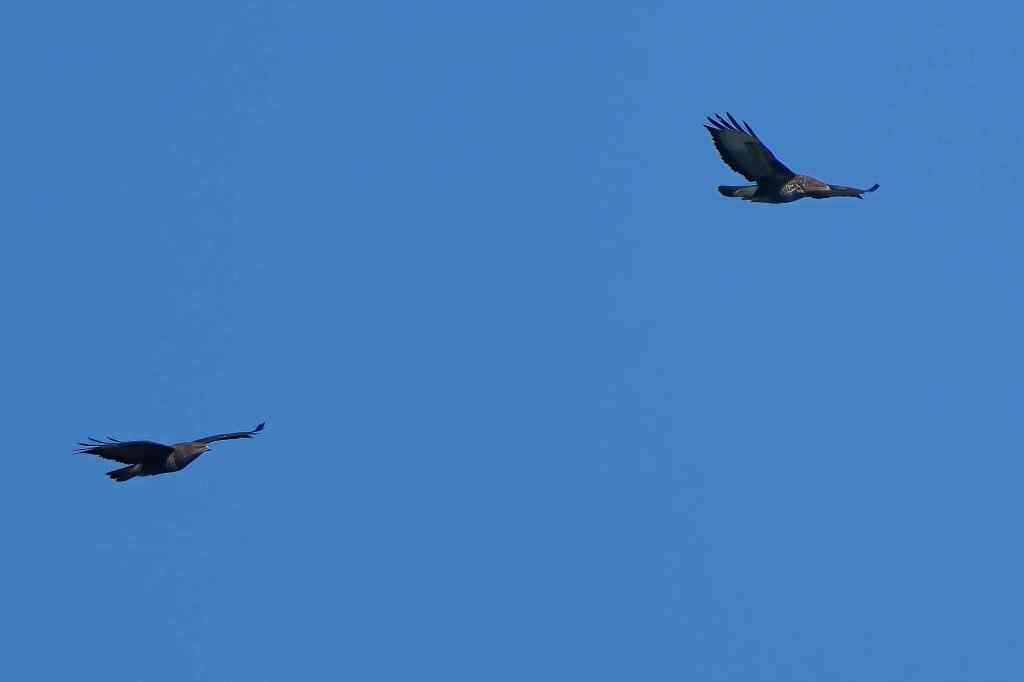
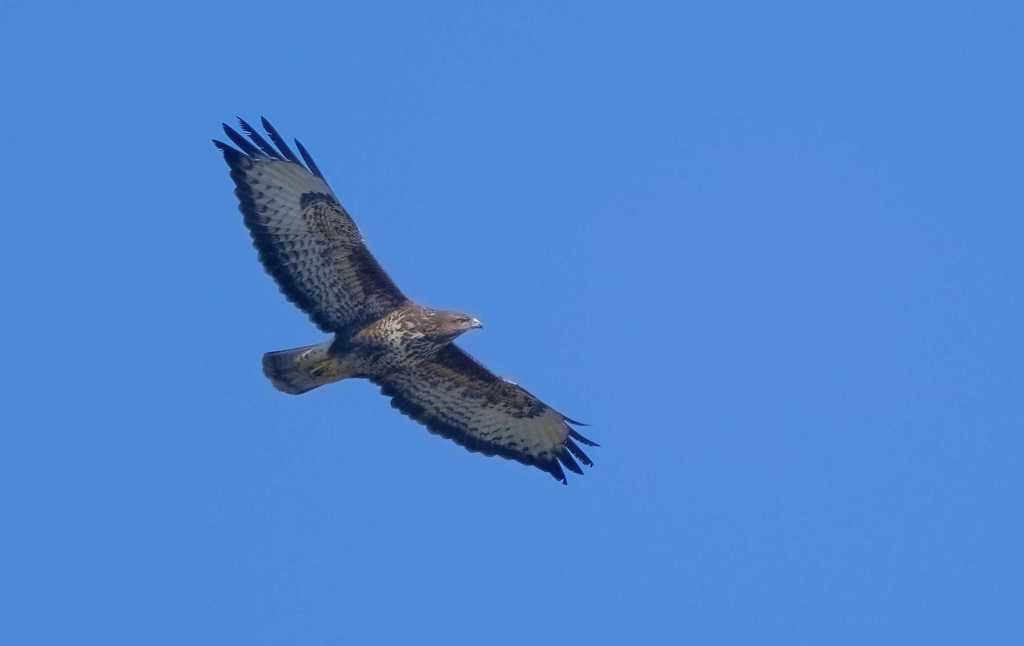
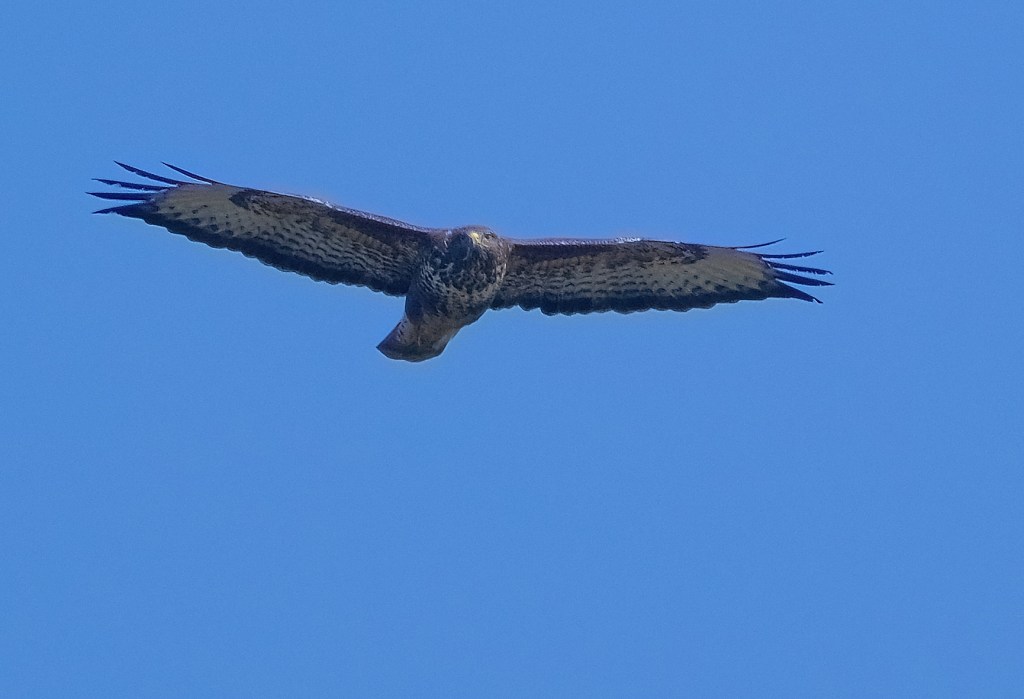
4 Buzzards were circling – I have noticed these high soring groups of Buzzards group together at the start of the breeding season the 4 birds were soon joined by 2 more. 6 was quite a sight. 50 years ago to see a Buzzard I would have to travel to Exmoor in the West Country to see a Buzzard. These large birds of prey have quadrupled in number since 1970. Their wingspan is around 4 feet.










 Continued Reflections from my World.