Heathland.

Today’s post is back to my current photographs. A walk across some of the heathland in the New Forest, lots of Orchids in flower – I am not a plant expert, and a lot of the Pink Orchids look very similar, and they also hybridise. I think these are Common Spotted Orchids, but I am happy to be corrected.

A nice specimen of Oyster Mushroom growing on an old tree.

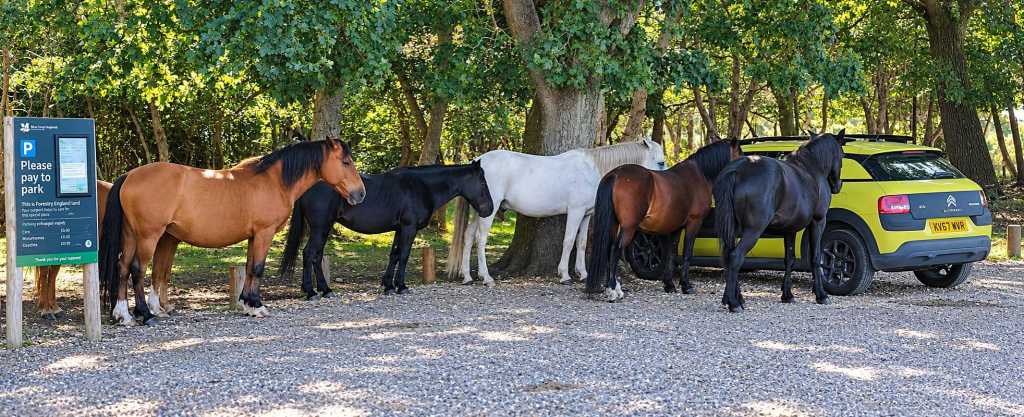
Now that we are into June, lots of foals have been born, both ponies and donkeys.

Numerous Cuckoos were both seen and heard on our walk, but all too far off to film. The highlight spot of the walk was several Redstarts. A summer visitor, the male is a handsome bird which is pinky-red below with a black face, silvery-white forehead, grey back and striking red tail. They were formerly classed as a member of the thrush family, but are now known to be a flycatcher. 

Hot Day.

An early start up on the South Downs before the sun gets too high, especially as it looked like we had another hot day ahead, with some good light early as well for photographs.

Yellowhammers were fairly abundant before it got too hot. The yellowhammer is a passerine bird in the bunting family; it is a bird of farmland.

Brown Hares.

Red Legged Partridge.

Baby Rabbits.

Red Kite.

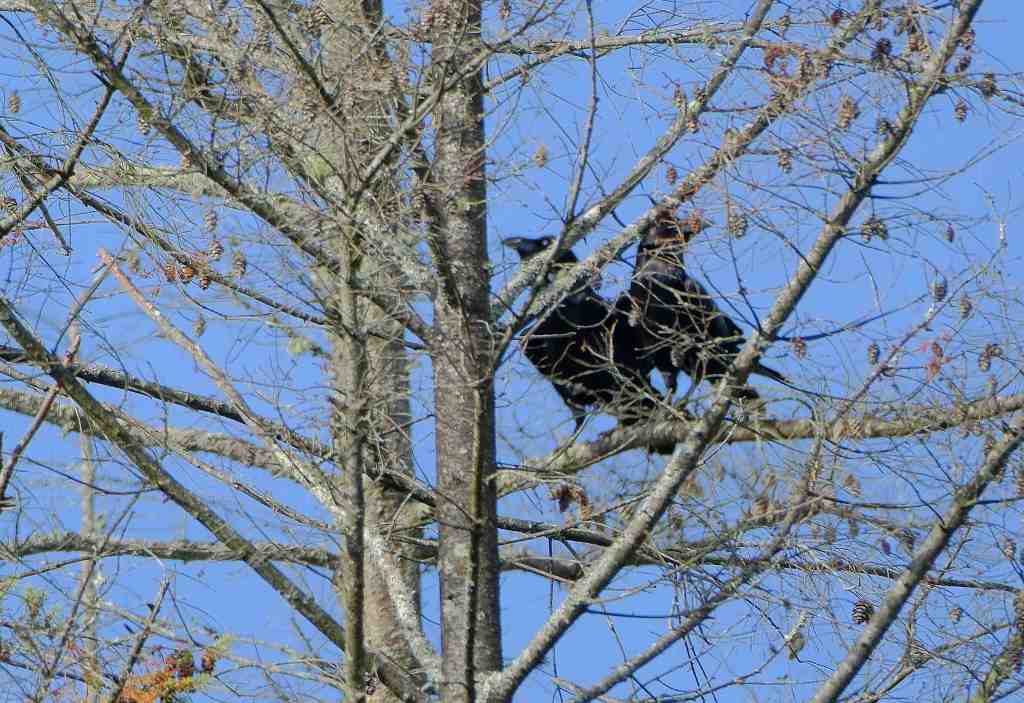
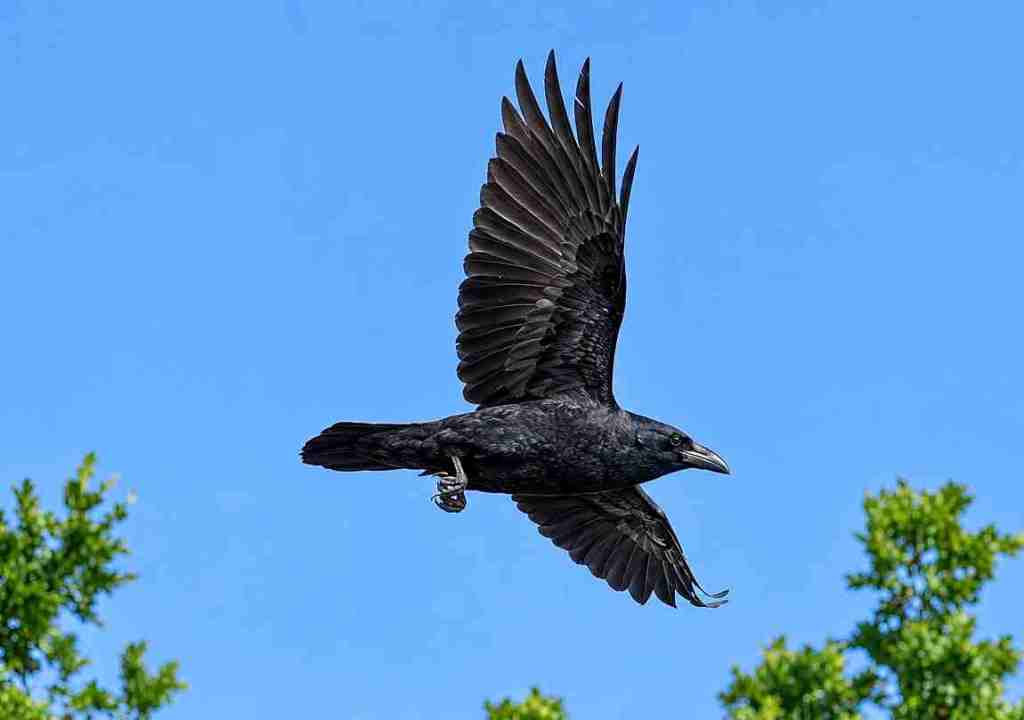
Crow.

Woody!

Great Spotted Woodpecker, New Forest.

Here in the UK, we have three resident woodpecker species.

1, The Great Spotted is the most common.
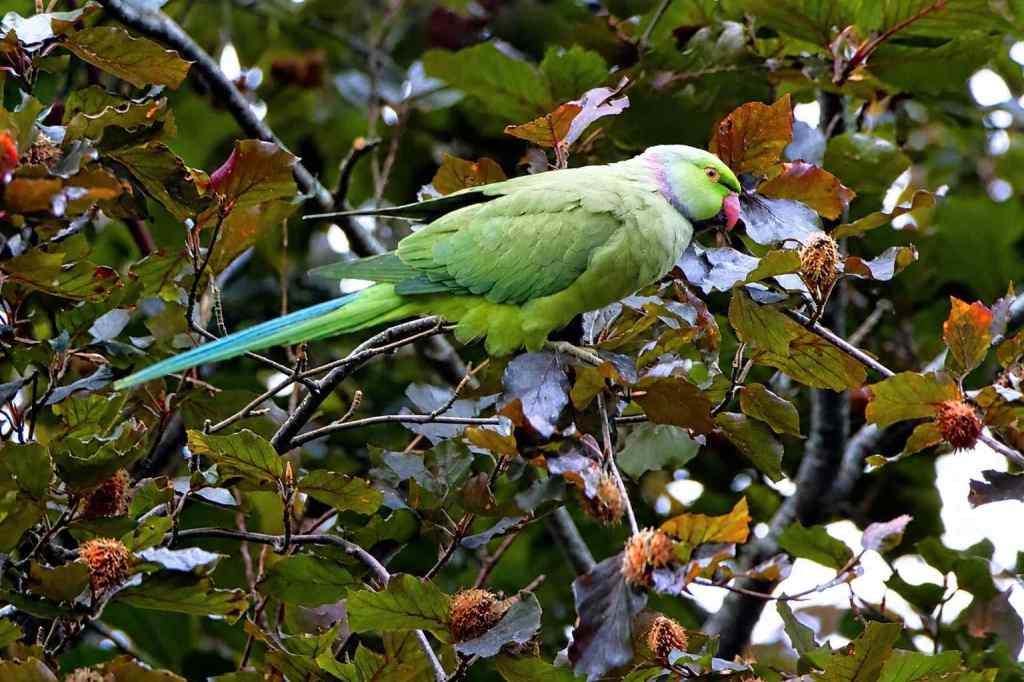
2, The Green Woodpecker.
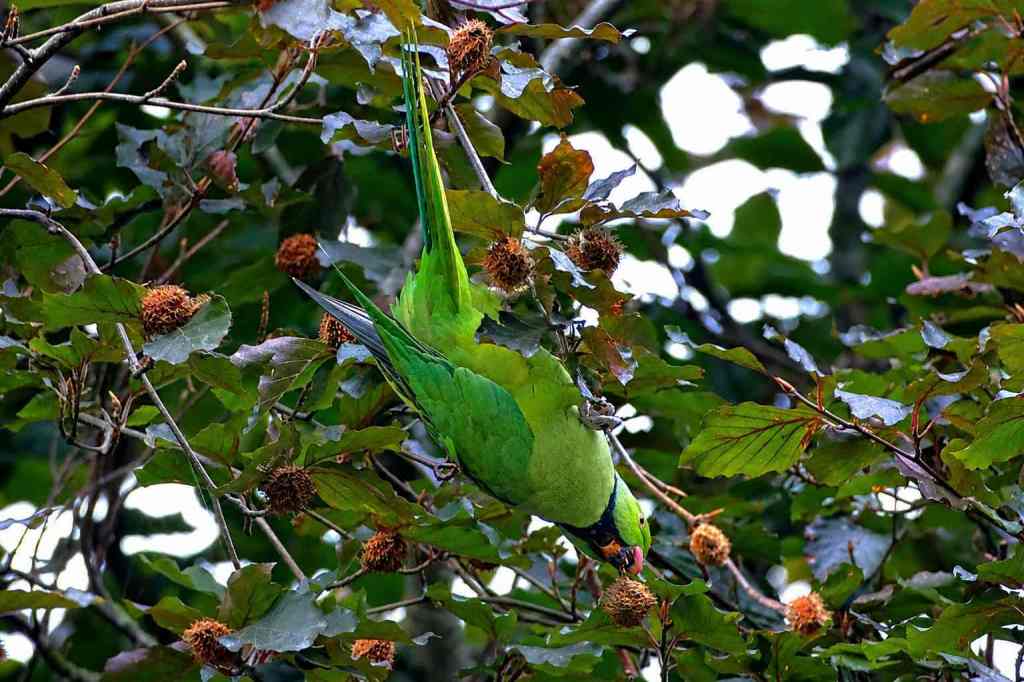
3, The Lesser Spotted Woodpecker.

Humbugs.

black-and-white-striped, an old-fashioned boiled mint sweet.

Great Crested Grebe family – checks effectively known as “humbugs” due to their black and white stripes, are doing well on a local pond.

Return.

After Thursday’s visit to Swanick Lakes, we returned today for a longer walk. The site is 36 hectares. 

Clay has been extracted in the area since the late 19th century, with the first pit dug on the site in 1948. When extraction finished in 1974, woodland developed over much of the reserve.

I filmed a Great Crested Grebe on a lake. The interesting part was when the bird spotted an insect, likely a dragonfly, and caught it, which I had never seen before. It was also nice to film how the bird lowers its crest before diving.

Lake side.

A short visit to Swanwick Lanes this afternoon, Swanwick Lakes, once clay pits for a Burseldon Brickworks, now a mixture of woodland, lakes and meadows. A nature reserve managed by Hampshire & Isle of Wight Wildlife Trust since 1991.

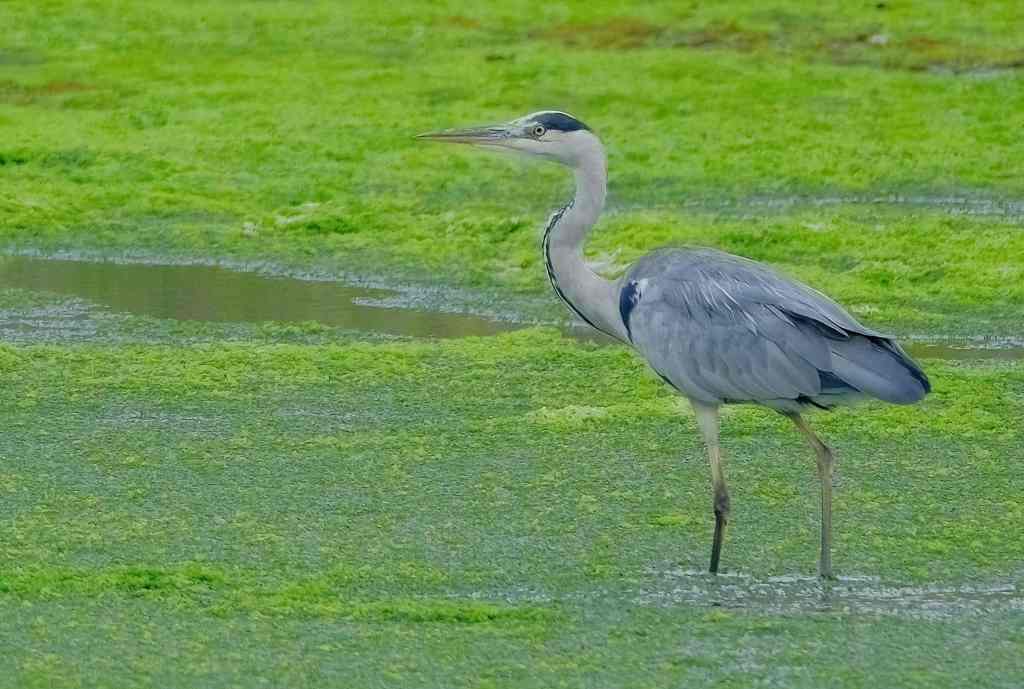
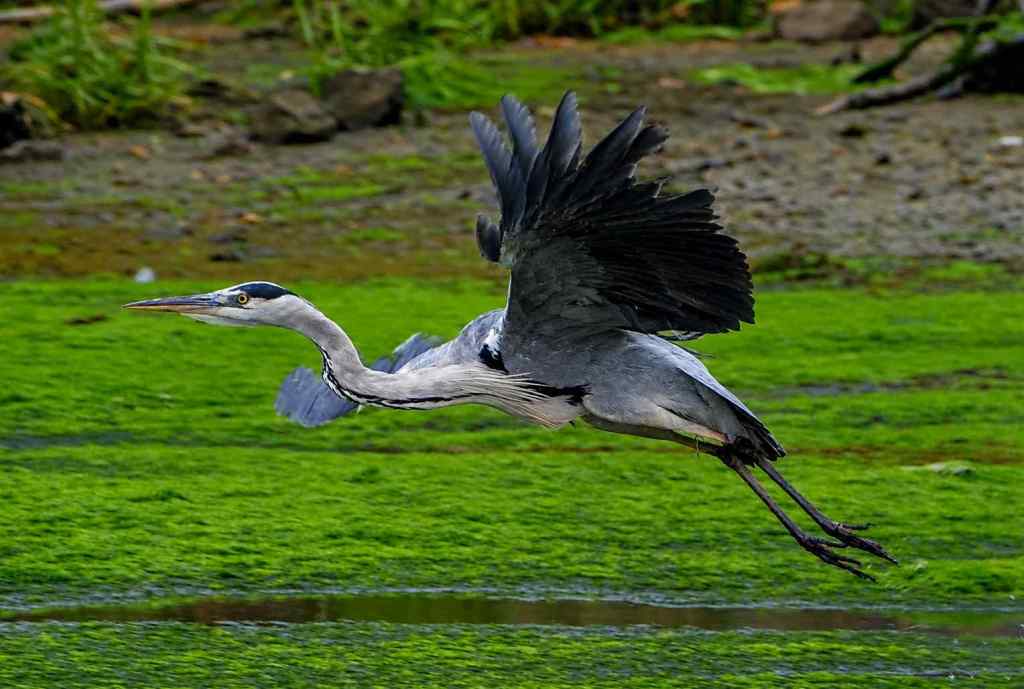
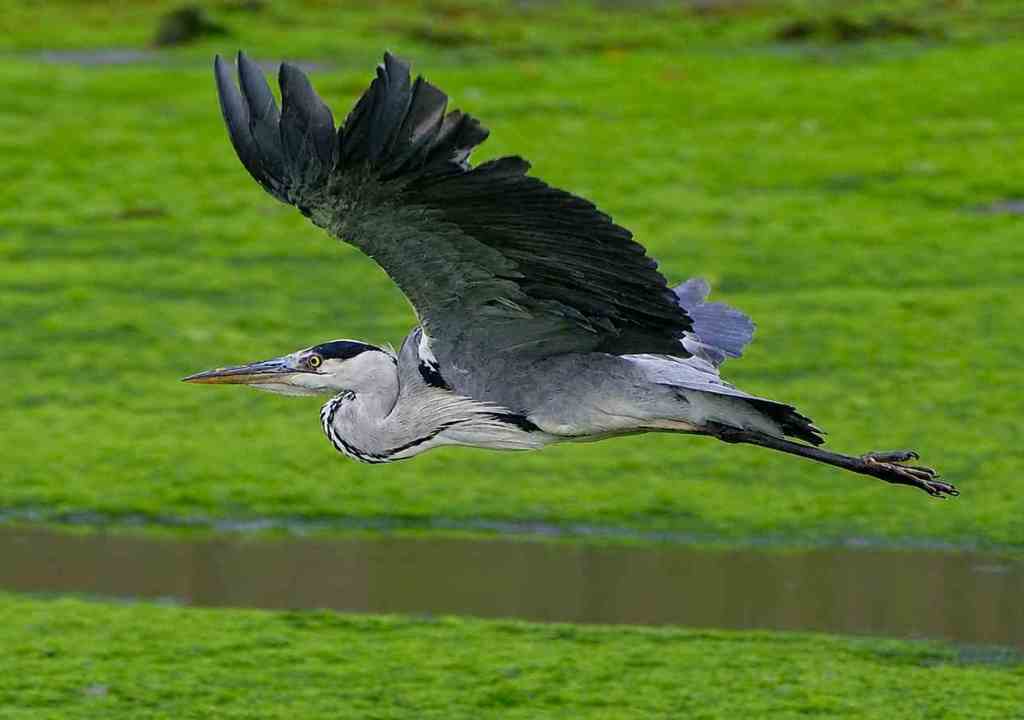
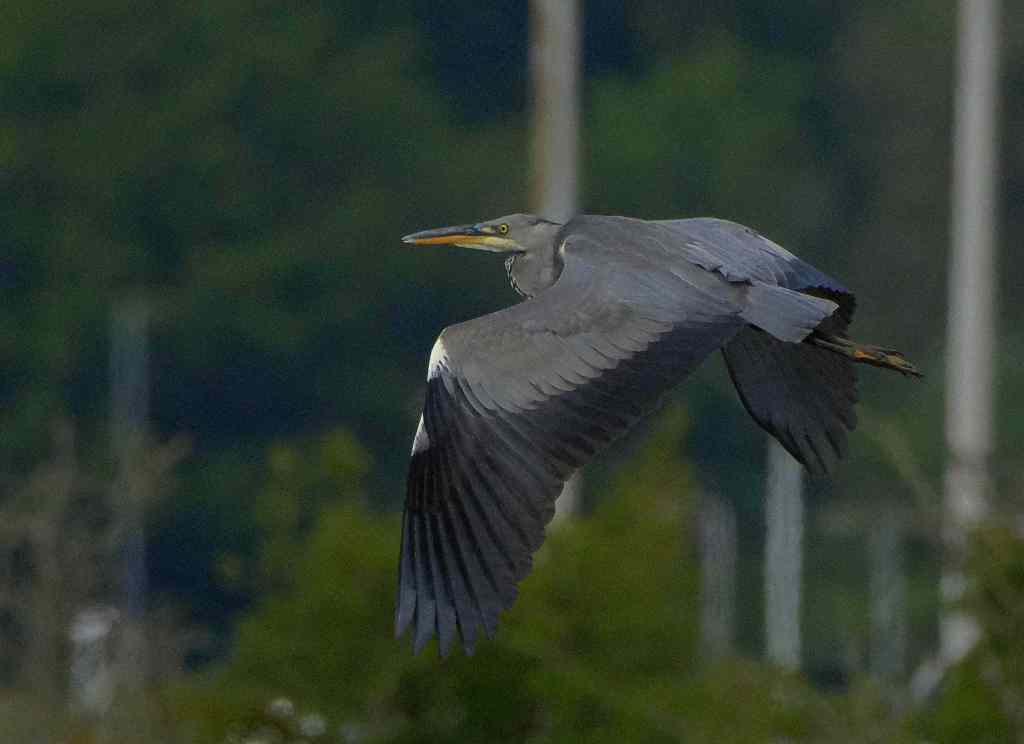
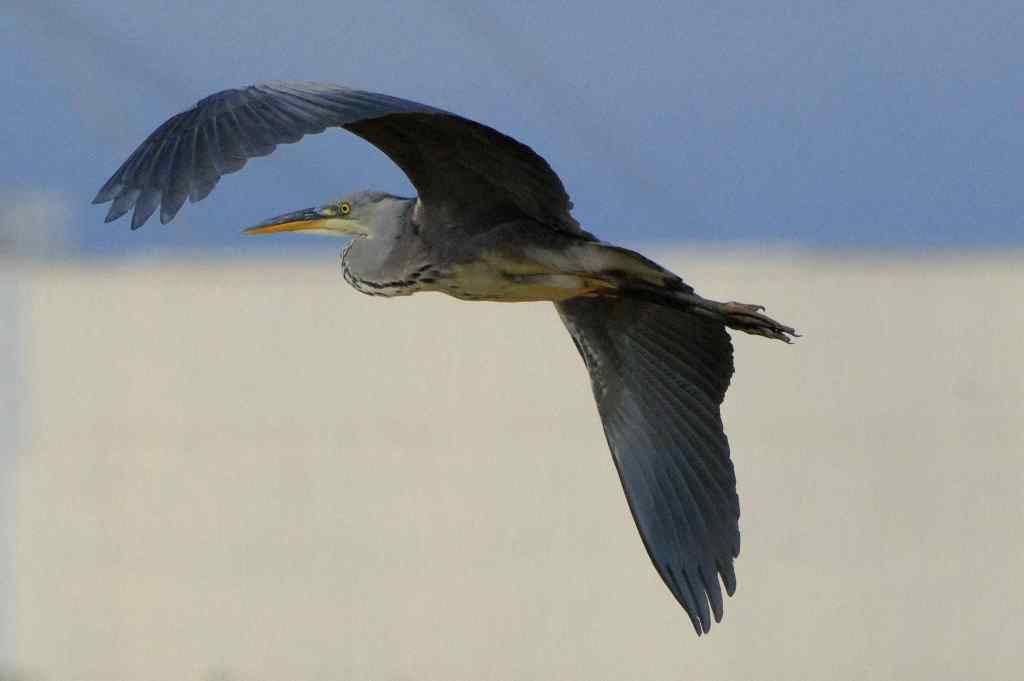
Grey Heron.

Coot.

Canada Goose.

Greylag.

Moorhen.