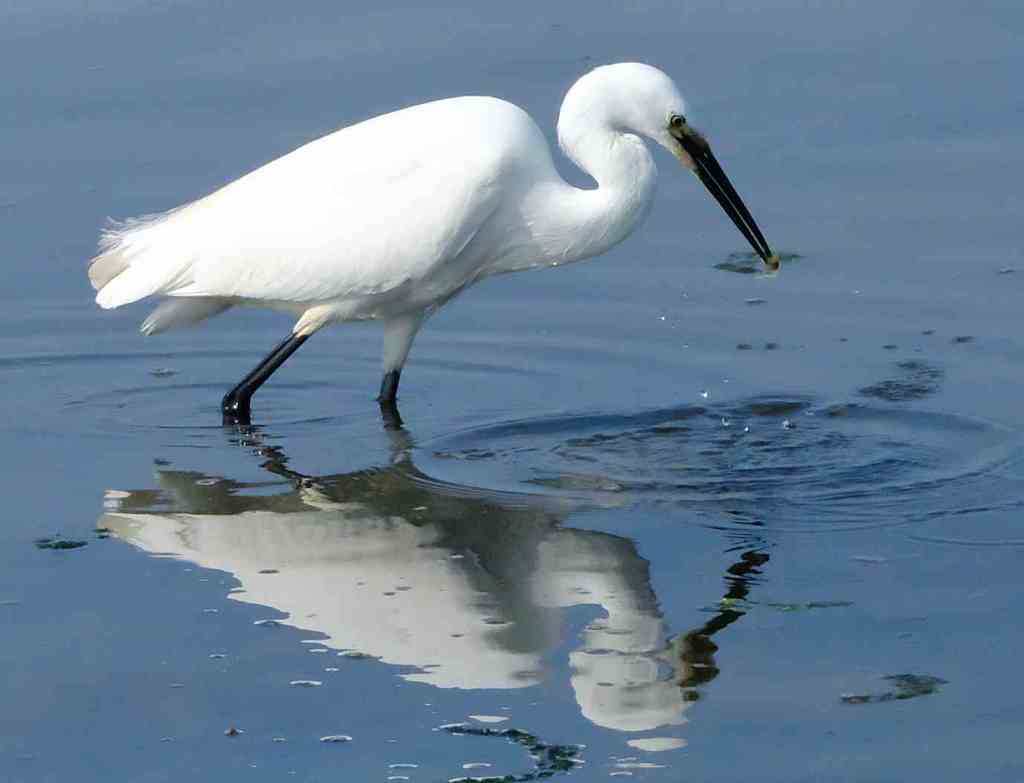
Over 80 birds at Titchfield Haven and a joy to watch. Jut a few pictures from today visit.


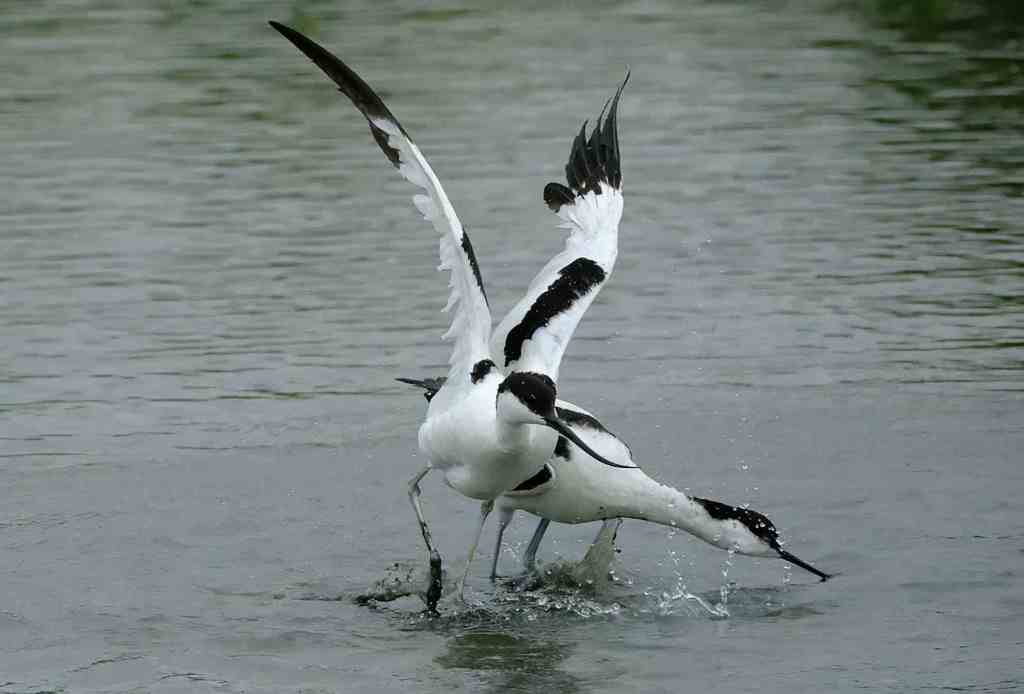
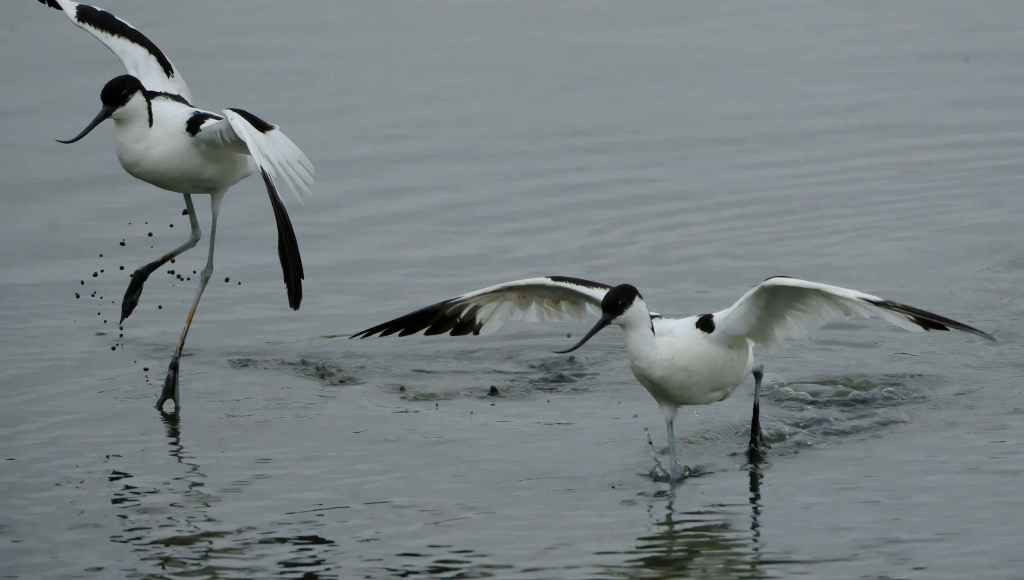

Over 80 birds at Titchfield Haven and a joy to watch. Jut a few pictures from today visit.
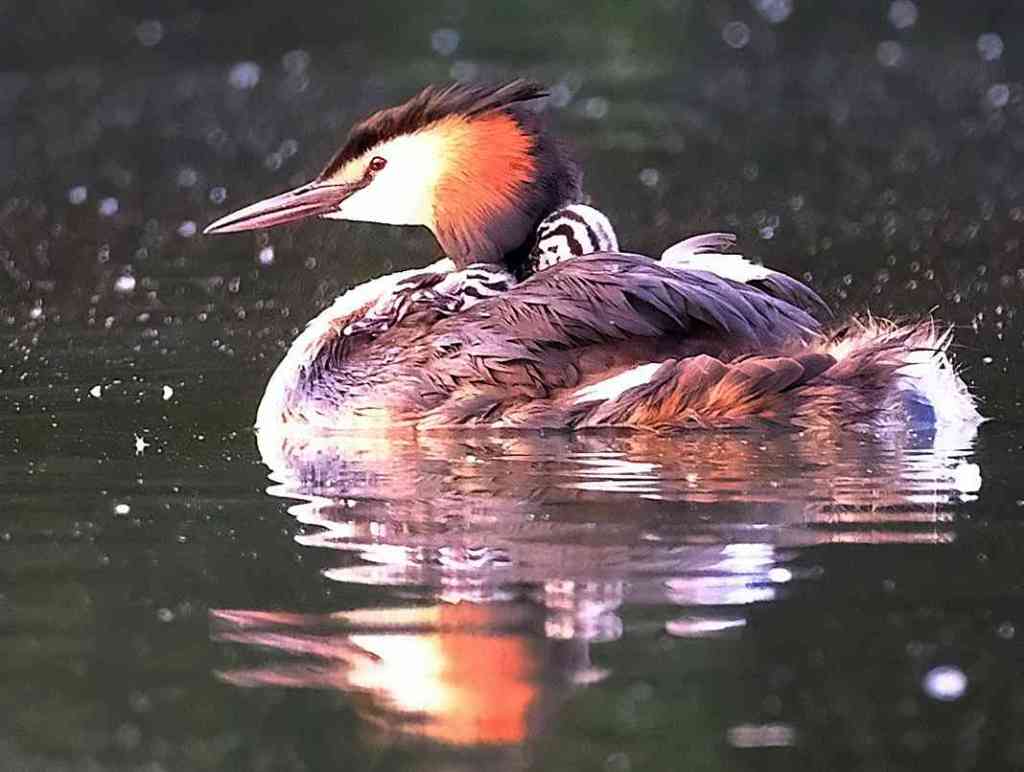
Another visit to see how the Great Crested Grebe family is doing. All four chicks have grown over the last week. Mum and Dad are both looking after the chicks who are spending more in the water rather than on the backs of their parents.
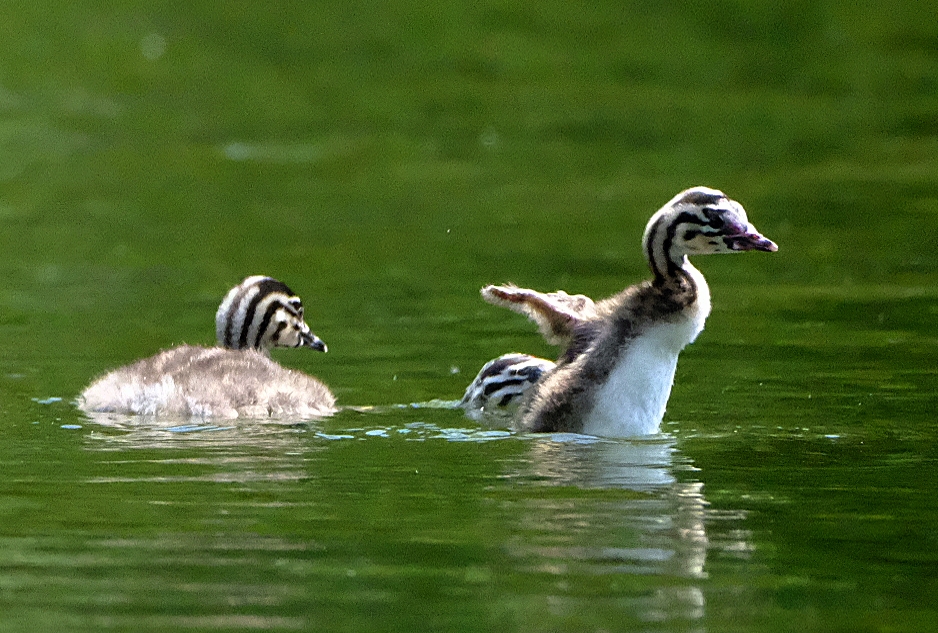
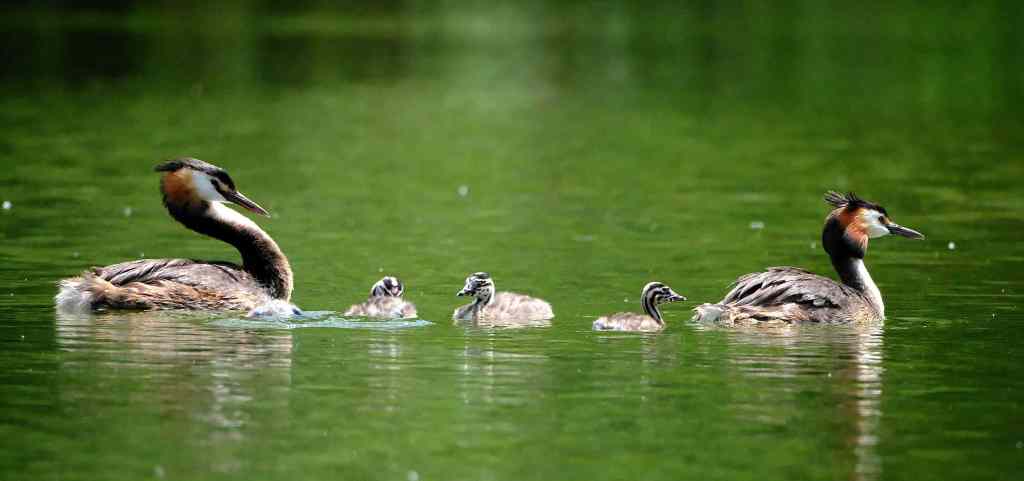
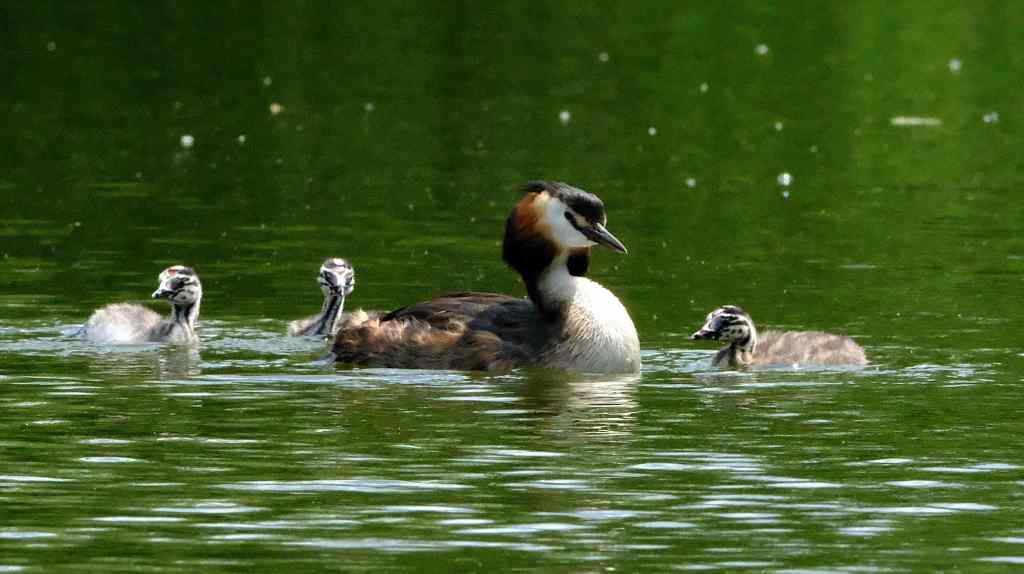
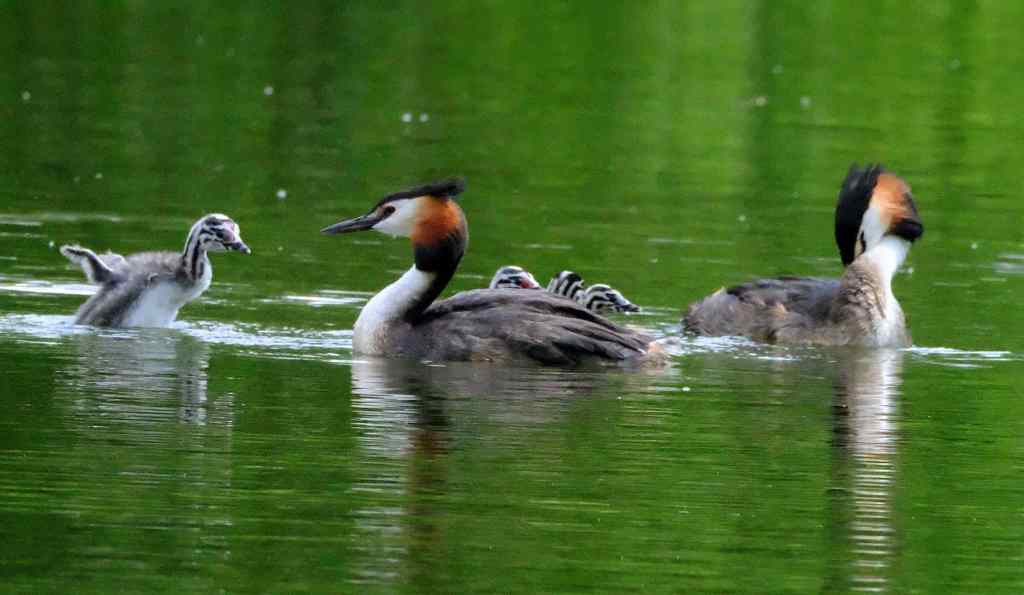
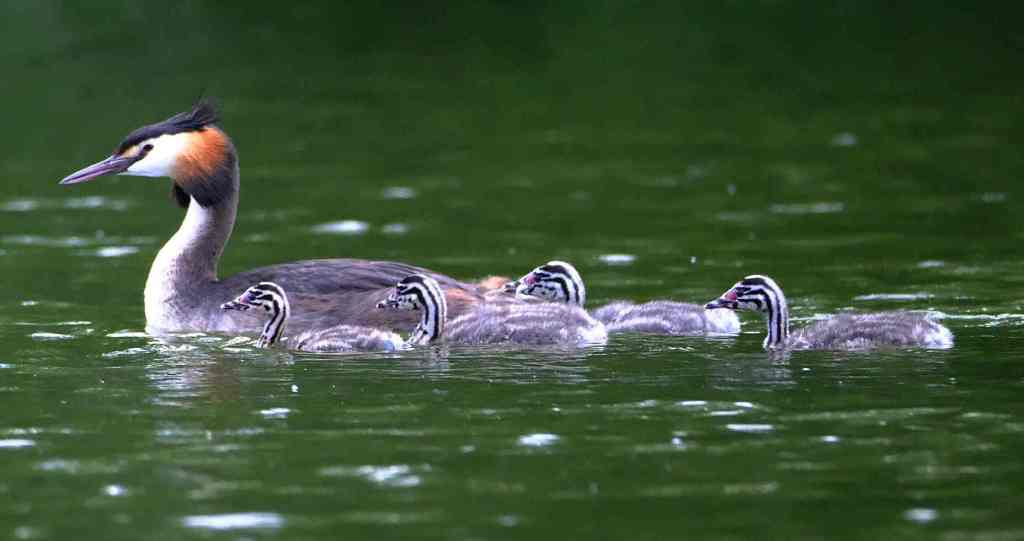
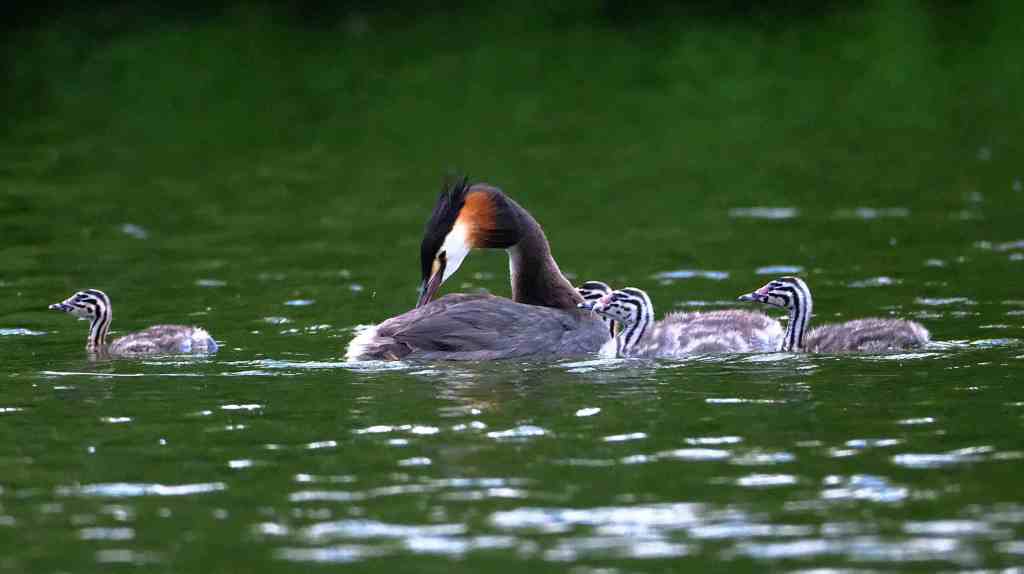

#Wordless Wednesday

By 05.30hrrs this morning we were watching the Great Crested Grebe family.
Both parents work together to support the chicks.
Grebe regularly eats its own feathers, which form a plug in their stomach, this acts as a filter, holding fish bones until they can be digested; the parents also feed feathers to their chicks you can see this in the video.
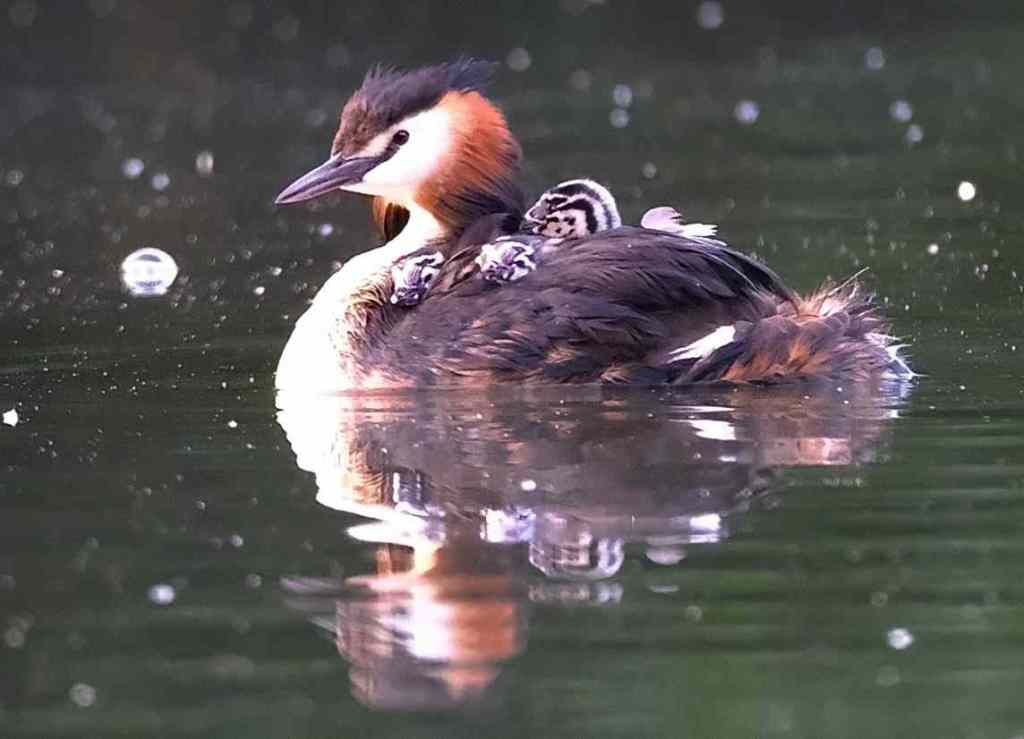
The video film is filmed in slow motion – it is fairly long but it does show some interesting parental behaviour.
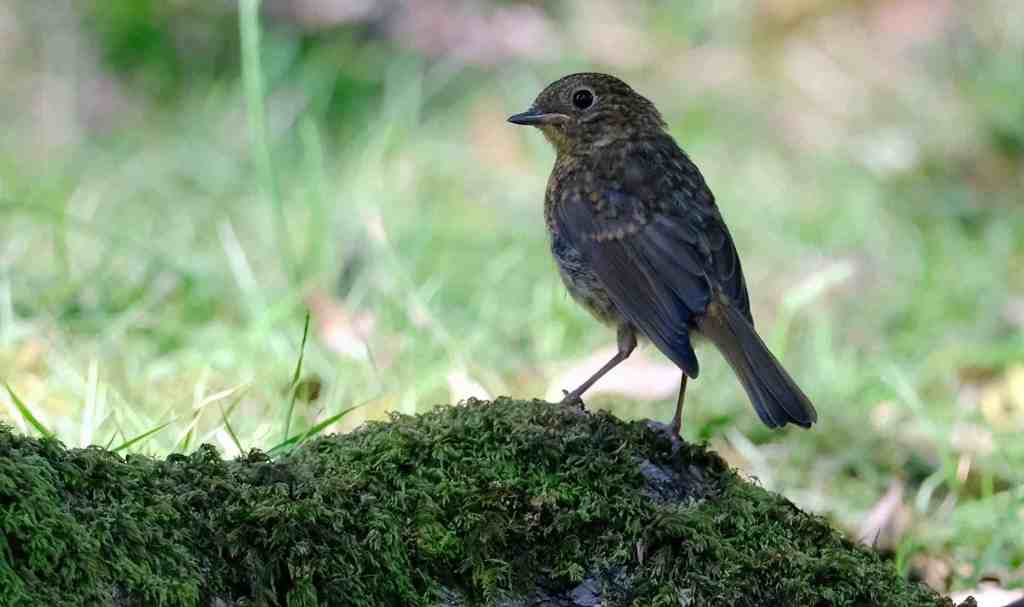
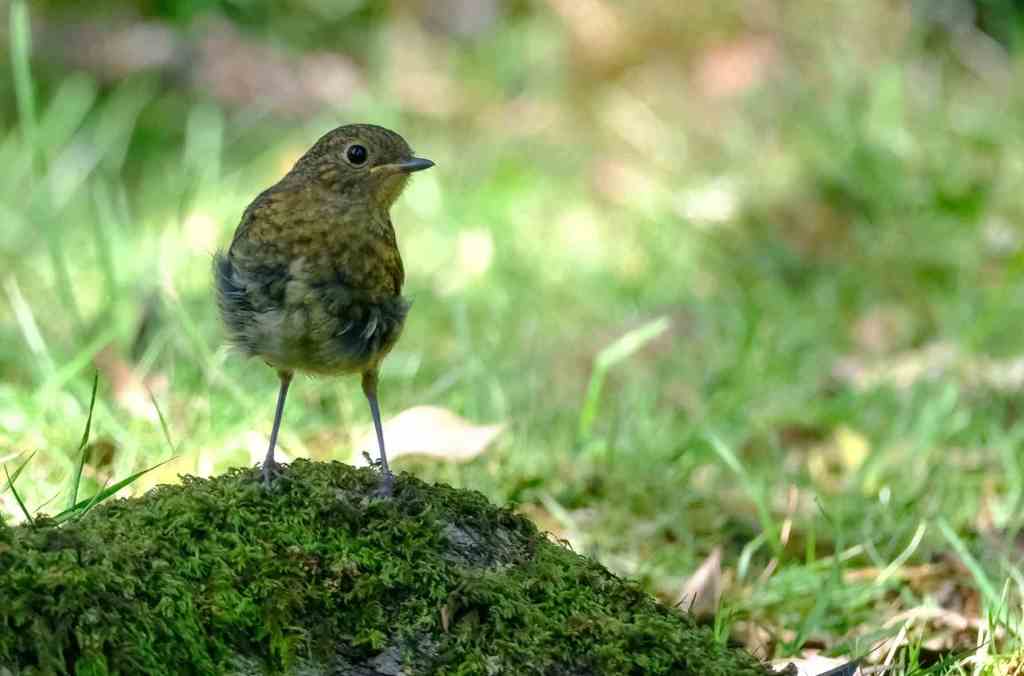
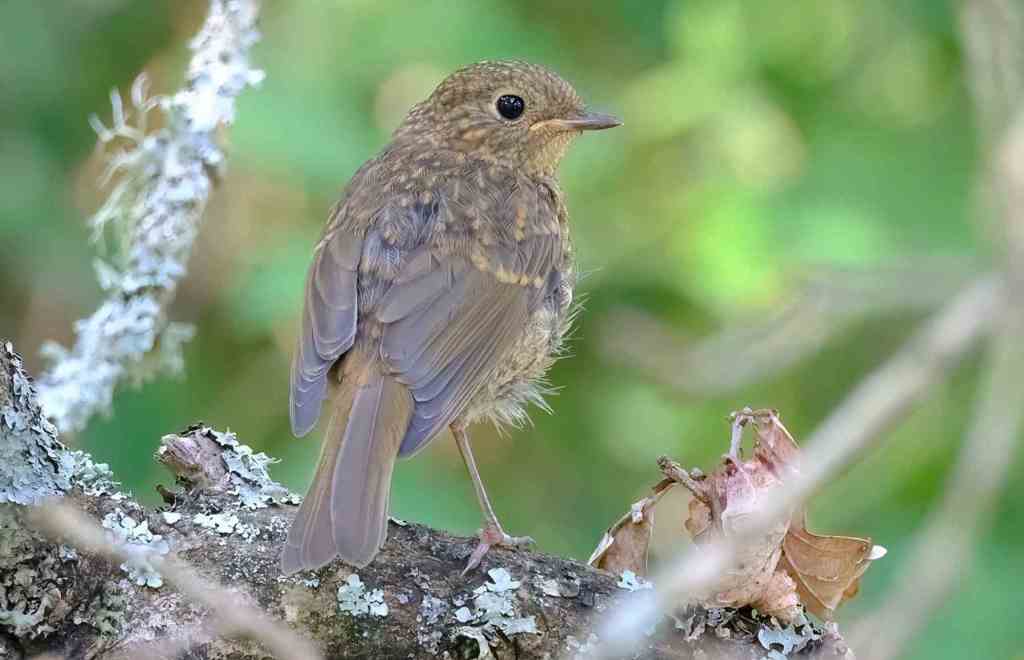
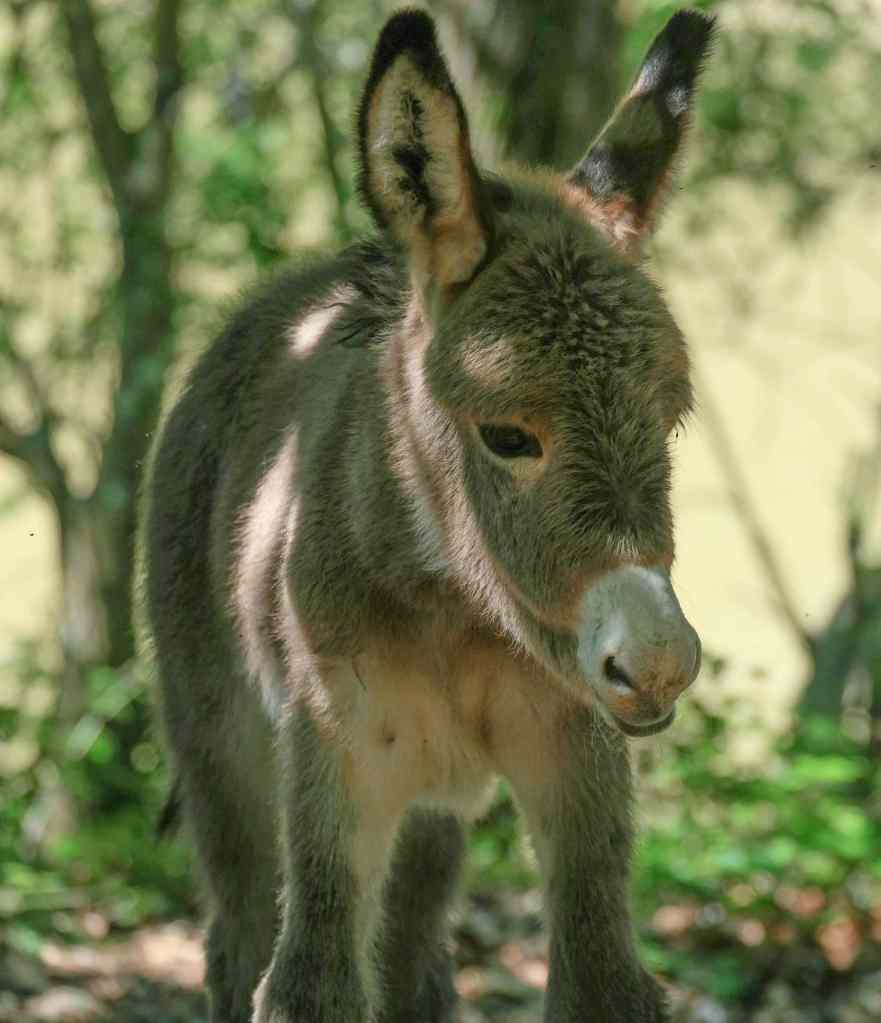
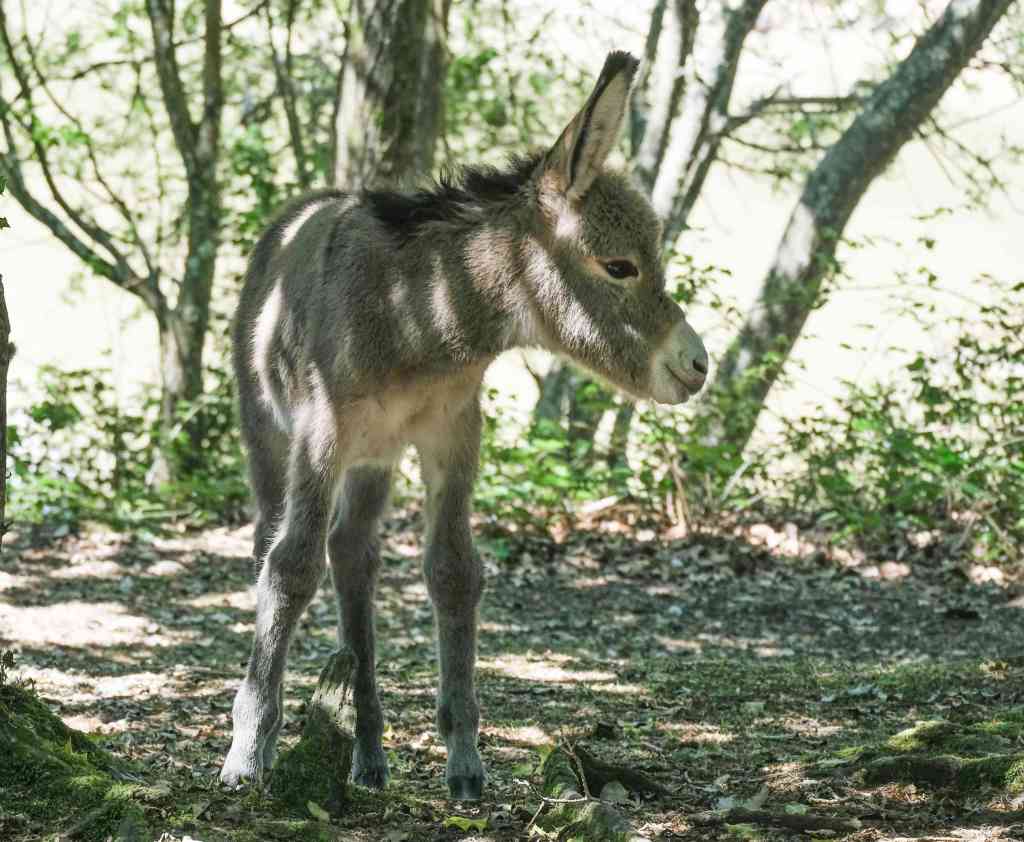
A young Robin and Donky in the New Forest this morning.

Bird flu (avian influenza) has devastated the Black-headed gull colony at Titchfield Haven National Nature Reserve this year. My estimate is gull numbers are reduced by some 75%. The Common Terns failed to arrive in any numbers. Larger Gull – such as Herring Gulls, Great and Lesser Black-backed Gulls number are fewer. So this has given Avocets space to build their nests and without predators, the Avocet chicks get a head start.
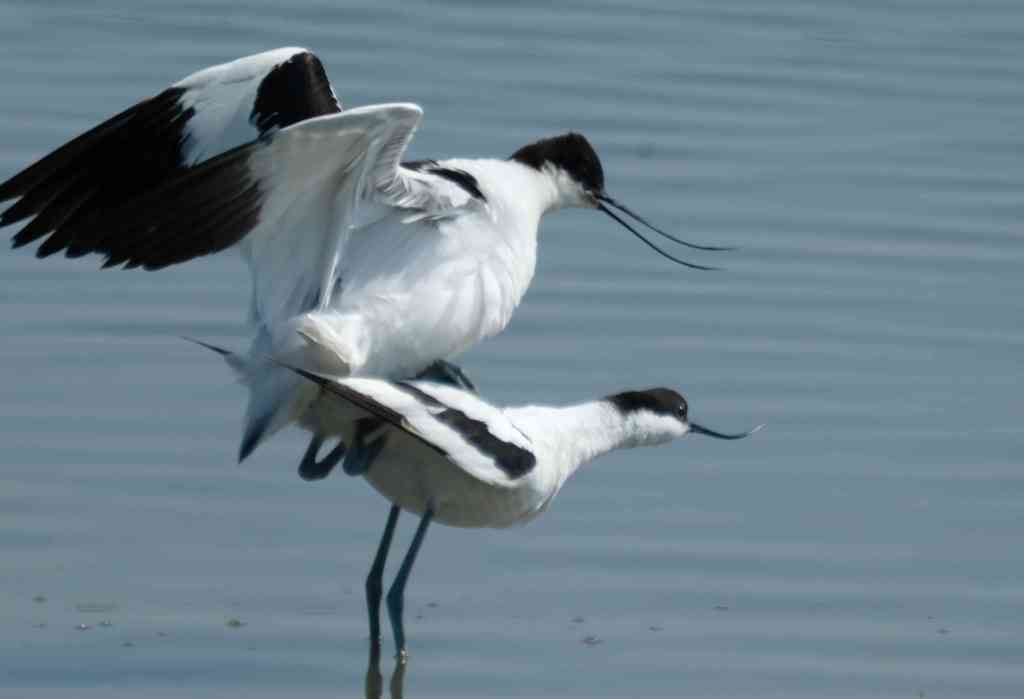
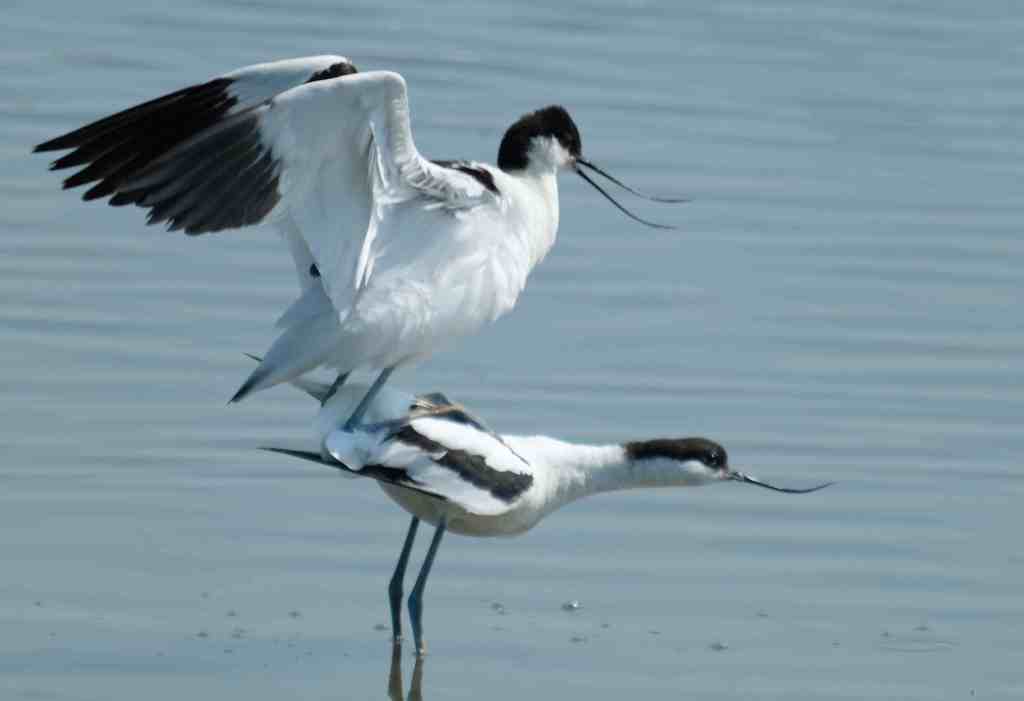
A pair of Avocets mate.

Further to my last post about our local Great Crested Grebes with views of the birds’ eggs.
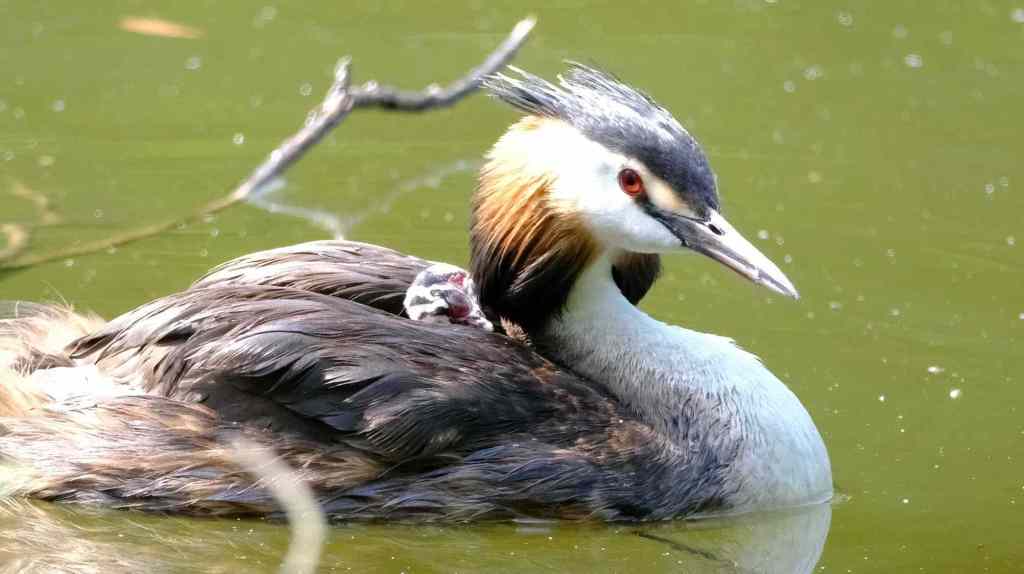
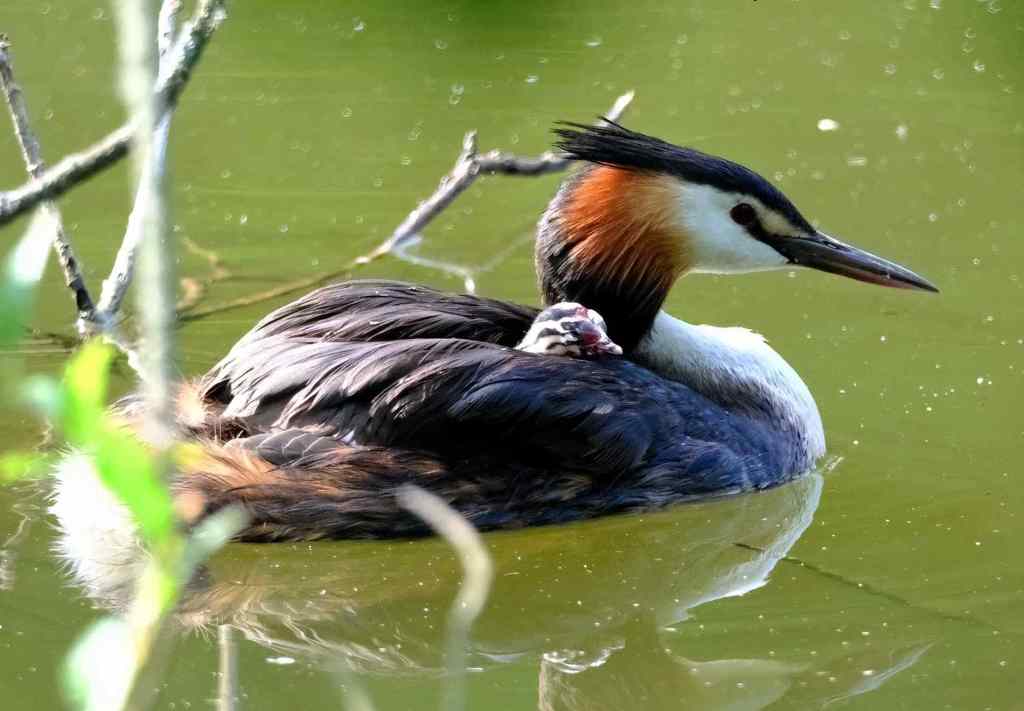
Counting down the time we first saw birds sitting to the time the eggs should have hatched we returned to take a look this morning. The eggs hatch after 27 to 29 days. The young are cared for and fed by both parents. Young grebes are capable of swimming and diving almost at hatching. We were not disappointed and very young birds which look like little humbugs! – were riding on the backs of the parent birds safely under their wings occasionally, popping their heads up to take a look at their world.
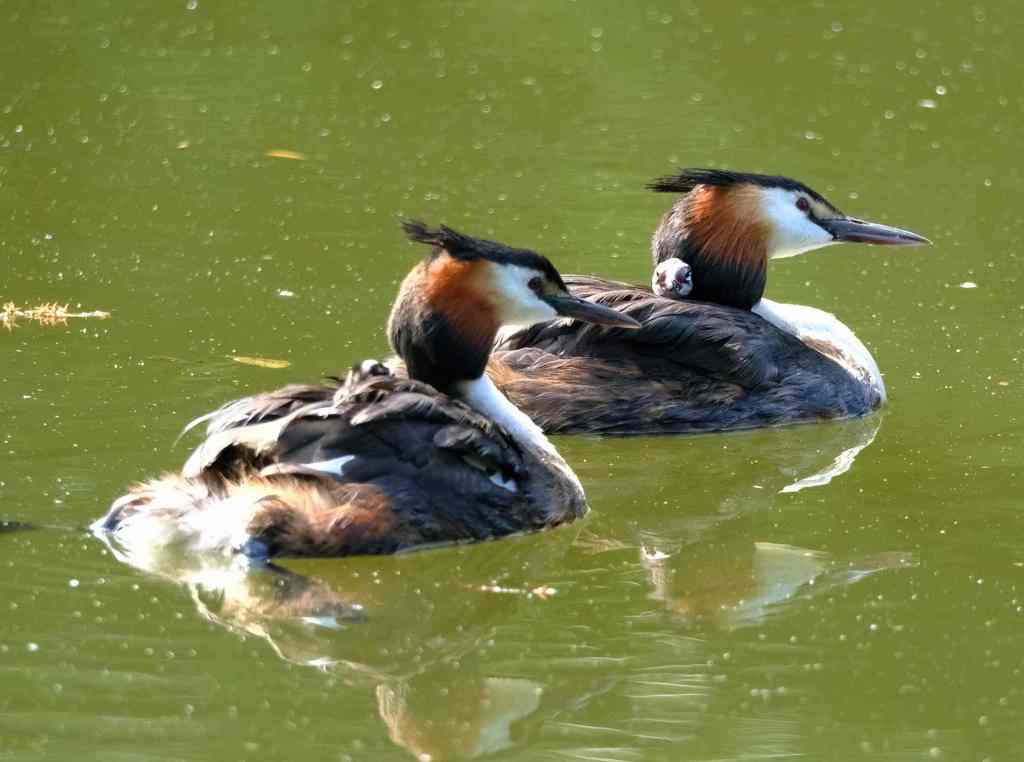

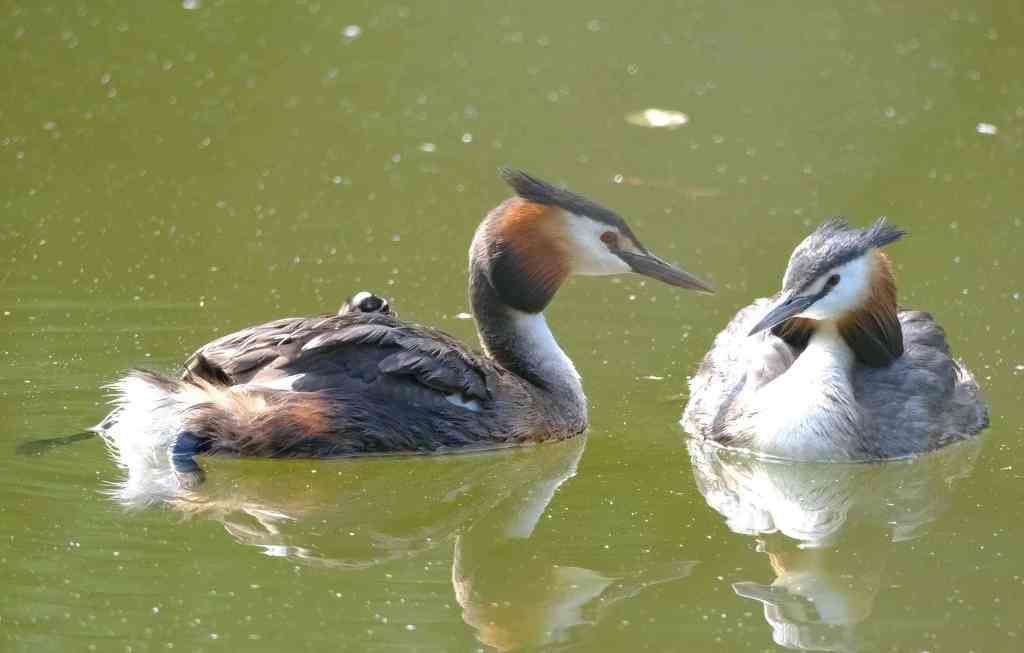
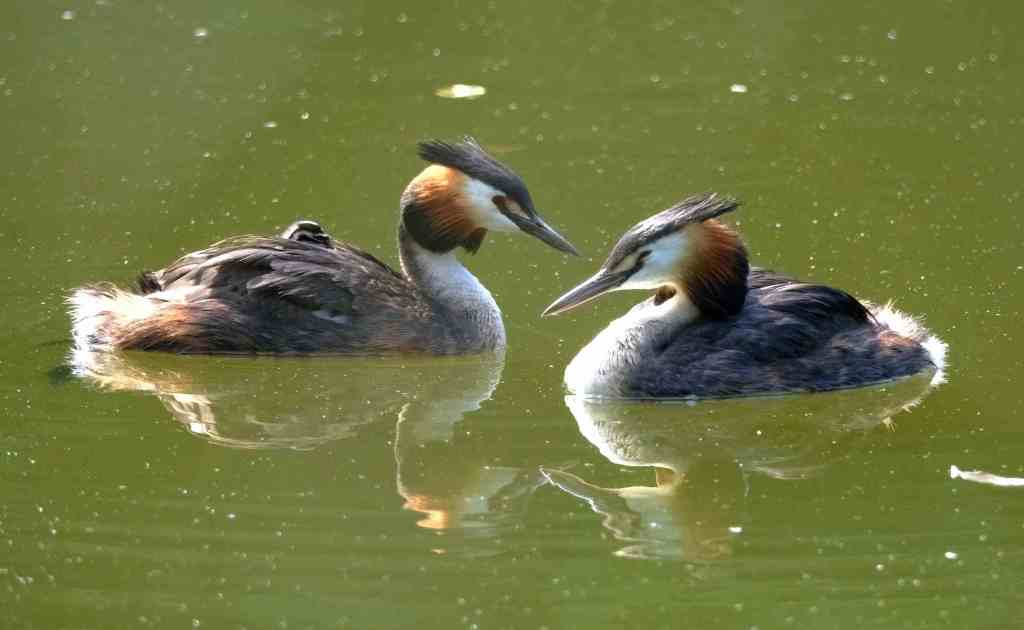
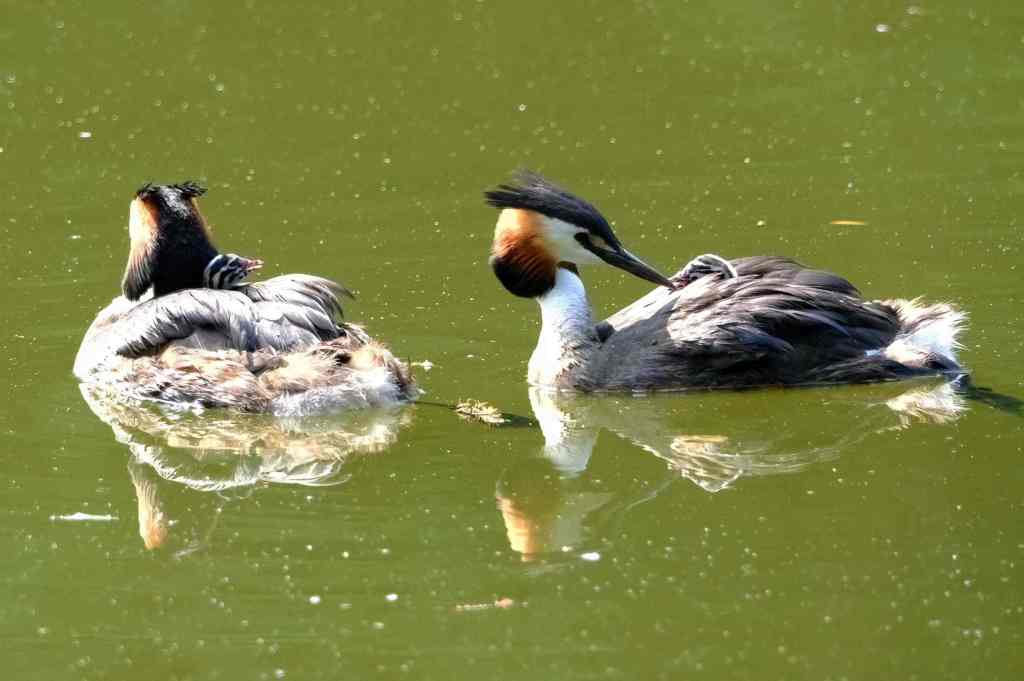
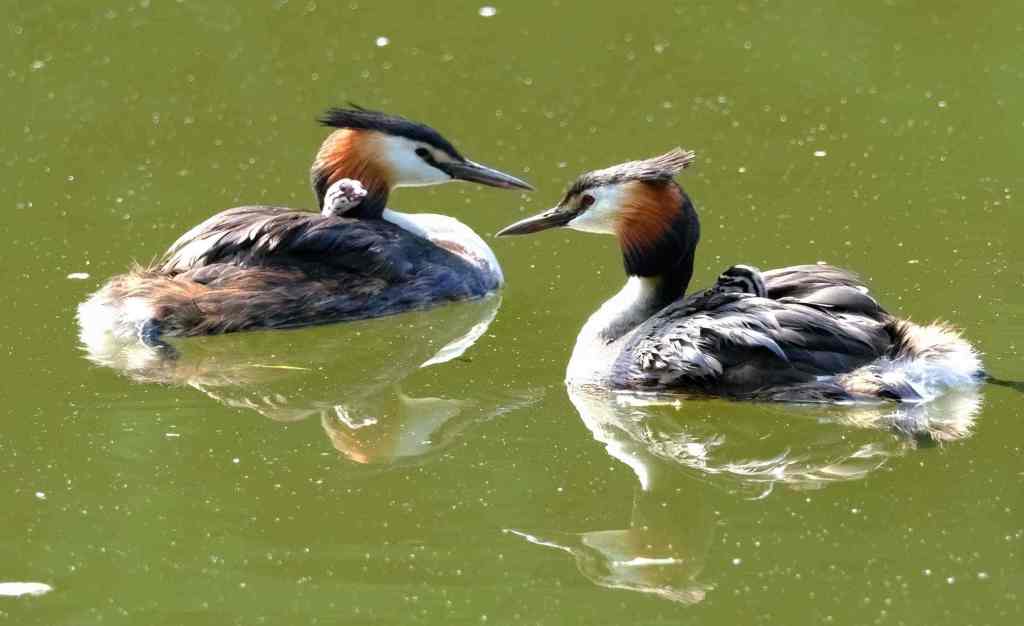
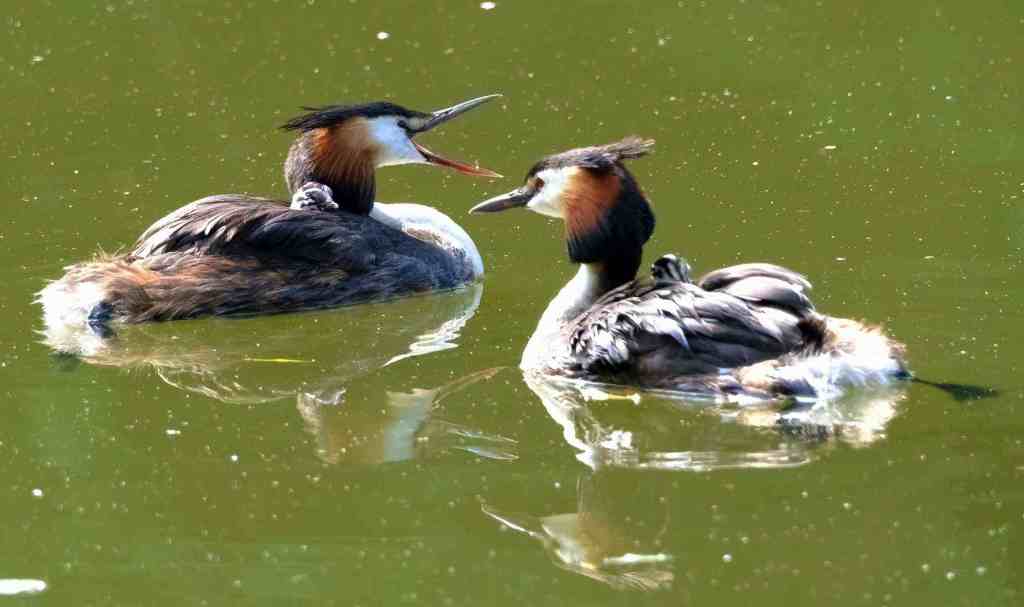
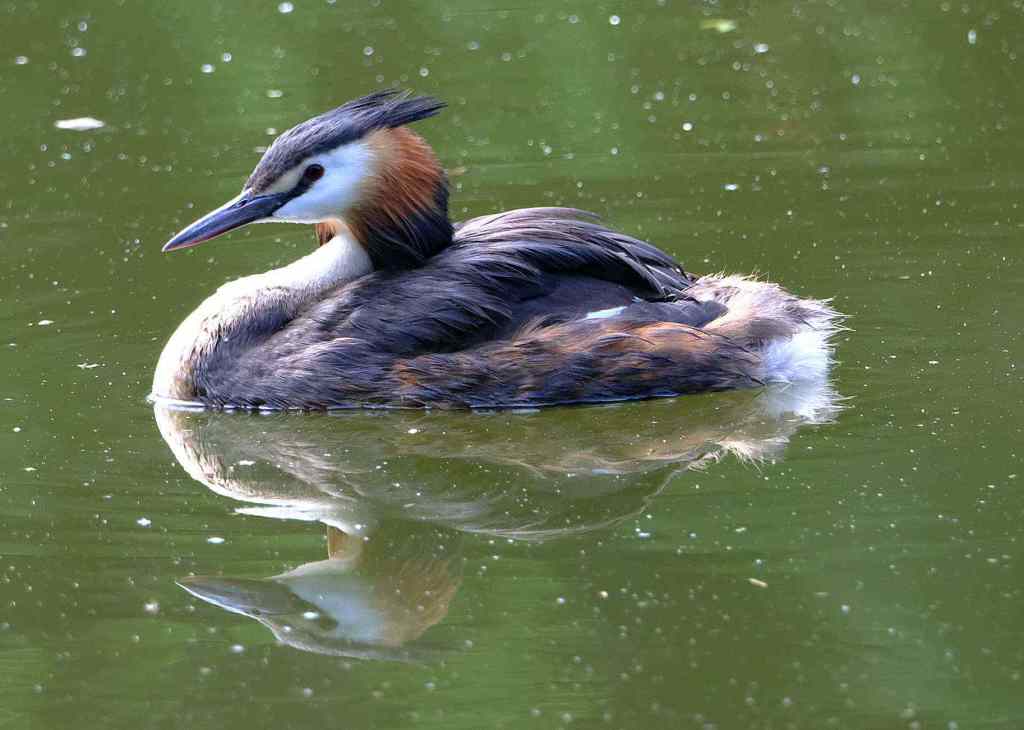
#Wordless Wednesday

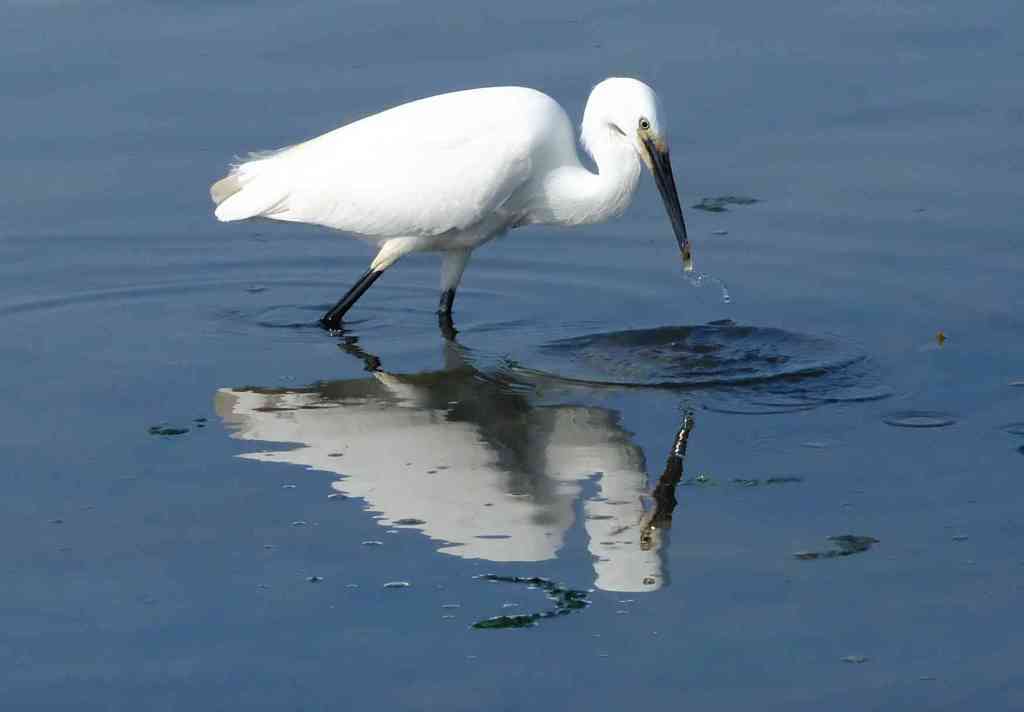
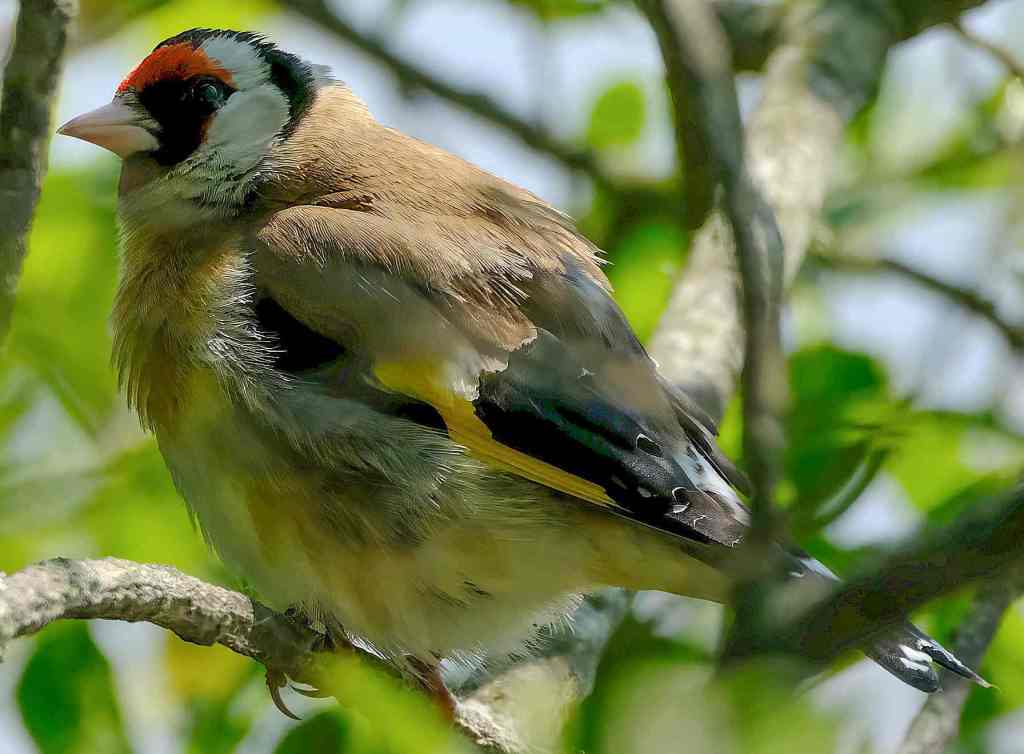
A British Goldfinch in a bush.

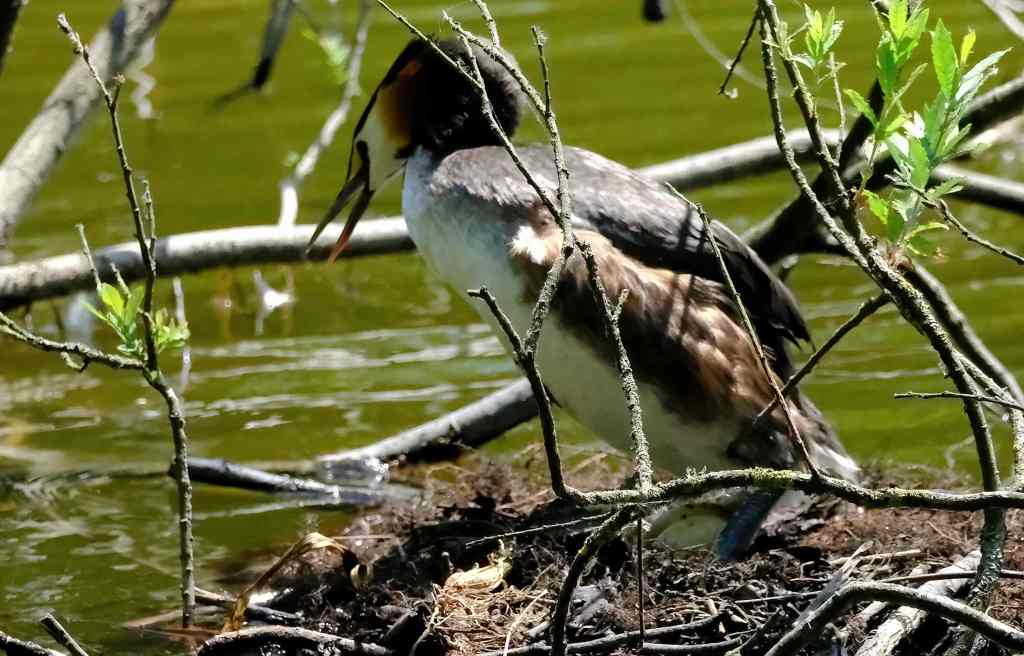
A visit to observe the Great Crested Grebe to see if her eggs had hatched. She was still sitting on them they had not. However, we were lucky that she decided to get off the nest turn around and get back on – and then slowly turn the eggs before sitting back down on them. Her wait continues.


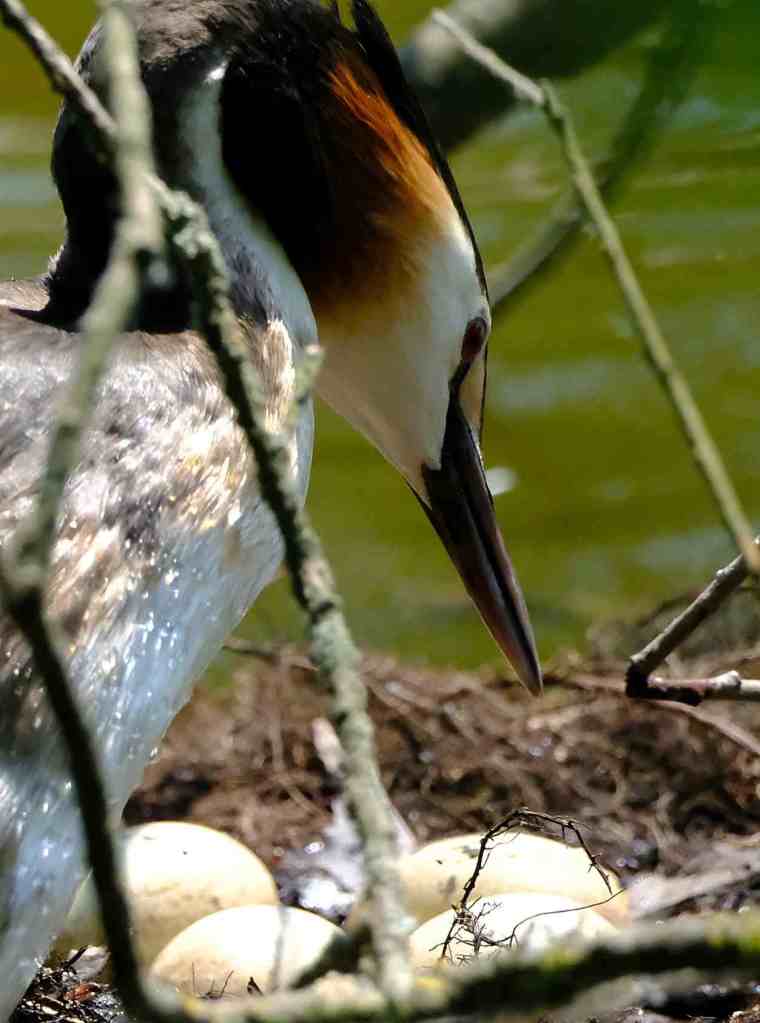
Incubation begins as soon as the first egg is laid. The eggs hatch after 27 to 29 days. The young are cared for and fed by both parents. Young grebes are capable of swimming and diving almost at hatching. Our nest has 4 eggs.
 Continued Reflections from my World.