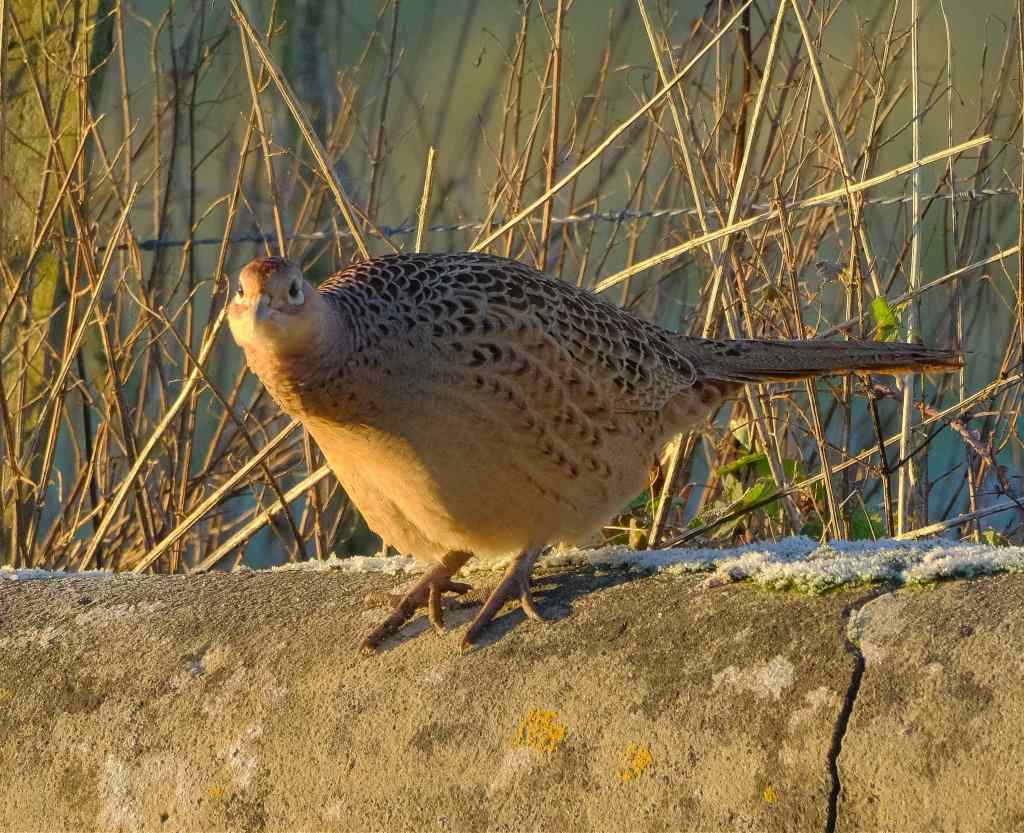
Fieldfares are the largest of the thrushes; they visit Britain & Ireland during the winter months. They start arriving on the UK’s eastern coasts from western Russia and eastern Europe during early October. Numbers vary each year and are dependent on berry crops closer to their breeding grounds. Fieldfares move in large numbers in search of berries.
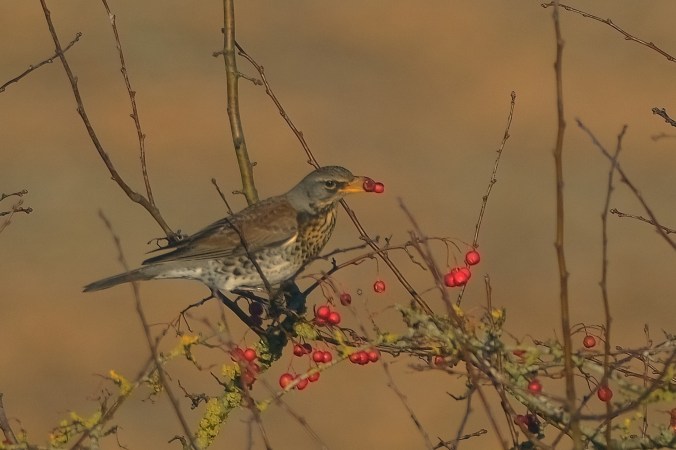
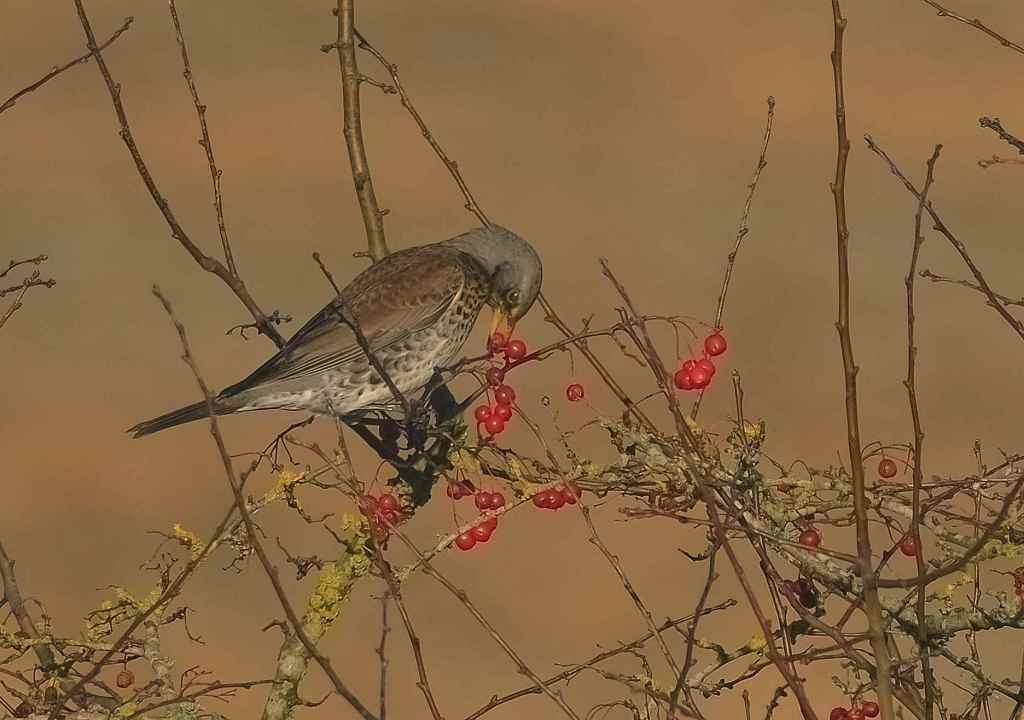
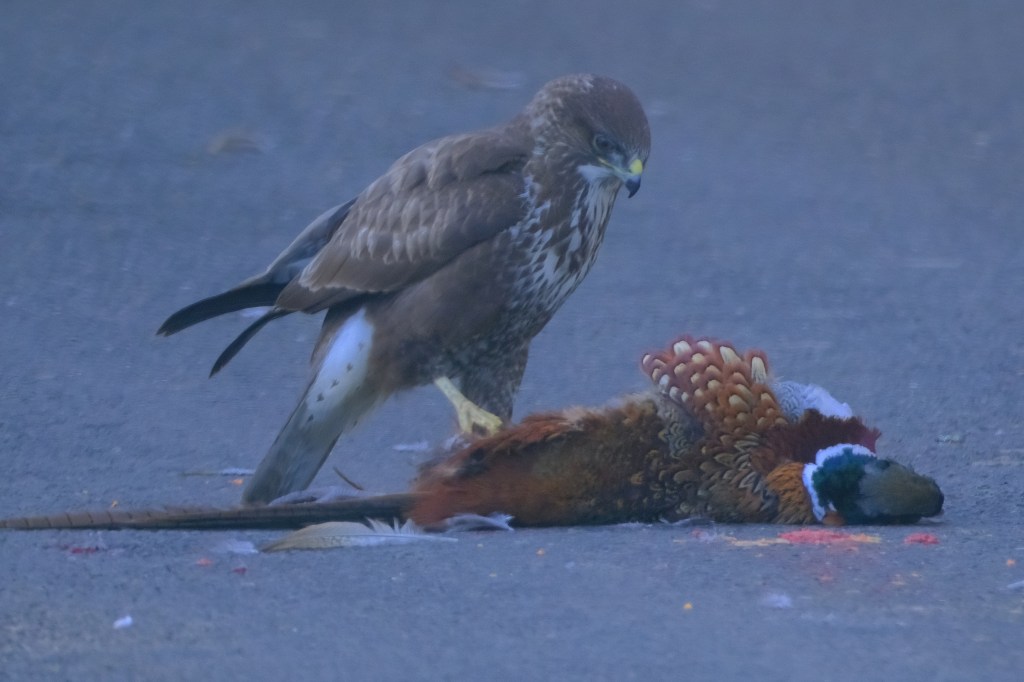
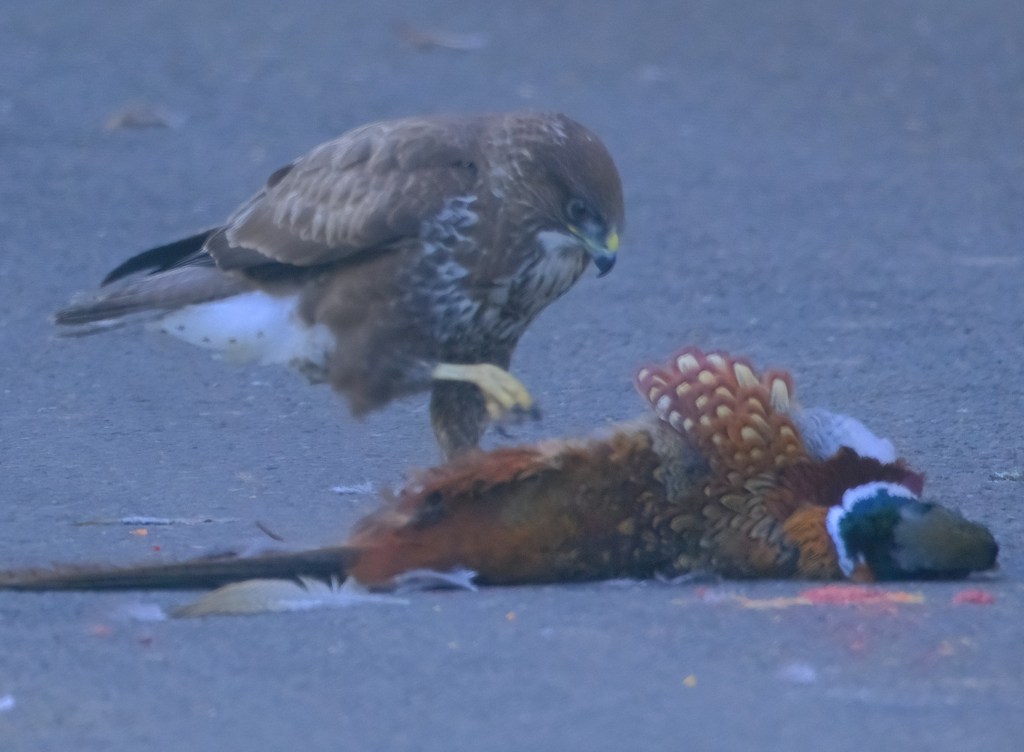
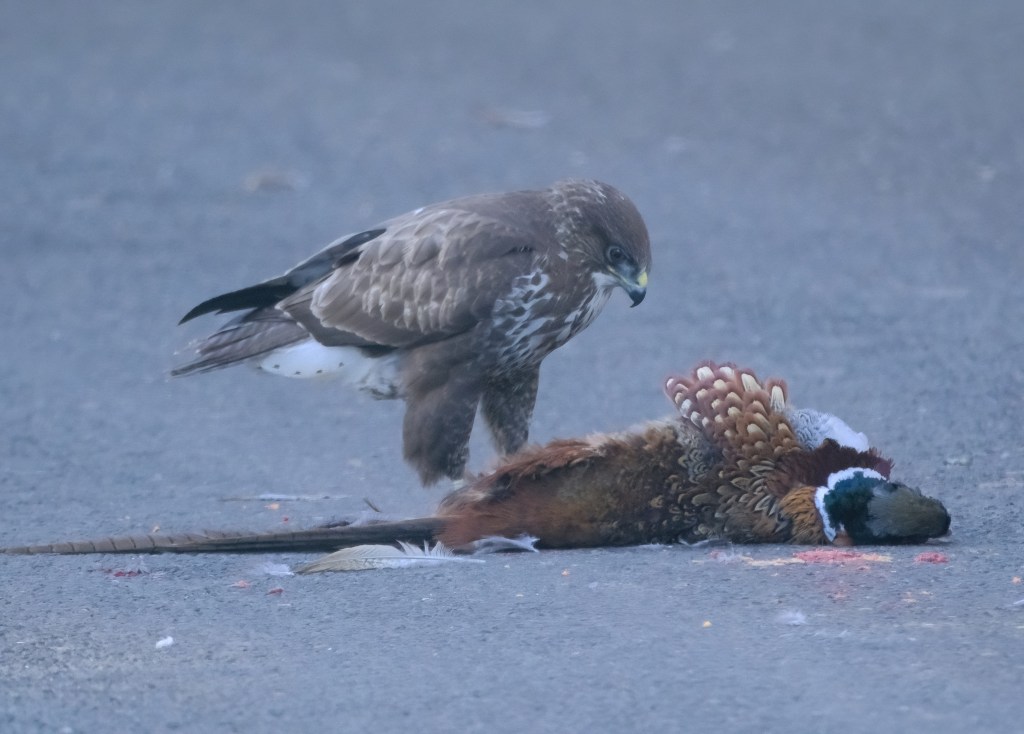
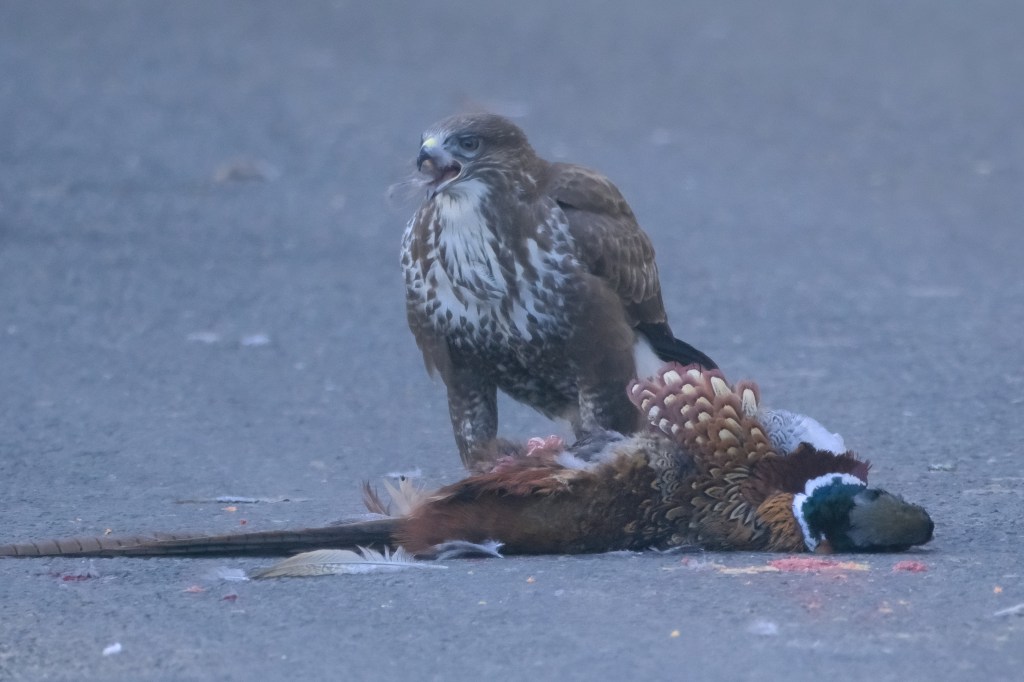
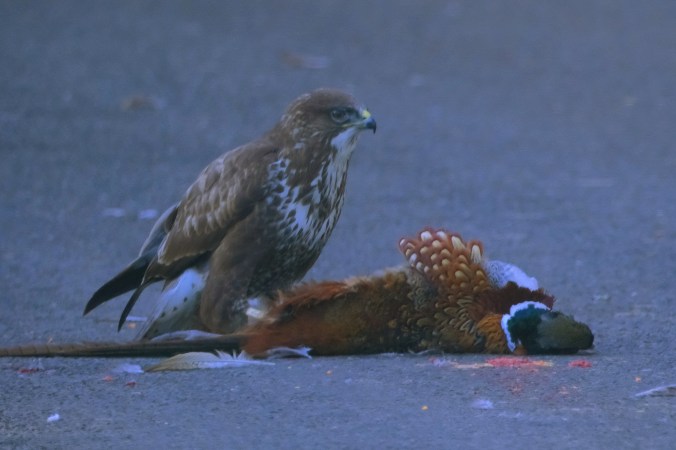
Driving back from our Sunday walk, we came across a Buzzard enjoying breakfast from a road-killed pheasant.
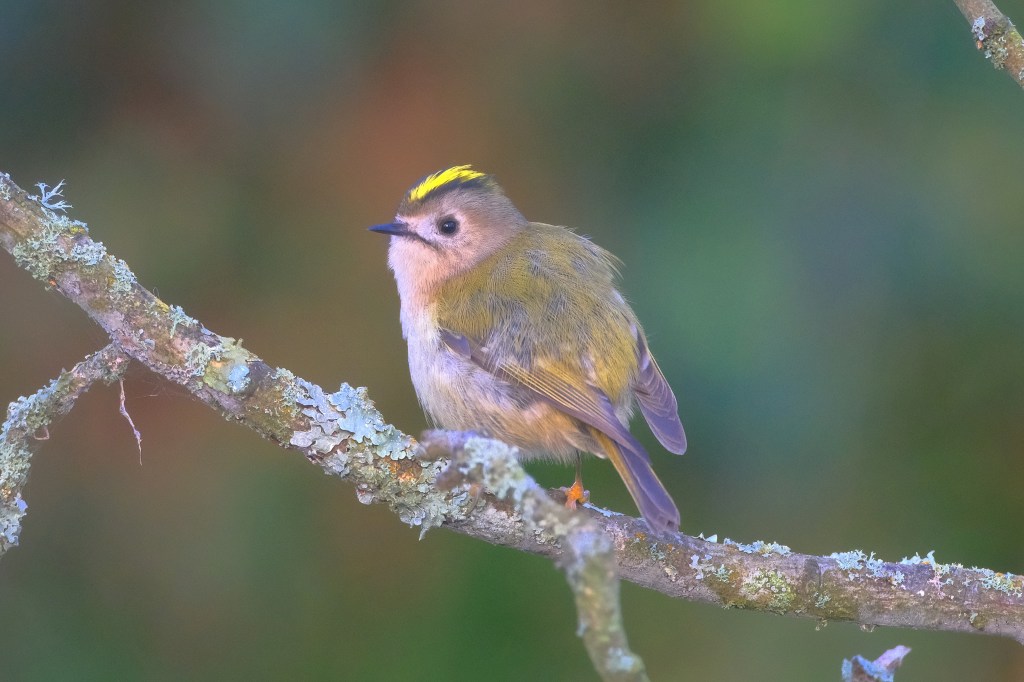
Walking the old toll path on Titchfield Canal, I spotted this little bird. Goldcrests are the UK’s smallest birds. With an average weight of 6 grams (the equivalent of about six paperclips!)
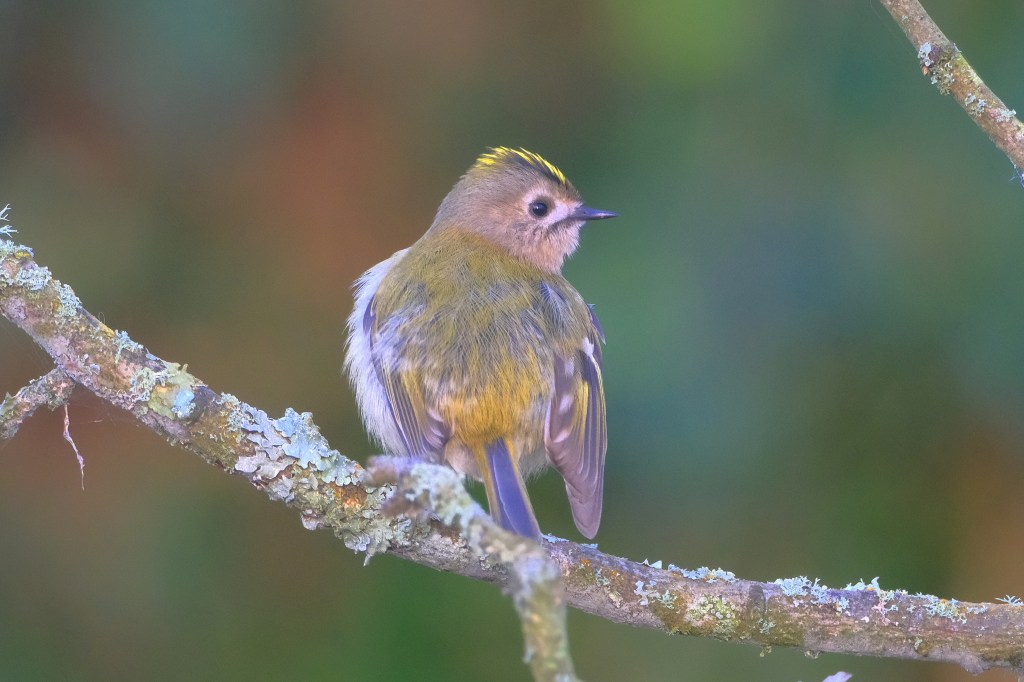
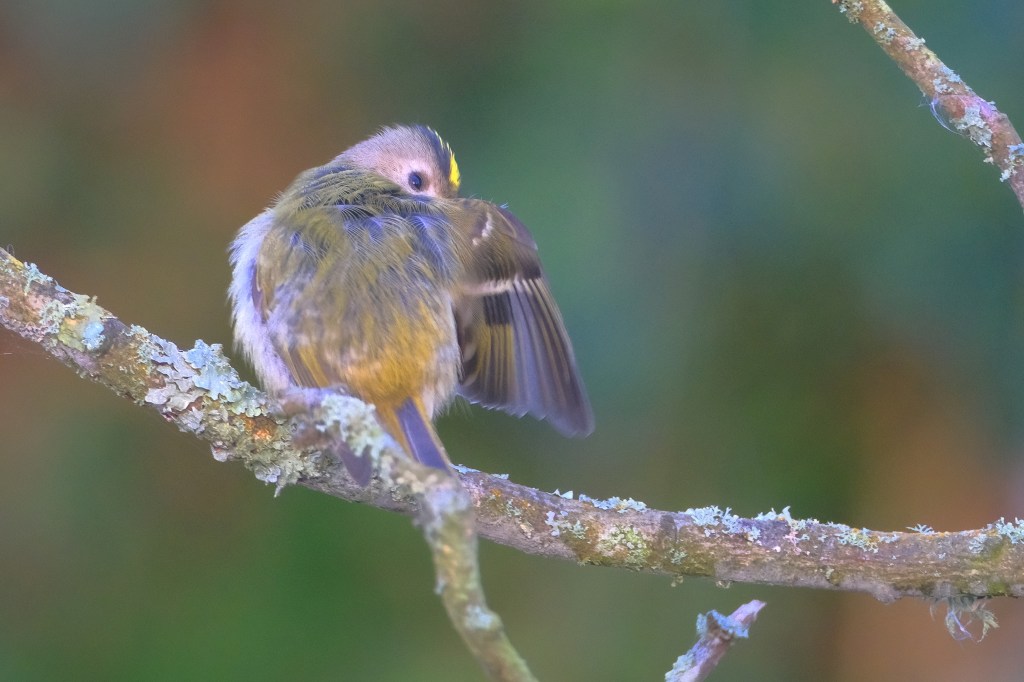
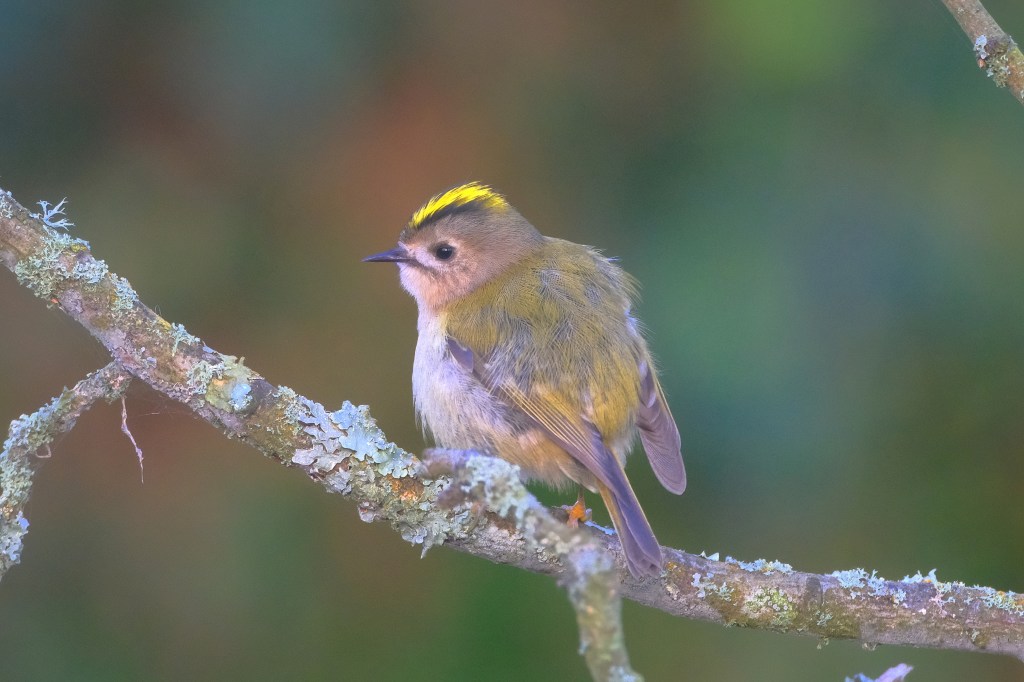
#Wordless Wednesday.
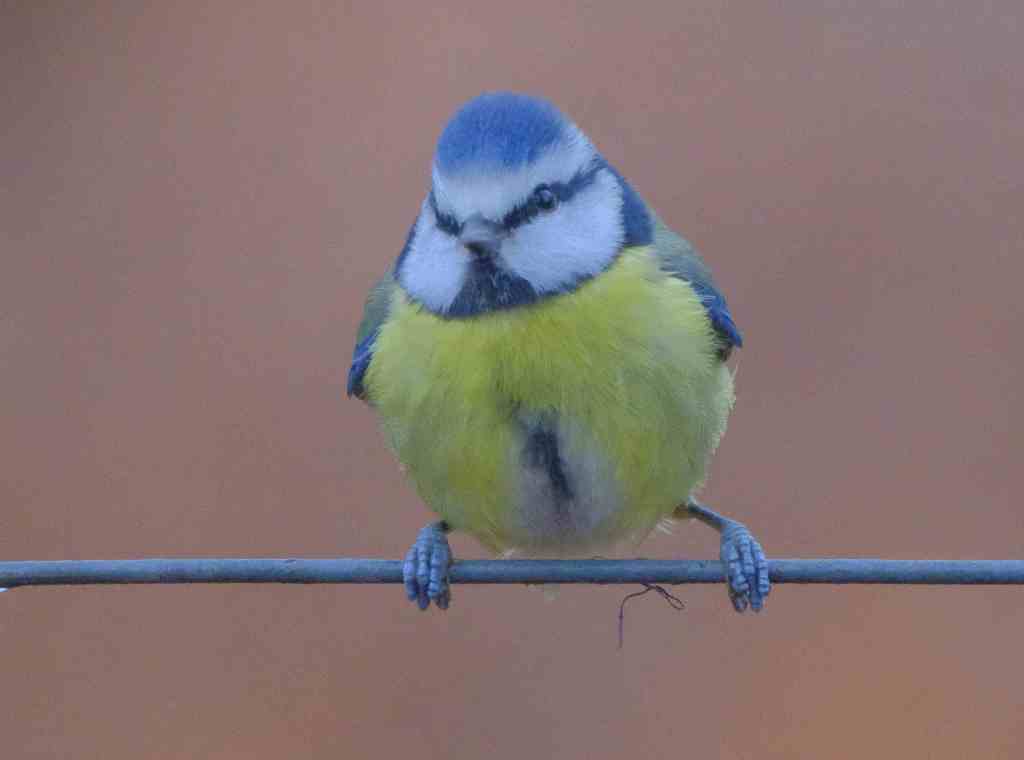

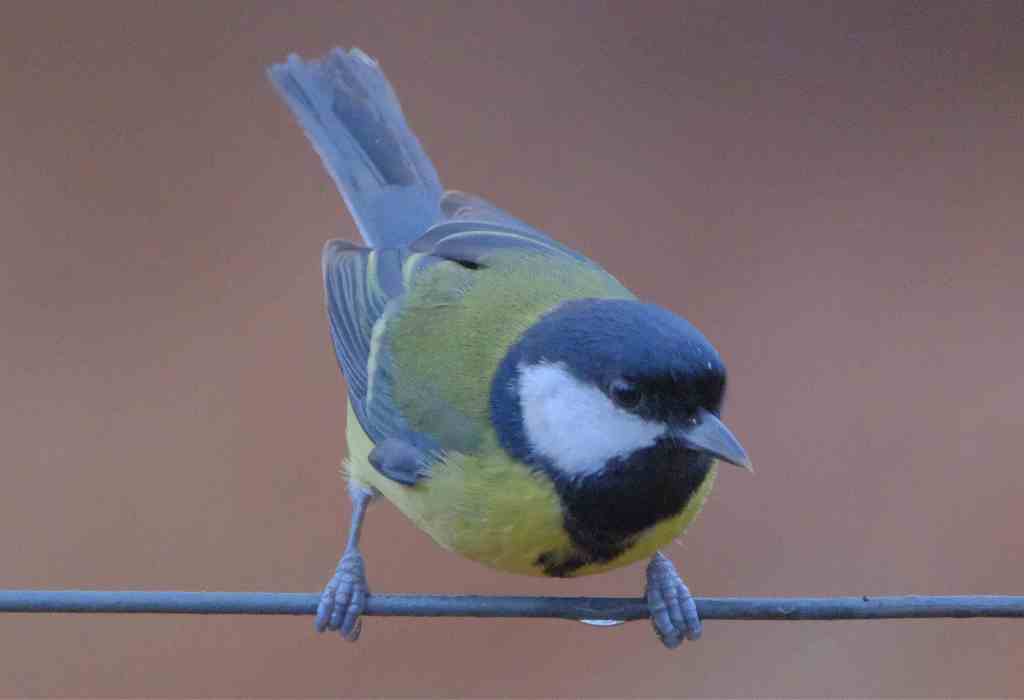
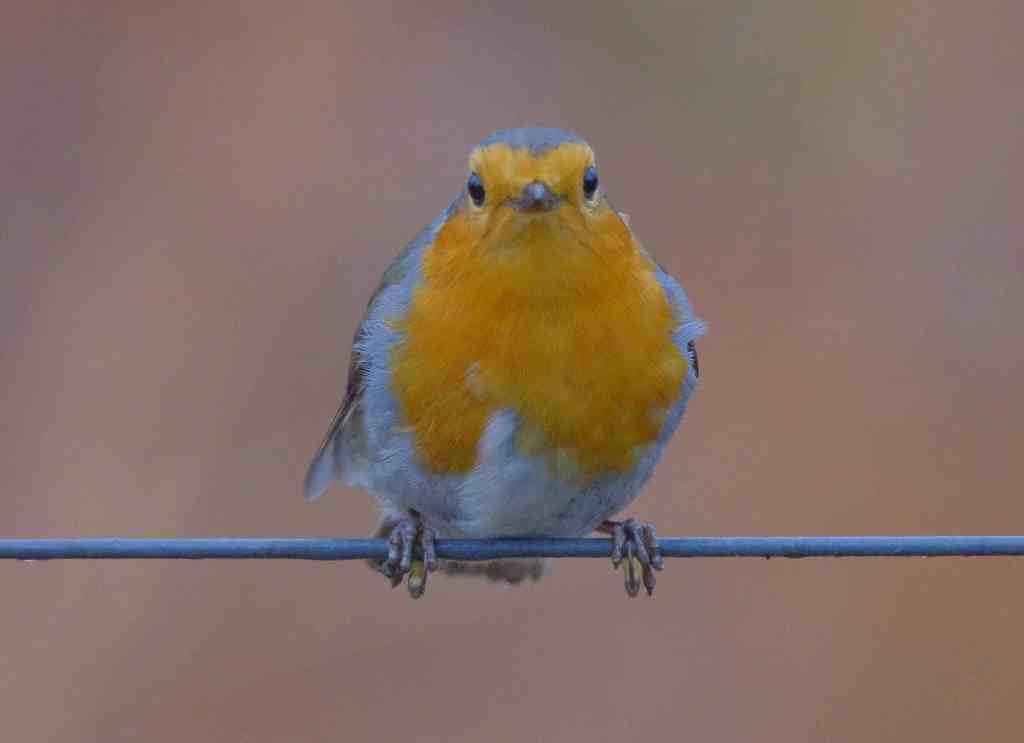
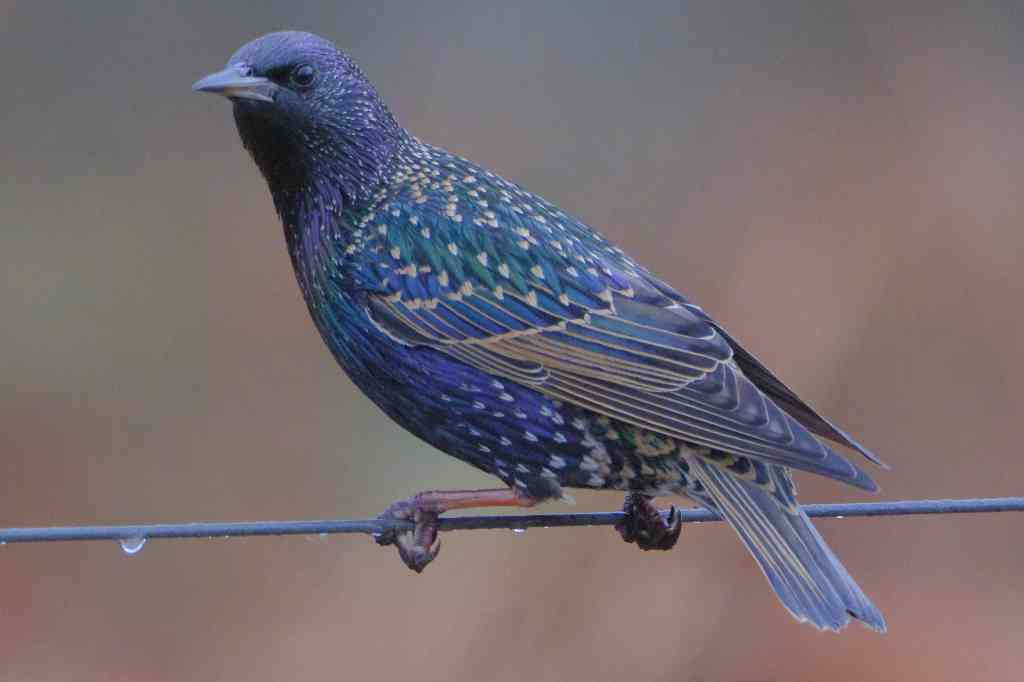
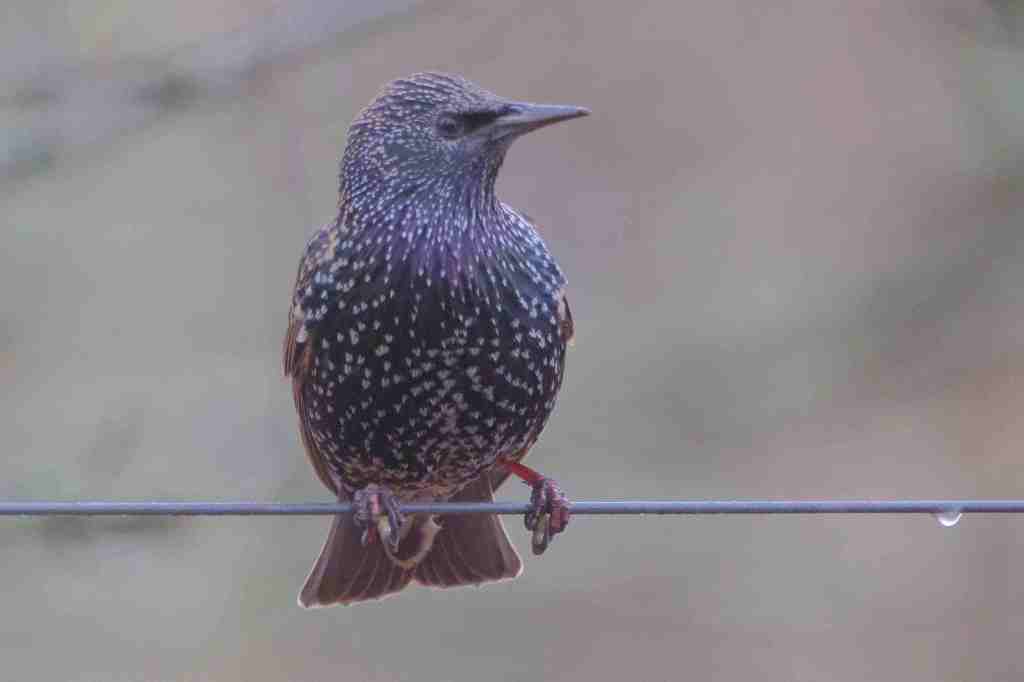
1st light on the Hamble River Sunday morning.
Curlew and Spotted Redshank.
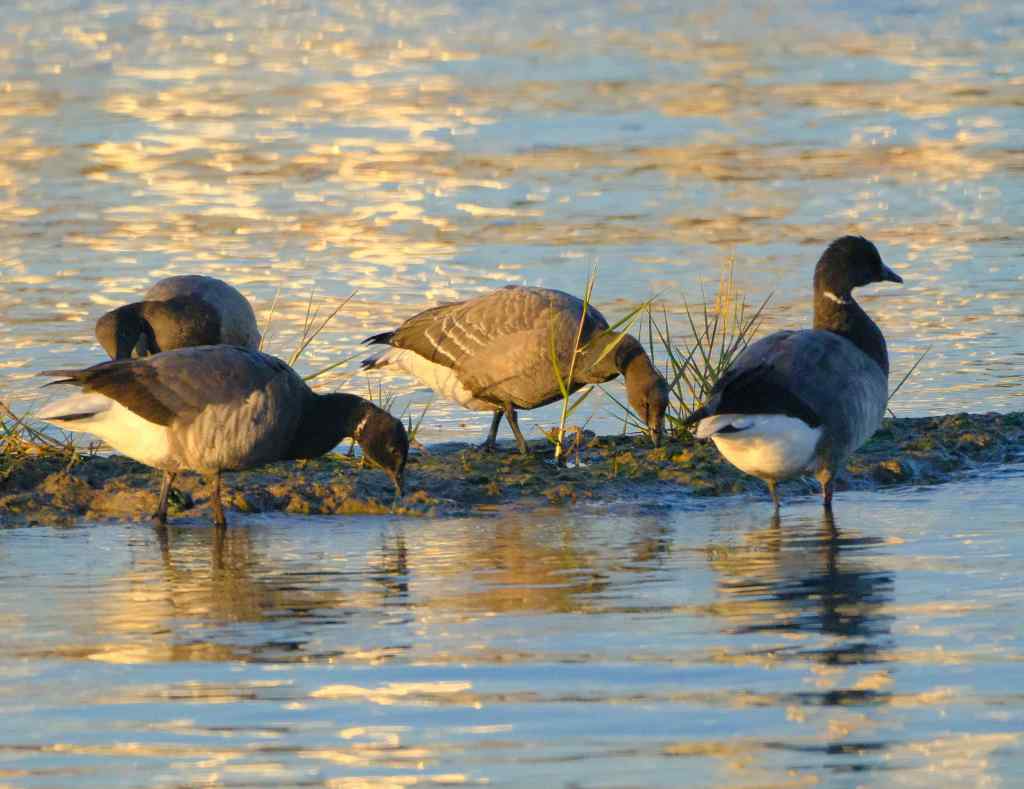
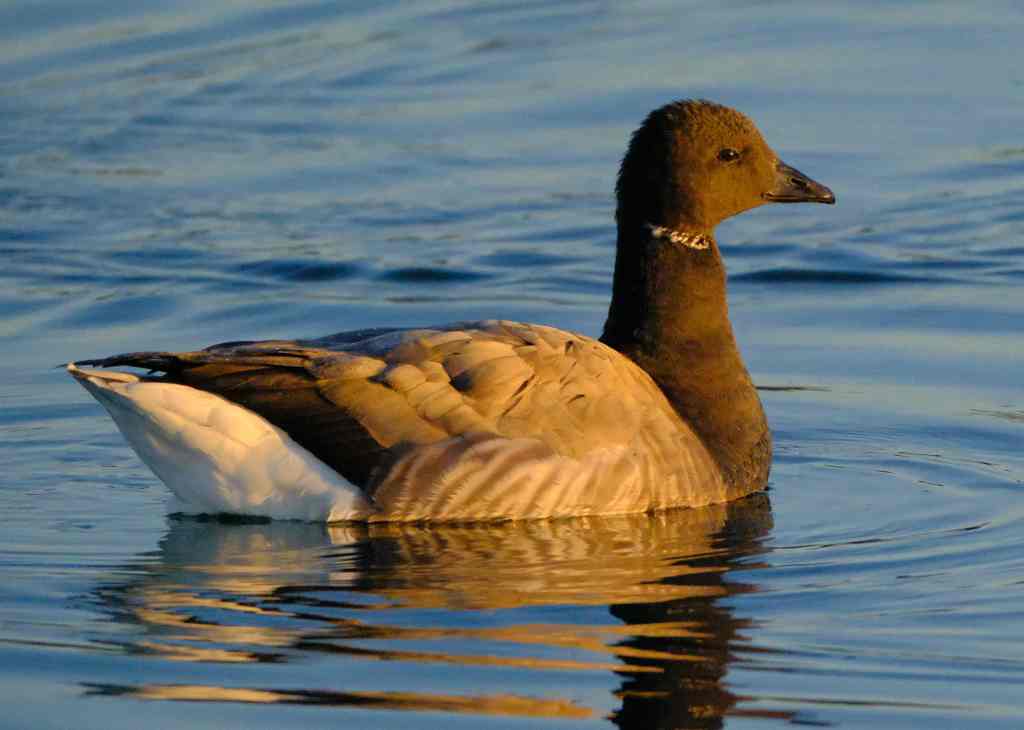
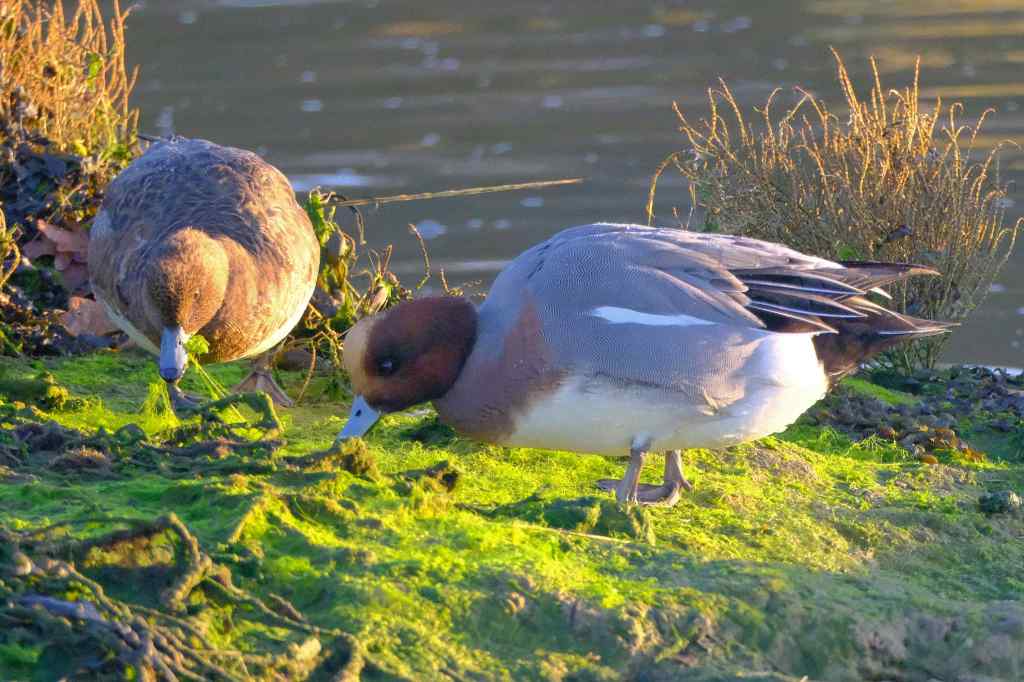
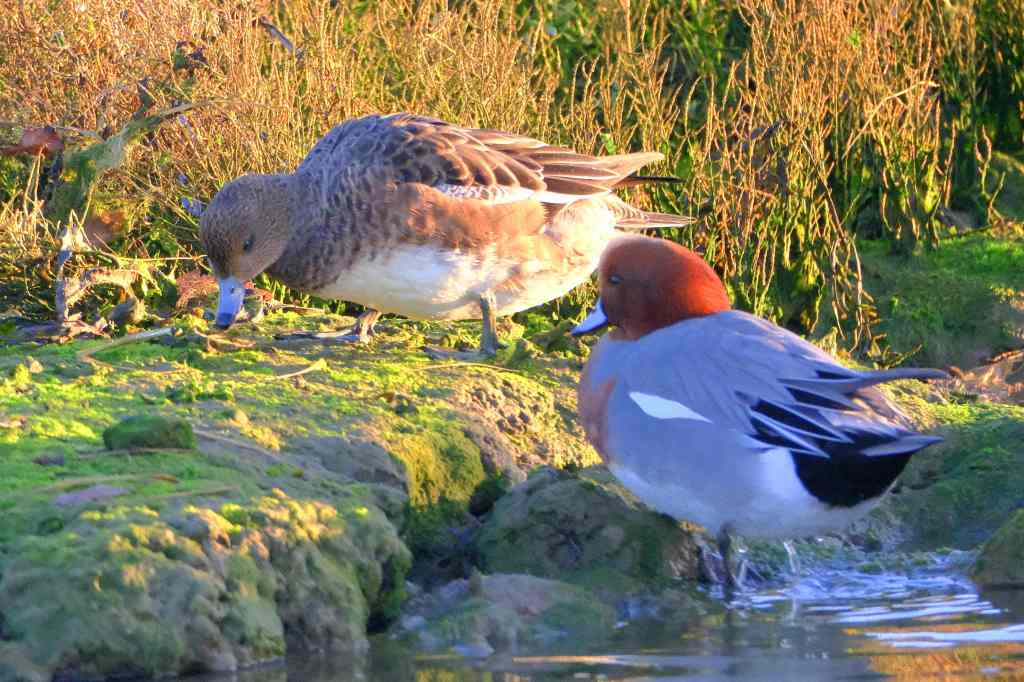
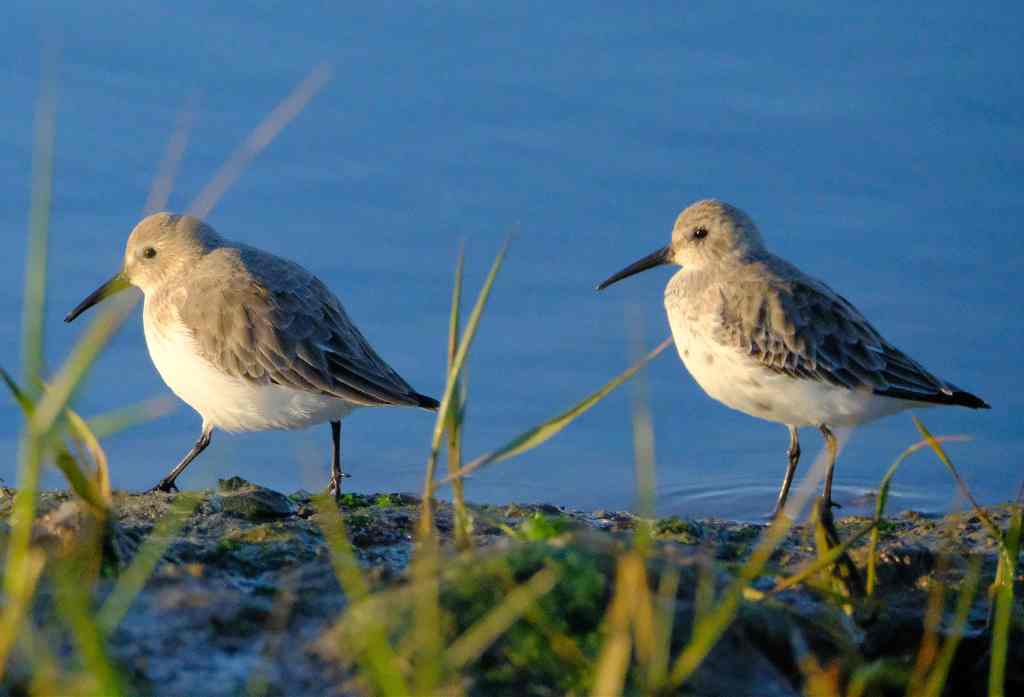
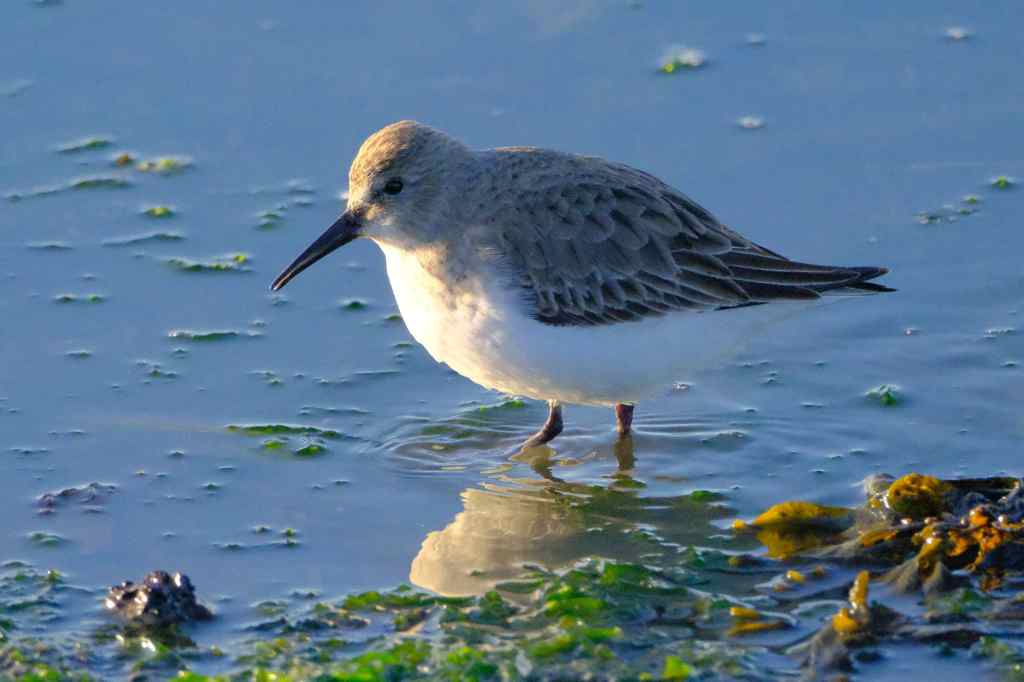
Sunday morning walk up the Hamble River. With the arrival of the Brent Geese and large numbers of Wigeon, we can conclude winter has arrived. The Dunlin have lost their black chests and now sport their winter plumage.
BRENT GEESE.

WIGEON.

DUNLIN.


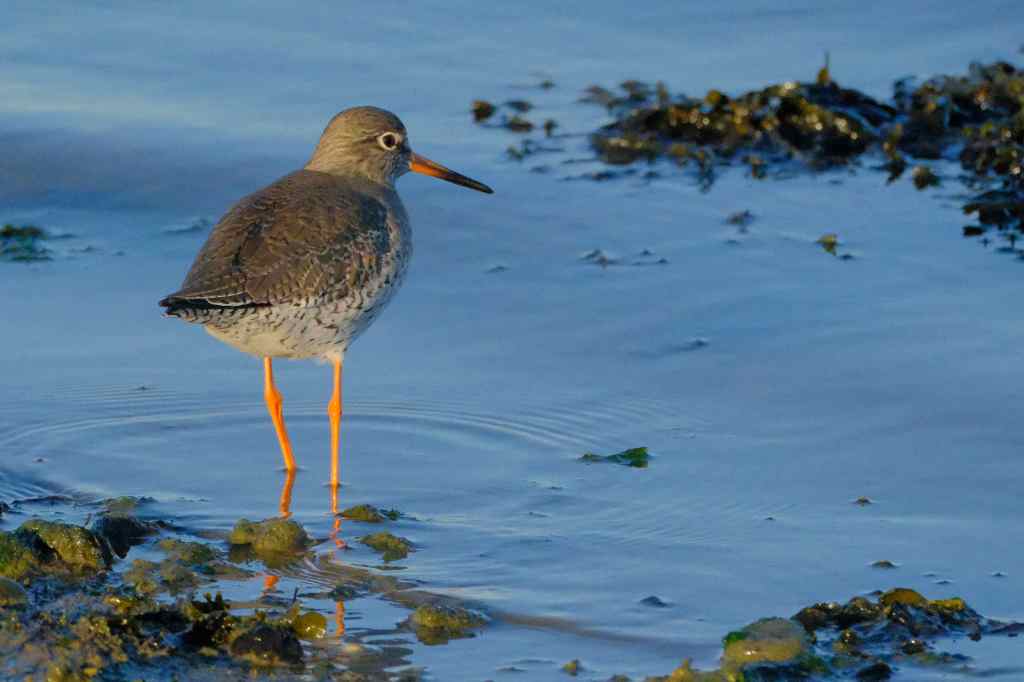
REDSHANK.
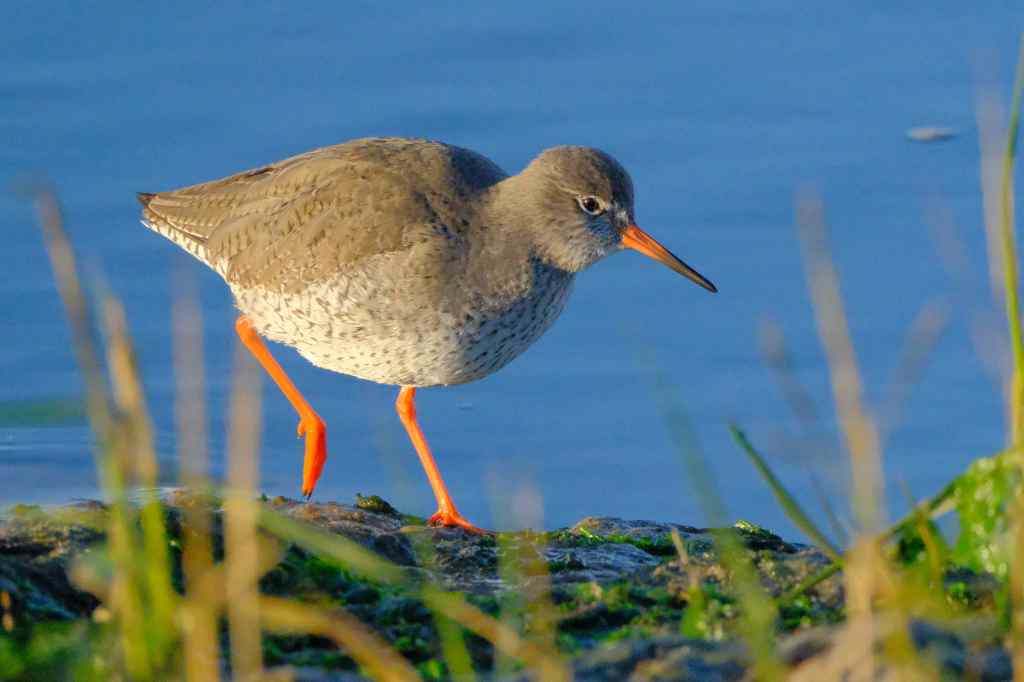
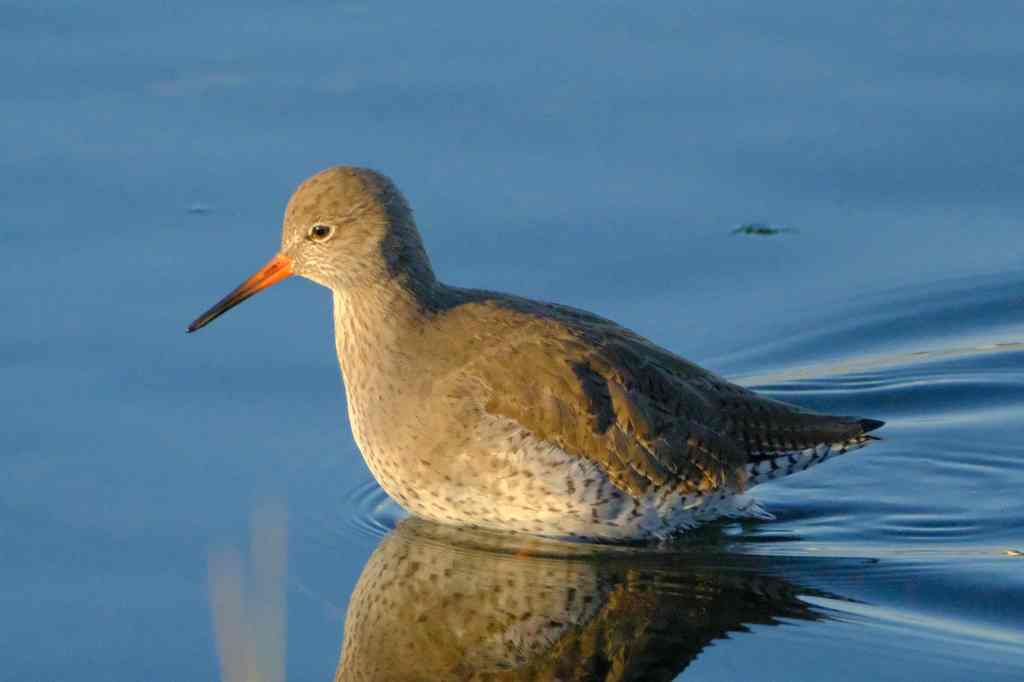

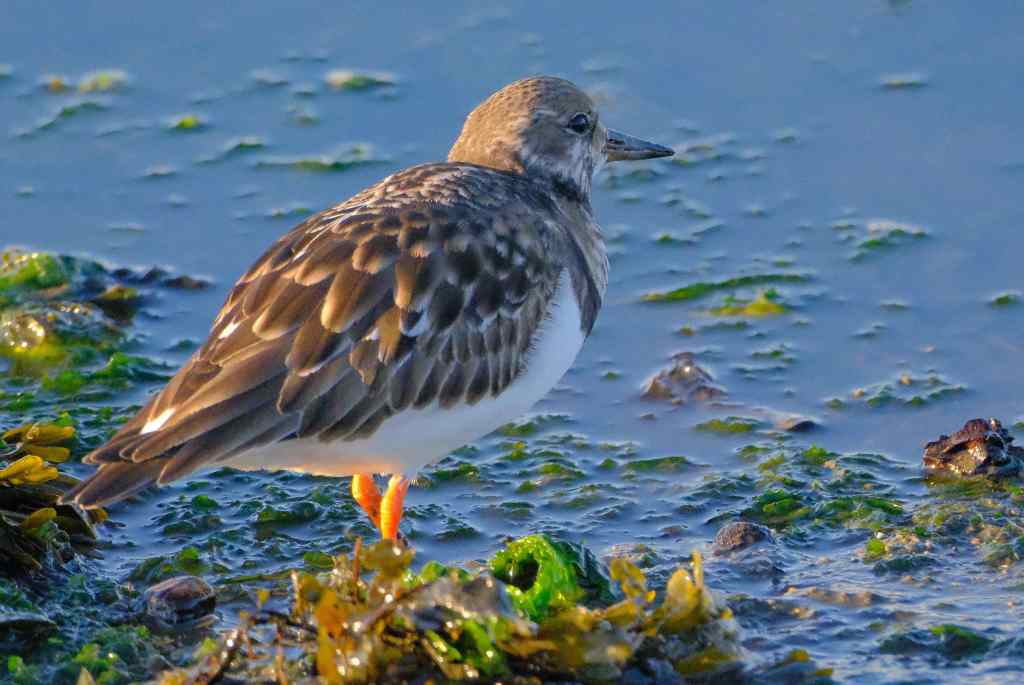
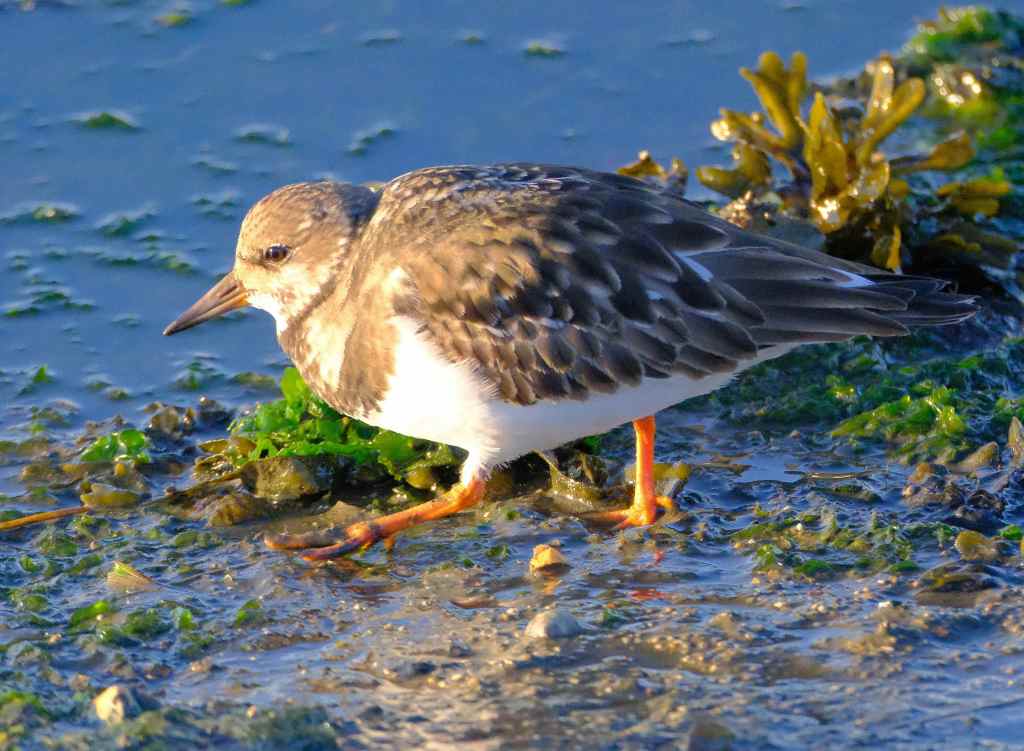
TURNSTONE.



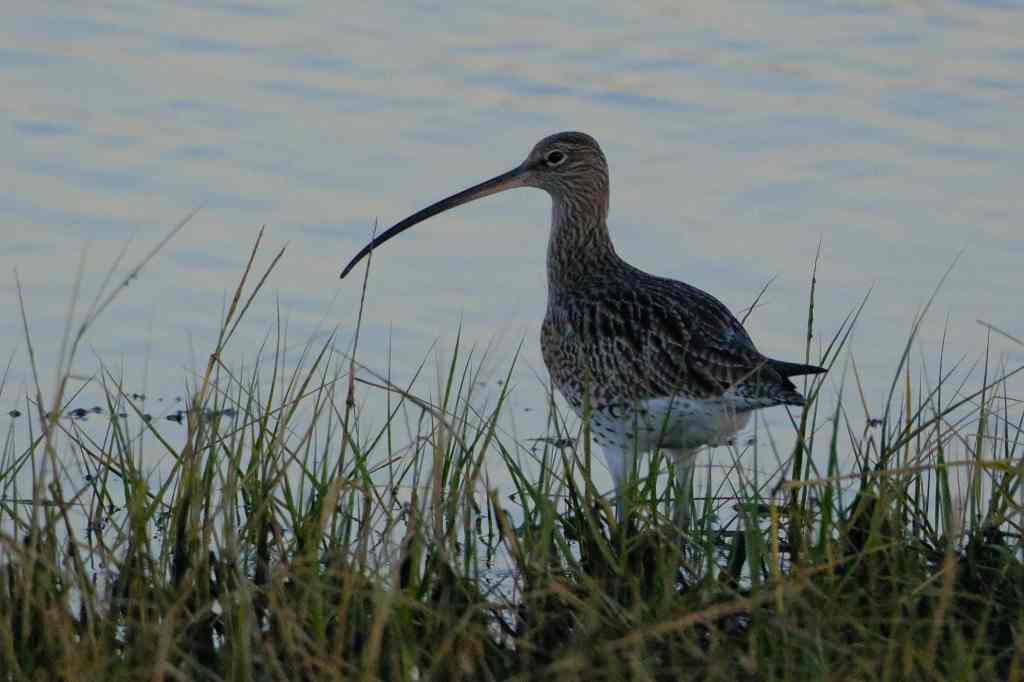
CURLEW.

LITTLE GREBE.
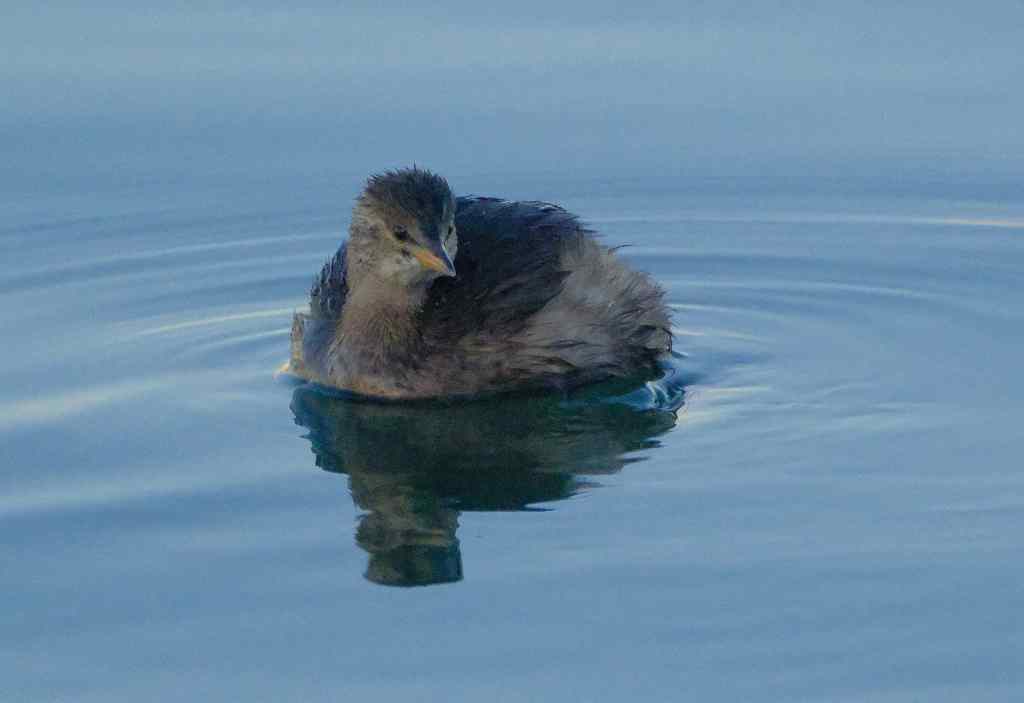
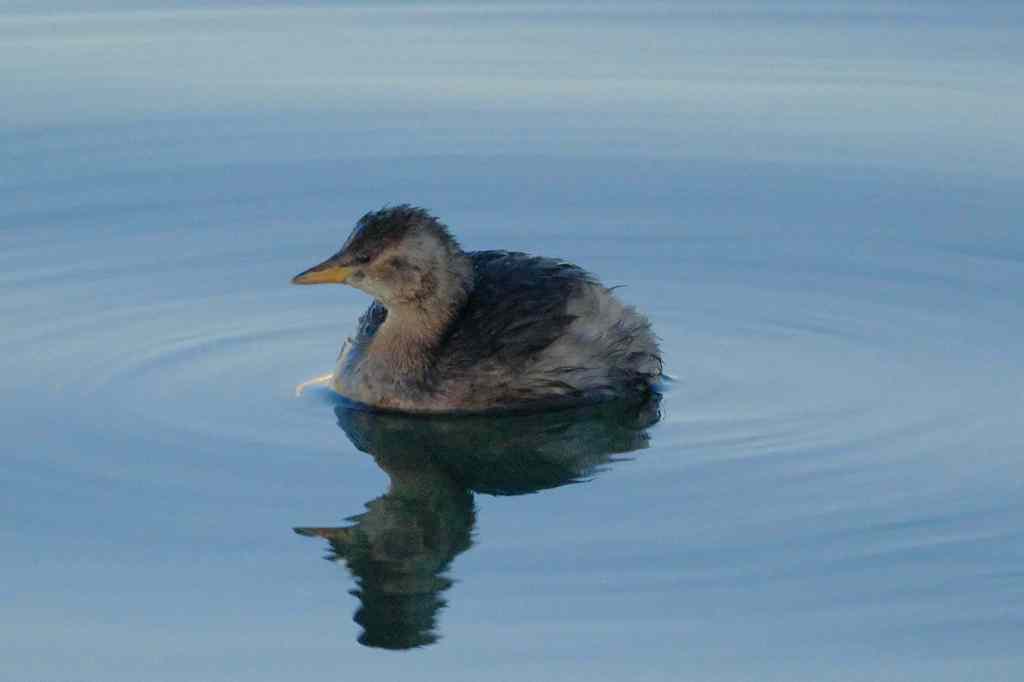
Hamble River bird films.
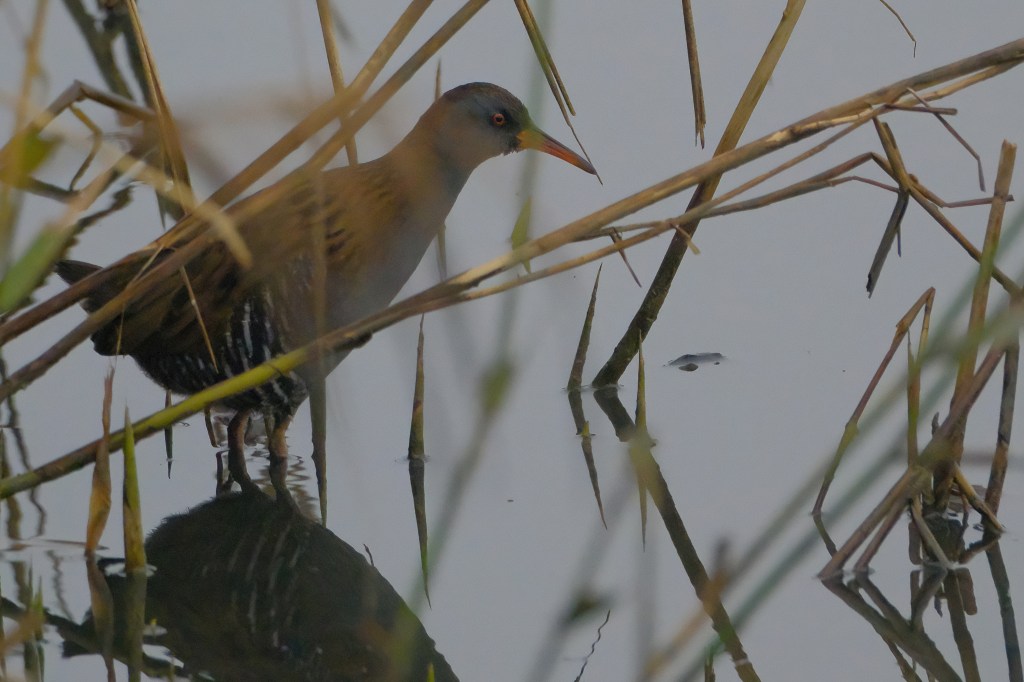
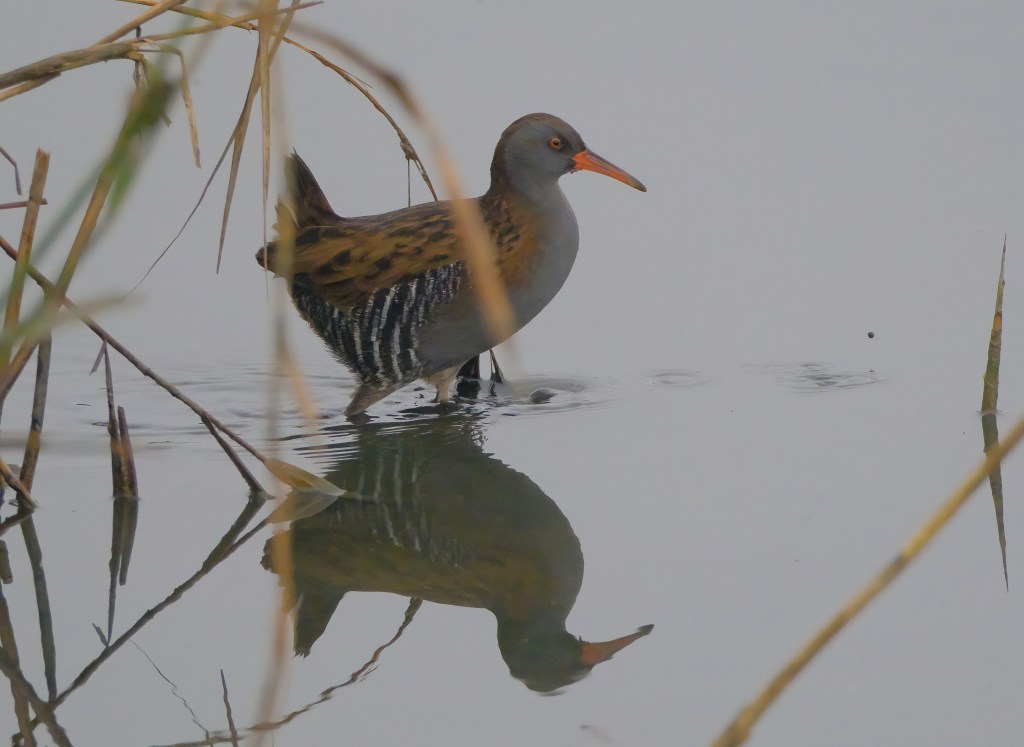
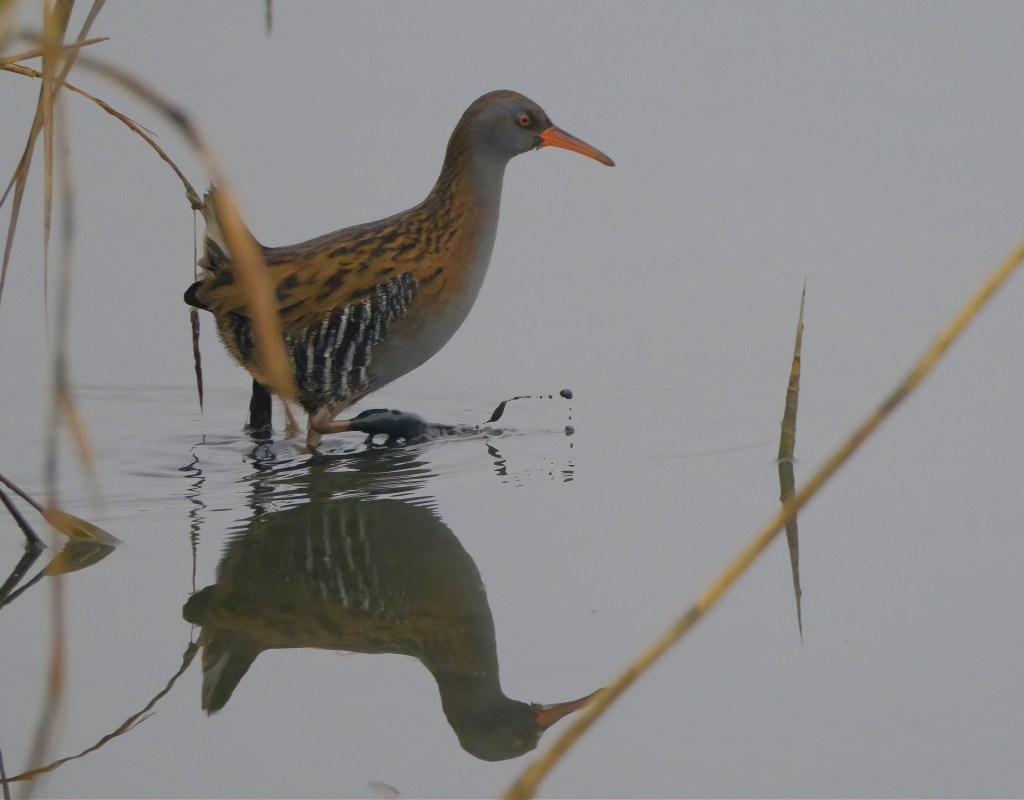
This Water Rail is making a dash from cover in the reeds. Although they are usually secretive, they are often heard but rarely seen. Today. I was lucky to see this bird break cover.

As winter approaches, the number of Sanderlings increase on Meon Shore. This is because the small number of resident birds increased with migratory birds from their breeding grounds in the Arctic Circle arriving.
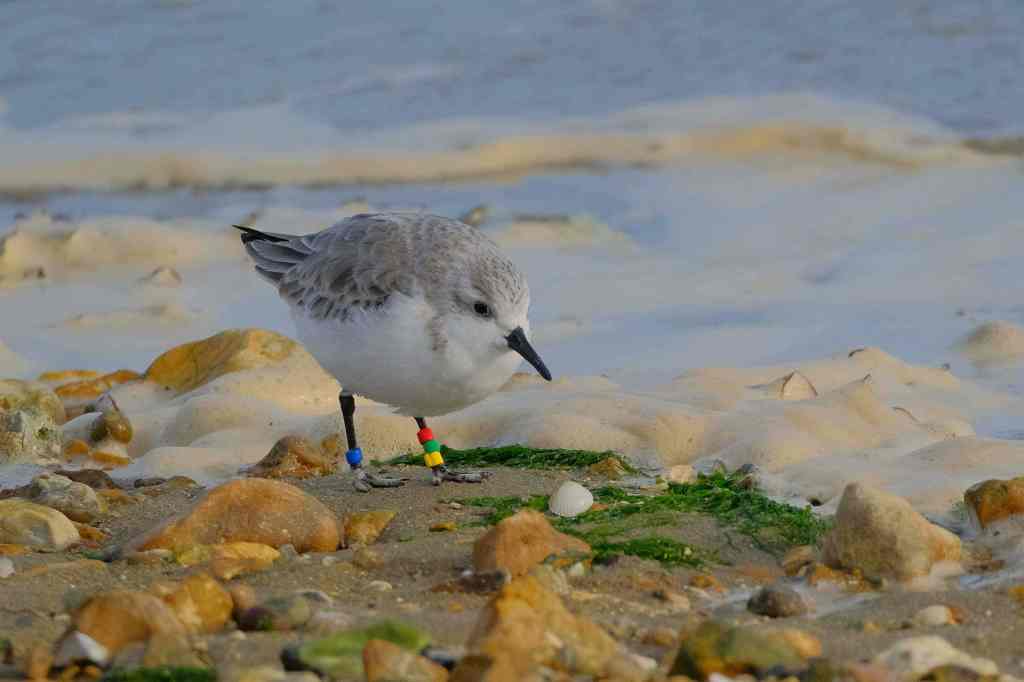


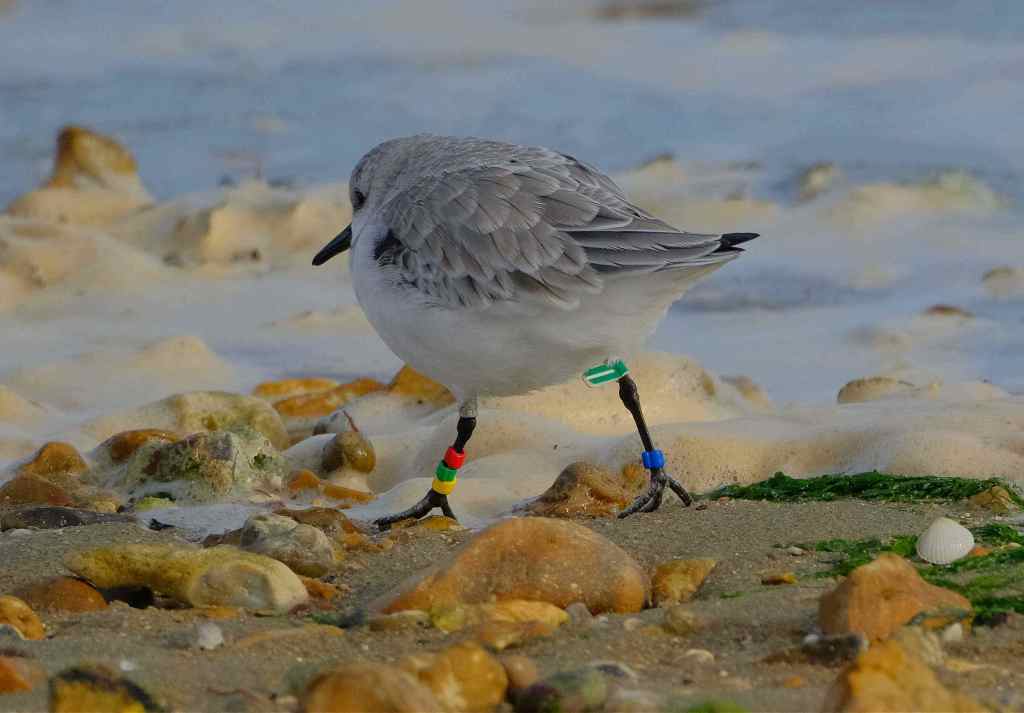
This ringed bird
This ringed bird has been on the beach for a few weeks. Ringed as an adult bird on a nest in NE Greenland on nesting grounds in summer 2025. I am always amazed at how a bird weighing just 60 grams makes this journey each year, then returns to their breeding grounds in the spring.
 Continued Reflections from my World.