Some animals of the New Forest. (and some other observations).
Cattle & Ponies roam the forest they are owned by local people called “commoners” they have the right to graze their animals on the open Forest throughout the year (part of the year in the case of pigs). Agisters police the system of this grazing system in the forest, these agisters supervise the welfare of the stock, ensure that stock pounds are in good order, and attend to road traffic accidents involving stock. They take action should commoners’ animals be in poor condition.


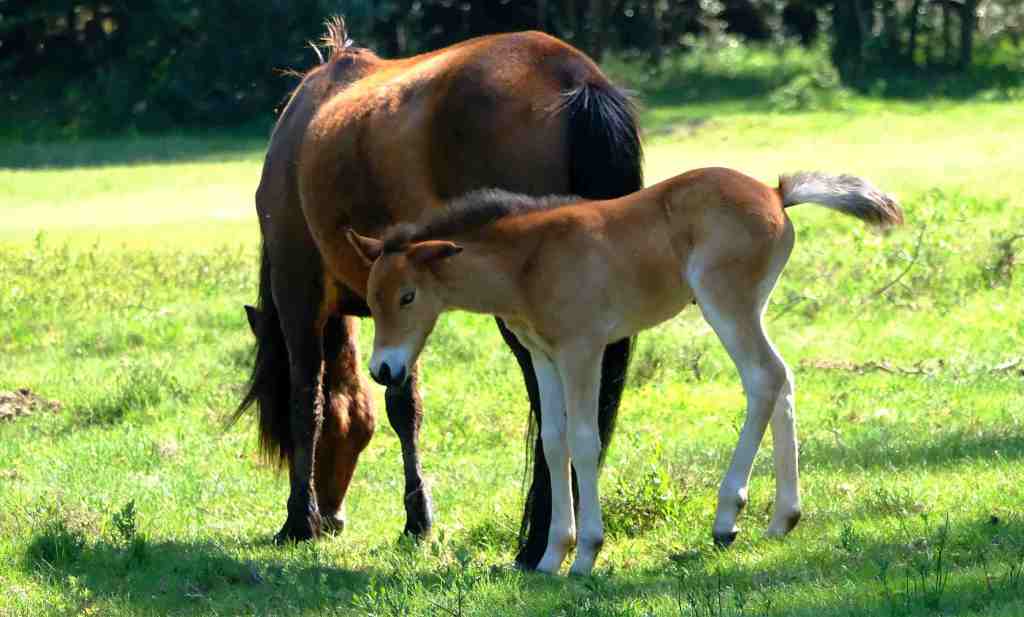

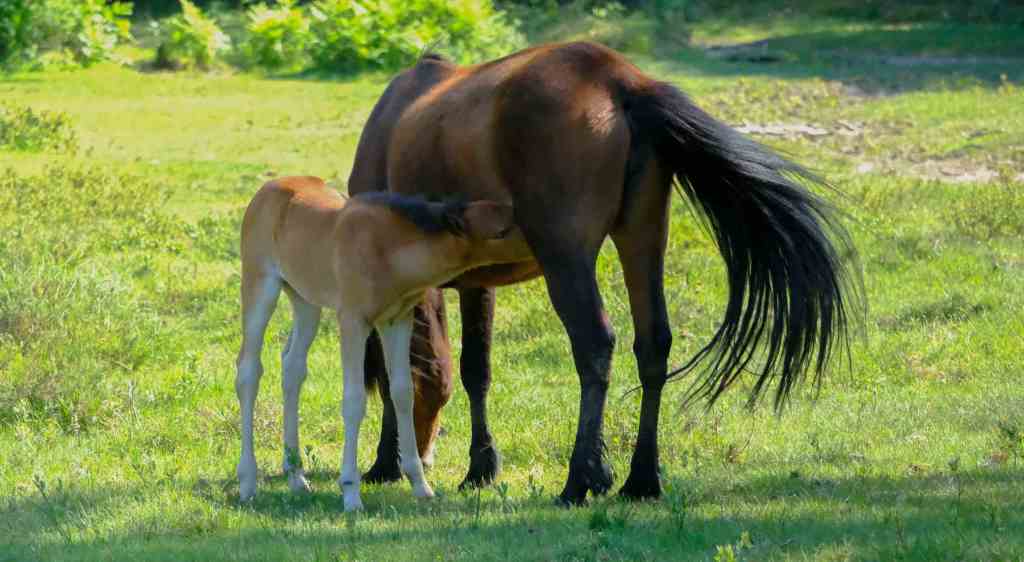
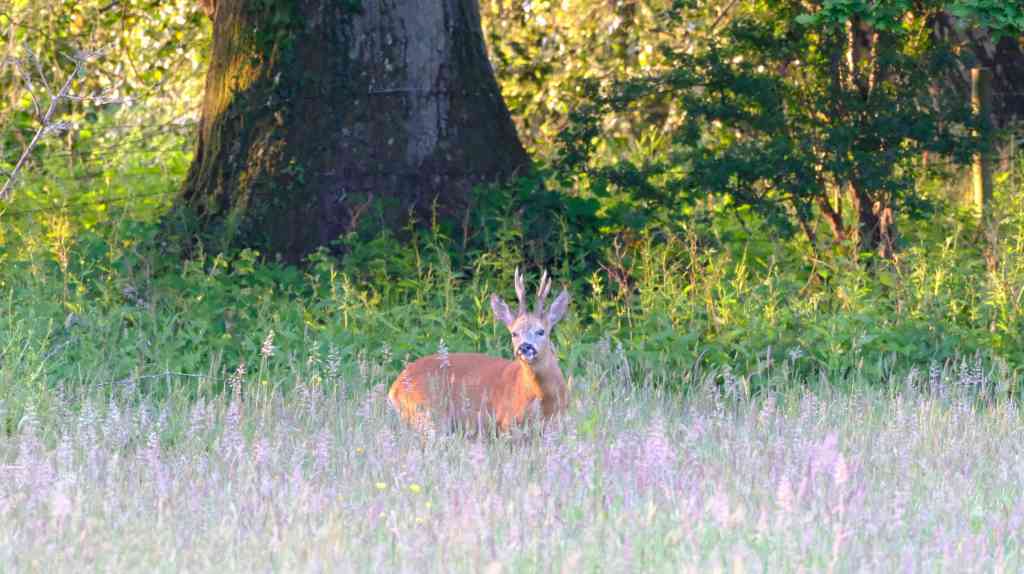
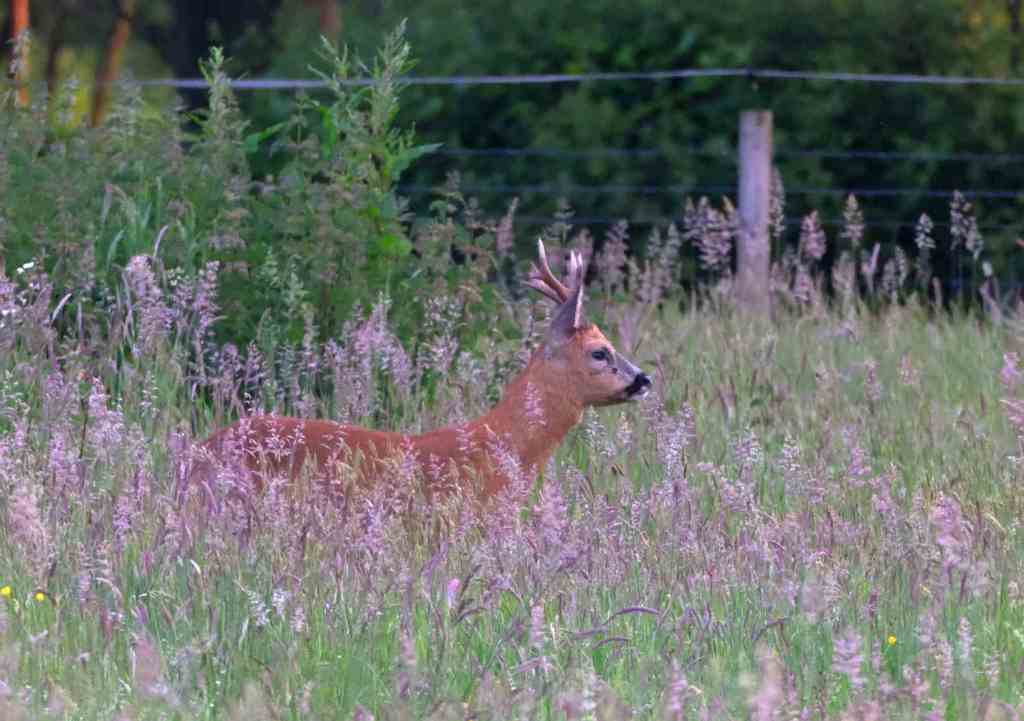
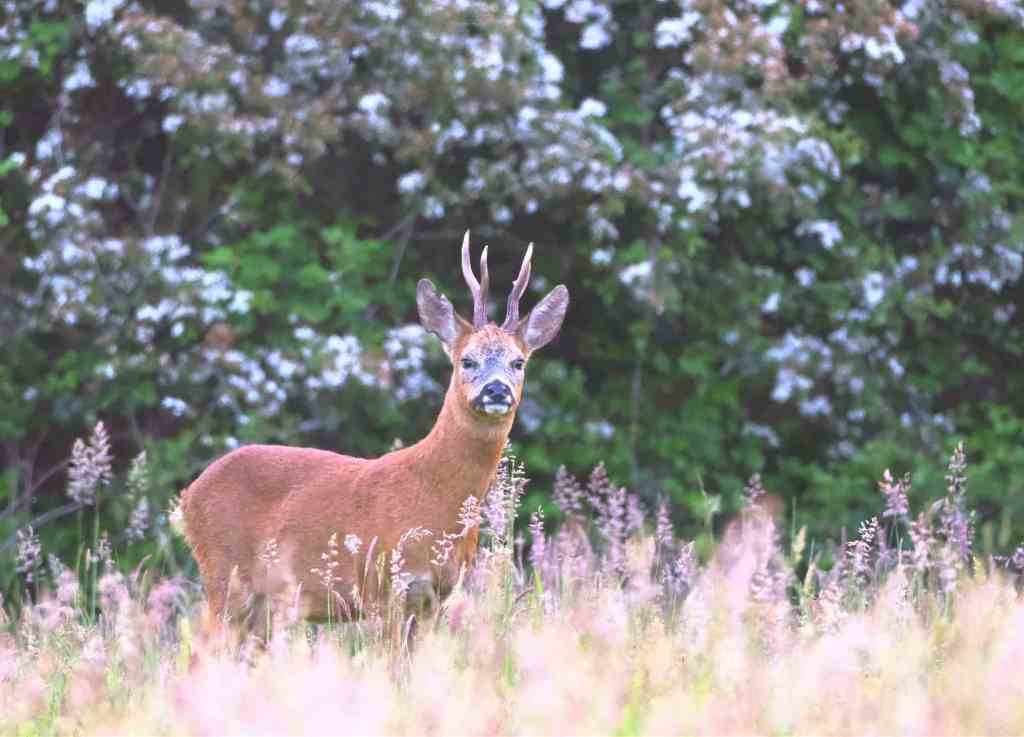
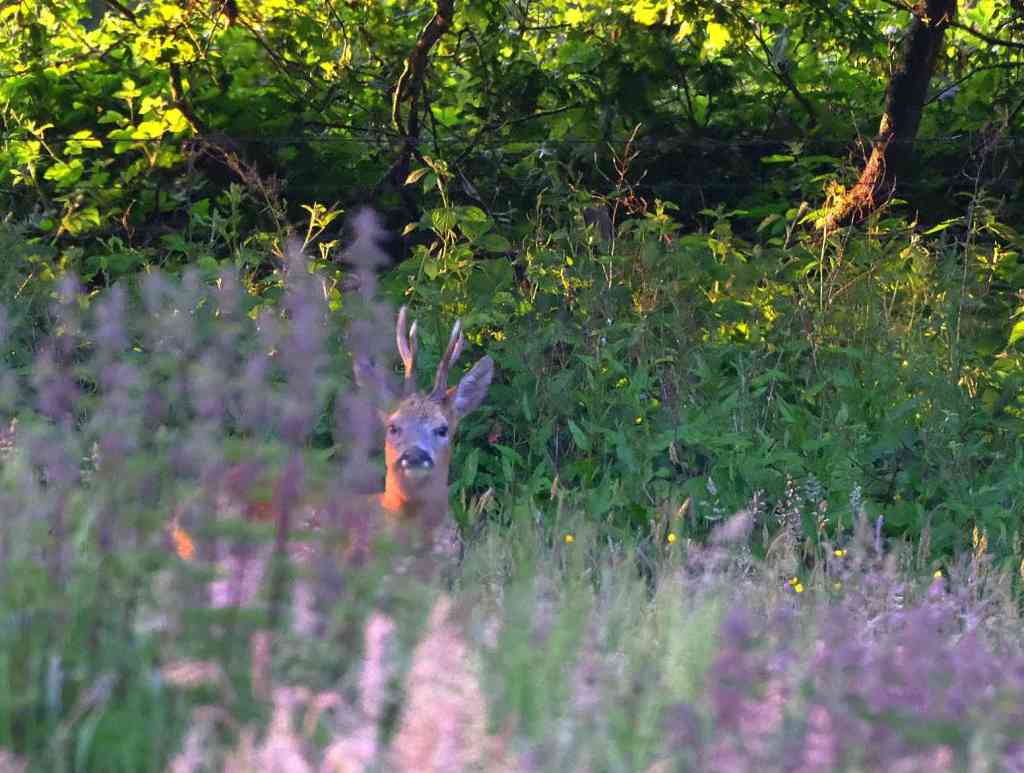
Deer are wild animals in the forest and can be observed if you know when and where to look. They are best approched up wind and under cover.
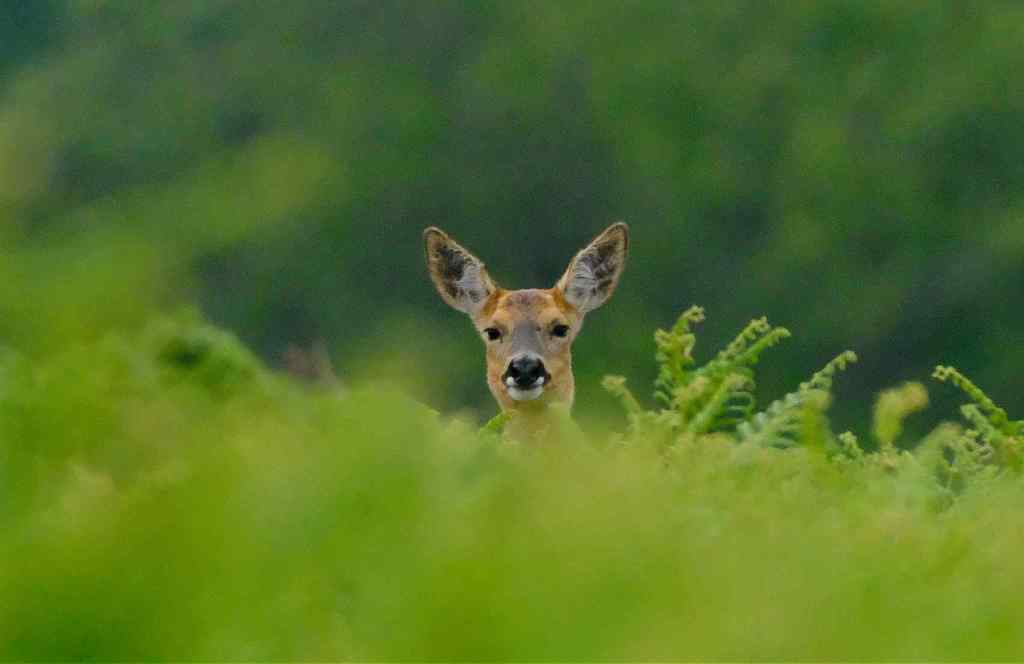
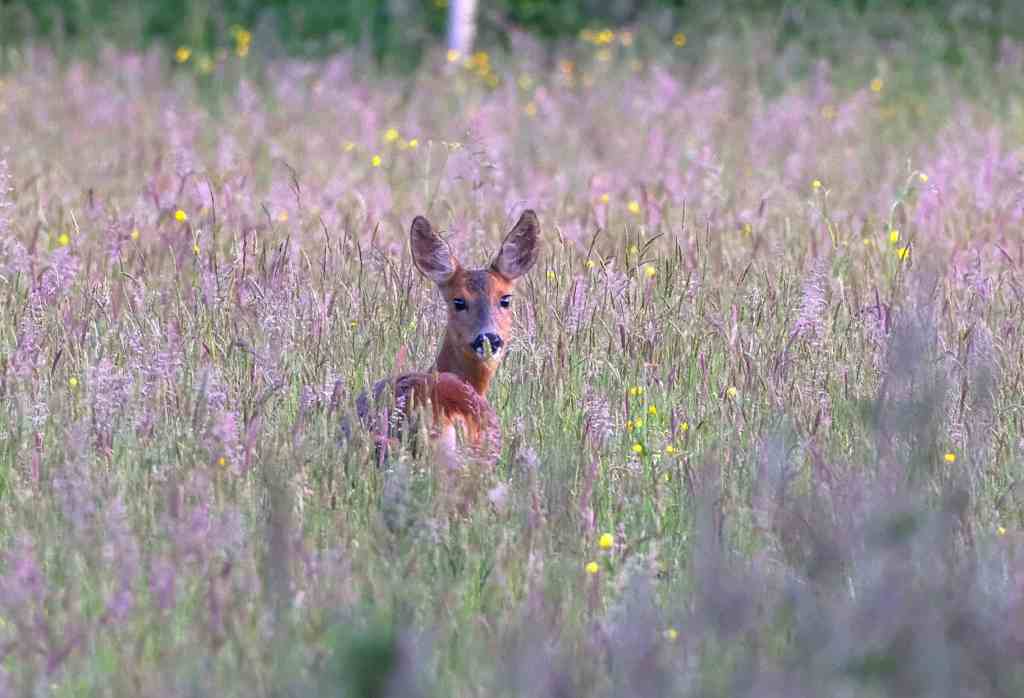
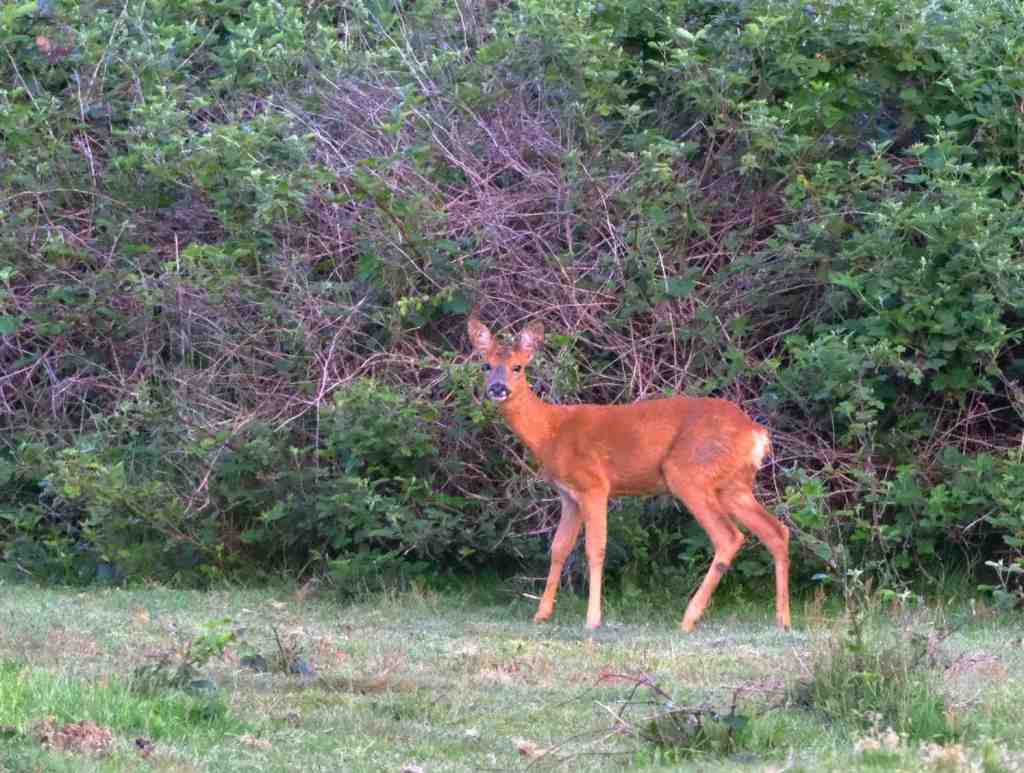
Roe Dear doe, Roe have very large ears and move them to tune into who is approaching!
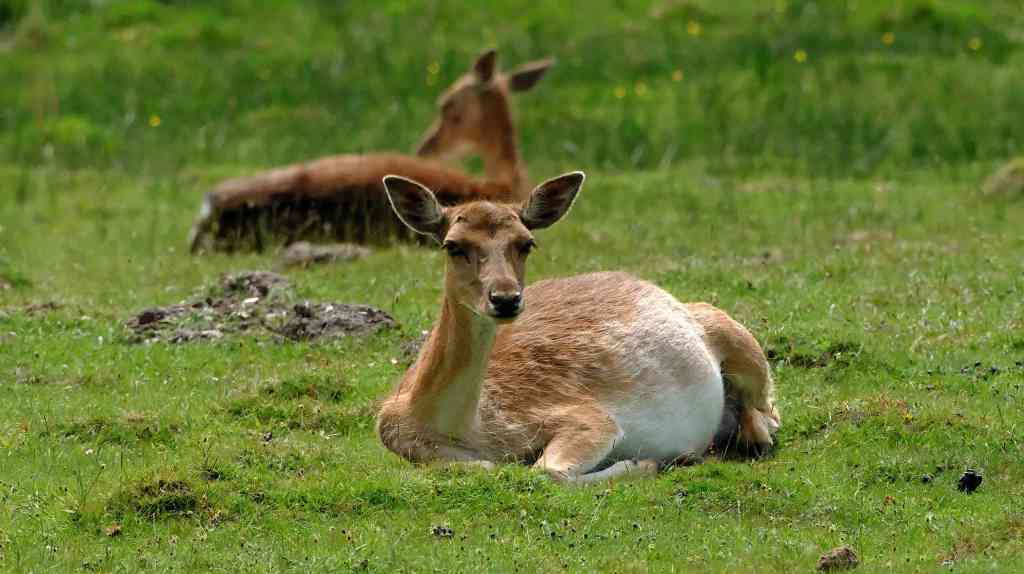
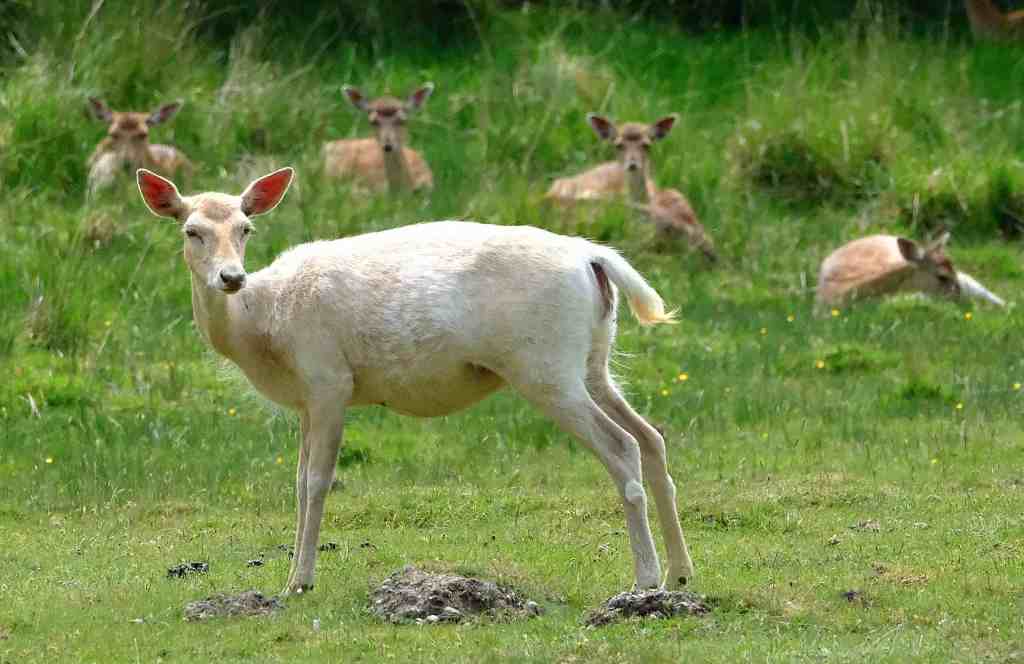
The Fallow Deer is probably the most seen deer in the forest their numbers are managed by the forestry commission – Originally introduced by William the Conqueror King of England after he proclaimed a “New Forest ” a royal hunting forest which was recorded in the Domesday Book.


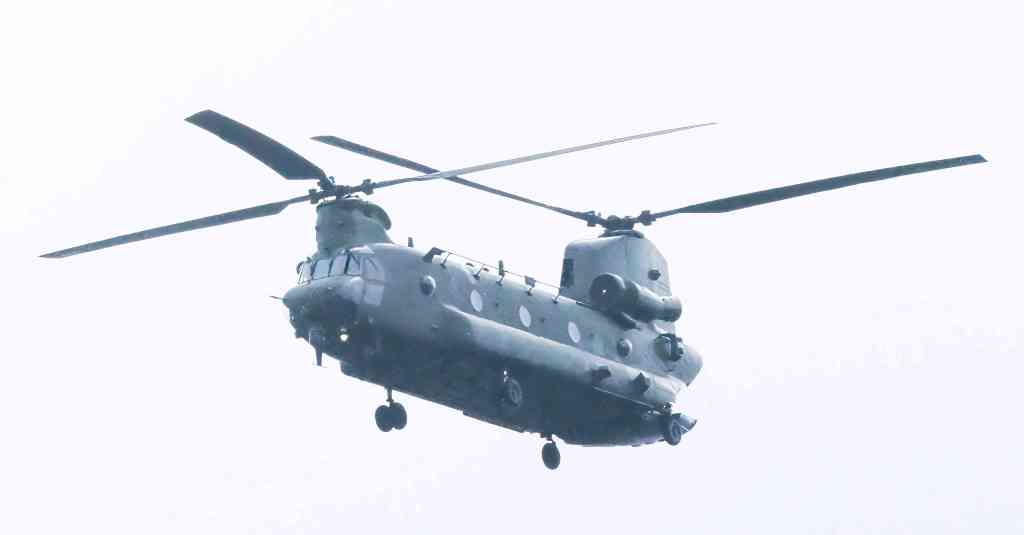
Quiet broken by RAF Boeing CH-47 Chinook helicopter.
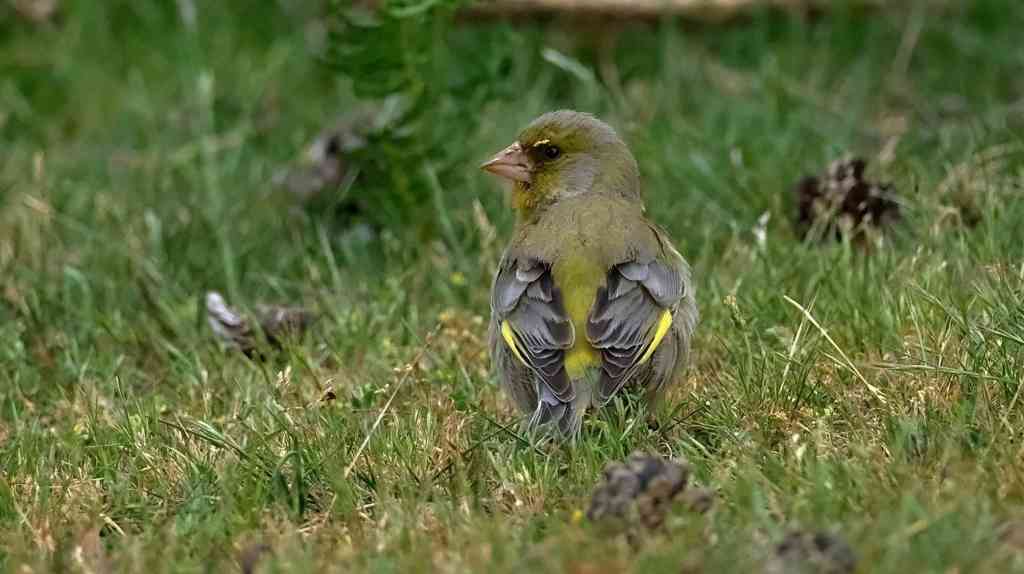
Greenfinch ground feeding on grass seeds.












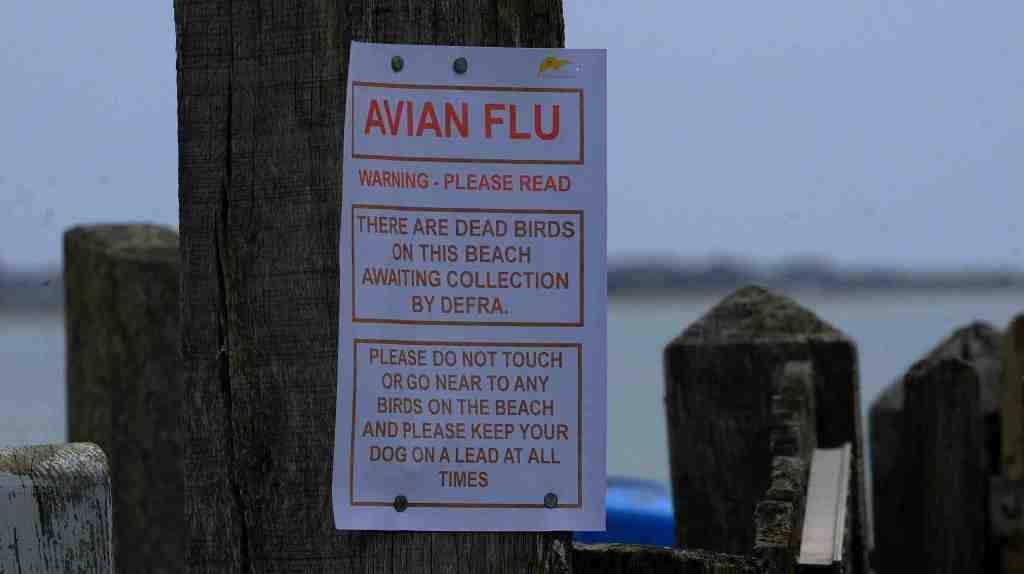
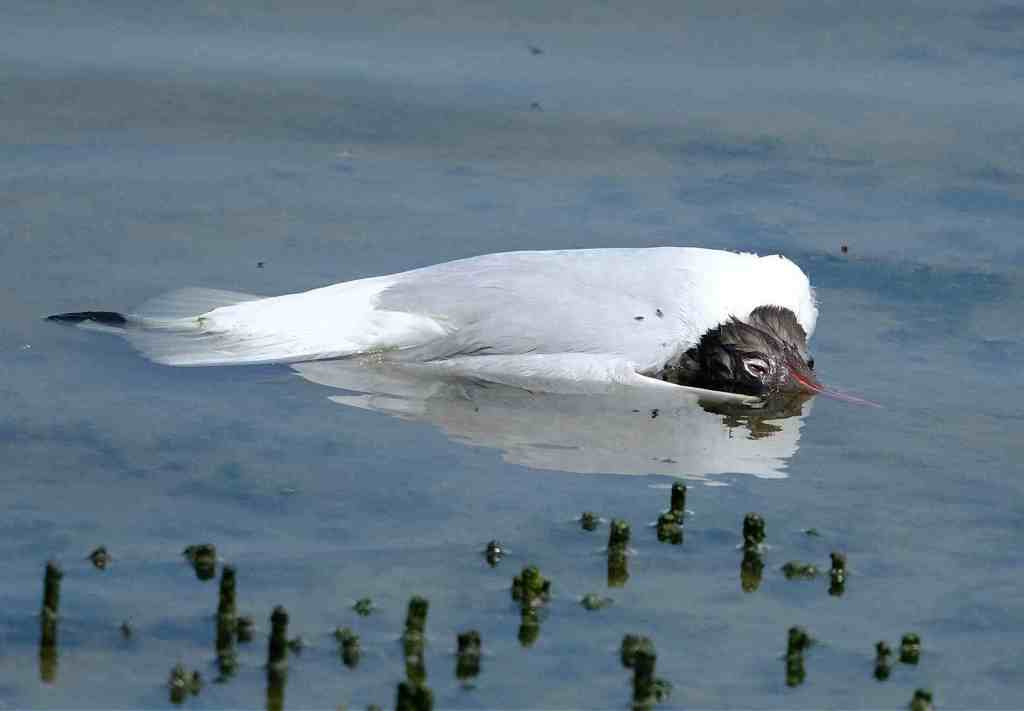
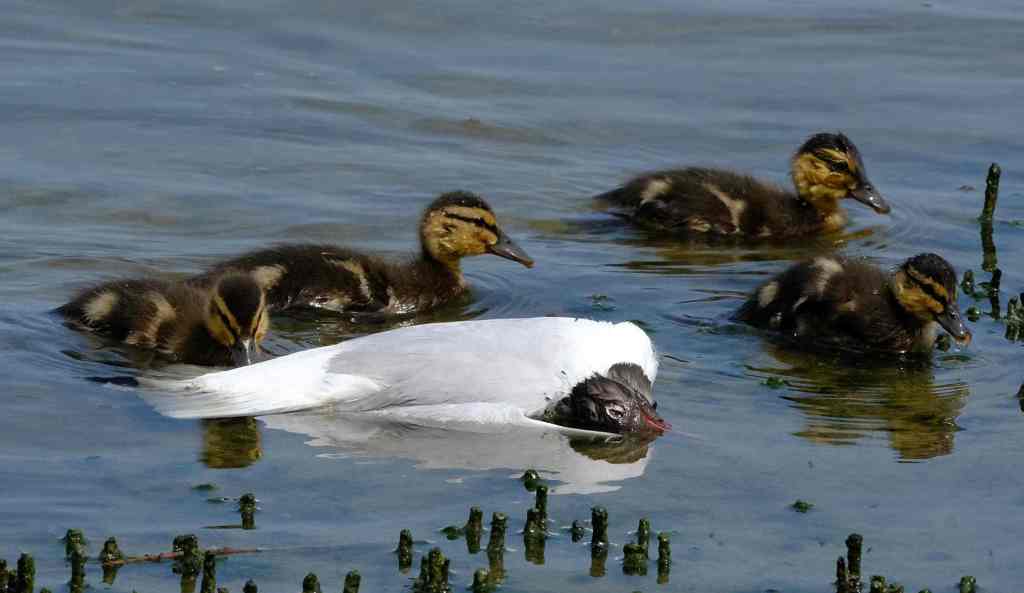
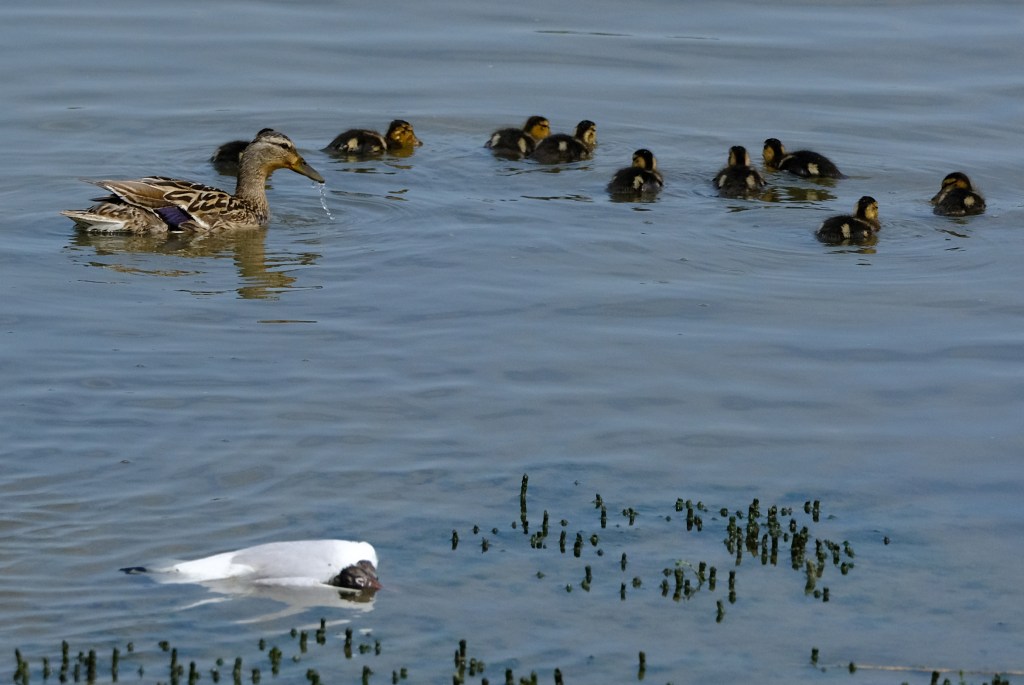











 Continued Reflections from my World.