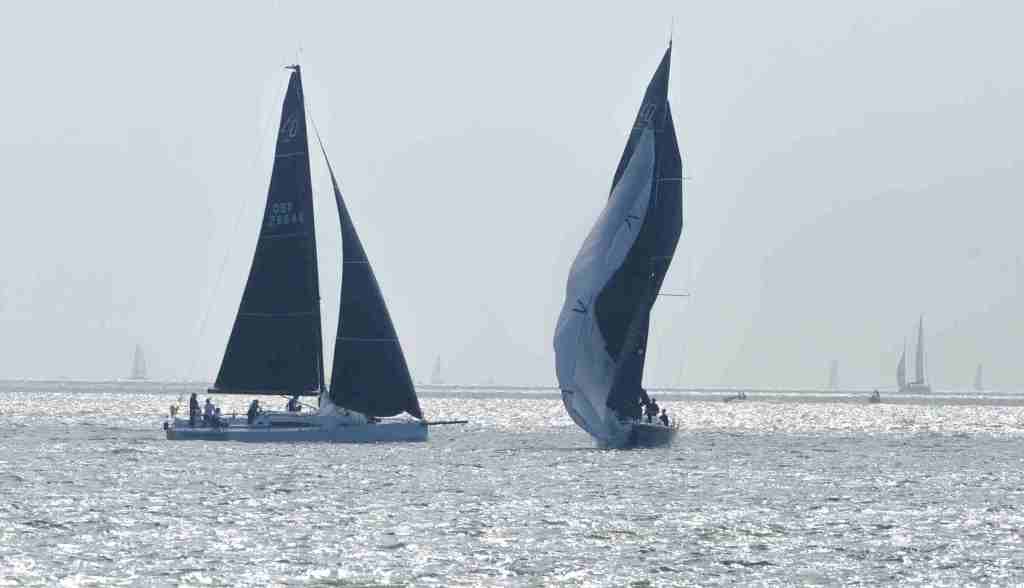
An evening watching the sea from Meon Shore.


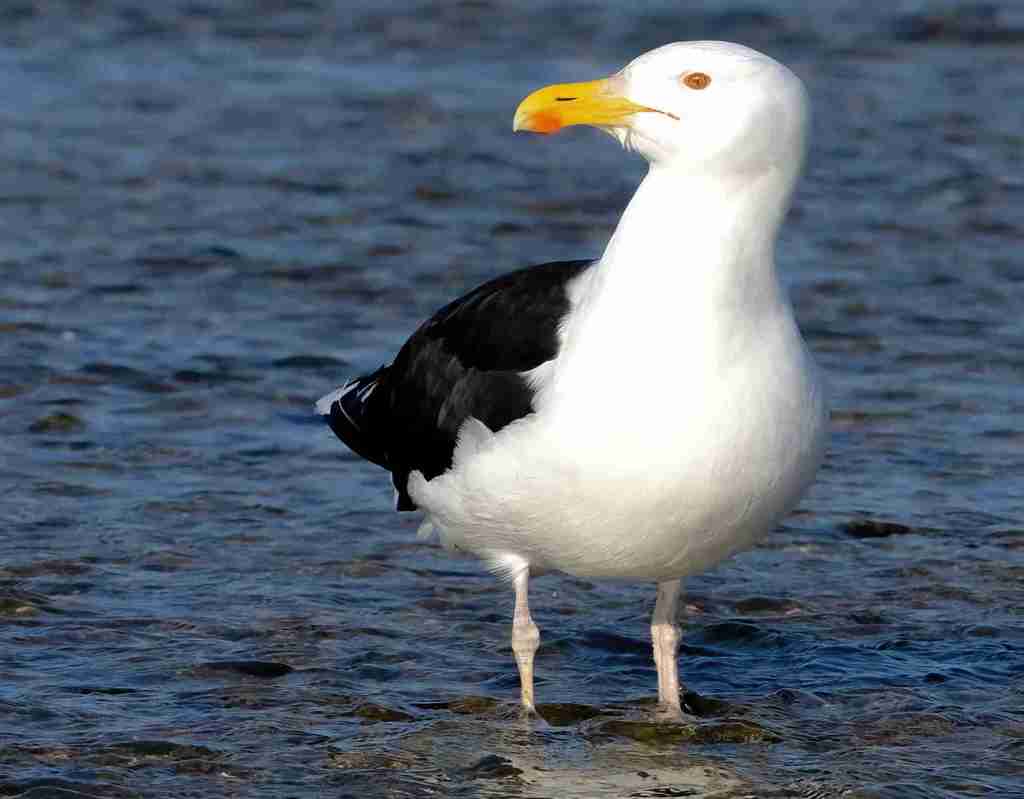
A Great black-backed gull on the beach.

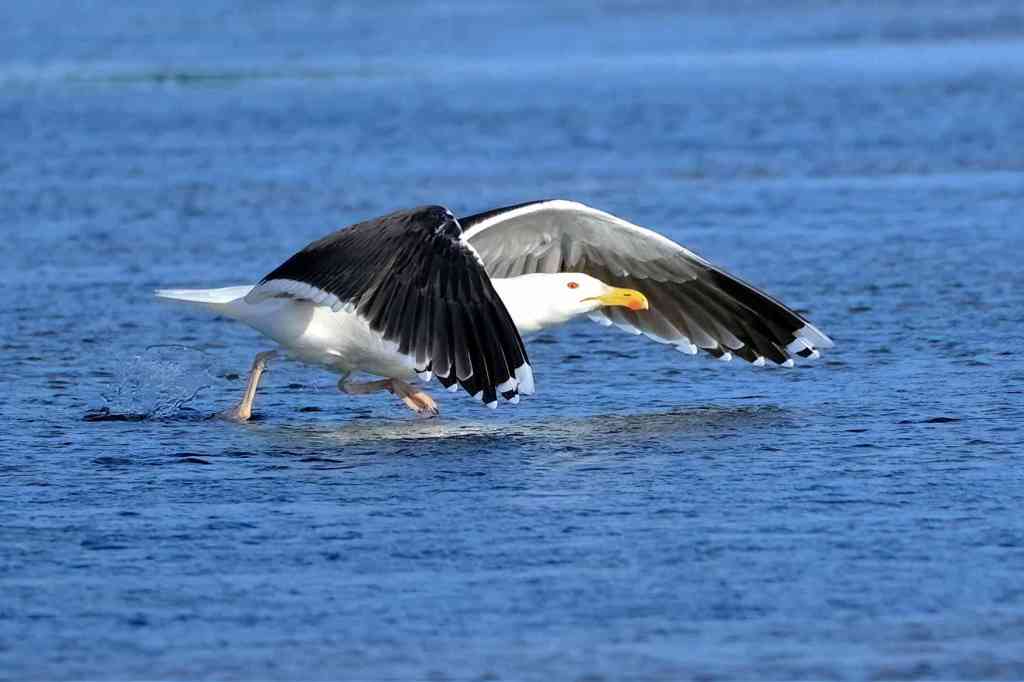
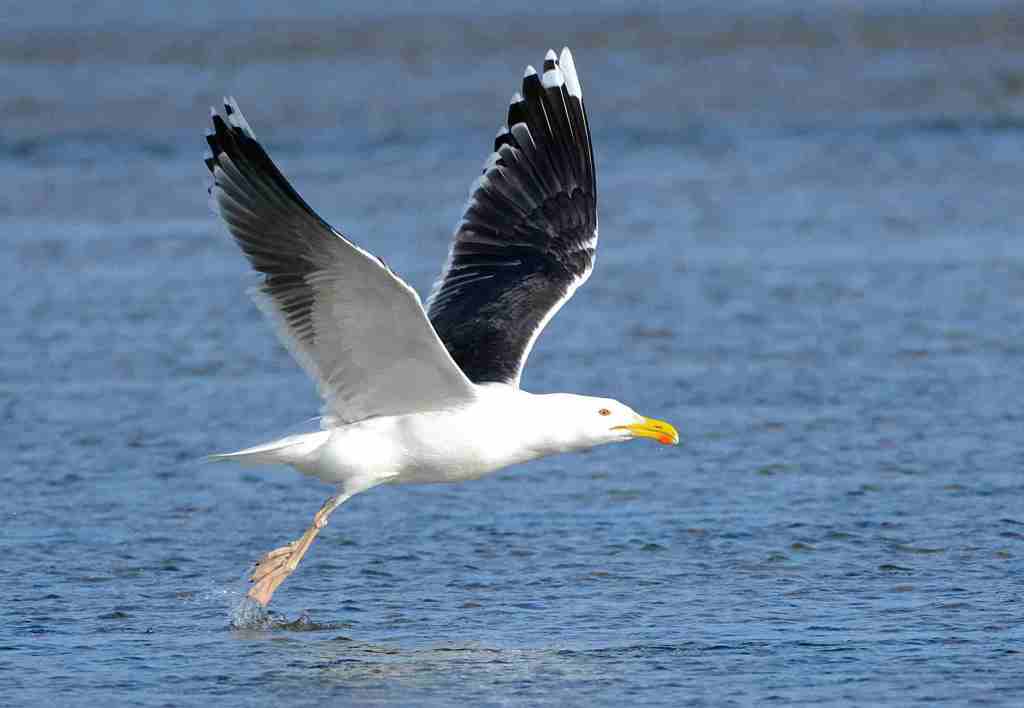

An evening watching the sea from Meon Shore.
A Great black-backed gull on the beach.
I try and get out in the environment not only is it physical exercise it is mental exercise. I always take a camera with me I never know what I will see on my trips out. A couple of times a week I go to the coast on Southampton Water. There were 3 Grey Heron fishing together at the Haven this morning. The 1st 5 pictures are of an adult bird the other pictures show young immature birds probably born last year.


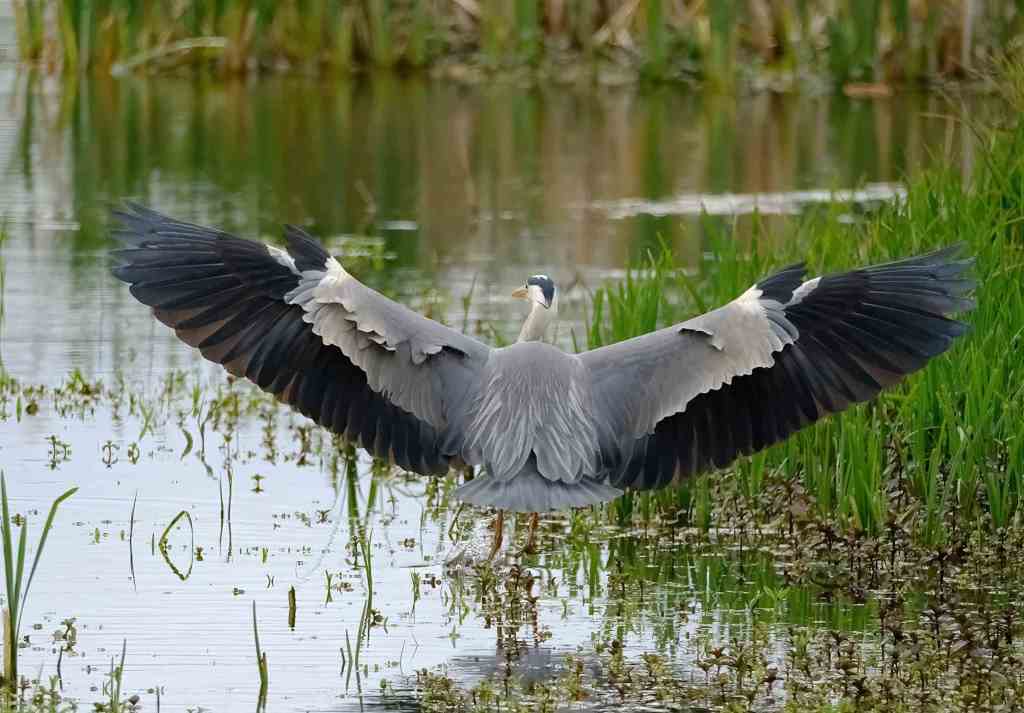

The collective noun for Herons is a ‘siege‘,


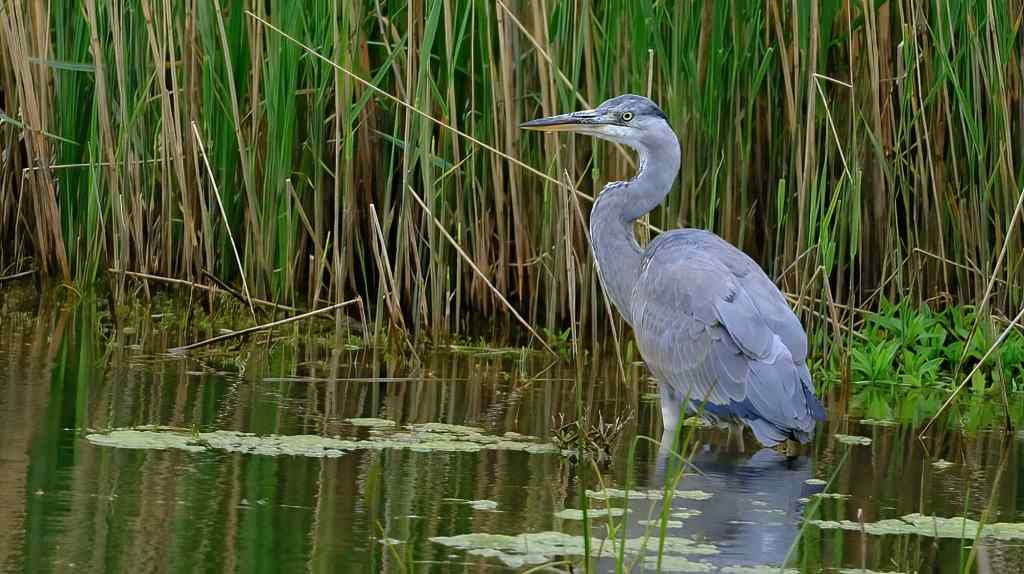

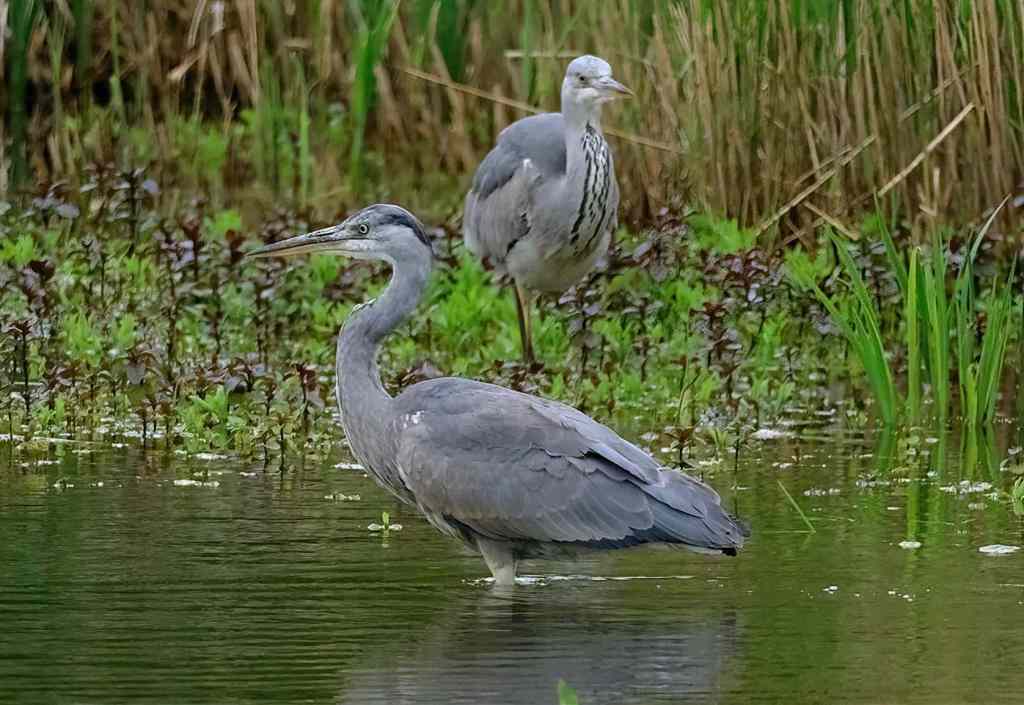
Heron eat, lots of fish and eels, but also small birds such as ducklings, small mammals like voles and amphibians.
Not the well-known fizzy drink but the number of relatively newly hatched Mute Swan cygnets on Hatchet Pond in the New Forest.
I will say no more and let the photographs do the speaking – the only words I could find were ” just so cute.”


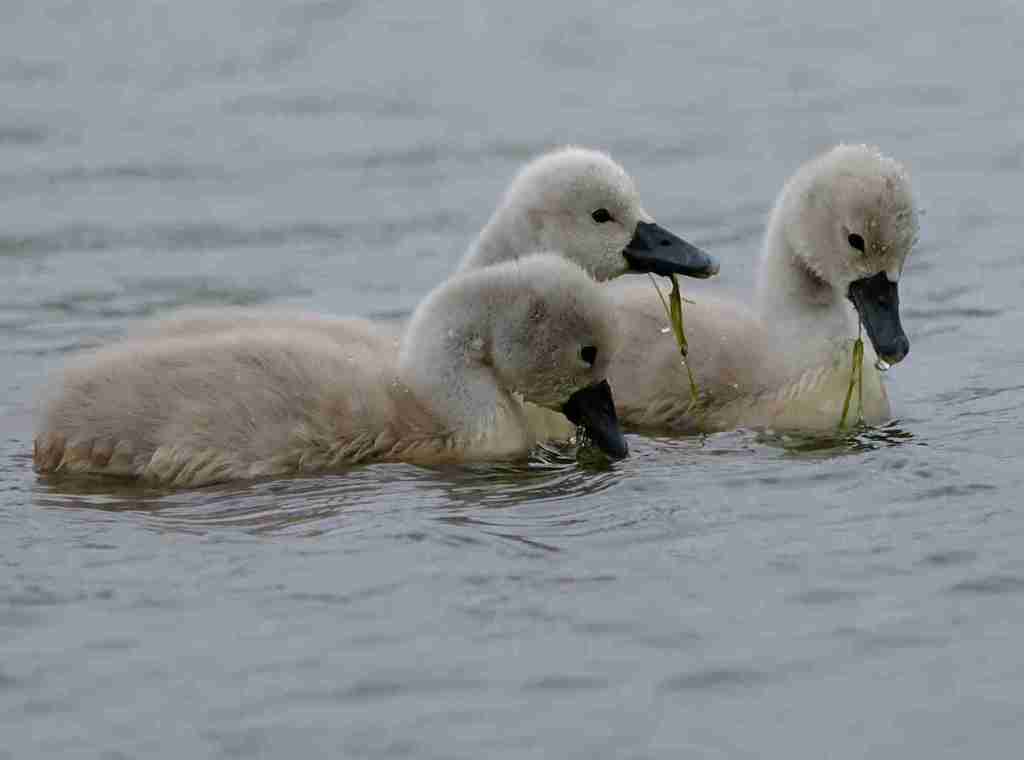

Wordless Wednesday.


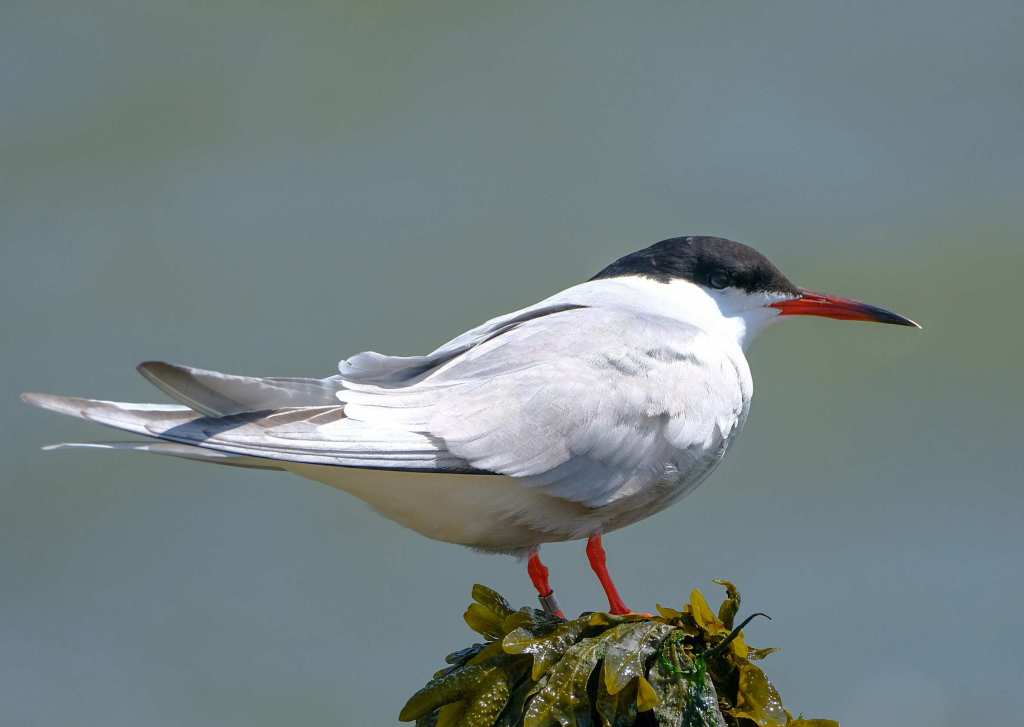
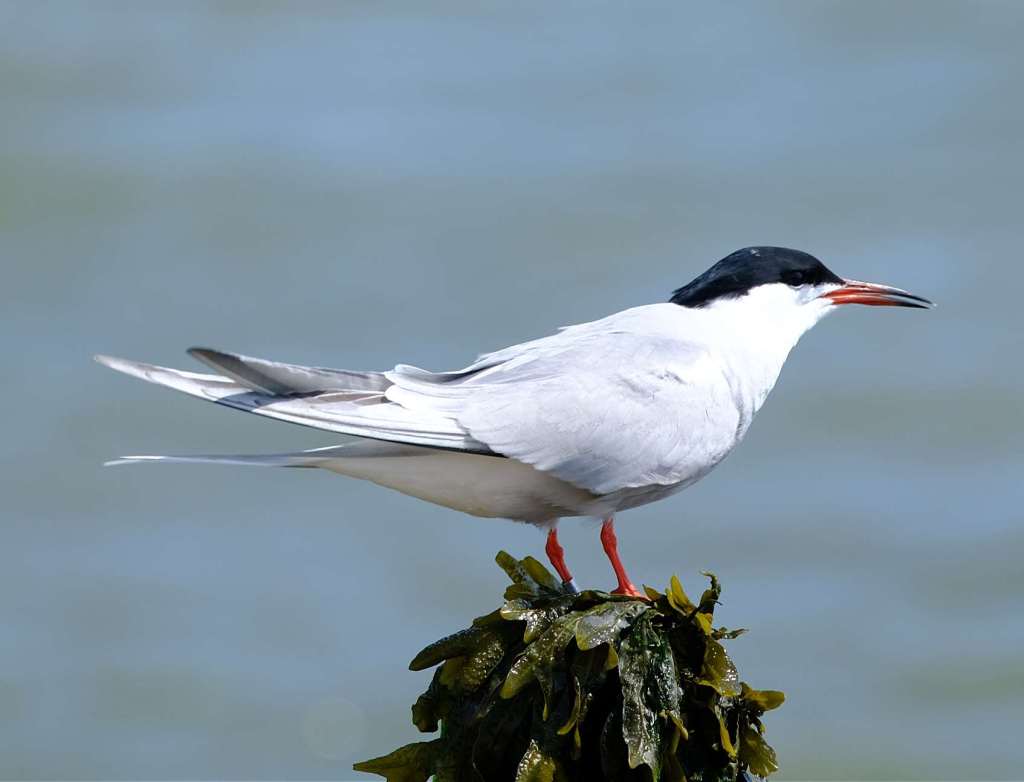
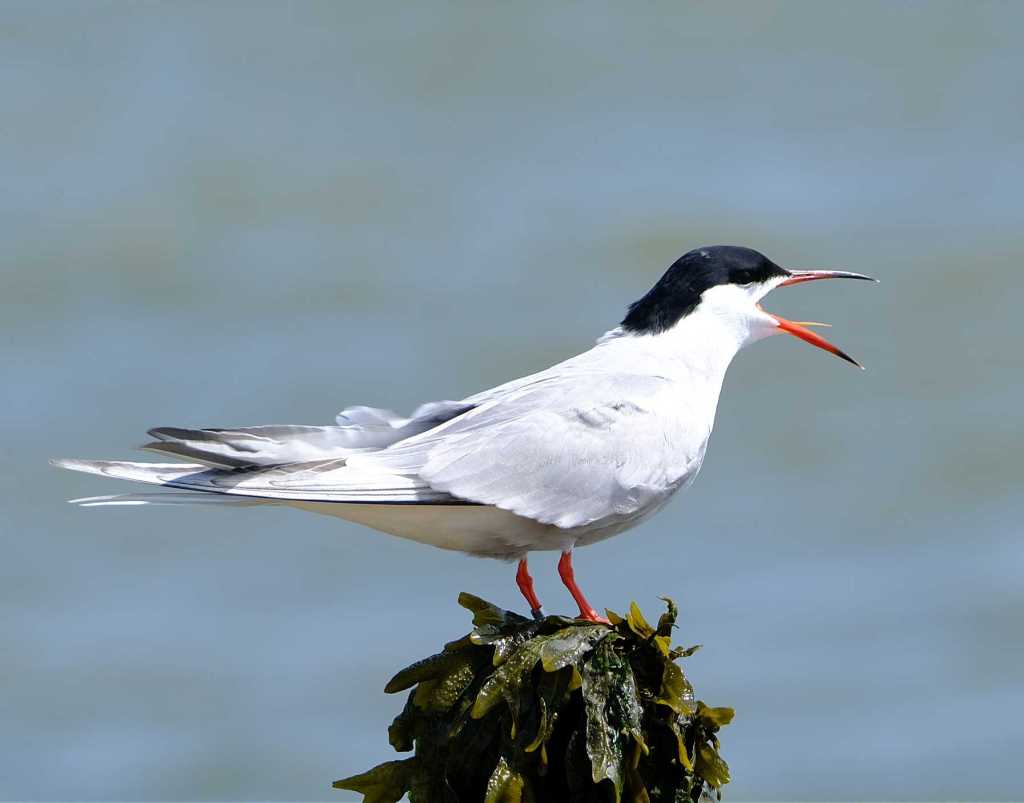
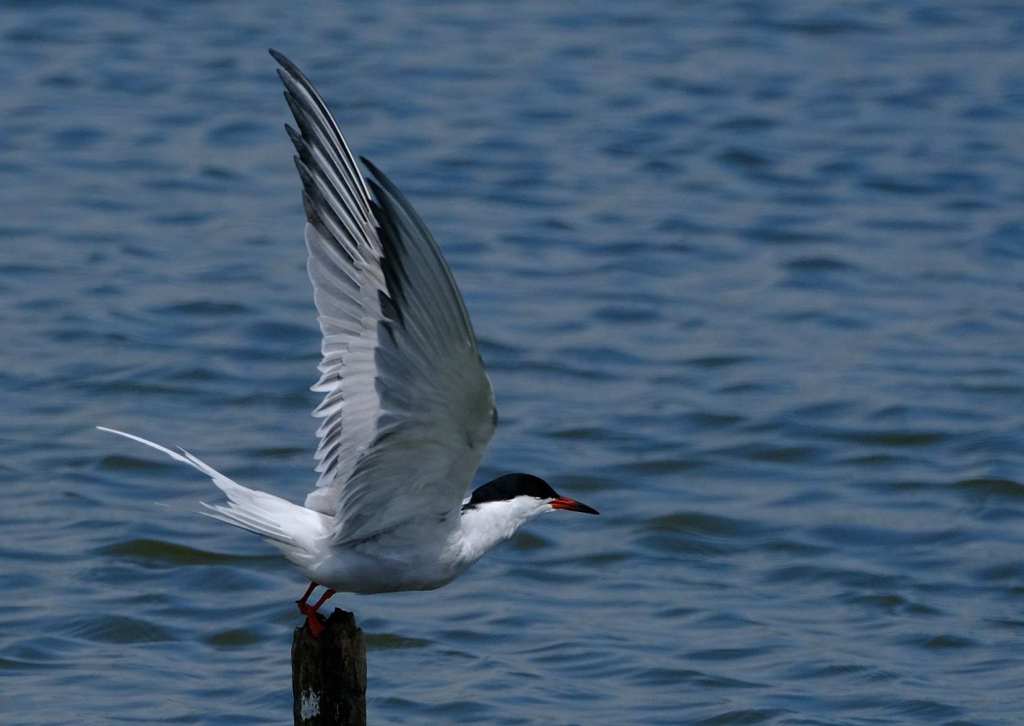
Common Terns have returned to the Solent and Southampton Water in the past week – I always look forward to their arrival and their numbers are increasing daily as they reach our shores from Africa. My 1st pictures this year which I am very pleased with. I have until September to practise when they will again leave.



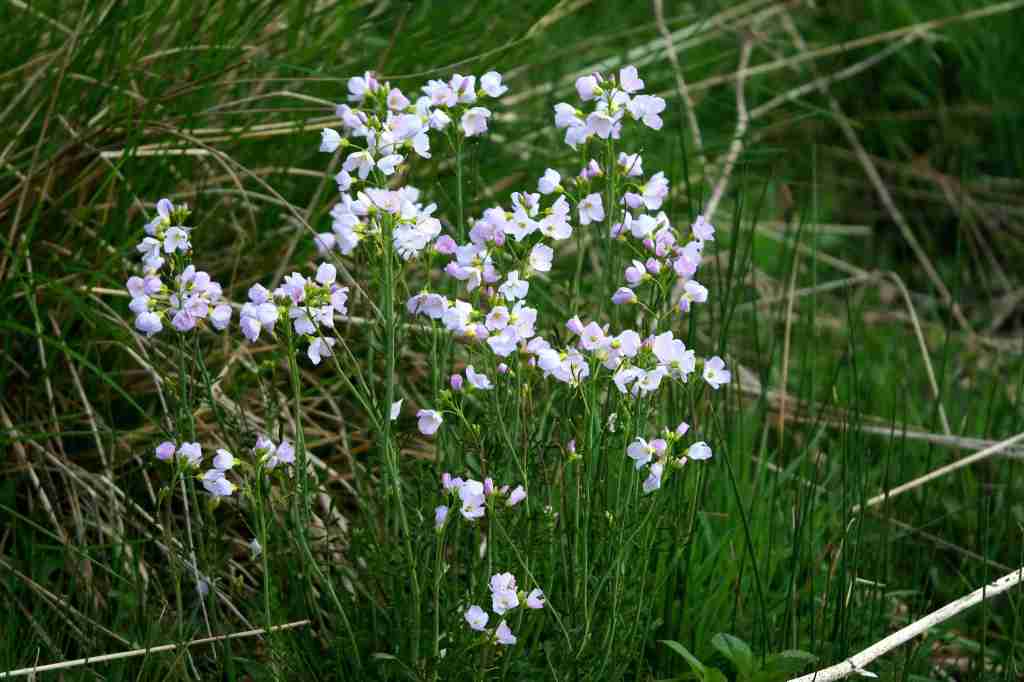

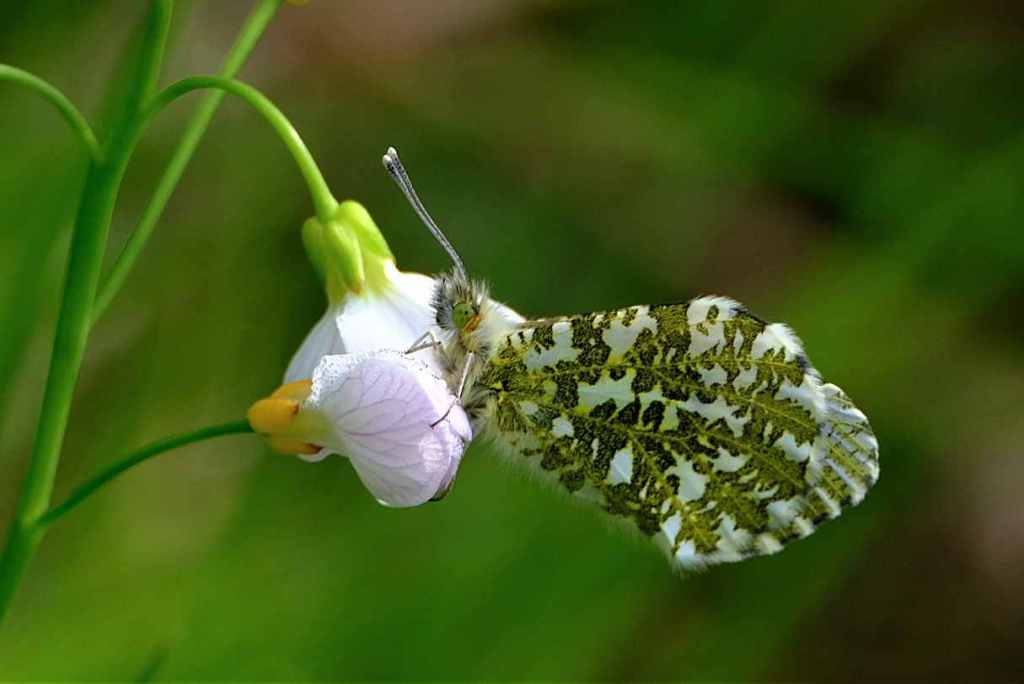
A plant that favours the Water Meadow is The Milkmaid, a member of the mustard family it is also known as the lady’s smock or Cuckoo flower. The flowers; colour can vary from pale lilac to white. A food plant for the Orange-tip butterfly caterpillars – this female Orange-tip had found the Milkmaid flowers.
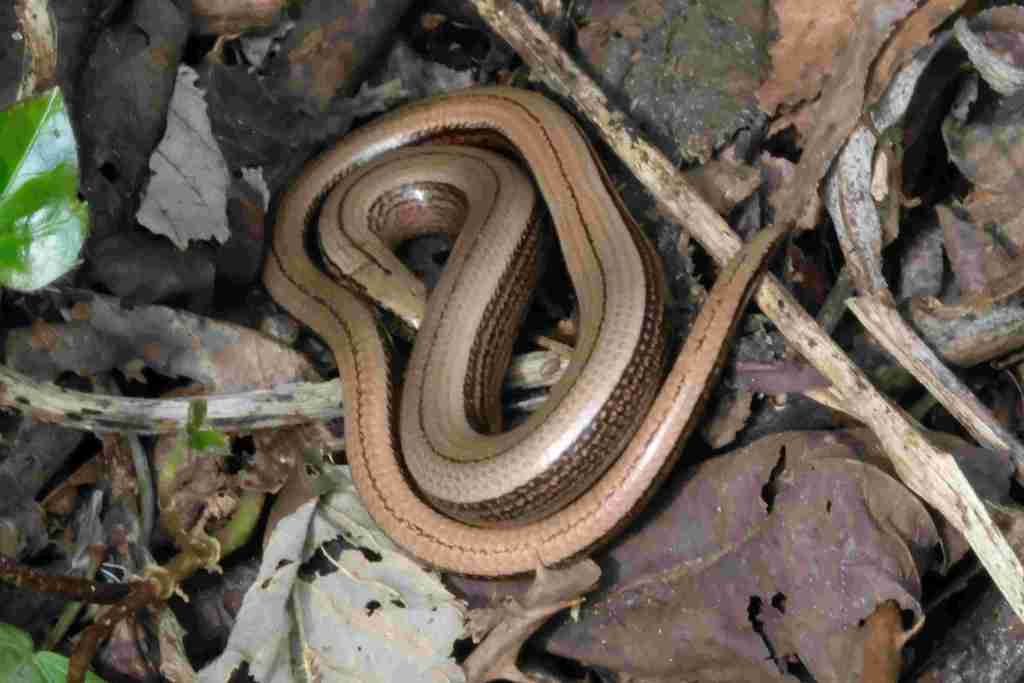
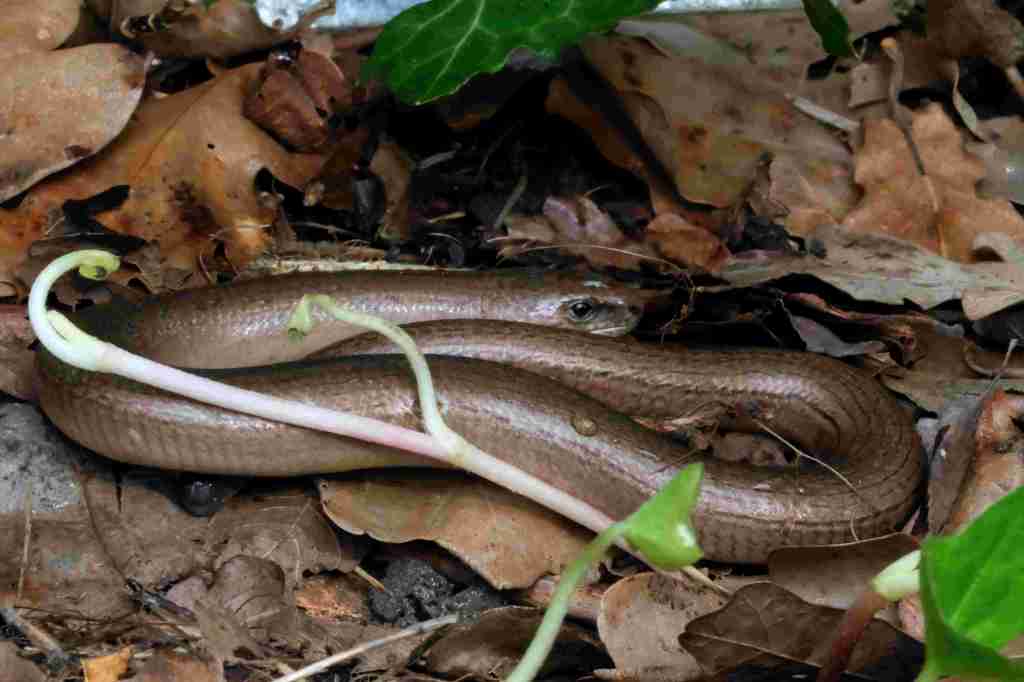
Today’s lucky spot was some Slow Worms. Mistaken by many for a snake Slow worms are legless lizards.
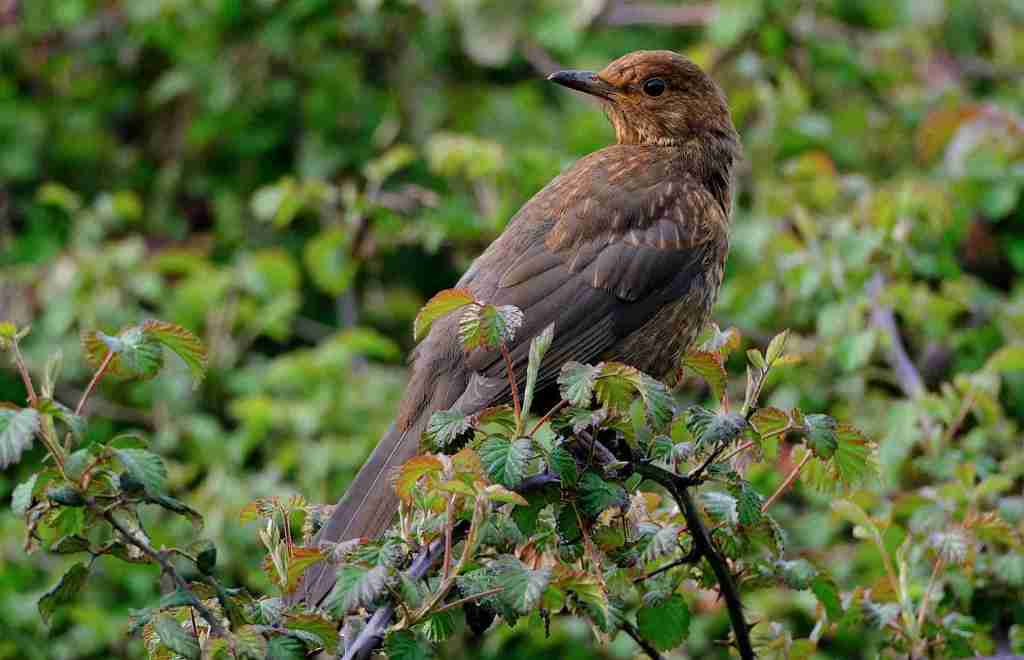
A female Blackbird.


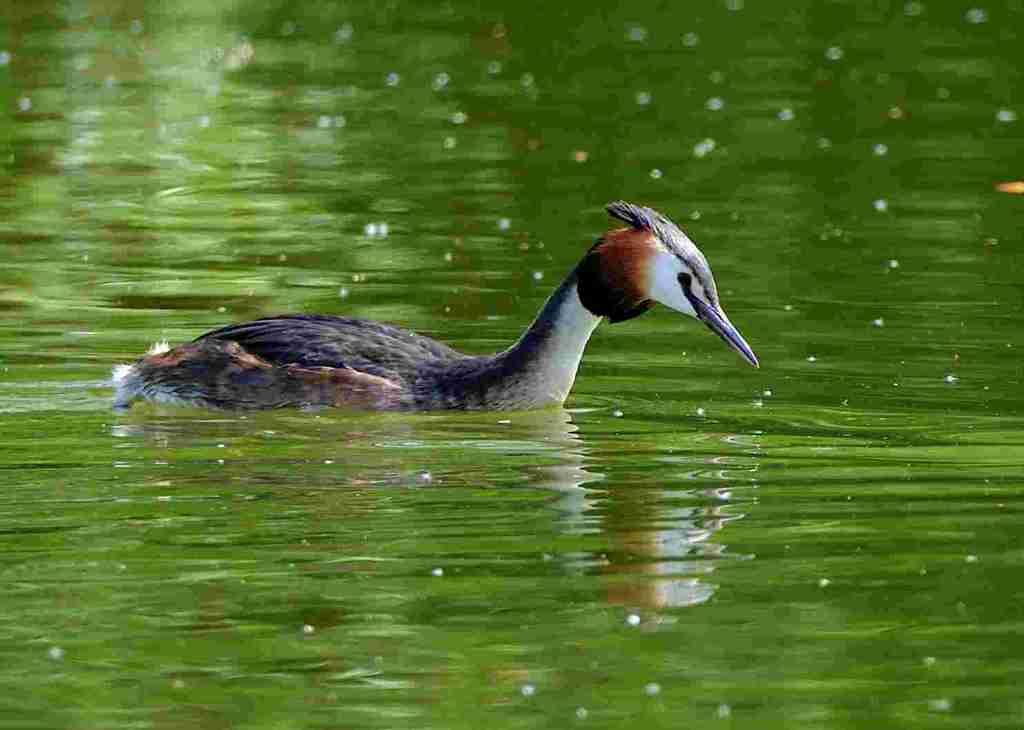

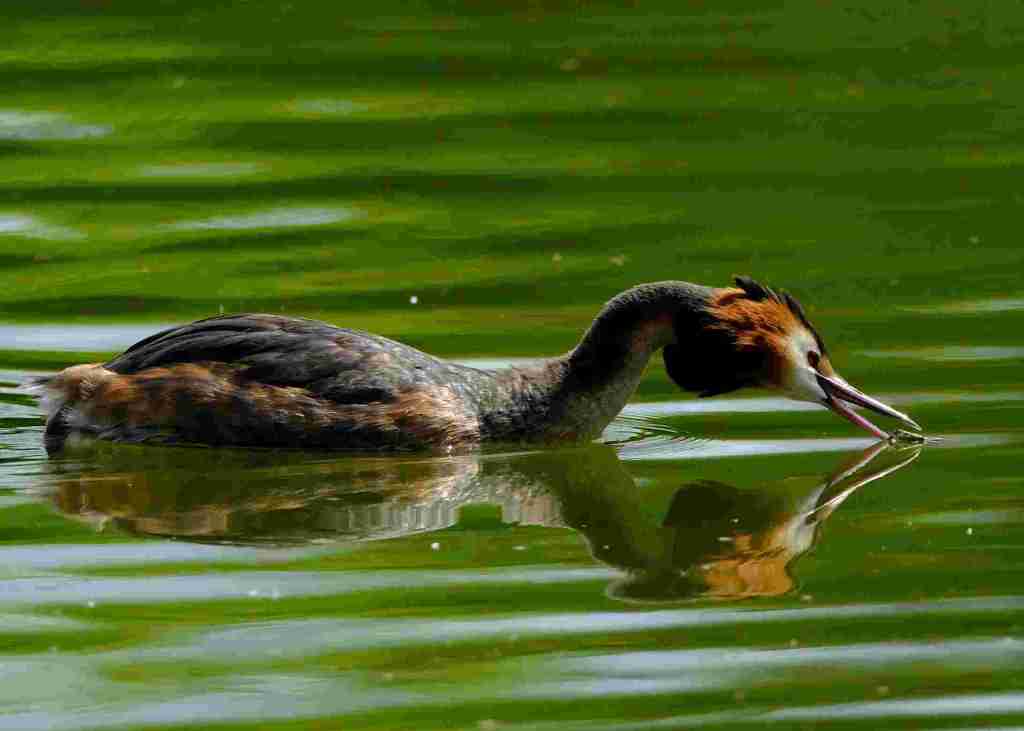
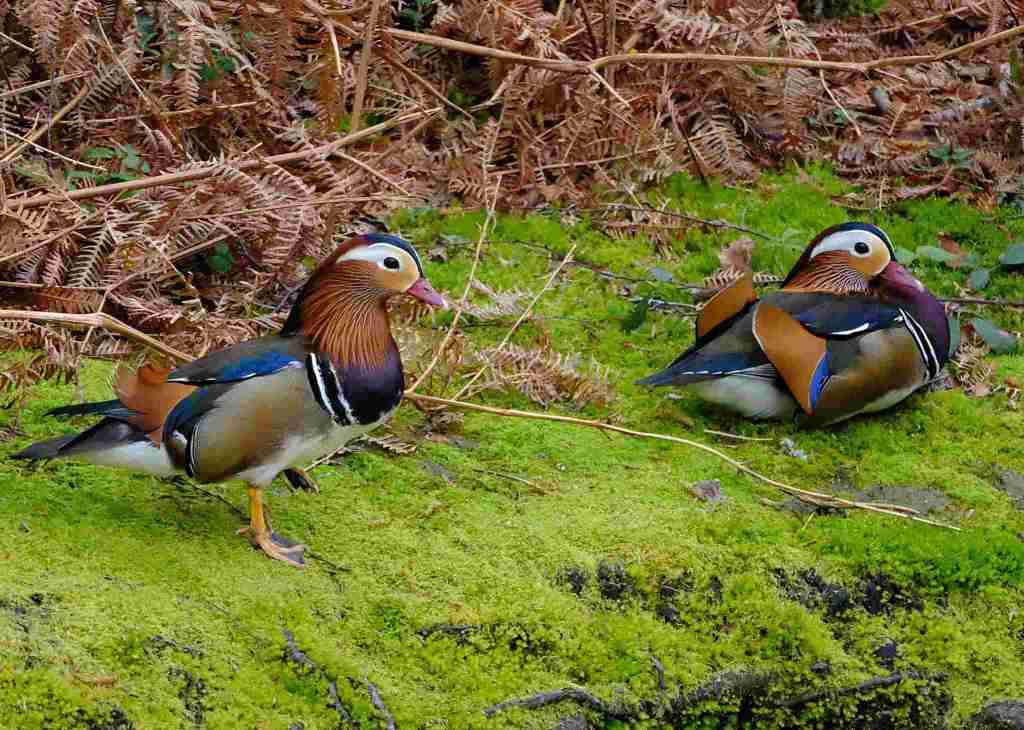
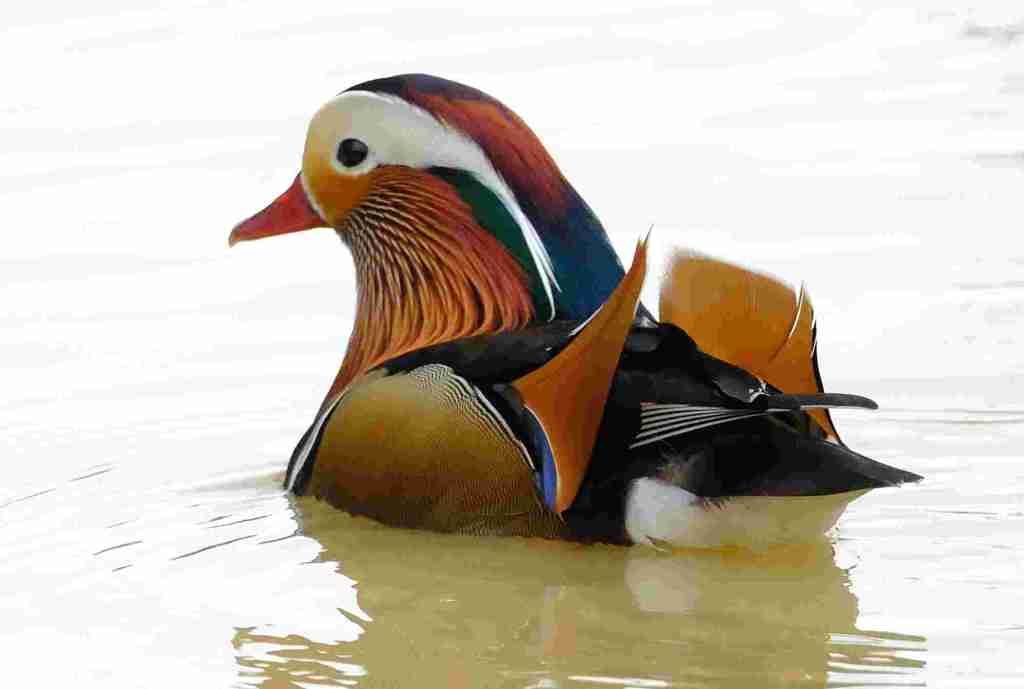
What is odd about Mandarin ducks? They nest in trees often high above the water. Two drakes spotted today but no female ! not even up in the trees so they must be well camouflaged.
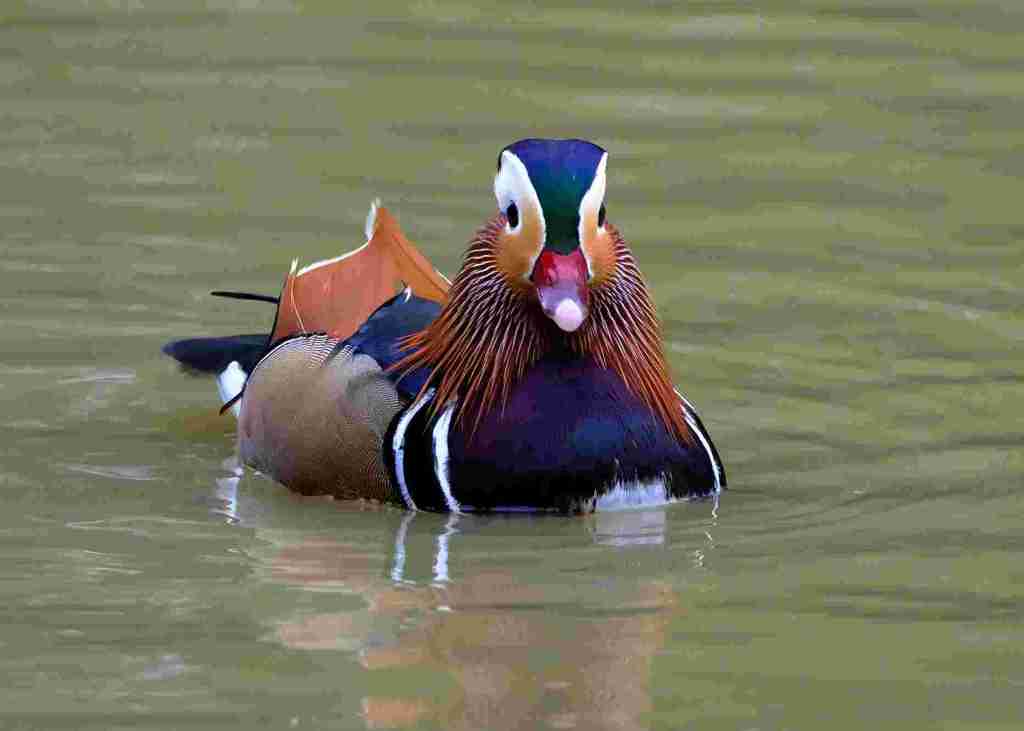

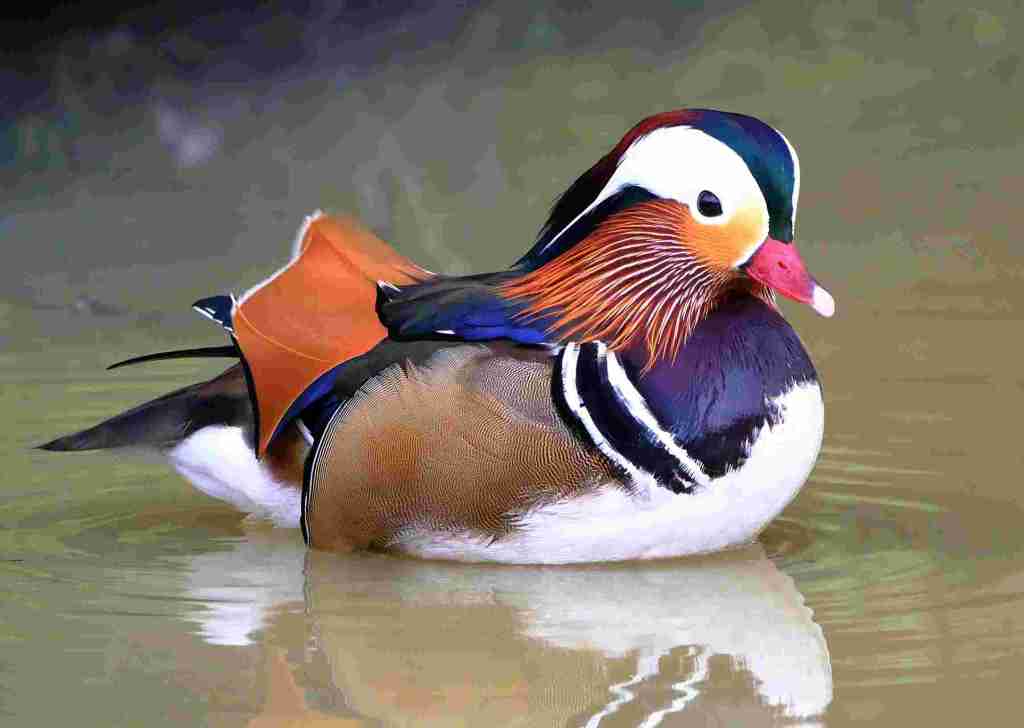

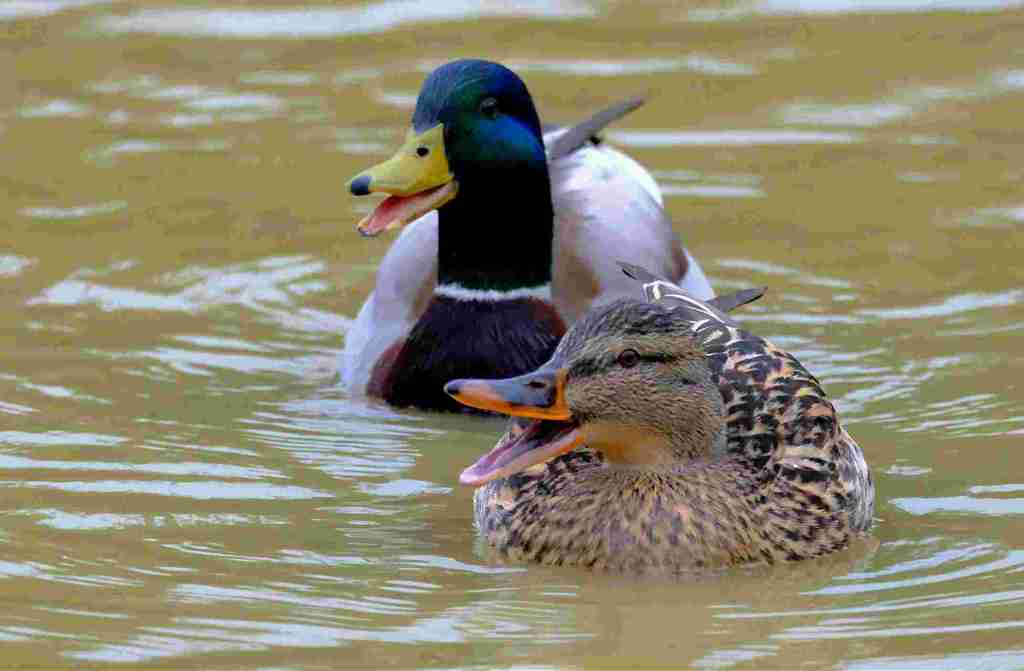
The Mallards on the pond were not amused!
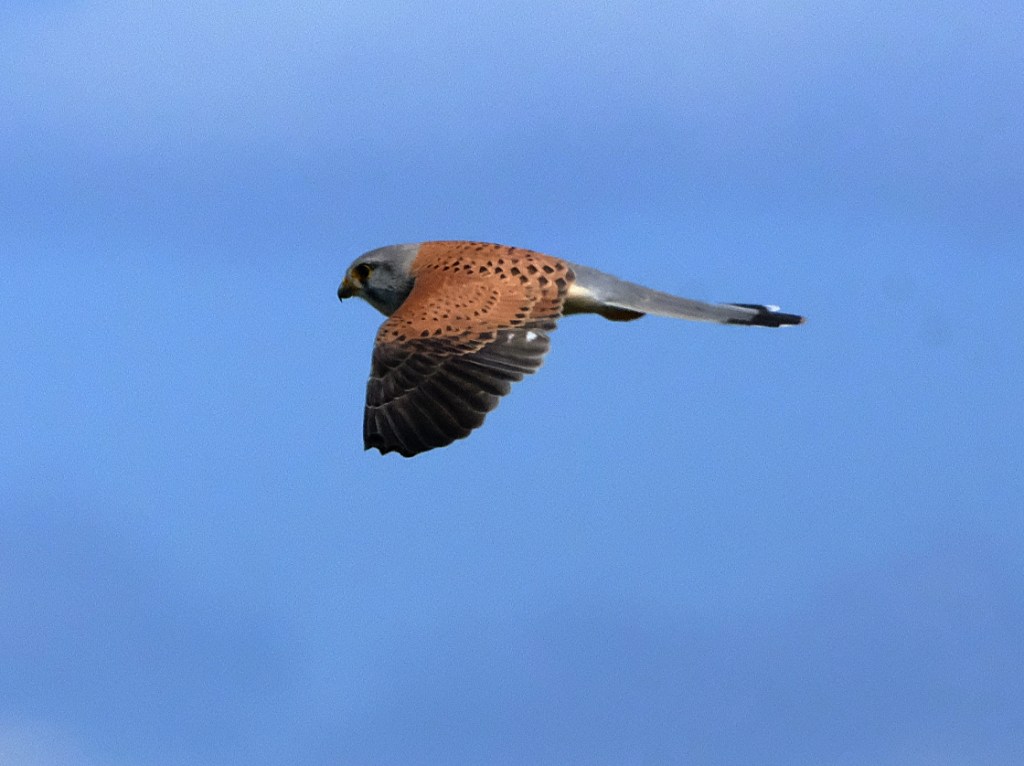
Every time I see a Kestrel in the hover it reminds me of the book by Barry Hines – A Kestrel for a Knave published in 1968. A book we had to read a school – set in a mining area in Northern England, the book follows Billy Casper, a young working-class boy troubled at home and at school, who finds and trains a Kestrel whom he names “Kes”.




 Continued Reflections from my World.