
Bird spotting around a bird feeding station. I placed a small camera trail on a tripod and let it run. The sounds of the forest are worth listening to in the film.

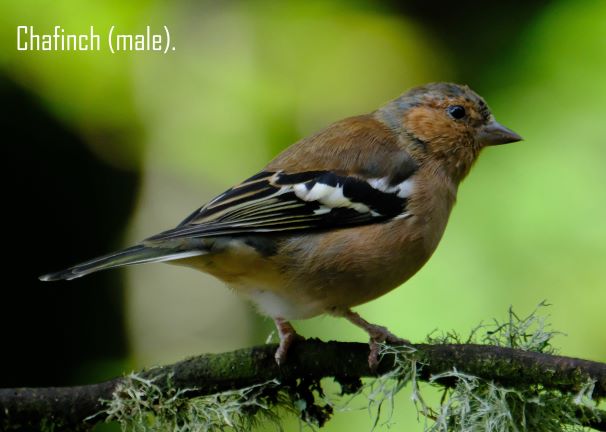
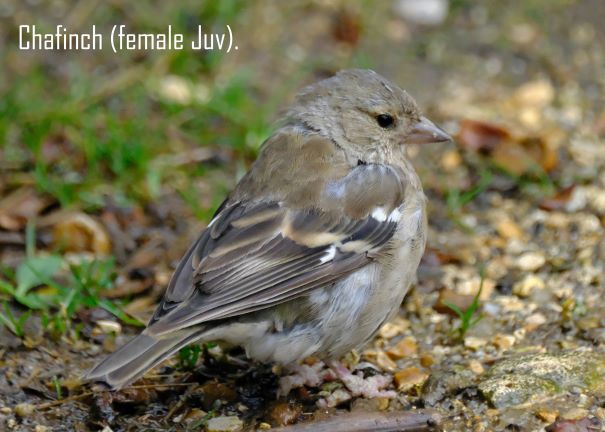
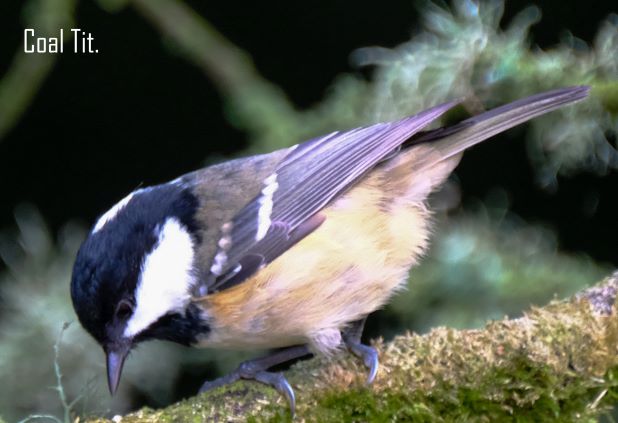


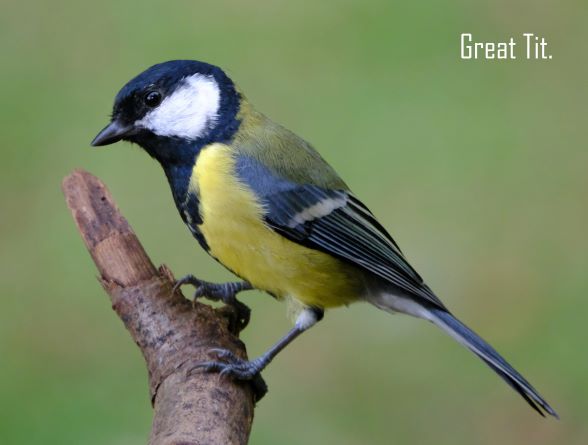
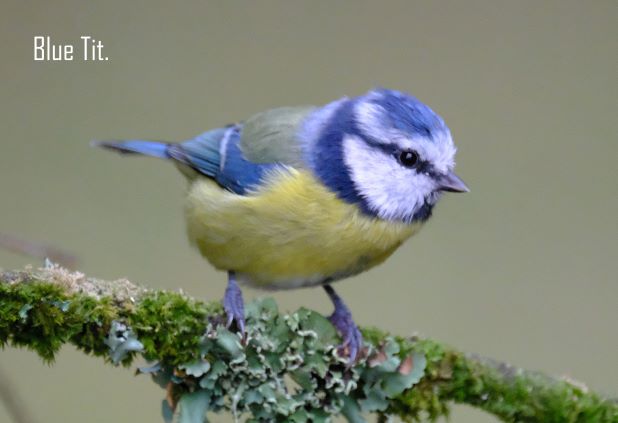
Bird spotting around a bird feeding station. I placed a small camera trail on a tripod and let it run. The sounds of the forest are worth listening to in the film.
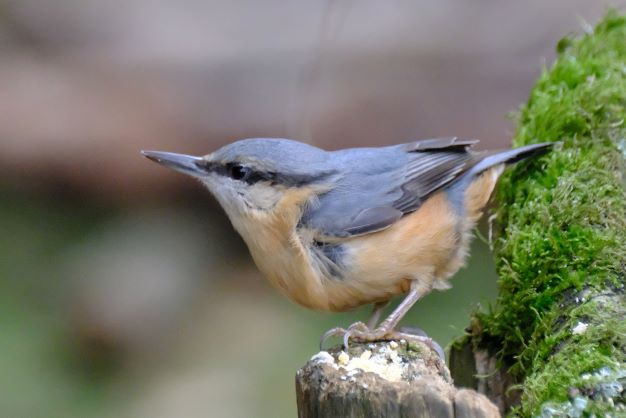
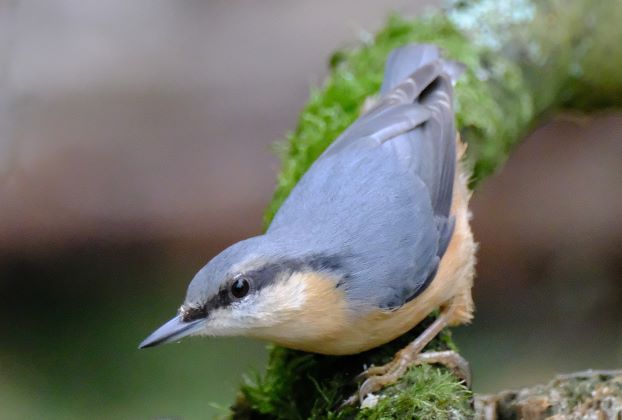
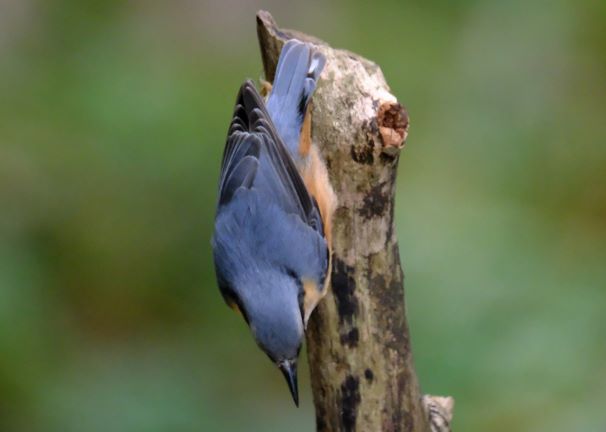
There is one species of nuthatch in the UK, Our species is a woodland bird. It has the unique habit in the UK of plastering mud around the entrance to its nest hole.

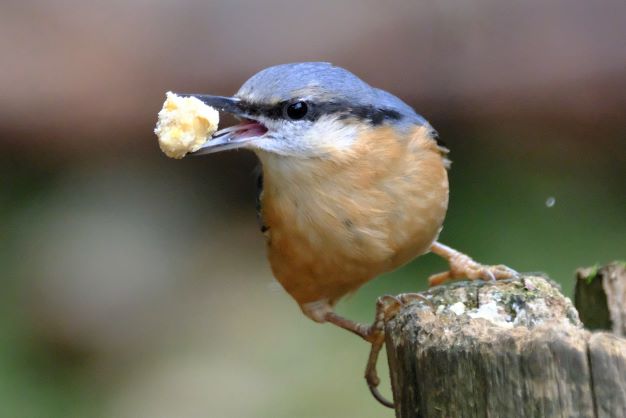

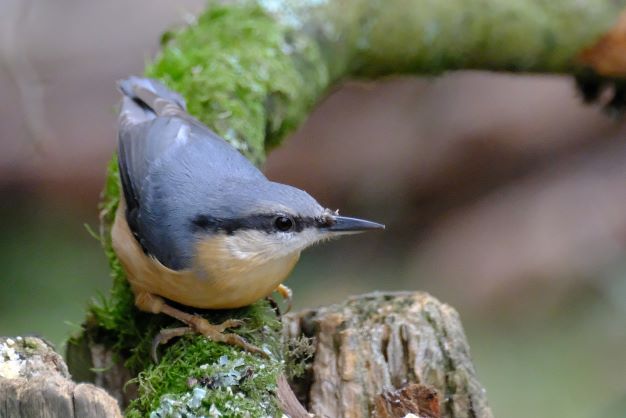

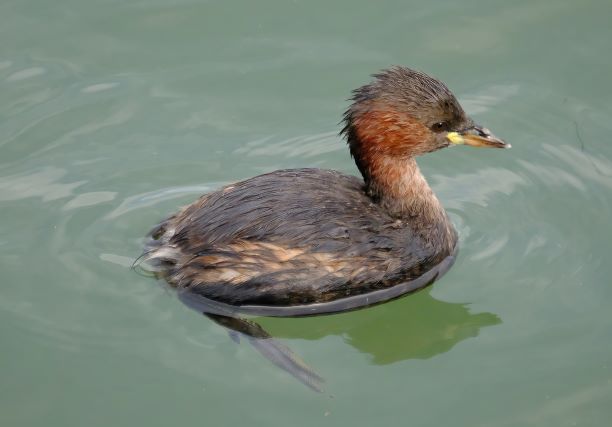
The little grebe, also known as dabchick, is a member of the grebe family of water birds. they are a small bird with a weight:100-140g. They eat – Insects, larvae and small fish.
UK breeding:5,300 pairs
UK wintering:16,000 individuals

Female

Male


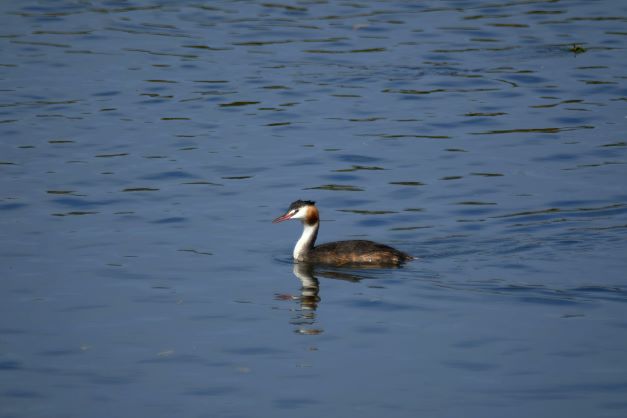
This elegant waterbird with ornate head plumes led to its being hunted for its feathers, almost leading to its extermination in the UK. The wintering population increases so I hope to get some closer sightings of this bird as we move into autumn and winter.
UK breeding:4,600 pairs
UK wintering:19,000 individuals


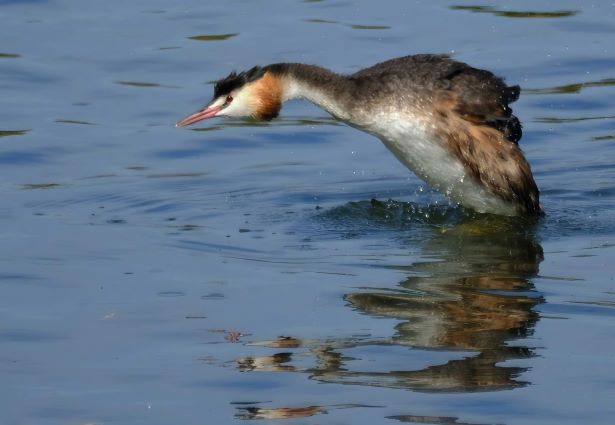
Duck! no “Buzard” in coming straight at our trail cameras – he actually clipped it with his feet knocking it over.


#wordless Wednesday.
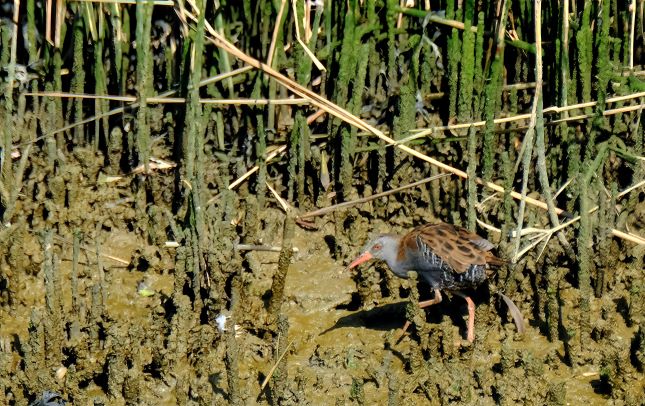
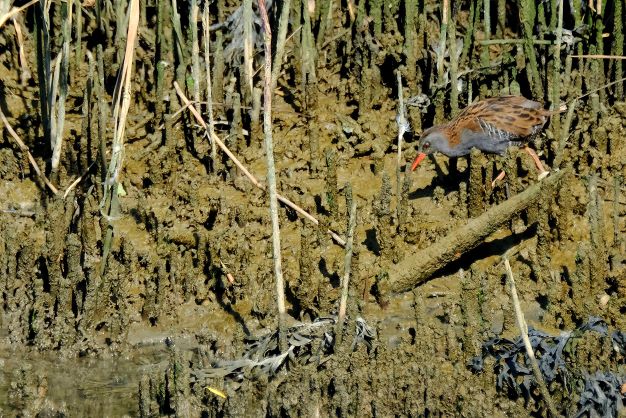
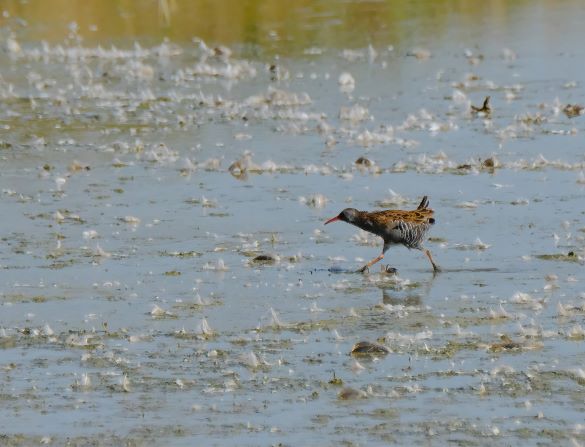
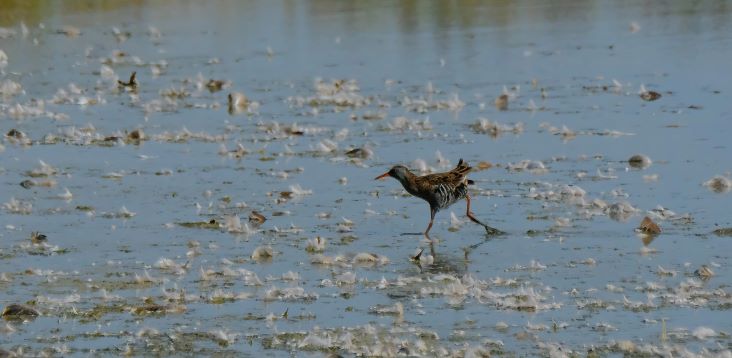
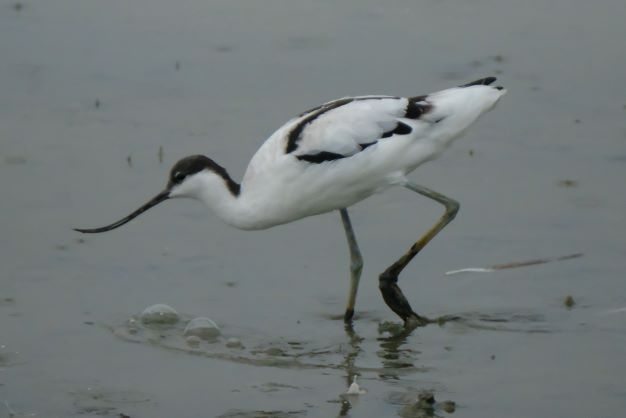
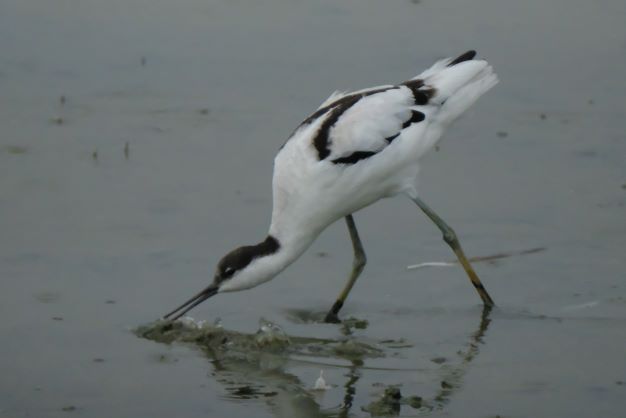
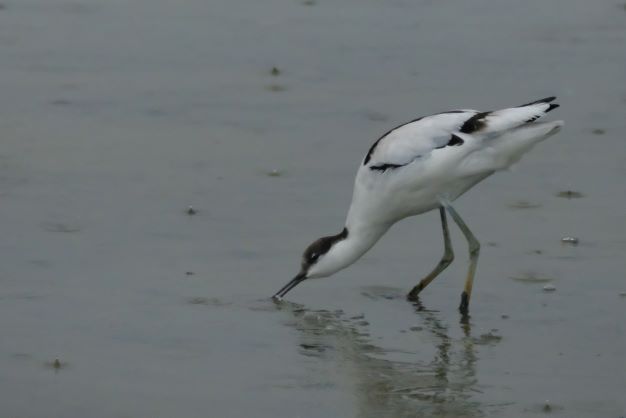
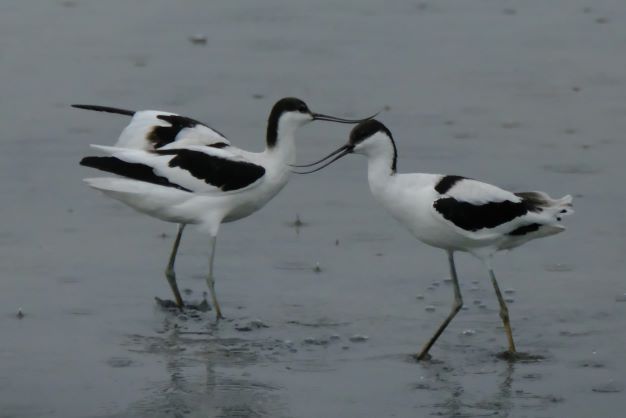
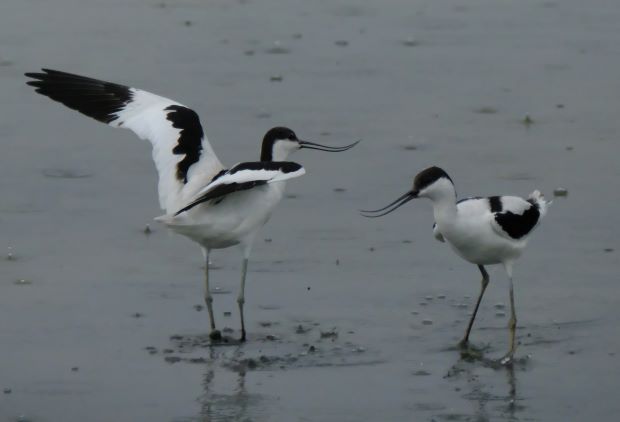
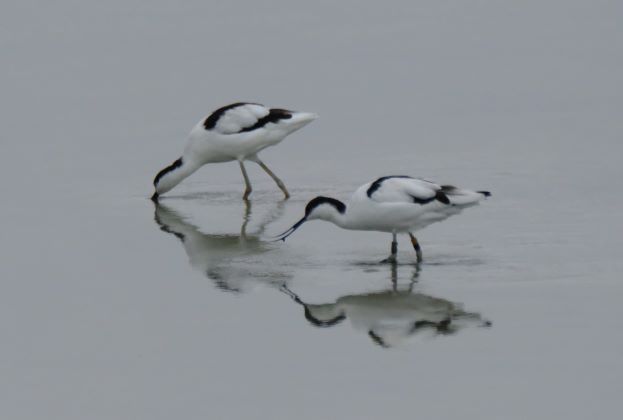
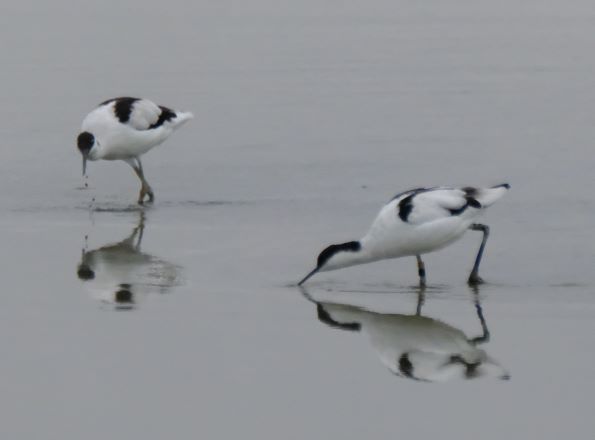
Extra Avocet pictures from Titchfield Haven Nature Reserve. Avocets are a great conservation success story during the 19th century, this beautiful bird was extinct in the UK. During WW2 coastal land and beaches in East Anglia were closed and flooded as a defence against invasion. This enabled Avocets to recolonise the area from war-torn Europe.
The population is now recorded as UK breeding:1,500 pairs UK wintering:7,500 birds in Europe:37-54,000 pairs.
Avocets are the emblem of the RSPB (Royal Society for the Protection of Birds) and they symbolise the bird protection movement in the UK.



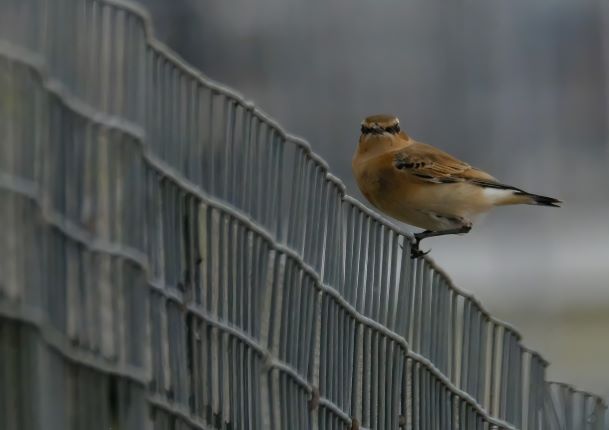
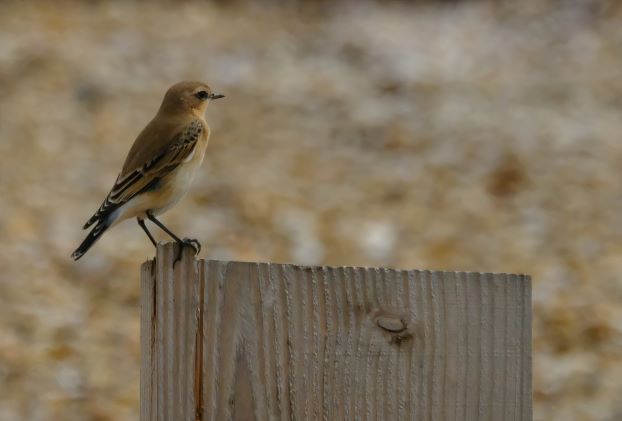
The wheatear is a small mainly ground-dwelling bird. It hops or runs on the ground popping up onto posts to get a better view. This bird was on the shingle at Meon Beach. They breed mainly in western and northern Britain and western Ireland. Small numbers do breed here in the south their numbers seem to increase locally this time of year. I think this is prior to them migrating to central Africa where they spend the winter.


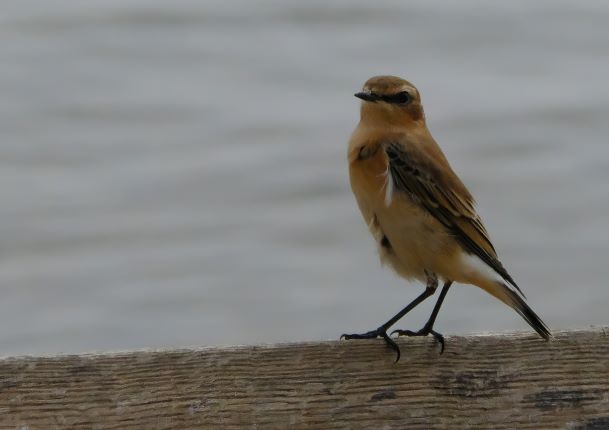
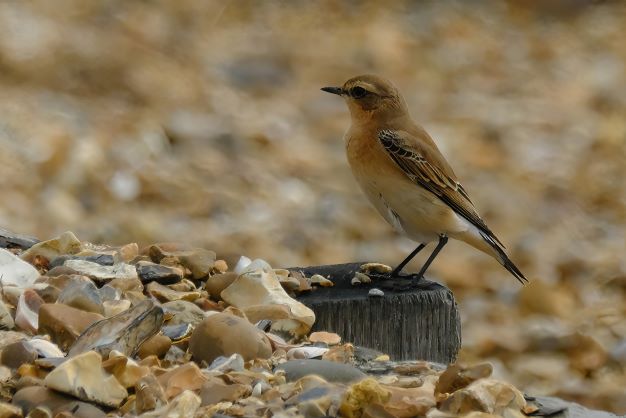
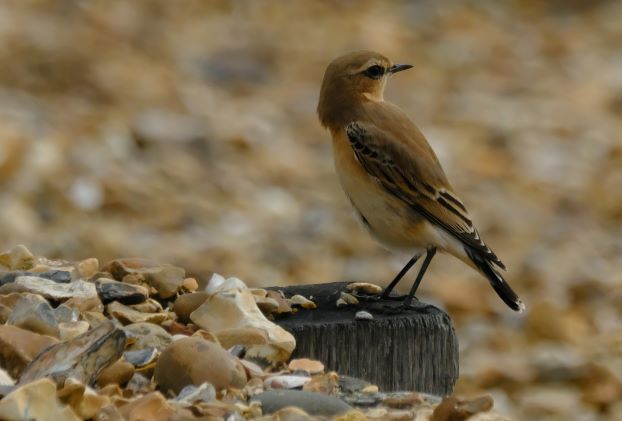
#Wordless Wednesday
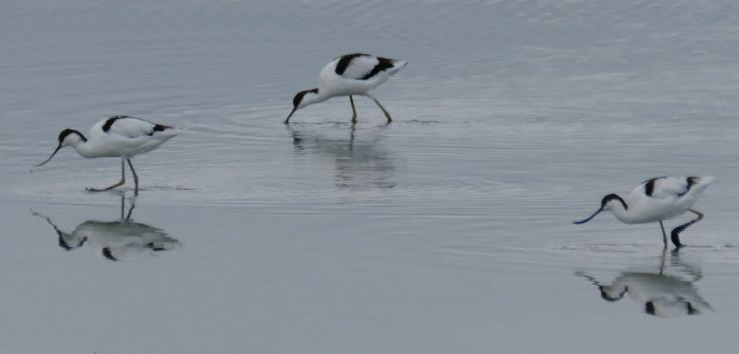


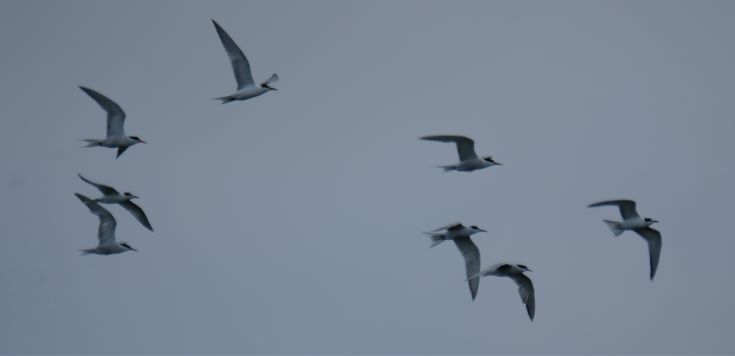
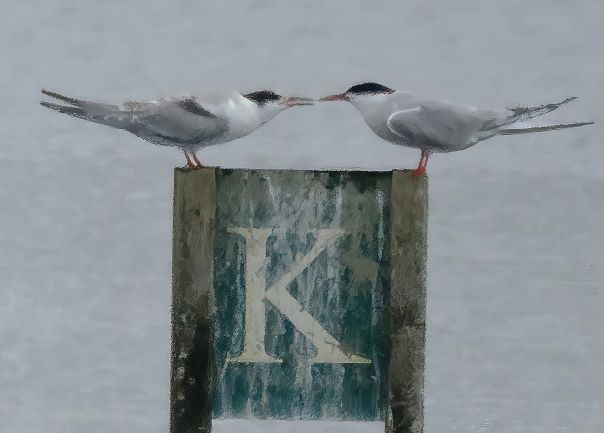
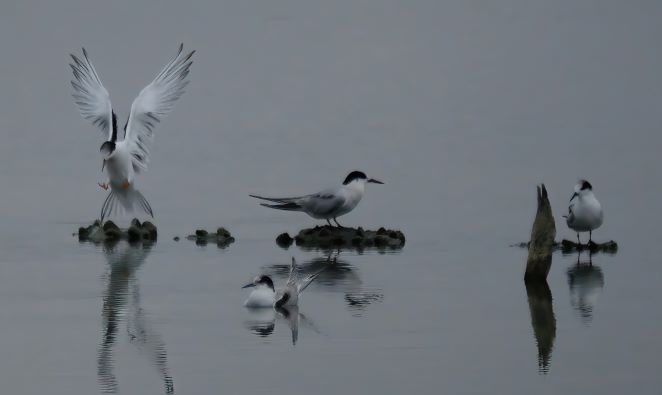
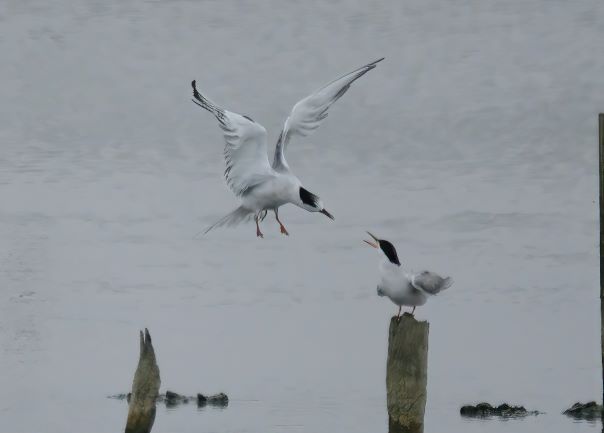
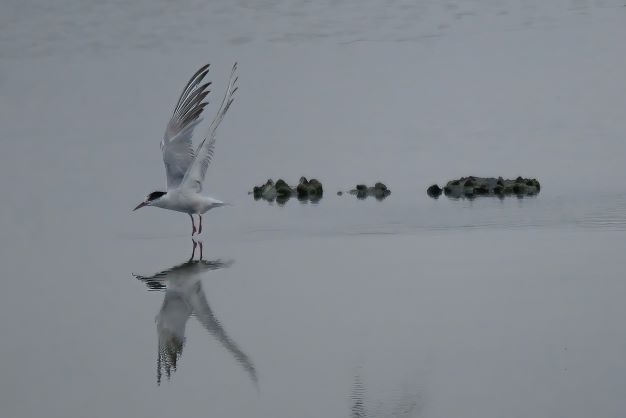
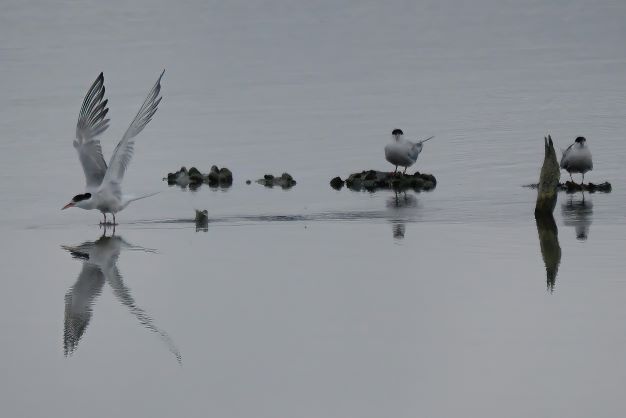
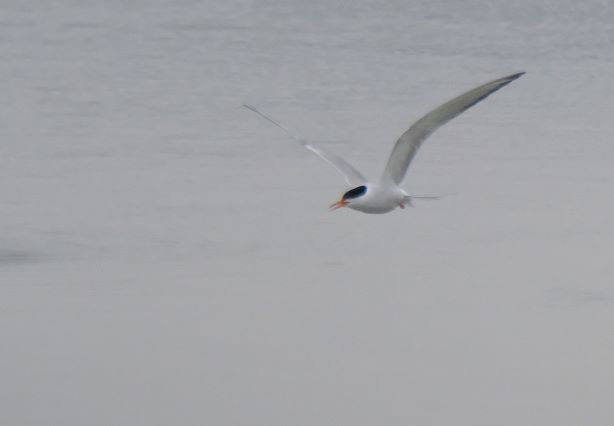
Terns at a distance at Titchfield Haven – with hazy light condition giving calming atmosphere.


 Continued Reflections from my World.