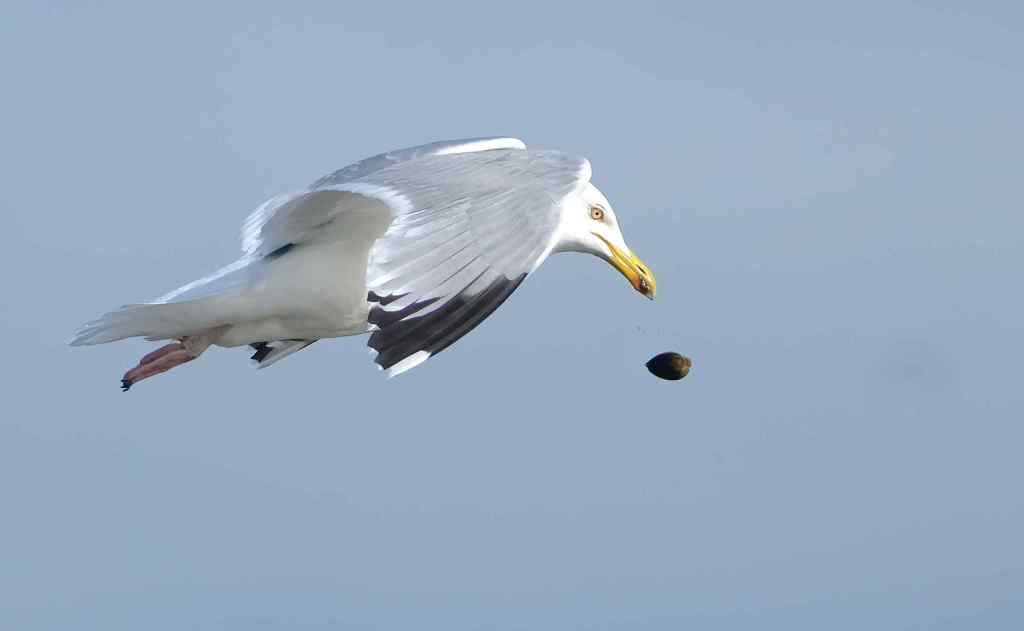
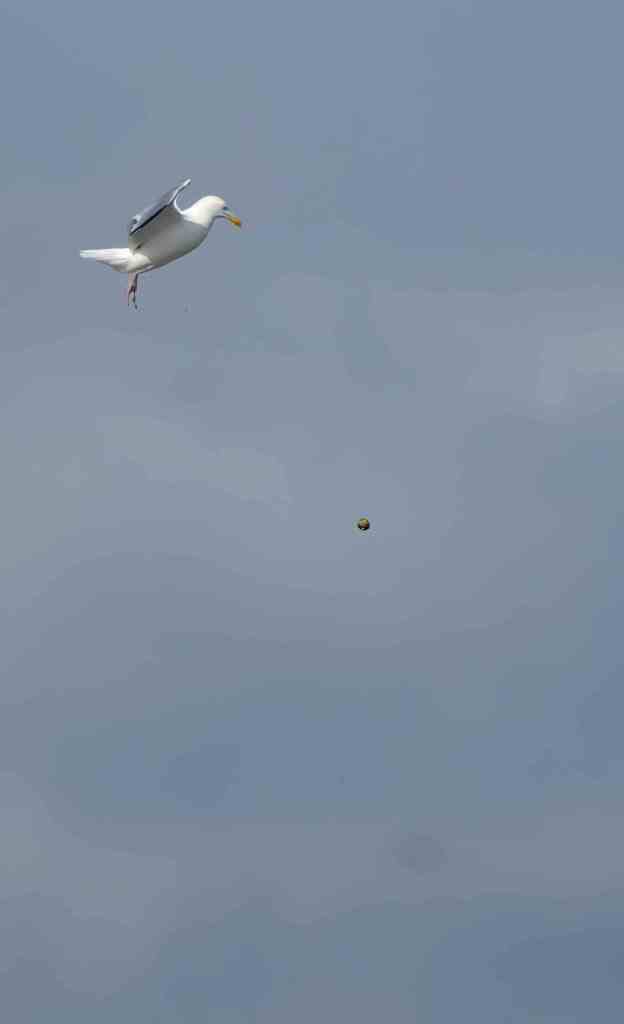
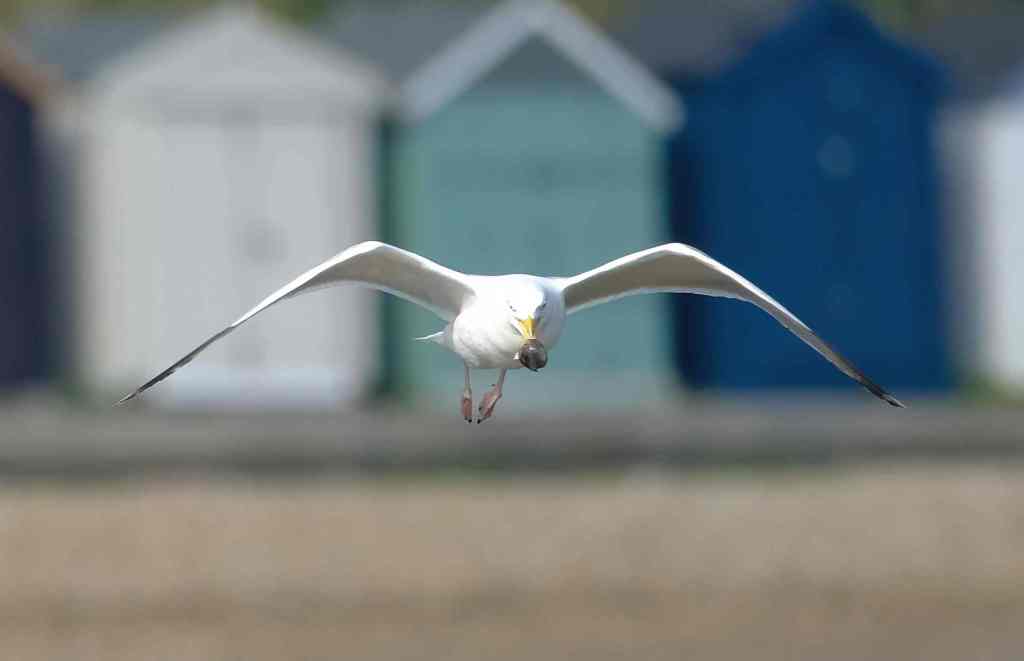
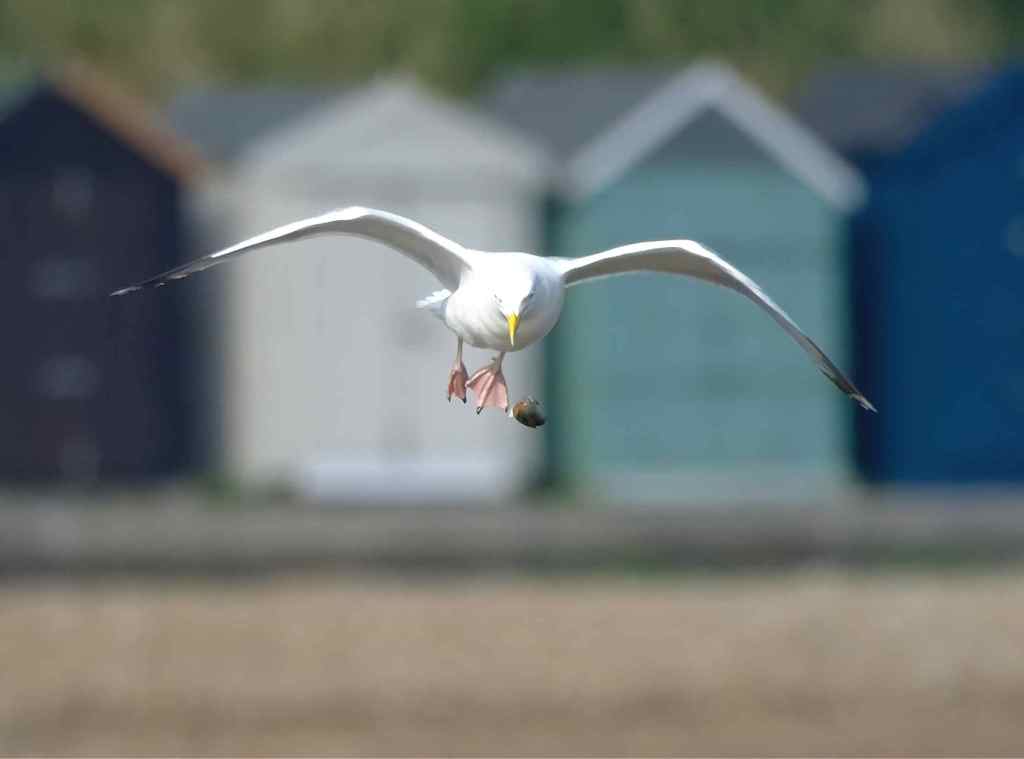
Alone.

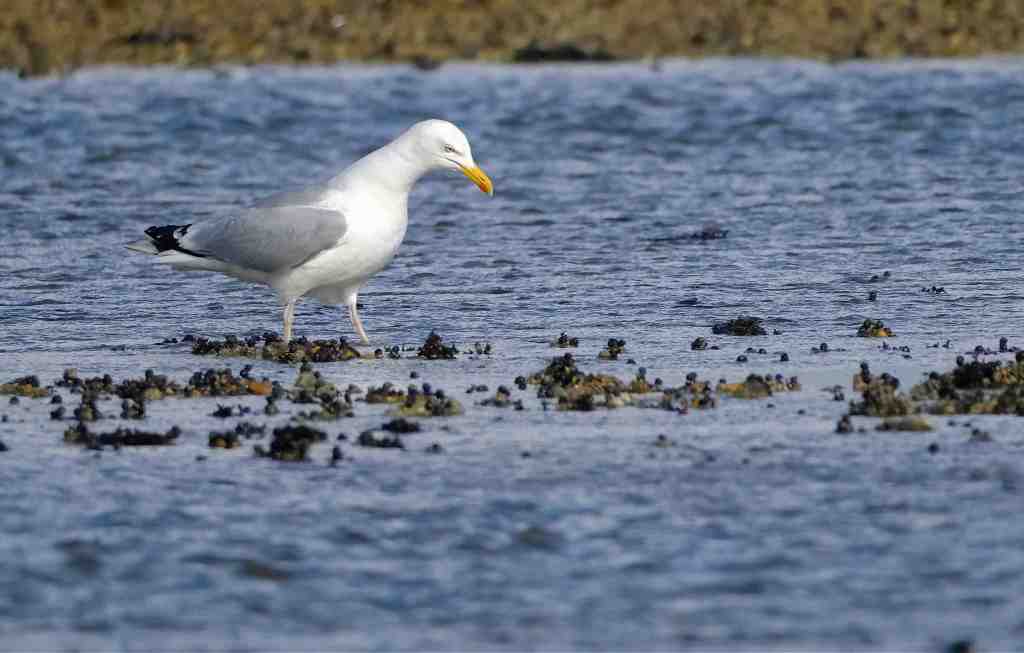
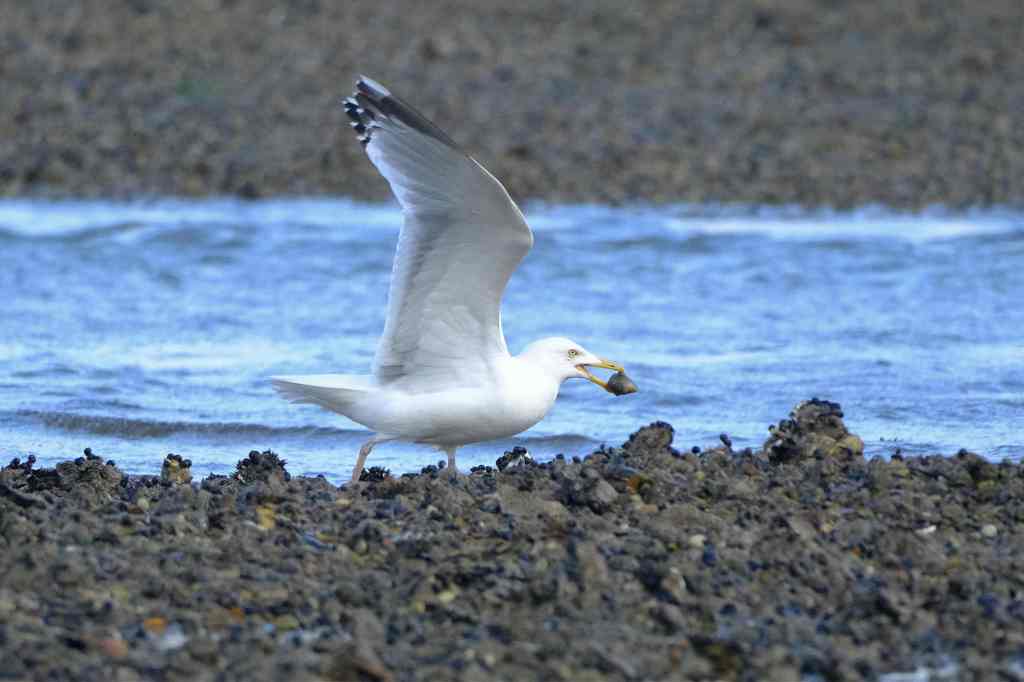
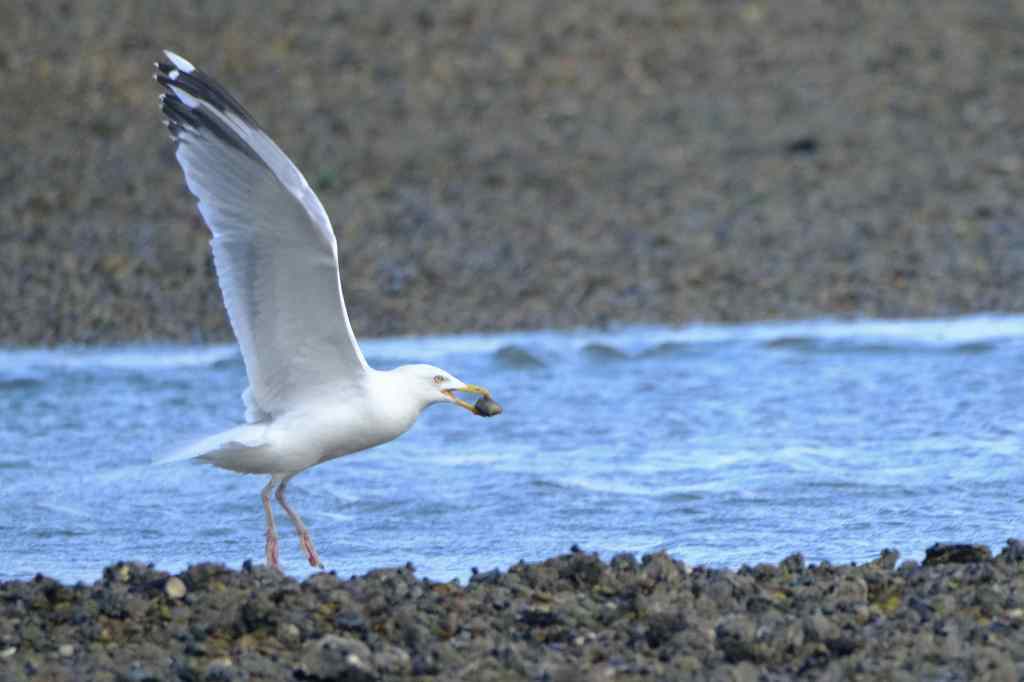
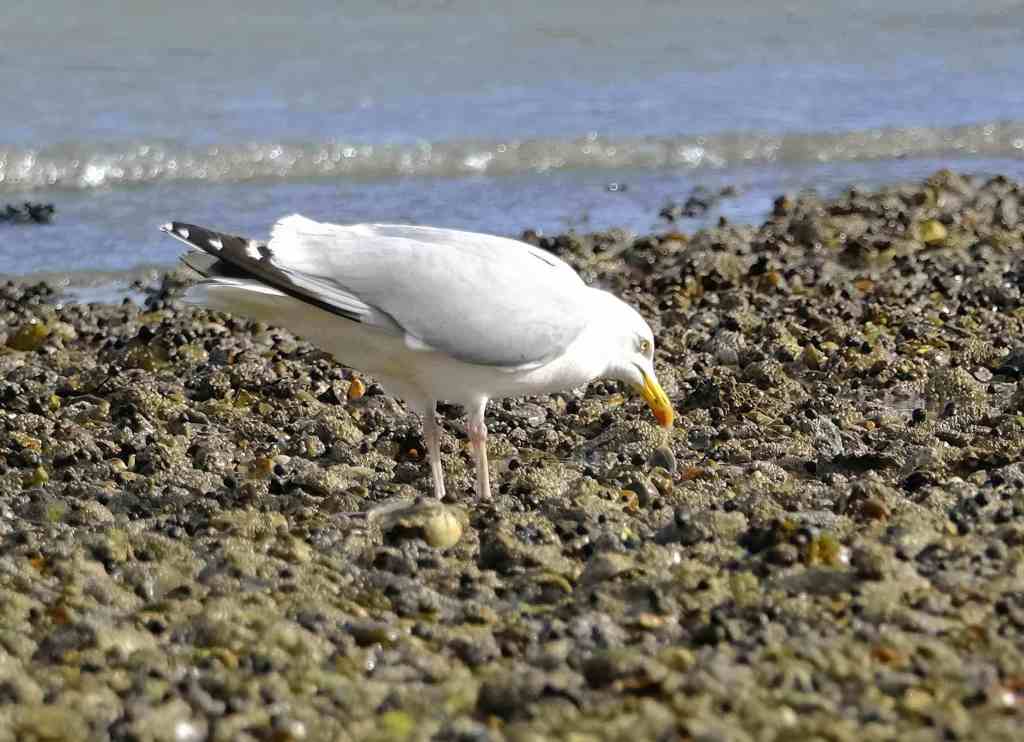
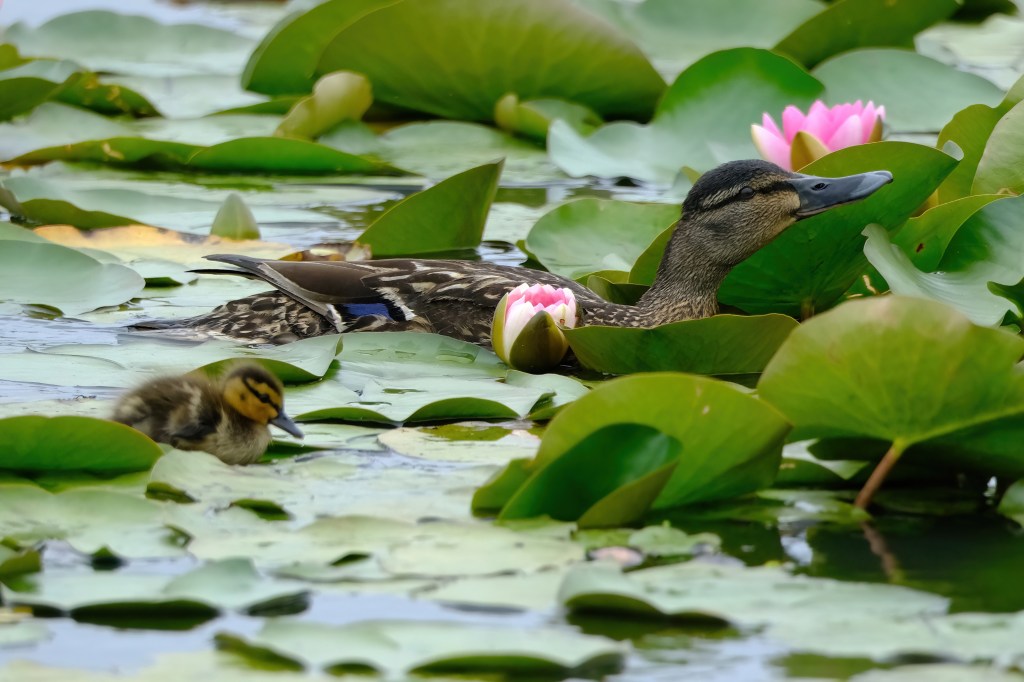
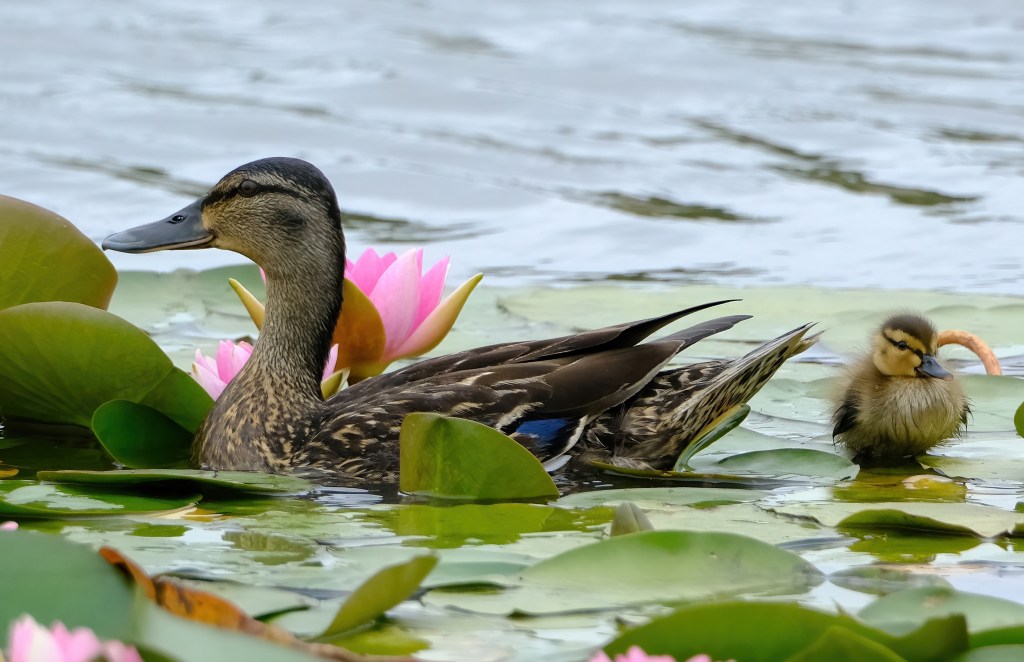
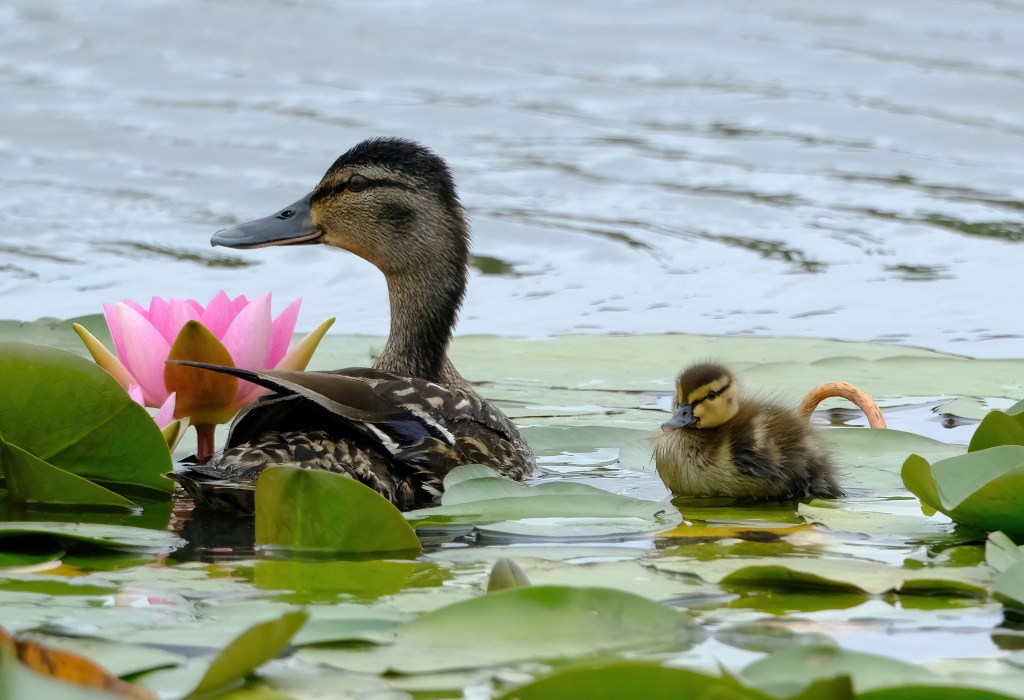
I watched a commotion: a mother duck flying at a Herring Gull. It was sad to see her give up, and the gull fly off with a duckling in its mouth. Walking the other side of the pond, I found her again with only one lone duckling trying to keep it in the water lilies for safety.
New Forest ponies taking a drink.

Magpie

Skylark.

Male skylarks will rise almost vertically from grassland, salt marshes and moorland. They hover effortlessly, singing from a great height. Normally, a speck in the sky, but a treat to hear. This bird was keeping its feet on the ground, singing like mad.

UK Conservation status: Red

Ruff.

I got to see several male Ruff at Slimbridge Wetland Centre yesterday. There is a small breeding population of ruff in the UK. The Ruff is a large Sandpiper; they get their name from the large ruff of feathers around the males’ neck when in breeding plumage. The colour of the ruff can be white, black or buff. I have seen a few of these birds in non-breeding plumage at the marshes locally to me in Lymington. These birds were fairly plain-looking waders – pale fawn-brown all over, with a paler belly.

Chough.

I visited an area in Pembrokeshire, Wales, on our camping trip where, several years before, I had seen Choughs. On a few miles of rugged coastline, I was lucky to see about 15 birds. This included two family groups – both had two parent birds and at least 3 juvenile birds in their group. One set of chicks had been ringed.

Unfortunately, the weather was very wet with high winds, so getting photographs was challenging.

The Chough—pronounced ‘chuff’— is a member of the crow family, but unlike any crow, it has an orange bill and legs. It is found only on the west of the British Isles. It’s a master aerobatics with dramatic aerial displays of diving and swooping. These birds are rare, with only 500 breeding pairs in the UK and the Isle of Man. They are Schedule 1 species.

They feed on short grassland and coastal heathland, where they probe the ground with their long bill for insects, such as leatherjackets and beetle larvae. Nests are in crevices and fissures, on rock ledges and cliff faces.. The female lays three to five eggs, and both parents help to raise the chicks.

Later in the morning the weather improved so did the light so my pictures improved.

Below is a juvenile bird (ringed), note the paler bill.