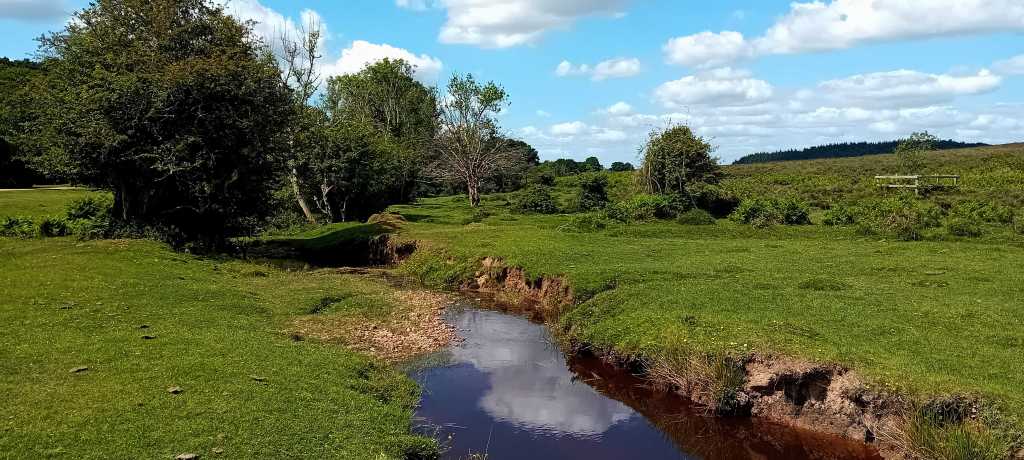
Along a stream.

On Monday, we walked along a New Forest stream that we regularly visit. There is always something to see and enjoy, and on a bright, warm morning with few people about, you can enjoy nature fully without the distractions of everyday life and have a chance to get into the “zone.”
This old forestry house is a good mile or so off the road, reached by gravel tracks. It is a great place to watch House Martins, as many nest under its eaves. They get an easy meal of insects swooping over the stream. Not the easiest bird to get pictures of due to their size and speed!

As well as the Ponies on the forest, there are cattle these came down for a drink.

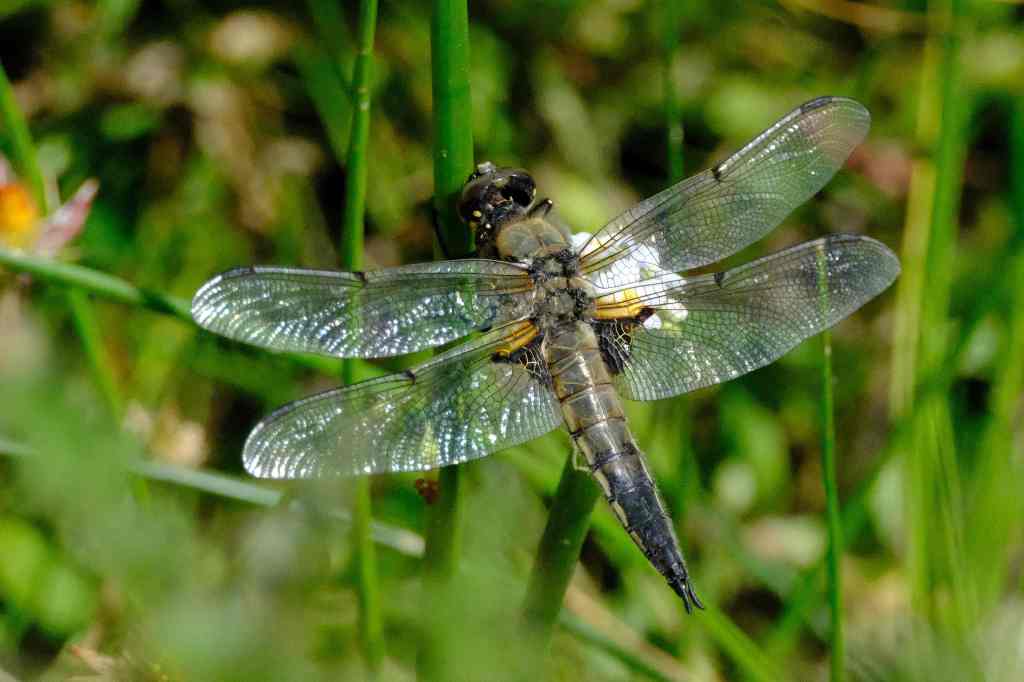
A few dragonflies that the House Martins missed.
Along the stream were several Spotted Flycatchers. They are mostly grey-brown in colour with paler streaks, particularly on the head and wings. They has a creamy white breast which is streaked with pale brown.

A small bird, measuring just 14cm in length and weighing in at a maximum of 19g. Adept at snatching flying insects. They visit the UK during the warmer months and are often seen in woodland edges and clearings.

Take off.

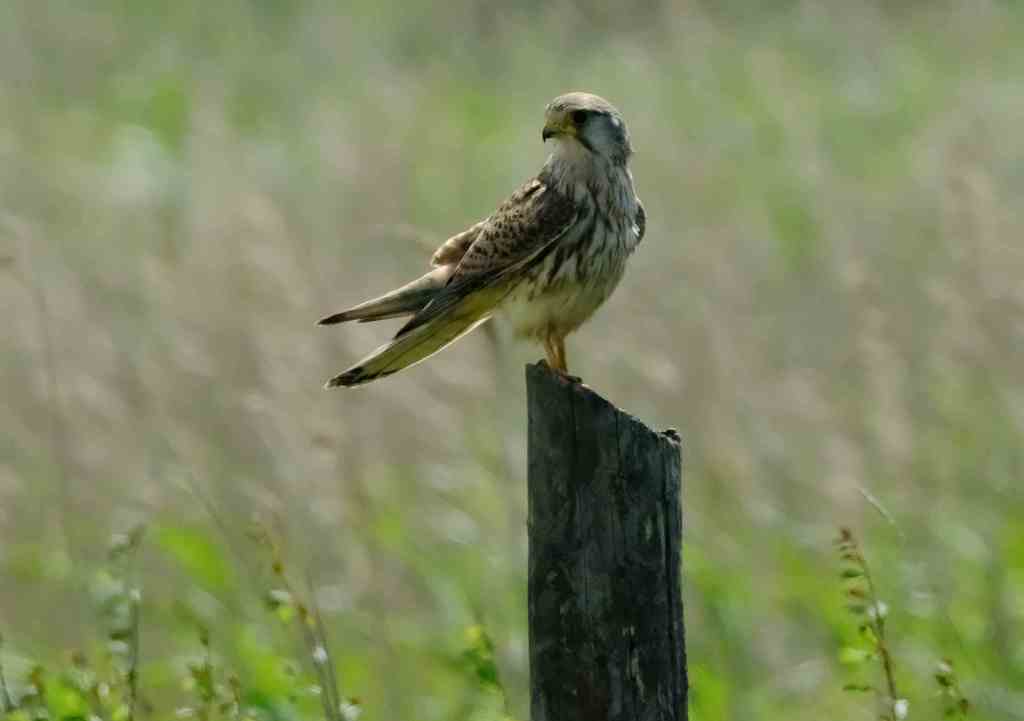
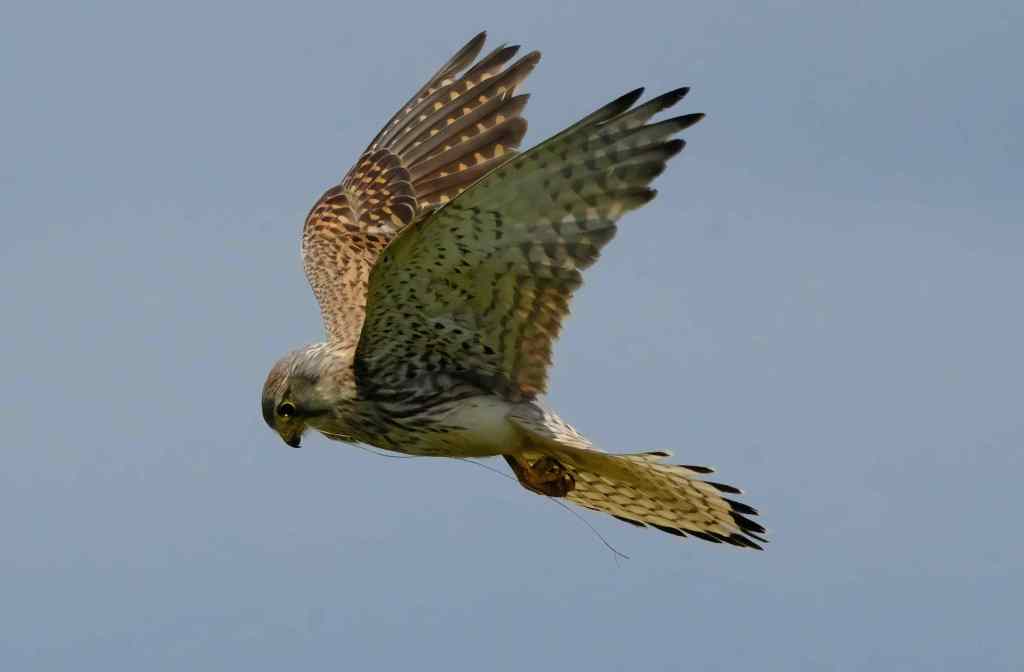
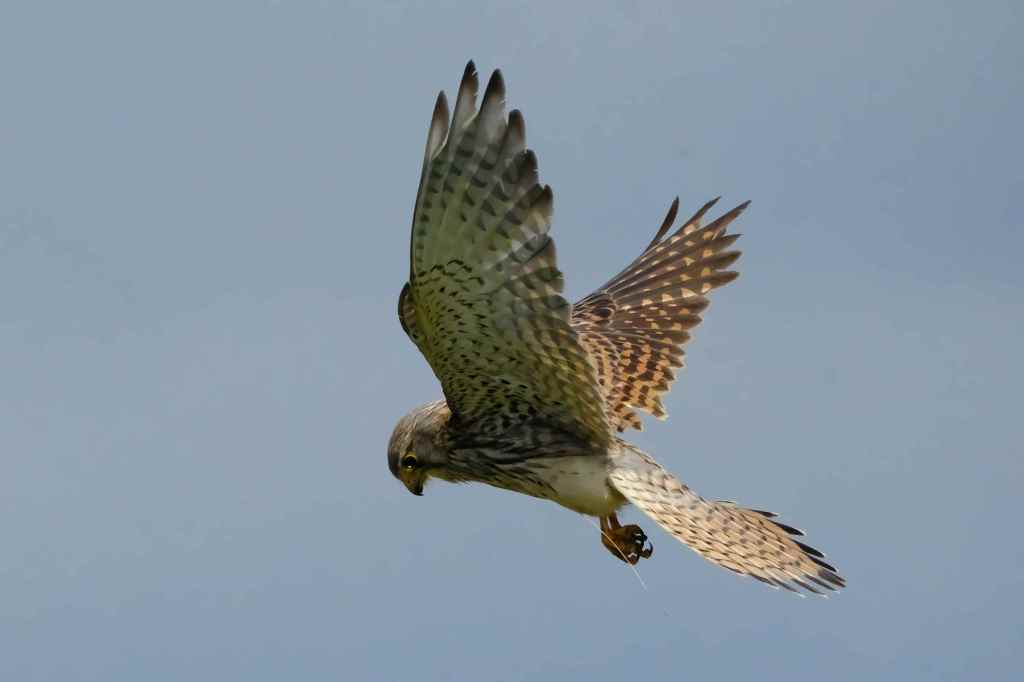
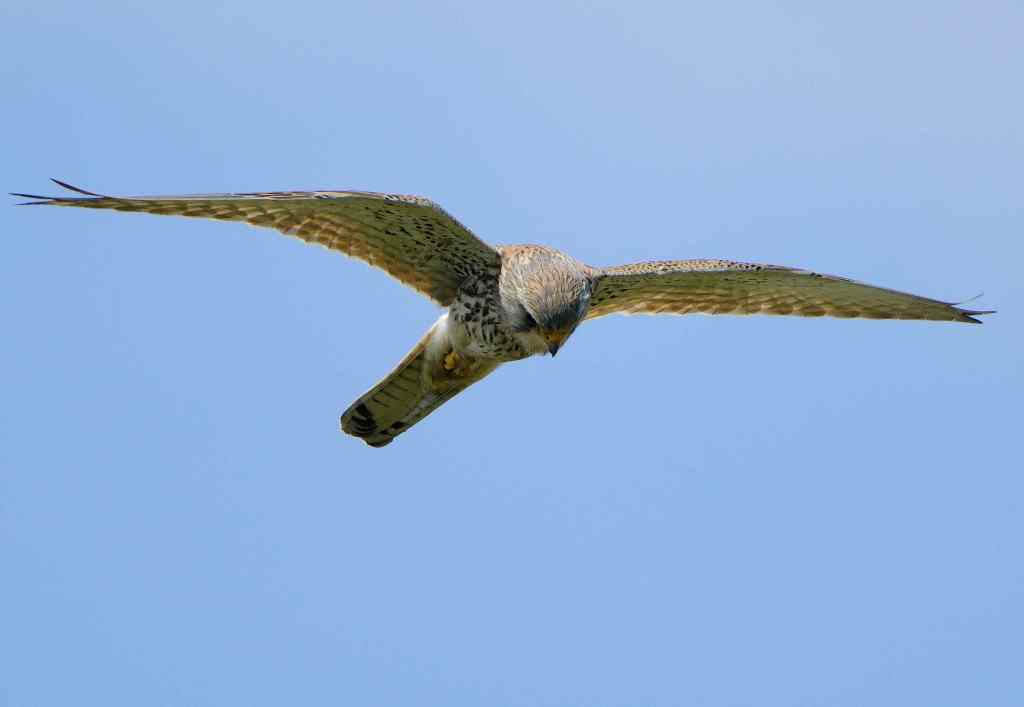
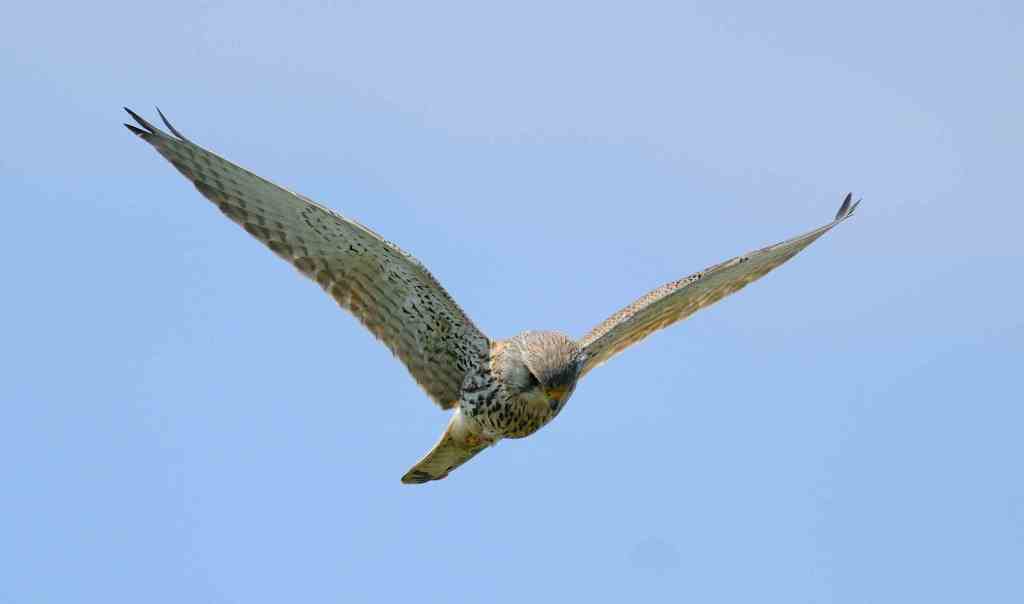
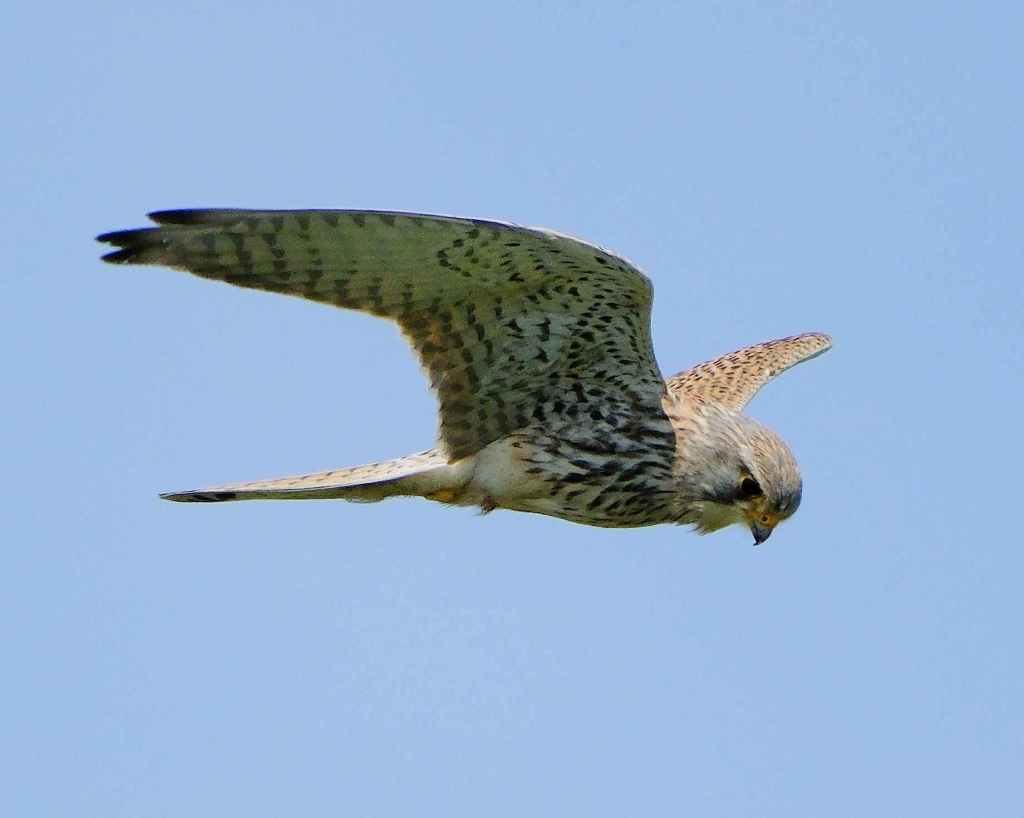
Kestrel hunting by the Beach at Titchfield Haven.

One of the few books I had to read at school.

A Kestrel for a Knave is a novel by English author Barry Hines, published in 1968. The book is set in an unspecified mining town in Northern England. It follows Billy Casper, a young working-class boy troubled at home and at school. He finds and trains a kestrel, whom he names “Kes”. It was made into a  film directed by Ken Loach and produced by Tony Garnett,

New Forest Hike.

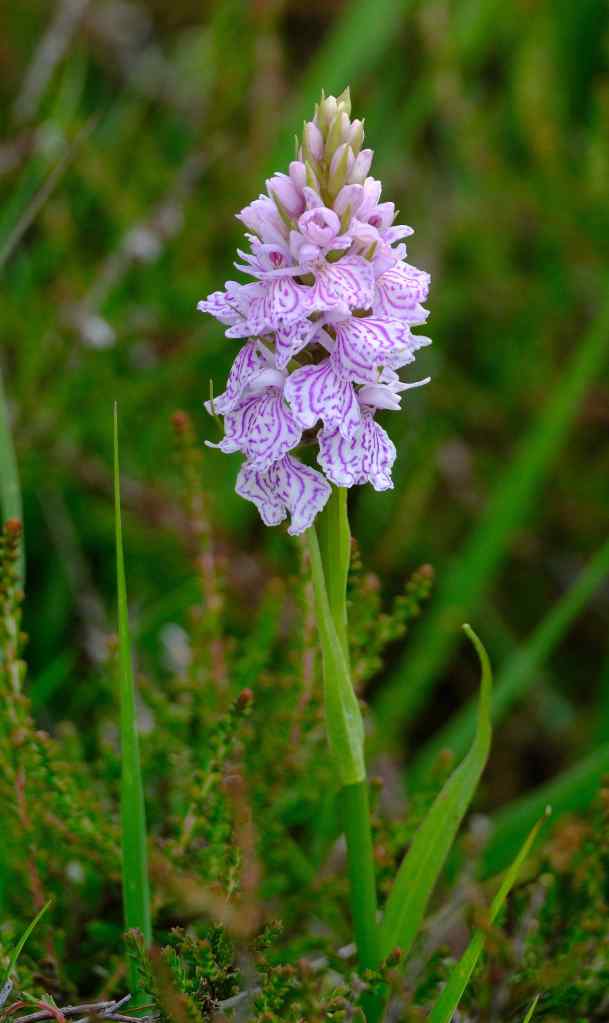
On another walk this morning, orchids were abundant in the Heathland.

I believe these are Common Spotted Orchids.

The Meadow Pipit is a small, brown, and streaky bird; they look very much like a small song thrush.
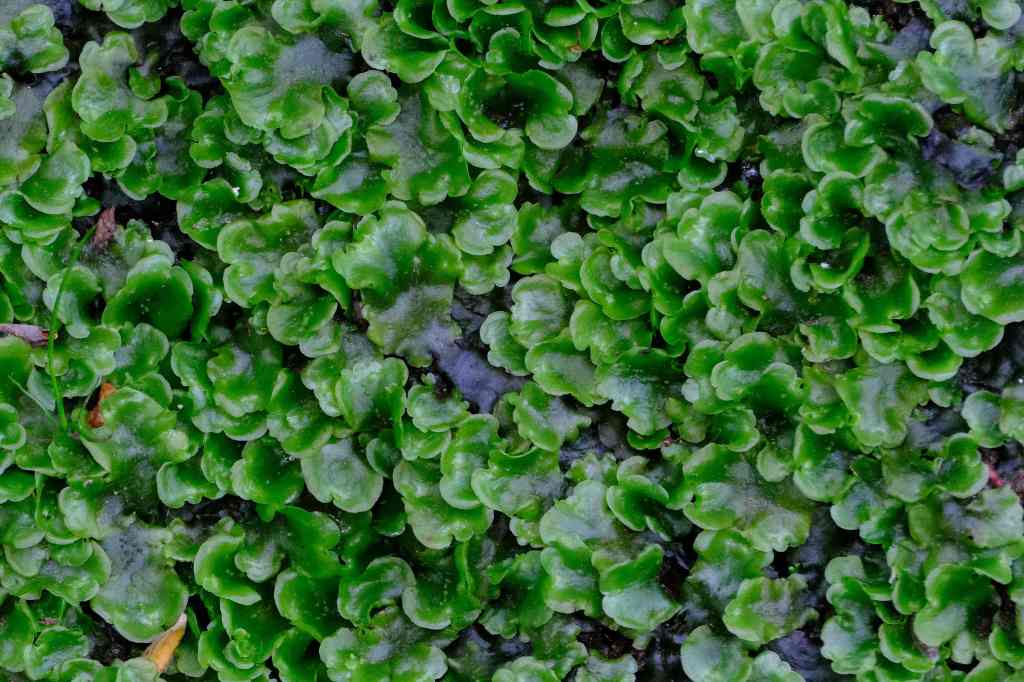
Liverworts are small flowerless plants with leaf-like lobes called a thallus. There were large numbers growing along the stream we walked along.

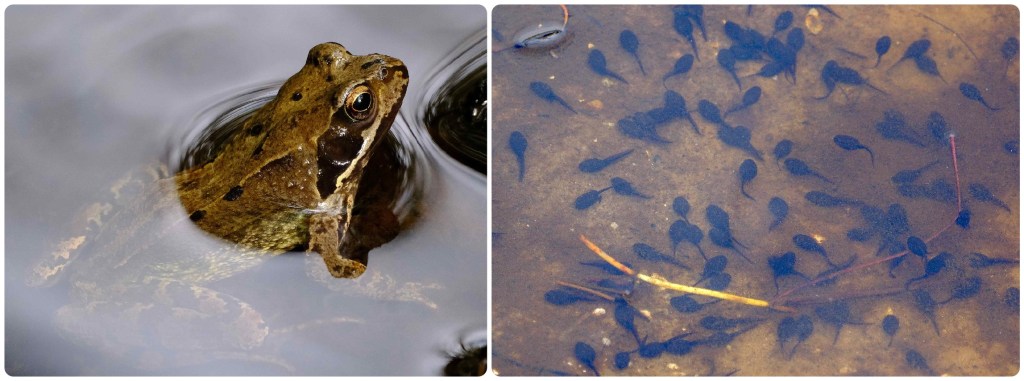
Common Frog and tadpoles

Male Reed Bunting.

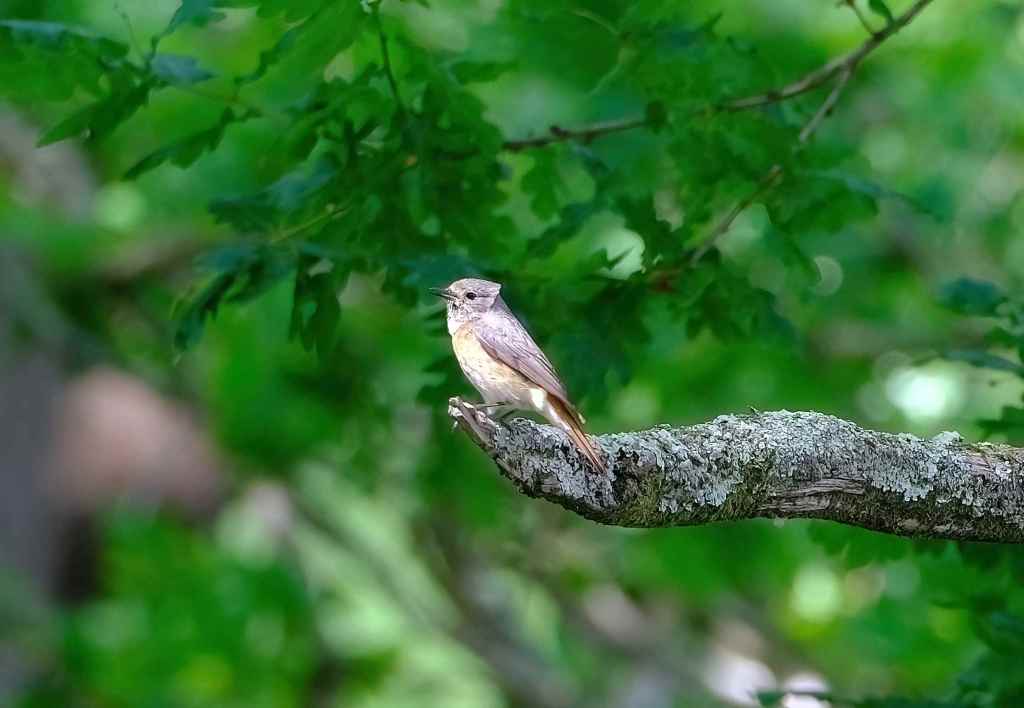
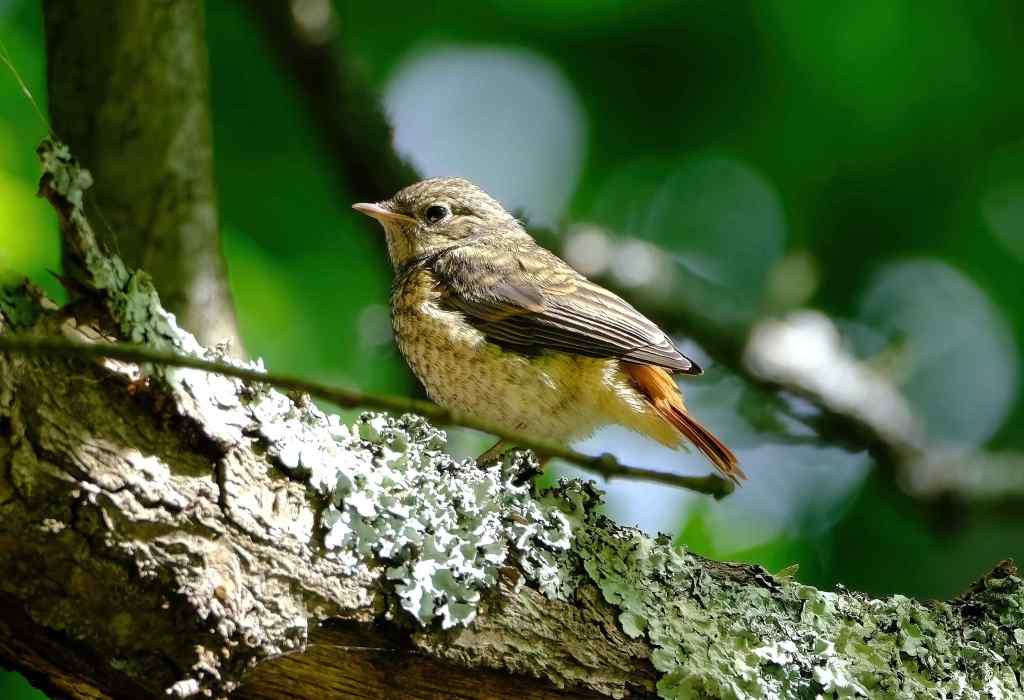
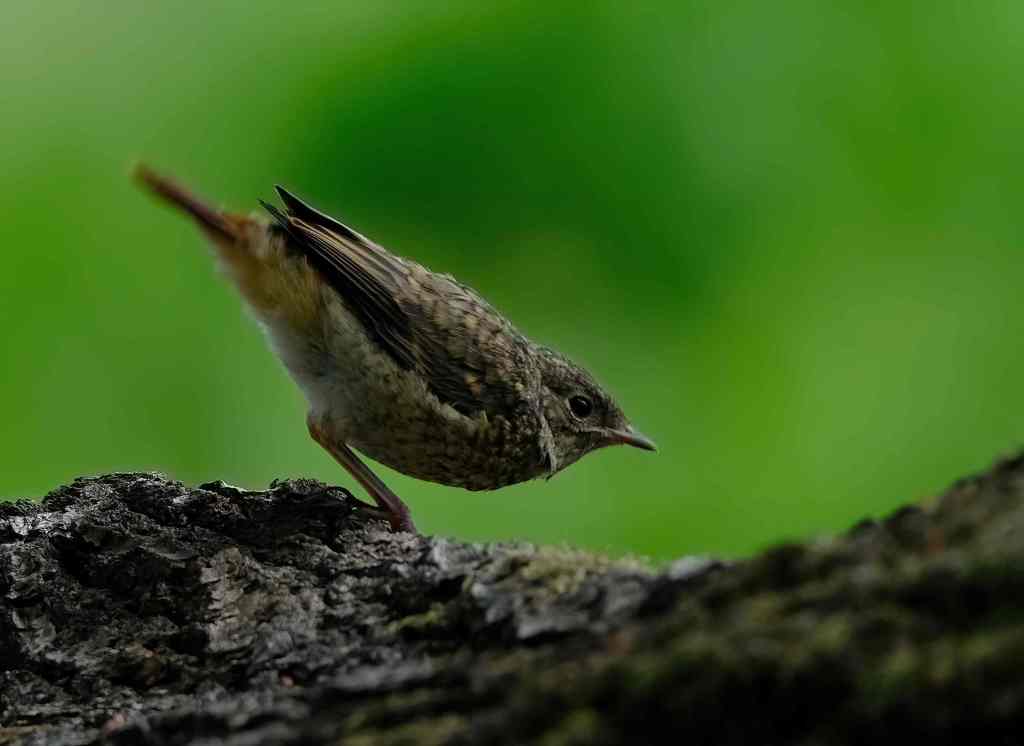
The main highlight of the walk was a family of Redstart.

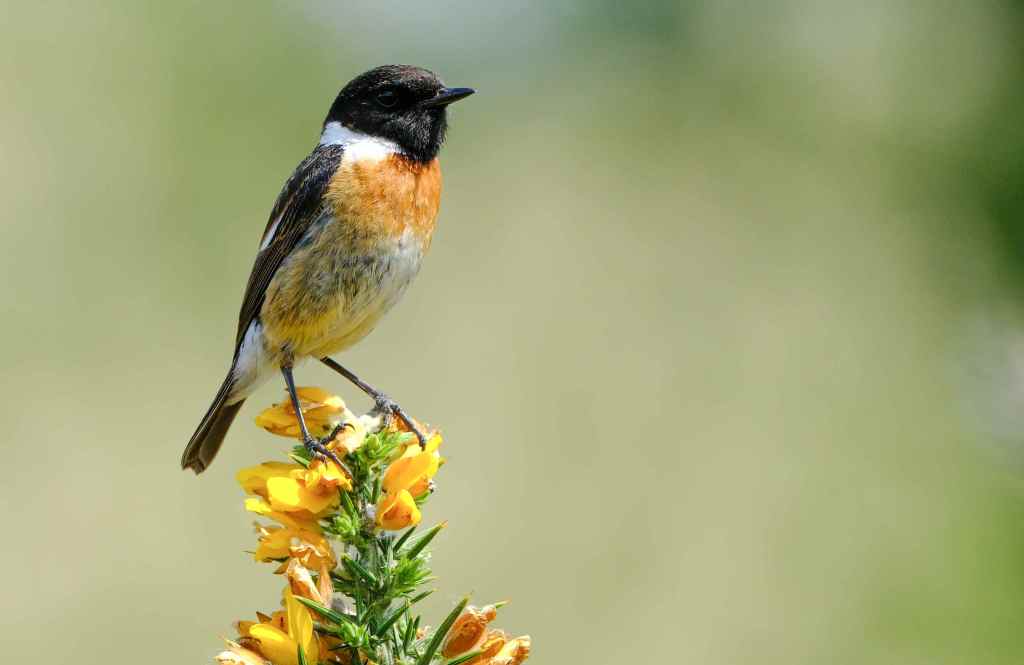
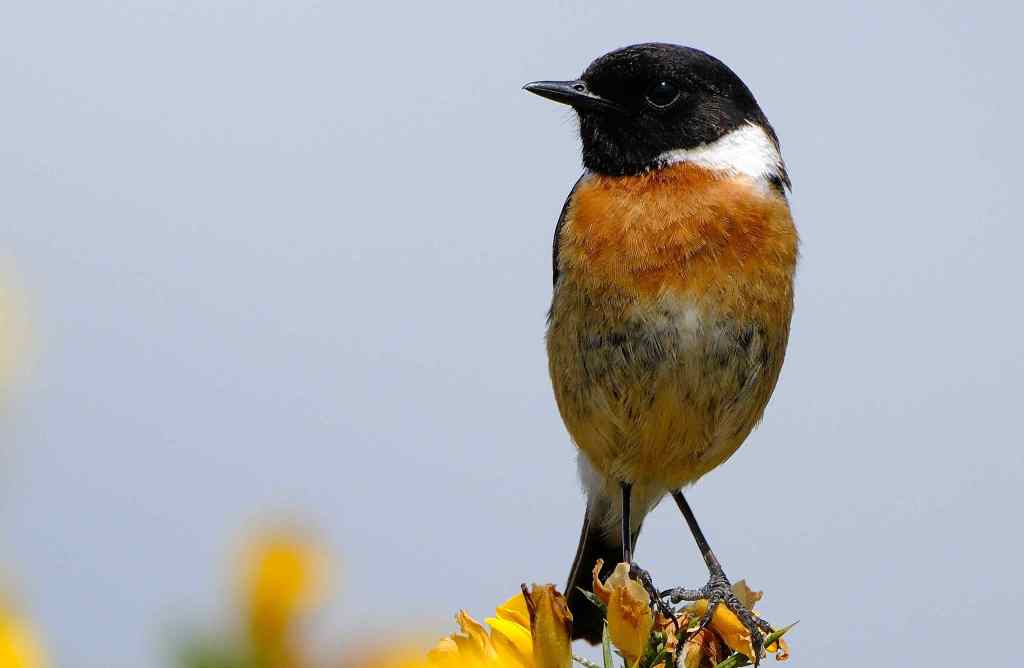
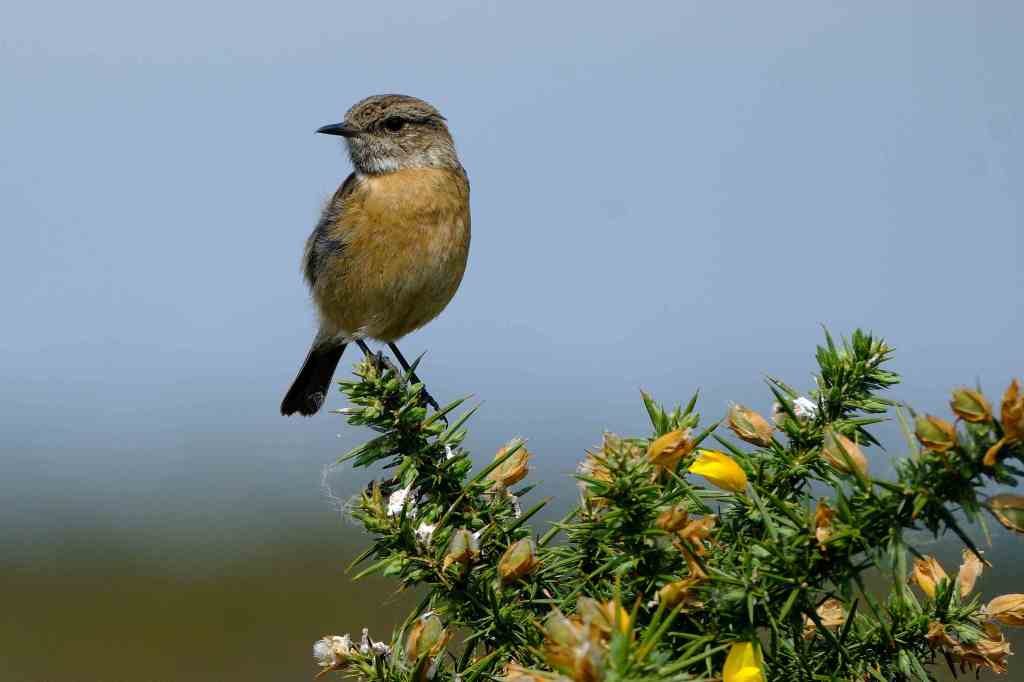
1st pictures are the male bird, followed by the female, then finally the juvenile.

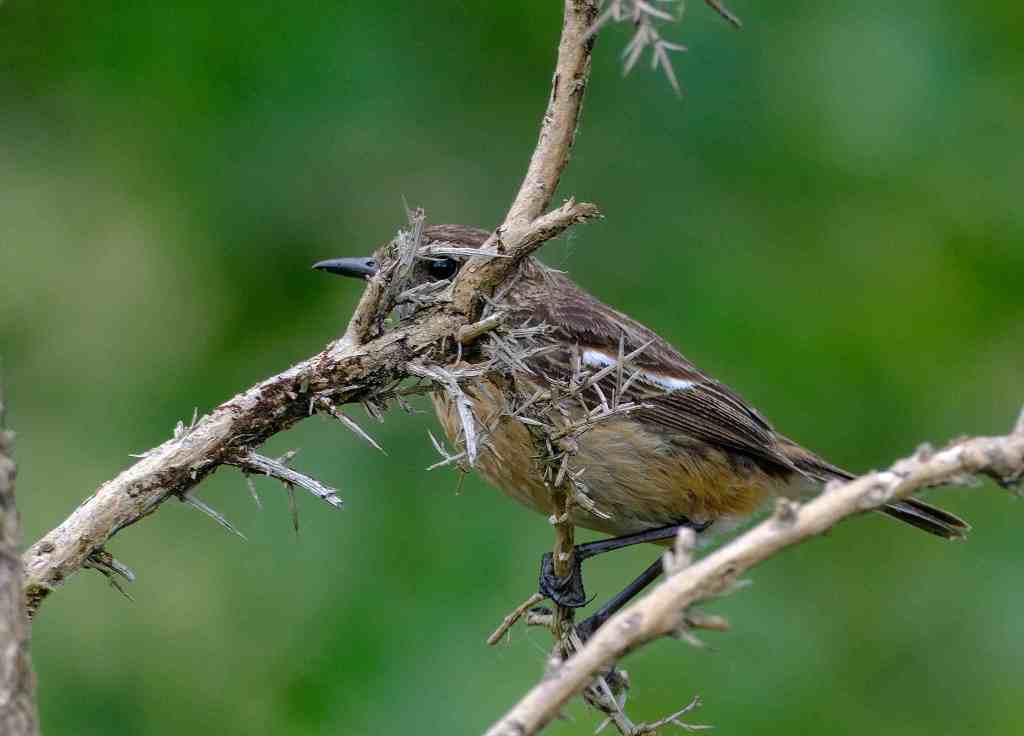
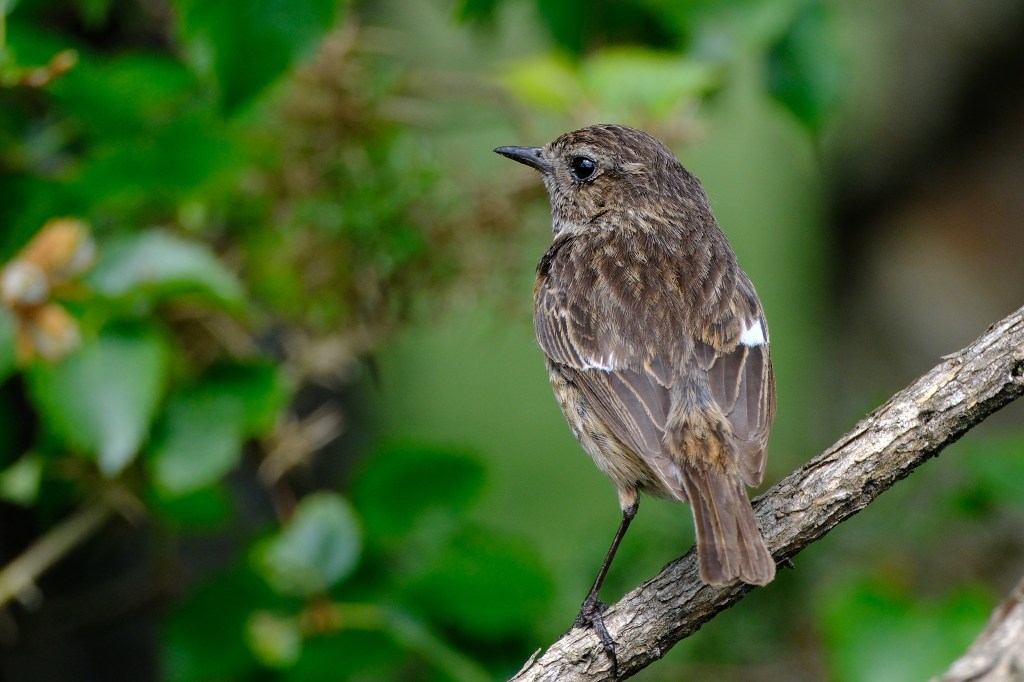
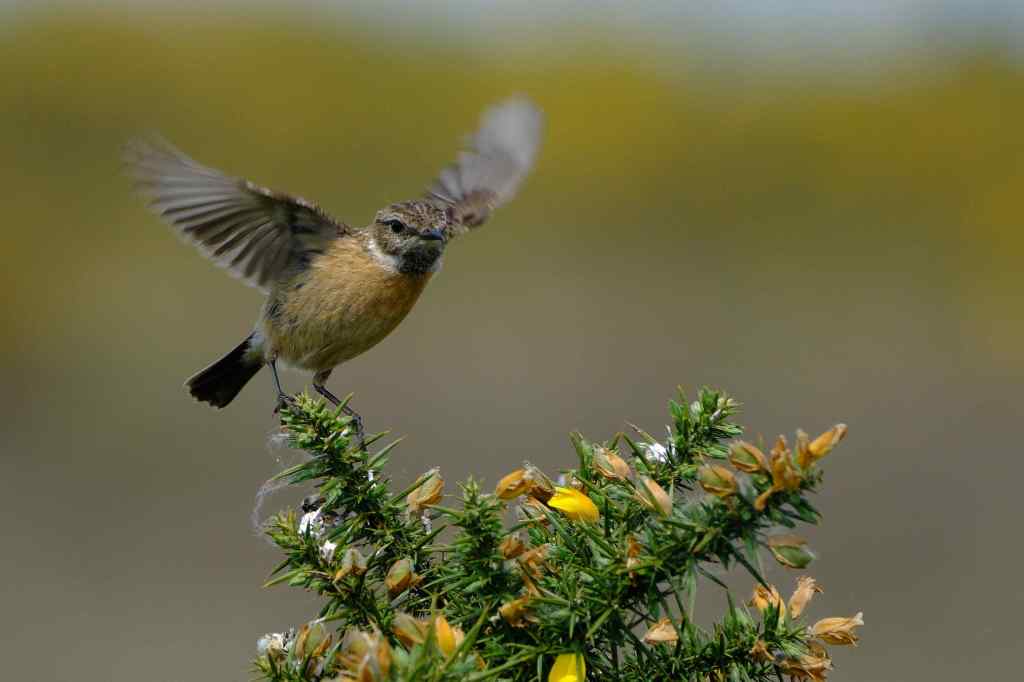
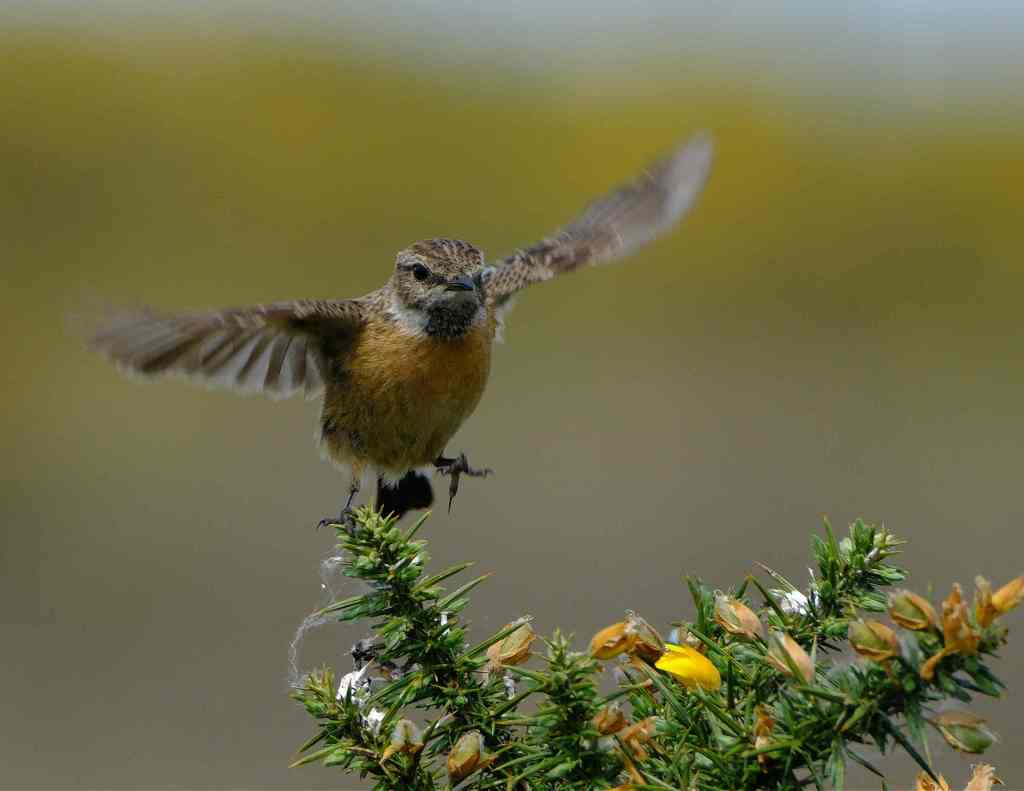
Stonechat.

A Female Stonechat in the New Forest this morning. Looking at the photographs, you can see how well these birds blend into their environment. A cuckoo can be heard calling in the background of my YouTube post.

Distant Cuckoo.

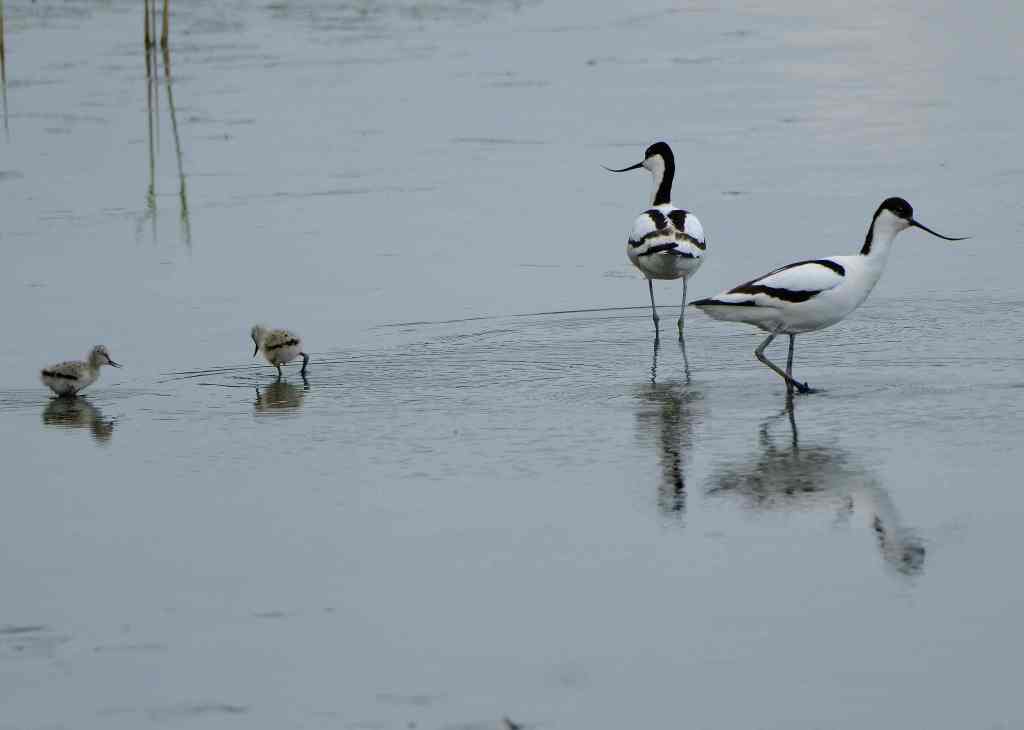
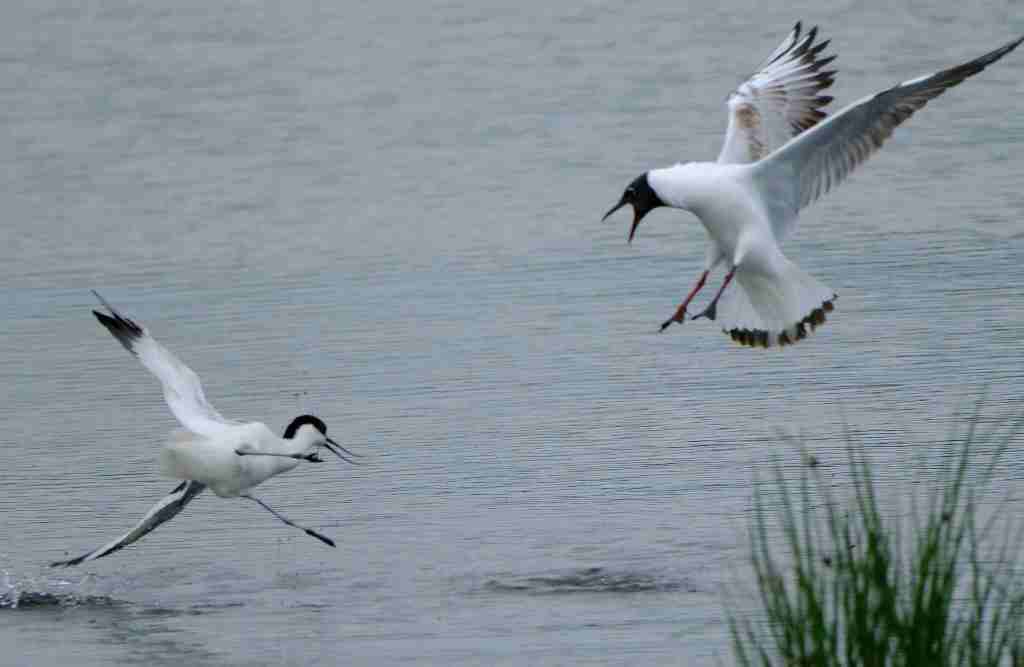
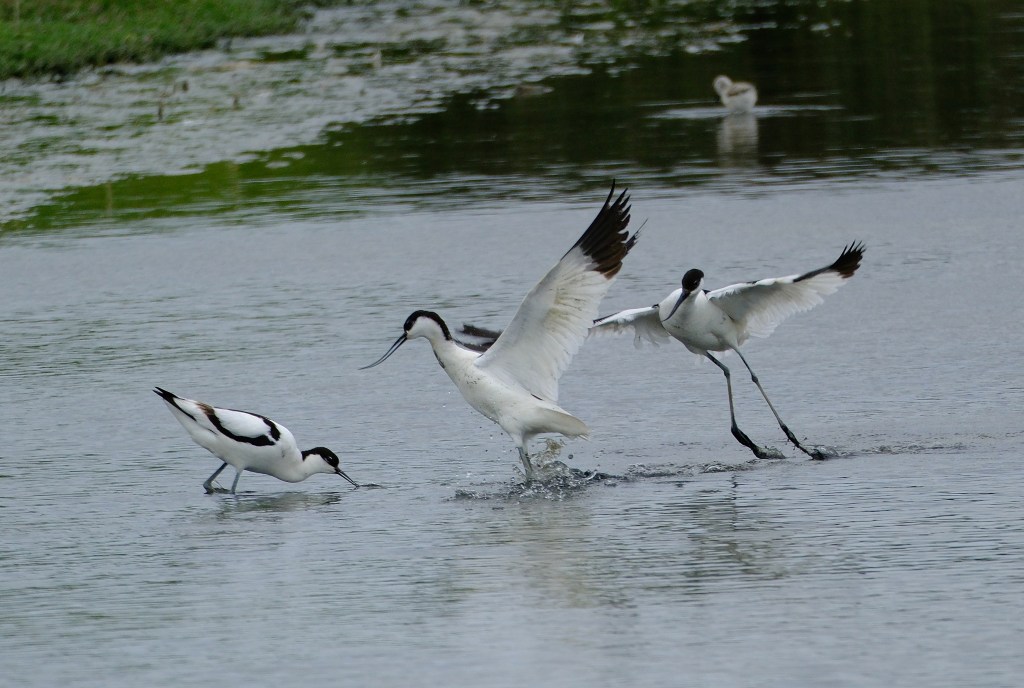
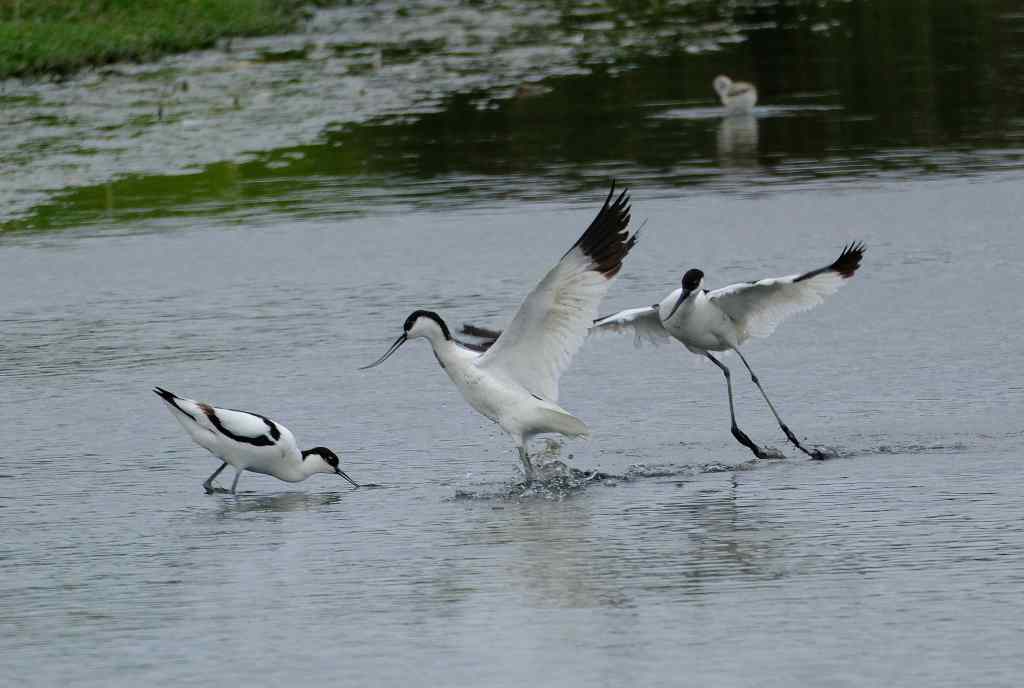
Parenthood.

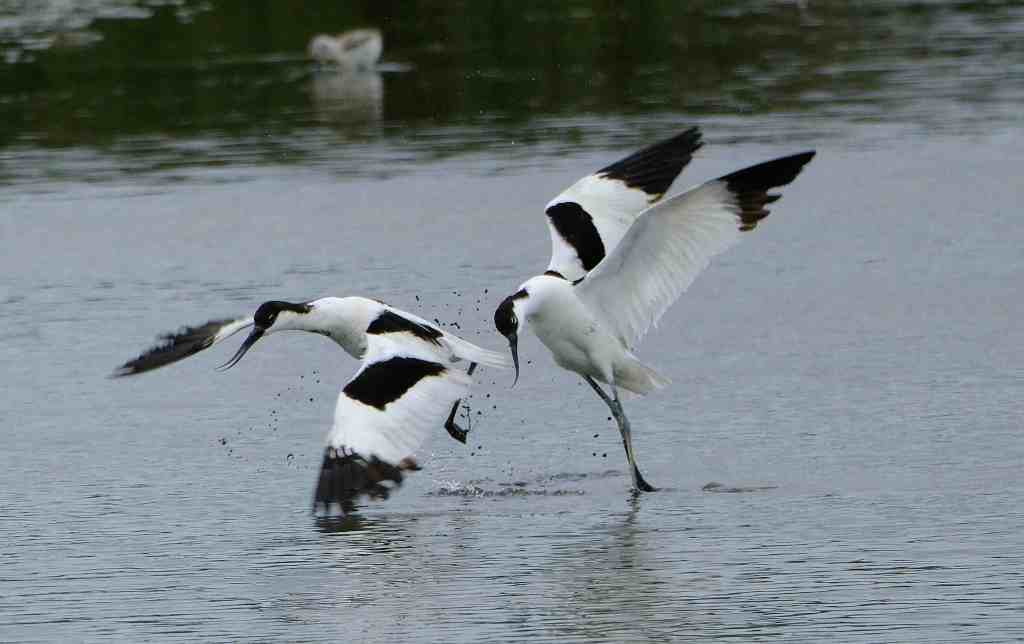
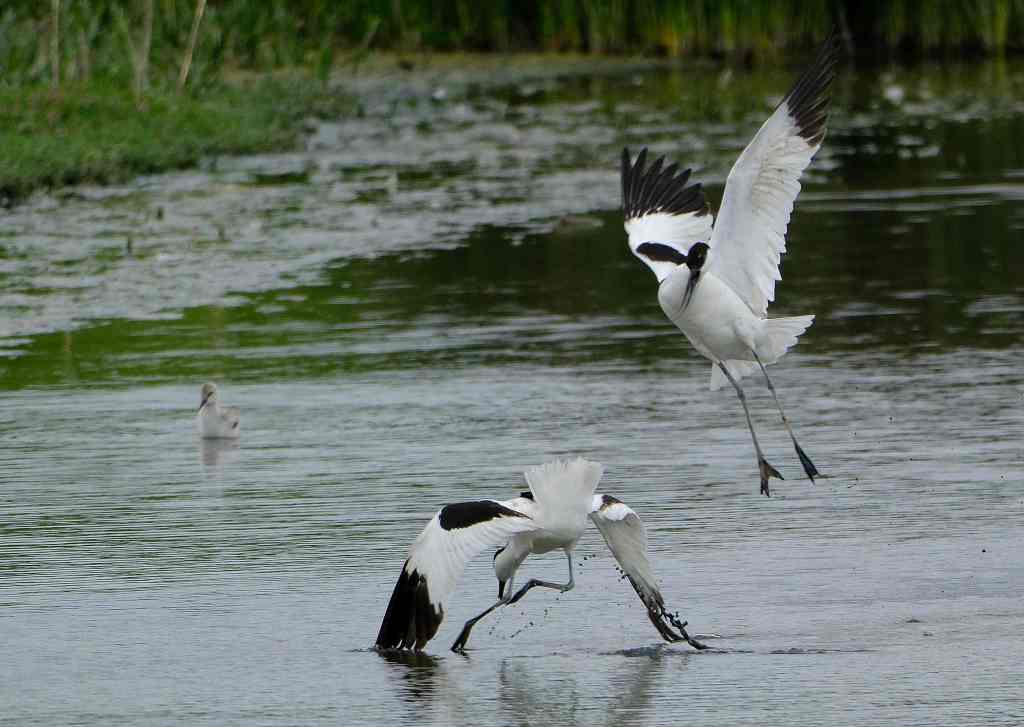
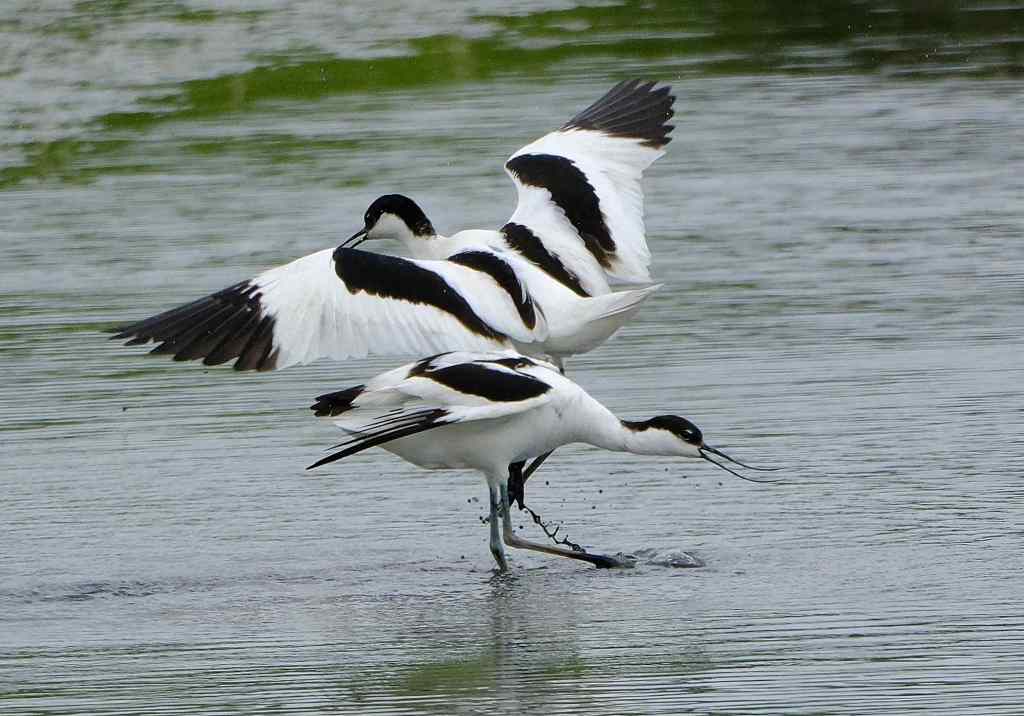
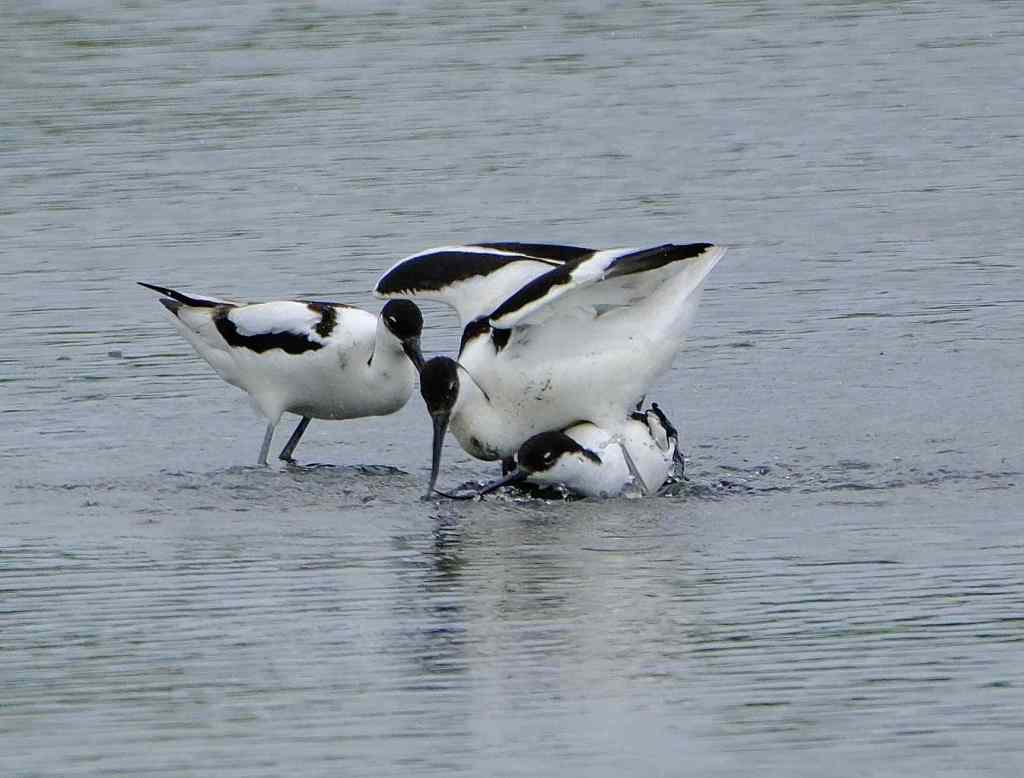
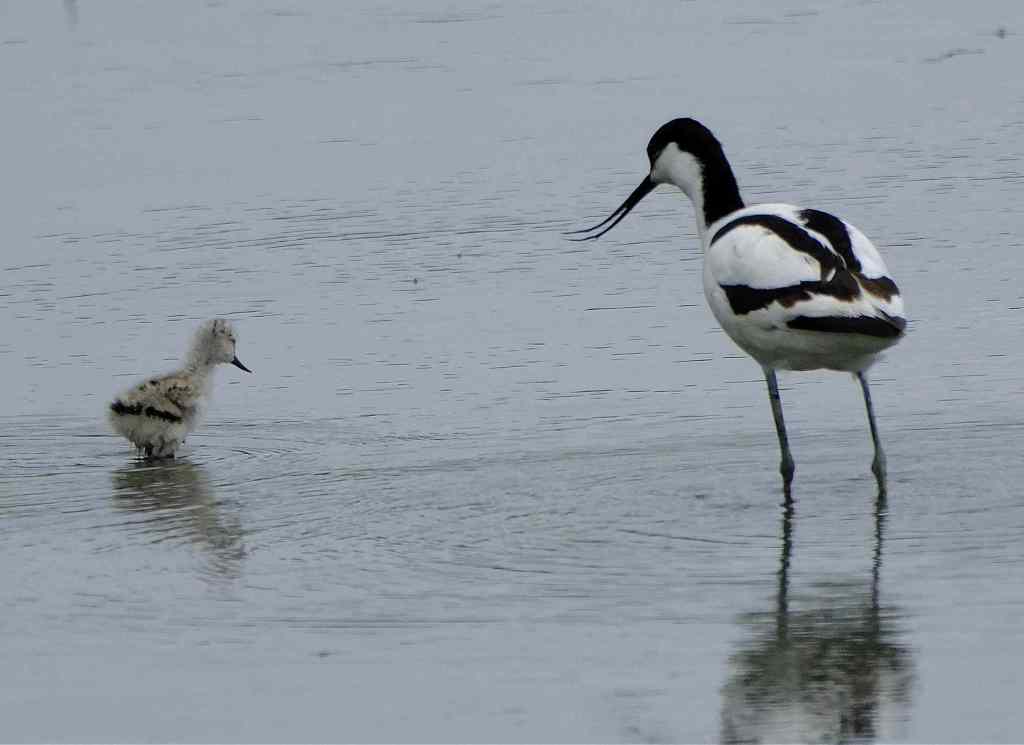
Avocet families at Titchfield Haven National Nature Reserve. Parent birds chase off anything that gets too close to their chicks, including other Avocets. Yet, the chicks wander far from mum and dad. This makes them fairly easy targets for predators like large gulls and Marsh Harriers.