A couple of video films taken at Titchfield Haven Nature Reserve this morning. I wanted to capture some film of the Mediterranean Gulls, and due to their distance from the vantage point, I used an X2 converter on my Fuji 150mm to 600mm to reach the distance. Given the extreme distances, I felt the quality of the films was not too bad.
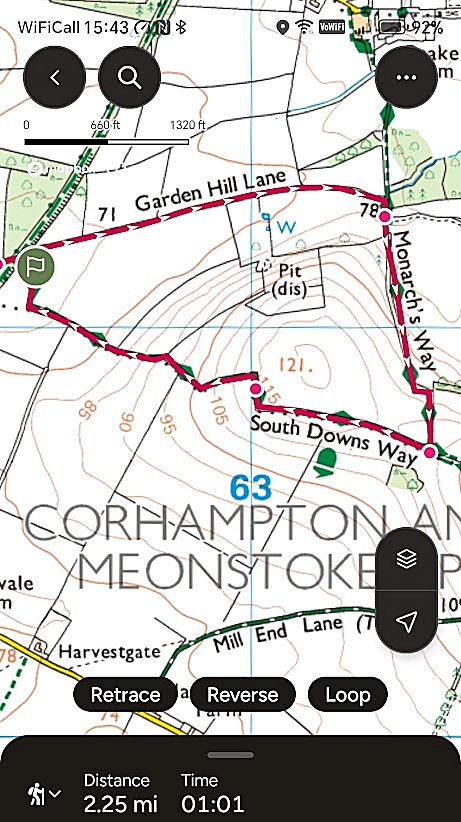
Another circular Sunday morning walk on the South Downs.
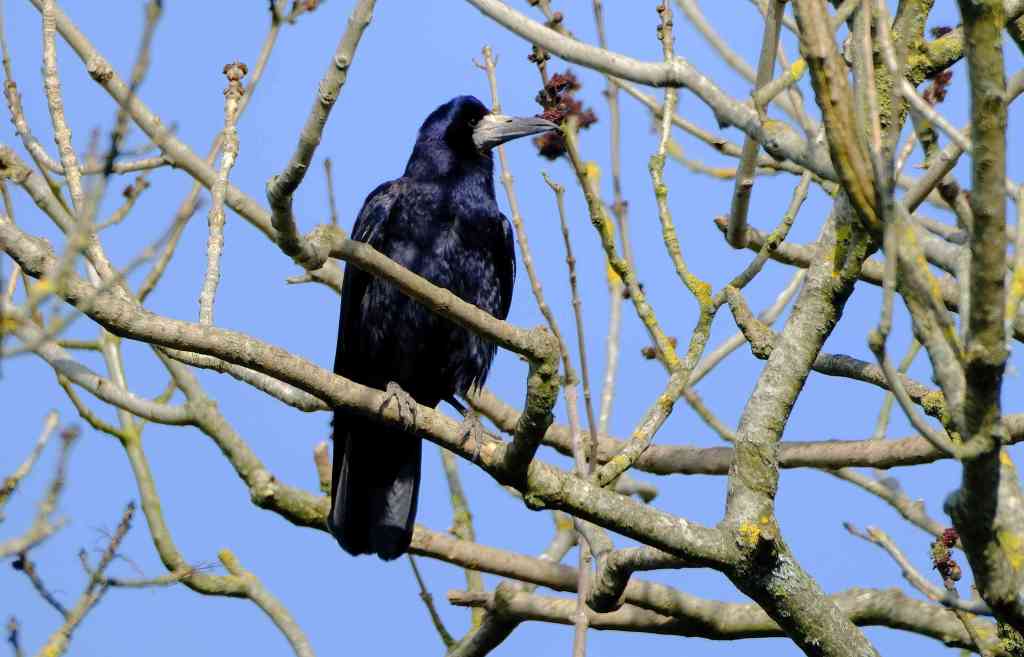
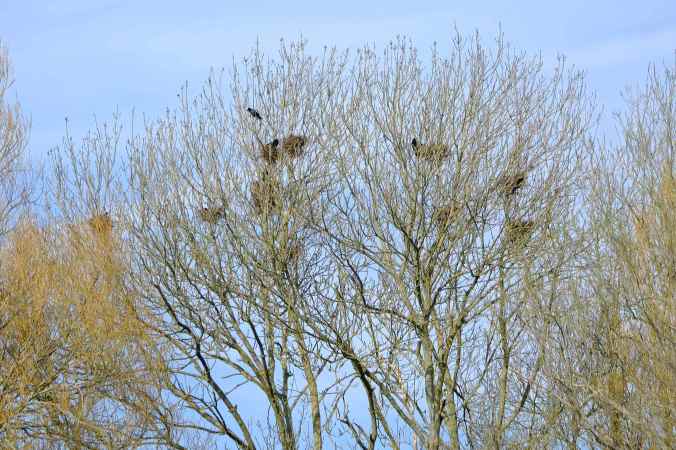
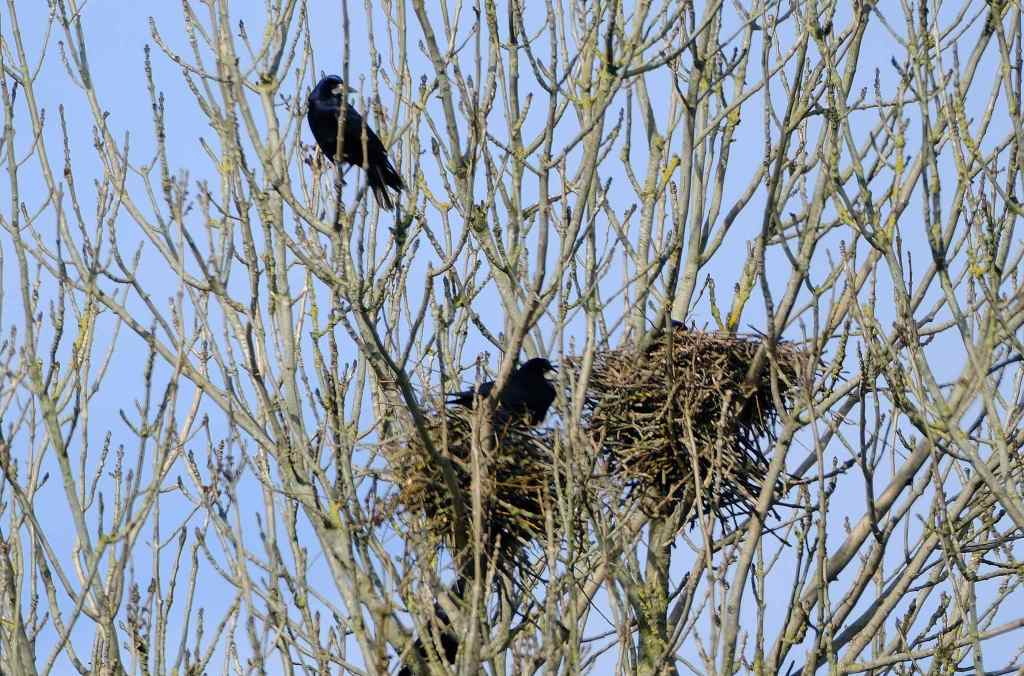
This time of year, Rooks are re-establishing their nest sites. Rookerys are known for high noise levels, territorial disputes, and intense activity during nesting season.
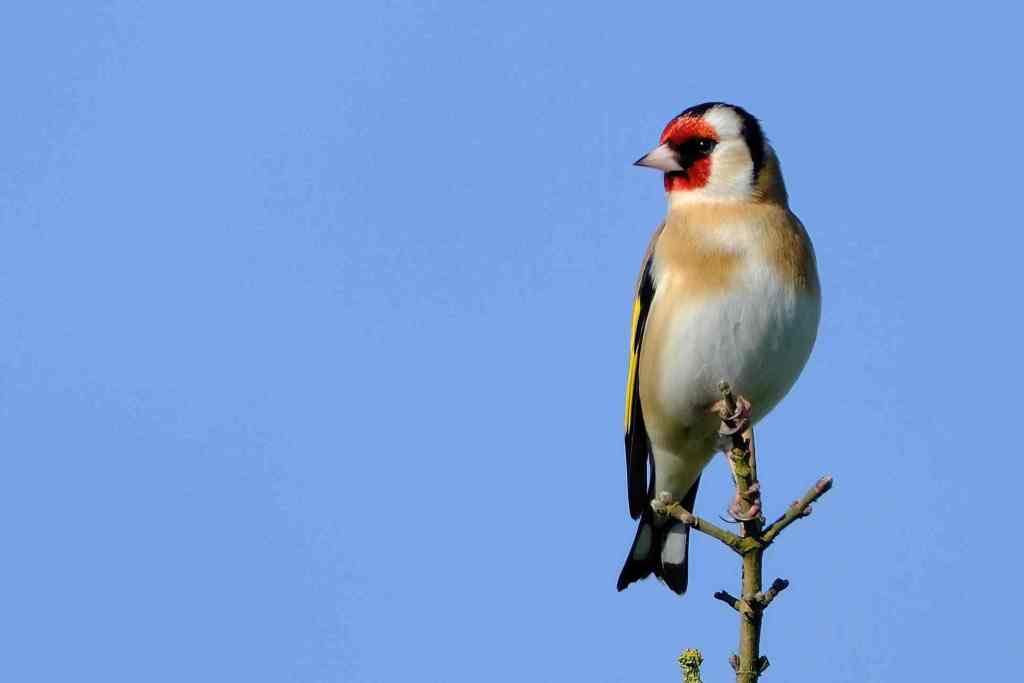
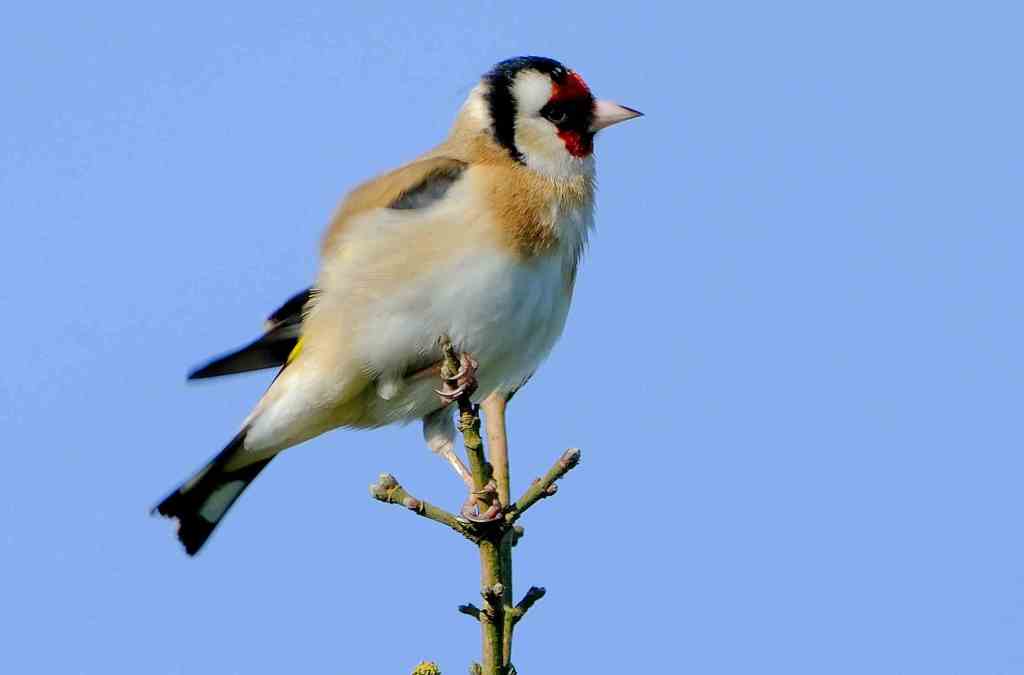
Goldfinch.
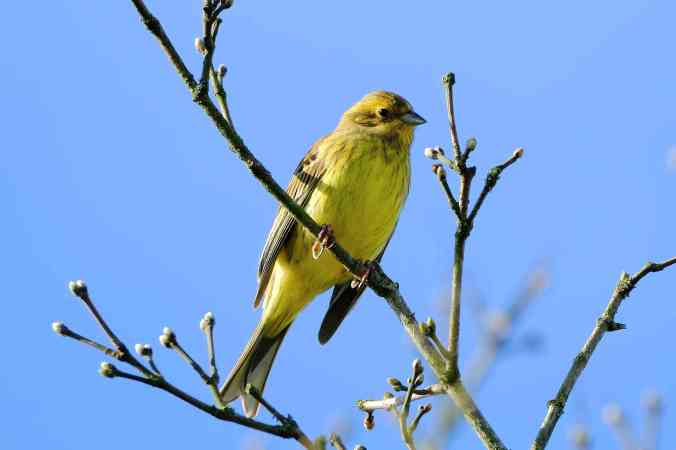
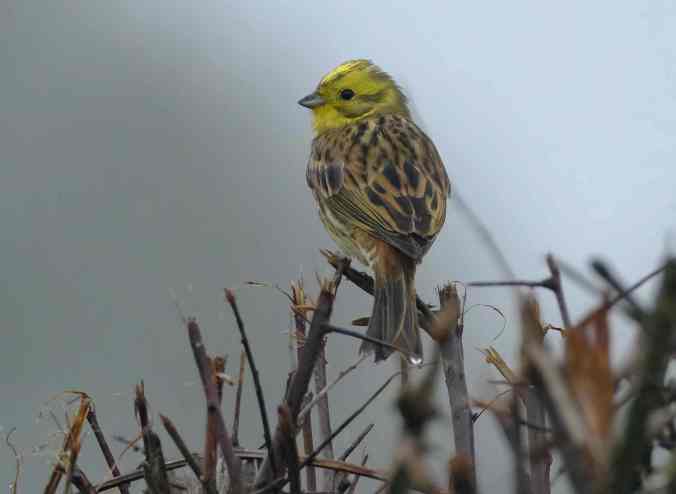
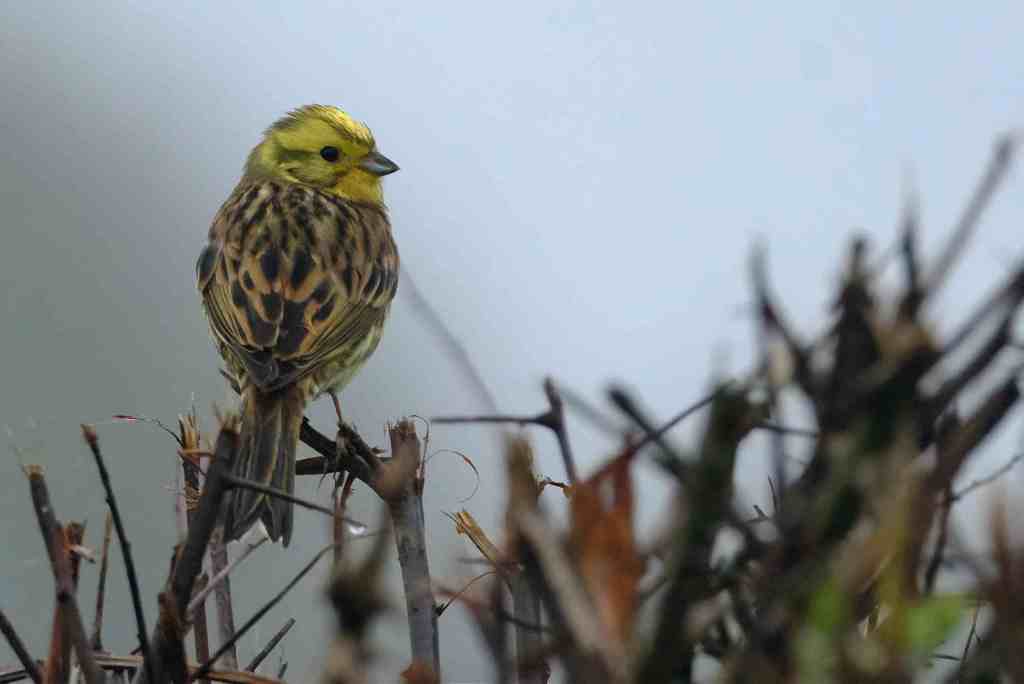
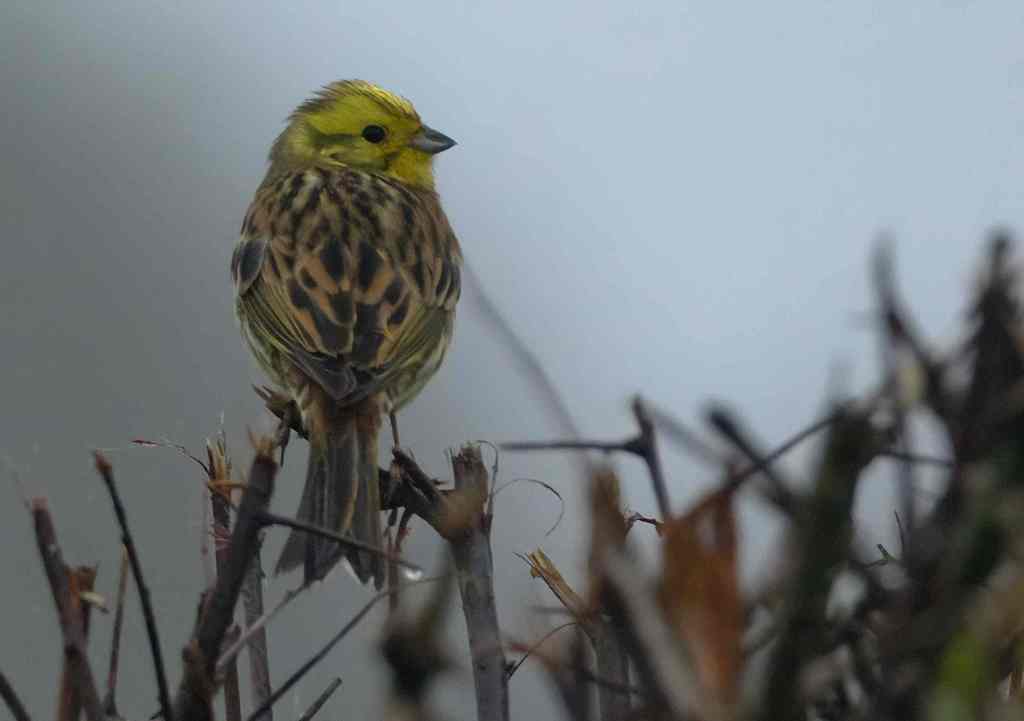
Yellowhamer.
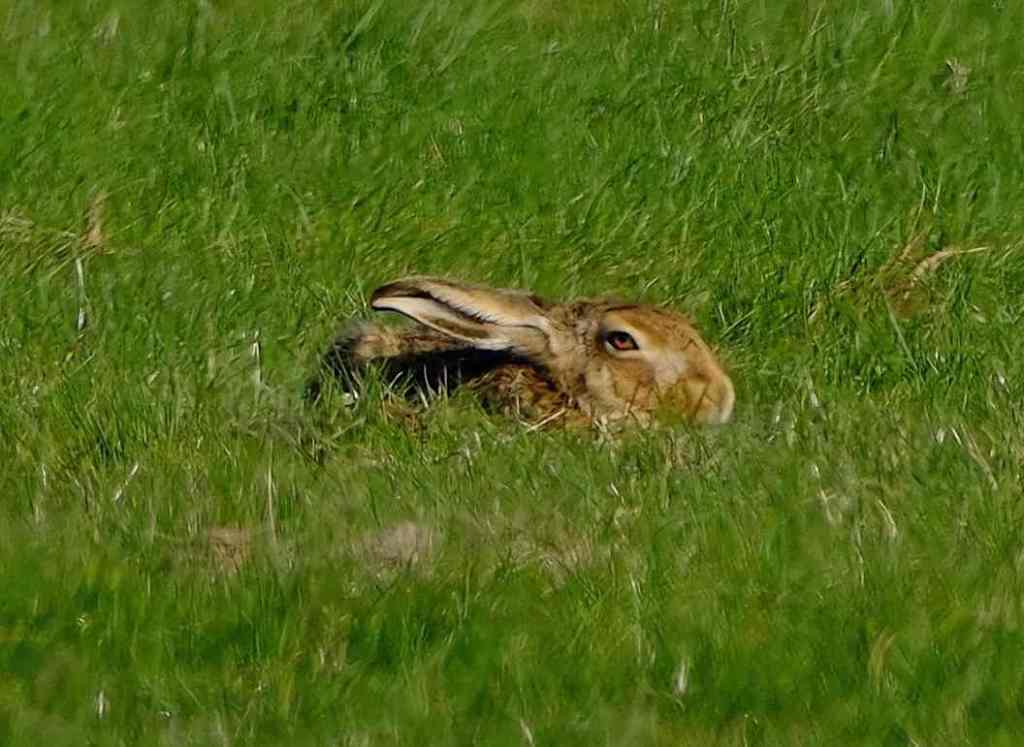
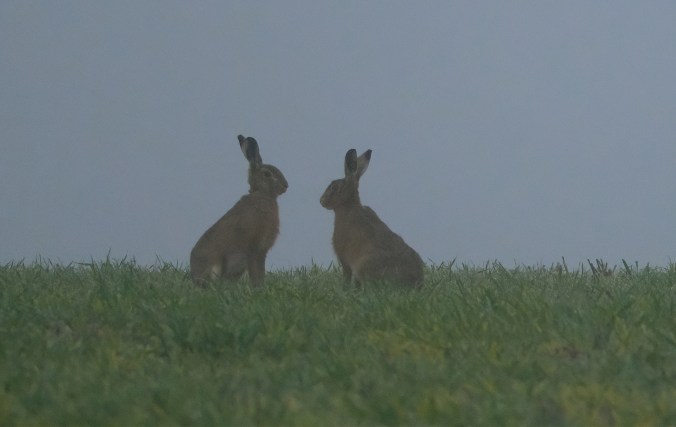
Brown Hare,
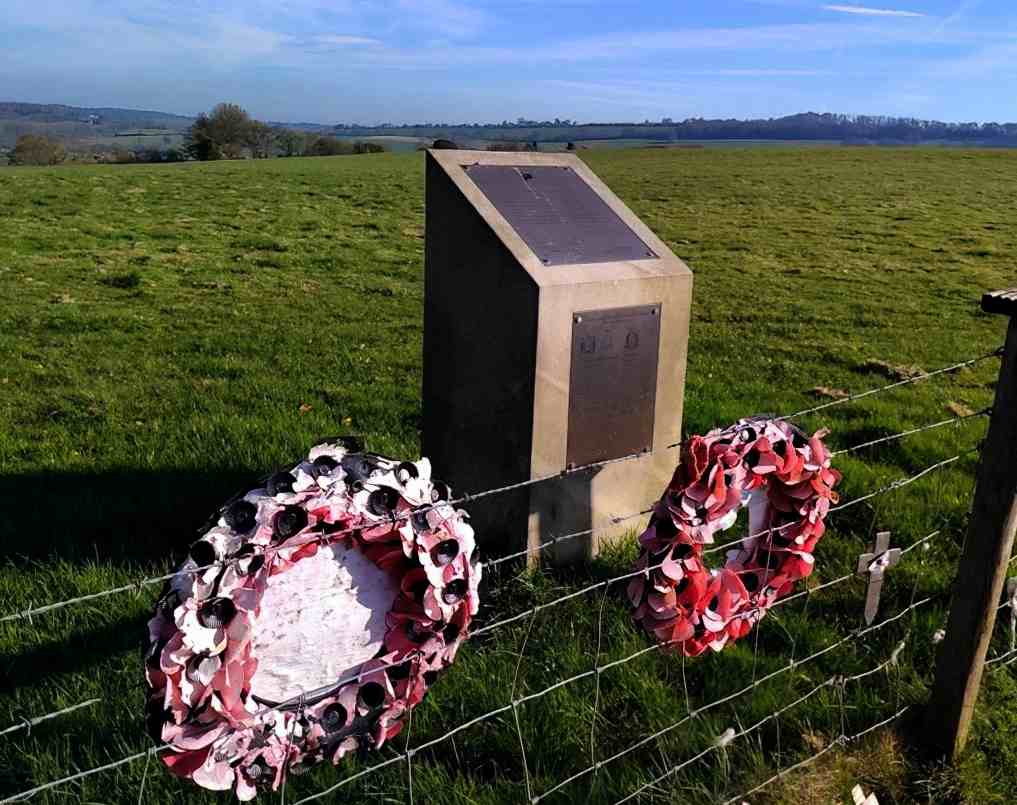
On the route, there is a memorial to a WW2 accident where 33 were tragically killed.
In early 1944, numerous training exercises were being undertaken in preparation for the Allied invasion of D-Day.
On the 4th April 1944, 1 HGSU, Horsa 1 glider, LG999 towed by Stirling IV LJ-842 of 196 Squadron took part in a large-scale glider exercise code-named ‘Exercise Dreme’.The night exercise of various legs was to take 3.5 hours, and the gliders were to be released over Brize Norton in Oxfordshire. The glider occupants were two glider pilots and members of No. 3 Platoon, ‘A’ Company, 7th (Airborne) Division, King’s Own Scottish Borderers.
Low cloud was reported in the Lewis area and on the leg from Lewis to Winchester. As the towing Stirling descended through the clouds, it hit a tree. The glider released immediately and crashed in Warnford. All 27 men on board the Horsa LG999 were killed. The Stirling flew on for another 15 minutes when it stalled, and crashed at 21:00 hours one-mile south-west of Romsey, some 18 miles from the site of the glider crash, and all six crew members were killed.
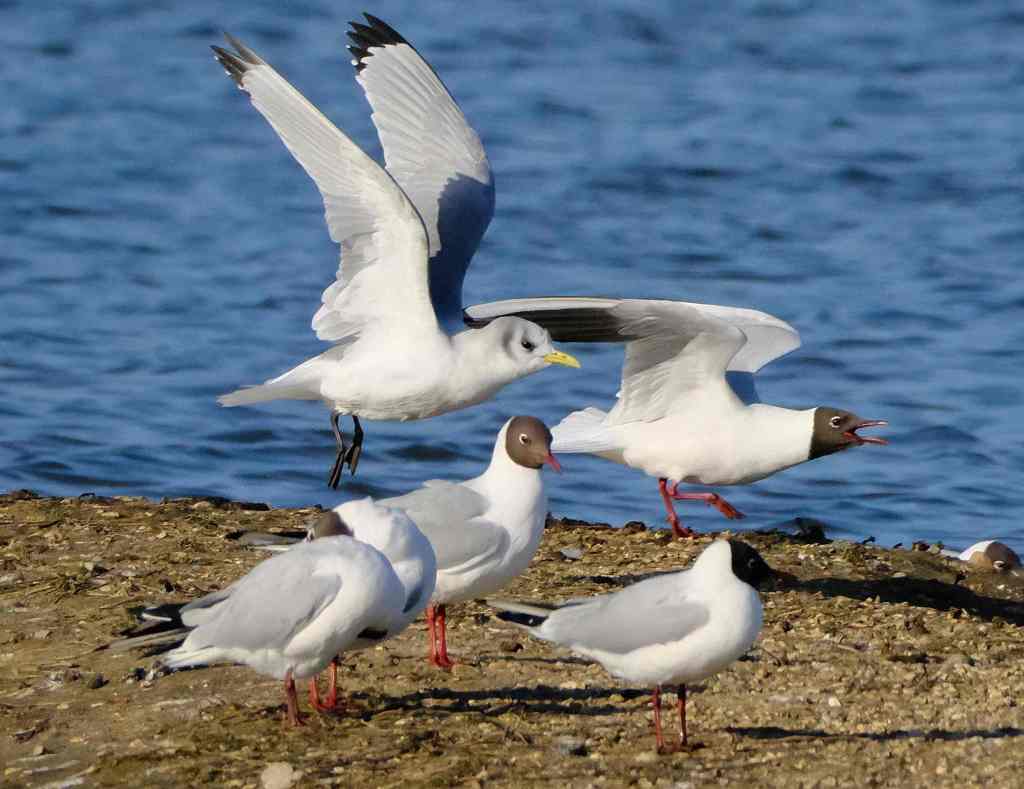
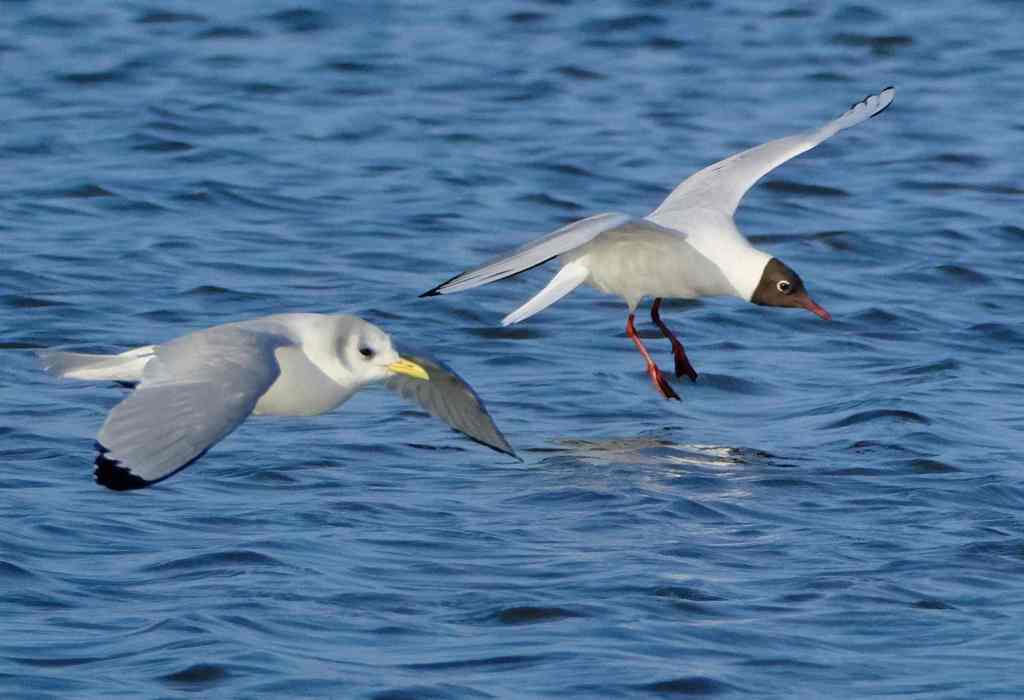
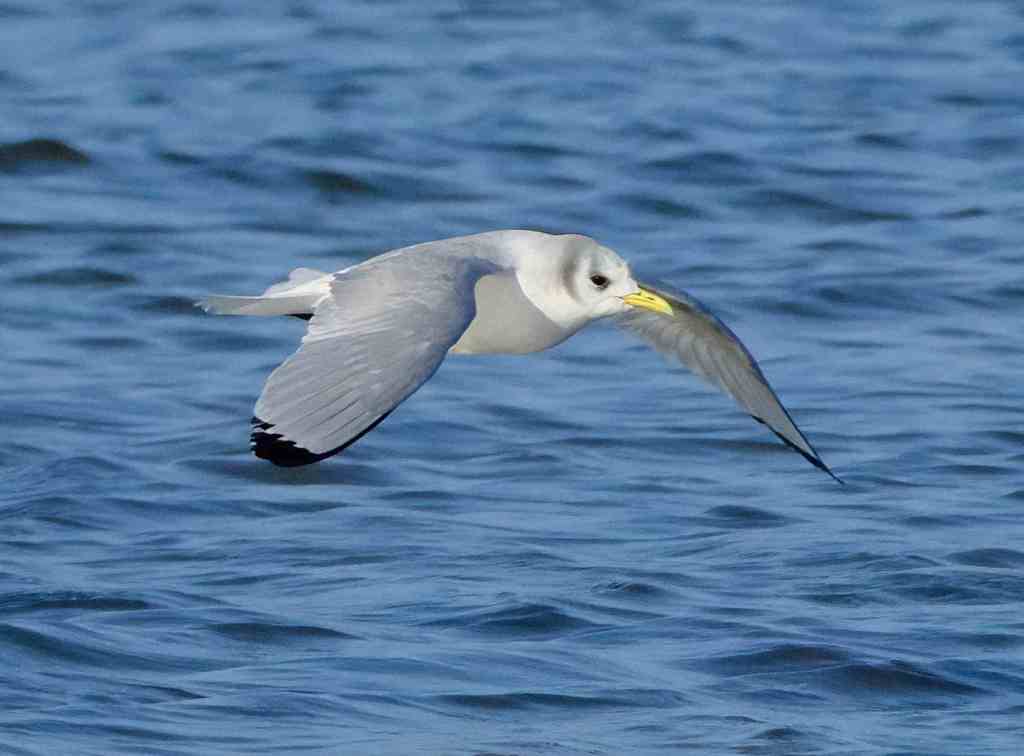
“Nests on seaside cliffs, often among auks and Northern Fulmar.” This bird, in non-breeding plumage, was in a flock of Black-headed Gulls at Titchfield Haven on Tuesday, a relatively rare sight for us on the Hampshire coast.
A misty Sunday walk on the South Downs. Hares were about, but some distance off.
A splash of colour in the grey weather was brought by many Yellow Hammers.
The yellowhammer is a sparrow-sized bird, they are a member of the Bunting family. A bright yellow bird of woodland edges, hedgerows, heath and farmland feeding on seeds and invertebrates.
 Continued Reflections from my World.