Ended the week with a quiet early morning walk up the Hamble River from Warsash to Burseldon.

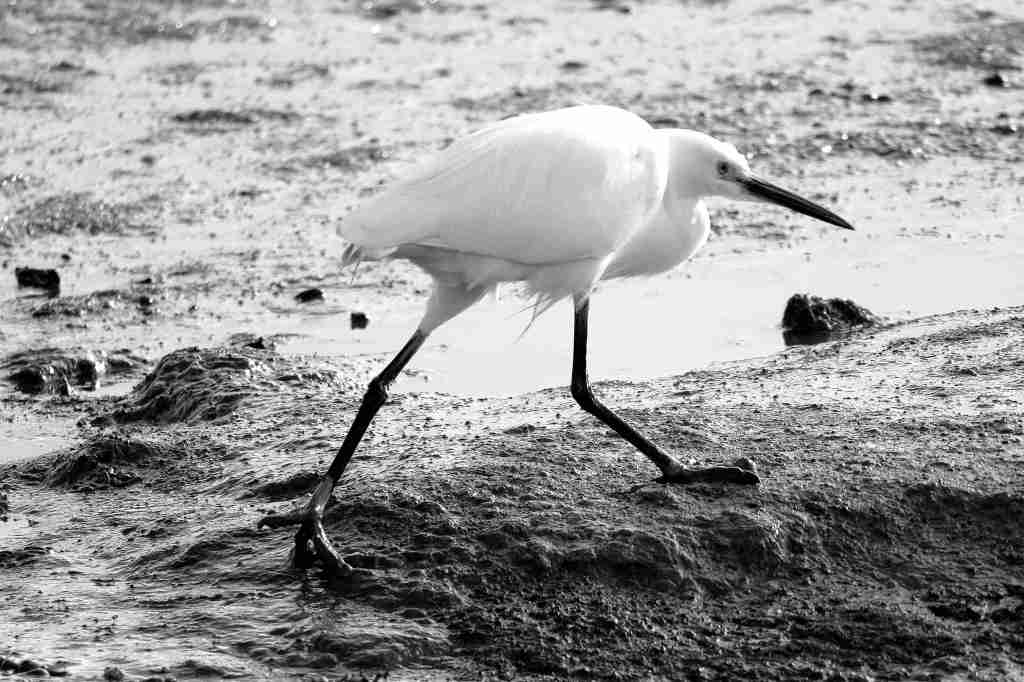
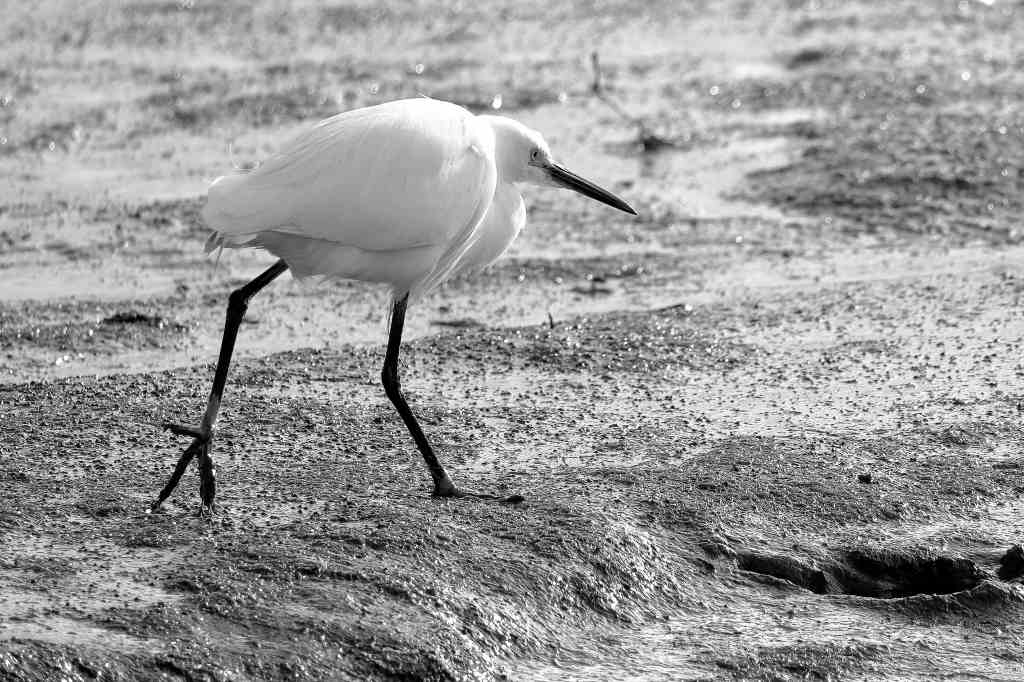
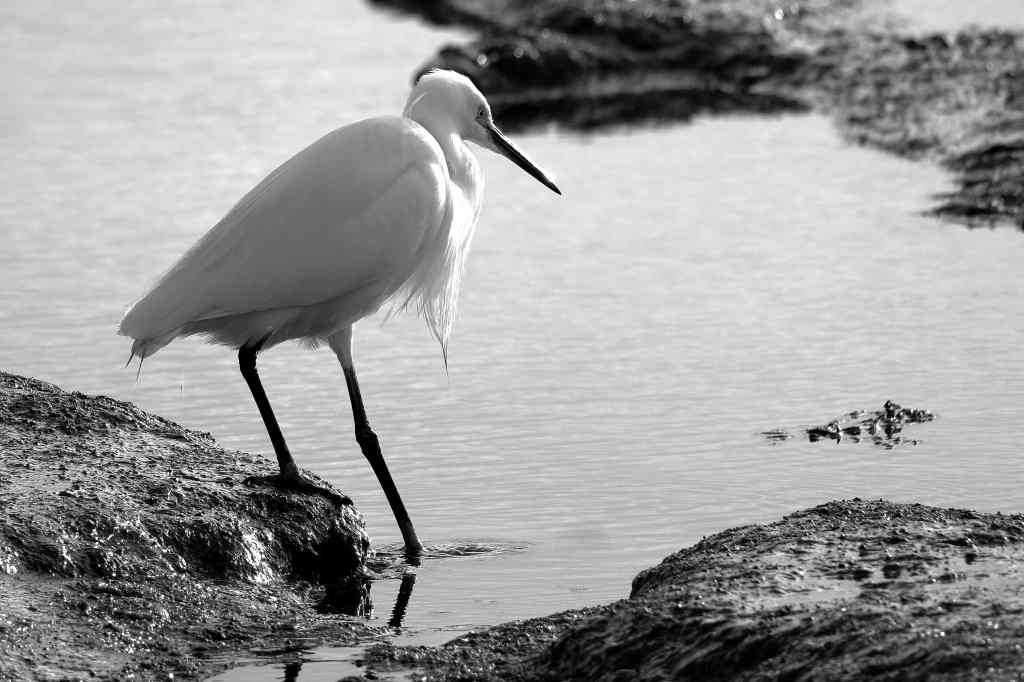
Ended the week with a quiet early morning walk up the Hamble River from Warsash to Burseldon.
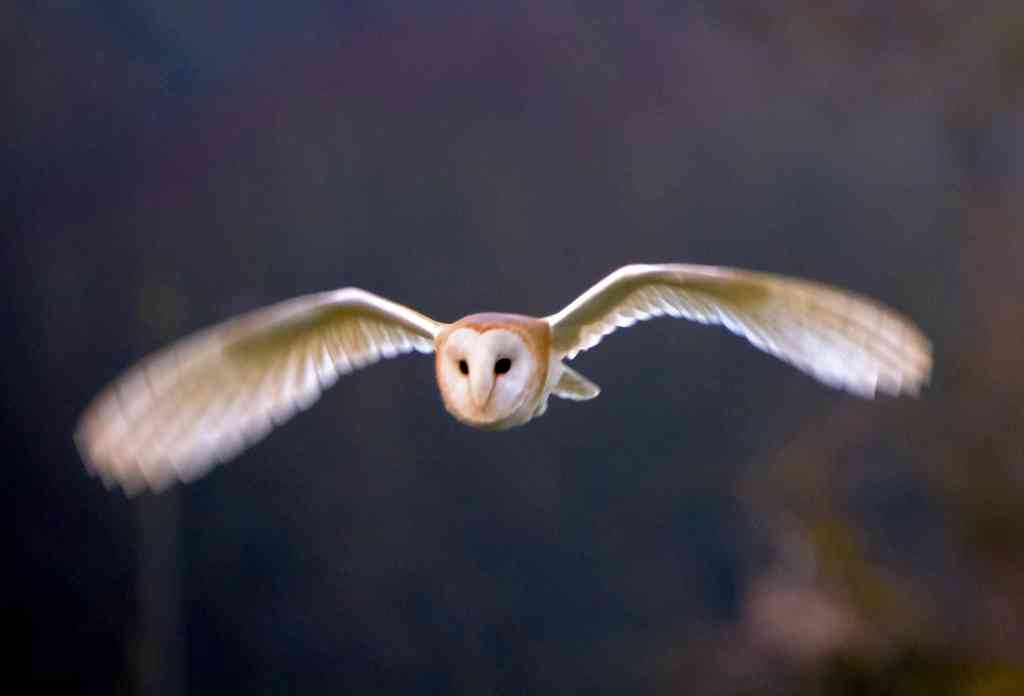
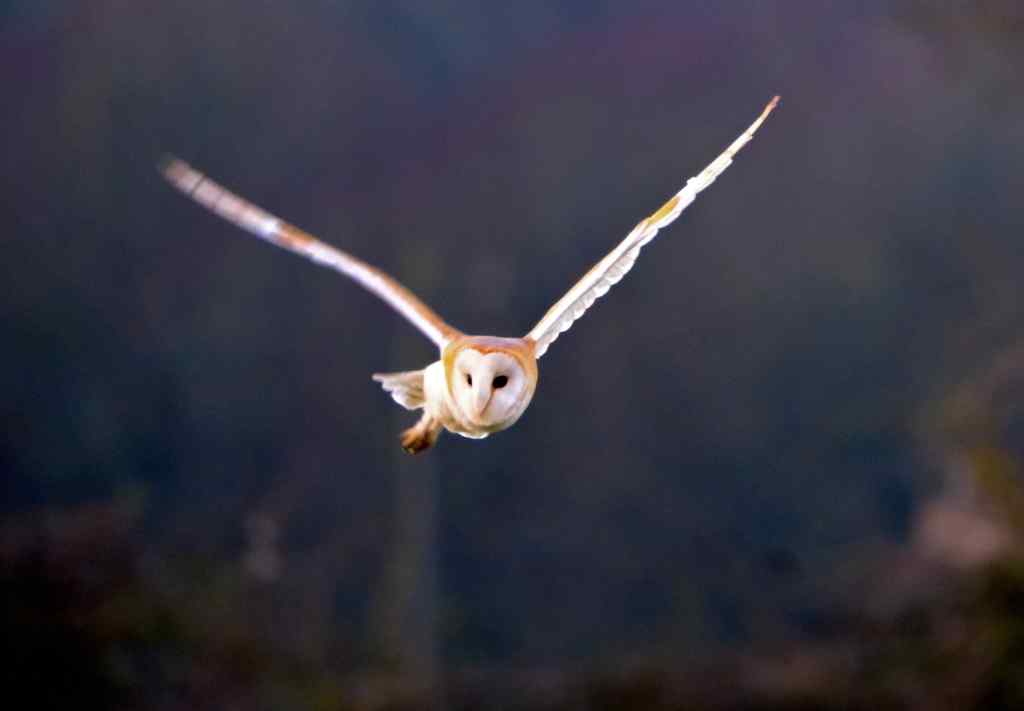
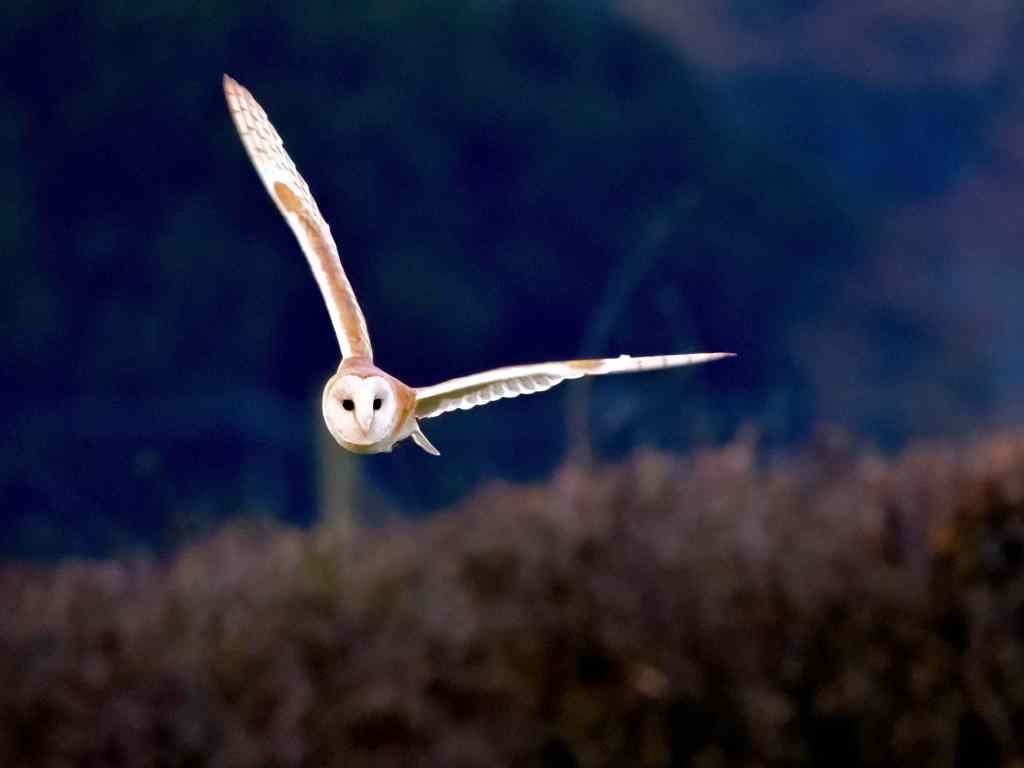
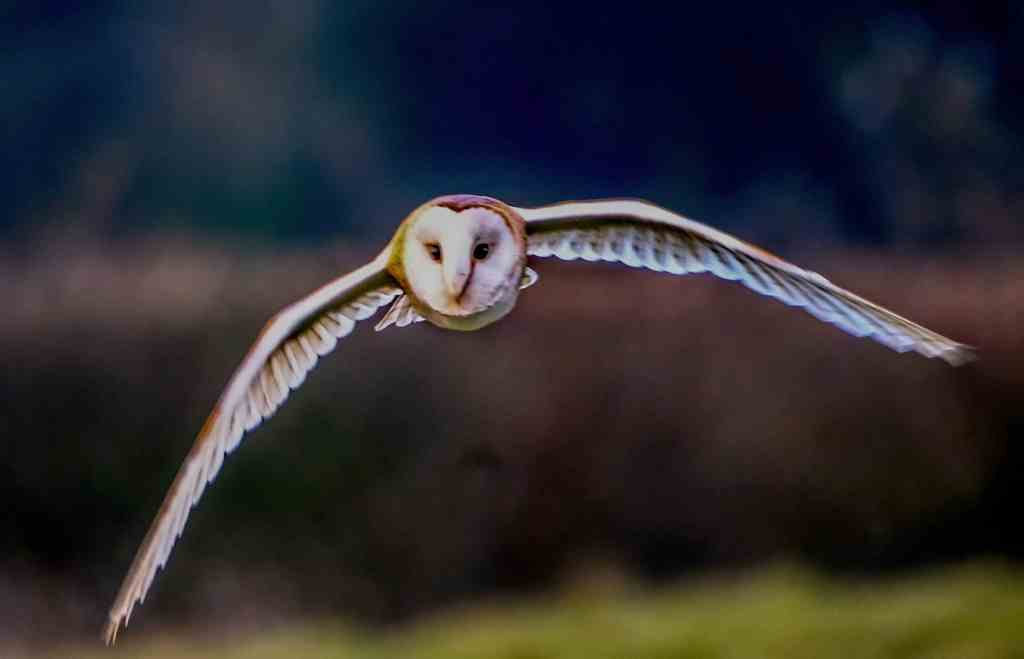
Another Dawn start to look for the local Barn Owls, lover light today but a pair of birds spotted.
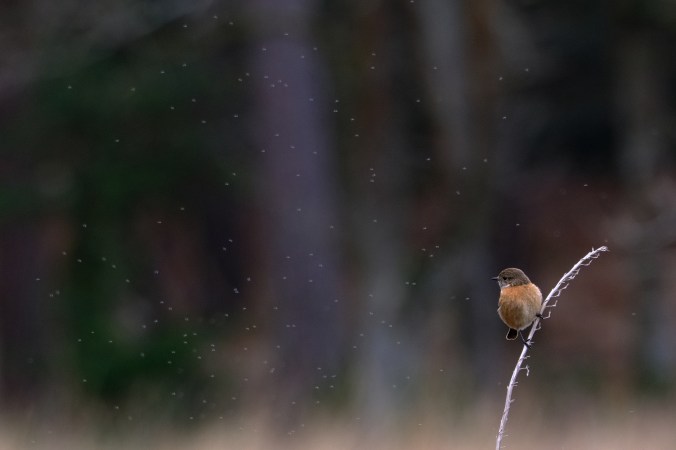
Stonechats mainly eat insects, but they also eat seeds and fruits, especially in the colder periods when insects are scarce.

As you can see in my pictures, there were plenty of insects about today!
Up at dawn for a walk along a footpath part of the South Downs Way this morning. Delighted to see a Barn Owl hunting in the morning light.
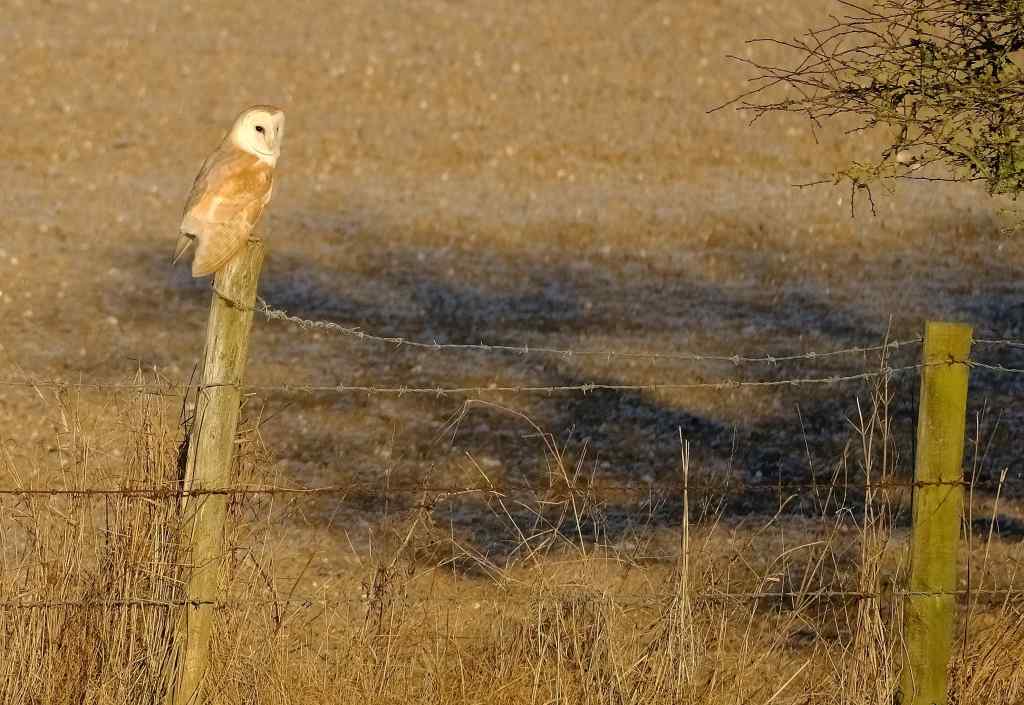


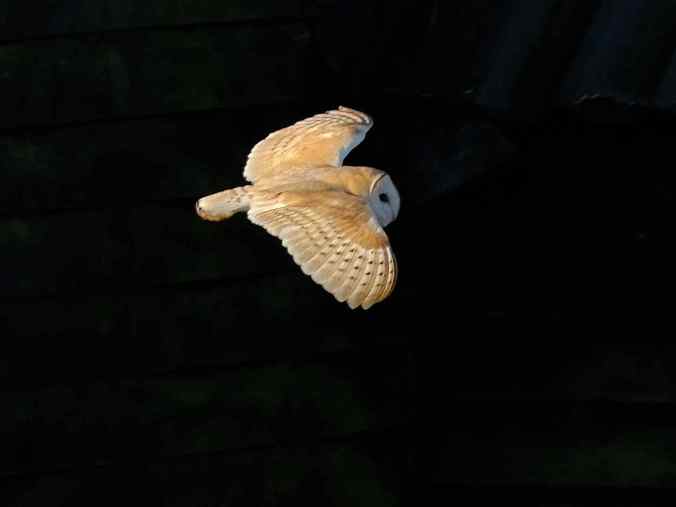
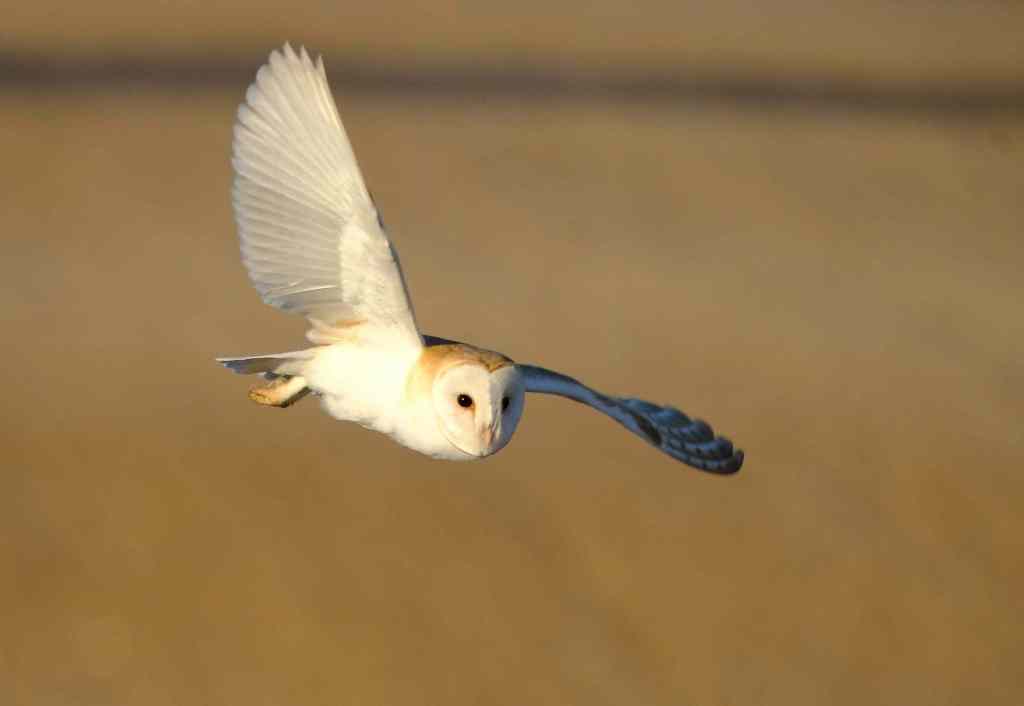


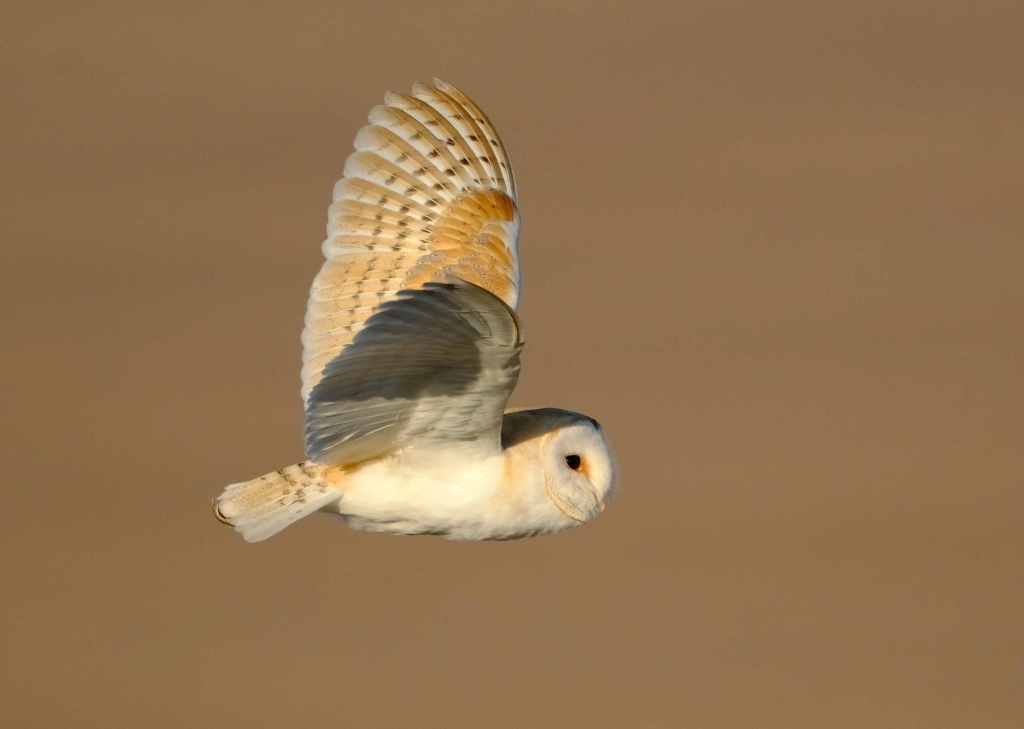
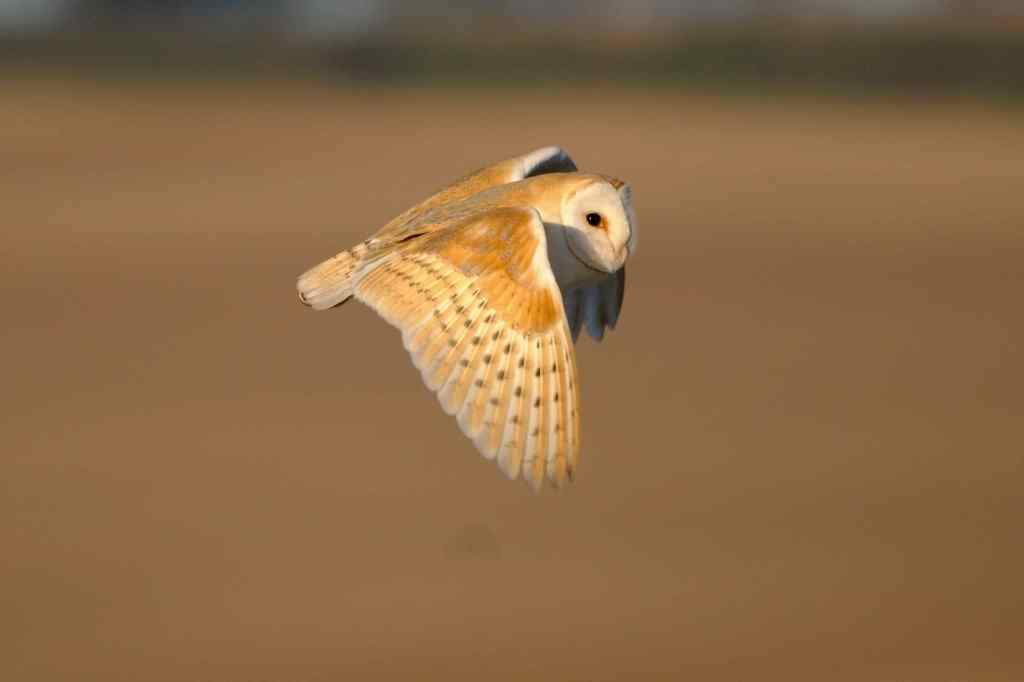

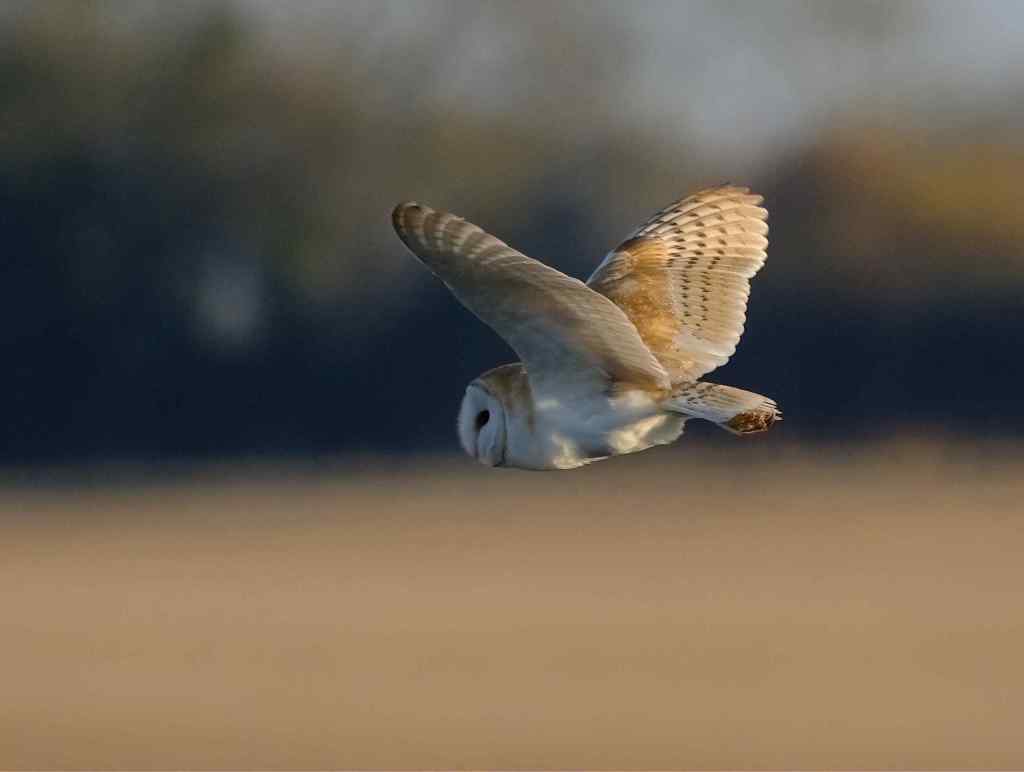
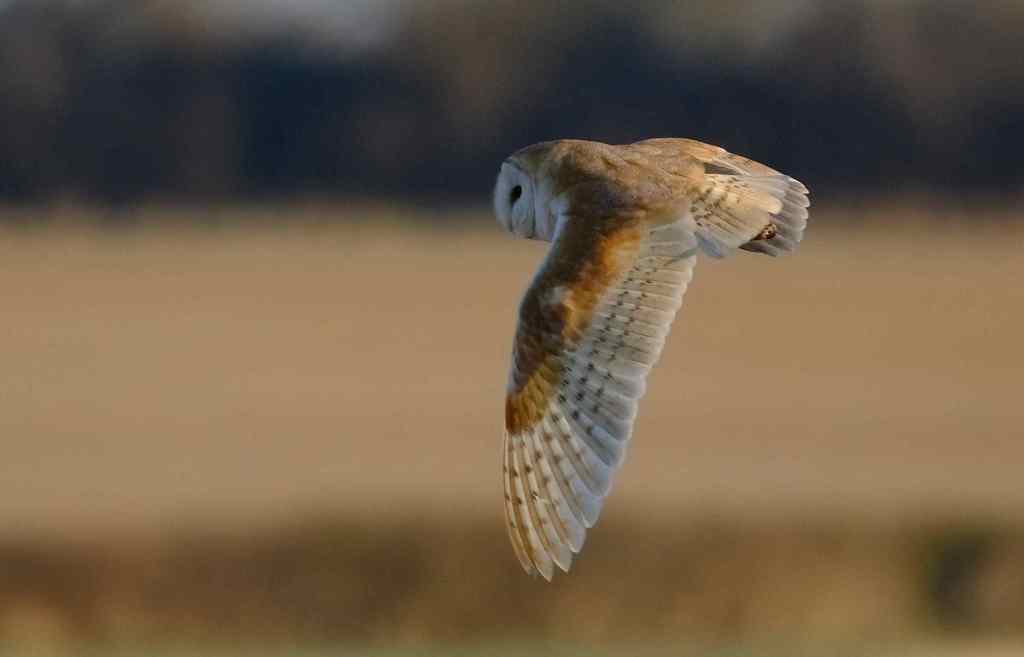

Early morning walk on the South Downs Way near Winchester. Some short clips.
Video link
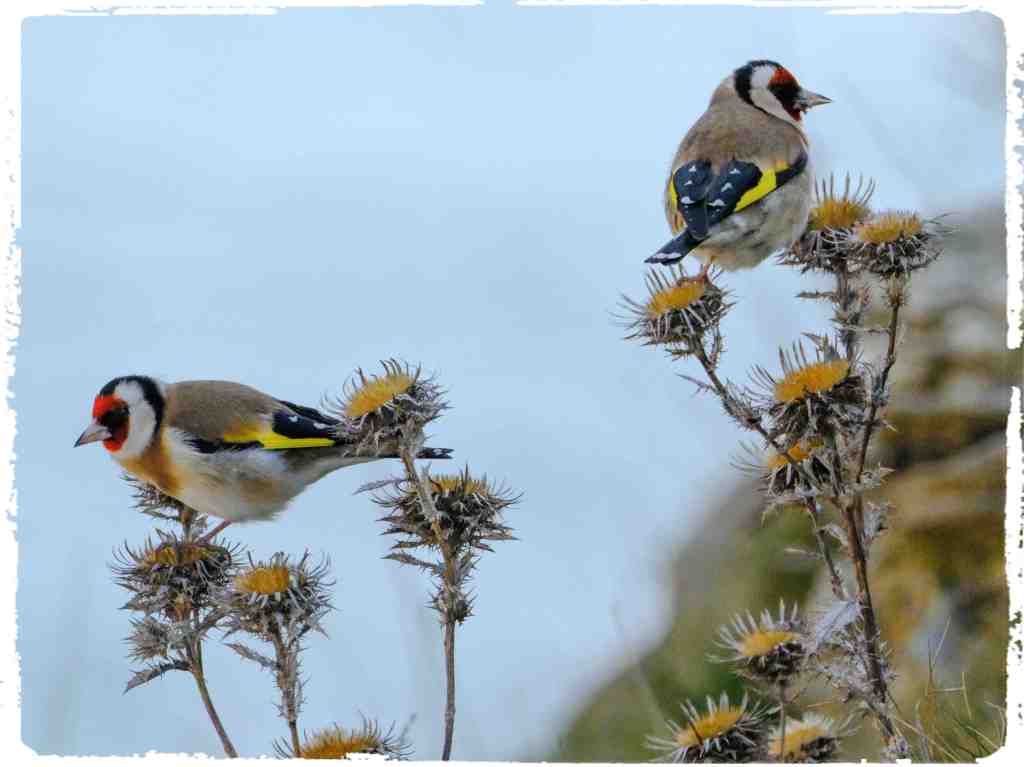



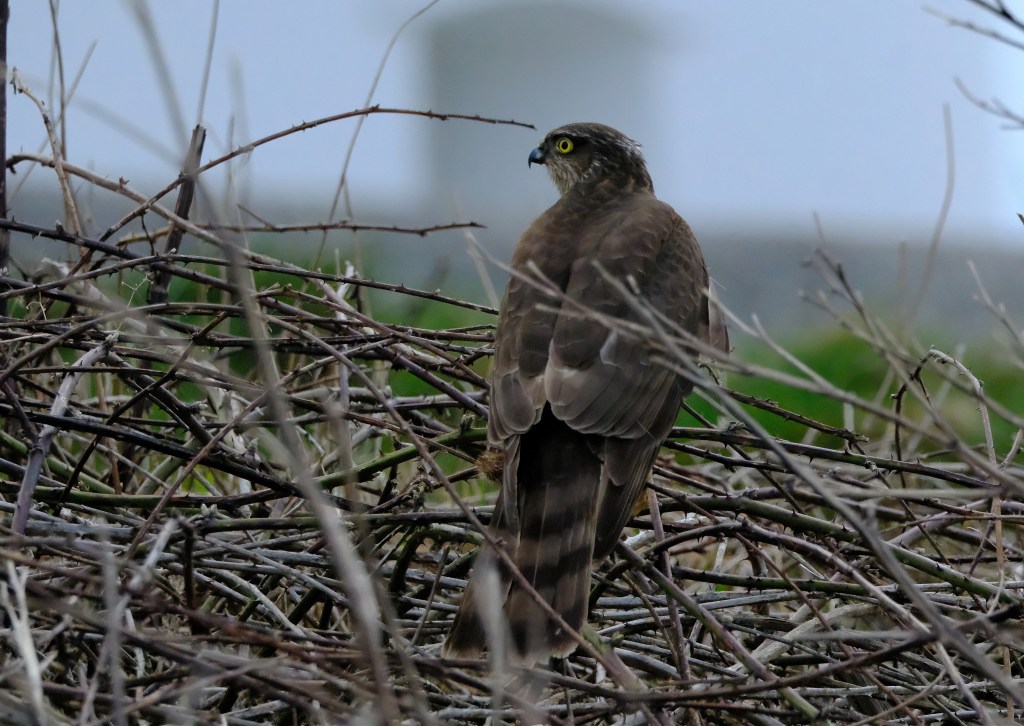
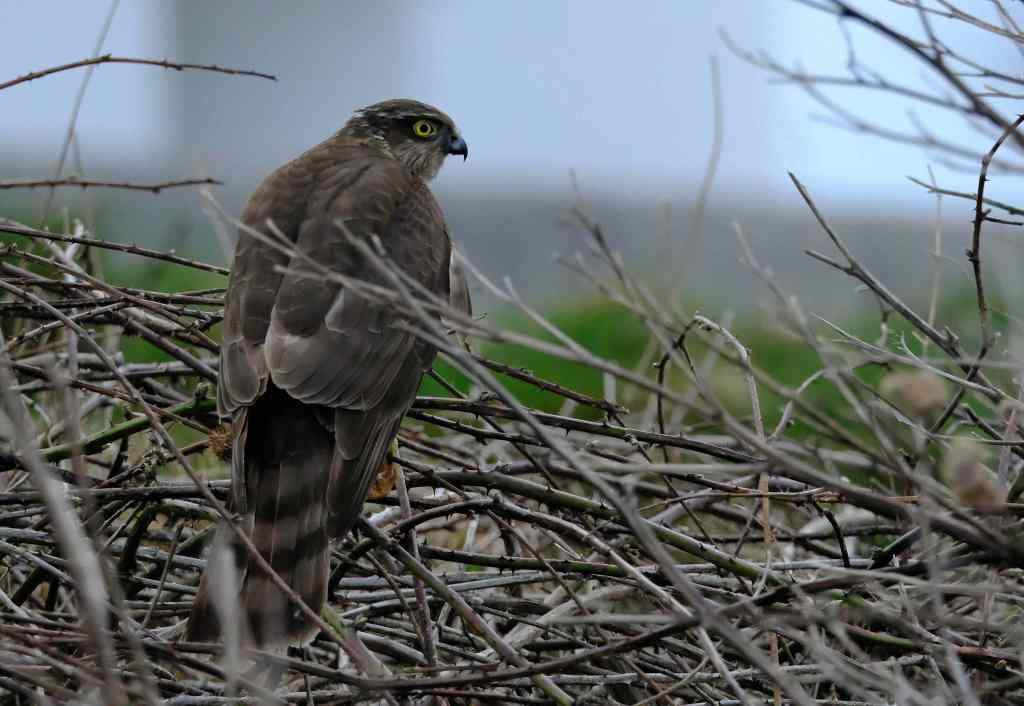
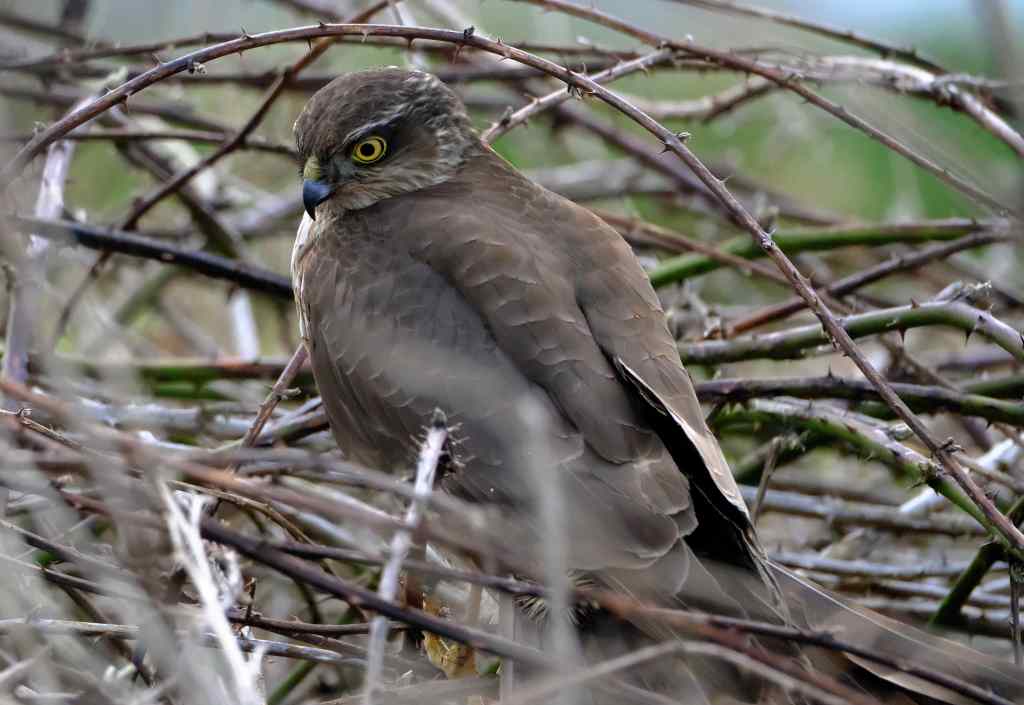
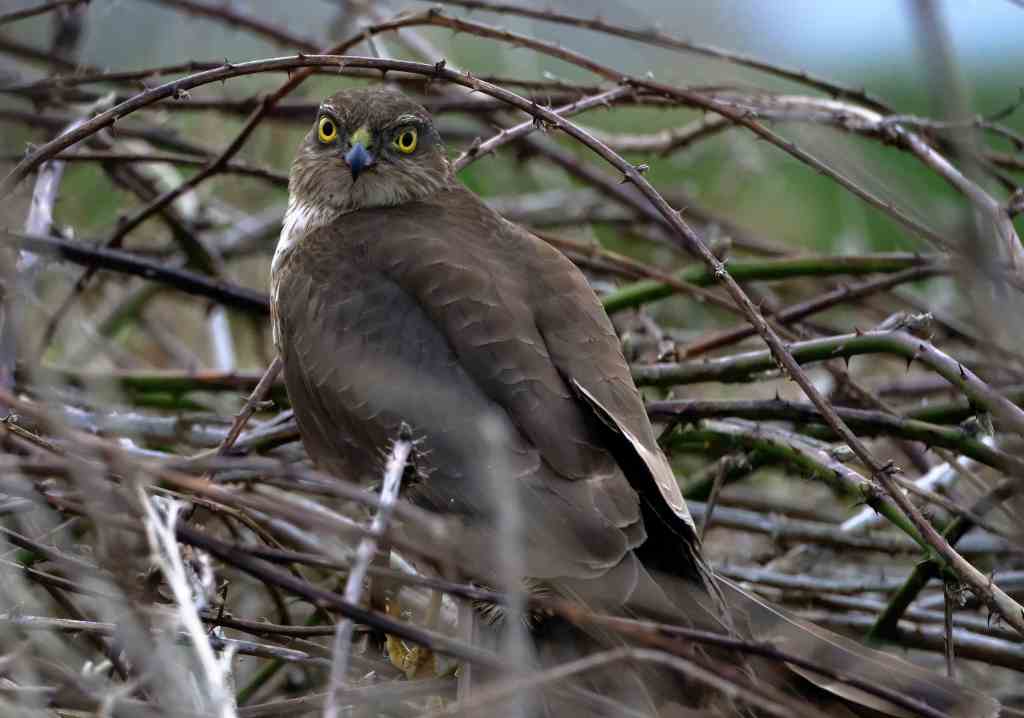
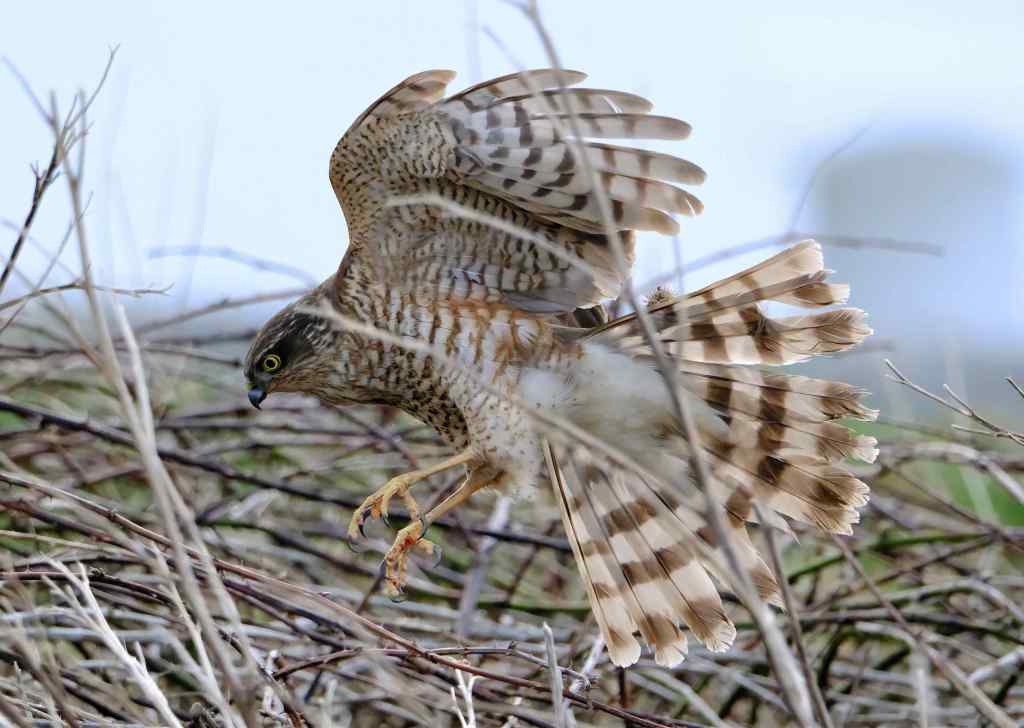
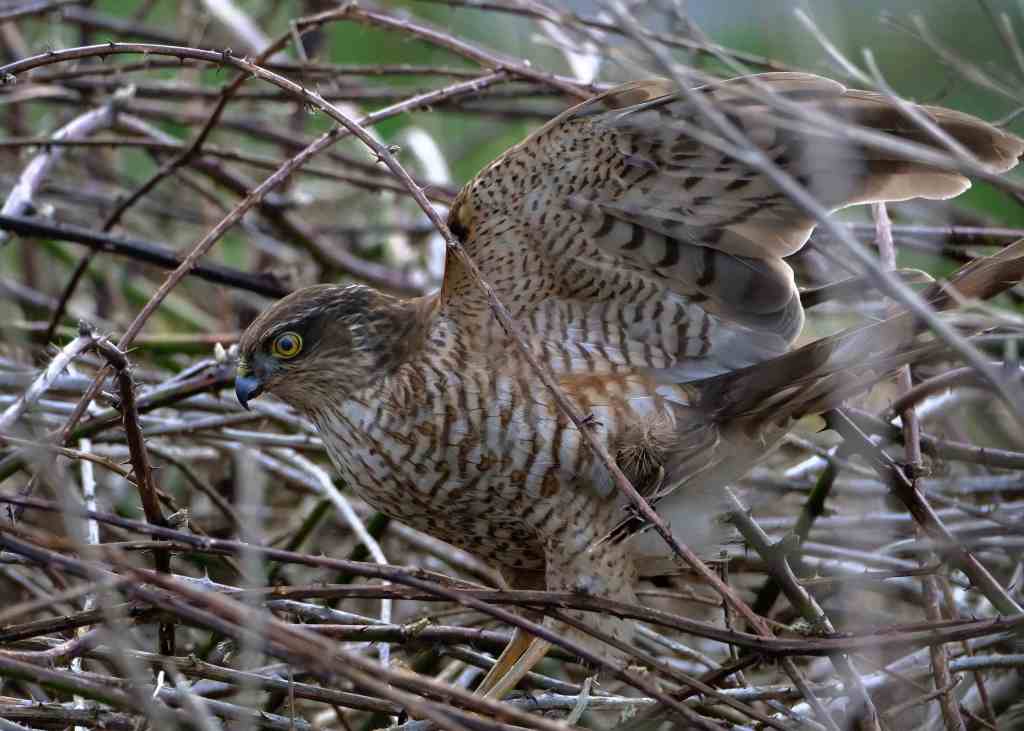
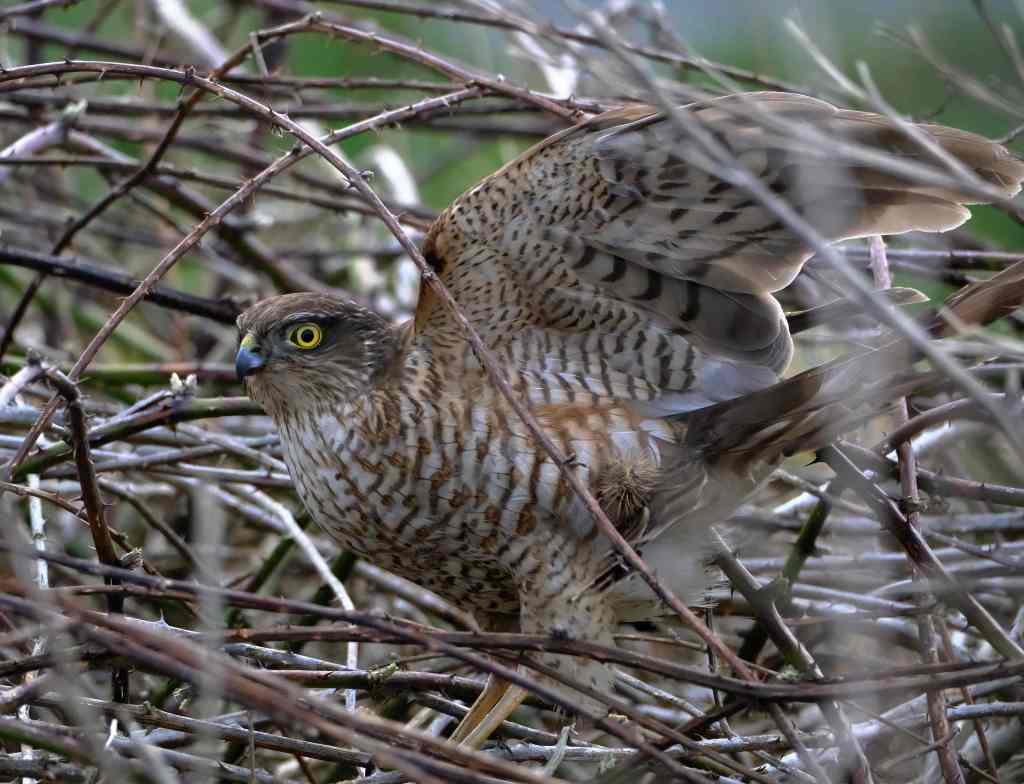
A few days away on the Dorset Coast in our Camper van. The best spot of the holiday was Female Sparrowhawk. This bird had caught another bird, probably a Starling. It had landed in a bush to eat it, but the Starling escaped into the bush. She was unhappy and spent a few minutes trying to find it before flying off. Sparrowhawks are small birds of prey; they are fairly common in the UK. Adapted for hunting birds in confined spaces such as woodlands or gardens. Adult Male Sparrowhawks have a bluish-grey back and wings and rusty-brown stripes on their chest and belly. Females have brown backs and wings and brown stripes underneath. Sparrowhawks have bright yellow eyes, yellow legs and feet. The Female is larger than Males (as with all birds of prey).

Cormorant.


Hamble River.



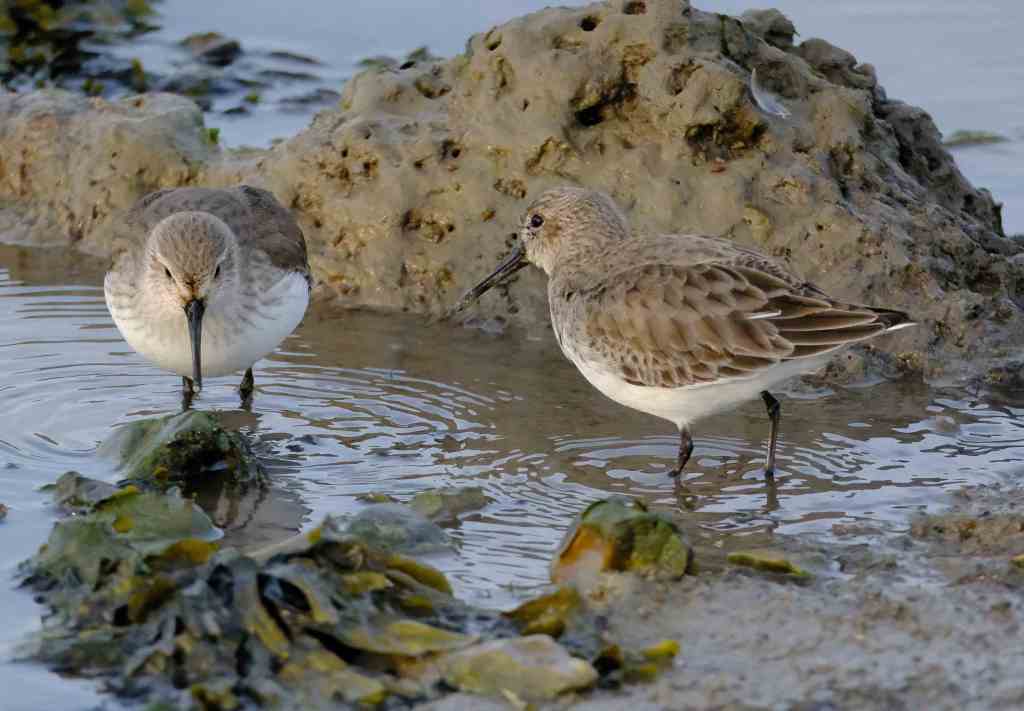
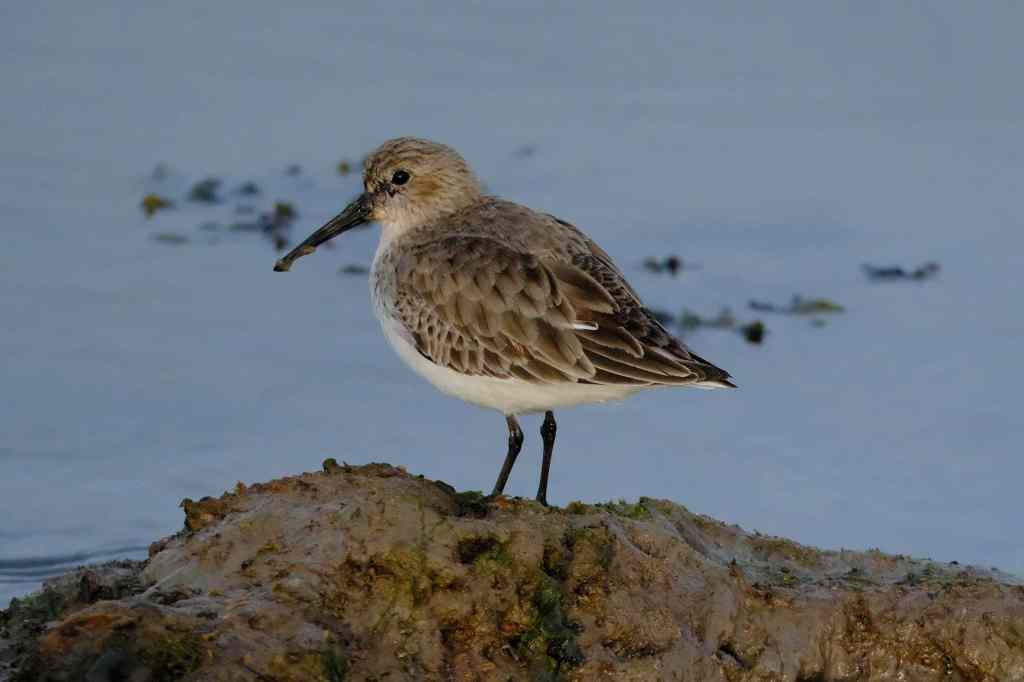
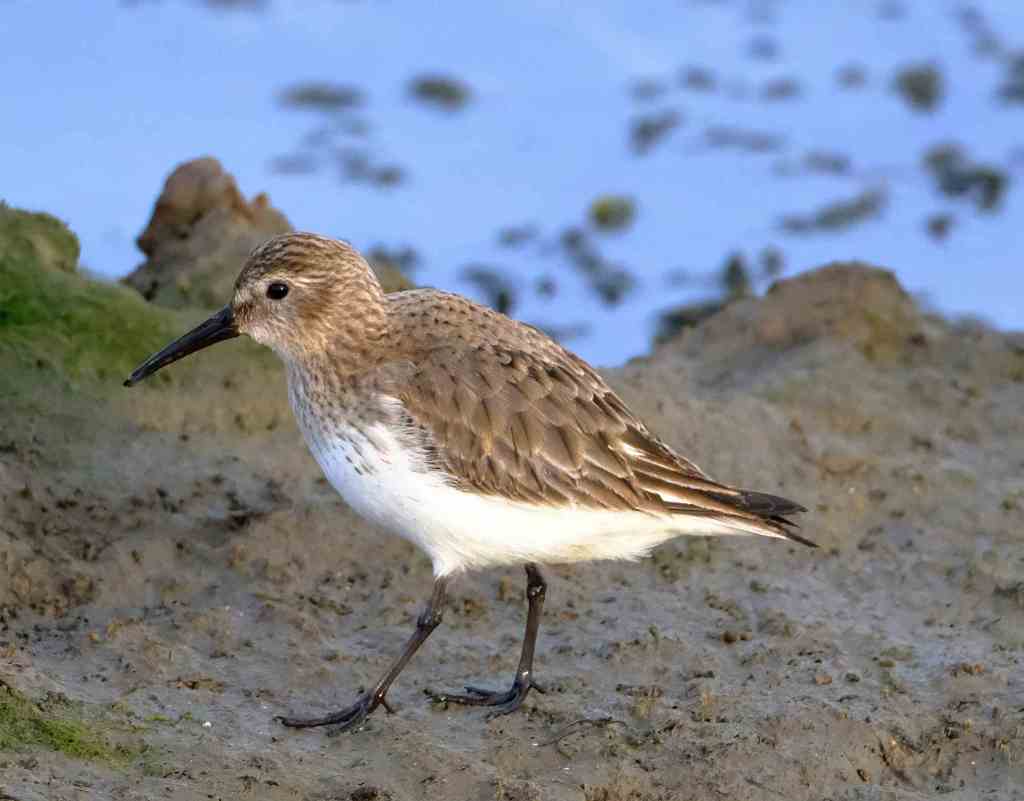
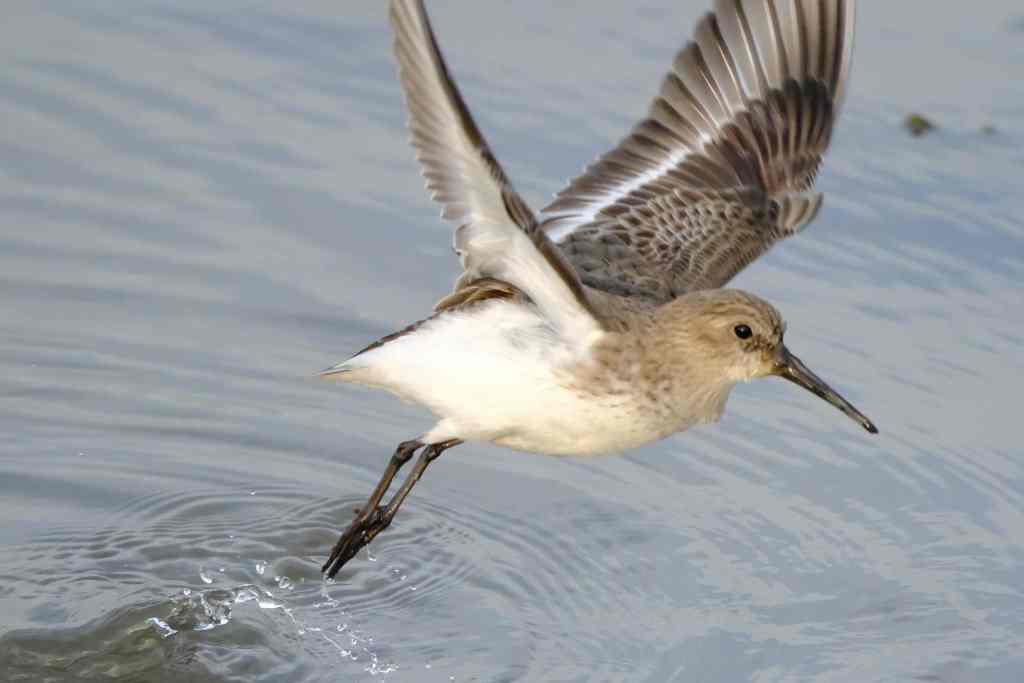
I’m up with the light today and taking a walk up the Hamble River. I have good views of Dunlin, a small wader similar to Sanderlings. The Sanderlings favour the sandy beach at Meonshore, whereas the Dunlin like the mud to feed in the tidal river.



 Continued Reflections from my World.