A picture post.


A picture post.
Sunday afternoon bird watch. I spent a few hours with my brother at Mum’s house looking at the garden birds sometimes you do not have to go very far to get some good birding.
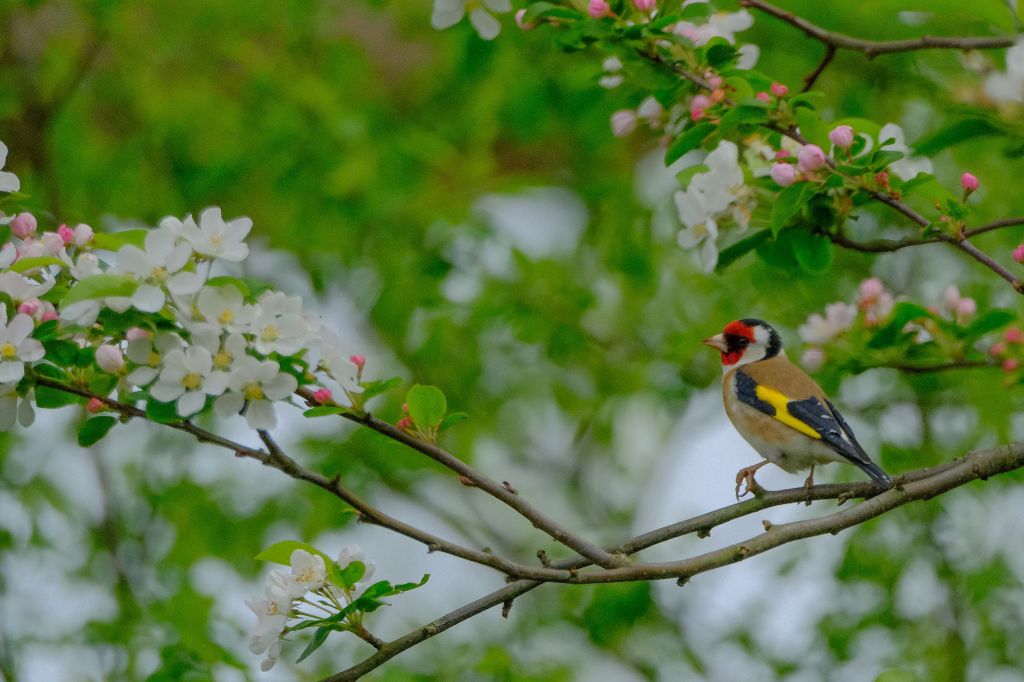
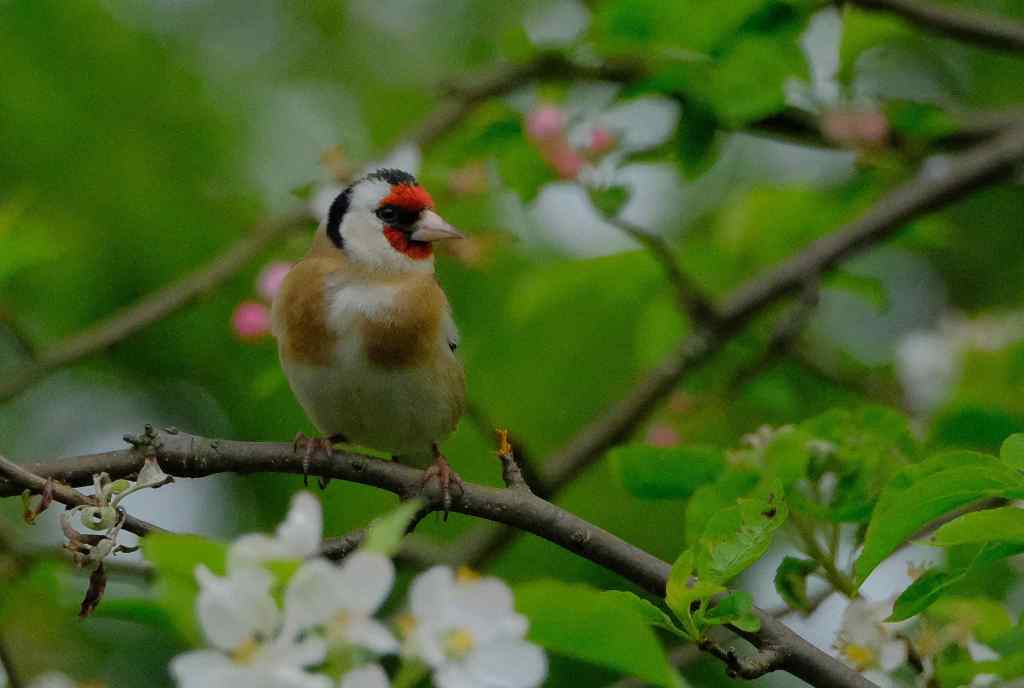
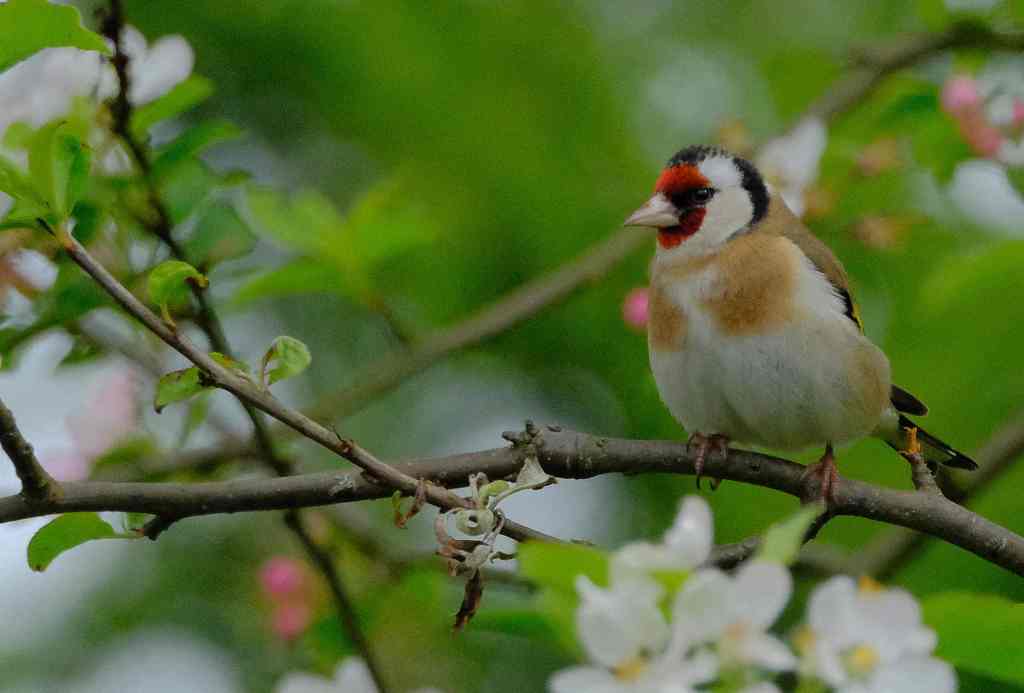
Goldfinch. Crab Apple tree.
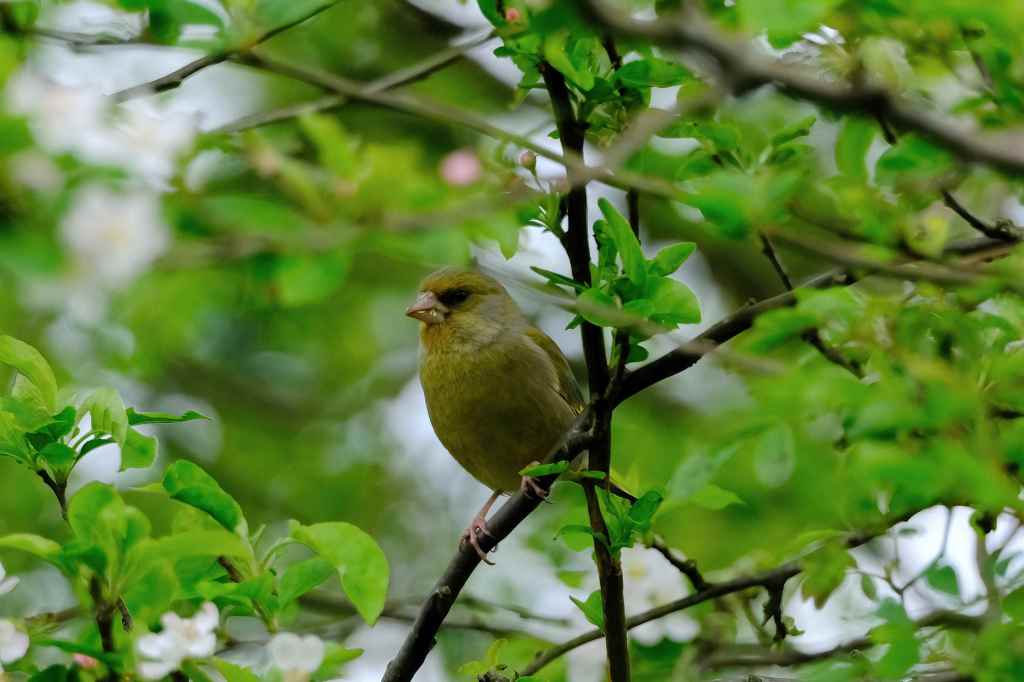
Greenfinch. {male}.
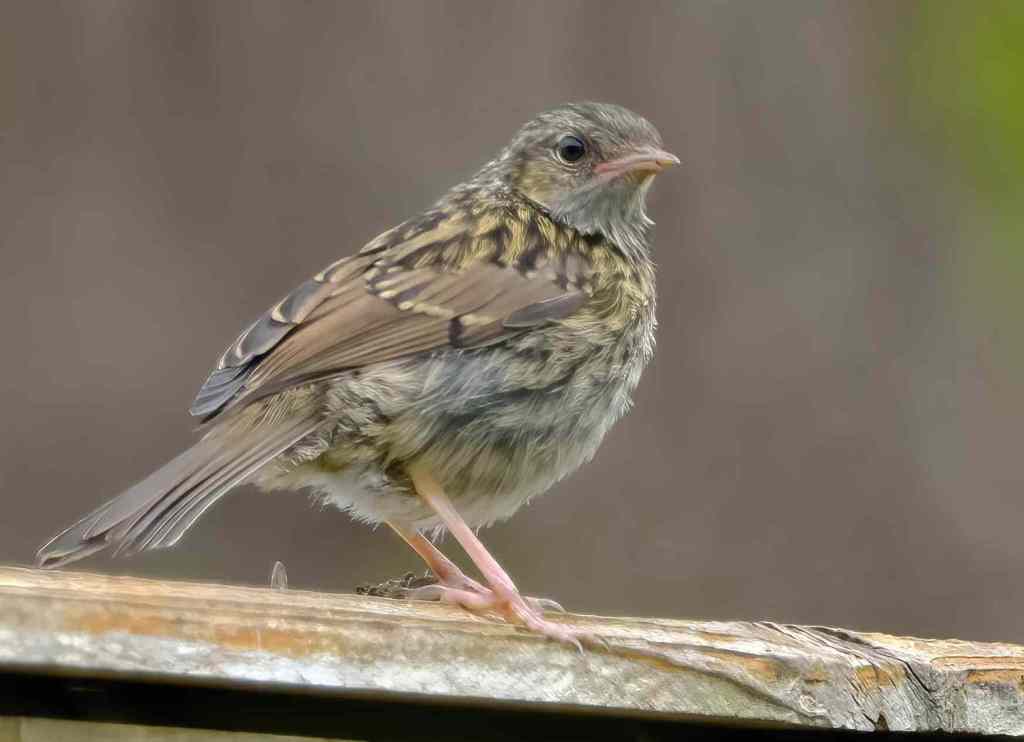
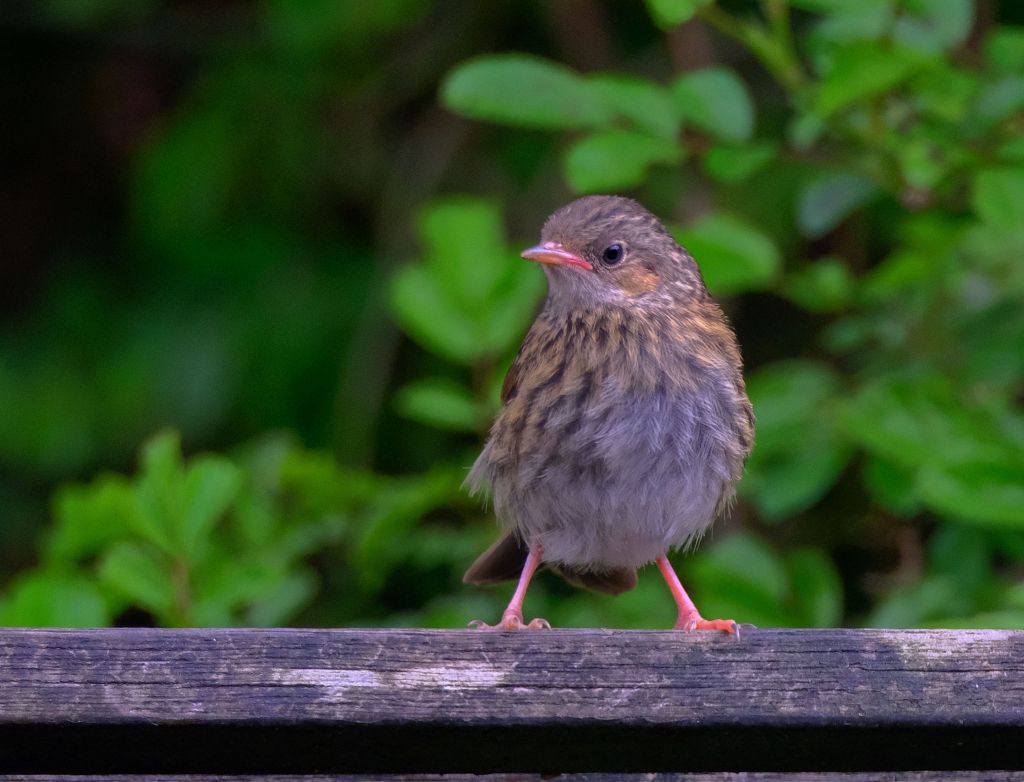
Dunnock { fledgling }.
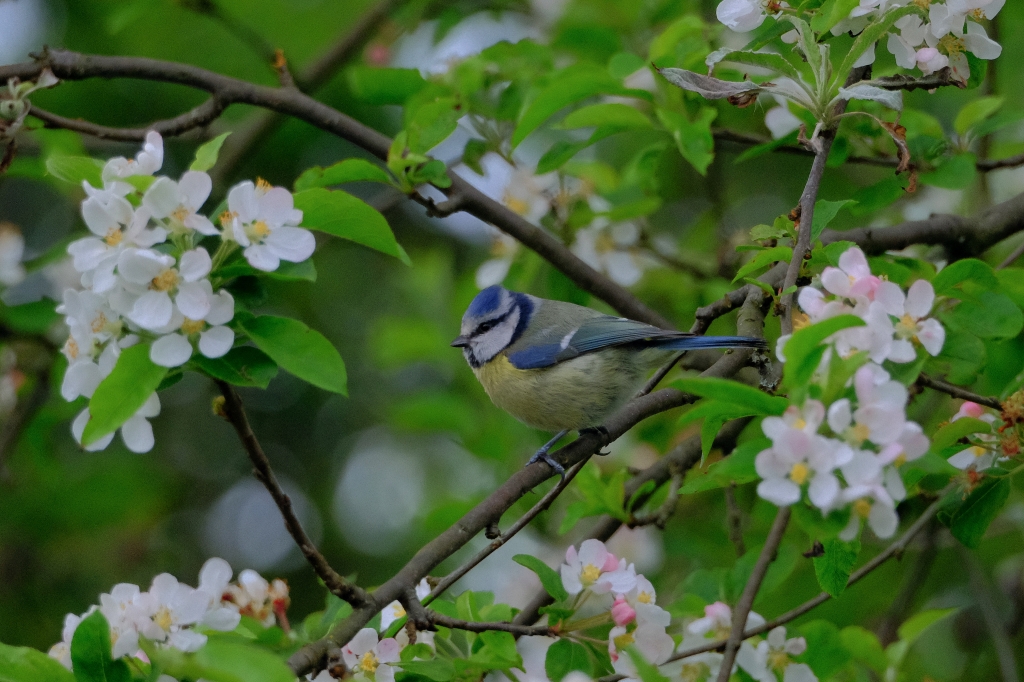
Blue Tit.
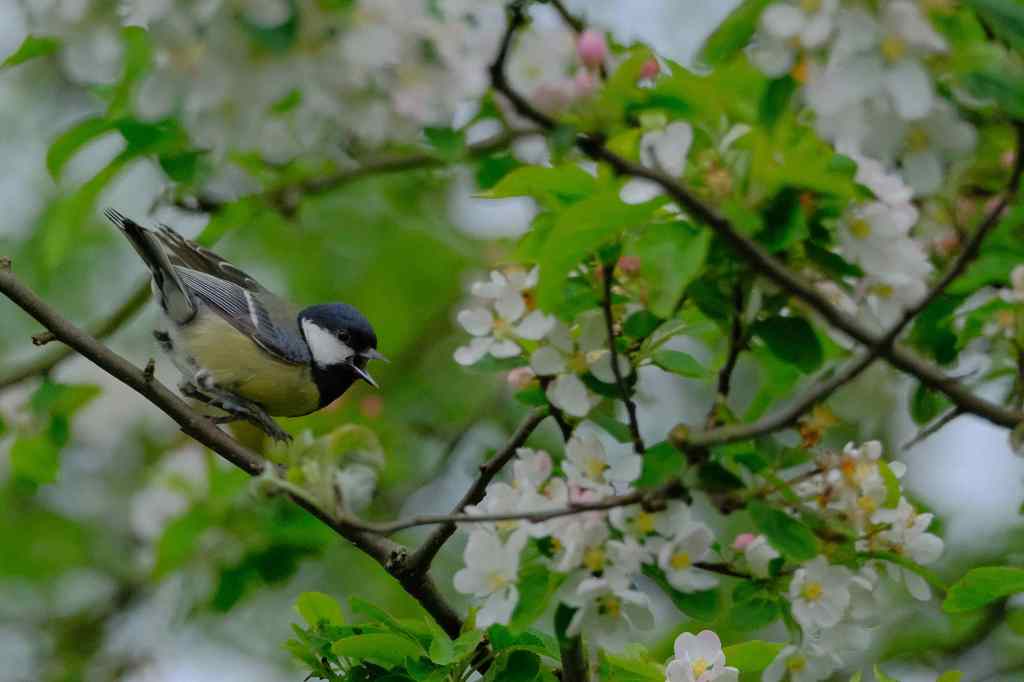
Great Tit.
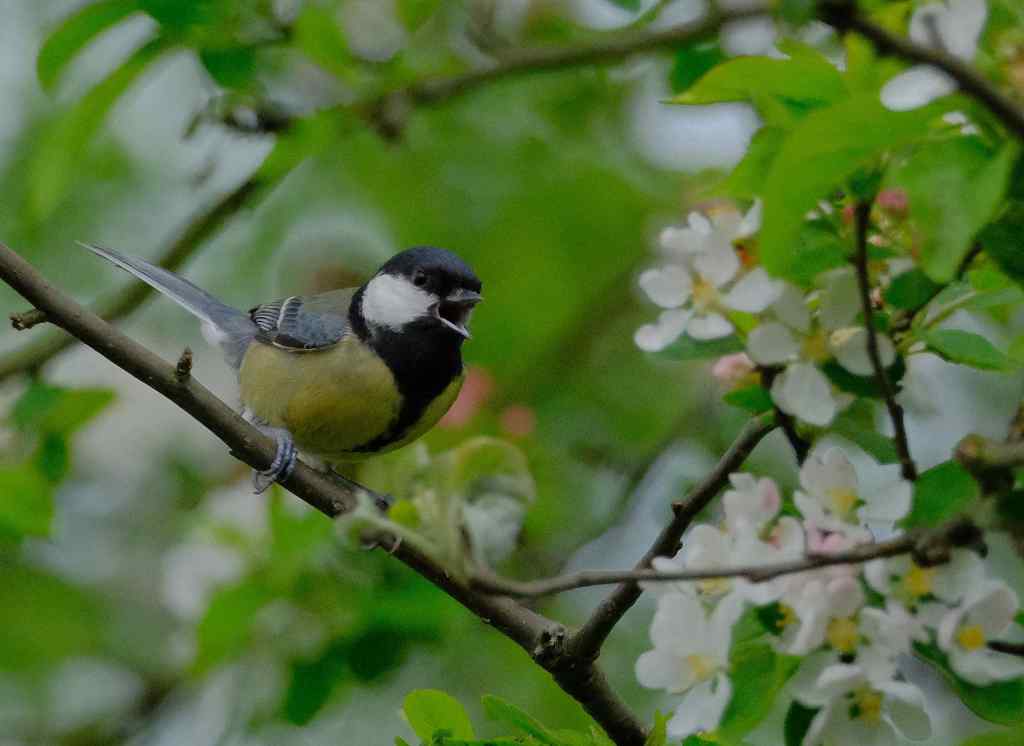
Nuthatch
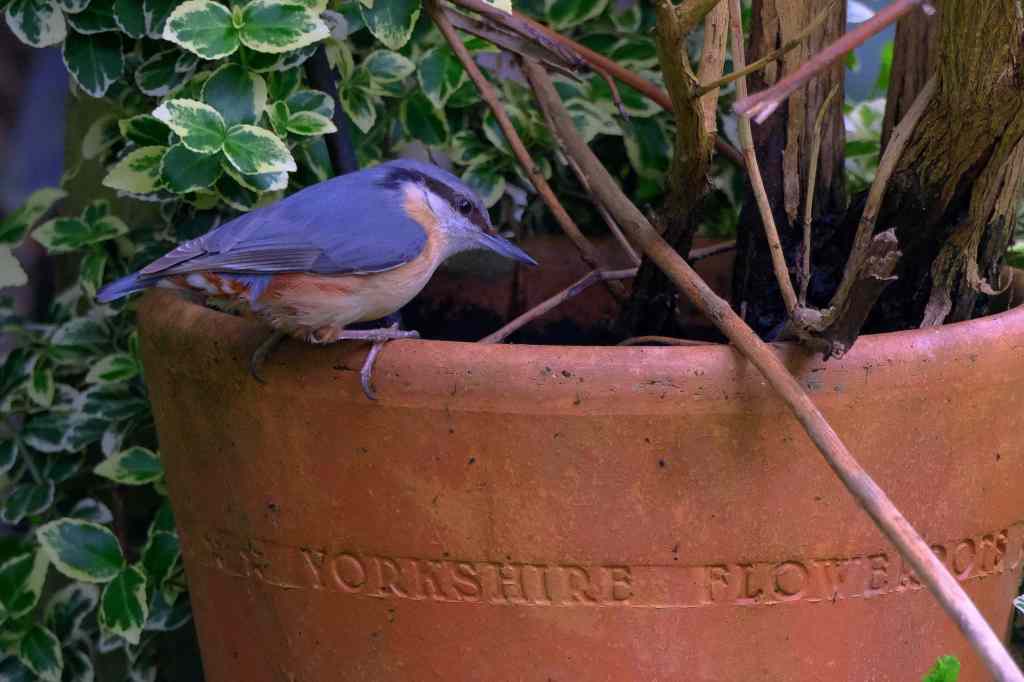
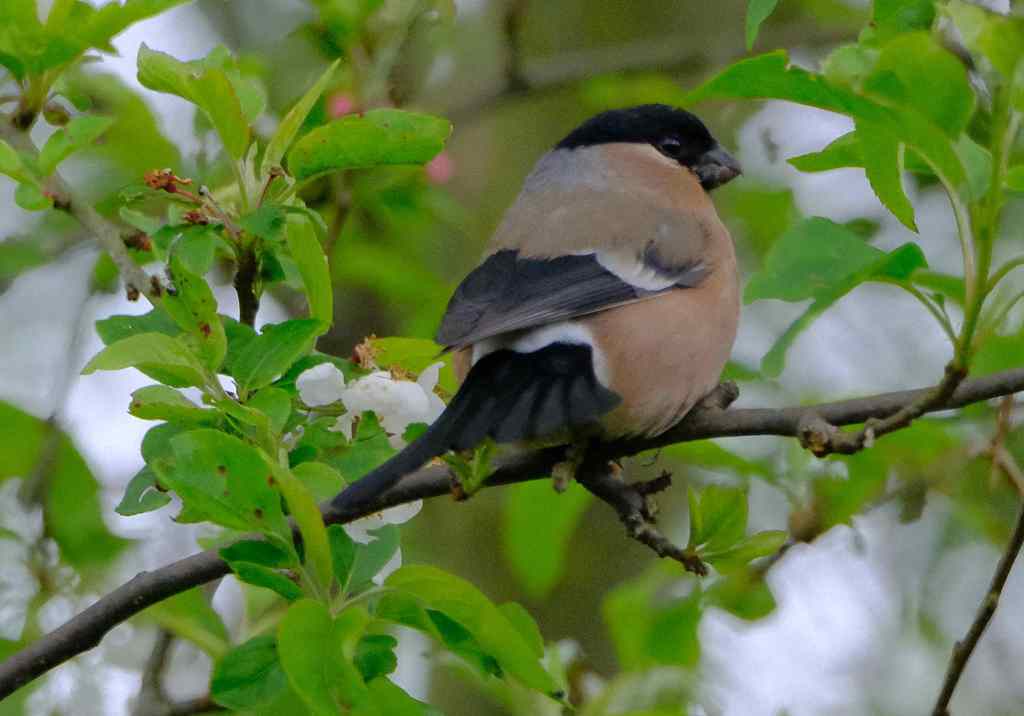
Saved the best for last. Mr & Mrs Bullfinch.
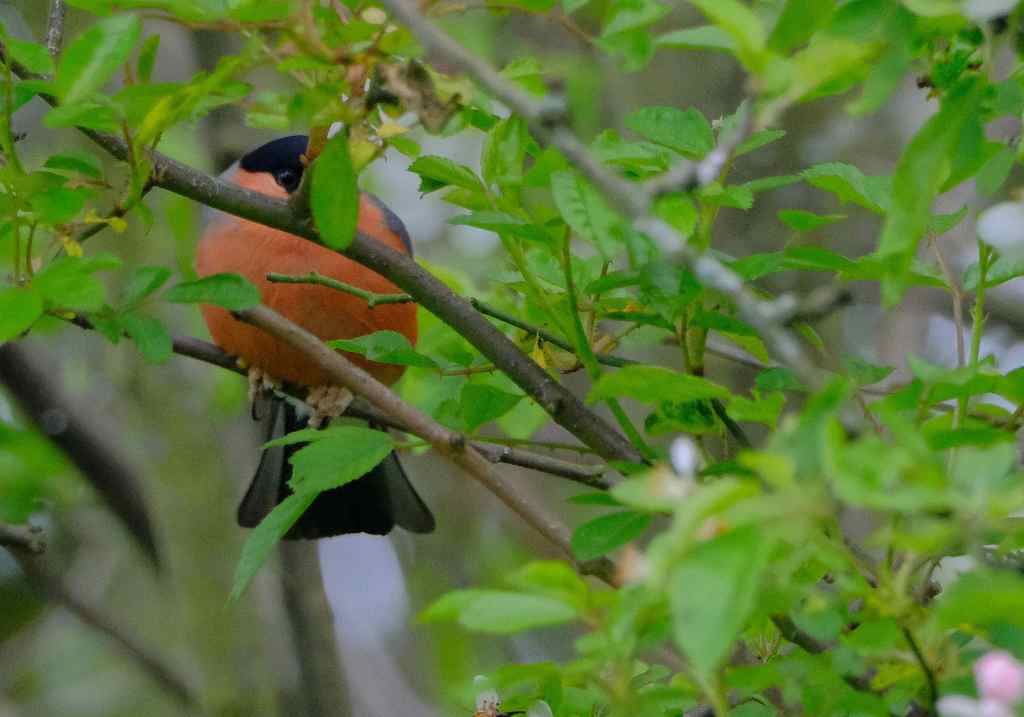
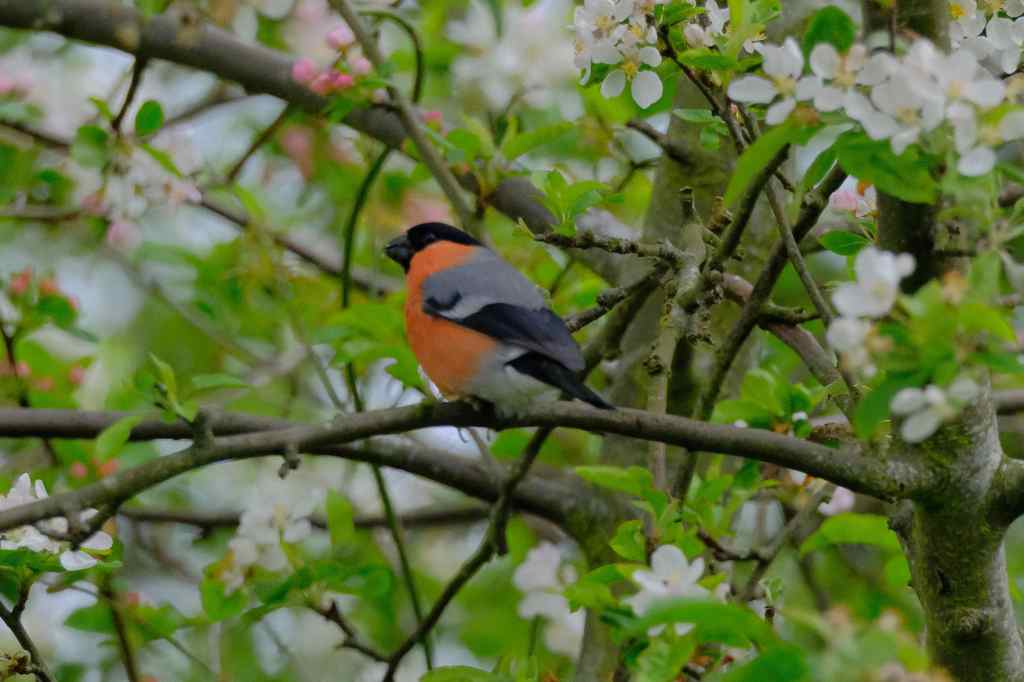
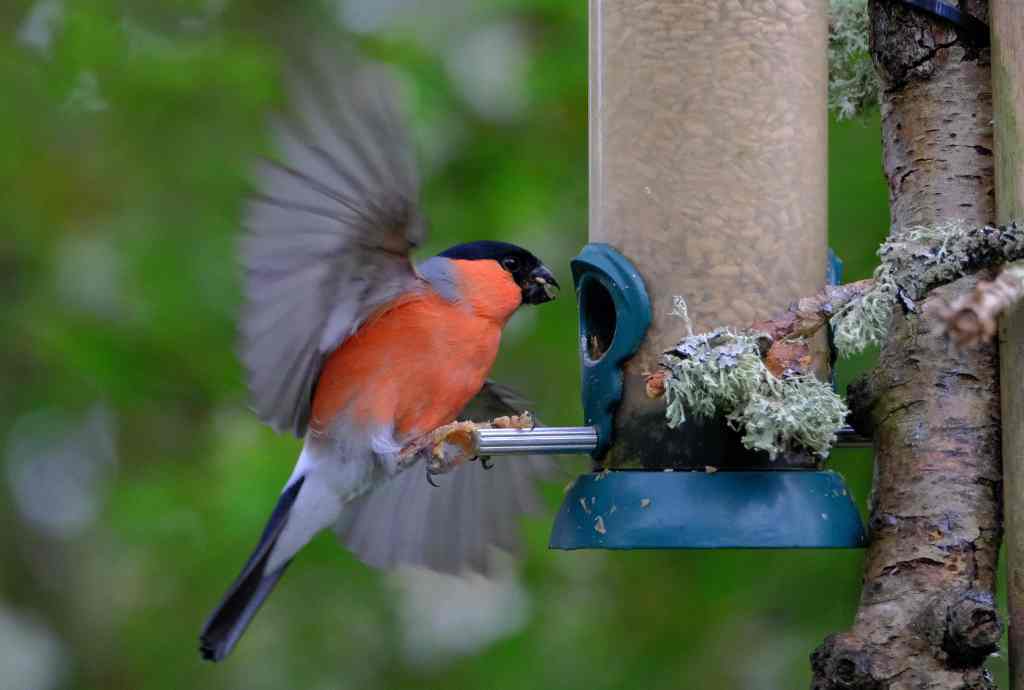
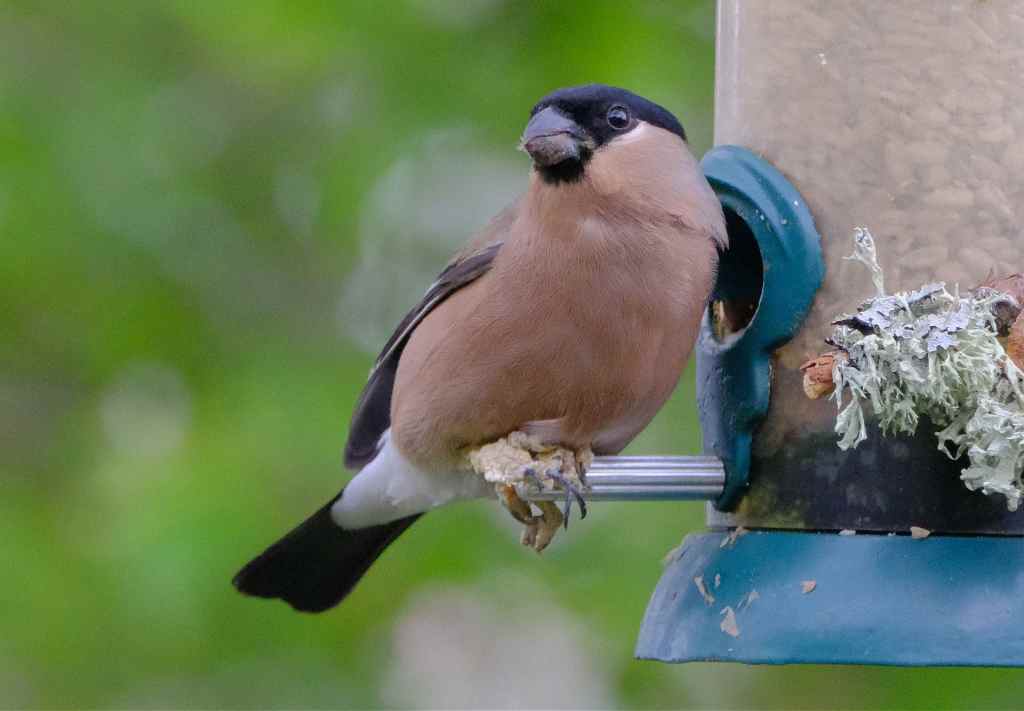
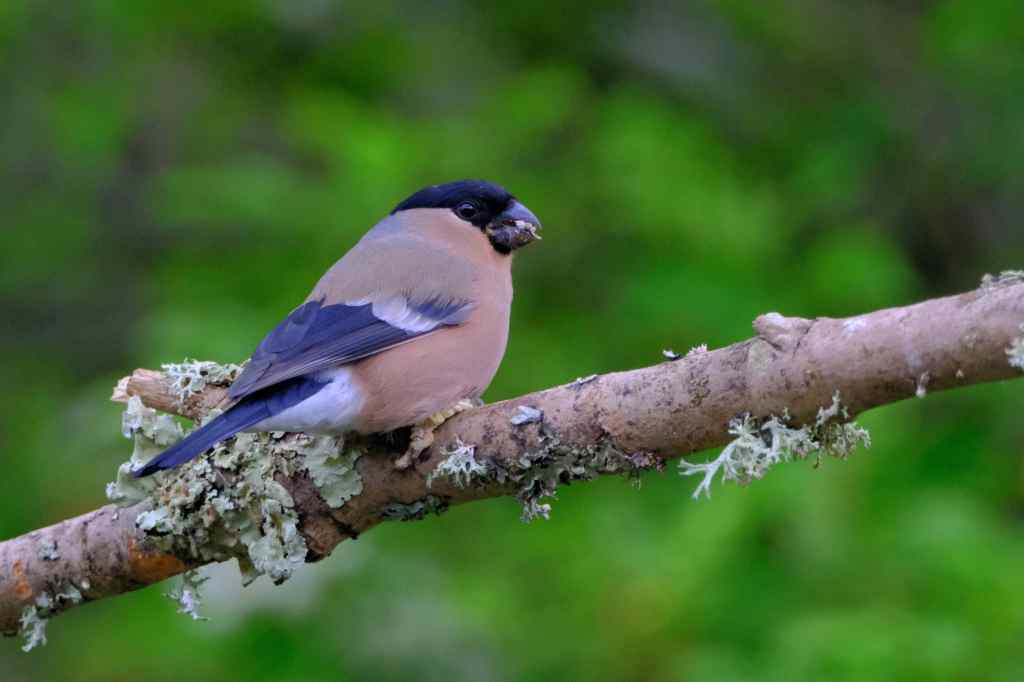
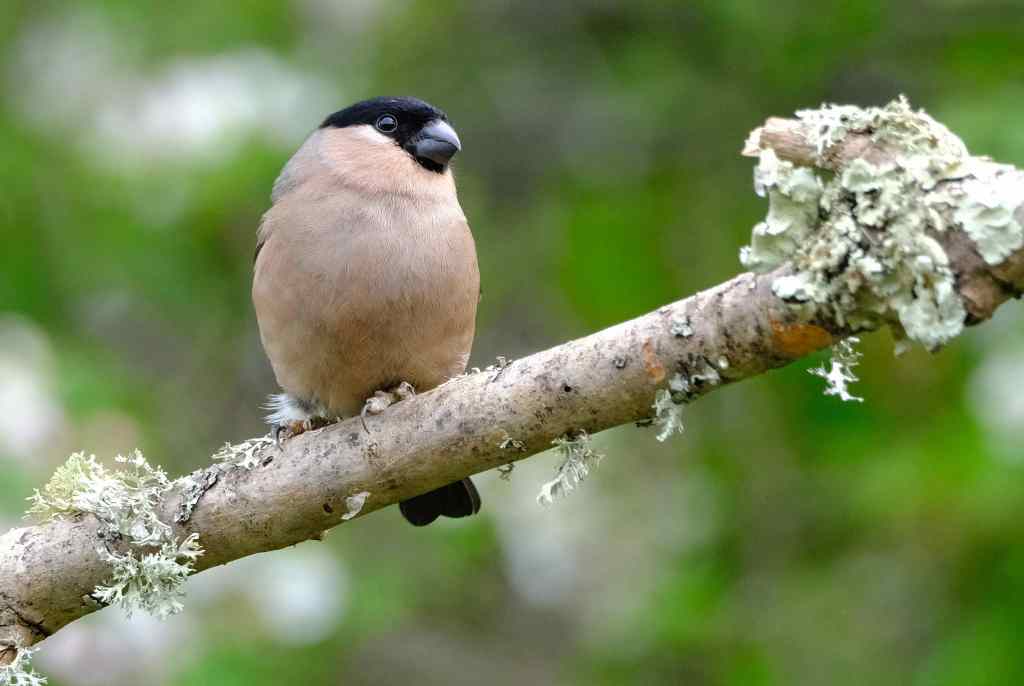
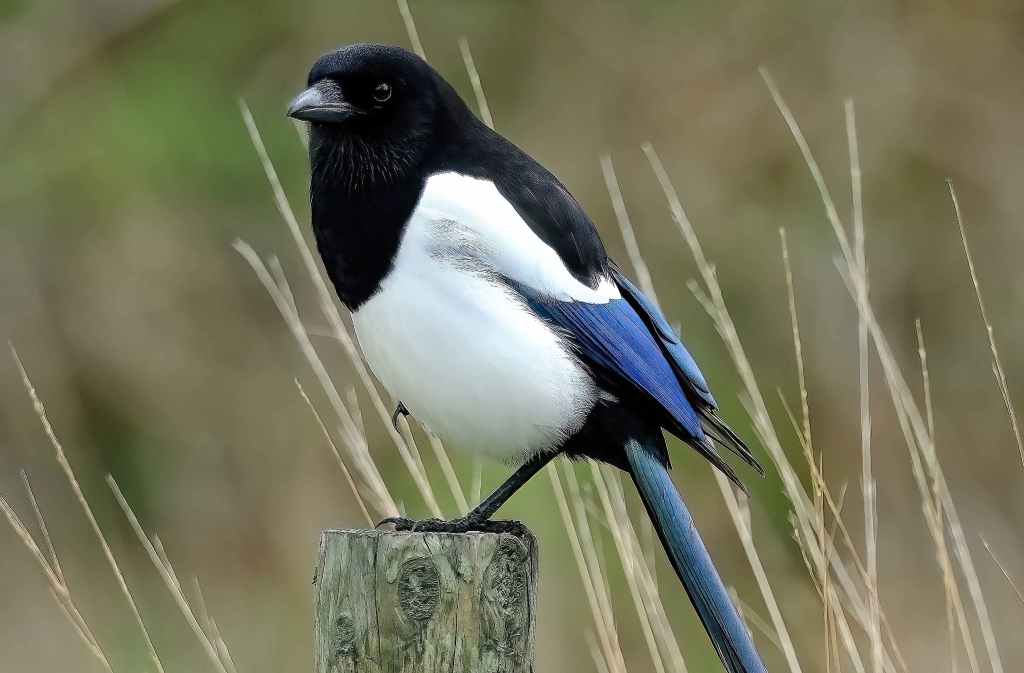

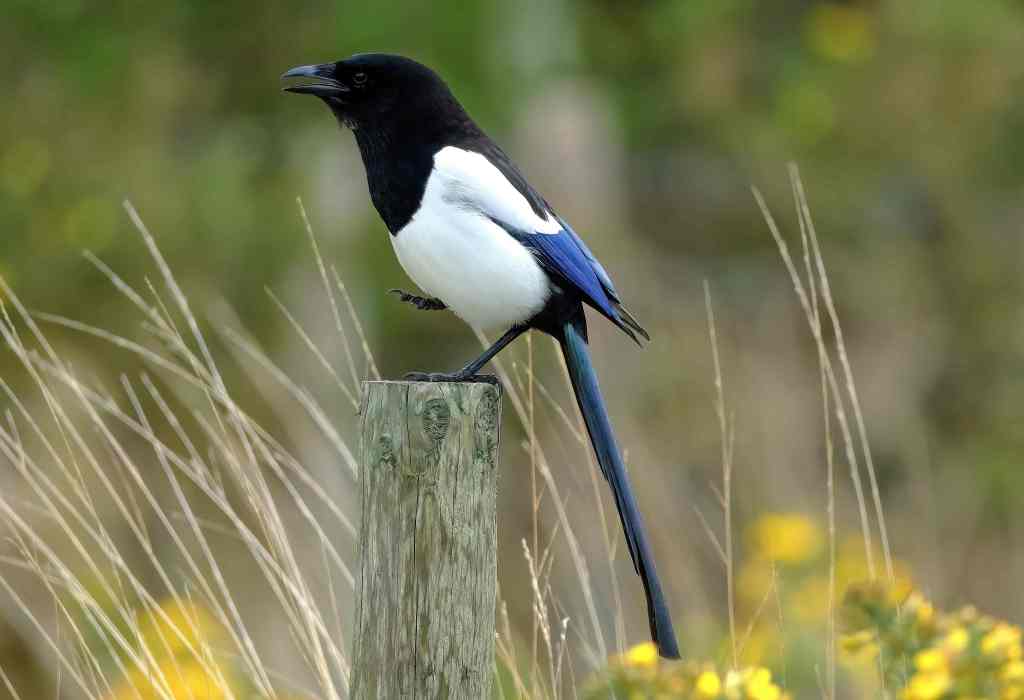
Yellow Hammer (male) – South Downs.
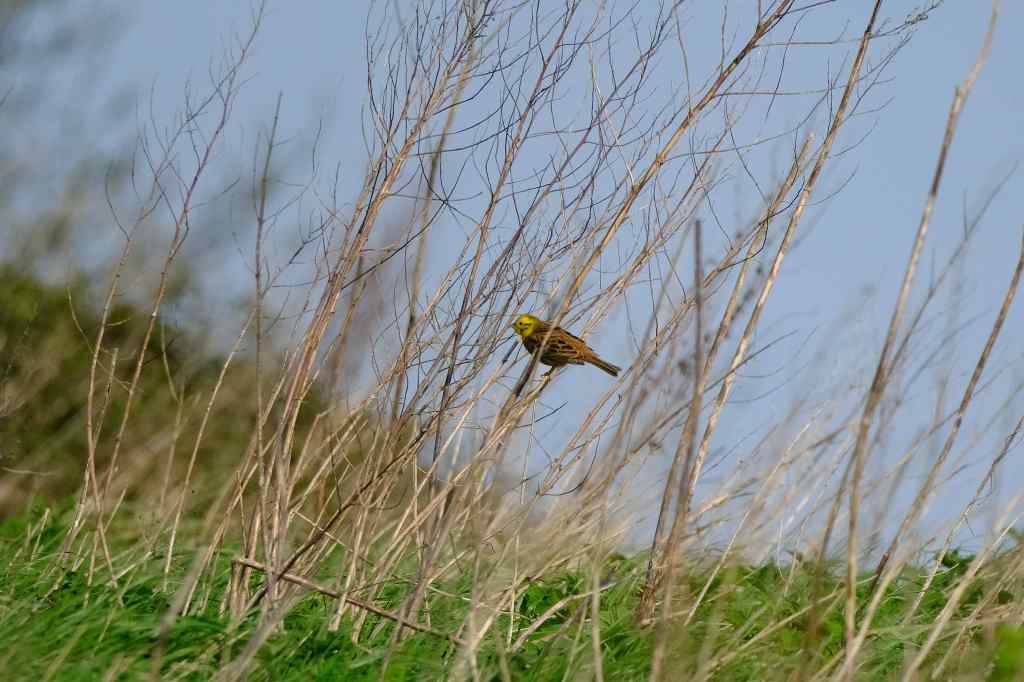
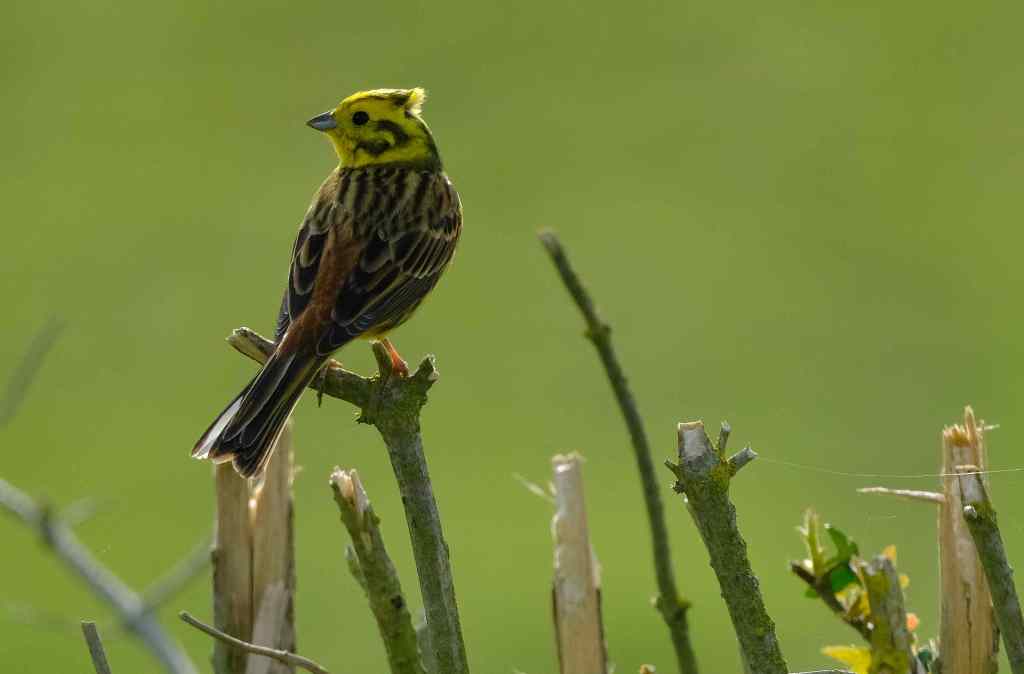
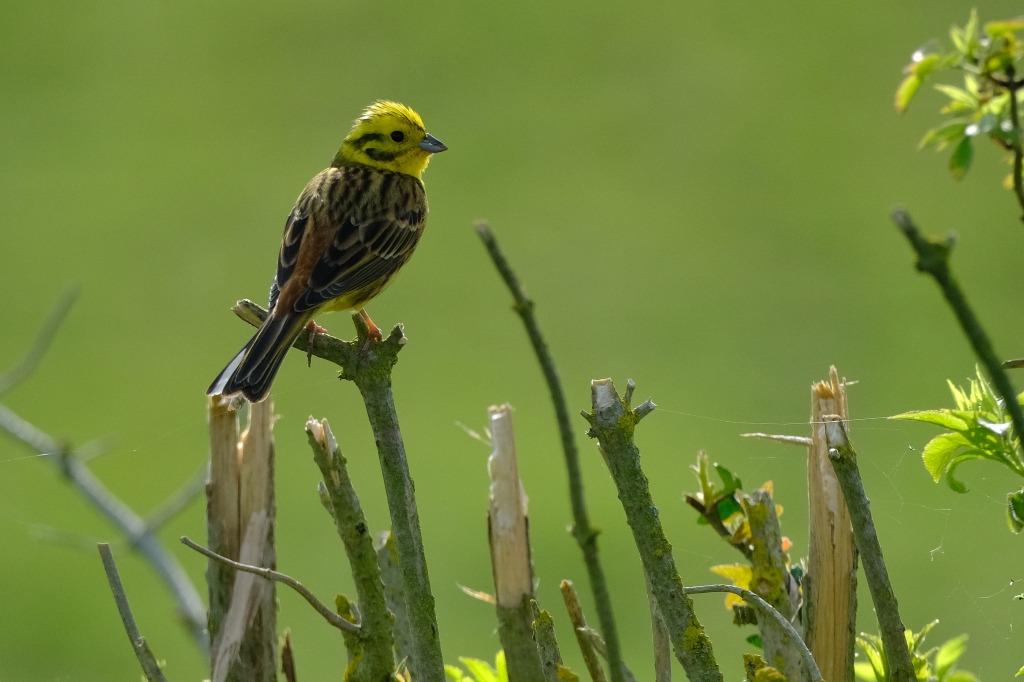
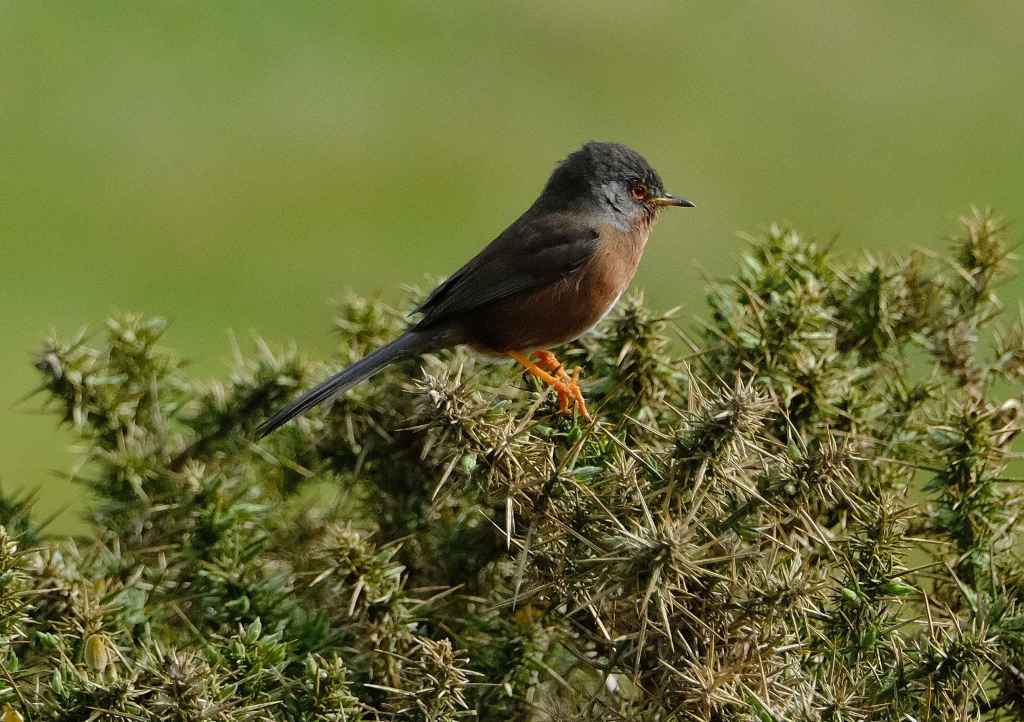
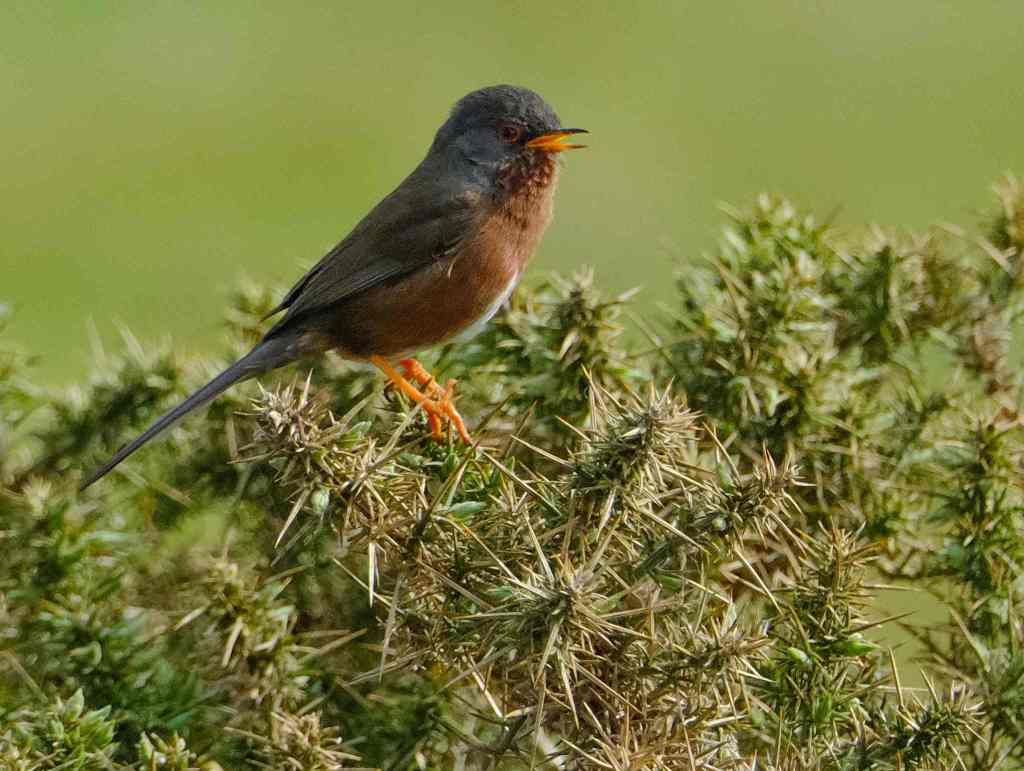
Sometimes by the sea, the bird spots are not just coastal birds today, it was good to see both a Dartford Warbler and a Yellow Wagtail.
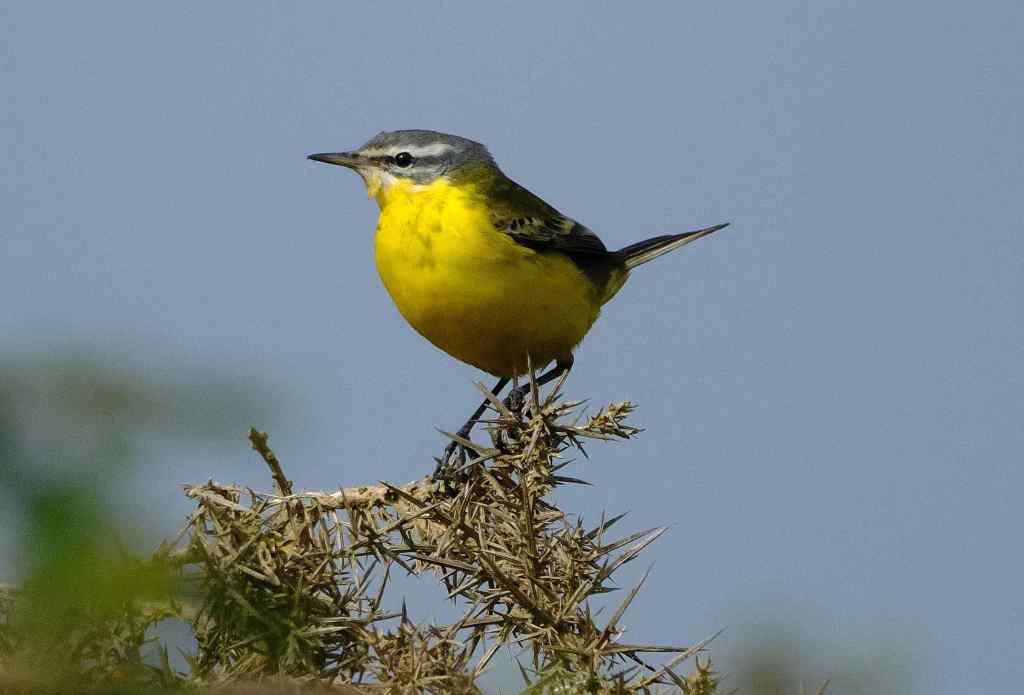
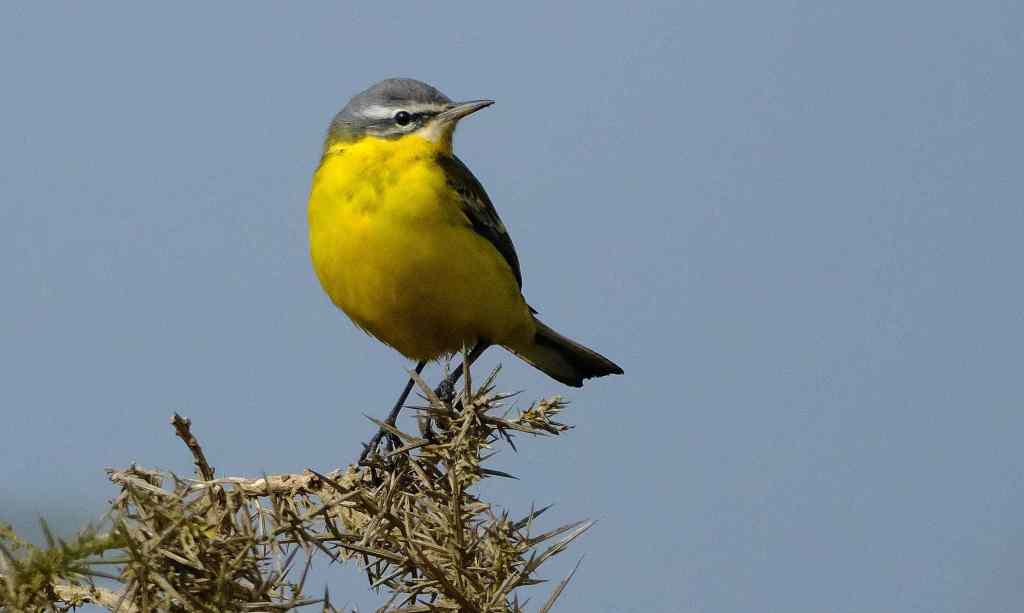

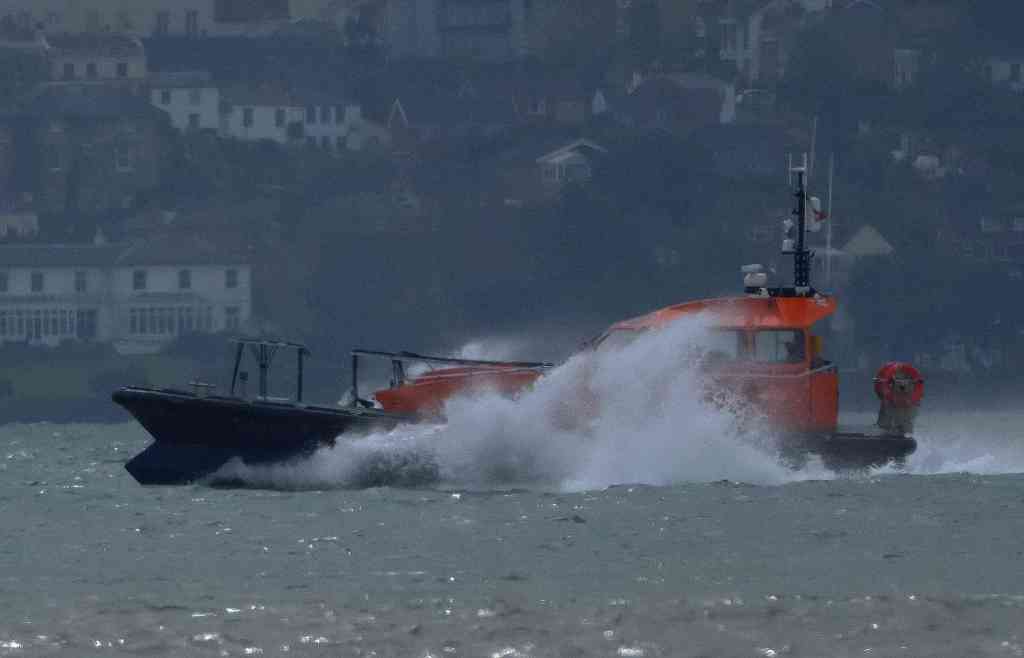
Turn the other way and a sea view shows a Pilot Launch heading out to meet an incoming freighter.

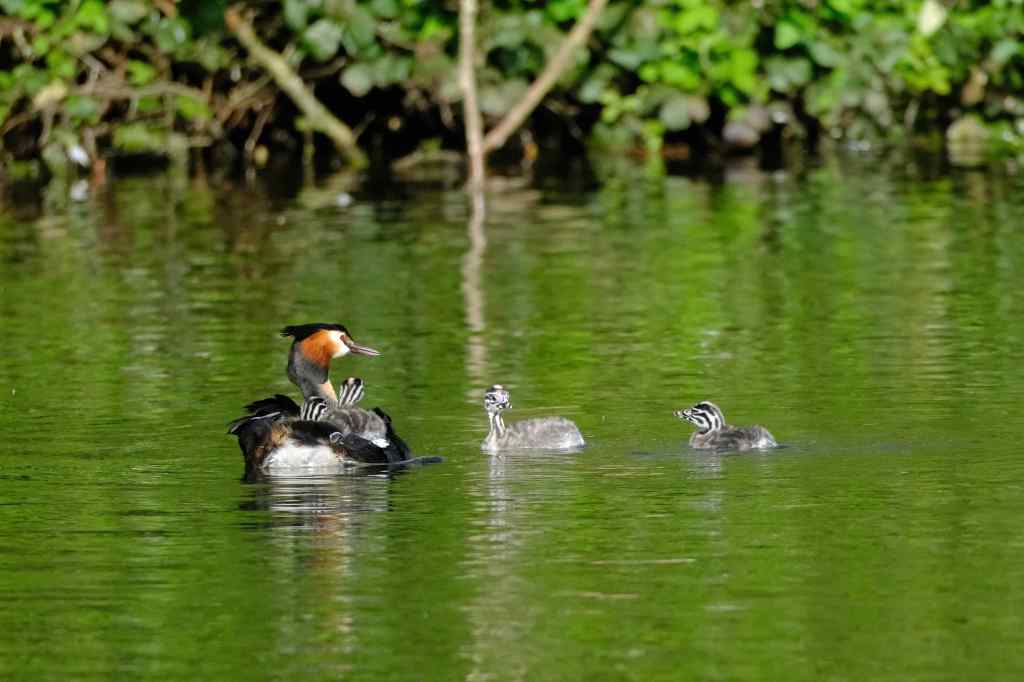
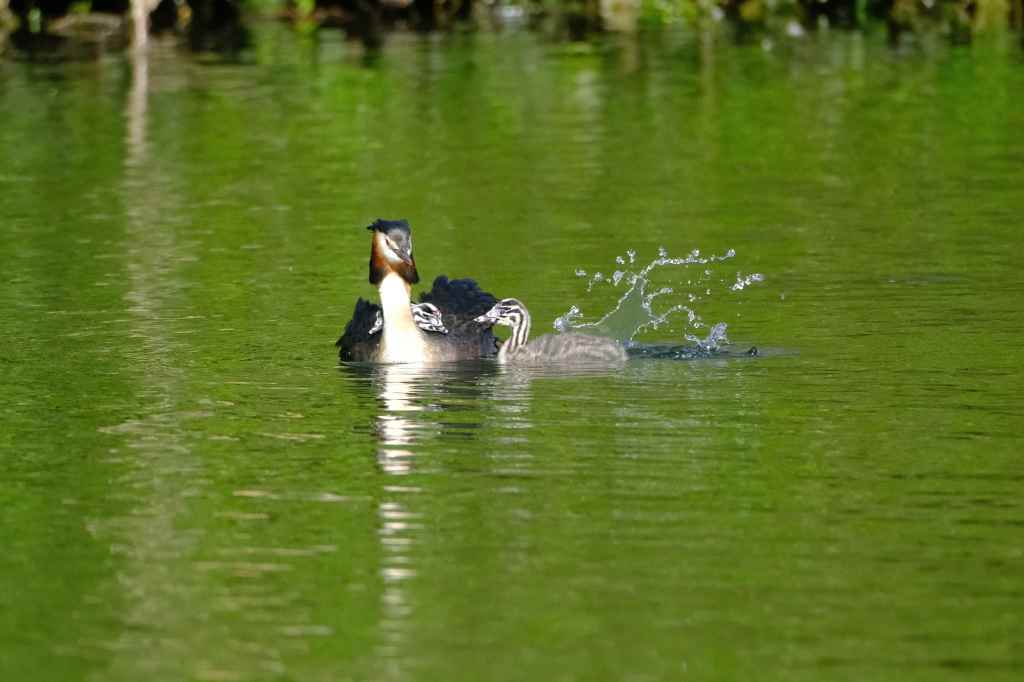
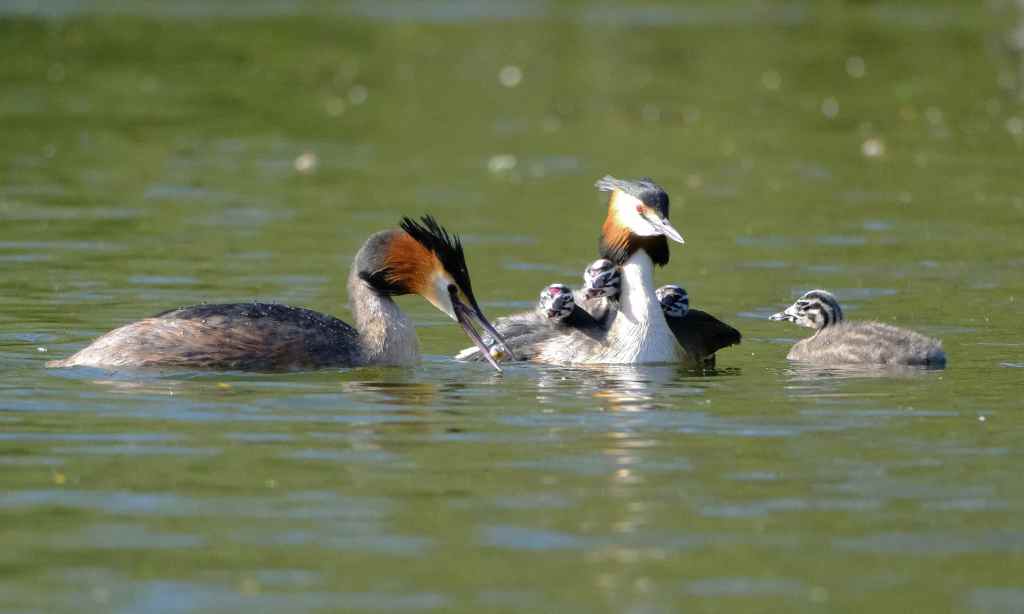
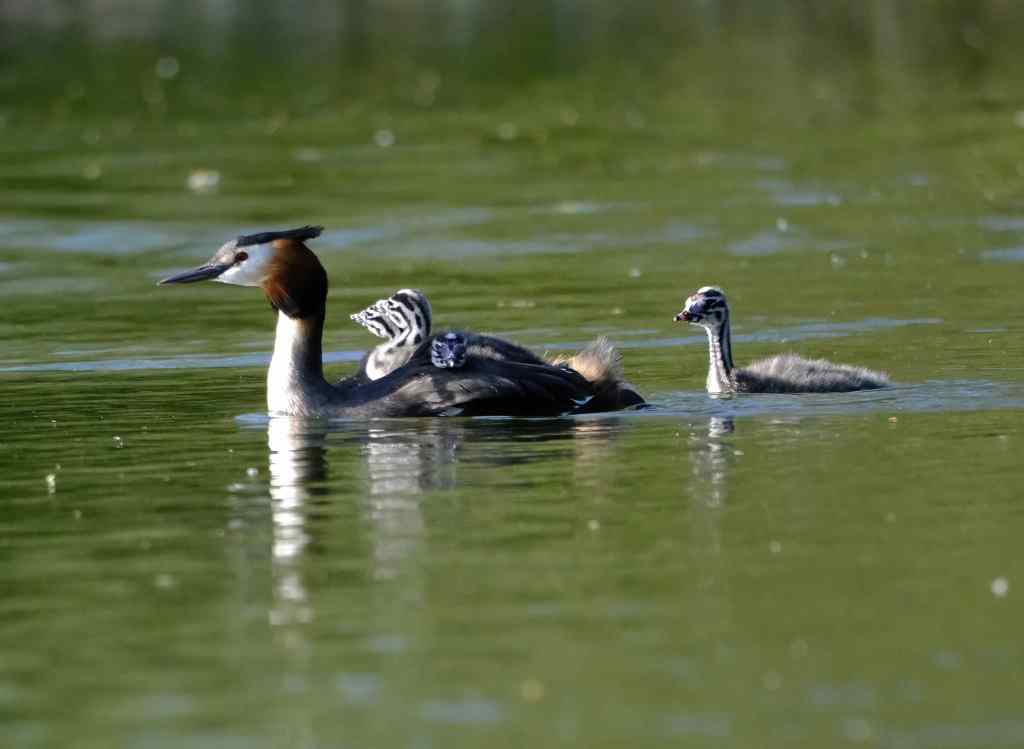
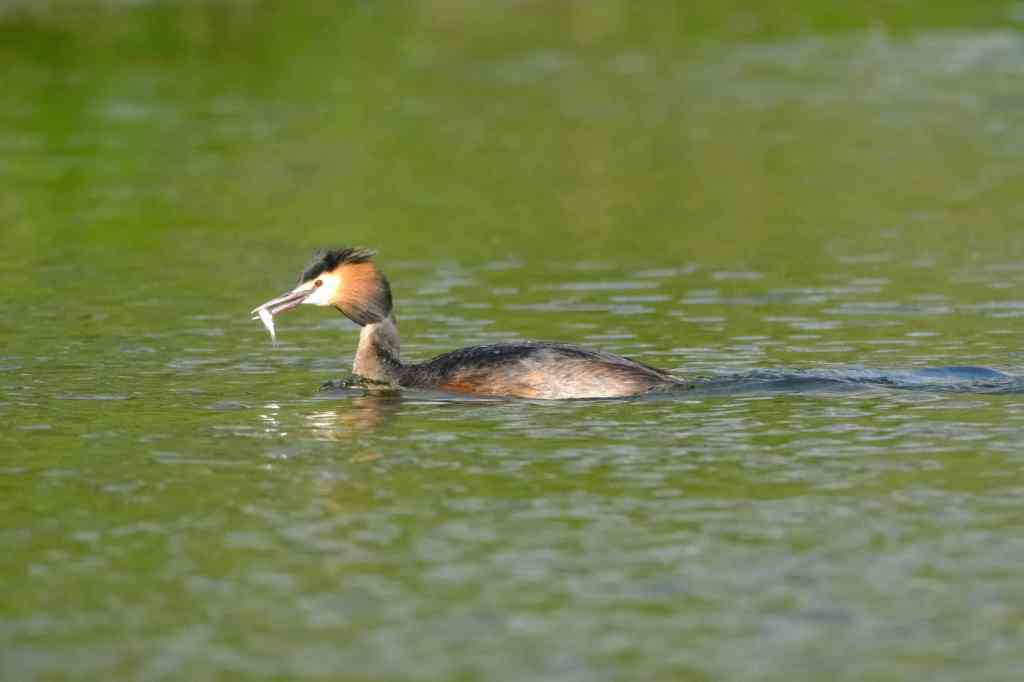
A Picture Post. This years local Great Crested Grebe chicks are growing fast. They are eating vast numbers of small fish.



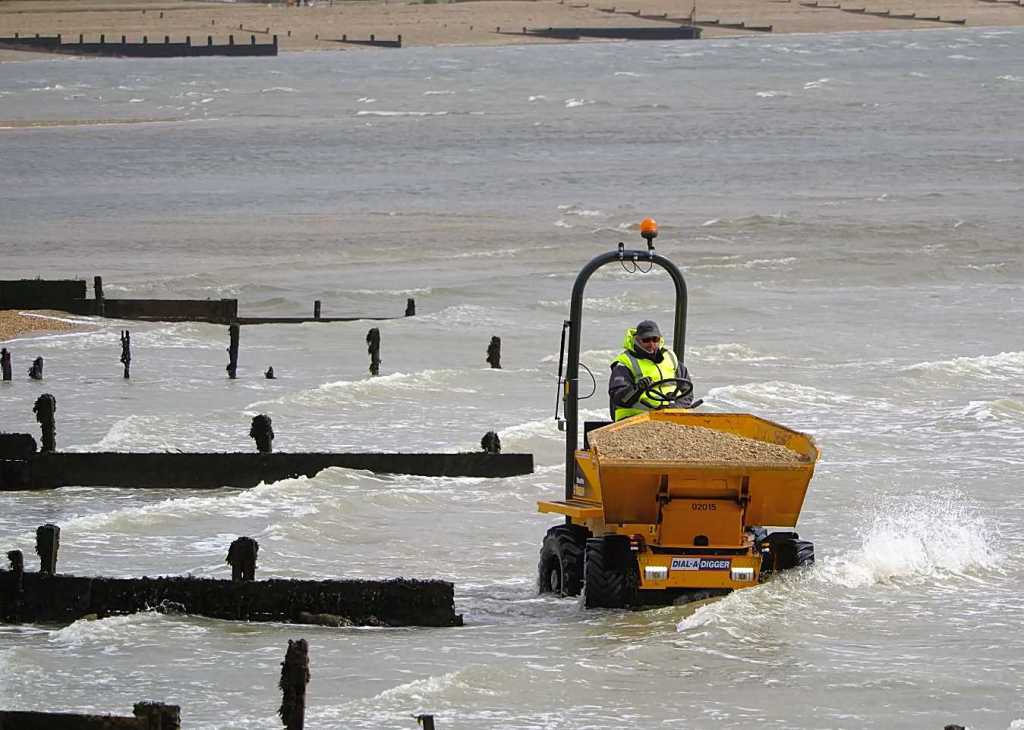
Longshore drift is a geological process that involves transporting sediments such as single and pebbles along a coast parallel to the shoreline. It is dependent on the angle of the incoming wave direction. Incoming wind squeezes water along the coast, which generates a water current which moves parallel to the coast. Longshore drift is the sediment moved by this longshore current. This current and sediment movement occurs within the surf zone.
Longshore drift has happened along Meon Shore over the years I have watched the shoreline change with shingle spits changing and growing and the beach make-up changes as the shingle size changes. Wooden groins slow the currents and help stop erosion. The small harbour at Titchfield Haven entrance gets blocked up as stones and sand get dropped in that area as the currents slow and can not hold their weight as they slow. This week the sailing club has been moving the shingle back from the harbour mount to fill in the area on the spit that is being eroded with it.
A day out is not complete without some nature watching.
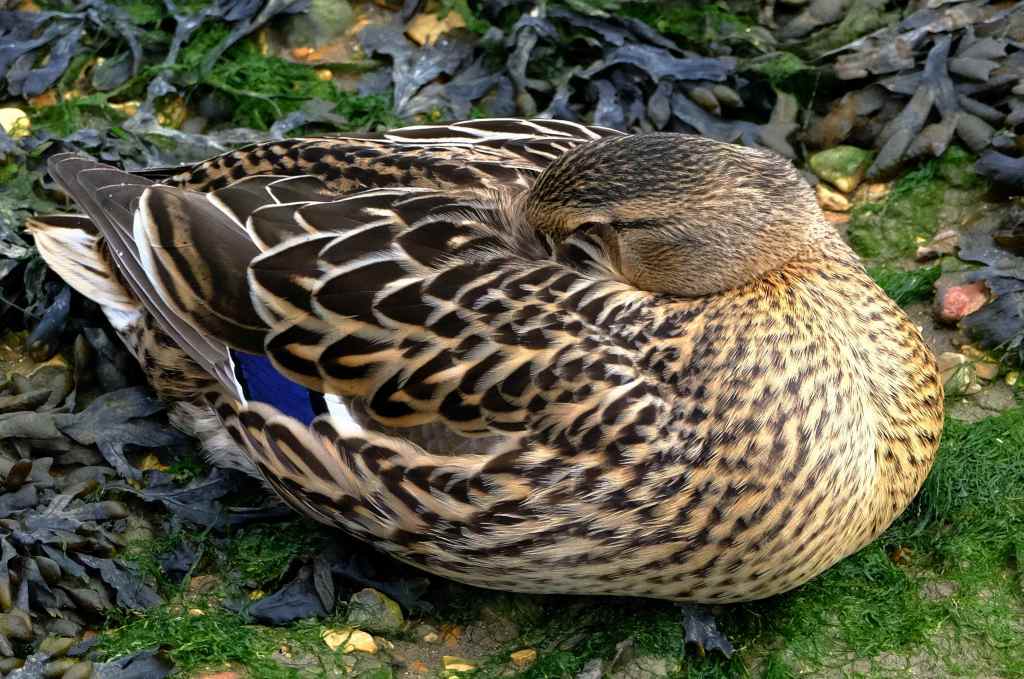
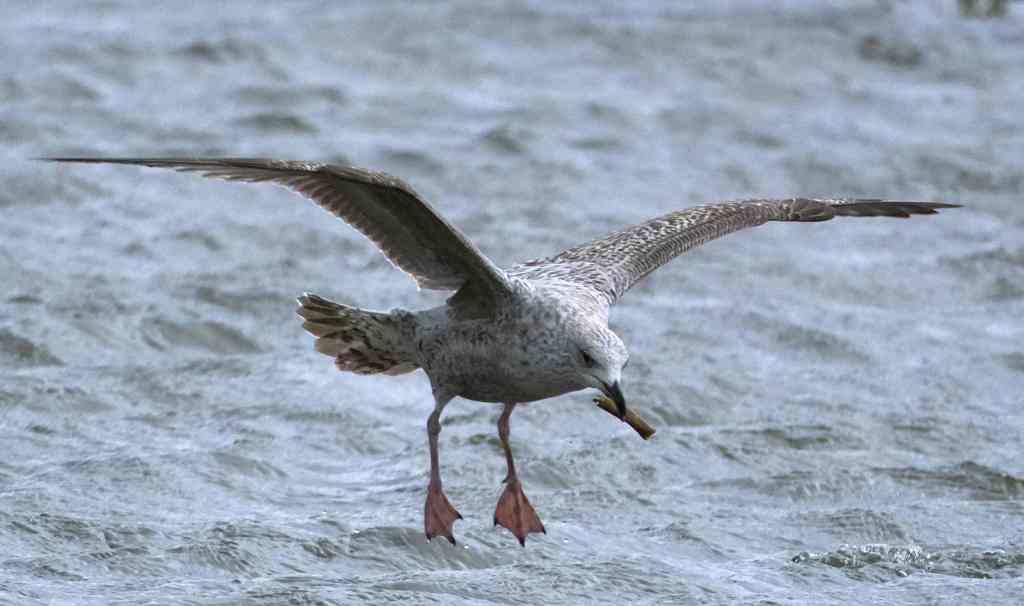
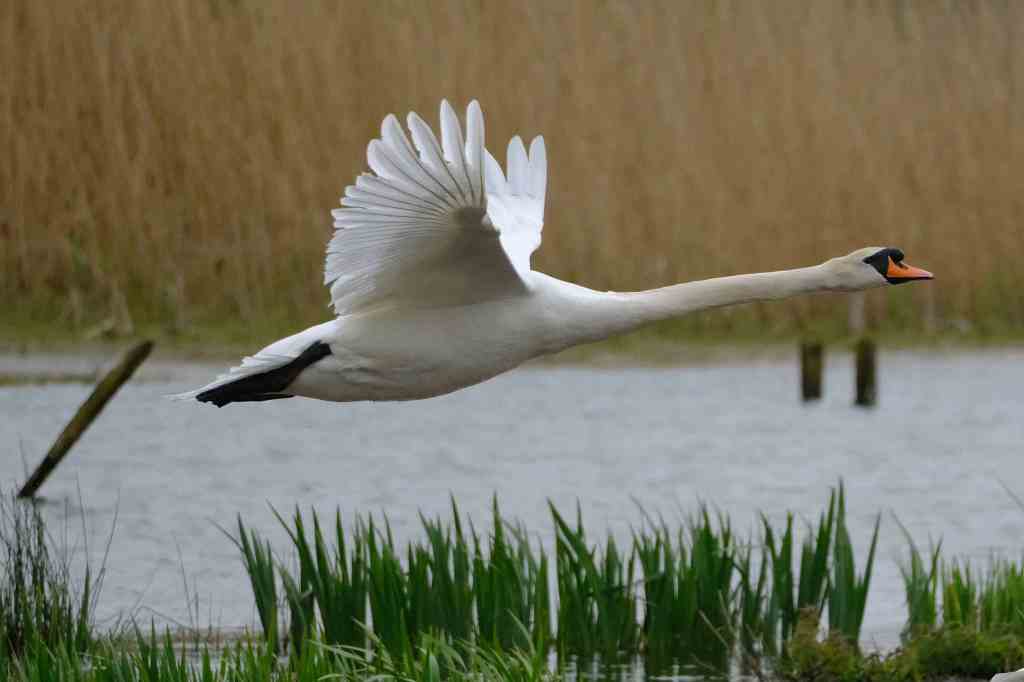
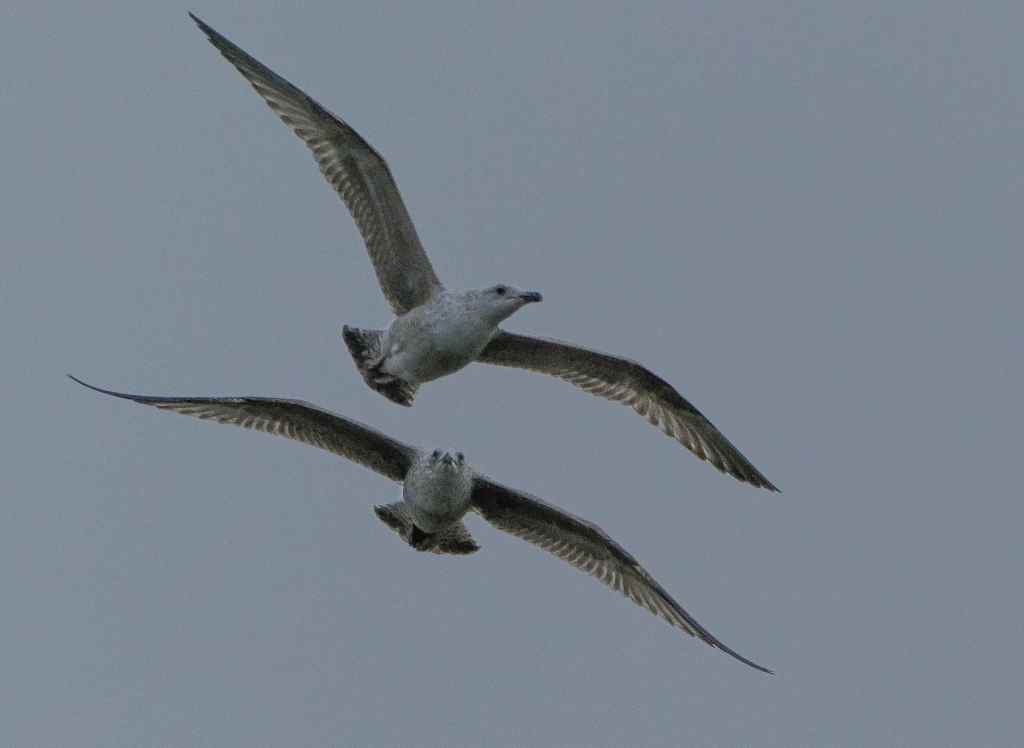
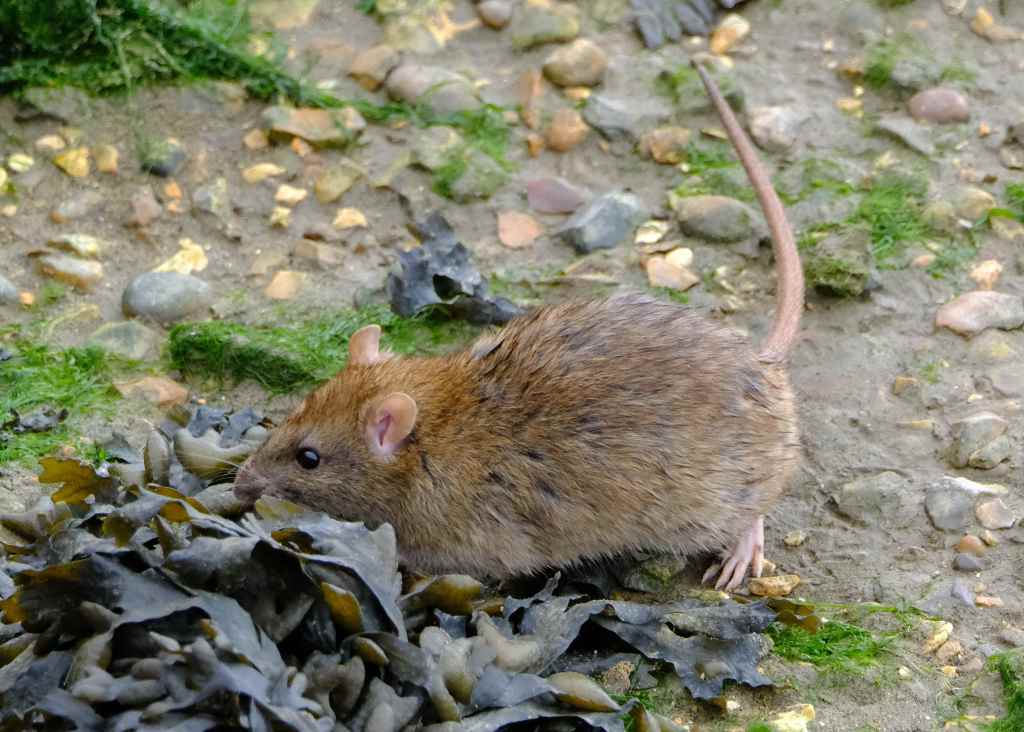
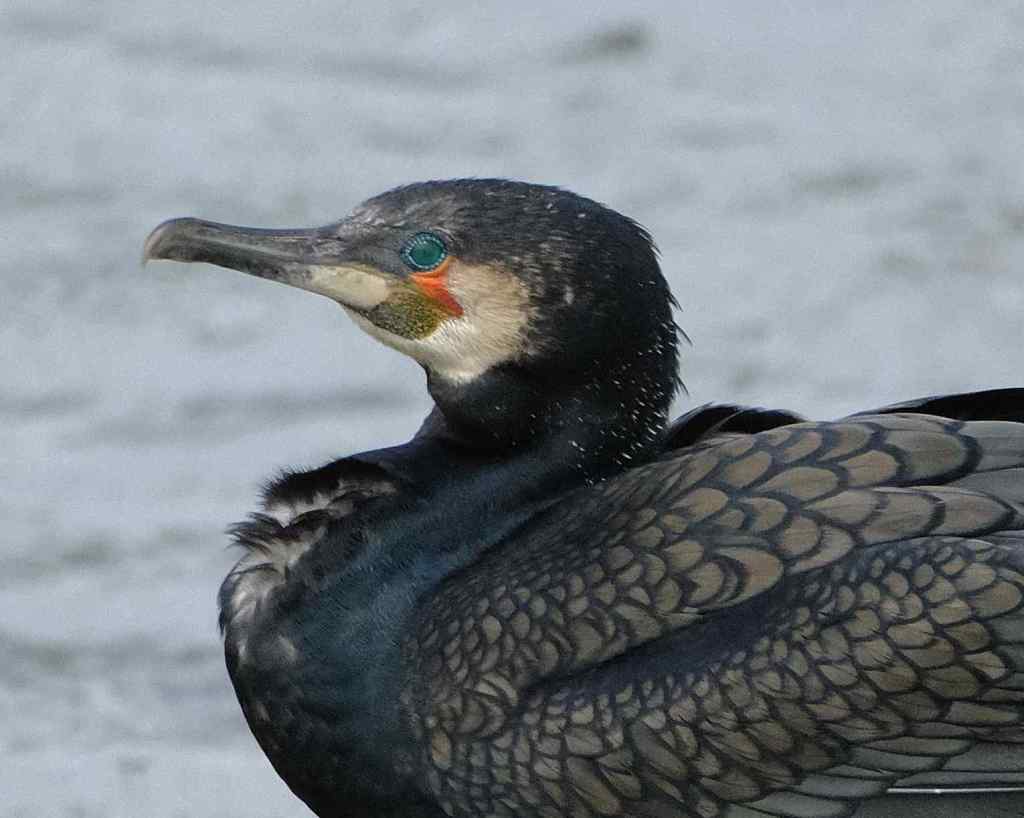
When you see a Cormorant what colour bird do you see? To me, they always look black. Take a closer look to see the real bird.

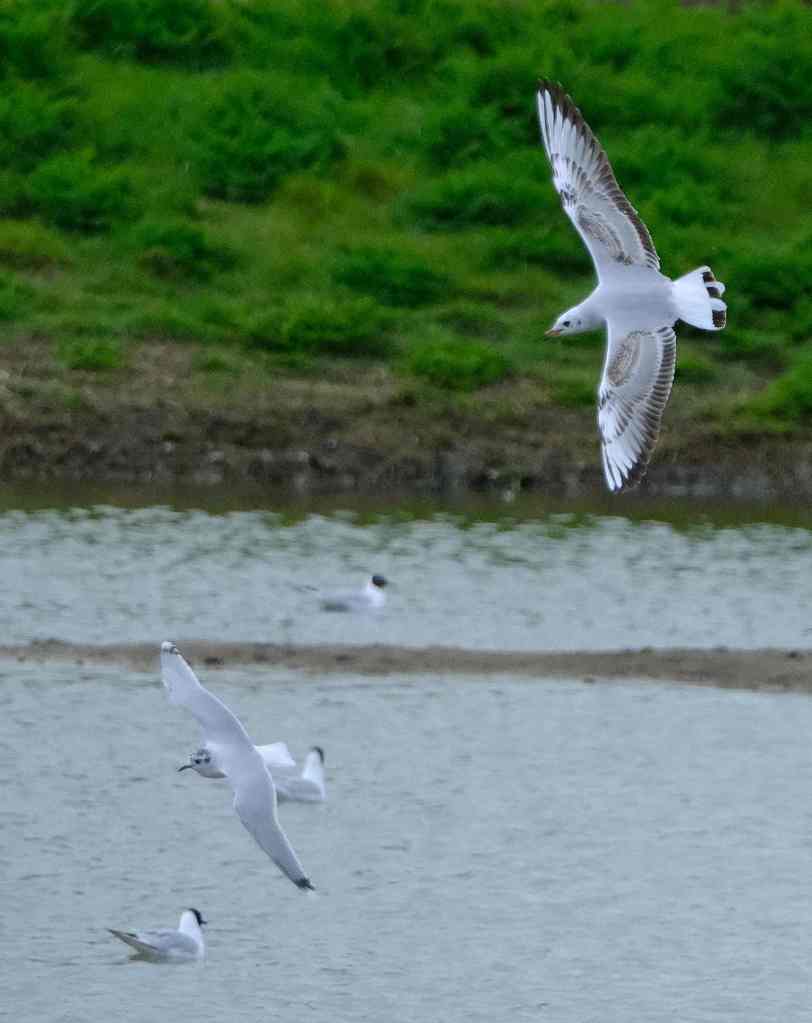
There were 2 Little Gulls at Titchfield Haven this morning – I have seen a few social media posts popping up of this small gull along the South Coast. Someone near the entrance one of the volunteer wardens said there were 2 Little Gulls among the Black-headed gull at the far side of the lagoon I did not hold out much hope in spotting these small gulls a bird I had never seen before.
However, these birds stood out from the other gulls and flew much more erratically – more like Terns. Once seen not forgotten. Moving to a hide further inside the reserve a good view of these gulls was possible.


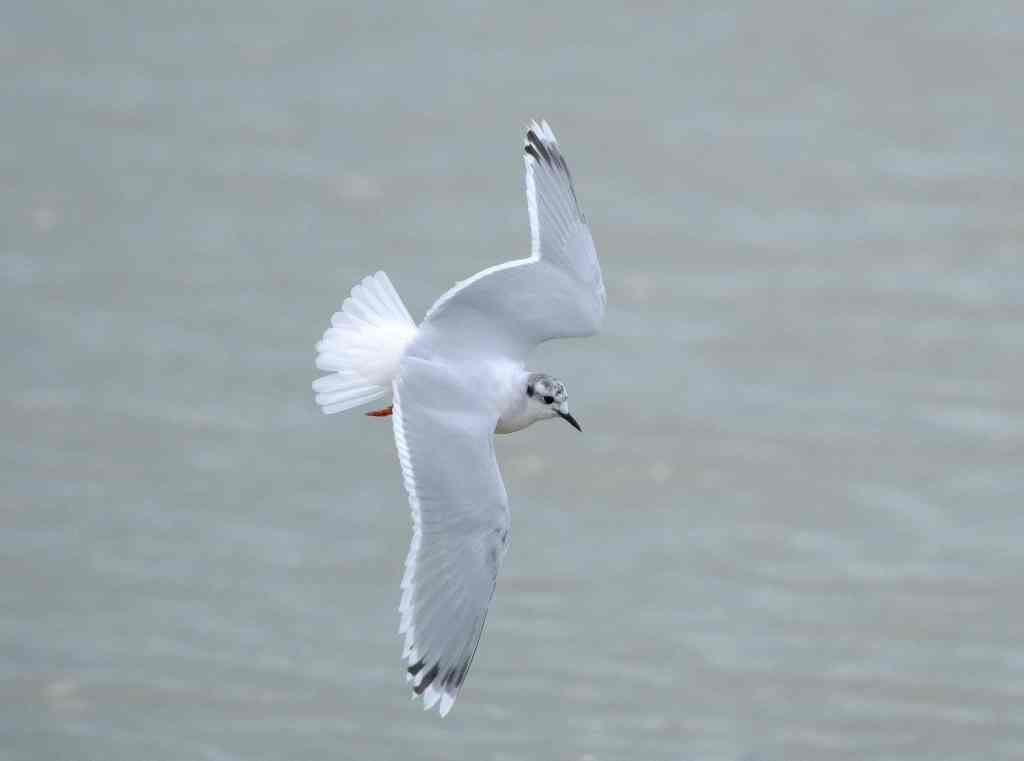
Some Facts about the Little Gull. from RSPB –
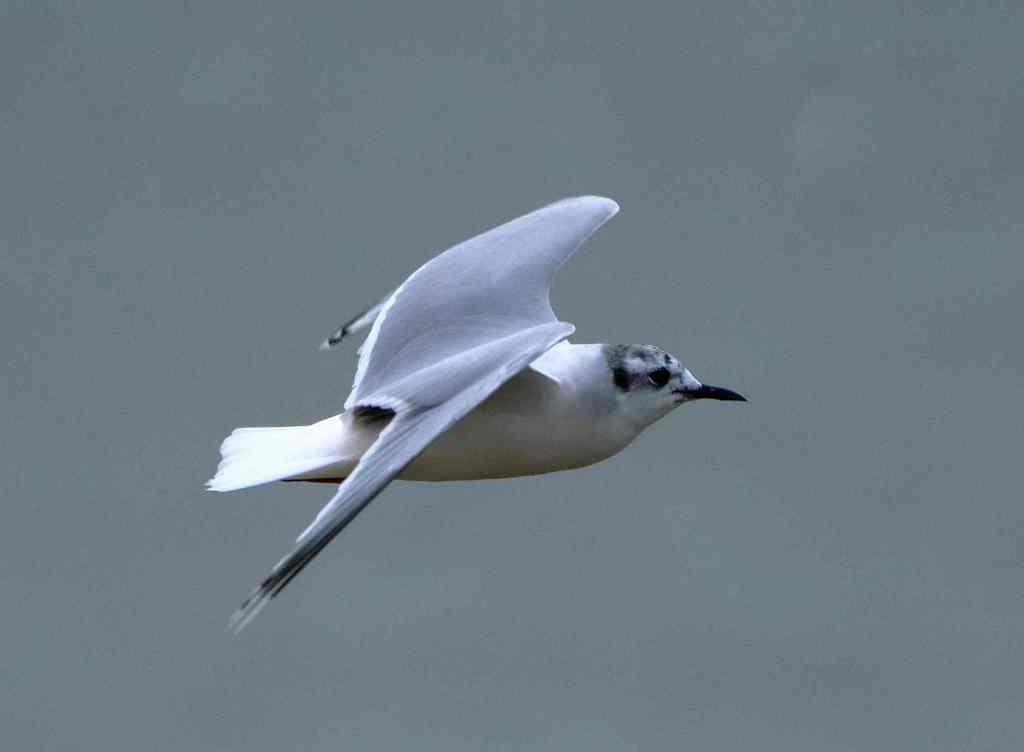
This small gull in summer the adults have black heads, while young birds have a black mark on each. In flight, adults show a pale grey upper wing, with no black wingtips, and a very dark grey underwing.
They have a diet of Insects and fish. The picture below shows this bird had caught a small fish, I think due to their diet it explains why they fly and behave like a tern although they do not dive under the water.


Above and below the 2 different Little Gulls in flight.
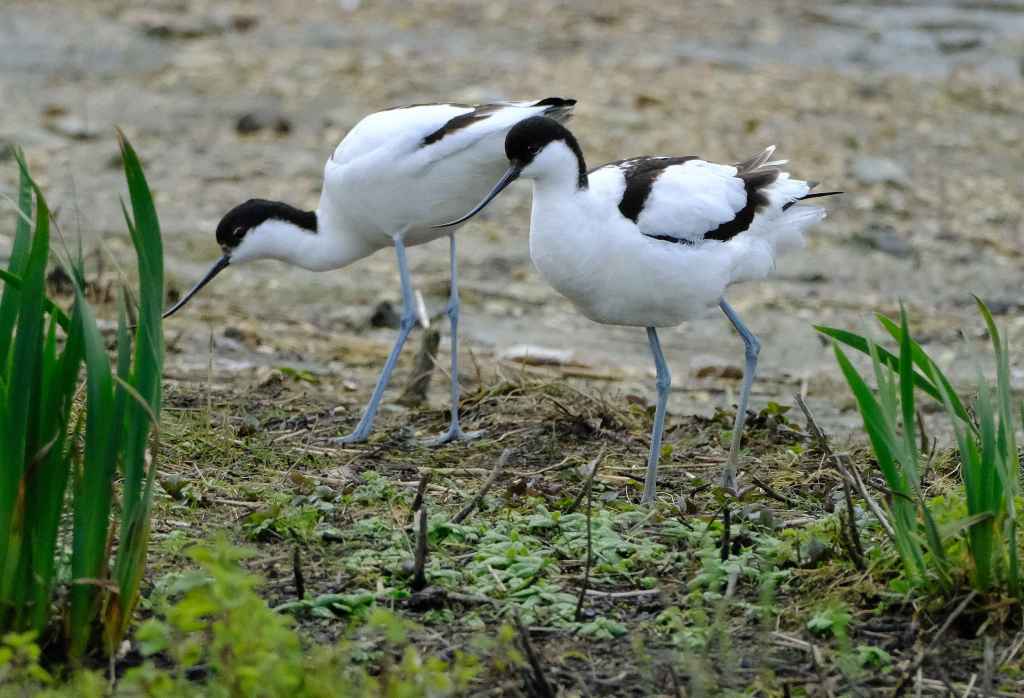
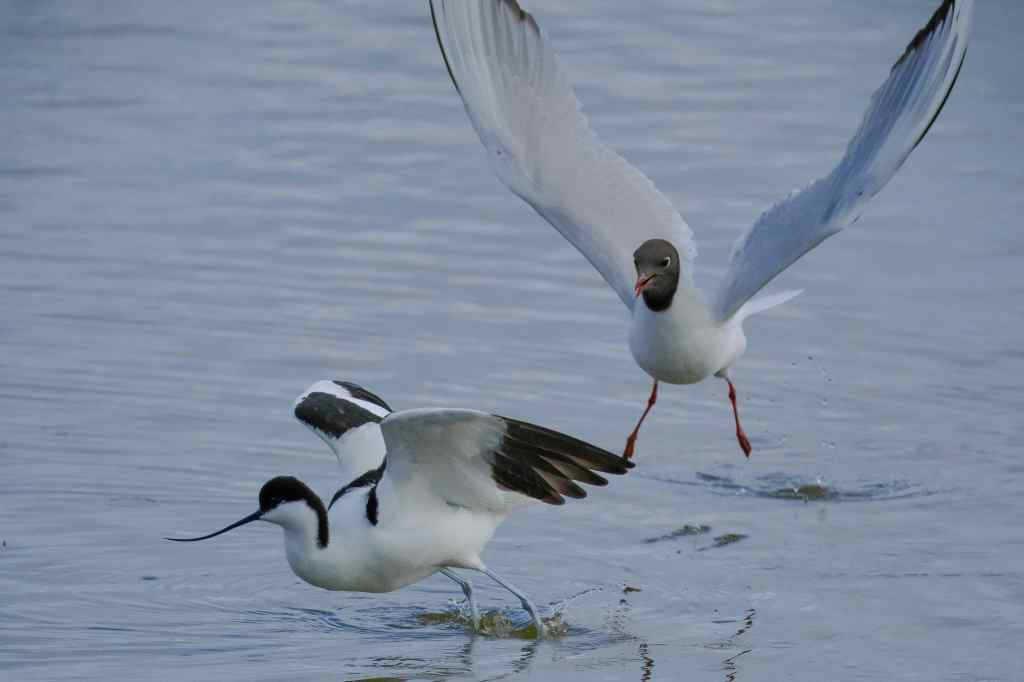
Avocet season has started their numbers are increasing in the South of England. At Titchfield Haven Nature Reserve, this is also the case and they are pairing up although conflicts for space are commonplace.
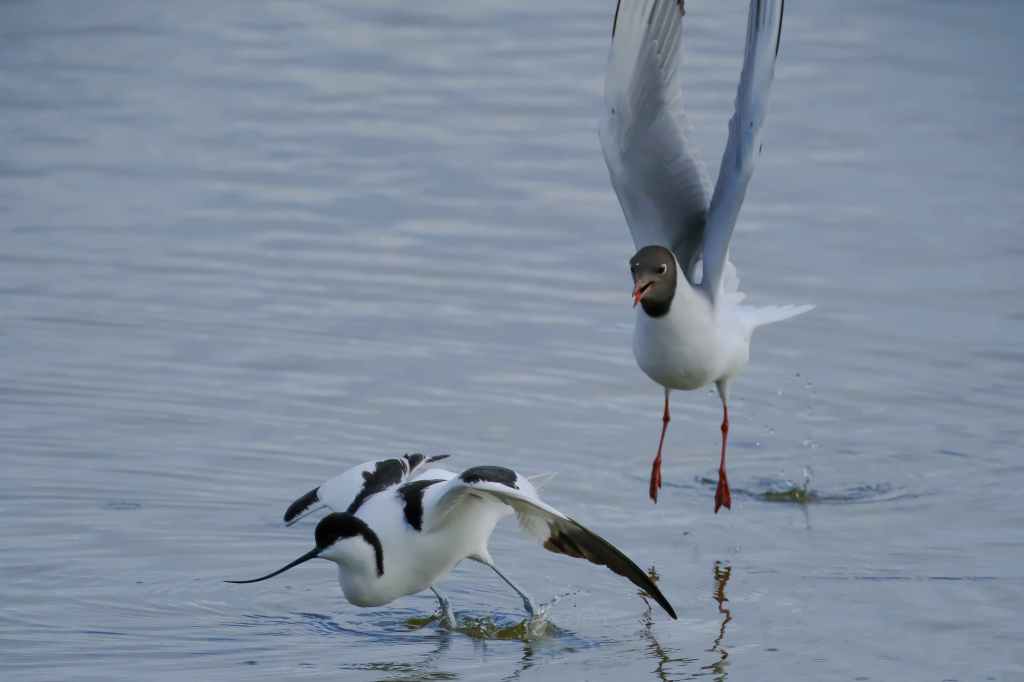
Avocet minding one’s own business then Mr Black-headed Gull takes offence, poto-session of Avocets over!




 Continued Reflections from my World.