Since last week the Great Crested Grebes have hatched and left the nest. They are now riding on the back of the parent bird, while the other parent is catching small fish that he passes to the young Humbugs.

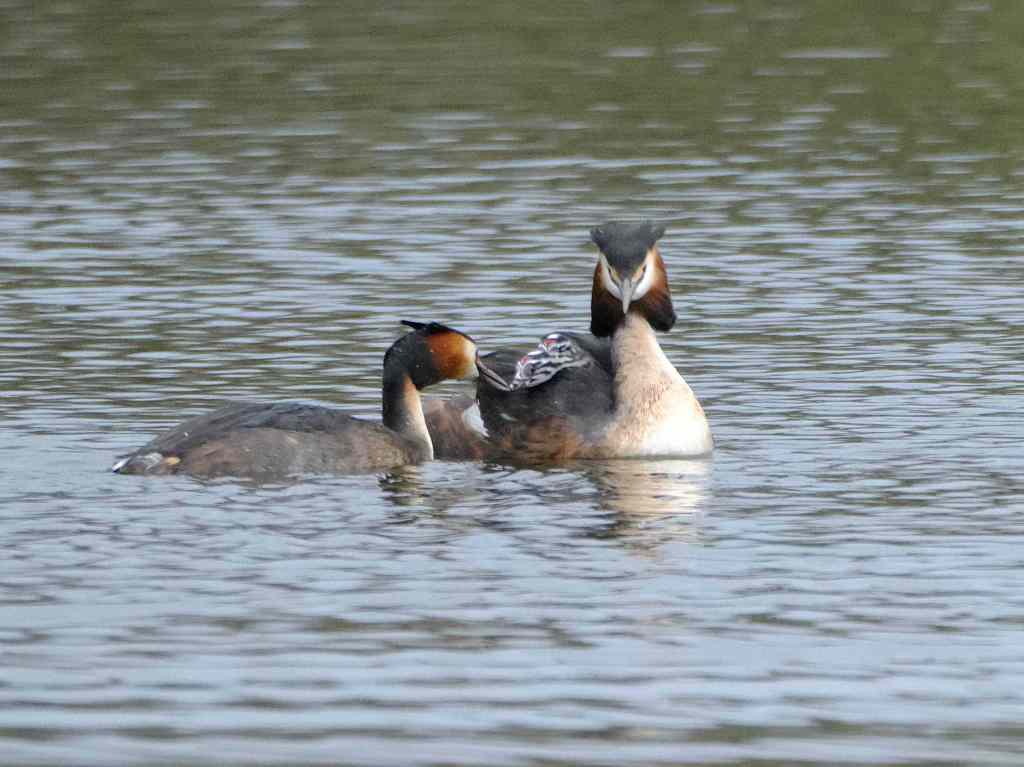

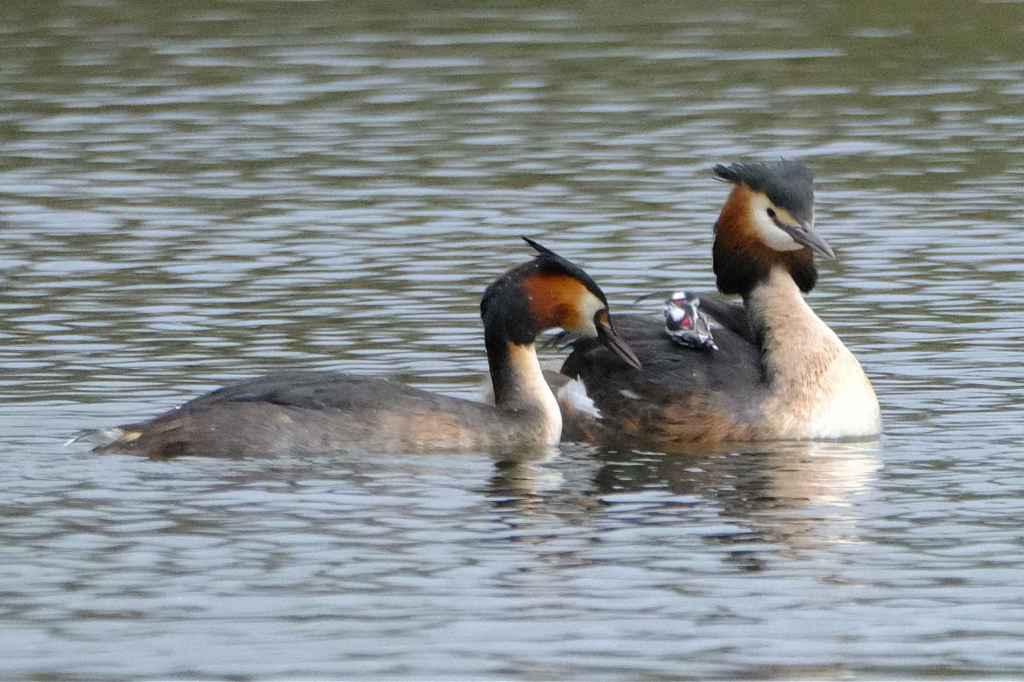
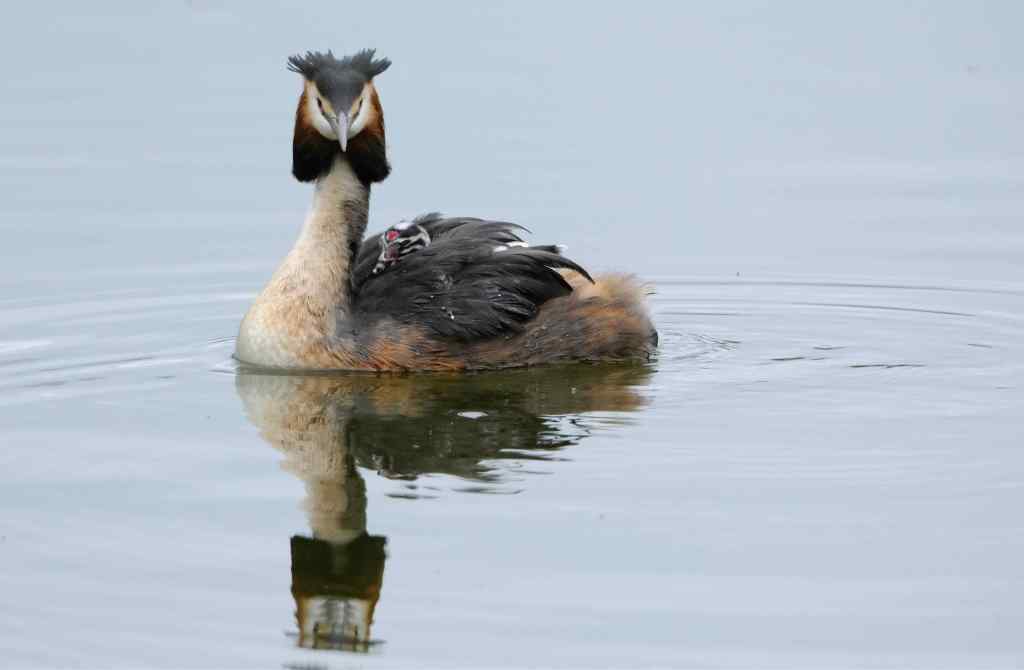

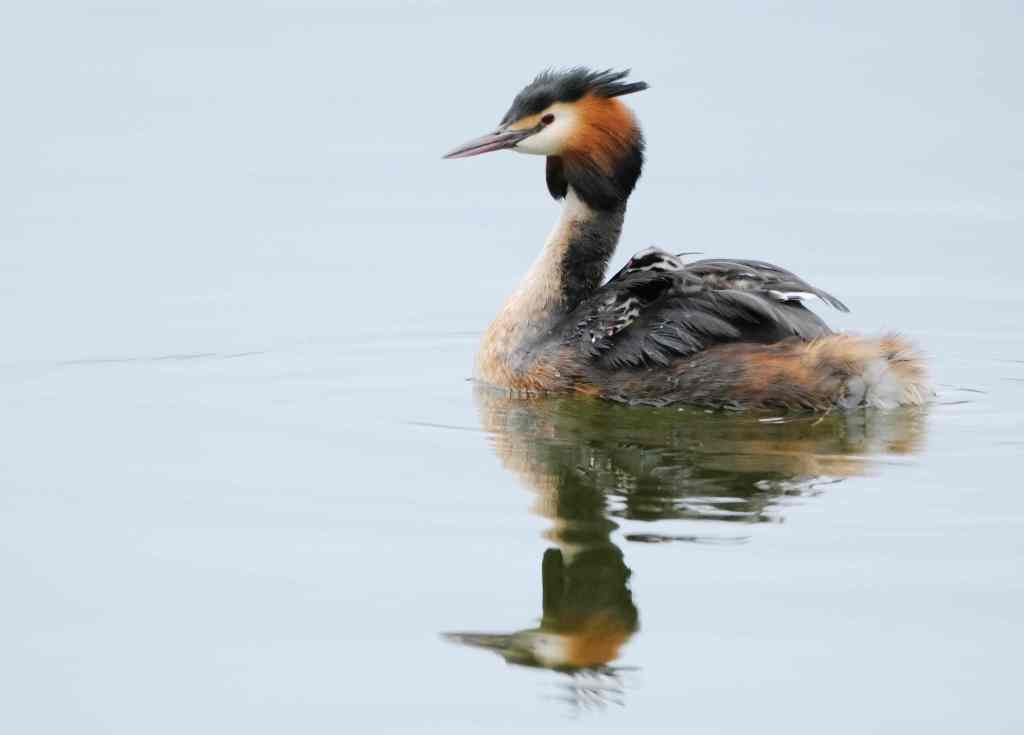
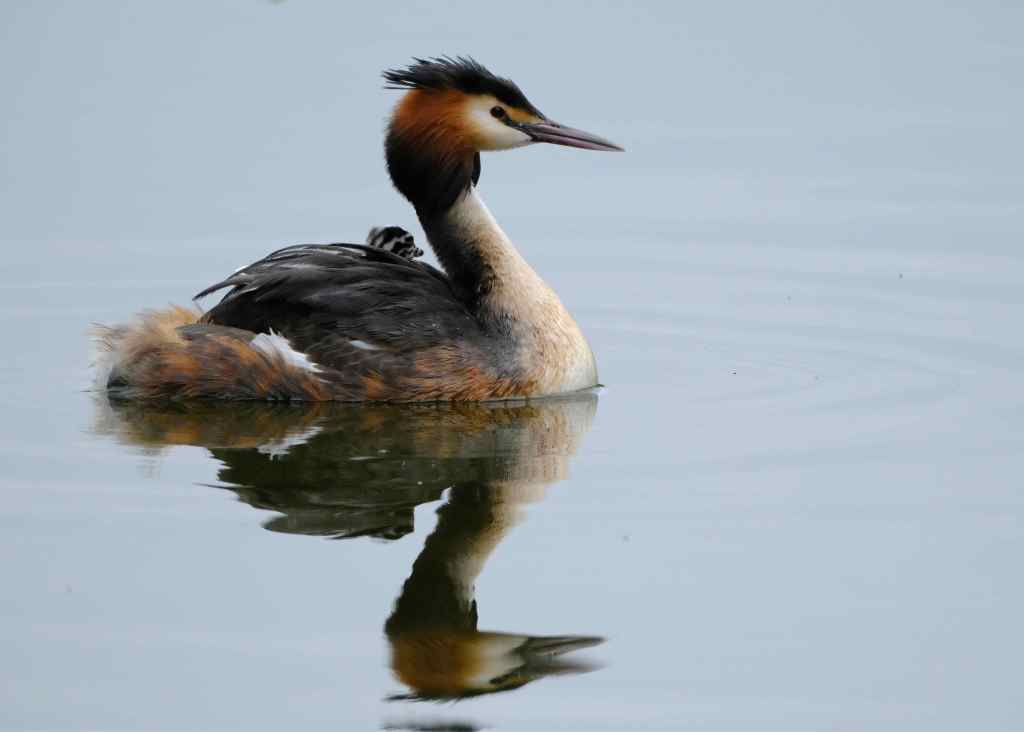

Since last week the Great Crested Grebes have hatched and left the nest. They are now riding on the back of the parent bird, while the other parent is catching small fish that he passes to the young Humbugs.
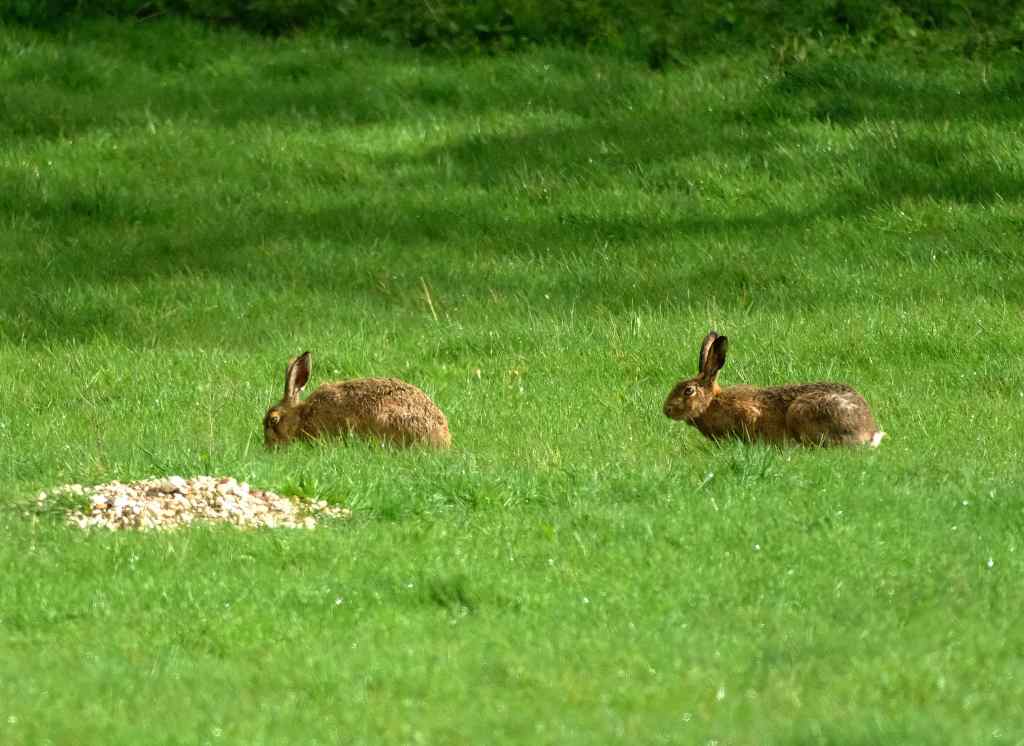
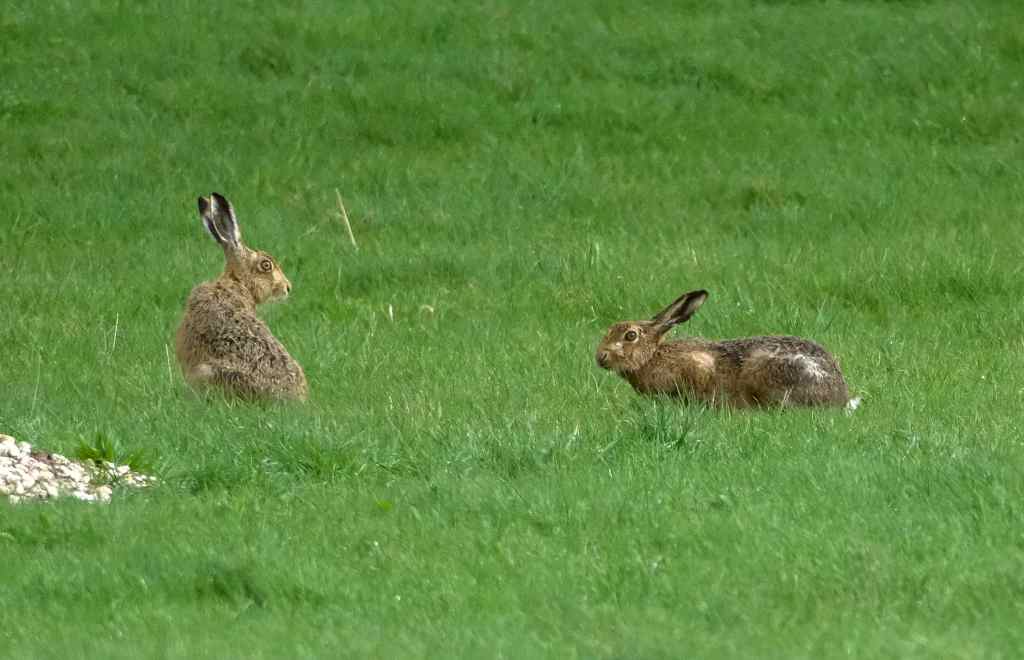
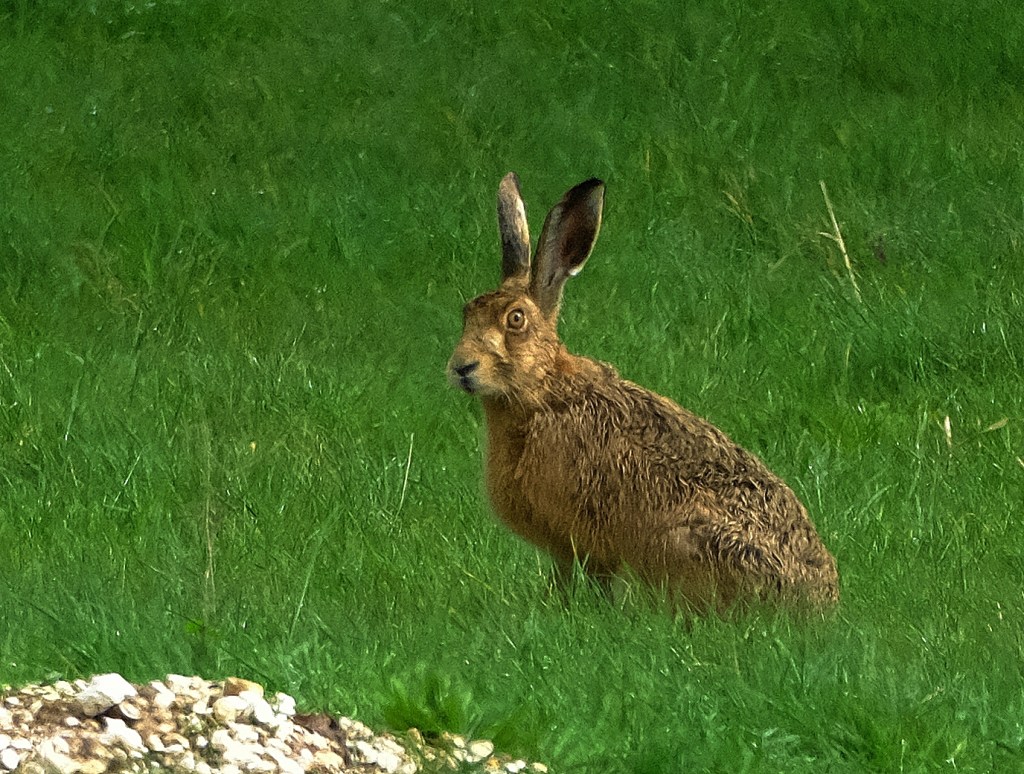
A morning stroll on the South Downs.


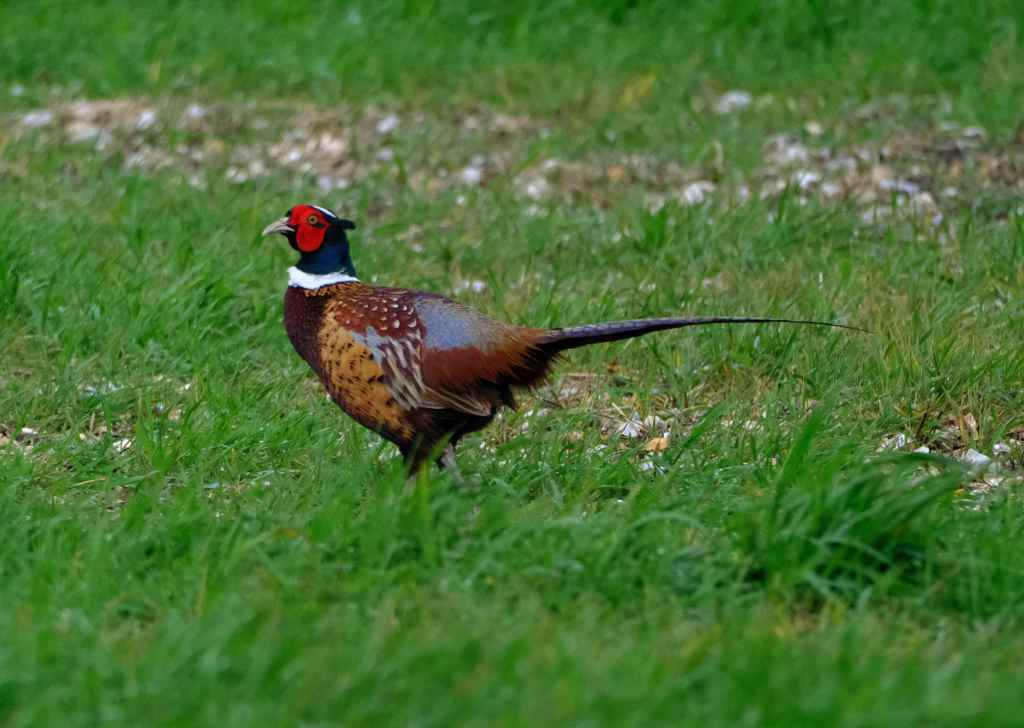
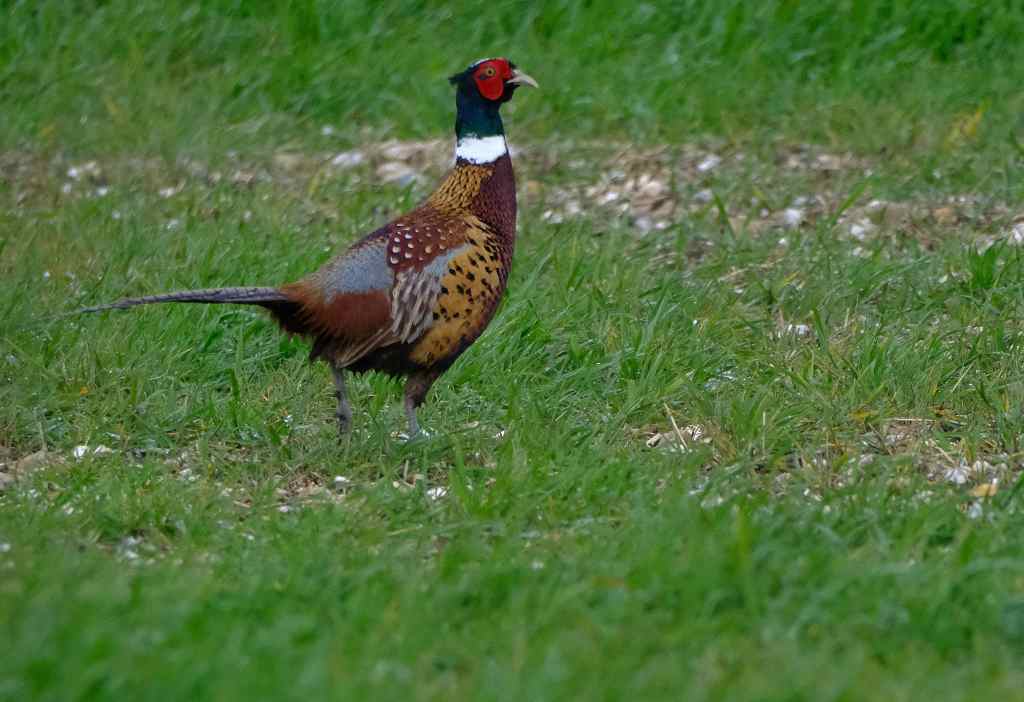
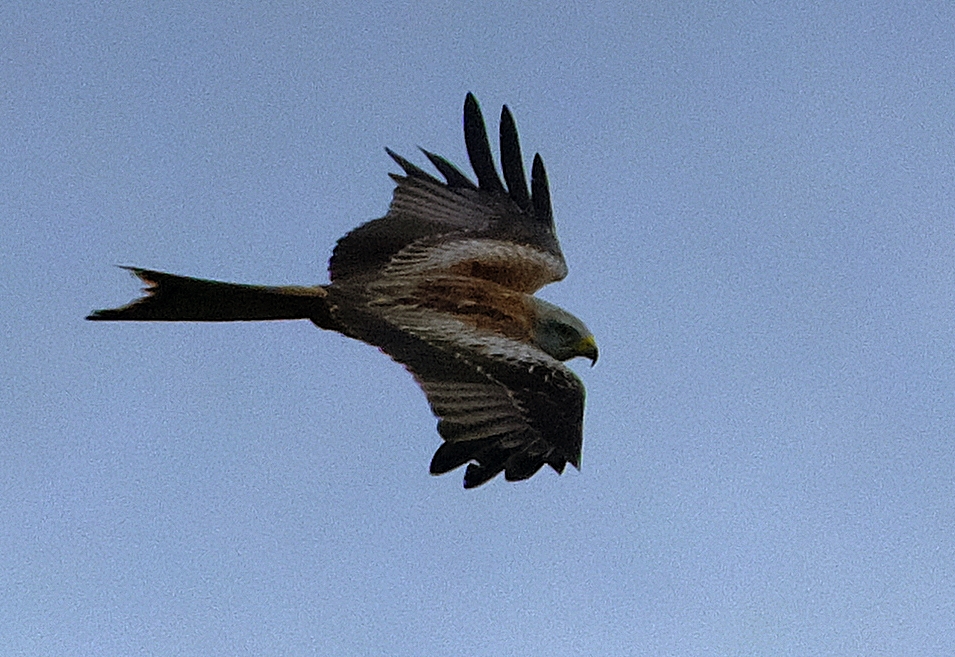


Poor weather {again} with high seas and excessive rain here on the Solent and Southampton Water. This mornings bird watch was taking cover within one of the bird hides at Titchfield Haven Nature Reserve. Not many visitors today and as the weather deteriorated the reserve closed at lunchtime for safety reasons.
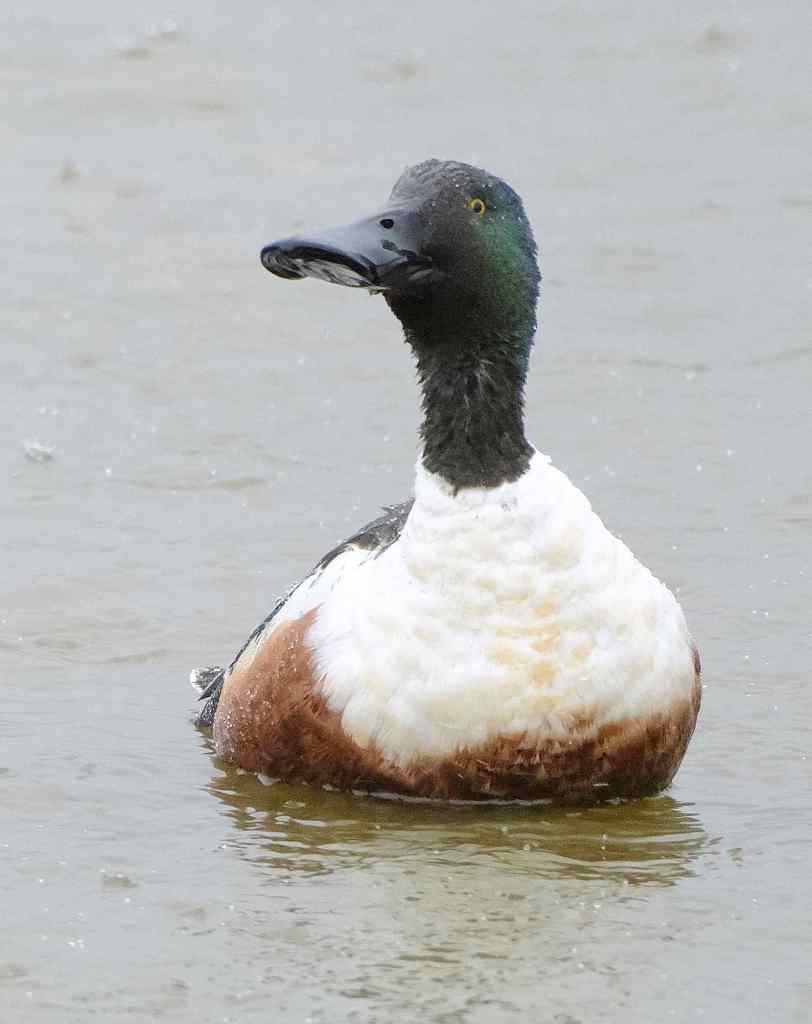
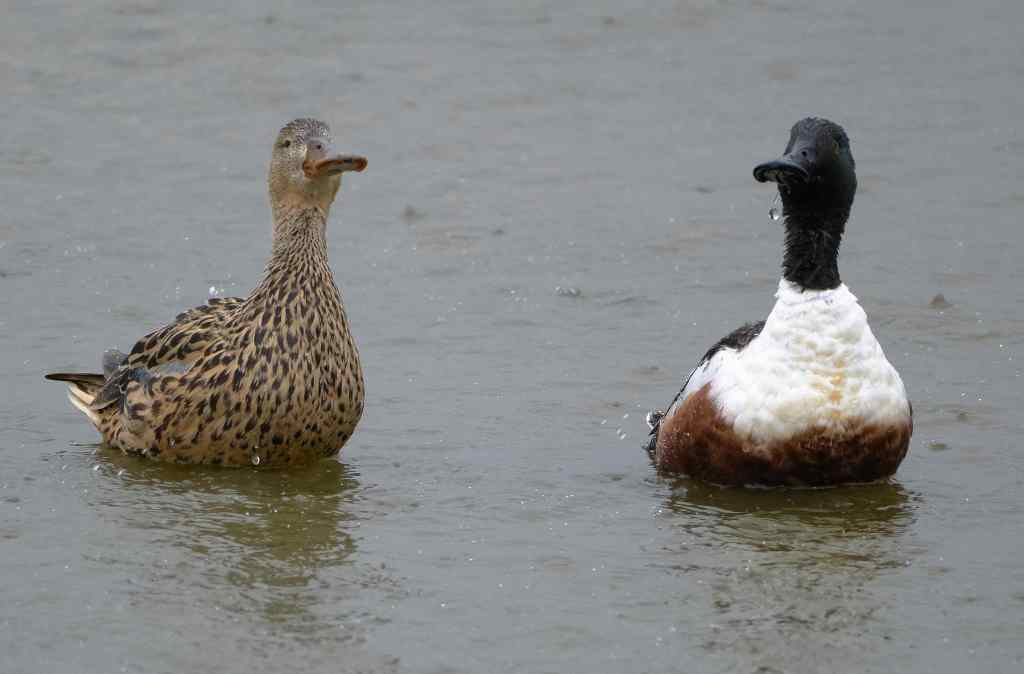
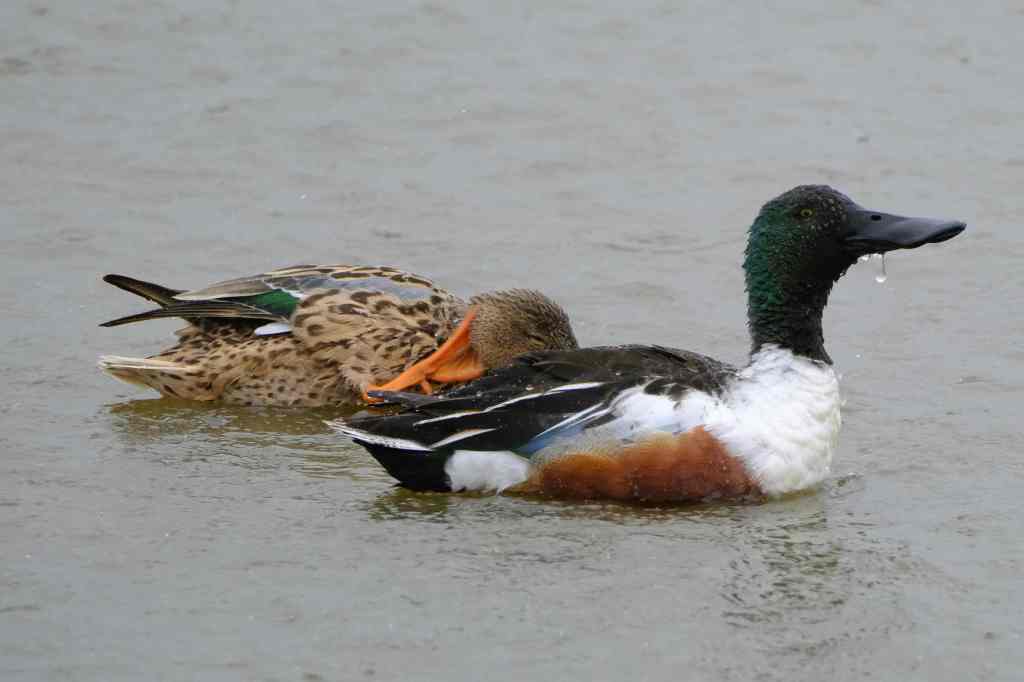
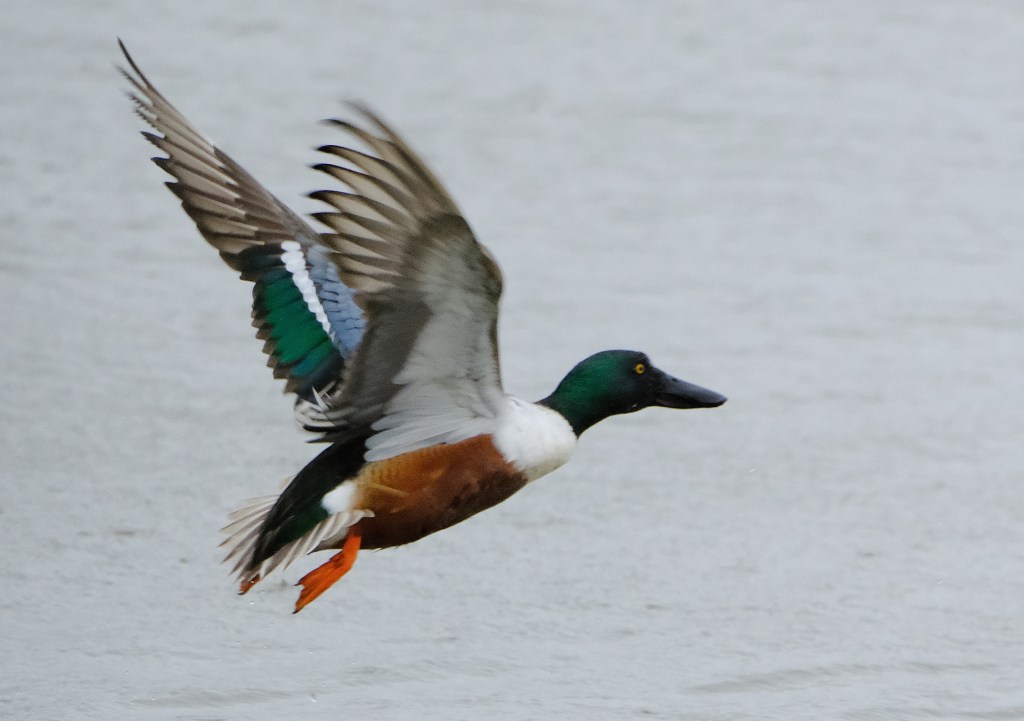
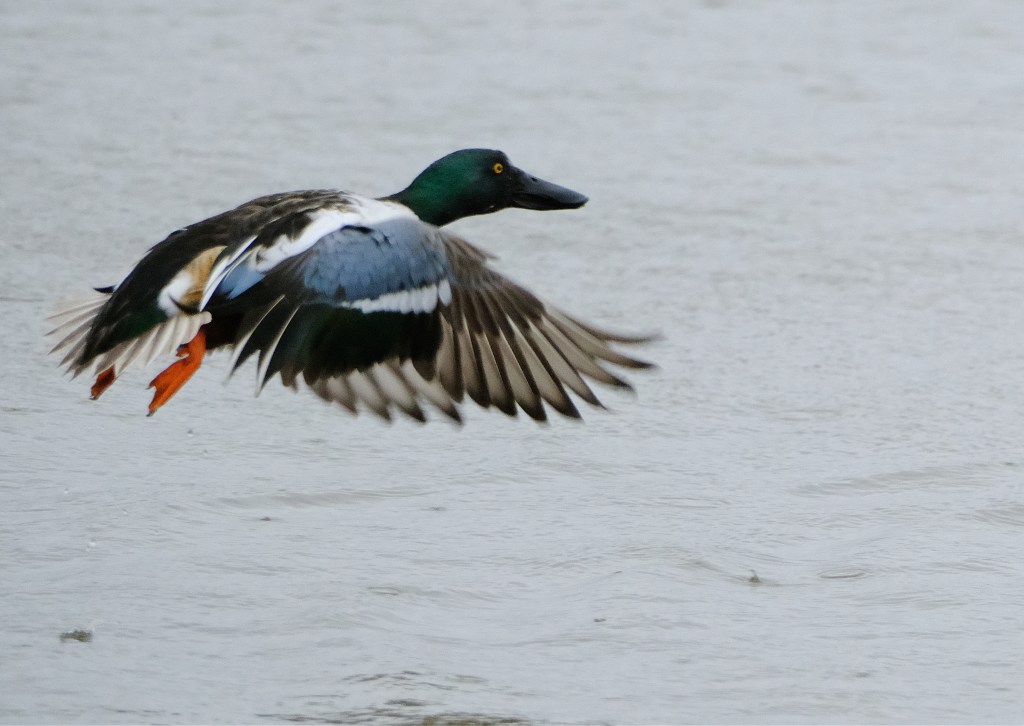
Northern Shoveler – the film catches these ducks using their large bills to filter water for their food.
Shovelers are surface-feeding ducks with huge spatula-shaped bills.


Like many duck breeds the female is a fairly “brown” bird whereas the Drake is colourful with his dark green head white breasts and chestnut flanks making him very handsome.
Female Stonechat Stoney Cross New Forest.


Picture Post.
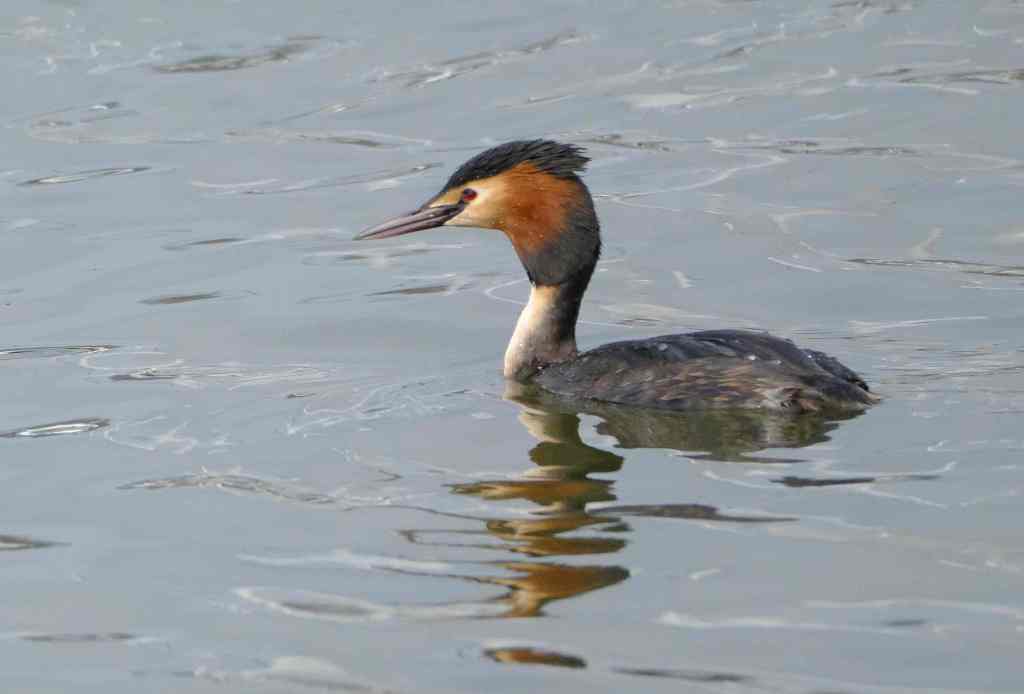
Great Crested Grebes . 6 individual birds spotted on a local fishing lake, one pair have nested and eggs are in the nest.
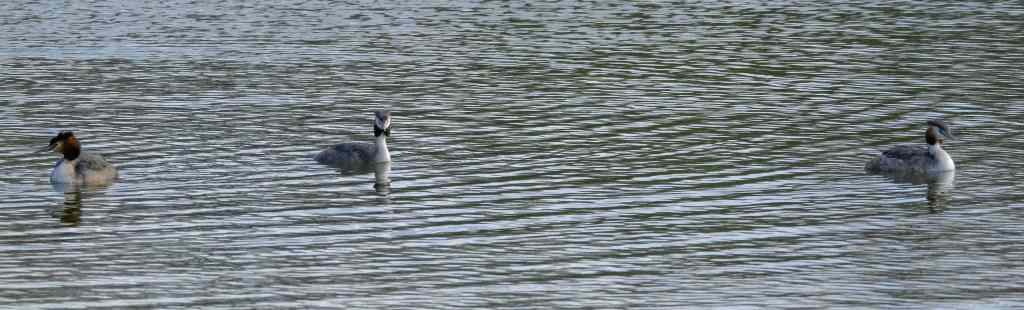


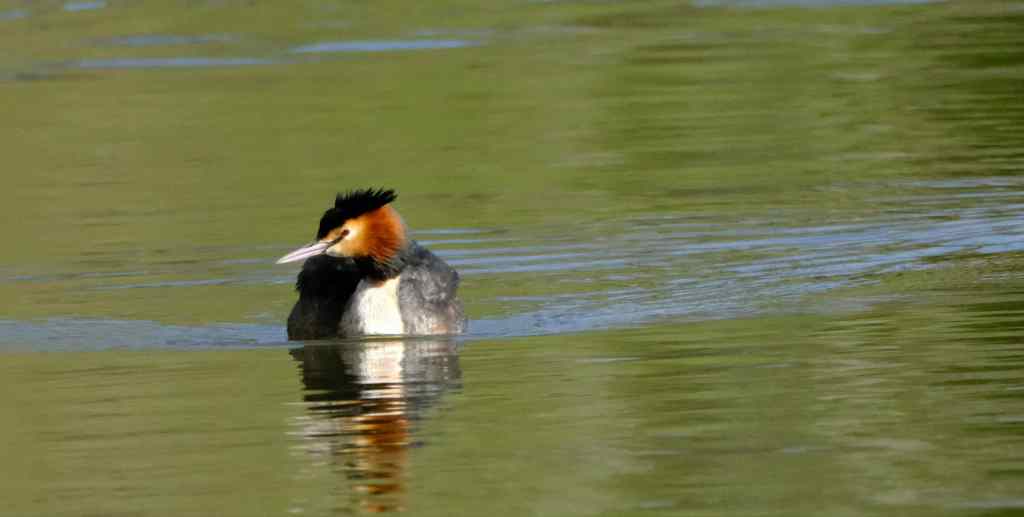
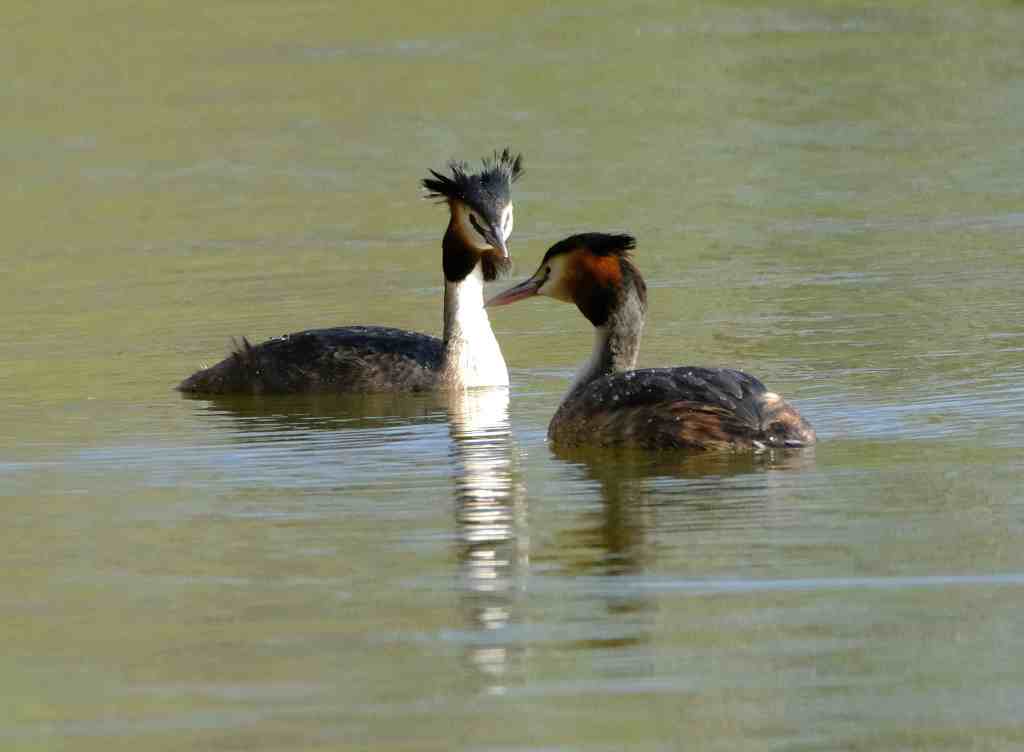
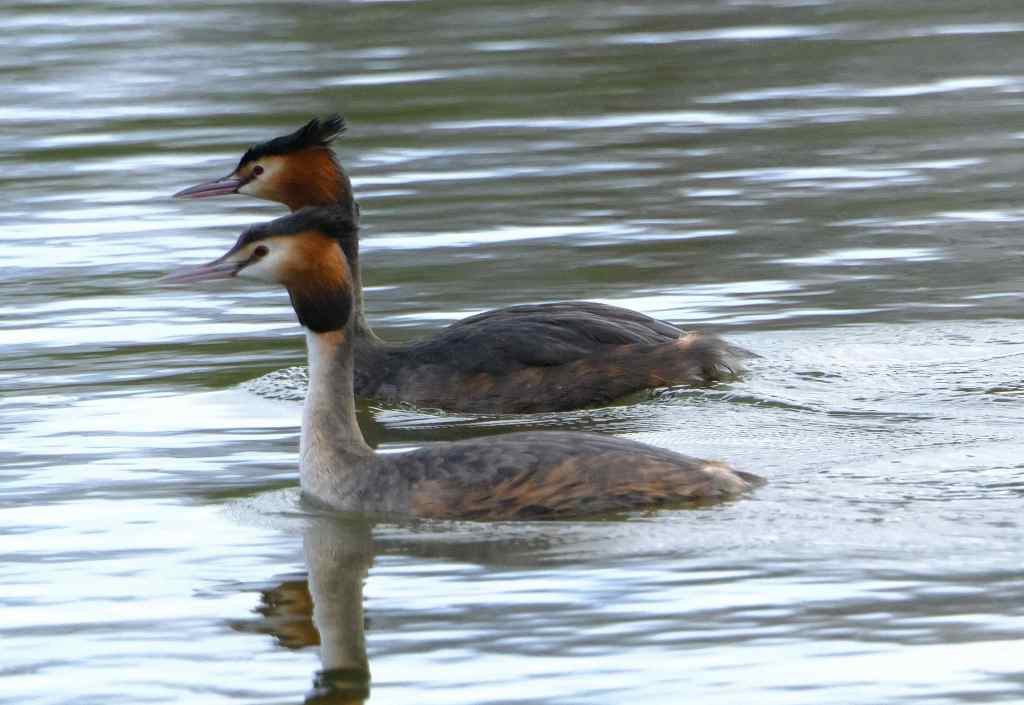

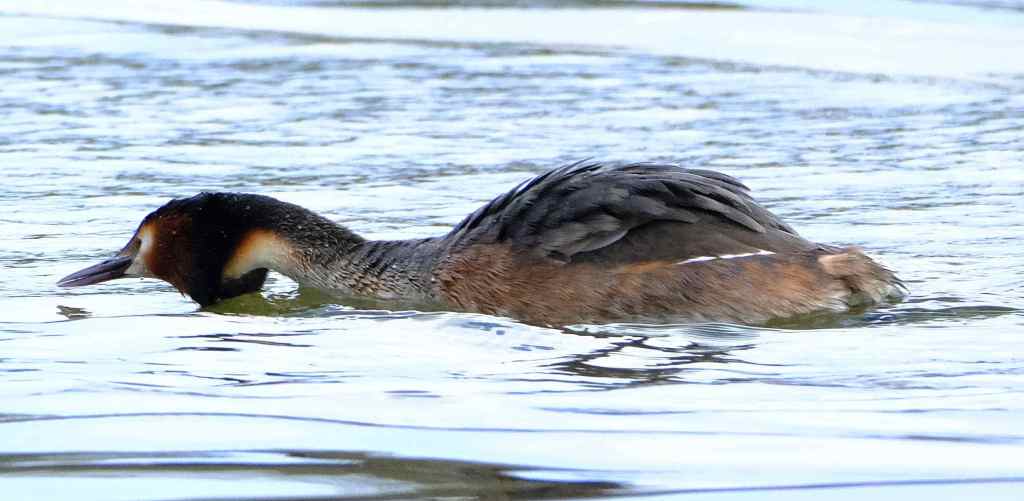
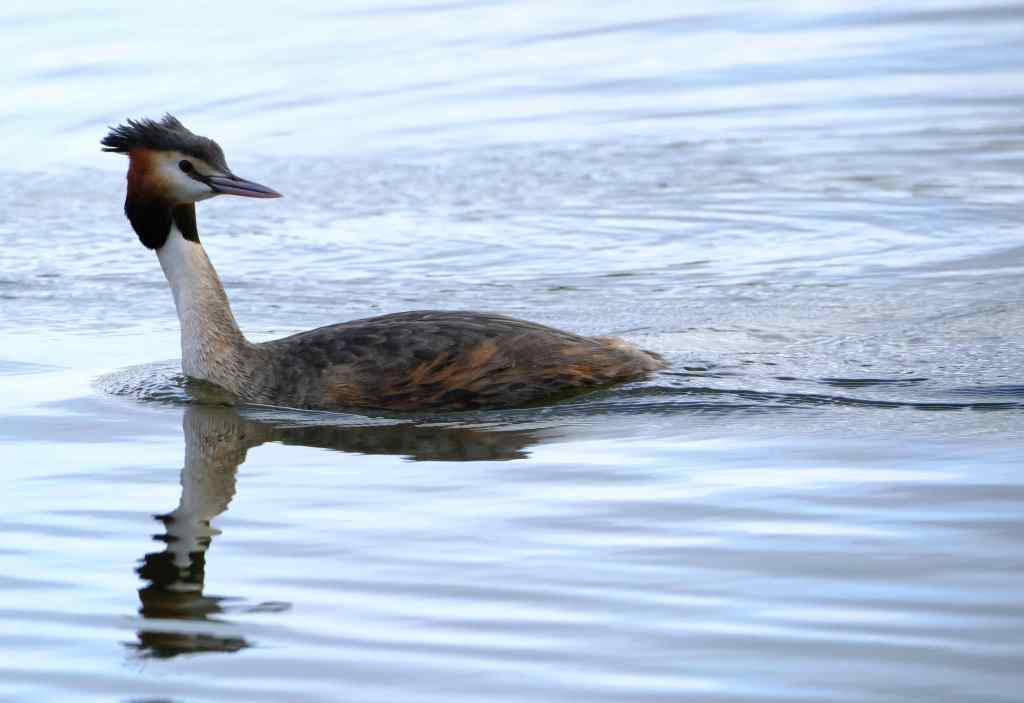

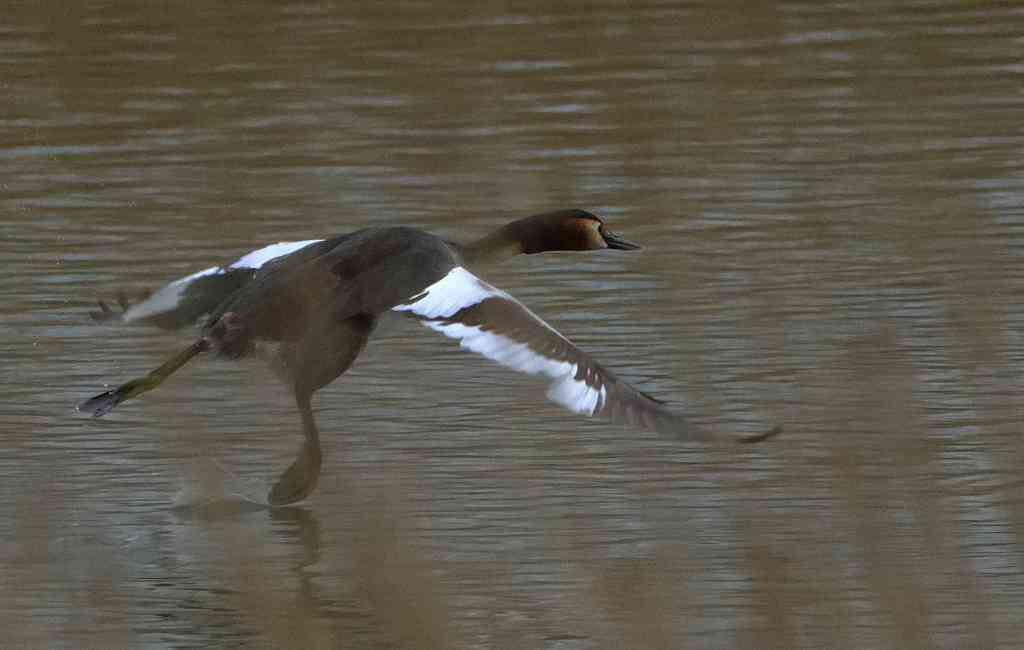
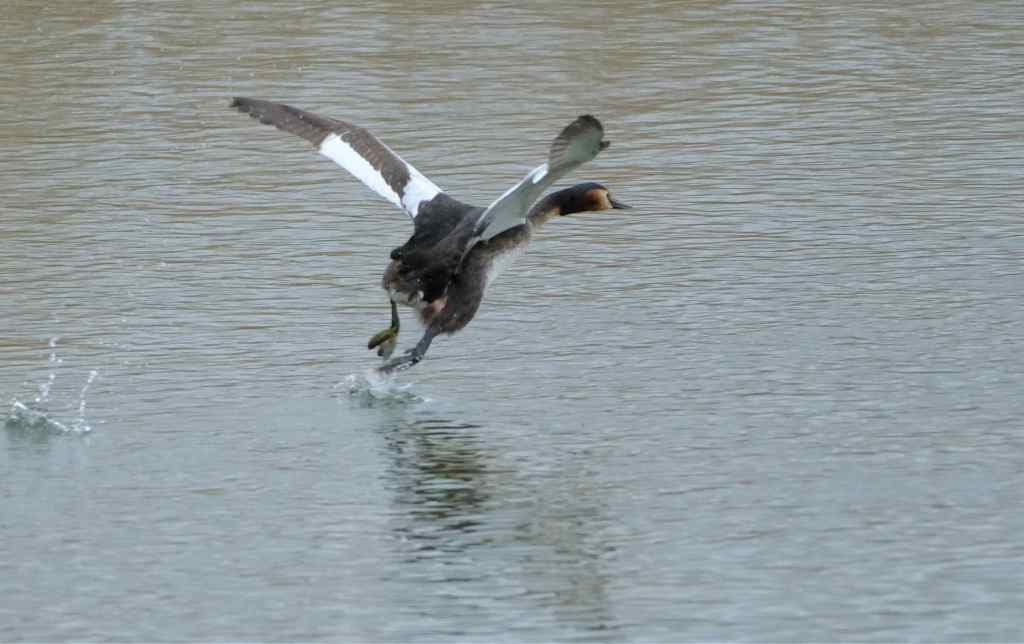
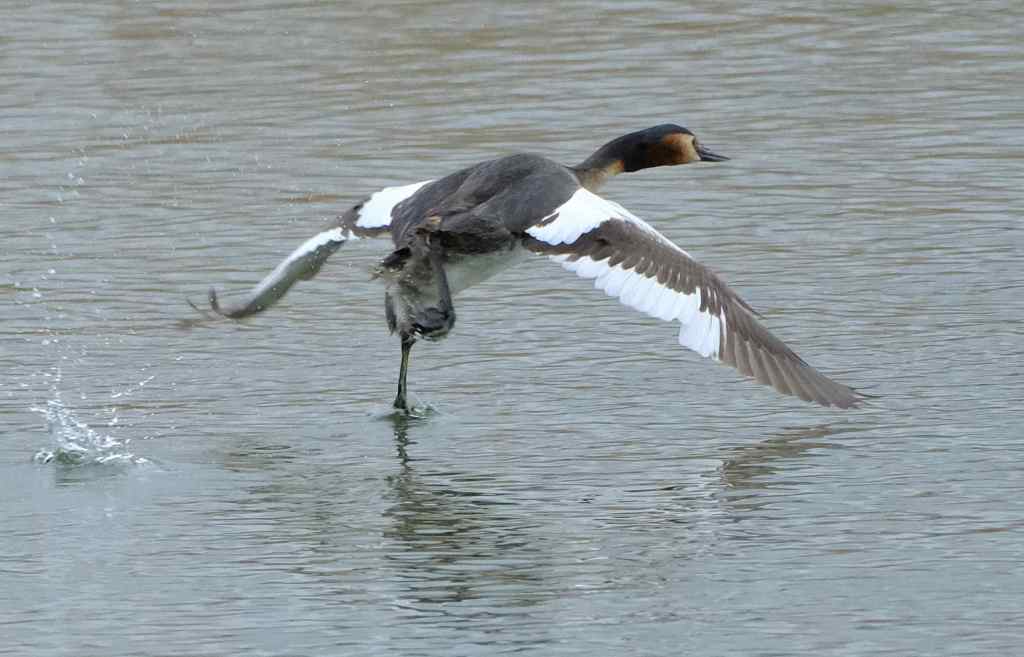
Something I rarely see is a Great Crested Grebe in flight.



Return to the River Hamble.
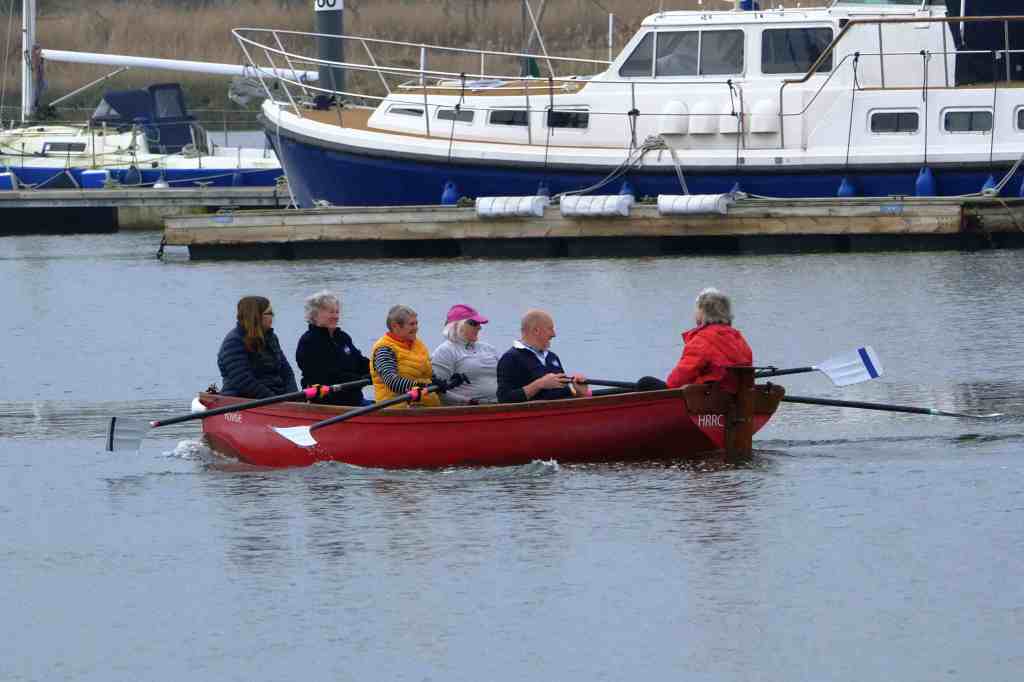
Here on the coast on the South Coast, we are lucky that there are great places for wildlife the area is rich in waders and wildfowl. Yesterday we walked from Warsash along the River Hamble to Bursledon and back an easy walk along gravel paths (about 2 miles each way). This part of the river is tidal with exposed mud at low tide and with areas of reedbeds. The stretch is used for more small pleasure crafts in the central chancel. Seals frequent this area but I have yet to spot one!
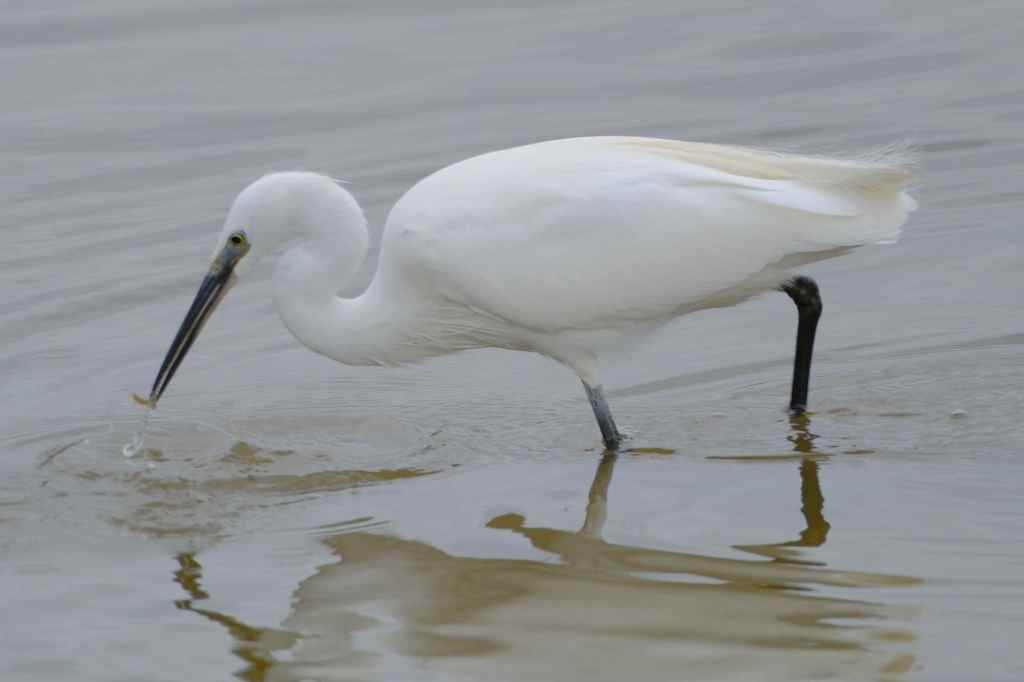
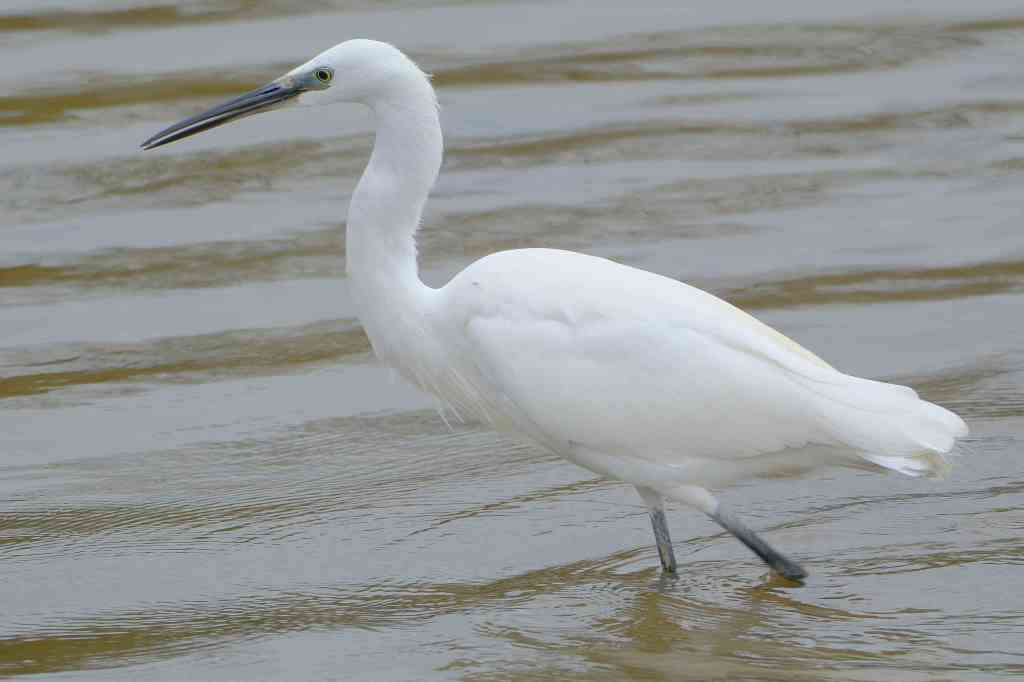
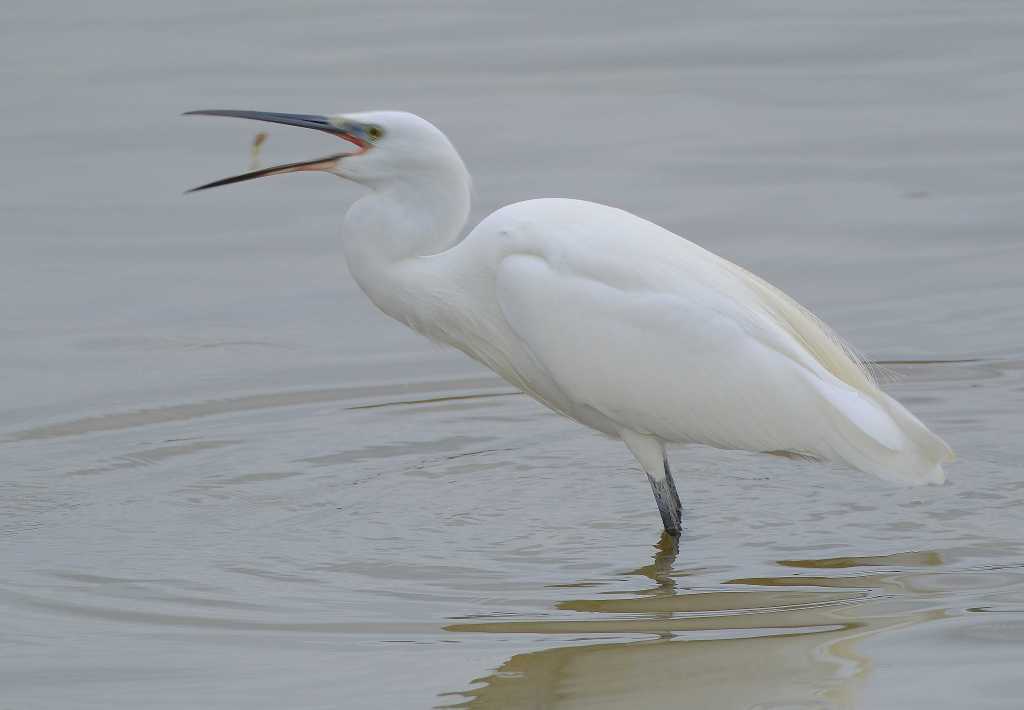
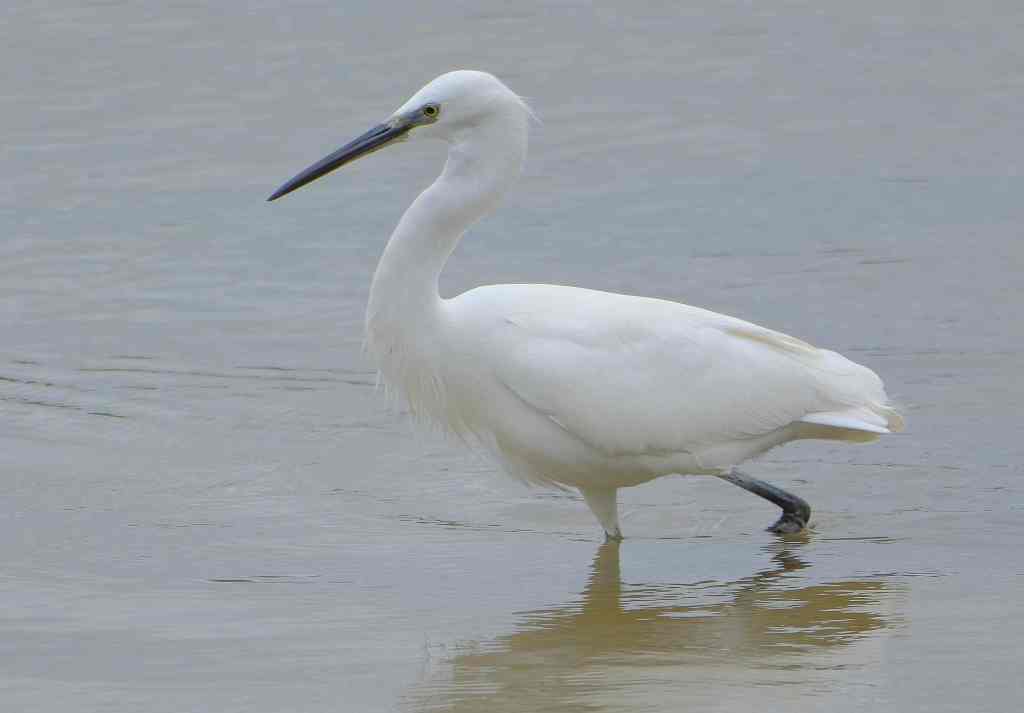
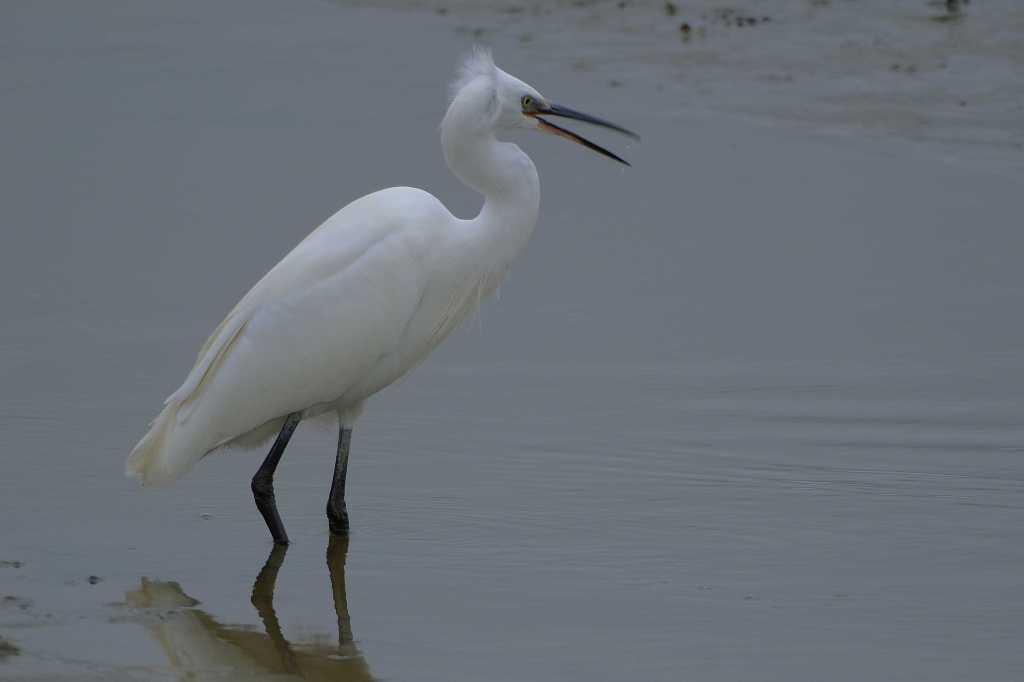
Little Egret.


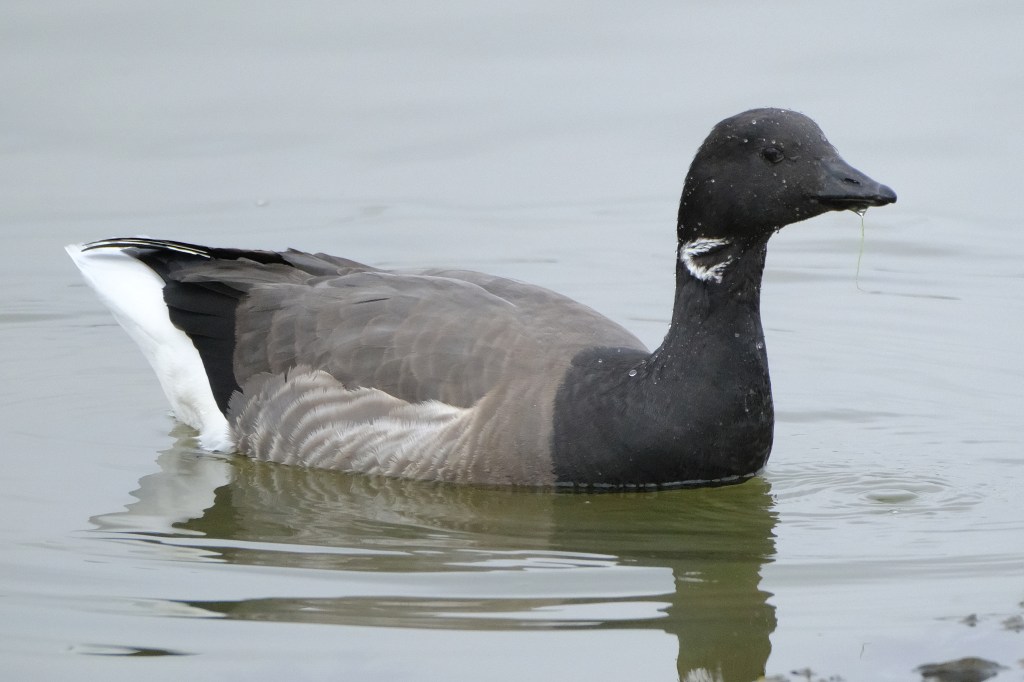
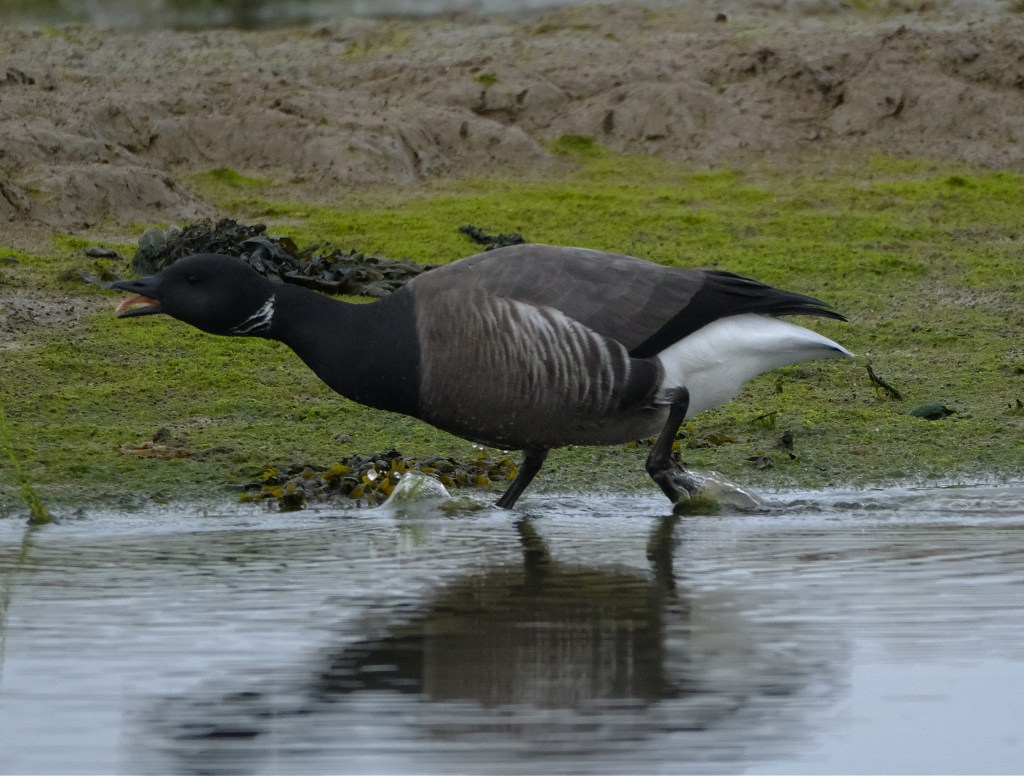
Brent Geese.
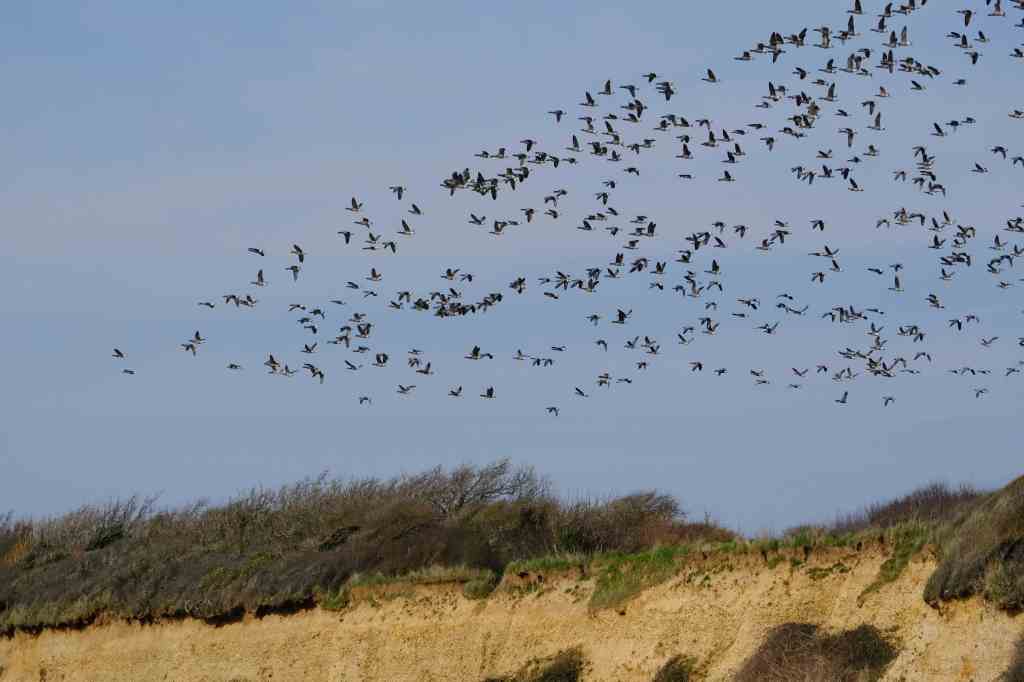
Soon these birds will be leaving our shores for their breeding grounds they have wintered here in the UK due to our milder winter. There are two populations those with dark bellies we get here, while those with pale bellies can be found in the North East. Brent geese gather in large flocks of hundreds of birds ready to return North to nest in northern Russia and Siberia. Unlike Canada geese, they do not fly in tight ‘skeins’ (V-s)

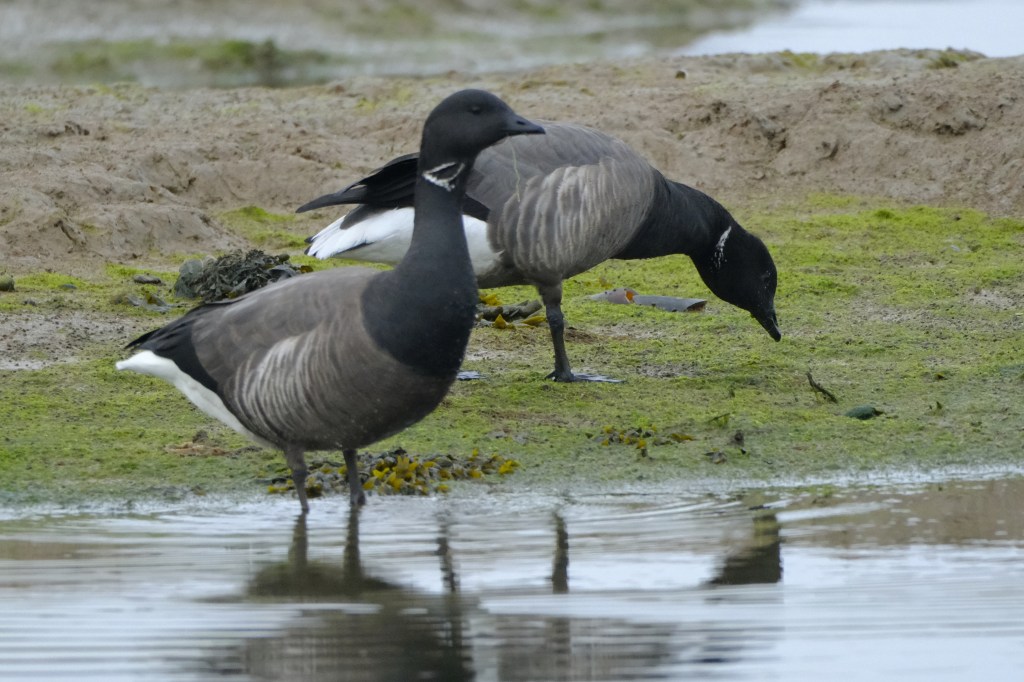
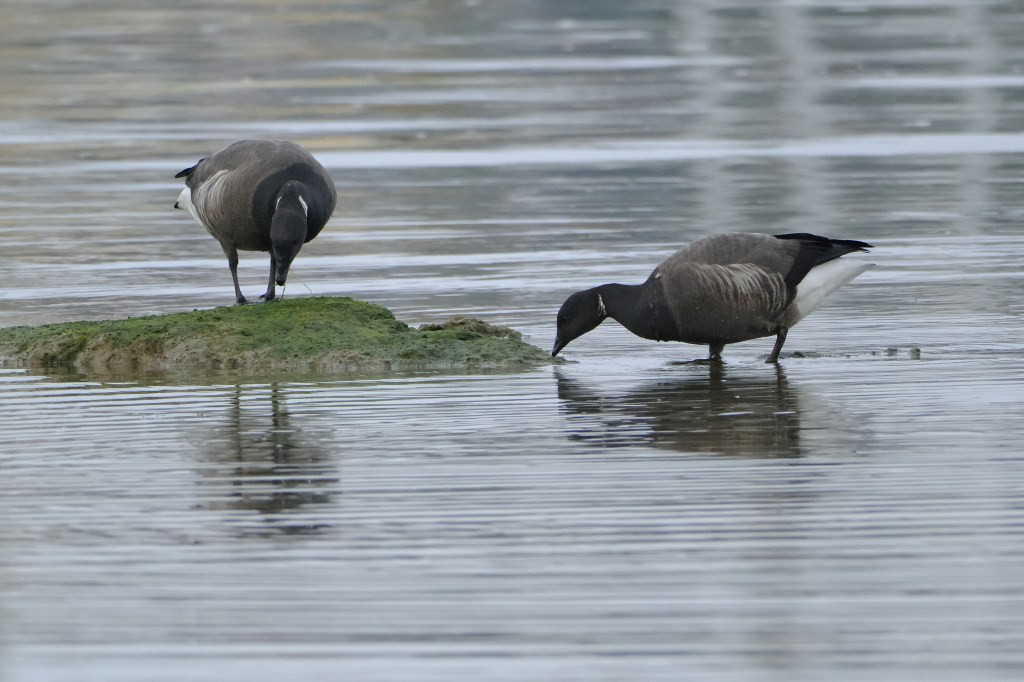
Below gathering photographed last week.
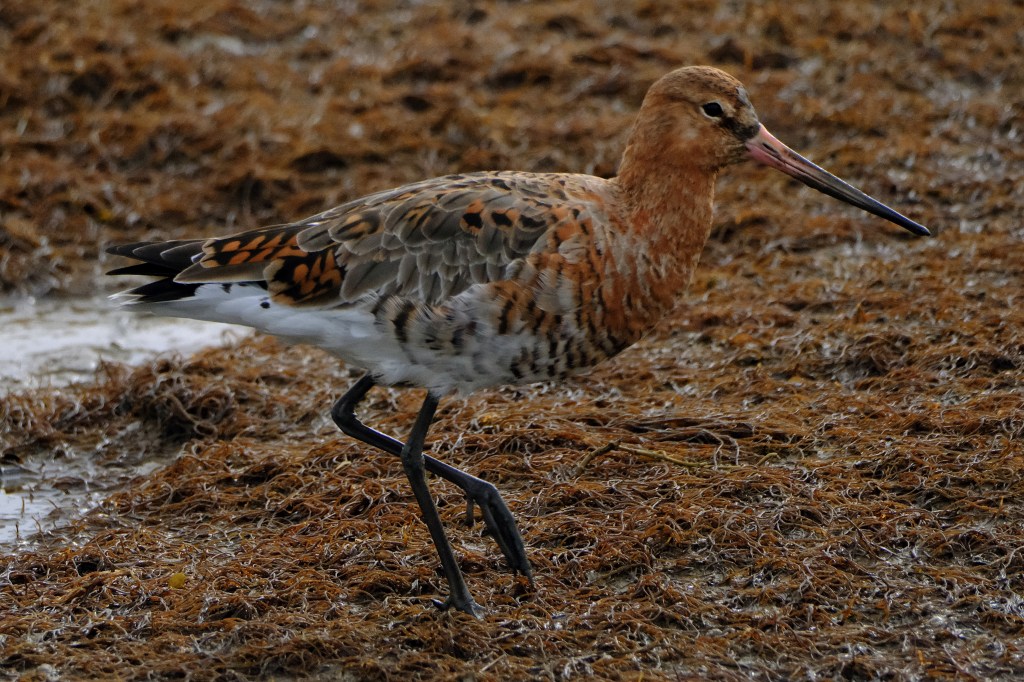
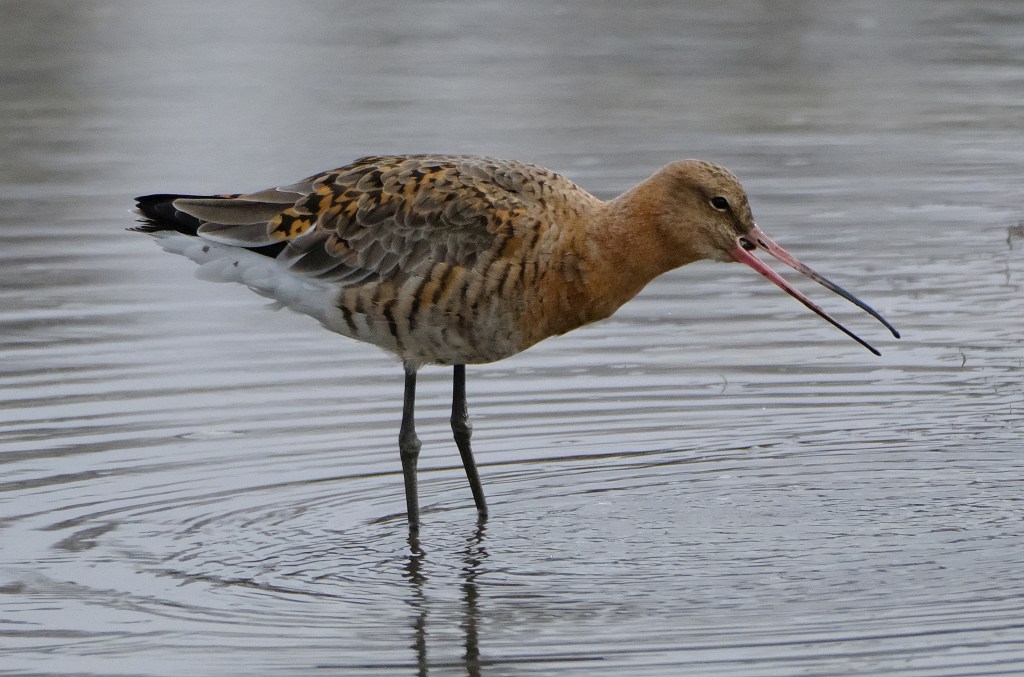
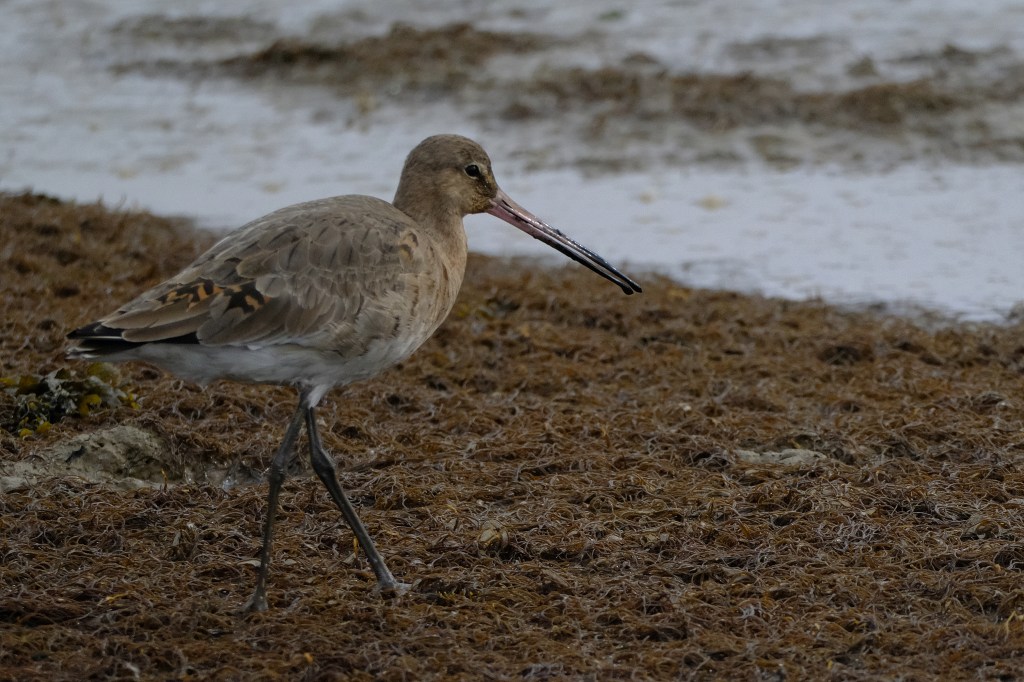
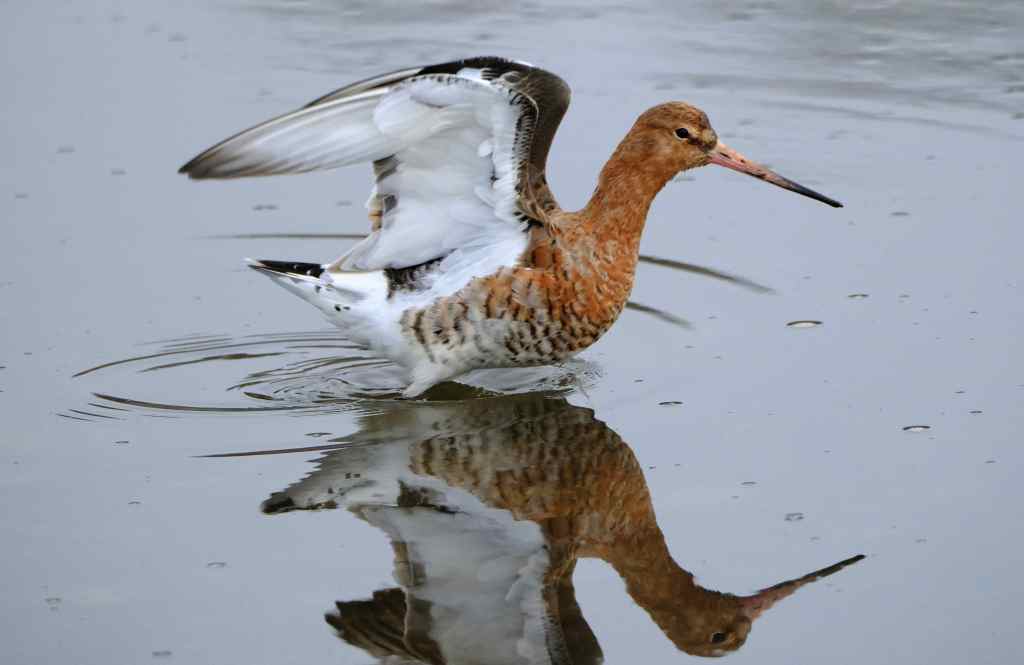
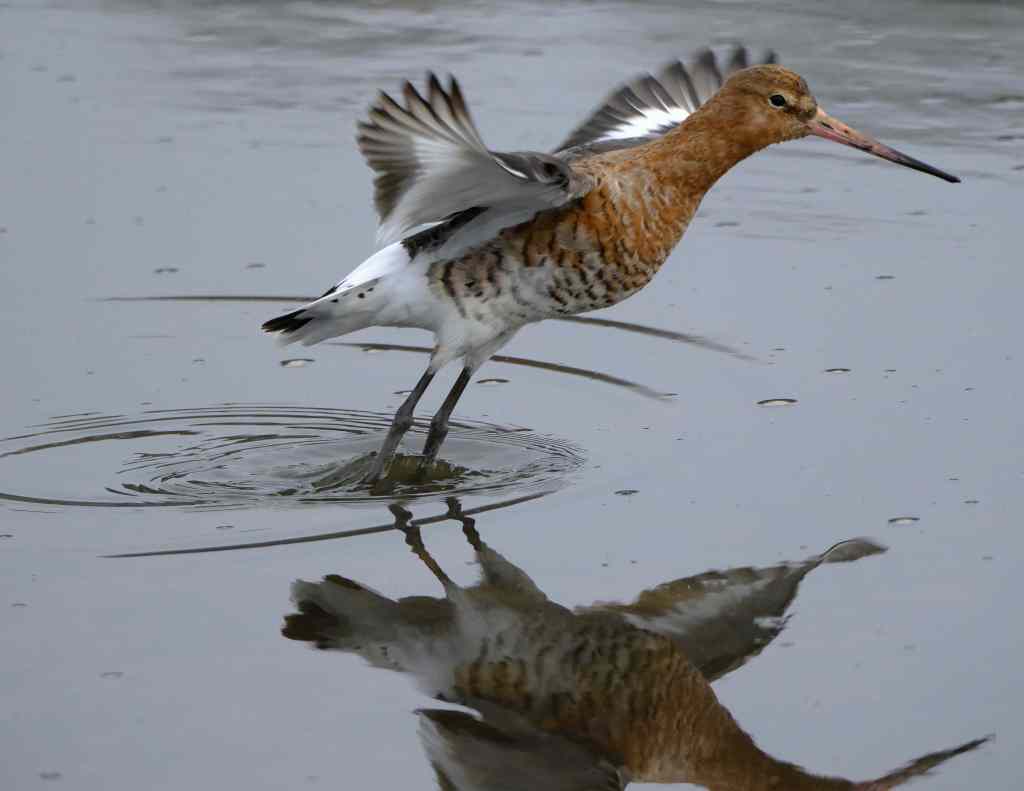
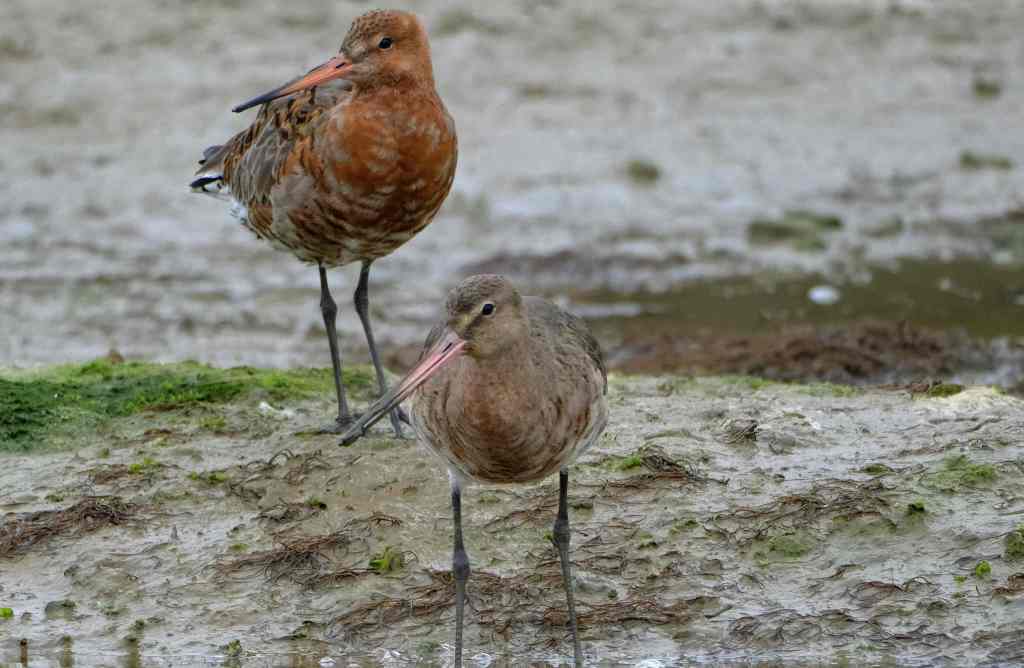
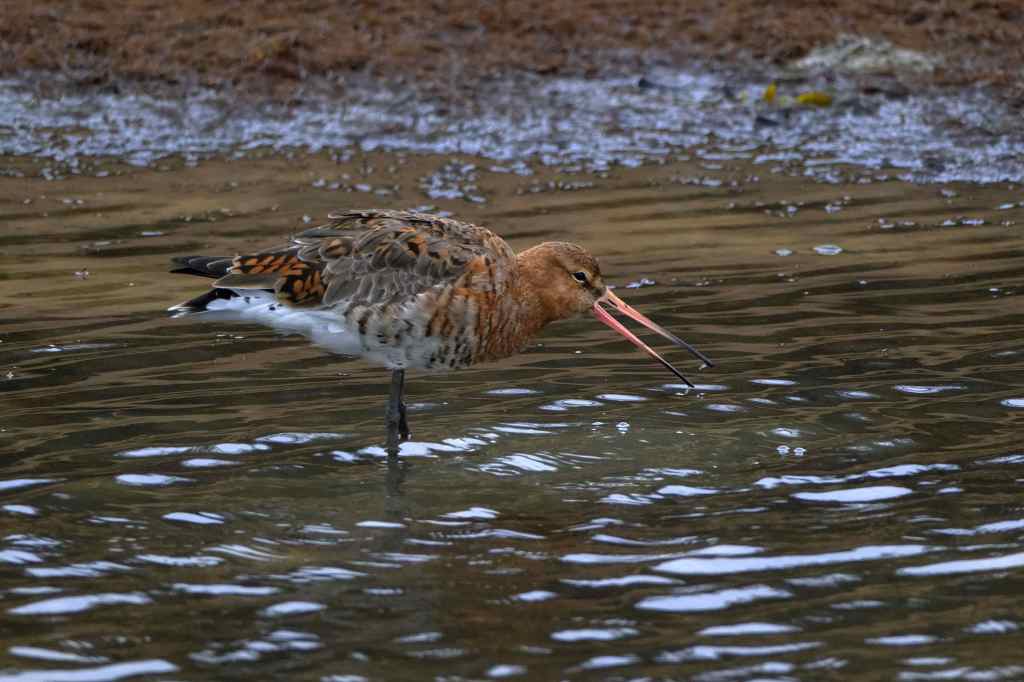
Black-tailed Godwits – these are a large wader they are a Schedule 1 species. In summer, they have bright orangey-brown chests and bellies, while in winter they’re more greyish-brown. The 1st picture shows how camouflaged these birds are despite appearing very colourful.


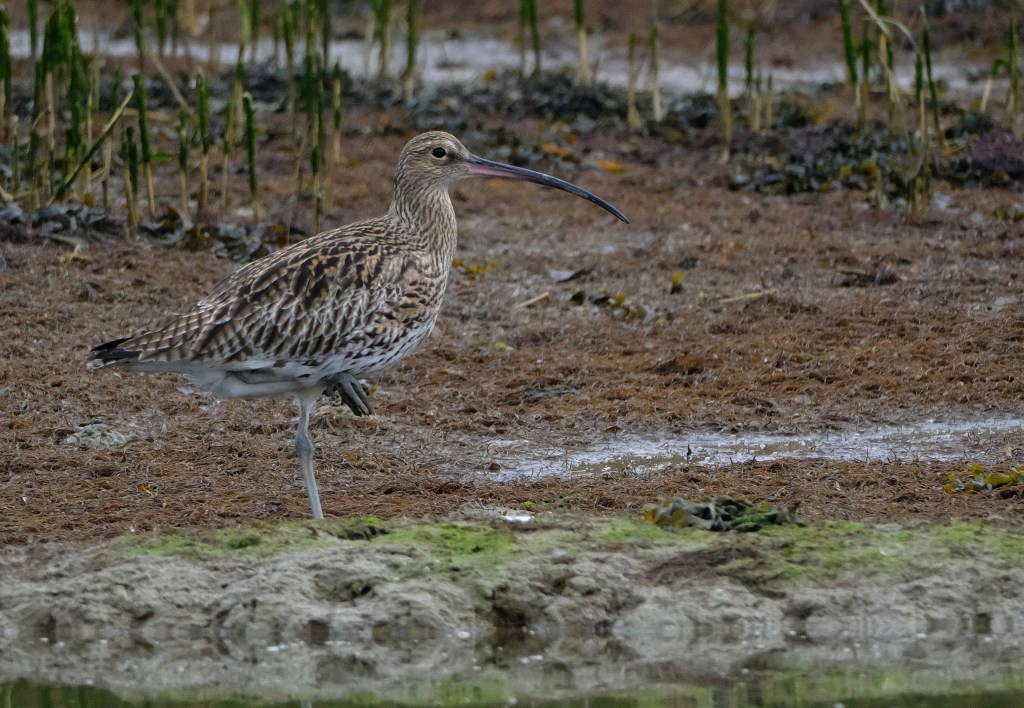
Curlew are another large Wader and in fact, is the largest European wading bird they are similar to the Brent goose in size.

Wordless Wednesday.





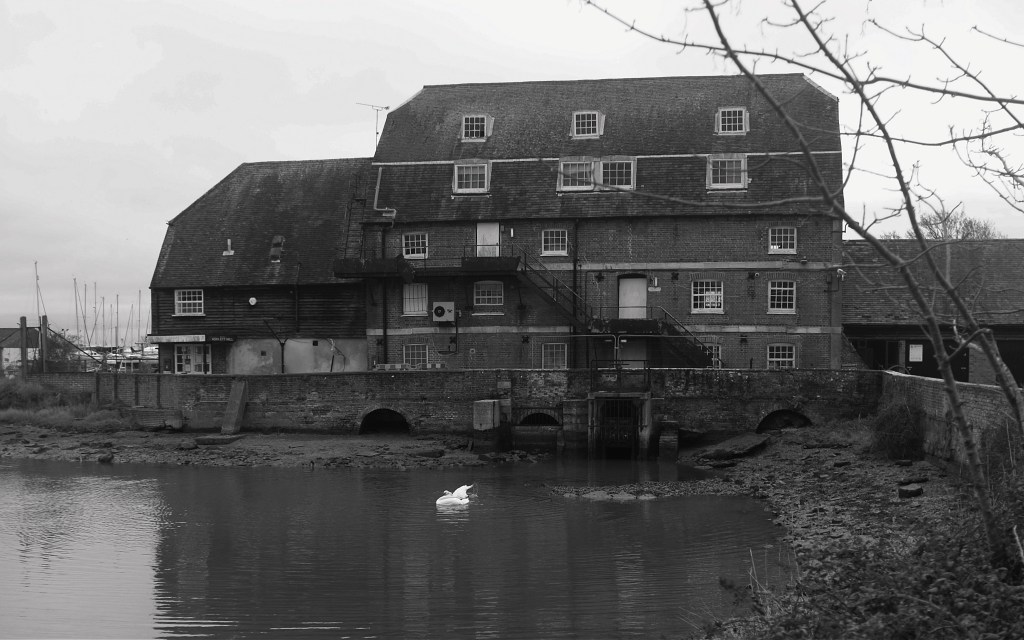
A Little Egret in the Mill Pond at Ashlett Mill on Southampton Water.

 Continued Reflections from my World.