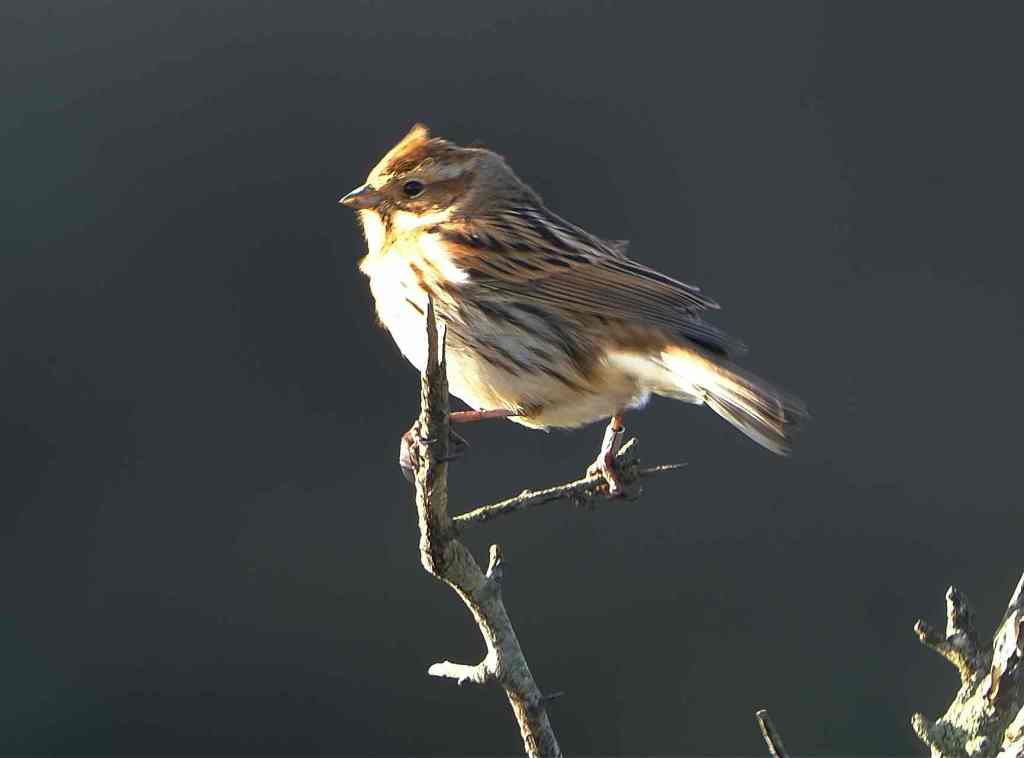
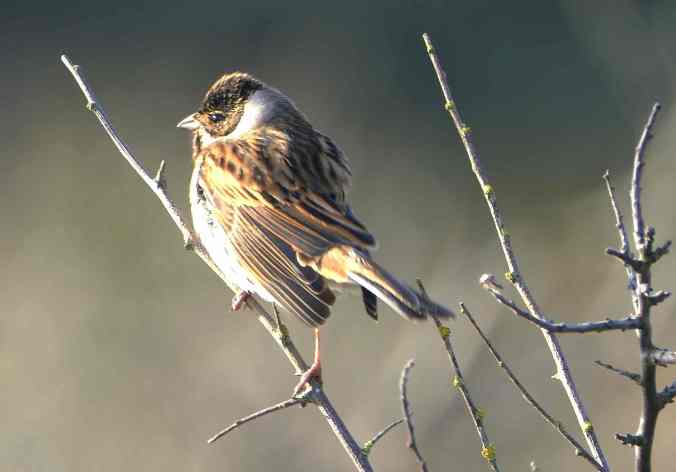
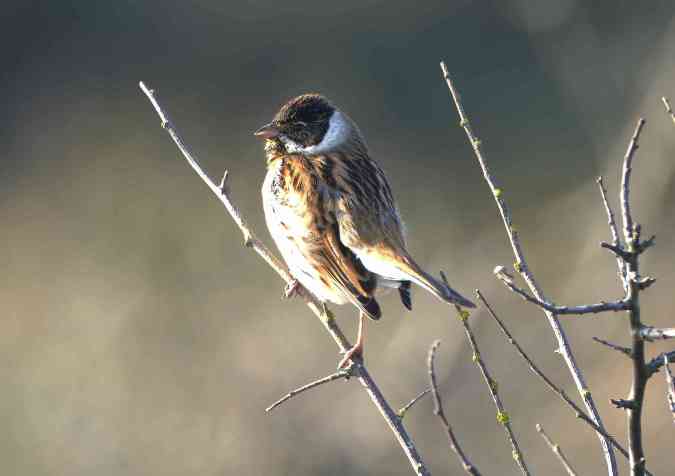
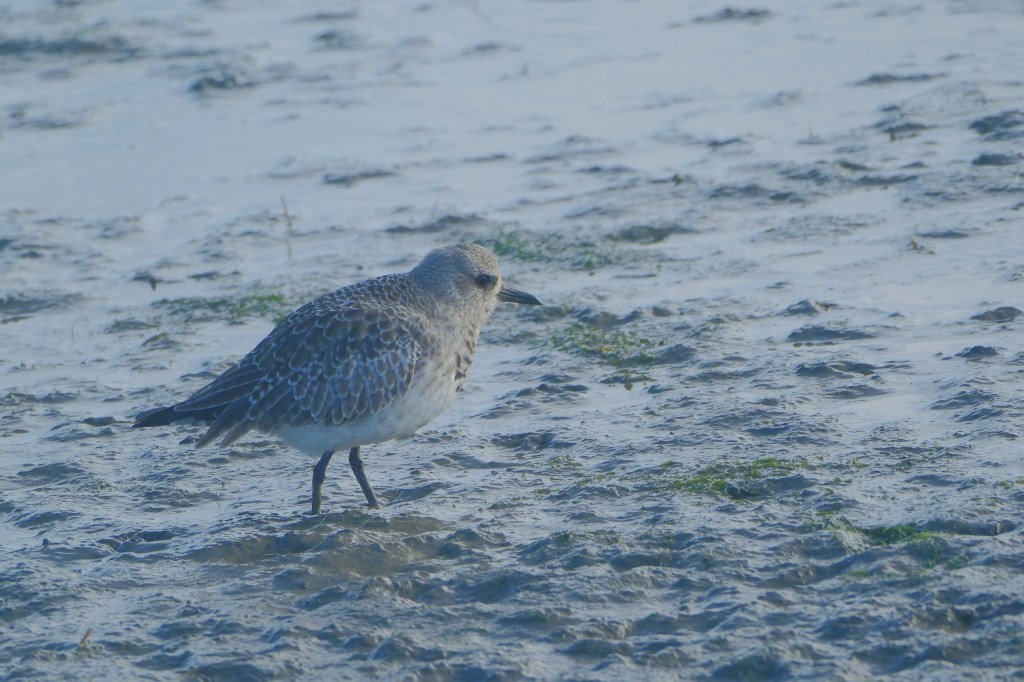
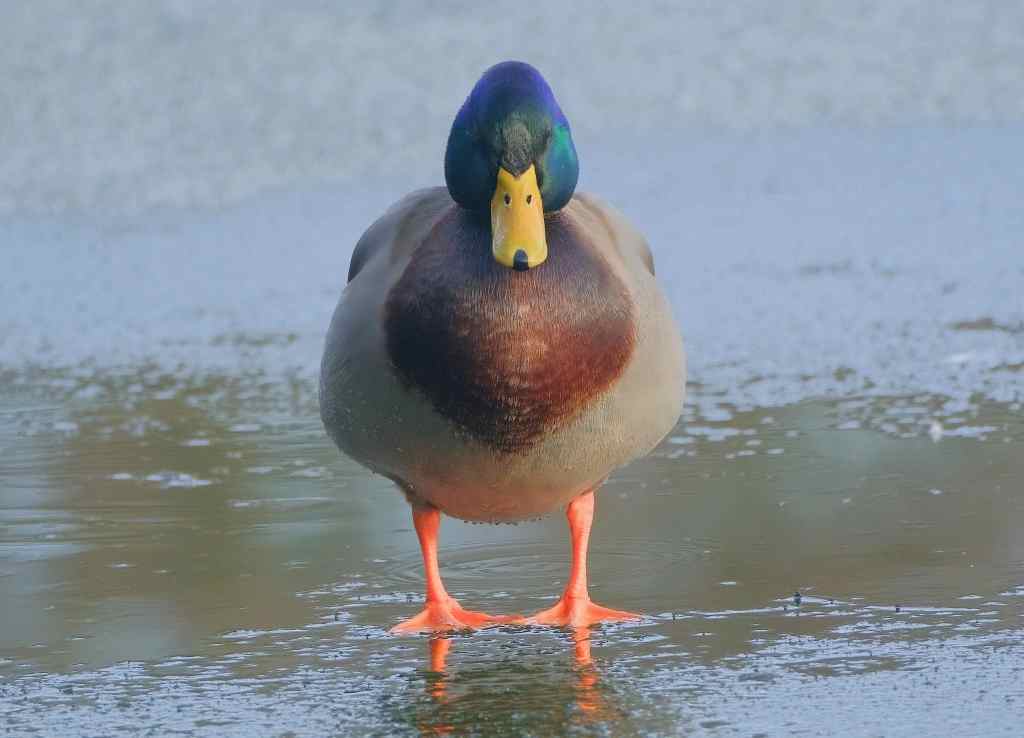
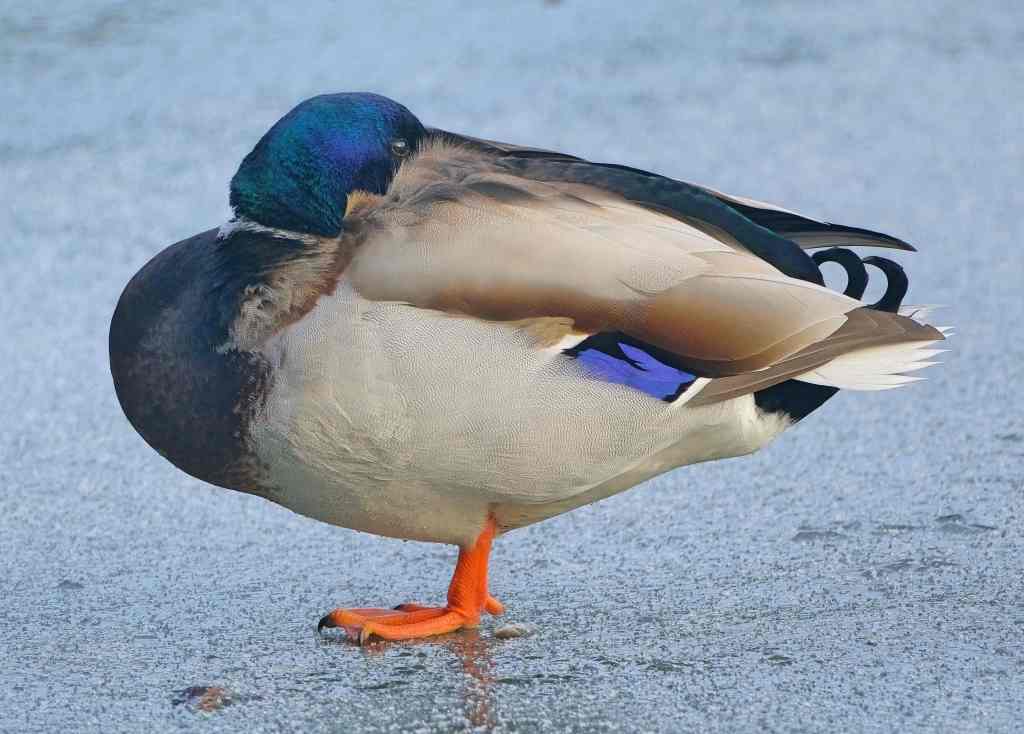
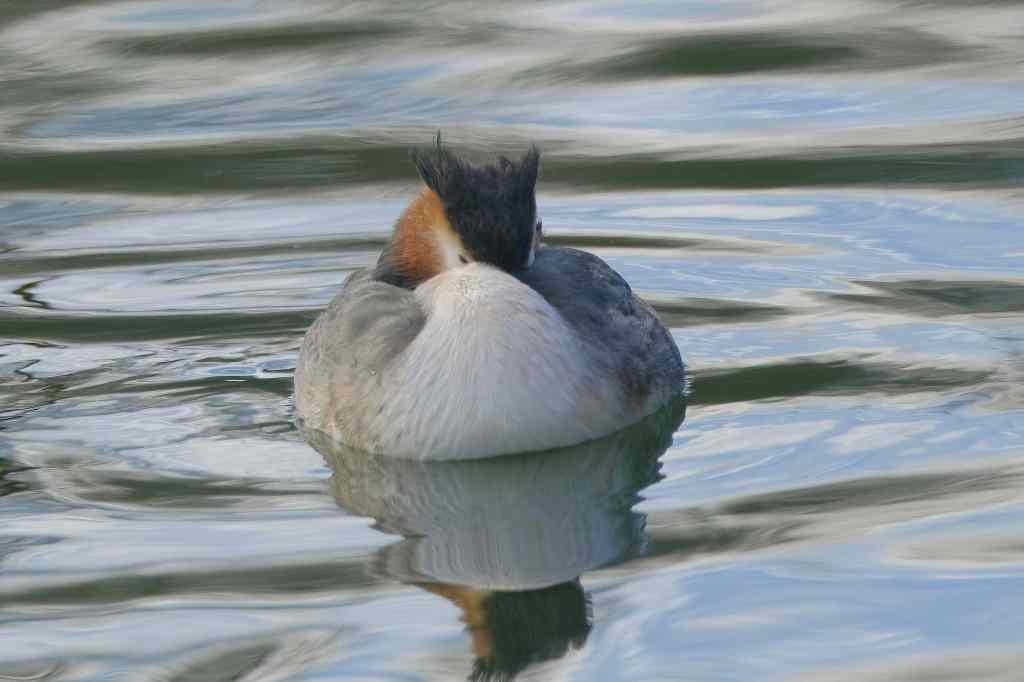
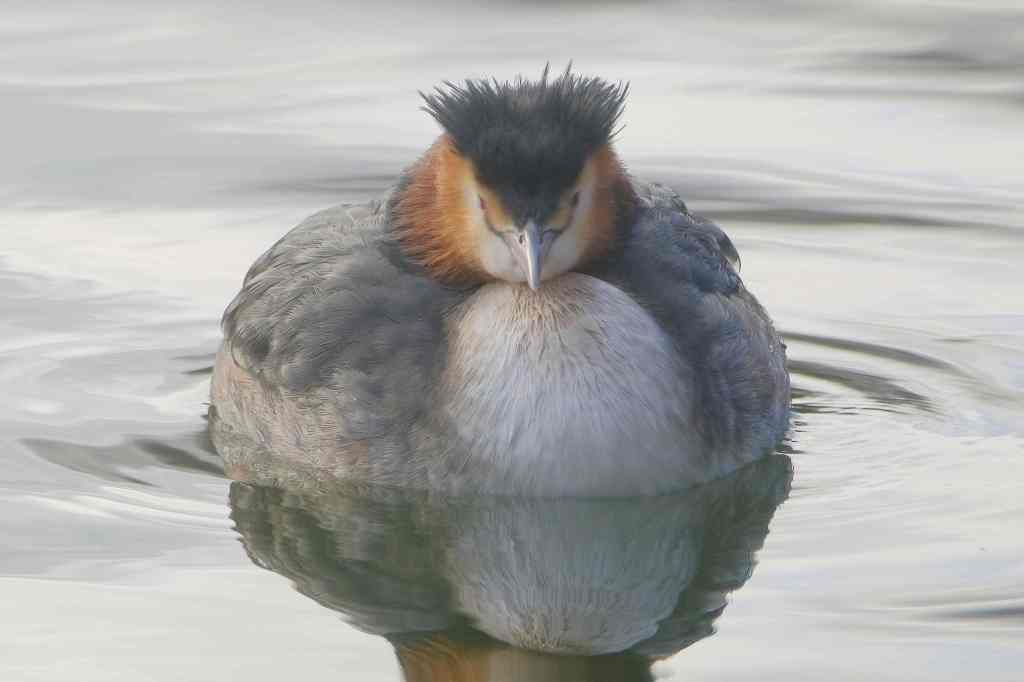
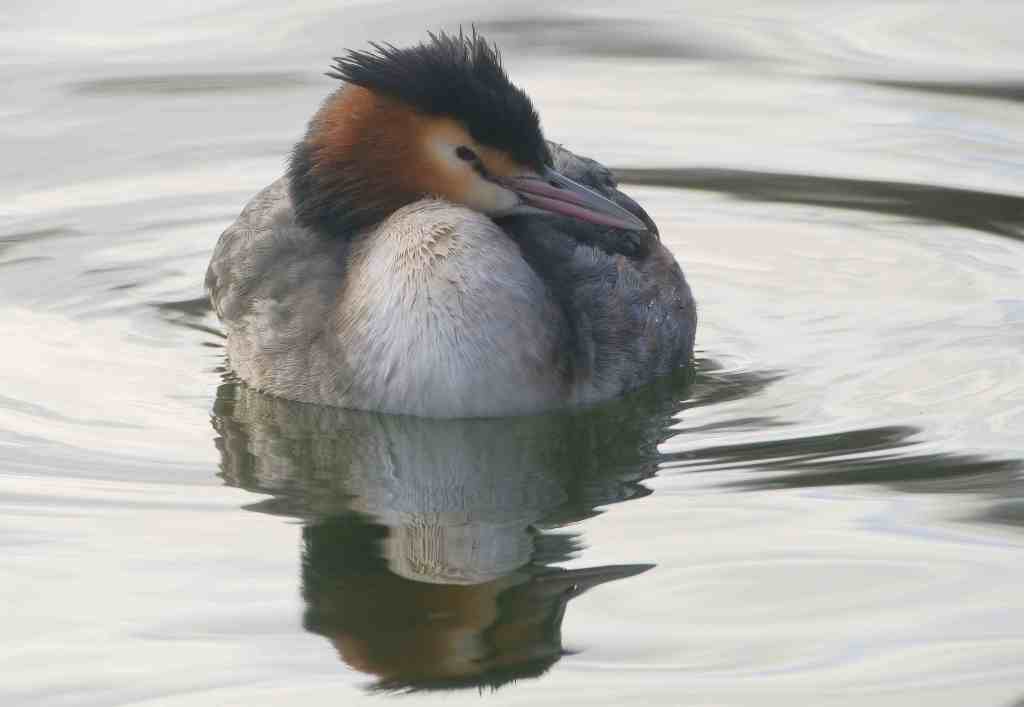
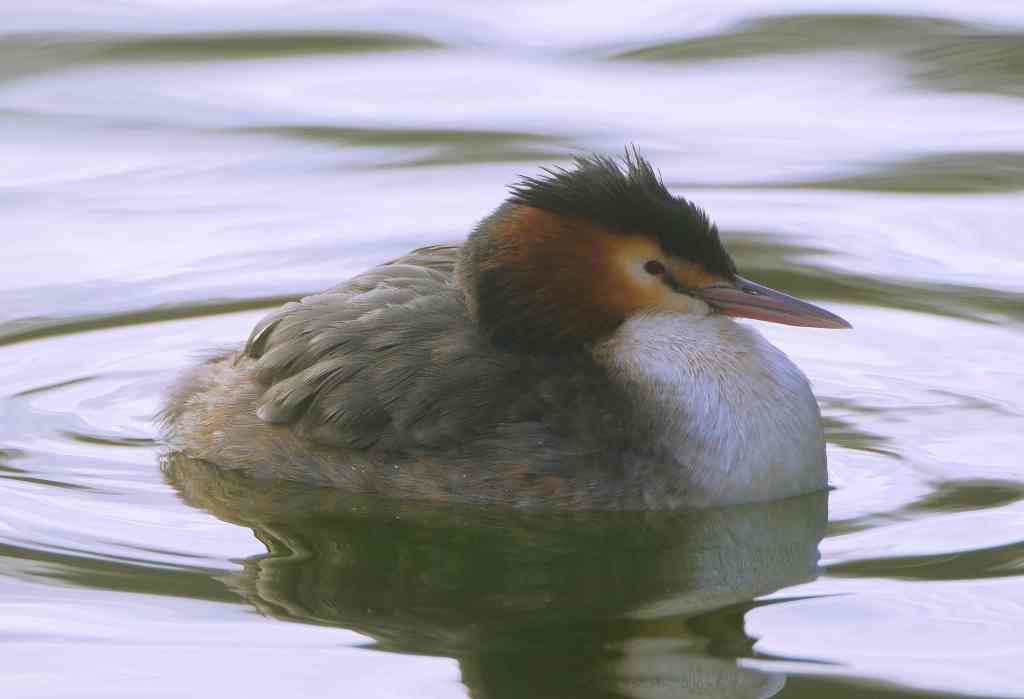
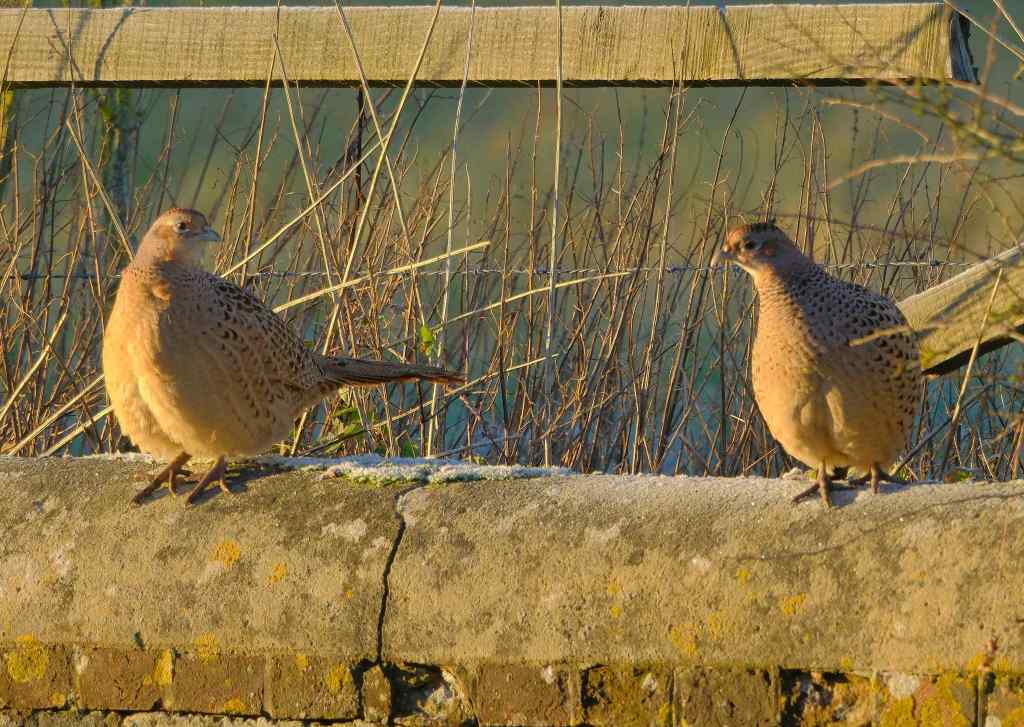
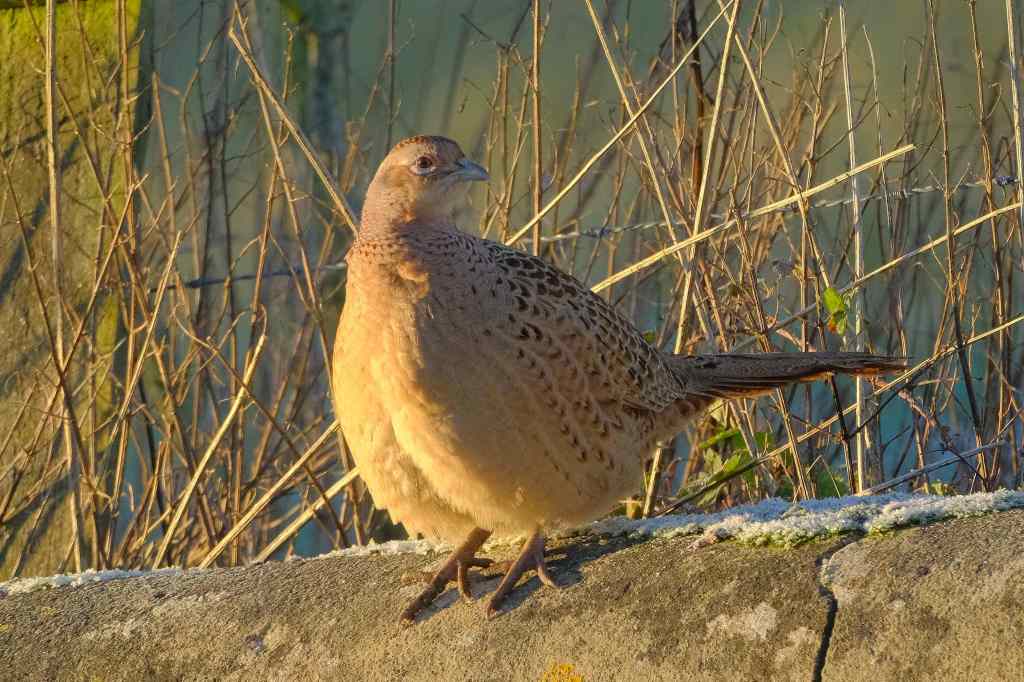
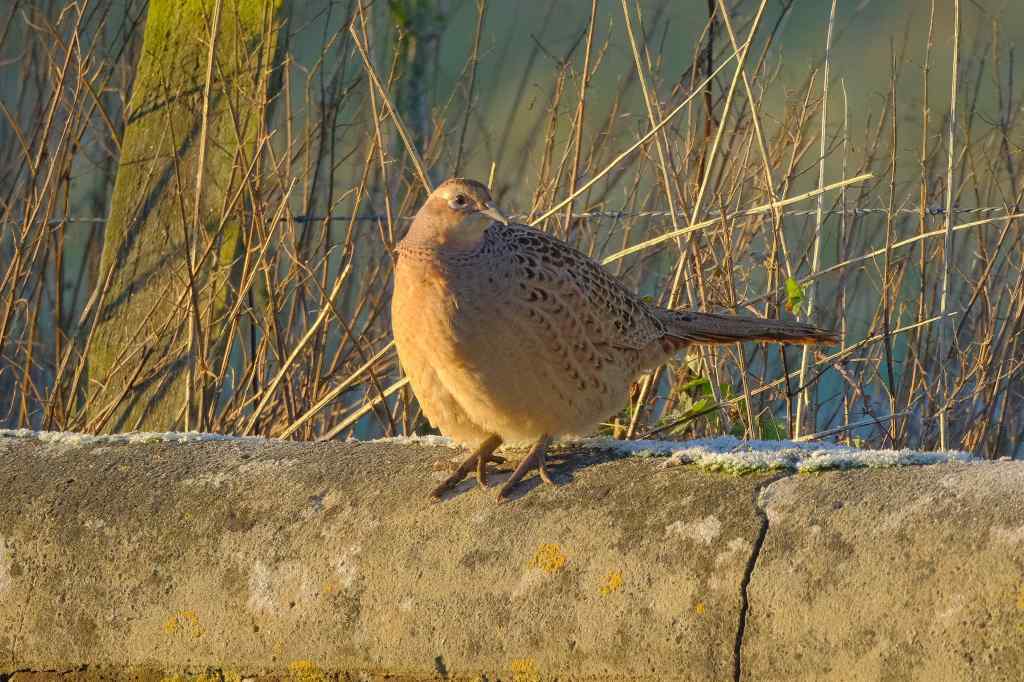
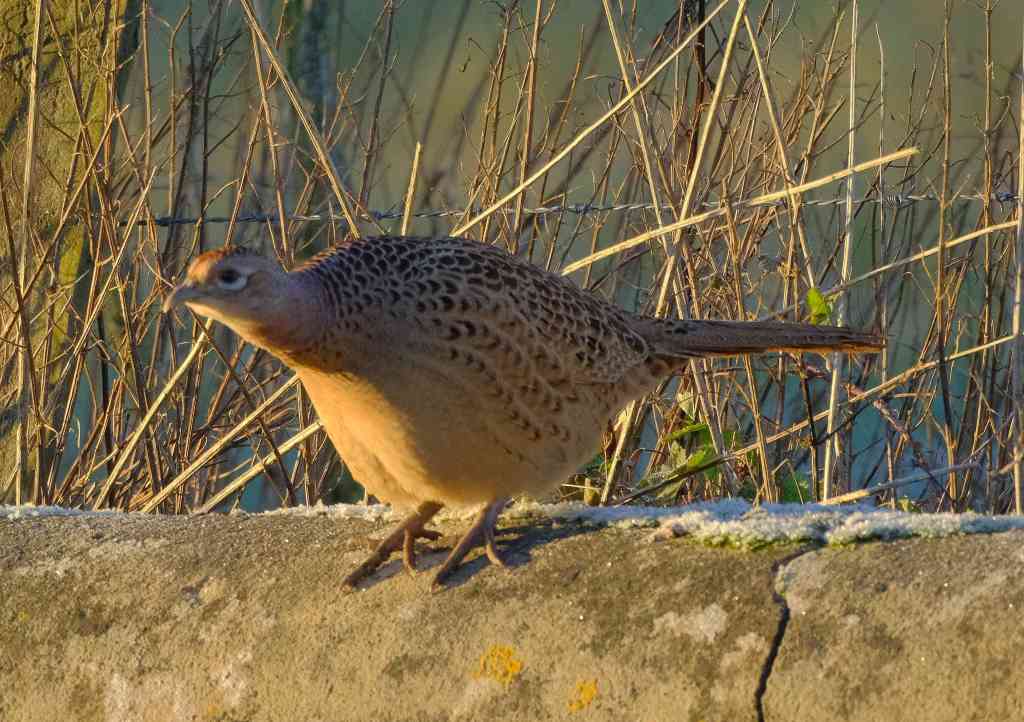
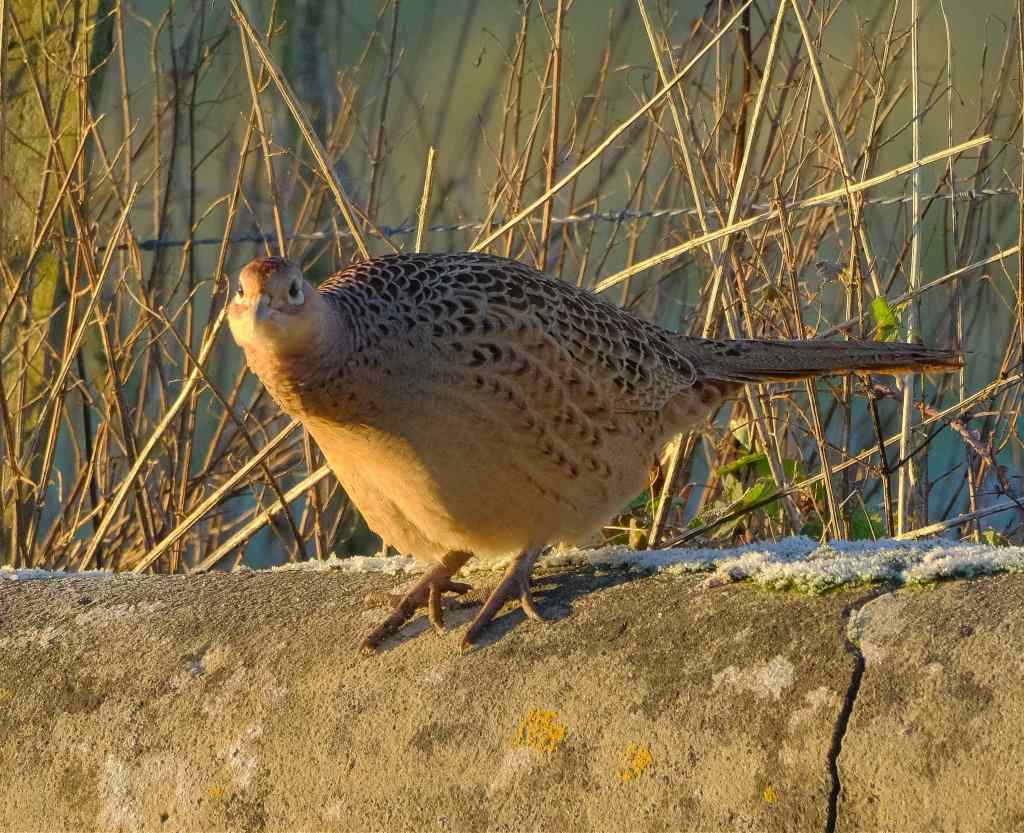
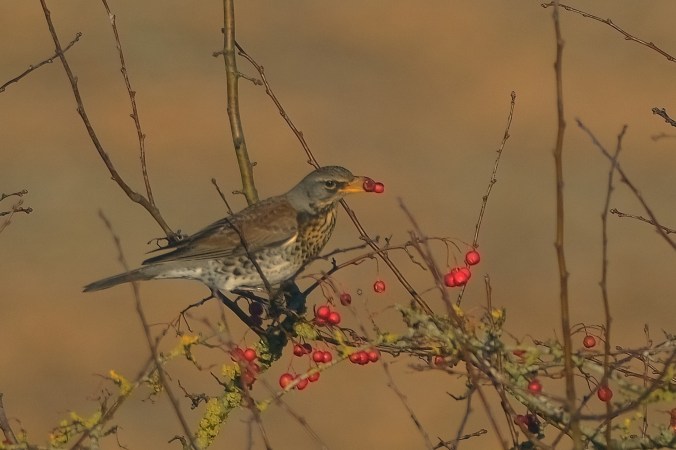
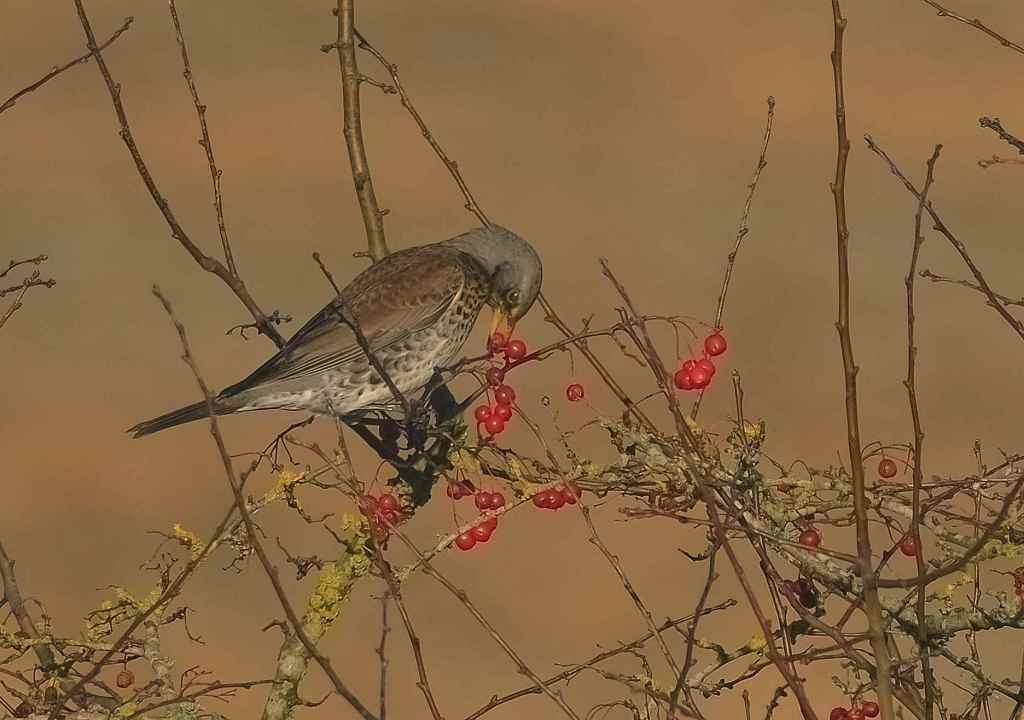
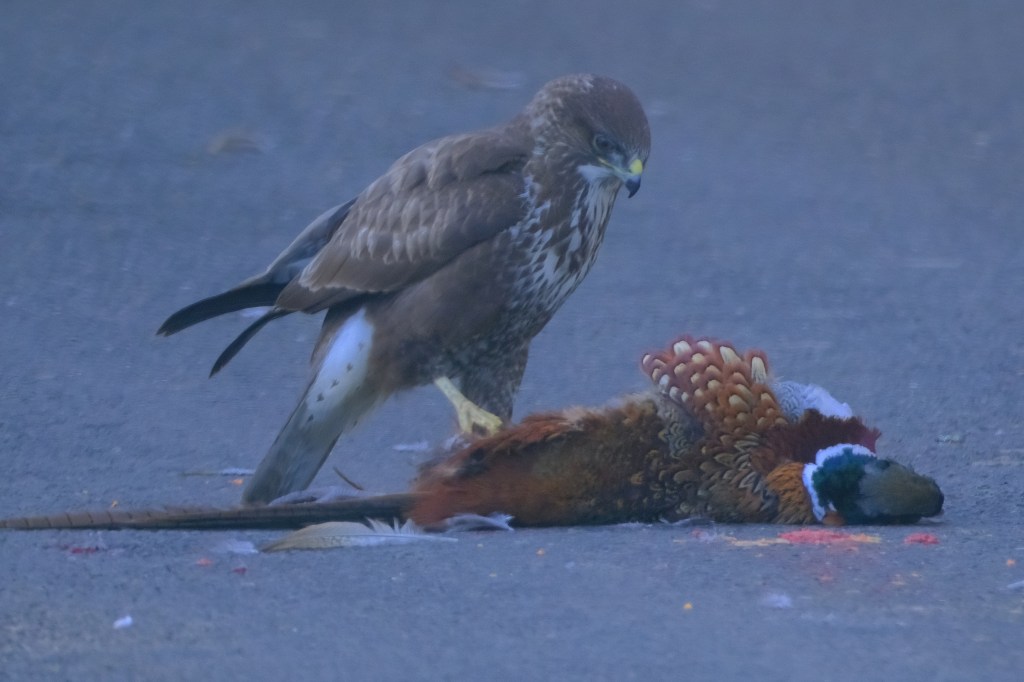
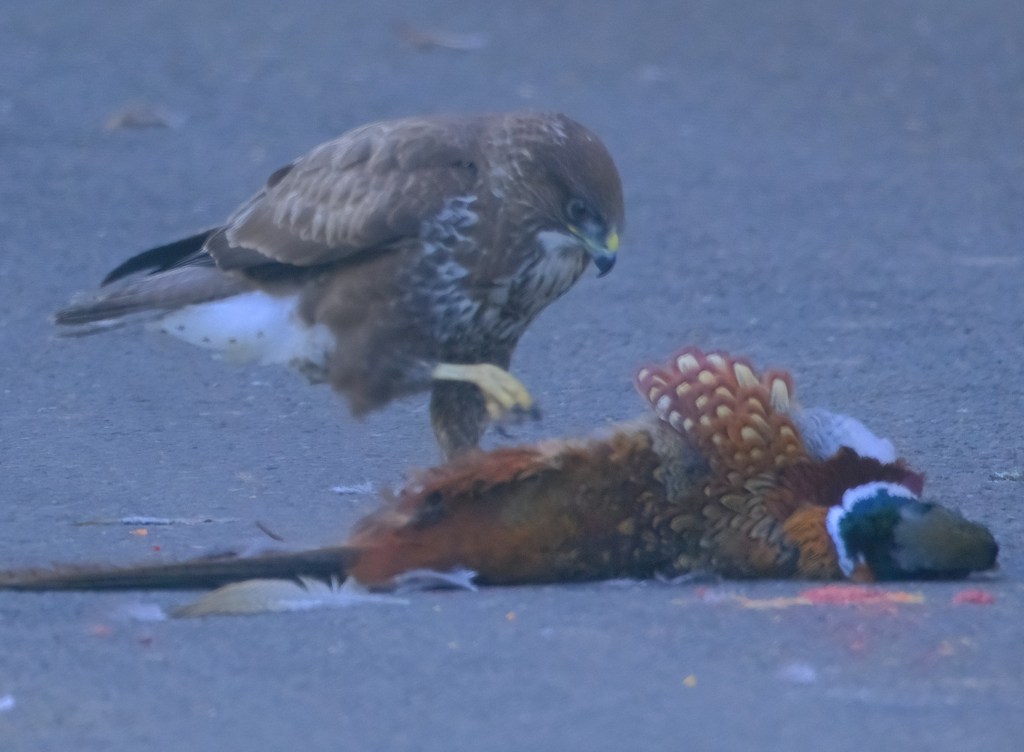
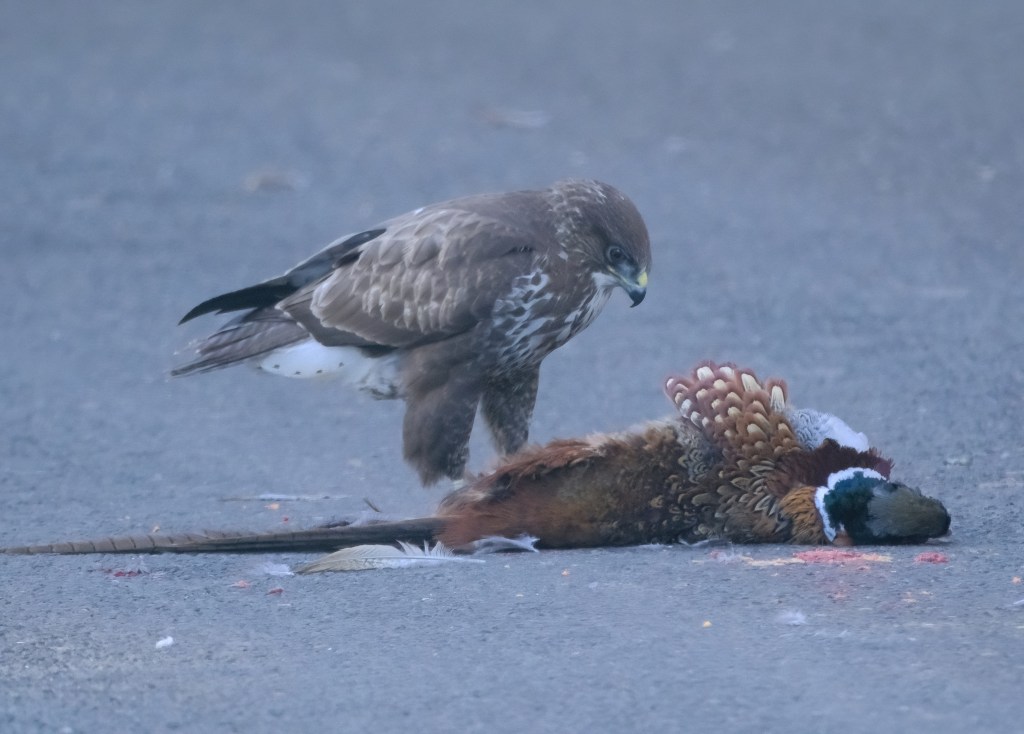
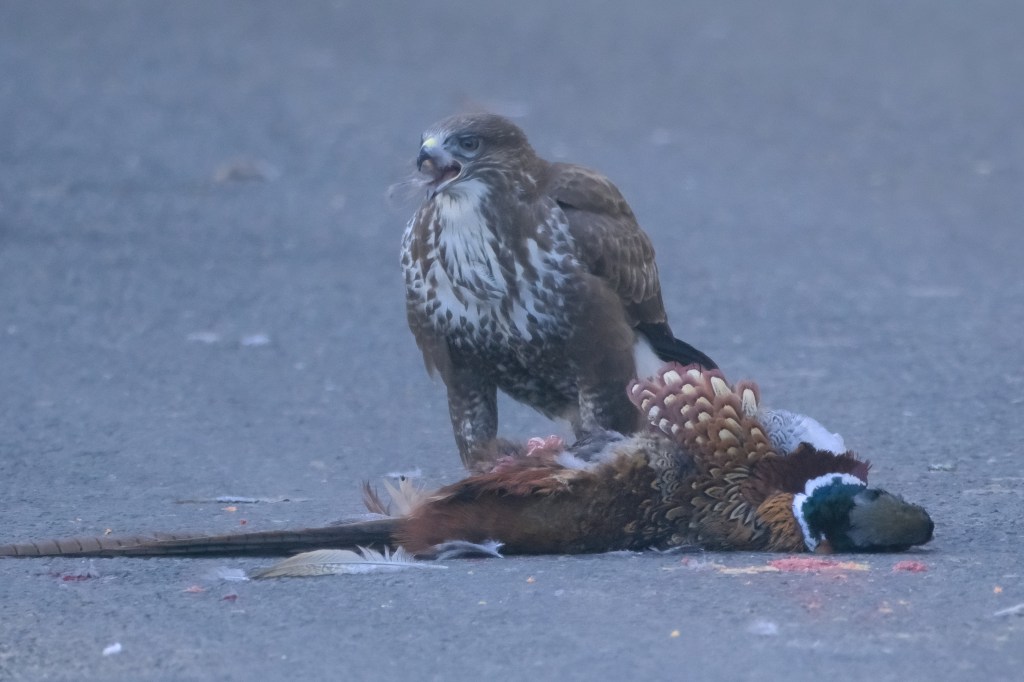
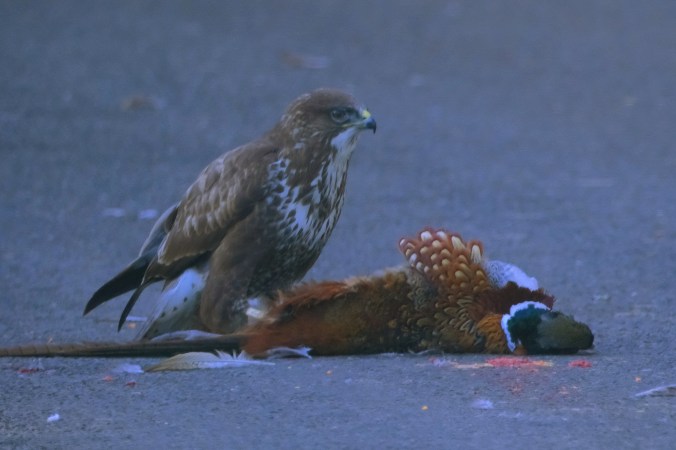
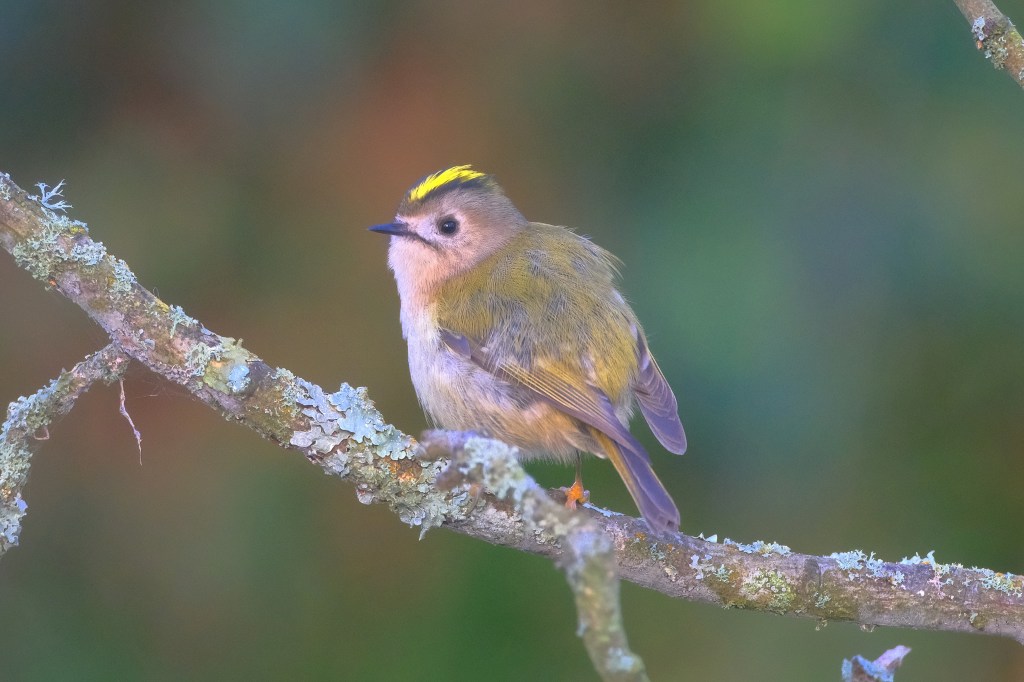
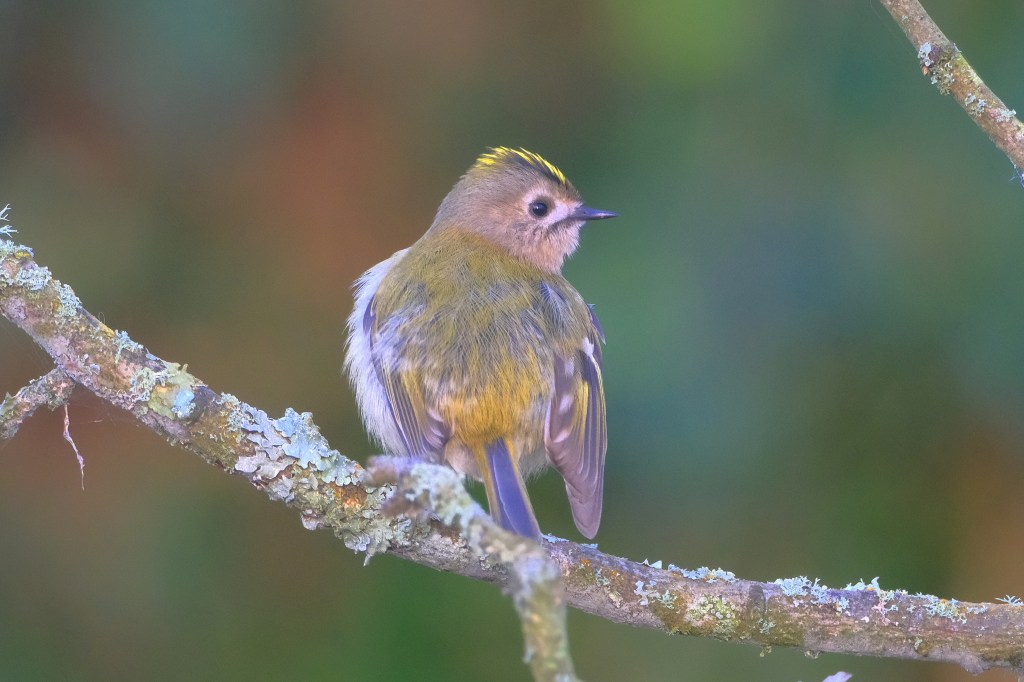
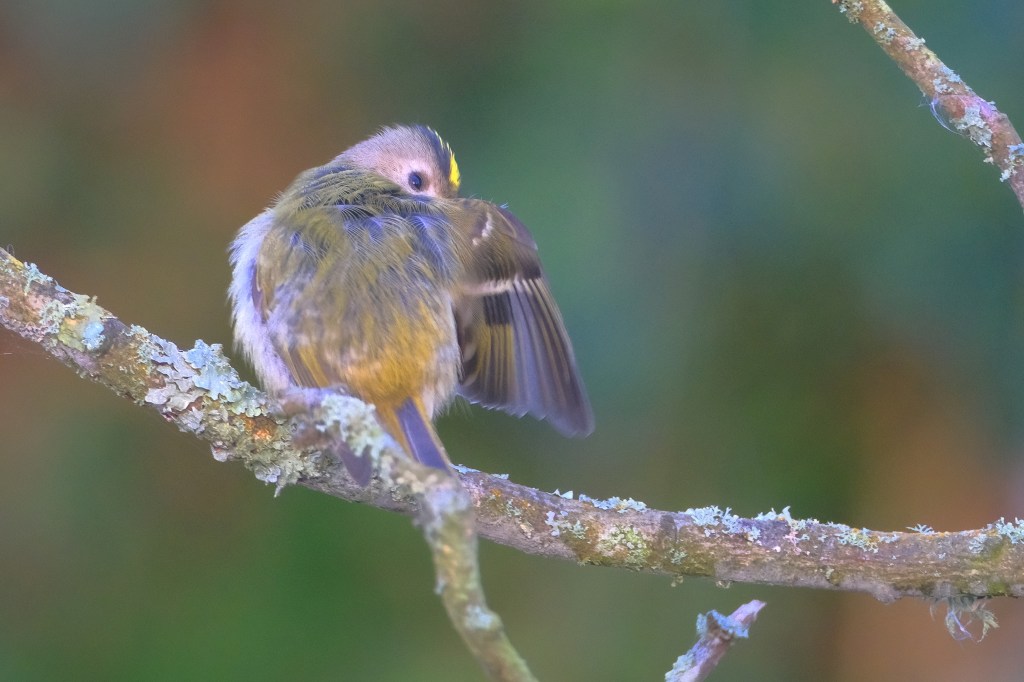
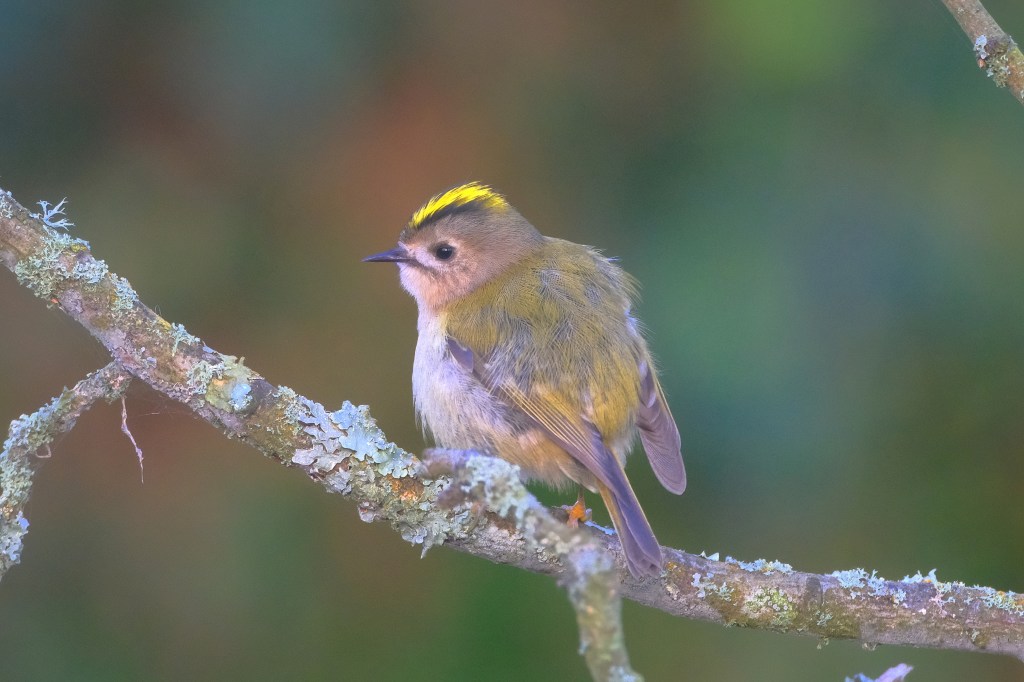
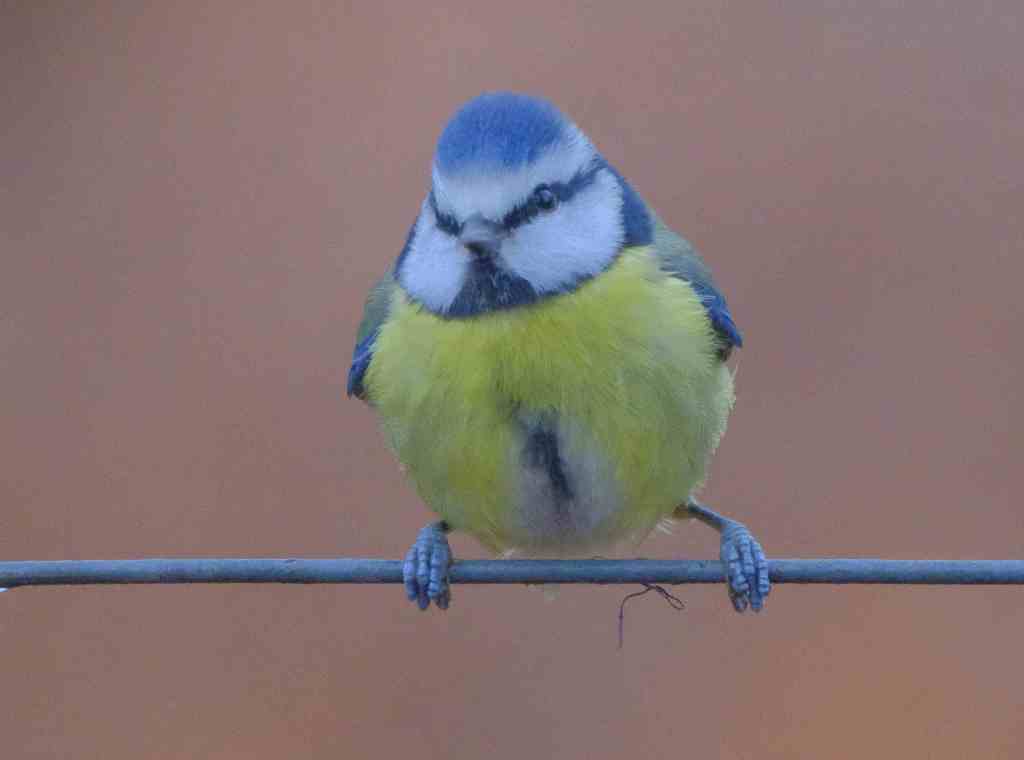
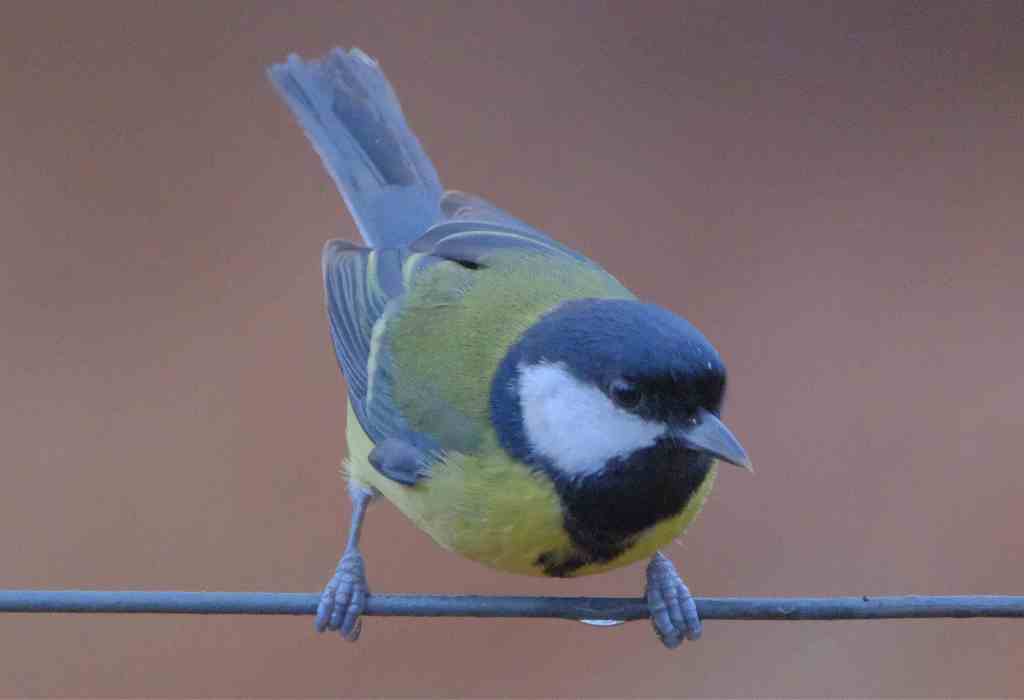
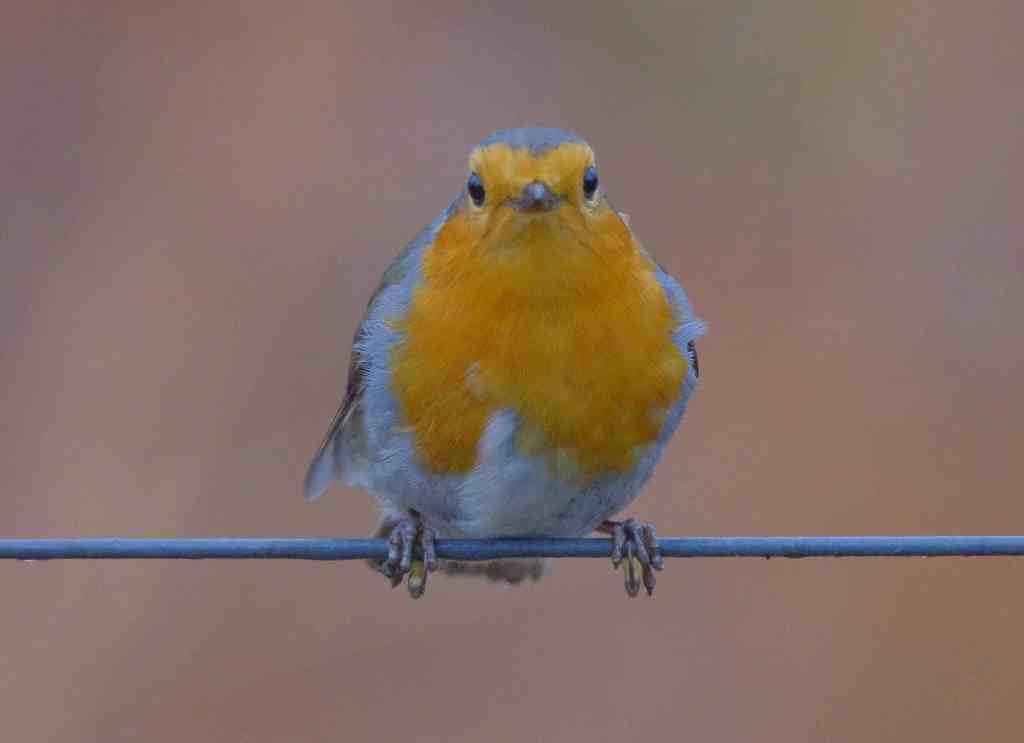
Some different birds.

More from the Raptor Centre.

Striated Caracara, this bird is a bird of prey, but it spends a lot of time on the ground. They are native to parts of South America and the Falkland Islands.
Kookaburra. These birds are the largest members of the Kingfisher family. They are native to eastern Australia. They eat insects, reptiles, snakes and small mammals.

Raptor Centre.

Photo-heavy post.

Something a little different today, we spent the day at a local Raptor centre. So all photographs are captive birds.

https://www.libertyscentre.co.uk/about-us

Great Grey Owl.   This Owl is the world’s largest species of owl by length. It is distributed across the Northern Hemisphere. The wingspan can exceed 5 ft, They breed in North America.

A smaller Owl, although not much smaller, is the Siberian Eagle Owl. However, they have a wingspan of 6ft.

One of our native Owls is the Barn Owl. Tiny compared to the 2 previous birds, the Barn Owl has a wingspan just over 2 & half feet. Normally, I have to get up at 05:00 hours to watch our local birds!

Harris Hawk.  They are native to the Americas. However, they are a popular species in falconry and are often used for pest control in the UK,

Hazzard, Hazzards are a very rare hybrid of a Buzzard and a Harris Hawk.

Golden Eagle. I have only ever seen a pair of Golden Eagles once in the Highlands at some distance away, so it was a treat to see this bird today. With a wingspan of nearly 7ft, they are a big bird.

Glossy Ibis.

I have been seeing one or two Glossy Ibis at Titchfield Haven Nature Reserve for a couple of weeks. Today, I was able to get some pictures as they came closer to where I was watching from.

Looking at reports on the news and online, there has been a huge influx of Glossy Ibis across Britain and Ireland, with large flocks appearing across a wide area.

The arrival breaks all modern records for the species, which has been increasing across Western Europe in recent years. They bred in Britain for the first time in 2022.

In early September, a minimum of 605 Ibis were recorded across Britain and Ireland.

Sunday.

An early morning start to look for Barn Owls, but no luck this time. This area had been a good place in the past, but not this week. A good number of Red Kites were taking advantage of the views from the high electricity cables.

Boats, Dog Walkers, Joggers & Birdwatchers.

A Sunday morning walk up the Hamble River from Warsash, with the tide coming in, and some good views of waders.

The well-made-up footpath is a Sunday morning favourite for many from Joggers, walkers, dog walkers and cyclists. The cafe in the boat yard at each end of the walk does a good trade in cakes and coffees. As the tide comes in, many waders move closer to the path and seem not too bothered by the people hurrying along the path. For bird watches, this gives us a chance to get some close views of birds that may normally be far off on the tide line.

Curlew. The Curlew is the largest European wading bird, found on estuaries in winter and moors in summer. 

Little Egret. 5 or so Little Egrets were along our walk today, a bird 1st recorded in the UK in 1989. Today, over 600 pairs breed and 4500 winter here. I still recall when they were a rare sight.

A Greenshank with a Spotted Redshank in winter plumage, fishing for small invertebrates.

Cormorants drying their wings.- As their wings are less waterproof than other waterbirds, they are often seen drying their wings.

Flycatcher.

This year has been the best year I can remember for Spotted Flycatchers in the New Forest. Almost on every walk, I see at least one. I think this year, the number of young birds that have fledged has helped boost the numbers on several occasions. I have seen family groups of at least 6

birds.

Hide in a hide!

Heavy rain continues, and the forecast predicts ongoing showers most of the day, so the advantage at Titchfield Haven is that you can dodge the showers and keep dry in the bird hides.

Finally spotted a Kingfisher, although some 60 metres away, they have been avoiding me for the past couple of months.

Another first for me and a rare sighting in the UK. A very distant Grey Phalarope.

An Arctic-breeding wader that sometimes arrives on UK coasts after storms. Under 200 birds are seen each year.

I also saw a Ruff, one of two that are at the Haven at the moment, now in their winter plumage; they are still a good-looking wader.

Below is a post showing the Ruff in summer plumage.https://skylid.travel.blog/2025/06/17/ruff/

Ruff’s are a member of the sandpiper family – some Common Sandpiper were also at the Haven this morning.

From a Hide.

This morning, I made an early start with the aim of spotting some Kingfishers from one of the hides at Titchfield Haven. There are several well-placed posts which are often frequented by Kingfishers.

As nothing goes to plan, there was not a Kingfisher in sight. However, a Sparrowhawk decided to land on one post. Then, within a few minutes of the Hawk leaving, a Little Egret landed on another of the posts.