Our commonest native goose, the greylag. They are found around gravel pits, lakes and reservoirs all year round in southern Britain. These tend to be semi-tame birds. The native birds and wintering flocks found in Scotland these truly wild geese.
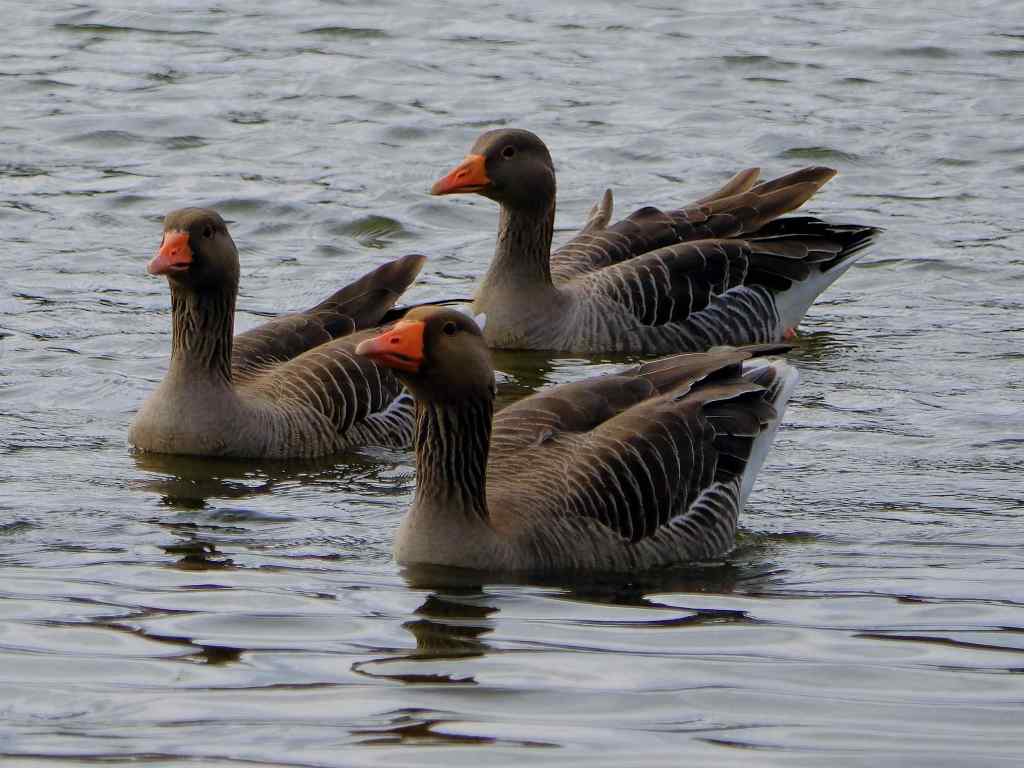

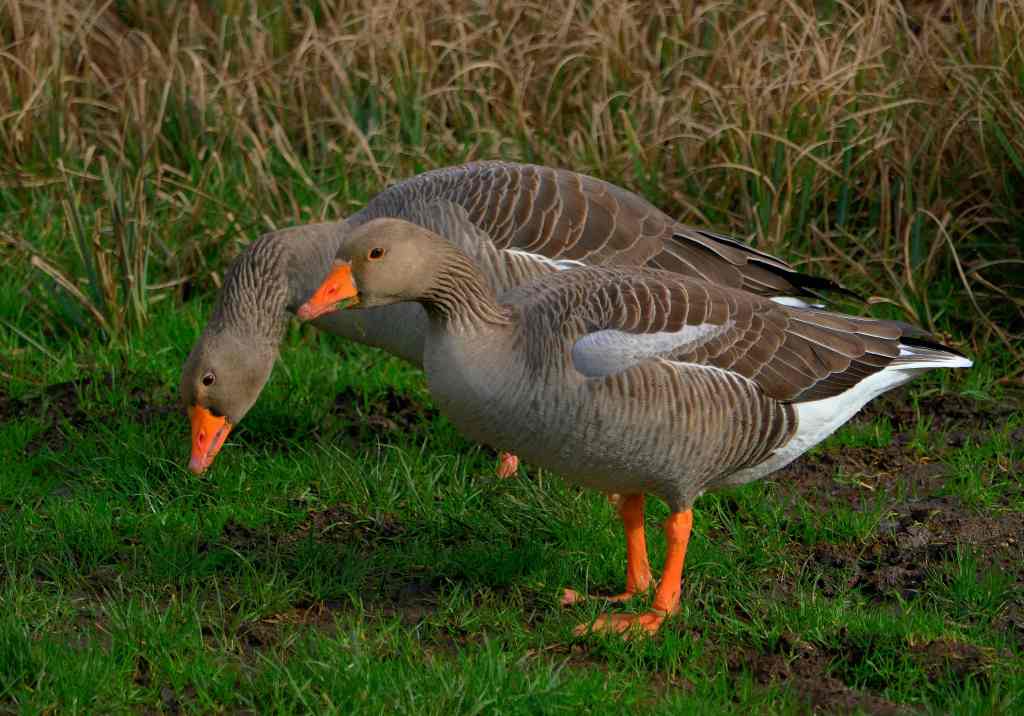
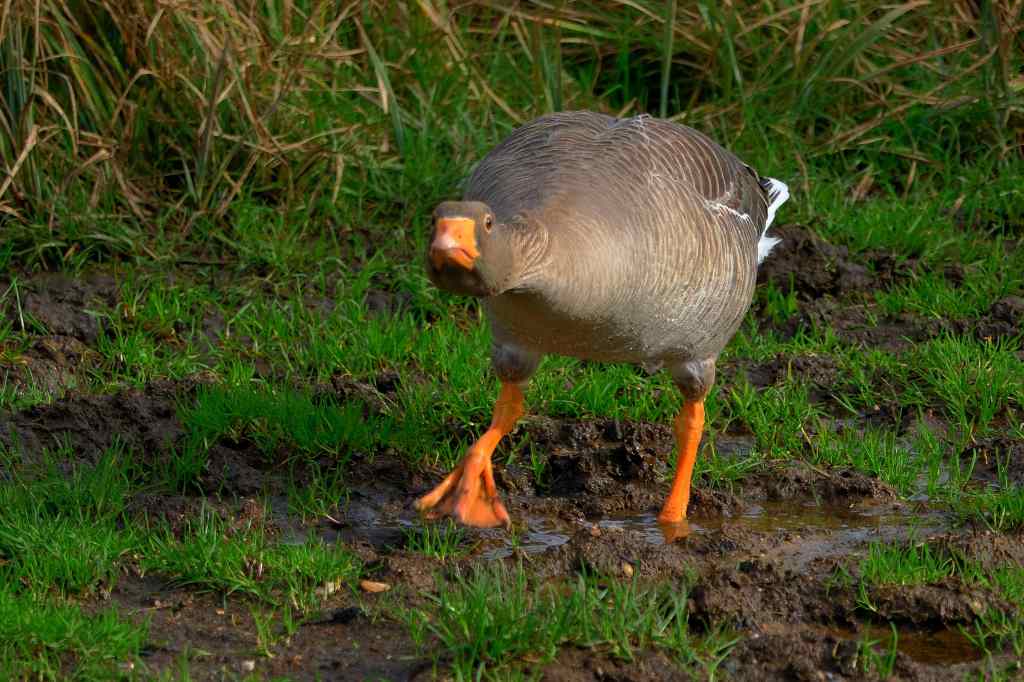

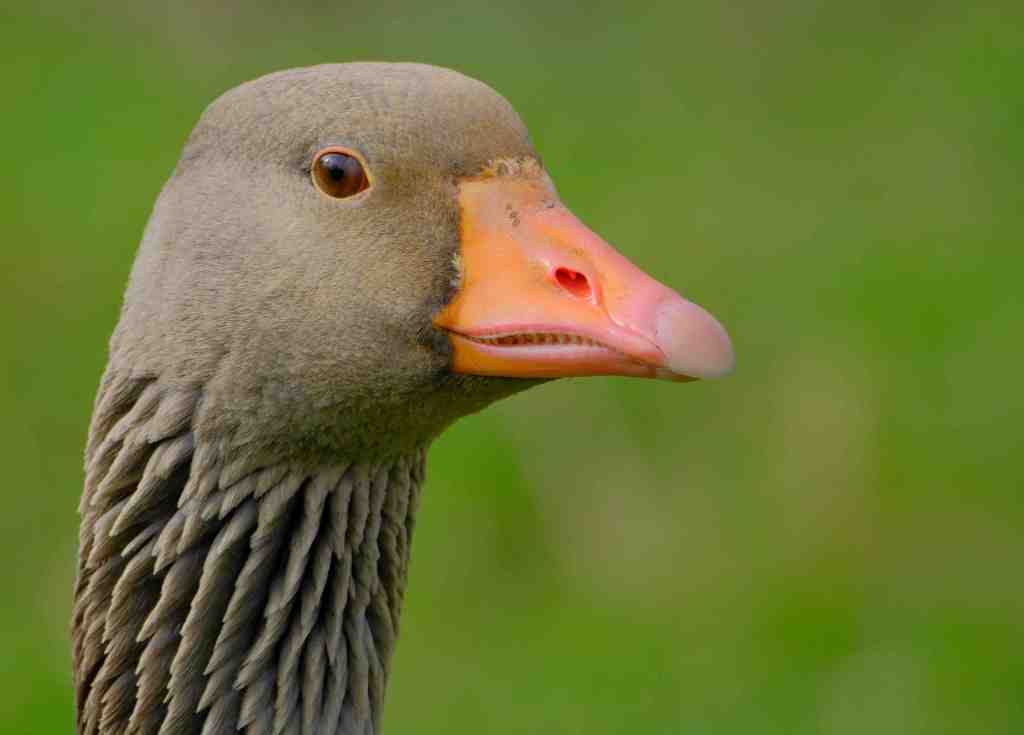
Our commonest native goose, the greylag. They are found around gravel pits, lakes and reservoirs all year round in southern Britain. These tend to be semi-tame birds. The native birds and wintering flocks found in Scotland these truly wild geese.
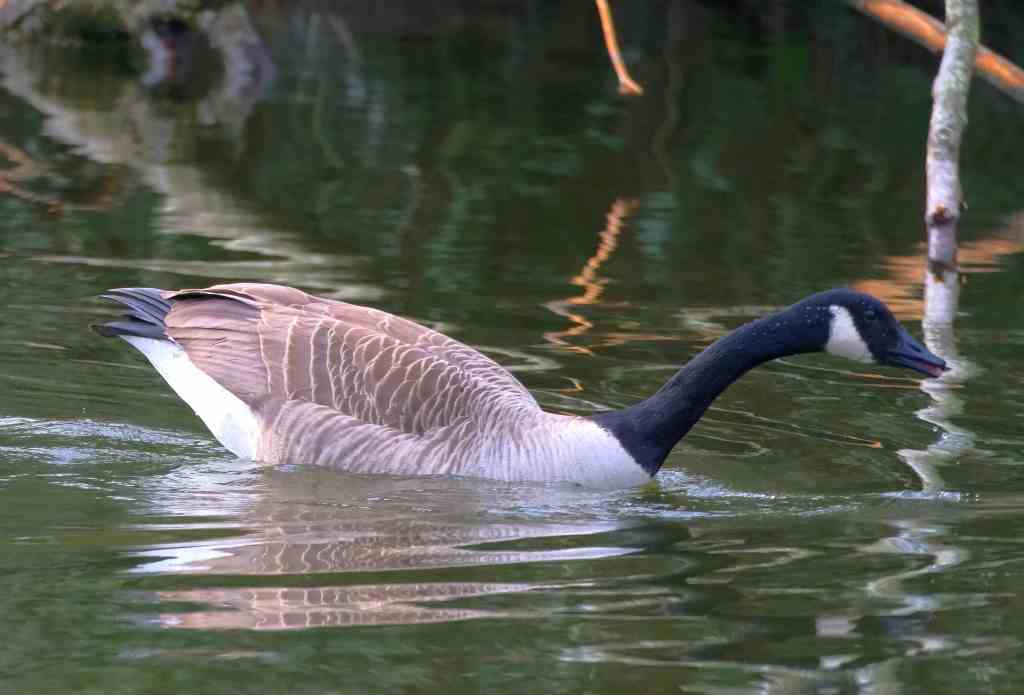
Canada Goose making a flap.


“So should we find a nest hole?”

” Well, I saw one over there”. “So let’s take a look”.

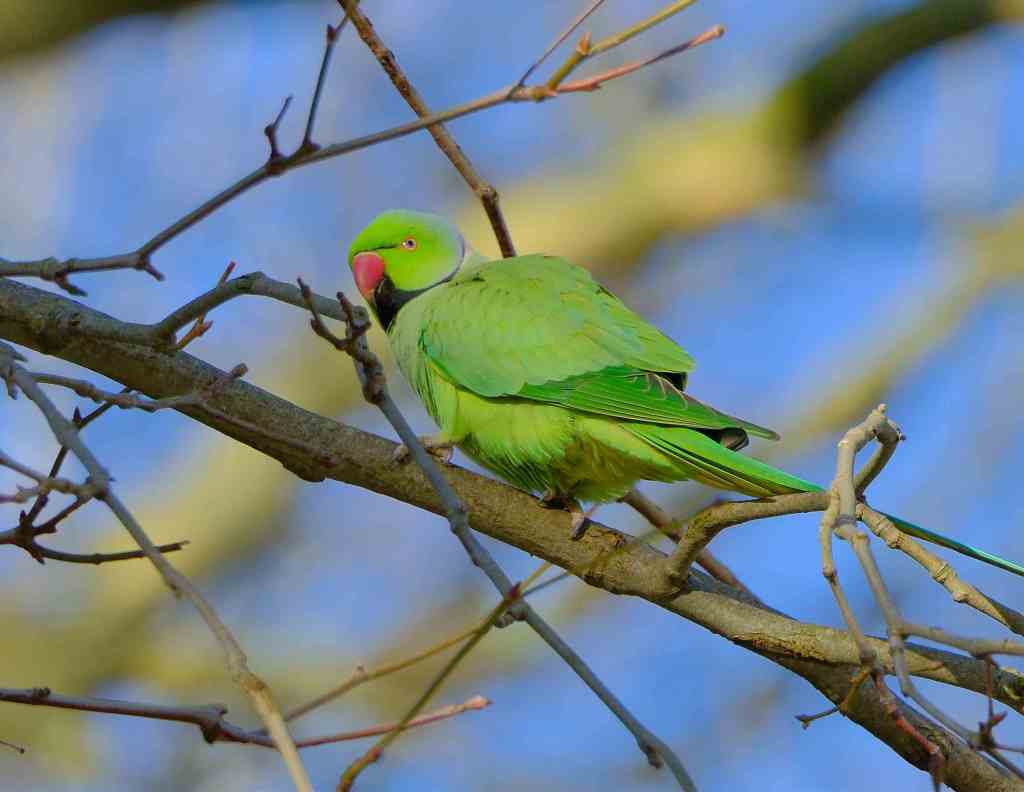
With the sun out I thought it was a good morning to make a visit to take a look at the local Ringed-necked parakeets to see if they were looking for nest holes.
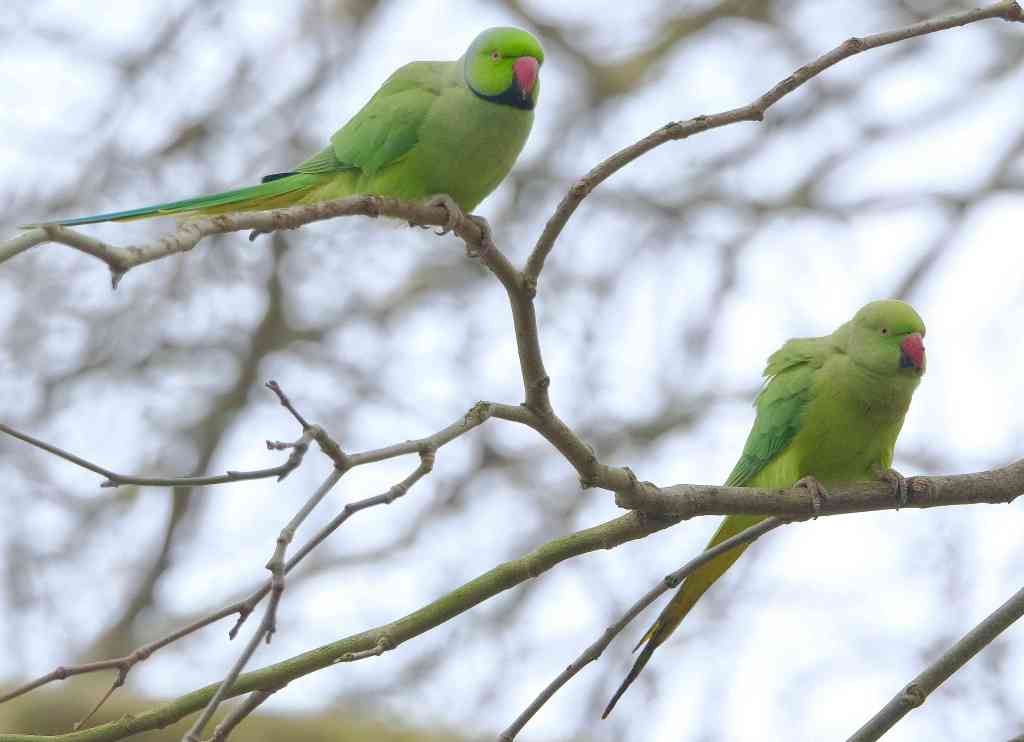
The birds had found a hole which they were checking out. The male bird watched on as the female checked out the hole. ( the male parakeet has the neckband).


I hope this will be the chosen hole to nest in as I will be able to monitor it during the nesting season.



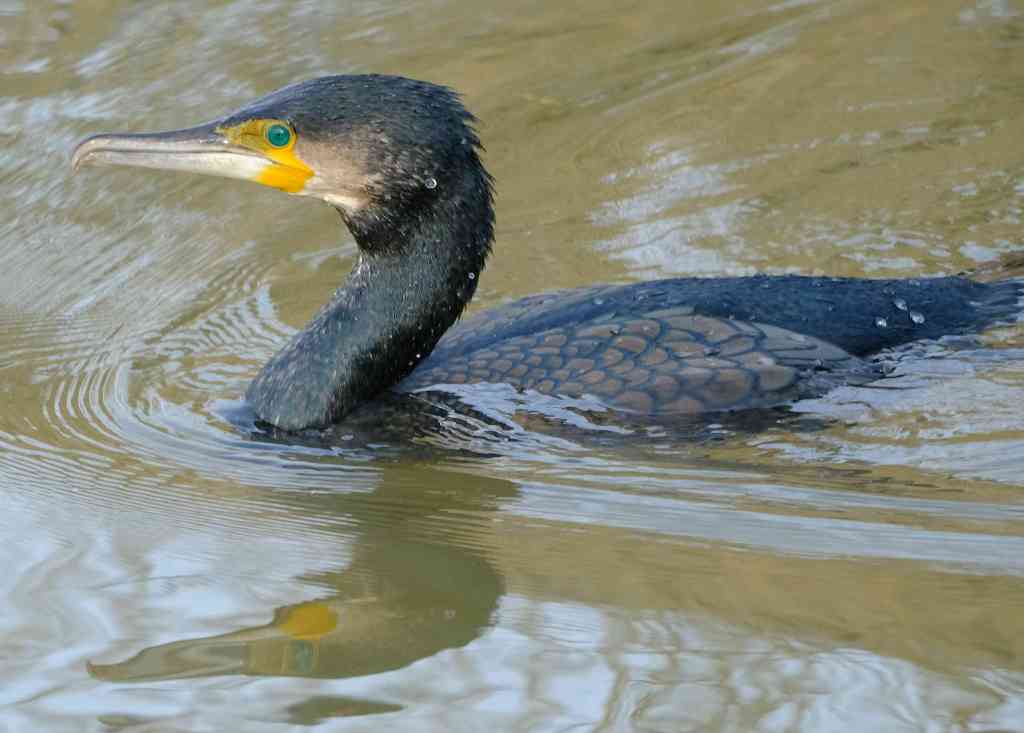
Cormorants are great divers for fish -although this one was unlucky while I watched the action.

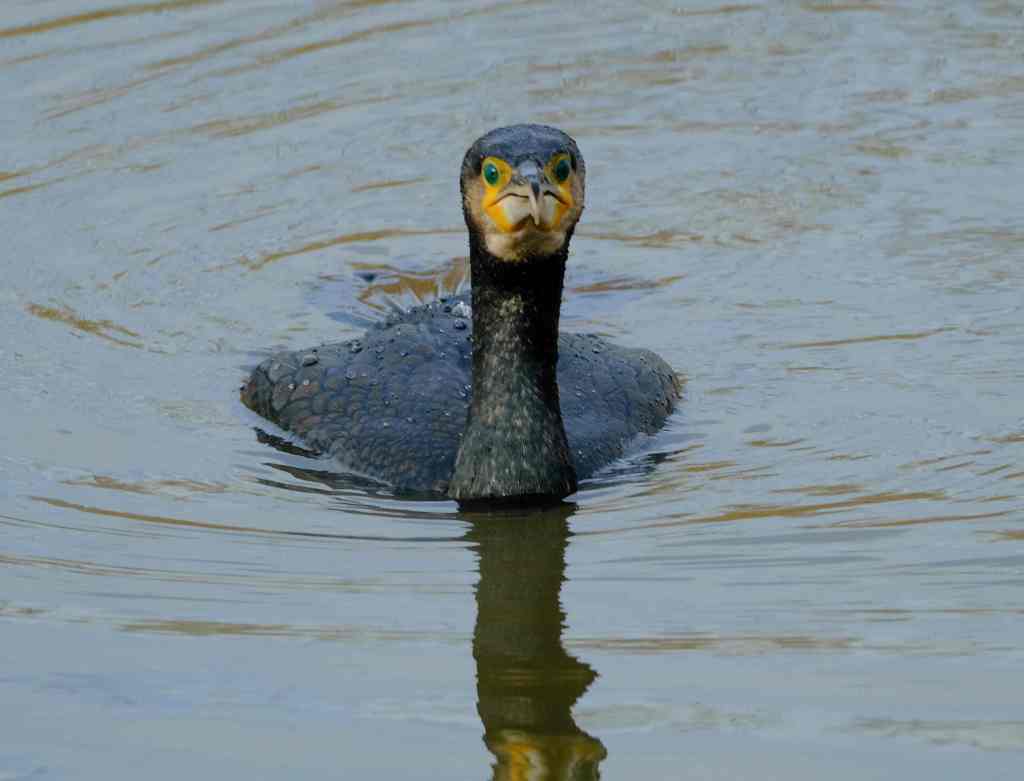
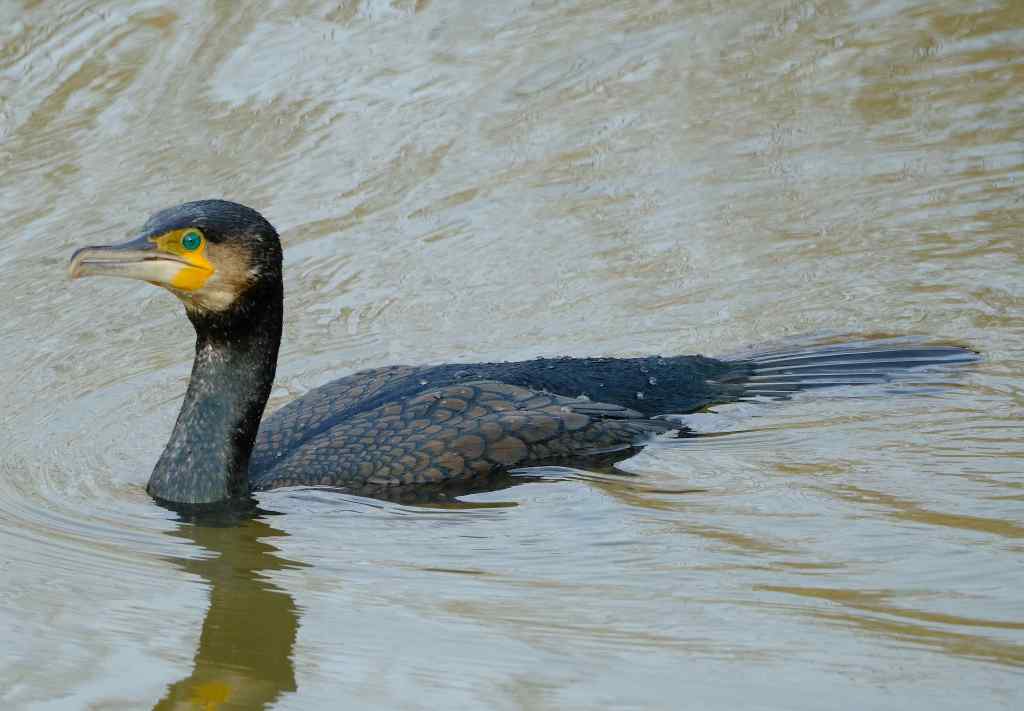
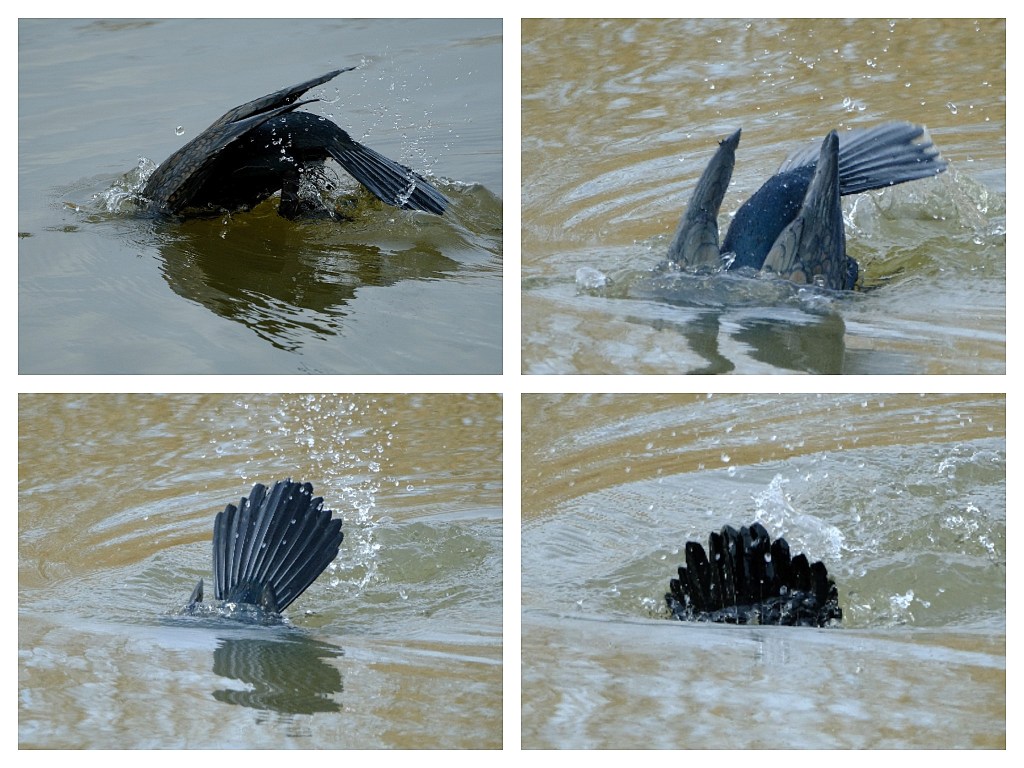
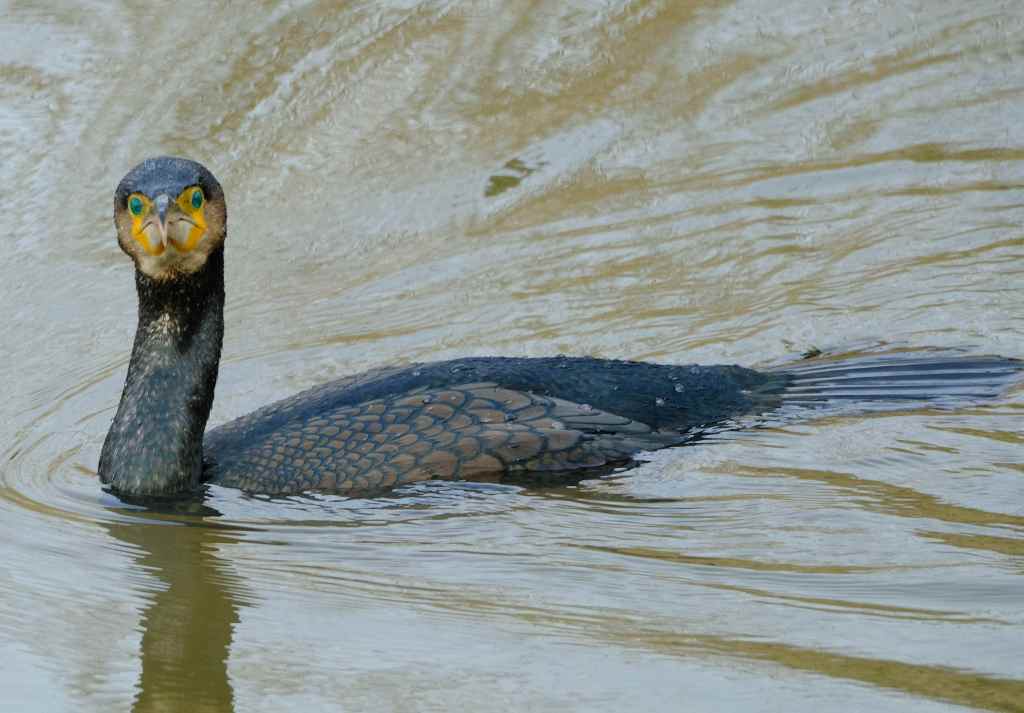
Cormorant fishing is a traditional fishing technique that fishermen have used in China and Japan. They train the birds to catch fish. It was once a successful fishing method, today it serves the tourism industry. It is no longer used anywhere except in southwestern China.
To control the birds, the fishermen tie a loose rope near the base of the bird’s throat. The snare does not stop the bird from swallowing small fish but prevents the bird from swallowing larger fish, these are held temporarily in their gullet. When a cormorant has caught a fish in its throat, the fisherman brings the bird back to the boat to regurgitate the catch.
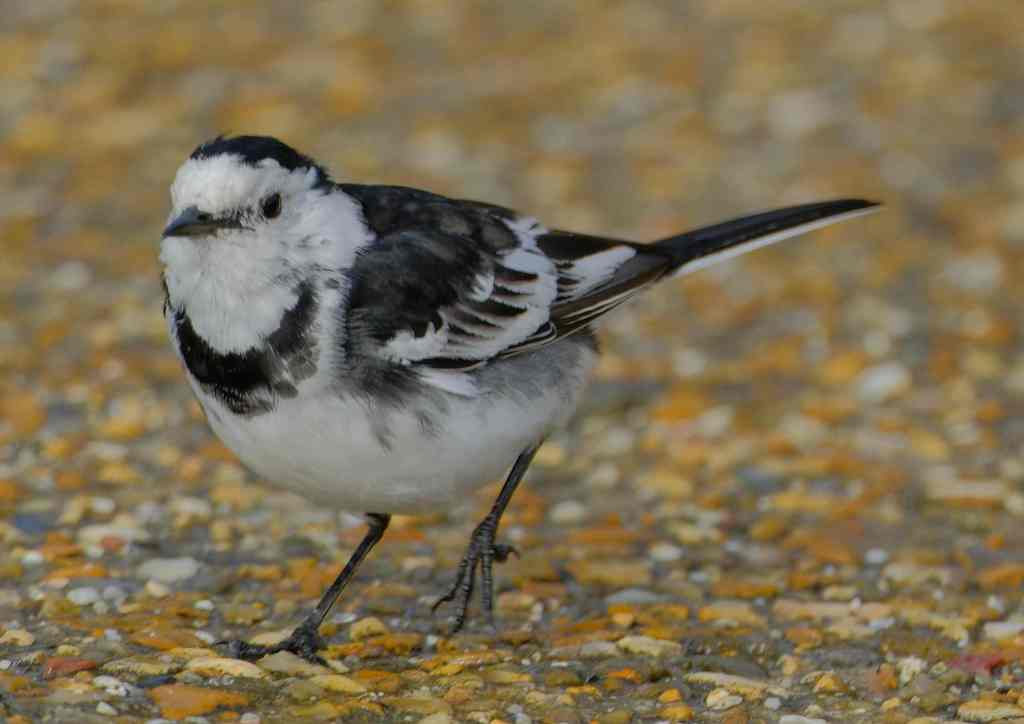
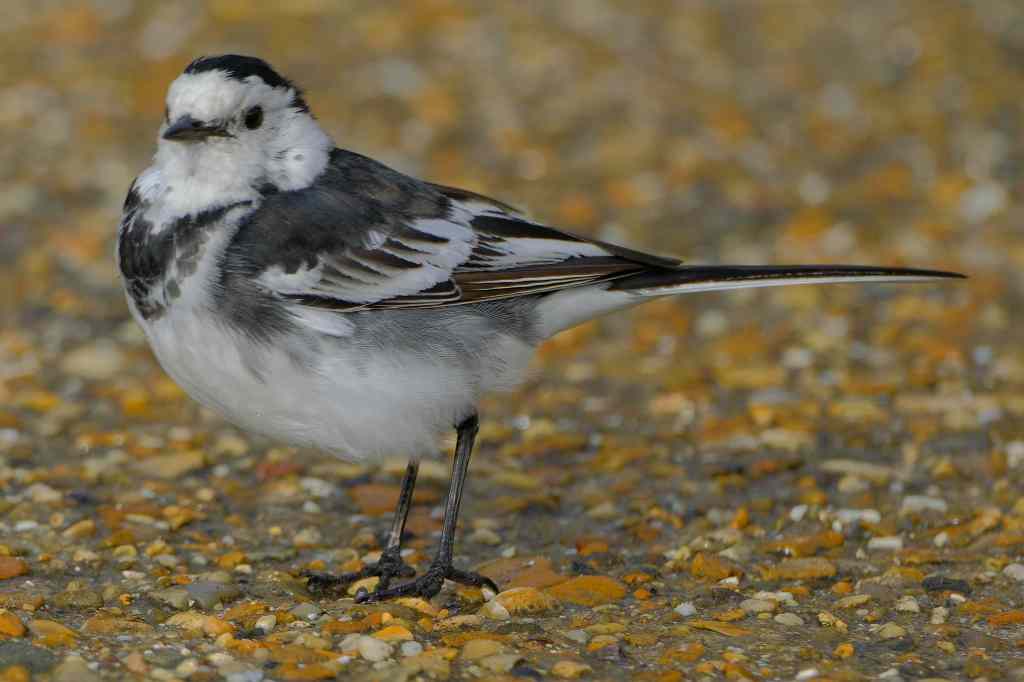
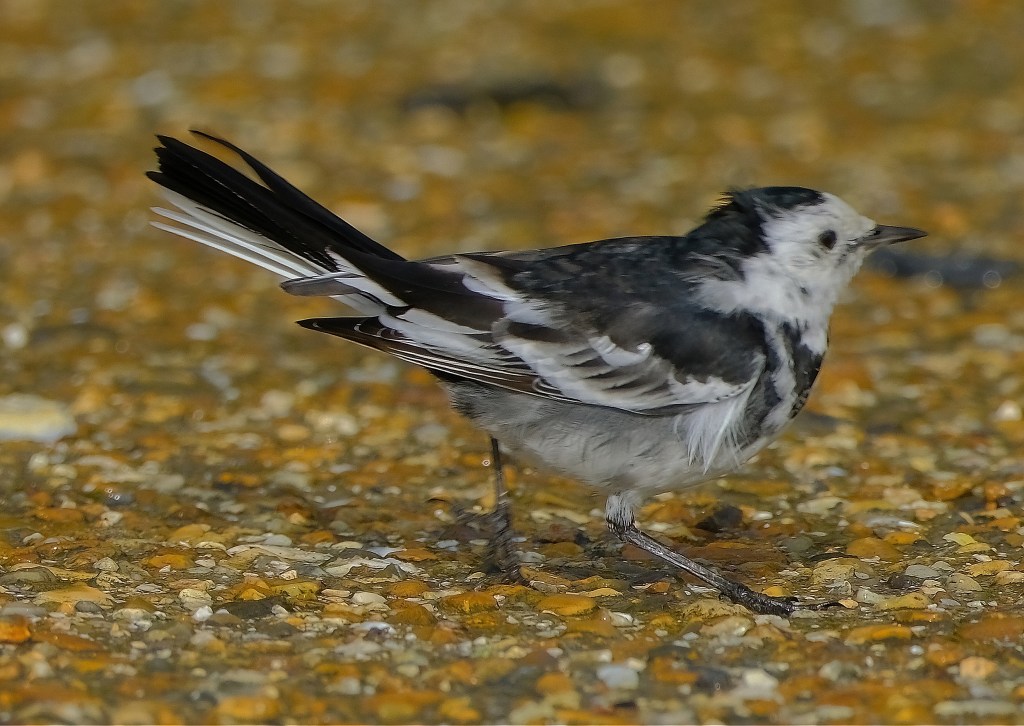
The Pied Wagtail is the most common wagtail species in Britain & Ireland. Distinctive with its black, white and grey plumage and bobbing tail.


Over the last few years, I have noticed that Gulls mainly Herring Gulls sometimes Black-headed Gulls do what I call a “worm dance”.They stand on grassland often on the side of the road or in the centre of a roundabout either alone or in small groups and tap their feet. This tapping seems to encourage the worms to the surface, making a good meal. I have been watching bird behaviour all my life and this “worm dance” is relatively new. The birds must pass this trick on to each other as it is widespread here in the UK. I wonder if Gulls in other countries do this?


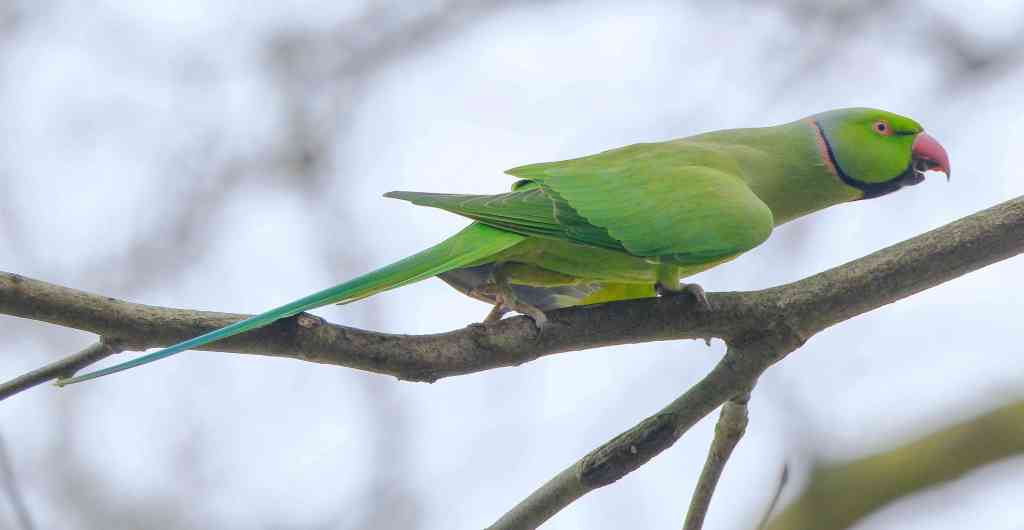
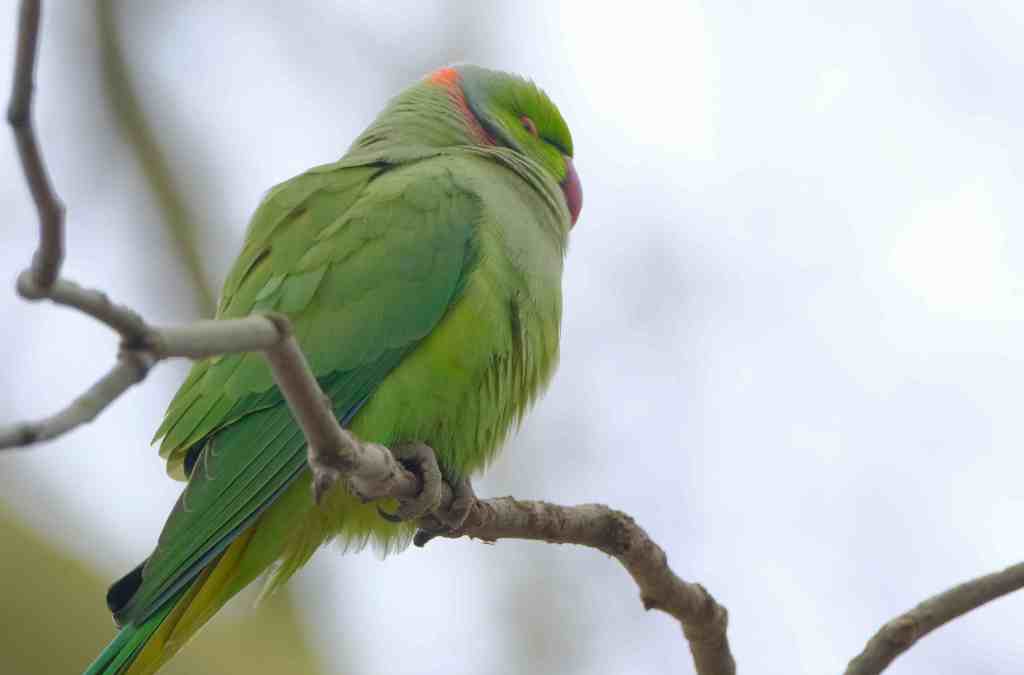
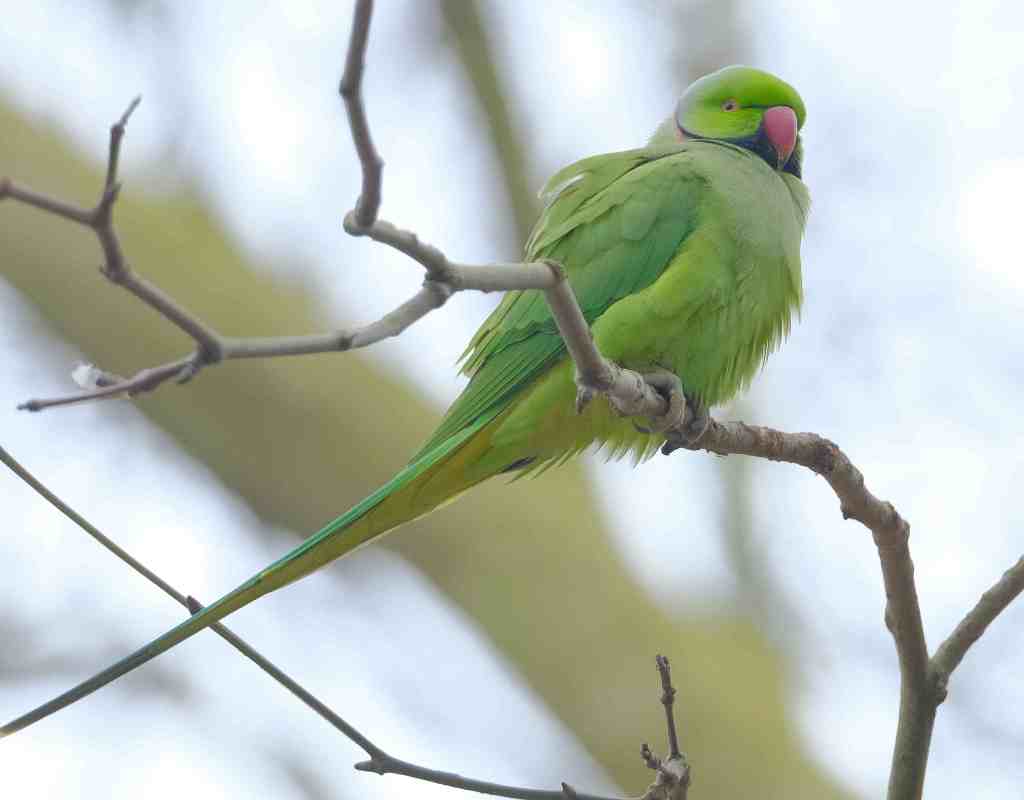
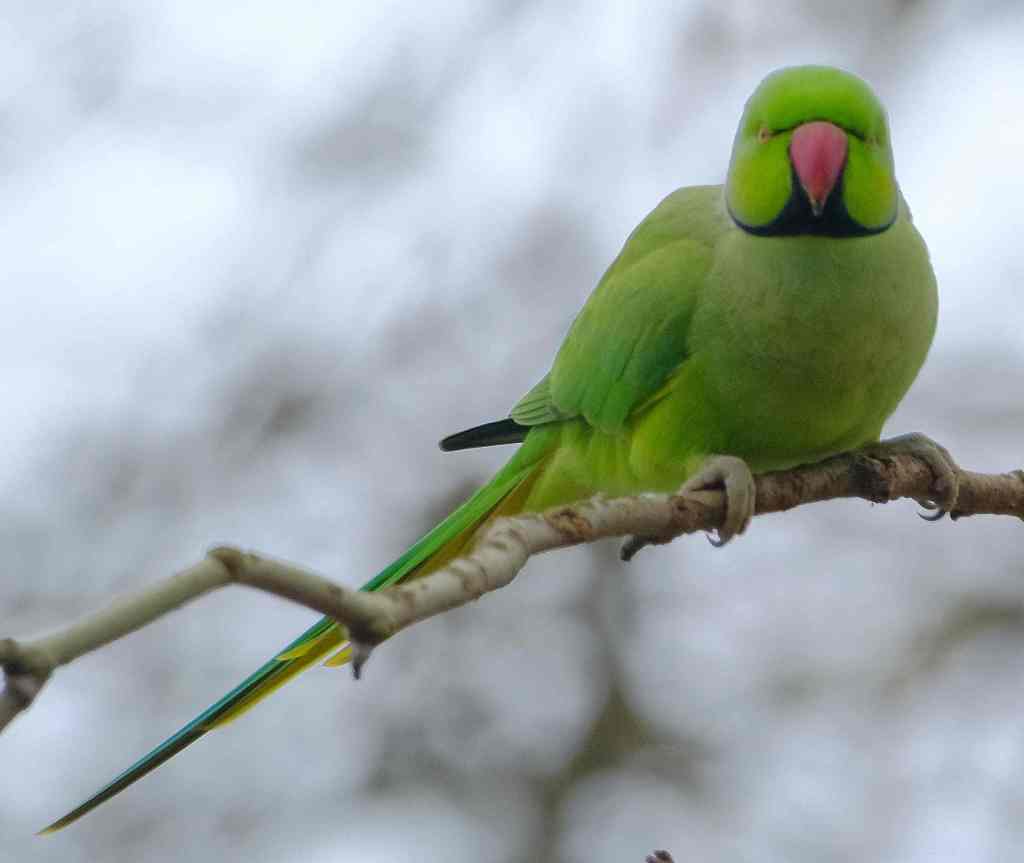
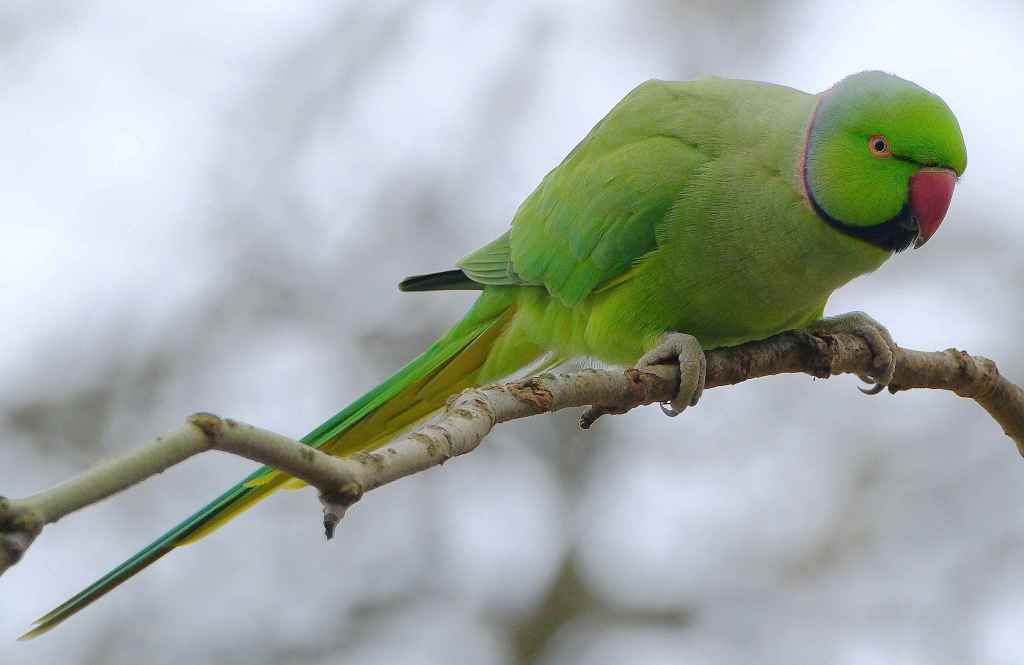
The last month I have visited the city park with resident Ring Necked Parakeets at least once a week. Without fail each visit I have seen the birds. Normally I see 1 to 4 birds but I think there is a population of at least 6 around this site. Today despite the dull weather I was happy with my pictures.
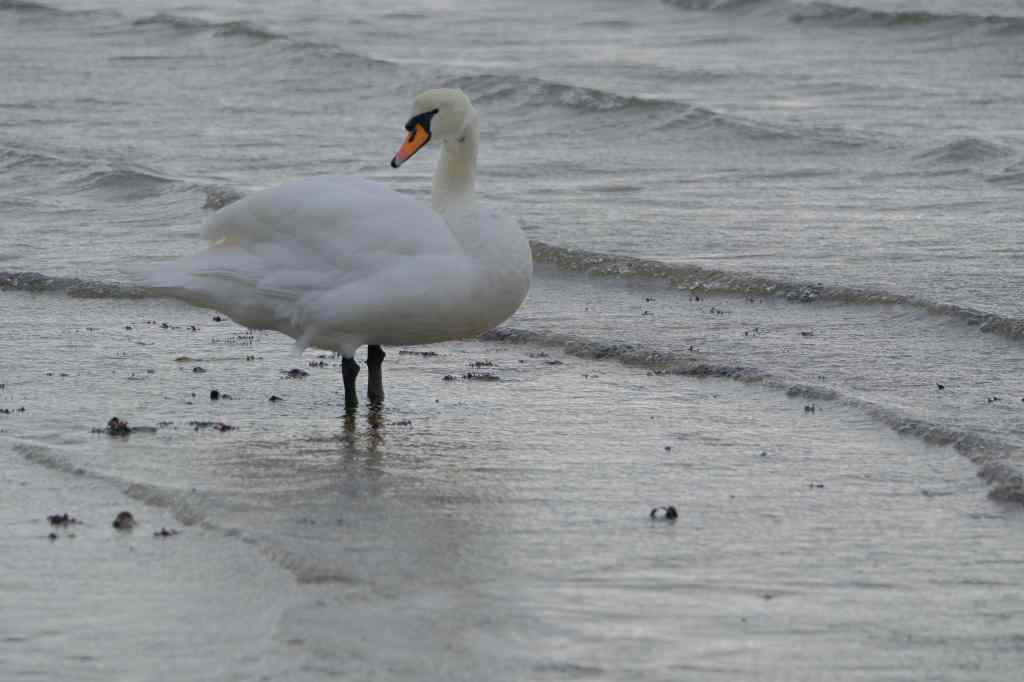
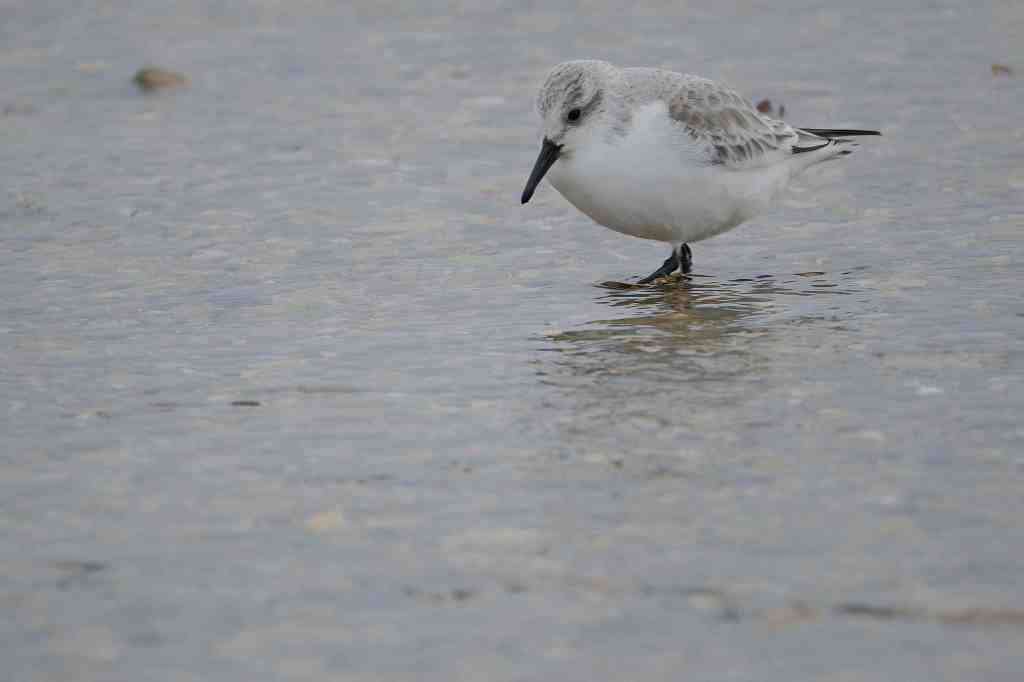
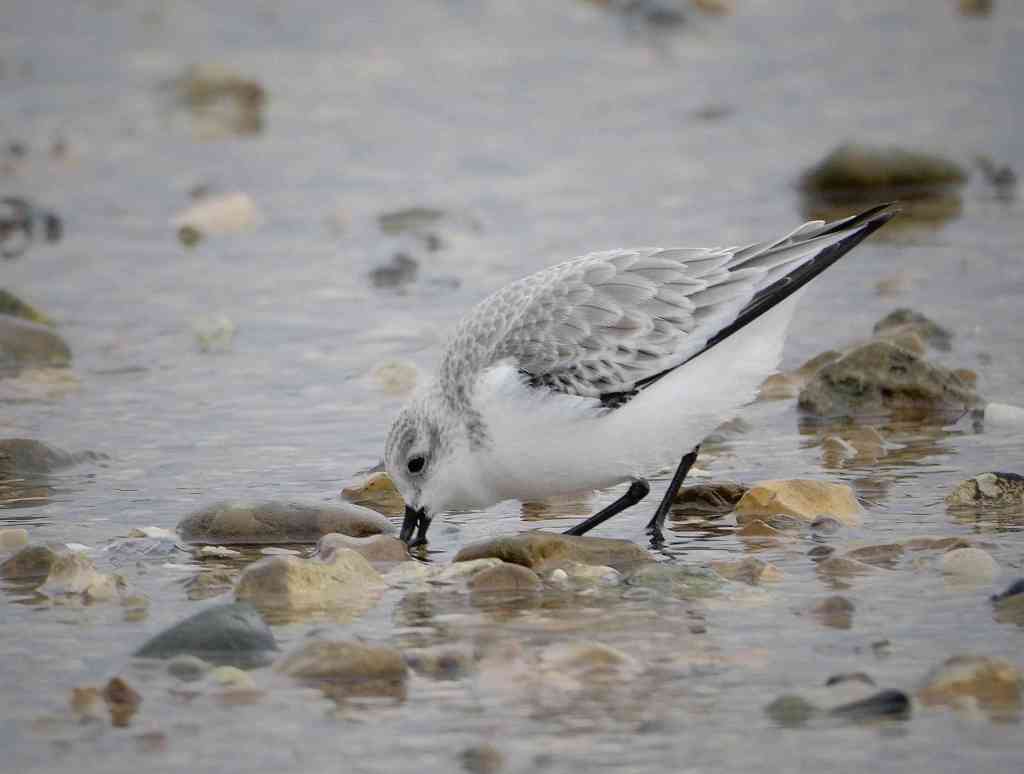
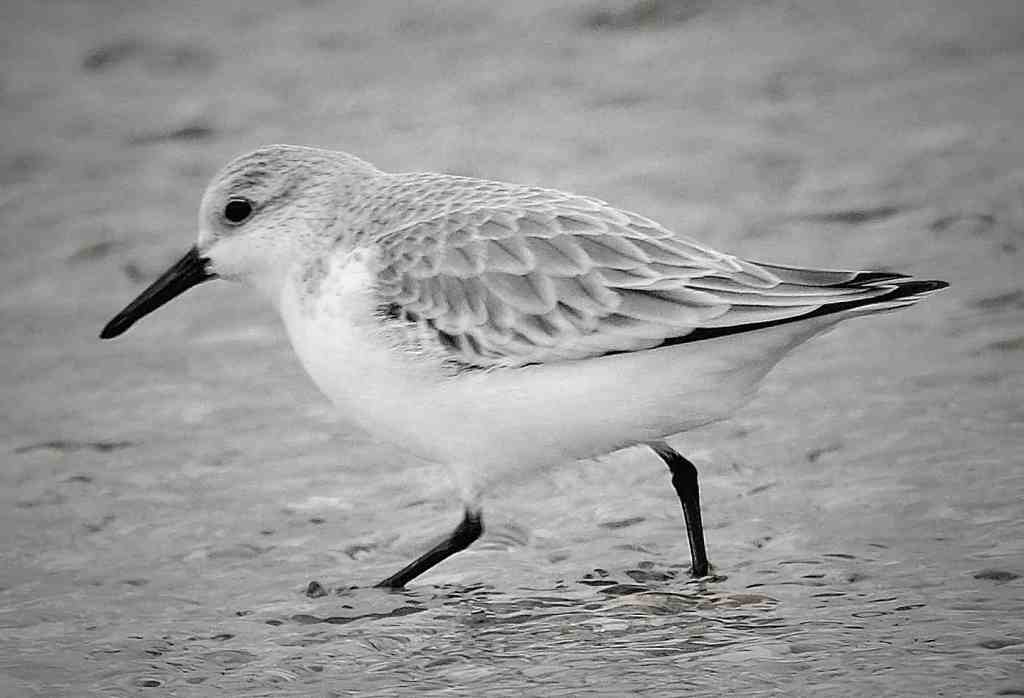
Watching the birds on the shoreline this morning on a very dull day it struck me how white is a great camouflage when the weather so so grey.



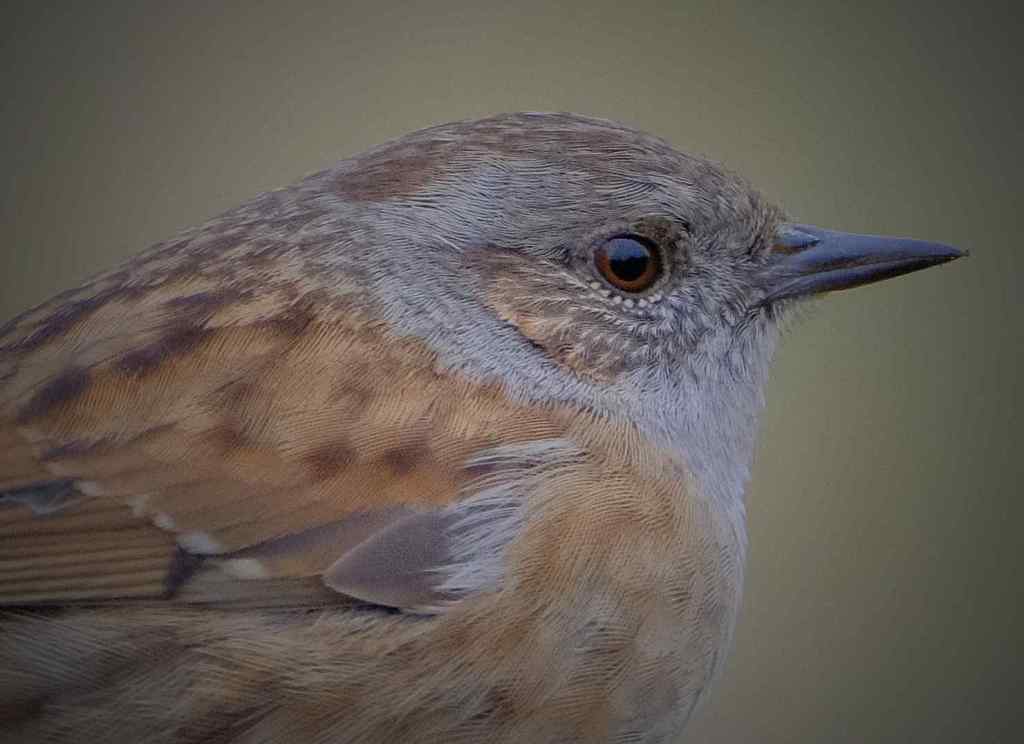
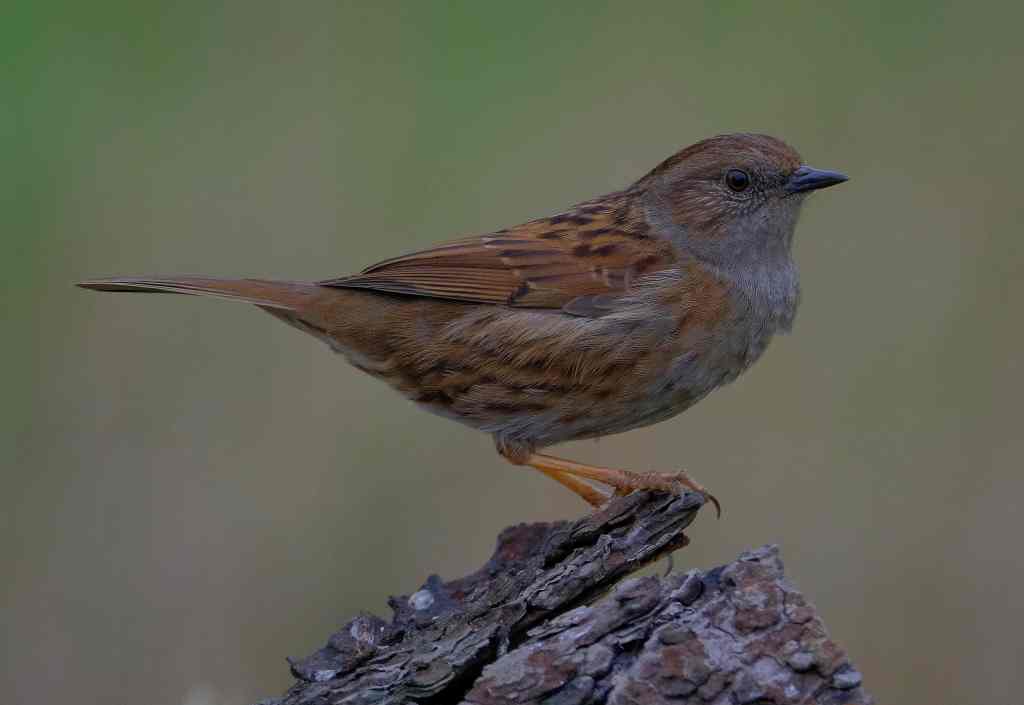
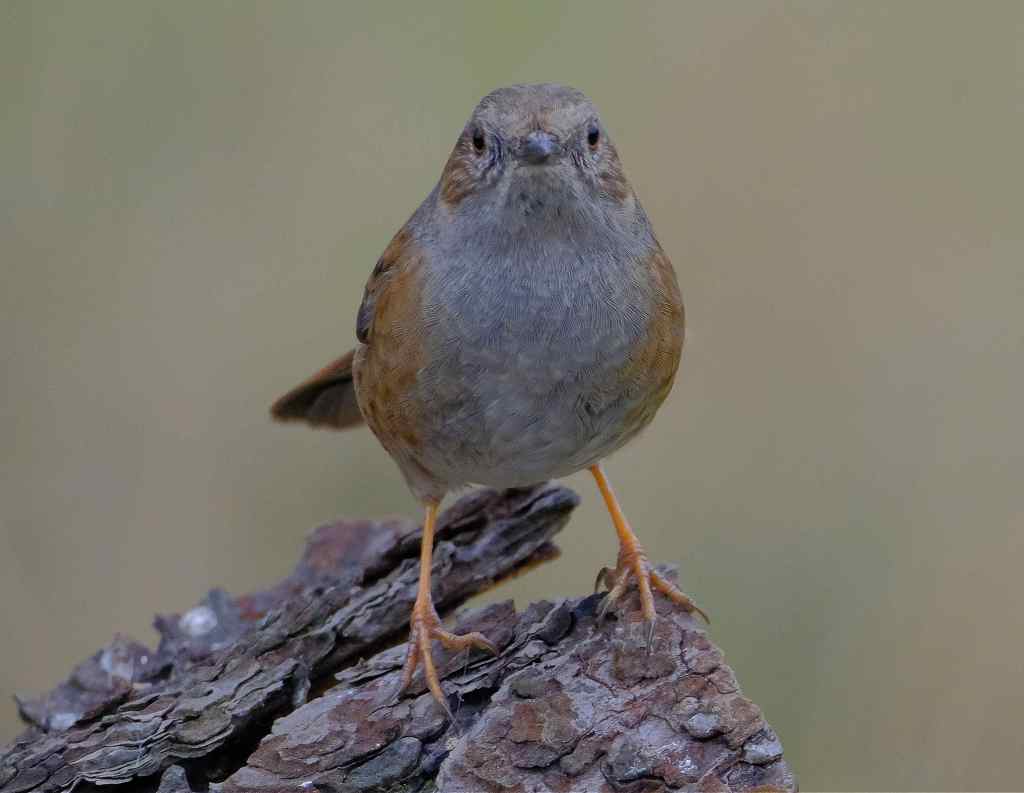
Same bird at the same spot, - Funny how things turn out. I spotted this Dunock again today on the same log as last week but the weather was duller today just had to take some more pictures of this often underrated and overlooked sparrow.

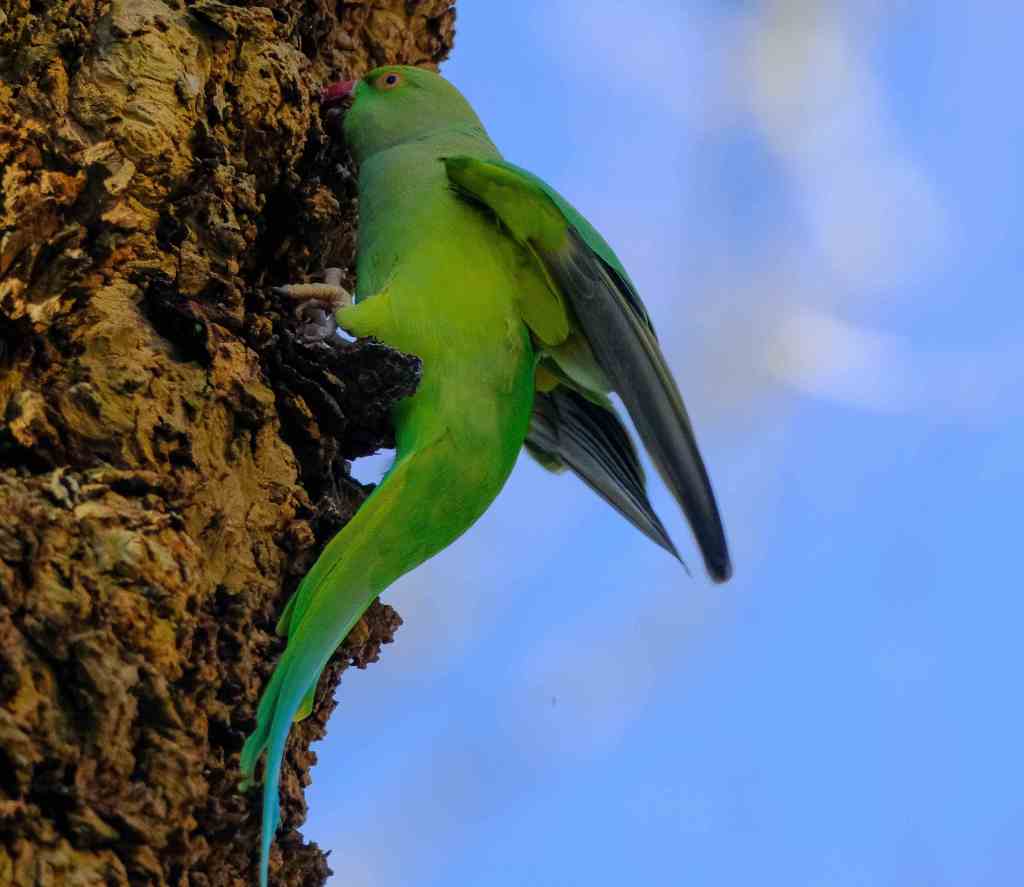
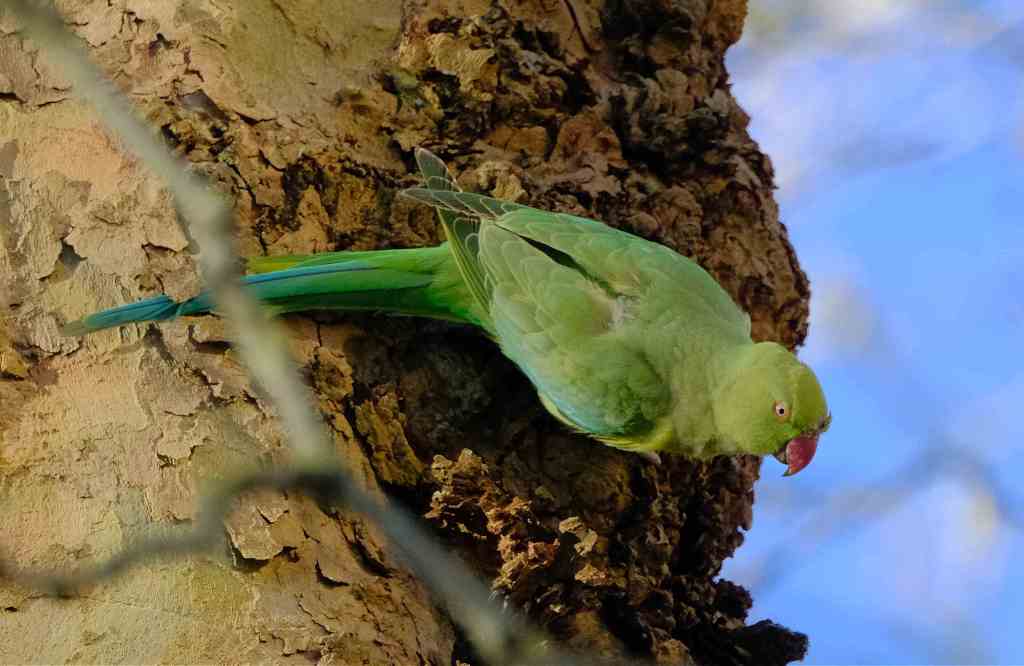
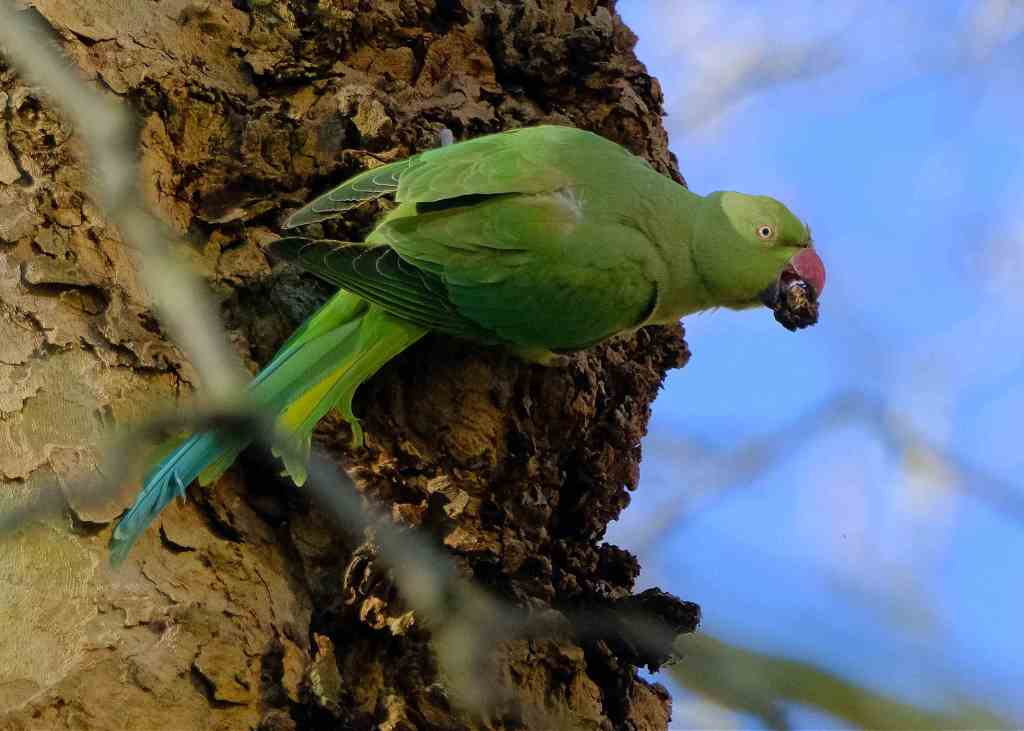
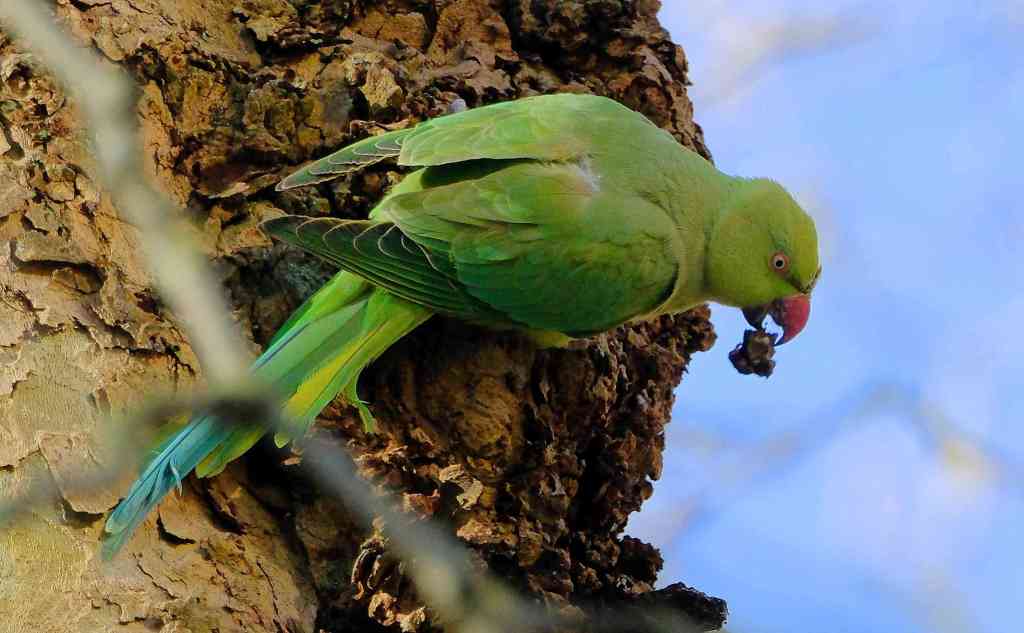
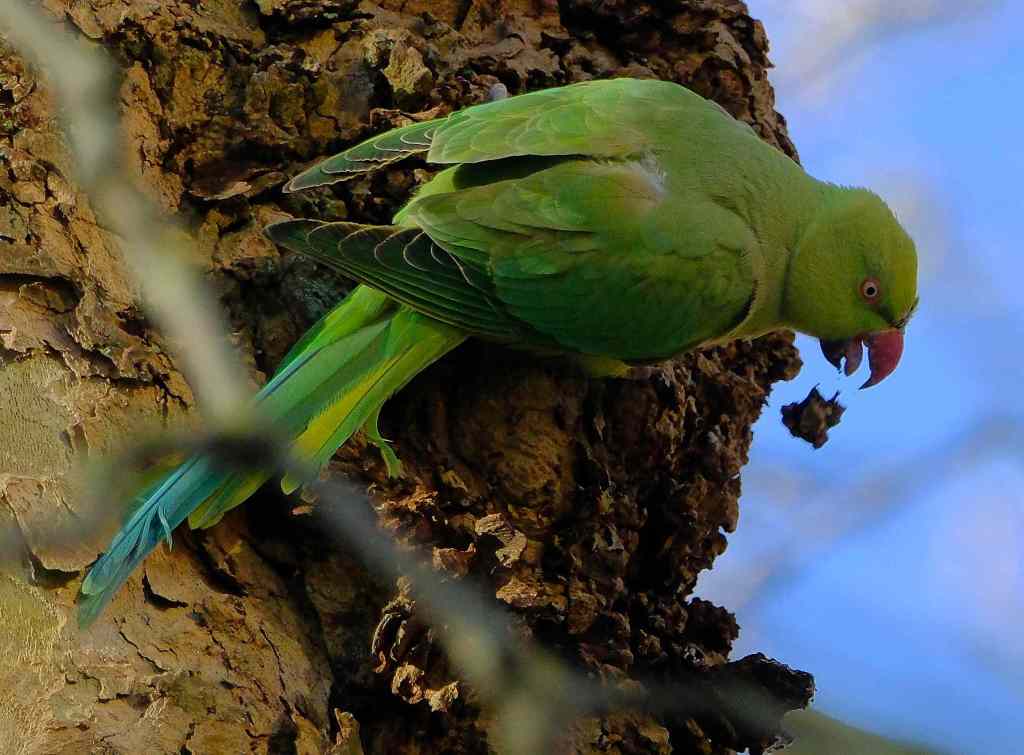
In the sun of a Friday morning, the local Paraketts were very noisy and active – they seemed to be trying to make a hole in one of the trees. I looked last year for a nest site without luck, so I hope this may be a place to watch as we move into the nesting season in a few months.
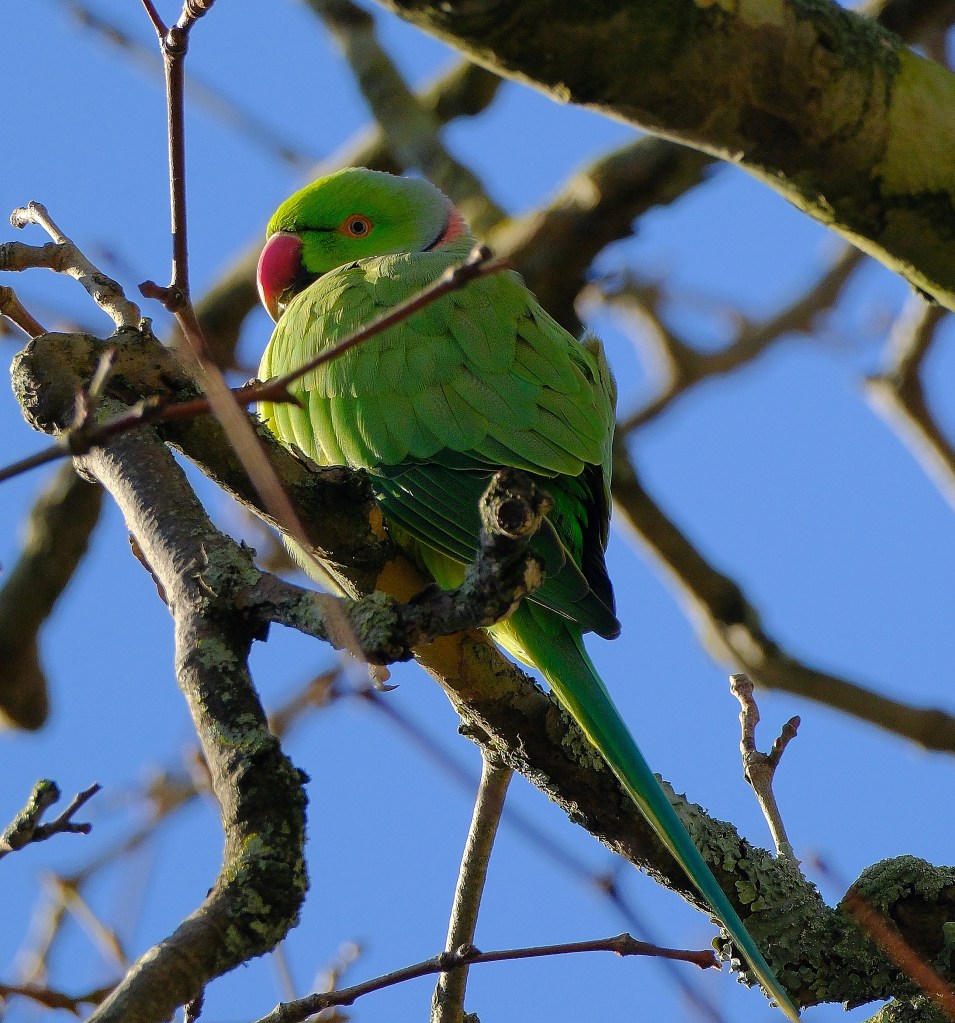


Watched by the male bird the female spent some time pulling off bits of wood and dropping them.

 Continued Reflections from my World.