Western Shore

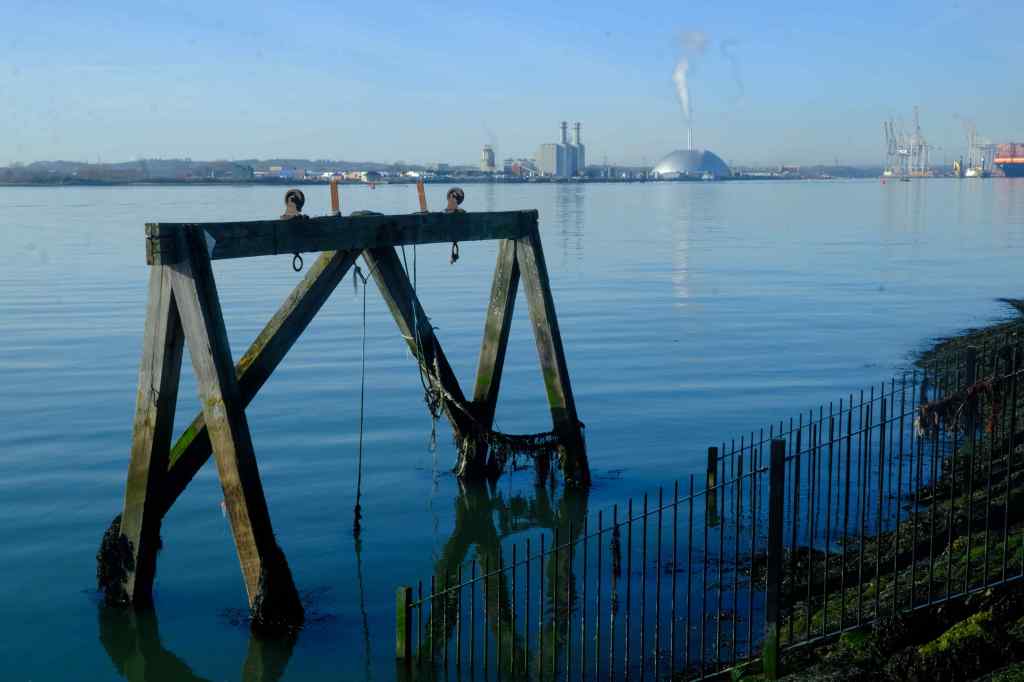
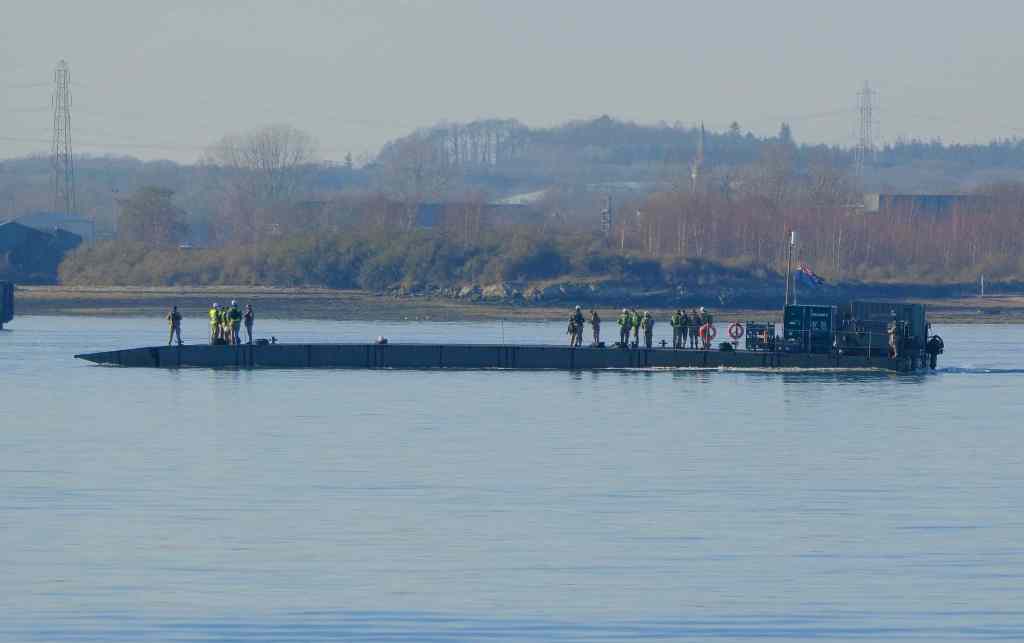
Western Shore on Southampton Water at the site of Netley Military Hospital.

Netley Hospital, officially called The Royal Victoria Hospital. Construction started in 1856 at the suggestion of Queen Victoria, she often visited from one of her favourite homes with Prince Albert which was close by at Osbourne House on the Isle of Wight.

The hospital was extensively used during the First World War. Wounded troops from war could disembark directly to the hospital onto its own pier which reached out into Southampton Water. There was a branch Railway line direct to the hospital. The main building was the world’s longest building when it was completed. Sadly the main hospital building was demolished in 1966. In WW2 the hospital was used by the Americans after D-Day. The Chapel at the hospital’s centre remains and today is a museum.
There is a CWCC cemetery within the grounds of the hospital for those who could not be saved.
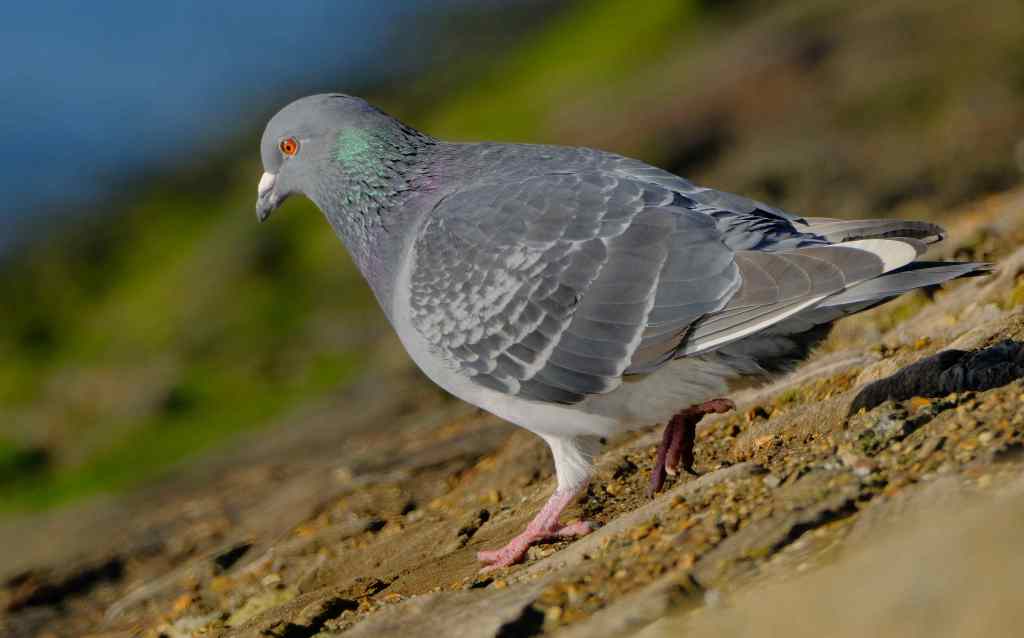
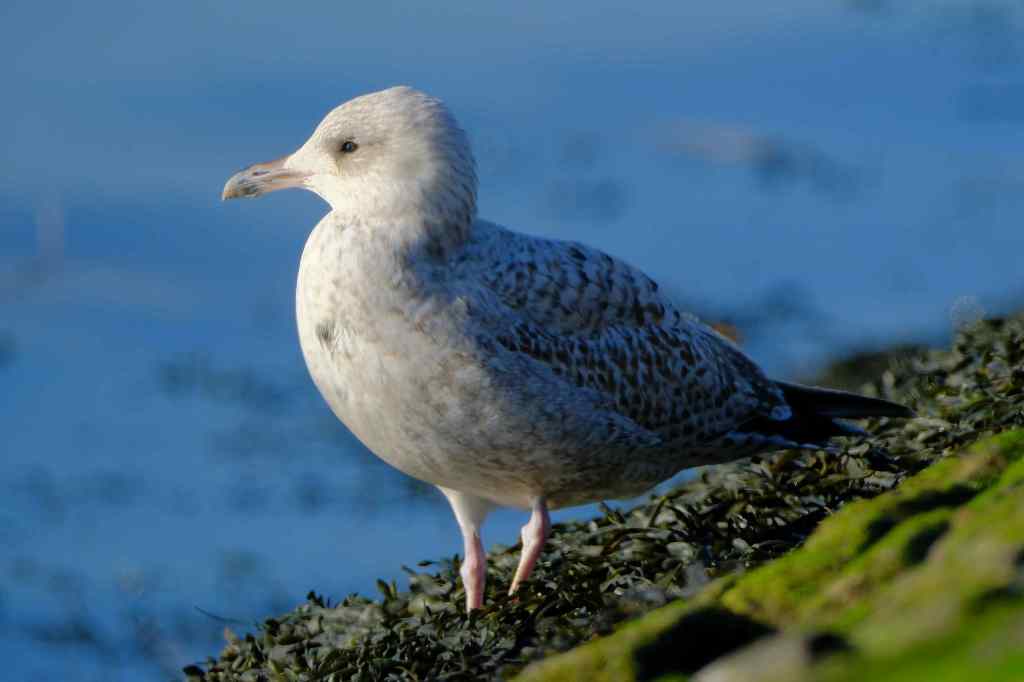
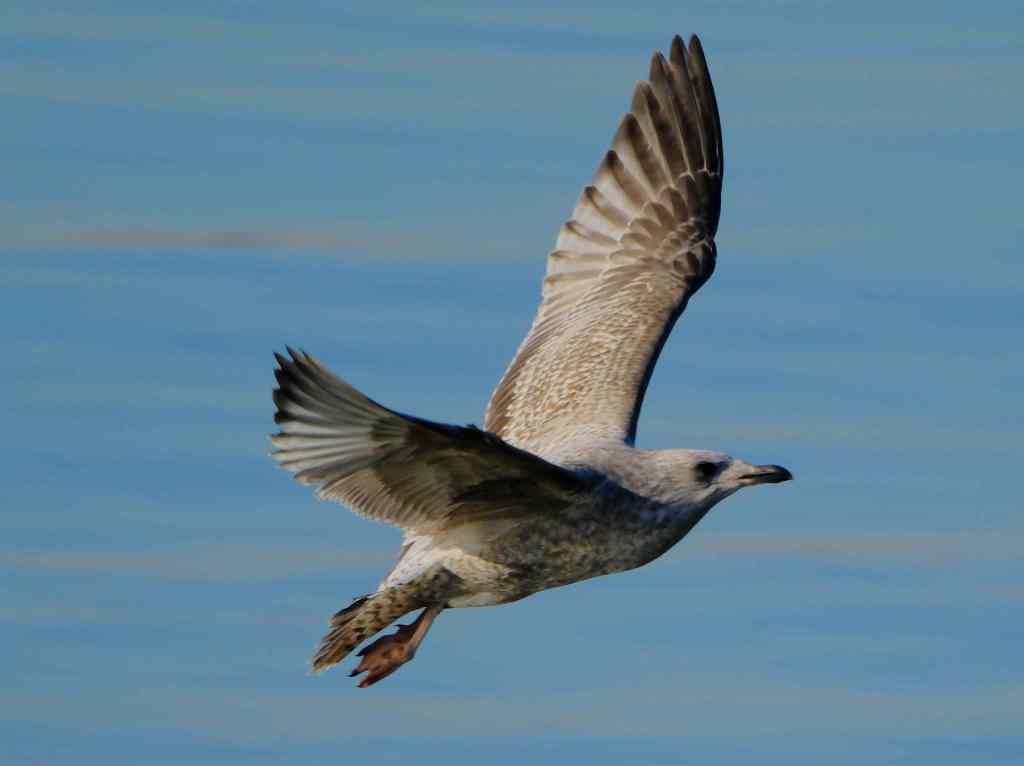
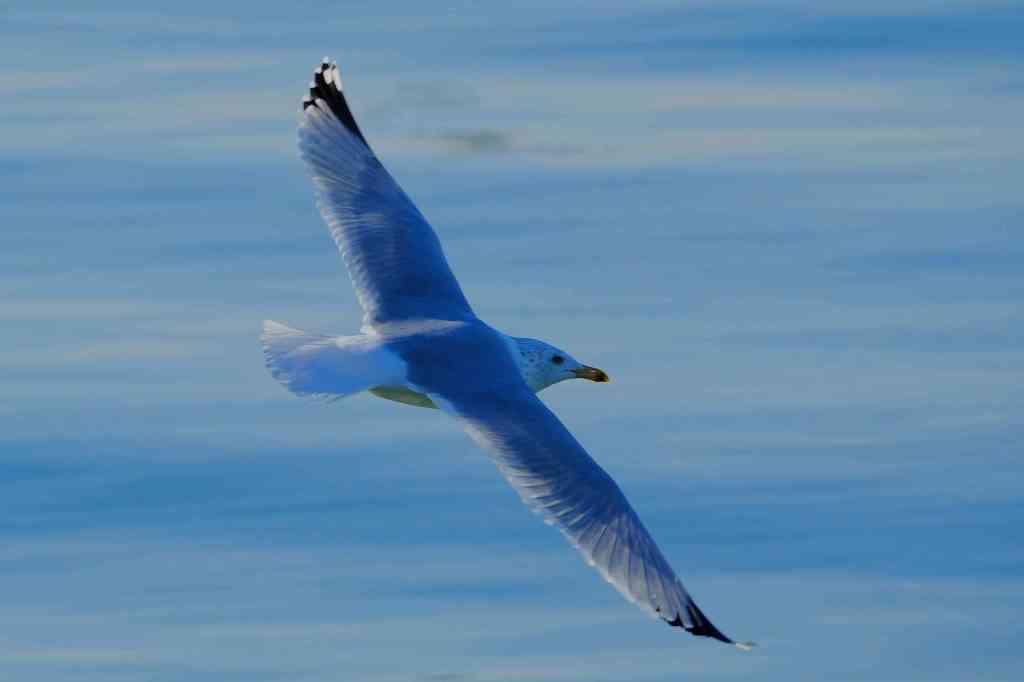
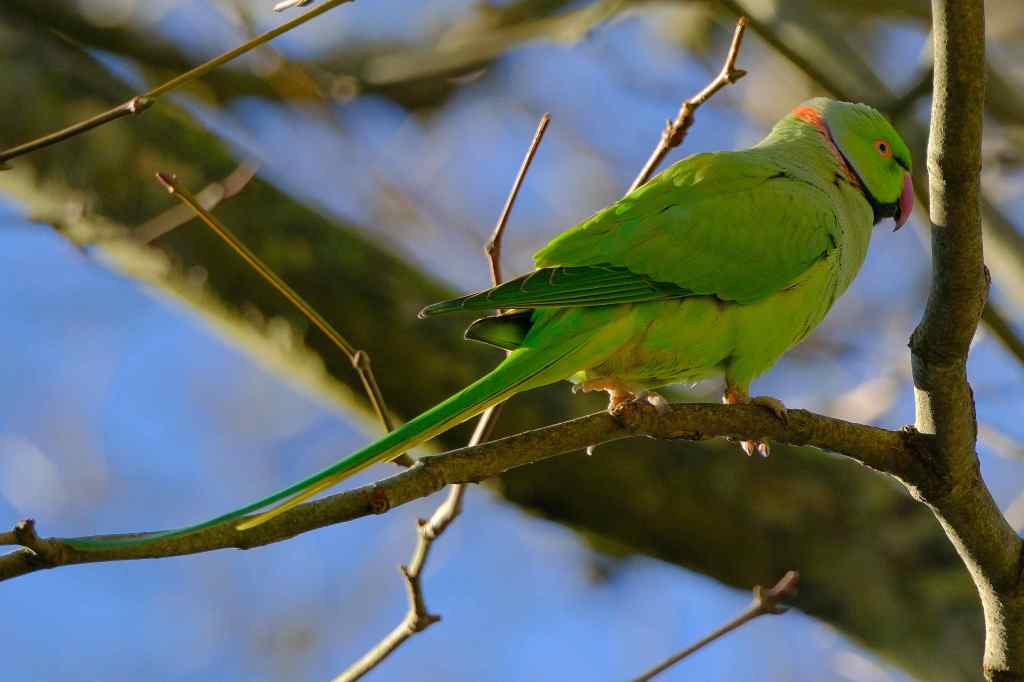
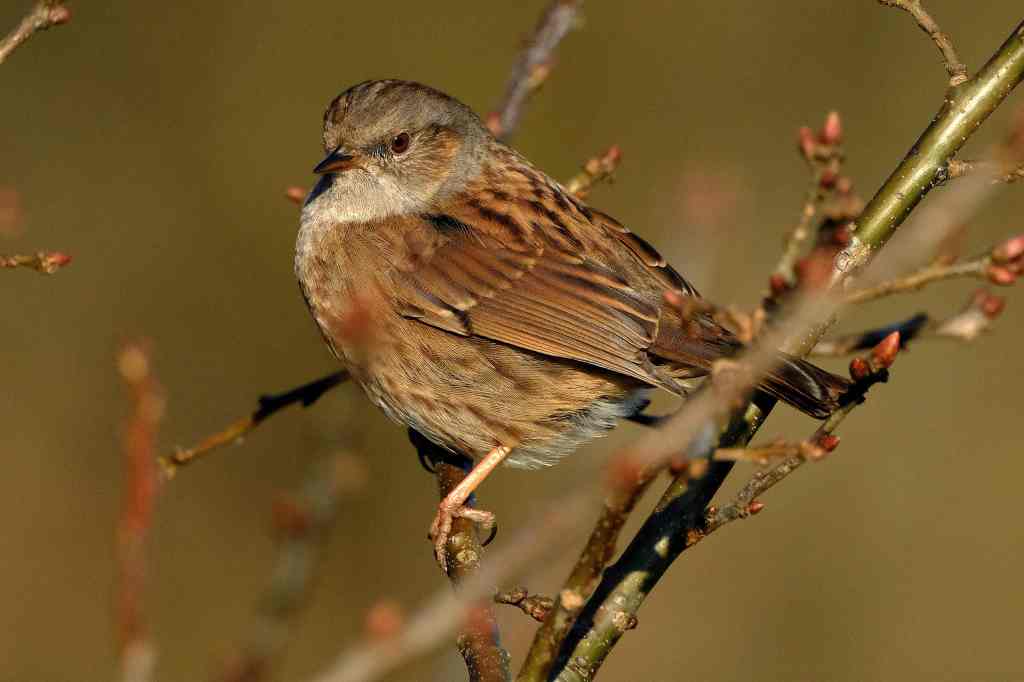
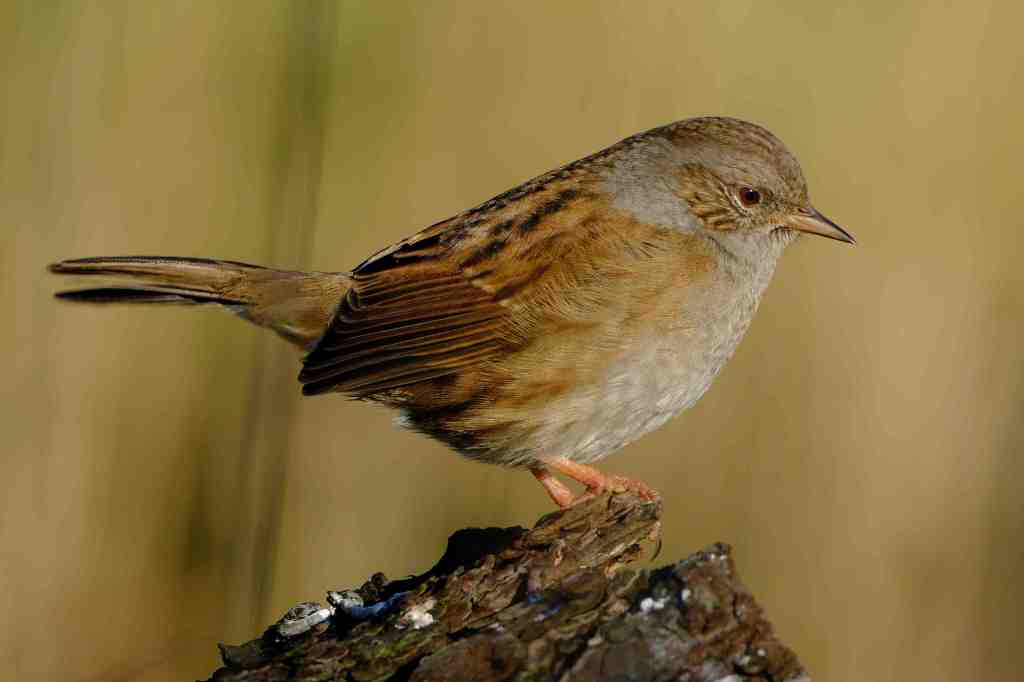
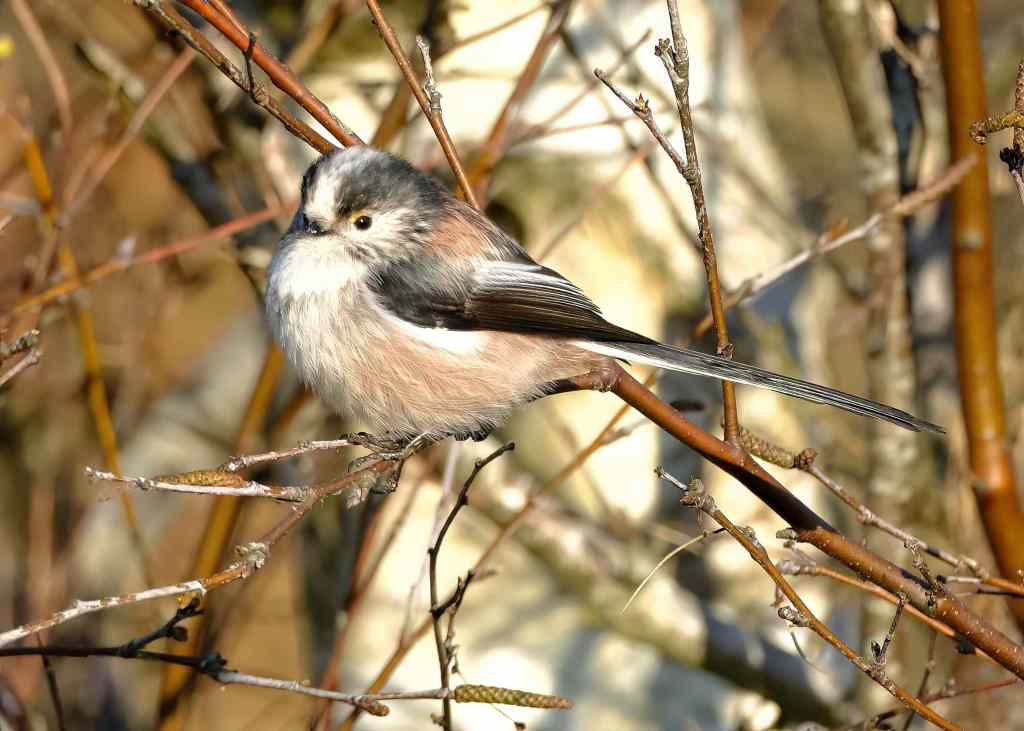
Some bird life on the Shore.

Up the Hamble.

A walk this afternoon from Warsash Harbour car park up the River Hamble to Bursledon and back.

A Great Crested Grebe fishing on the river. These birds seem to spend more time in the sea and rivers than in lakes and ponds in our area this time of year. I guess there is no risk of the water freezing and preventing them from feeding.

Britans largest wader the Curlew.

I normally take photographs of Sanderlings on the muddy banks of the Hamble Dunlin favour this environment whereas the Sanderlings prefer the sandy shore at Meon beach.

Redshank get their name from their legs!

Town Quay.

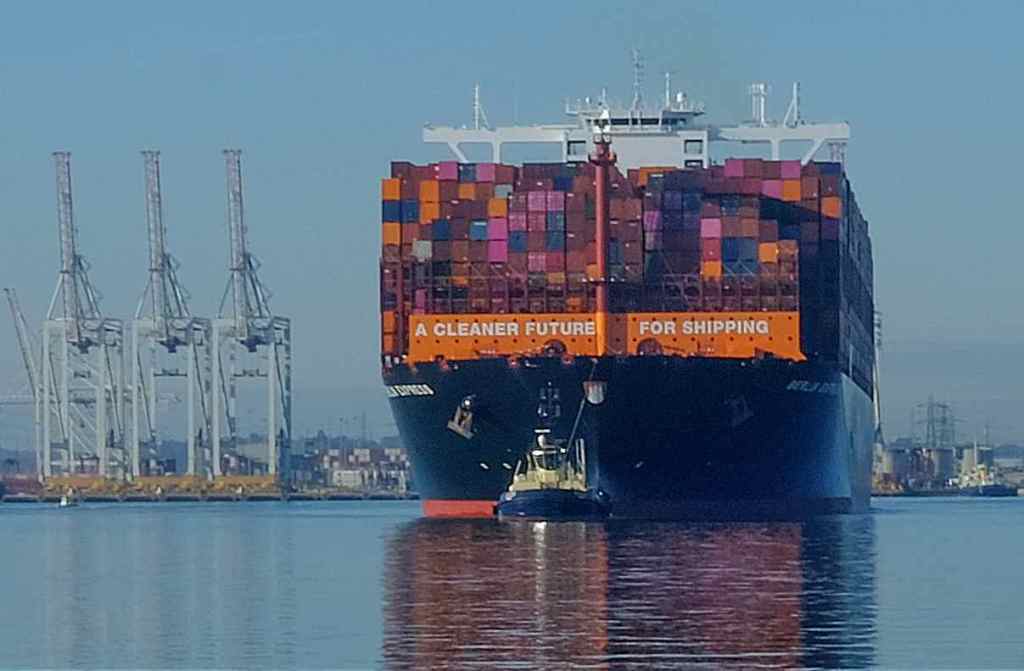
I spent Friday morning visiting Town Quay and Mayflower Park Southampton. A few large ships were in port. Including the Queen Victoria – One of the Cunard fleet. The liner has a crew of 913 and can accommodate 2,061 passengers.

Red Funnel Ferries – Services run from Town Quay Southampton to Cowes on the Isle of Wight. The ferry takes about an hour and the fast jet passenger service takes just under 30 minutes.

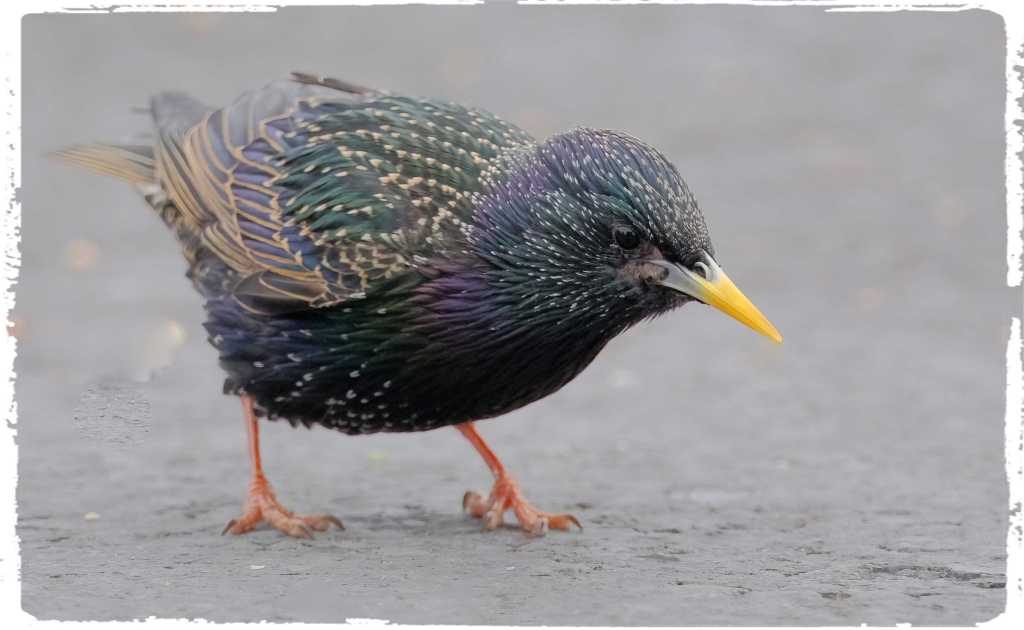
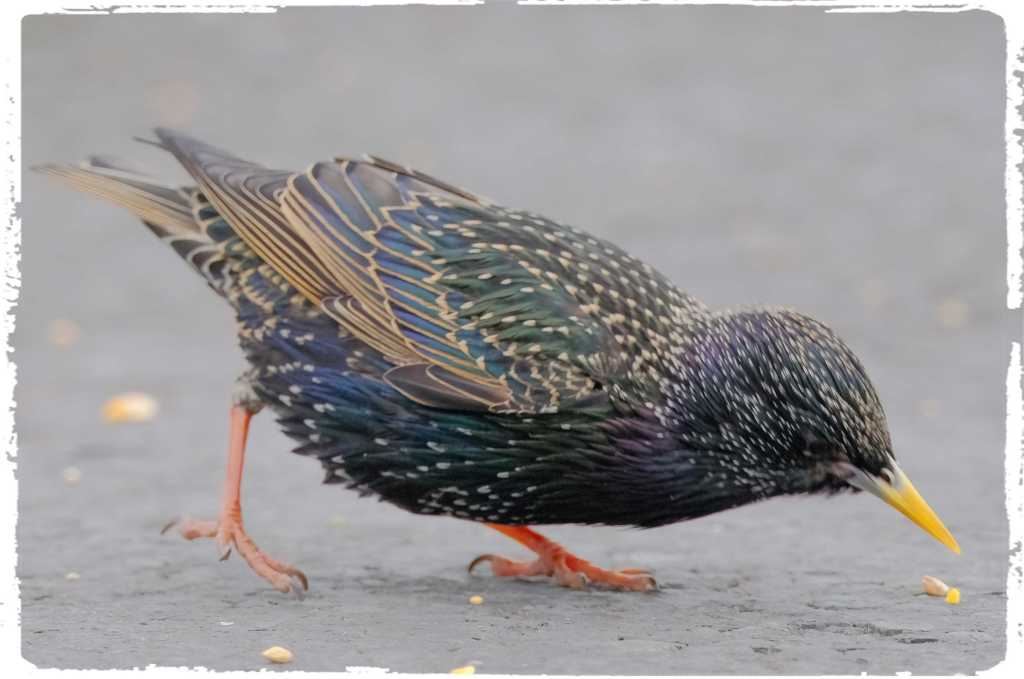
I set my camera on the ground scattered some bird seeds – pressed record and waited.

A surprise sighting was a lone Giullemott fishing off the end of Town Quay. A bird I have seen often along our coasts but only in areas where there are stretches of steep cliffs. Considered a common bird and found in large breeding colonies. They come to land only to nest, spending the rest of their lives at sea.

Stoney Cross.

A walk across Stoney Cross around the edge of the WW2 airfield today’s nature walk gave a few gifts, although no deer sightings today.

Large flocks of “Fieldfare” were everywhere but not keen to stay for me to take a photograph or two! Fieldfares are large and colourful thrush. They are social birds, wintering in the UK. Flocks can be ten or twenty birds to several hundred strong. The flocks are noisy and the birds chuckle as they fly between trees looking for the best berries. Finally today and after trying for the last 3 weeks I got a couple of shots.

The Devil’s Fingers fungus  [Clathrus archeri], this rare fungus I posted pictures of a few weeks ago has now gone over but others have now grown.

Another fungus spotted was a Yellow Stagshorn – {Calocera viscosa} – It is a Jelly Fungus which grows on decaying conifer wood, typically stumps and roots. This was a 1st for me this year.

Canal walk.

A muddy walk along the Titchfield Canal. The canal is a two-mile watercourse between the village of Titchfield and the coast at Titchfield Haven.  Starting at the sea I quite like the wall art that had appeared on the back of the toilet block. In my view one up on some of the so-called tags which are appearing everywhere and I am told is art.

A few of the birds I spotted along the route.

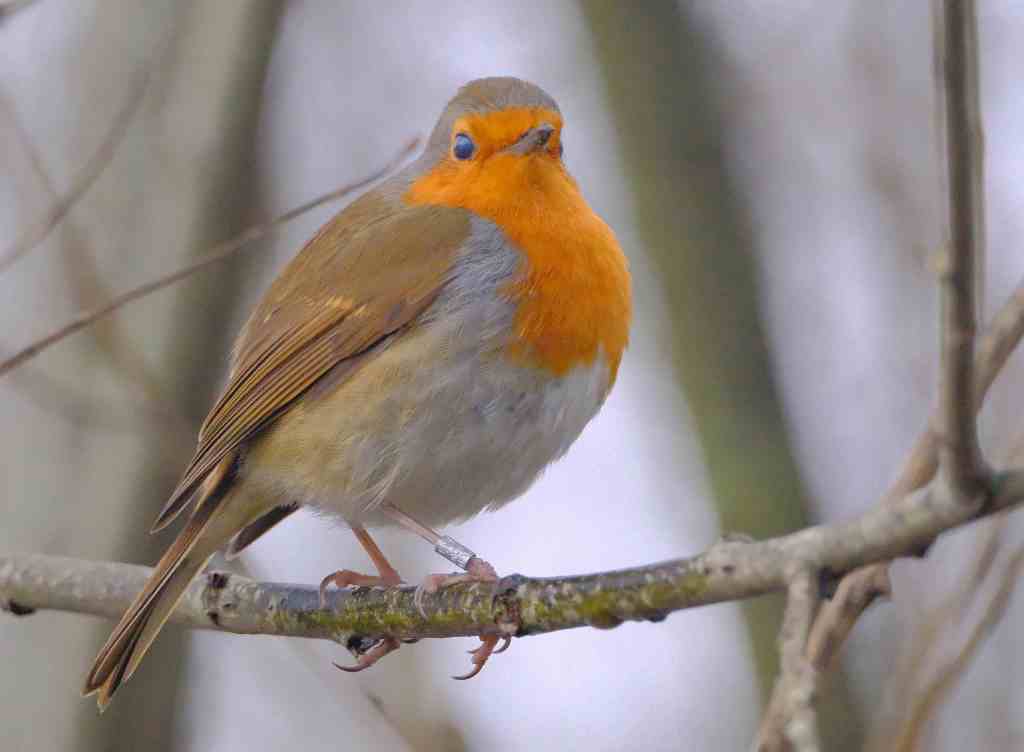
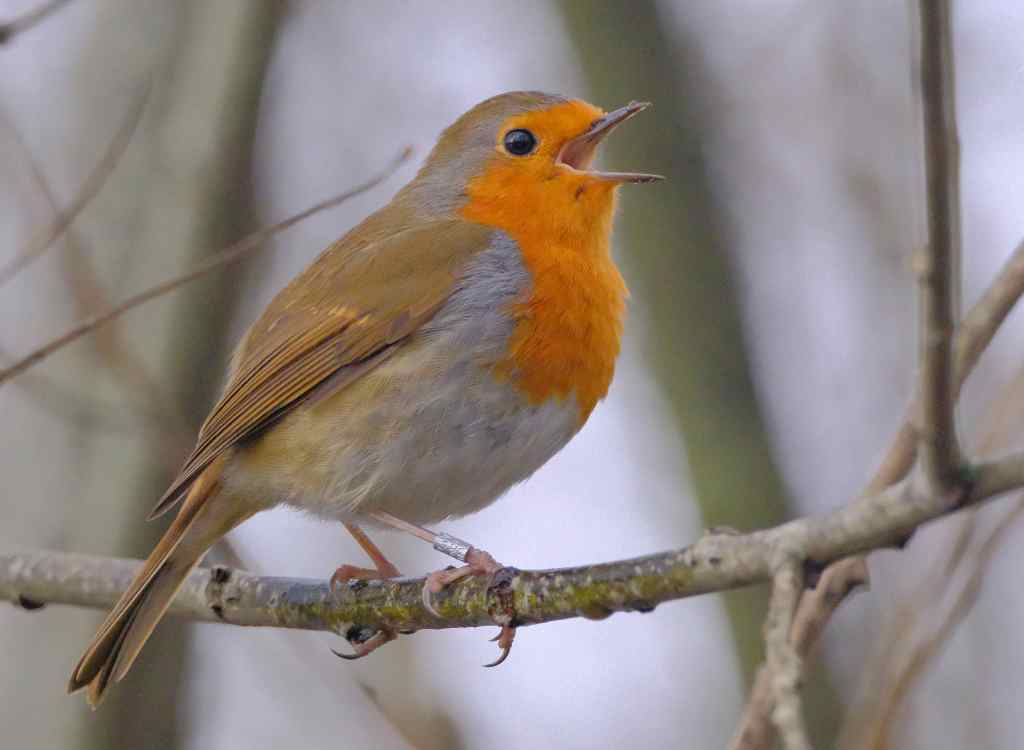
A Robin heron and Blackbird.

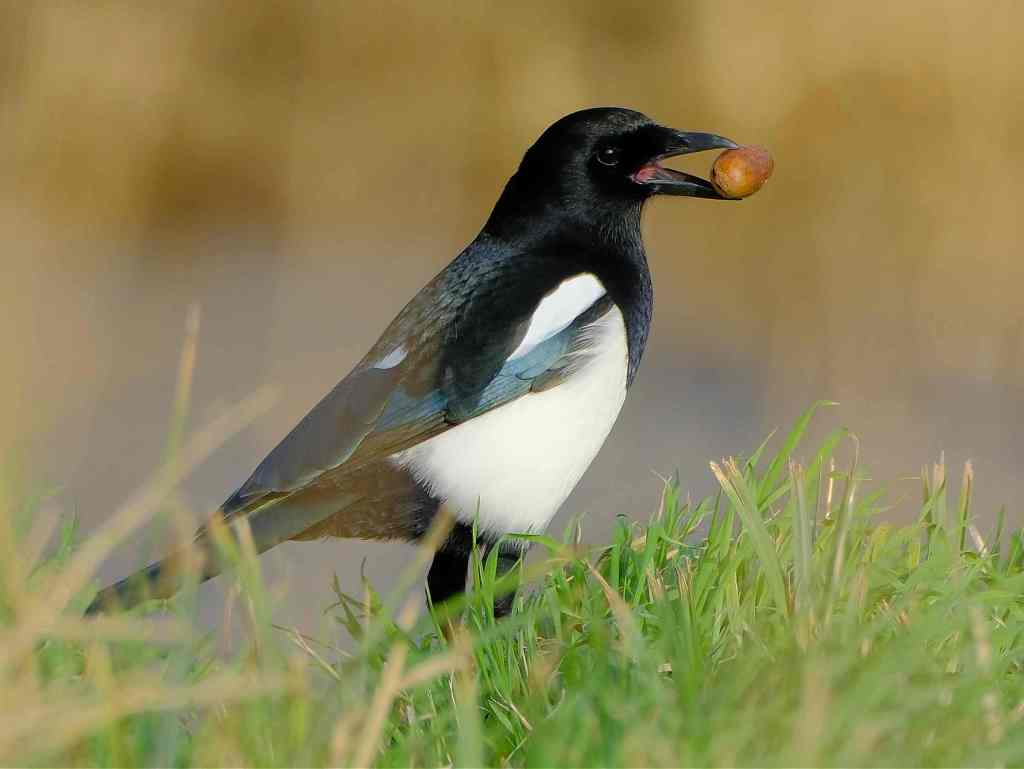
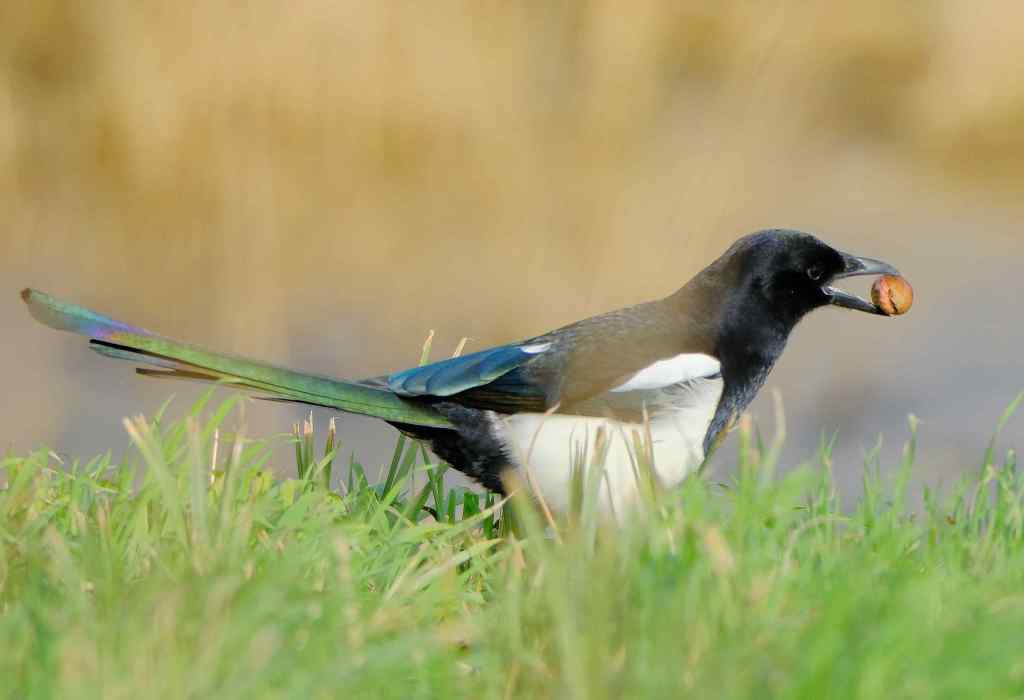
Magpie.

From a distance a bird with just black-and-white plumage but when seen close-up, its black plumage reveals a purplish-blue iridescent sheen to the wing feathers and a green gloss to the tail.

Magpie rhyme: ‘One for sorrow, Two for joy, Three for a girl, Four for a boy, Five for silver, Six for gold, Seven for secrets to never be told’.

They are birds of the  Corvidae family. Like other members of this family, they are widely considered to be intelligent creatures.

Season arrivals.

Here on the Solent, almost all the Terns and summer visitors have gone for the winter. It was a very poor year for Tern numbers. I think this was due to the bird flu outbreak we had and the height of the breeding season. The black-headed gulls which are with us all-year numbers also remain low following the bird flu.

Soon the Brent Geese will be arriving in large numbers from Siberia, I have only seen a few so far this year. Sanderling numbers and Ring Plover numbers are increasing with the arrival of the cooler months. Taking advantage of a bright rain-free morning it was a pleasure to watch these little birds fly in while sitting on the beach.