The Siskin is a small, finch it has a distinctly forked tail and a long narrow bill. The male as pictured here has a streaky yellow-green body and a black crown and bib. There are yellow patches on the wings and tail.


The Siskin is a small, finch it has a distinctly forked tail and a long narrow bill. The male as pictured here has a streaky yellow-green body and a black crown and bib. There are yellow patches on the wings and tail.


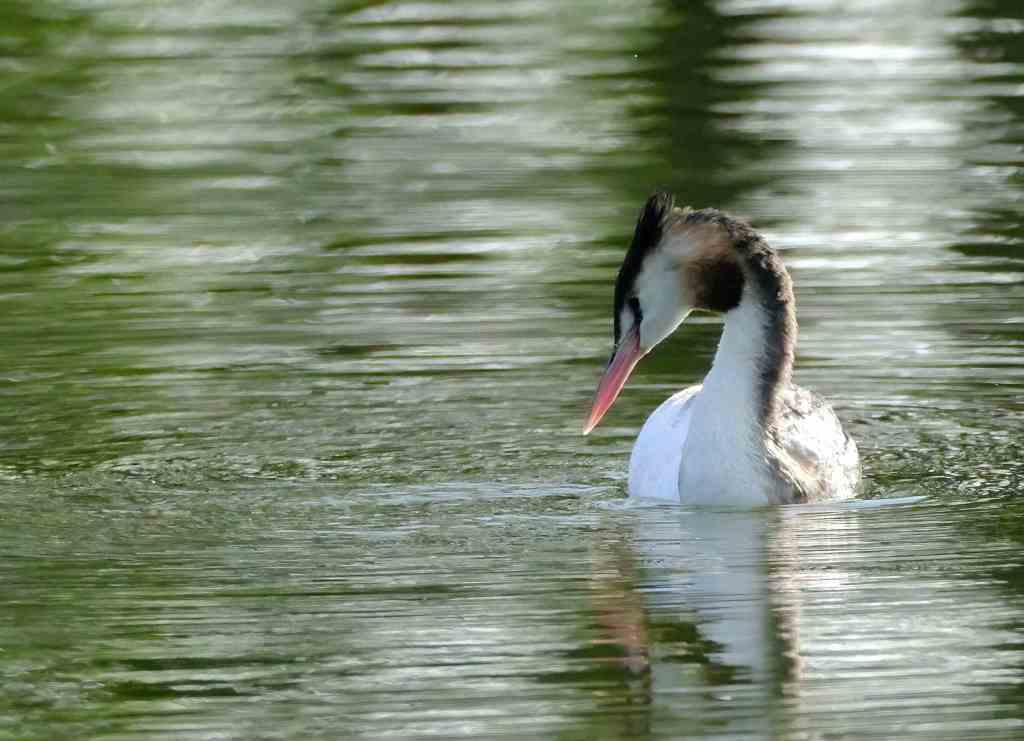
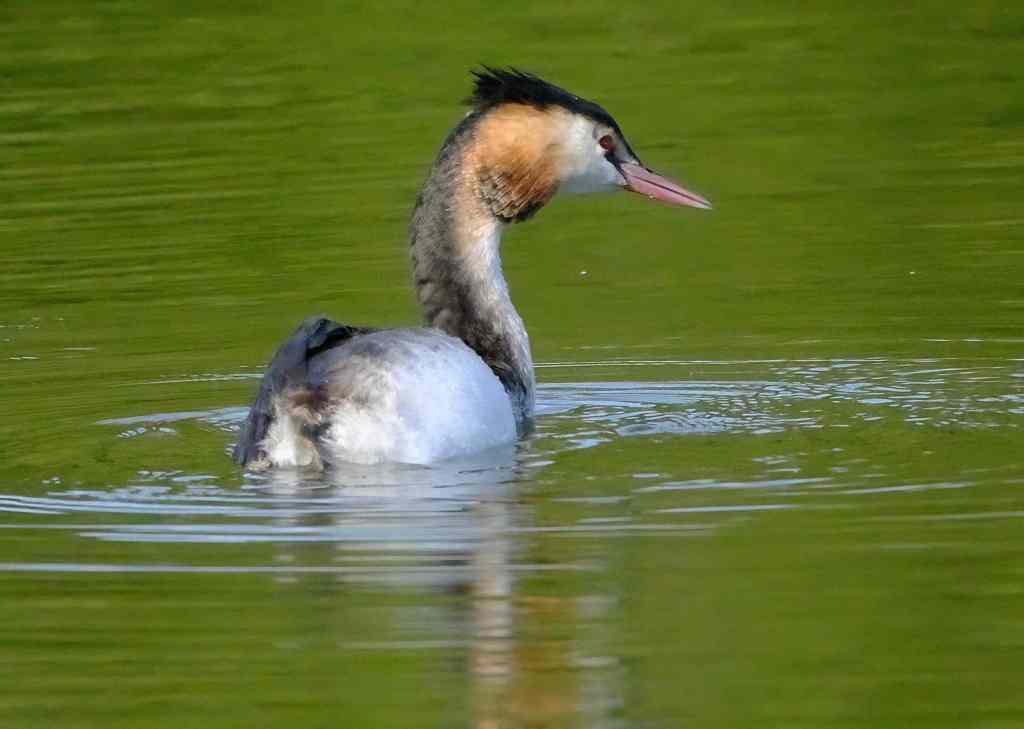
An update on past posts following the Great Crested Grebes family on a local lake. The chicks are growing well and all four have survived. They remain close to their parents but are fishing independently. The group comes together but a lot of the time 2 chicks stay with each parent bird.


The chicks are about the same size as the adult birds but remain in their humbug juvenile plumage.


Fossil and archaeological records show that the Dalmatian Pelican bred in Britain until medieval times other references say they were lost to Britain earlier and they were hunted to extinction during the Roman occupation, almost 2,000 years ago. they are now an extremely rare visitor from southeast Europe and an occasional escapee from waterbird collections. There are some thoughts of a reintroduction programme of Dalmation Pelicans to the UK.
I see posts on WP of Pelicans on jetties in the US. I always love those views. Today I visited the WWT centre at Arundel where they have these 2 birds in their collection of waterbirds.


#Wordless Wednesday.


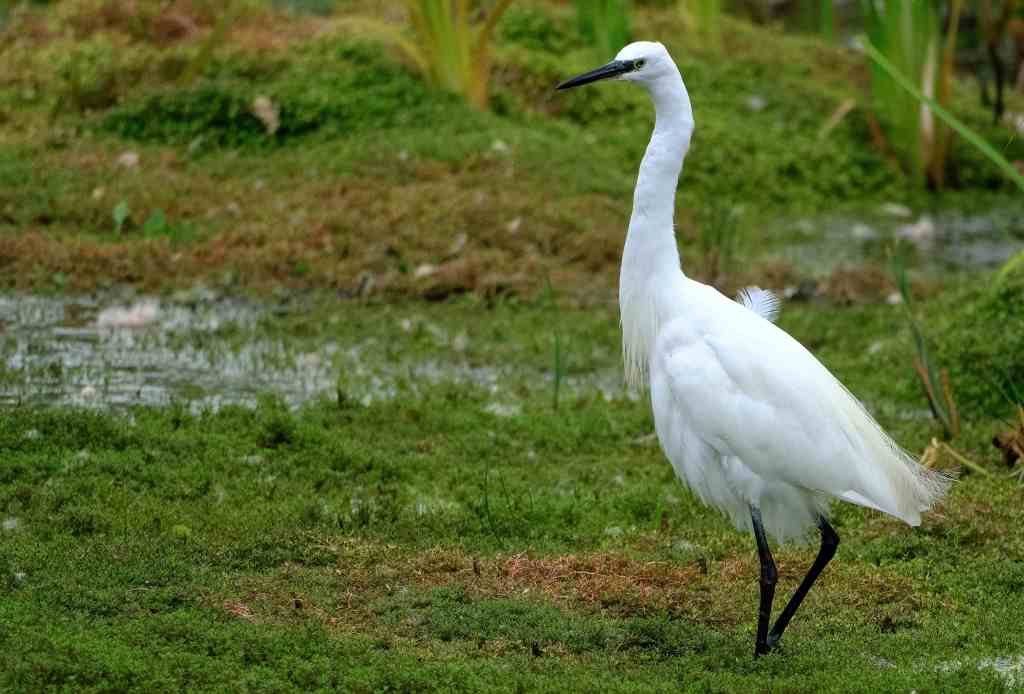
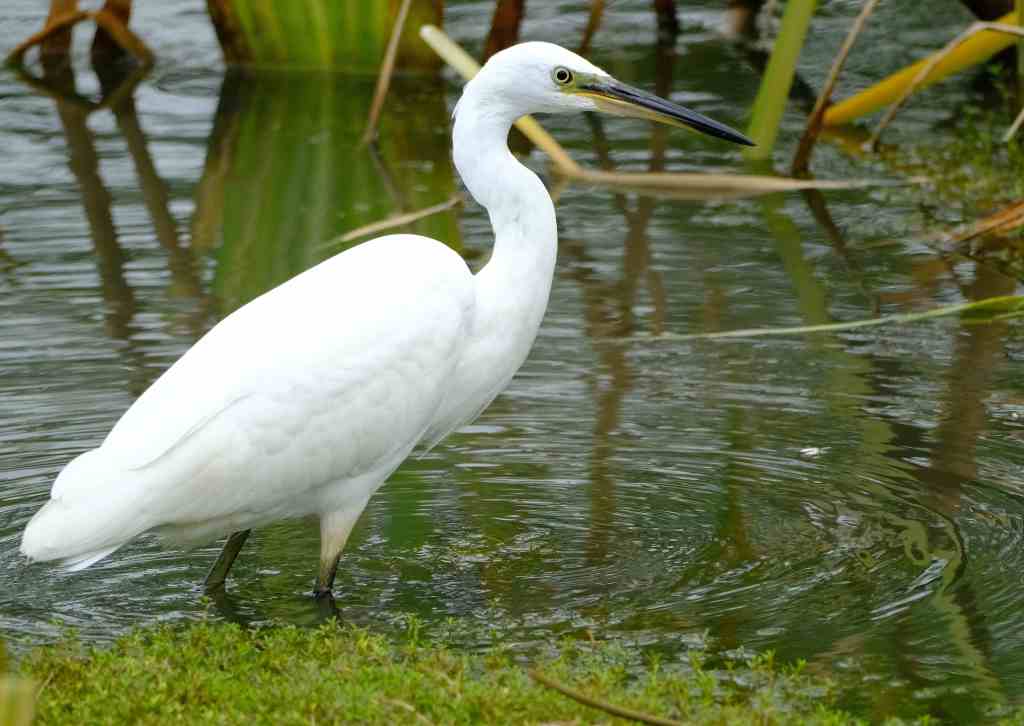
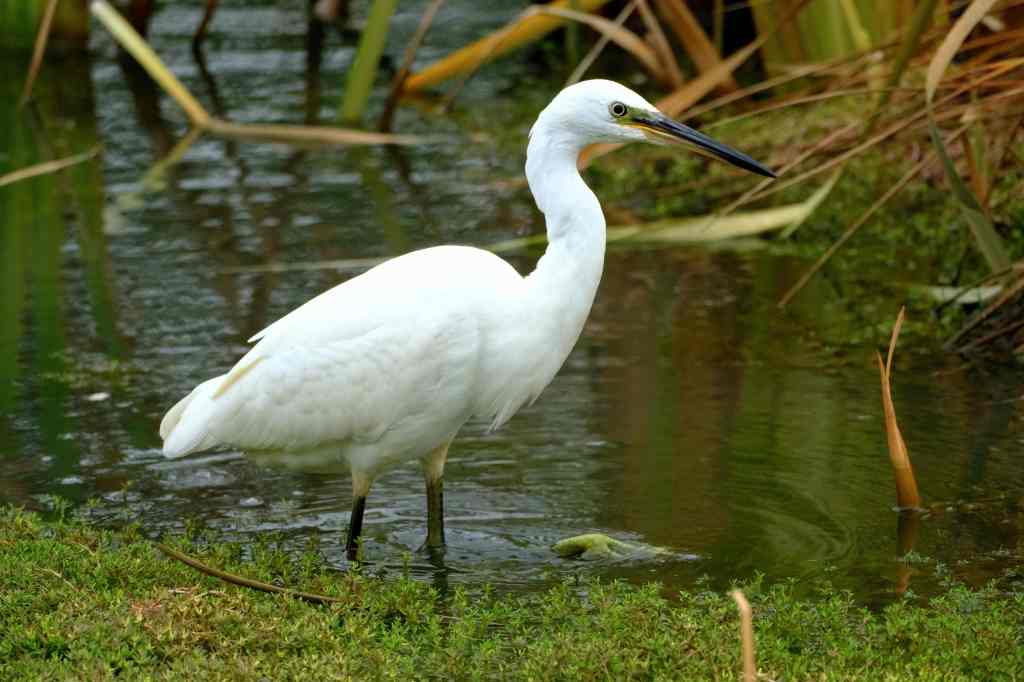
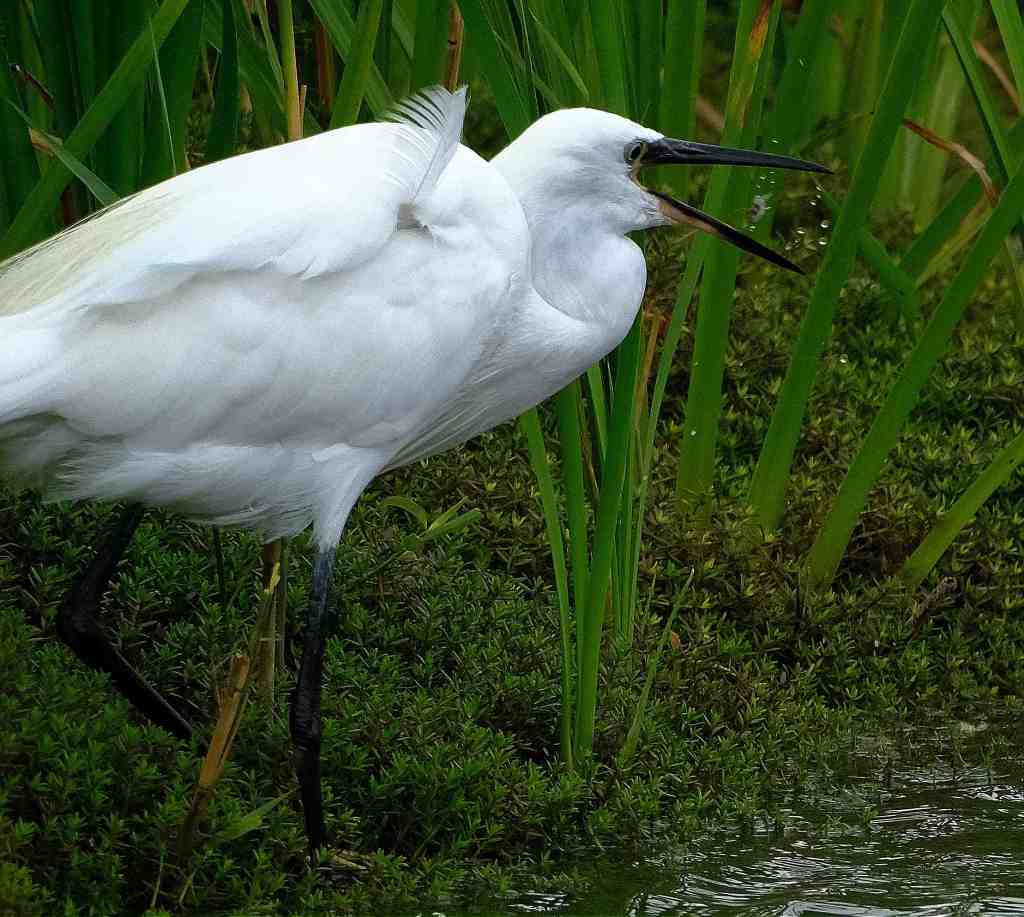
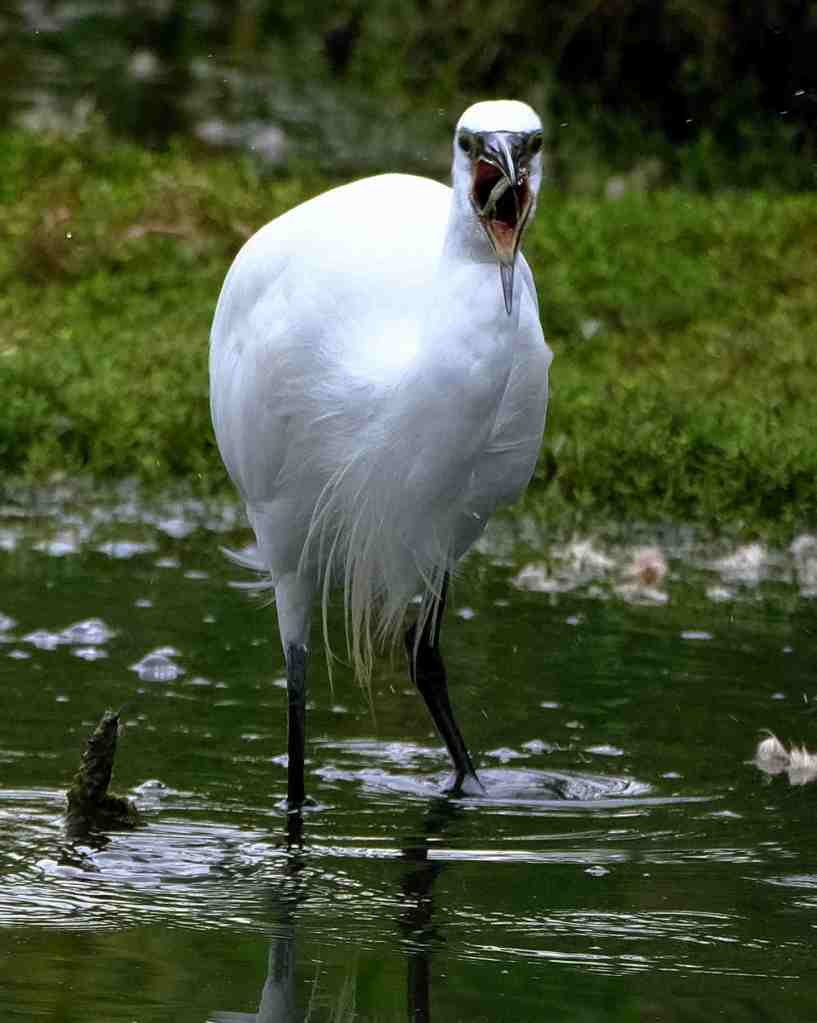
Interesting watching a Little Egret catching dragonflies at Titchfield Haven Nature Reserve. A large dragonfly is more of a small fish. Something I have not observed before – I was able to capture some of the hunting on video which I filmed in slow motion.


Some extra pictures of Dippers on the River Lyn Somerset.


Dippers have a NIctitating Eye Membrane, an extra eyelid to help them see underwater and protect their eyes They also have white surfaces to the eyelids, conspicuous when the eyes are blinking. (see picture below).


A walk from Lynmouth up the river towards Watersmeet.

We have been away for a few days on Exmoor in the campervan. An objective of our trip was to see if I could find some Dippers. Dippers are a short-tailed, plump birds found on fast-flowing rivers and streams. When perched on a rock it habitually bobs up and down and frequently cocks its tail. They can be seen bobbing up and down on a stone in the fast-flowing river. They feed on underwater insects by walking straight into, and under, the water.


As well as several adult birds I also saw a juvenile bird.


There was also a family of Grey Wagtails on the river walk.


Avocets the action continues.

The parent Avocets (male and female) keep a close eye on their chicks – get too close and there is “trouble”. Yesterday’s post was about the clashes where Avocets getting too close. Today’s pictures were also taken yesterday show a juvenile black-headed gull overstepping the line!


Over 80 birds at Titchfield Haven and a joy to watch. Jut a few pictures from today visit.


Another visit to see how the Great Crested Grebe family is doing. All four chicks have grown over the last week. Mum and Dad are both looking after the chicks who are spending more in the water rather than on the backs of their parents.