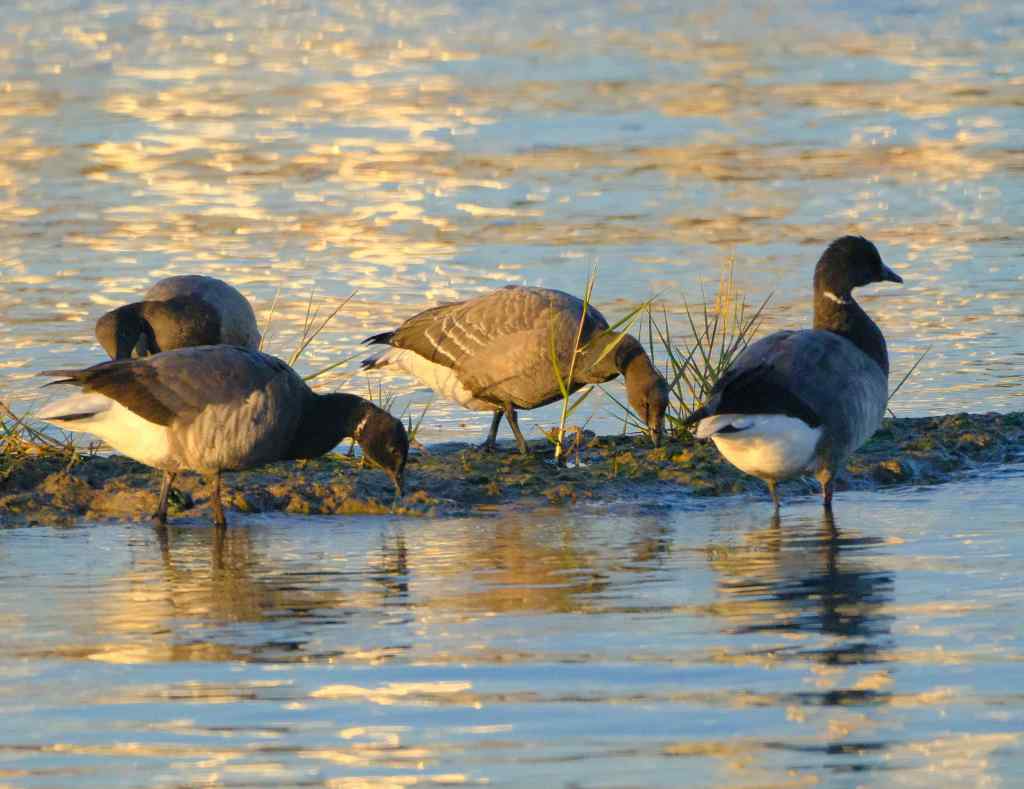
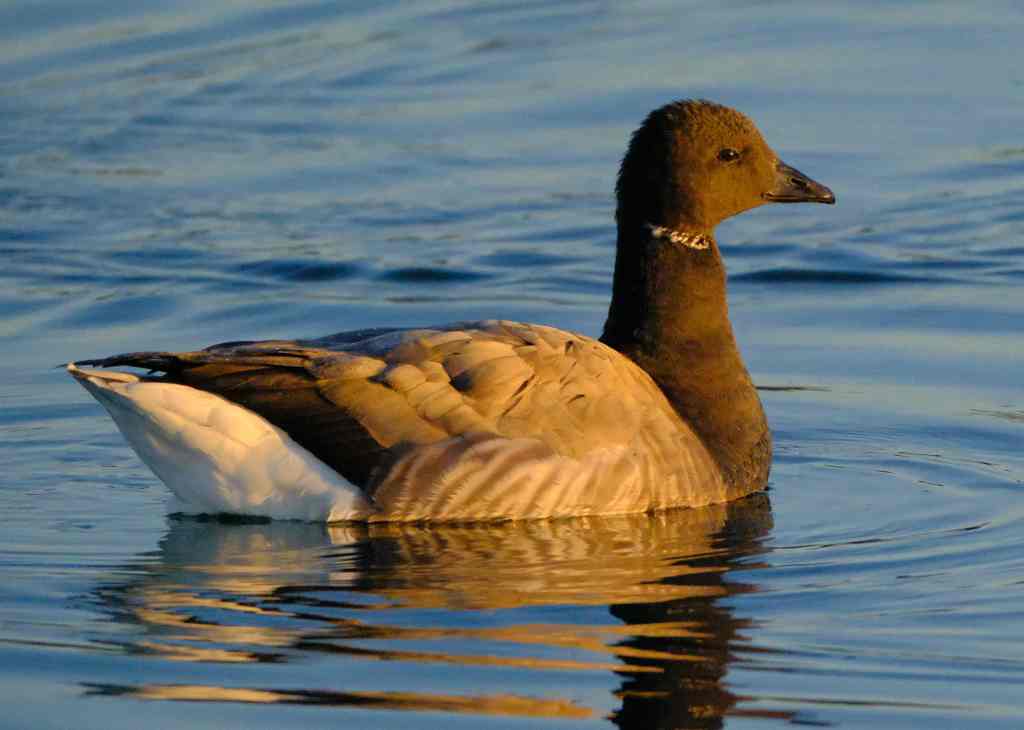
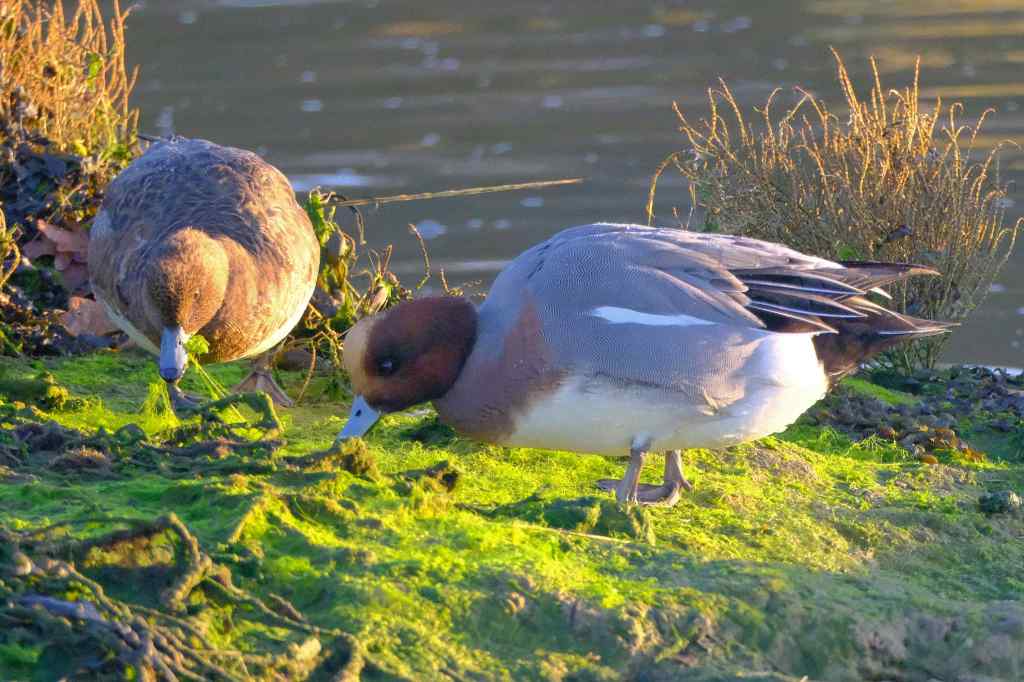
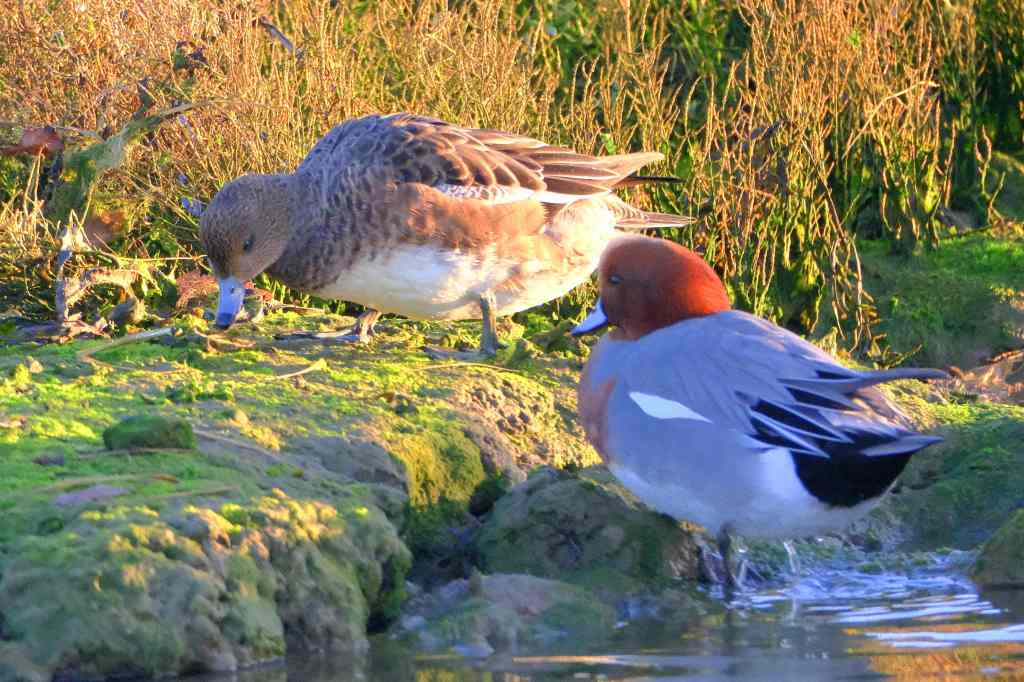
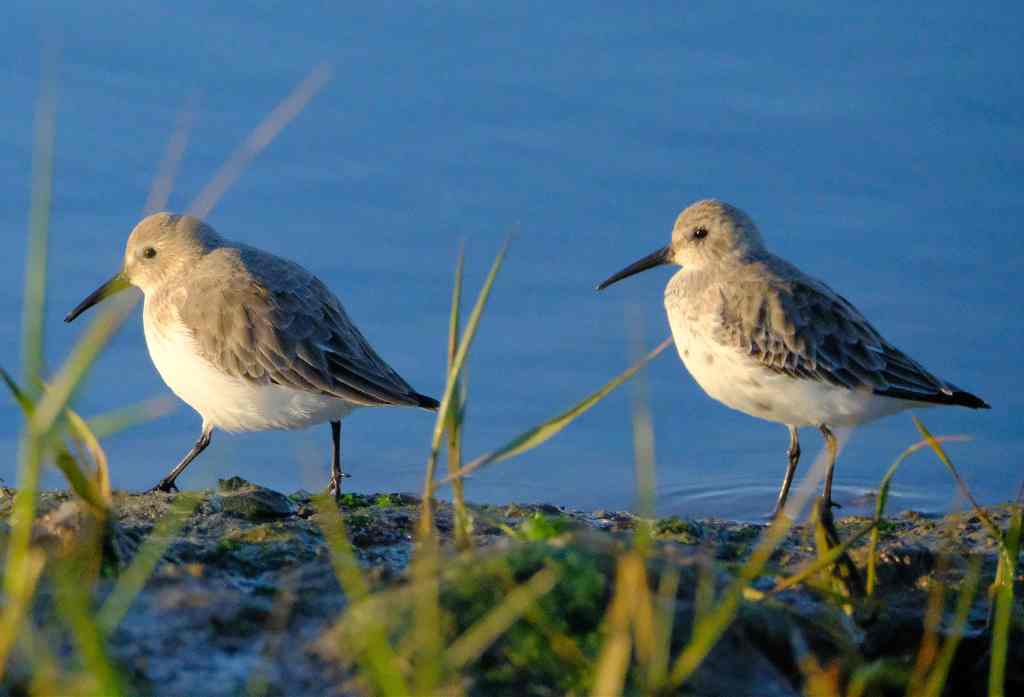
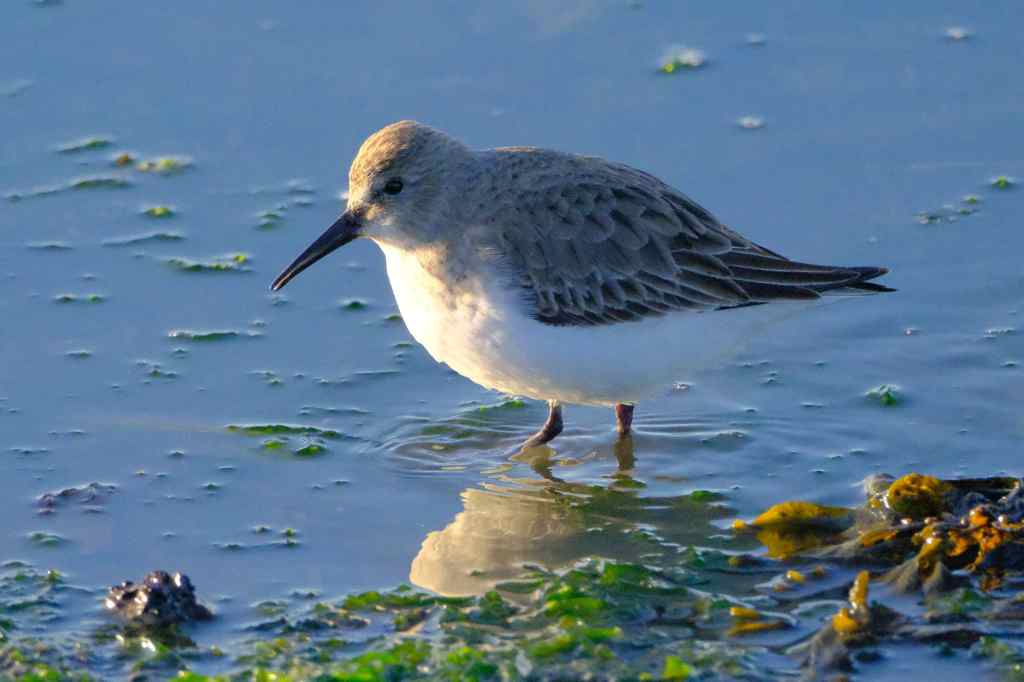
Sunday morning walk up the Hamble River. With the arrival of the Brent Geese and large numbers of Wigeon, we can conclude winter has arrived. The Dunlin have lost their black chests and now sport their winter plumage.
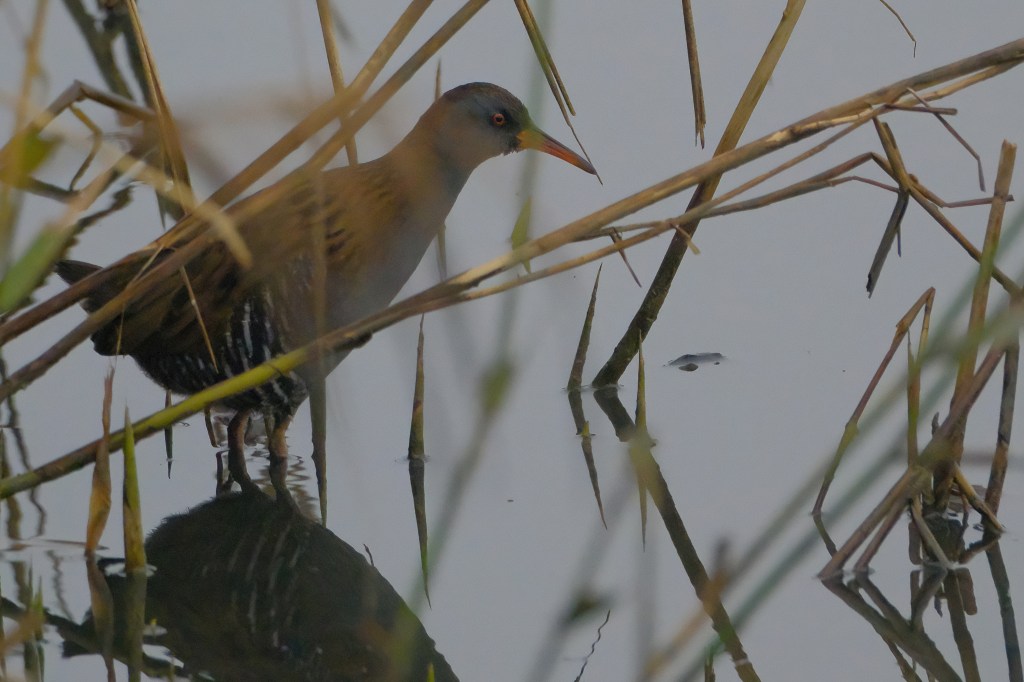
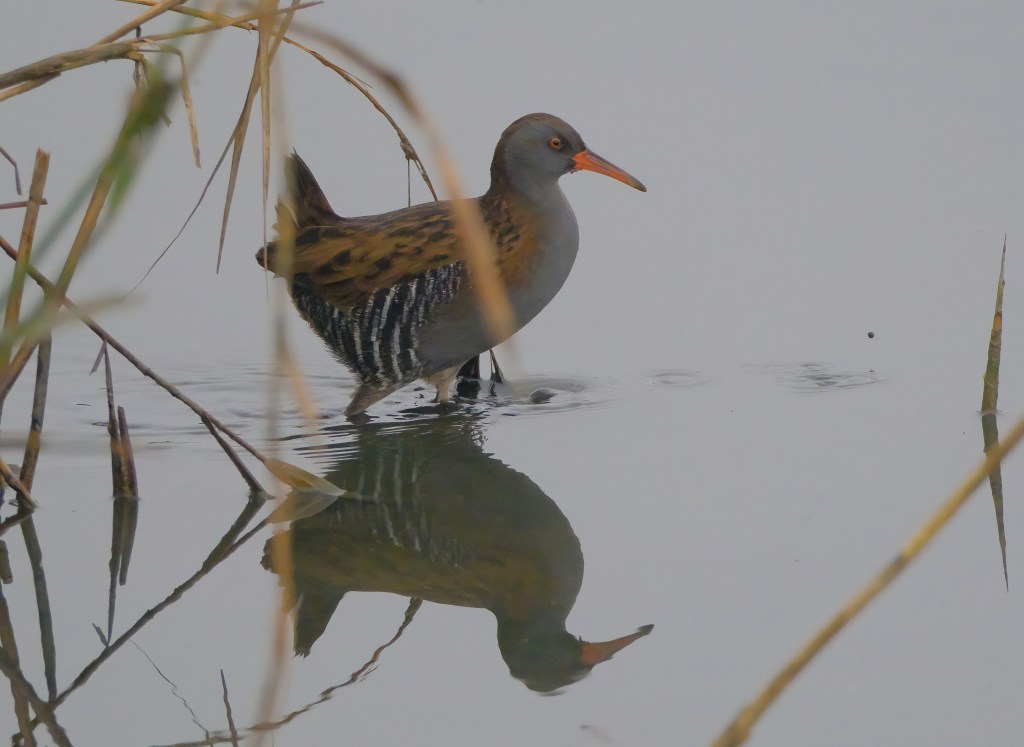
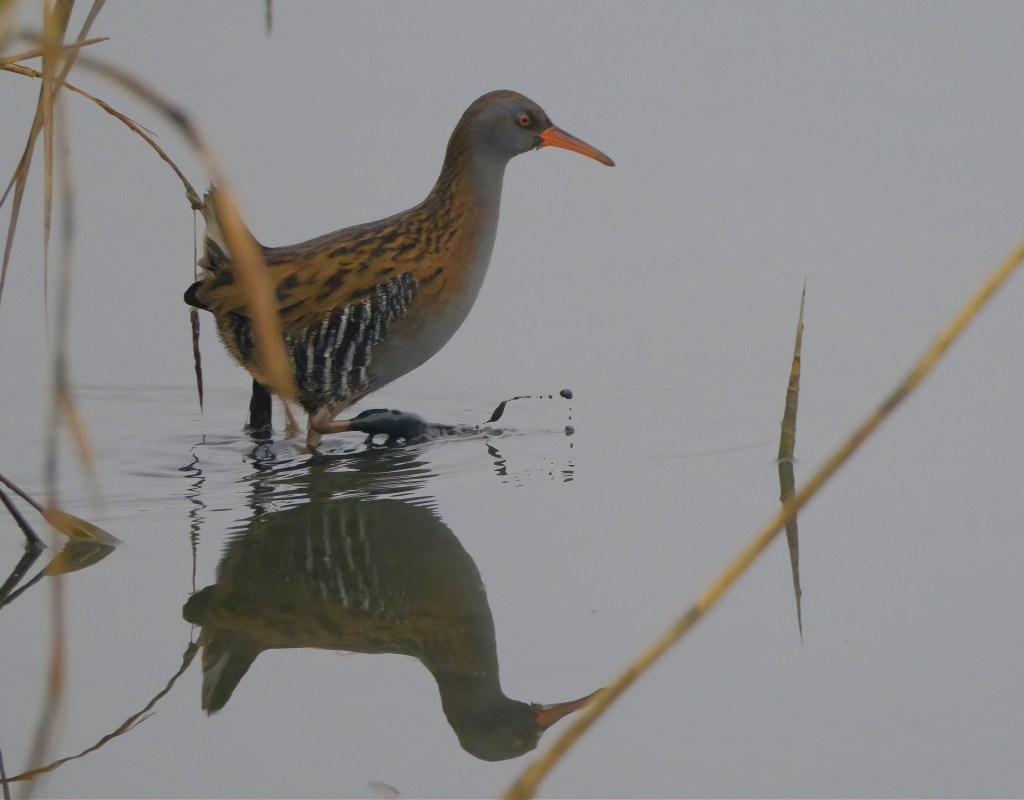
This Water Rail is making a dash from cover in the reeds. Although they are usually secretive, they are often heard but rarely seen. Today. I was lucky to see this bird break cover.
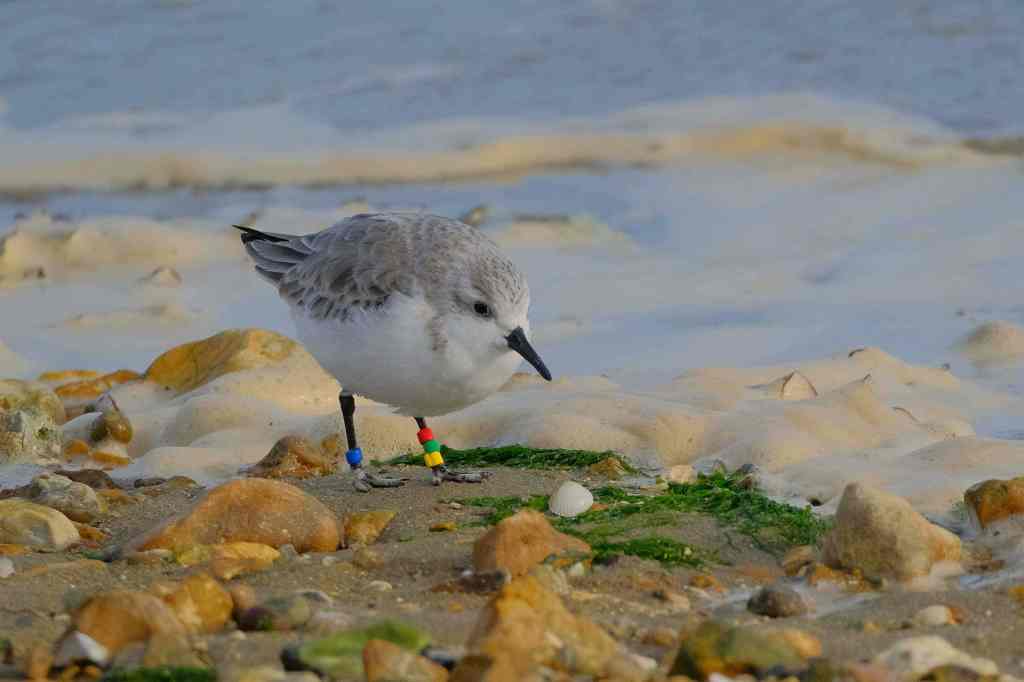
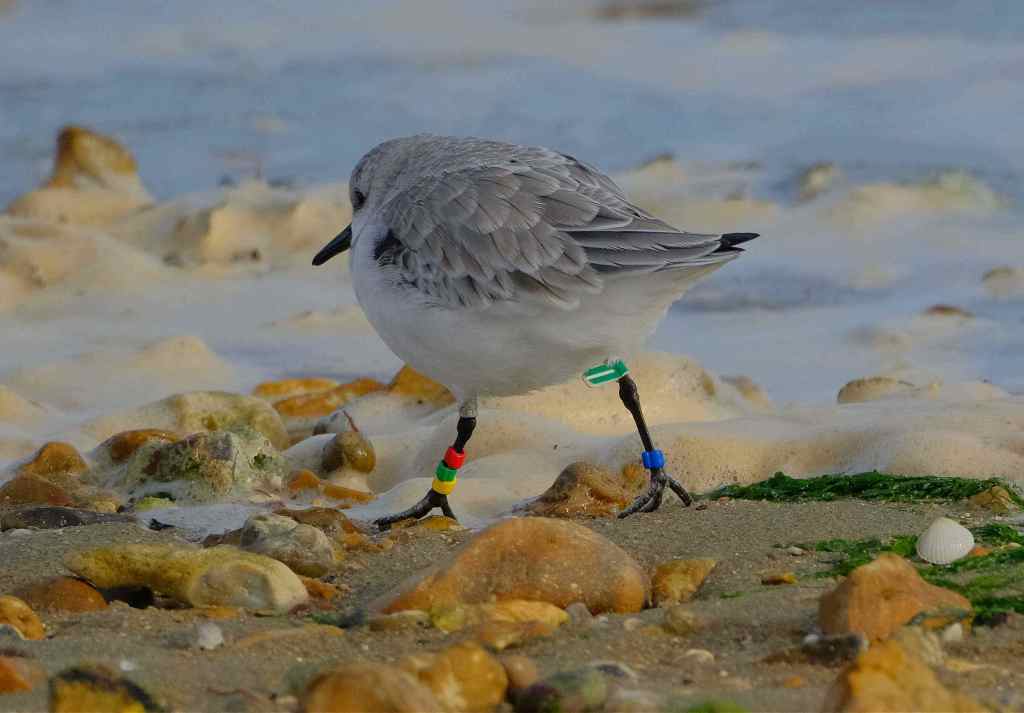
As winter approaches, the number of Sanderlings increase on Meon Shore. This is because the small number of resident birds increased with migratory birds from their breeding grounds in the Arctic Circle arriving.
This ringed bird
This ringed bird has been on the beach for a few weeks. Ringed as an adult bird on a nest in NE Greenland on nesting grounds in summer 2025. I am always amazed at how a bird weighing just 60 grams makes this journey each year, then returns to their breeding grounds in the spring.
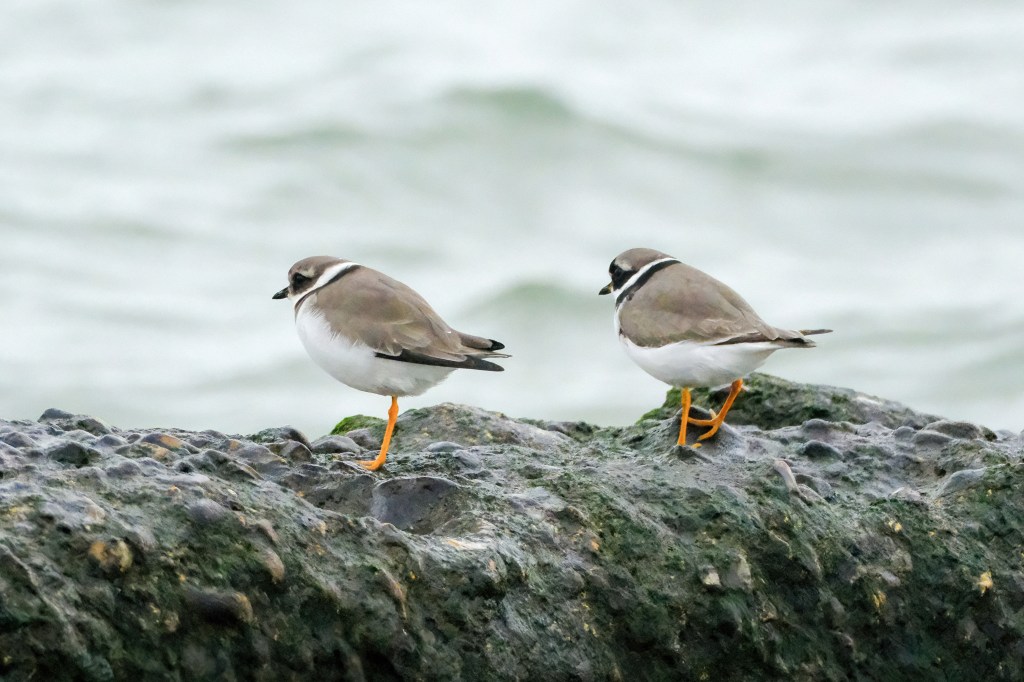
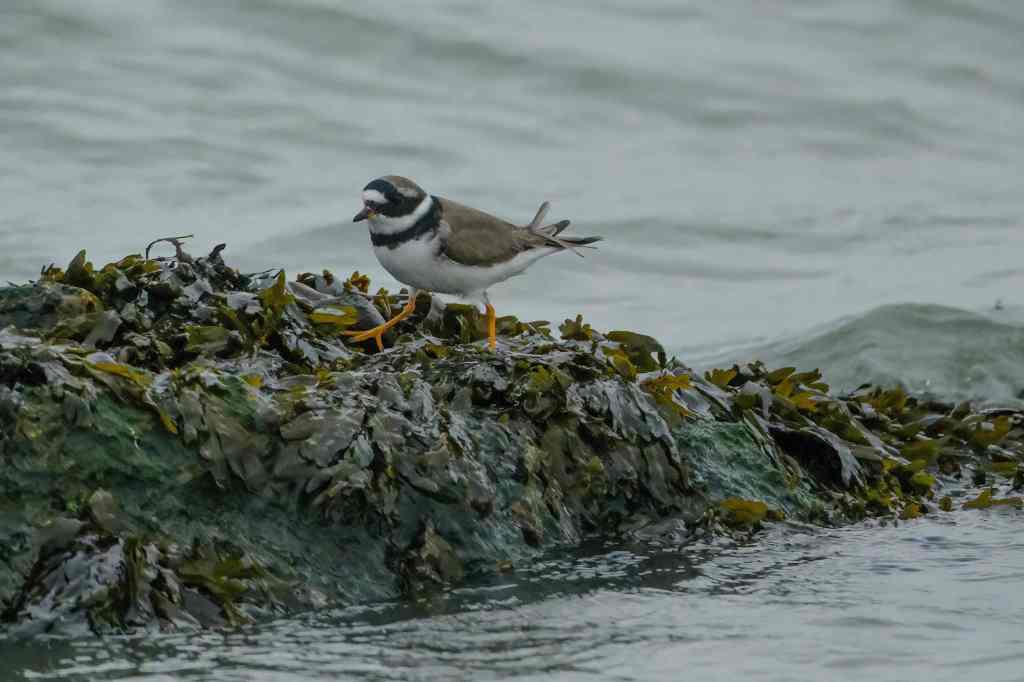
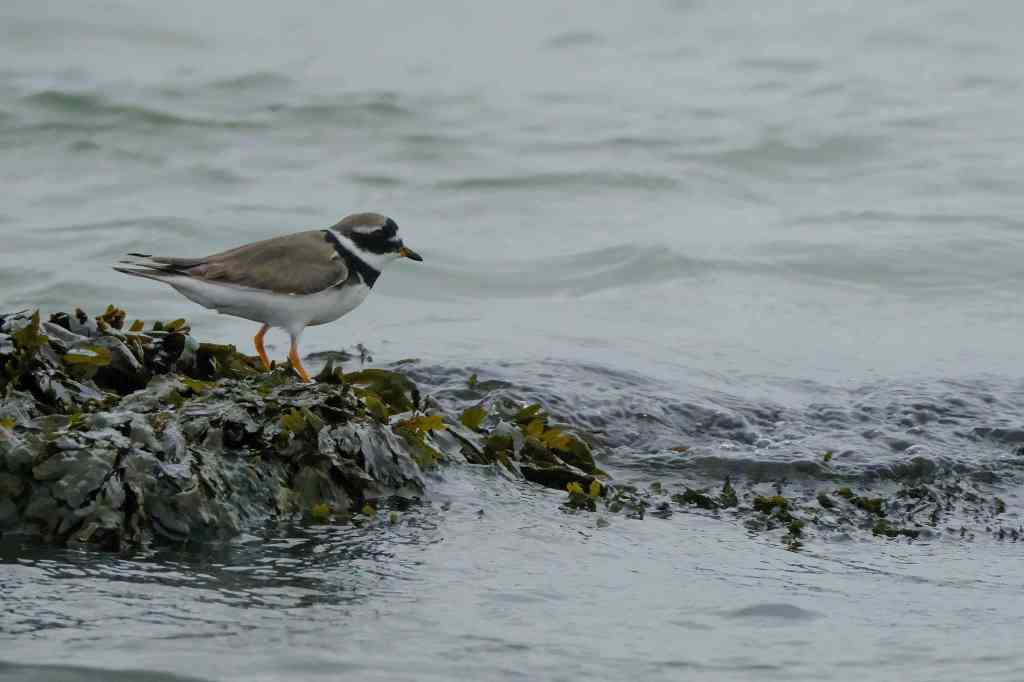
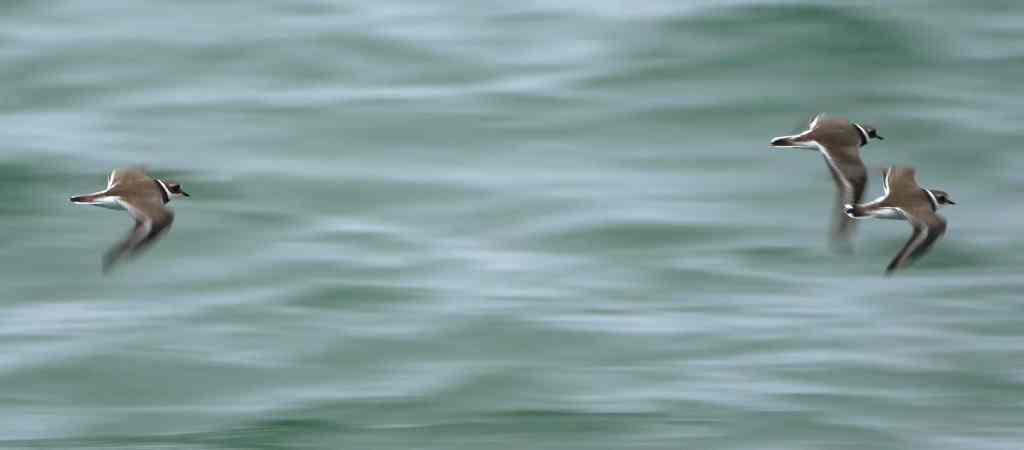
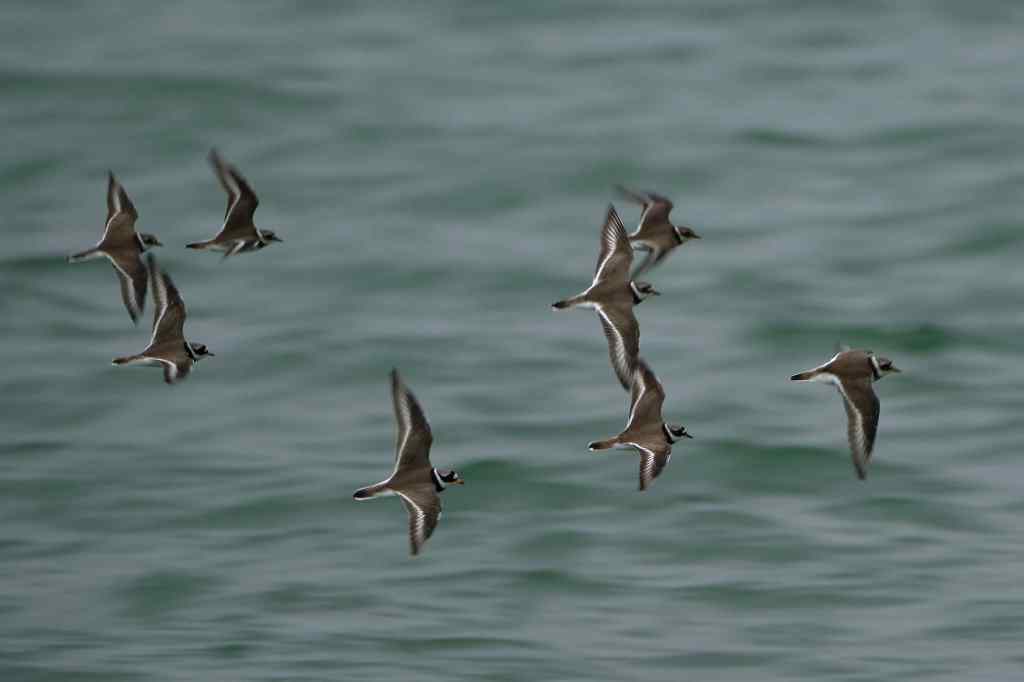
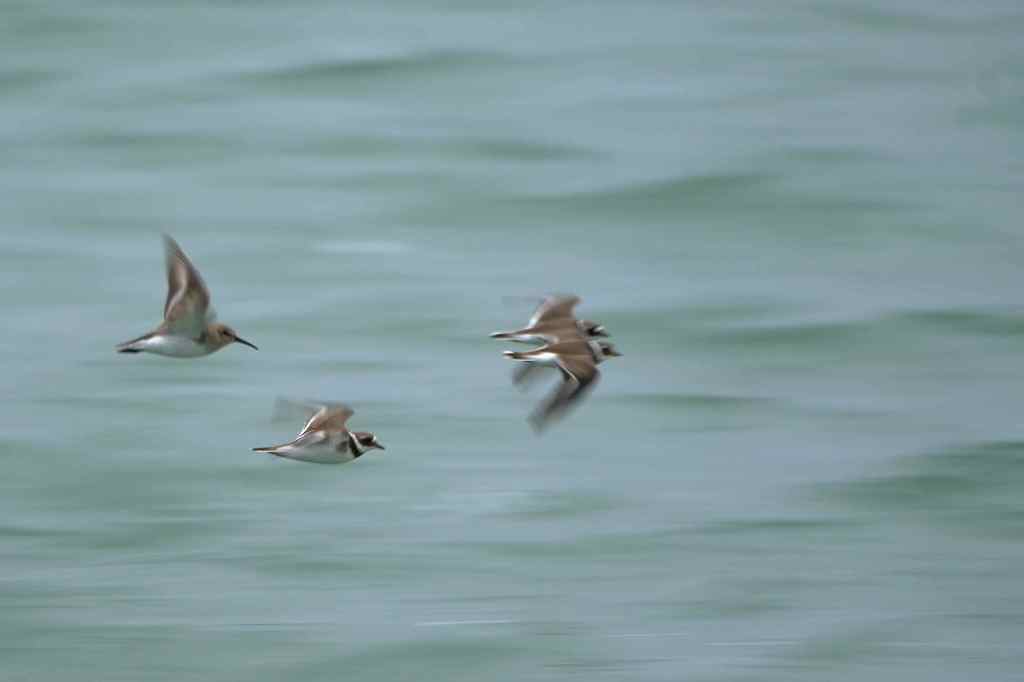
Over the past few weeks, the number of Ringed Plovers resting on the spit at Meon Shore has been increasing. This post is concentrating on this small wader.
Ringed plovers are described as small and dumpy wading birds with orange legs and a black and white head and breast pattern. They can be seen foraging for small invertebrates and crustaceans in a characteristic “stand and watch, run, peck” pattern.
UK numbers ; breeding birds 5,450+ pairs; wintering 42,500 birds
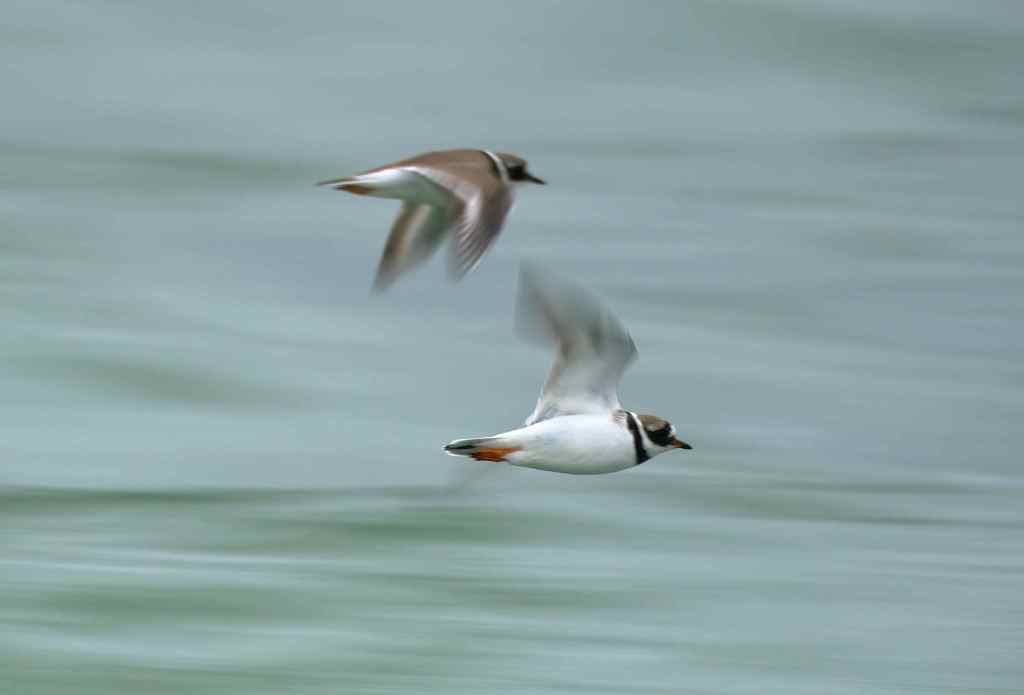
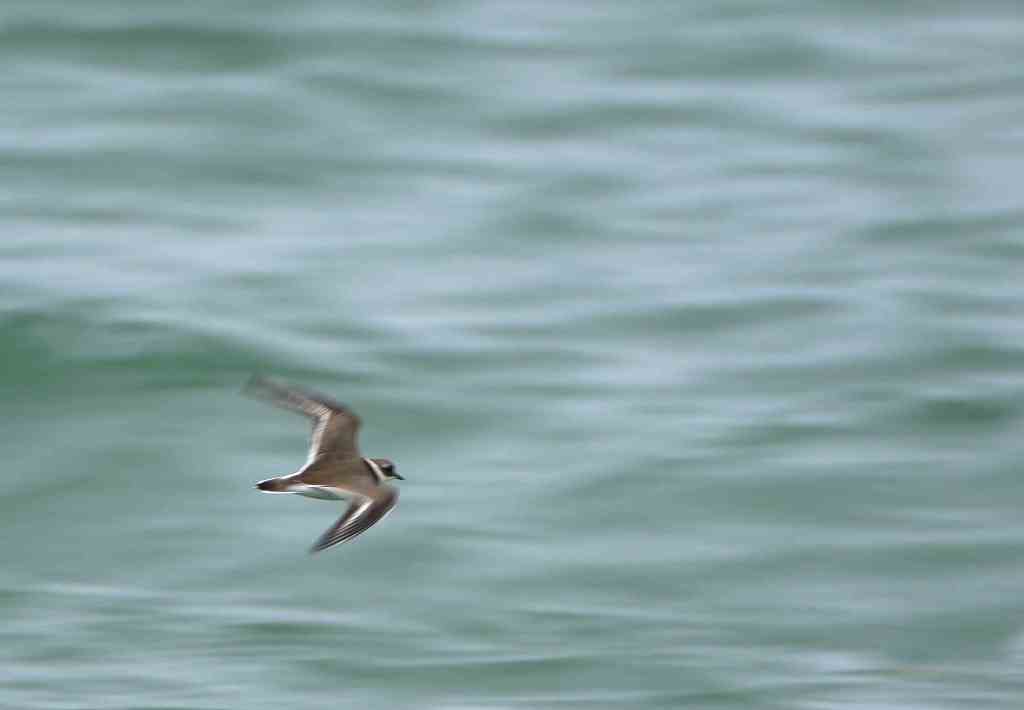
The birds group up beach and will fly together in small flocks.
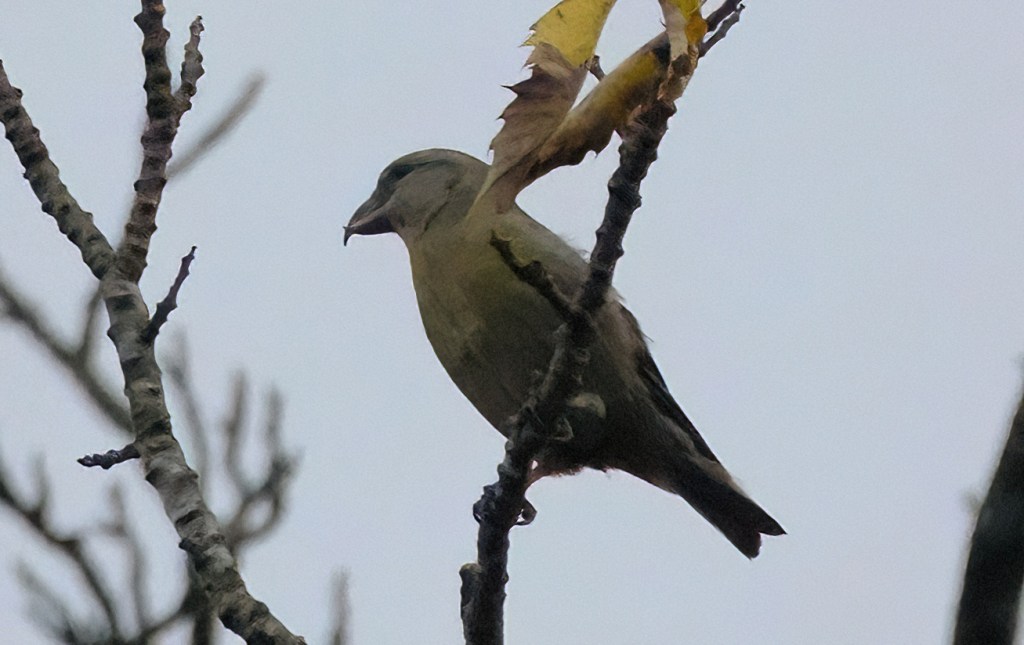
In search of Crossbills in the New Forest. Sadly, the weather was dull and the light was poor. However, the day was successful with several large flocks spotted high up in the pine trees and flying overhead. I managed to get a few record photographs, but I hope to try again on a brighter day to get some better shots.
Male birds are Red and females Green. I spotted a couple of Crossbills earlier in the year (when they were a first for me), link below.
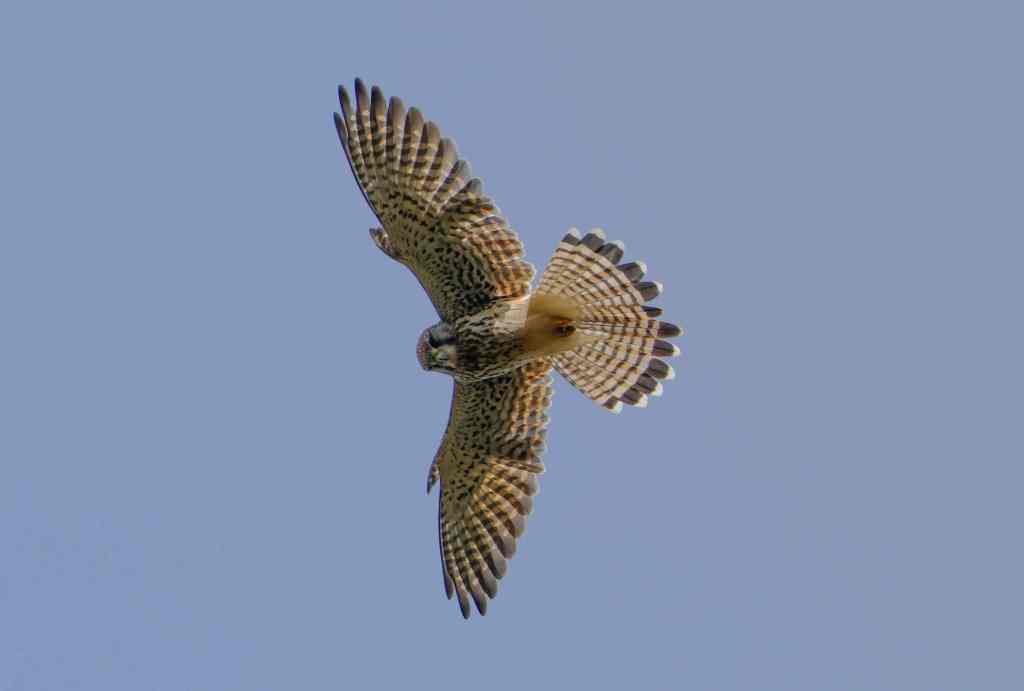
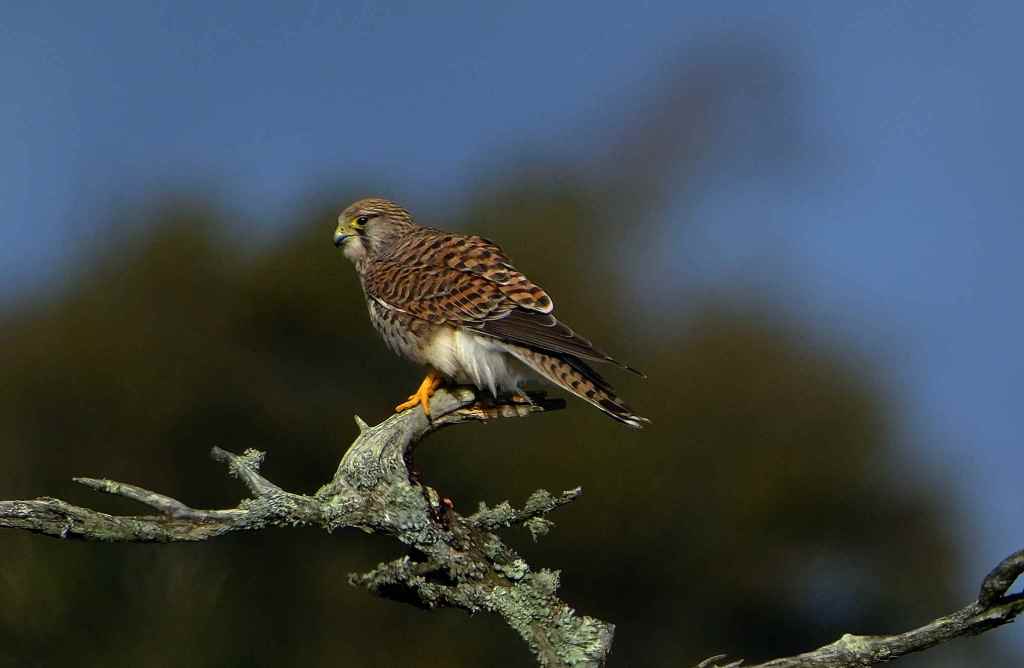
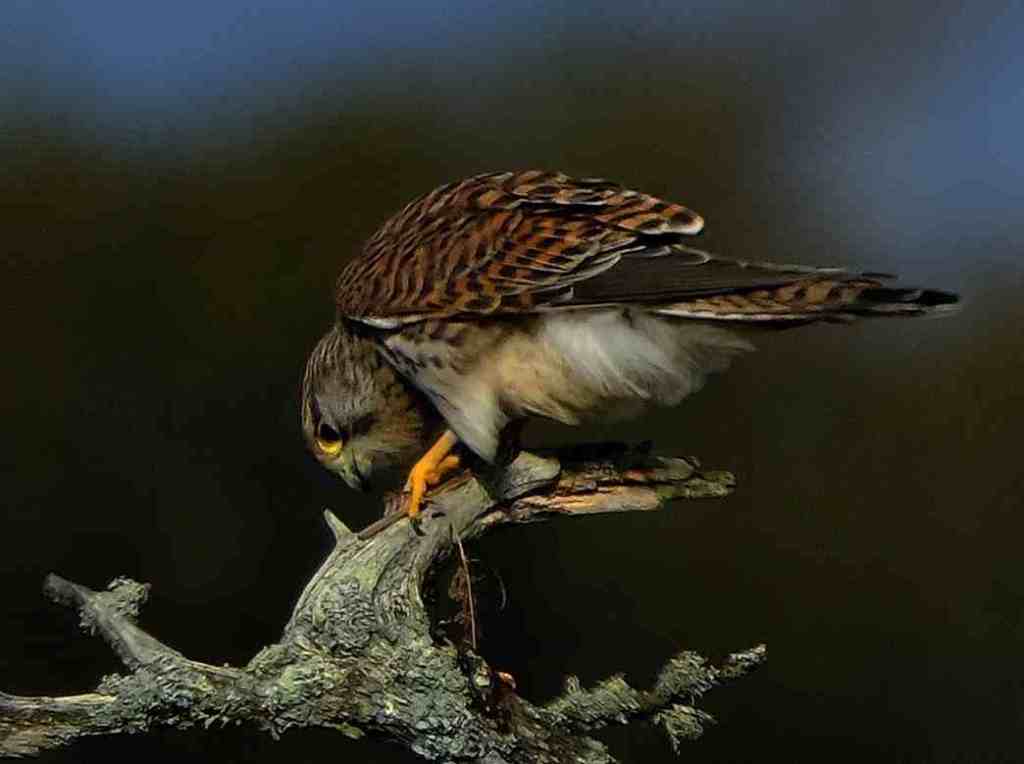
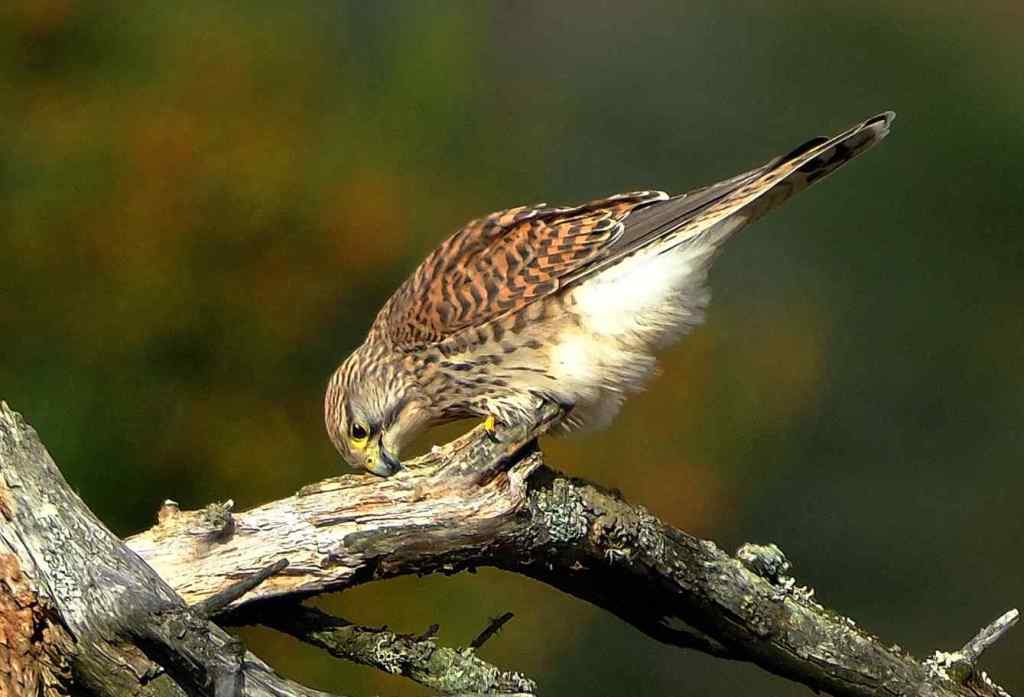
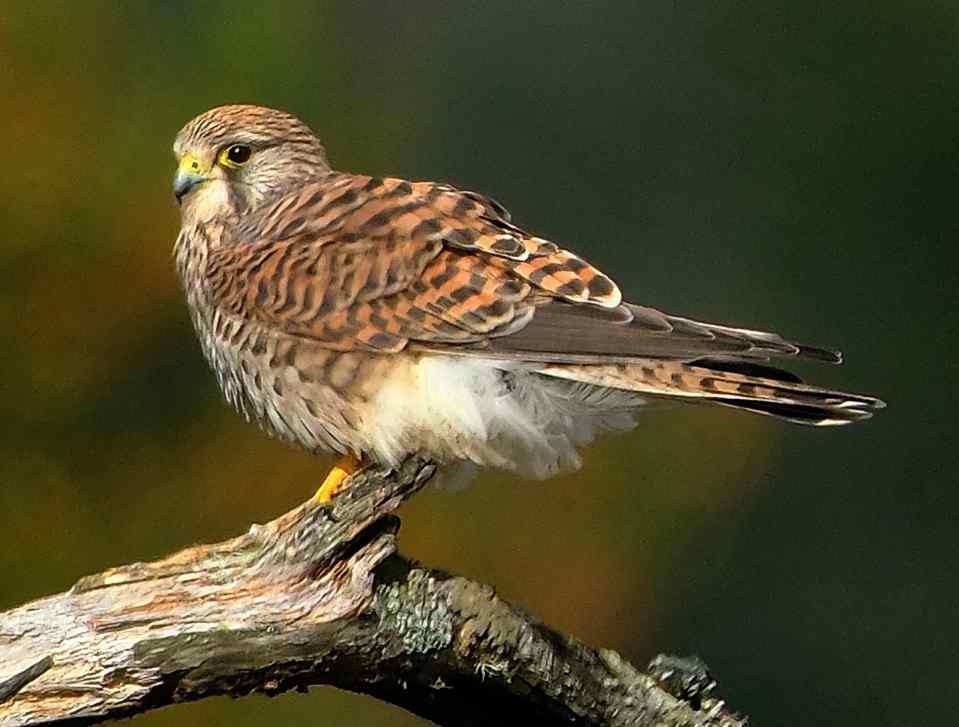
After a morning’s walk in the New Forest with little about. We headed back to the car park and spotted a Kestrel hunting. She was using a dead tree to eat her catch. This gave a photo opportunity.
Male and female kestrels are different. How to Spot the Difference – Males and females have distinct plumage. The male has a blue-grey tail and wings, and a chestnut-brown back with black spots. The female has a brown tail and wings, with darker brown streaks on the feathers.
Were the River Test meets Southampton Water is the small town of Eling. Eling is now part of the city of Southampton, has a long history of its own. The quay dates back over a thousand years; a medieval tidal mill was the centre of settlement it was once a hub for industries such as shipbuilding and timber. Today, the mill is open to the public, the area has light industry, and private boat mooring.
A walk early this morning, started from Eling and followed Southampton Water down towards Marchwood. The unofficial path follows the water opposite the city’s container terminal, giving both views of the workings of the docks and mudflats.
Engineers need a head for heights for pilon work!
Some interesting wildlife on the walk. Starting with Little Egret.
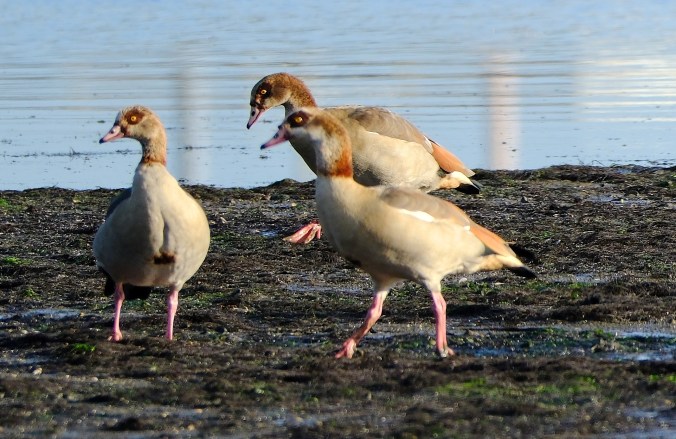
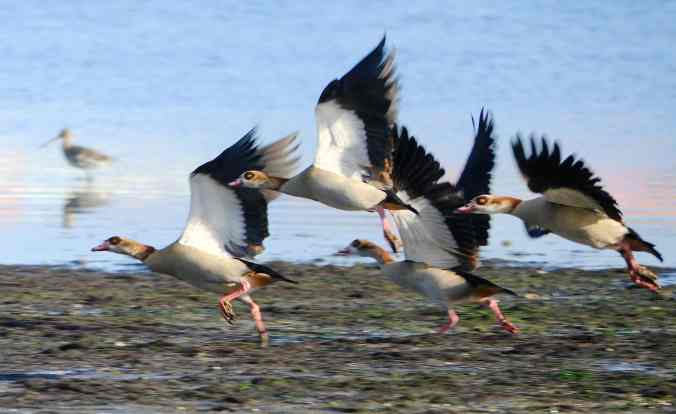
Egyptian geese. This goose is related to the Shelduck. It was introduced to ornamental ponds, but escaped into the wild, where it’s now successfully breeding. In 2009, it was officially declared a non-native species.
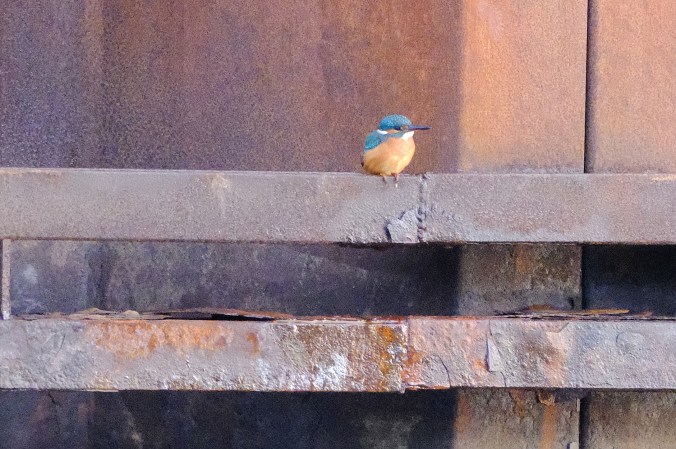
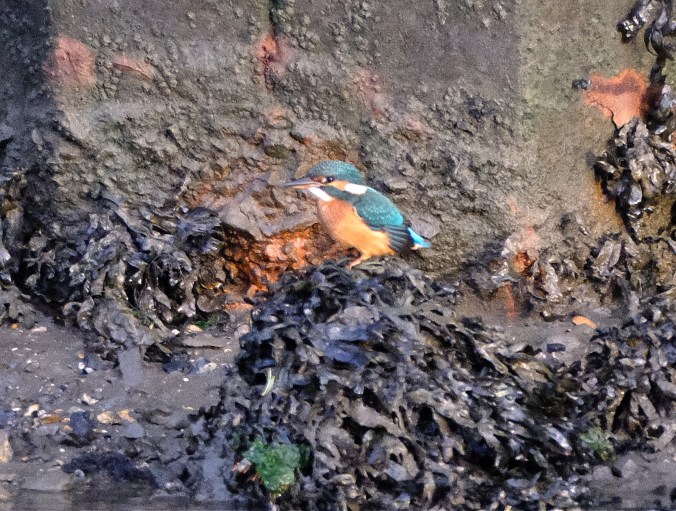
Very distant Kingfisher.
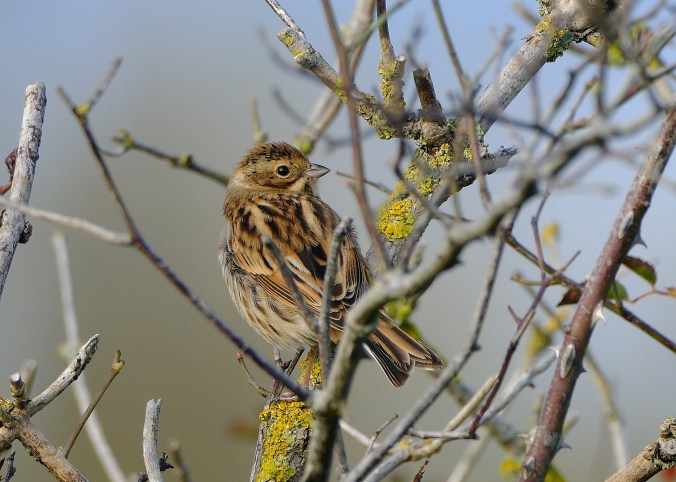
Female Reed Bunting.
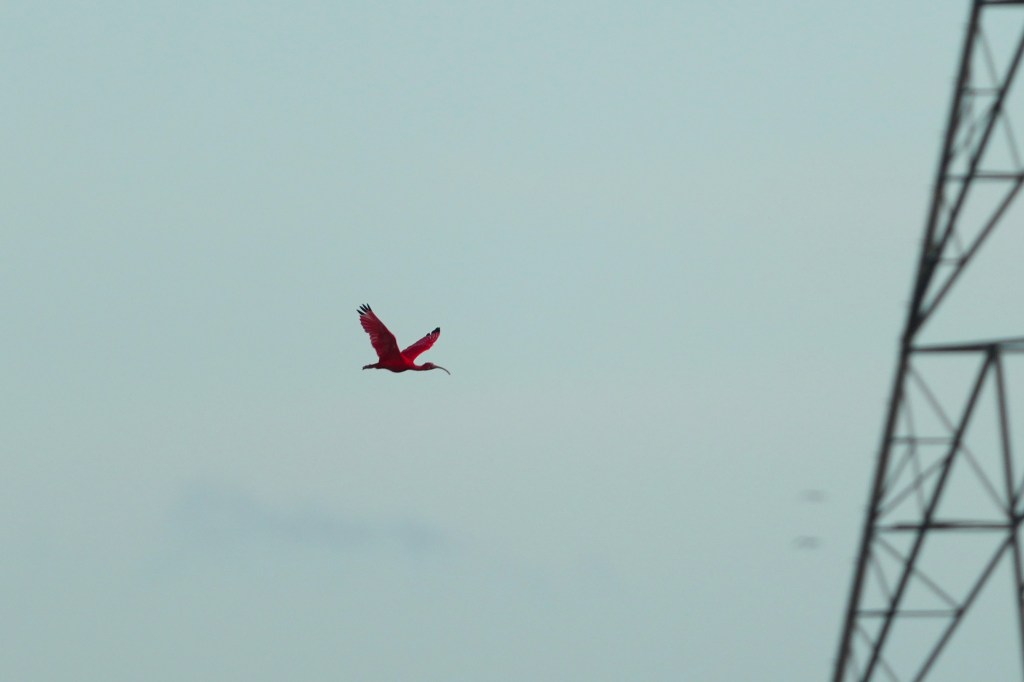
Scarlet Ibis, not very clear pictures, but this bird was some distance off. A surprise sighting of a non-native Scarlet Ibis! It seems several of these South American natives escaped from a local bird park a few months ago.
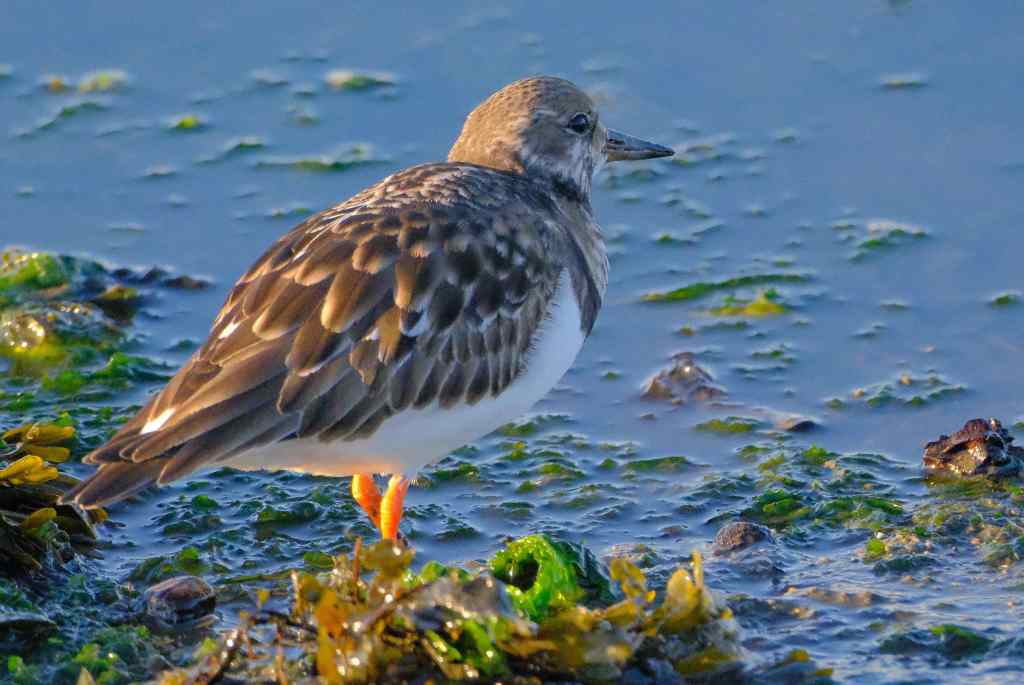
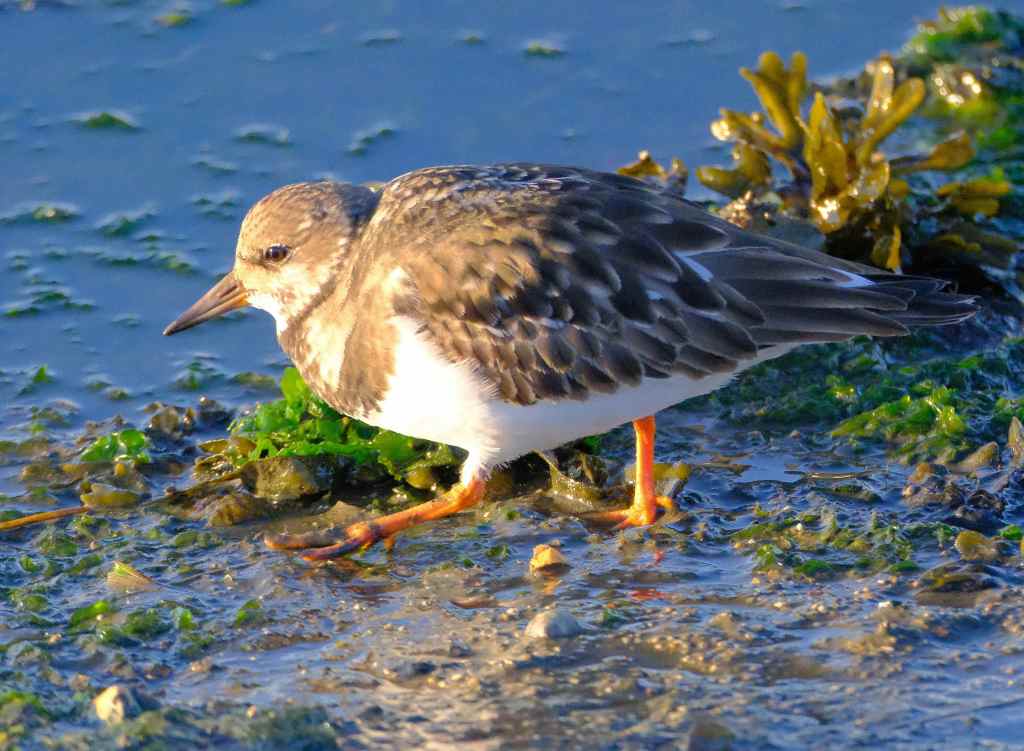
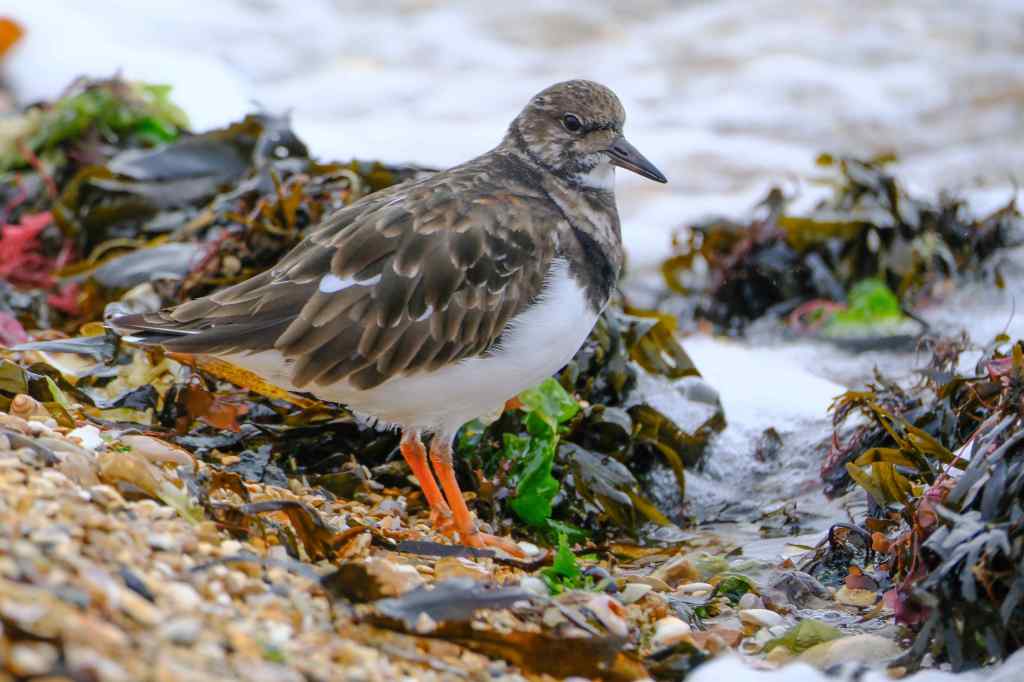
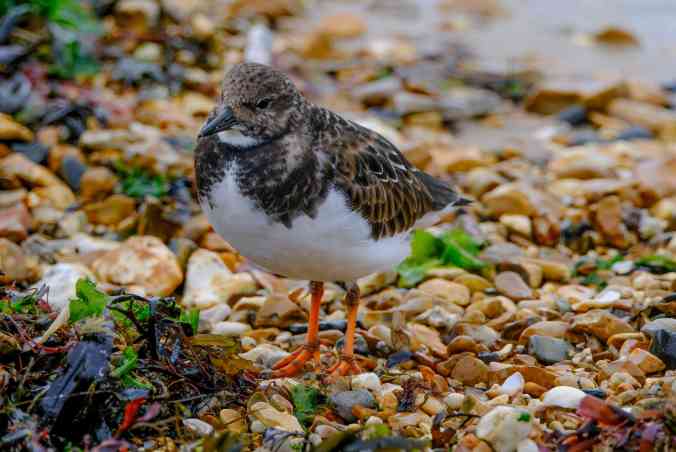
Like little Bulldozers on the beach, turning over seaweed and stones, looking for little invertebrates on the tideline, Turnstones do what their name suggests.
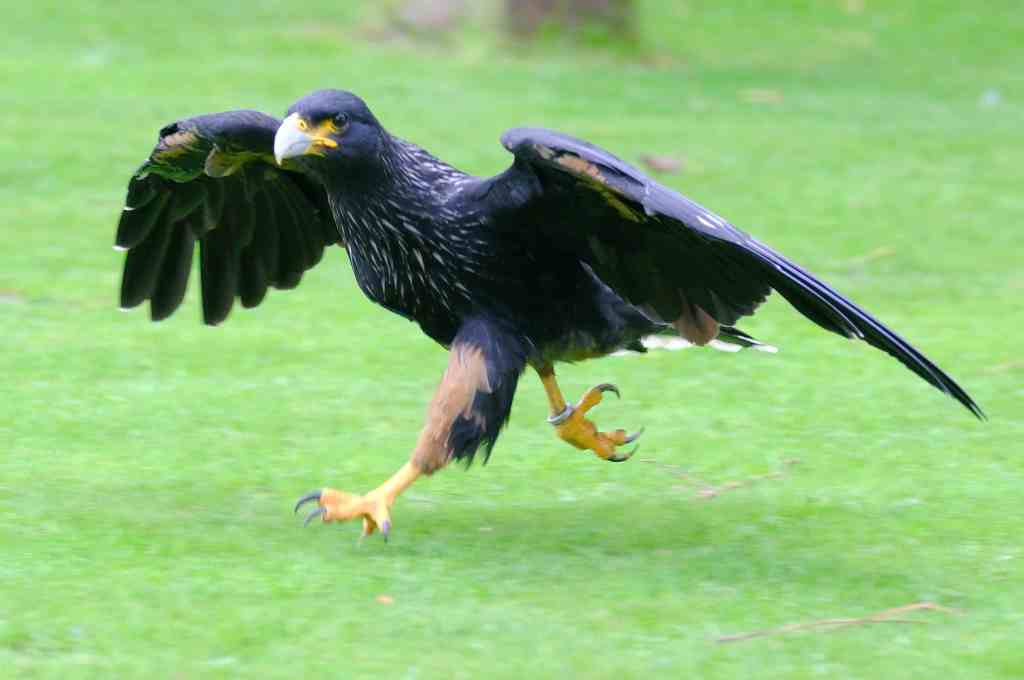
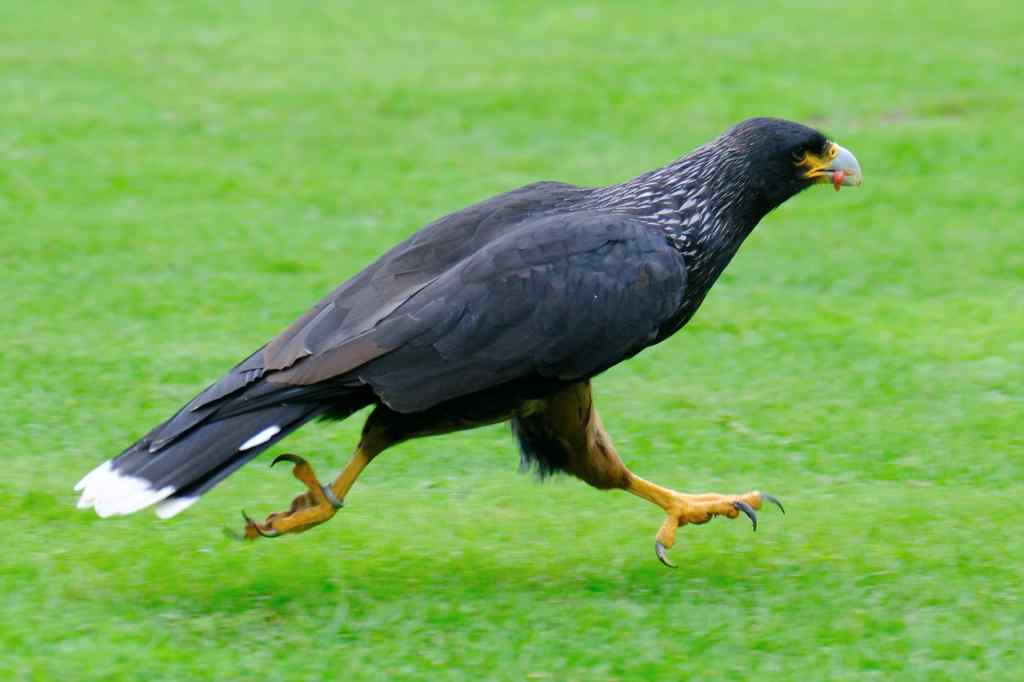
Striated Caracara, this bird is a bird of prey, but it spends a lot of time on the ground. They are native to parts of South America and the Falkland Islands.
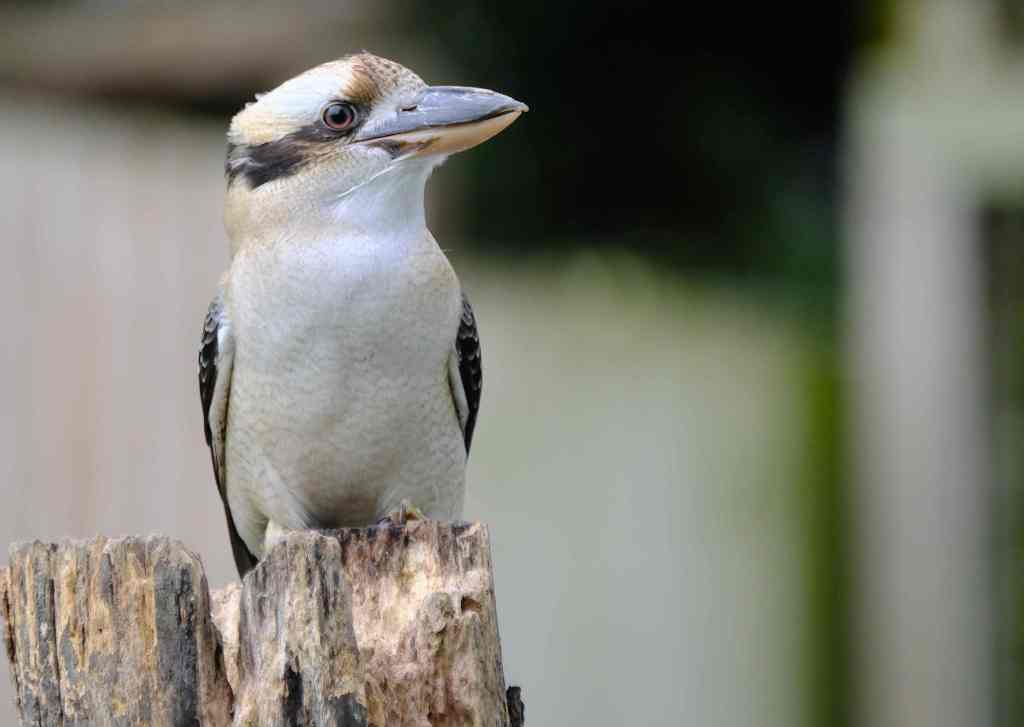
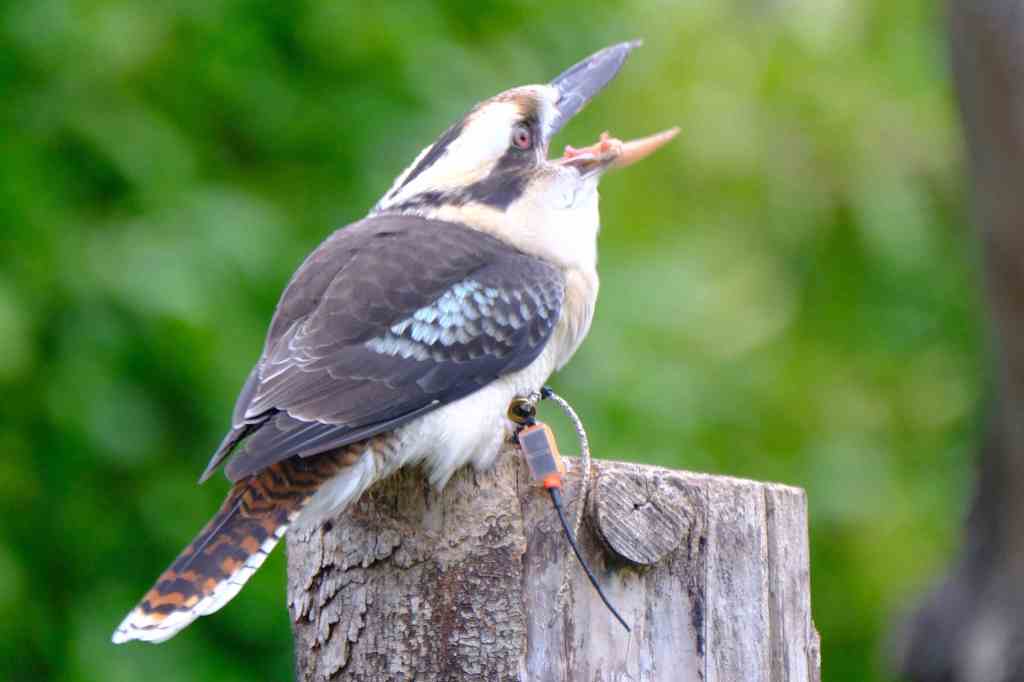
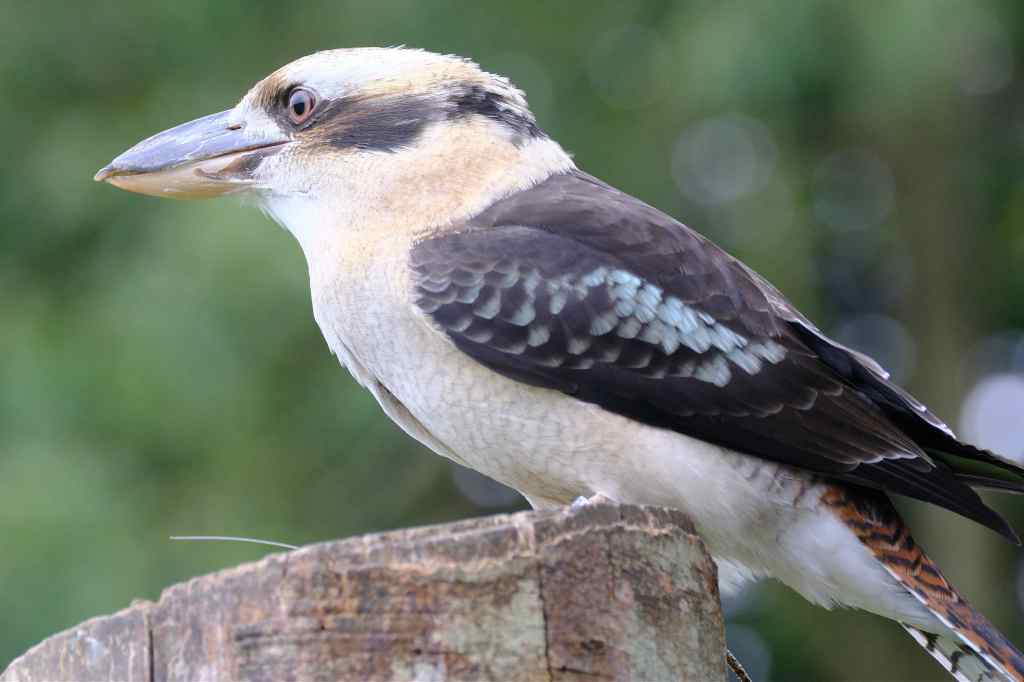
Kookaburra. These birds are the largest members of the Kingfisher family. They are native to eastern Australia. They eat insects, reptiles, snakes and small mammals.


































 Continued Reflections from my World.