Wordless Wednesday.


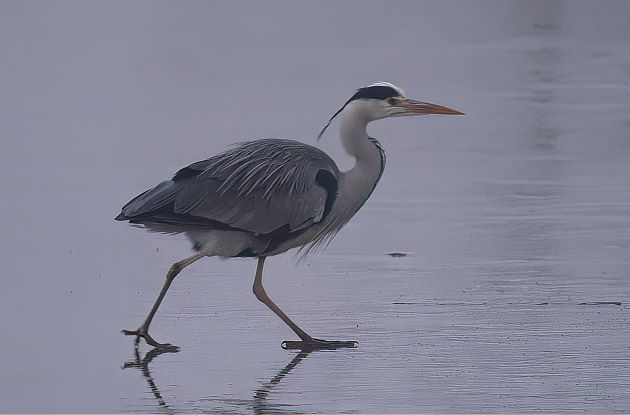
The slip in slow motion.
Wordless Wednesday.
The slip in slow motion.
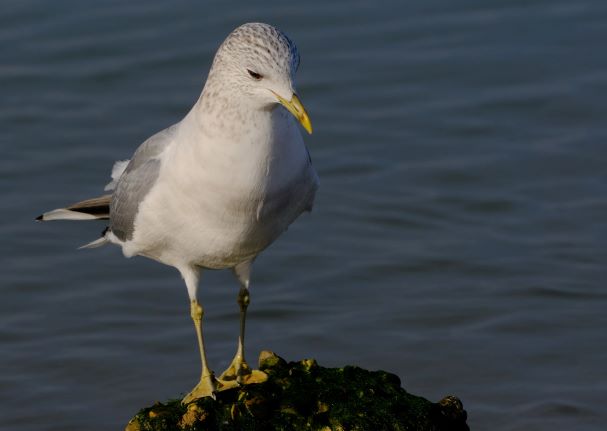
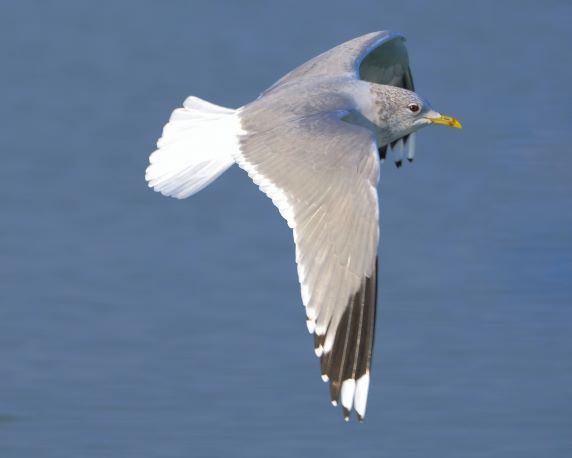
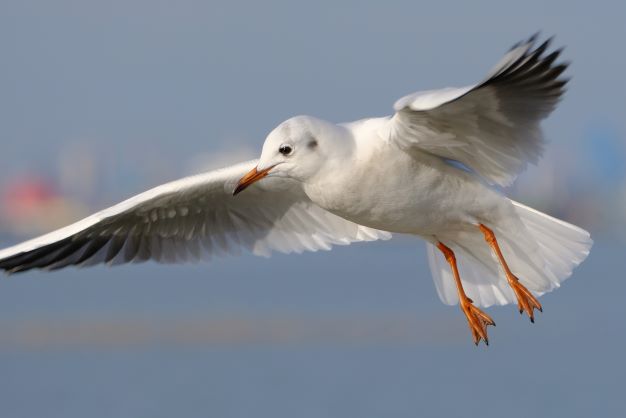
Gulls are all in winter non-breeding colours at this time of year.
Common Gull.
The Common gull looks like a small, version of the herring gull I do not see them in great numbers in my local area however the odd ones I do see are always close or within flocks of Black-headed gulls


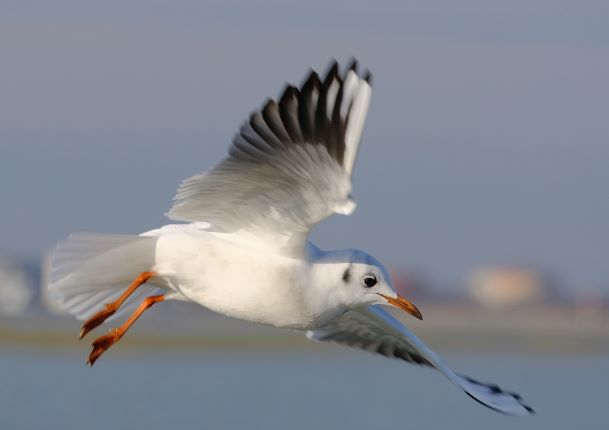
Black-headed gulls.
These noisy small gulls are the most abundant gull in my local area. They are always on the lookout for an easy meal. Humans are an easy touch for a meal.



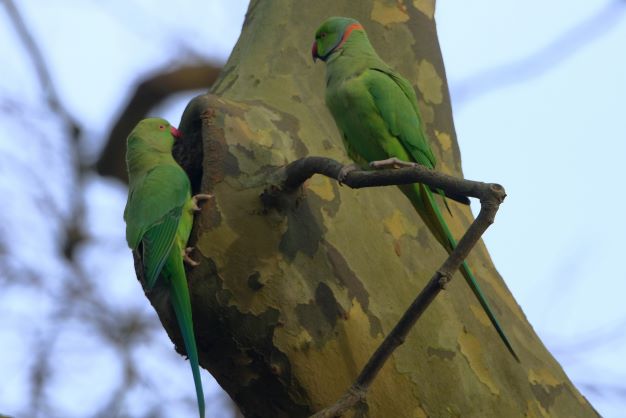
More Southampton city centre Ring-necked parakeets.




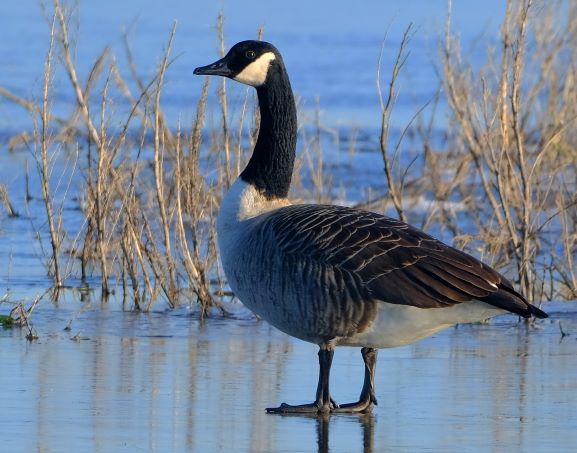
With current low temperatures, all the lagoons at Tichfield Haven have frozen over. No snow but everywhere was just very cold.
A lone Canada Goose walks the line!
Island “I” is underwater today.
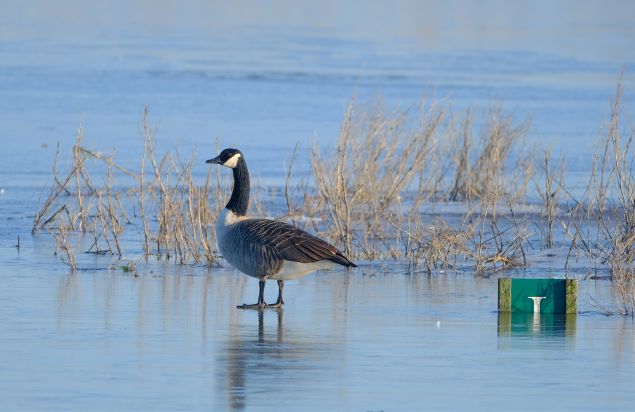
The Oystercatchers are resting where another island should be.
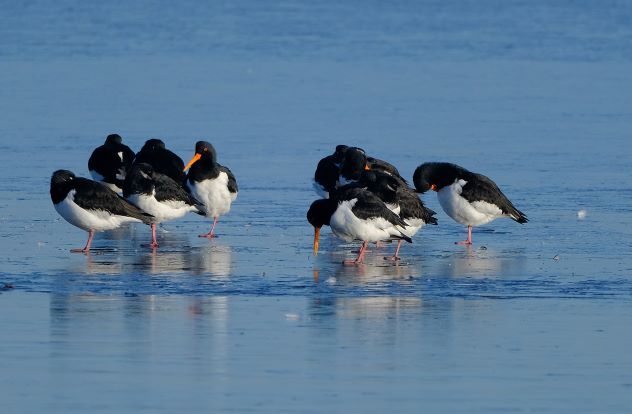
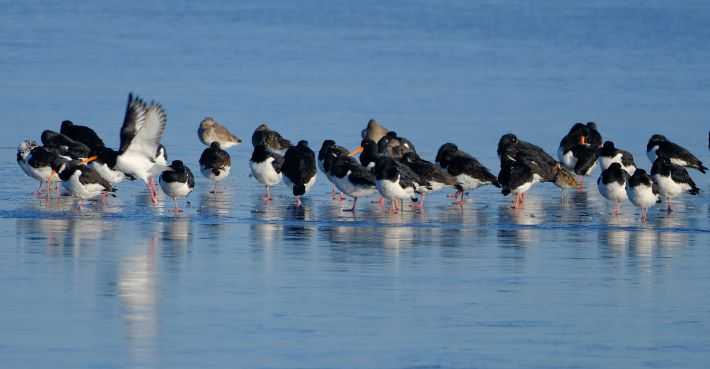
This Heron is using the small stream to look for fish due to the lack of open water because of the ice.

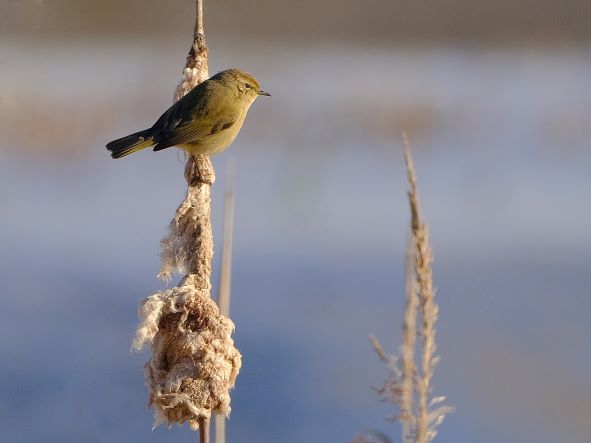
Chiffchaff on Bullrush.

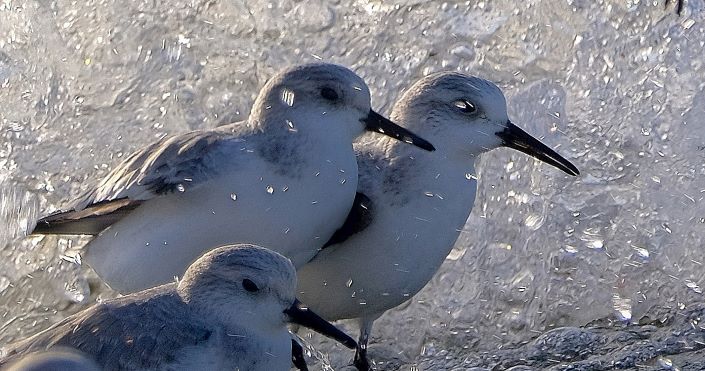
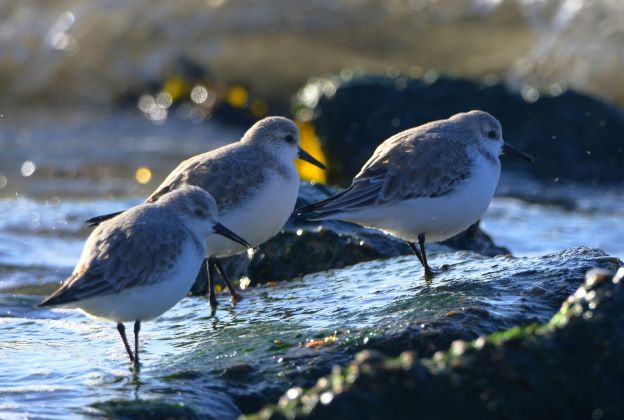
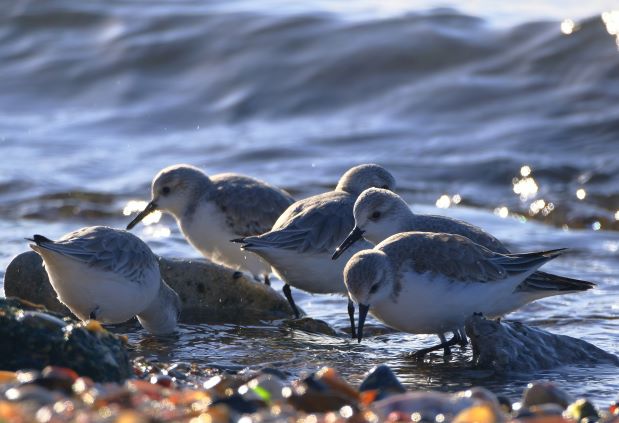
Sanderlings on the beach on Southampton Water. One of my favourite small waders and were in an area where I have only seen the odd bird in the past. Sanderlings were feeding as the tide went out and making a splash this morning.





Some Oystercatchers on the beach at Hamble Point on Southampton Water. This film is worth watching with the sound on as it shows the birds antics off to their best.
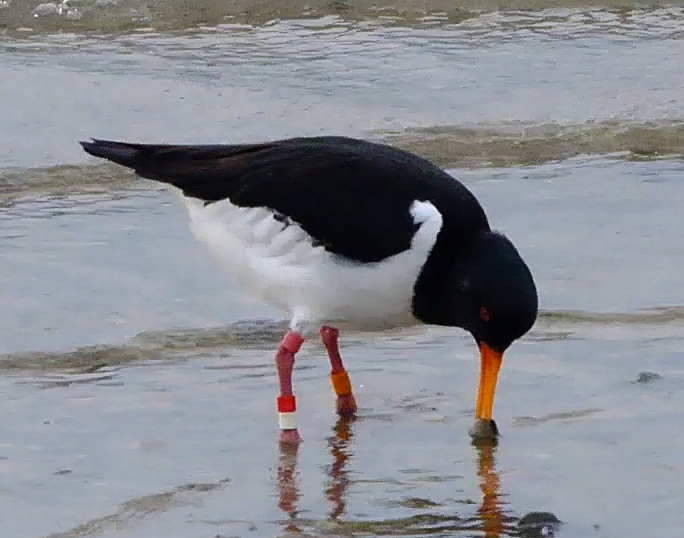

Footnote. This bird was first ringed in 2007.
| FP45535 | N | O+R//RW | 31 Dec 2007 | Hamble Point, River Hamble, Warsash, Southampton Water, Hampshire, S England |
| FP45535 | S | O+R//RW | 13 Oct 2008 | Hook-with-Warsash LNR, Fareham, Southampton Water, Hampshire, S England |
| FP45535 | S | O+R//RW | 27 Oct 2008 | Hook-with-Warsash LNR, Fareham, Southampton Water, Hampshire, S England |
| FP45535 | S | O+R//RW | 2 Jan 2009 | Hamble Point, Southampton Water, Hampshire, S England |
| FP45535 | S | O+R//RW | 17 Sep 2010 | Hook Spit, River Hamble, Warsash, Southampton Water, Hampshire, S England |
| FP45535 | S | O+R//RW | 28-Mar-12 | Hamble Point, Southampton Water, Hampshire, S England |
| FP45535 | S | O+R//RW | 15 Apr 2012 | Hamble Common Foreshore, Southampton Water, Hampshire, S England |
| FP45535 | S | O+R//RW | 4 Jan 2013 | River Hamble, Warsash, Fareham, Hampshire, S England |
| FP45535 | S | O+R//RW | 24 Aug 2014 | Chilling, Warsash, Hampshire, S England |
| FP45535 | S | O+R//RW | 9 Feb 2018 | Hamble Point, Southampton Water, Hampshire, S England |
| FP45535 | S | O+R//RW | 14 Feb 2019 | Hamble Point, Southampton Water, Hampshire, S England |
| FP45535 | S | O+R//RW | 21-Jan-20 | Hamble Point, Southampton Water, Hampshire, S England |
| FP45535 | S | O+R//RW | 22-Jan-21 | Hook Spit, River Hamble, Warsash, Southampton Water, Hampshire, S England |
| FP45535 | S | O+R//RW | 17-Jan-23 | Hamble Point, Southampton Water, Hampshire, S England |
Great Crested Grebe in toned down non-breading Winter plumage.
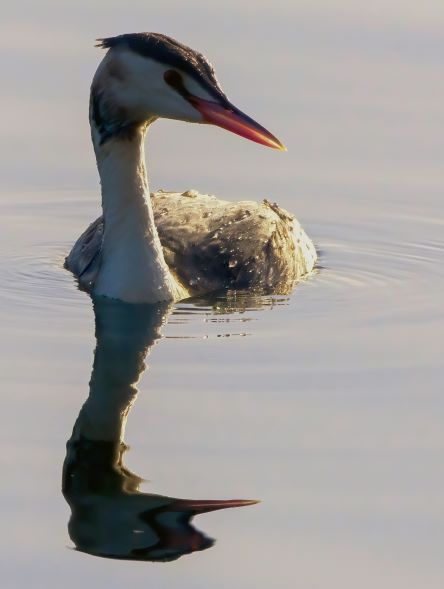
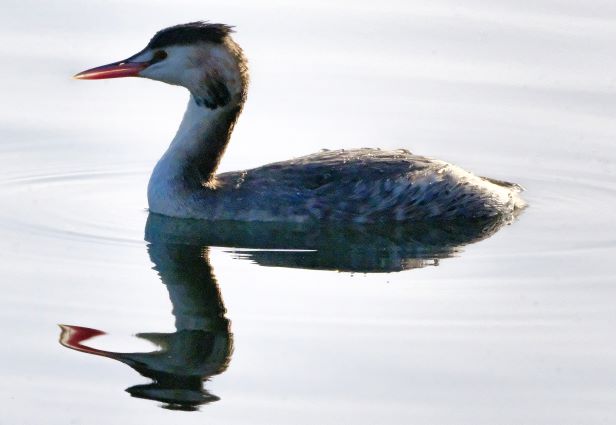
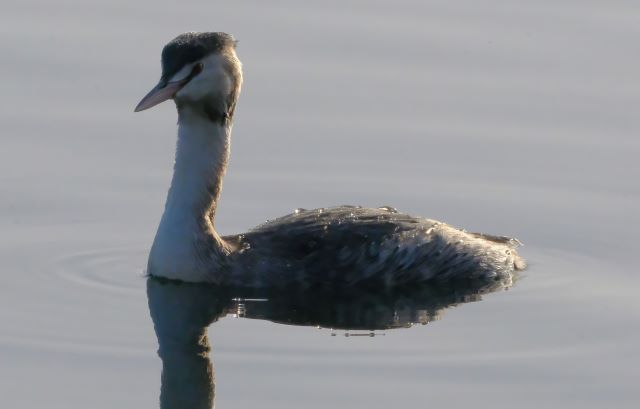
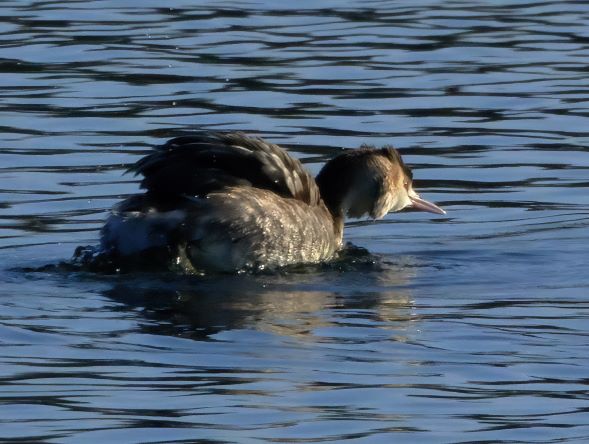

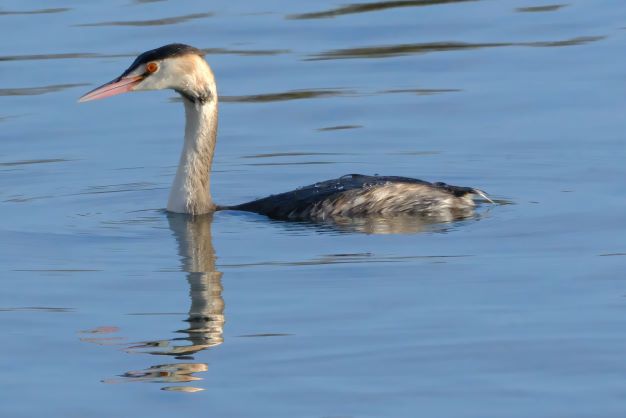
Then it was gone! Great Crested Grebes dive to feed and also to escape, preferring this to flying. On land, they are clumsy because their feet are placed so far back on their bodies.

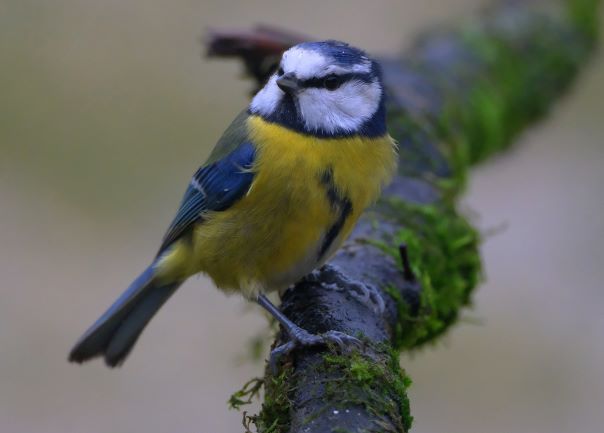
Blue tits are common in woodland and gardens birds They’re widespread and found across most of the UK.


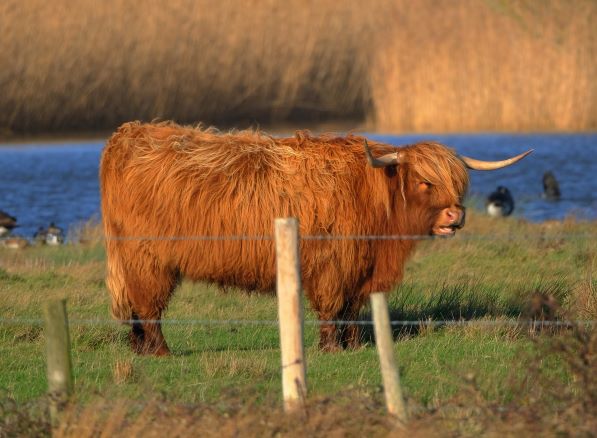
Cattle (Belted Galloway and Highland Cattle) are on loan at the top part of Titchfield Haven Nature reserve to help maintain the pasture land. Both breeds are Scottish and are well-adapted to living on poorer soils and scrubland.


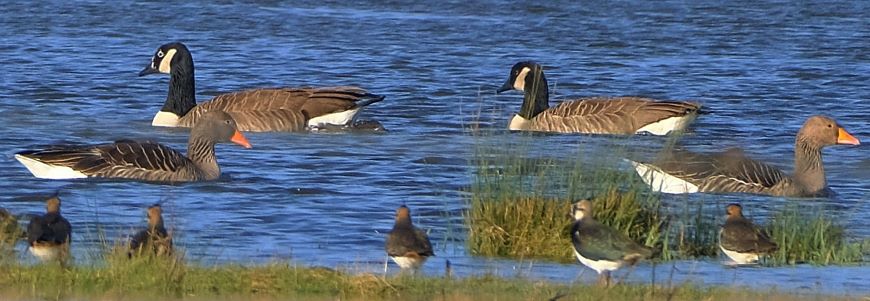
Graylag Geese heading up river with Canada’s heading down river watched by Lapwing!
A Cock Pheasant started by keeping low but soon decided he could show off his colours.


Spot the Warbler in the Bullrushes.

Long-tailed Tit.

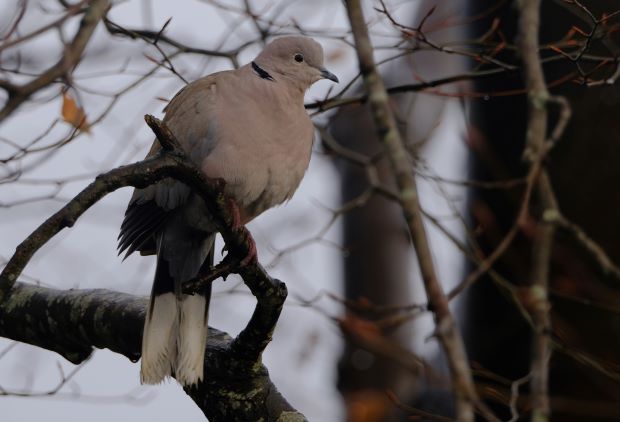
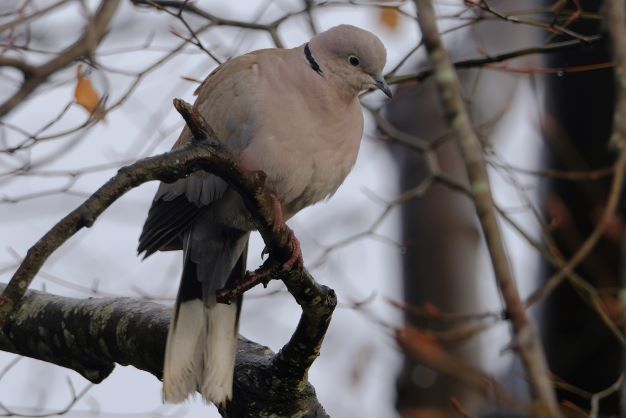
View from a window of a Collared Dove.

A small pigeon found on farmland and in woodland, parks and gardens across the UK they 1st bred in the 1950s, since their numbers have increased and the collared dove is now one of our most familiar garden birds. Collared doves feed on seeds and grain on the ground and are usually seen singularly or in pairs, although small flocks may form where there is enough food. The RSPB records there are now breeding:810,000 pairs across the UK.


 Continued Reflections from my World.