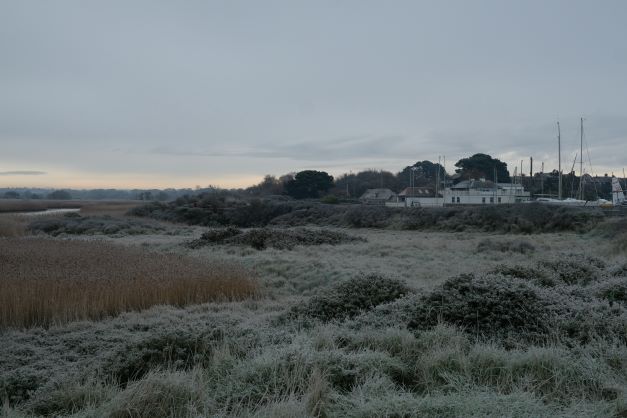
A cold and frosty morning at the coast this morning at 10.30 am but most people appear to be at home!
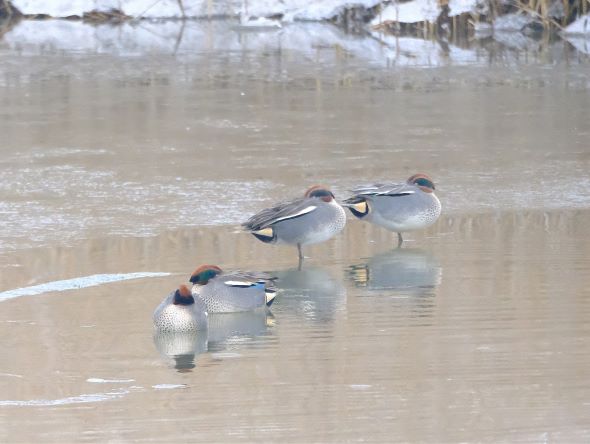
Teal
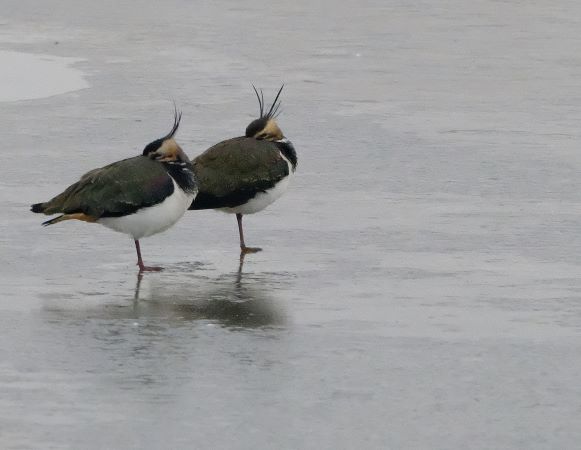
Lapwing.
A cold and frosty morning at the coast this morning at 10.30 am but most people appear to be at home!
Teal
Lapwing.

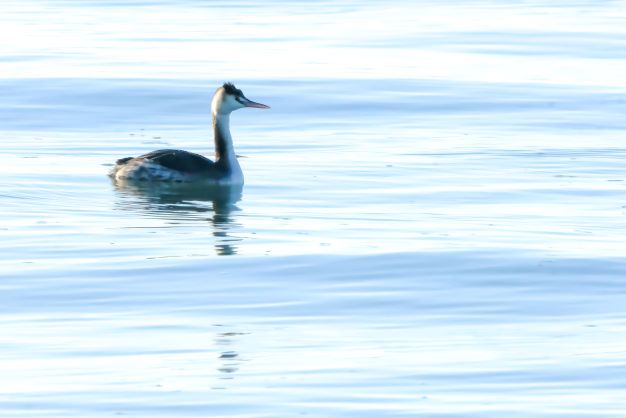
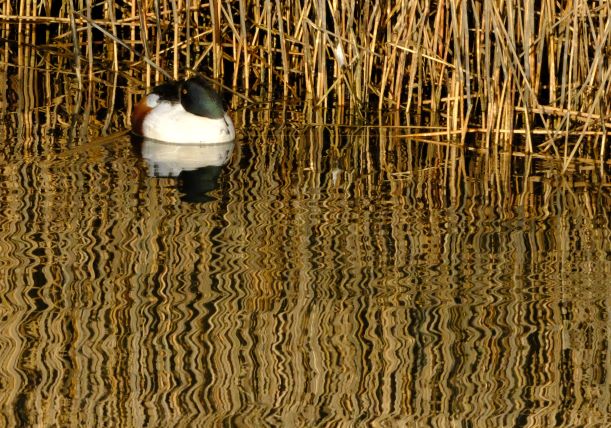
A cold bright morning Great Crested Grebe and a Shoveler Duck on calm water.

A trip out to some old gravel pits which are now filled with water and are now a nature reserve Blashford Lakes near Fordingbridge. The area is managed by Hampshire & Isle of Wight Wildlife Trust. Although only 30 miles from home this was my first visit to the reserve.


There is a suggested entrance fee of £4 good parking and a small information area the lakes are large and a telescope is useful as many of the waterfowl are a long way off. Post Code BH24 3PJ.

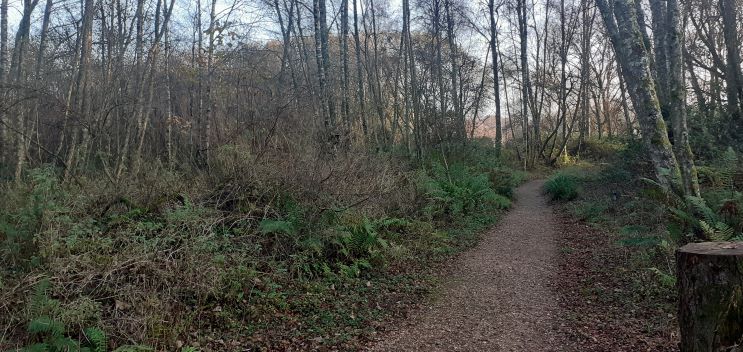

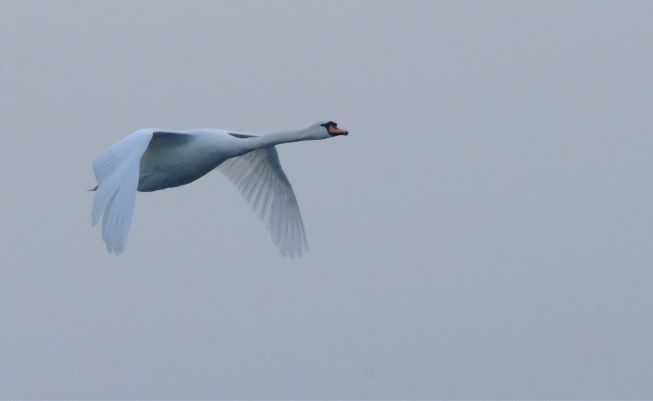
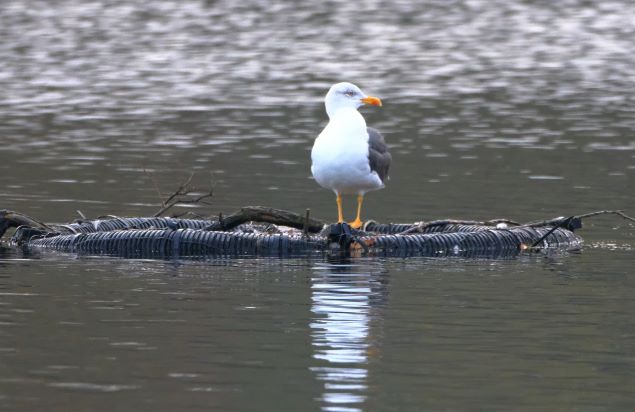
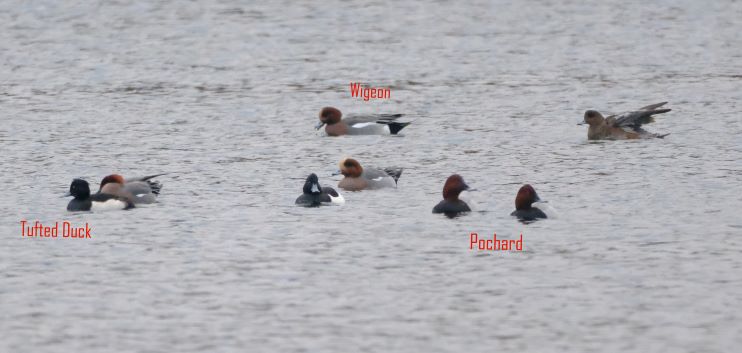
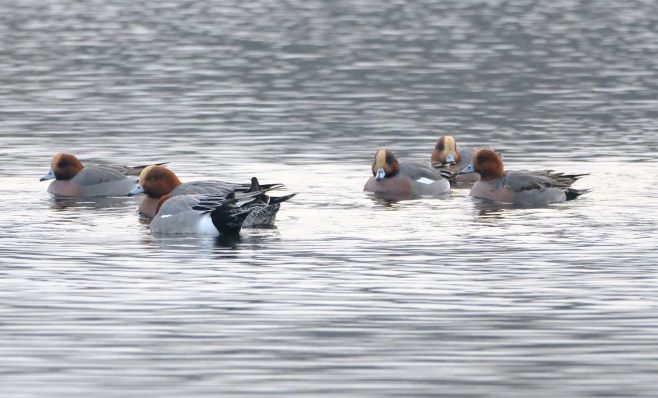
Some interesting bird spots included a Great White Egret {no Photo} Tufted Duck, Wigeon and Pochards as well as a pair of Egyptian Geese.


Great Crested Grebe in winter colours.

Cormorant.
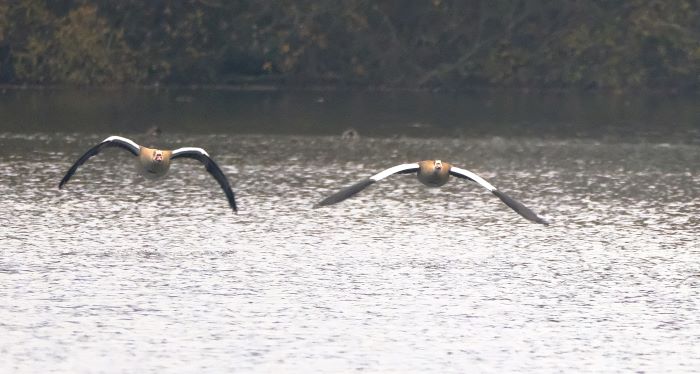
Egyptian Geese.

There was also a good number of woodland birds in the Reserve.
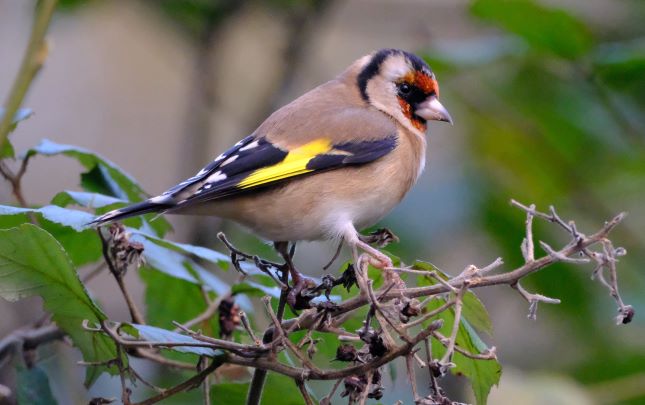
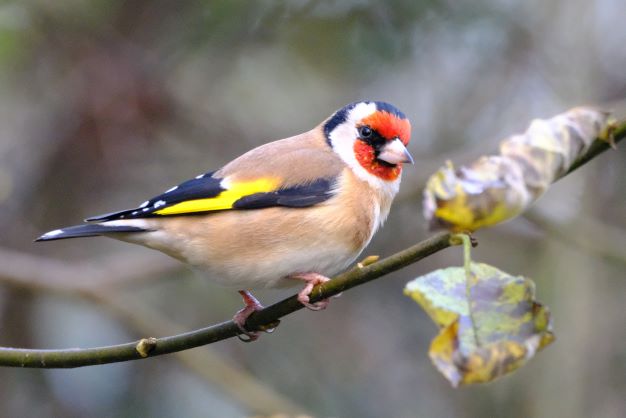
Goldfinch.

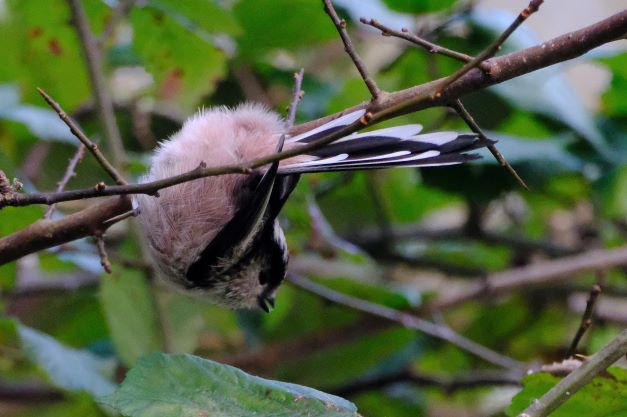
Long Tailed Tit.

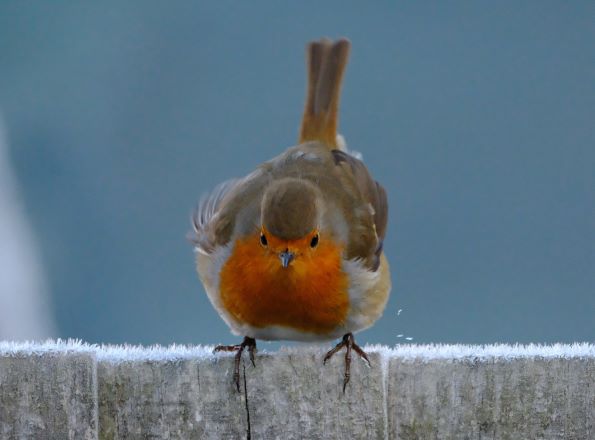
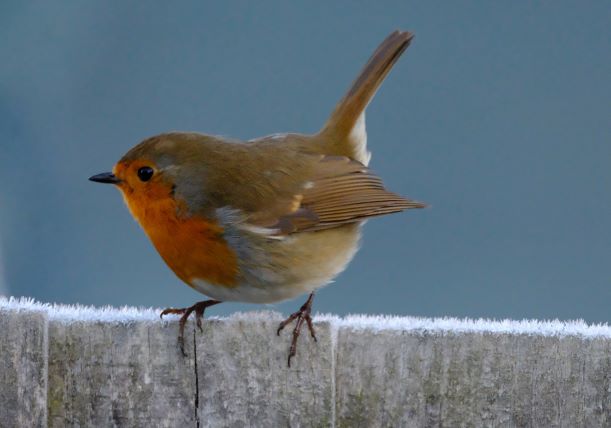
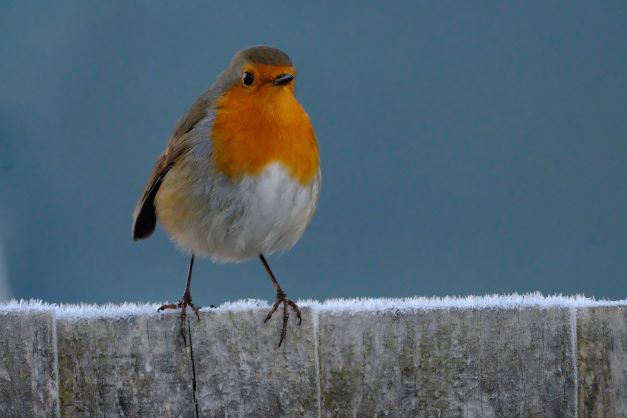
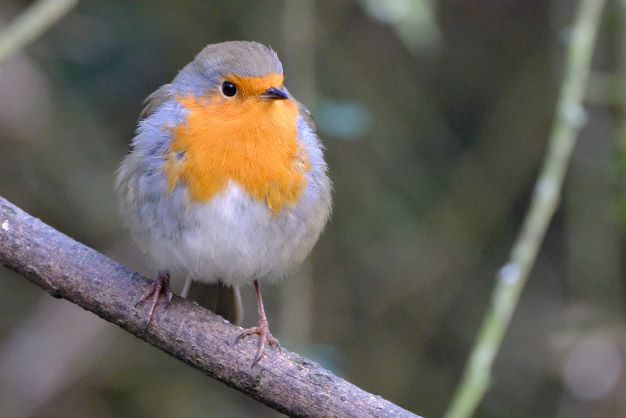
Robin.
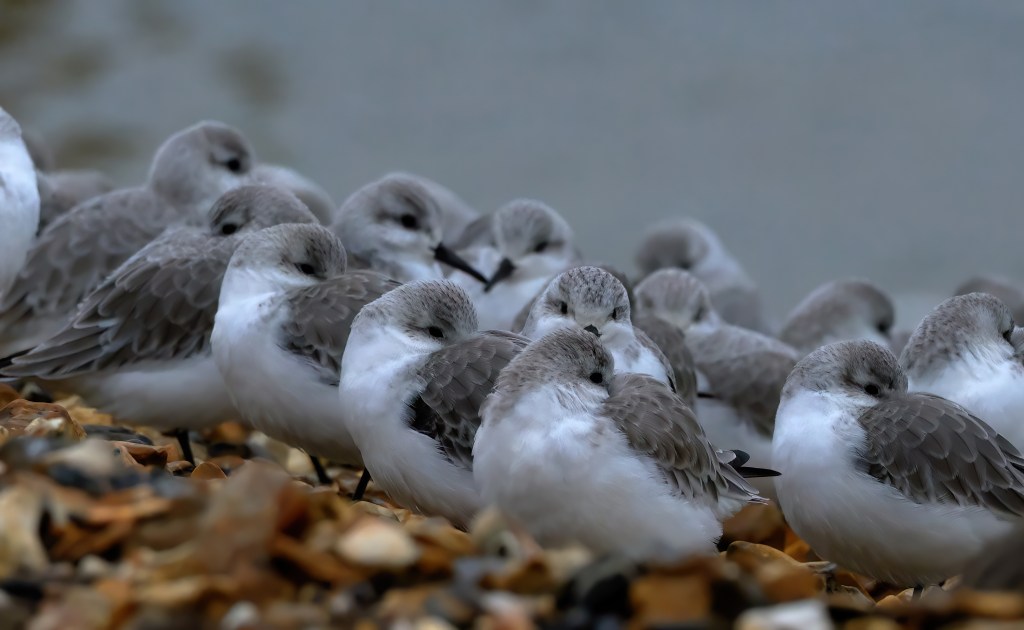
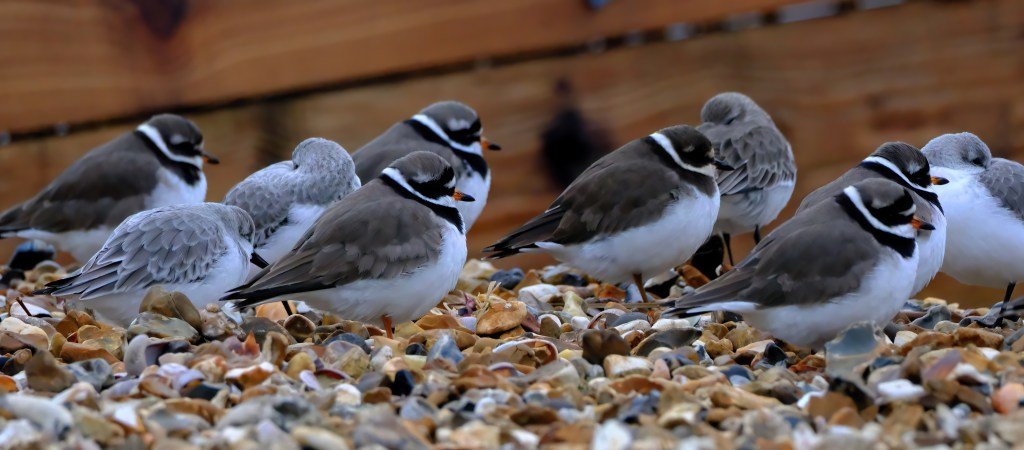
Ringed Plovers and Sanderlings gathering at high tide rest out of the wind





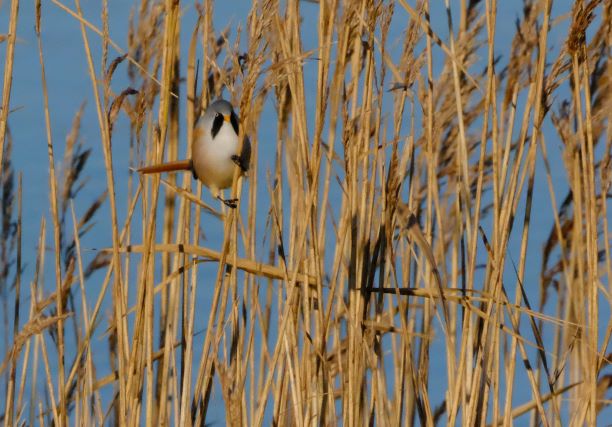
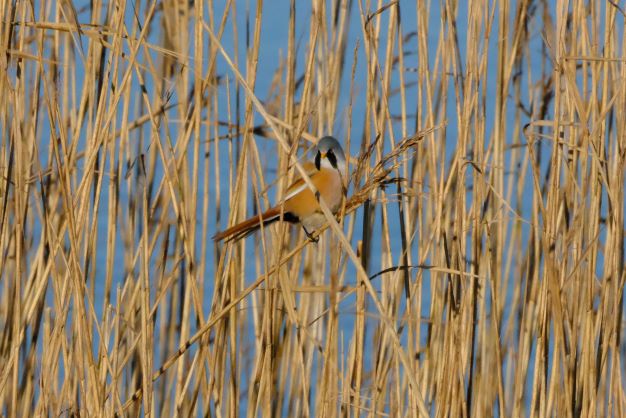
Just a glimpse in the reeds this morning a bit of brightness on a dull day.
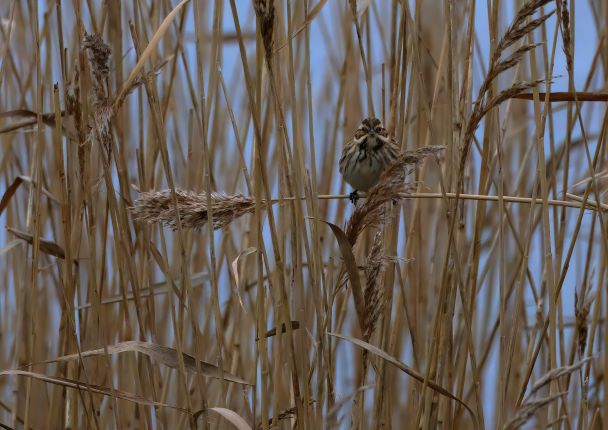
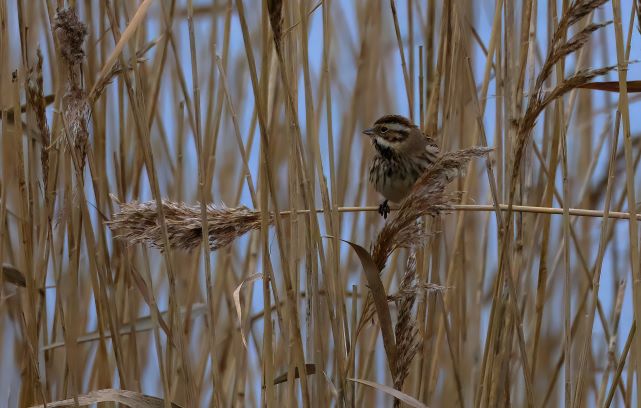

They are small brown, long-tailed birds, a bird of the reedbeds. Males have black ‘moustaches’.They are sociable and have a noisy, call.
With modern thinking – scientists have decided this is not actually related to the tit family. It was removed from the tit family and instead placed in the parrotbills, before further research revealed it belonged alone in its own family, “Panuridae”.
Now known as Bearded reedling or Bearded Parrotbill but to me, I will stick with what I know them as!
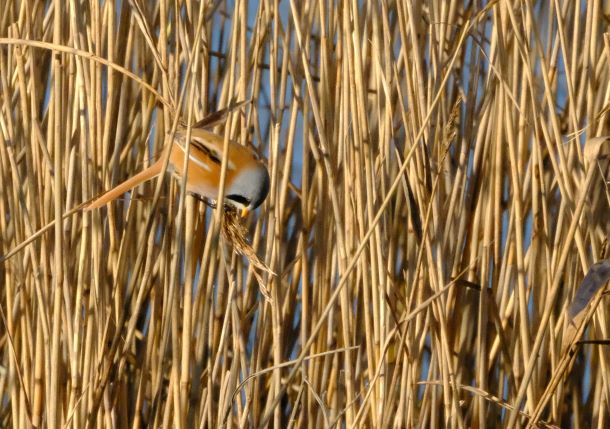
Thursday morning I was lucky to spot a flock of 16 birds at Titchfield Haven. They were some way off but I was able to capture some acceptable images of these pretty birds.

Male.
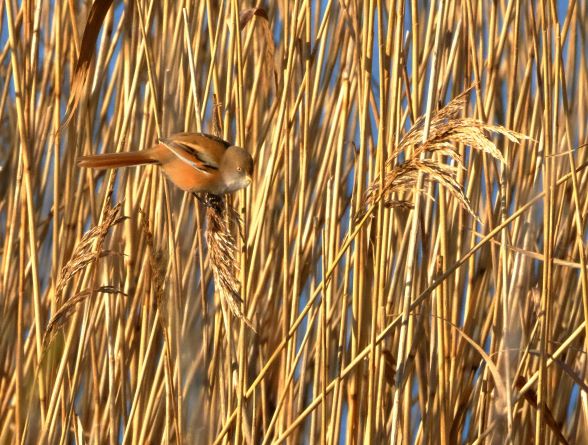
Female



#Wordless Wednesday

#Wordless Wednesday



Further to my post last week regarding the ringed Oystercatcher I spotted at Mayflower Park I have had some feedback.
The bird was 1st ringed as an adult in January 2019 in Southampton Water all recordings have been in the local area and all in the winter sadly as yet no summer sighting. UK numbers of Oystercatchers increase in the winter when birds come south from Norway so this bird could be one of those wintering birds.
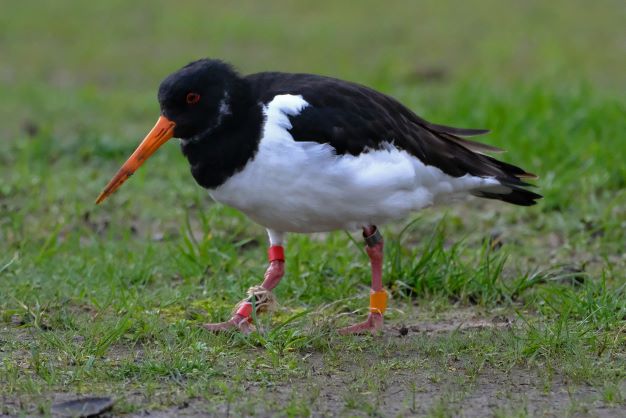
Many thanks for the sighting could you please send the photo as a jpg attachment so I can enlarge it to help work out the black/blue ring. However, I think it has to be the bird below with a black ring. It is a bird we ringed at Dibden Bay as an adult on 1st date below. All such sightings are most useful.
FP45007 N O+R//NB 25-Jan-19 Dibden Bay, Southampton Water, Hampshire, S England
FP45007 S O+R//NB 15-Nov-19 Dibden Bay, Southampton Water, Hampshire, S England
FP45007 S O+R//NB 09-Dec-19 Dibden Bay, Southampton Water, Hampshire, S England
FP45007 S O+R//NB 09-Dec-19 Dibden Bay, Southampton Water, Hampshire, S England
FP45007 S O+R//NB 22-Jan-20 Dibden Bay, Southampton Water, Hampshire, S England
FP45007 S O+R//NB 22-Jan-20 Dibden Bay, Southampton Water, Hampshire, S England
FP45007 S O+R//NB 13-Nov-20 Dibden Bay, Southampton Water, Hampshire, S England
FP45007 S O+R//NB 13-Nov-20 Dibden Bay, Southampton Water, Hampshire, S England
FP45007 S O+R//NB 13-Nov-20 Dibden Bay, Southampton Water, Hampshire, S England
FP45007 S O+R//NB 11-Nov-21 Dibden Bay, Southampton Water, Hampshire, S England
FP45007 S O+R//NB 11-Nov-21 Cracknore Hard, Marchwood, Southampton Water.
FP45007 S O+R//NB 15-Dec-21 Cracknore Hard, Marchwood, Southampton Water.
FP45007 S O+R//NB 30-Jan-22 Dibden Bay, Southampton Water, Hampshire, S England
FP45007 S O+R//NB 23-Feb-22 Dibden Bay, Southampton Water, Hampshire, S England
FP45007 S O+R//NB 06-Oct-22 Dibden Bay, Southampton Water, Hampshire, S England
FP45007 S O+R//NB 06-Oct-22 Dibden Bay, Southampton Water, Hampshire, S England
FP45007 S O+R//NB 06-Oct-22 Dibden Bay, Southampton Water, Hampshire, S England
FP45007 S O+R//NB 03-Nov-22 Dibden Bay, Southampton Water, Hampshire, S England
FP45007 S O+R//NB 24-Nov-22 Mayflower Park, Southampton, Hampshire, S England

Some further bird spots.
Dunlin in non-breeding plumage.


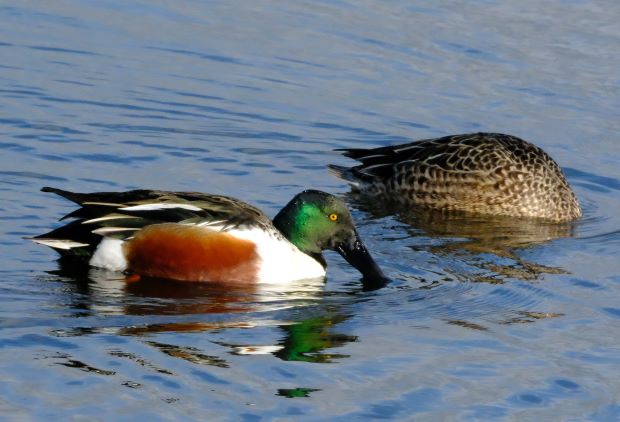
Northern shoveler ducks.
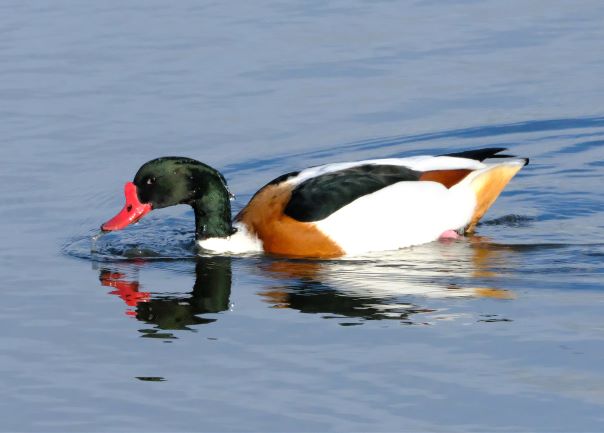
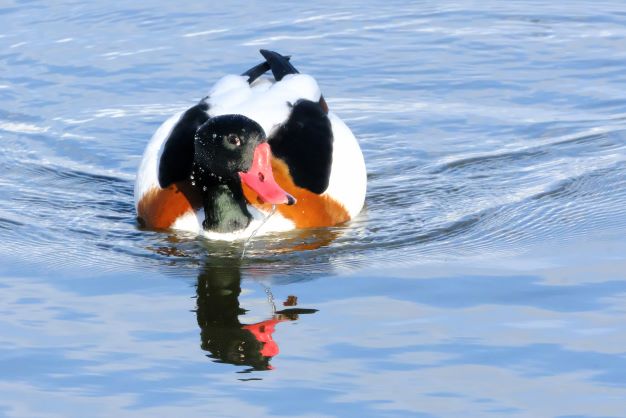
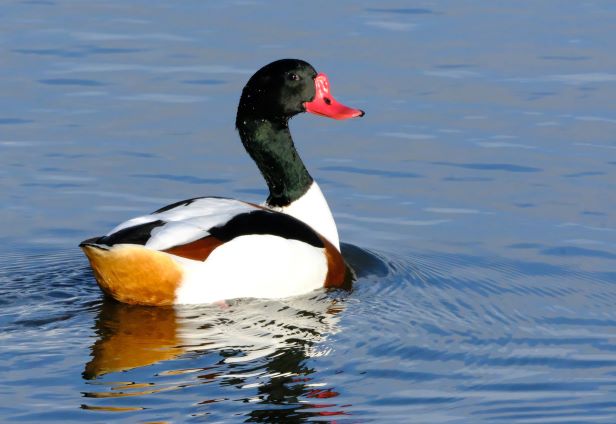
Shelduck.
 Continued Reflections from my World.