A walk down the Hamble River. Pictorial post.

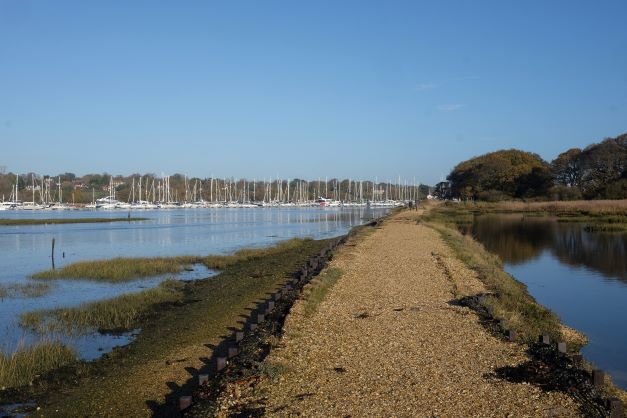


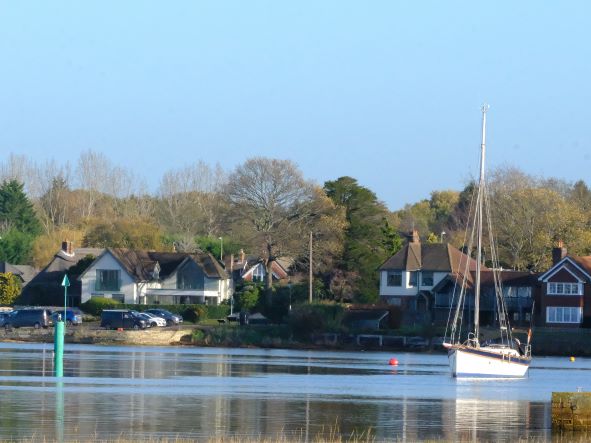

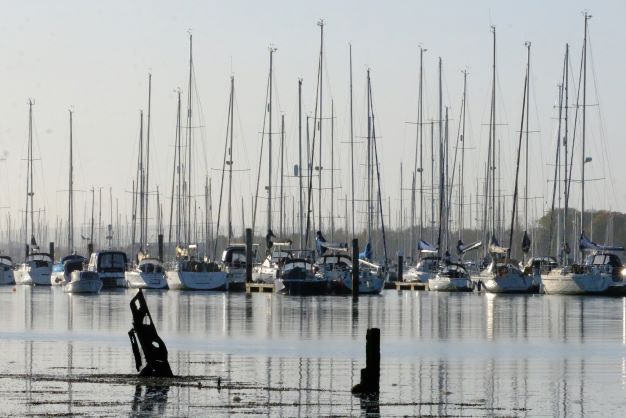
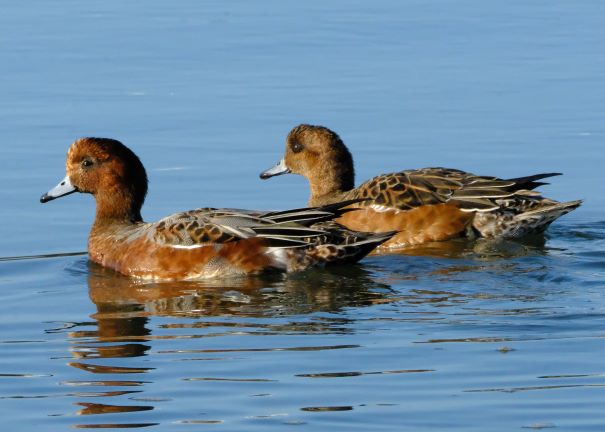


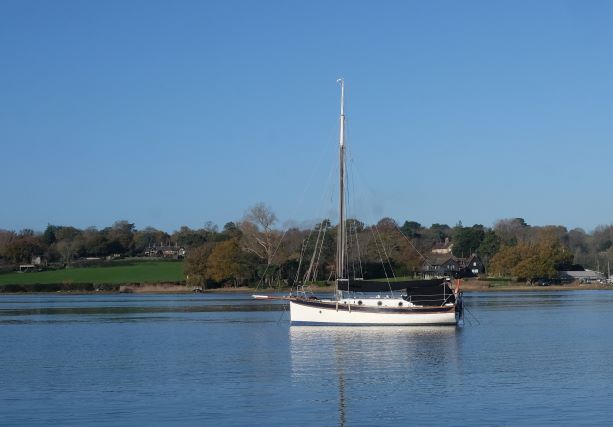
A walk down the Hamble River. Pictorial post.
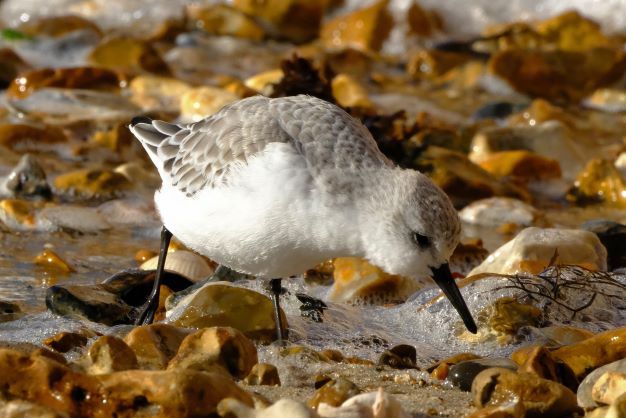
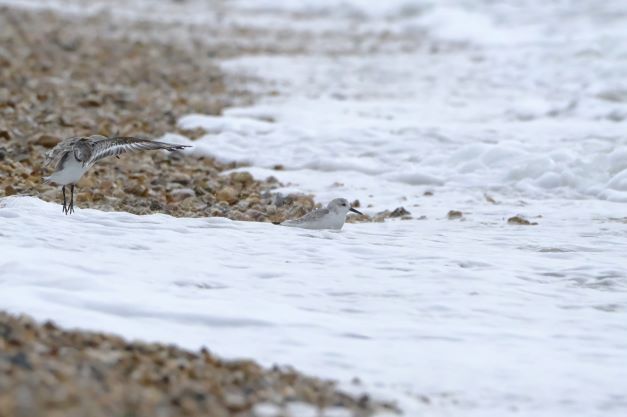
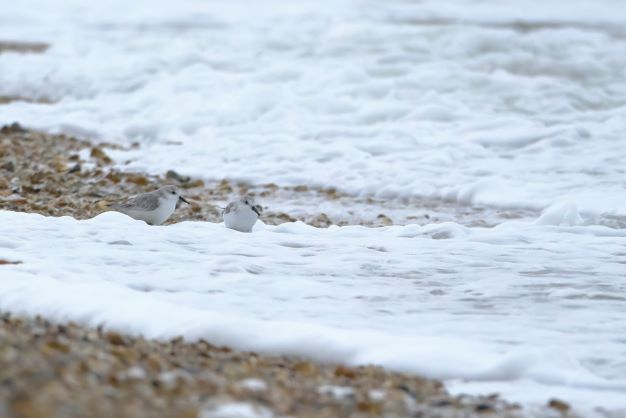
This little sandpiper runs up and down the beach ‘like a clockwork toy,’ dodging the spray and waves. There antics on the shore are always a joy to watch.



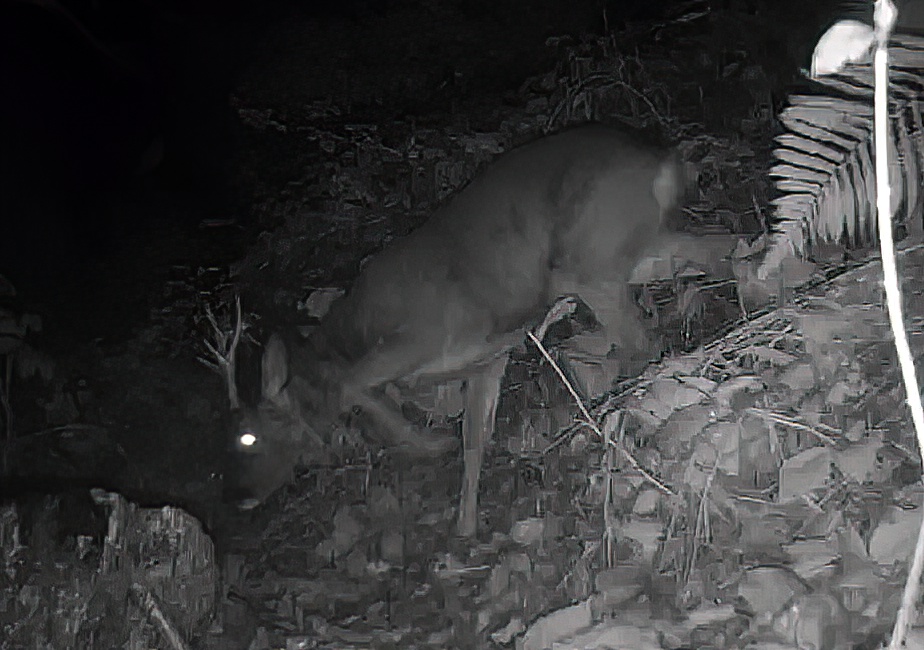
Day and night wet or dry there is always someone crossing the ditch. Trail camera footage and stills from the film.
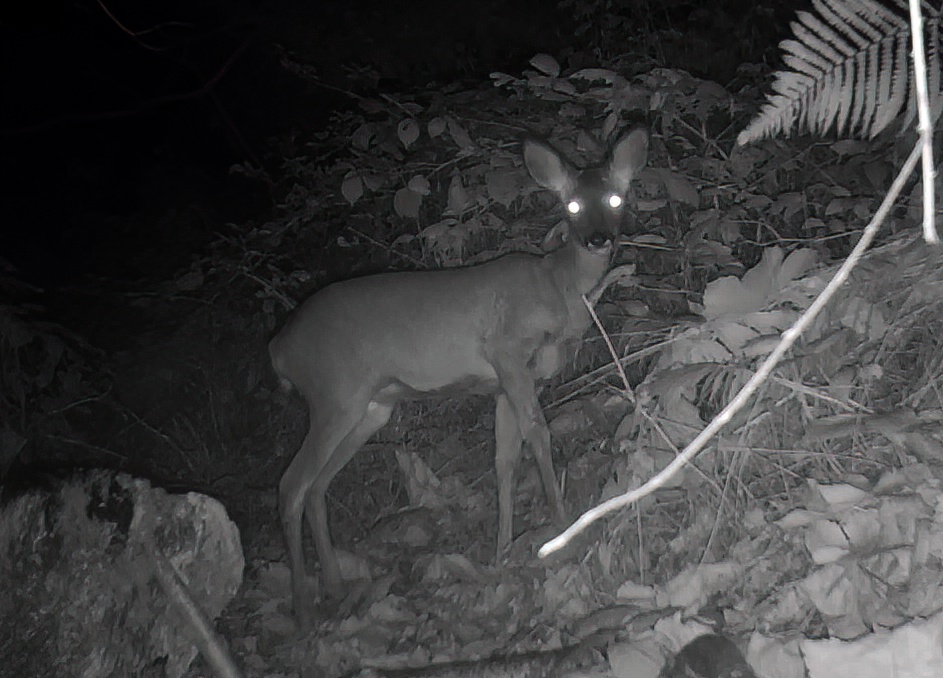
Roe Deer.
Lots of Robins pass the camera with their bright red breast you would think they would stand out but in the autumn leaves, they are quite camouflaged .


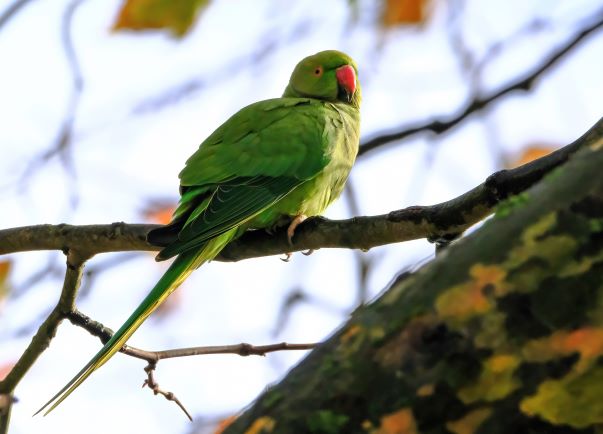
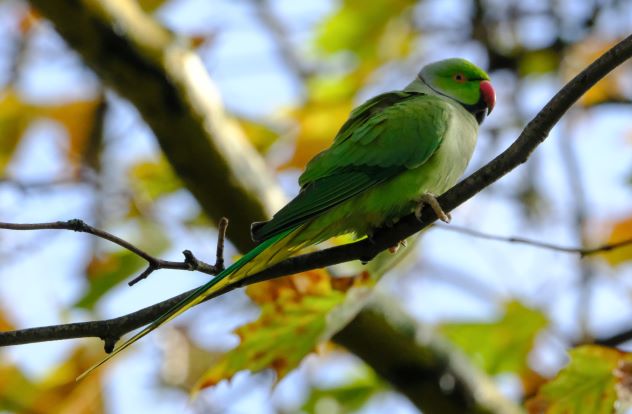
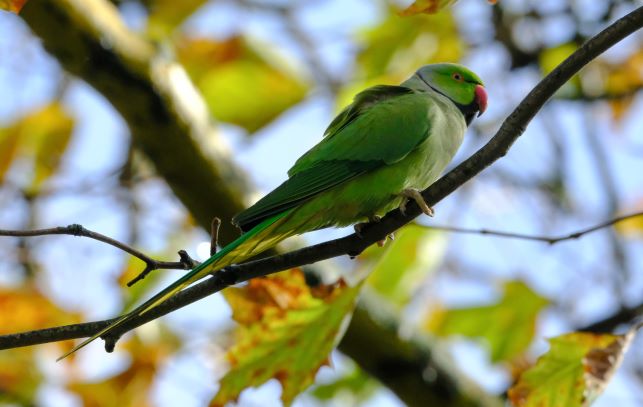
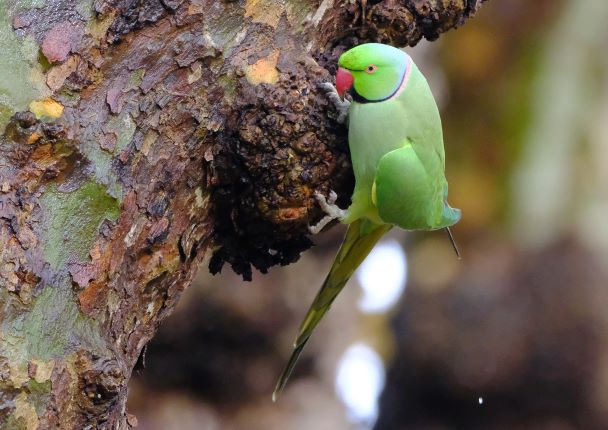
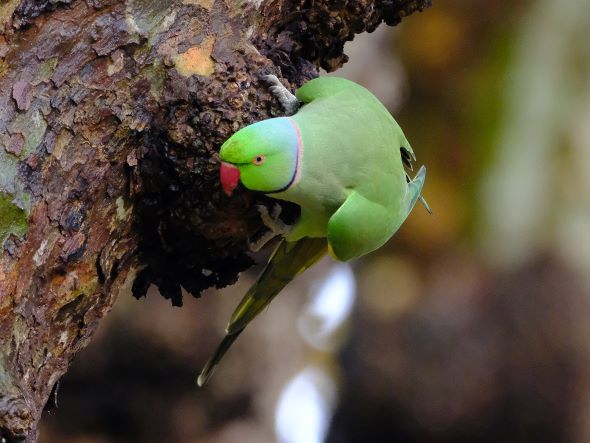
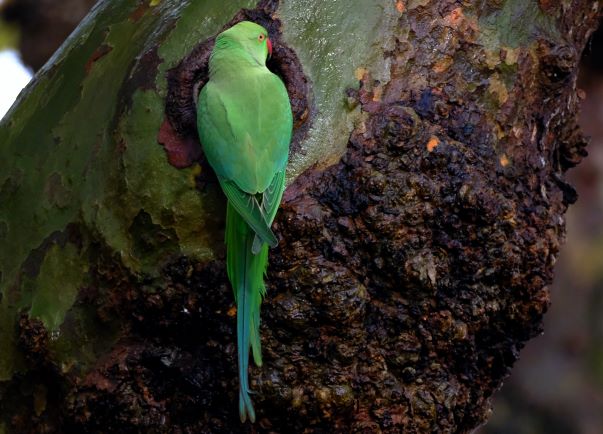
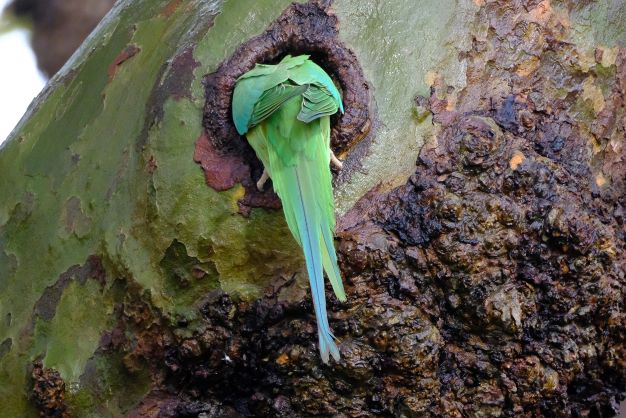
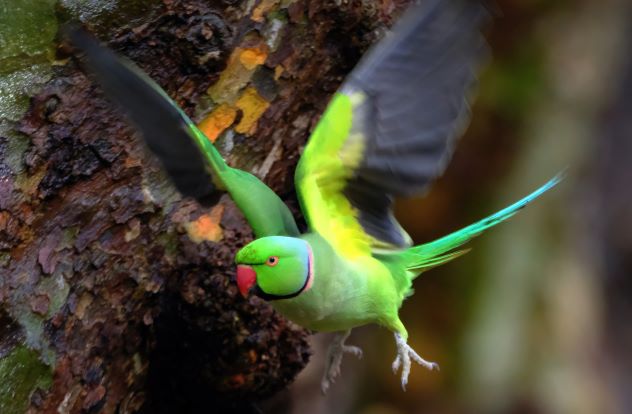
Back in February I posted some pictures of Parakeets in one of the parks in town (Southampton).
Today between heavy rain showers I decided as the leaves were thining on the trees to go back and see if the Parakeets were still about, before I reached the park I could hear them calling and flying through the trees. I spotted over 6 birds today – earlier in the year there was just a pair so it looks as if they successfully bred in the spring. Even though we are outside the breeding season one bird was showing a real interest in a nest hole this morning so hopefully the Southampton population will increase further next year.
Link to old post click on “Purple Haze”.

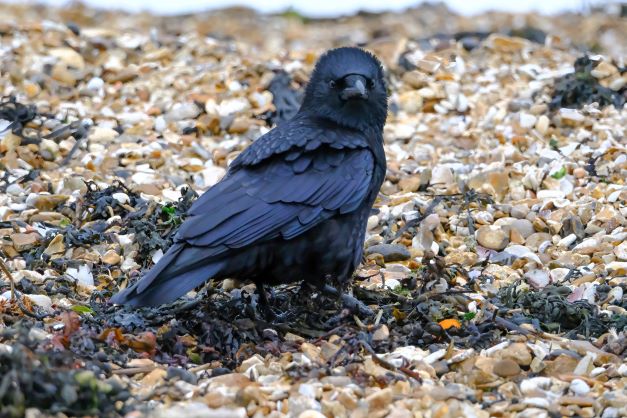
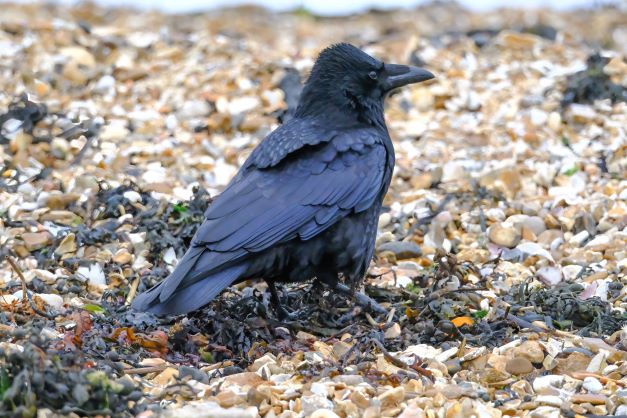
Ringed Plovers on Meon Shore Hampshire.
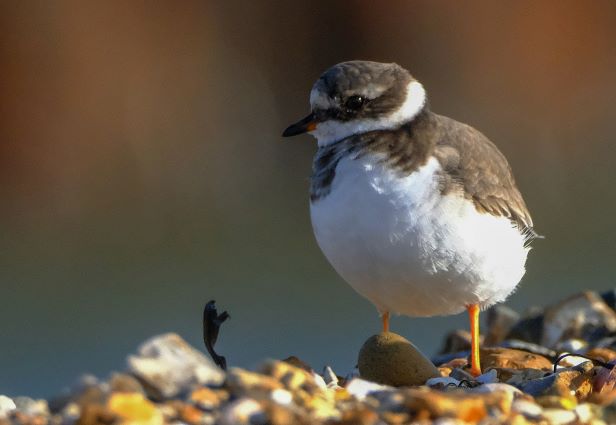

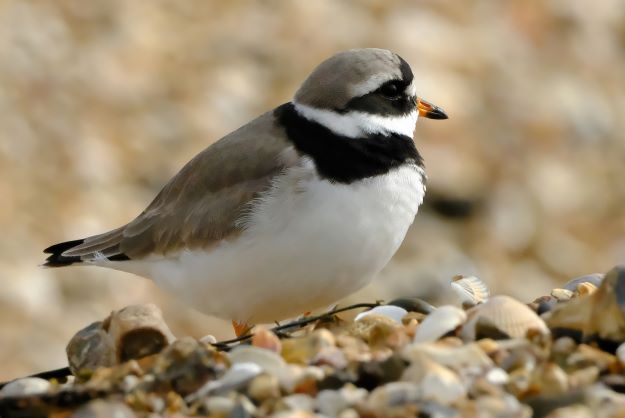
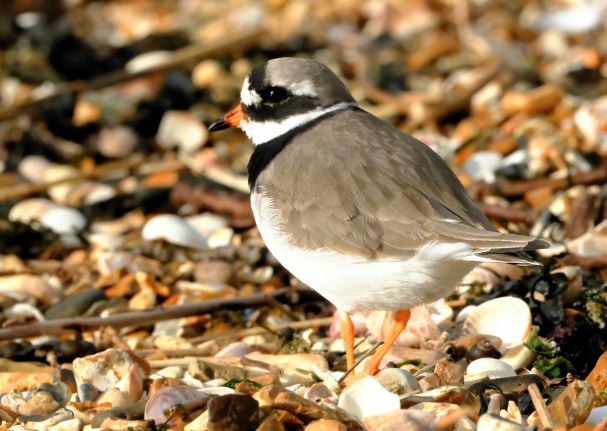
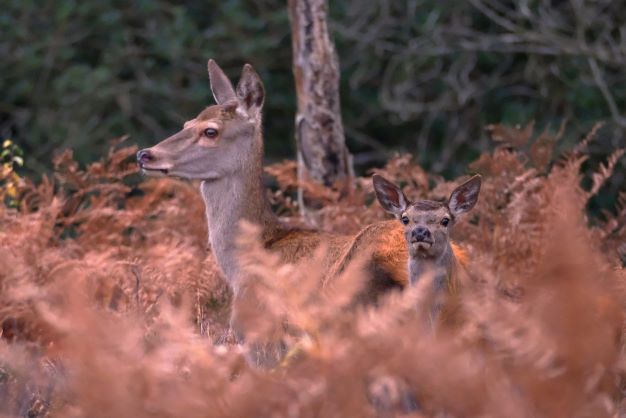
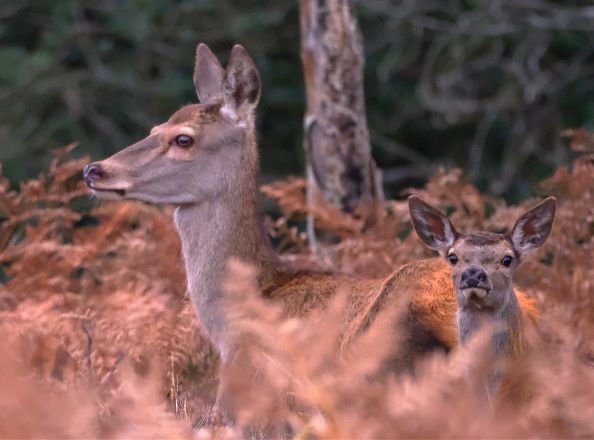
A different area of the New Forest today gave a glimpse of both some Fallow Deer and some Red Deer. All females and youngsters.
Fallow Deer.
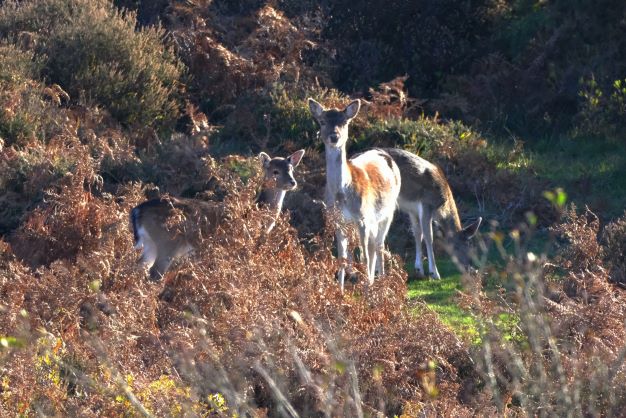
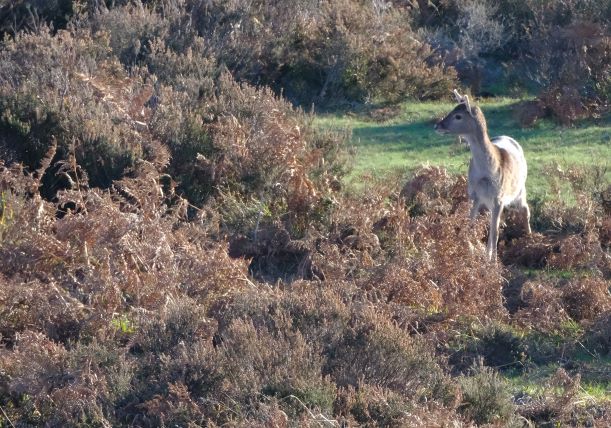
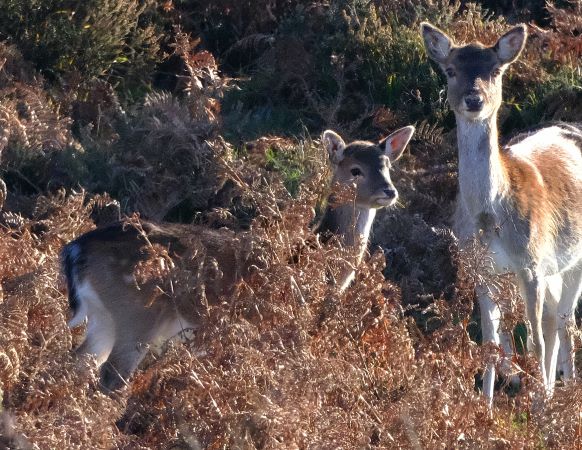
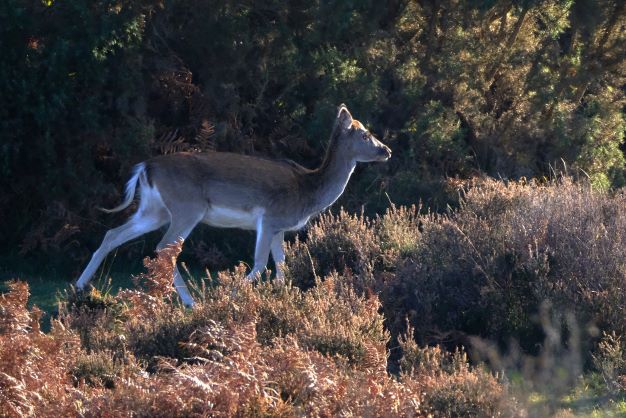
Red Deer.
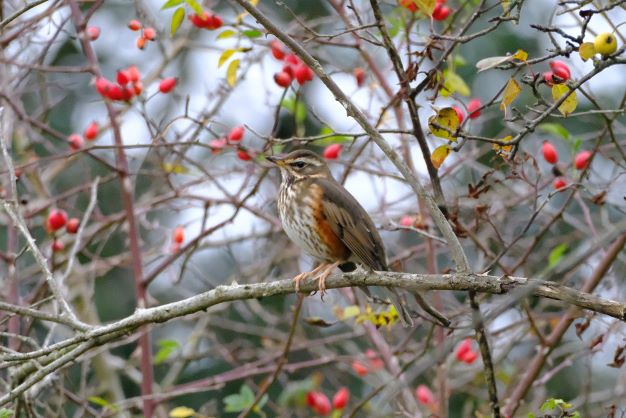
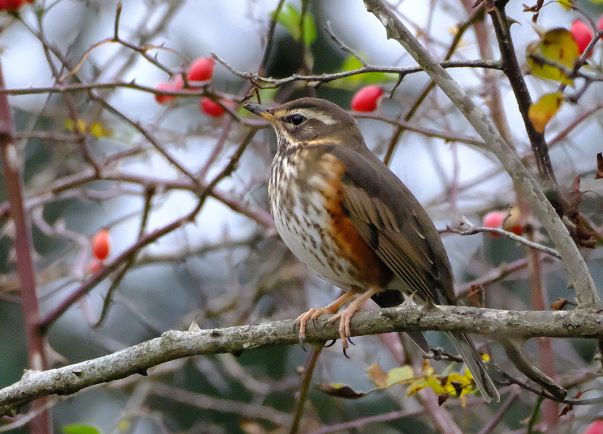
Also, a few Redwing were about. The redwing is a common winter visitor and is the UK’s smallest true thrush. Its creamy strip above the eye and orange-red flank patches make it distinctive. Rare in summer with under 20 pairs but in the winter the influx of some 8.6 million birds!
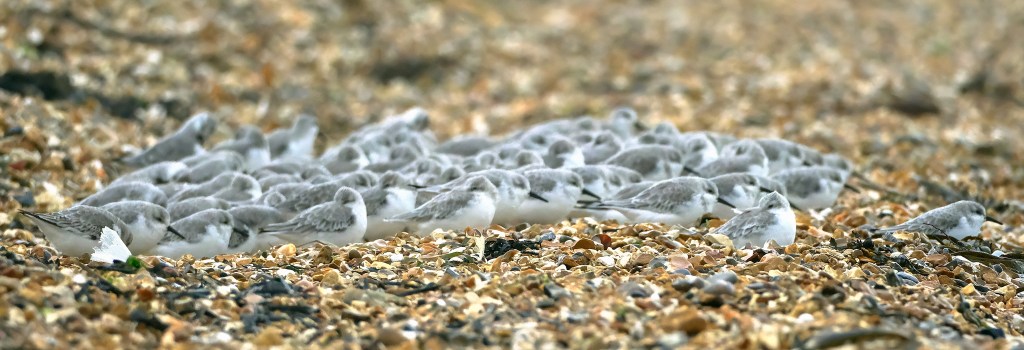
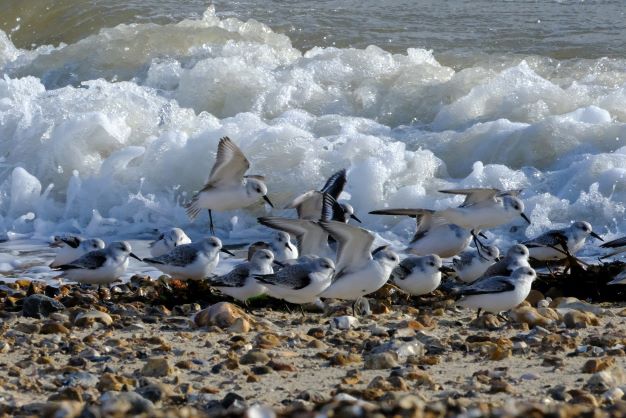
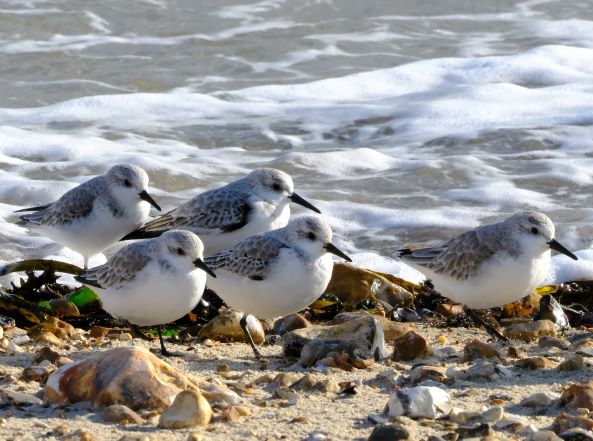
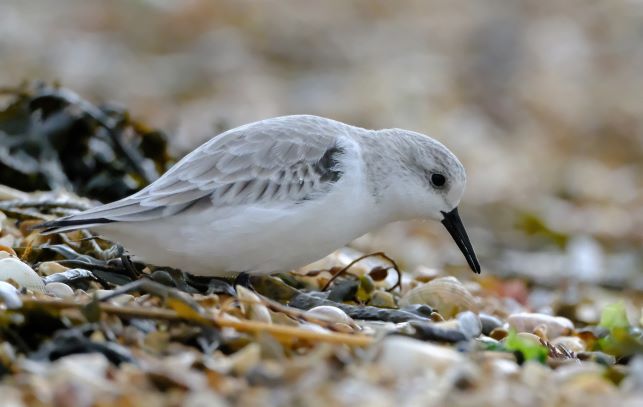
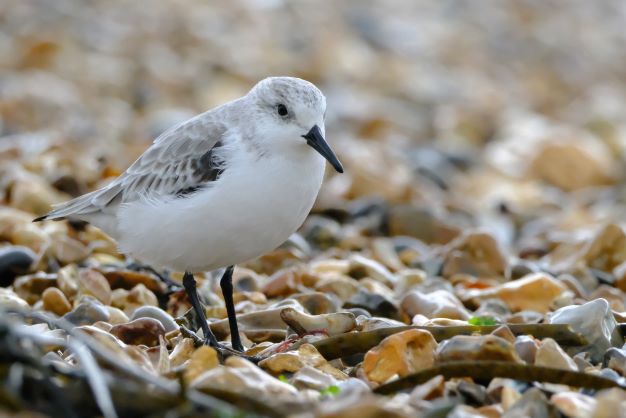
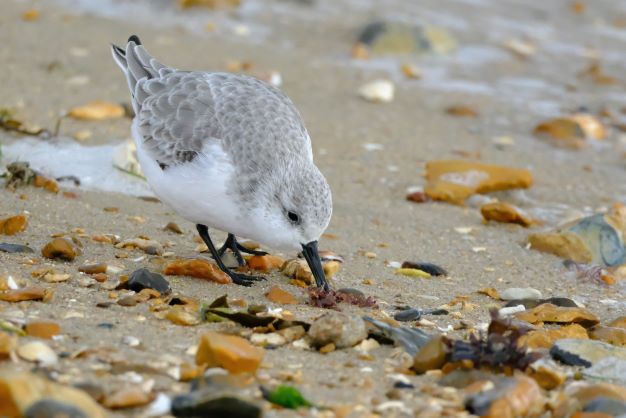
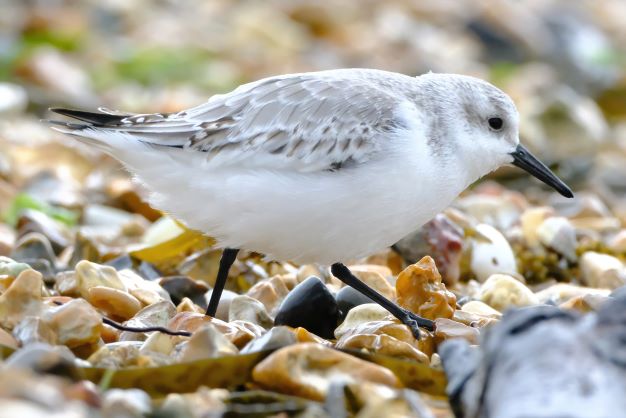
Sanderling numbers have started to increase on our coast as we move to the colder months. Over 60 were resting at high tide today. I always find them a joy to watch so I sit on the shingle they continue their routine and slowly come very close.
For me, these little birds’ arrival from their summer breeding grounds on the far Arctic tundra is a signal that we are moving into our winter. The terns have gone south but the Sanderlings have arrived.




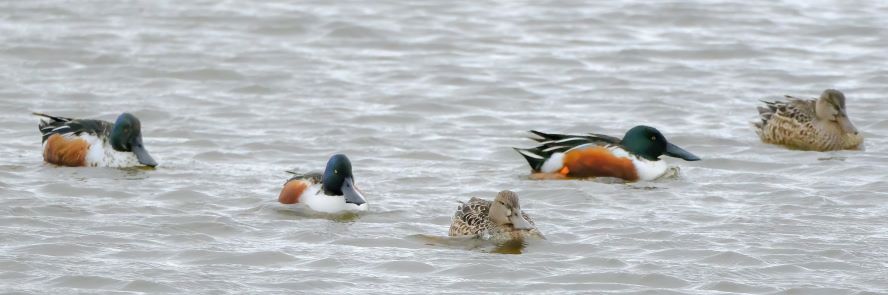
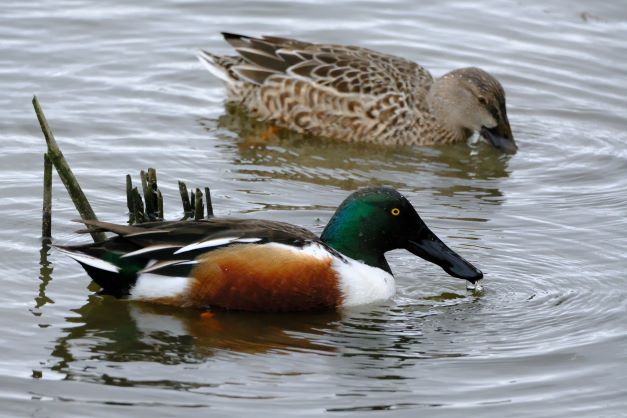
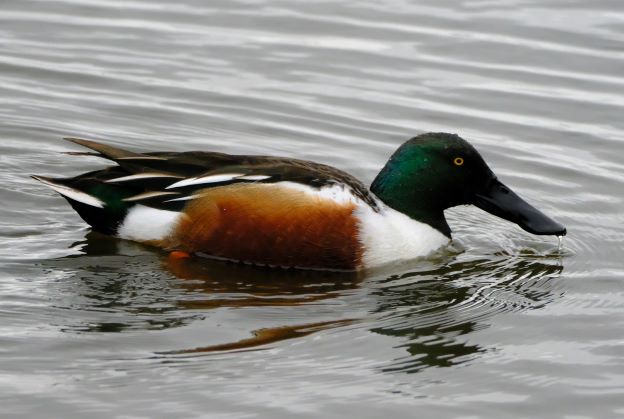
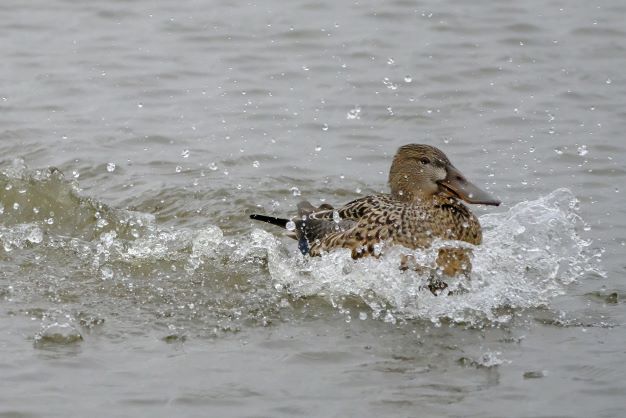
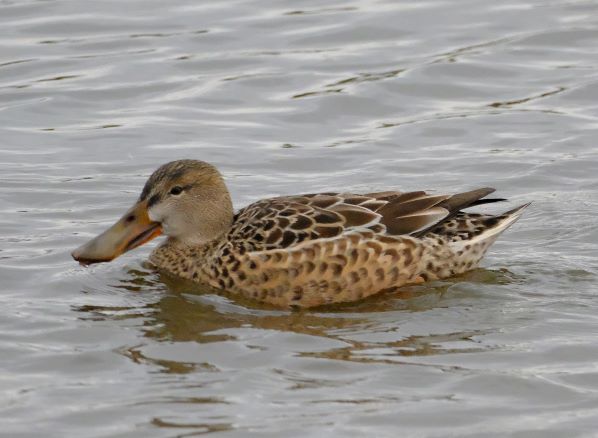
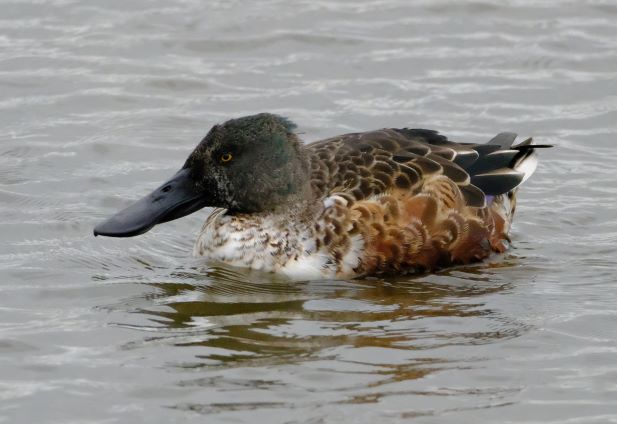
The northern shoveler, known in Britain as the Shoveler. The UK has around 1,100 breeding pairs of this duck but wintering numbers increase to nearly 20,000 birds. Last week there were a few birds in Titchfield Haven nature reserve today the numbers have increased – I counted at least 30 birds.



 Continued Reflections from my World.