Photo-heavy post.
Something a little different today, we spent the day at a local Raptor centre. So all photographs are captive birds.
https://www.libertyscentre.co.uk/about-us
Great Grey Owl. This Owl is the world’s largest species of owl by length. It is distributed across the Northern Hemisphere. The wingspan can exceed 5 ft, They breed in North America.
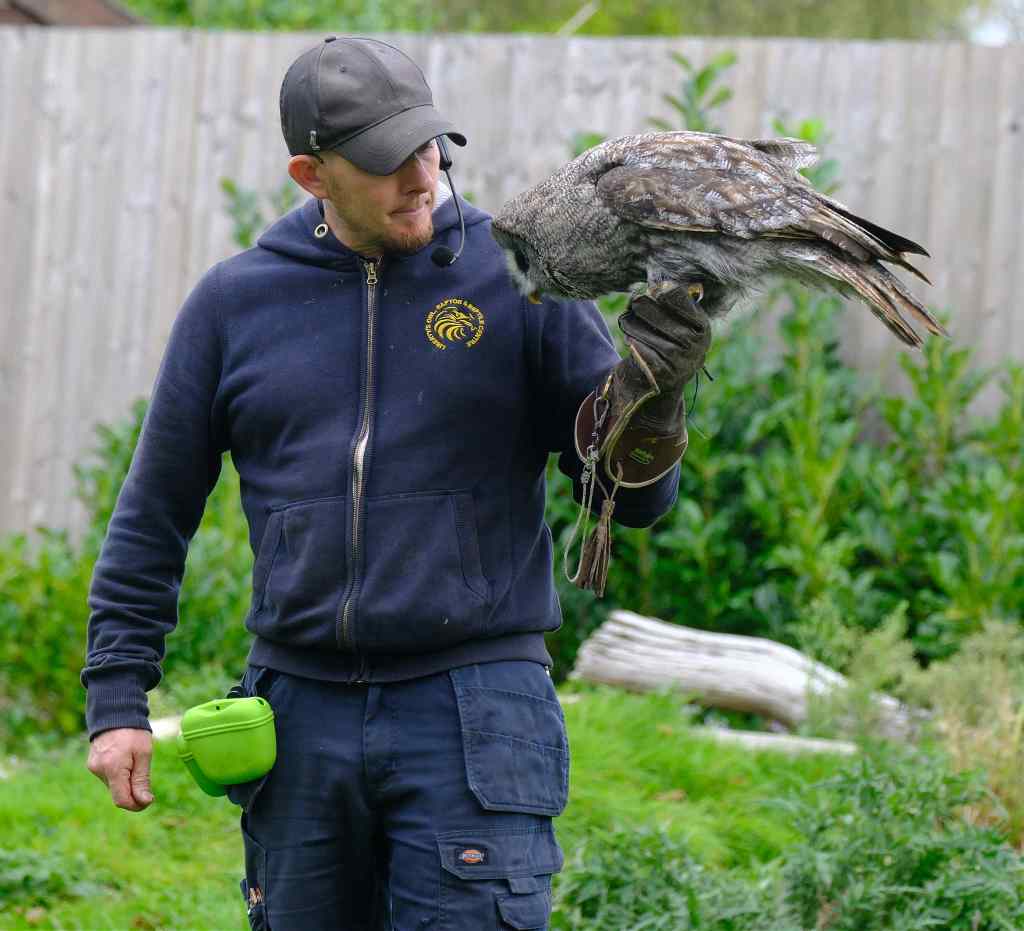
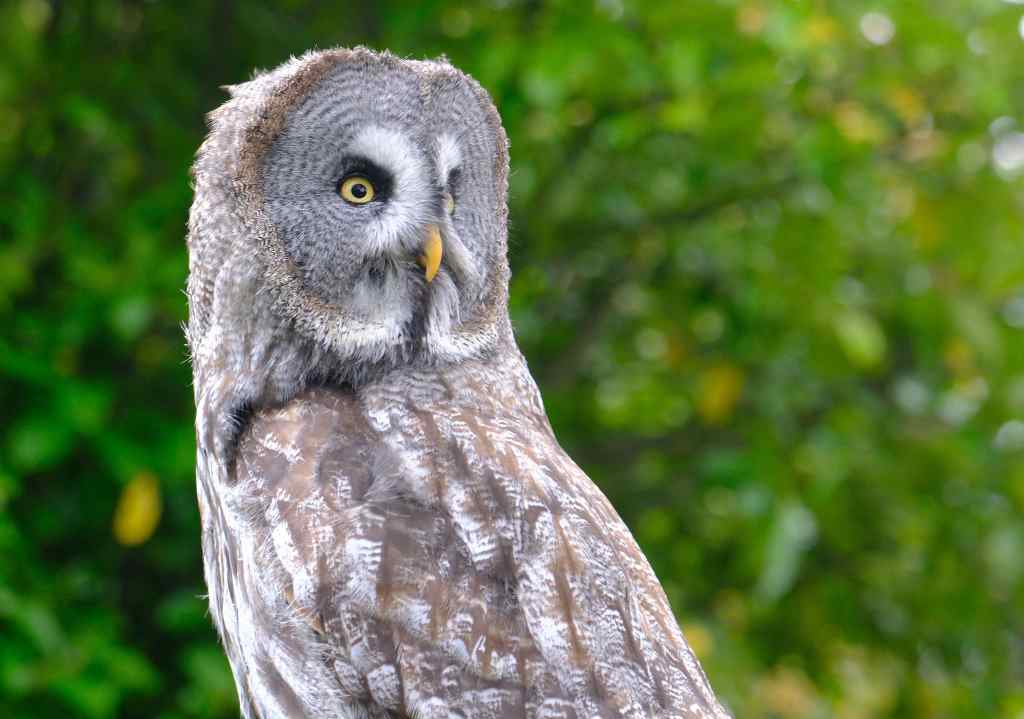
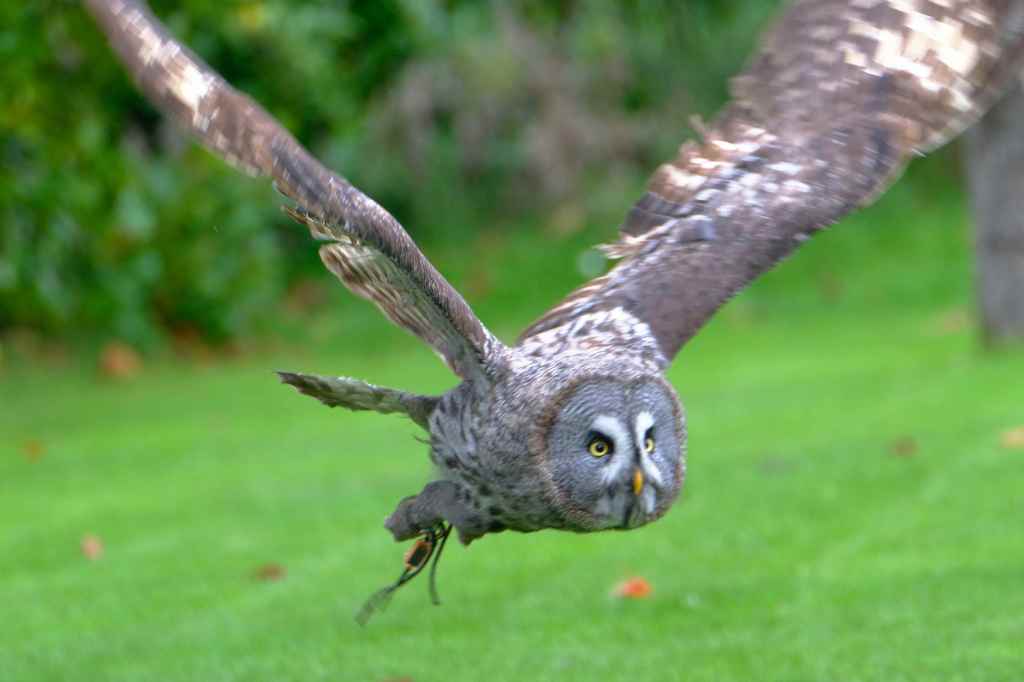
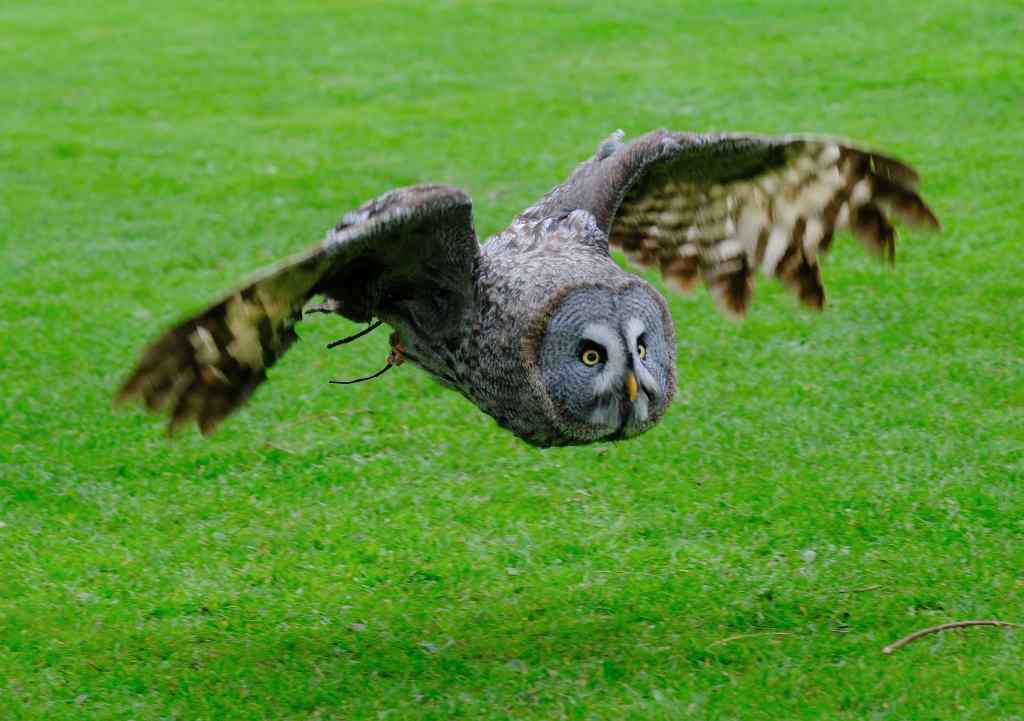

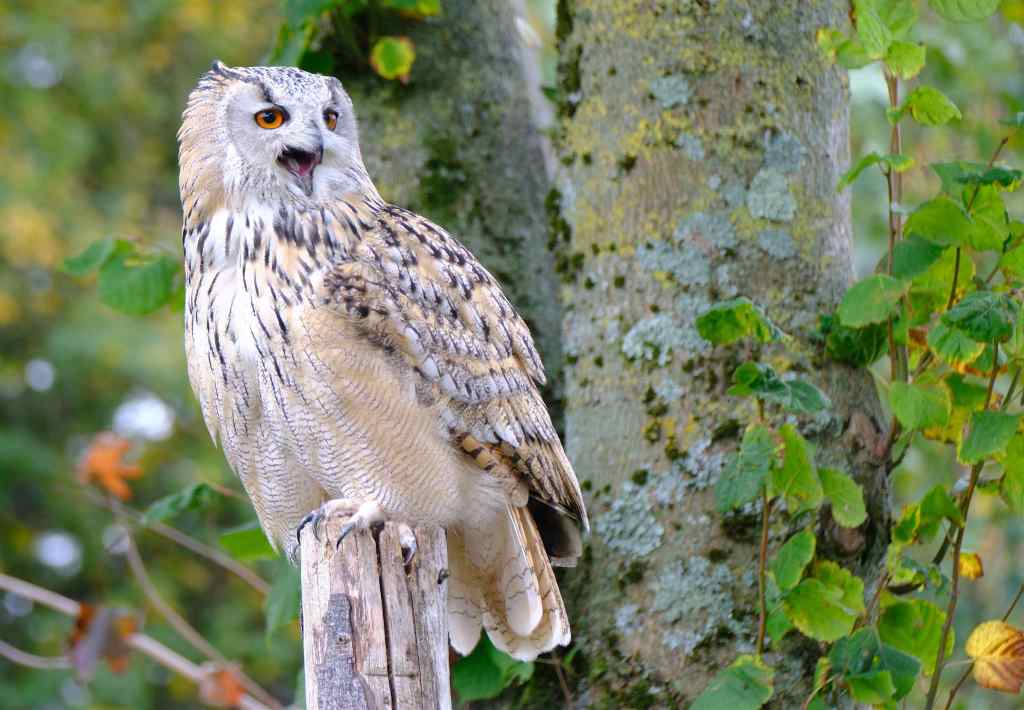
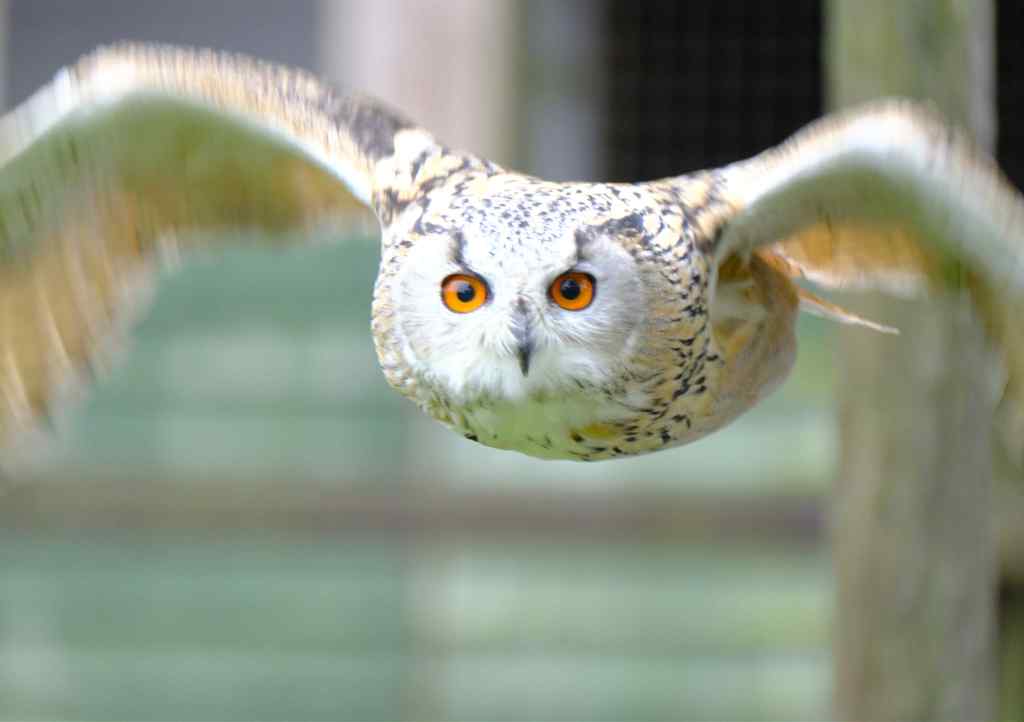
A smaller Owl, although not much smaller, is the Siberian Eagle Owl. However, they have a wingspan of 6ft.



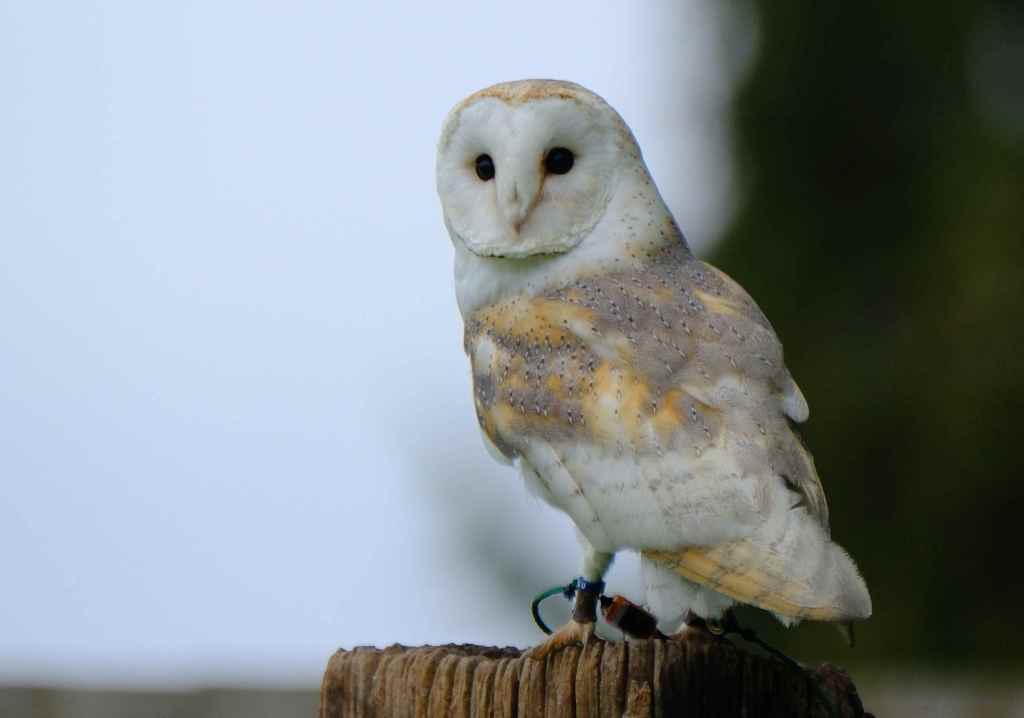
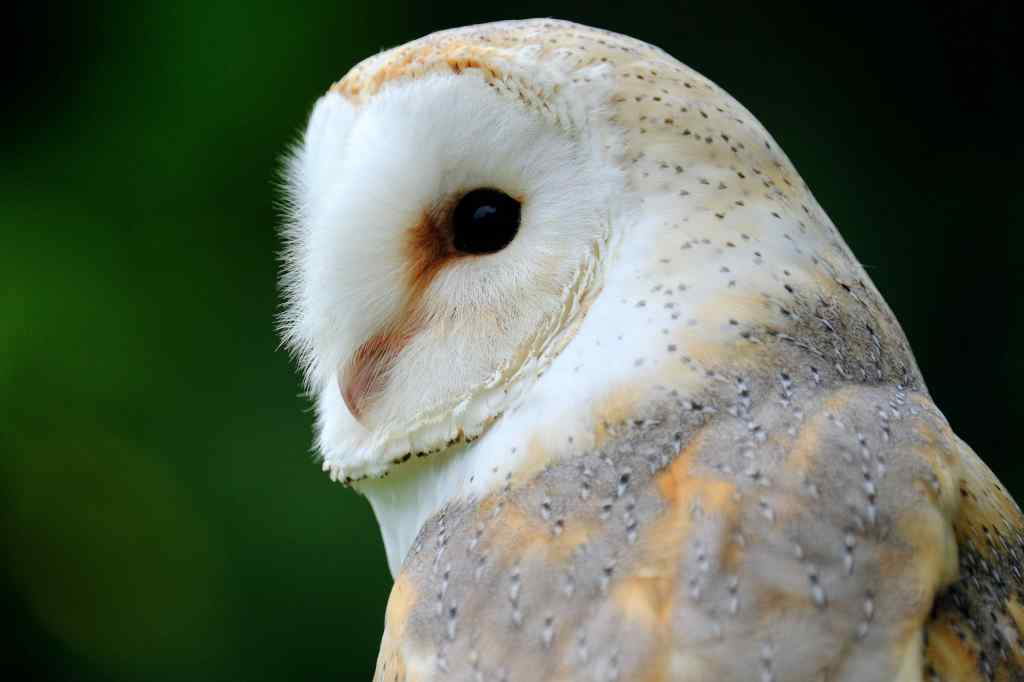
One of our native Owls is the Barn Owl. Tiny compared to the 2 previous birds, the Barn Owl has a wingspan just over 2 & half feet. Normally, I have to get up at 05:00 hours to watch our local birds!



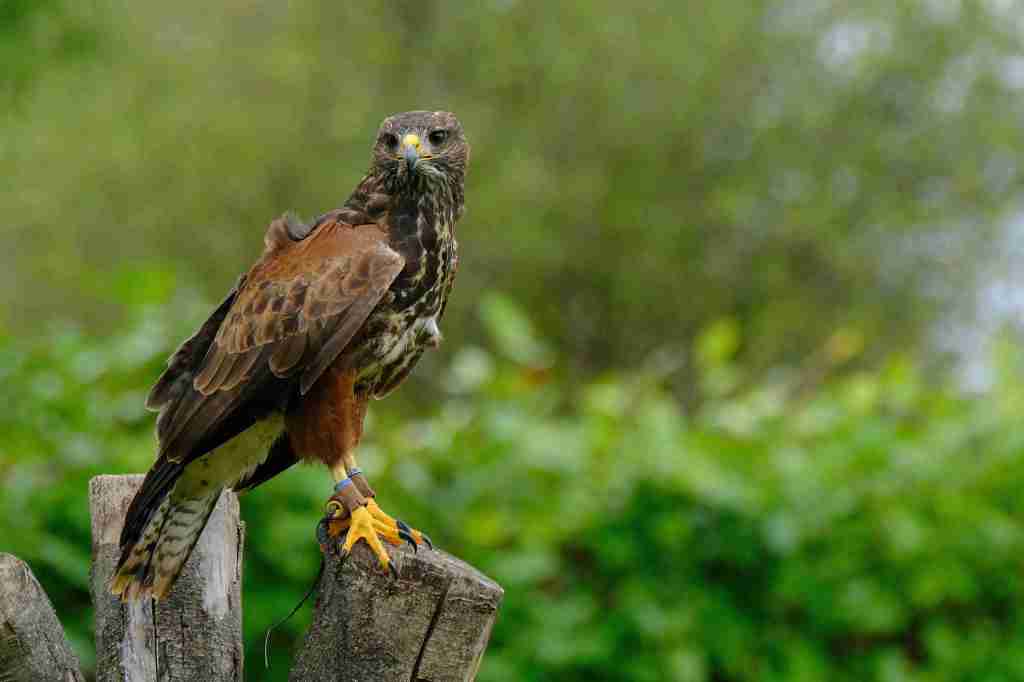
Harris Hawk. They are native to the Americas. However, they are a popular species in falconry and are often used for pest control in the UK,


Hazzard, Hazzards are a very rare hybrid of a Buzzard and a Harris Hawk.



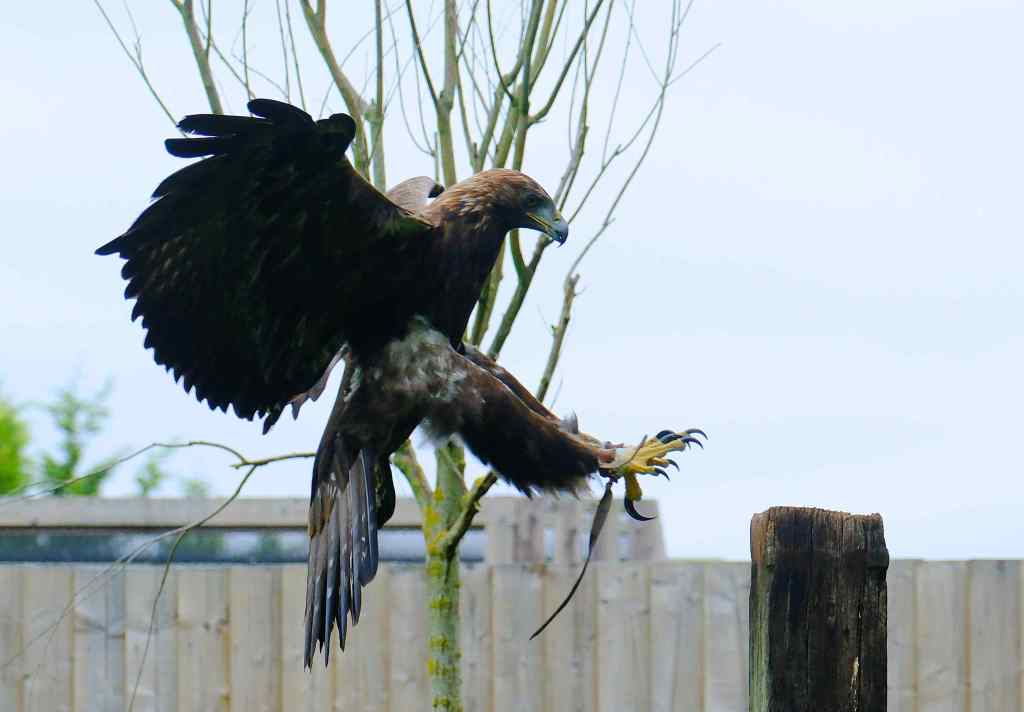
Golden Eagle. I have only ever seen a pair of Golden Eagles once in the Highlands at some distance away, so it was a treat to see this bird today. With a wingspan of nearly 7ft, they are a big bird.




























 Continued Reflections from my World.