New Forest Blue Tit.


New Forest Blue Tit.
I went for a walk in the New Forest this morning to look for some fungi but there were very few about I think that even though it is prohibited in the National Park that they had been “collected” – It has become an issue in recent years as commercial quantities are being taken and sold on.
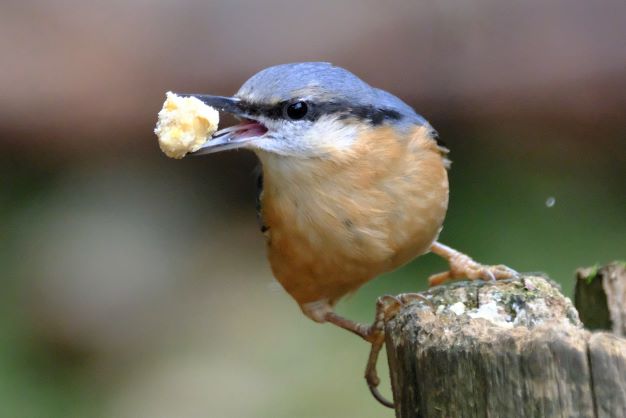
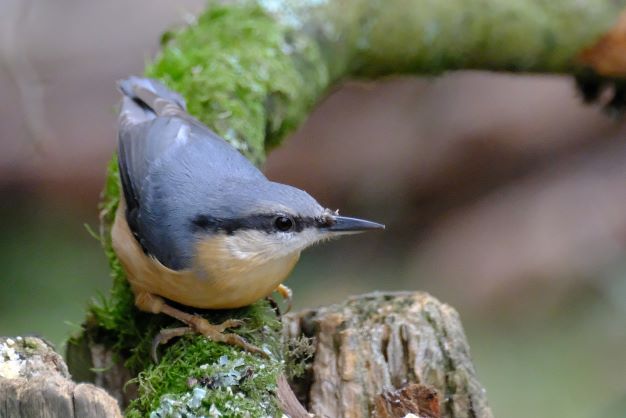
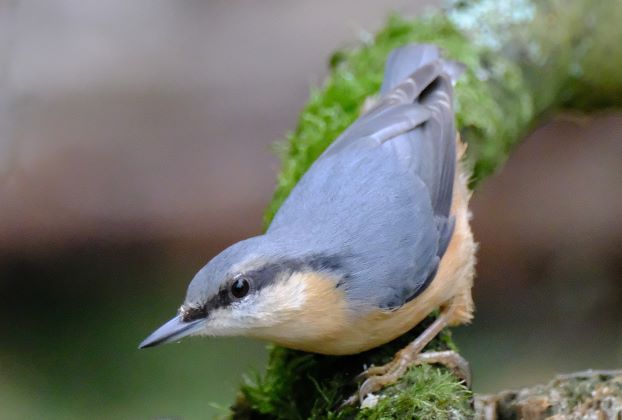
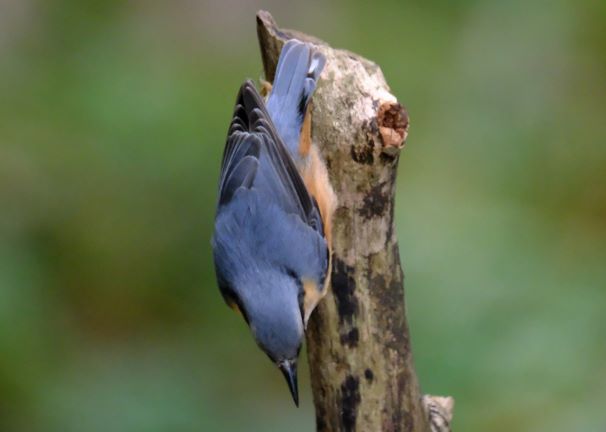
However, not all was lost as I enjoyed watching this Nuthatch.


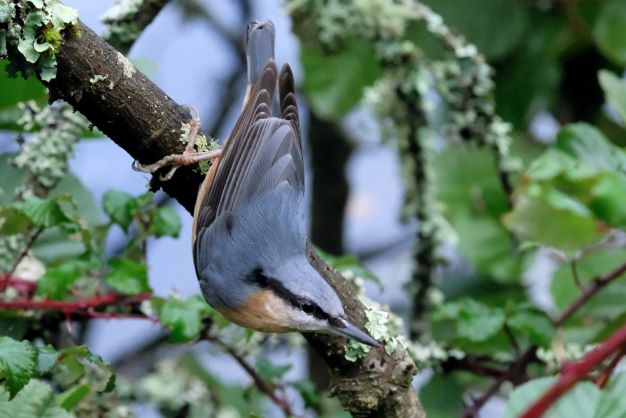


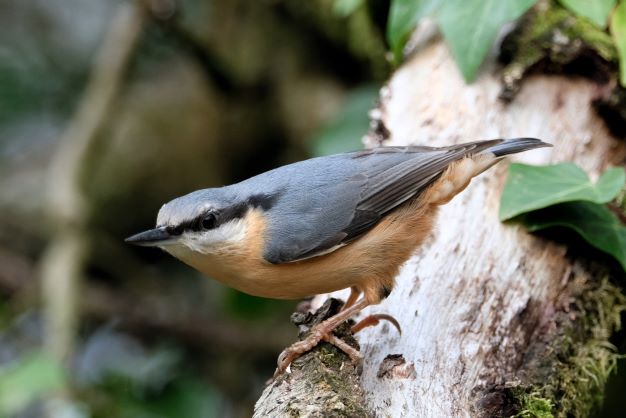
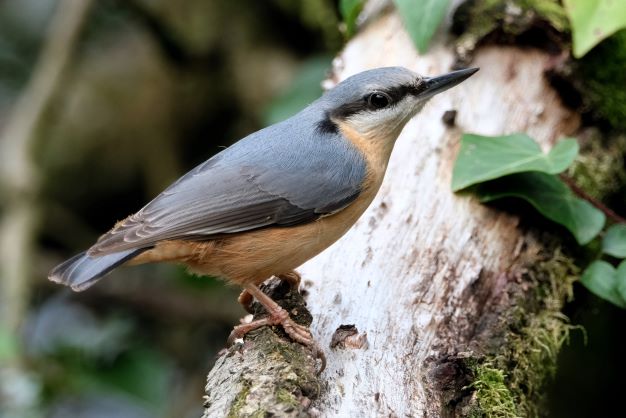
Length: 14 cm Wingspan: 22.5-27 cm Weight: 20-25 g UK breeding: 220.000. {facts from RSPB}
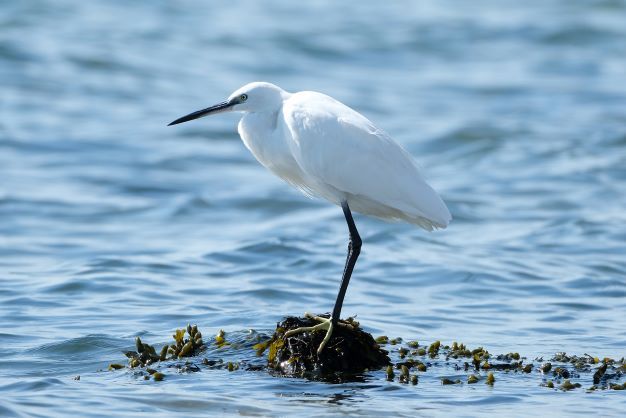
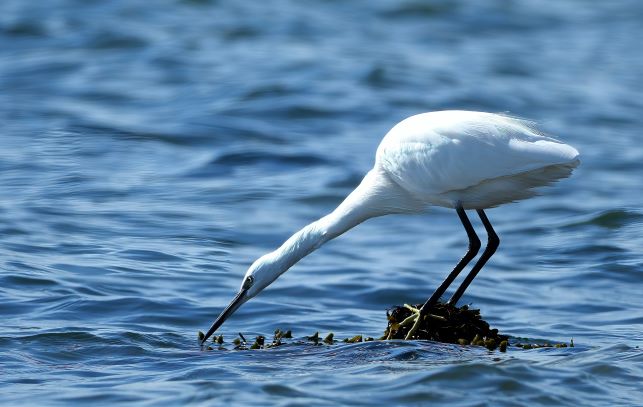
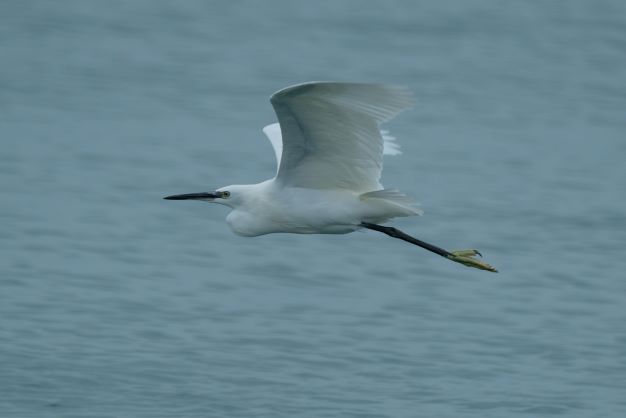
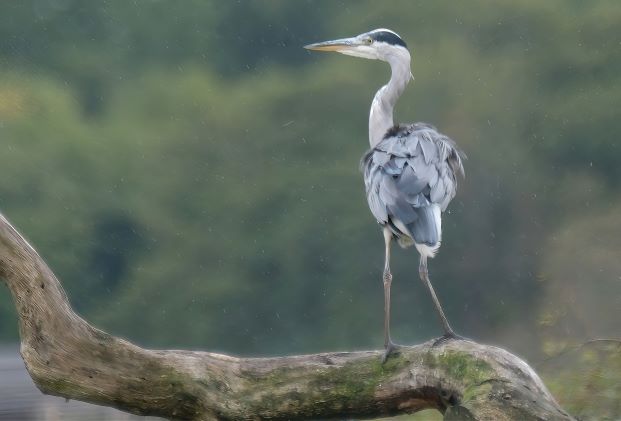
Our local Little Egrets have found a new way of fishing I have been watching these beautiful Herons for several years on Meon Shore but only in recent weeks, have seen them on a slack tide standing on the wooden sea groin post fishing. Normally they wait until low tide to fish at the waters edge.




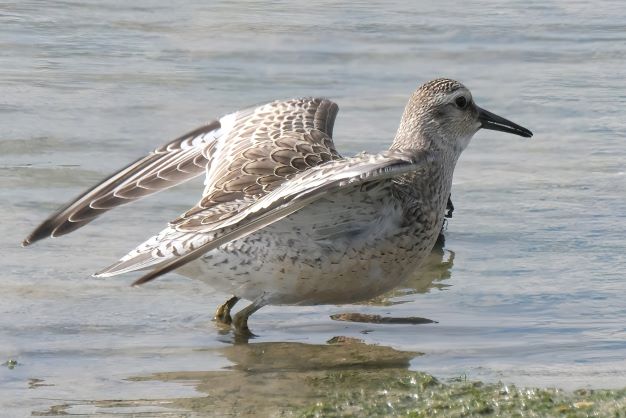
The knot is a medium-sized, wader a bit larger that a Dunlin {see picture 5}. They migrate to the UK in very large numbers during winter from their Arctic breeding grounds. Knots eat invertebrates, molluscs and crustaceans which they find by probing their bills in the mud and sand; special sensory organs in their bill tips help them to detect buried prey in a similar fashion to the way echolocation works in bats. For me, although not the 1st time I have seen Knots yesterday was the first time I was able to get some pictures of this bird.
UK wintering population:320,000 birds.
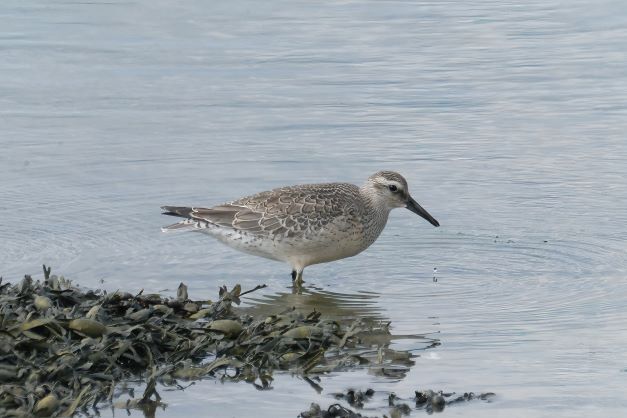
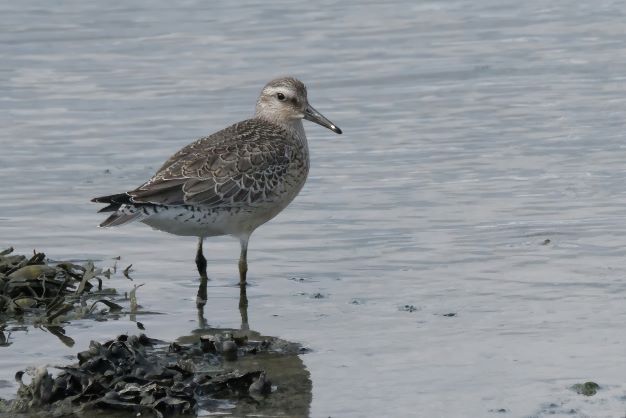
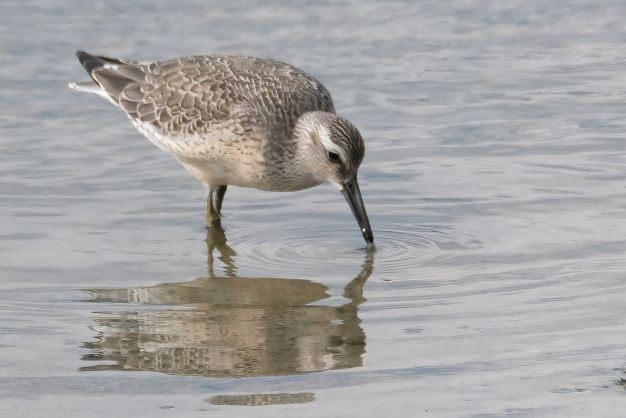

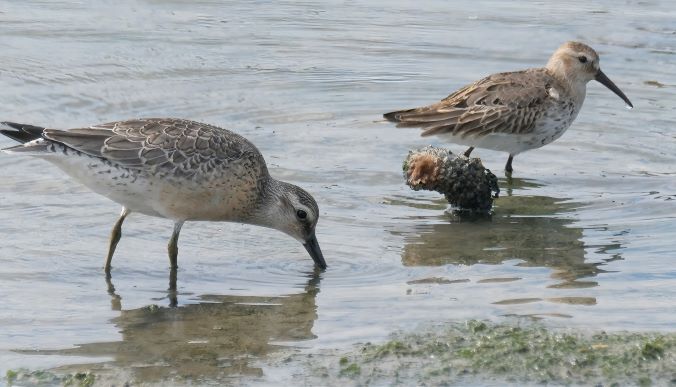

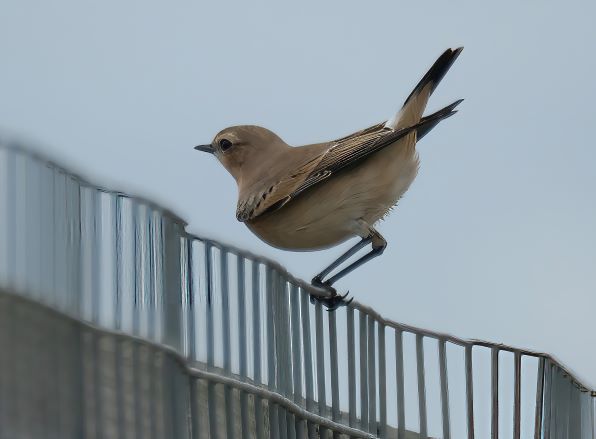
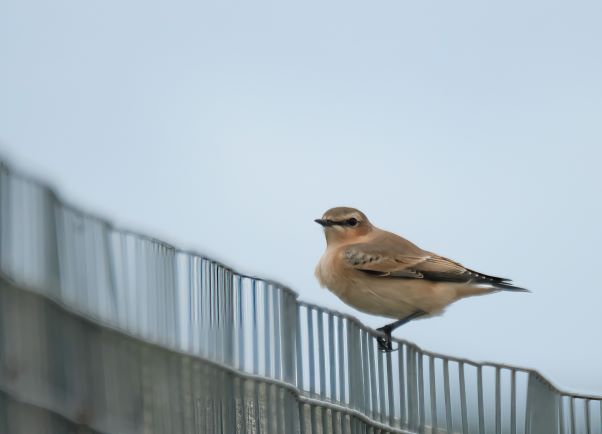
Wheatear sitting on the fence at Meon Shore.
Wordless Wednesday.

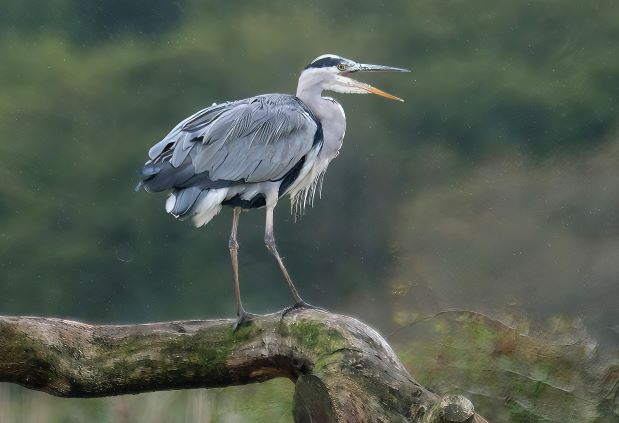
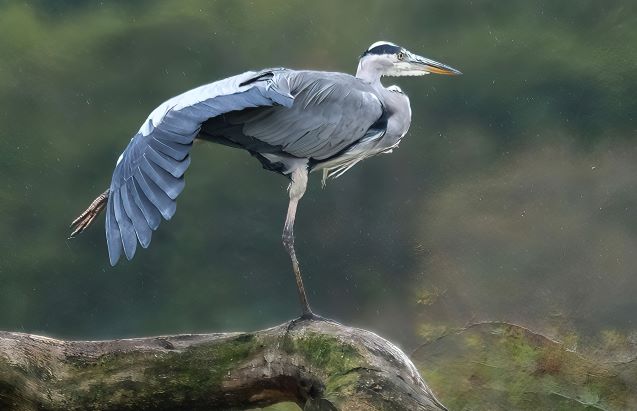


Bird spotting around a bird feeding station. I placed a small camera trail on a tripod and let it run. The sounds of the forest are worth listening to in the film.

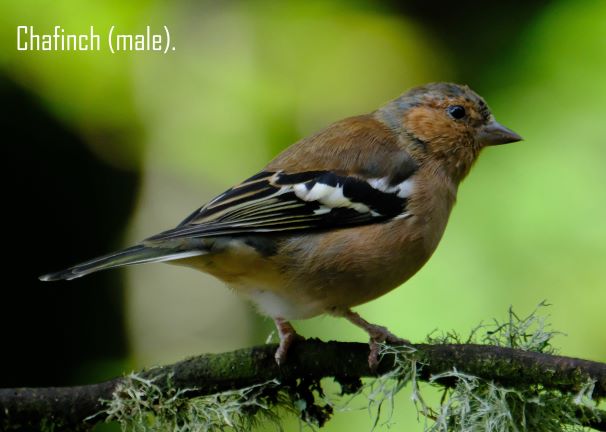
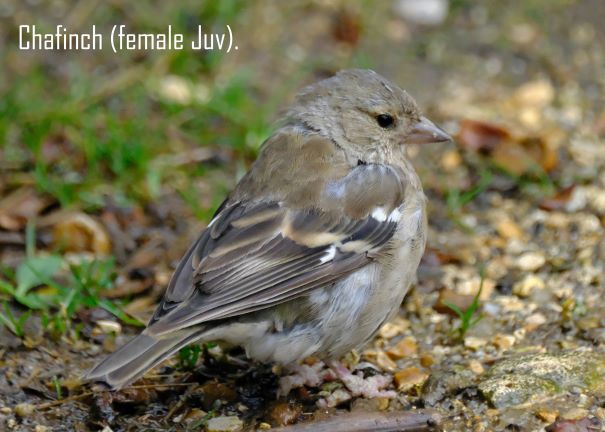
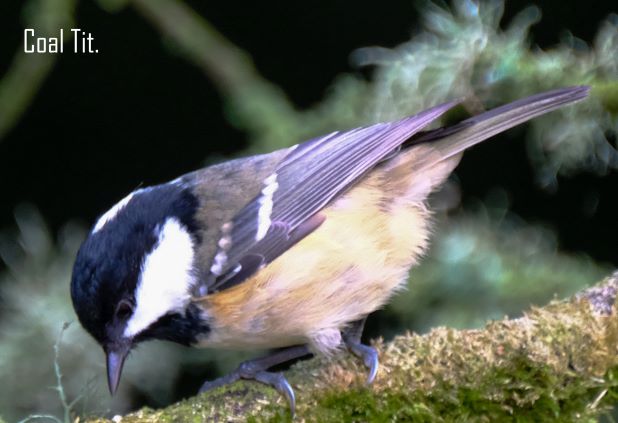


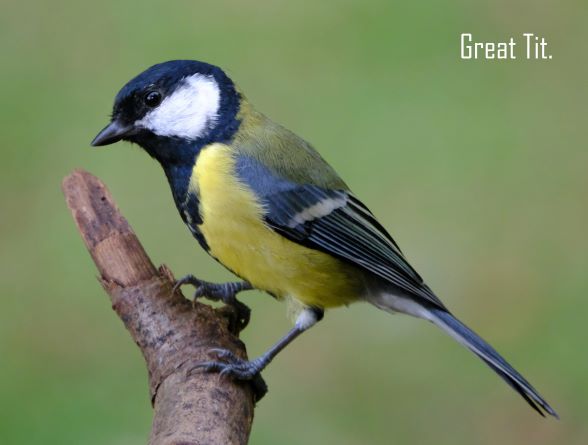
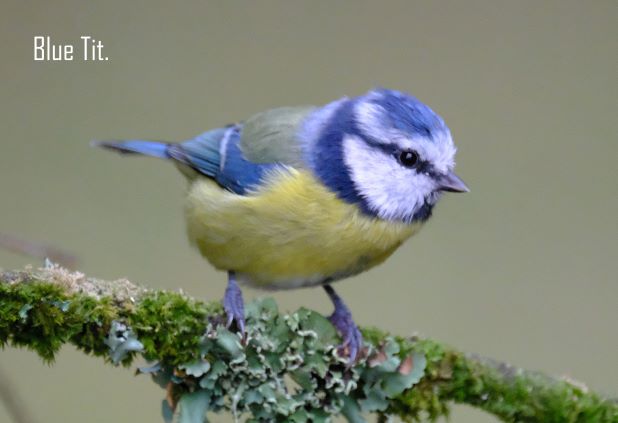
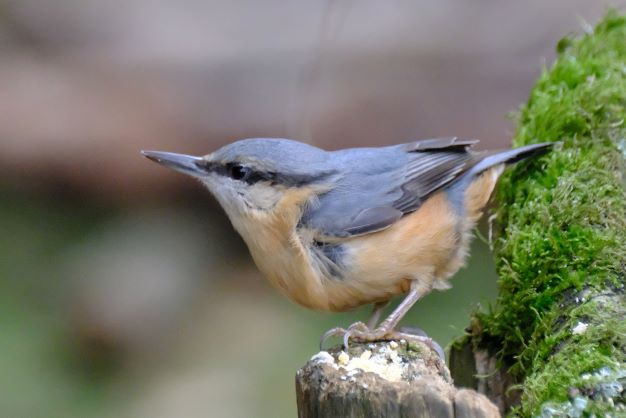
There is one species of nuthatch in the UK, Our species is a woodland bird. It has the unique habit in the UK of plastering mud around the entrance to its nest hole.



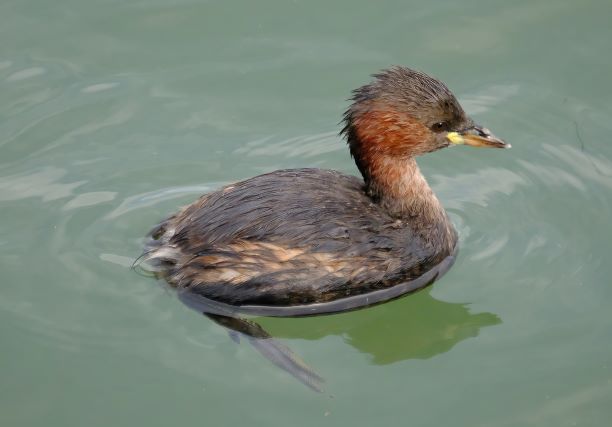
The little grebe, also known as dabchick, is a member of the grebe family of water birds. they are a small bird with a weight:100-140g. They eat – Insects, larvae and small fish.
UK breeding:5,300 pairs
UK wintering:16,000 individuals

Female

Male


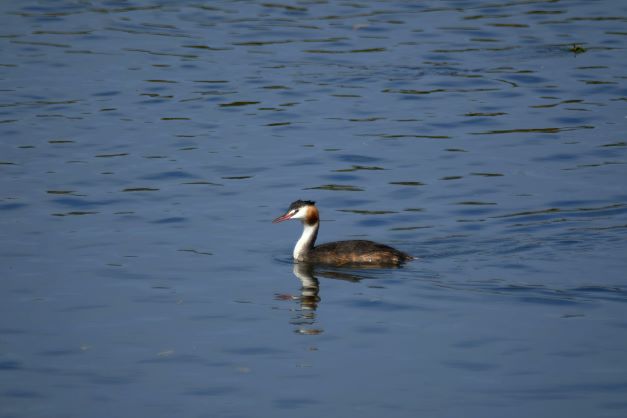
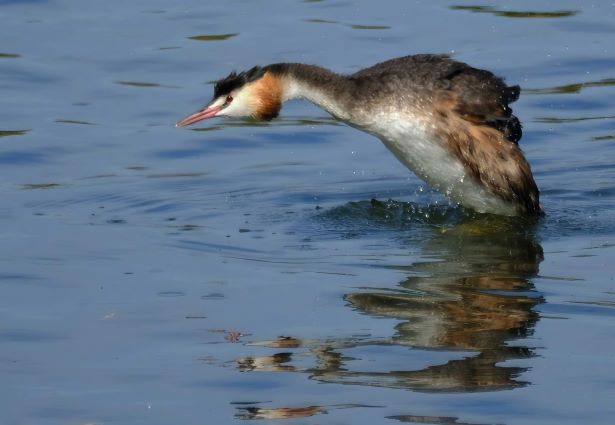
This elegant waterbird with ornate head plumes led to its being hunted for its feathers, almost leading to its extermination in the UK. The wintering population increases so I hope to get some closer sightings of this bird as we move into autumn and winter.
UK breeding:4,600 pairs
UK wintering:19,000 individuals