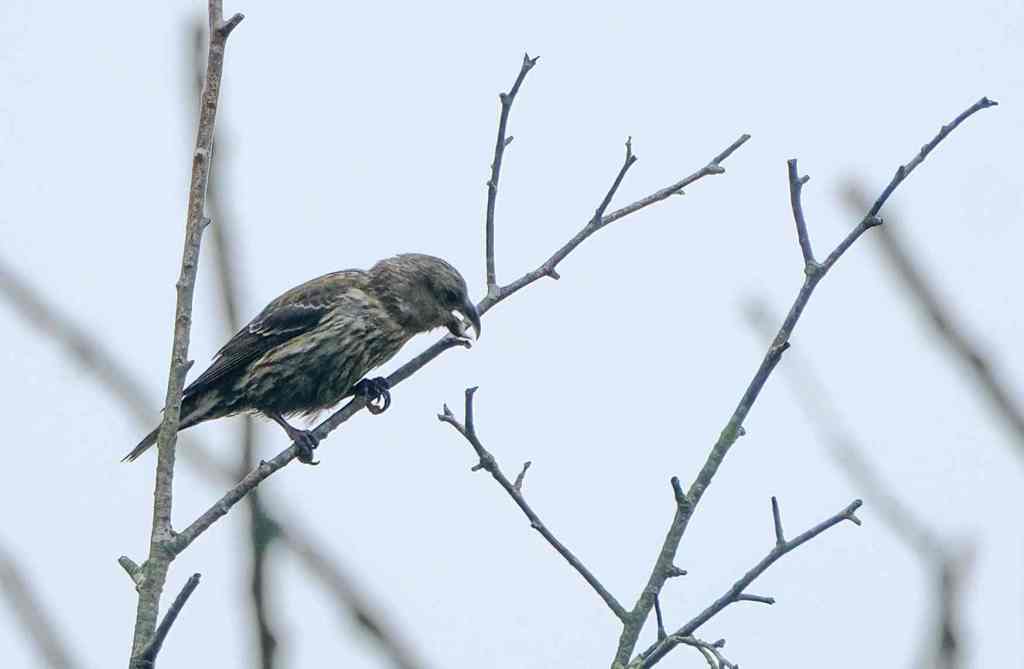
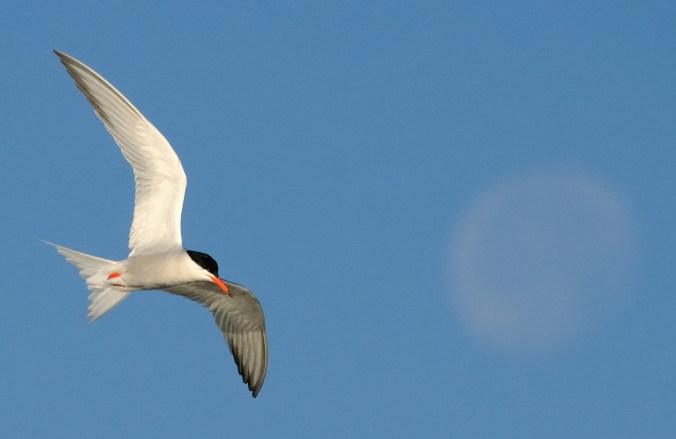
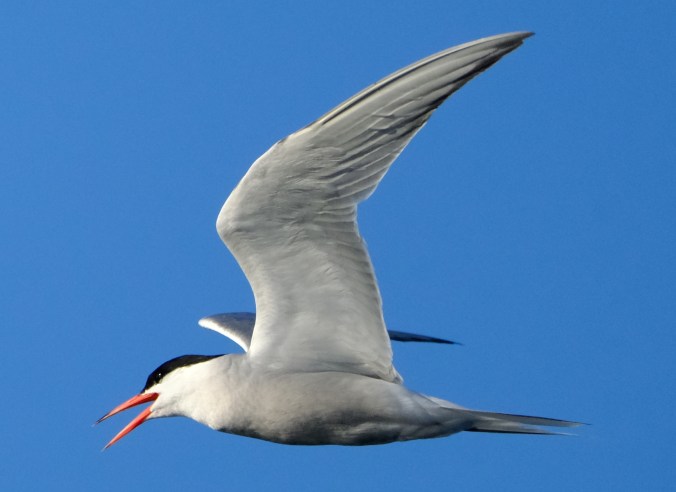
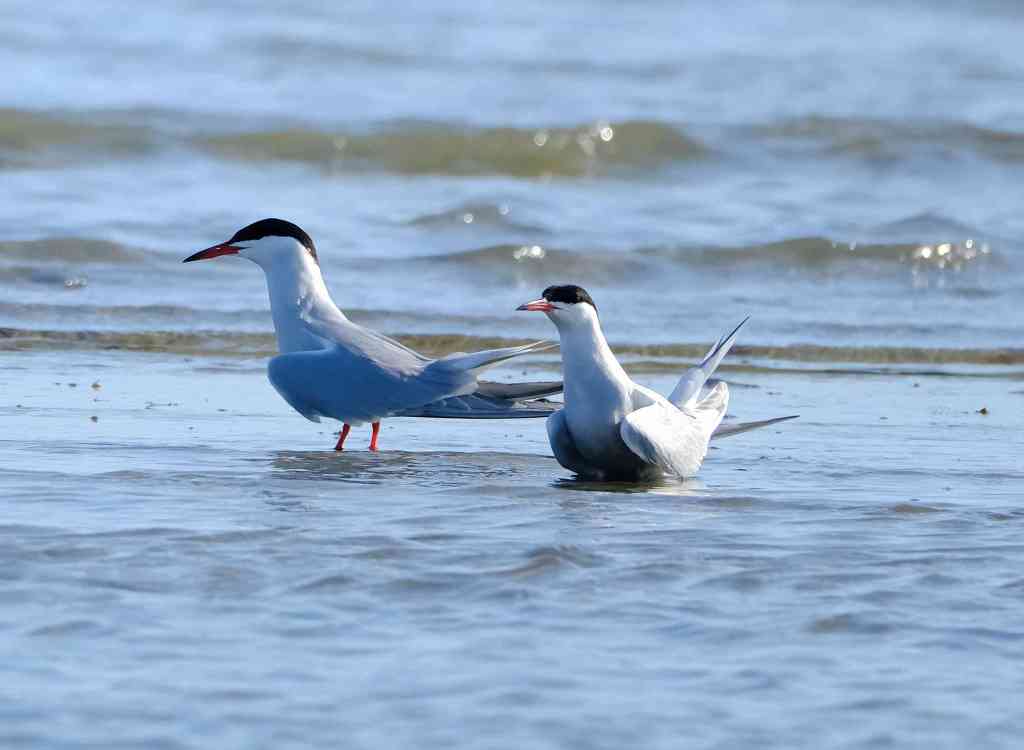
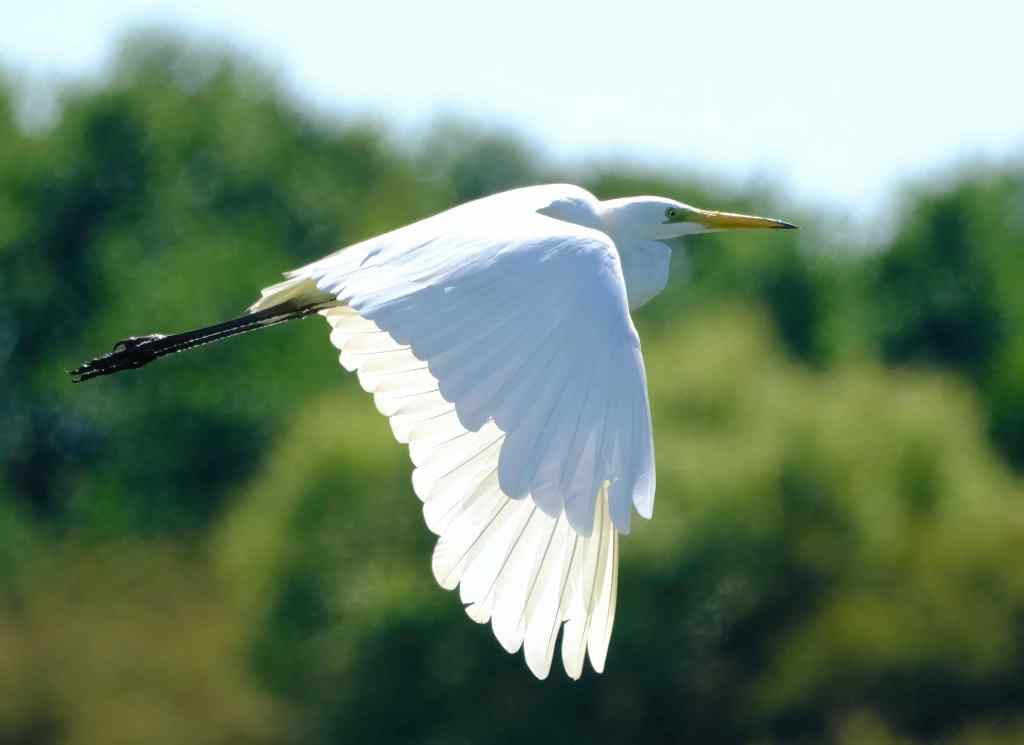
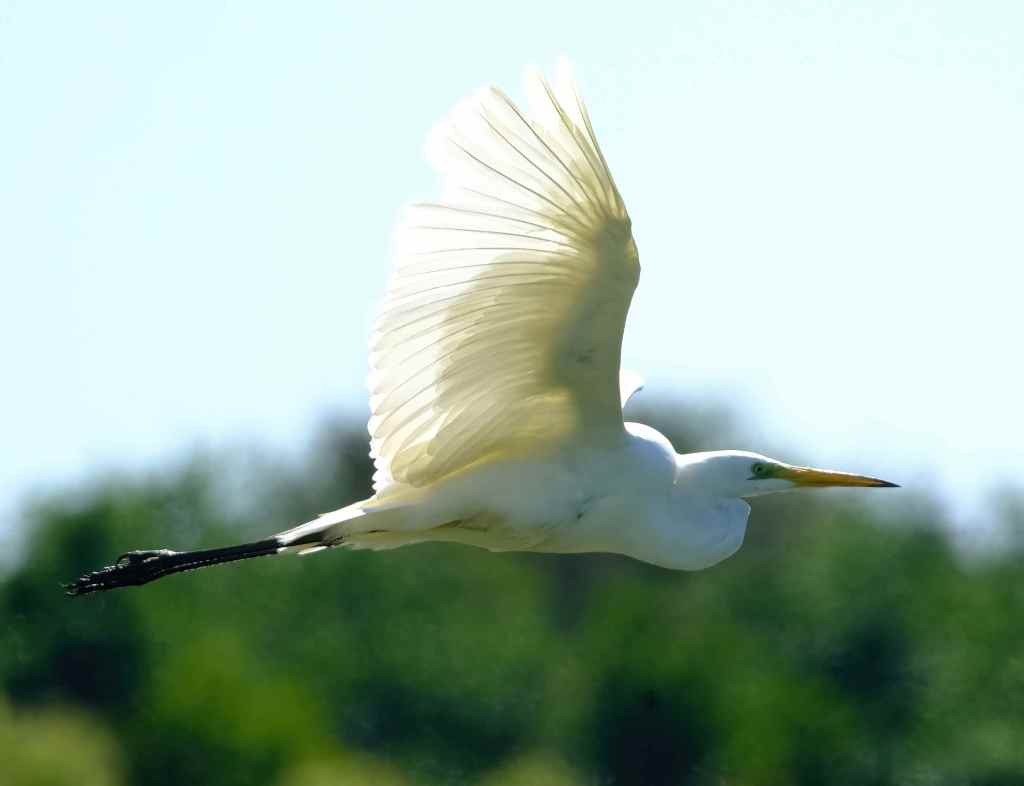
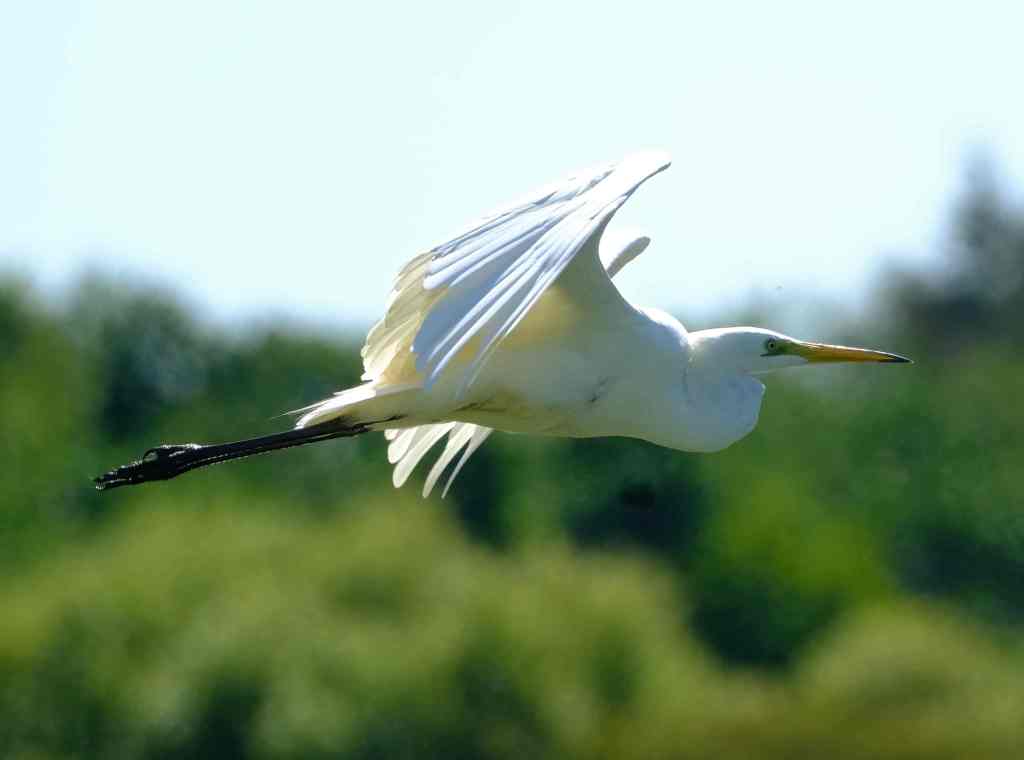
Chough.

I visited an area in Pembrokeshire, Wales, on our camping trip where, several years before, I had seen Choughs. On a few miles of rugged coastline, I was lucky to see about 15 birds. This included two family groups – both had two parent birds and at least 3 juvenile birds in their group. One set of chicks had been ringed.

Unfortunately, the weather was very wet with high winds, so getting photographs was challenging.

The Chough—pronounced ‘chuff’— is a member of the crow family, but unlike any crow, it has an orange bill and legs. It is found only on the west of the British Isles. It’s a master aerobatics with dramatic aerial displays of diving and swooping. These birds are rare, with only 500 breeding pairs in the UK and the Isle of Man. They are Schedule 1 species.

They feed on short grassland and coastal heathland, where they probe the ground with their long bill for insects, such as leatherjackets and beetle larvae. Nests are in crevices and fissures, on rock ledges and cliff faces.. The female lays three to five eggs, and both parents help to raise the chicks.

Later in the morning the weather improved so did the light so my pictures improved.

Below is a juvenile bird (ringed), note the paler bill.

1st Light.

Without (much) hesitation, and with a weather forecast giving a bright Sunday morning until around lunchtime, when my brother suggested a 04:30 hrs start to see if we could spot the Barn Owl we had spotted on the South Downs a few weeks earlier, it was a “go”!

As we left for the half-hour drive, it was already getting light. However, a noticeable chill was in the air, so I opted for a fleece over a waterproof jacket.

25 years ago, the Government were stating they were going to bury the electricity cables in places of natural beauty such as national parks, well it never happened and we are told more pylons will be needed to link solar farms to the national grid as they are too expensive to go underground. I see WordPress now has an AI section, so I asked it to generate a picture of Pylons at Stonehenge! {NB-1st and last time I will post a A1 picture}

Sadly, no Barn Owl was out morning hunting, but good numbers of Brown Hares were about.

The next hare was a Rabbit!

Turning to head back, rain clouds were heading in. All the crows just landed, sadly, I missed them in the air as it was a great sight with that sky.

With a few rather interested in us, Hereford Cattle, we took a wide detour off the footpath close to farm buildings.

This allowed us the opportunity to look into the barn where we had seen the Owl in flight previously.

Looking through a hole in the barn wall (marked with a yellow arrow) was the Barn Owl on the other side, fast asleep. Obviously, despite our early start, it was not early enough!

Swallow Family.

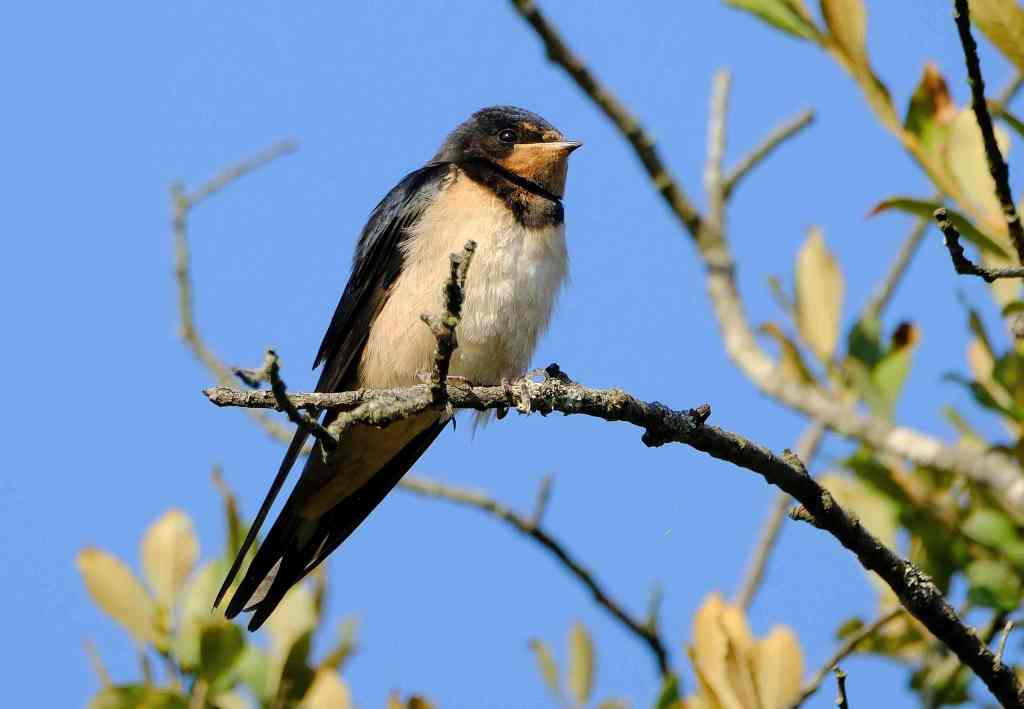
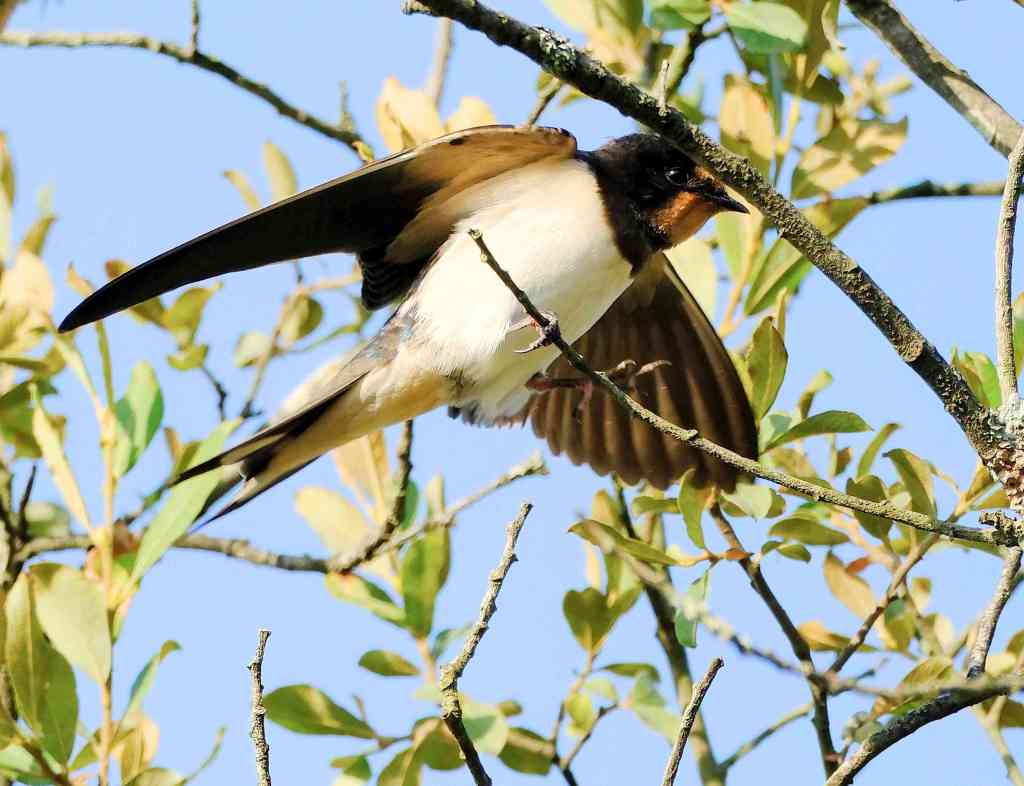
Swallows are small birds. They are extremely agile in flight and spend most of their time in the air. They are widespread breeding birds in the Northern Hemisphere and migrate south in winter. This family has left their nest and is being fed in a tree. They were a joy to watch on today’s walk in the New Forest.

An adult swallow.

& the rain returned.

After nice bright weather for a couple of weeks, we had a wet, grey day today, and the forecast says it is with us until early next week. On the positive my water butts in the garden are now full of water.

So, pictures today from Titchfield Haven are more like pictures from a winter’s day. Not very nice under sail in the Solent.
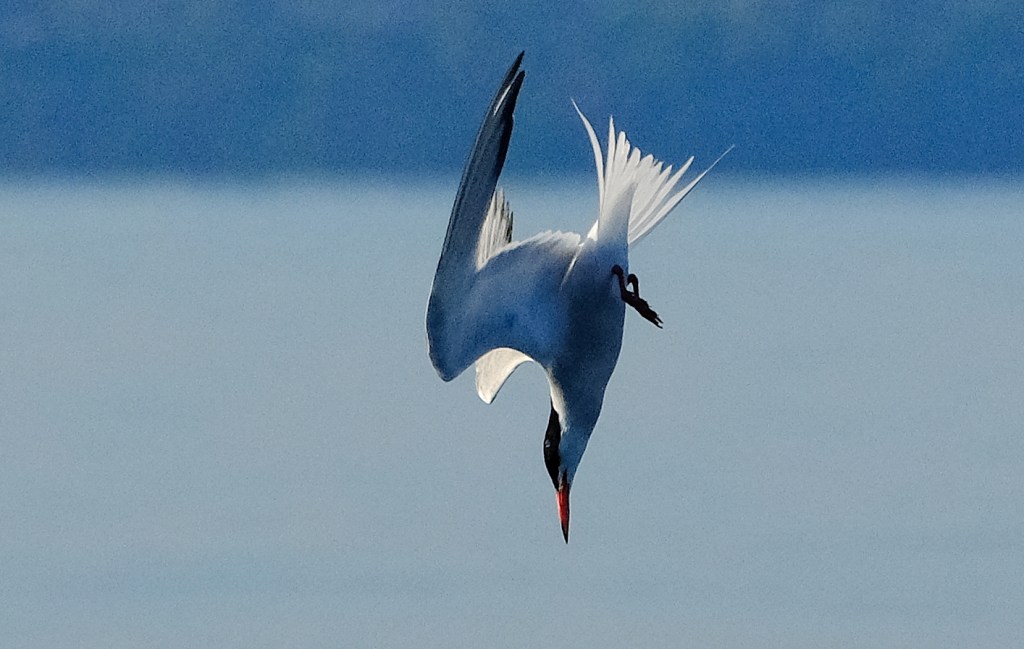
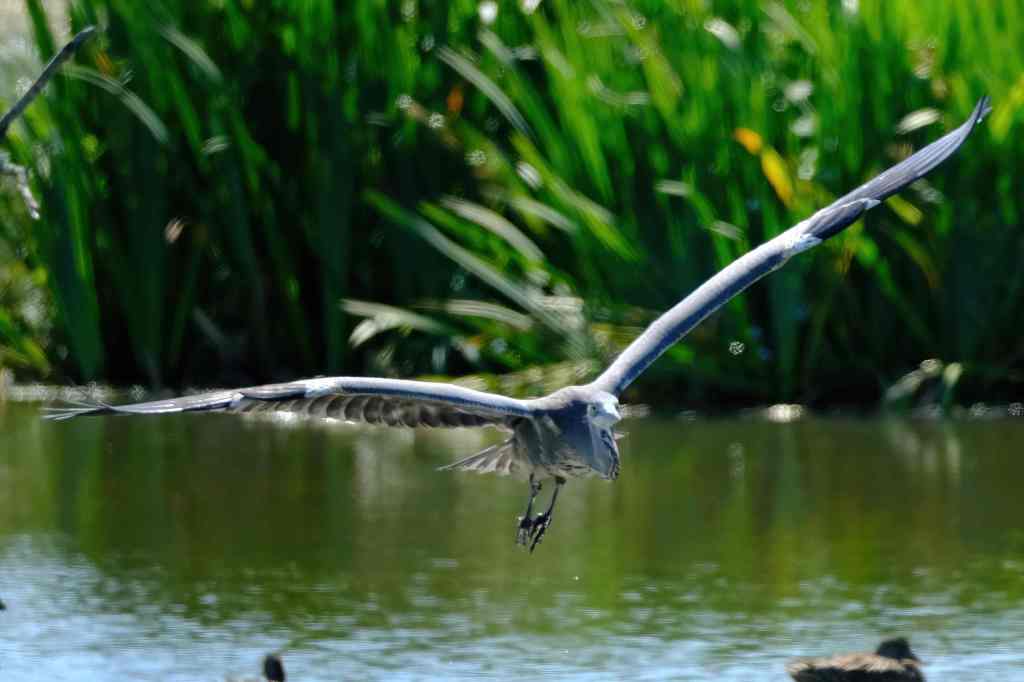
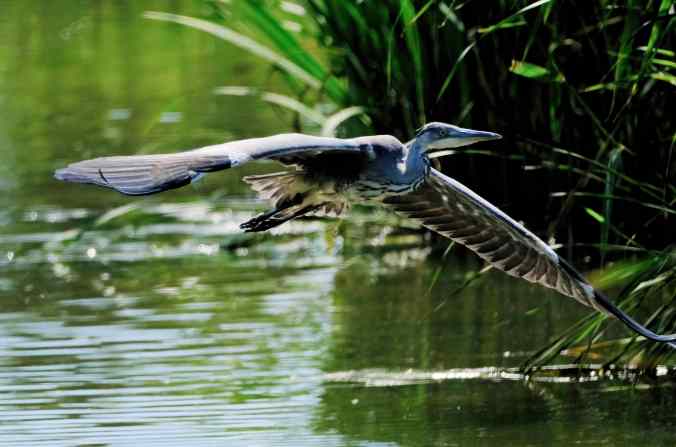
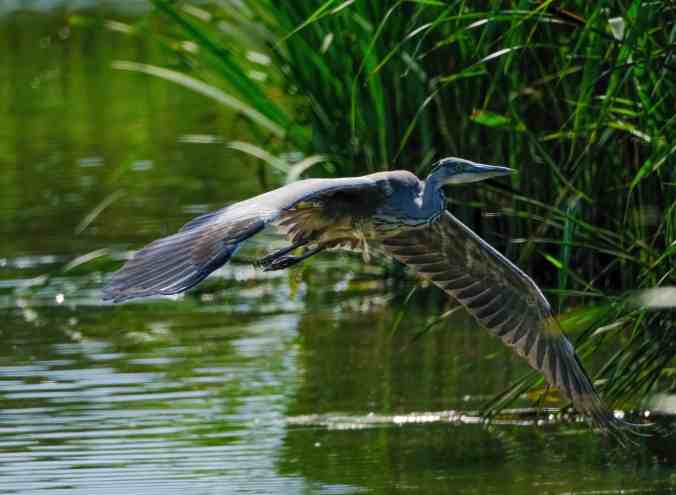
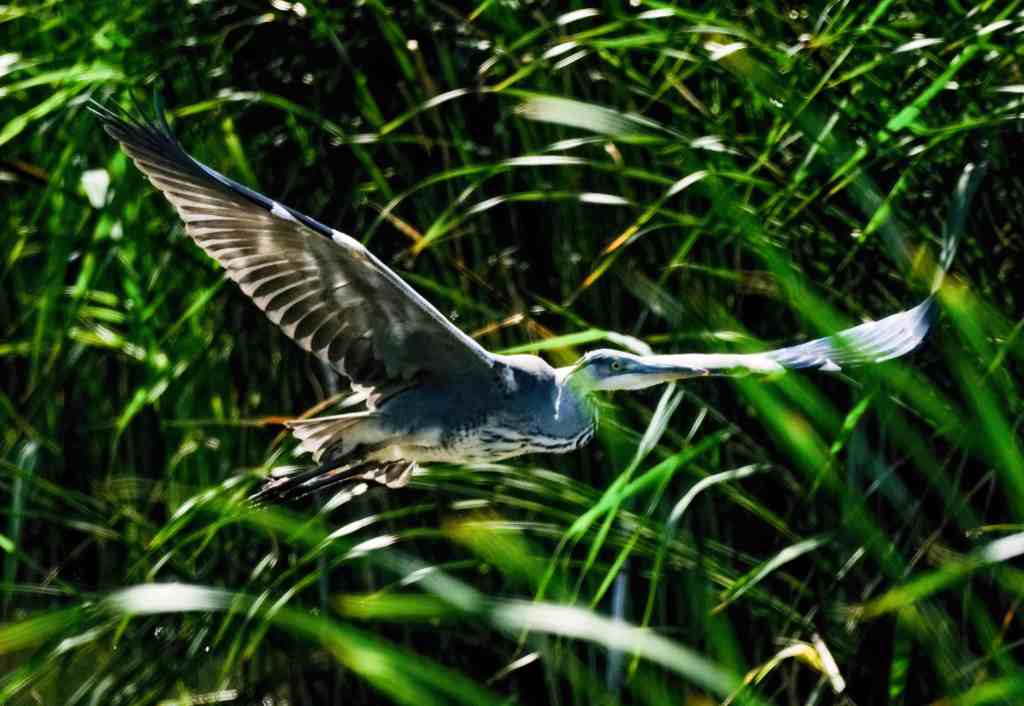
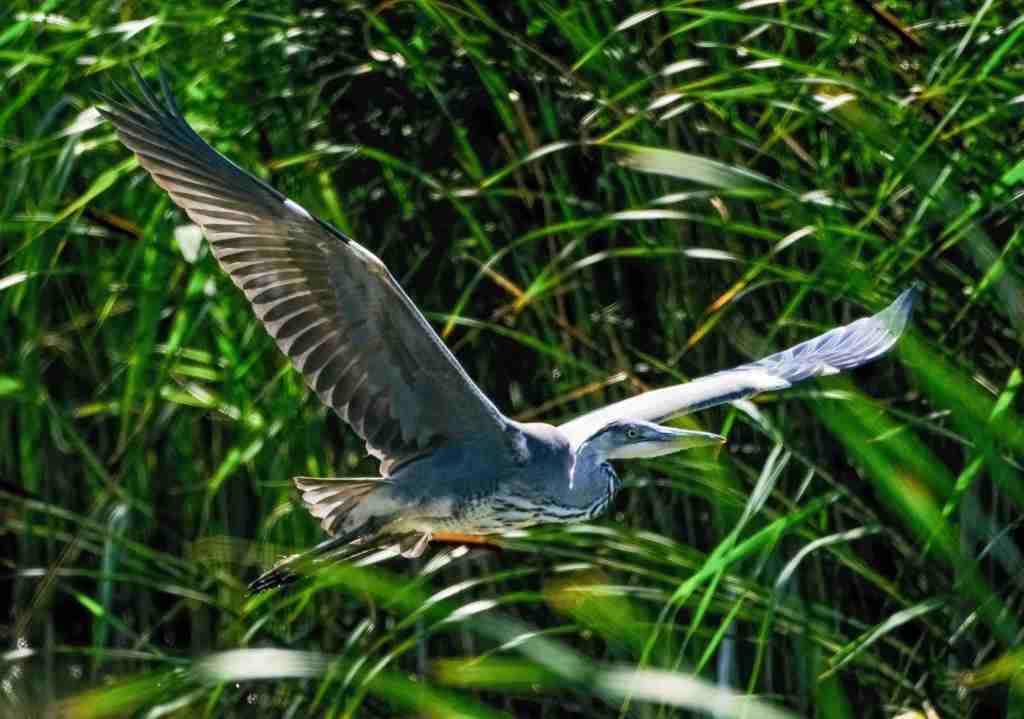
Grey Heron.

Little Egret.

fledgling Reed Warbler.

It is a hard life.

Warning: Distressing images.

Further to my post last week re Black-headed gull chicks

Link below.

The next pictures show how hard it is for the chicks. A much larger Lesser Black-backed gull swoops down and snatches a chick. As this happened, the Black-headed gull colony erupted into the air, but they failed to save their baby.
Pictures taken by my brother Simon Finnegan {I missed this, although I have seen it happen in the past.}

Along a stream.

On Monday, we walked along a New Forest stream that we regularly visit. There is always something to see and enjoy, and on a bright, warm morning with few people about, you can enjoy nature fully without the distractions of everyday life and have a chance to get into the “zone.”

This old forestry house is a good mile or so off the road, reached by gravel tracks. It is a great place to watch House Martins, as many nest under its eaves. They get an easy meal of insects swooping over the stream. Not the easiest bird to get pictures of due to their size and speed!

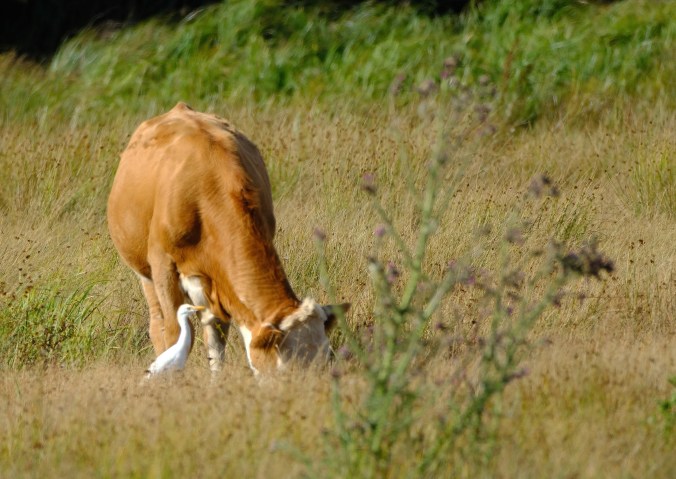
As well as the Ponies on the forest, there are cattle these came down for a drink.

A few dragonflies that the House Martins missed.

Along the stream were several Spotted Flycatchers. They are mostly grey-brown in colour with paler streaks, particularly on the head and wings. They has a creamy white breast which is streaked with pale brown.

A small bird, measuring just 14cm in length and weighing in at a maximum of 19g. Adept at snatching flying insects. They visit the UK during the warmer months and are often seen in woodland edges and clearings.

Take off.

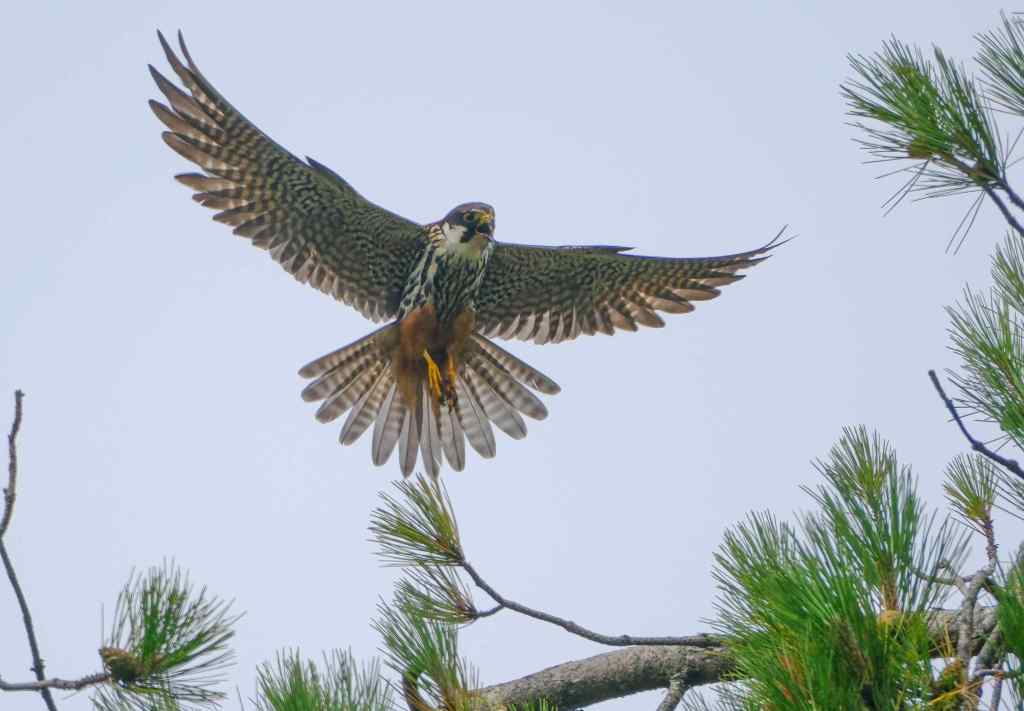
Kestrel hunting by the Beach at Titchfield Haven.

One of the few books I had to read at school.

A Kestrel for a Knave is a novel by English author Barry Hines, published in 1968. The book is set in an unspecified mining town in Northern England. It follows Billy Casper, a young working-class boy troubled at home and at school. He finds and trains a kestrel, whom he names “Kes”. It was made into a  film directed by Ken Loach and produced by Tony Garnett,

New Forest Hike.

On another walk this morning, orchids were abundant in the Heathland.

I believe these are Common Spotted Orchids.

The Meadow Pipit is a small, brown, and streaky bird; they look very much like a small song thrush.

Liverworts are small flowerless plants with leaf-like lobes called a thallus. There were large numbers growing along the stream we walked along.

Common Frog and tadpoles

Male Reed Bunting.

The main highlight of the walk was a family of Redstart.

1st pictures are the male bird, followed by the female, then finally the juvenile.

Stonechat.

A Female Stonechat in the New Forest this morning. Looking at the photographs, you can see how well these birds blend into their environment. A cuckoo can be heard calling in the background of my YouTube post.

Distant Cuckoo.