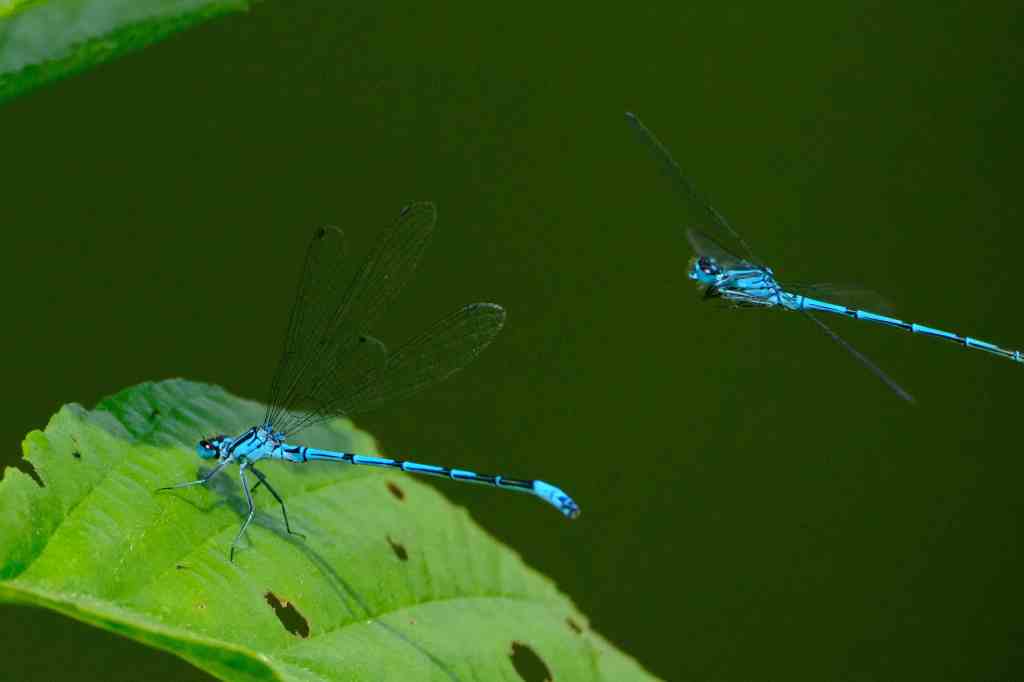
Willow Emerald Damselfly and Southern Hawker Dragonfly at Titchfield Haven this morning.


Willow Emerald Damselfly and Southern Hawker Dragonfly at Titchfield Haven this morning.
A new damselfly for us, we spotted this White-legged Damselfly in the New Forest on Wednesday. They are mainly found along slow-flowing, lowland streams and rivers, sometimes on canals or ponds.
They differ from our other blue damselflies sporting white legs.

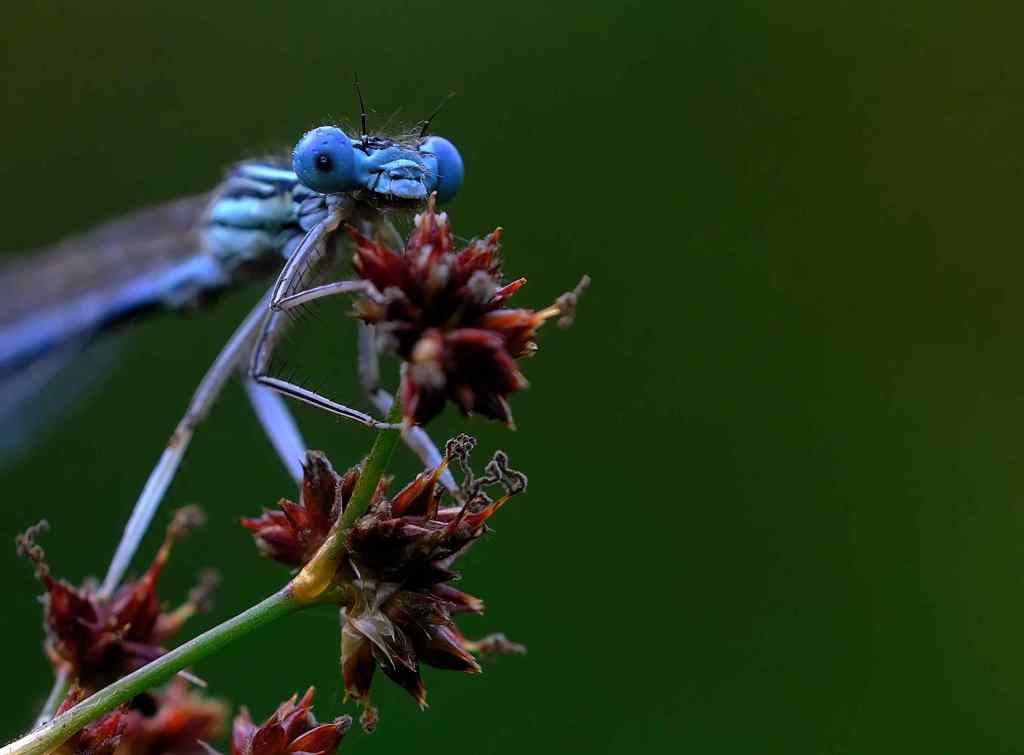

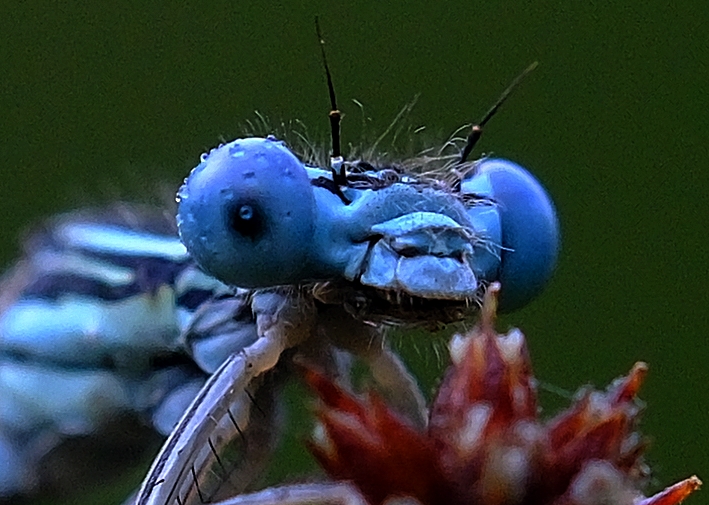
The Common Blue is one of the most common damselflies in the UK.
The Male is blue and black with a button-shaped mark on the segment below the wing base. The female is less colourful – she is dull green /light yellow with a thistle-shaped mark below the wing base and black bands.


I spotted these dragonflies and damselflies in the New Forest on yesterday’s walk.


Keeled Skimmer (female)

Keeled Skimmer (male)

Large Red Damselfly.(mating Pair).

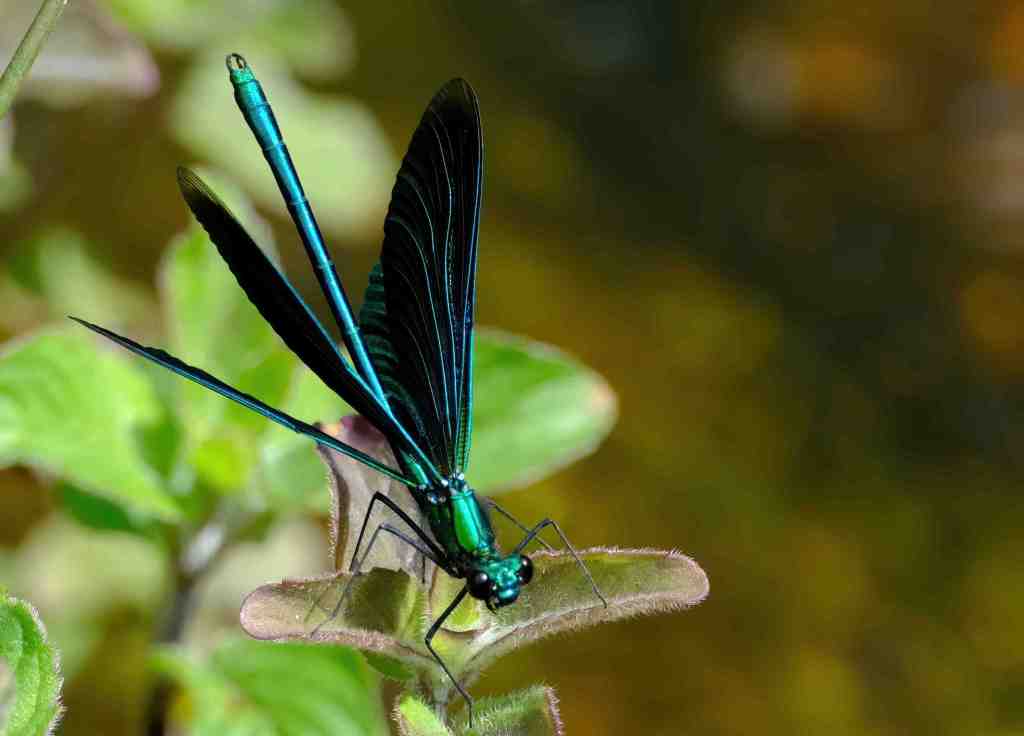
Beautiful demoiselle Damselfly.
A pictorial record of a short walk along a small New Forest stream.

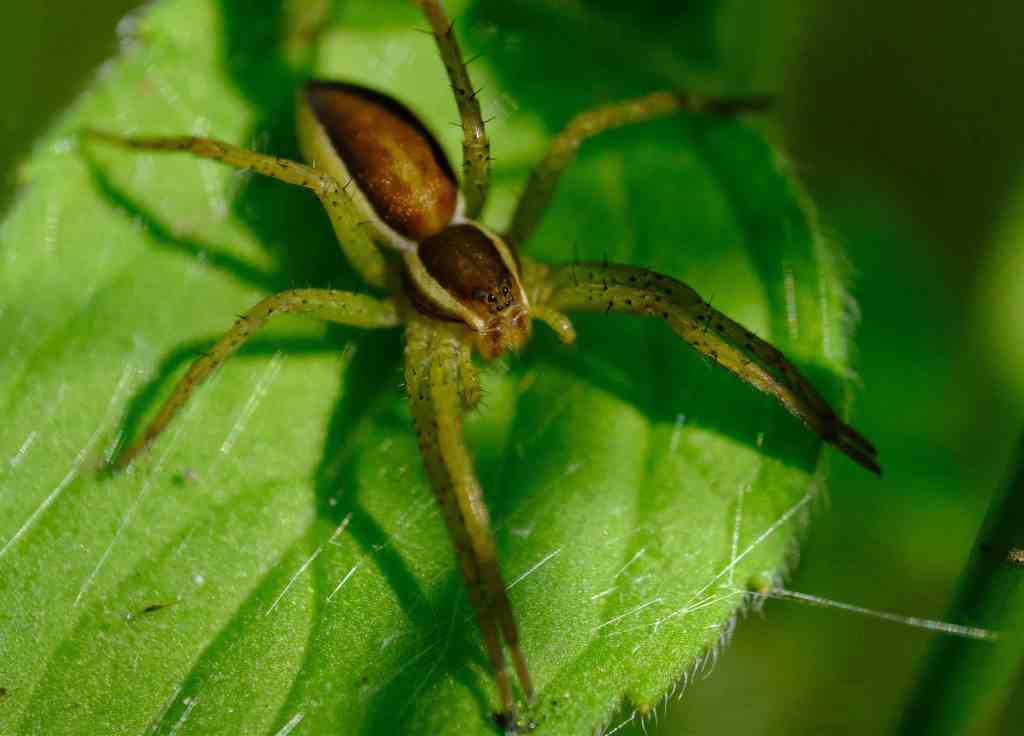


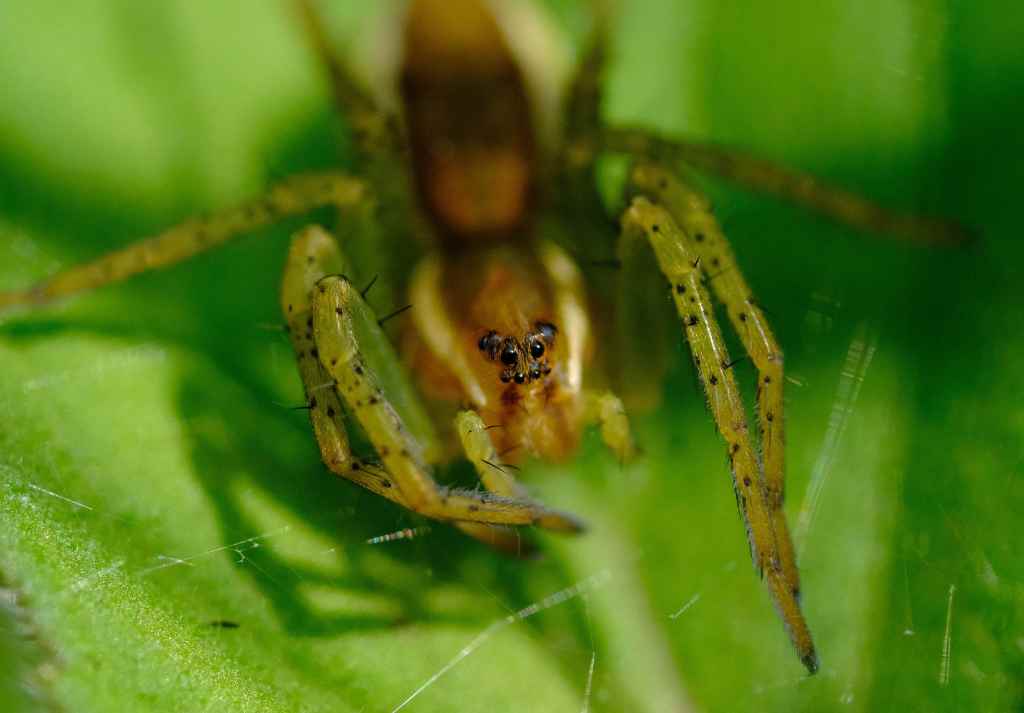

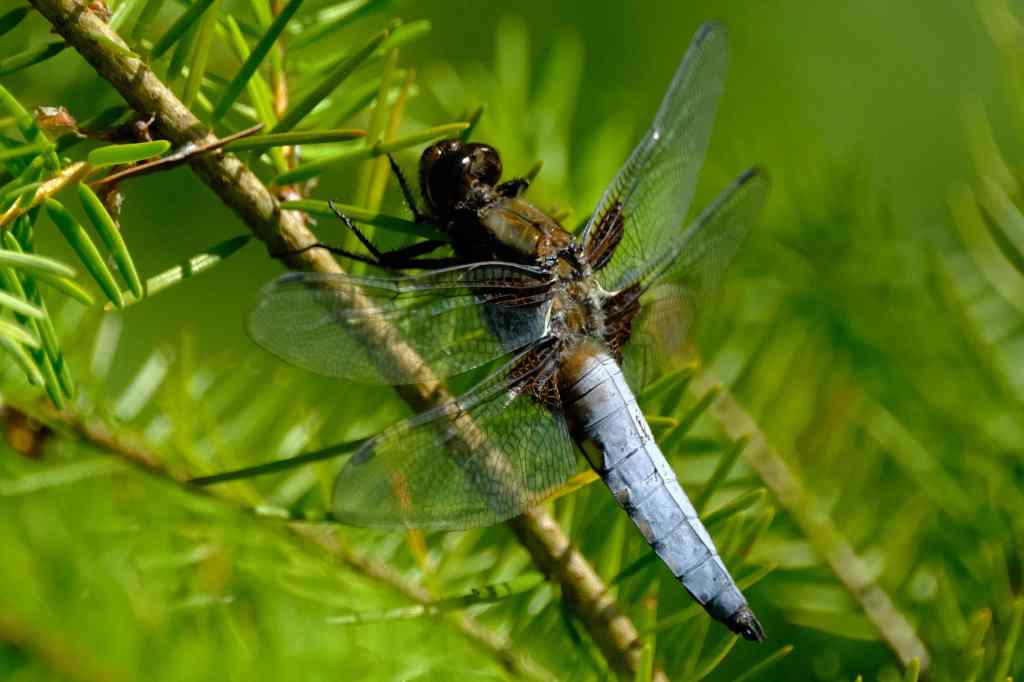
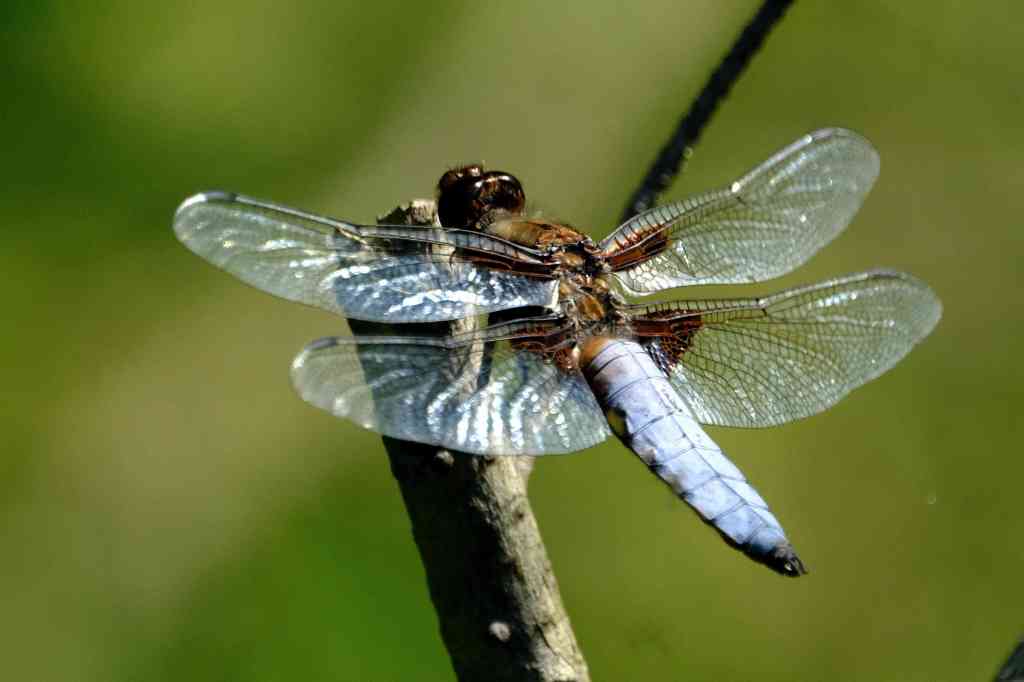

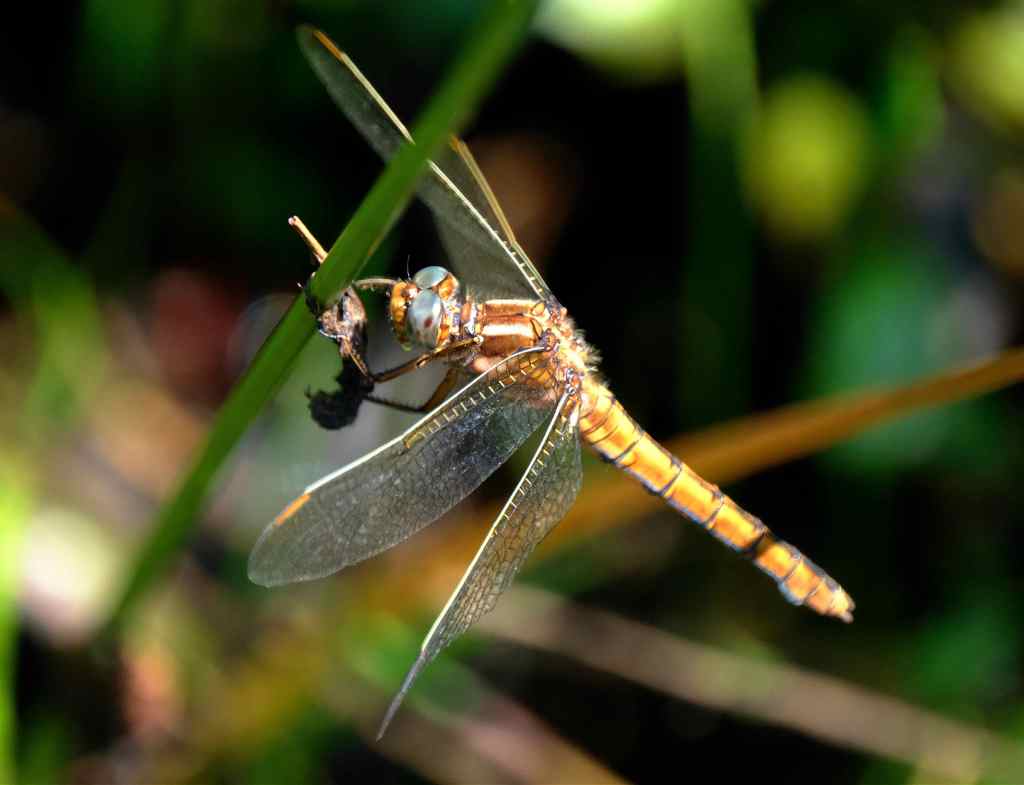


Similar to Dragonflies, Damselflies are usually smaller and have slimmer bodies. Most species will fold their wings along the body when at rest, unlike dragonflies which hold the wings flat and away from the body. They have existed since the Jurassic Age.
All damselflies are predatory insects; both nymphs and adults actively hunt and eat other insects.

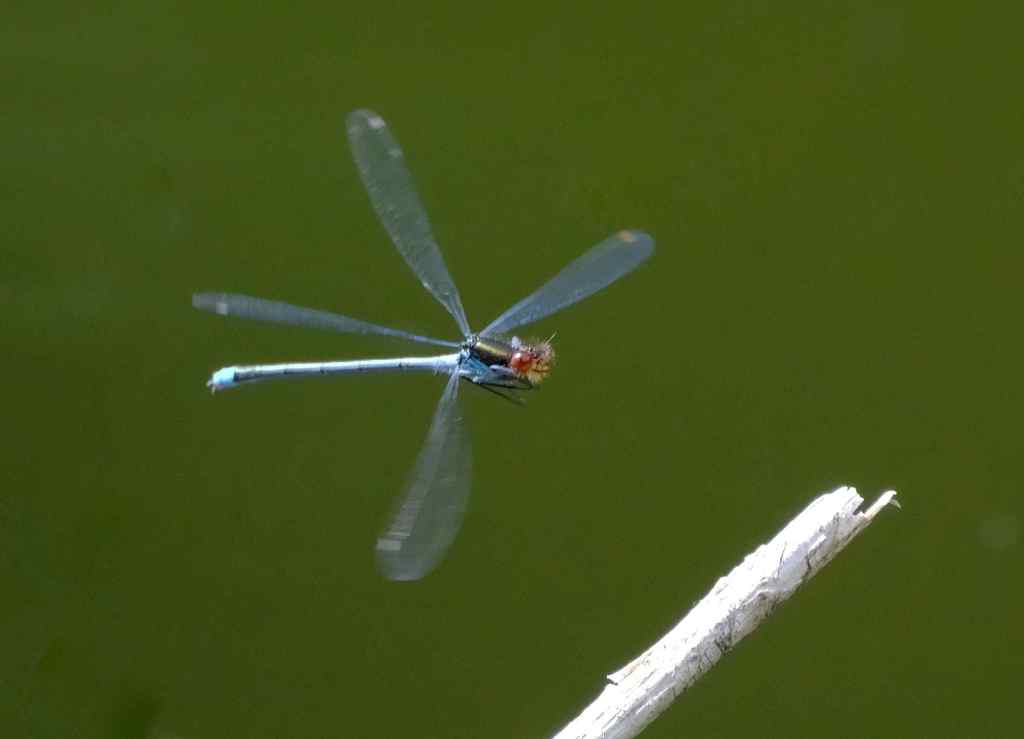
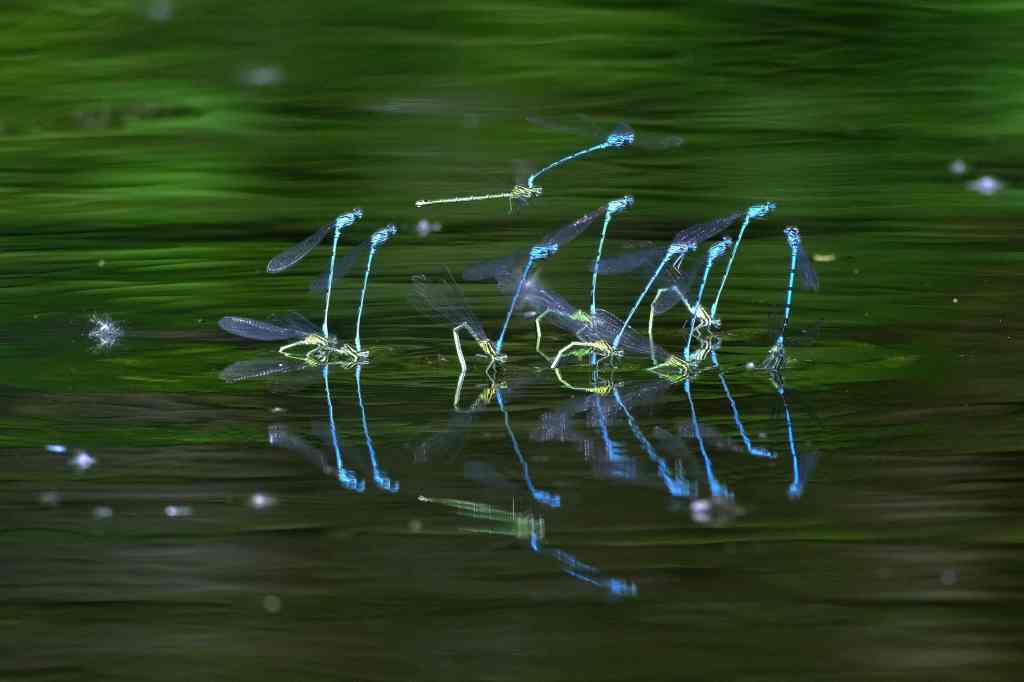

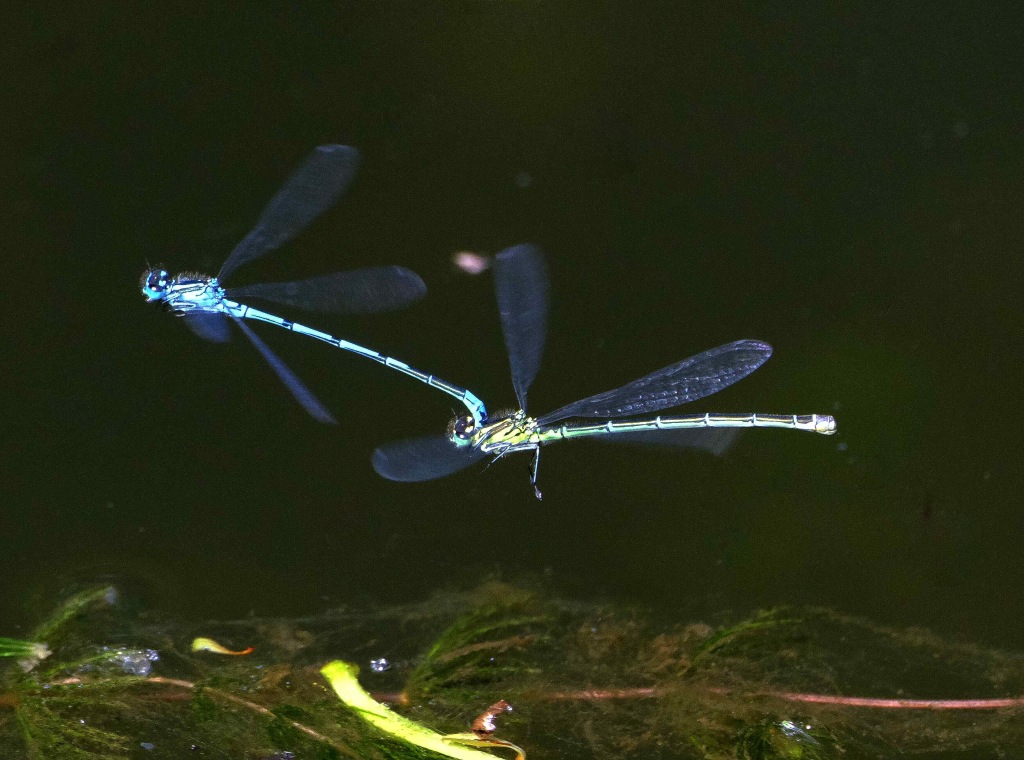
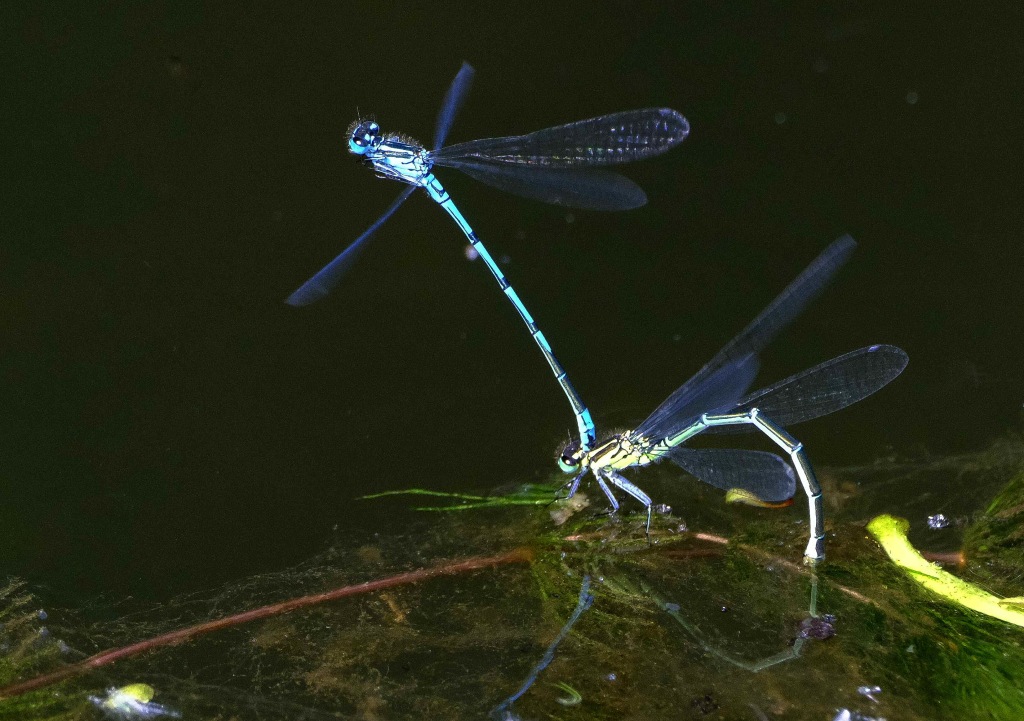
Now the sun is out Dragonflies and Damselflies are starting to fly.
Four-Spotted Chaser.


Four-Spotted Chaser. This Dragonfly has emerged deformed and missing one wing.

The Chaser below is deformed and missing 1 wing.

Azure Damselfly pair mating.

Hairy Dragonfly.


Banded Demoiselle.

Some Dragonflies and Damselflies spotted in the New Forest today.
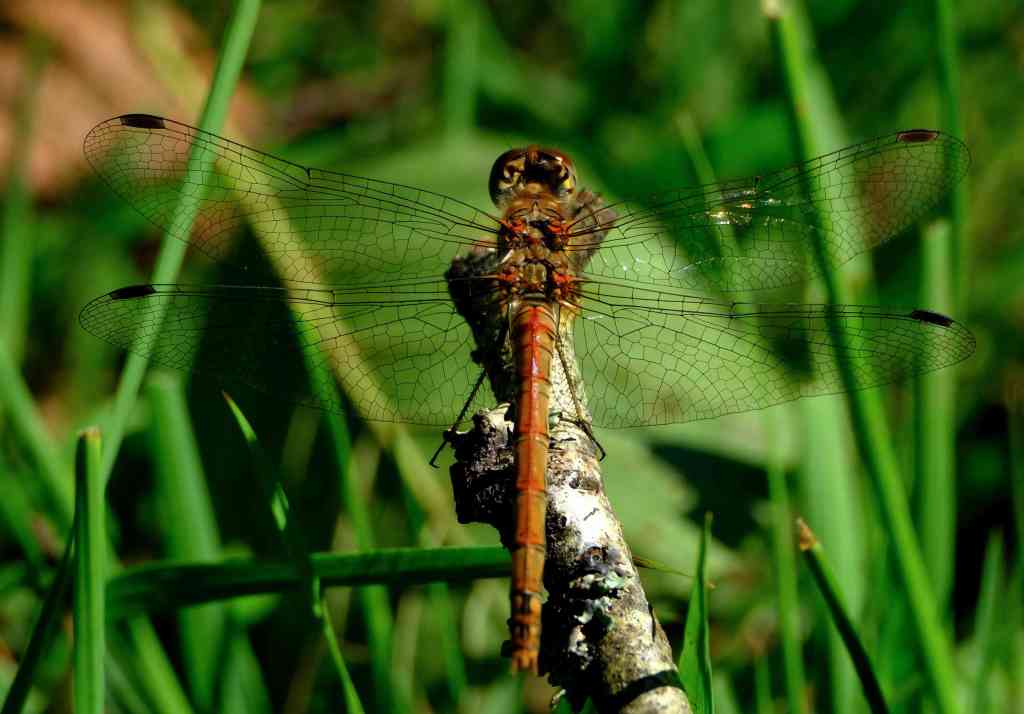
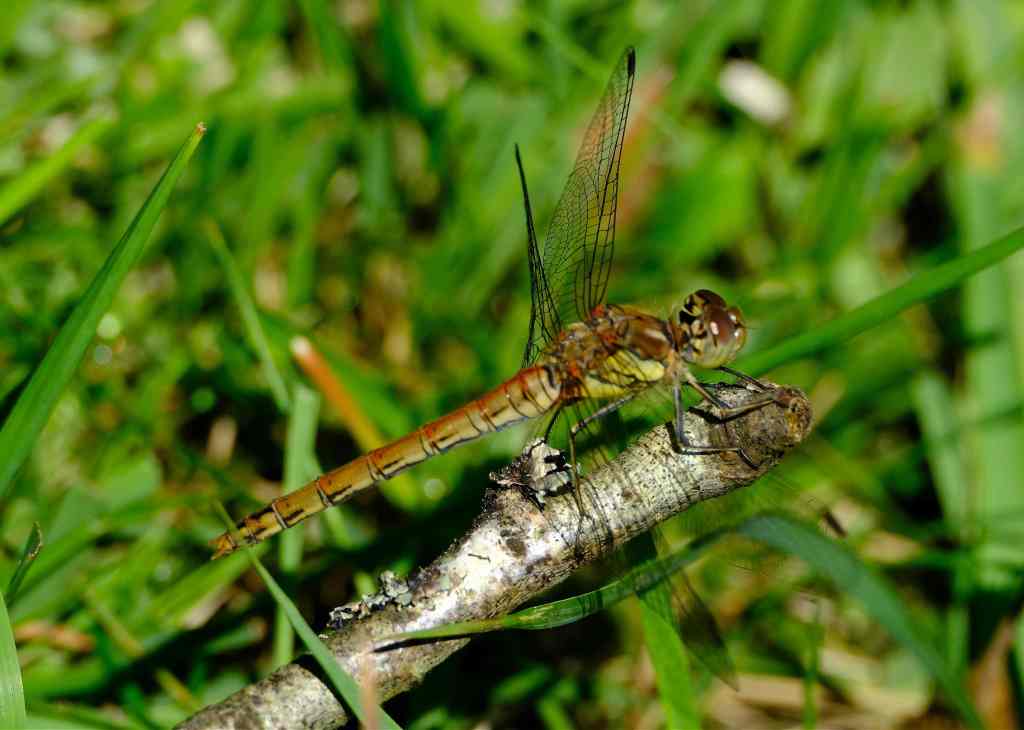
The “Common Darter” is a smaller Dragonfly. The male is orange-red but becomes brown with age. Females (and juvenile males) are yellowish to light brown. I believe this one is a male.
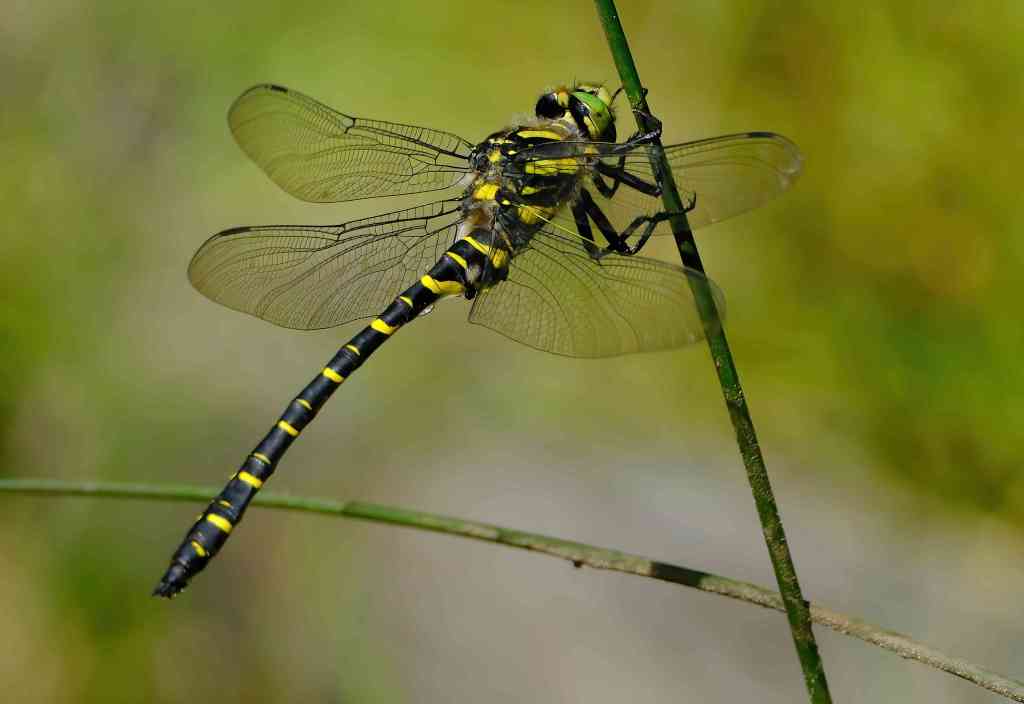
A “Golden-ringed dragonfly” is a very large,and handsome dragonfly, they are on the wing from May to September.

“Beautiful demoiselle” damselfly the metallic blue males have solid dark blue wings.
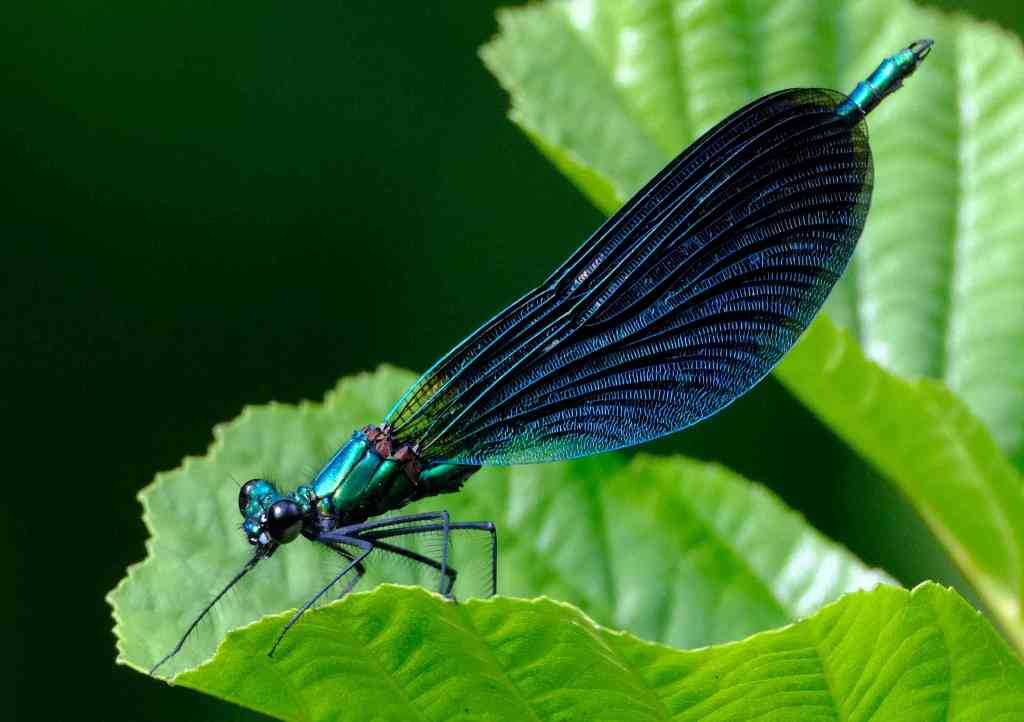

The damselfly below had landed in the stream.

Dragonflies and Damselflies are abundant at the moment around many of the New Forest ponds and boggy areas.


Keeled Skimmer (male)

Keeled Skimmer (female)
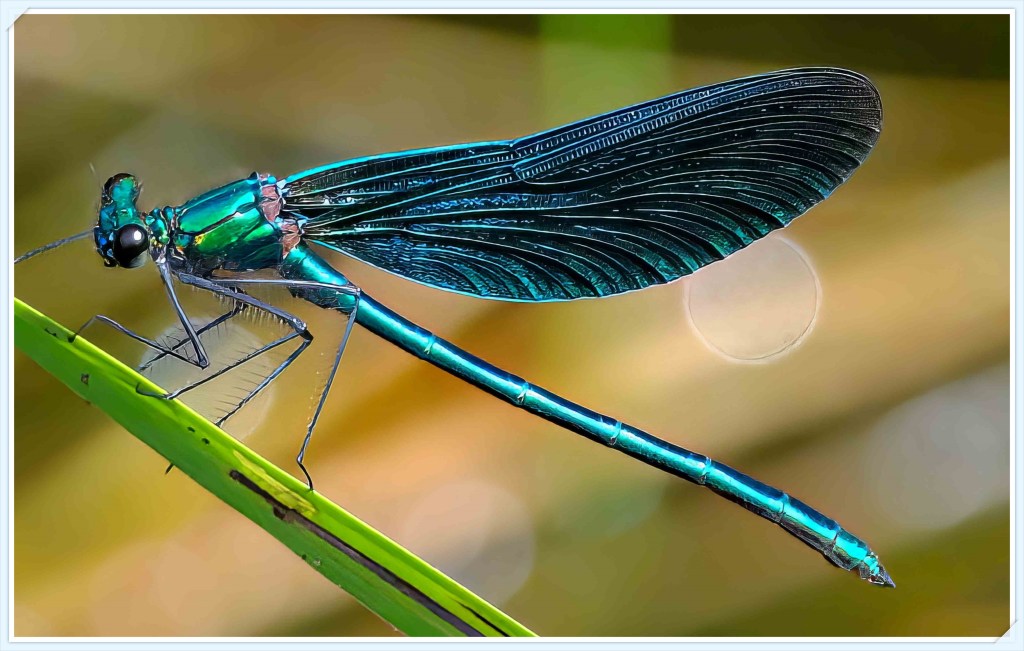
Beautiful Demoiselle (male) {Damselfly}
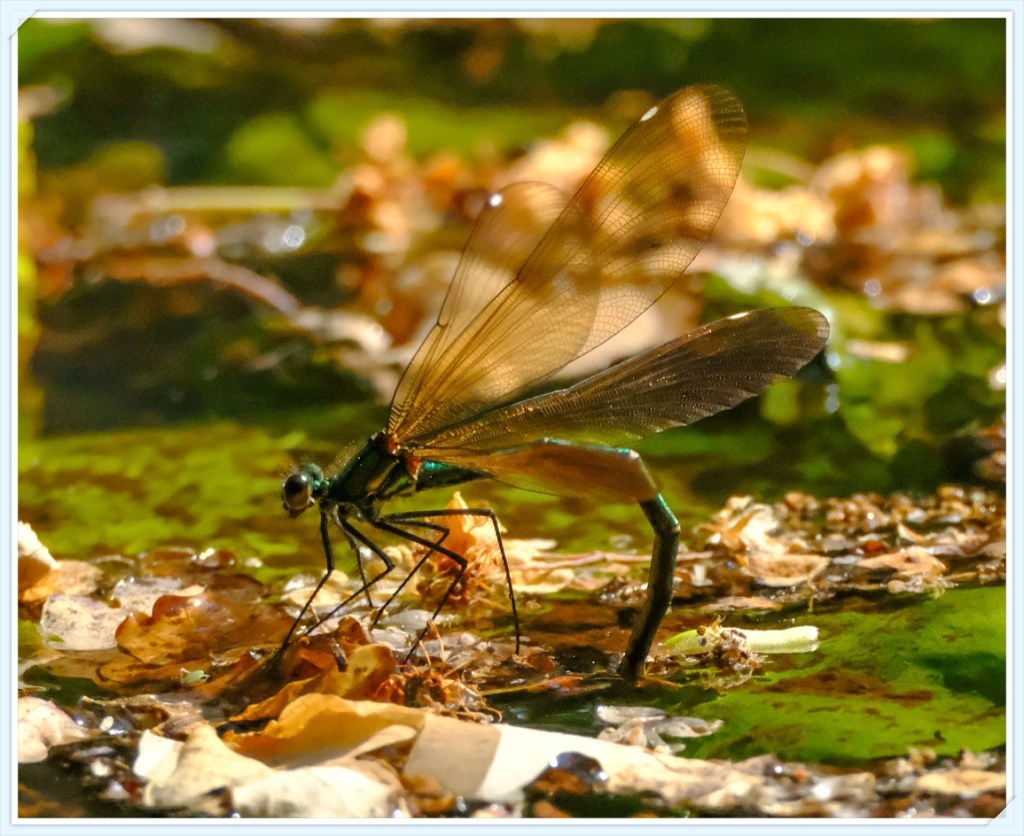
Beautiful Demoiselle (female) {Damselfly}
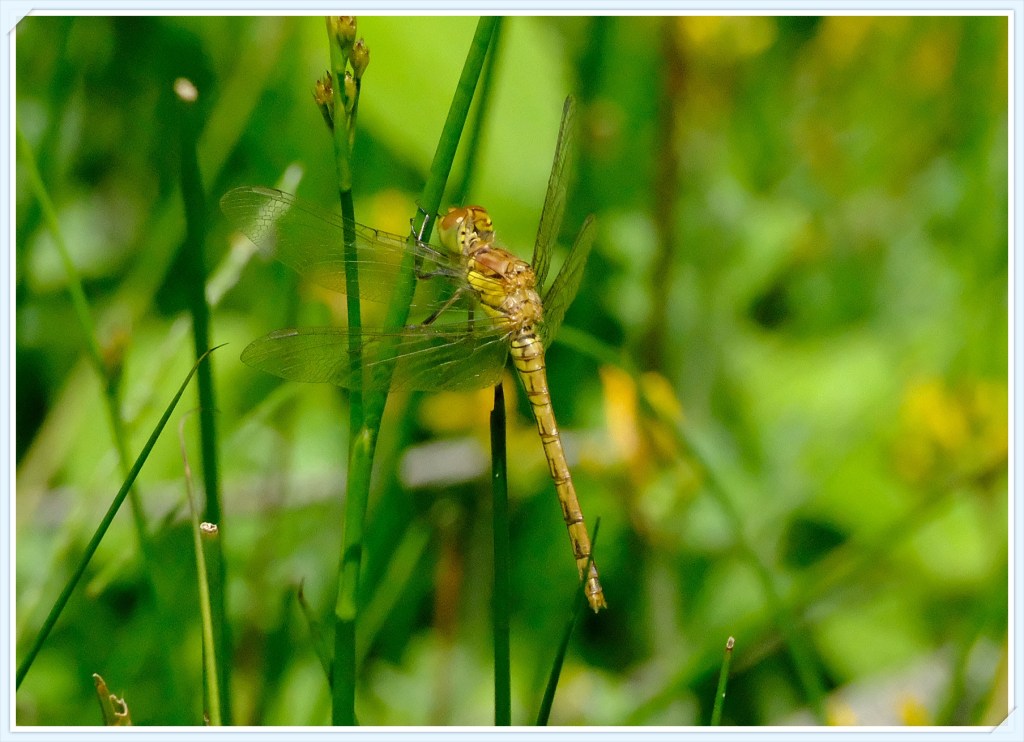
Common Darter (female)

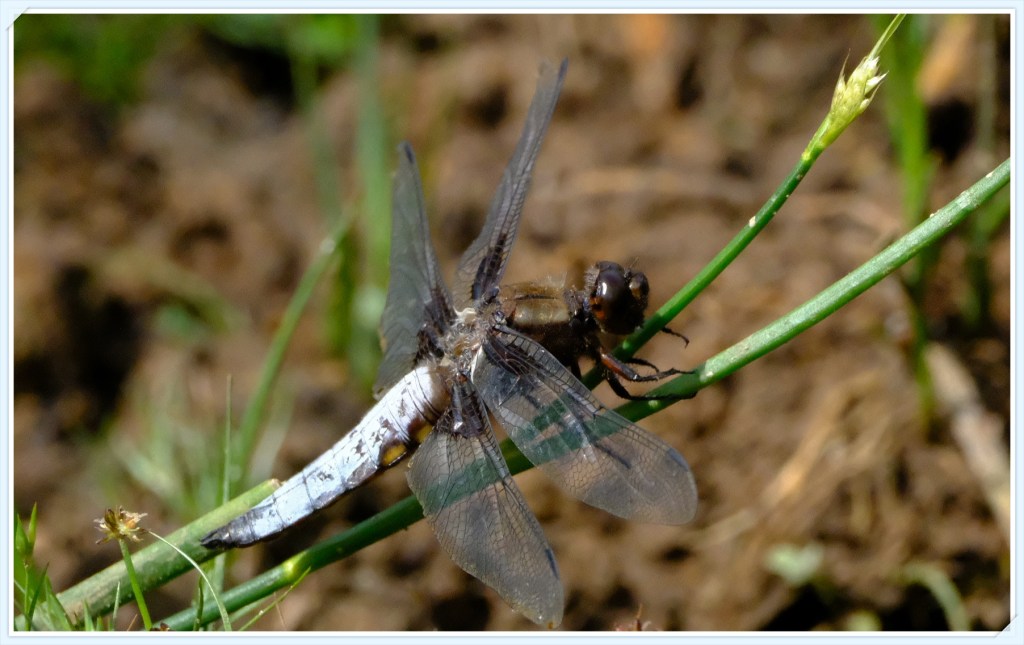
Broad-bodied Chaser (male)
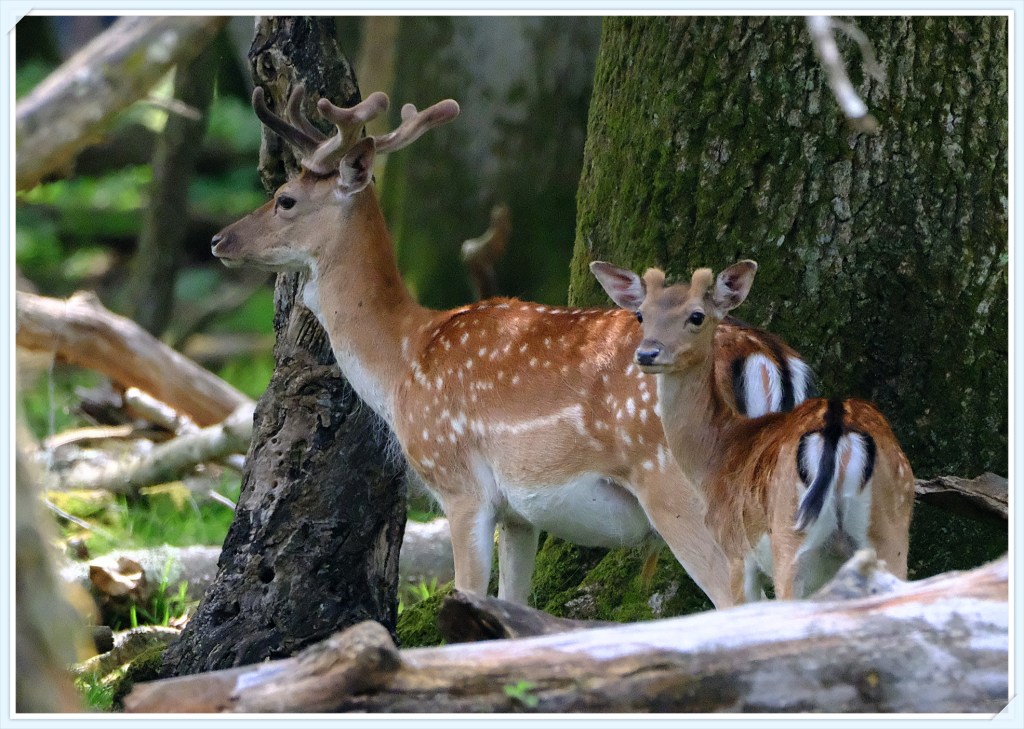
While looking for dragonflies spotted these young males Fallow Deer – now sporting their spotted summer coats. Their Antlers are still in velvet.

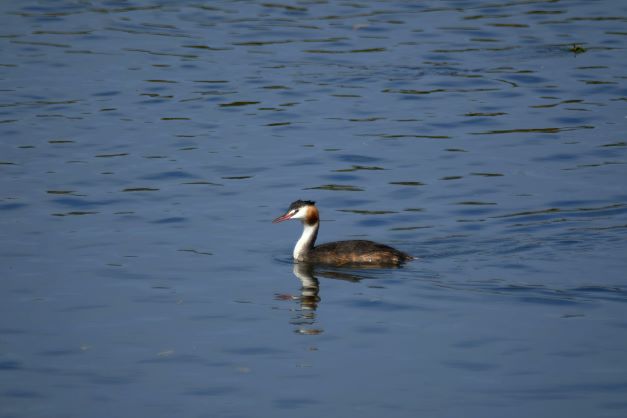
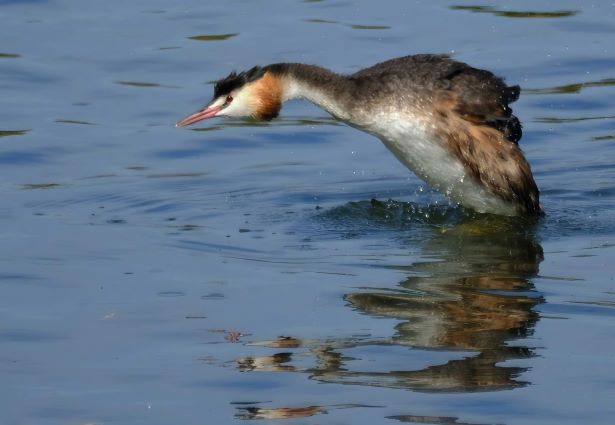
This elegant waterbird with ornate head plumes led to its being hunted for its feathers, almost leading to its extermination in the UK. The wintering population increases so I hope to get some closer sightings of this bird as we move into autumn and winter.
UK breeding:4,600 pairs
UK wintering:19,000 individuals


 Continued Reflections from my World.