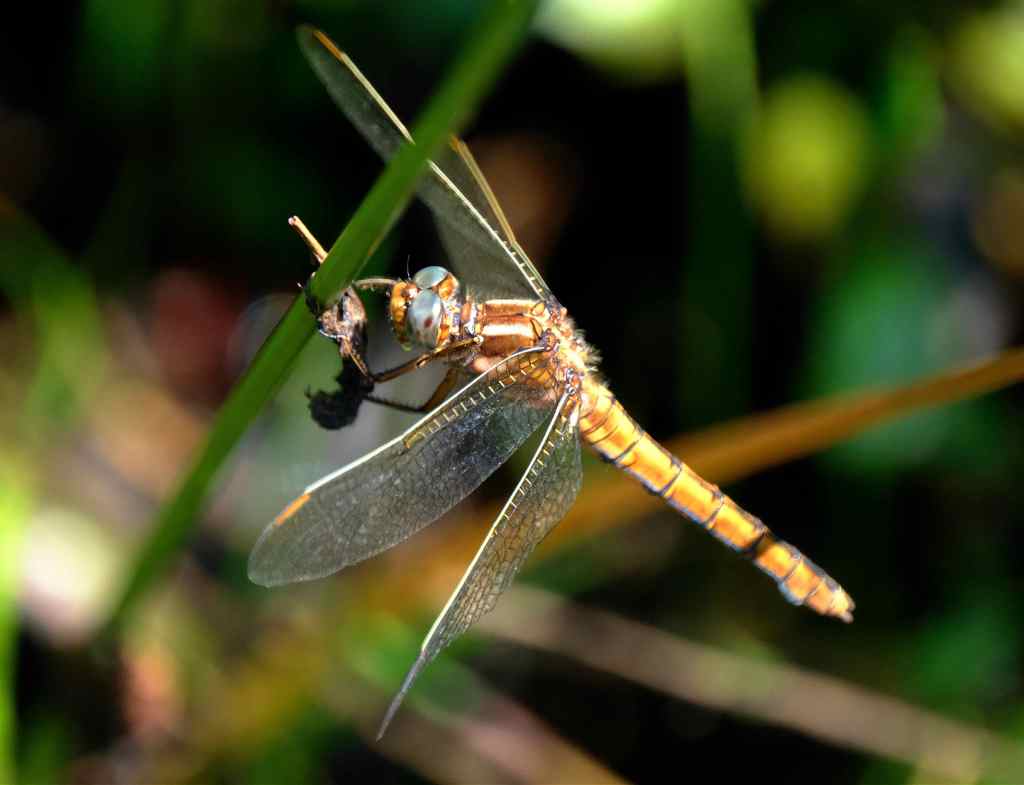
It was Dragonfly week at WWT Arundel Wetland Centre, with lots of kids’ activities around dragonflies – face painting etc.
Spotted a few dragonflies walking around their trails.
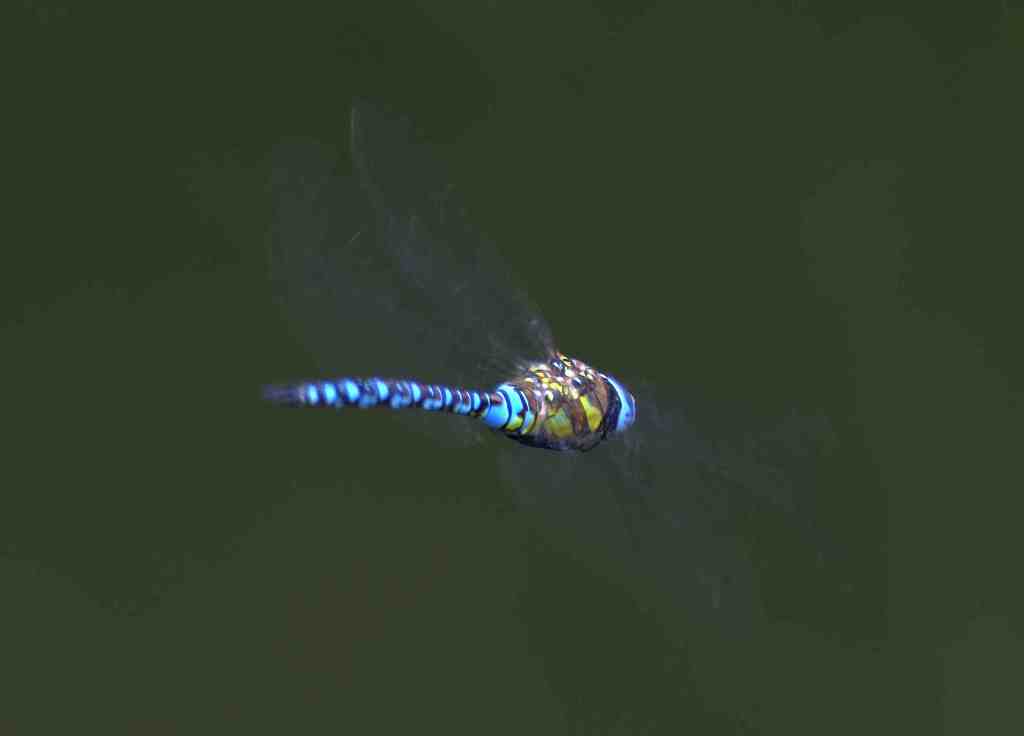
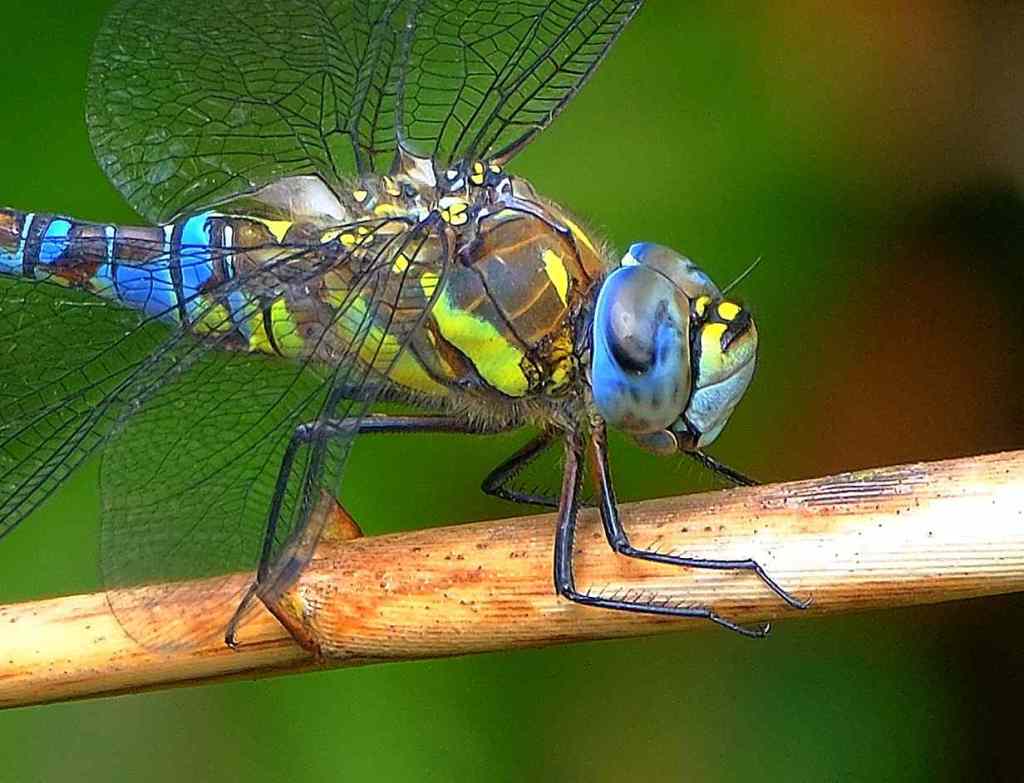
Migrant Hawker.
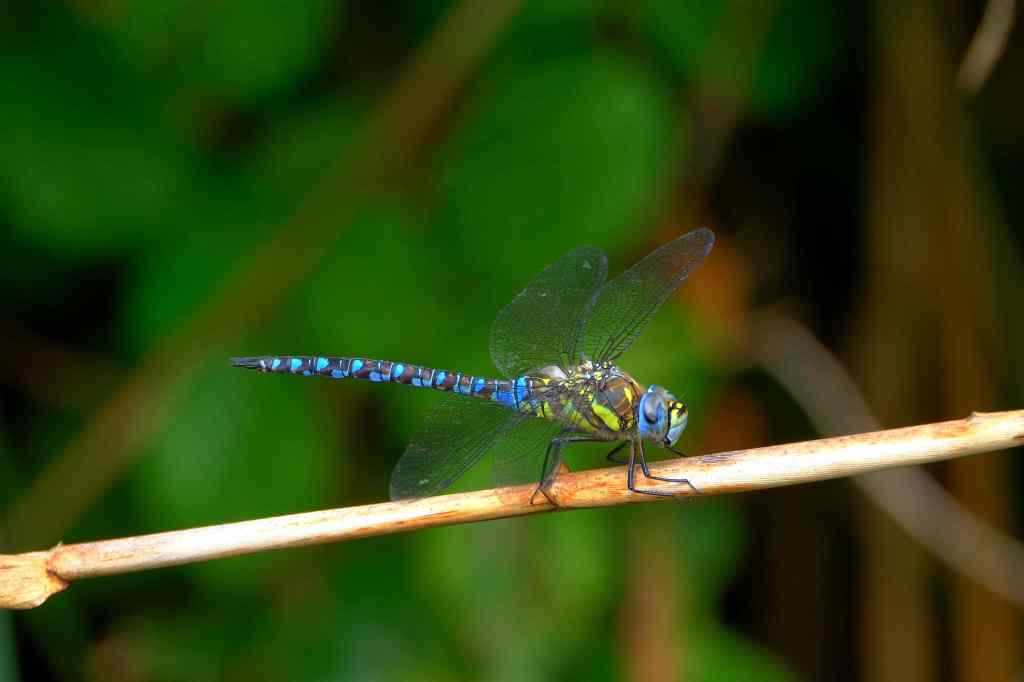
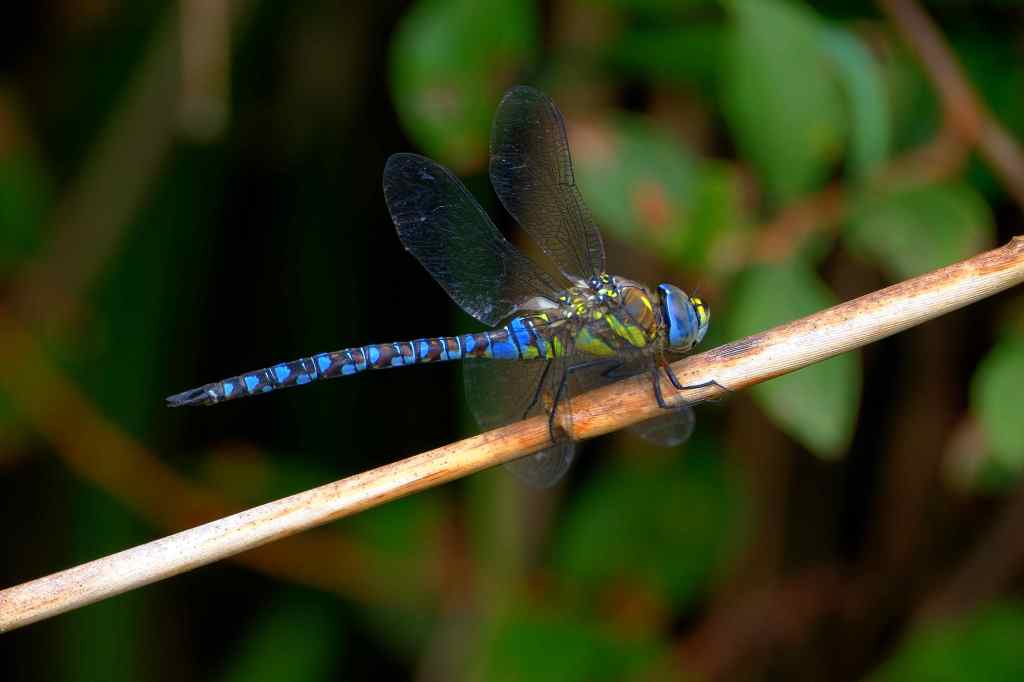
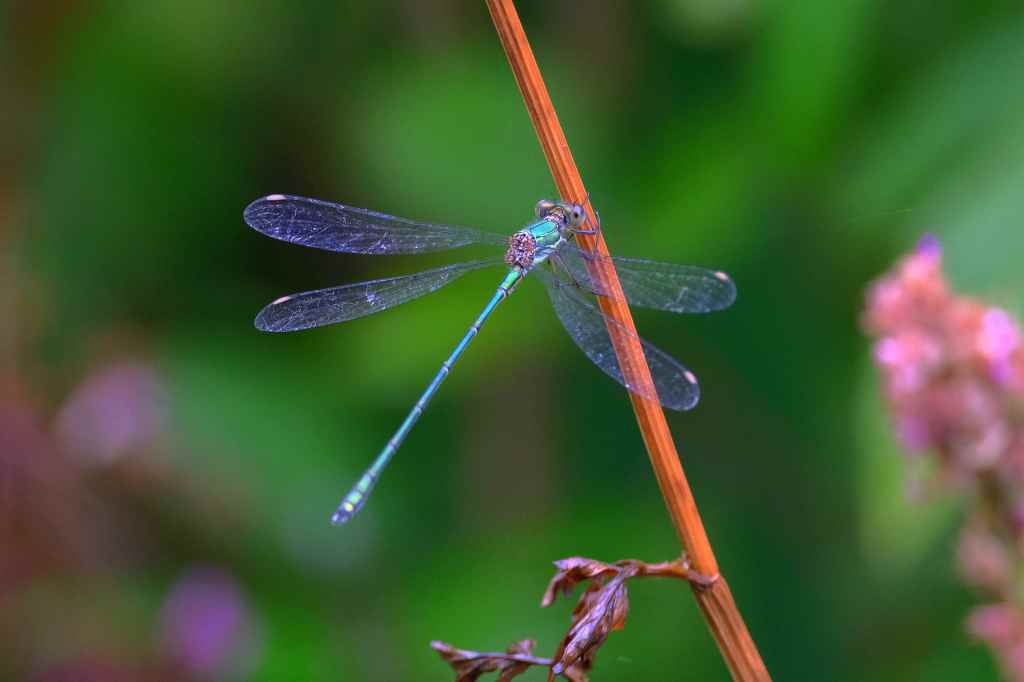
Also spotted a Willow Emerald damselfly.
It was Dragonfly week at WWT Arundel Wetland Centre, with lots of kids’ activities around dragonflies – face painting etc.
Spotted a few dragonflies walking around their trails.
Migrant Hawker.
Also spotted a Willow Emerald damselfly.
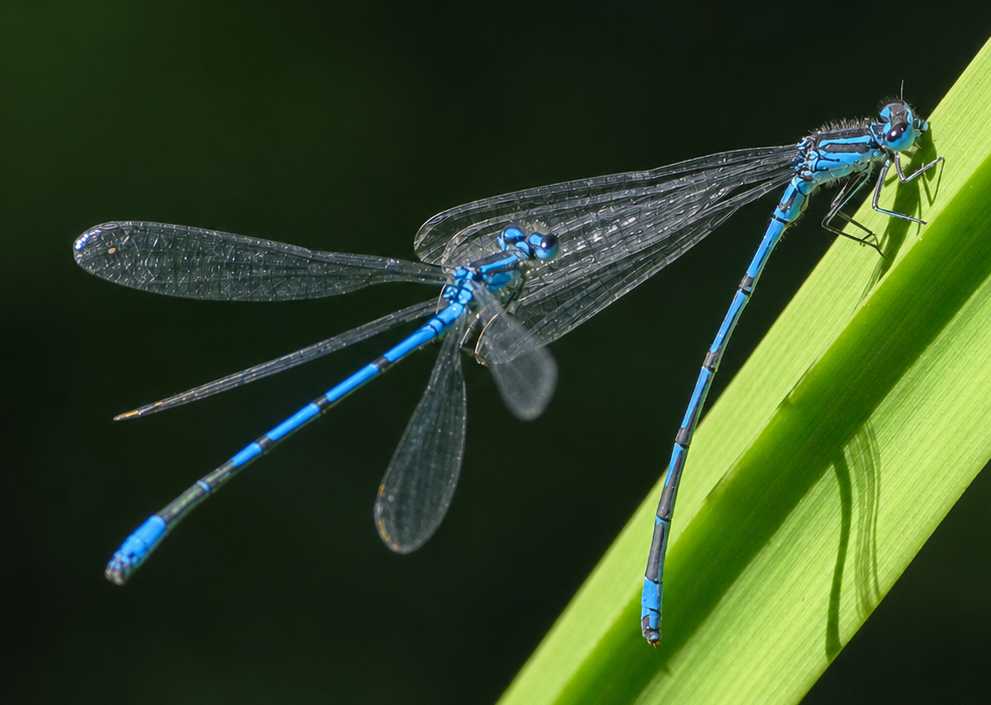
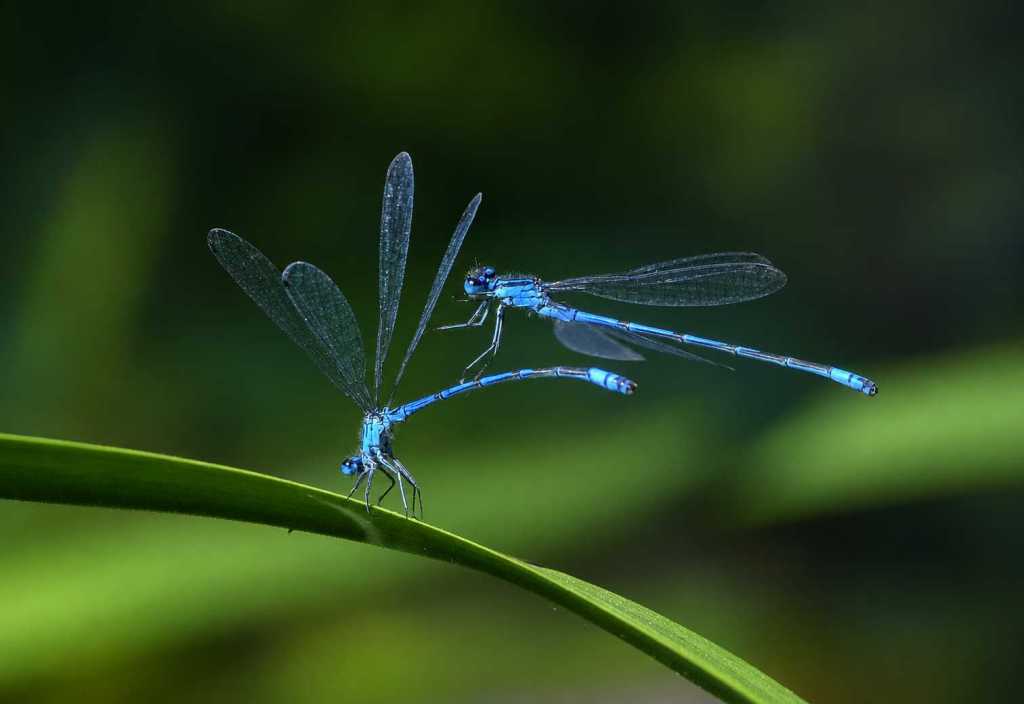
I think these are Azure damselflies. Many were flying this morning at Titchfield Haven Nature Reserve, but bird spotting is not so good at the moment, as the season is between the winter visitors and the summer nesting.
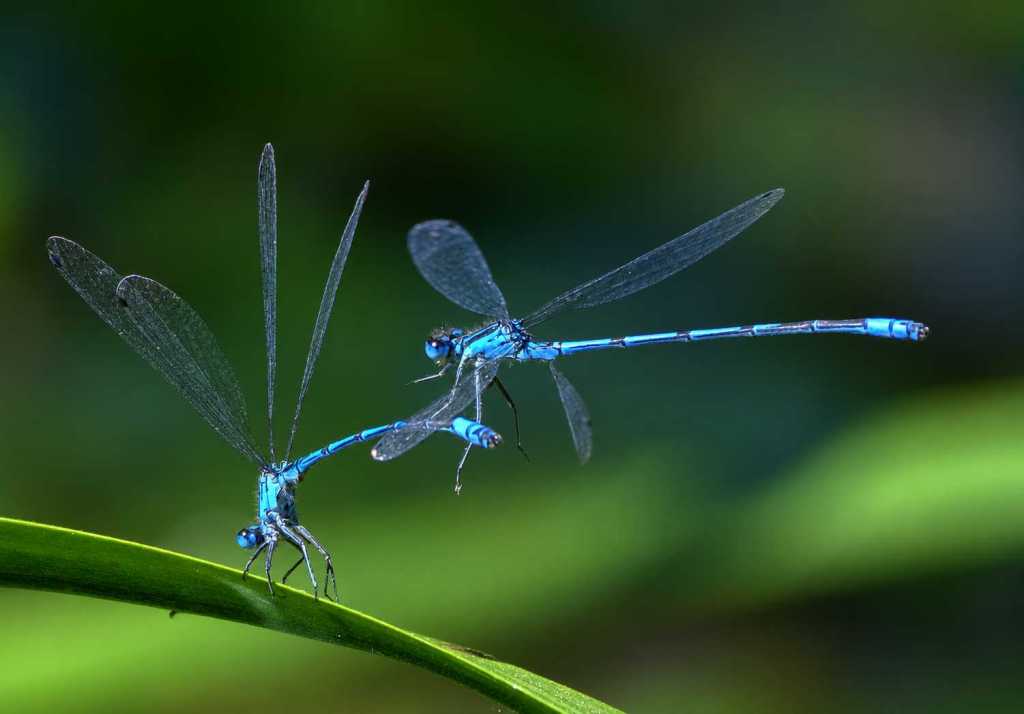


After a wet Monday and a Tuesday morning, the rain stopped, and the sun came out, so did the Dragonflies and Damselflies.
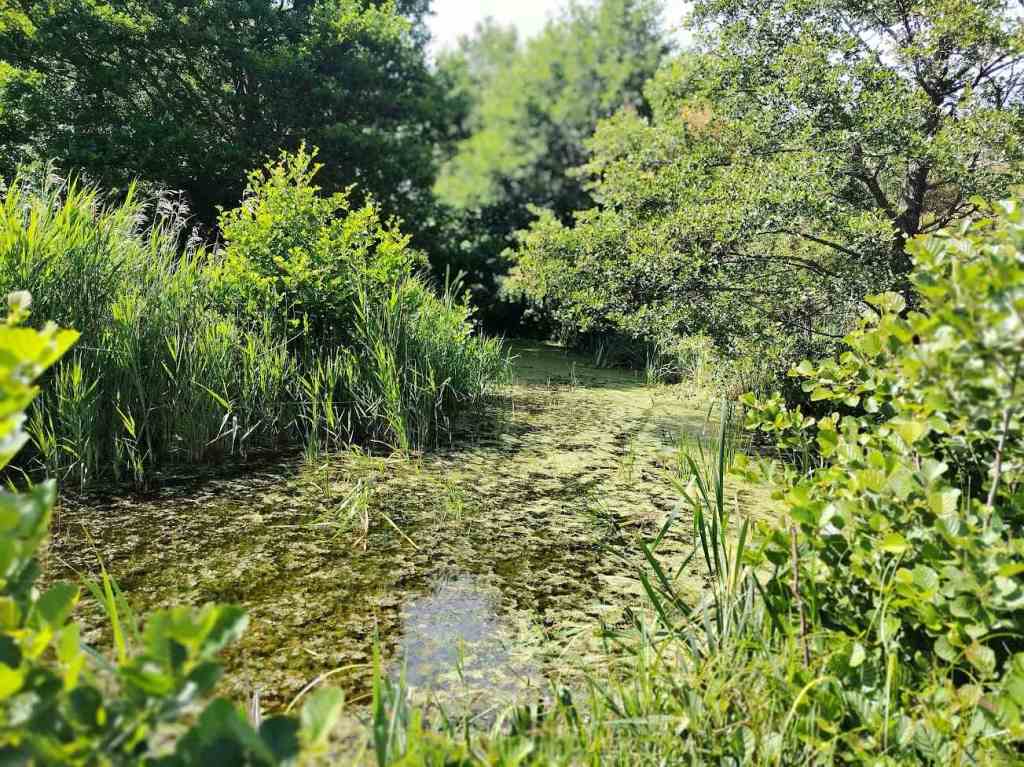
Titchfield Haven Nature Reserve.
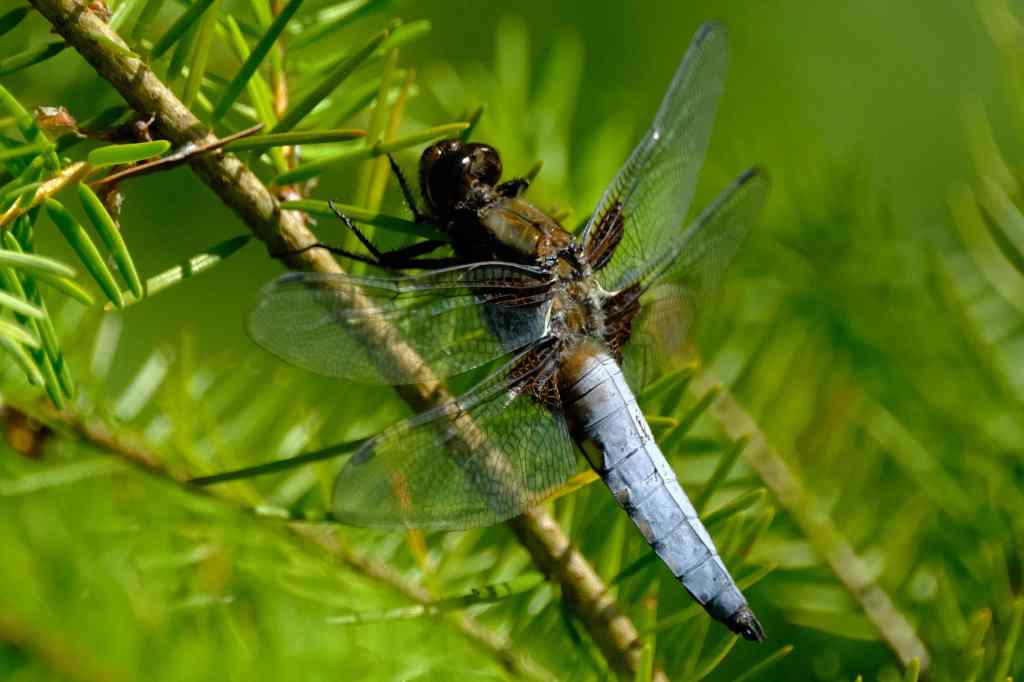
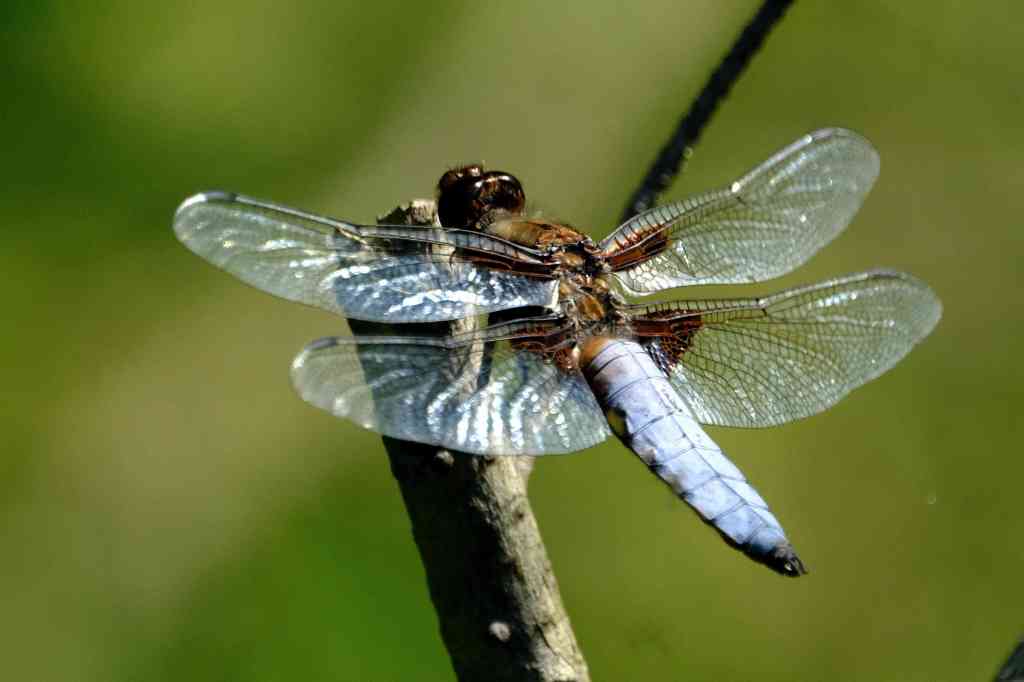
Broad-bodied Chaser (male)
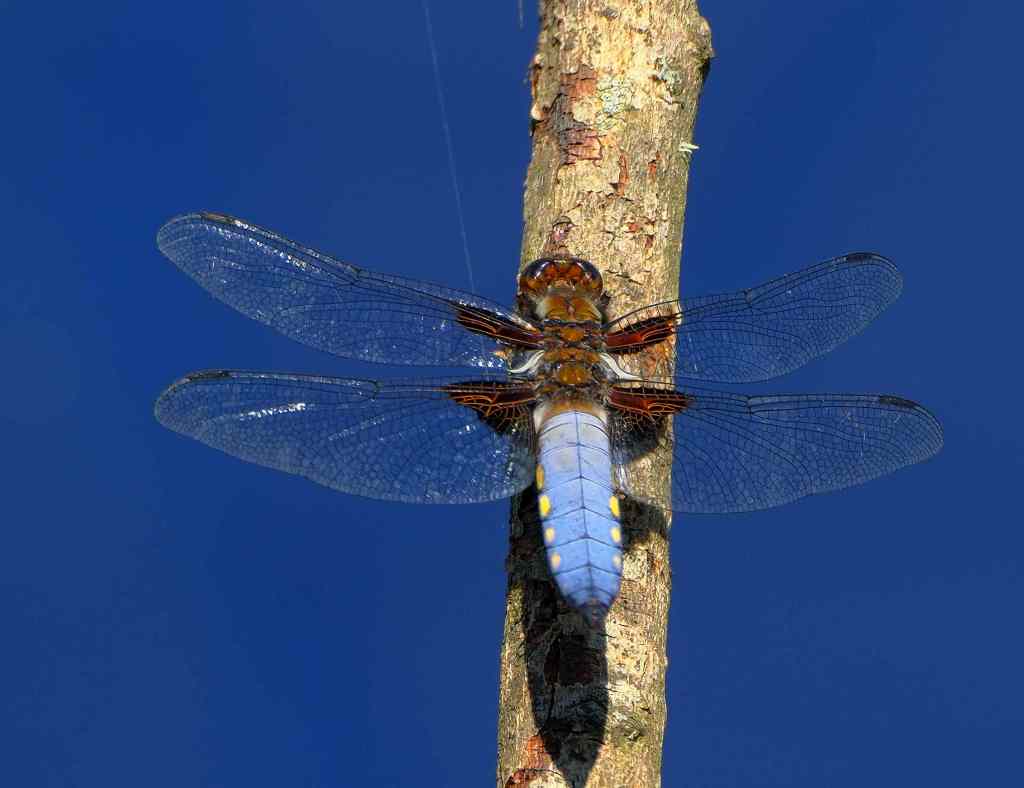
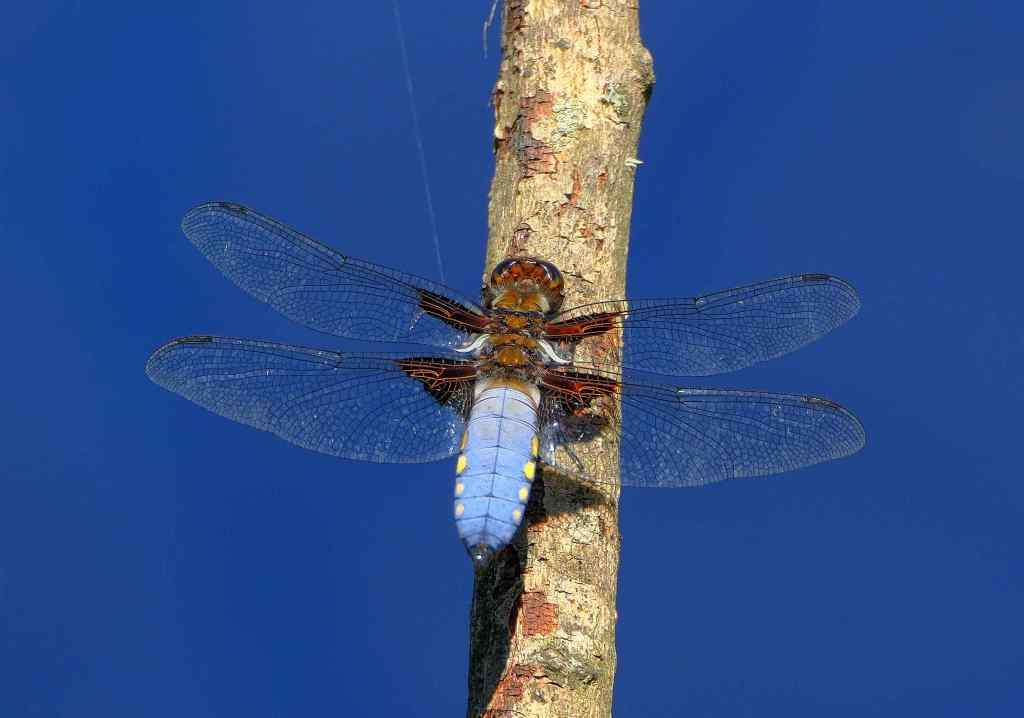
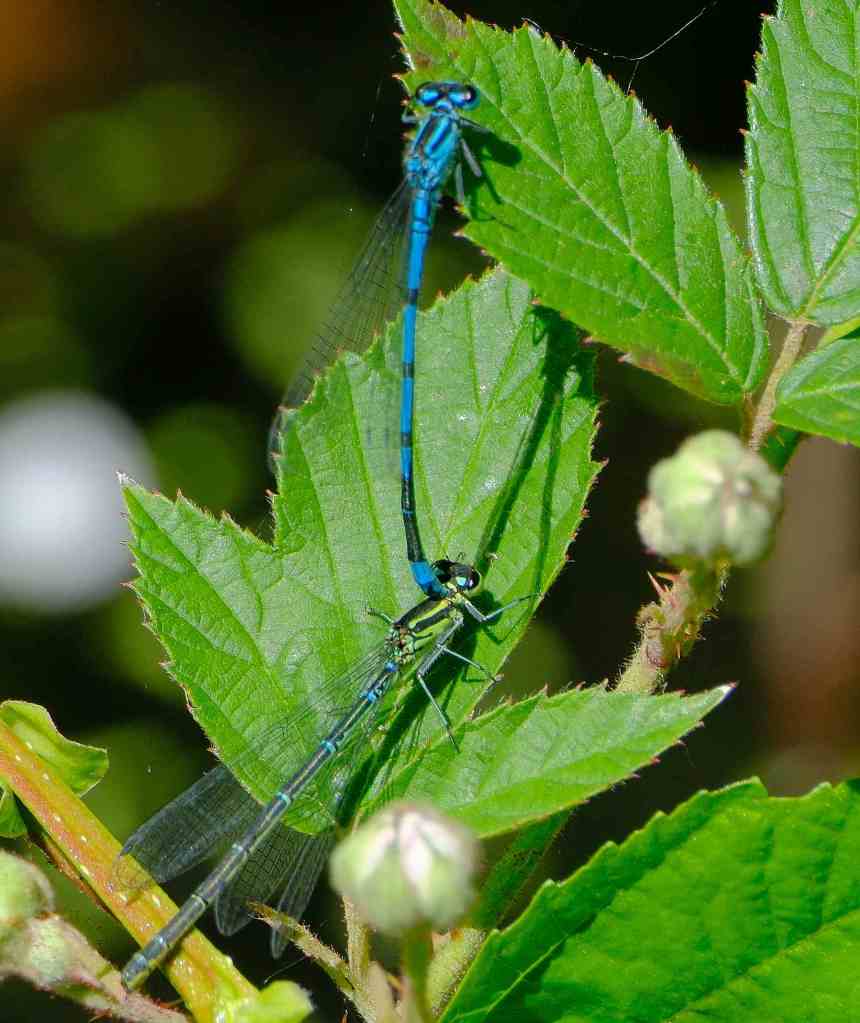
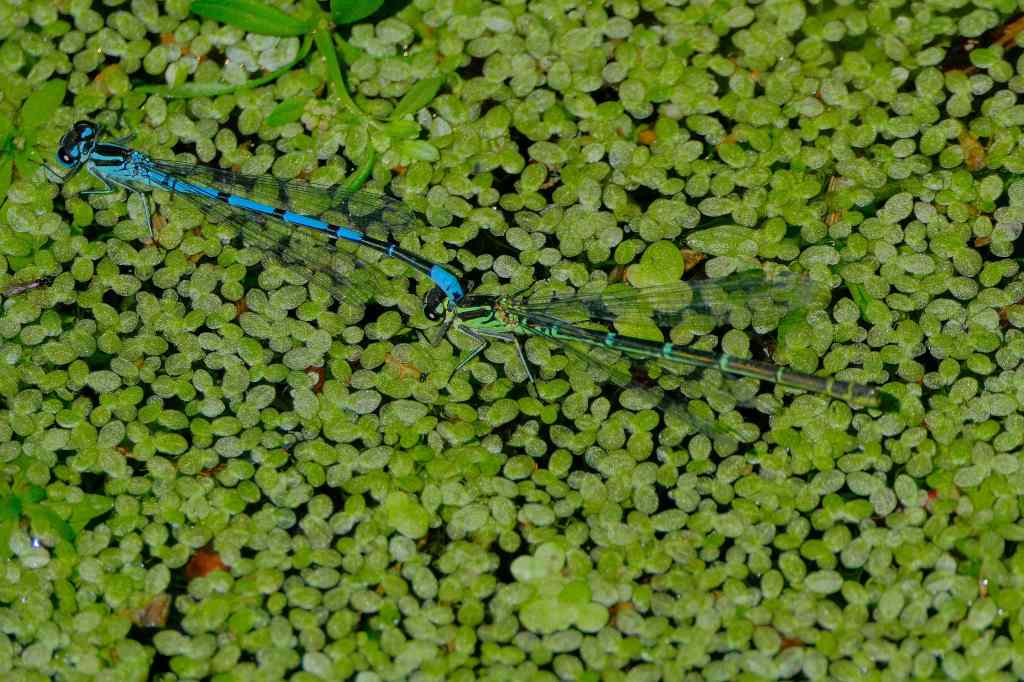
Azure Damselflies.
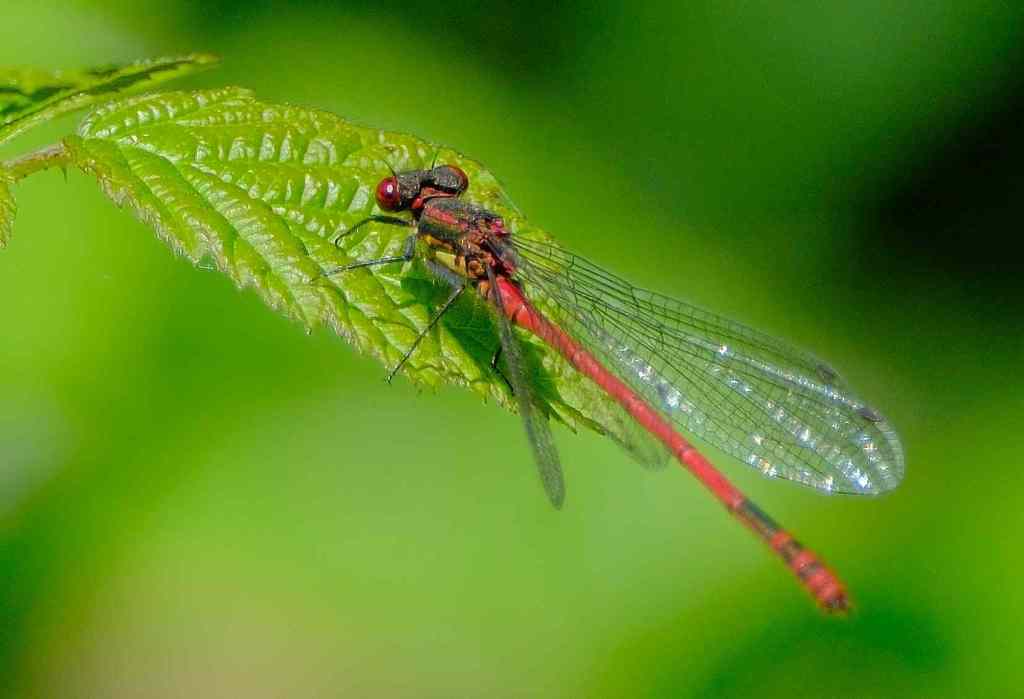
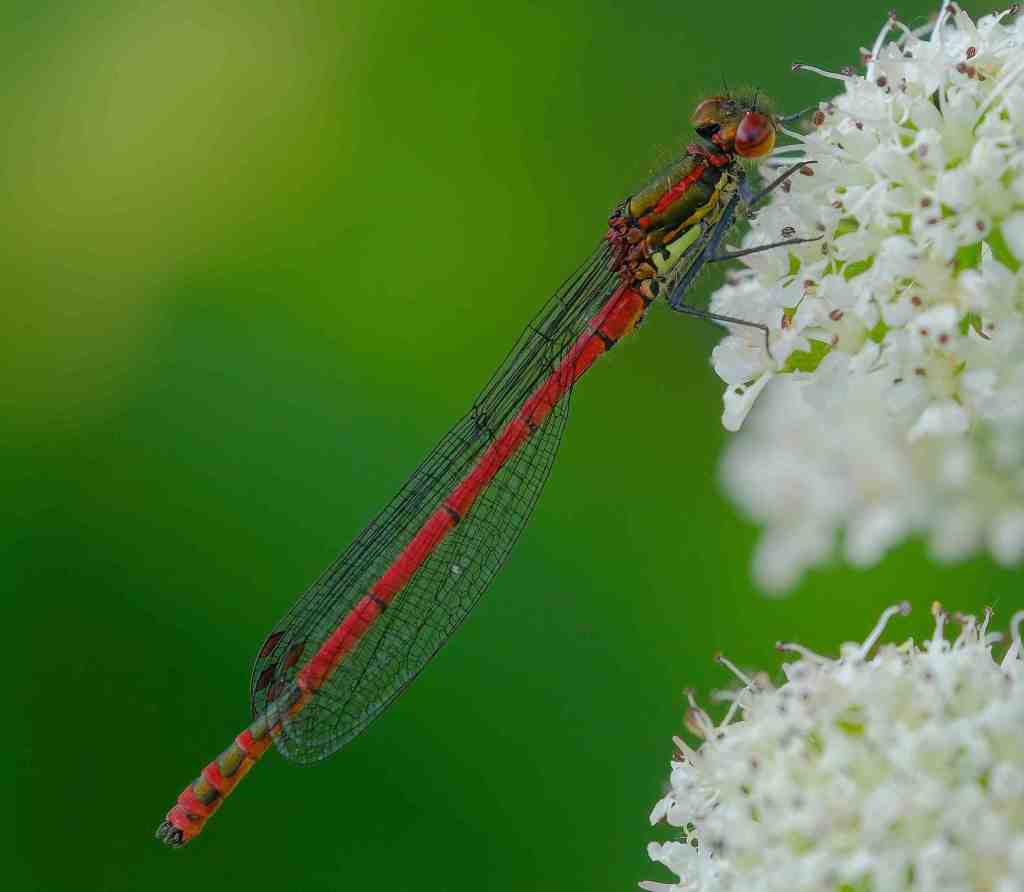
Large Red Damselfly.
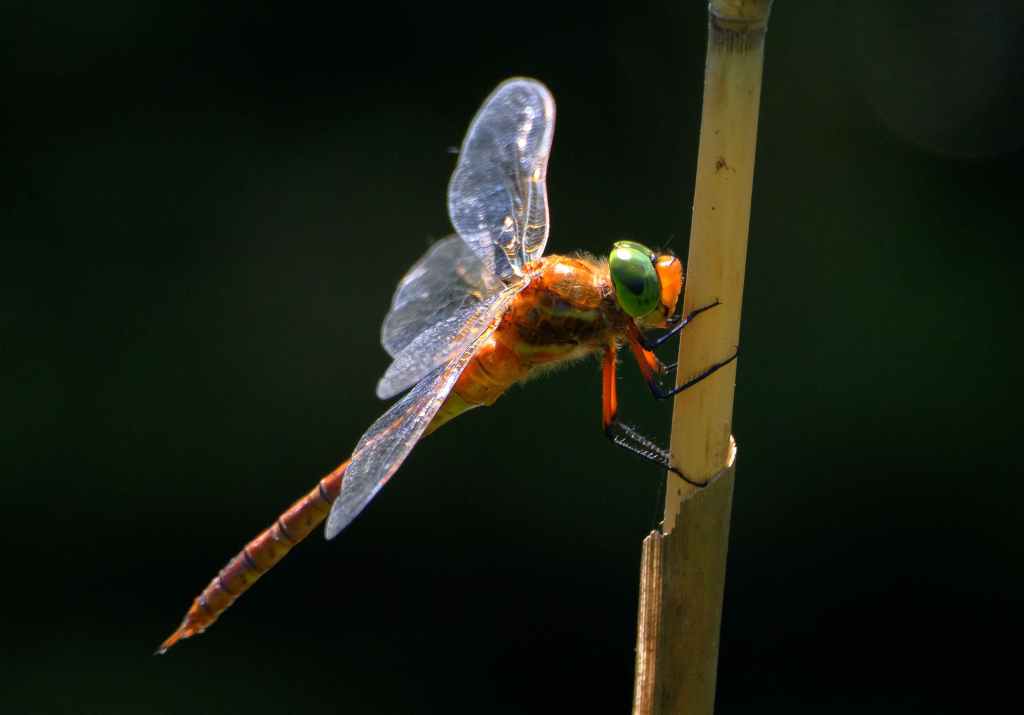
Norfolk Hawker.
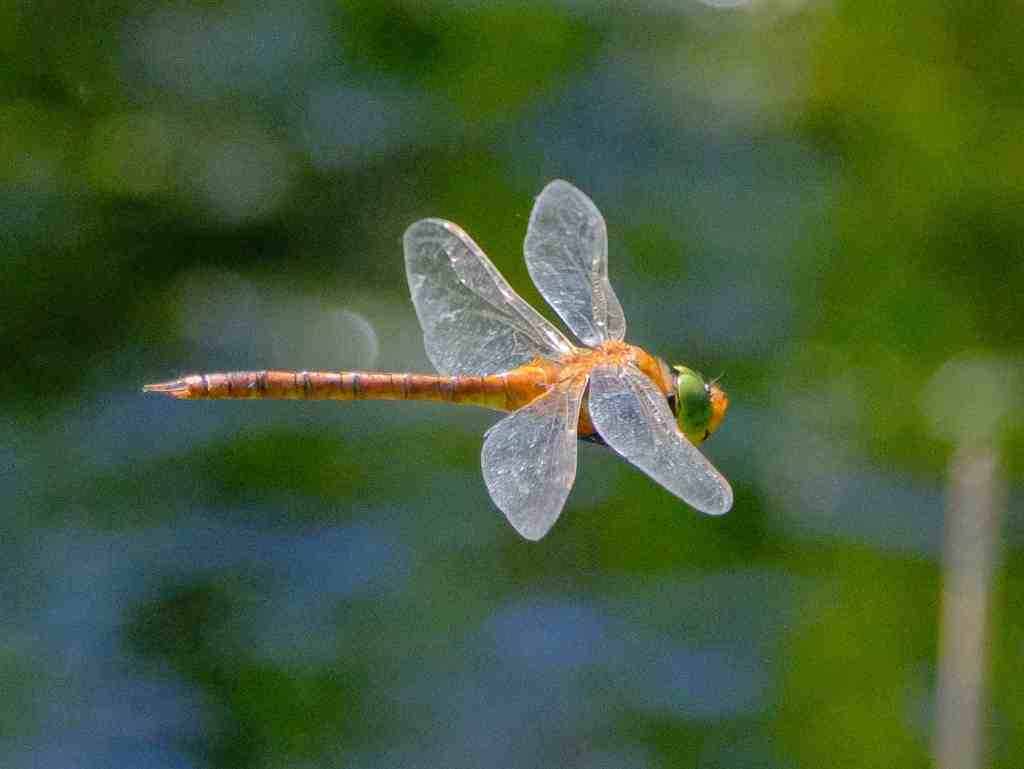
Four-spotted Chaser.
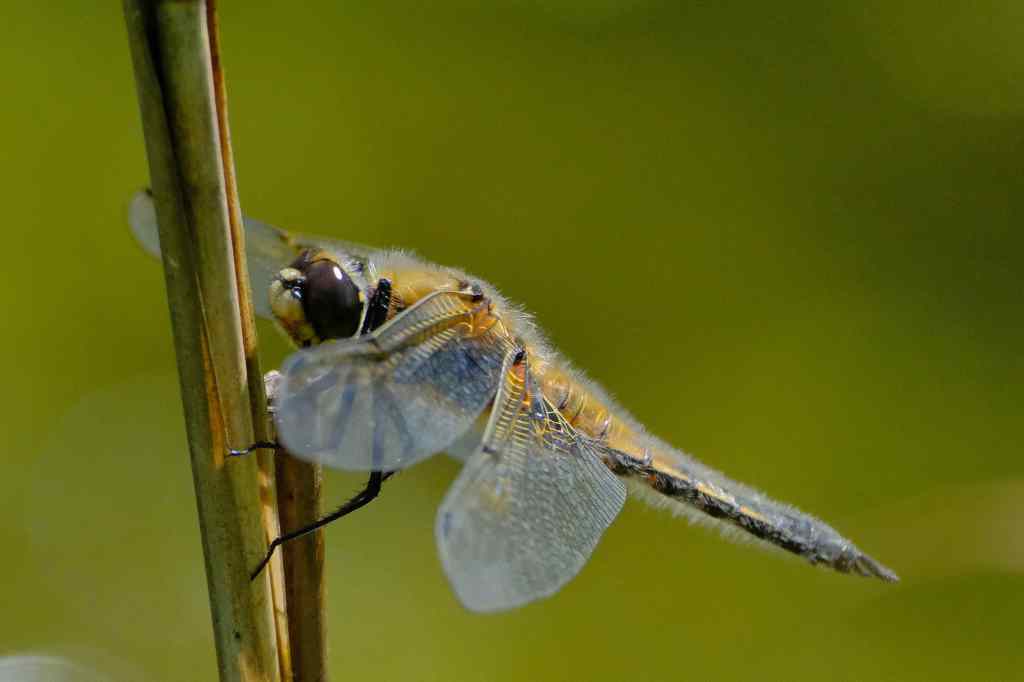
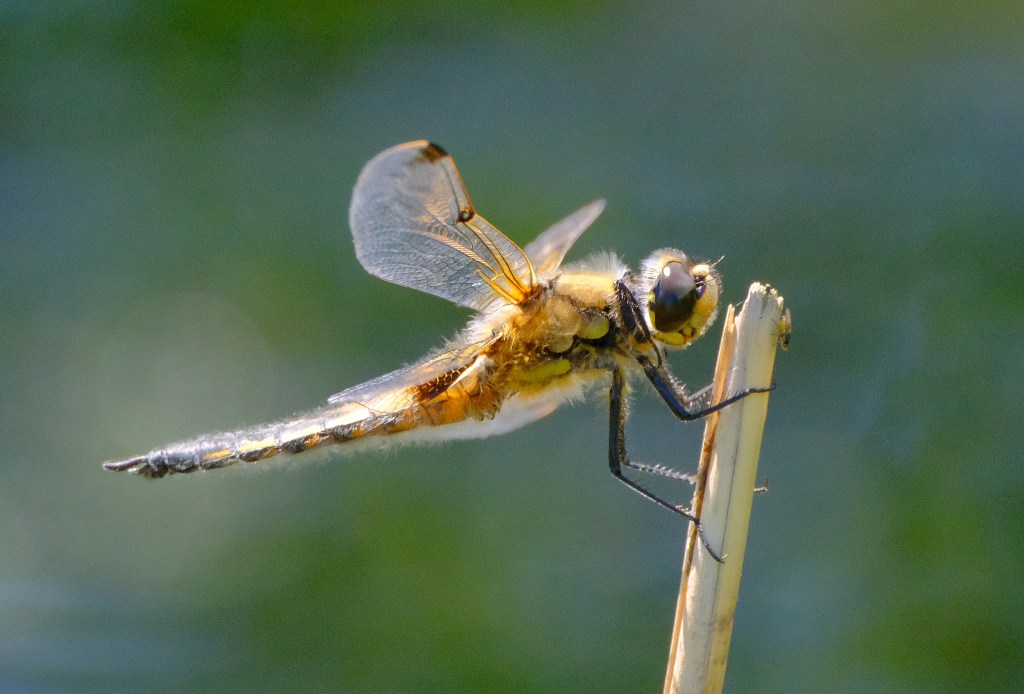
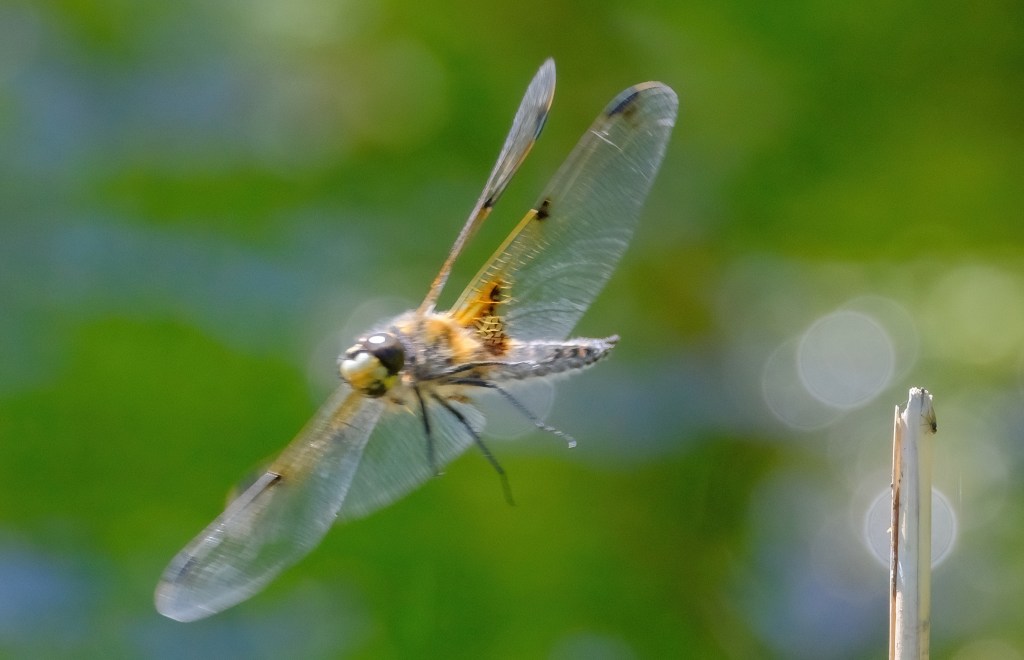
Today’s pictures are all a bit closer.
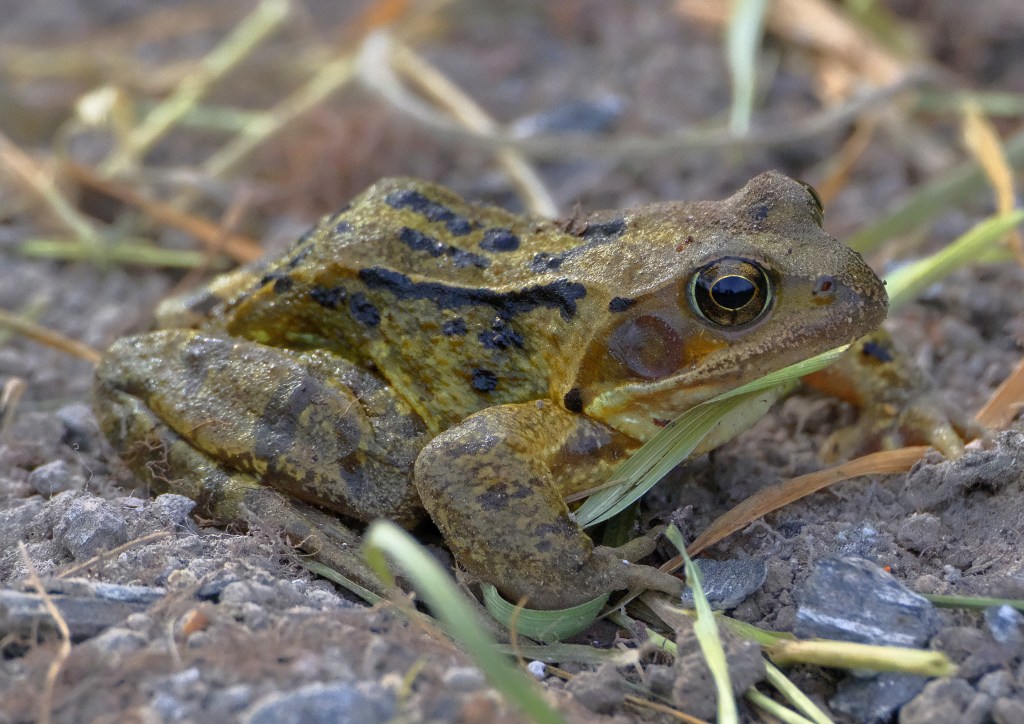
Looking under some corrugated froofing sheet, I was hoping to see some snakes or slow worms, but it was a surprise to see a Common Frog.
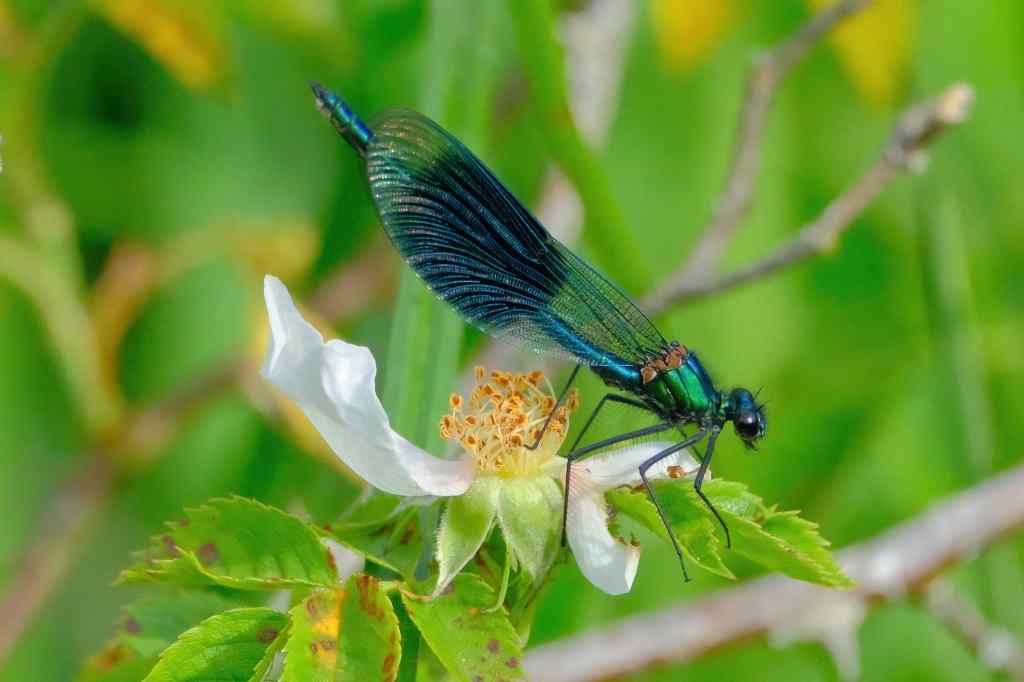
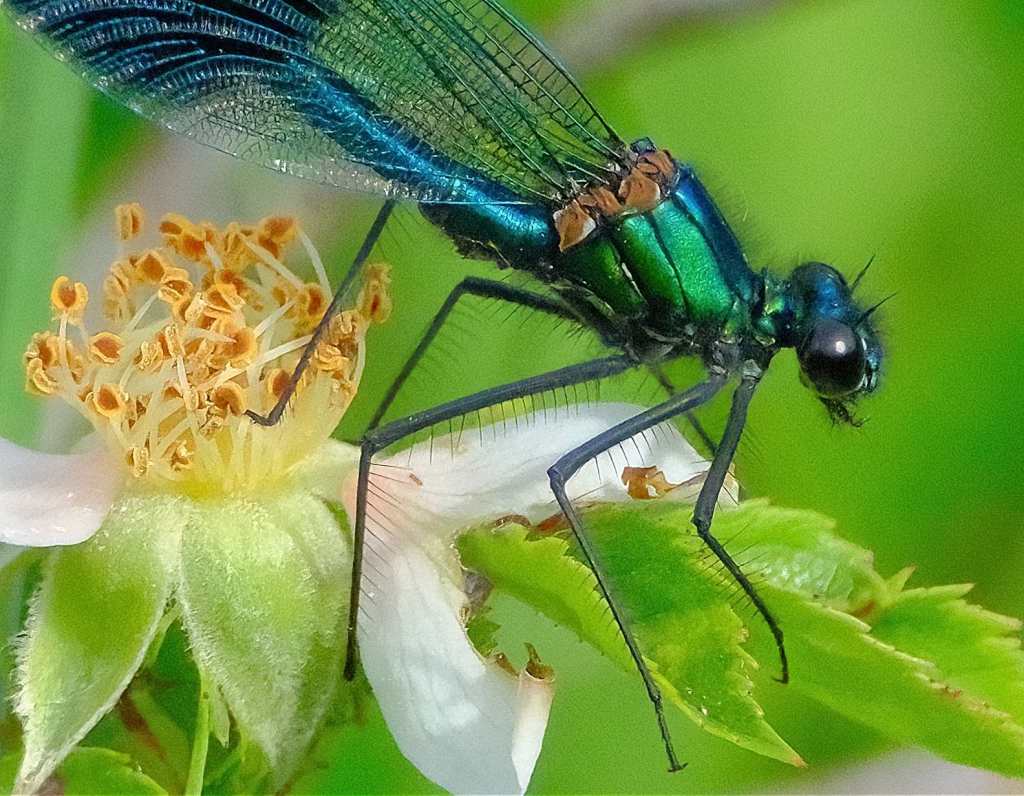
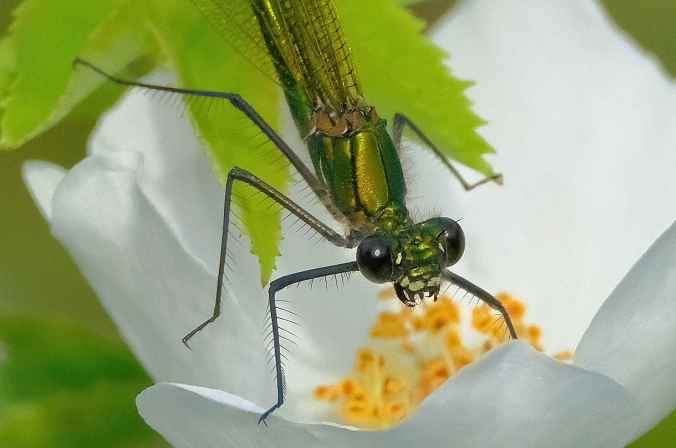
Banded Demoiselle (male)
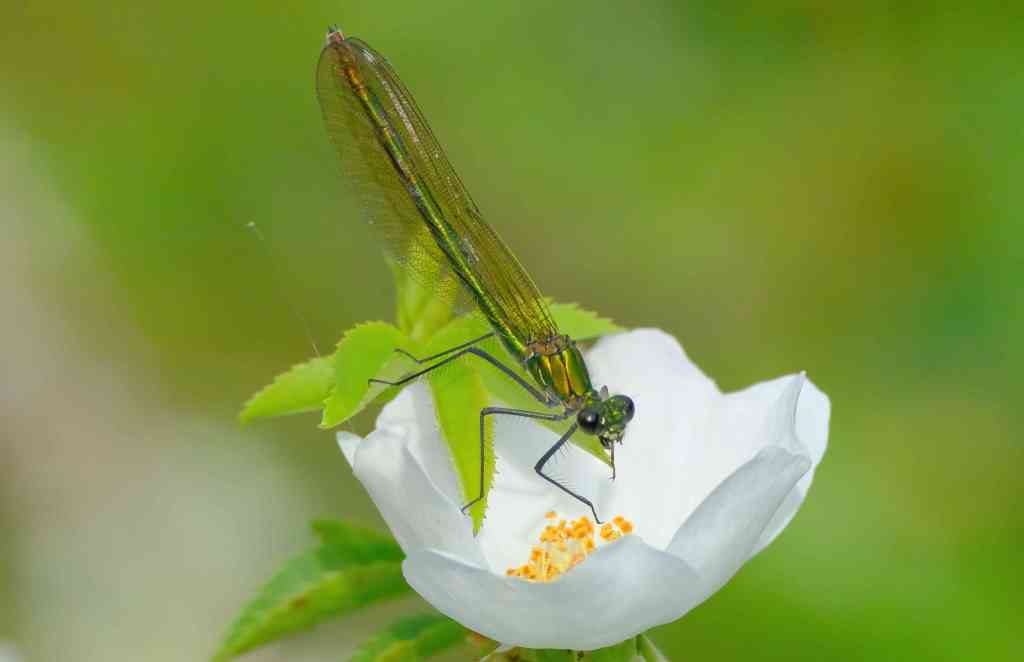
Banded Demoiselle (female)
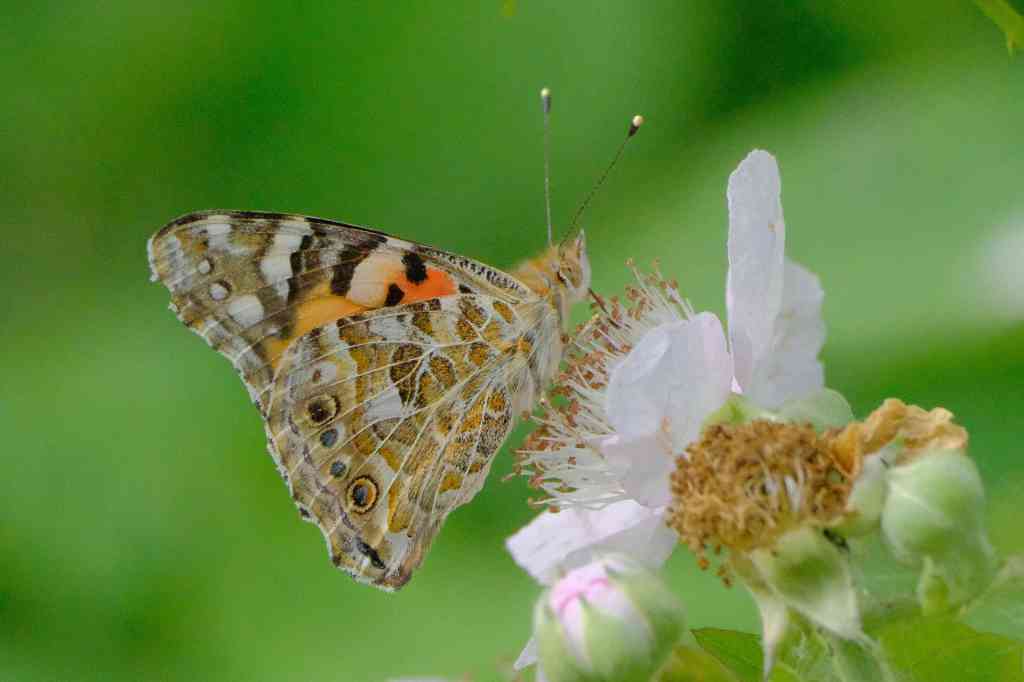
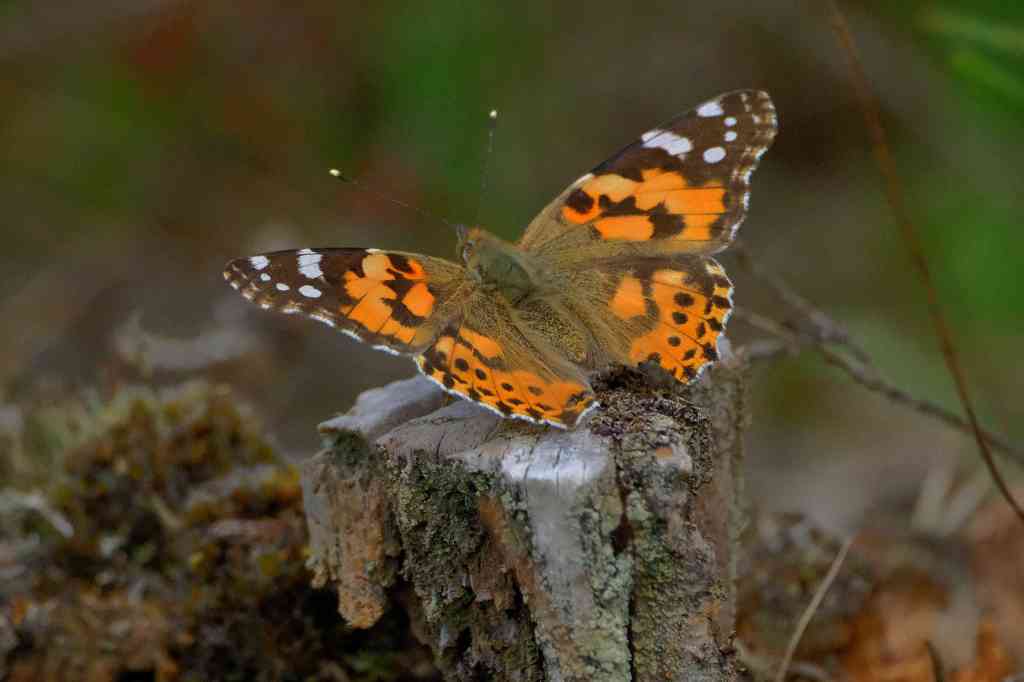
Painted Lady, this year seems to be a good year for this large butterfly. A summer visitor to the UK, their numbers fluctuate drastically. British winters are too cold for them to survive, so large numbers migrate annually from North Africa and southern Europe, arriving from late spring through early autumn.
Little things spotted at Titchfield Haven Nature Reserve while on a Sunday morning walk.
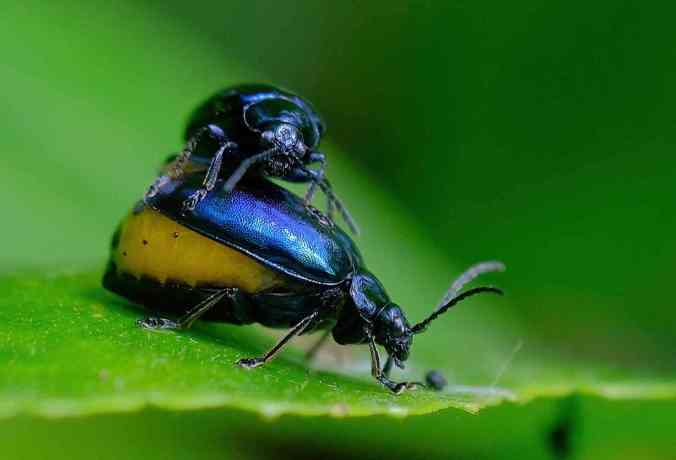
Alder Beetle – mating pair.
Large Red damselfly.
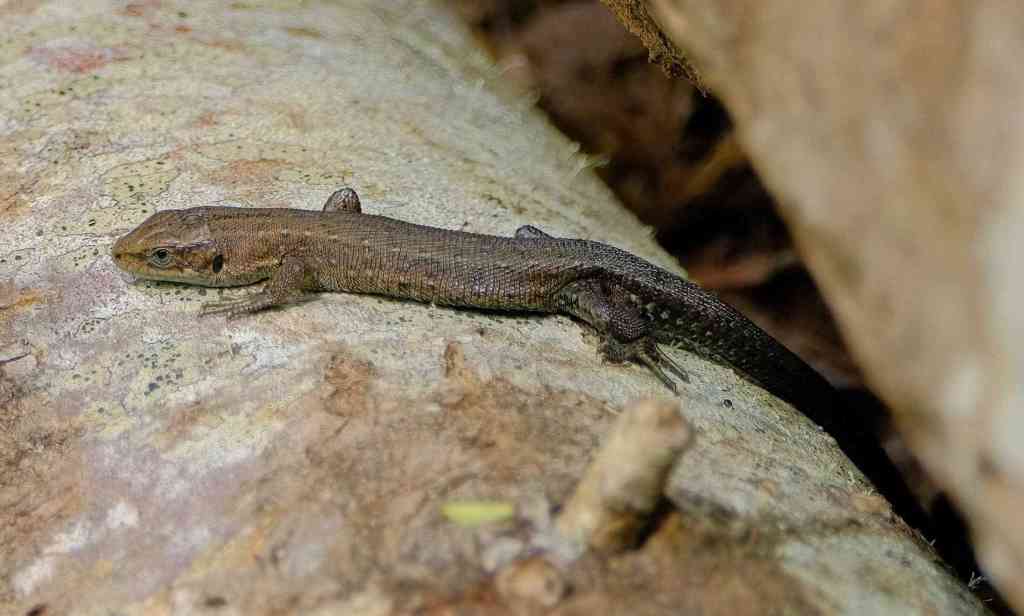
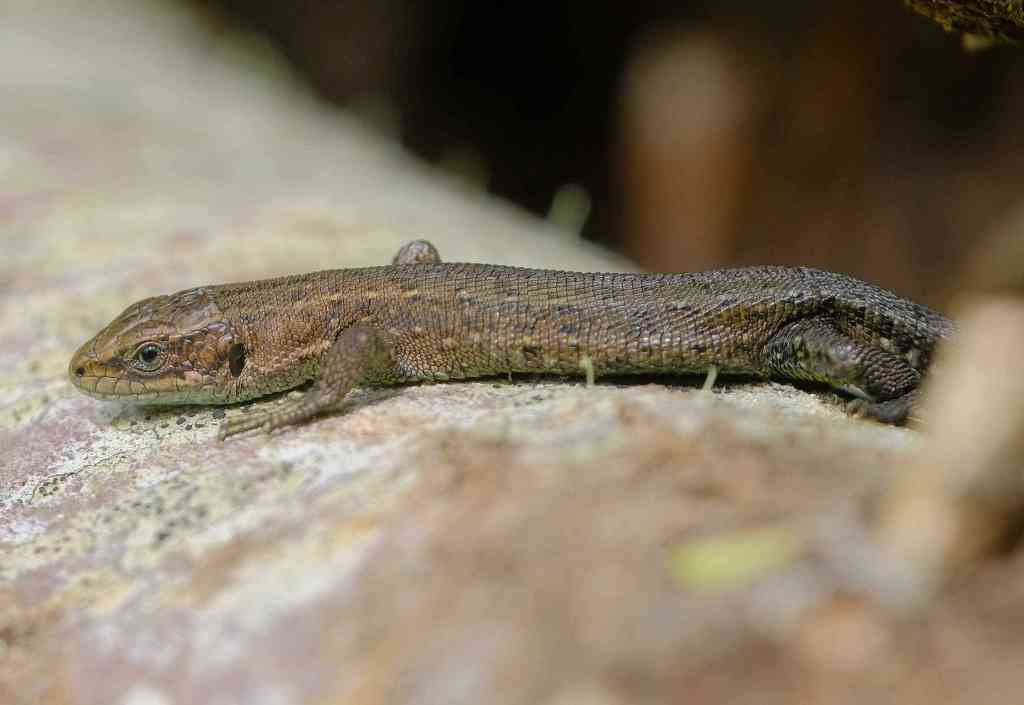
Common Lizard enjoying some sun.
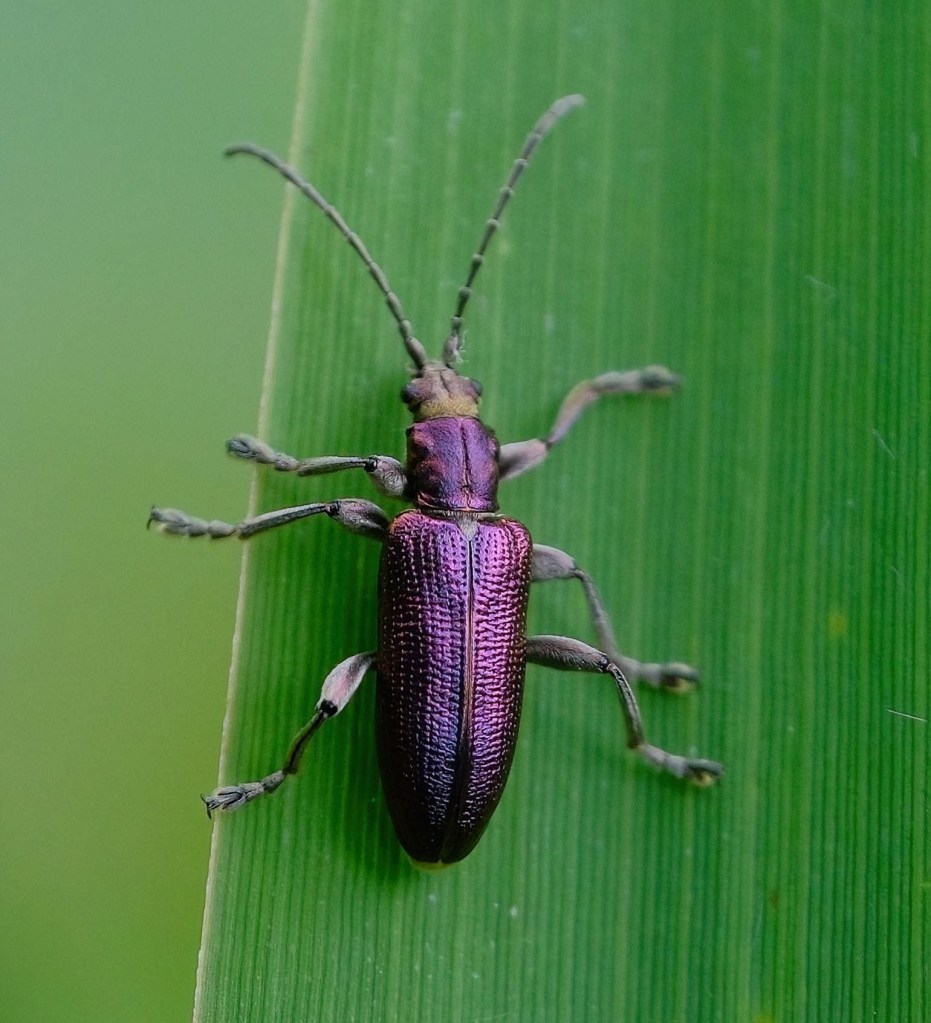
I believe this is a Little Reed Beetle.
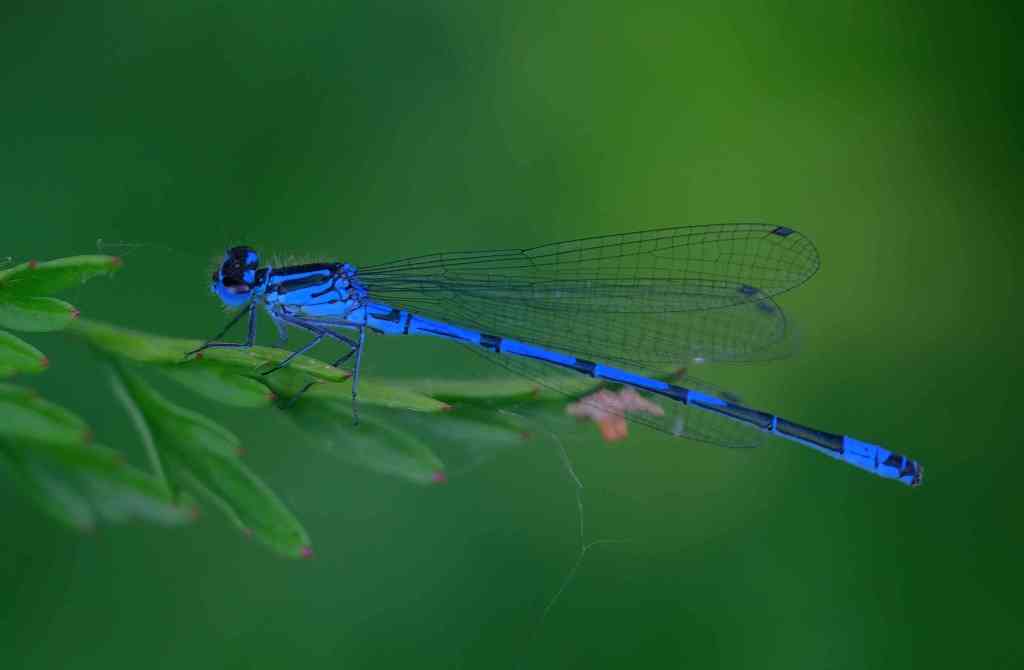
Azure Damselfly {male}.
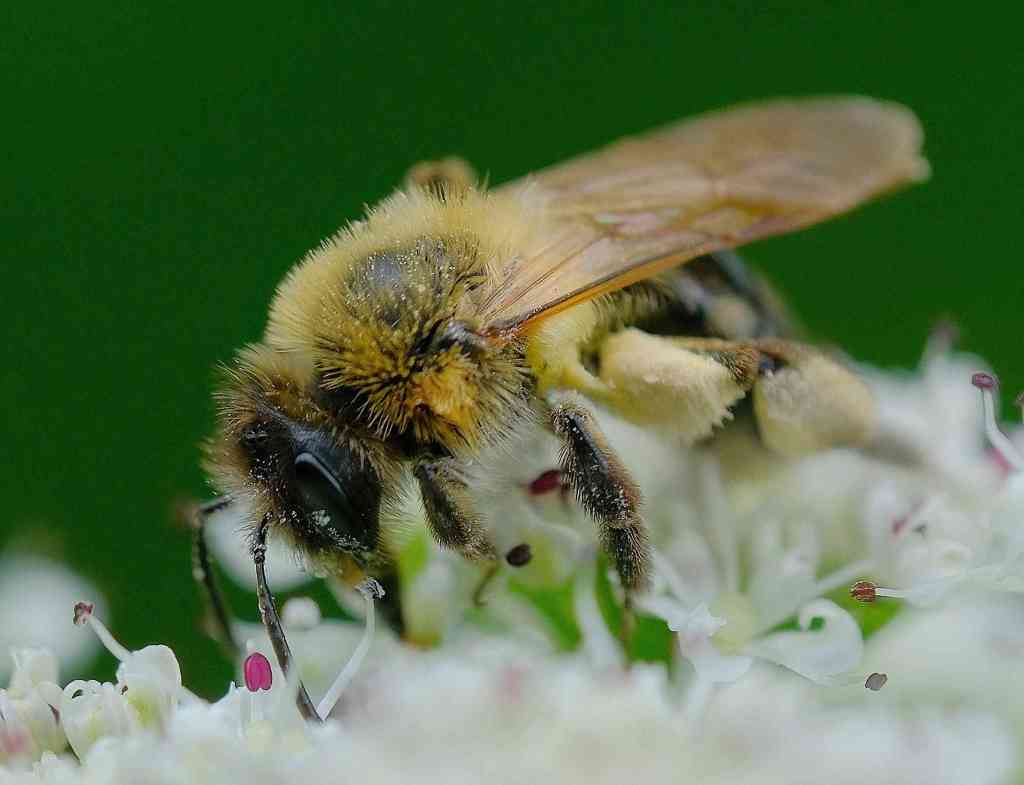
Bee.
Something a bit larger.
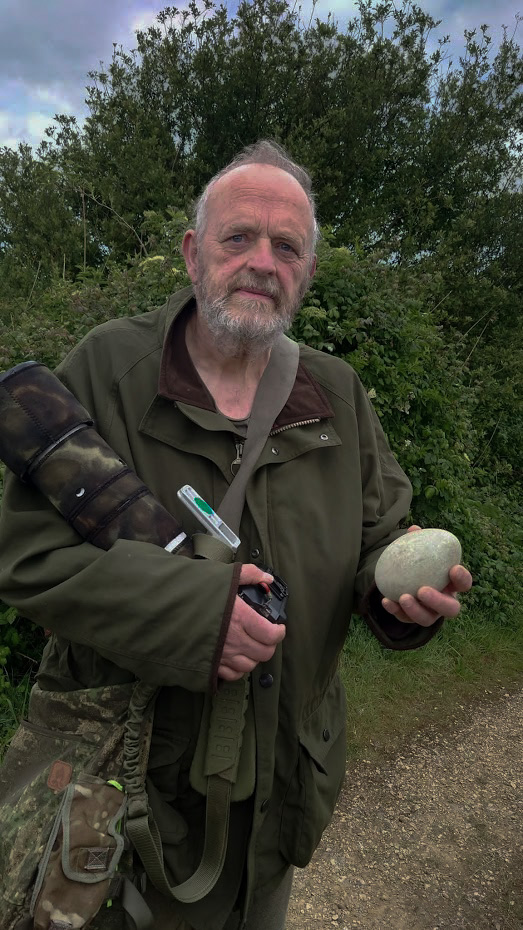
Picked up a Mute Swan egg on the path.
Willow Emerald Damselfly and Southern Hawker Dragonfly at Titchfield Haven this morning.


A new damselfly for us, we spotted this White-legged Damselfly in the New Forest on Wednesday. They are mainly found along slow-flowing, lowland streams and rivers, sometimes on canals or ponds.
They differ from our other blue damselflies sporting white legs.

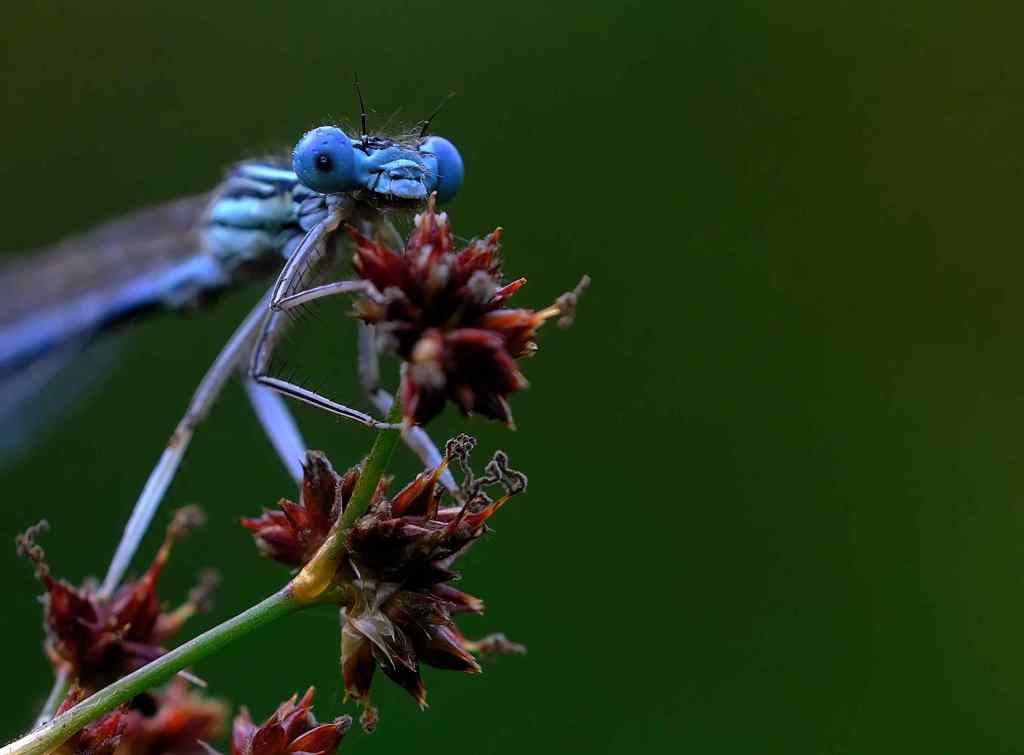

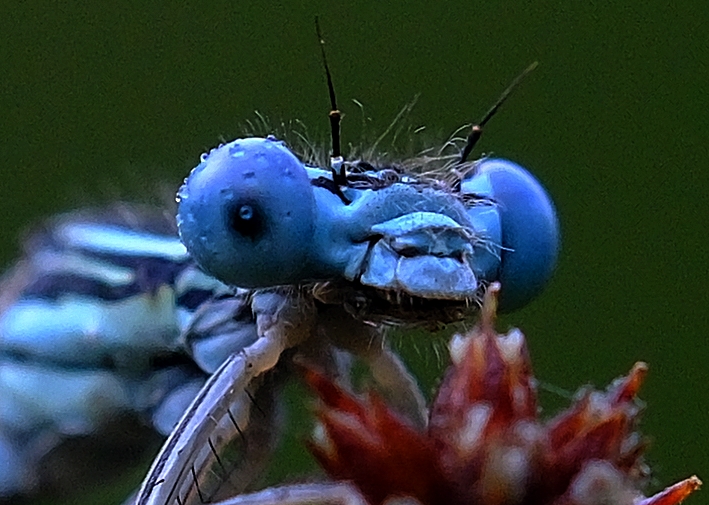
The Common Blue is one of the most common damselflies in the UK.
The Male is blue and black with a button-shaped mark on the segment below the wing base. The female is less colourful – she is dull green /light yellow with a thistle-shaped mark below the wing base and black bands.


I spotted these dragonflies and damselflies in the New Forest on yesterday’s walk.


Keeled Skimmer (female)

Keeled Skimmer (male)

Large Red Damselfly.(mating Pair).

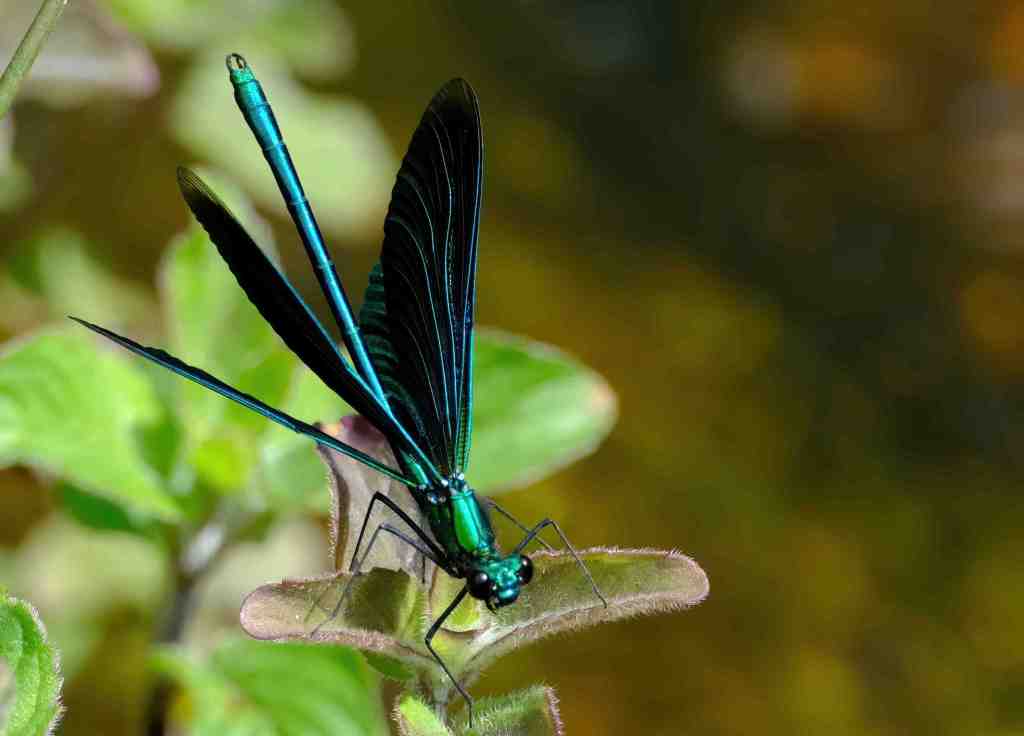
Beautiful demoiselle Damselfly.
A pictorial record of a short walk along a small New Forest stream.