New Forest Deer this morning. (picture post).
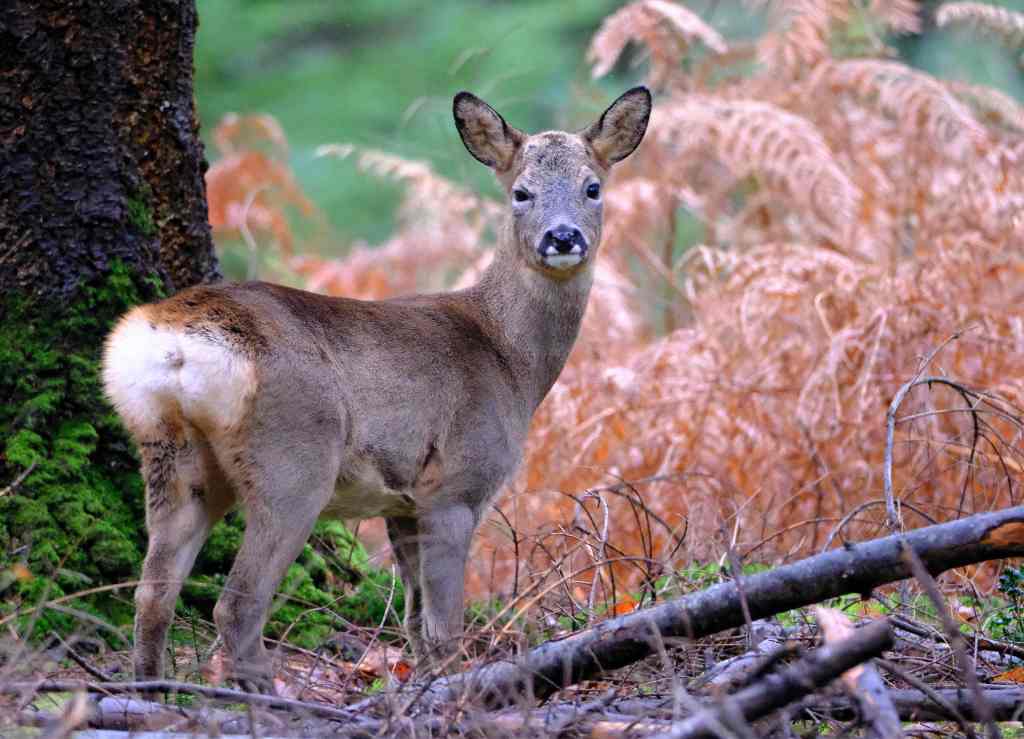
Roe Deer.

Red Deer.

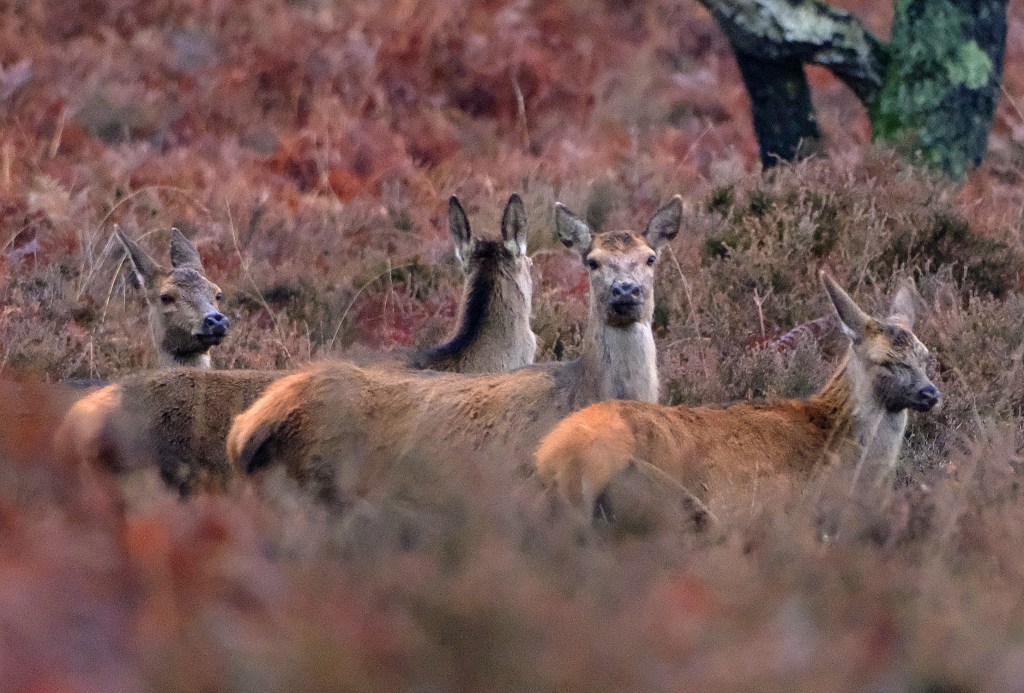

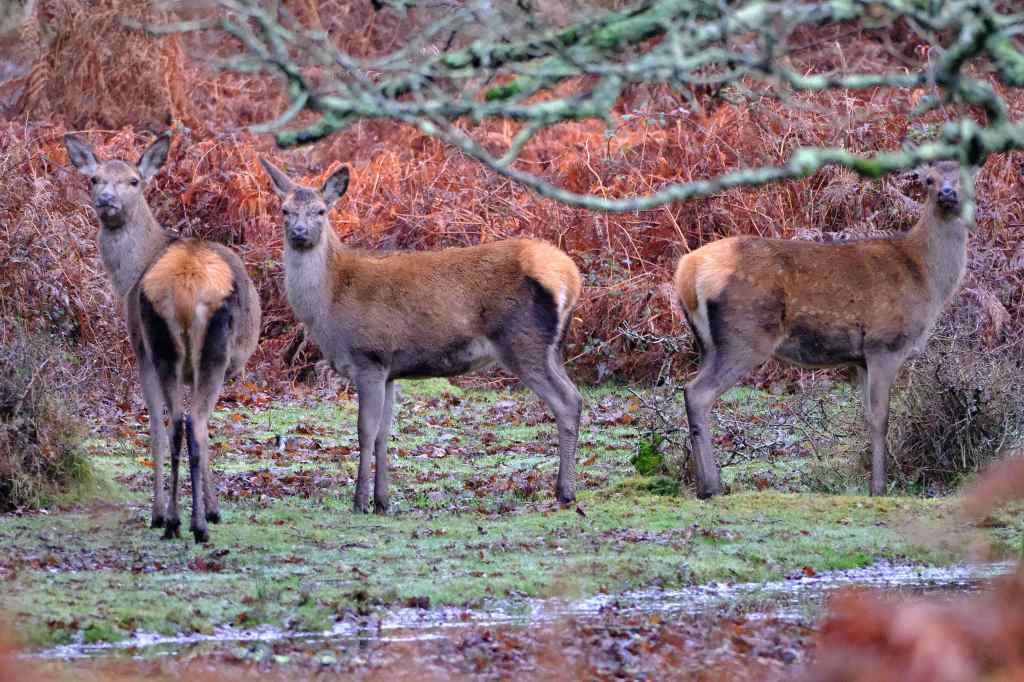

New Forest Deer this morning. (picture post).
Roe Deer.
Red Deer.
The storm passed through without incident over Southampton but our coast got a bashing.
So with the calm a few hours back in the New Forest.

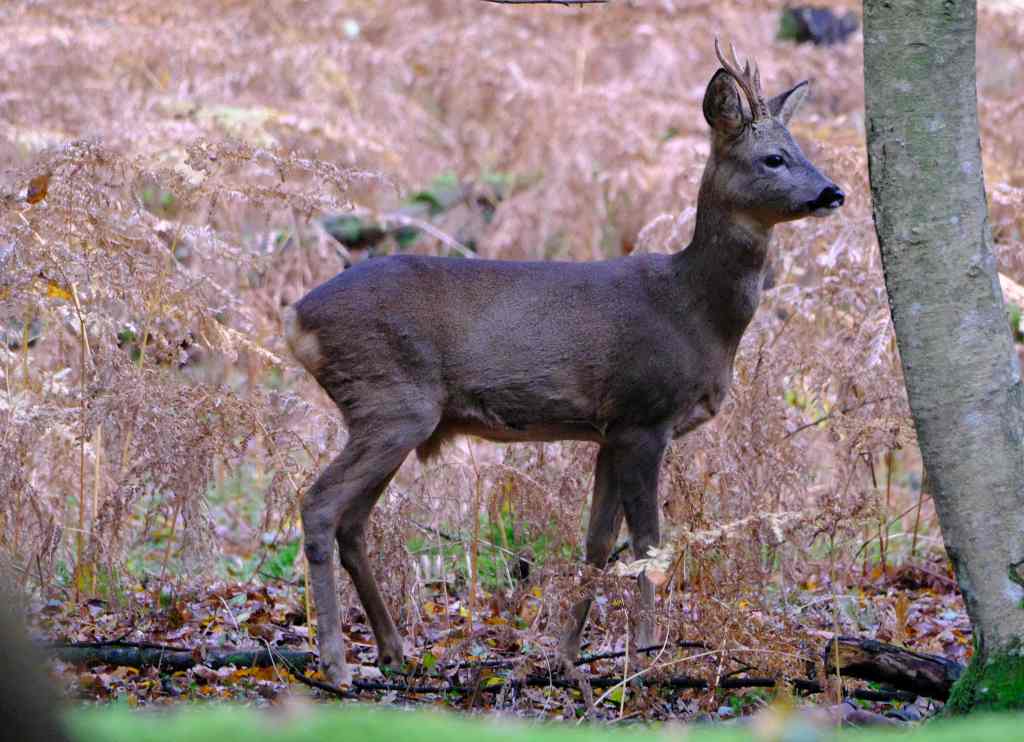
A good-looking Roebuck.

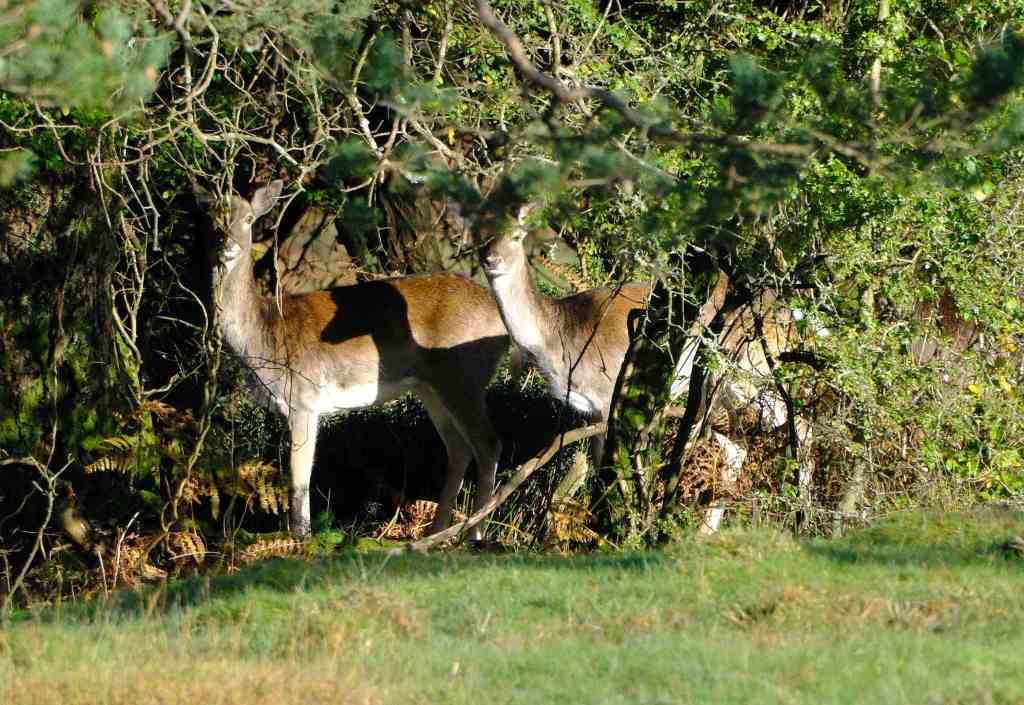
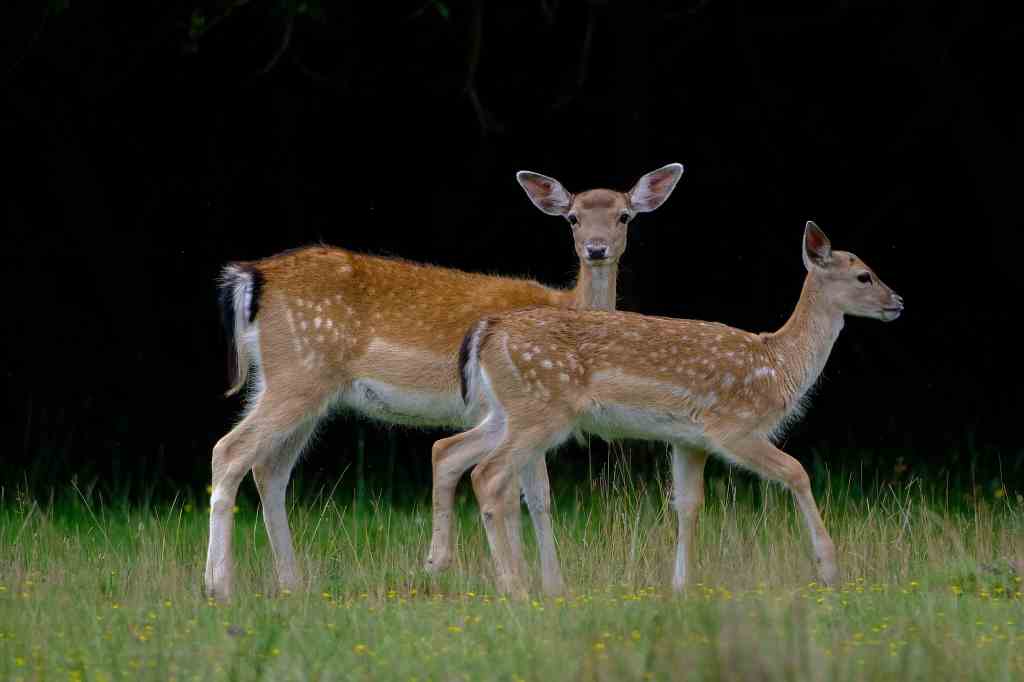
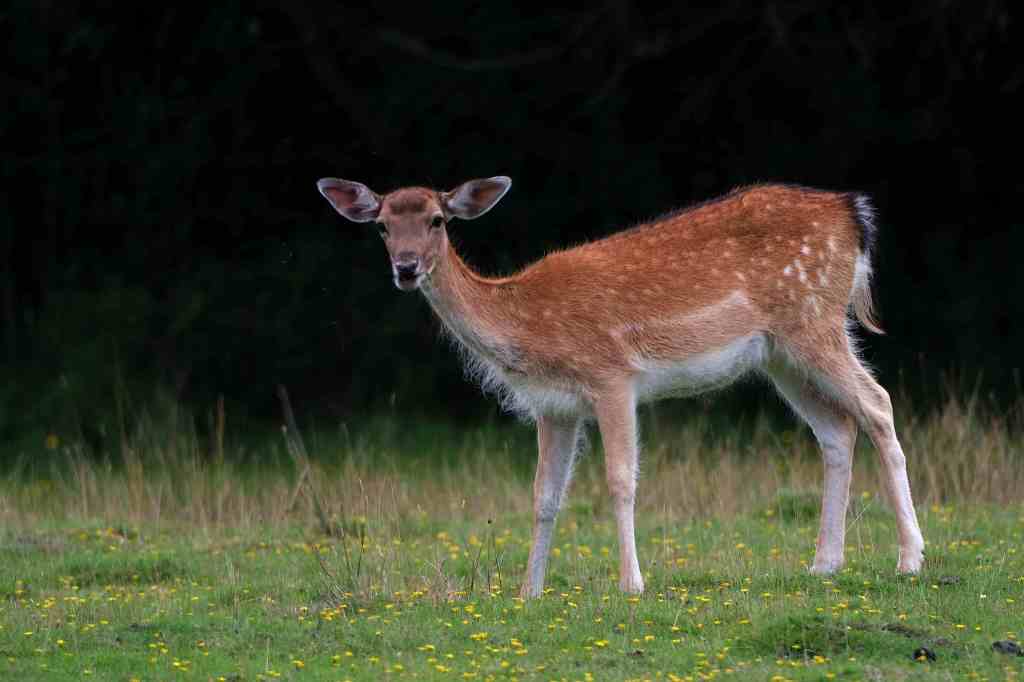
And a small heard of young Fallow Deer.

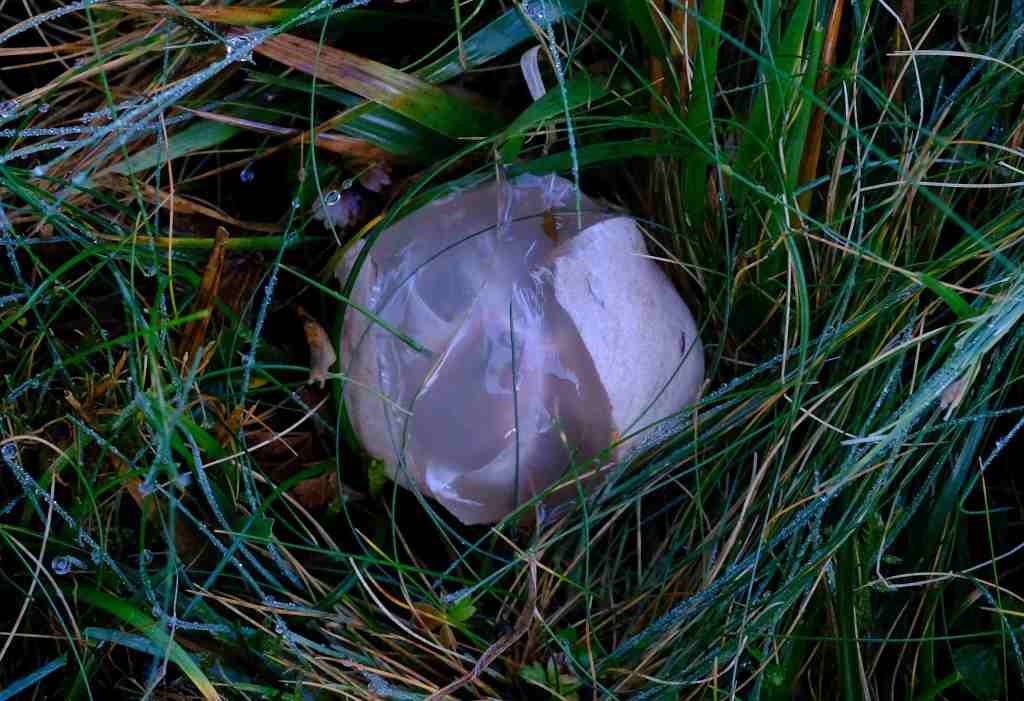
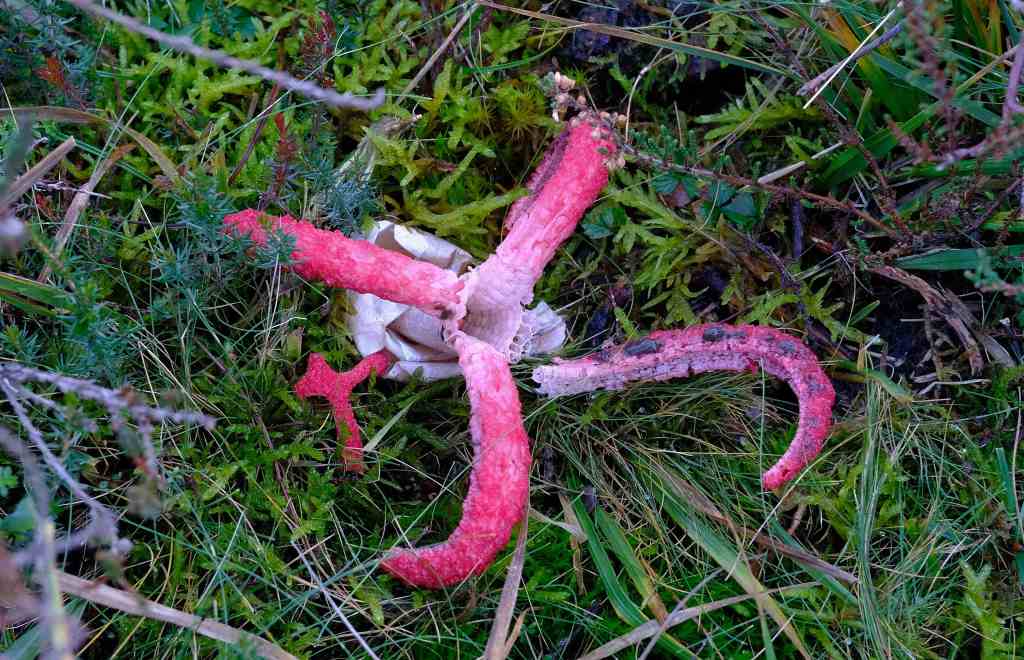
I wanted to take another look at the Devil’s Fingers fungus to see if any more of the eggs had erupted. There were about 10 eggs last week but only one had “hatched”. Normally fungi develop quickly so I thought more would have been showing – perhaps the cold wet weather had slowed down their development, so I will try again next week to see if there is more movement.
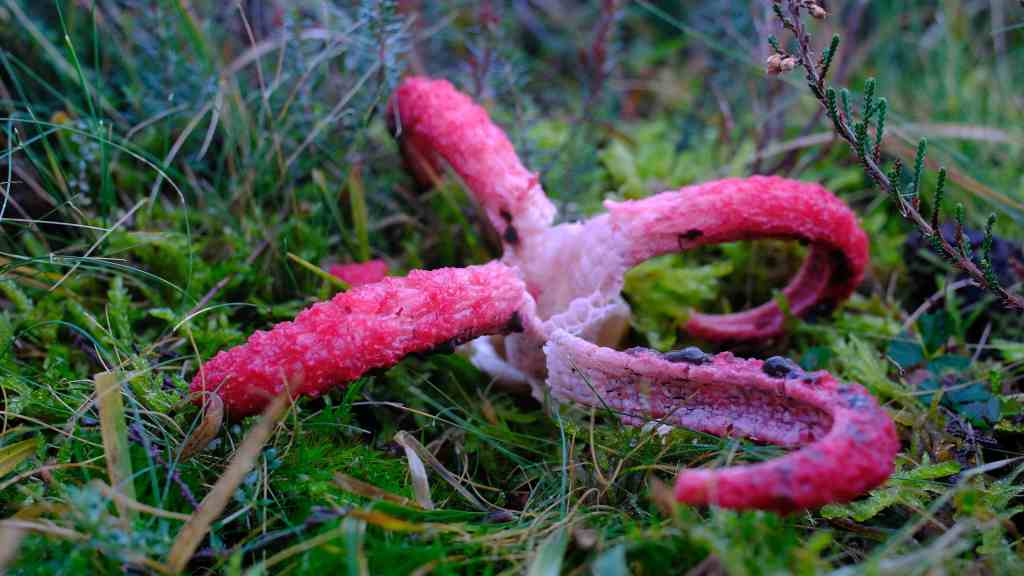
#Wordless Wednesday
5-mile circular walk into the New Forest from Bratley View.
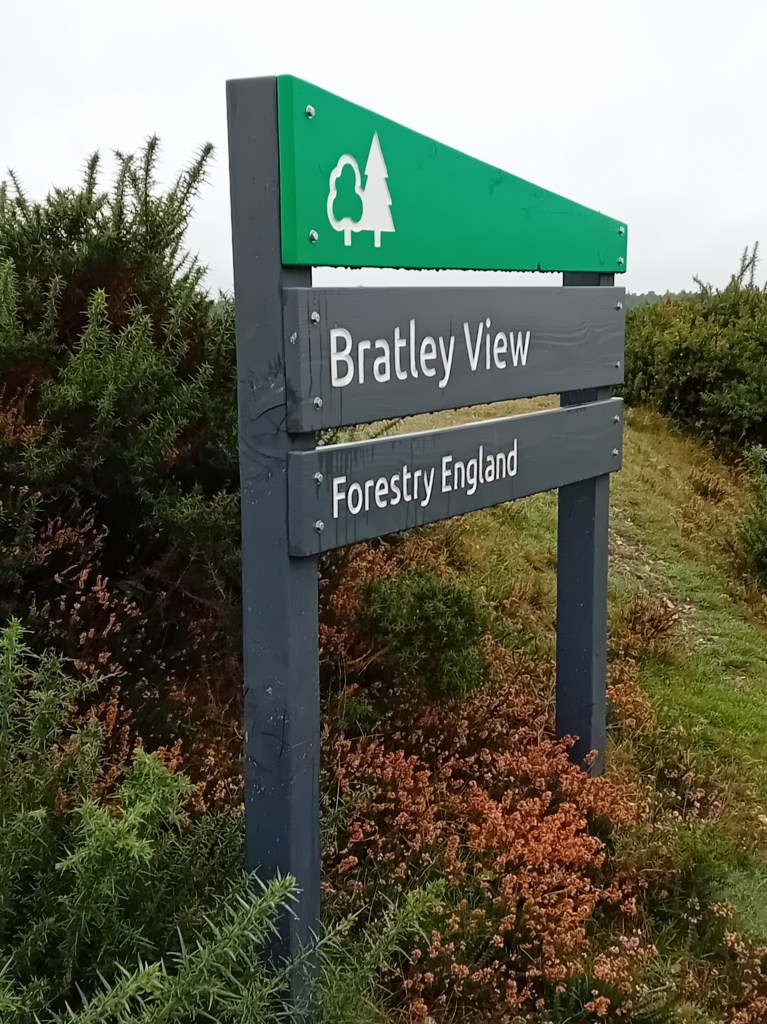
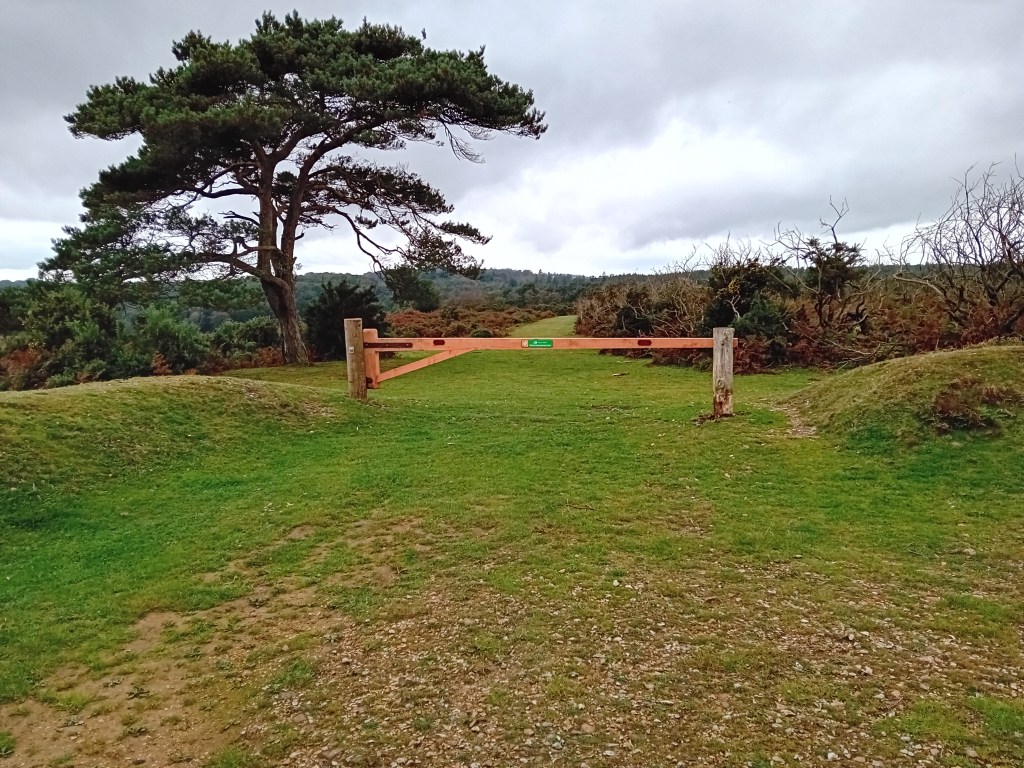
We started the day ringing Forestry England to report fly-tipping of Kitchen White goods into the National Park from the car park sadly this year there seems to be an increase in this anti-social behaviour. As we are out early we see what has been dumped the previous night, at least once a week we see something. People even dump cars and set them on fire this buggy was reported a few weeks ago!


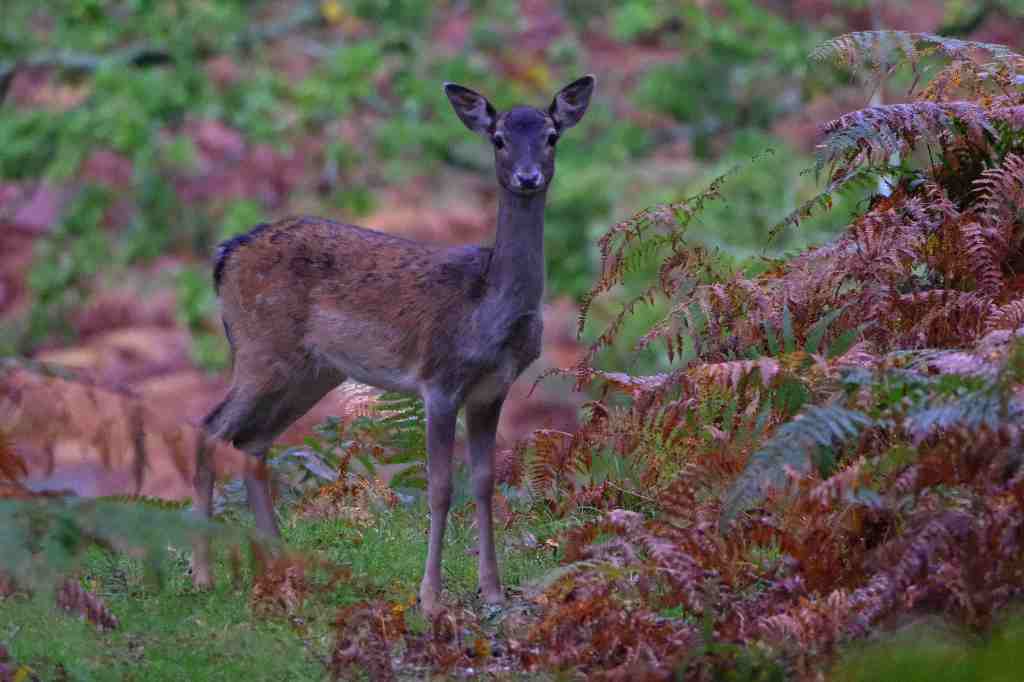
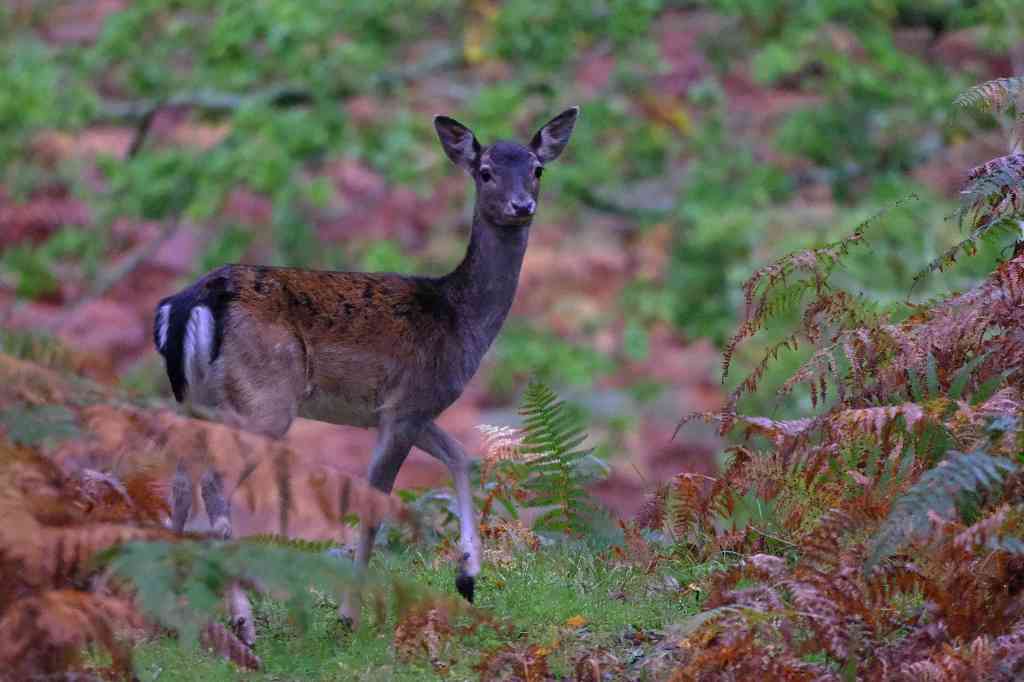
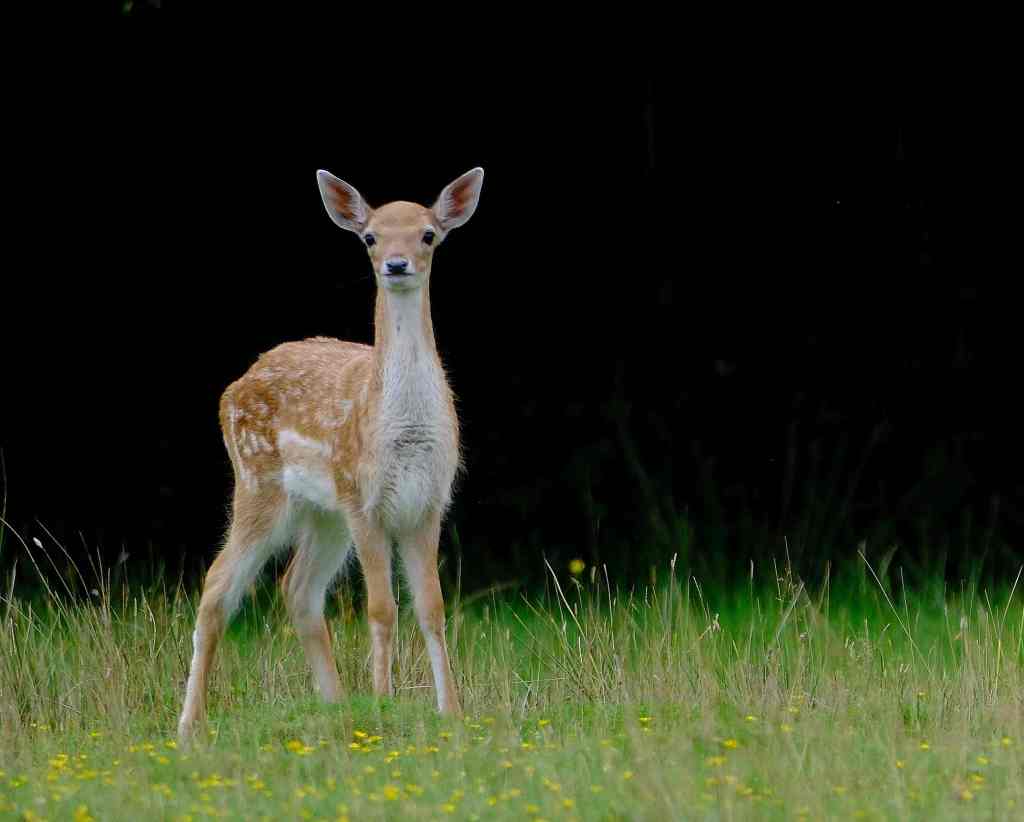
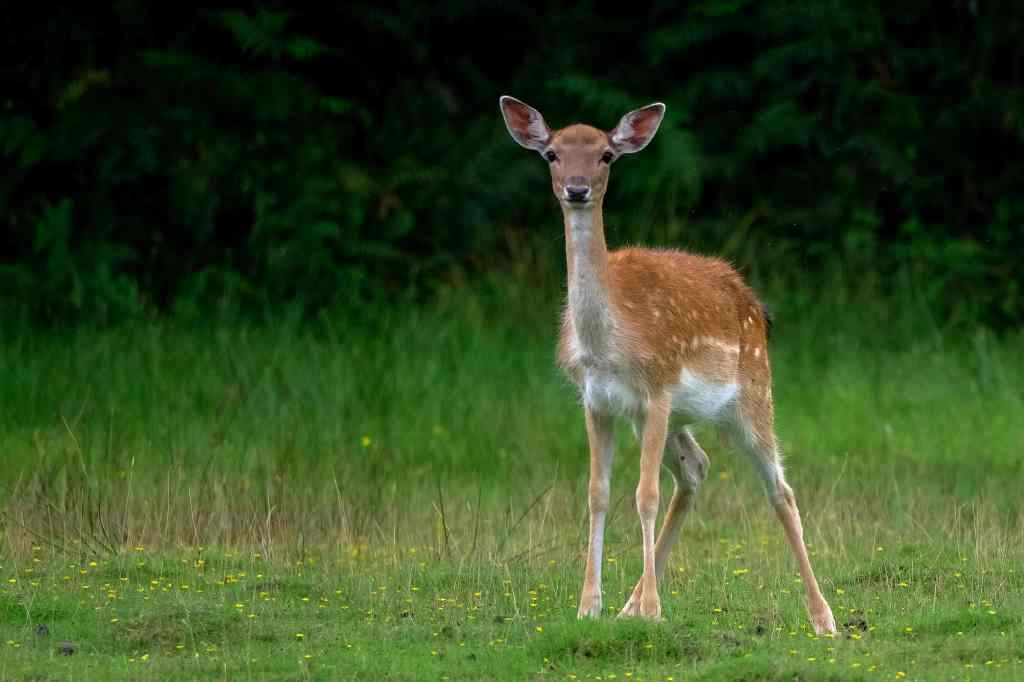
Below a young Fallow deer she was very interested in us so I was not sure if she had seen people before.
Male Stonechat.

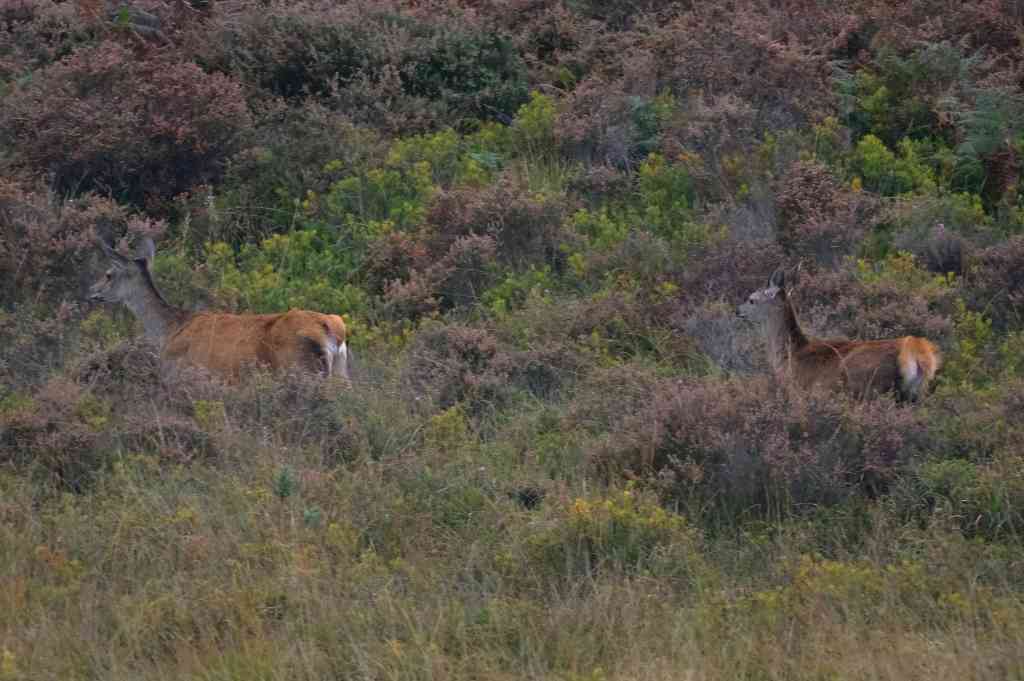
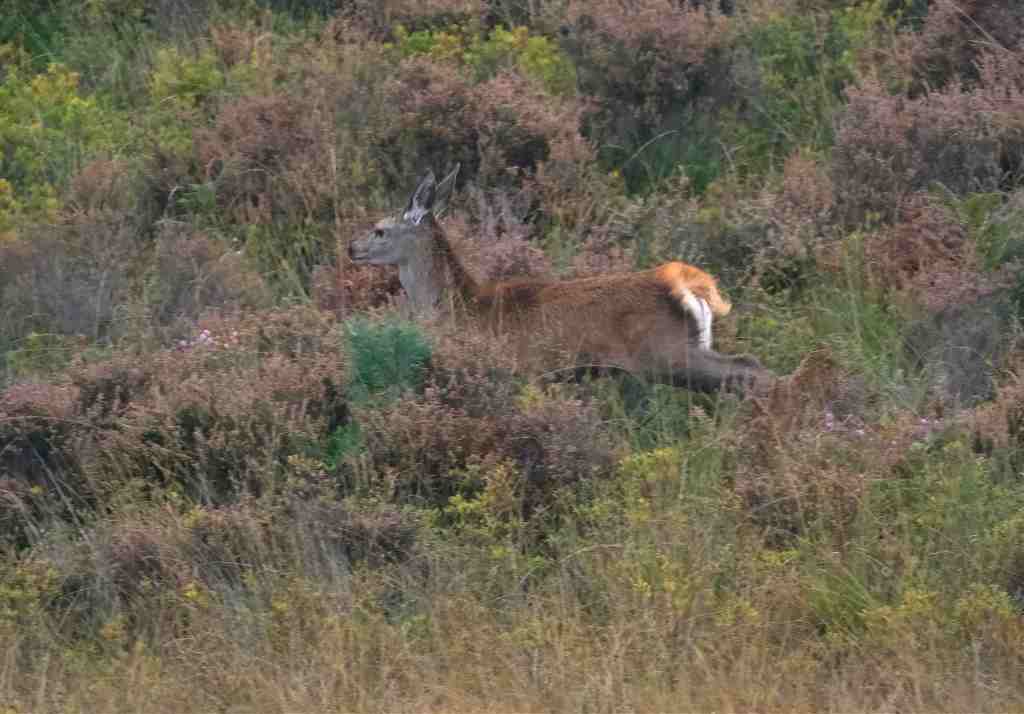
Spotted a few distant Red Deer.
A walk from Cadnams Pool uphill to Fritham Plain and Hiscock Hill in the New Forest.
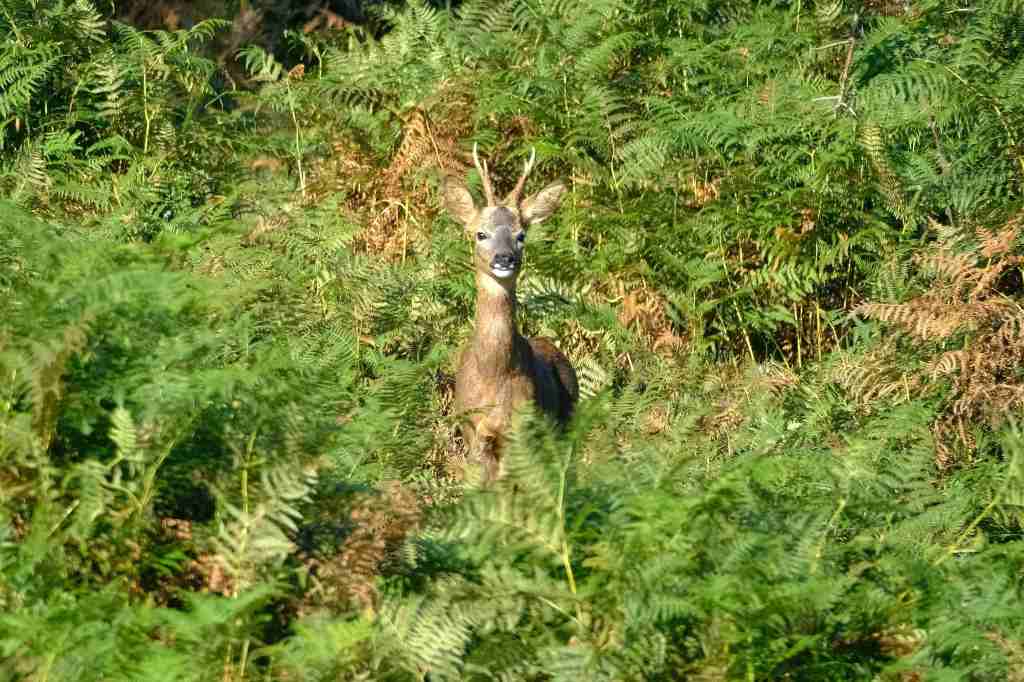
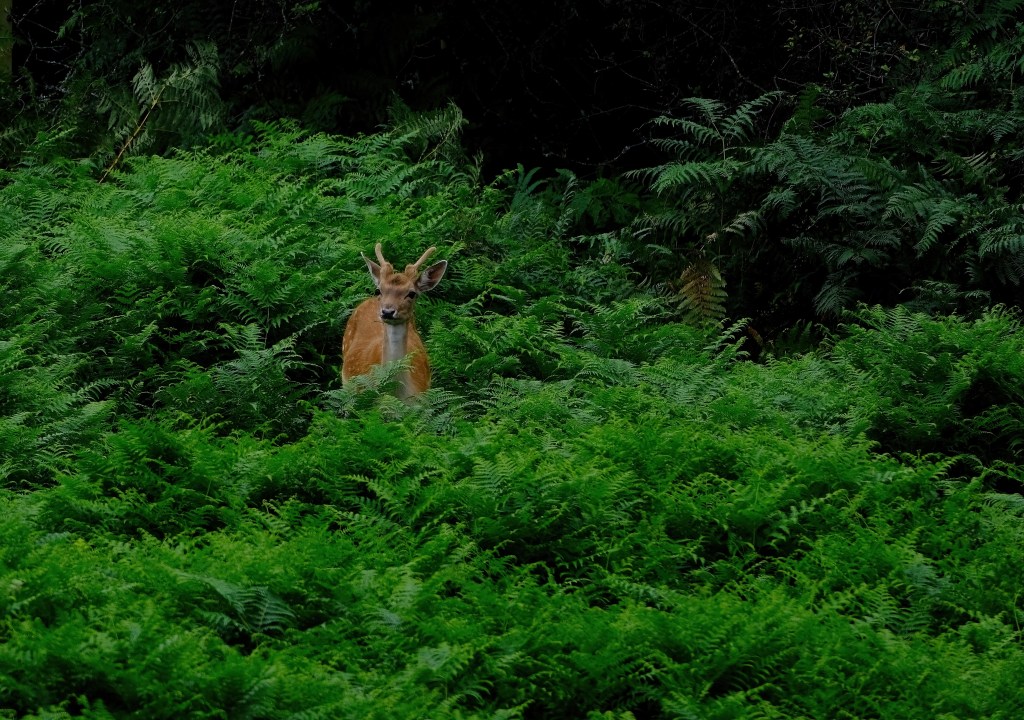
Most of the deer I spot have spotted me before I have spotted them! A good-looking Roebuck in the Bracken.

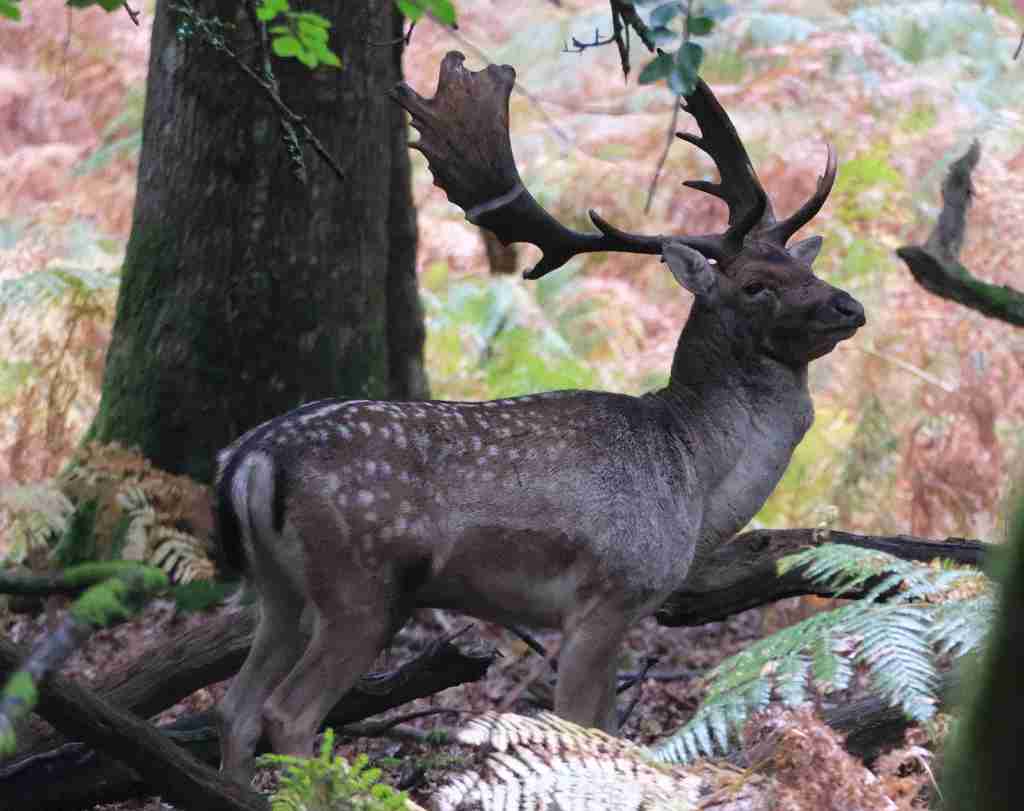
Further up the hill, we came across a Fallow Buck who was looking in really good condition and would be a formidable animal in the coming rut.


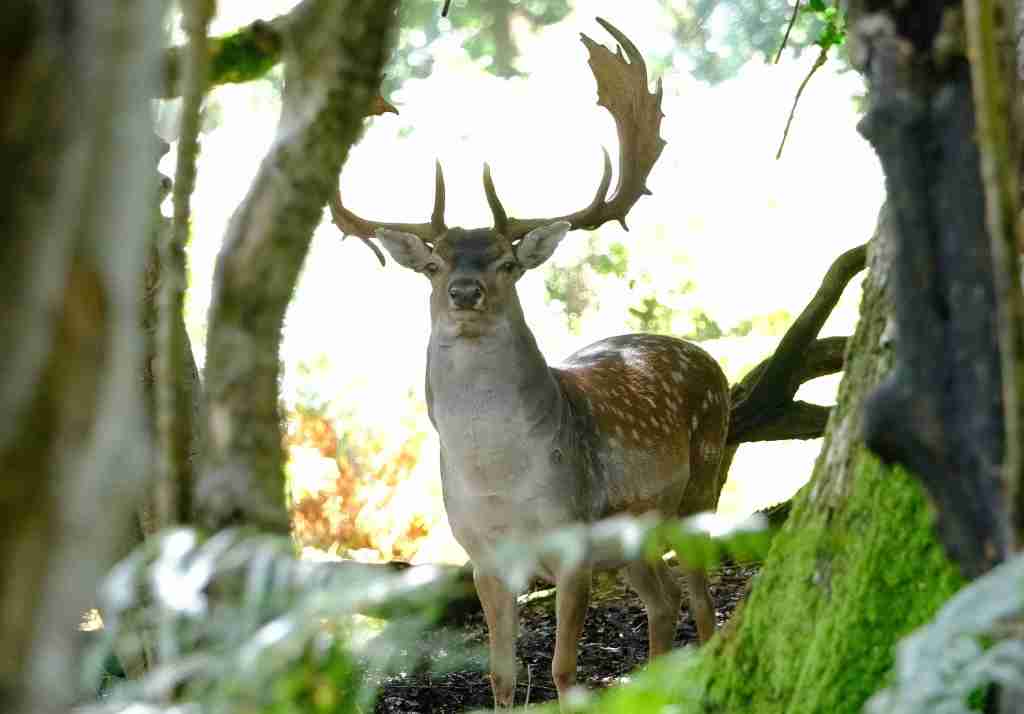
The Roe deer is a native deer to the UK where the larger Fallow deer was introduced by the Romans and then reintroduced in the 11th century, they were kept in parks as their populations increased they became an important source of venison on aristocratic tables. By the 15th century, many parks fell into disrepair and these medieval escapee deer are the foundation of the wild population in Britain today.
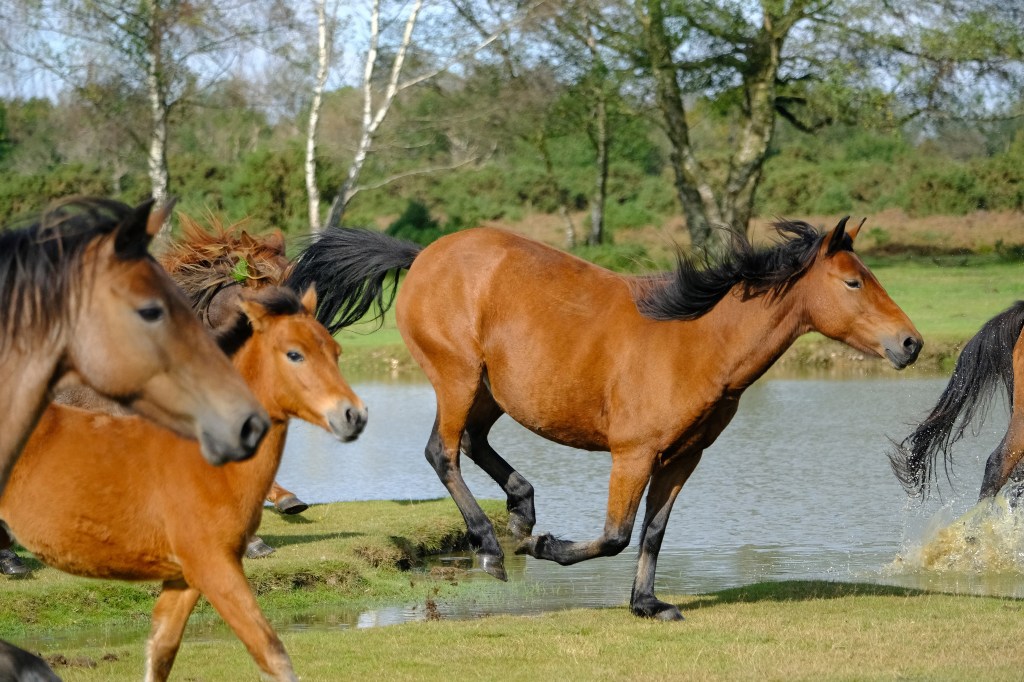
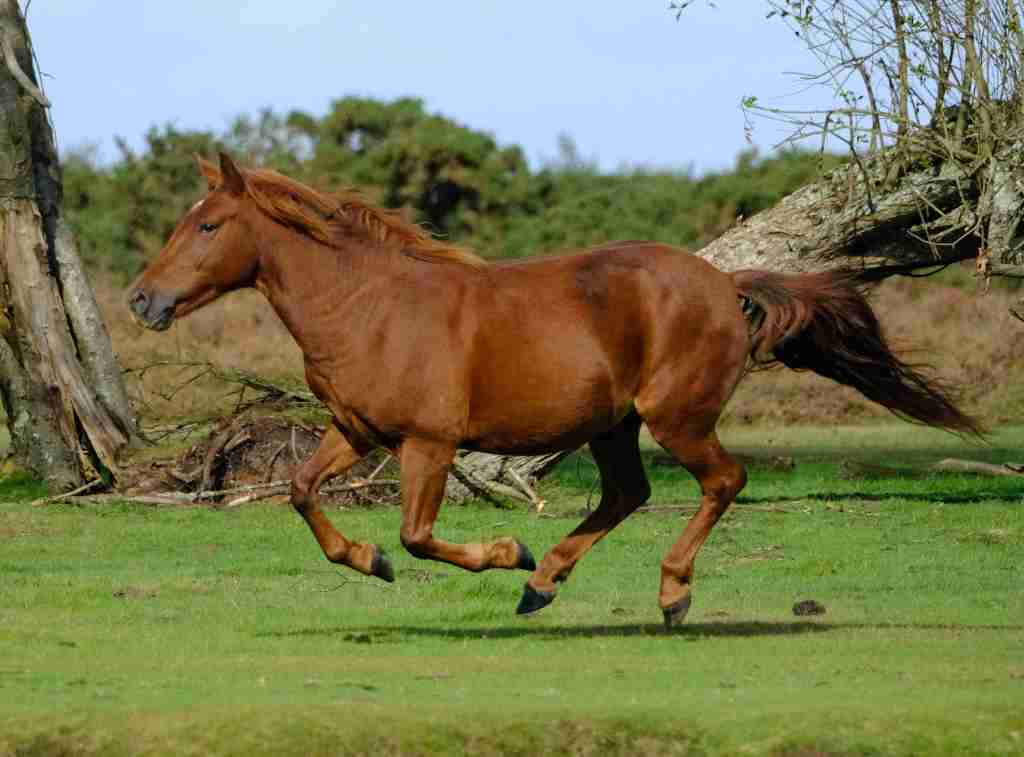
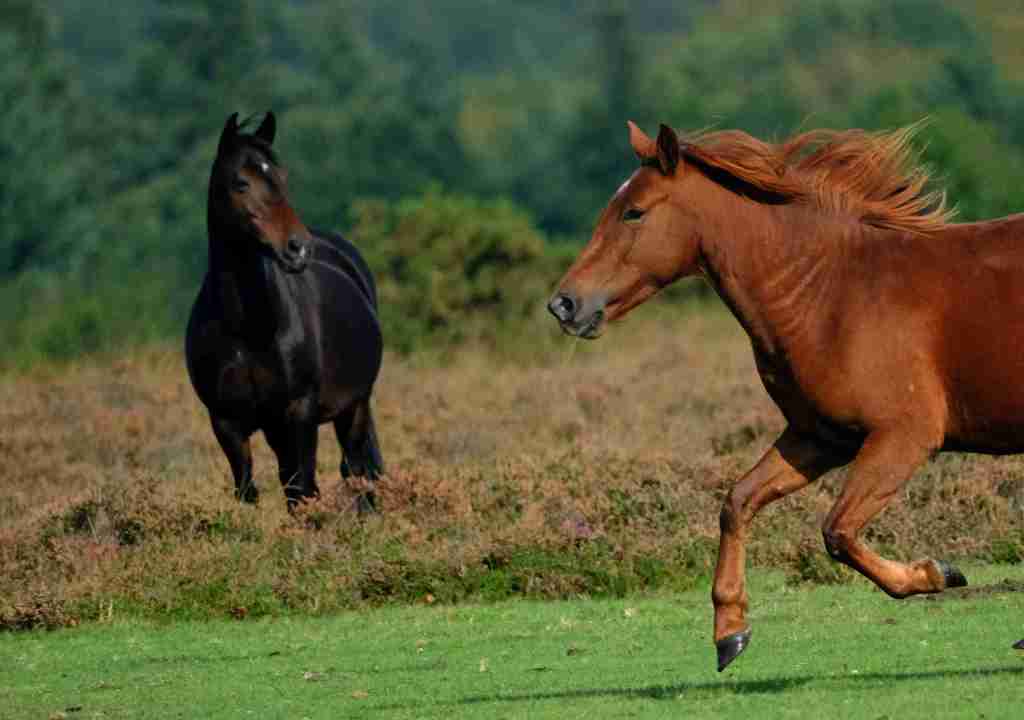
Passing New Forest Ponies. When a large herd gallop towards you at full speed and you are on an open plain there are not many places to hide.
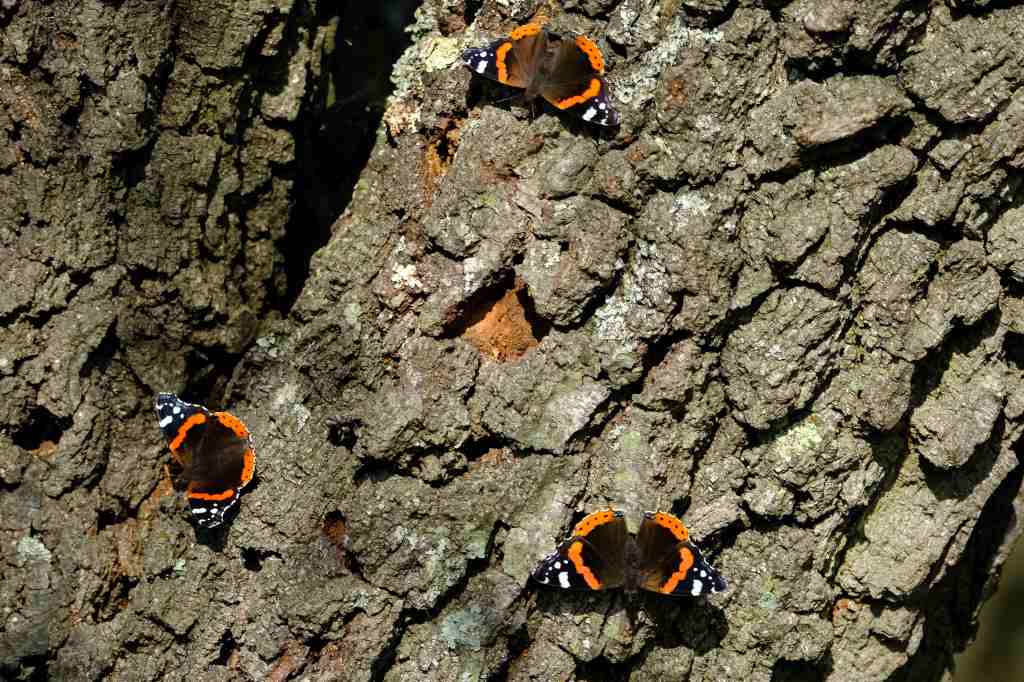
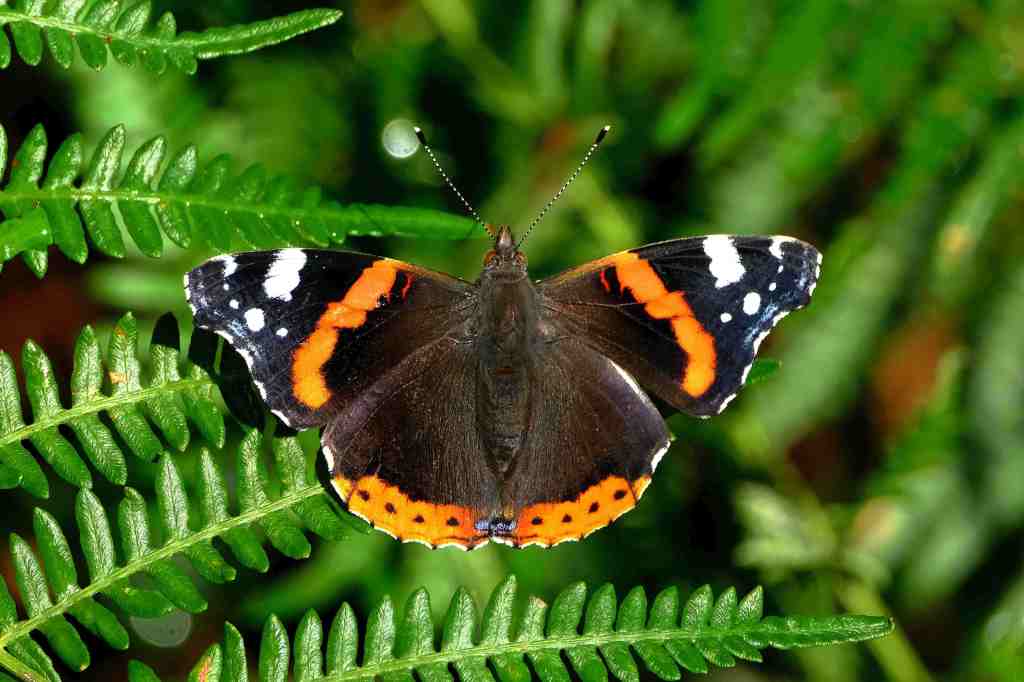
Red Admirals enjoying the late summer sun. They were first described by Carl Linnaeus in his 1758 book. They were then known as the Red Admirable.

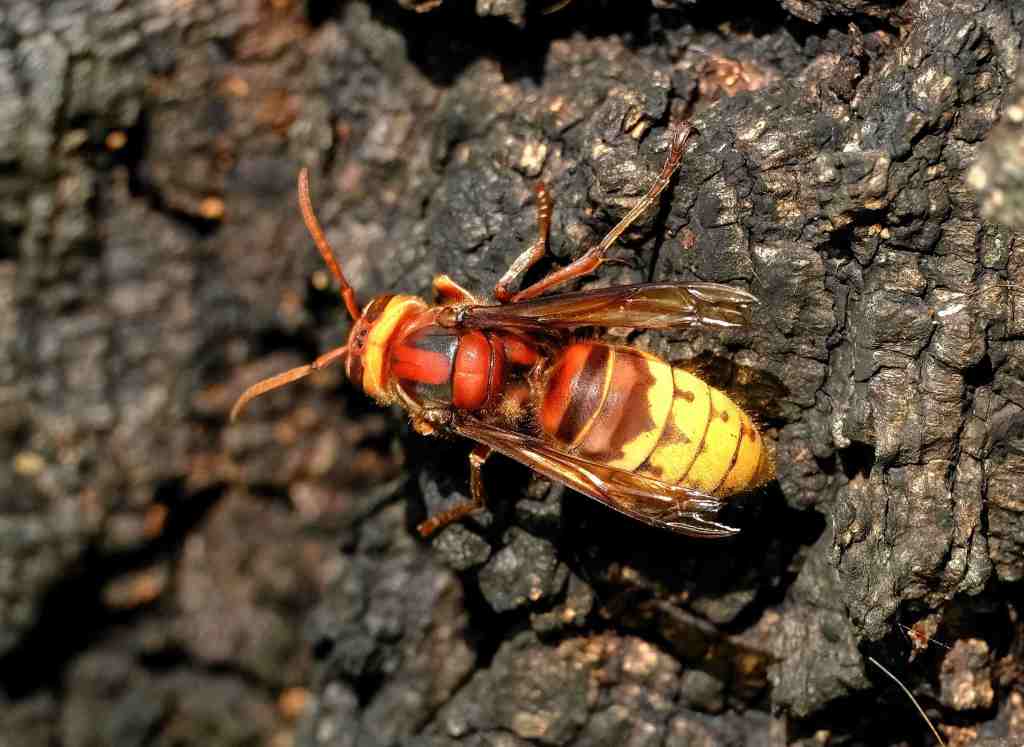
A good number of European Hornets were on a Silver Birch tree taking sap.

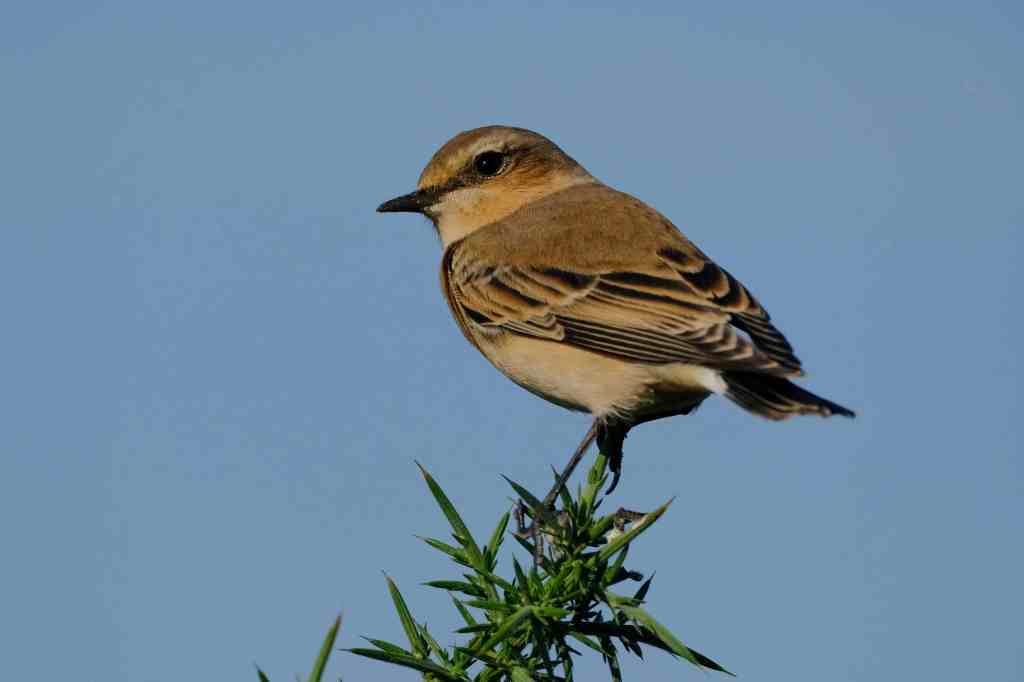
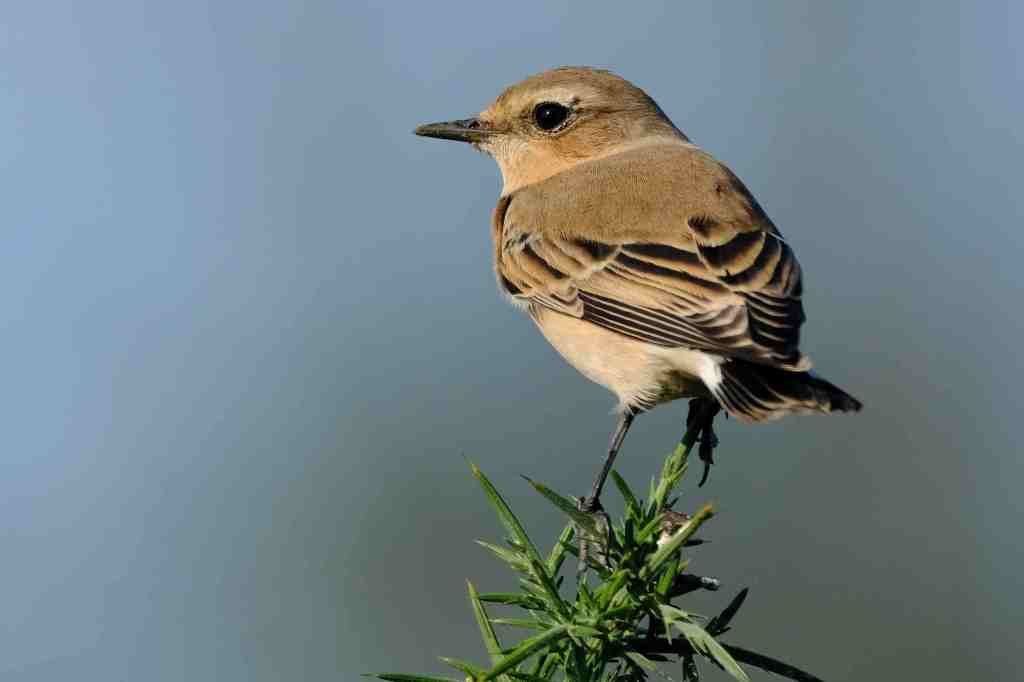
A Wheatear this female bird was probably a juvenile as it allowed a close approach.

Fallow deer New Forest.

#Wordless Wednesday
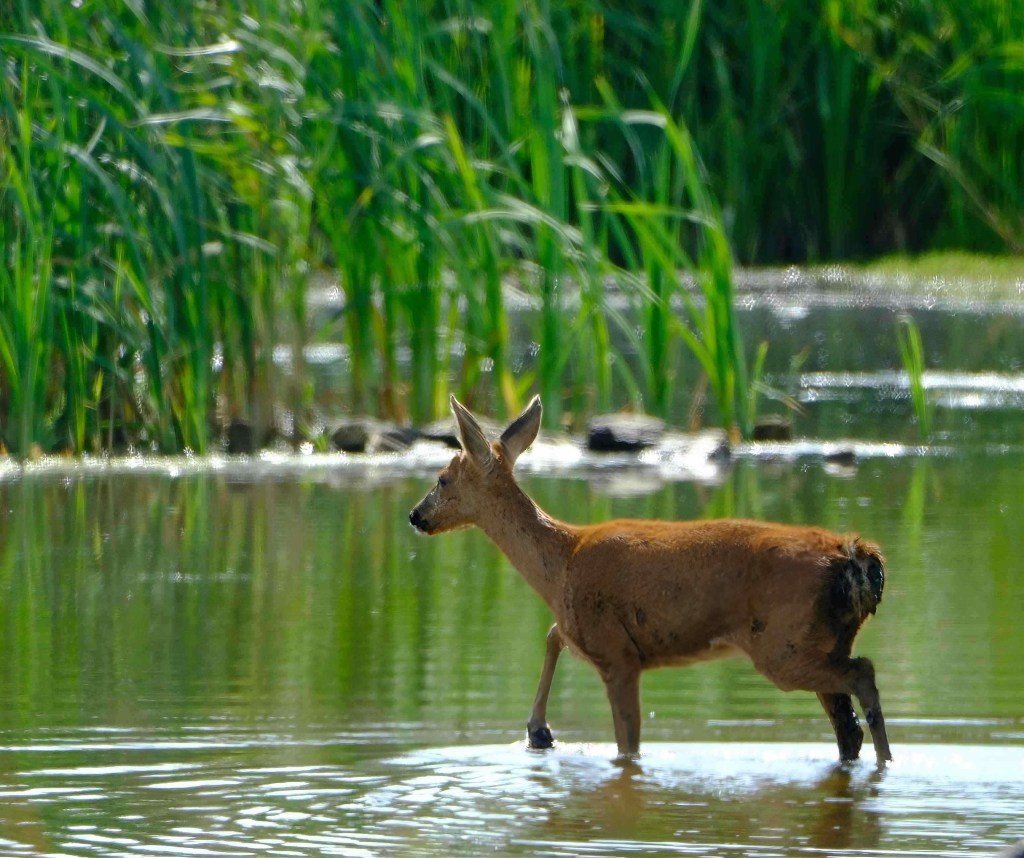
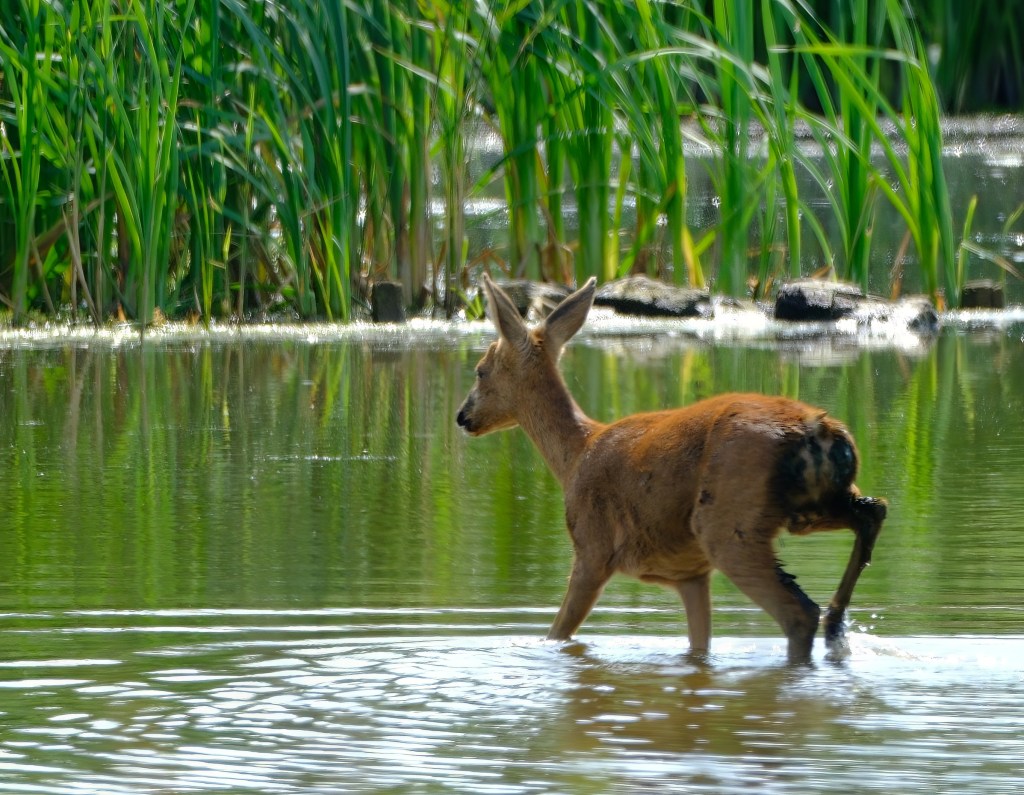

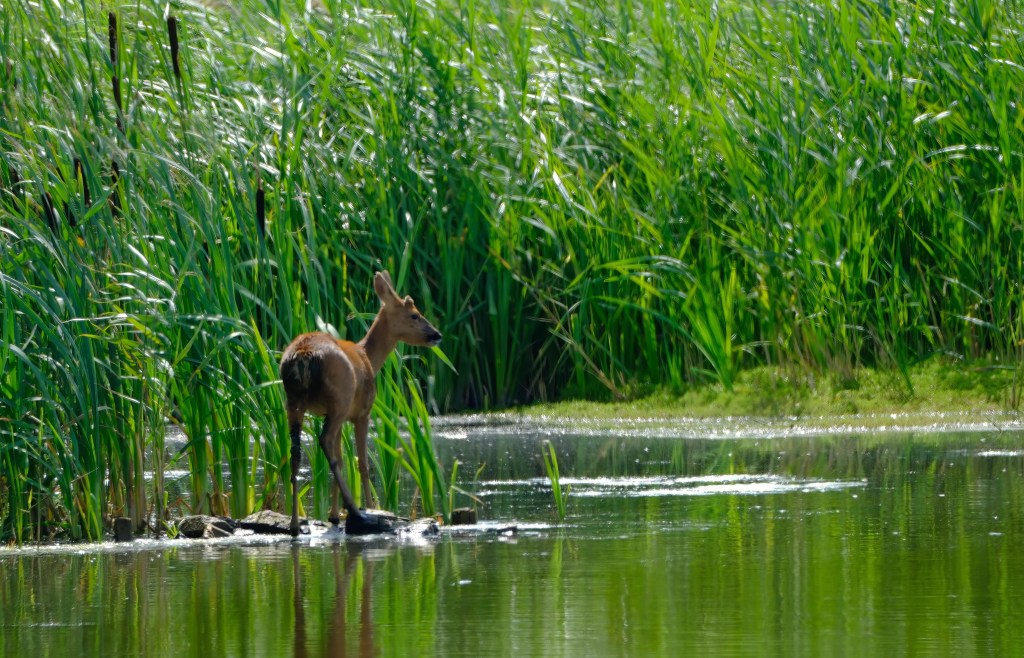
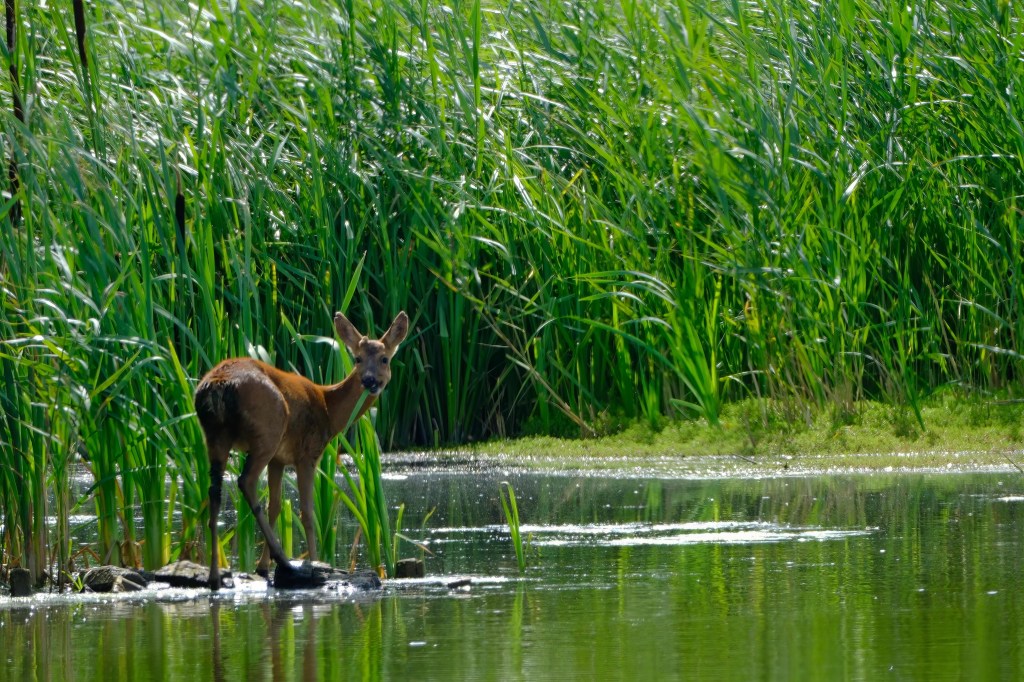
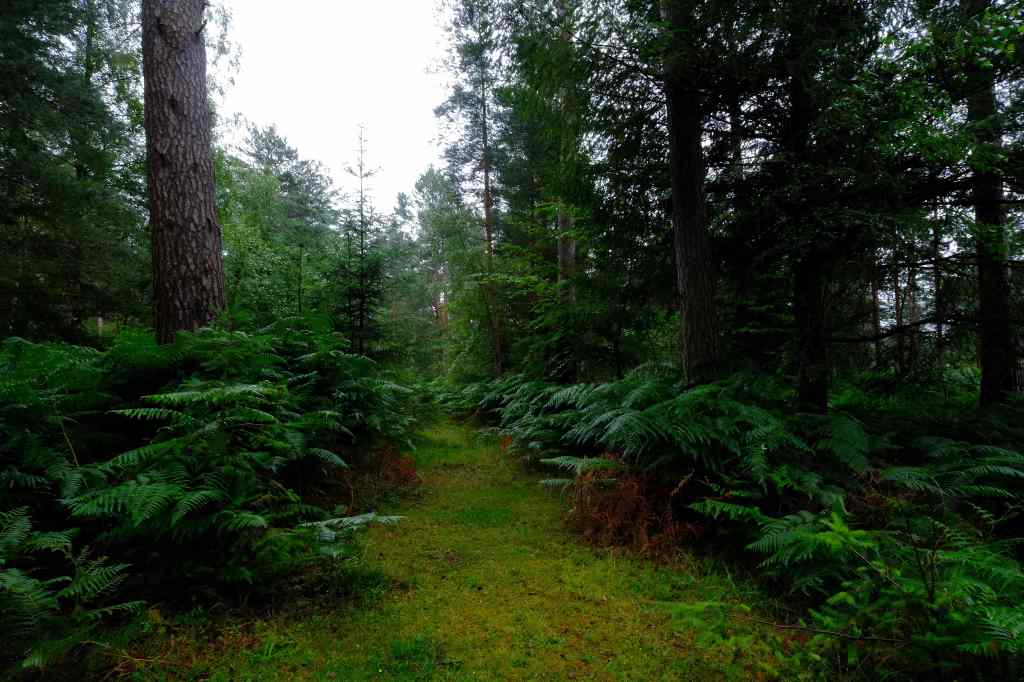
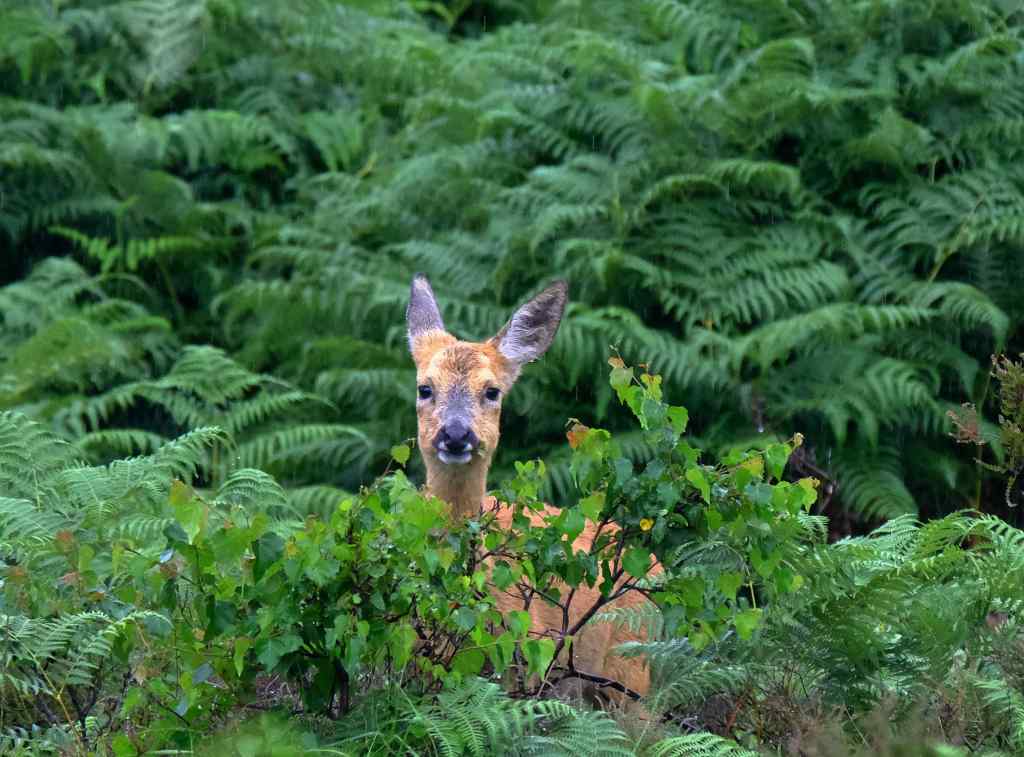
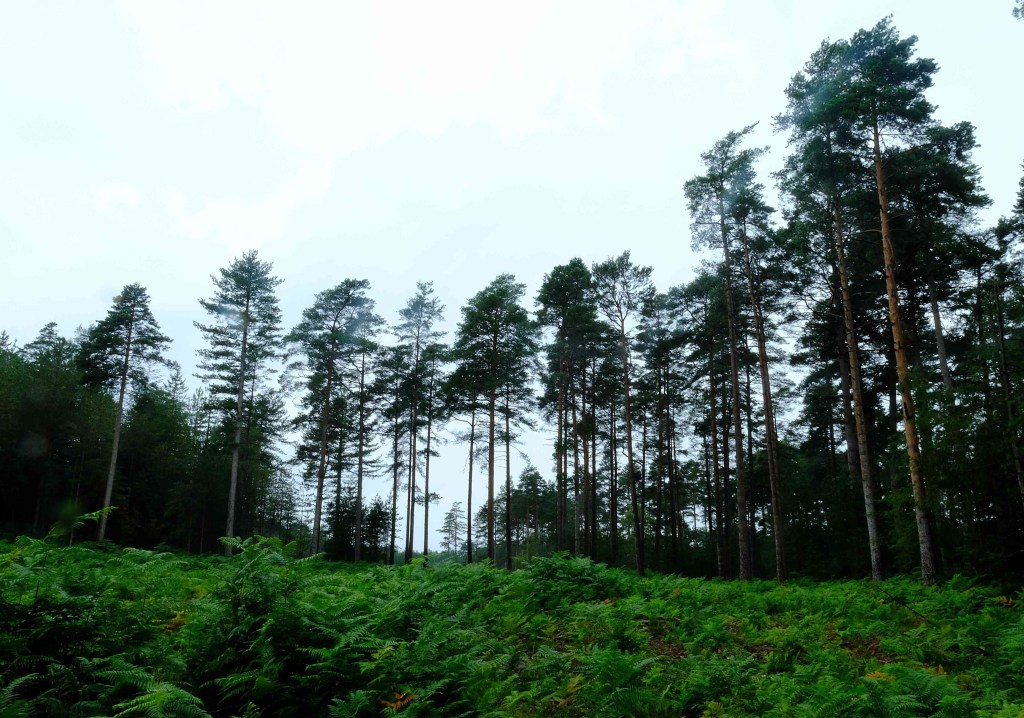
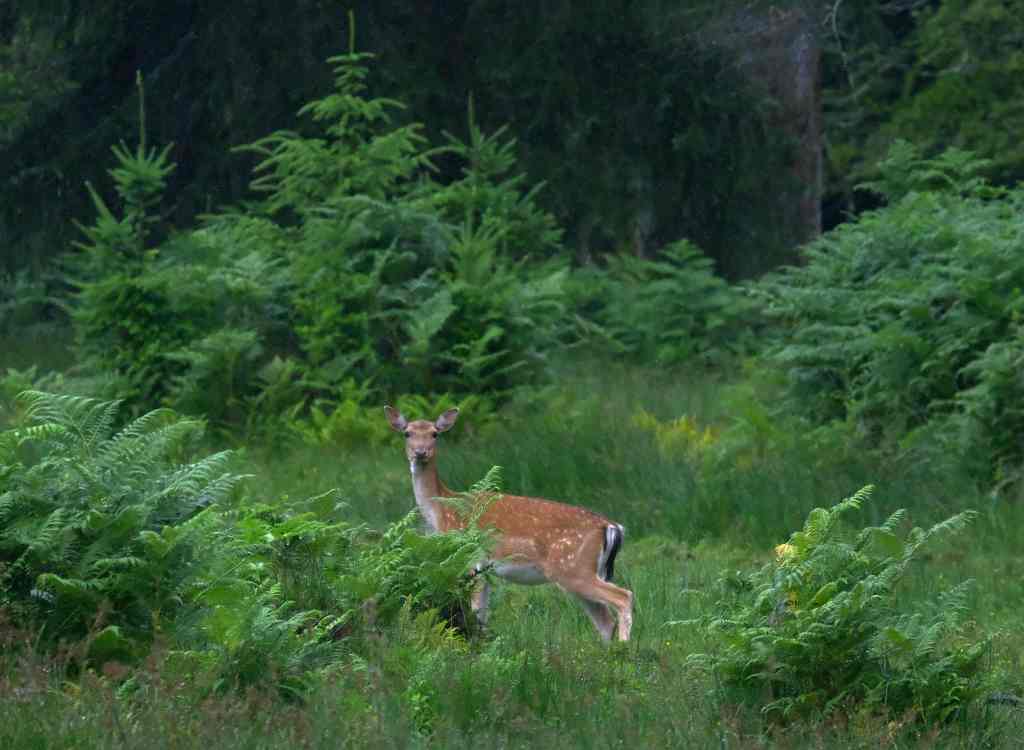
A walk in heavy rain in the New Forest today but despite poor conditions plenty of deer about.


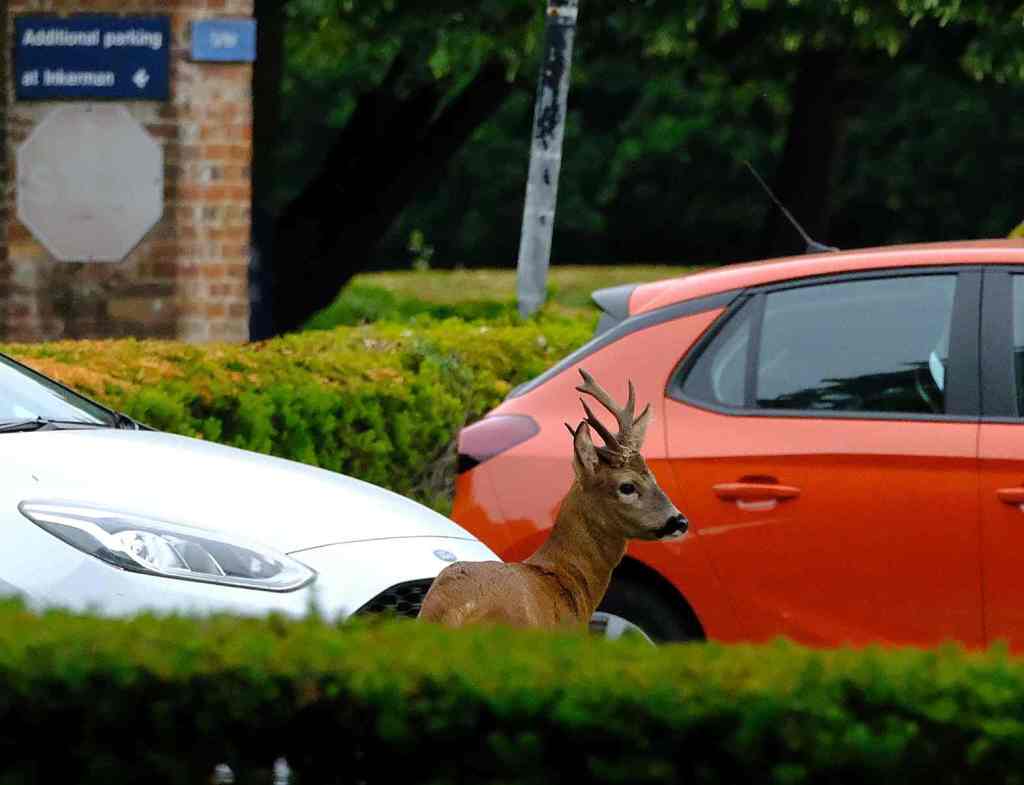
Spotted this Roebuck in a local private car park!
What it does demonstrate is the size of a Roe deer, he is standing directly in front of the white ford.


A local evening walk back to local woodland where we spent a lot of time in lockdown when we were only allowed out to exercise. Our exercise was not jogging up and down the road but walking down the road and exercising by monitoring the local nature. Exercising the brain as well as the body.
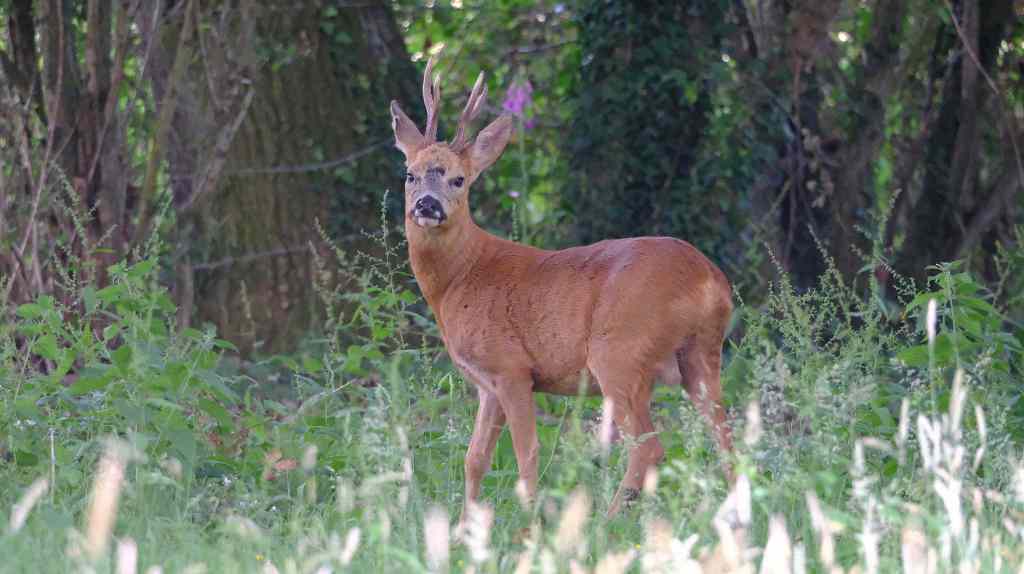
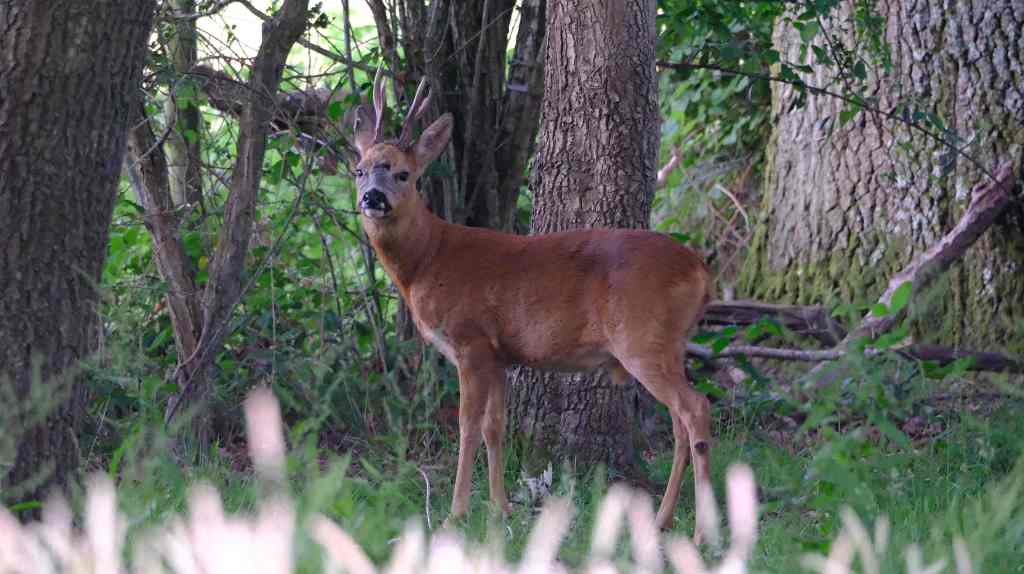
A local Roebuck.
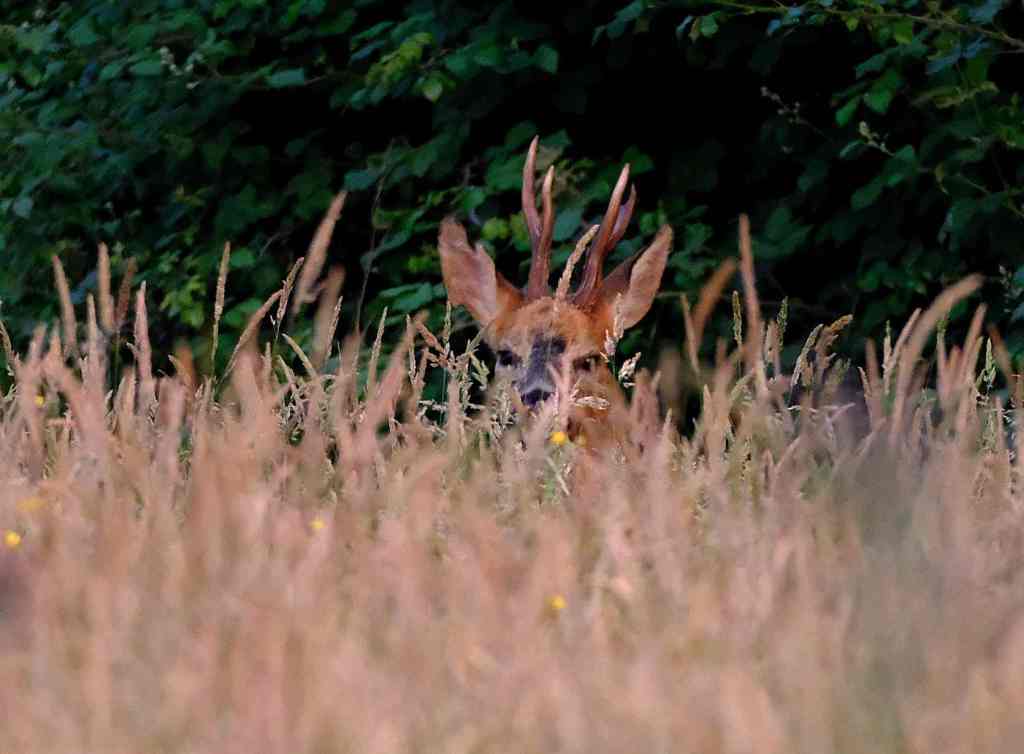
I am not sure if we spotted him 1st or if he spotted us 1st but I think he was the winner! This good buck is an animal we regularly see and we are sure he is the alpha male in the local woodland.

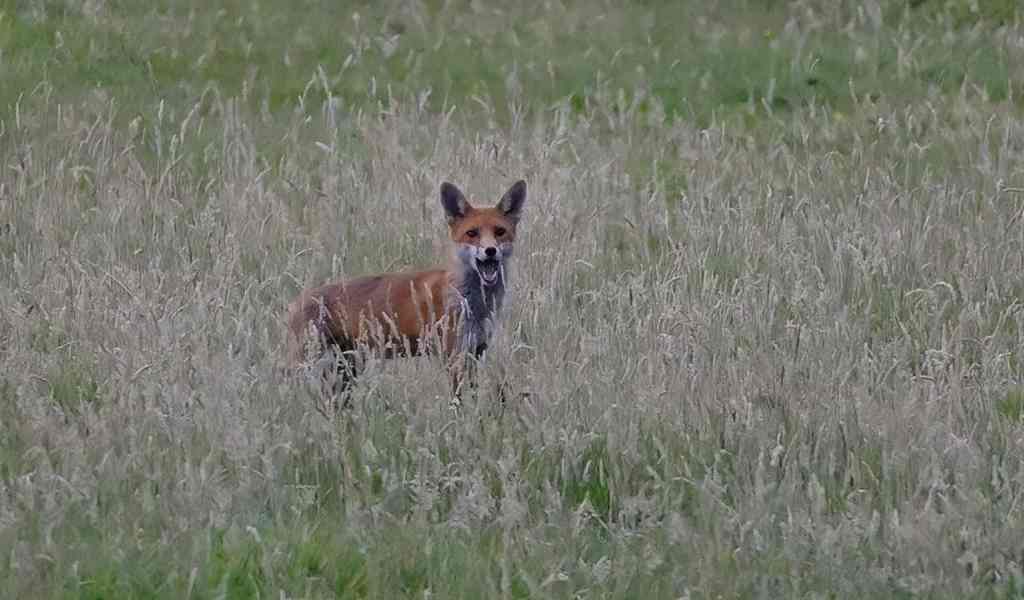
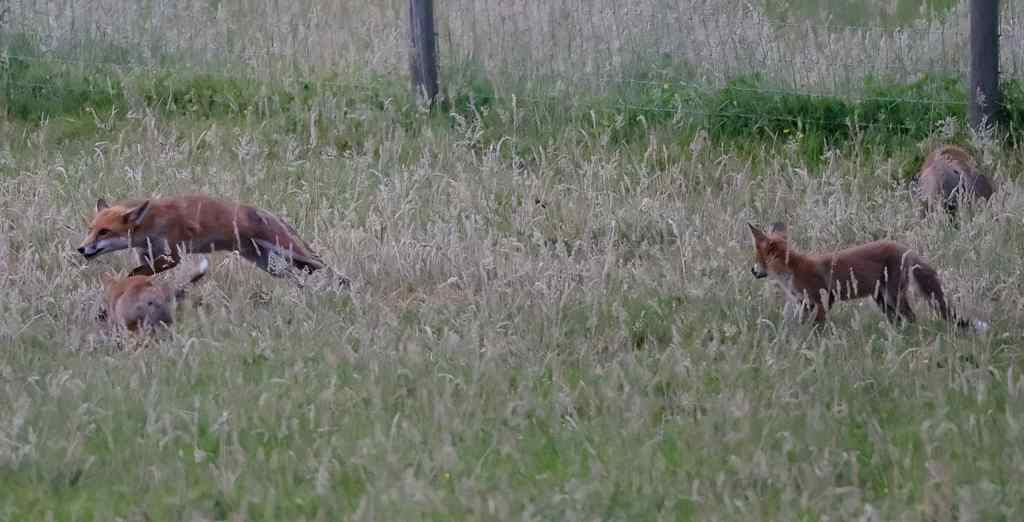
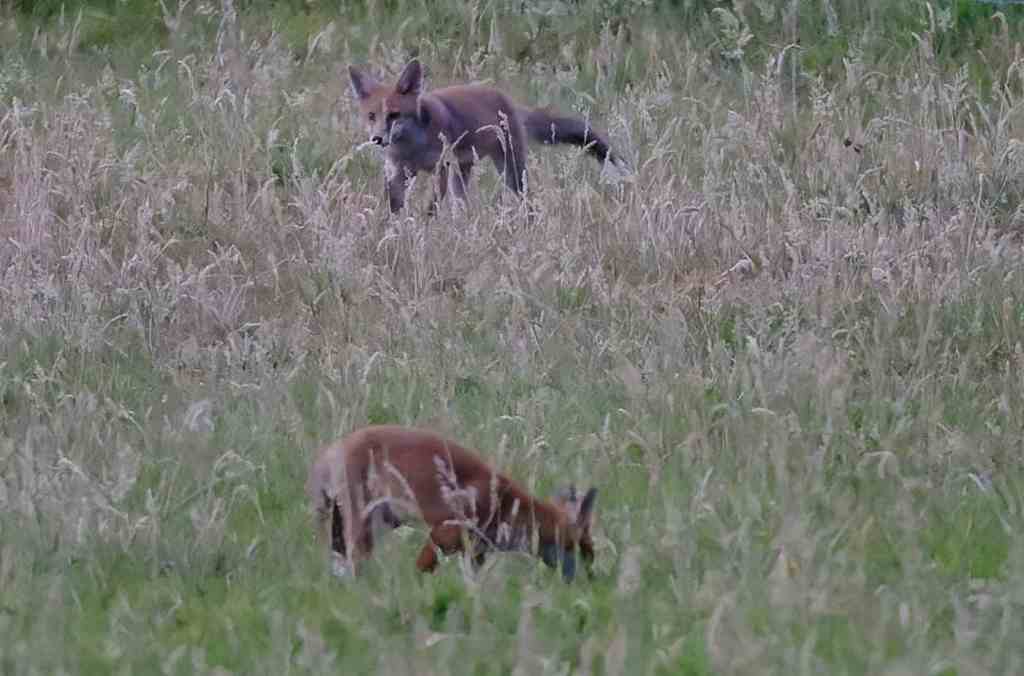
Far off across a field a family of foxes, playing in the evening sun in the open 6 cubs with mum. We watched them playing for 10 minutes Mum had spotted us quickly and kept an eye on us while the cubs played. When it was time to go she barked telling them it was time to go – and off they ran into the woods.




 Continued Reflections from my World.