Roe Deer – in the grounds of the old Netley Military Hospital.

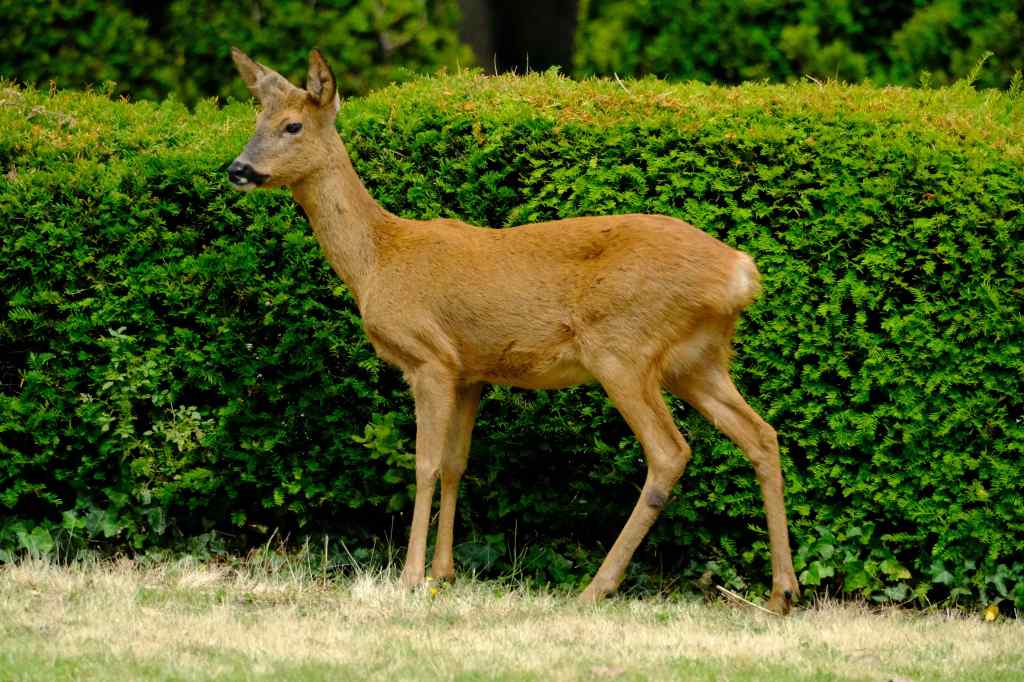
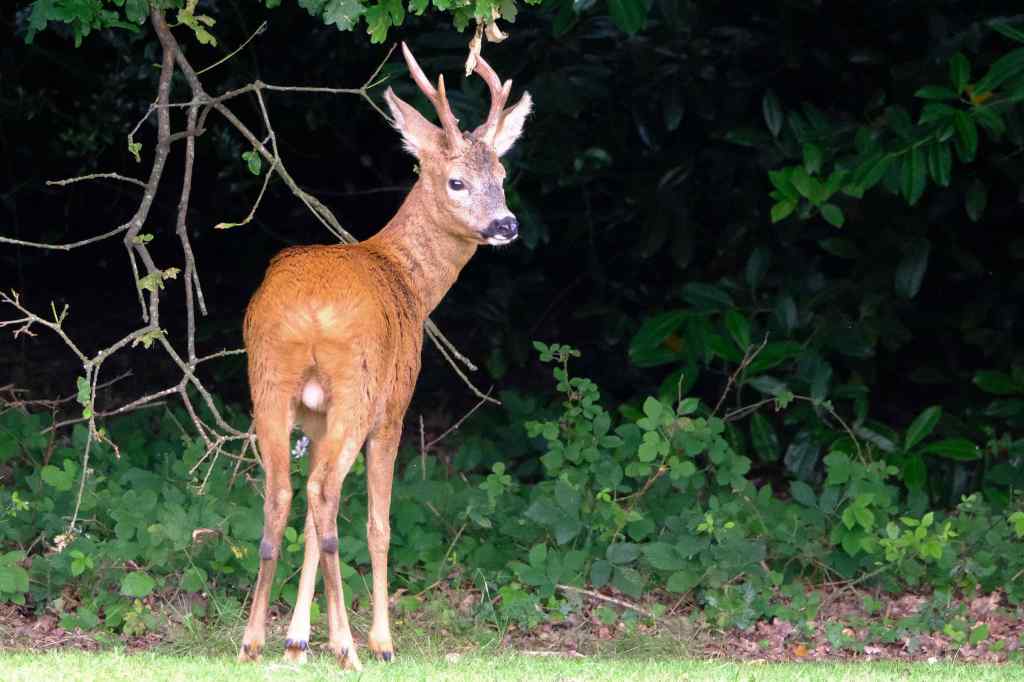

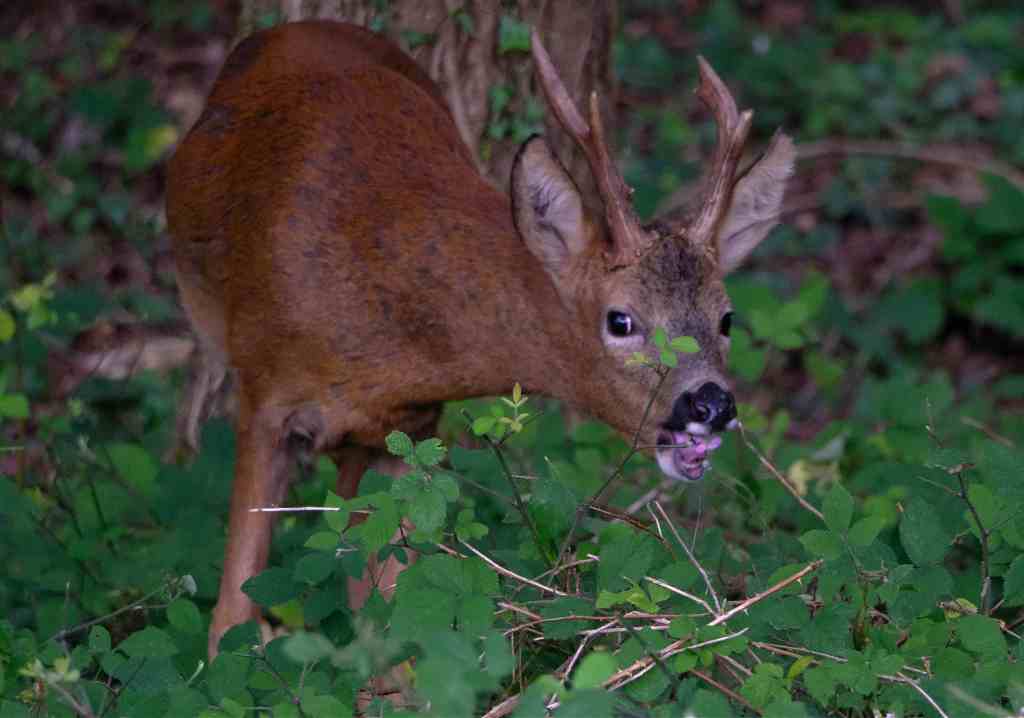


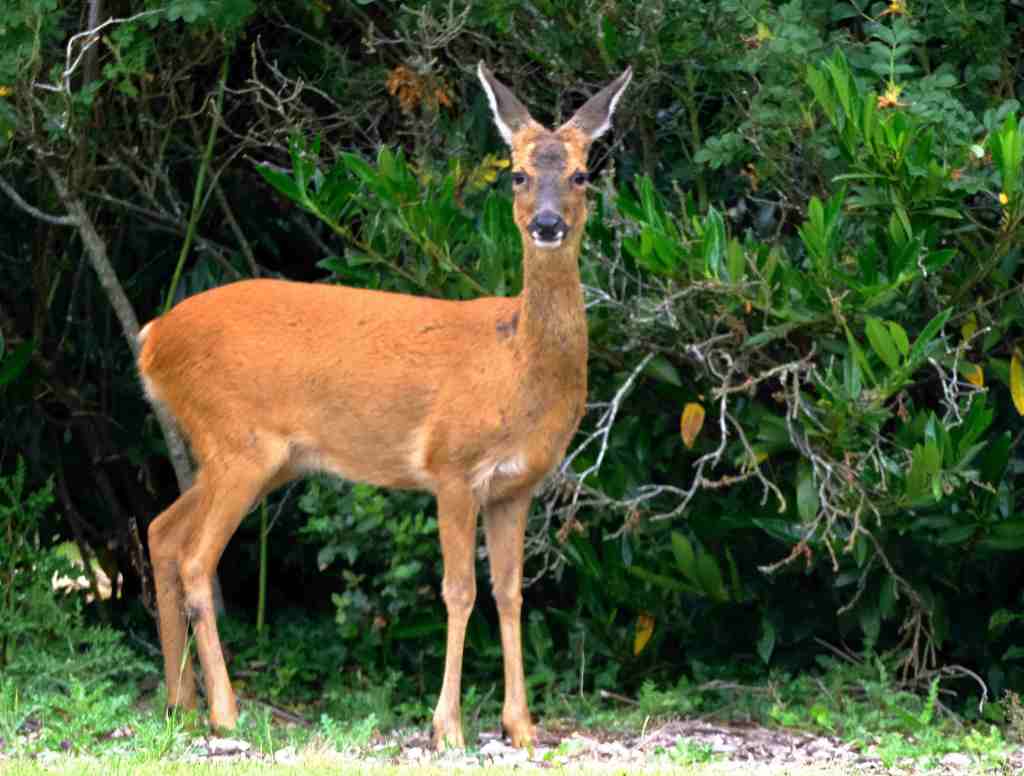

Roe Deer – in the grounds of the old Netley Military Hospital.
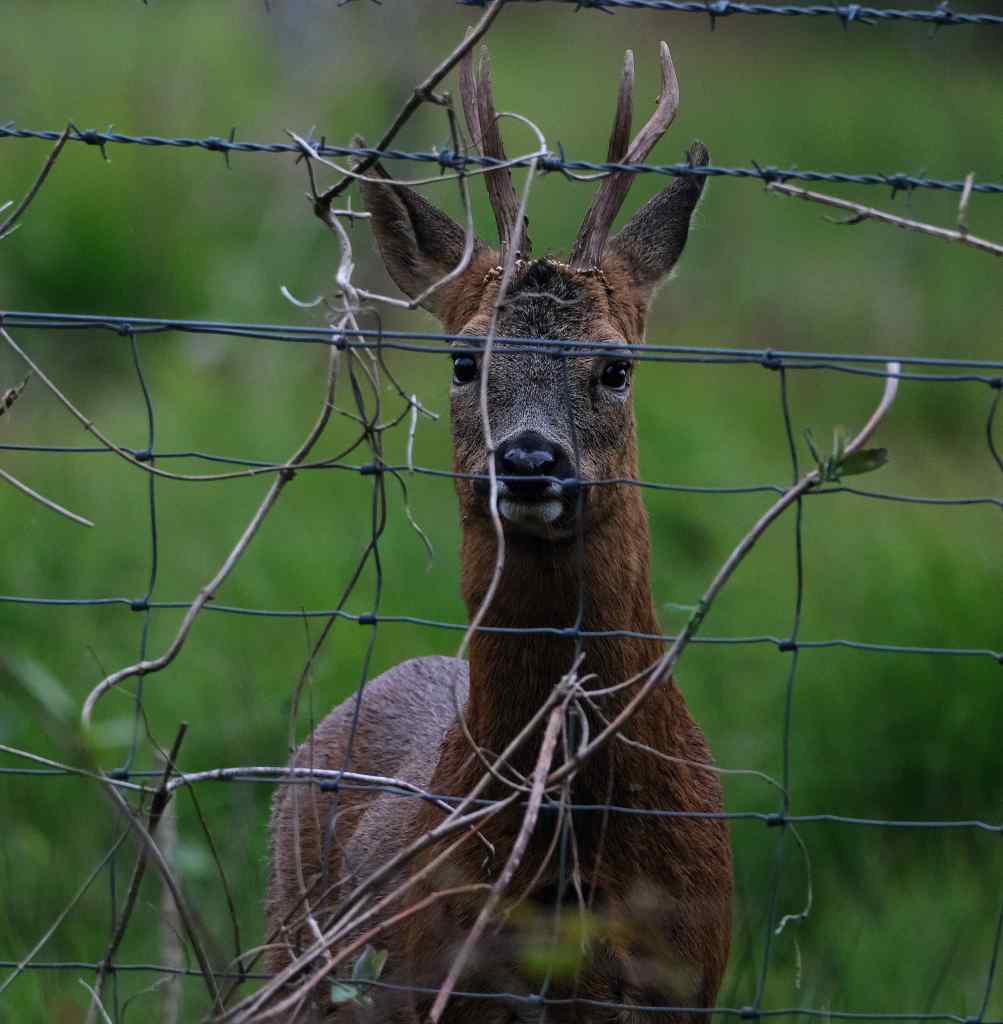
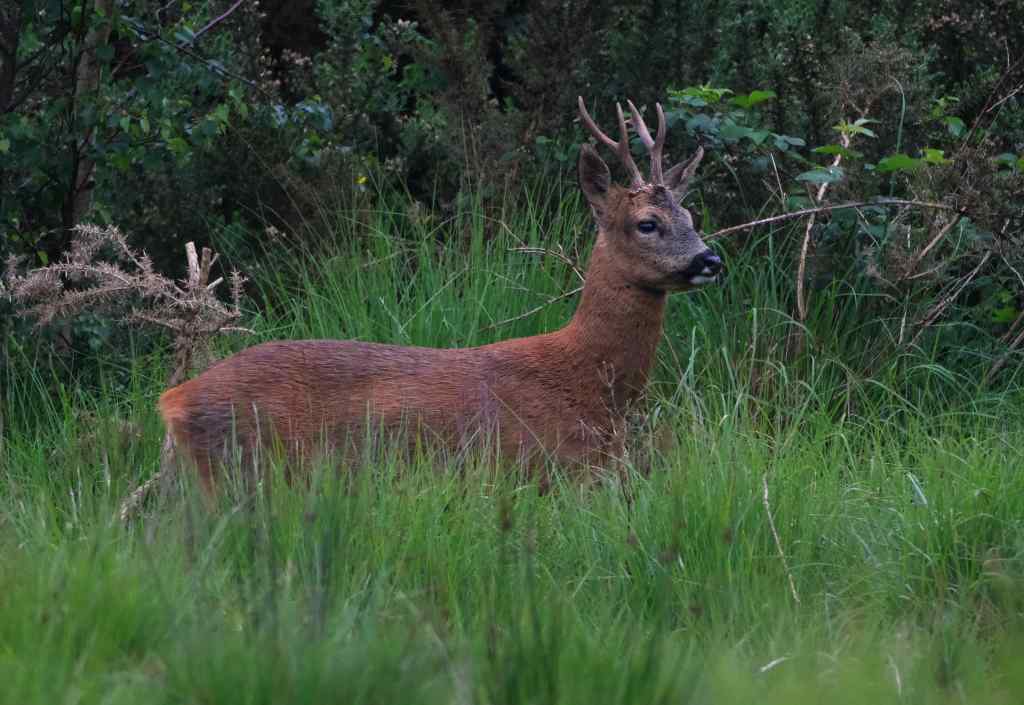
Good looking Roebuck at Hamble Point. He seemed to know the boundary fence gave him security from us – we just stood and looked at each other.


Back home after our campervan trip to Wales and a day in the New Forest. Looking in a wet area for some small creatures.


Water Skimmer.


Raft Spiders.

This one is hunting on a Milkmaid flower.


Distant Fallow Deer – young bucks.

Minotaur Beetle – Typhaeus Typhoeus {size of my thump nail}.

I have to get down low for these creatures.

On a deer walk in the New Forest again today. Most views through the trees but a few clear shots.
Fallow Deer “hinds”.


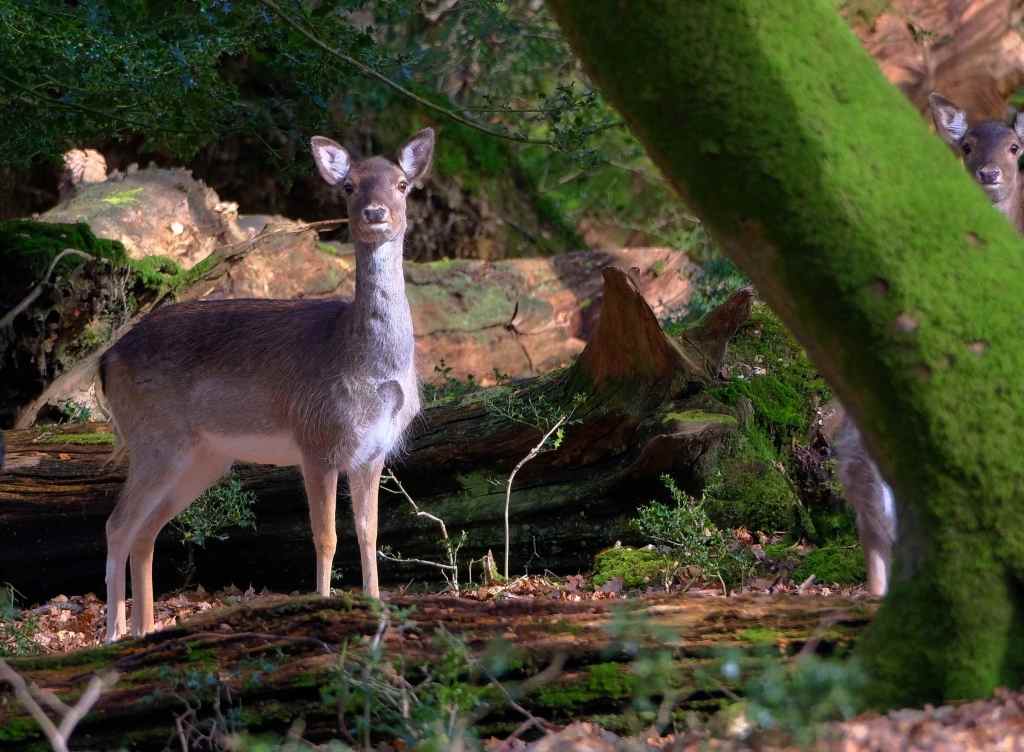
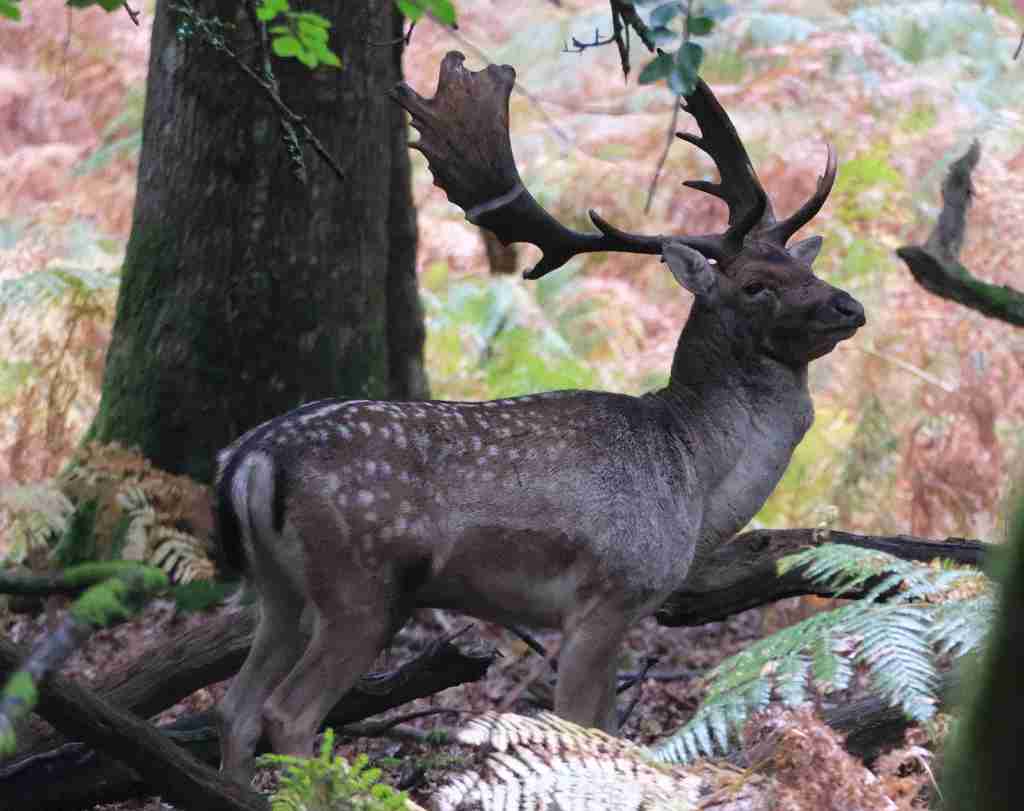
Fallow “Buck”.

Sika “Hind”.

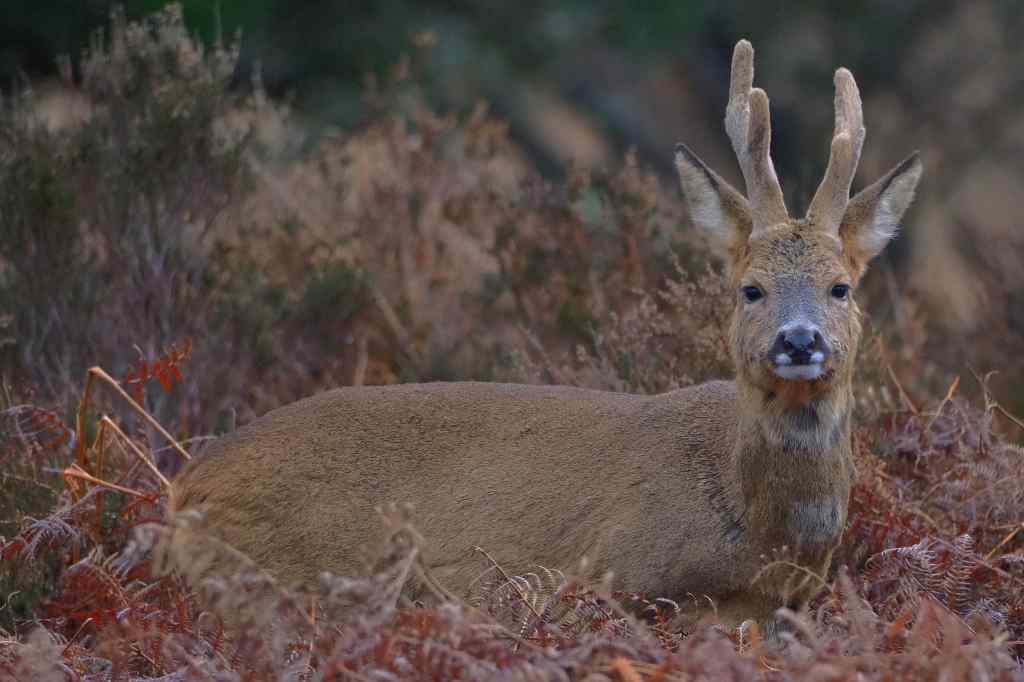
Back to the New Forest for a walk today but in rather damp conditions – several groups of Fallow Deer spotted and a single mature Roebuck with a good set of antlers in velvet.
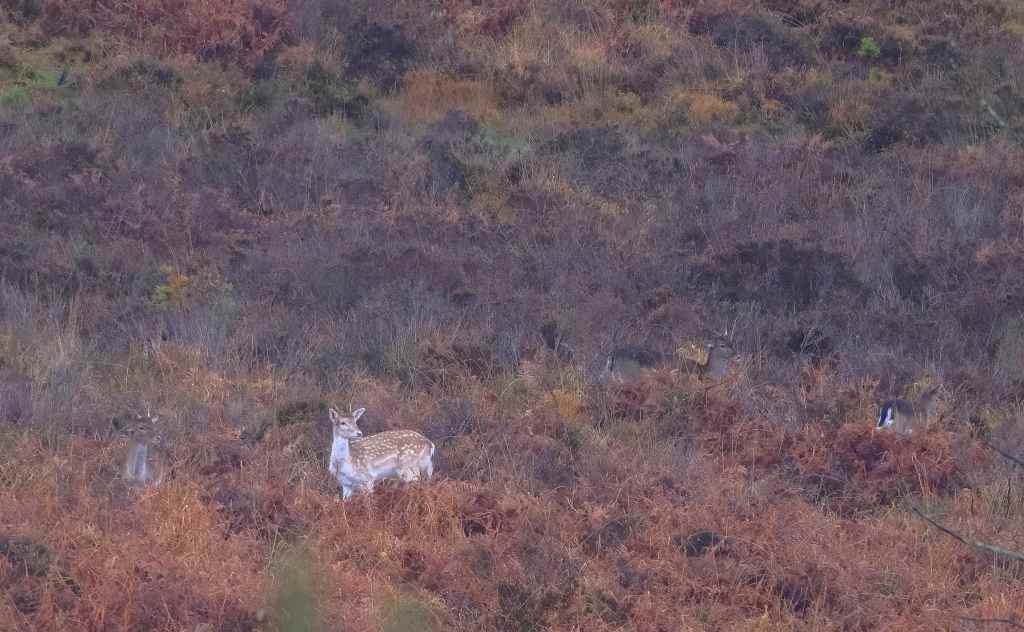
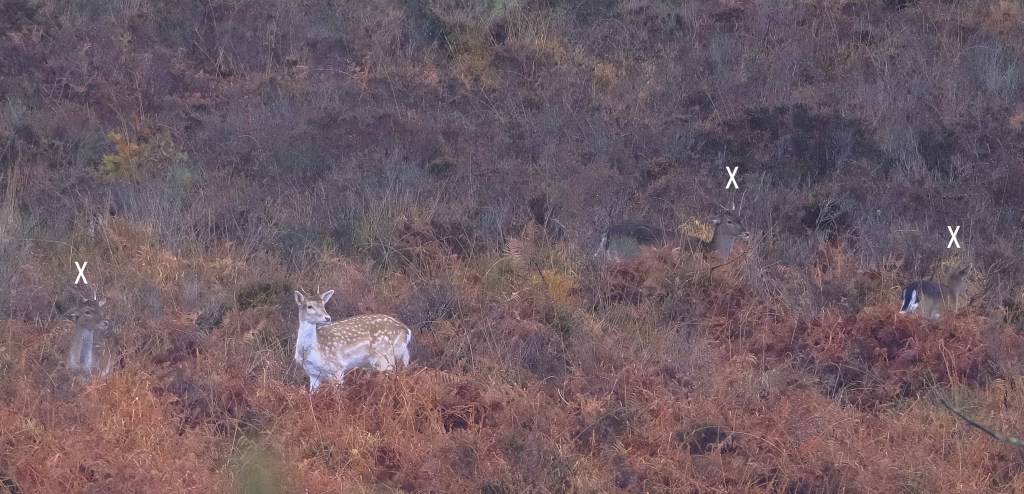
I spend a lot of time considering natures camouflage – some of the Fallow Deer in the forest are very pale in colour as this young buck is – he was easily spotted at quite a distance the 3 other darker deer are well hidden. I would not have seen any deer if the pale buck was not there!
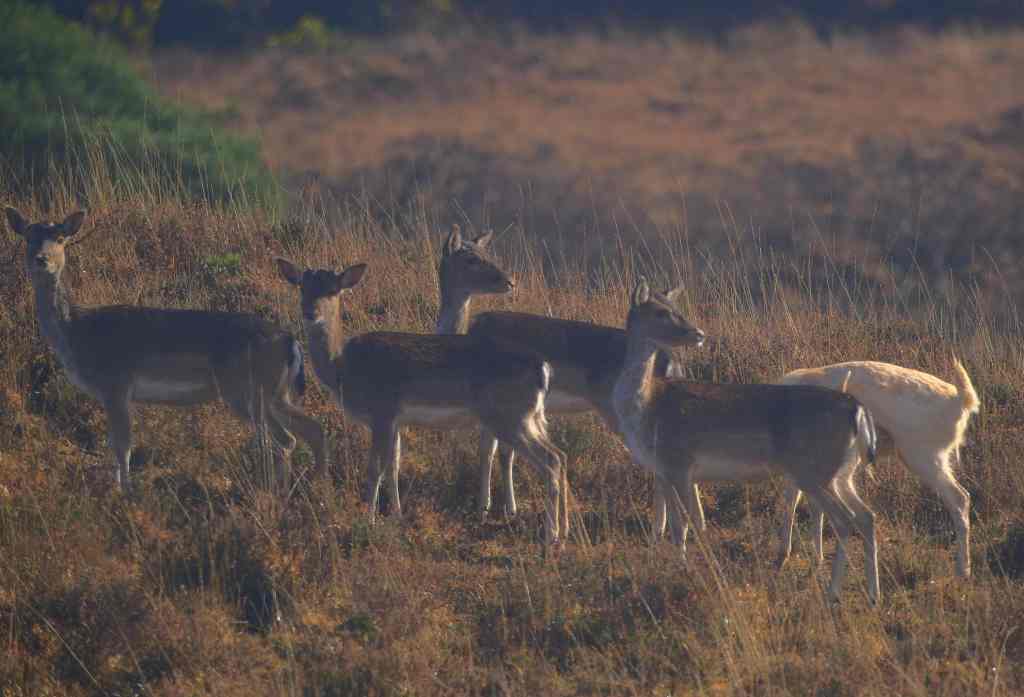
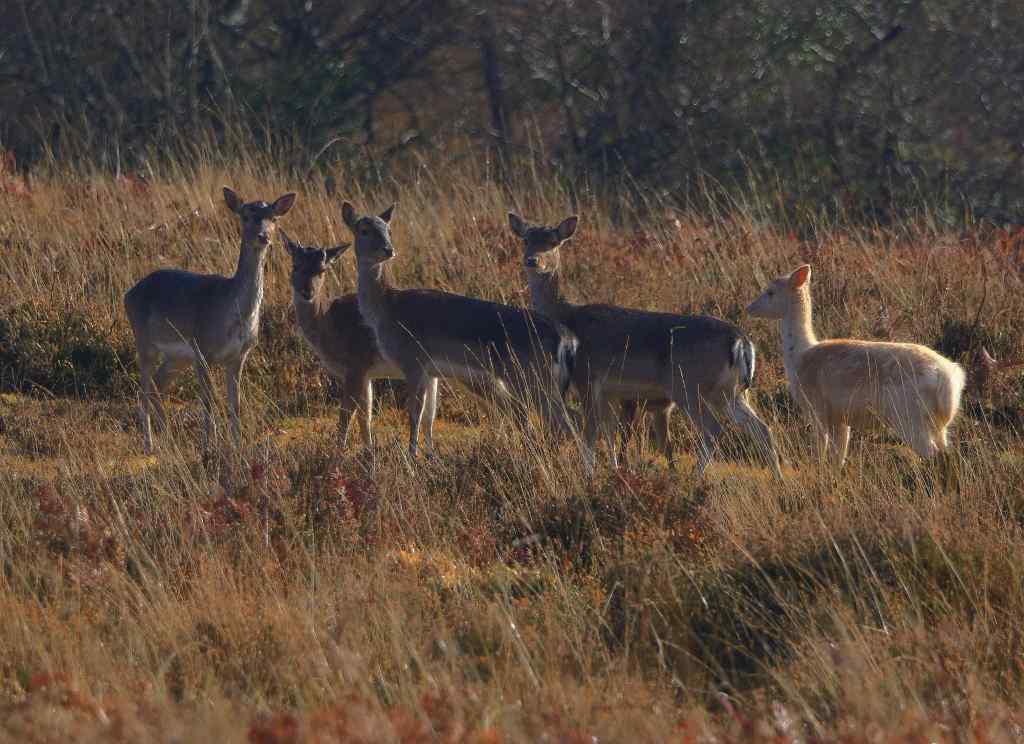
This group of hinds has a white member


Roebuck.


When I grow up – I will be like Dad. A young Fallow Deer buck and an adult. On most walks in the New Forest once you get away from people on mountain bikes and dog walkers – walk quietly through the enclosures and across the moorland of the National Park rarely do I not see some deer.


New Forest Deer this morning. (picture post).
Roe Deer.
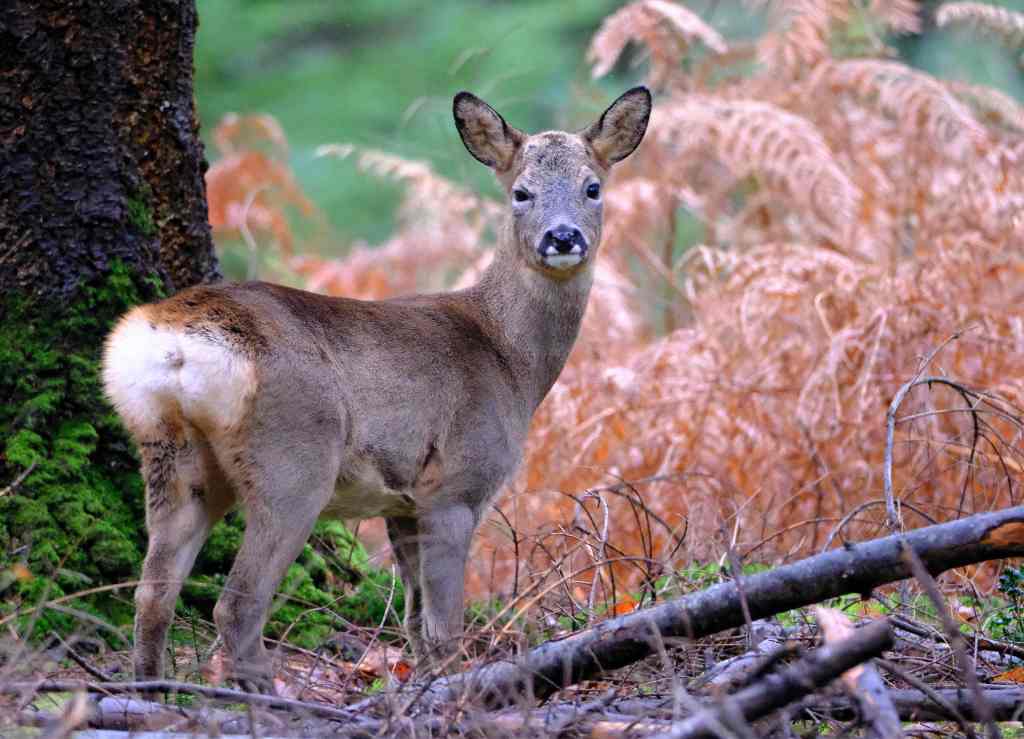

Red Deer.

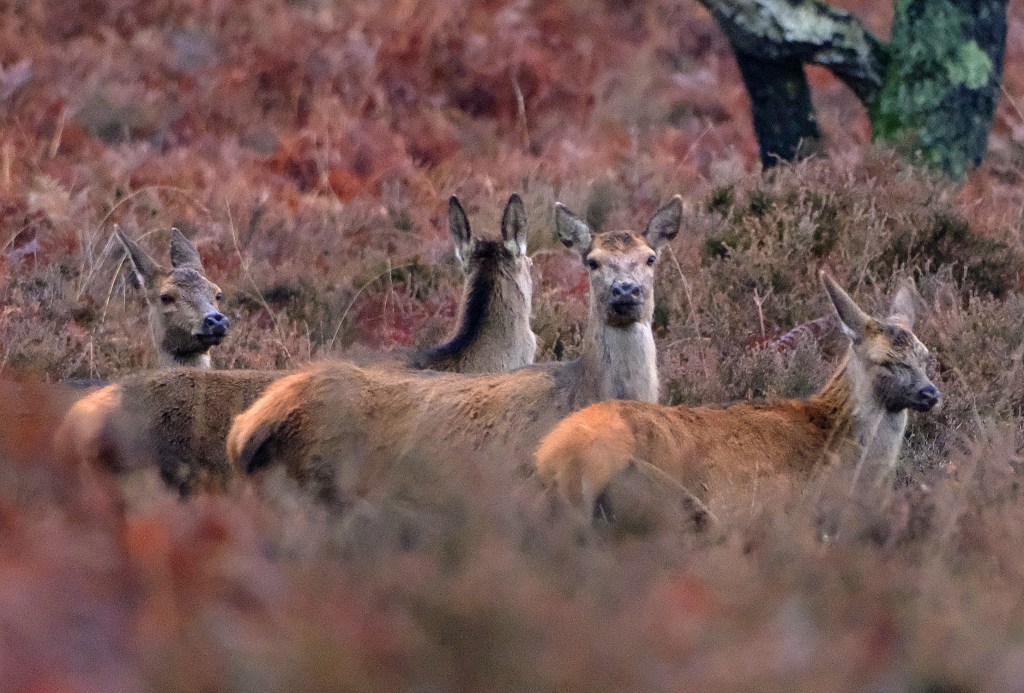

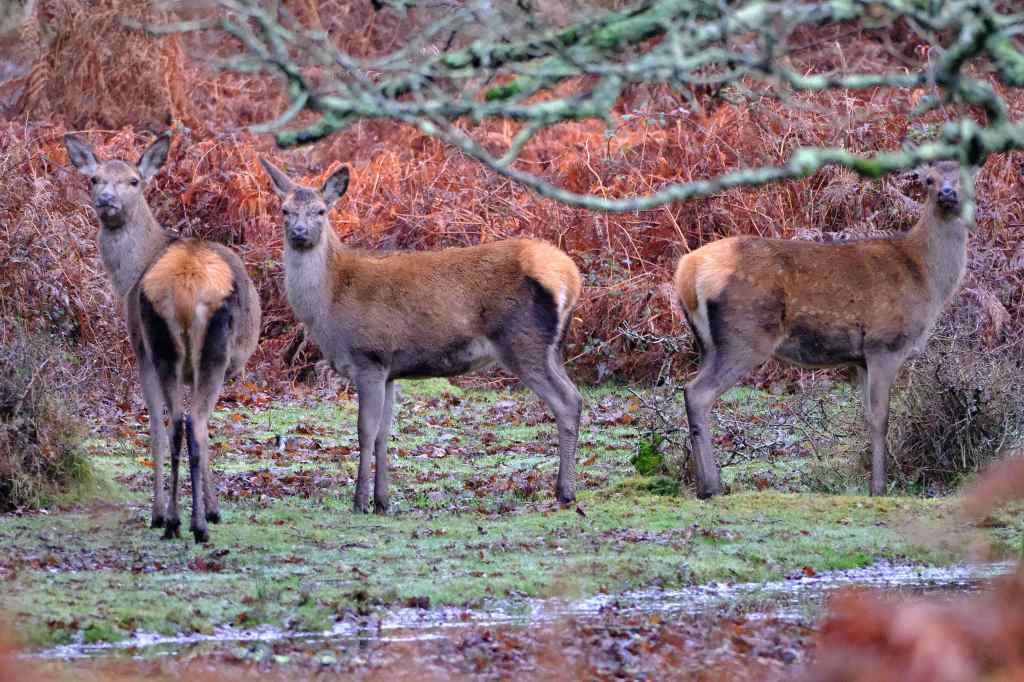

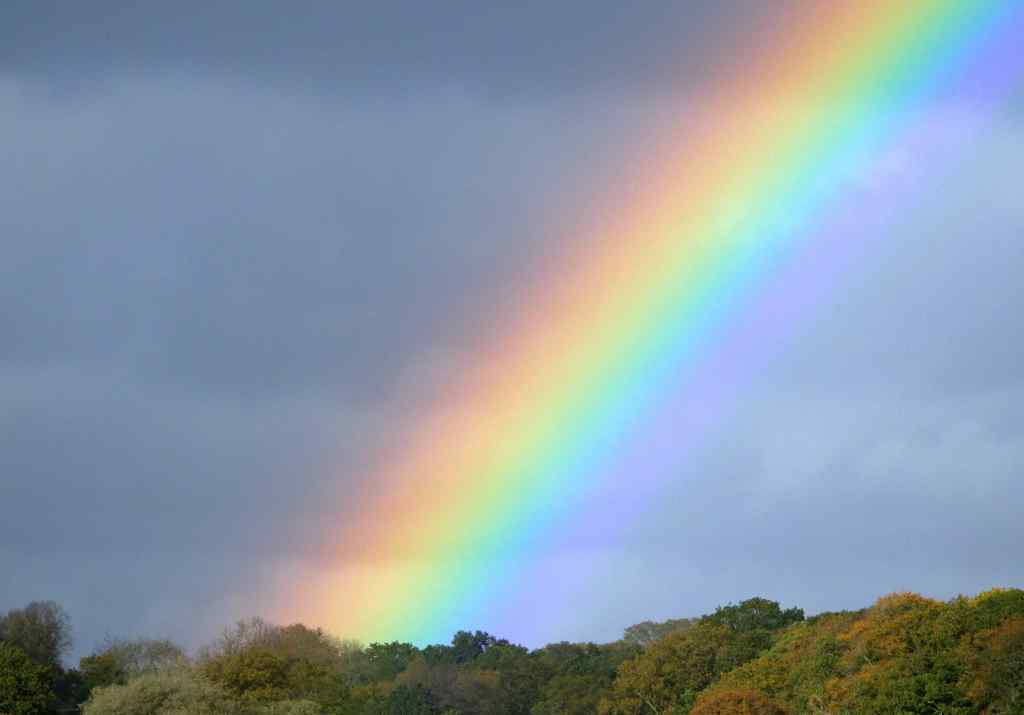
The storm passed through without incident over Southampton but our coast got a bashing.
So with the calm a few hours back in the New Forest.

A good-looking Roebuck.

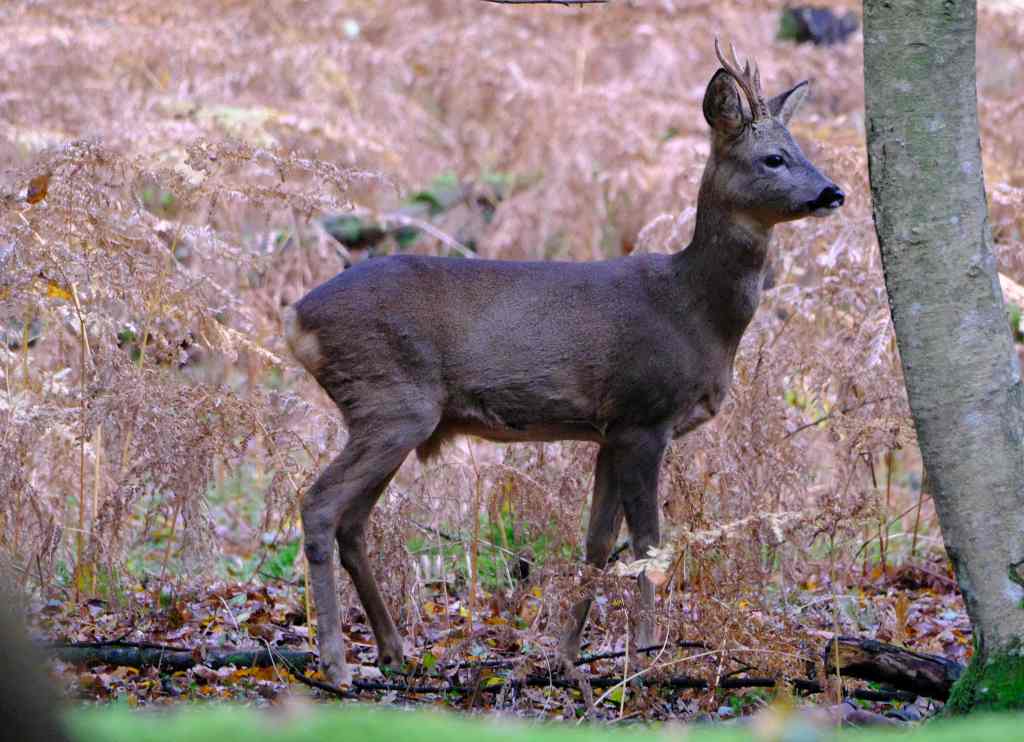
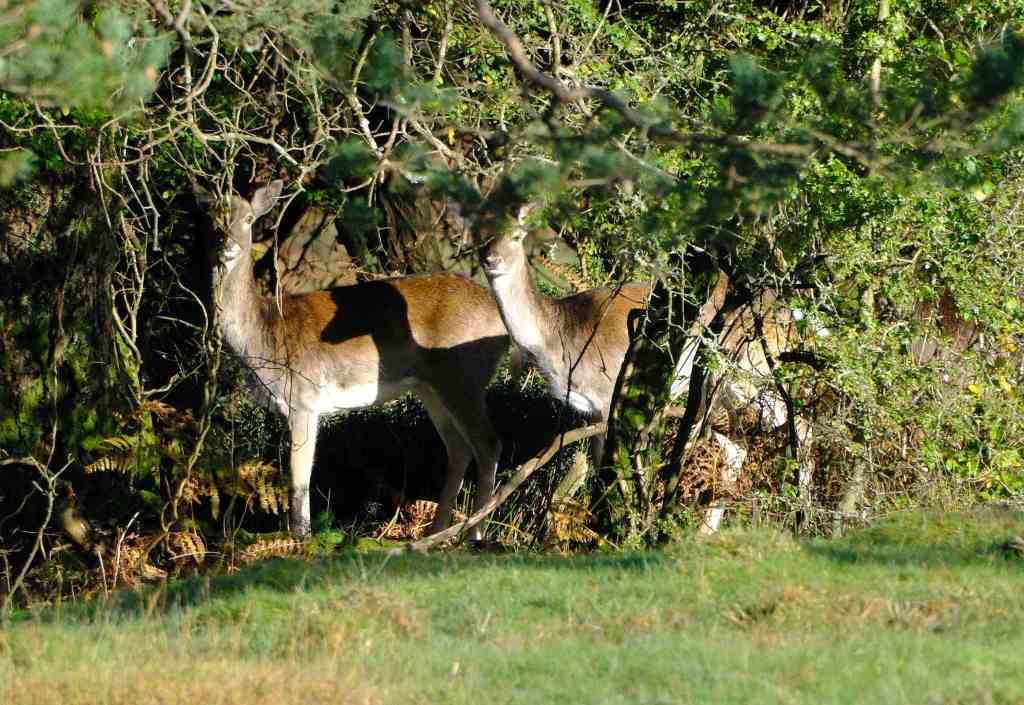
And a small heard of young Fallow Deer.

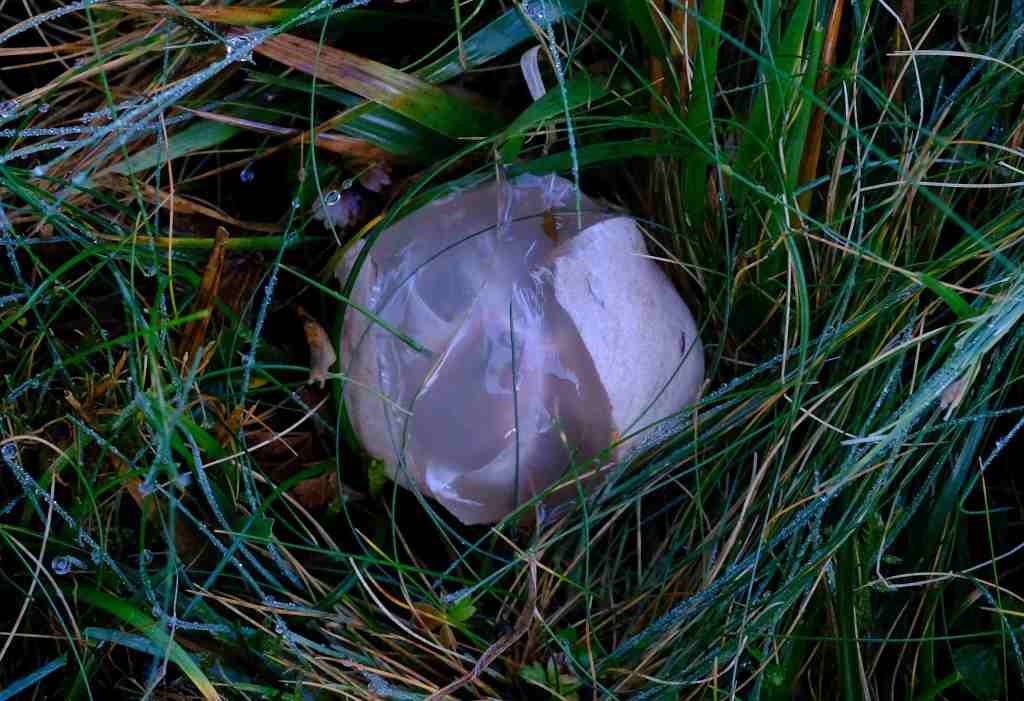
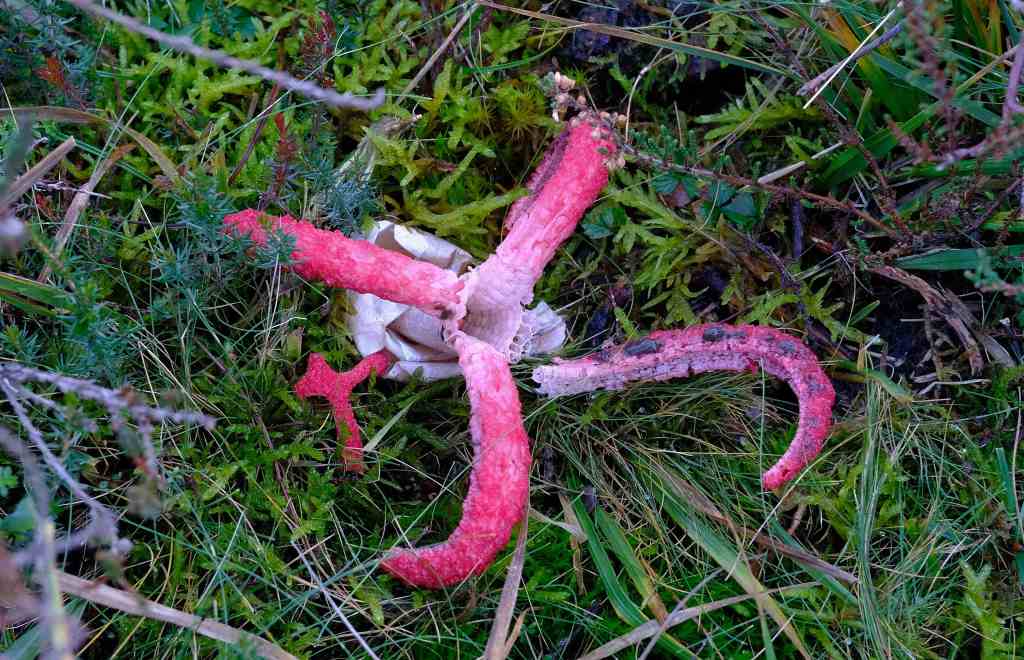
I wanted to take another look at the Devil’s Fingers fungus to see if any more of the eggs had erupted. There were about 10 eggs last week but only one had “hatched”. Normally fungi develop quickly so I thought more would have been showing – perhaps the cold wet weather had slowed down their development, so I will try again next week to see if there is more movement.
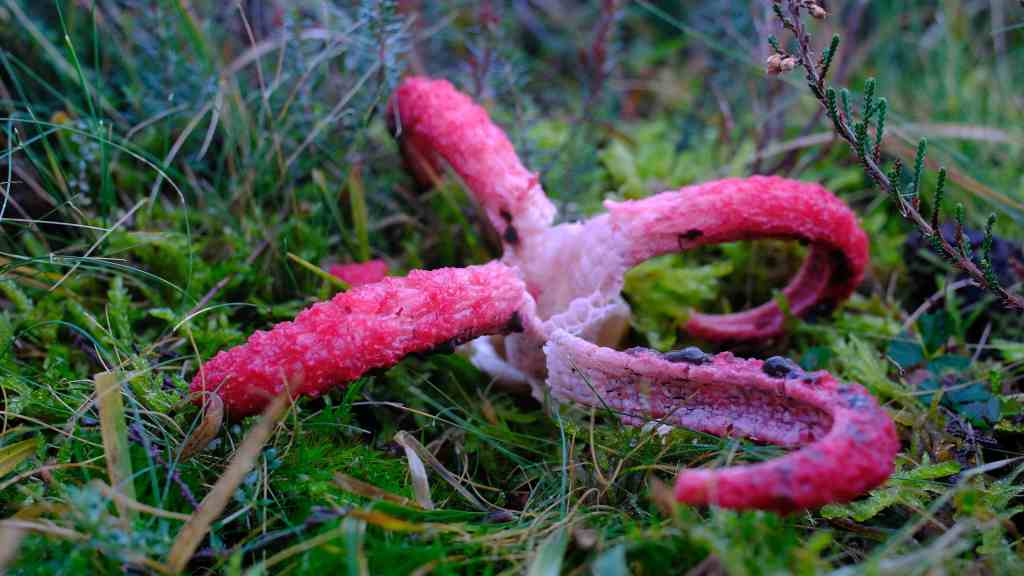
#Wordless Wednesday
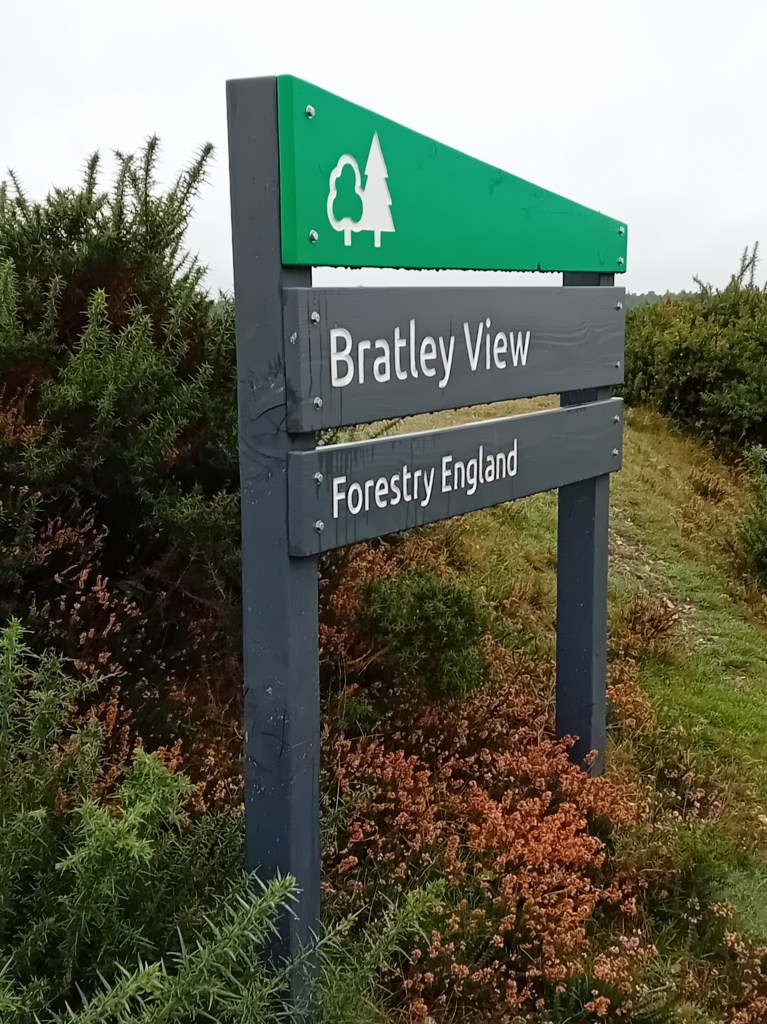
5-mile circular walk into the New Forest from Bratley View.
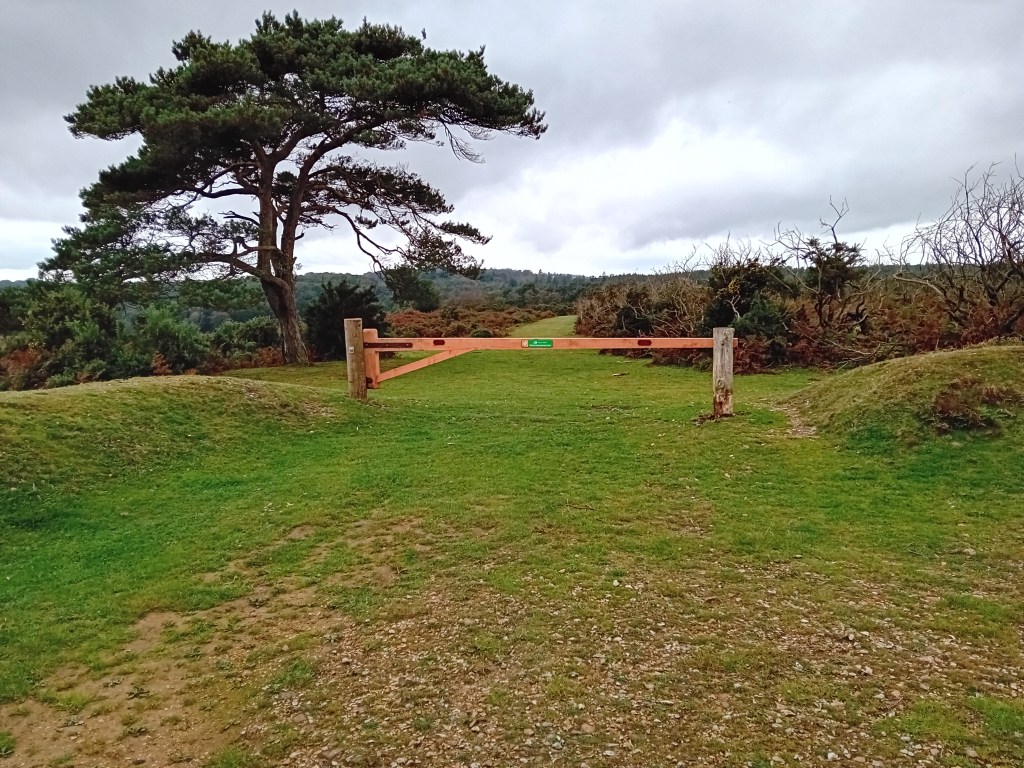
We started the day ringing Forestry England to report fly-tipping of Kitchen White goods into the National Park from the car park sadly this year there seems to be an increase in this anti-social behaviour. As we are out early we see what has been dumped the previous night, at least once a week we see something. People even dump cars and set them on fire this buggy was reported a few weeks ago!


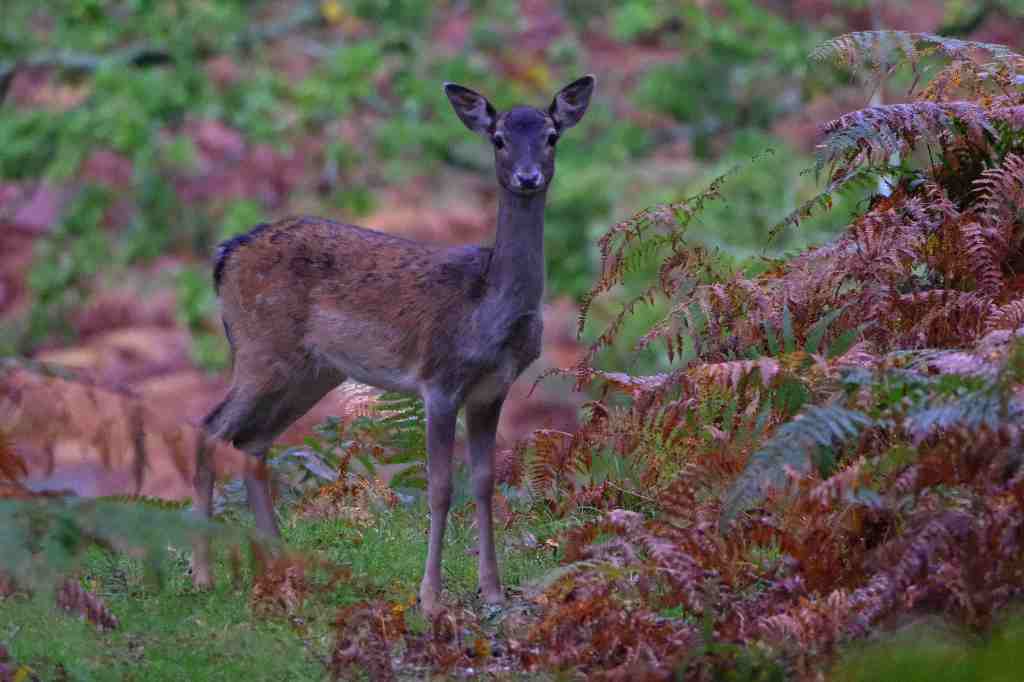
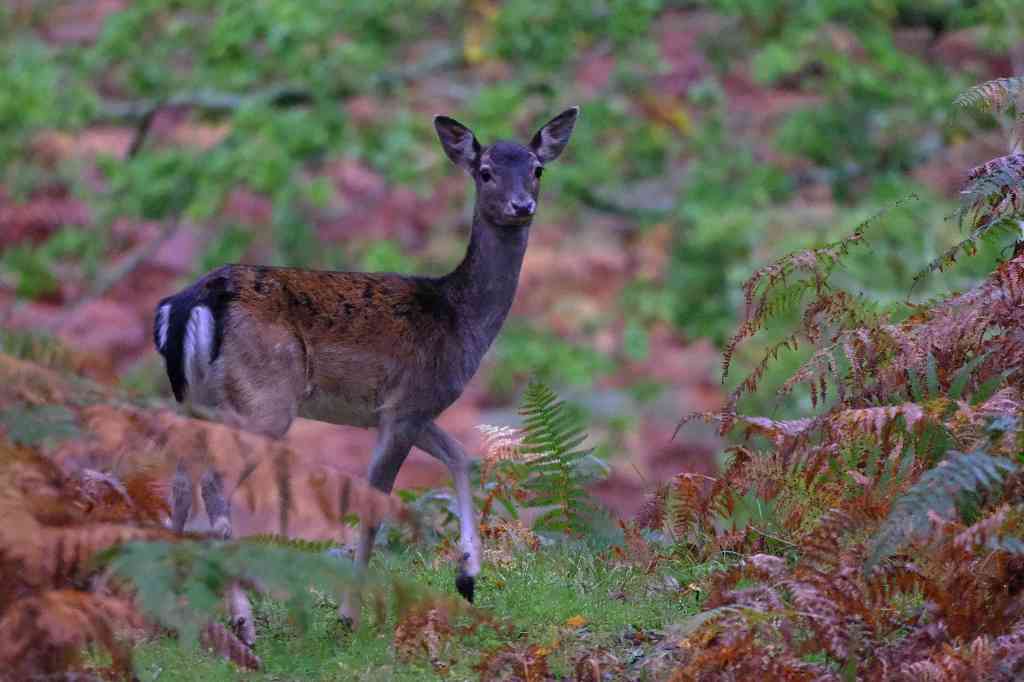
Below a young Fallow deer she was very interested in us so I was not sure if she had seen people before.
Male Stonechat.

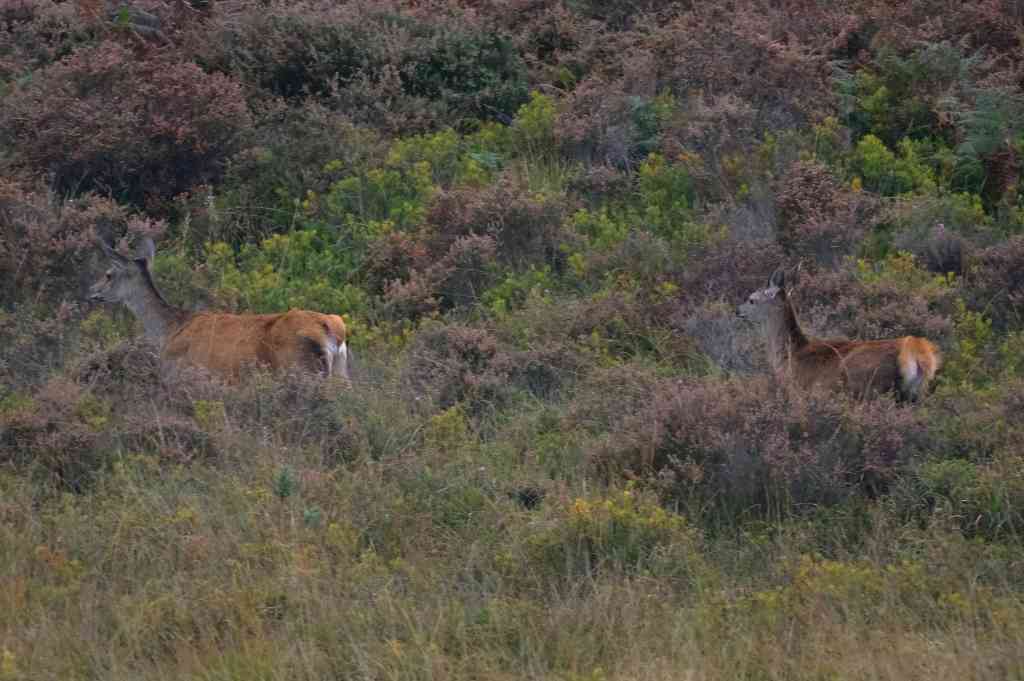
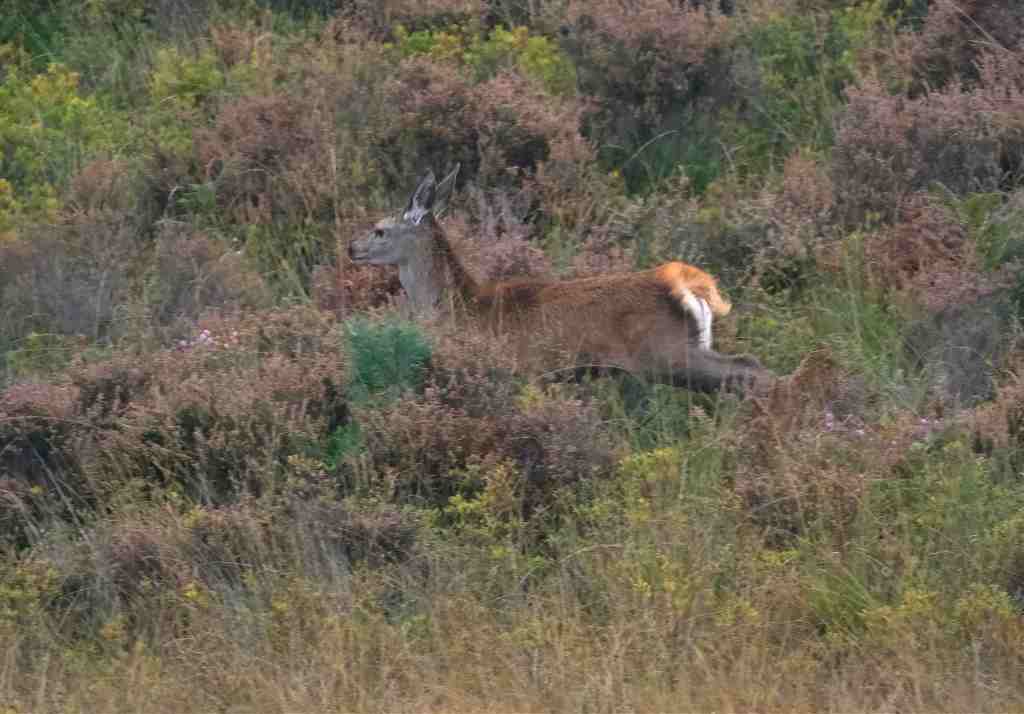
Spotted a few distant Red Deer.
 Continued Reflections from my World.