A pictorial record of a short walk along a small New Forest stream.







A pictorial record of a short walk along a small New Forest stream.
Yesterday we spent time at Titchfield Haven around one of the small ponds looking for Damselflies and Dragonflies.
With a warm morning, there were many to see.
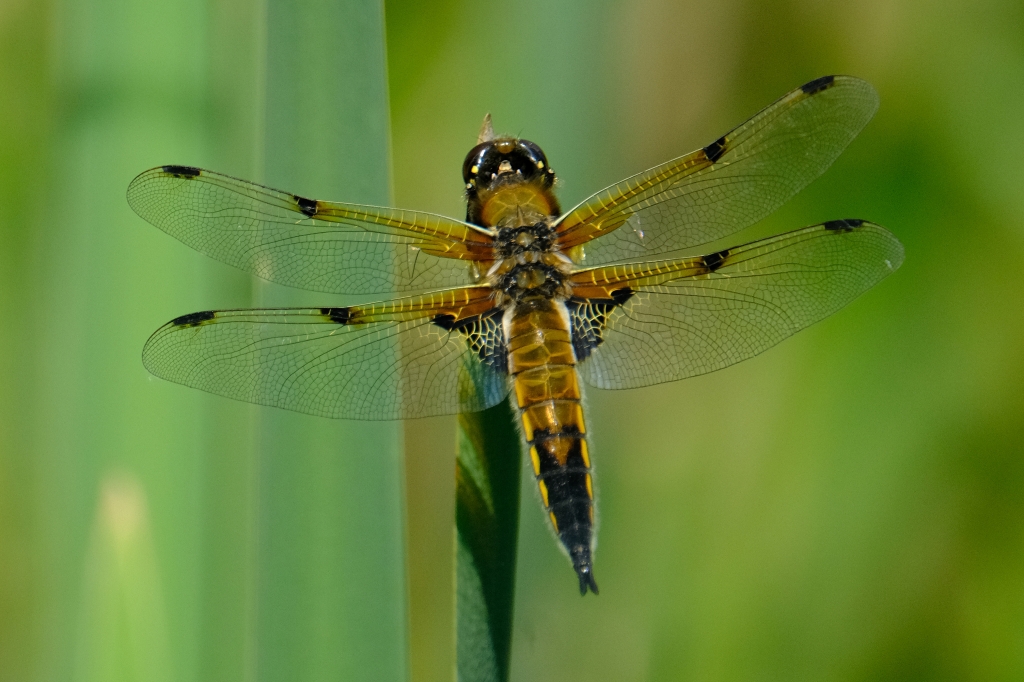
Four-spotted chaser dragonflies out in large numbers.


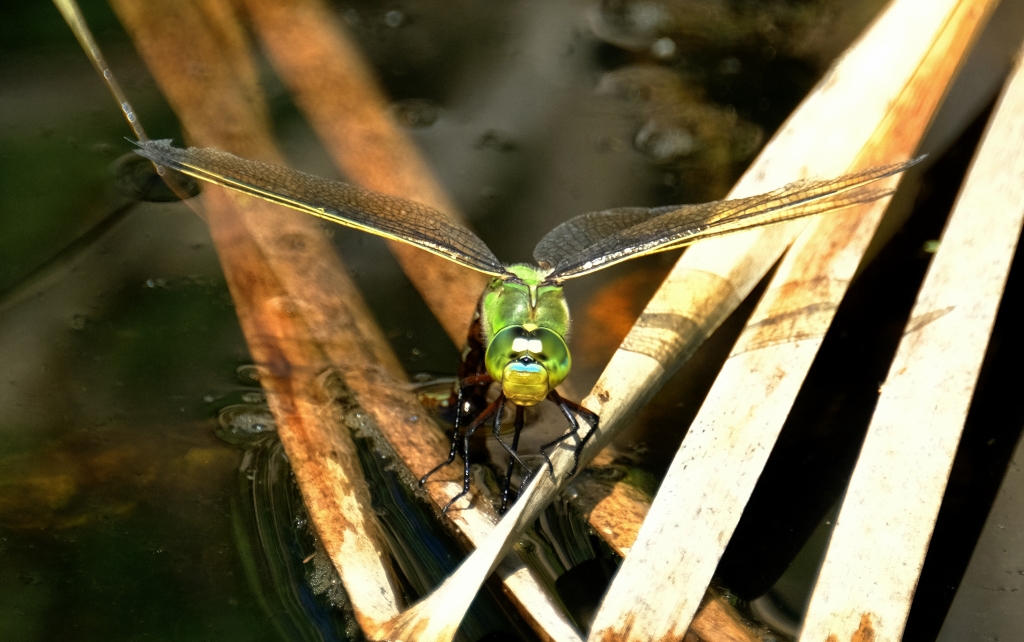
Female blue form Emperor dragonfly “tail dipping” – egg laying.


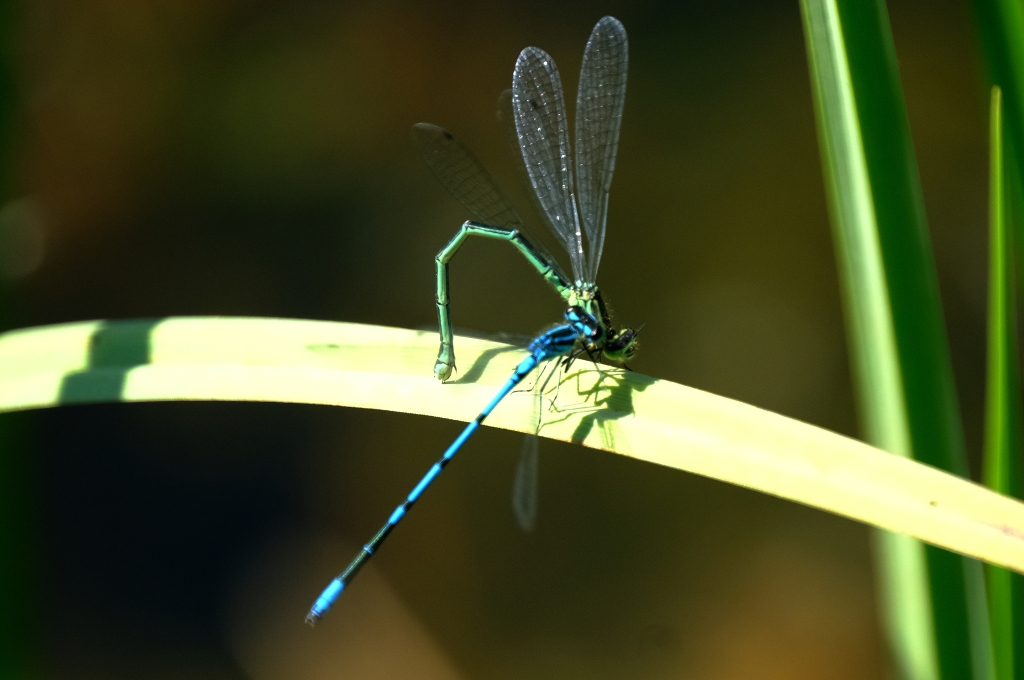
Azure damselfly mating.




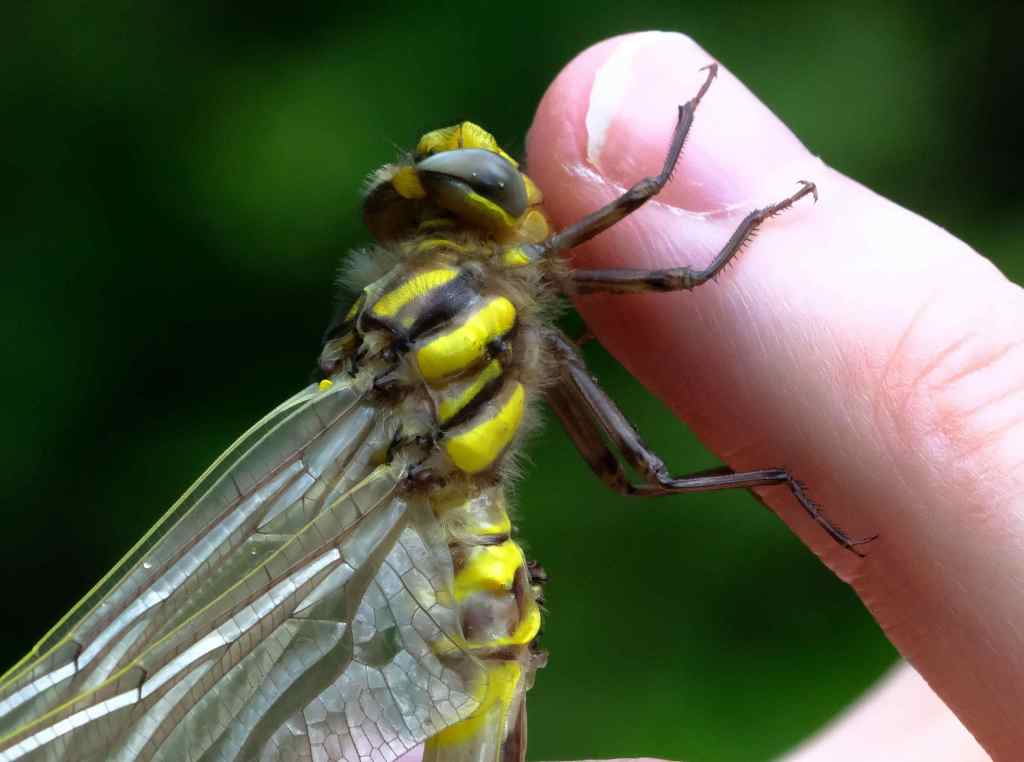
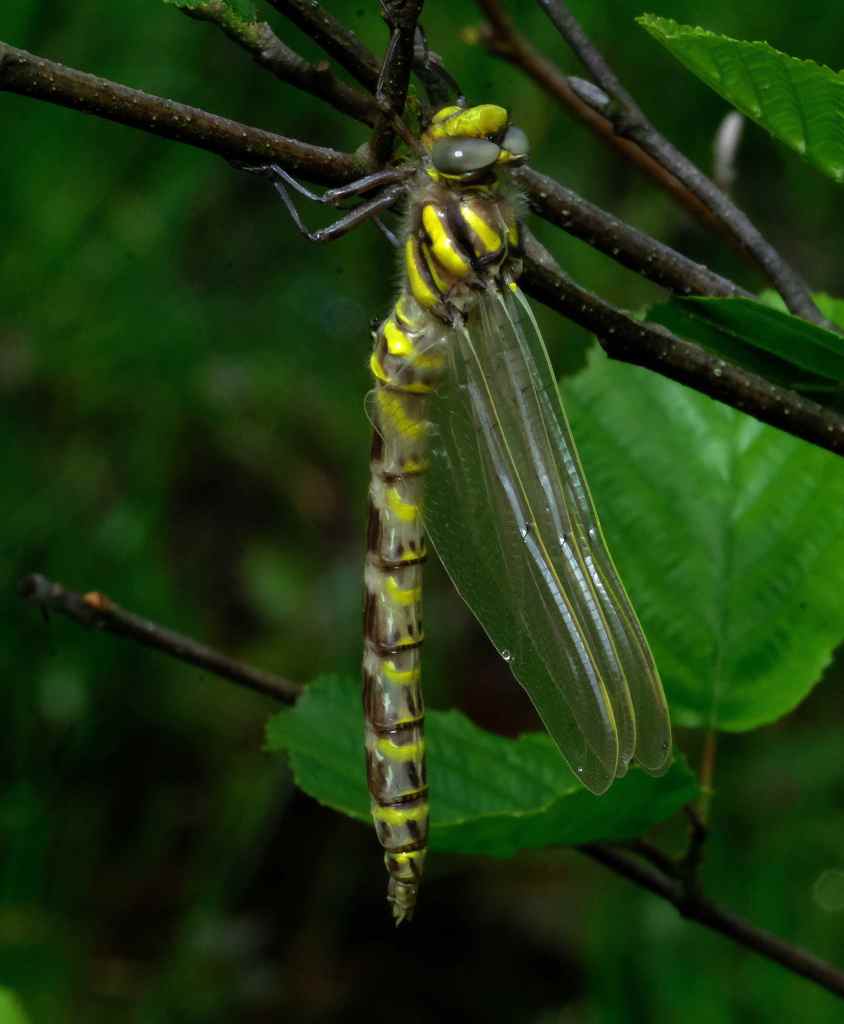
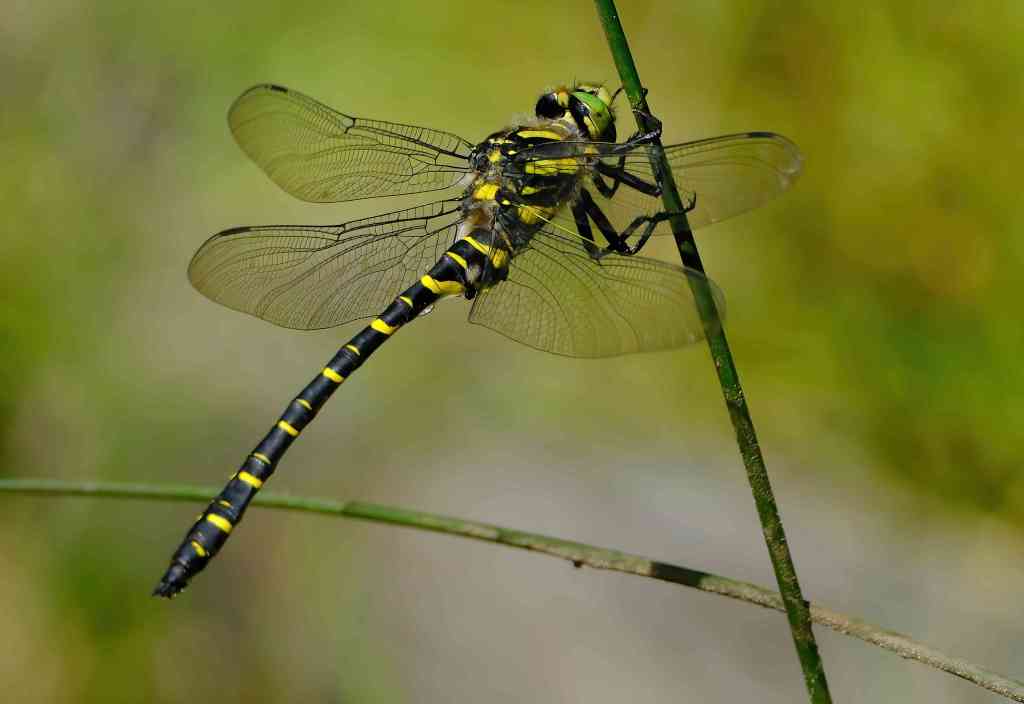
A freshly emerged male Golden-ringed Dragonfly in the New Forest today, her wings have unfolded but not yet dropped into the open flight position so it will be an hour or so before he will fly.
I put my hand down to pick up an empty dragonfly nymph exoskeleton which was on the ground and the dragonfly walked onto my finger.


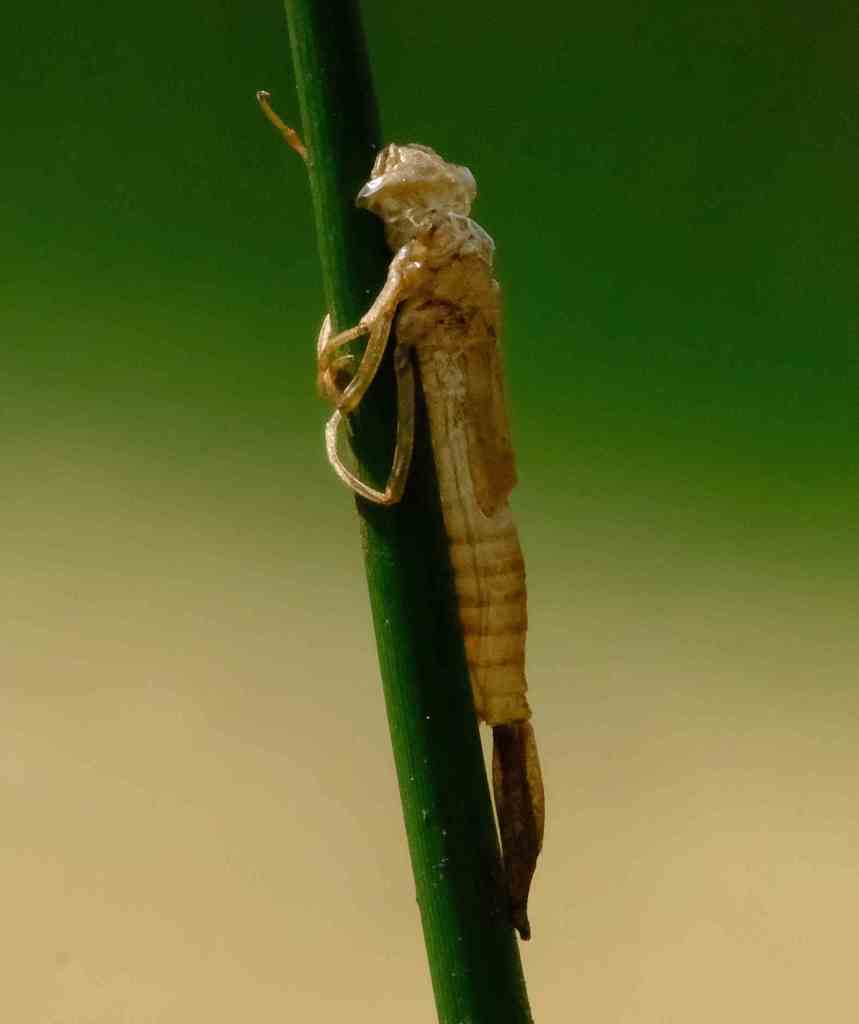
A damselfly empty nymph exoskeleton.
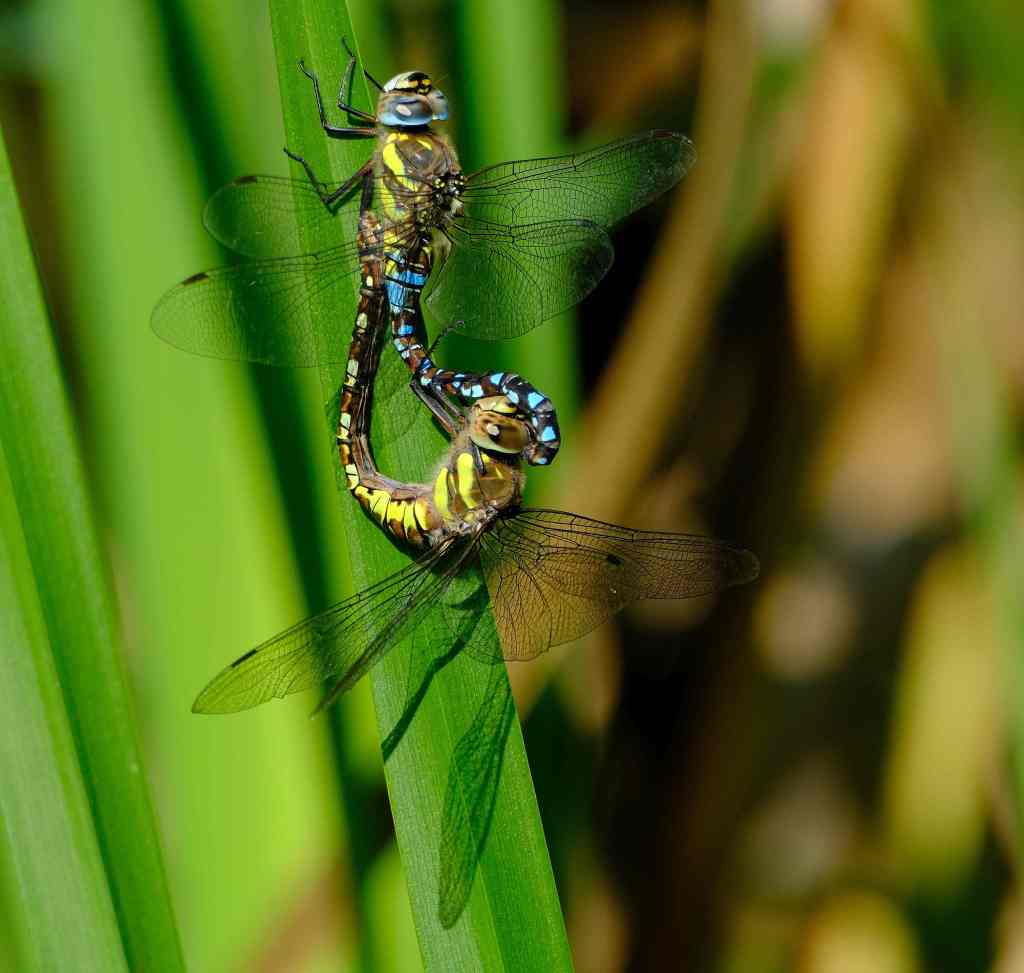
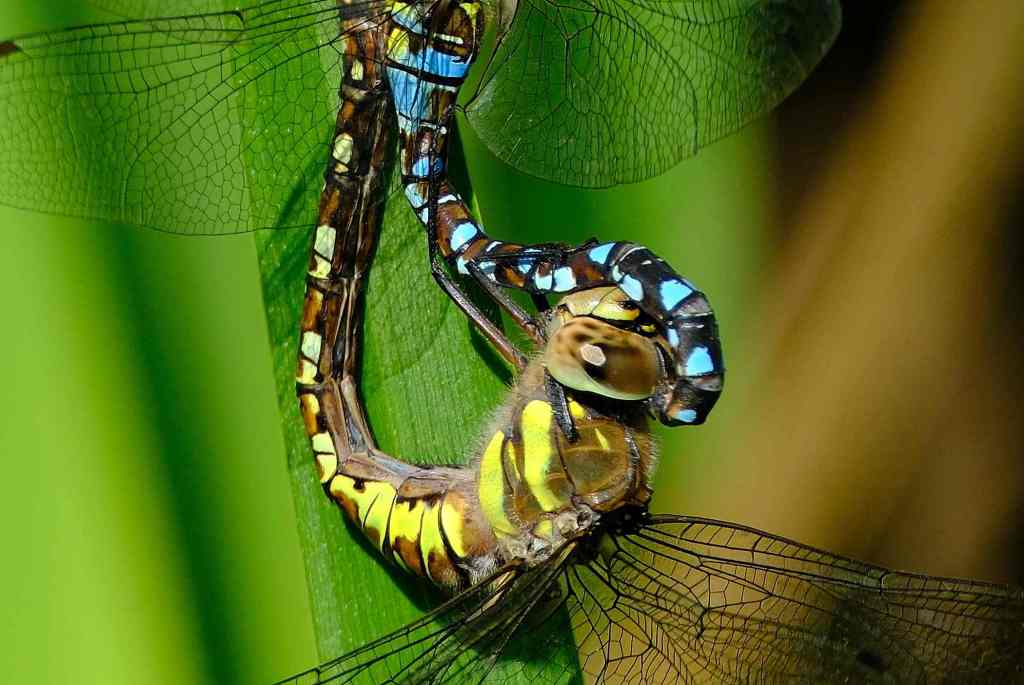
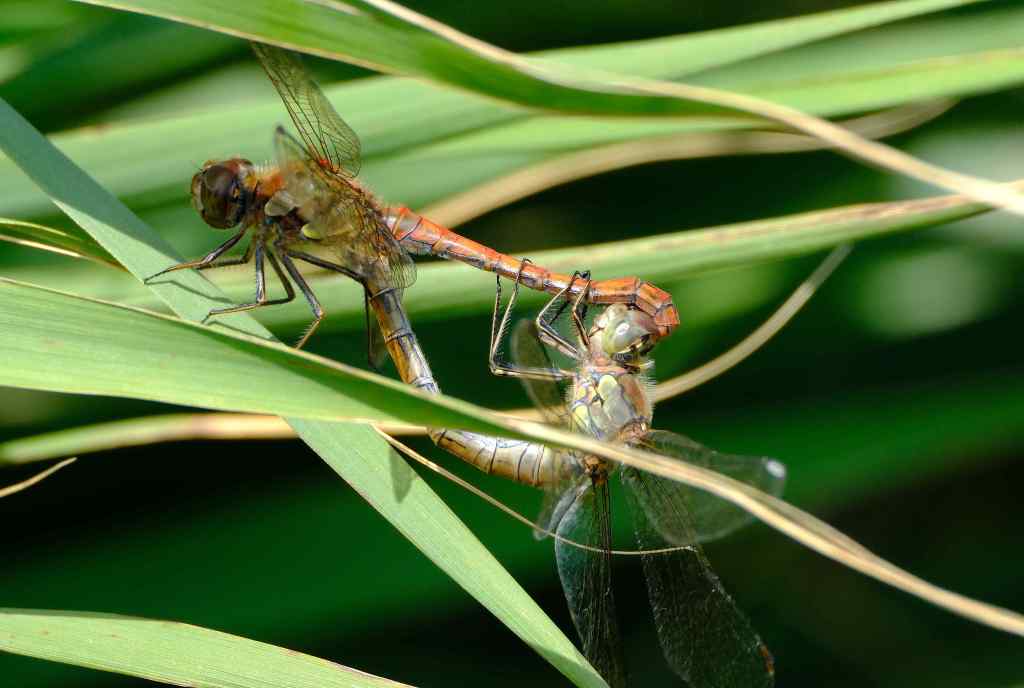
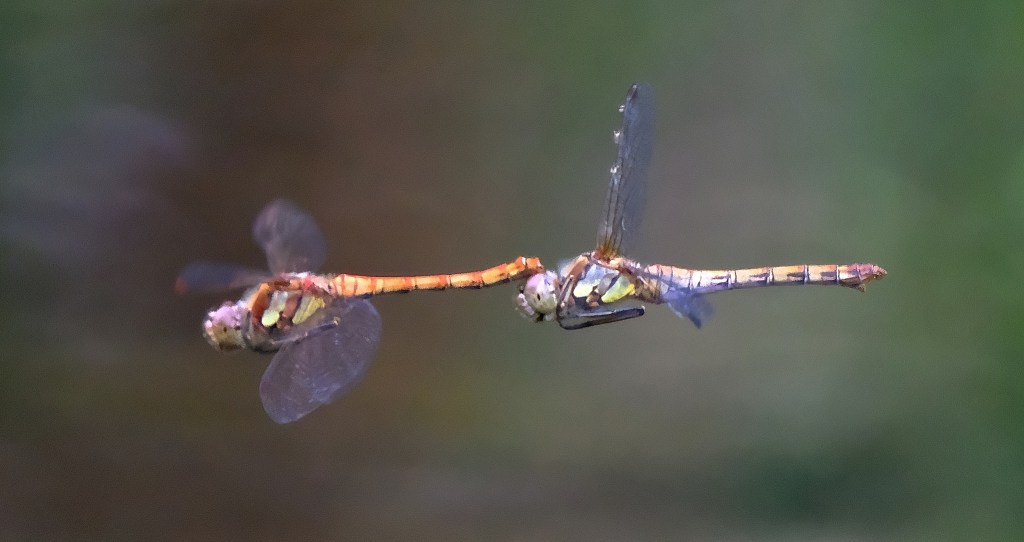
Pair of mating Common Darter dragonflies at Titchfield Haven

Some Dragonflies and Damselflies spotted in the New Forest today.
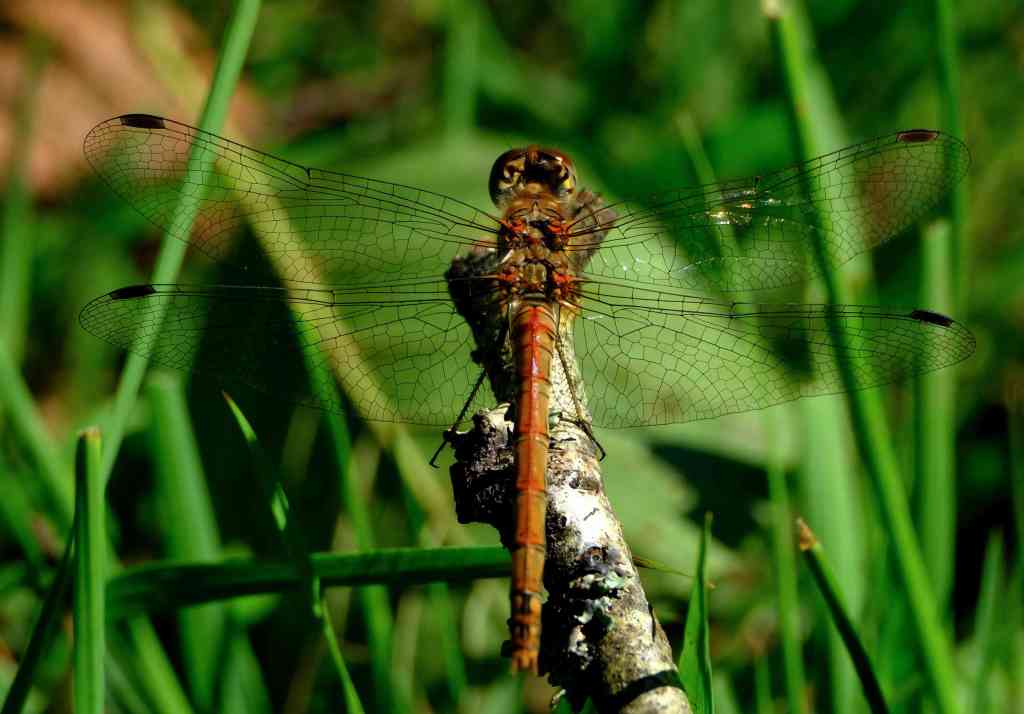
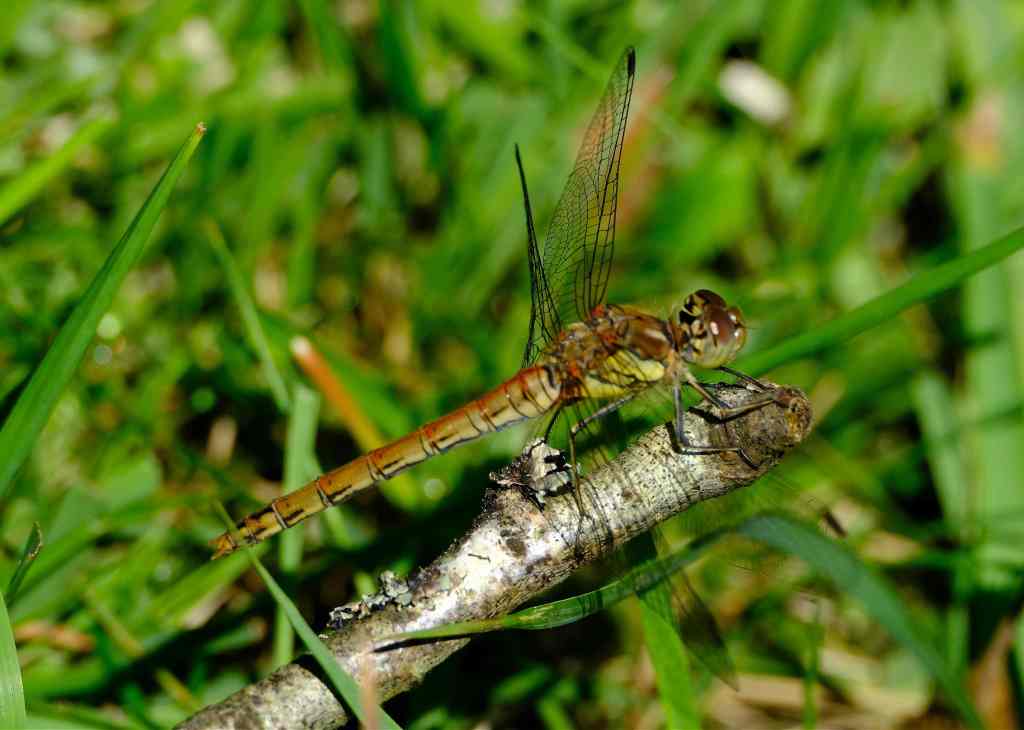
The “Common Darter” is a smaller Dragonfly. The male is orange-red but becomes brown with age. Females (and juvenile males) are yellowish to light brown. I believe this one is a male.
A “Golden-ringed dragonfly” is a very large,and handsome dragonfly, they are on the wing from May to September.

“Beautiful demoiselle” damselfly the metallic blue males have solid dark blue wings.
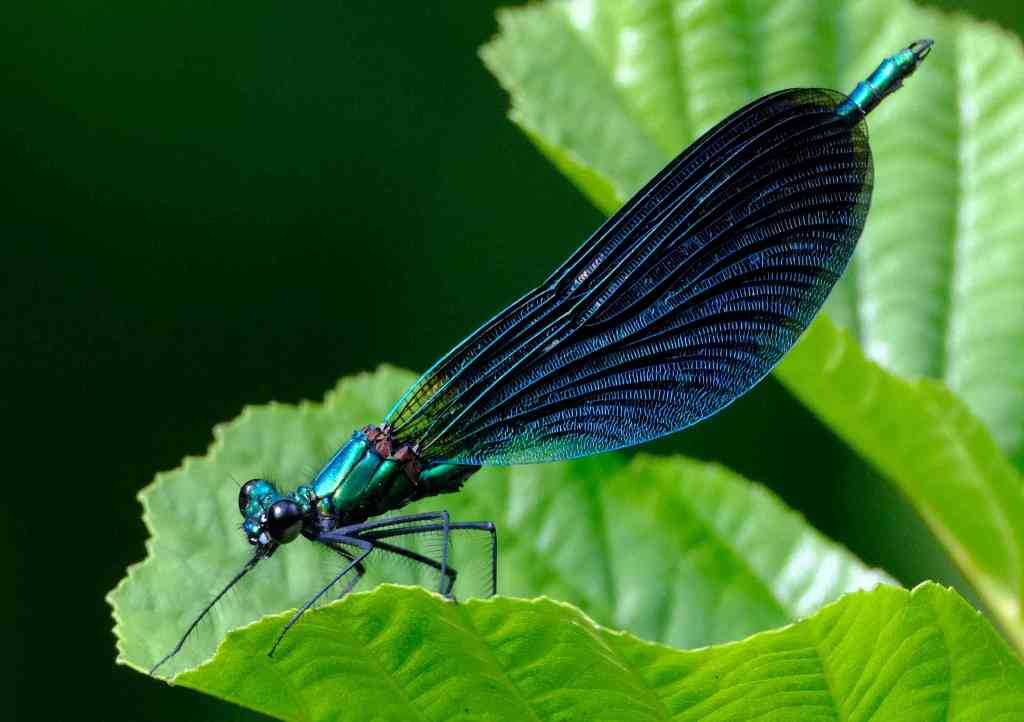

The damselfly below had landed in the stream.

Common Darters mating.

Dragonflies and Damselflies are abundant at the moment around many of the New Forest ponds and boggy areas.


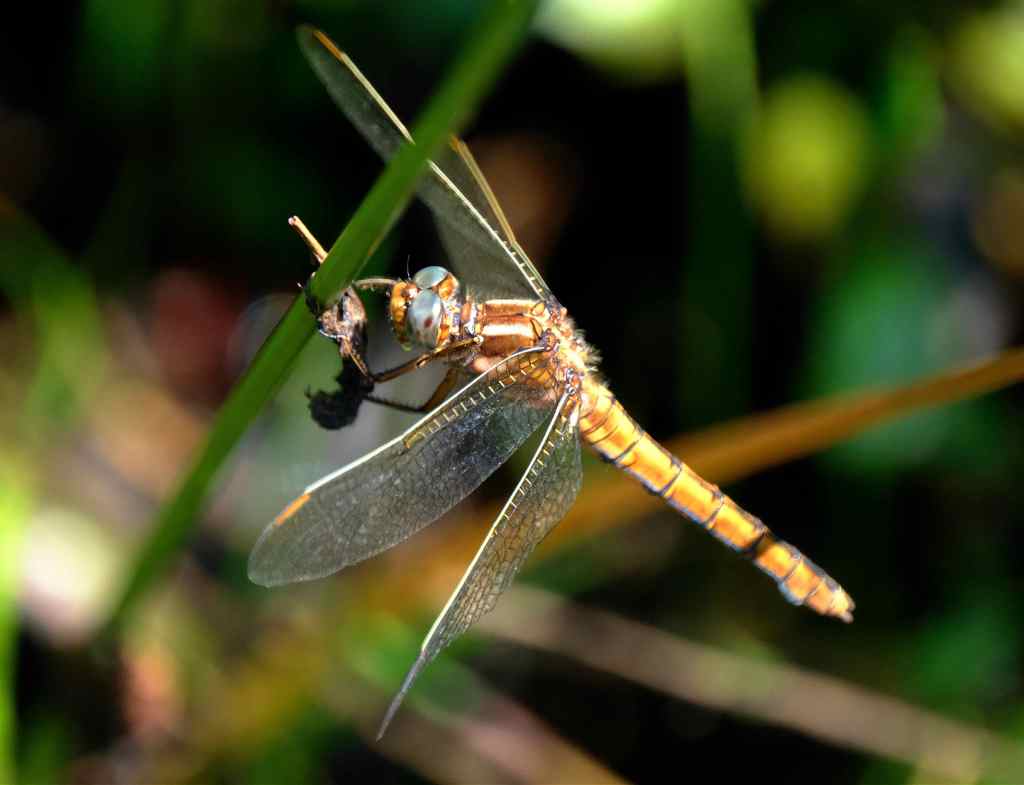
Keeled Skimmer (male)

Keeled Skimmer (female)
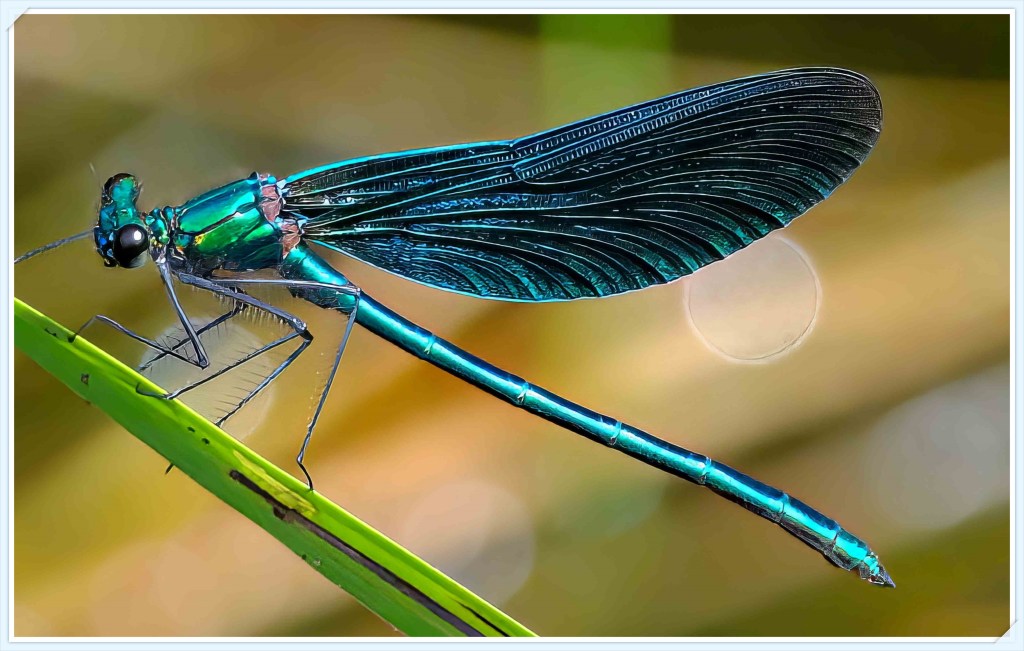
Beautiful Demoiselle (male) {Damselfly}
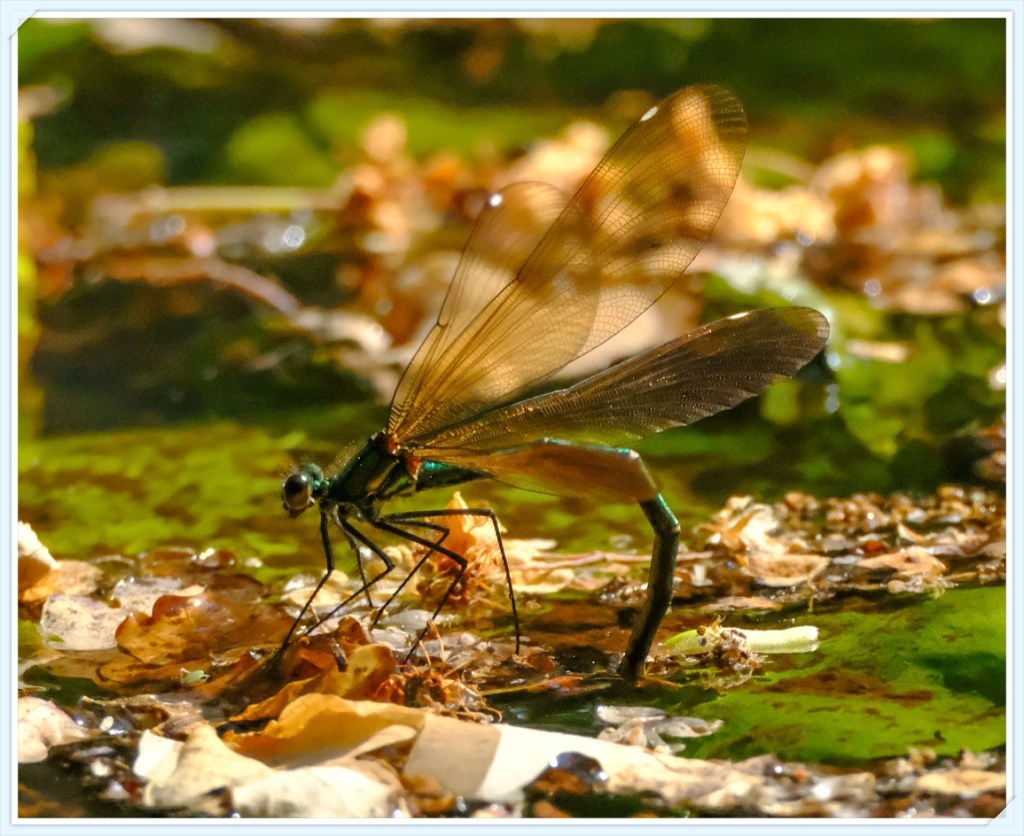
Beautiful Demoiselle (female) {Damselfly}
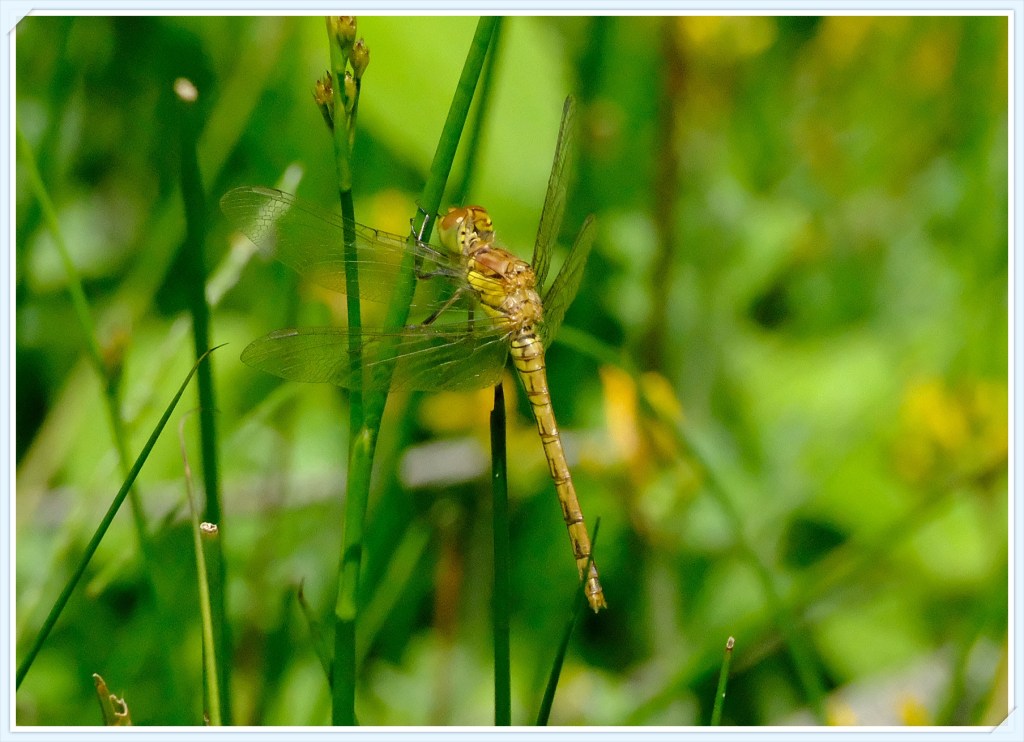
Common Darter (female)

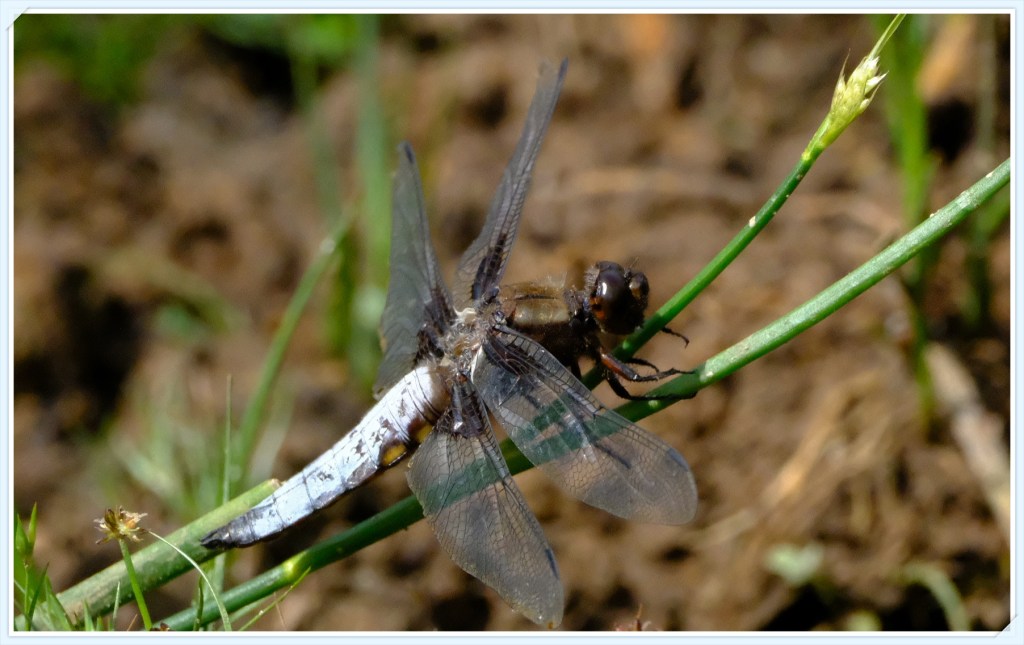
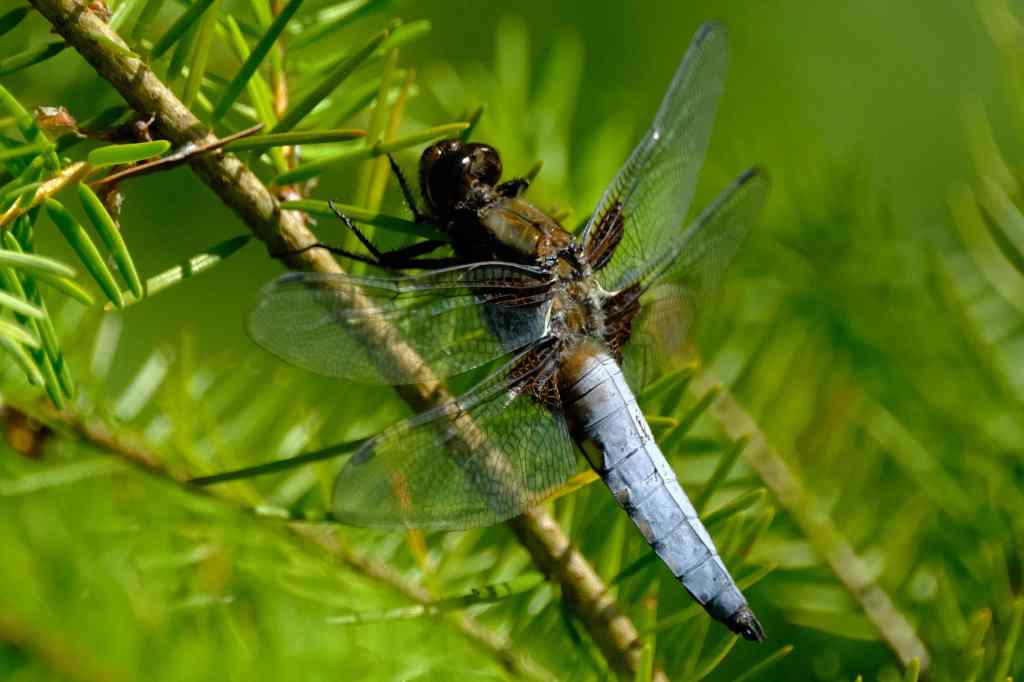
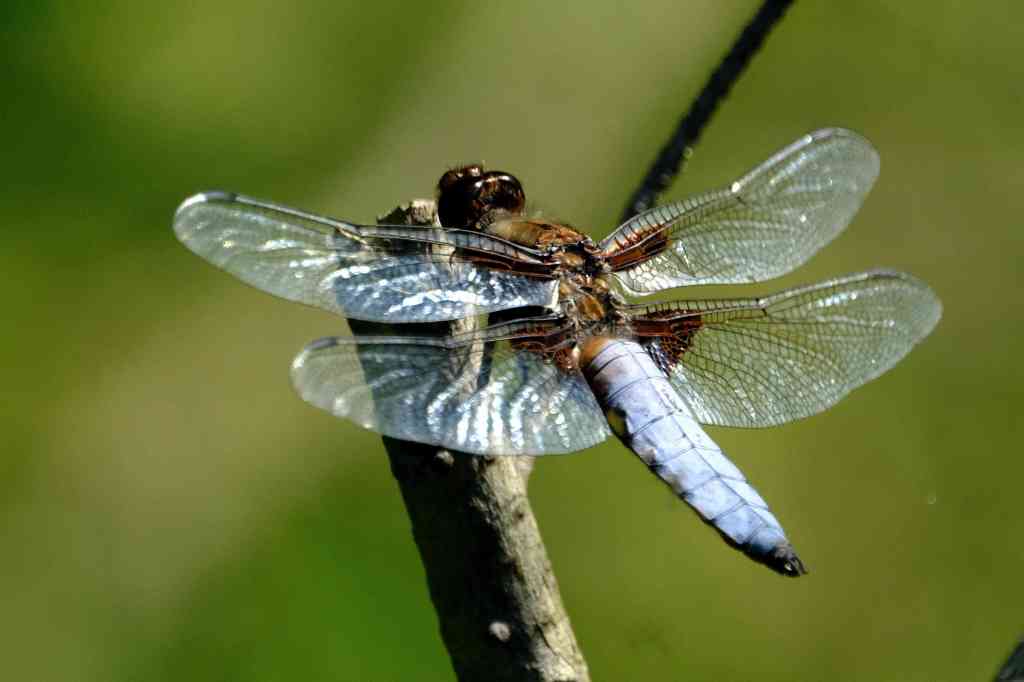
Broad-bodied Chaser (male)
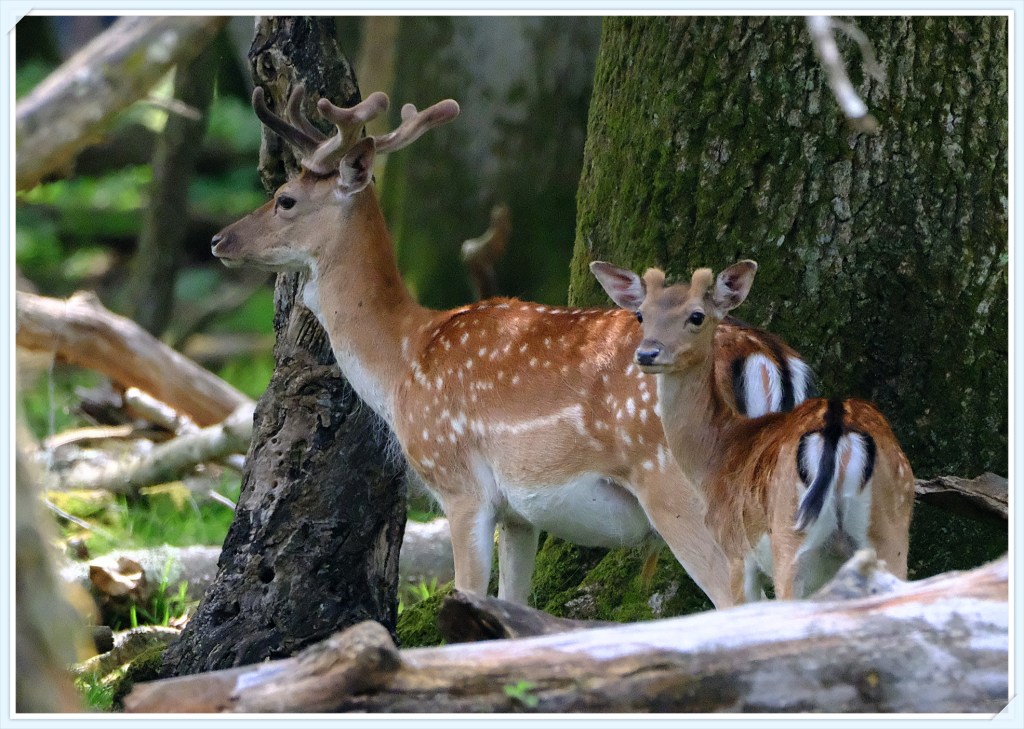
While looking for dragonflies spotted these young males Fallow Deer – now sporting their spotted summer coats. Their Antlers are still in velvet.

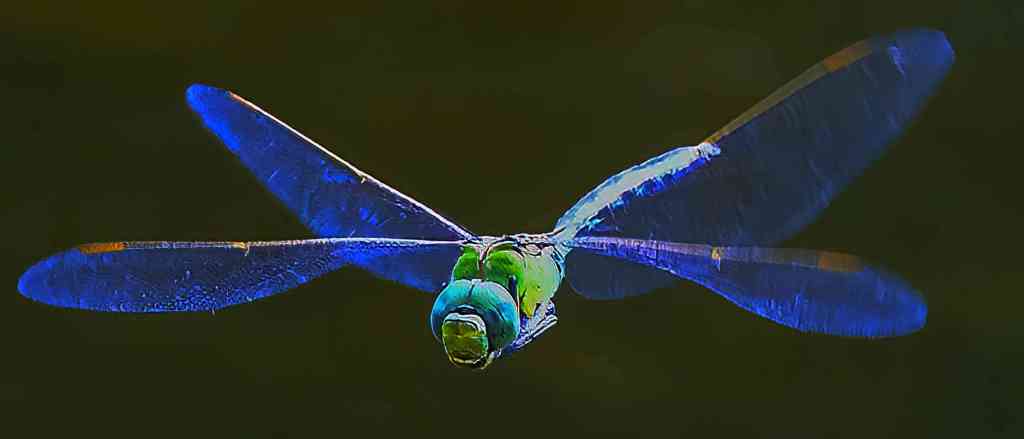
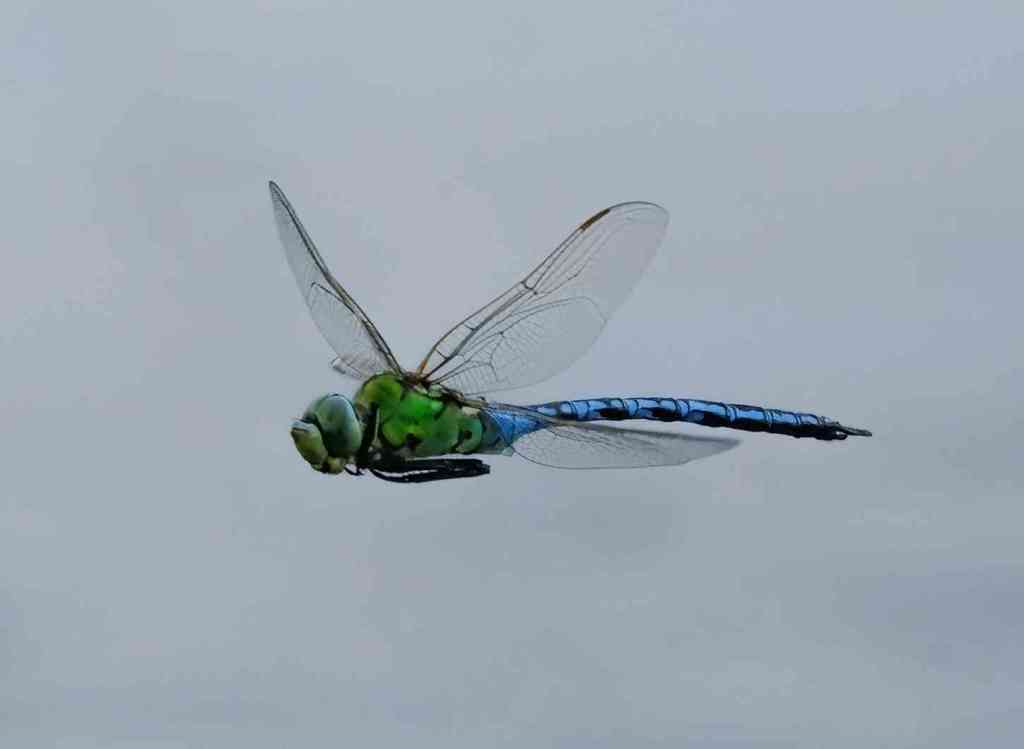
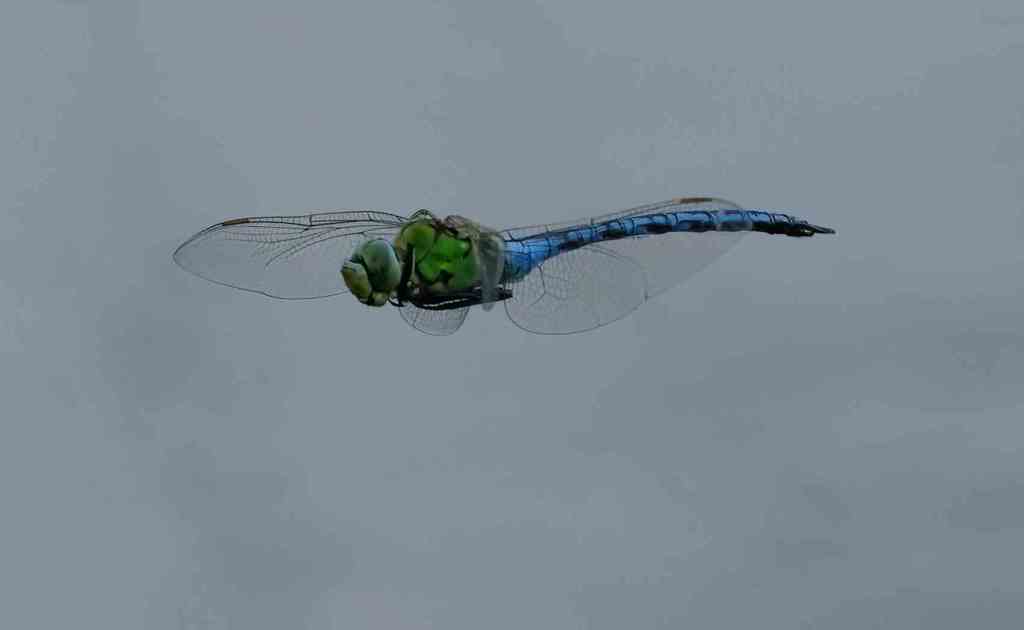
A very large and impressive dragonfly the Emperor Dragonfly. They are on the wing from June to August. It is a common species of large ponds and lakes, as well as waterways such as canals and ditches. The female lays her eggs in floating pondweed. One of the largest dragonfly species in Europe, the emperor dragonfly flies up high to look for insect prey, such as butterflies and chaser dragonflies. It catches its prey in mid-air and may eat it on the wing.