Where bombs fell.

Today was an open-heath walk within the former World War 2 bombing range on Ashley Heath near the village of Godshill and 5 miles northwest of Lyndhurst The range was used by aircraft from the Aeroplane & Armament Experimental Establishment at RAF Boscombe Down, nr Salisbury. The range was used for training and testing, all types of munitions fired or dropped from British aircraft were tested here first, except live incendiaries due to the fire risk. Barnes Wallis’s prototype Bouncing bombs used in Operation Chastise by the Dambusters and the Grand Slam bomb were tested on the site. Several different types of targets were built on the range including air-to-ground attack, mock ship targets, aircraft pens, gun emplacement, bomb fragmentation areas, and what is said to have been some Submarine pens. There were two small grass airstrips, observation shelters, and towers. The site was used both in daylight and night targets were illumination targets specifically for night bombing practice.

Our walk today was the 1st in this area of the New Forest with the aim of seeing the remains of a large target. Known as target number 2.
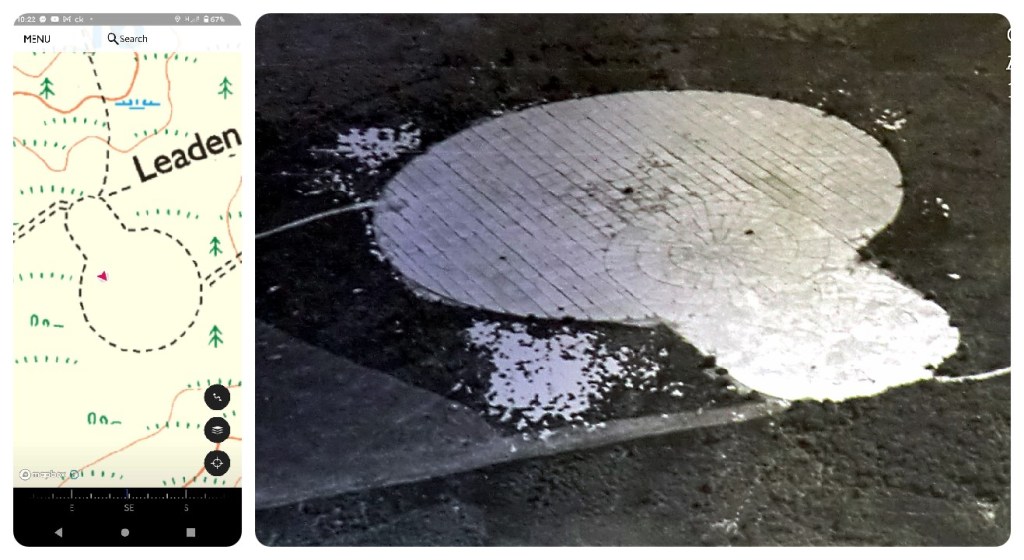
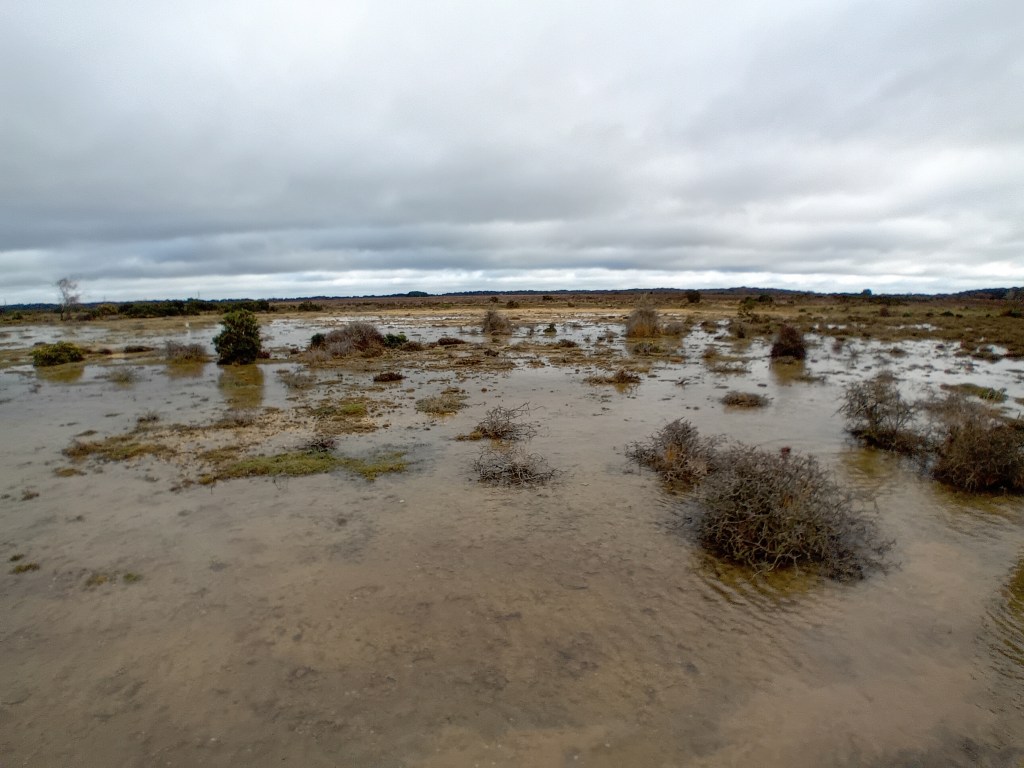
The shape of the target is visible from the ground the concrete wall around the target was removed for construction materials in the 1970’s
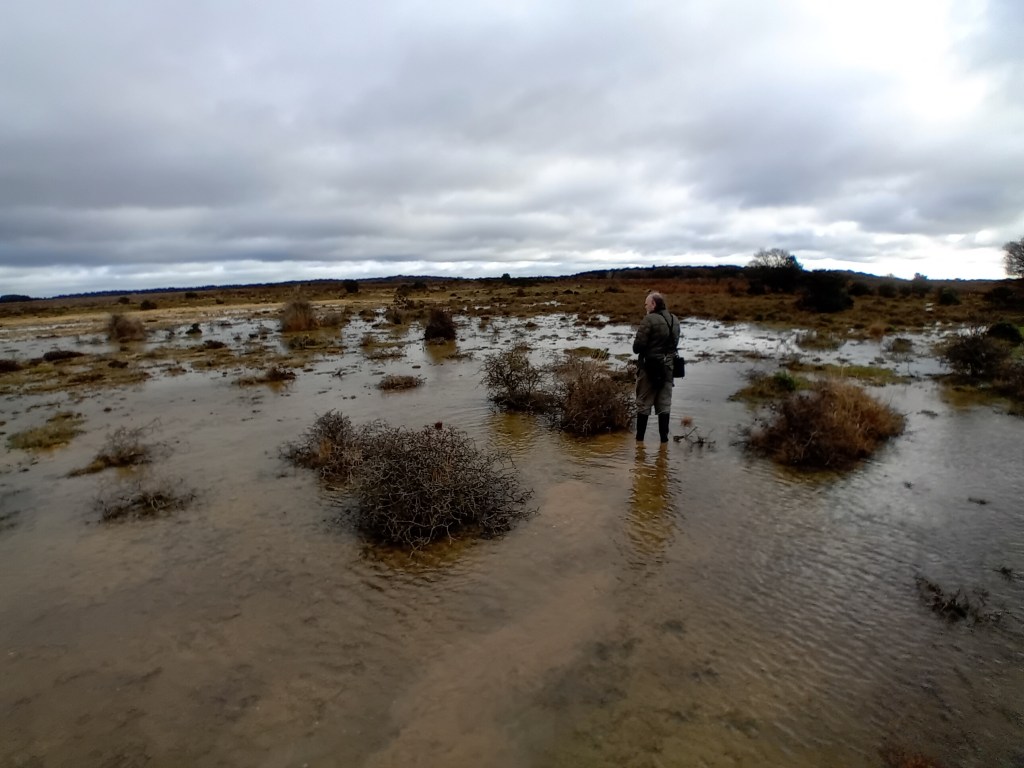
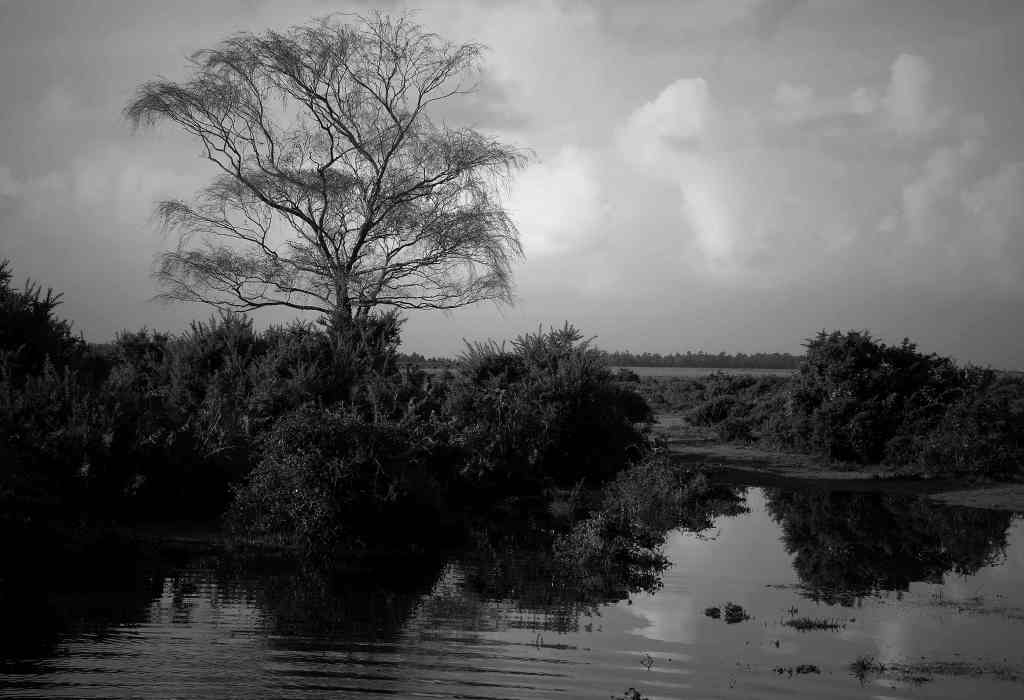
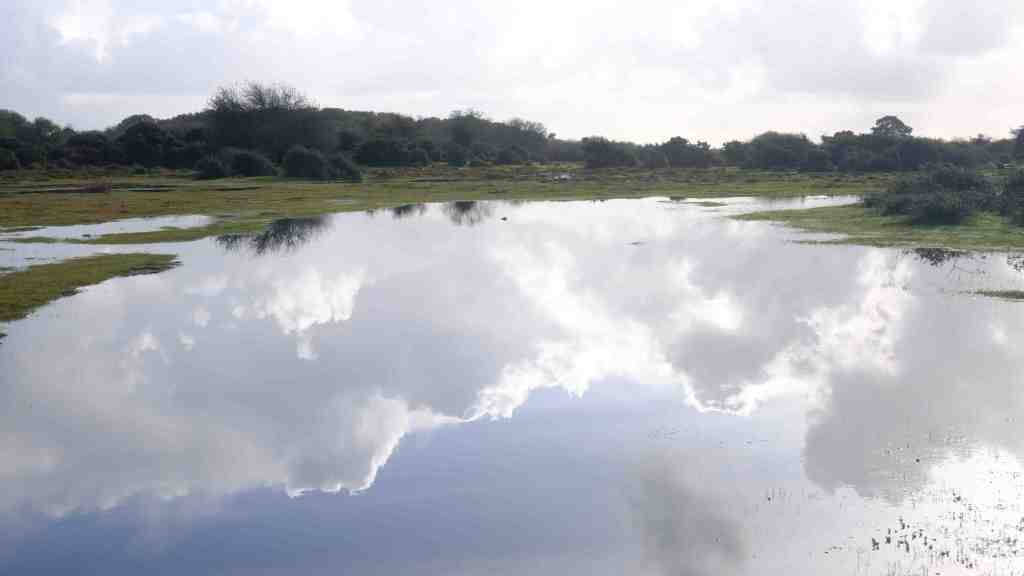
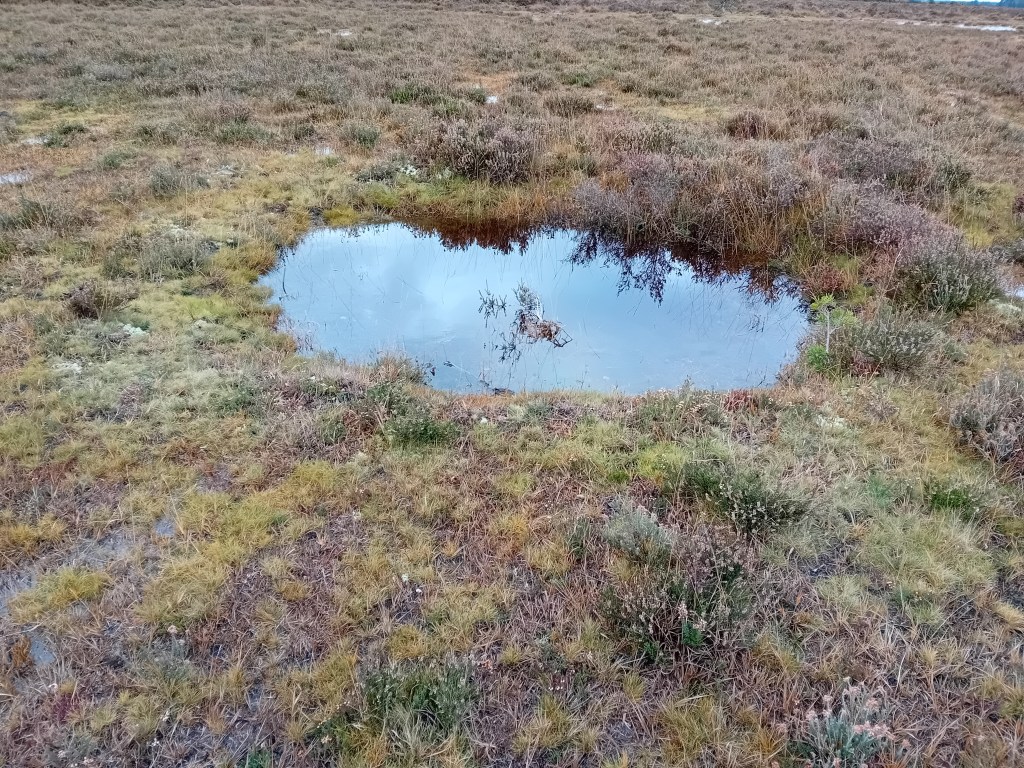
Many small ponds are on the heath most are water-filled bomb craters.
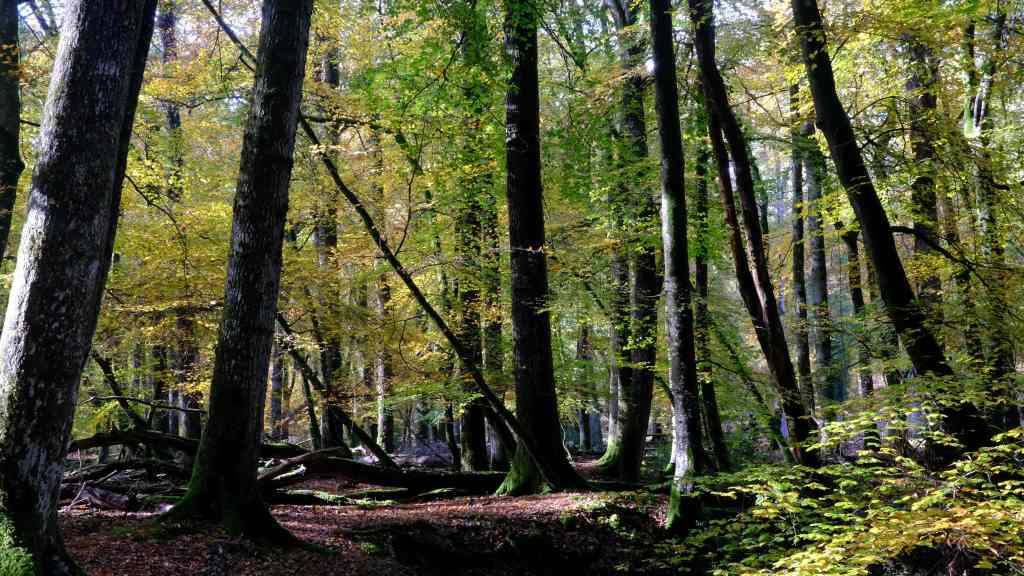
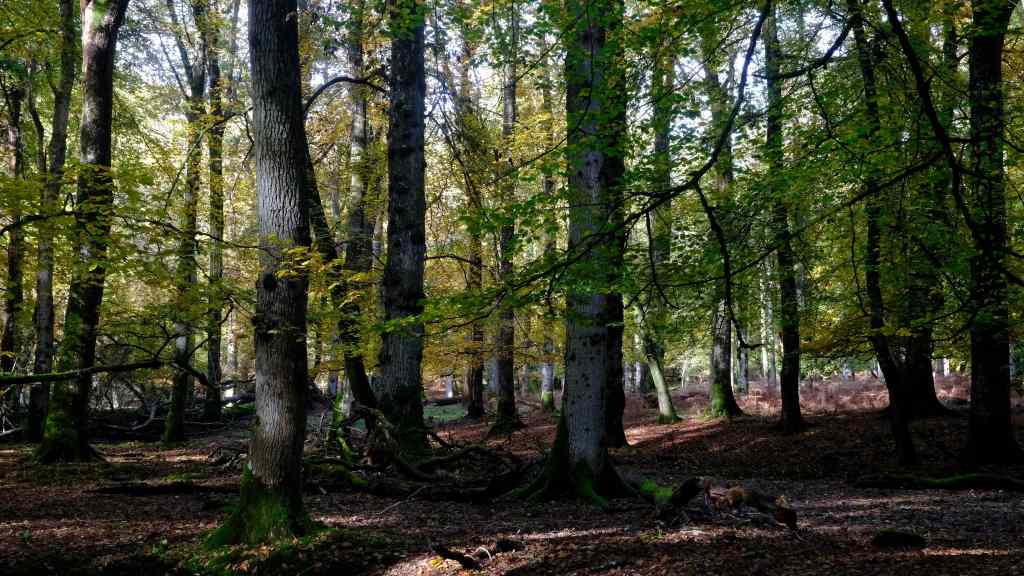
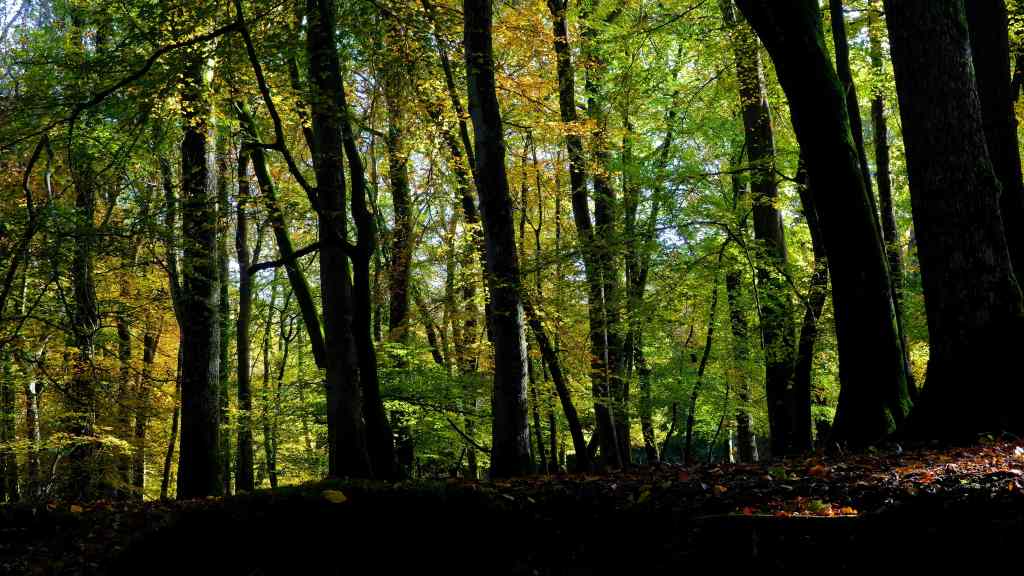
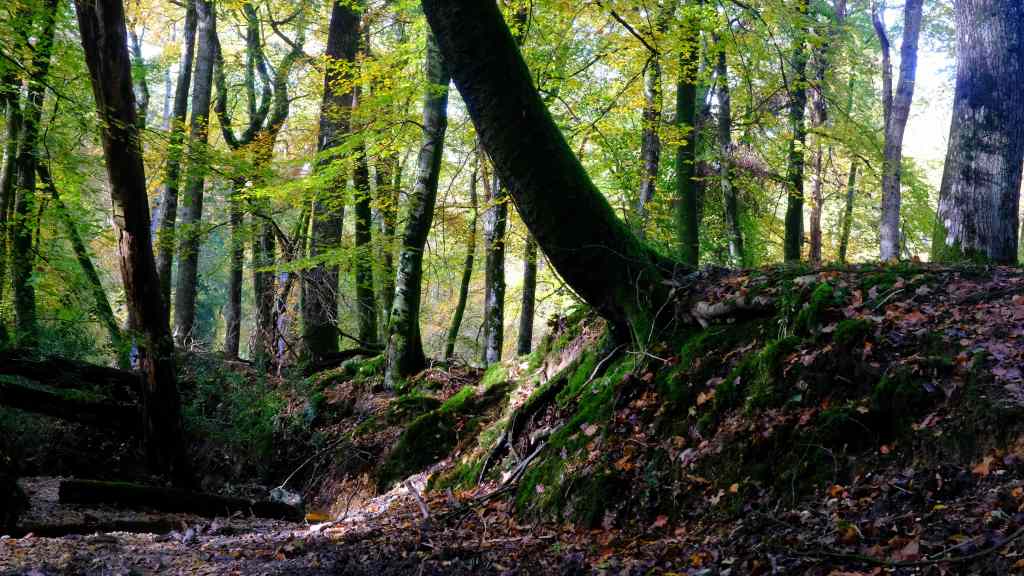
Something in the woods.

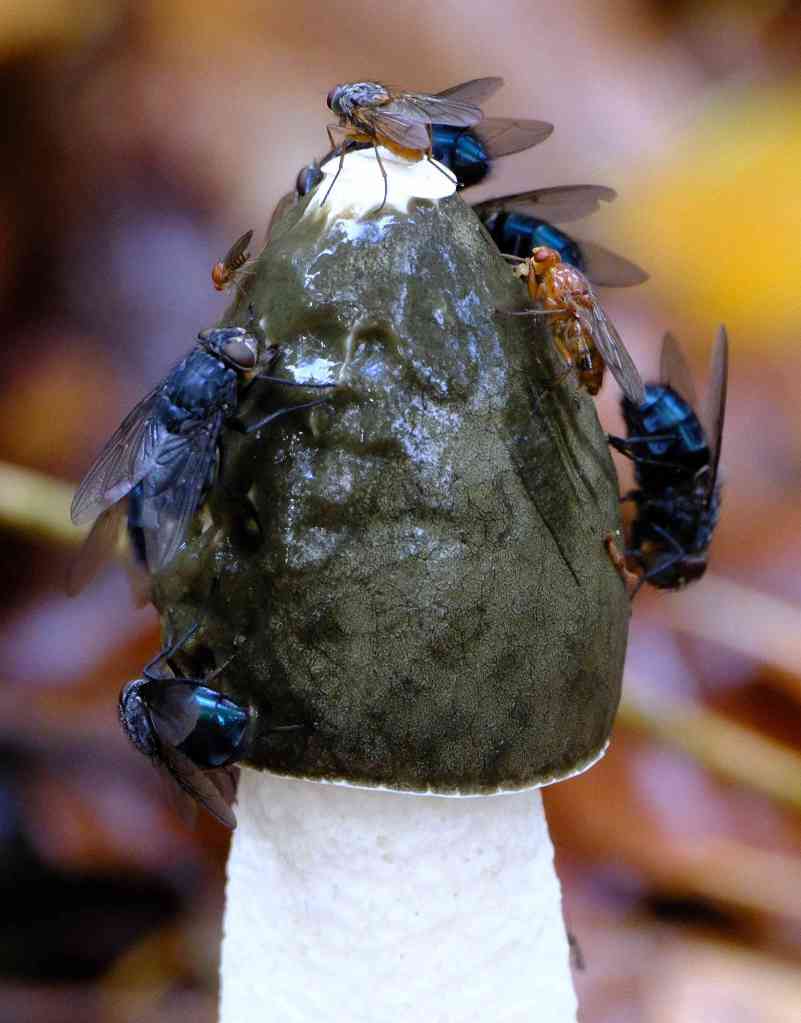
Common Stinkhorn.

The appearance of a stinkhorn is very distinctive: they have a phallic, white, stem structure, with a brown, bell-shaped head.

You smell it before you see it – when you smell it you just follow your nose. The unmistakable and strong stench has been likened to rotting flesh from a dead carcass. The spores of this fungus are contained within the slime that covers its cap. Flies are attracted to the offensive- smell, and sticking to their feet the spores are spread.

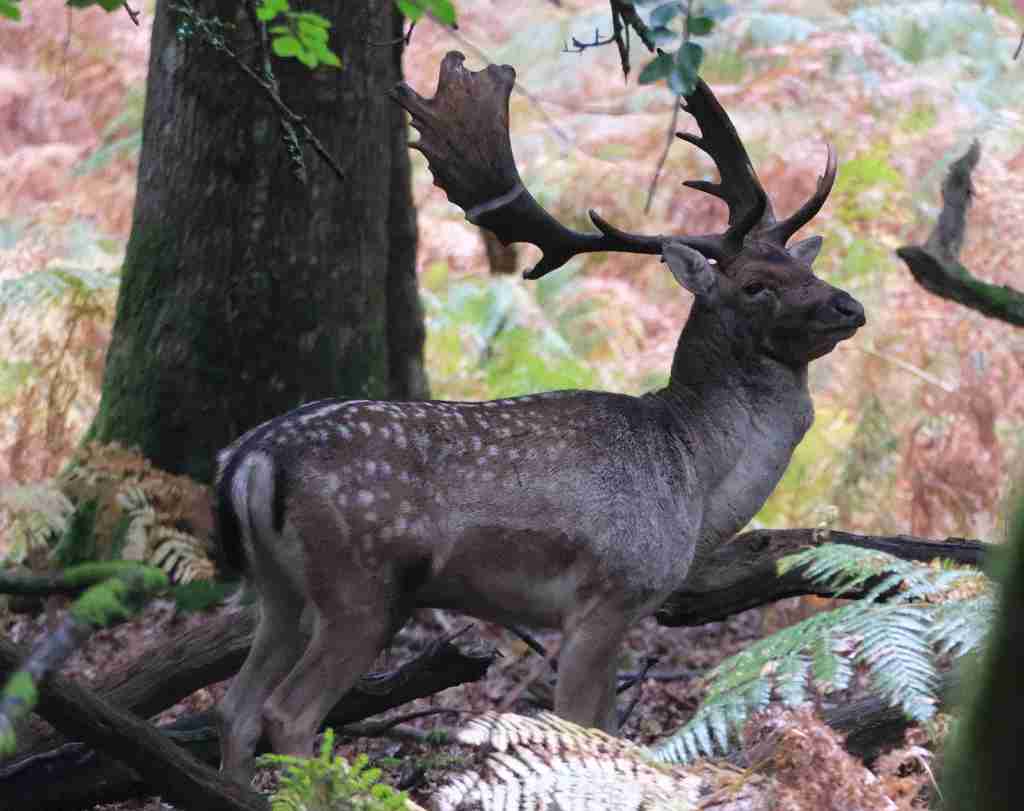
A Few Fallow Deer.

After the storm.

The storm passed through without incident over Southampton but our coast got a bashing.

So with the calm a few hours back in the New Forest.

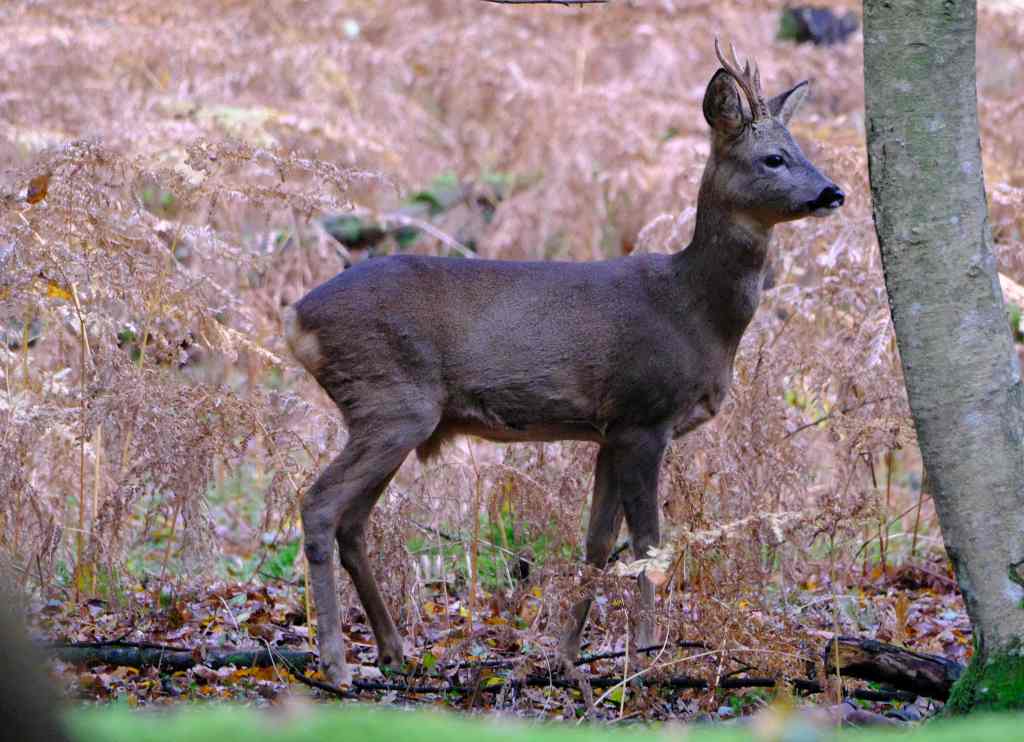
A good-looking Roebuck.

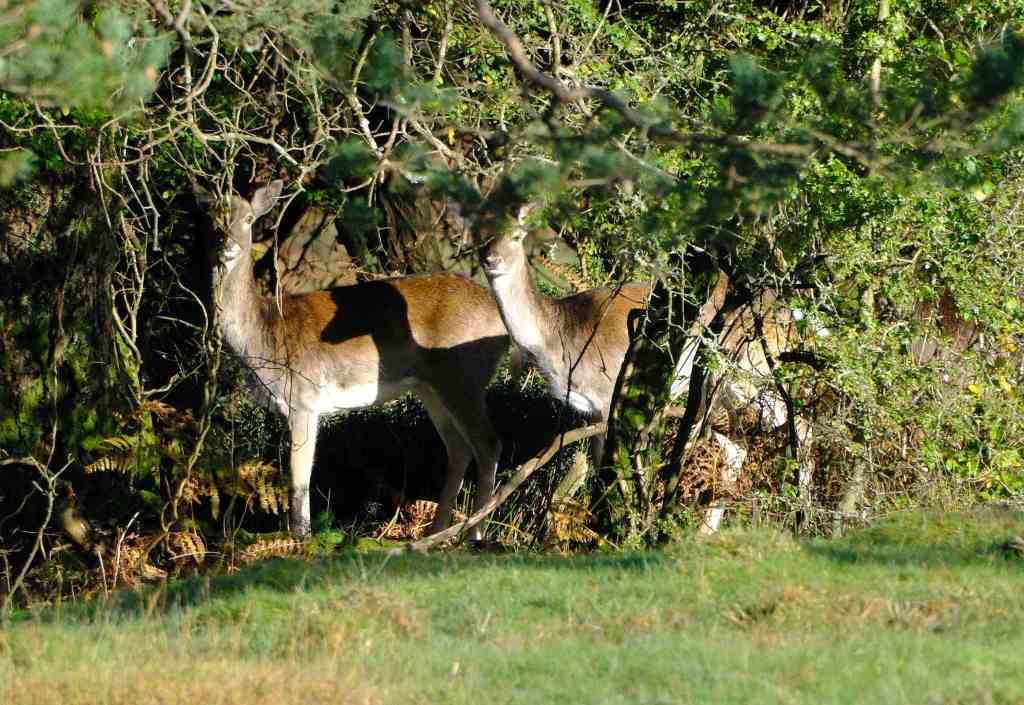
And a small heard of young Fallow Deer.

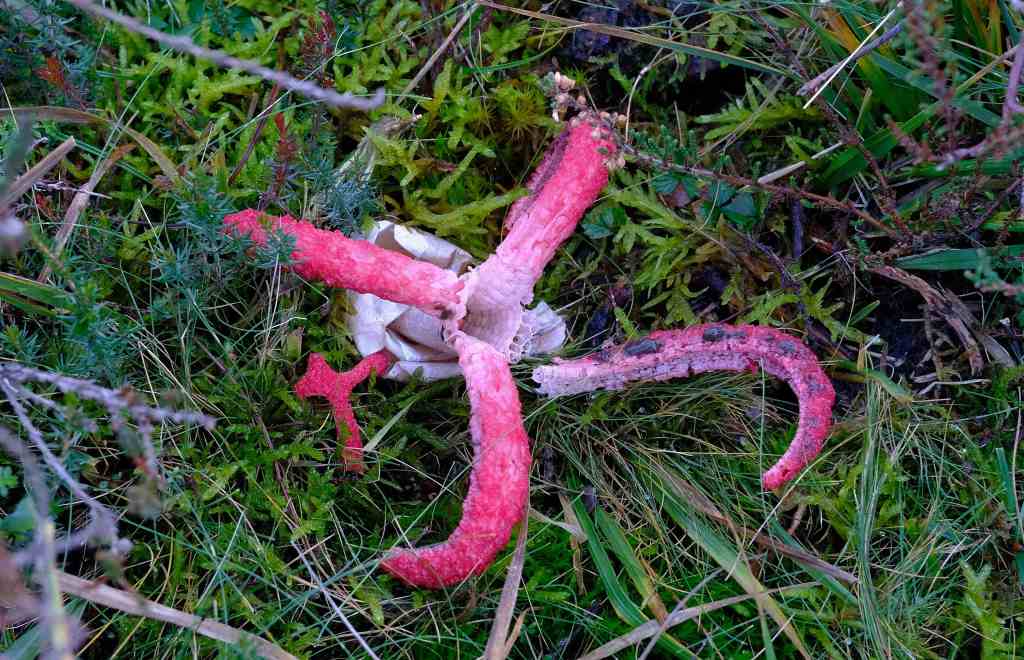
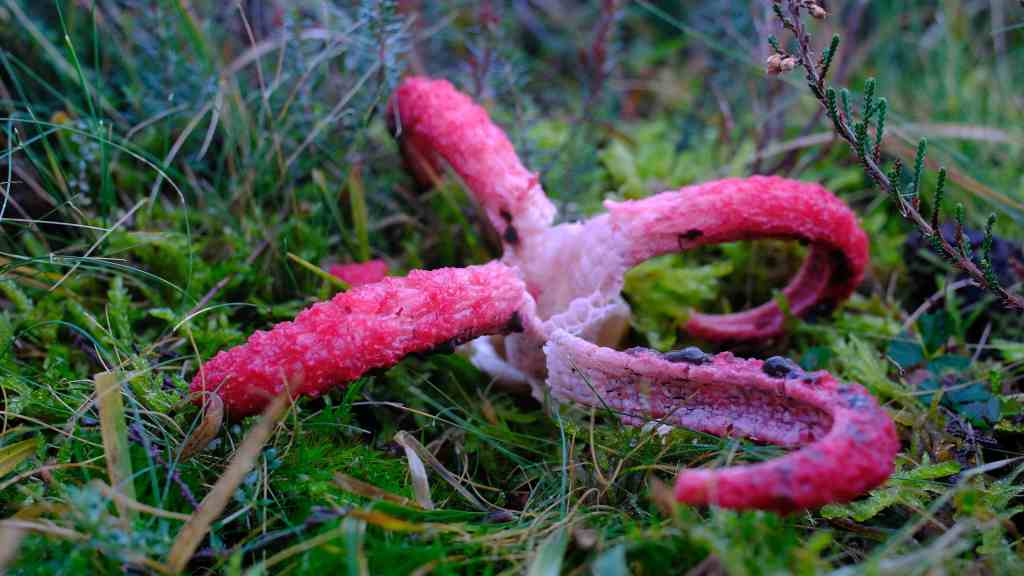
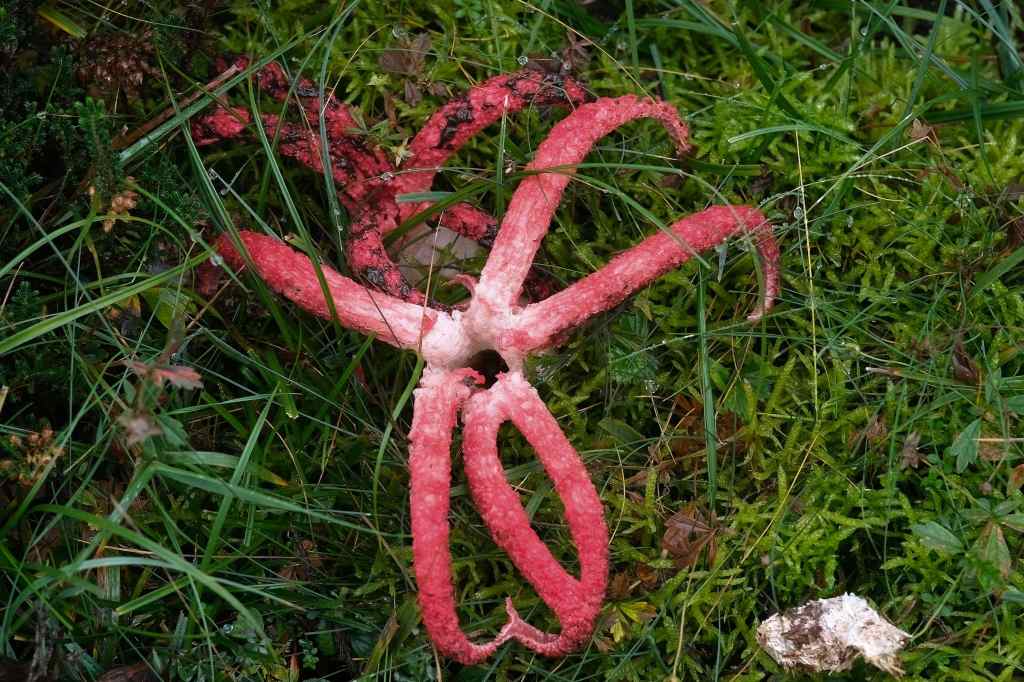
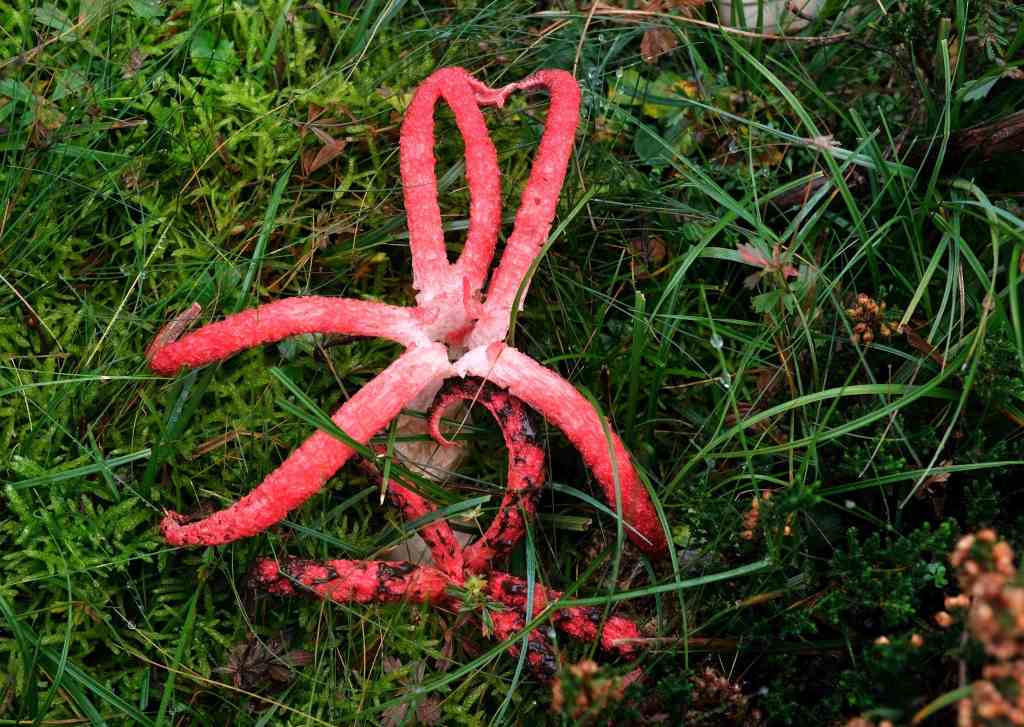
I wanted to take another look at the Devil’s Fingers fungus to see if any more of the eggs had erupted. There were about 10 eggs last week but only one had “hatched”. Normally fungi develop quickly so I thought more would have been showing – perhaps the cold wet weather had slowed down their development, so I will try again next week to see if there is more movement.

Devil’s Fingers.
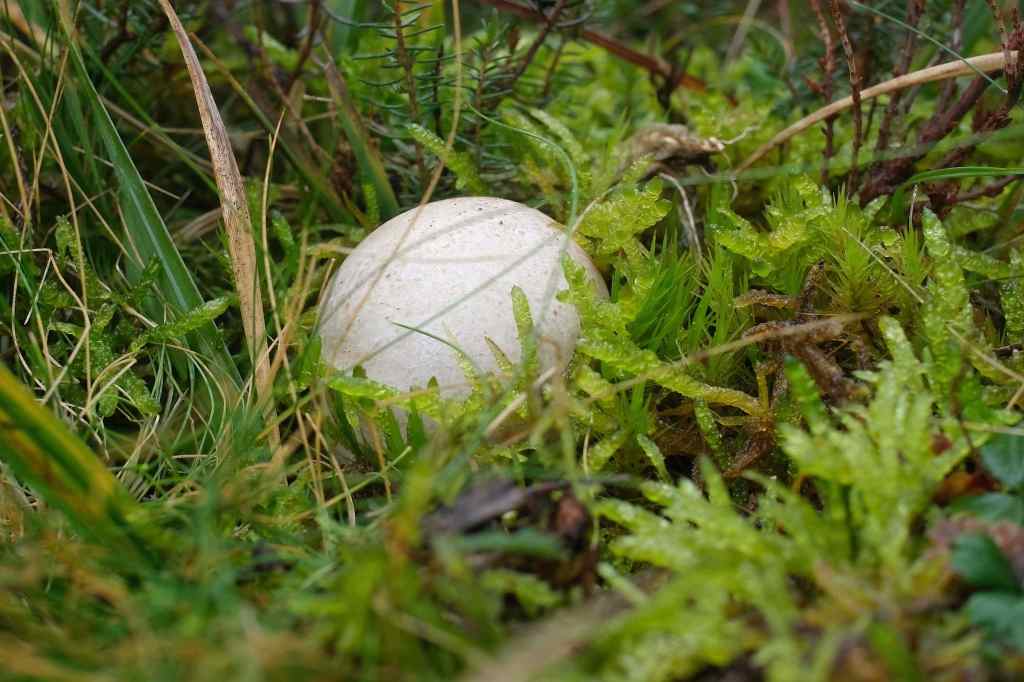
I spent a few hours this morning in the New Forest which is showing the effects of the last 48hours rain fall. It was worth the wet feet as I found a fungus I had only seen once before but today I came across a good sized clump of them.

Devil’s Fingers (Clathrus archeri) is a rare fungus that was first found in the New Forest in around the year 2000. It is also known as octopus stinkhorn. At that time in had only been observed in one small area in the southwest in the UK.

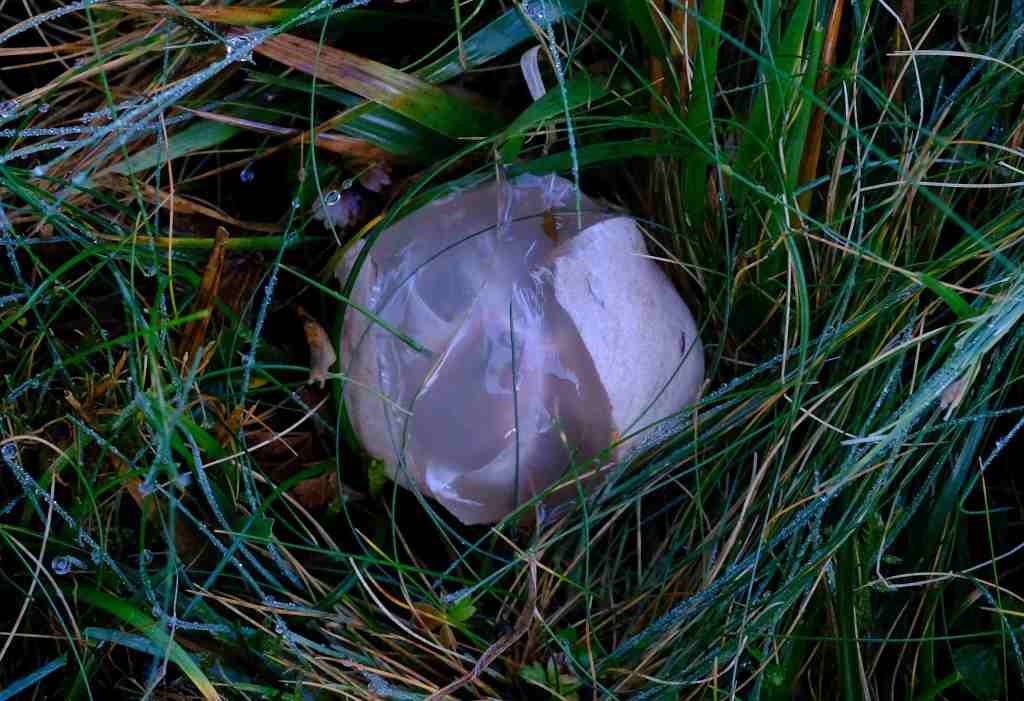
The ‘egg’ part of the fungi has the size and shape of a golf ball lying on the ground, but is attached to an underground network of mycelium threads by a long thick strand.

The red tentacles emerge, initially joined at the tip they then bend backwards into a star shape. There are always at least three or four tentacles, however sometimes they have as many as seven or eight. The upper surface is covered with a olive-coloured, slime which contains the spores and smells of rotting flesh. Flies and beetle are attracted to the smell the slime sticks to them when they come into contact with it. The spores are dispersed far and wide.

It is thought Devils Fingers were introduced to Europe with various war supplies, about 1914. The New Forest was used intensively in both world wars which is probably why it is hotspot for these fungi.

A feast of fungus.
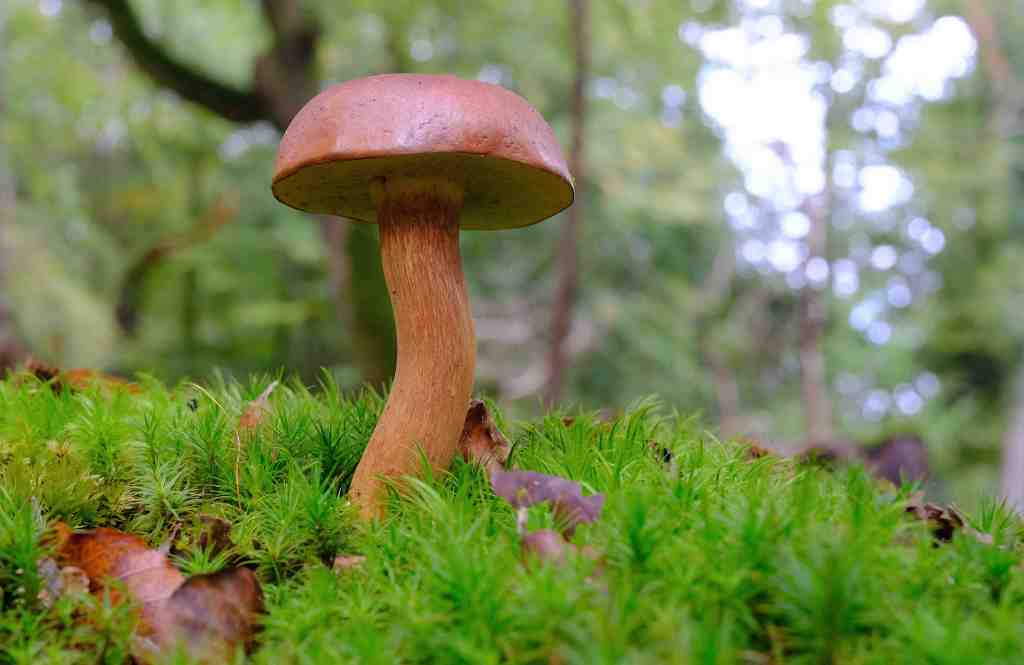
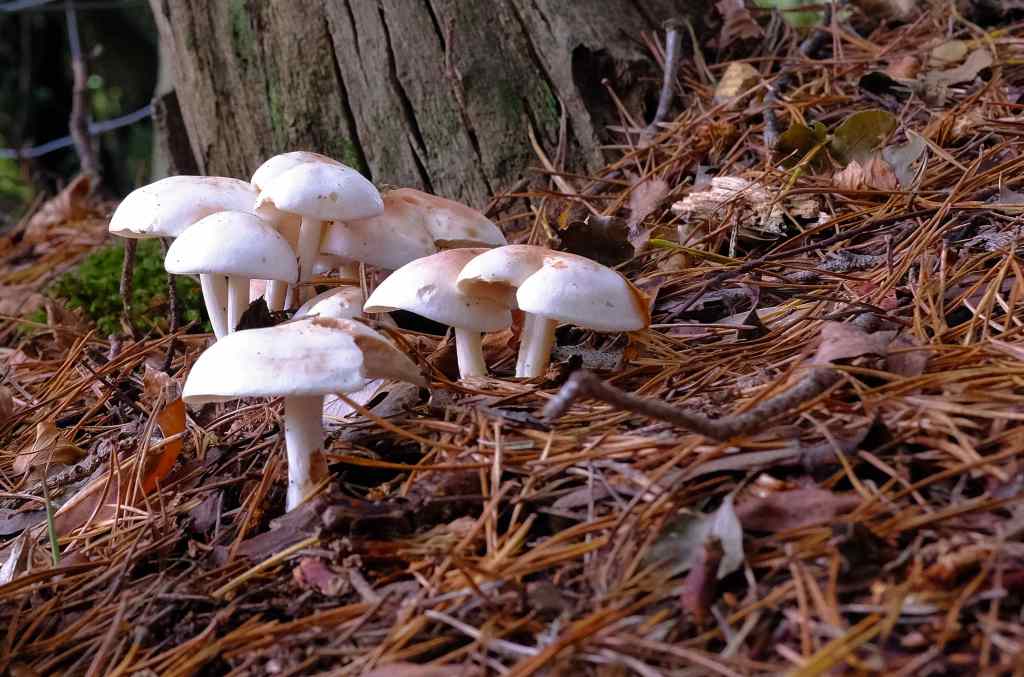
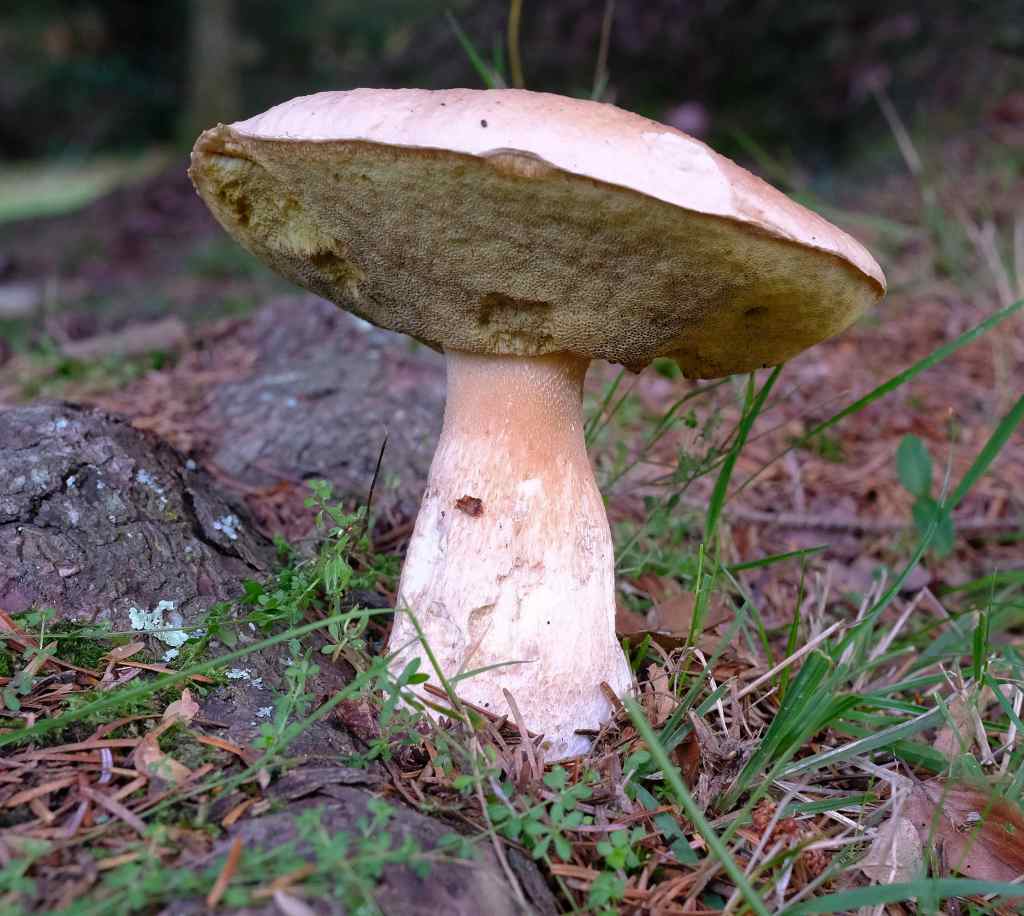
A feast of fungus – although many are not edible. – Another New Forest walk looking for fungi. This time I have tried to name my finds – I am no expert so I am not 100% sure about all the naming if you spot an error please let me know. The common names may differ in different countries or areas.
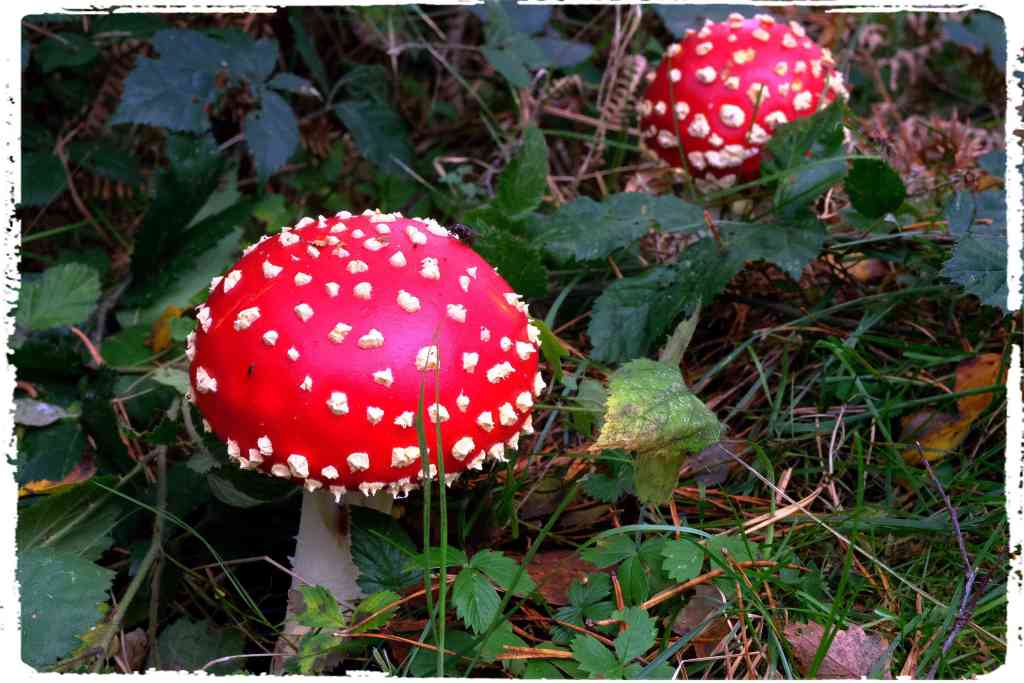
I will start with one we all know the stunning FLY AGARIC (AMANITA MUSCARIA)

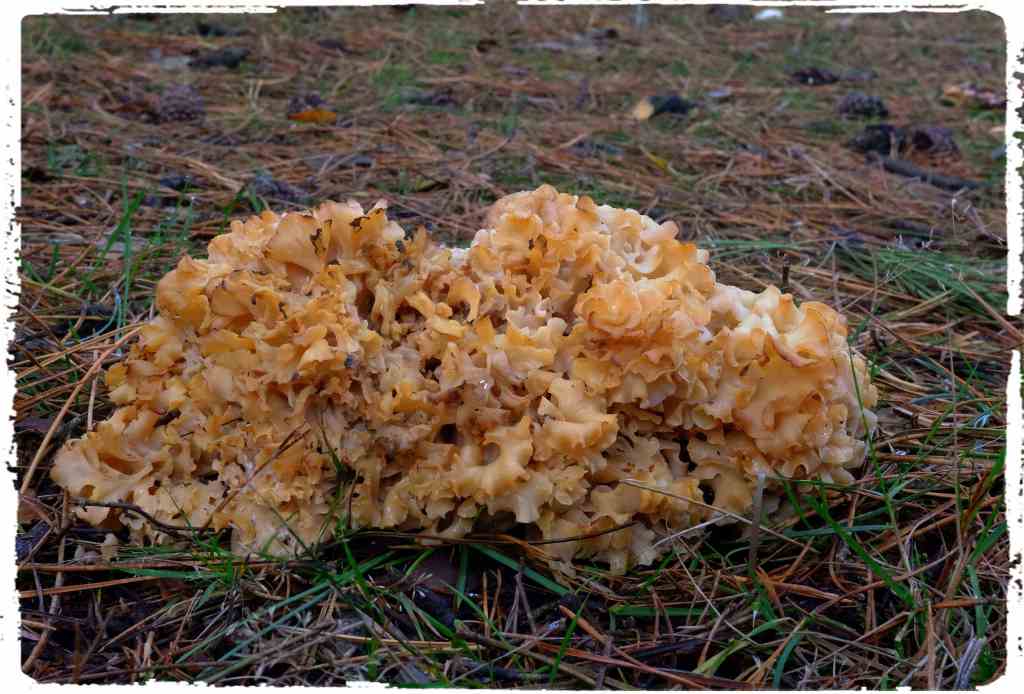
This fungus looks like a brain ! but is locally known as the WOOD CAULIFLOWER (SPARASSIS CRISPA).

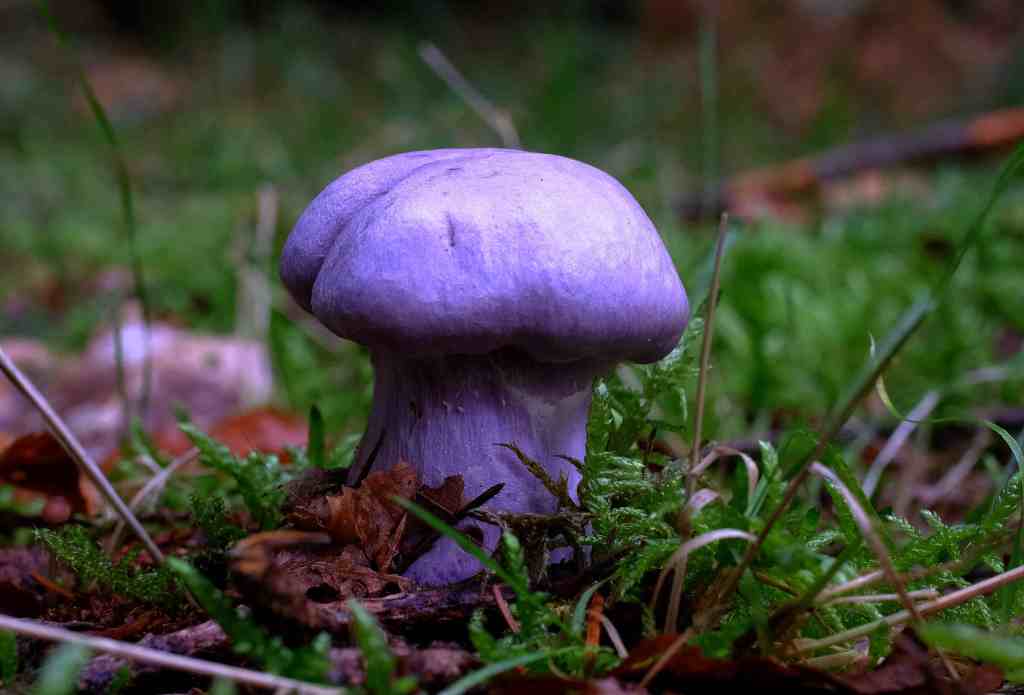
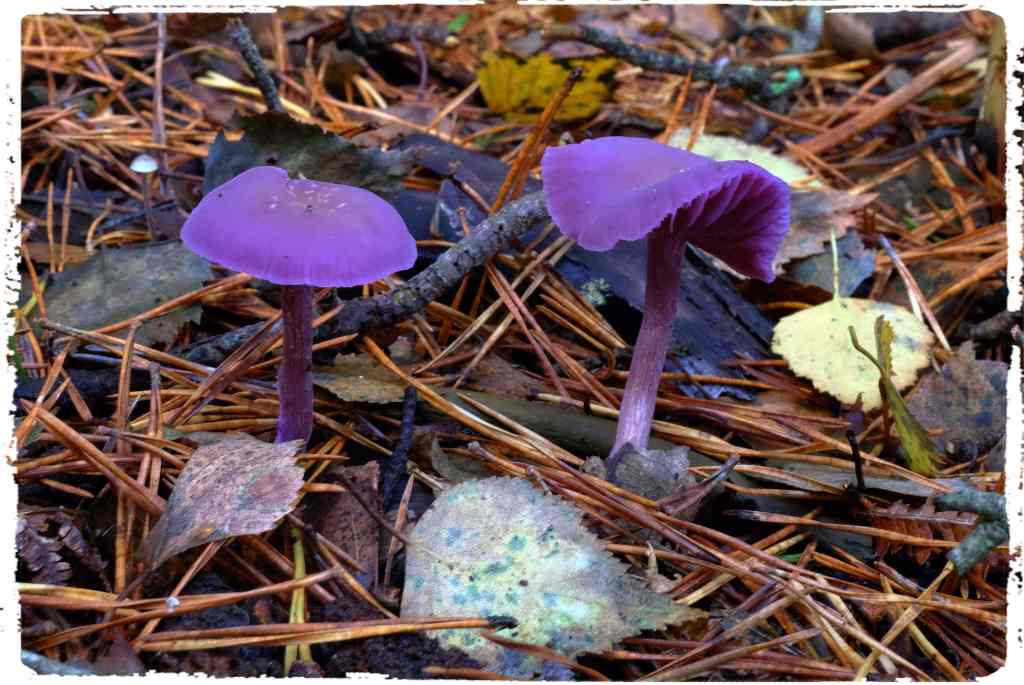
Another great colour fungus which seems abundant this year is the AMETHYST DECEIVER (LACCARIA AMETHYSTINA).

COMMON EARTHBALLS (SCLERODERMA CITRINUM). Often confused with puff balls which are similar but tend to be smoother and pure white in colour.

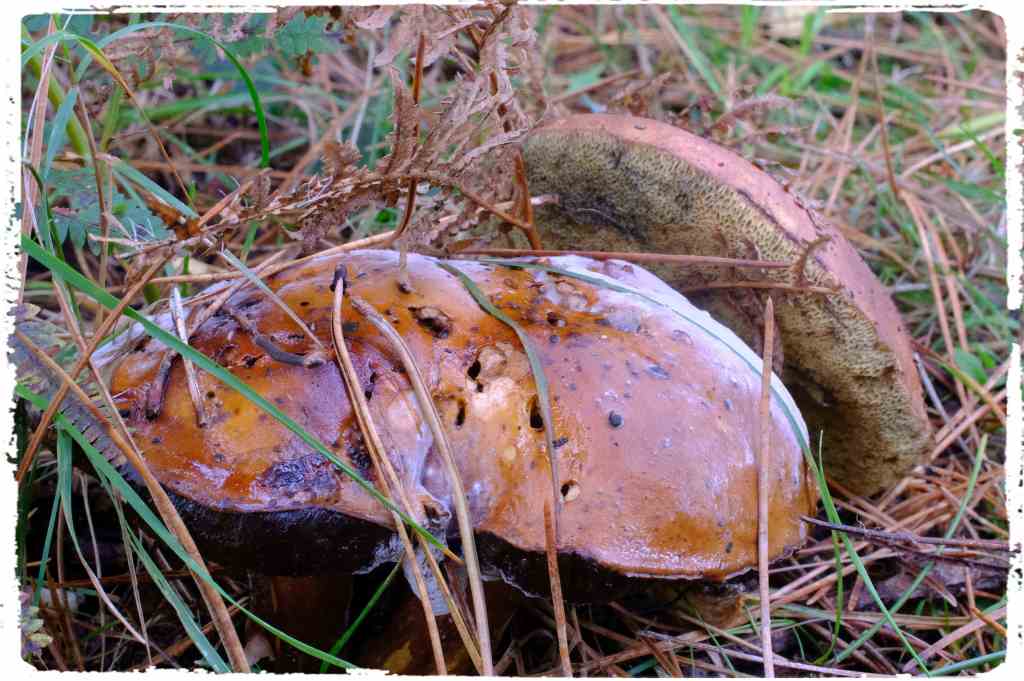
SLIPPERY JACK (SUILLUS BREVIPES). Is a fungus with spores on its underside rather than gills.

PRIMOSE BRITTLEGILL (RUSSULA SARDONIA). Another purple fungus.

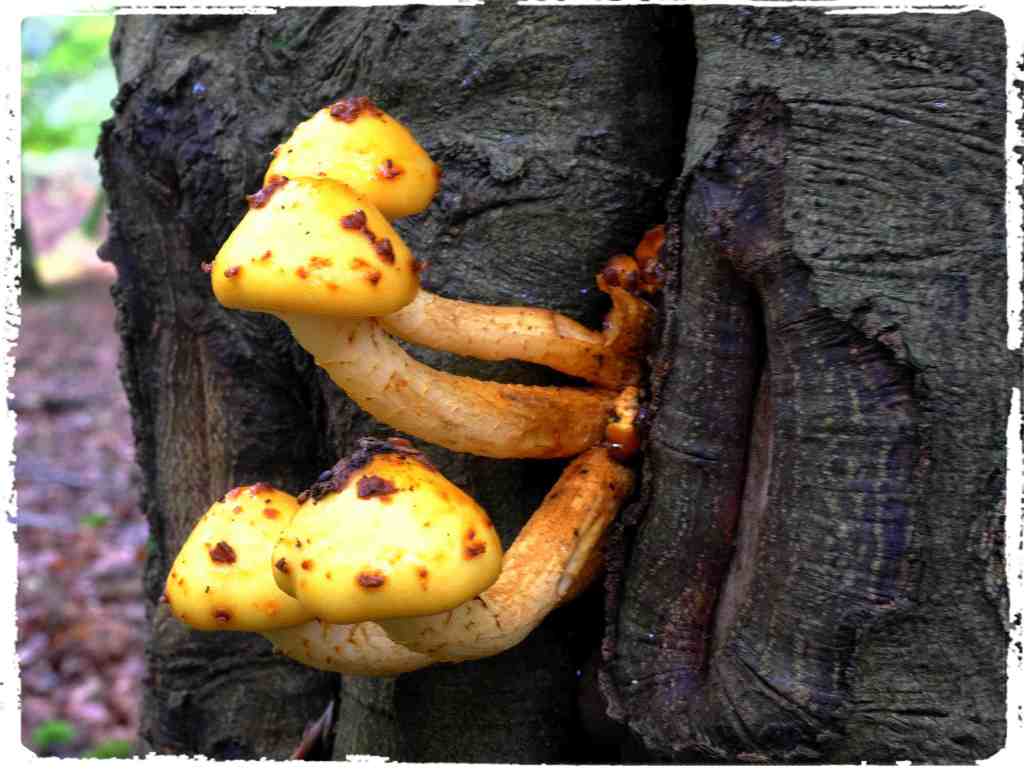
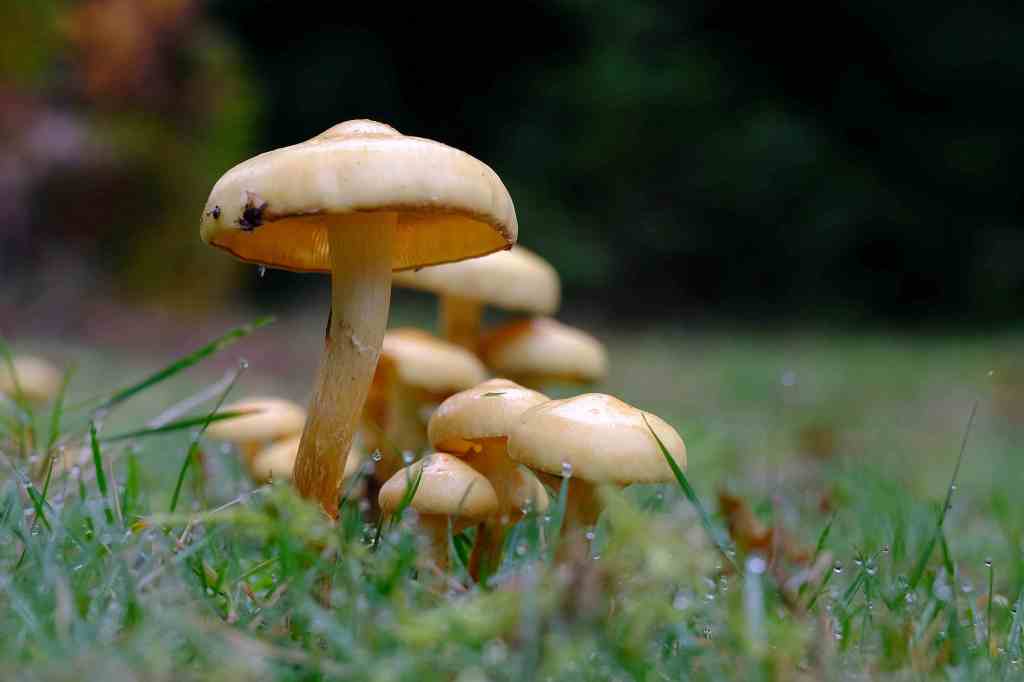
Bright yellow and given the common name of GOLDEN SCALYCAP (PHOLIOTA AURIVELLA). The colour can be a bright golden yellow to rusty brown with a slimy or greasy surface covered in darker-brown scales that sometimes wash off in the rain.

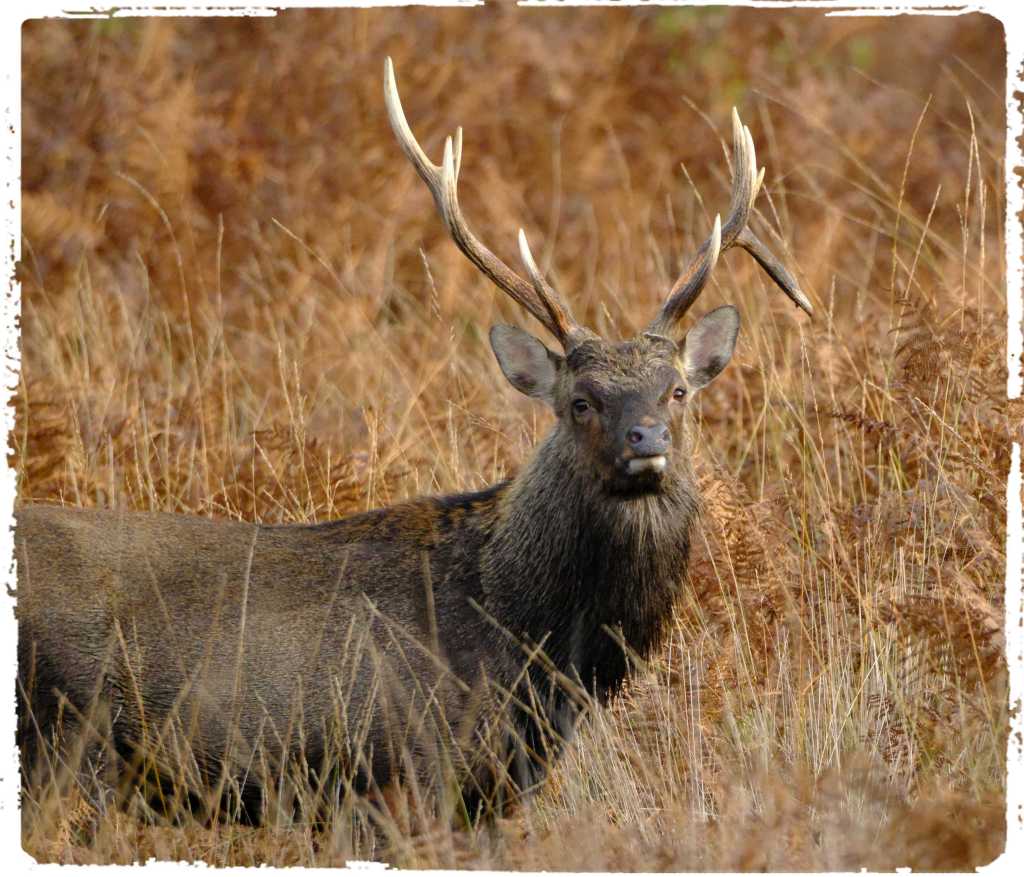
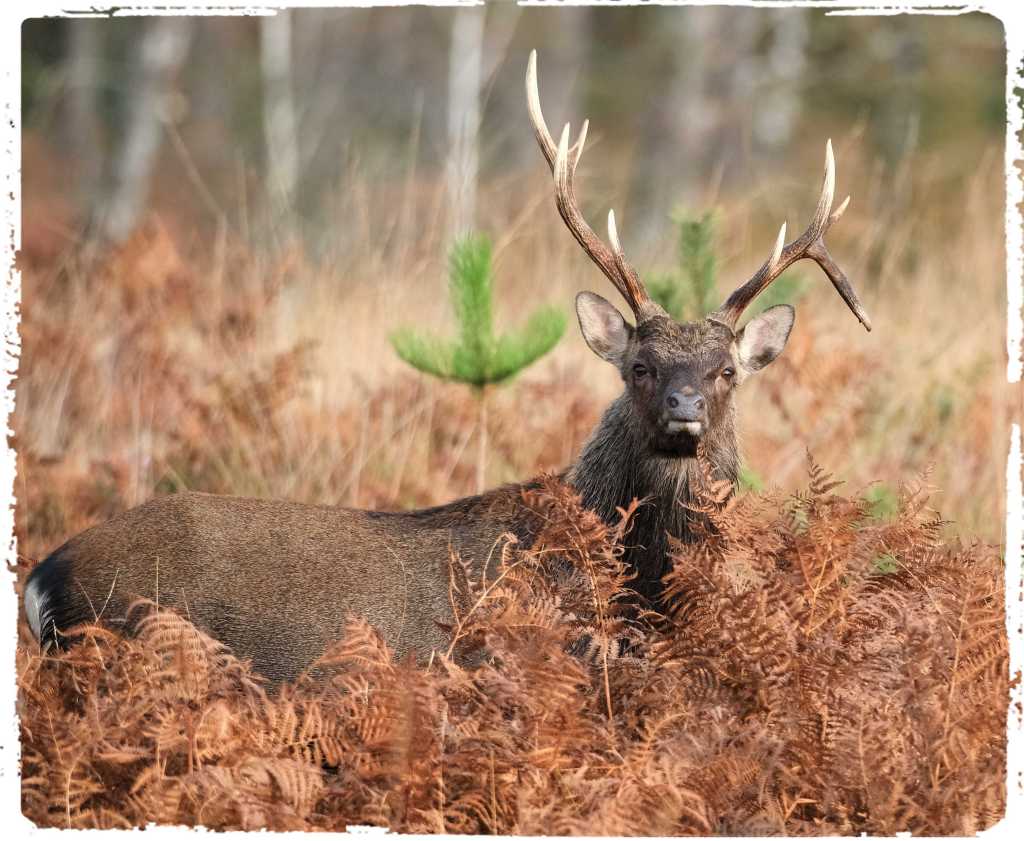
While walking we spotted this fine Sika Stag.