On a deer walk in the New Forest again today. Most views through the trees but a few clear shots.
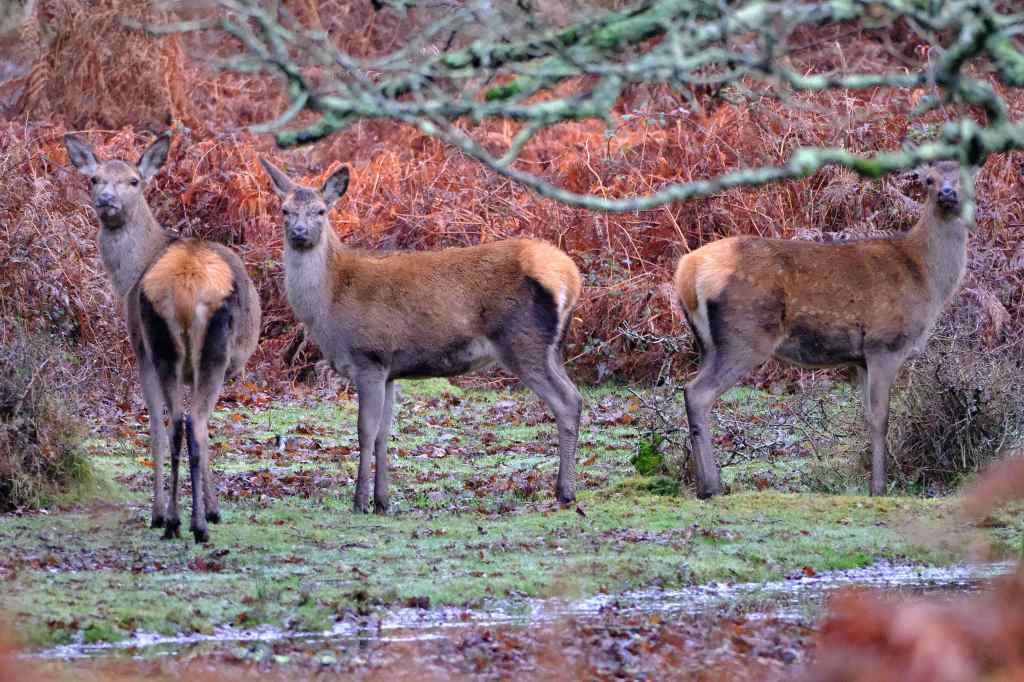
Fallow Deer “hinds”.


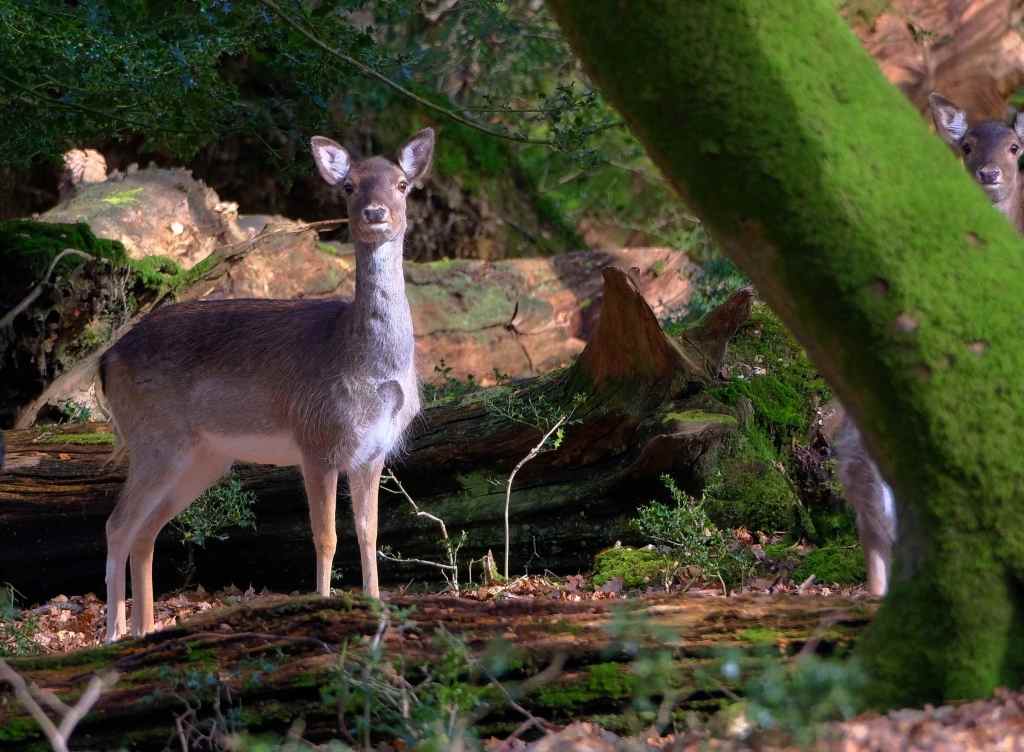
Fallow “Buck”.

Sika “Hind”.

On a deer walk in the New Forest again today. Most views through the trees but a few clear shots.
Fallow Deer “hinds”.
Fallow “Buck”.
Sika “Hind”.
Another established non-native bird.
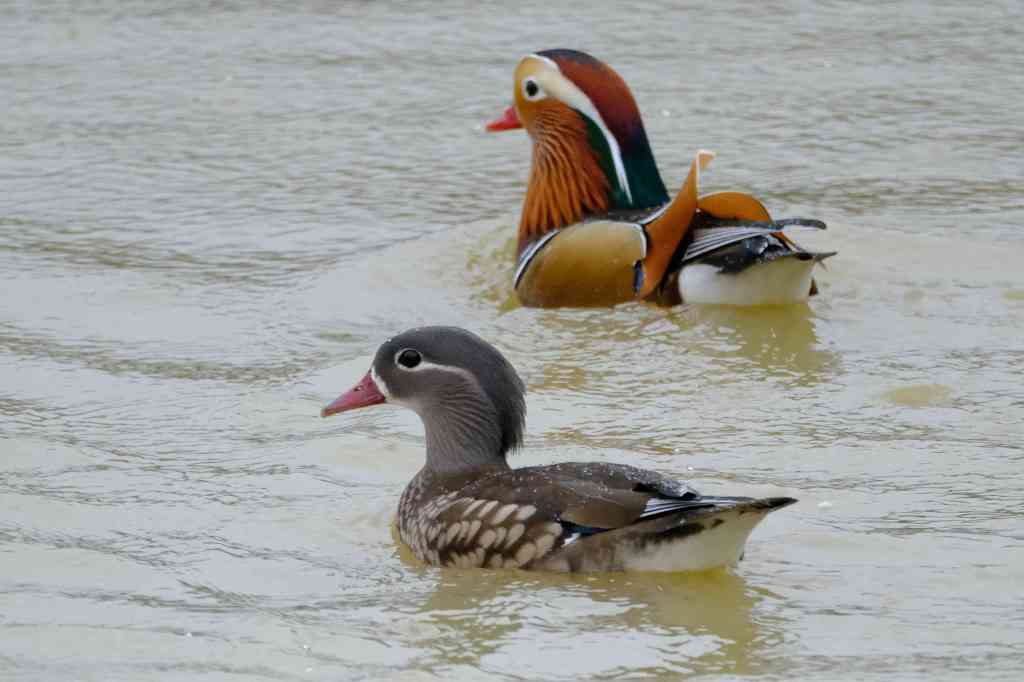
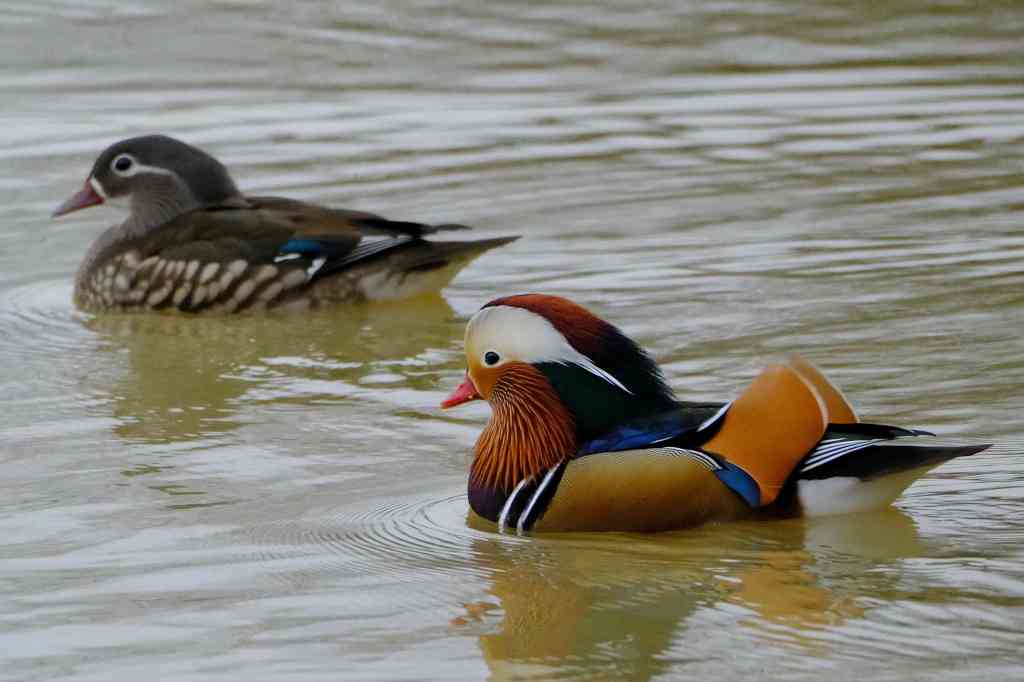
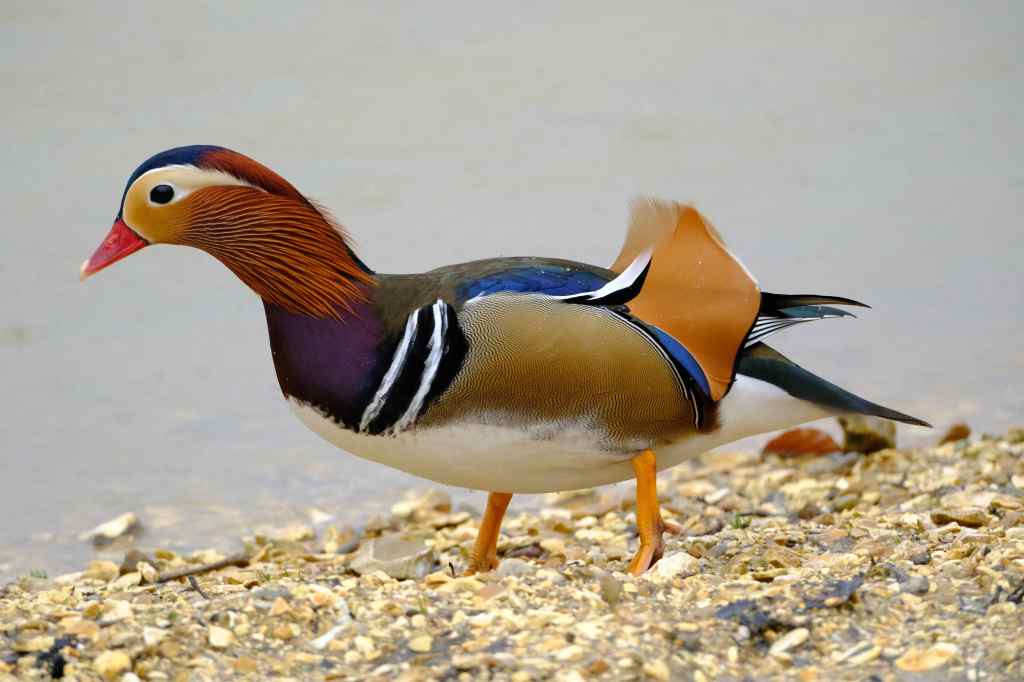
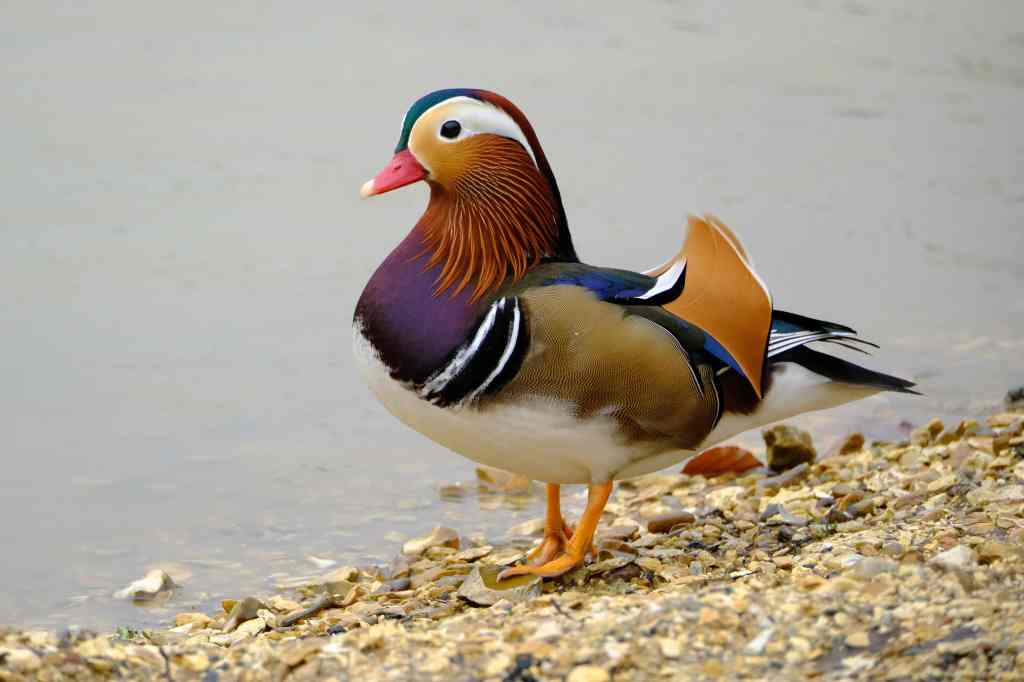
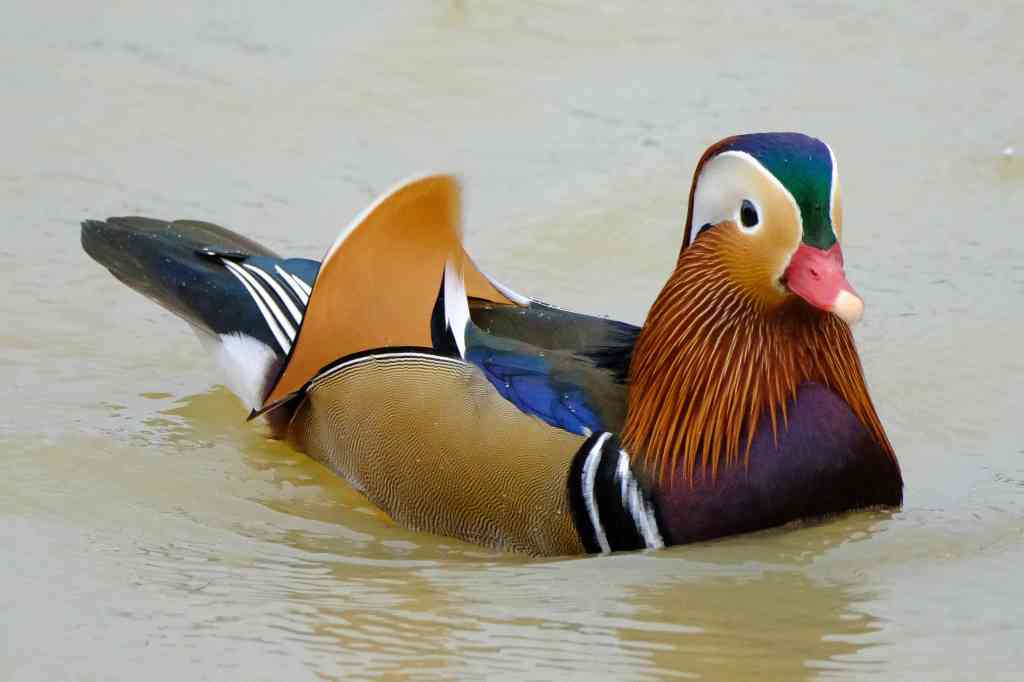
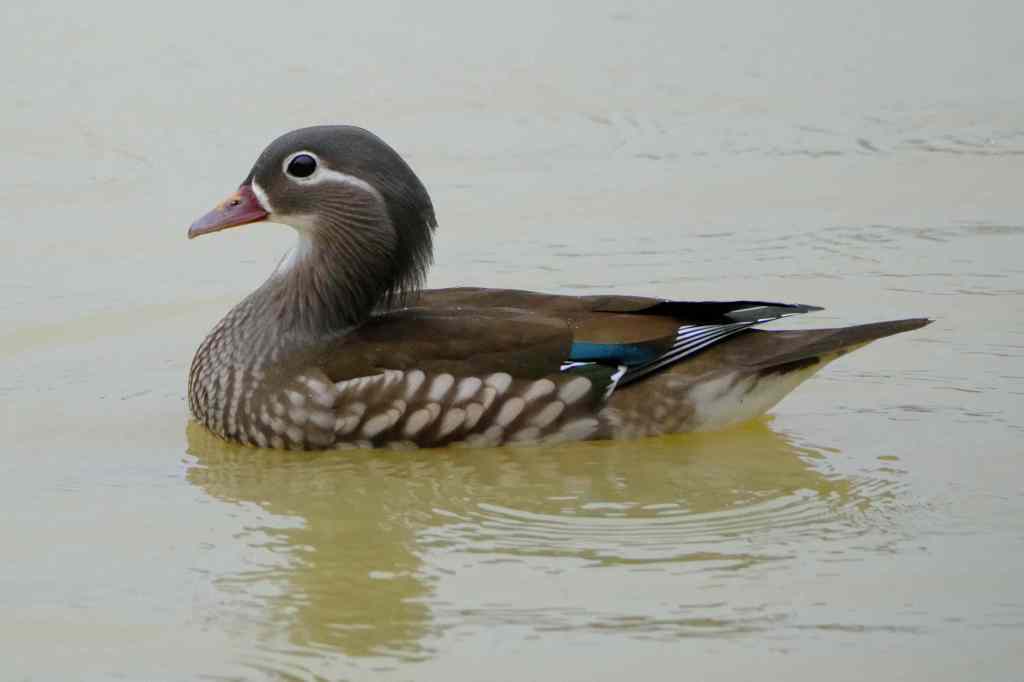
Mandarin Ducks were introduced from the Far East, They escaped, or were deliberately released, from captivity in the UK. A rather shy bird, often seen hiding beneath overhanging bushes, they form small flocks. The male bird has very elaborate and decorative plumage with distinctive orange feathers on the side of the face, a purple chest, and large orange feathers which look like small sails on its back. The female is not brightly coloured, with a grey head, white stripe behind the eye, brown back, and mottled lower sides. There was a flock of 10 birds today on the pond I visited today {the most I have seen there.}

These ducks nest in holes in trees, sometimes high up and a long way from the water. After the ducklings hatch, the female will coax the young to jump from the nest. Once they have left the tree make their way back to the water. The Drake will return to the family and help to protect the ducklings

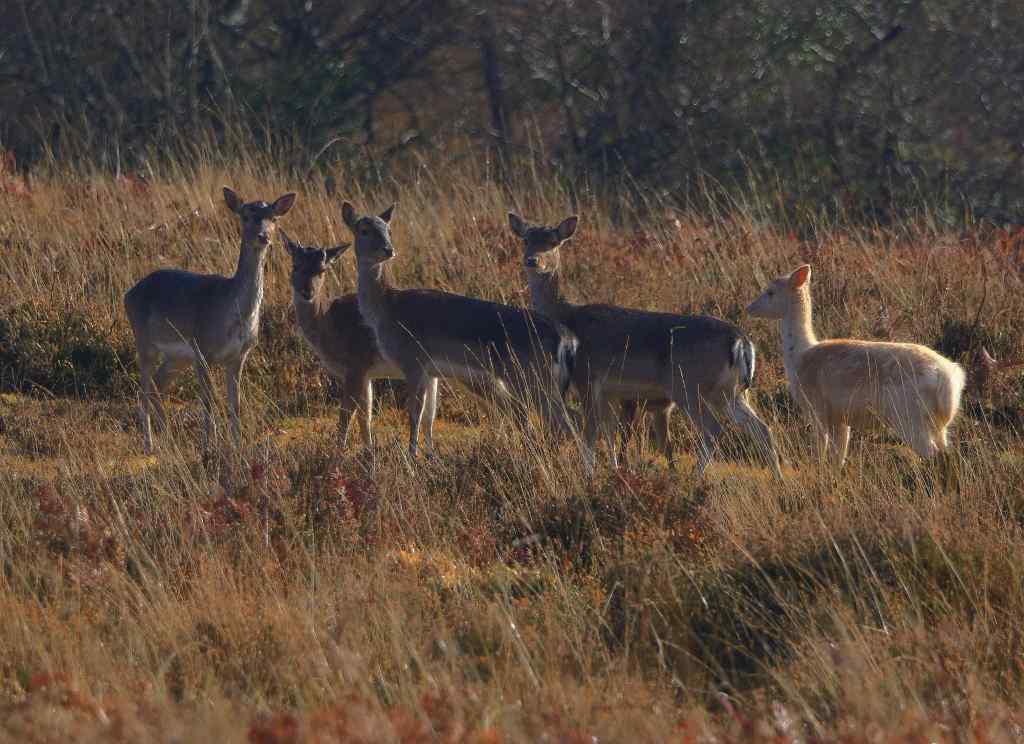
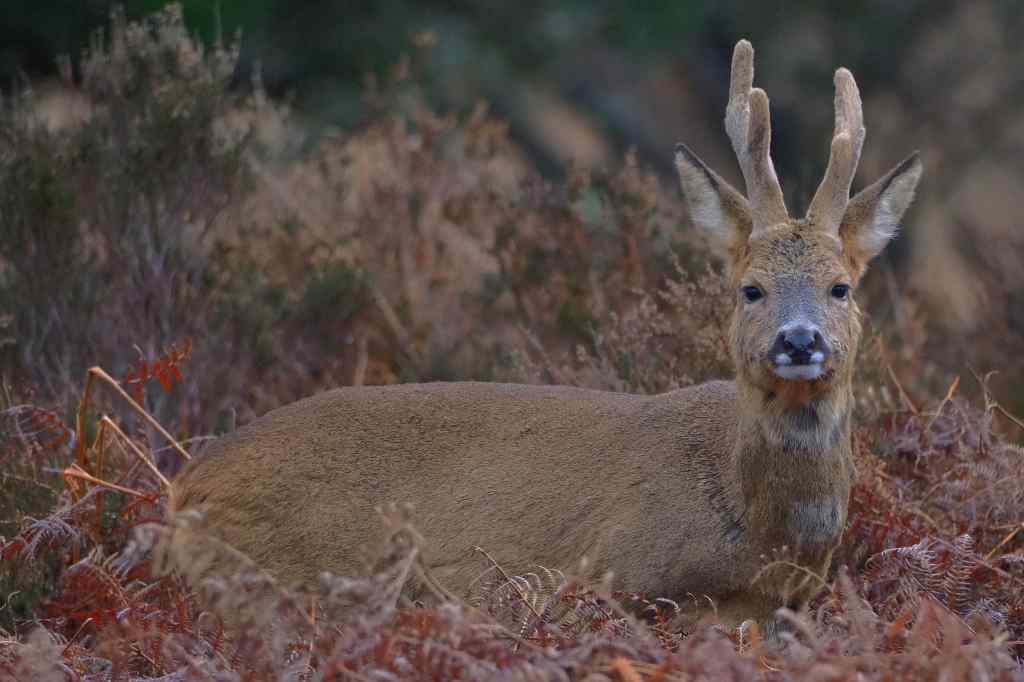
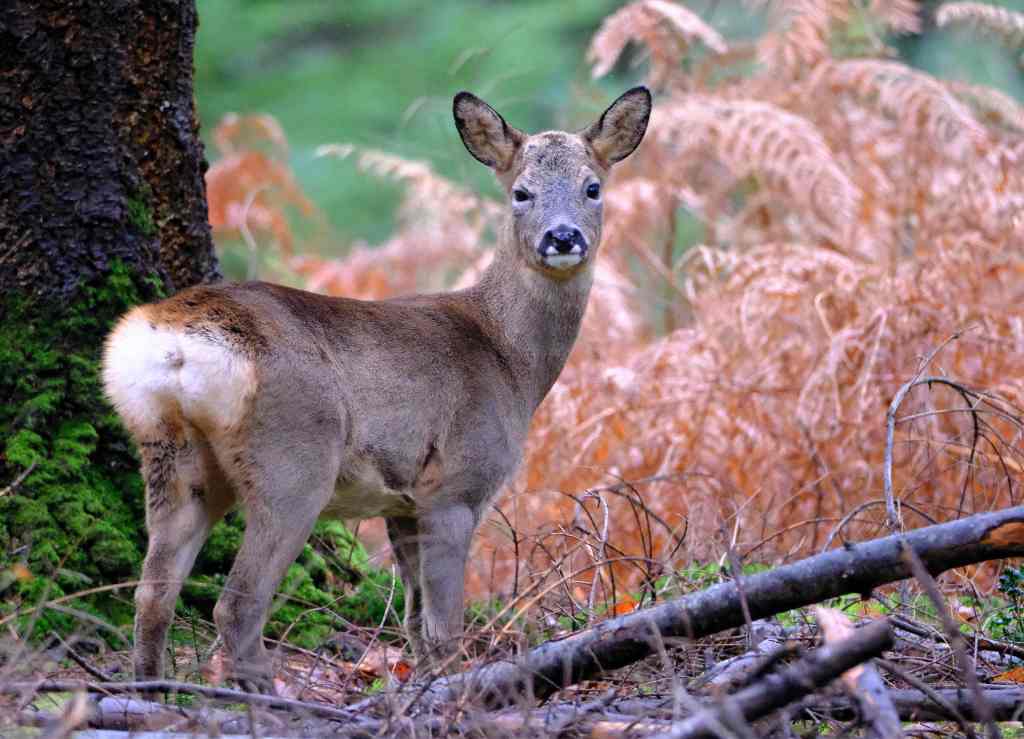
Back to the New Forest for a walk today but in rather damp conditions – several groups of Fallow Deer spotted and a single mature Roebuck with a good set of antlers in velvet.
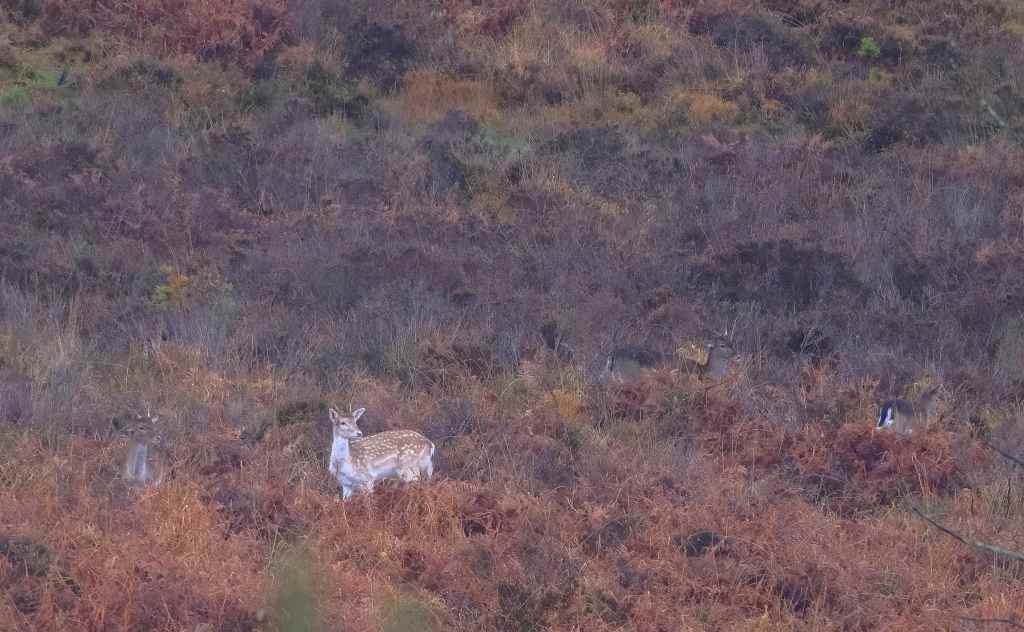
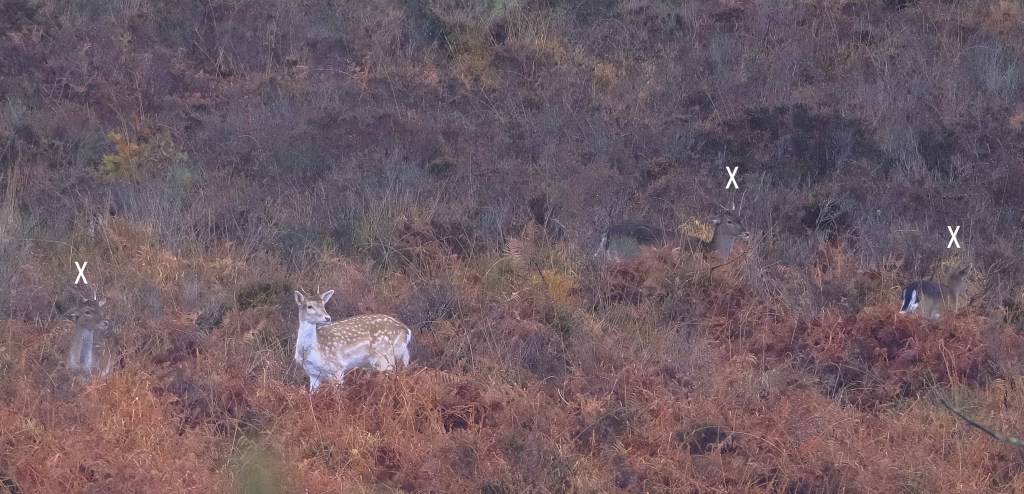
I spend a lot of time considering natures camouflage – some of the Fallow Deer in the forest are very pale in colour as this young buck is – he was easily spotted at quite a distance the 3 other darker deer are well hidden. I would not have seen any deer if the pale buck was not there!
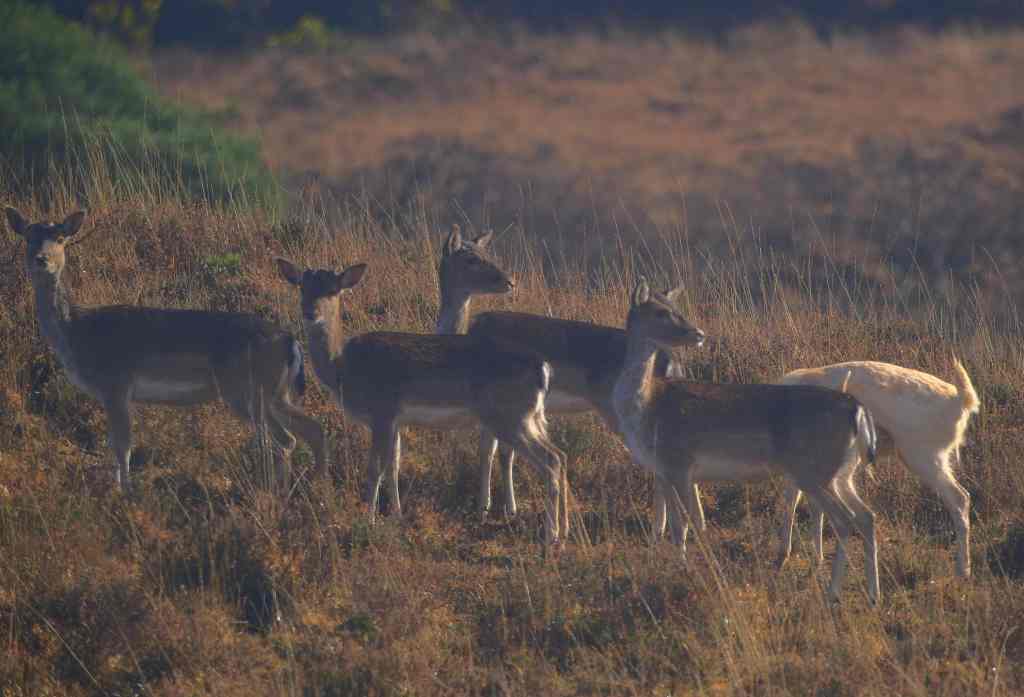
This group of hinds has a white member


Roebuck.




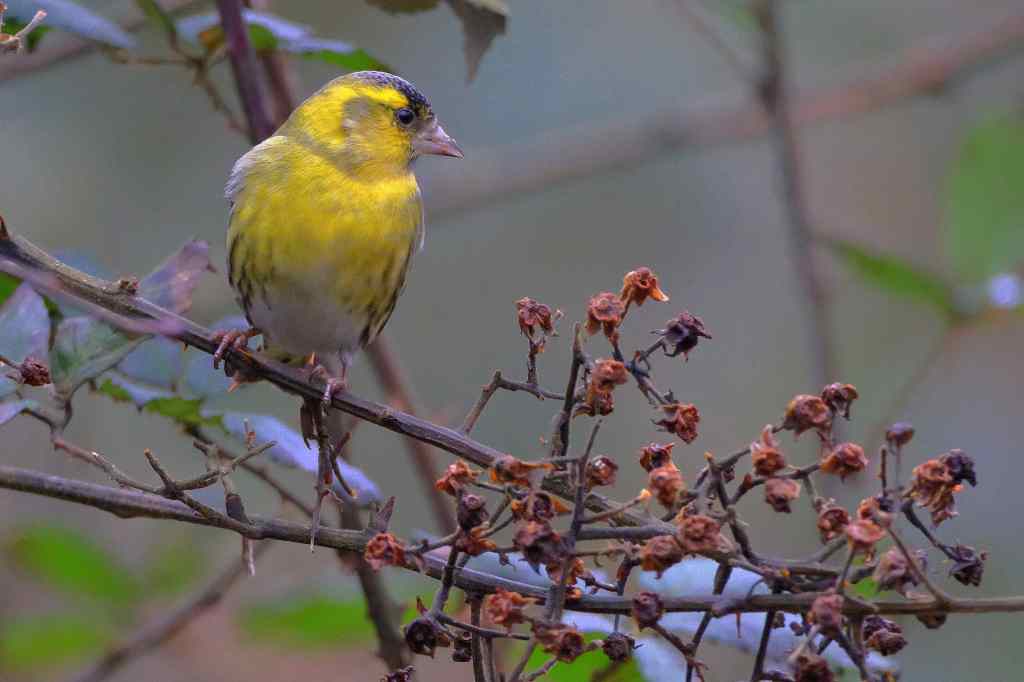
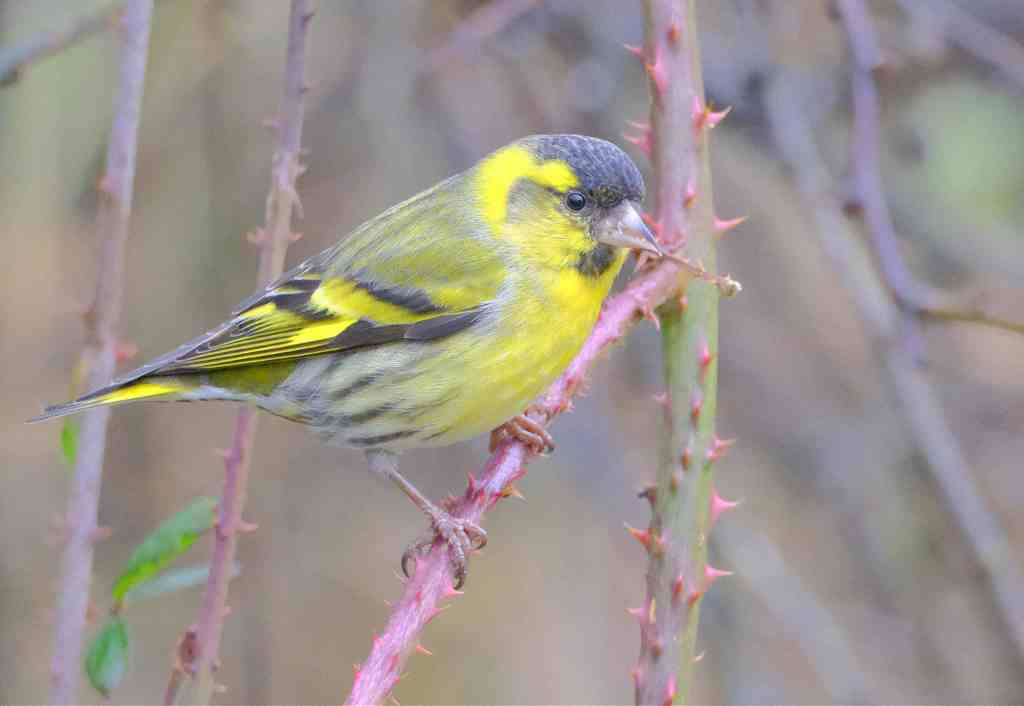
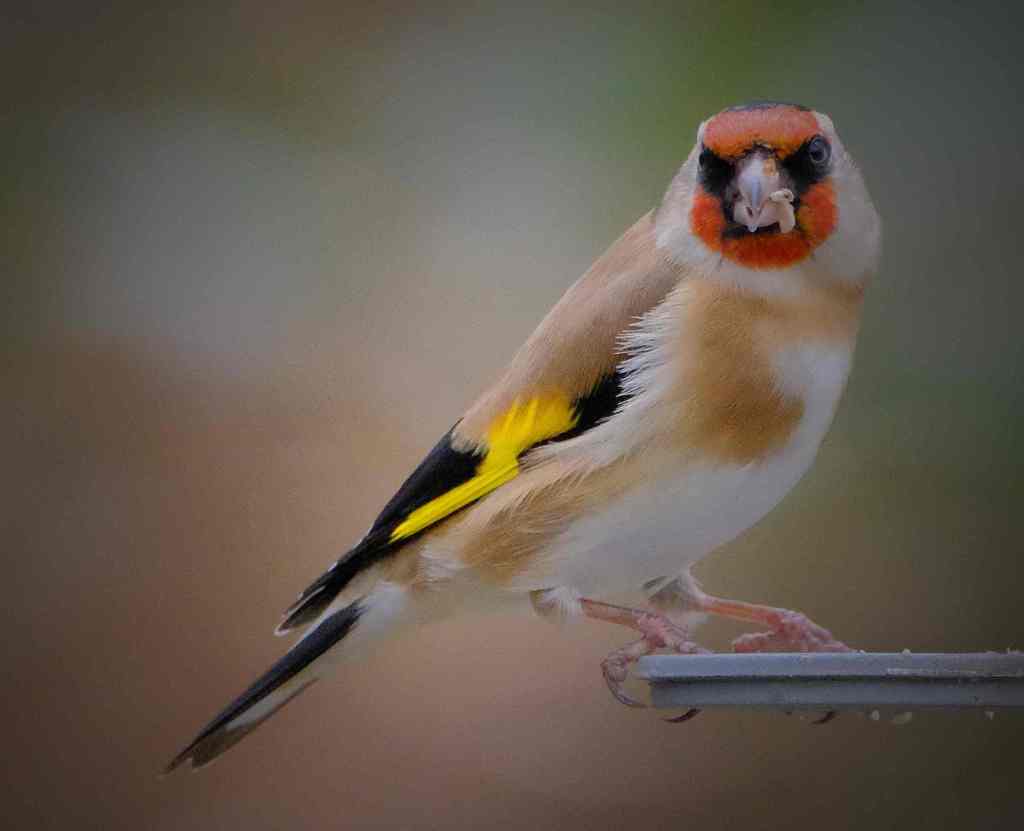
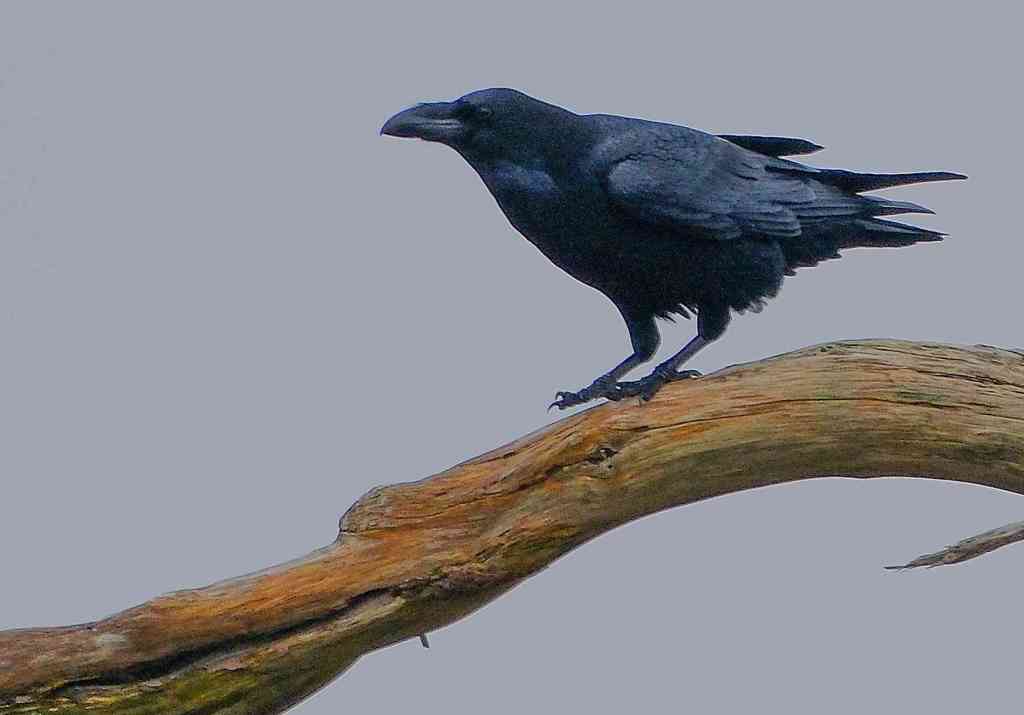
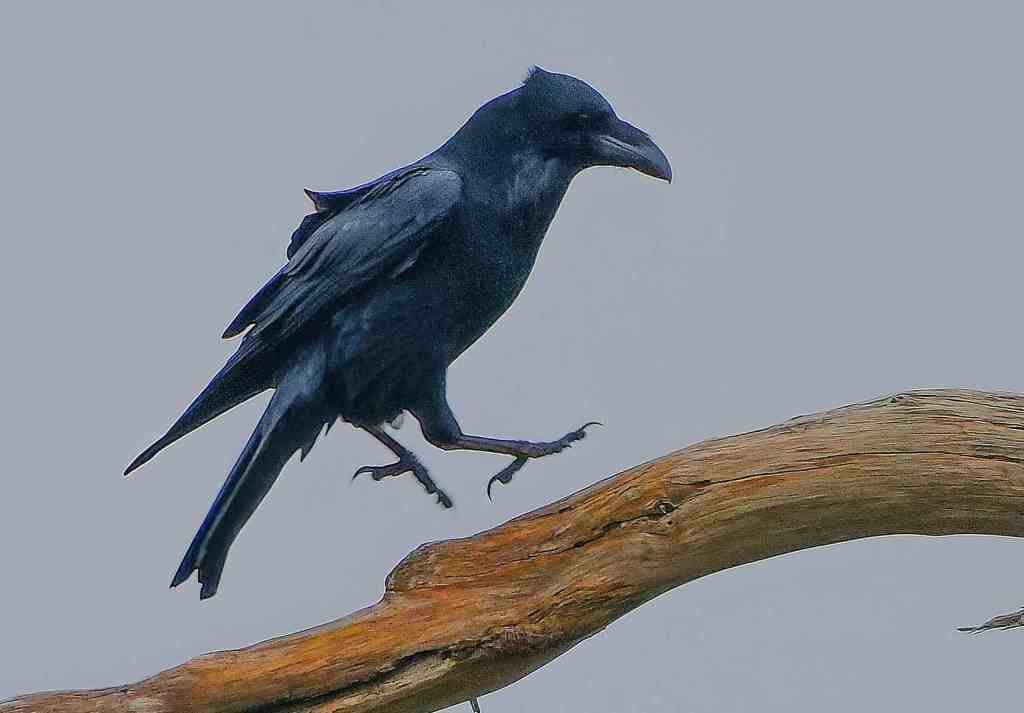
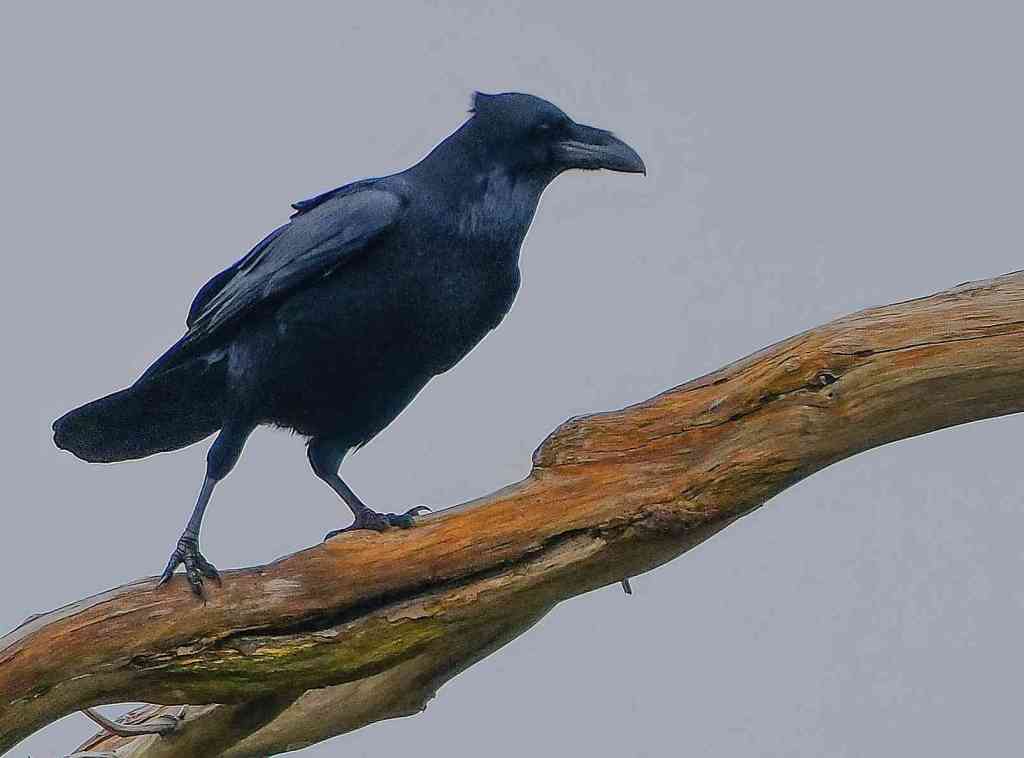
The Common Raven (Corvus corax) is a large all-black bird. It is massive – the biggest member of the crow family. This lone bird was using a dead tree as an observation post so hence I could not get very close across the open heathland.
These pictures are cropped in so much more grainy than I would have liked. Spotted New Forest.

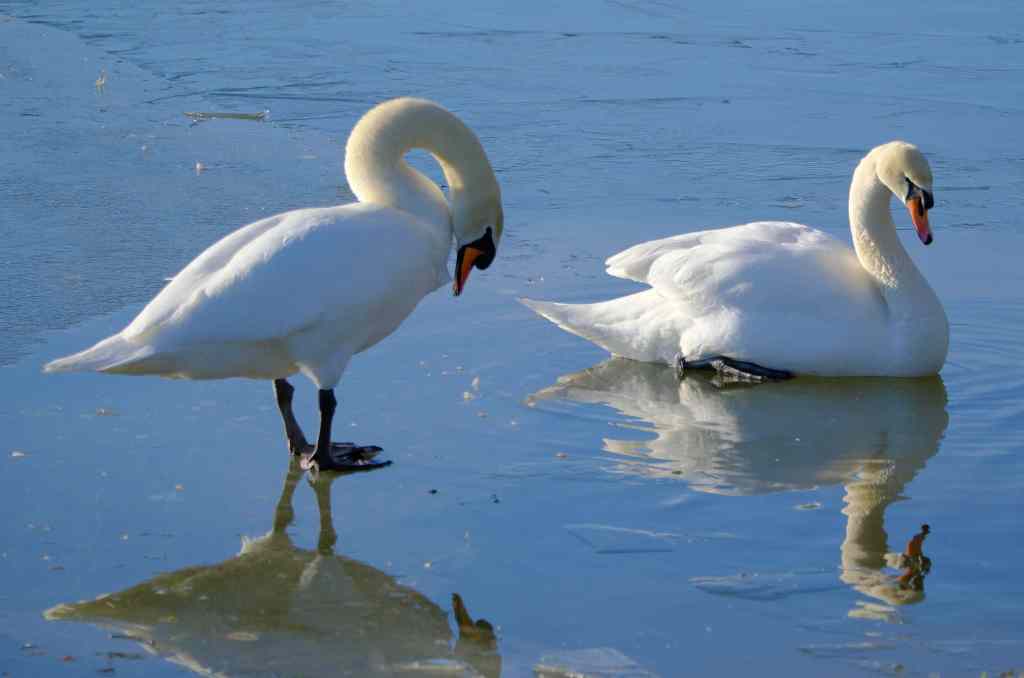
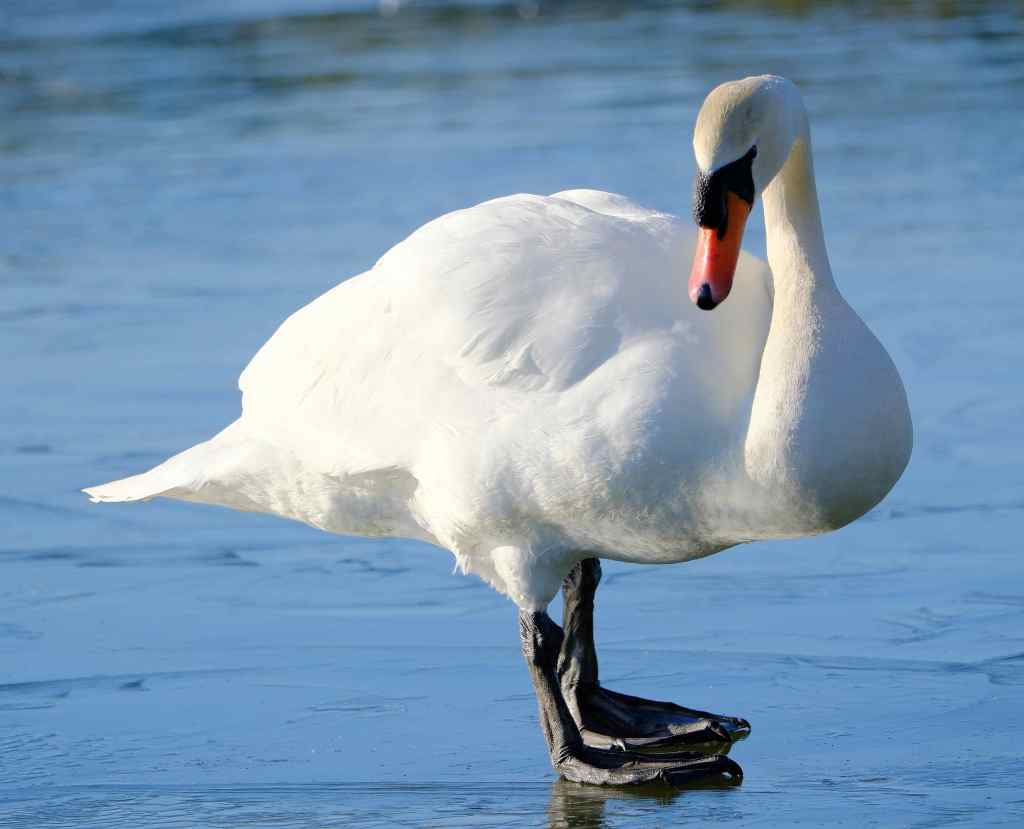
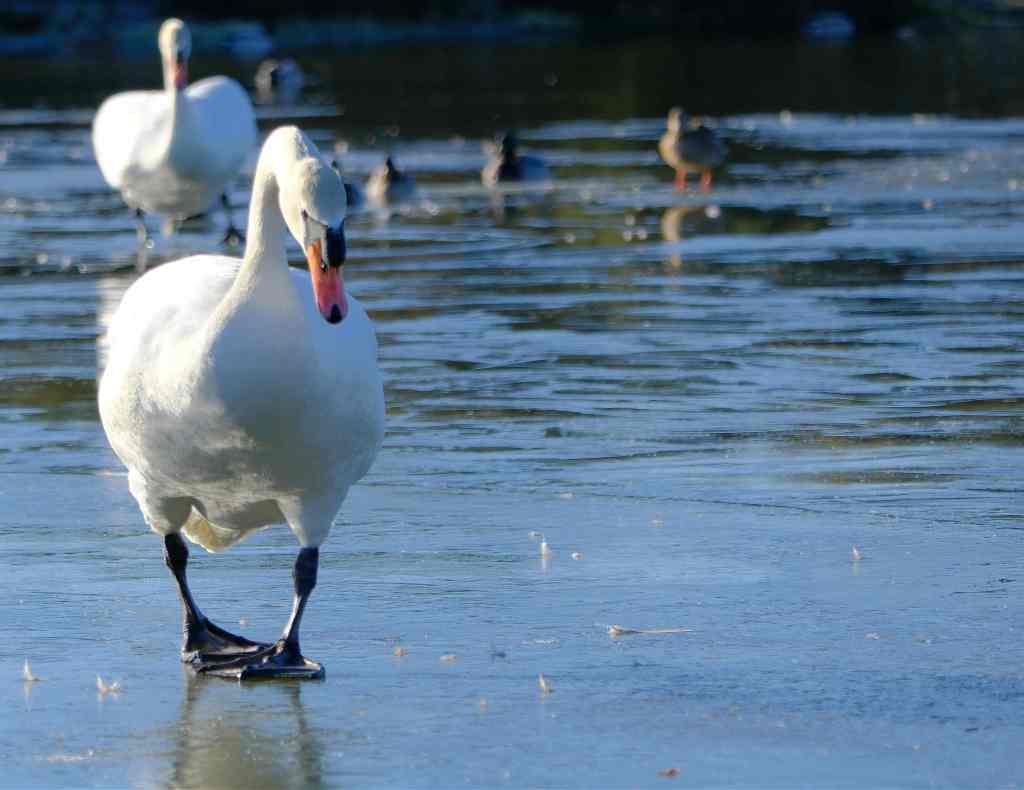
Frozen pond in the New Forest.




When I grow up – I will be like Dad. A young Fallow Deer buck and an adult. On most walks in the New Forest once you get away from people on mountain bikes and dog walkers – walk quietly through the enclosures and across the moorland of the National Park rarely do I not see some deer.


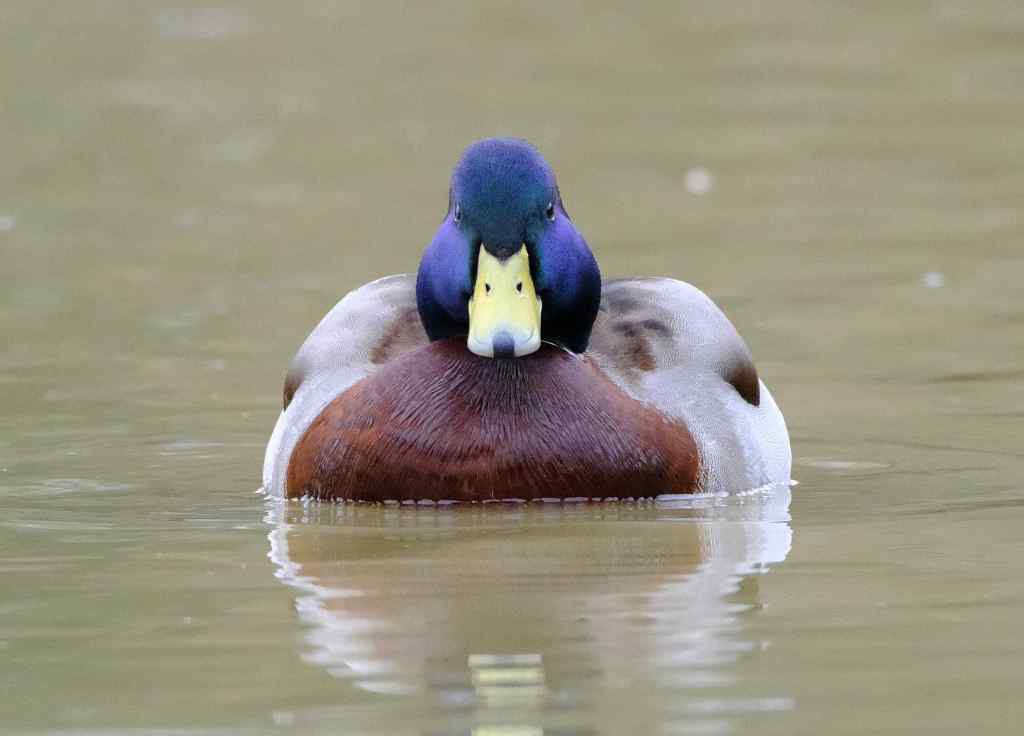
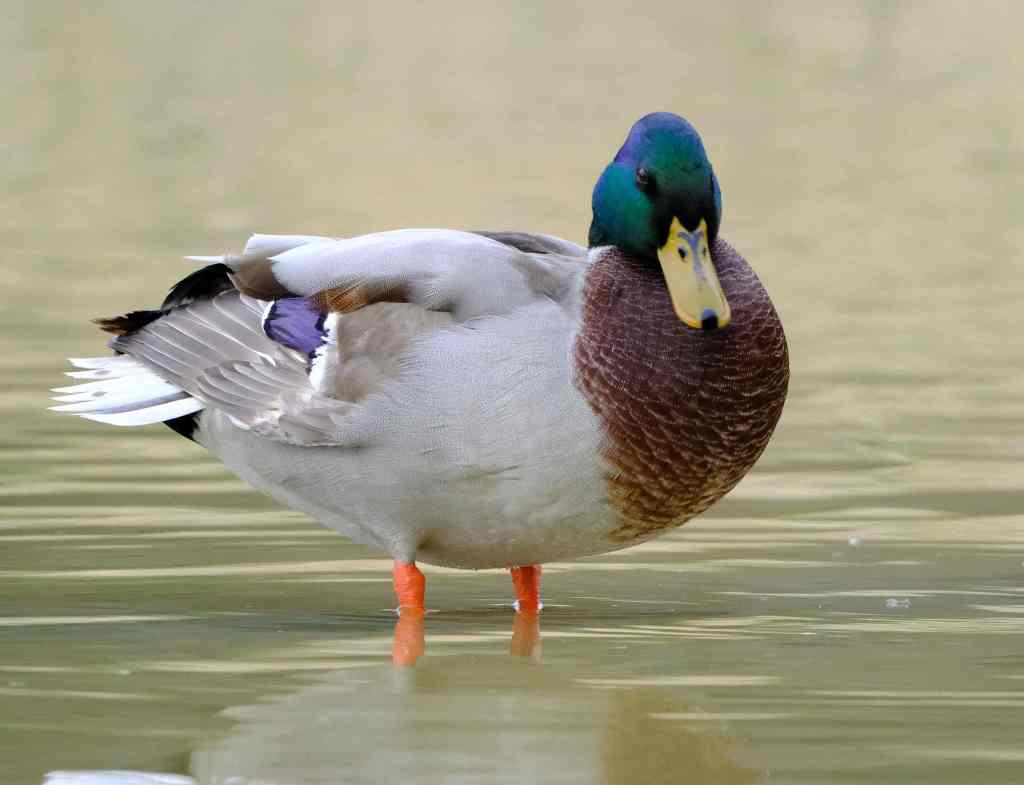
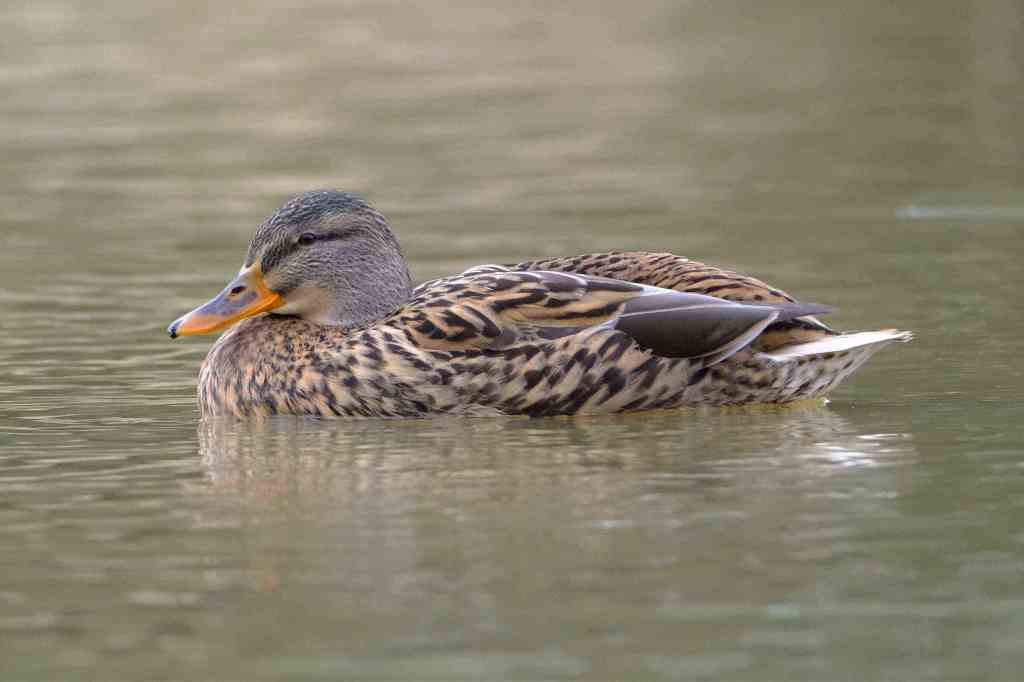
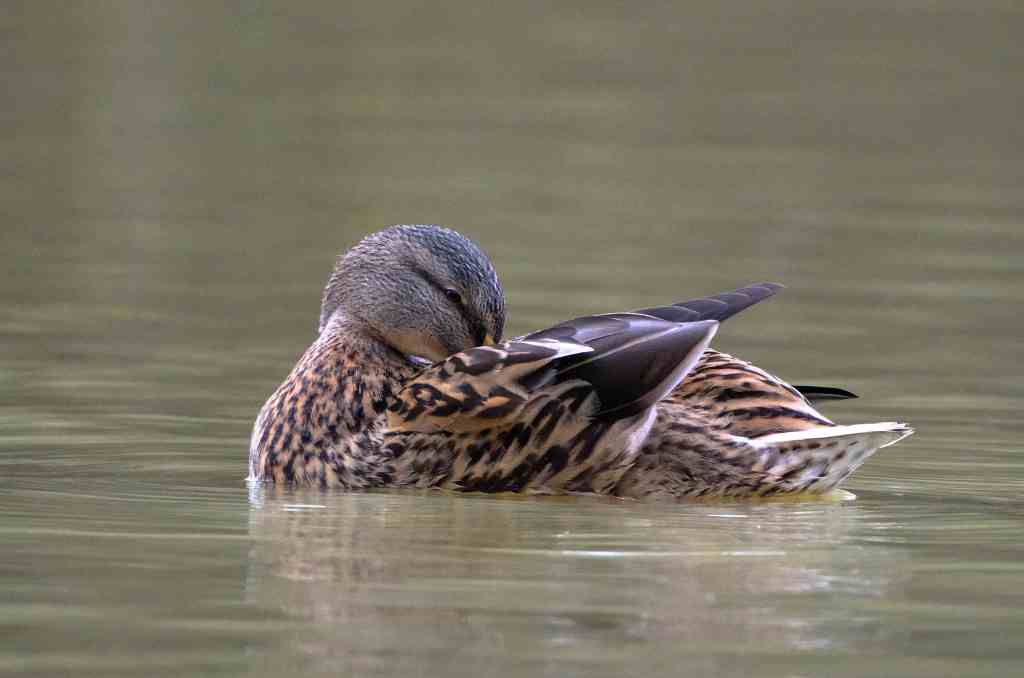
So common is and we have all grown up with Mallard ducks around us so we often overlook this handsome dabbling duck. The Mallard is a large and heavy-looking duck. The male has a dark green head, and a yellow bill. They are mainly purple-brown on the breast and grey on the body. The female is mainly brown with an orange bill. Mallards breed in all parts of the UK


New Forest Deer this morning. (picture post).
Roe Deer.

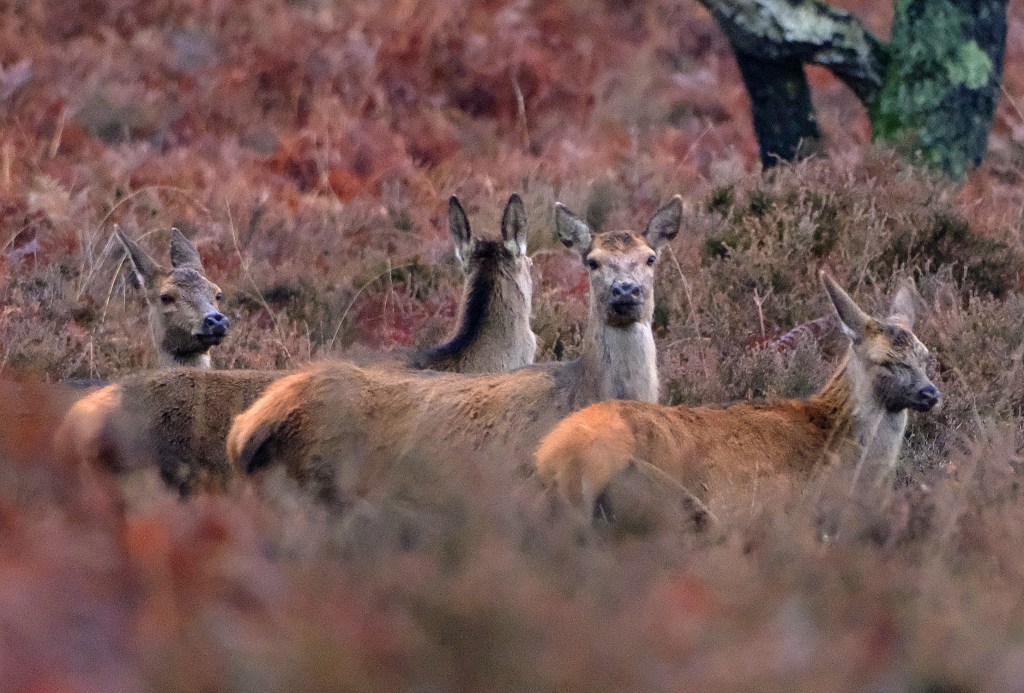
Red Deer.



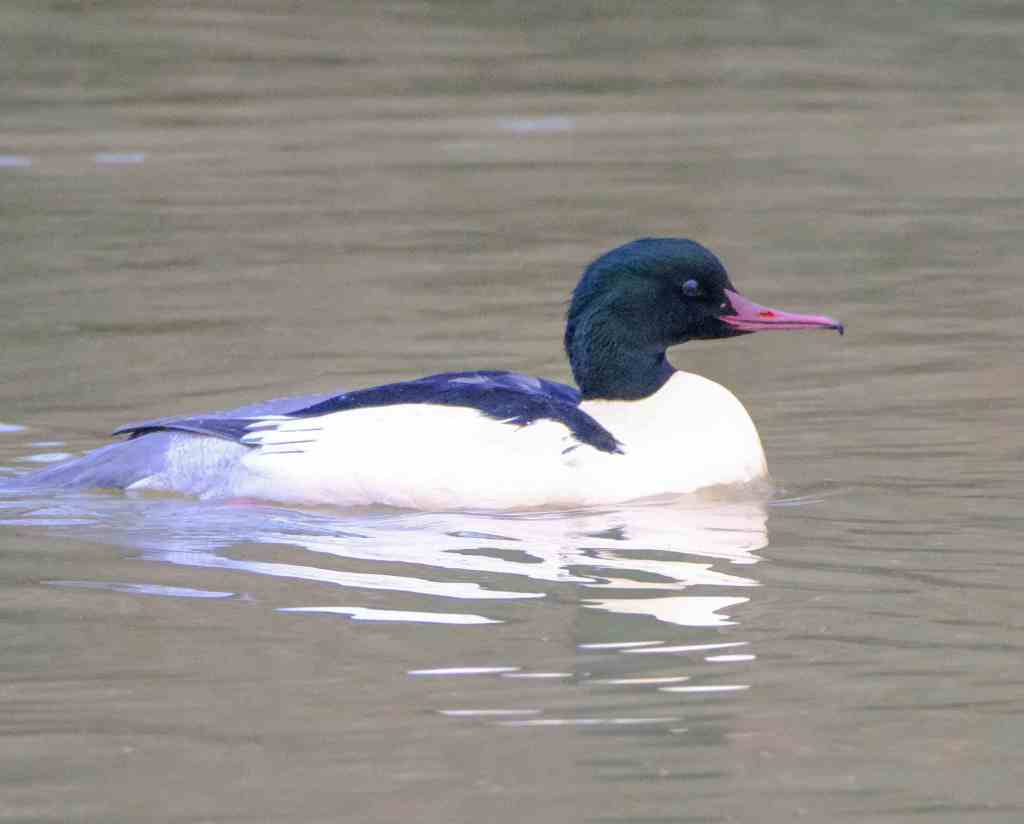
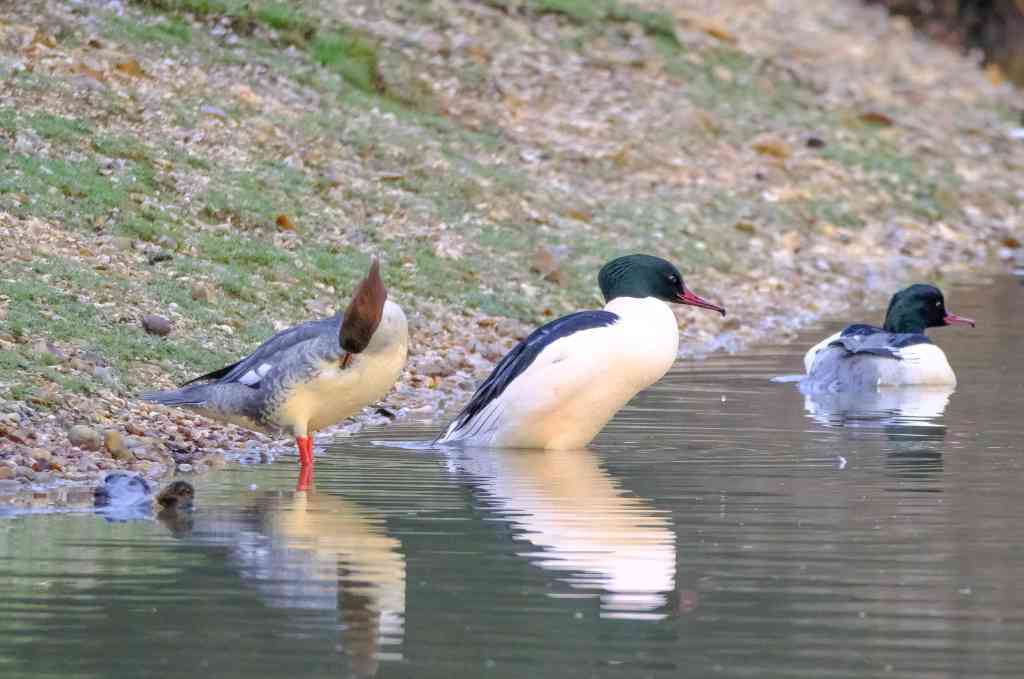
On one of the New Forest ponds I visit, there were several Goosander’s last week. Although I was able to get some photographs it was raining hard so I decided to return today in the hope they were still there and with better weather picture opportunities would be better. The Goosander is a diving duck which is a member of the sawbill family, named because of its serrated bill, which they use for catching fish. Mainly a freshwater bird, the Goosander first bred in the UK in 1871. Goosander’s are known as Common Mergansers in some parts of the world.
Two male birds with green heads. (the females have brown heads).