We had another good day of nature spotting in the New Forest today. We watched Brook Lamprey spawning. A primitive eel-like fish, they are rarely seen. They spend most of their lives as larva buried in the silt of stream beds. Upon turning into adults, they swim upstream to spawn. This is their last act before dying. They Spawn in April and May.
New Forest
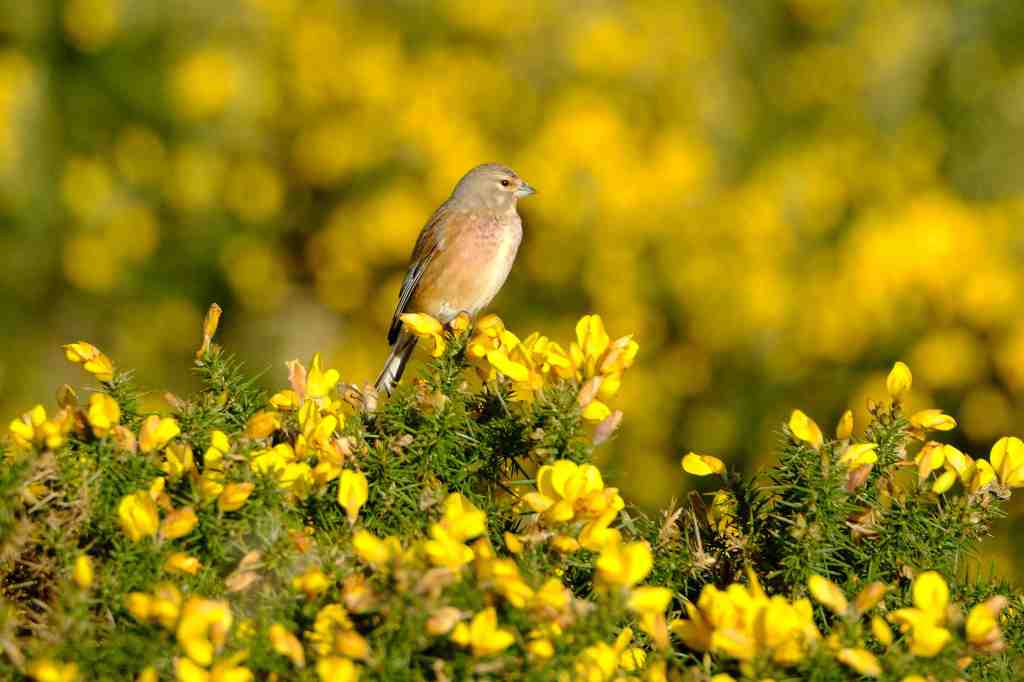
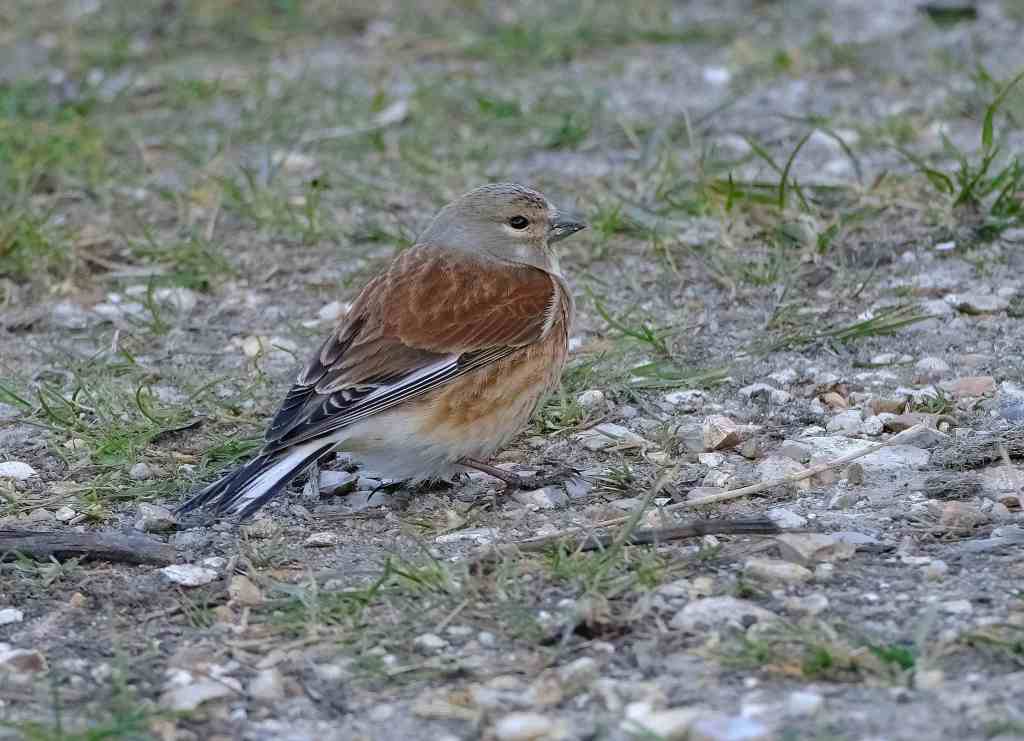
Common Linnet.
A small finch found on farmland and heathland across the UK.


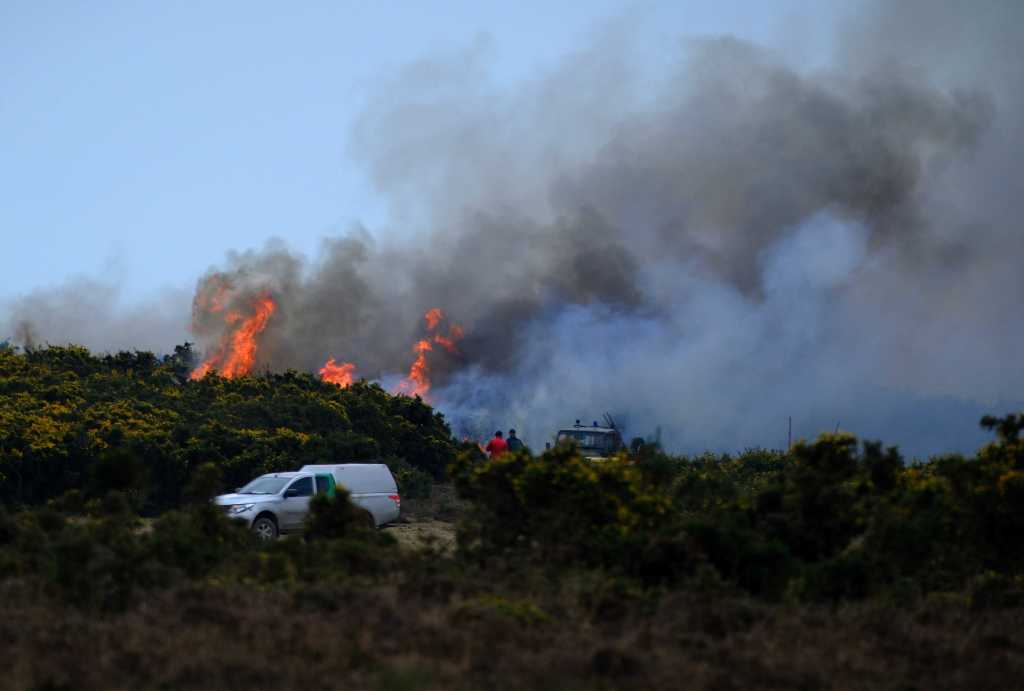
Fire.
In the New Forest, Forestry England conducts controlled burning of heather and gorse. This helps maintain and enhance heartland habitats. It promotes biodiversity and reduces wildfire risk.

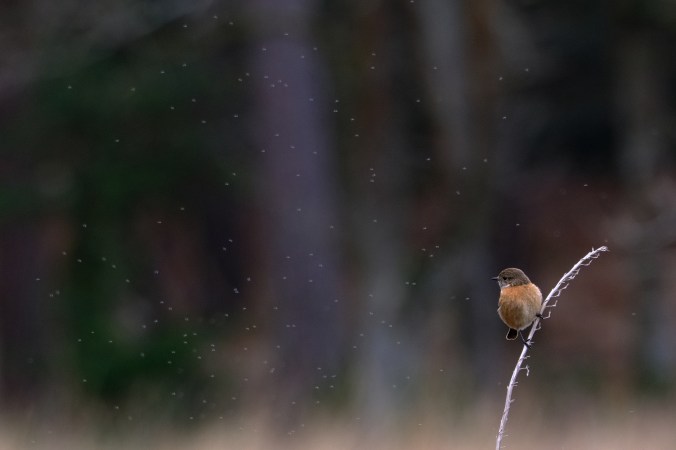
Bugs life!
Stonechats mainly eat insects, but they also eat seeds and fruits, especially in the colder periods when insects are scarce.

As you can see in my pictures, there were plenty of insects about today!
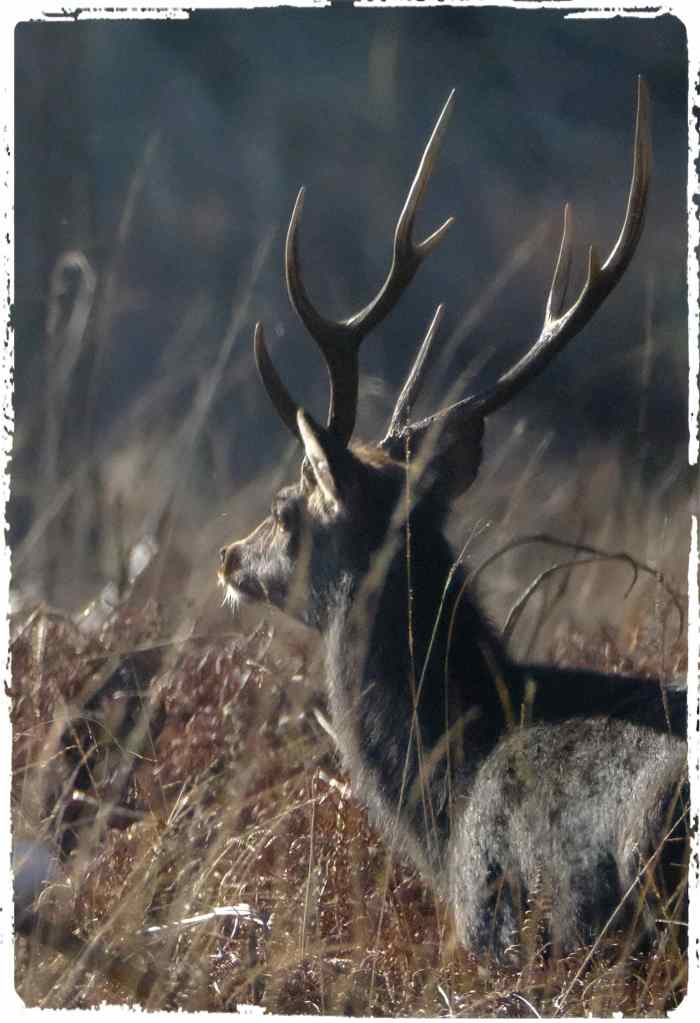
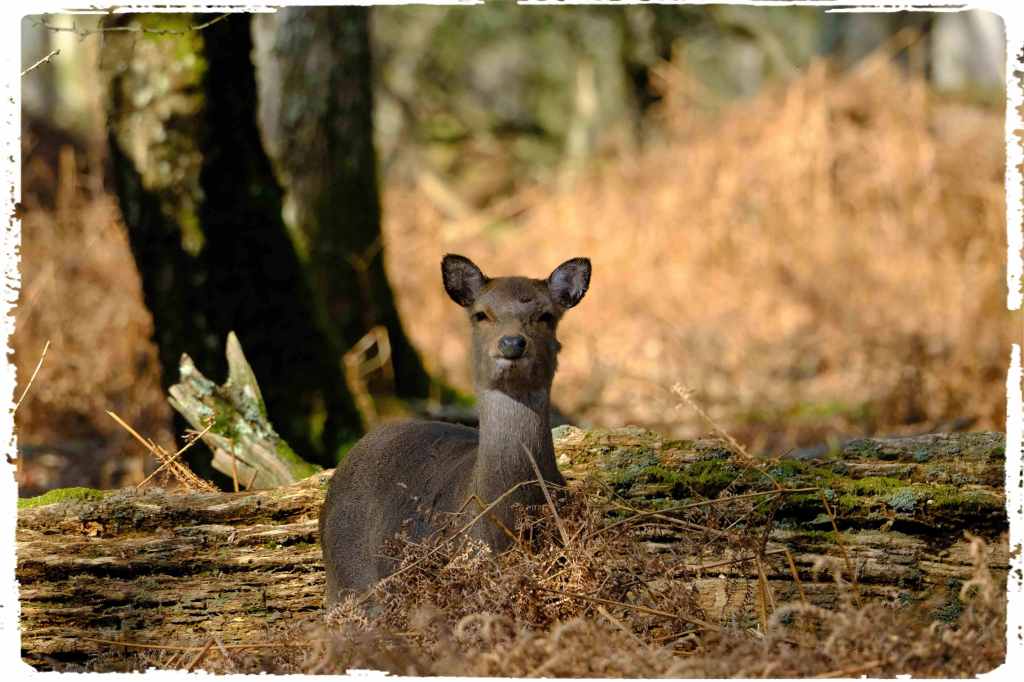
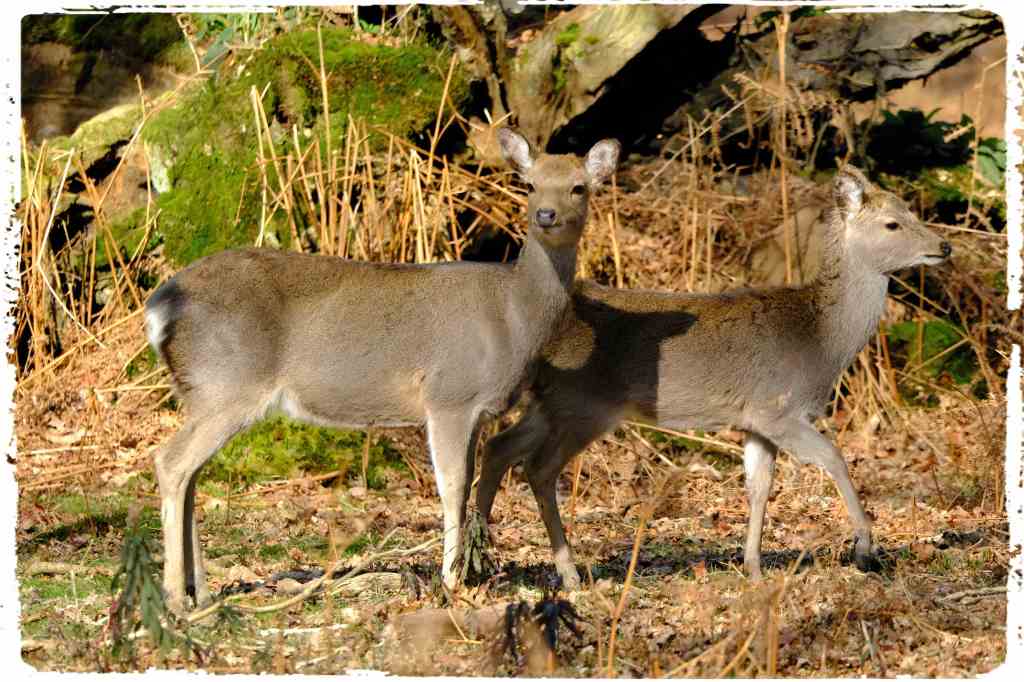
Sika.
Making another trip into the New Forest this morning, looking for Sika Deer. Sika deer are not native to the UK but have escaped from parks and collections nationwide. In the 1900s, King Edward VII gifted Lord Montague of Beaulieu a pair of Sika Deer. Some of their progeny escaped and now populate the New Forest in the Beaulieu area,
A successful walk with 2 groups of deer spotted. Sika are generally inquisitive in their behavior towards humans. They react quickly on the first suspicion of danger by fleeing. The animals today were very inquisitive of us. Seeing us as no threat, they were happy watching us. This allowed some close photographs to be taken.
Sika tails are shorter than Fallow Deer tails, and their rumps are normally all white. Male Fallow deer have broad, flattened antlers, while Sika antlers are pointed, like the Red Deer.



Underwater filming.
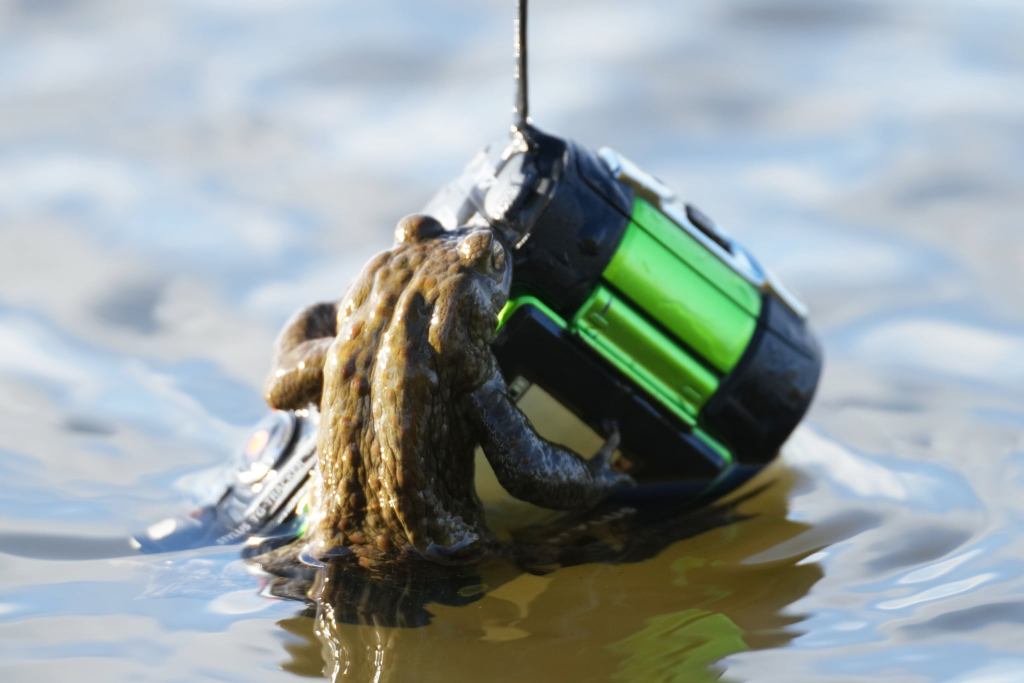
After enjoying watching toads on Tuesday, I returned to the pond with my underwater camera. The results were good. One loan toad chased the camera and attached himself, confusing it with a female toad. The other fact that I did not expect was that they communicated underwater. The soundtrack shows this.
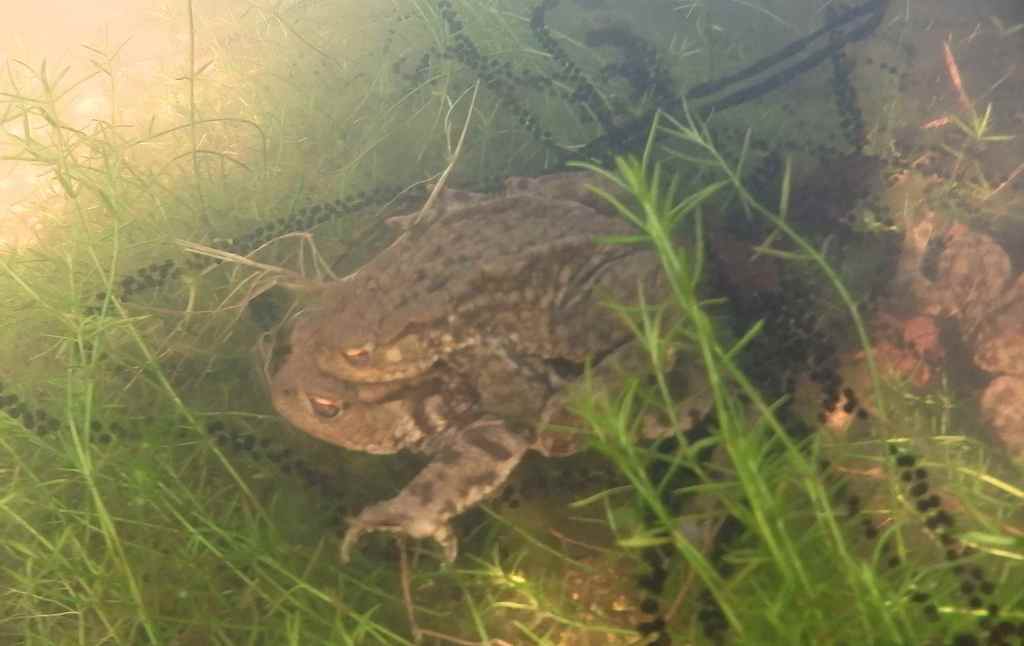


Toad Spawn is formed as a “string” of eggs, while Frog Spawn is in “clumps.” I have shown both in the clips.
Toad is holding onto my camera!
Toad pool.
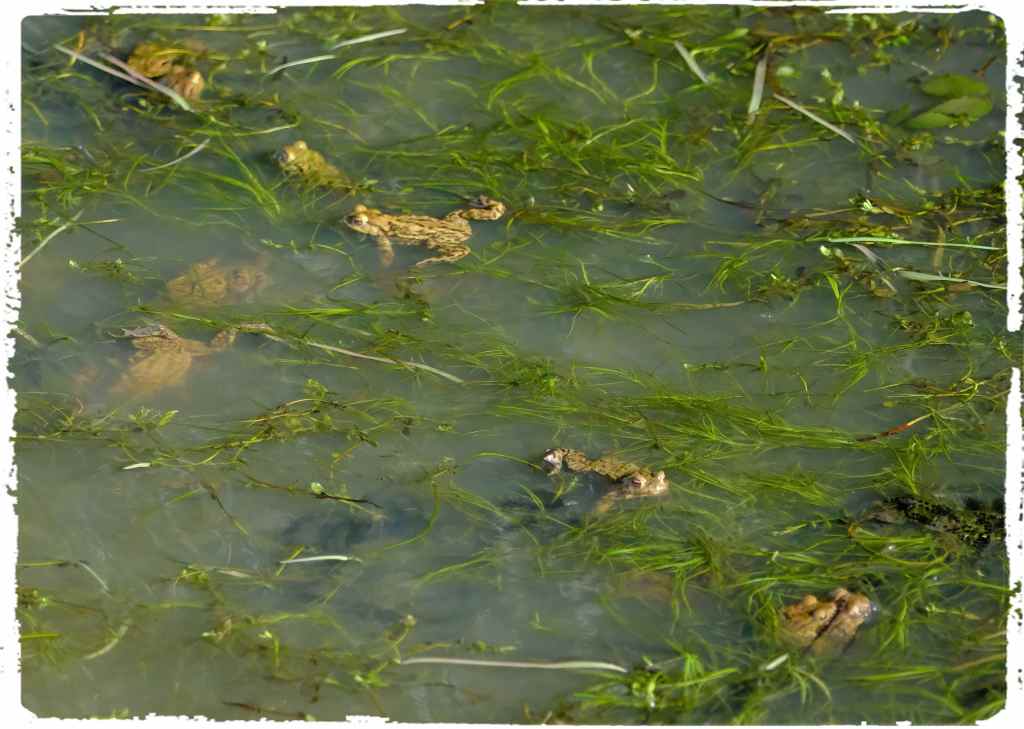
Today was the best nature spot of the year so far. Nature never fails to surprise me. Even today, new sightings of events or species are thrilling. I have been viewing nature and the environment for a long time. Since drawing my pension, I have more time to conduct my observations.
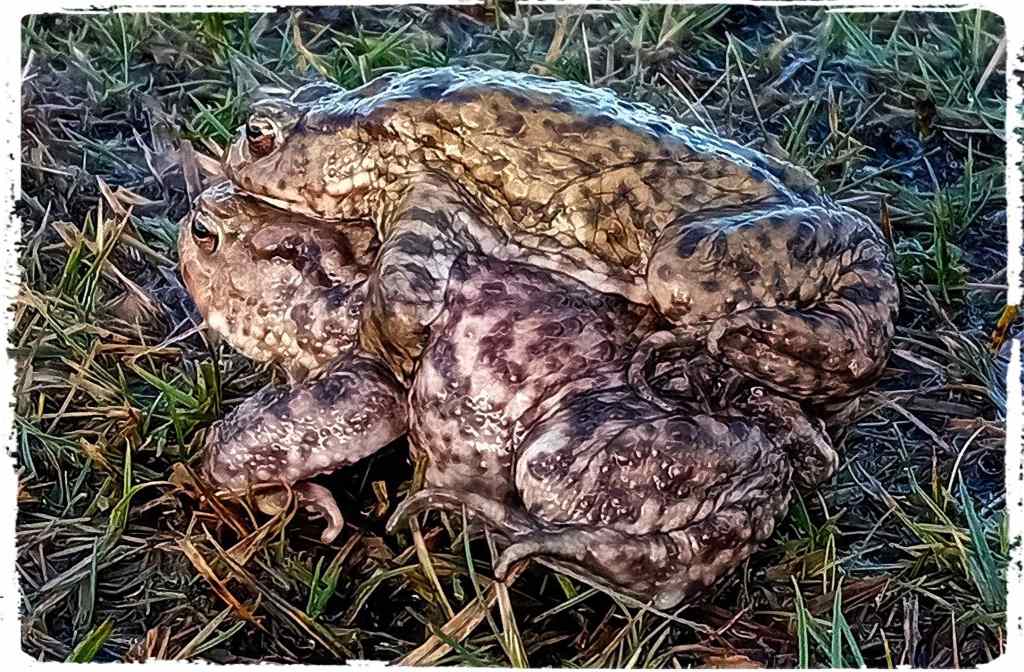
I have only ever seen single Common Toads in the wild in the past. Today, we took a chance walk around a New Forest pond. It was off the beaten track. We came across a mass of mating toads.
Several 1st :- mating toads, toad spawn, toads in a pond, toads calling, frog mating with a toads

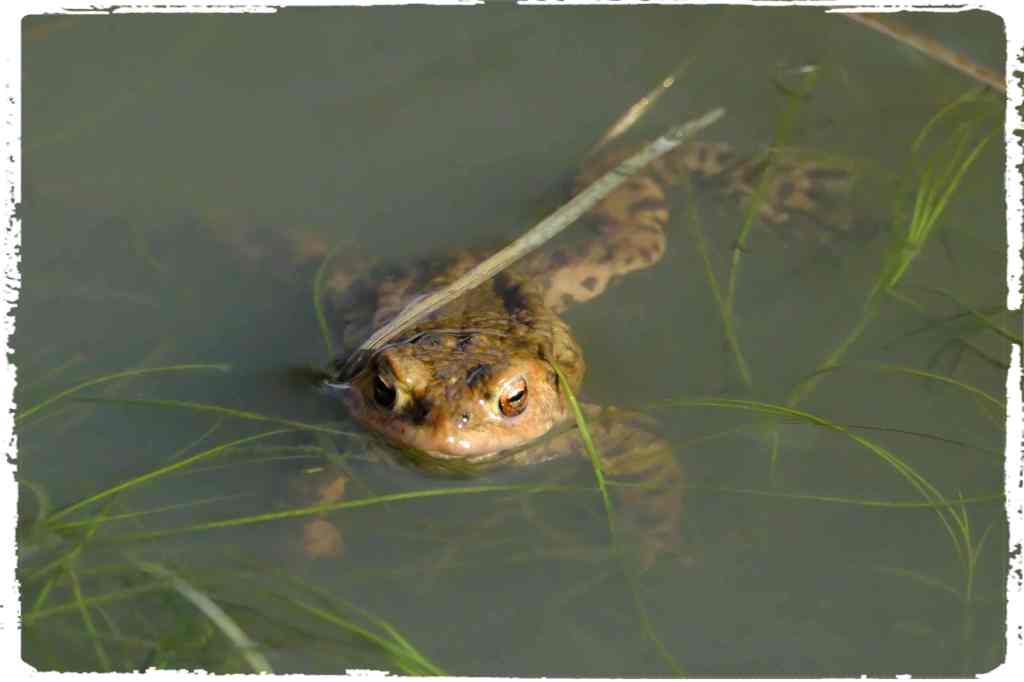


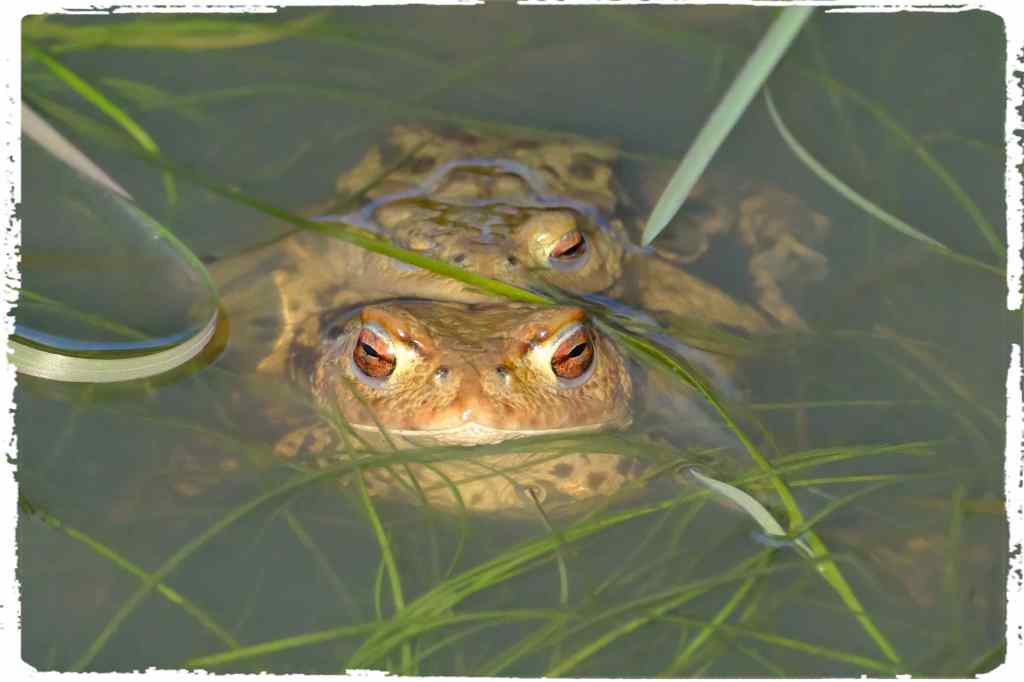
Toad spawn is in long strips rather than clumps as seen with frog spawn.
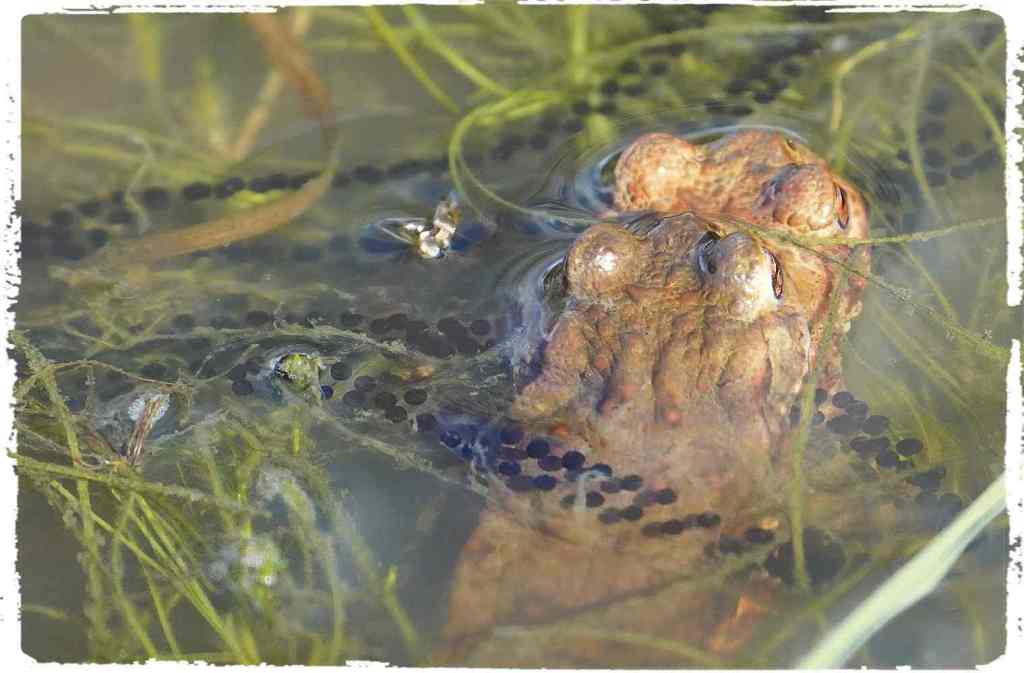
A Common frog mating with a Toad! Records show this happens but they can not hybridize.

On the downside of this event was seeing probably a hundred toads. The same amount piled up dead. It seems a Heron stabbed and then fished them out, not fully consuming them.

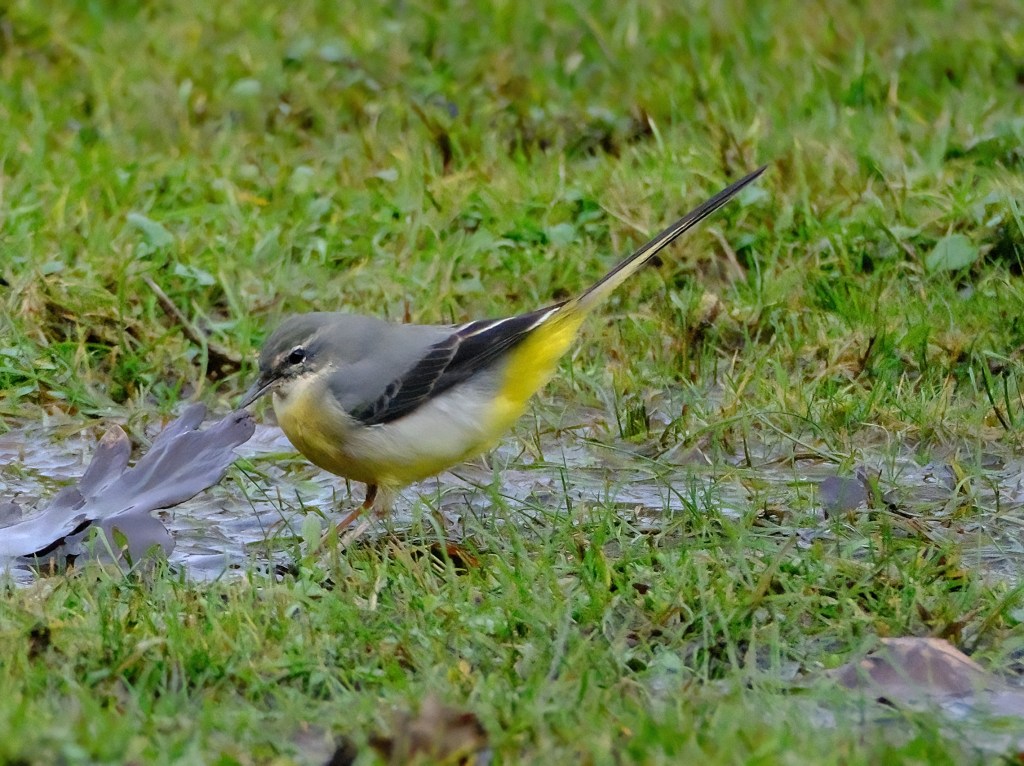
Gray Wagtail.
A flash of yellow in the New Forest draws one’s eye to this Gray Wagtail in the grass.
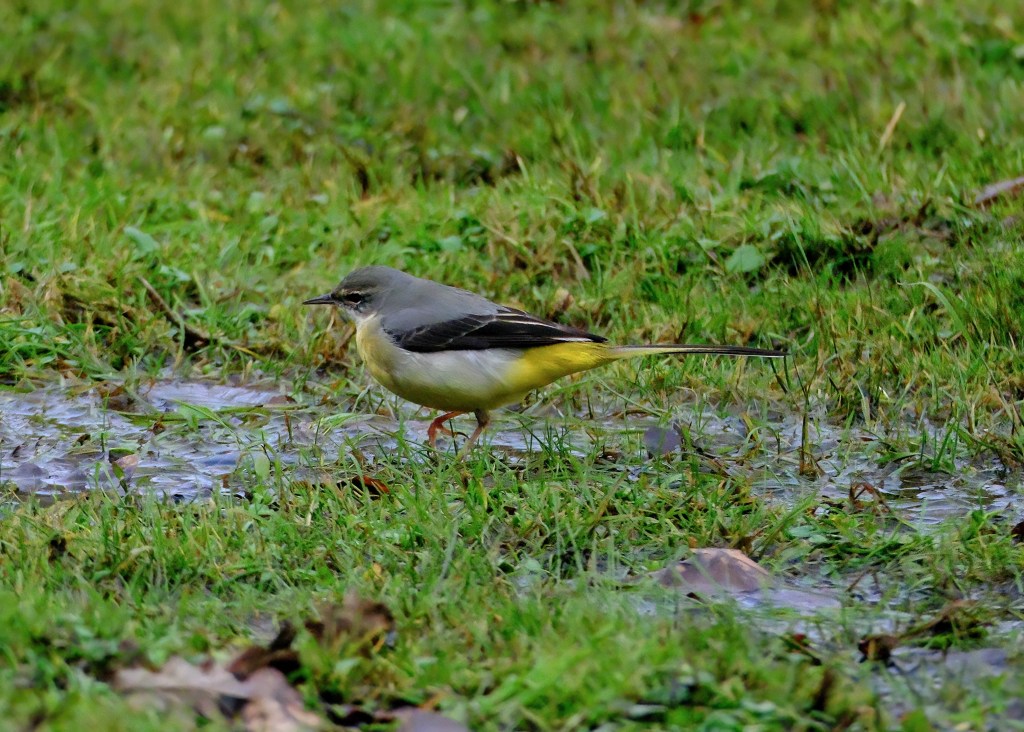
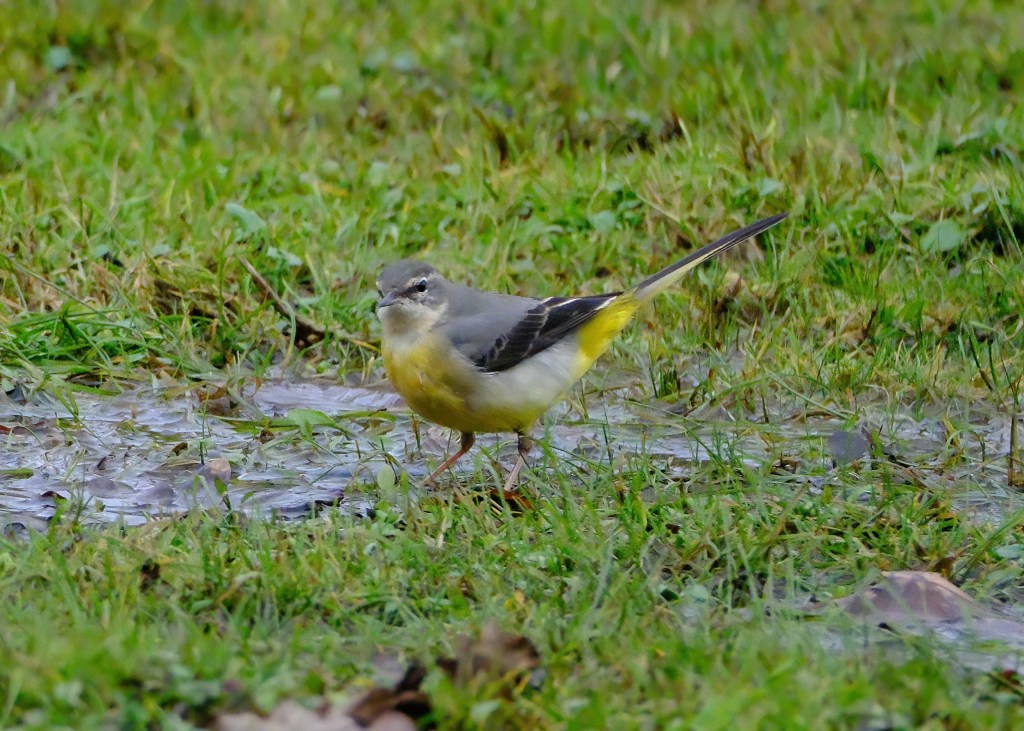
You looking at me!
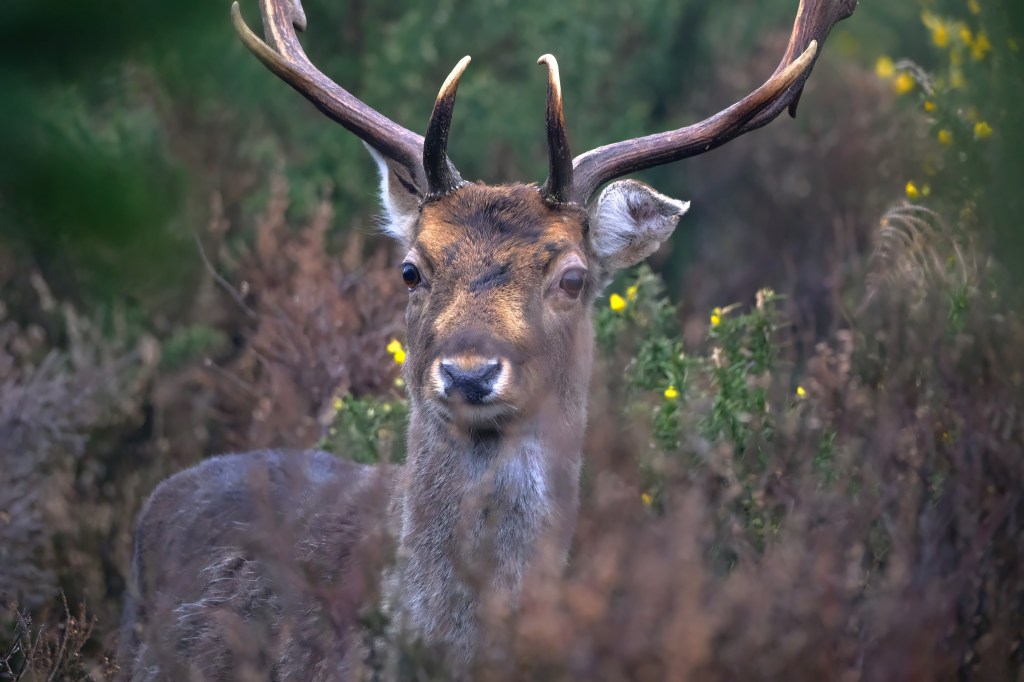
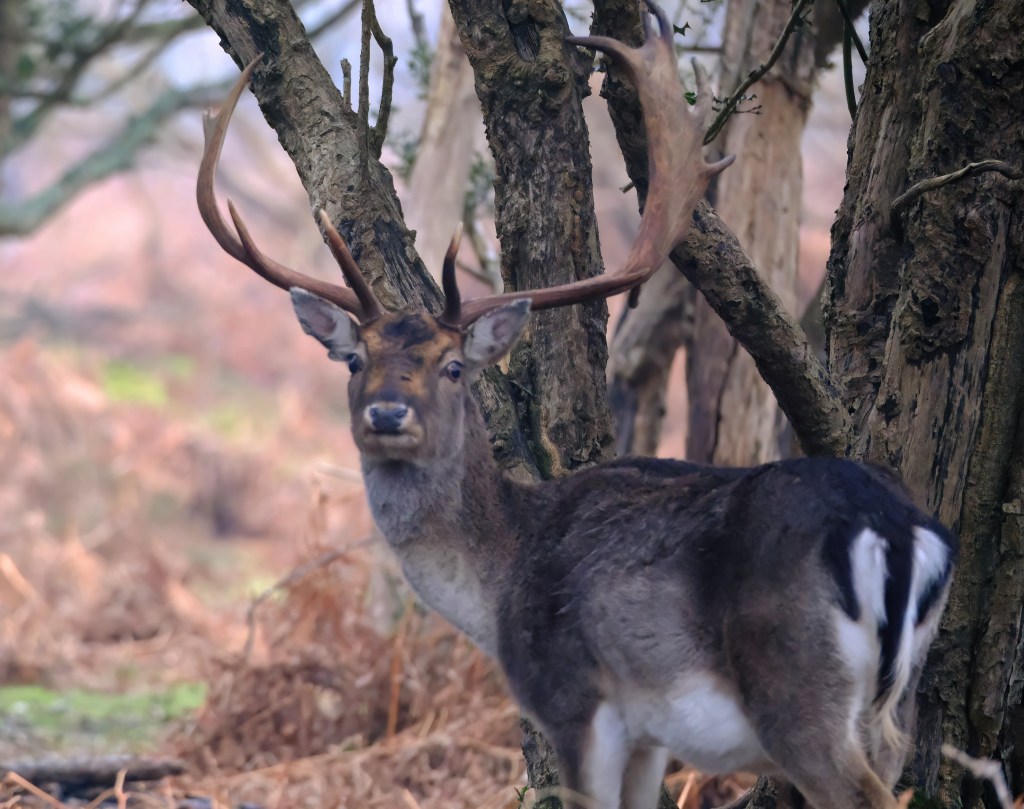
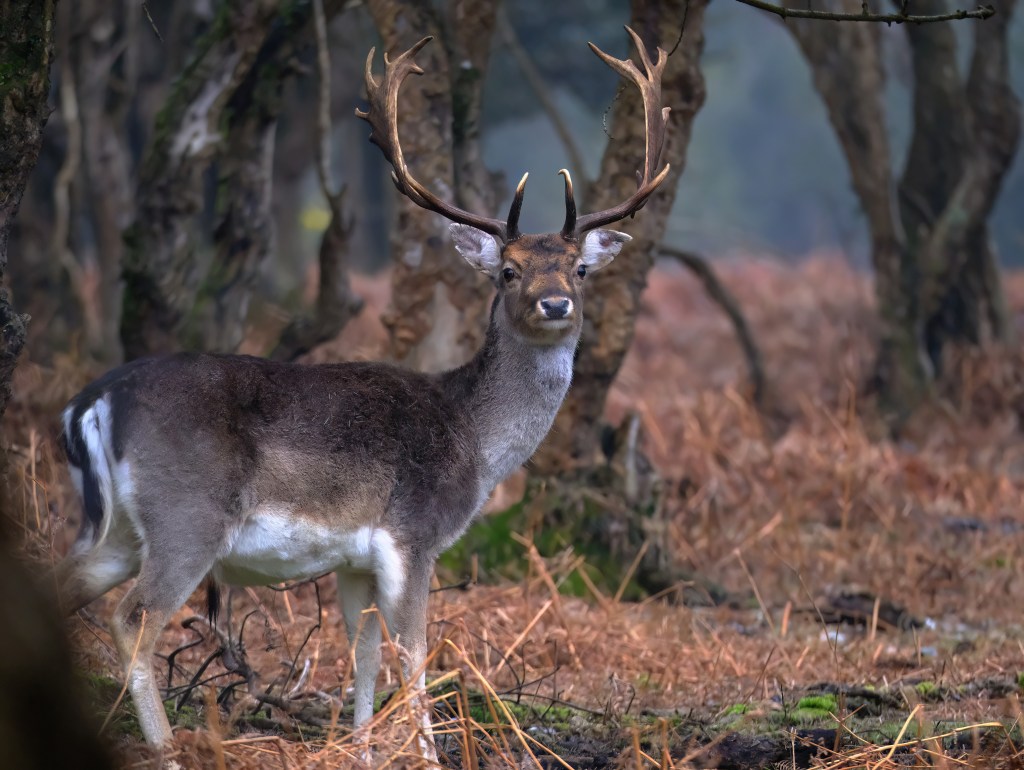
Another deer stalk in the New Forest looking for some handsome Fallow Bucks. A few shots of the best lookers.



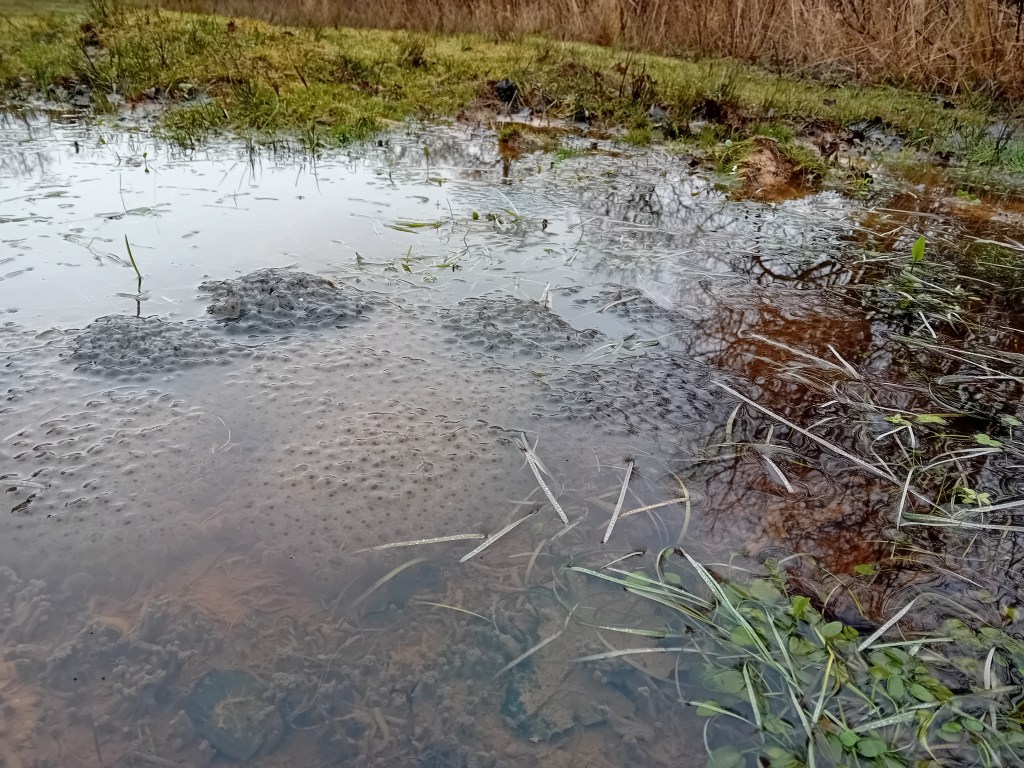
Frog Spawn.
Today (3rd February) in the New Forest we spotted our 1st Frog Spawn of 2025;

 Continued Reflections from my World.