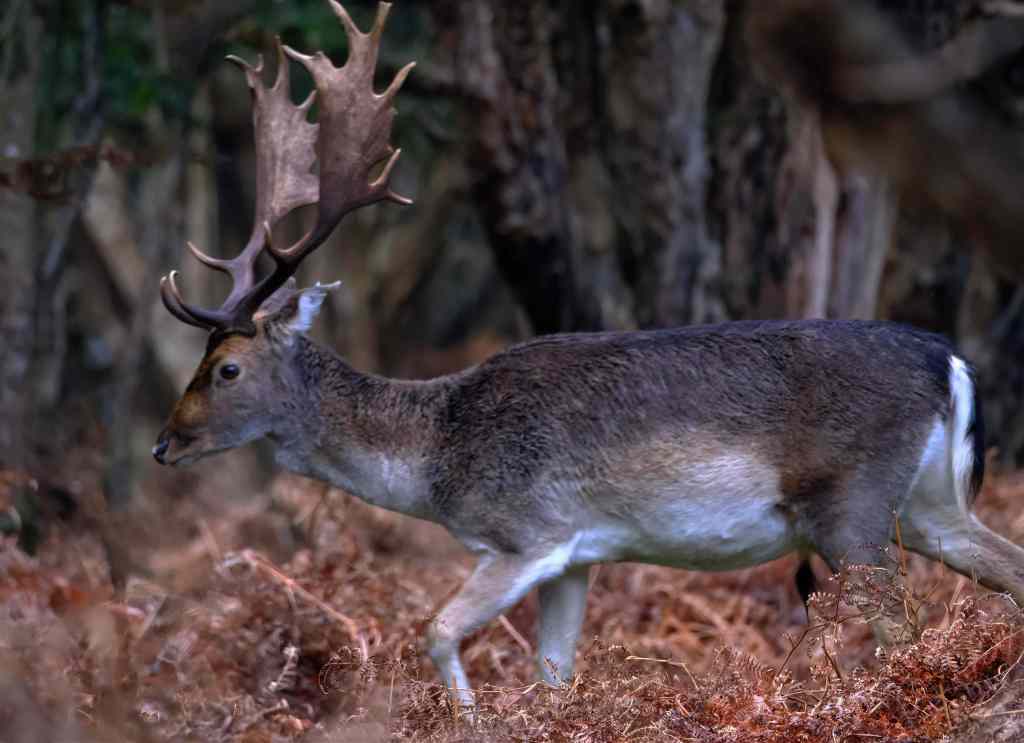
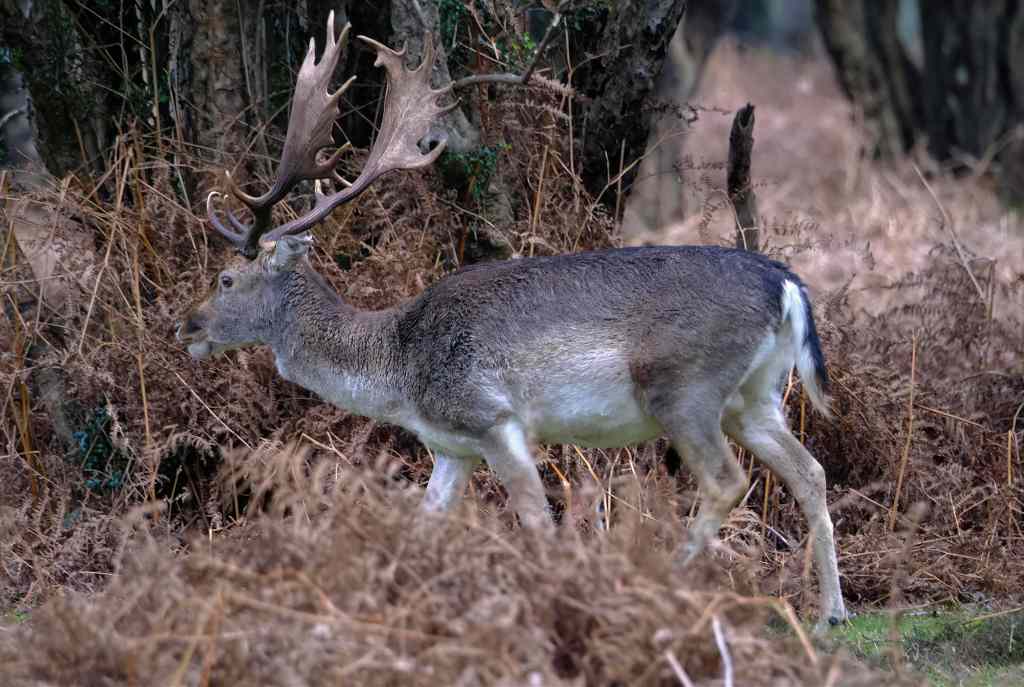
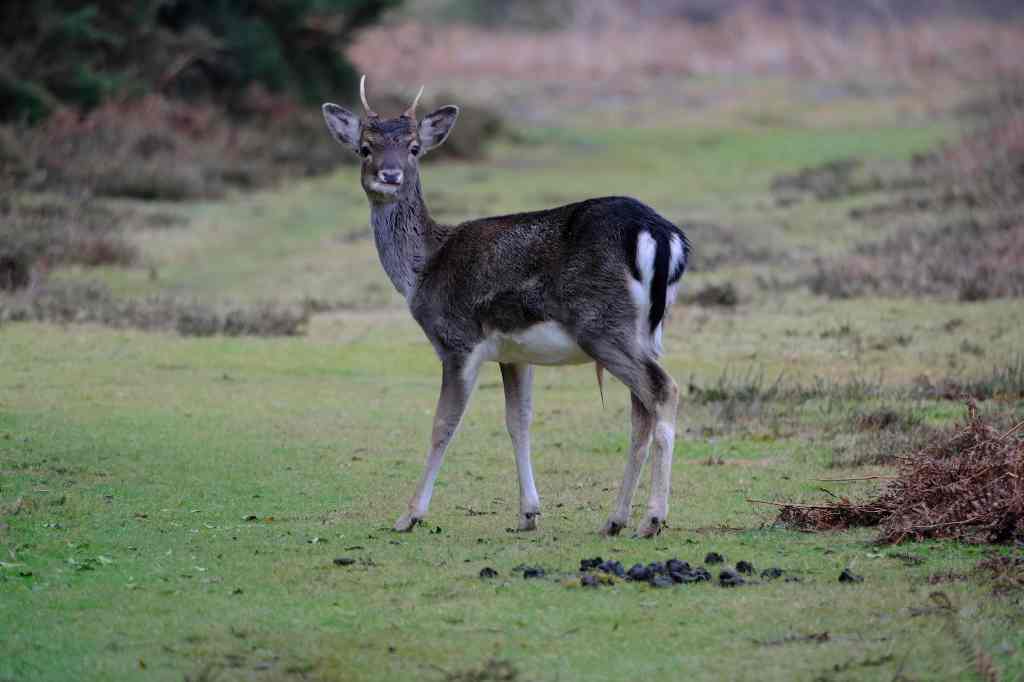
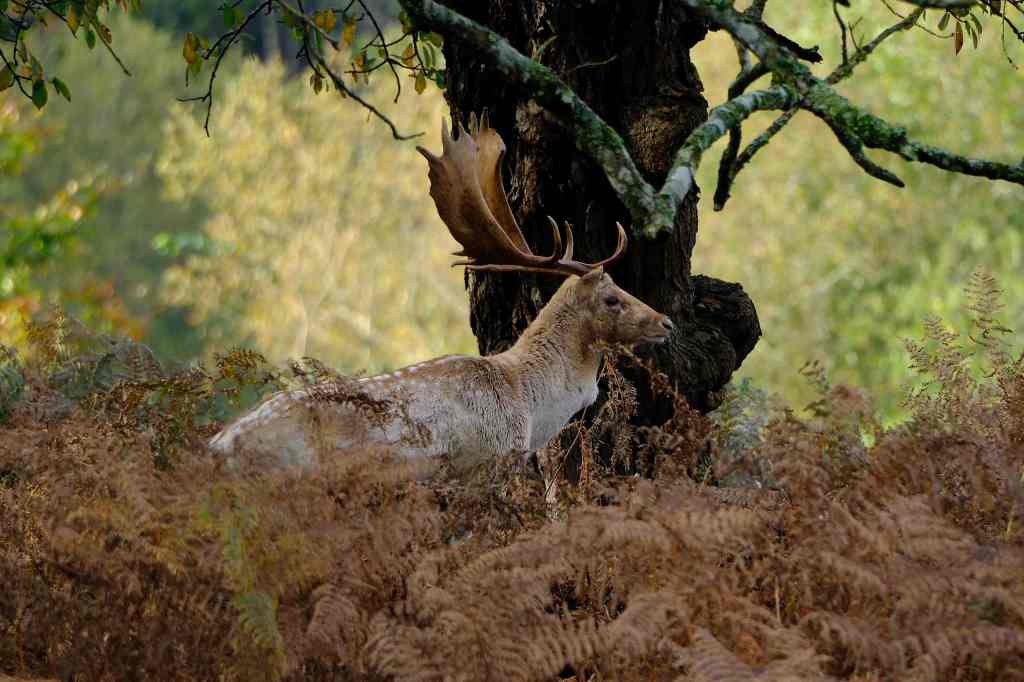
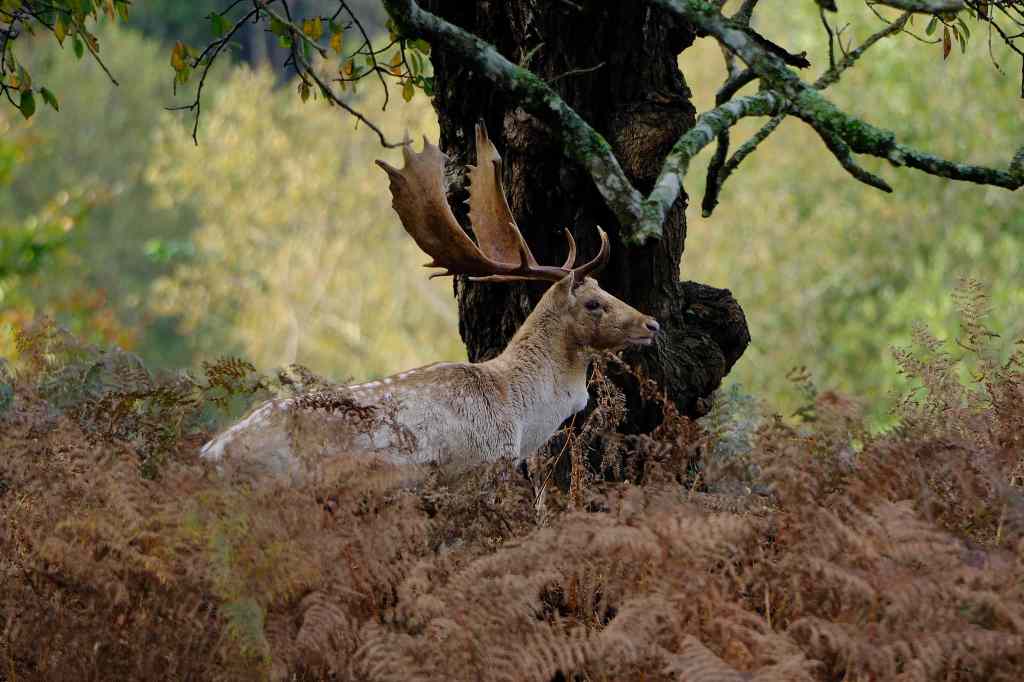
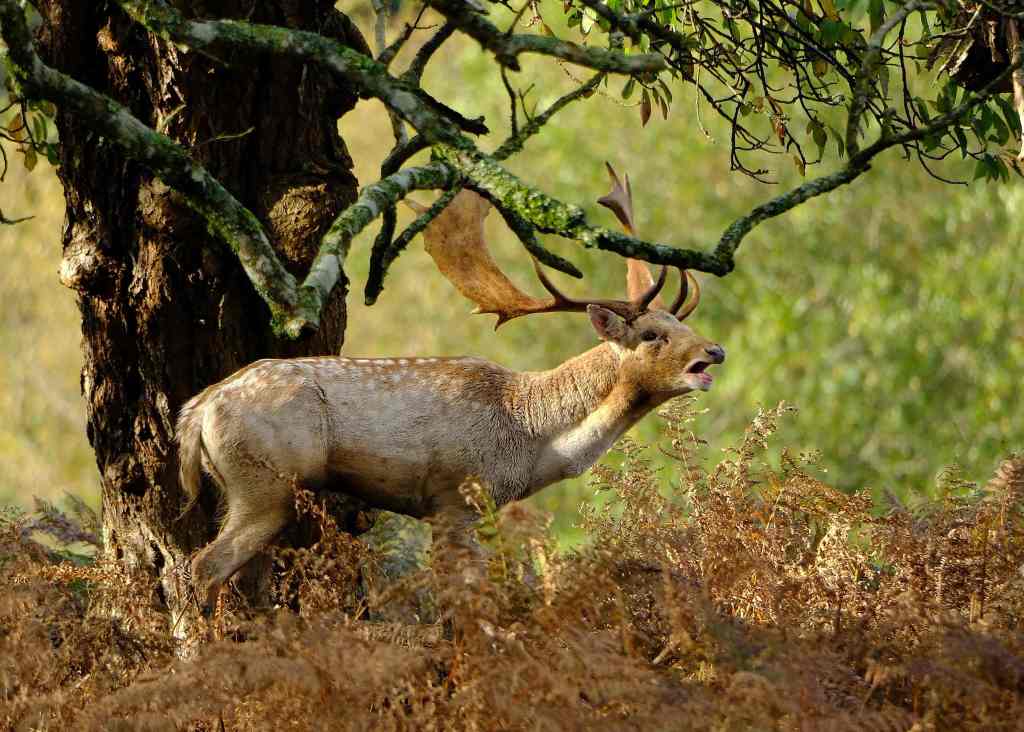
A few big Fallow bucks gave me the eye. They seemed to be without any obvious care in the world. Then they wandered off deep into the forest. It is always a treat to see these animals at close quarters and have eye contact with them.

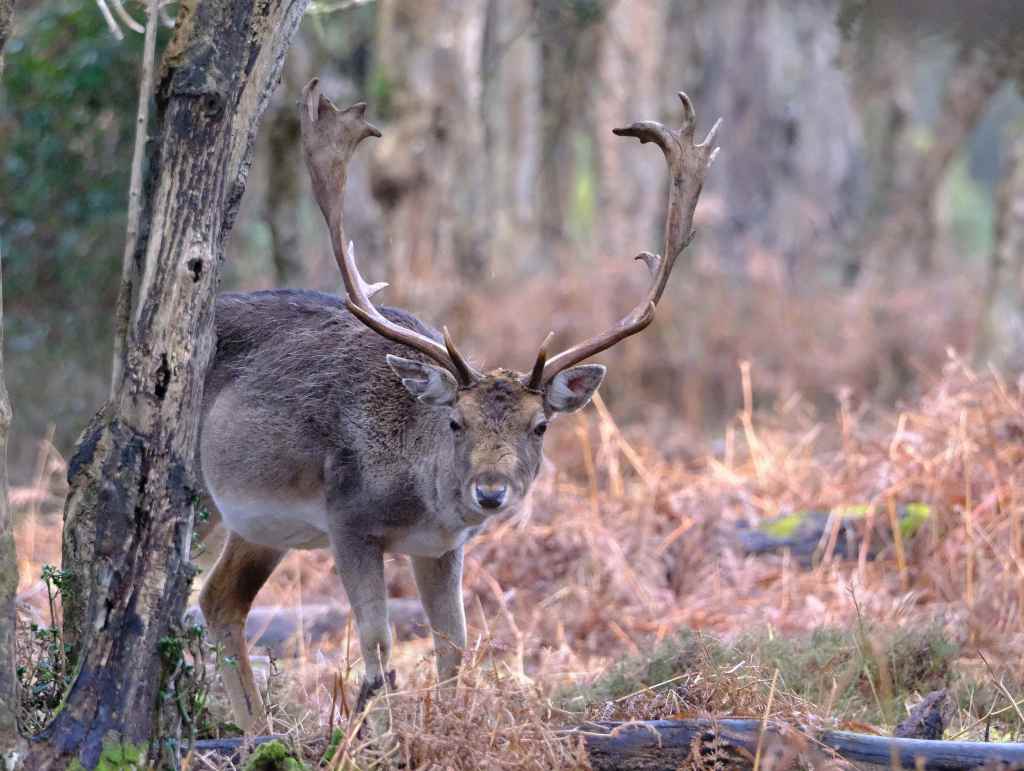
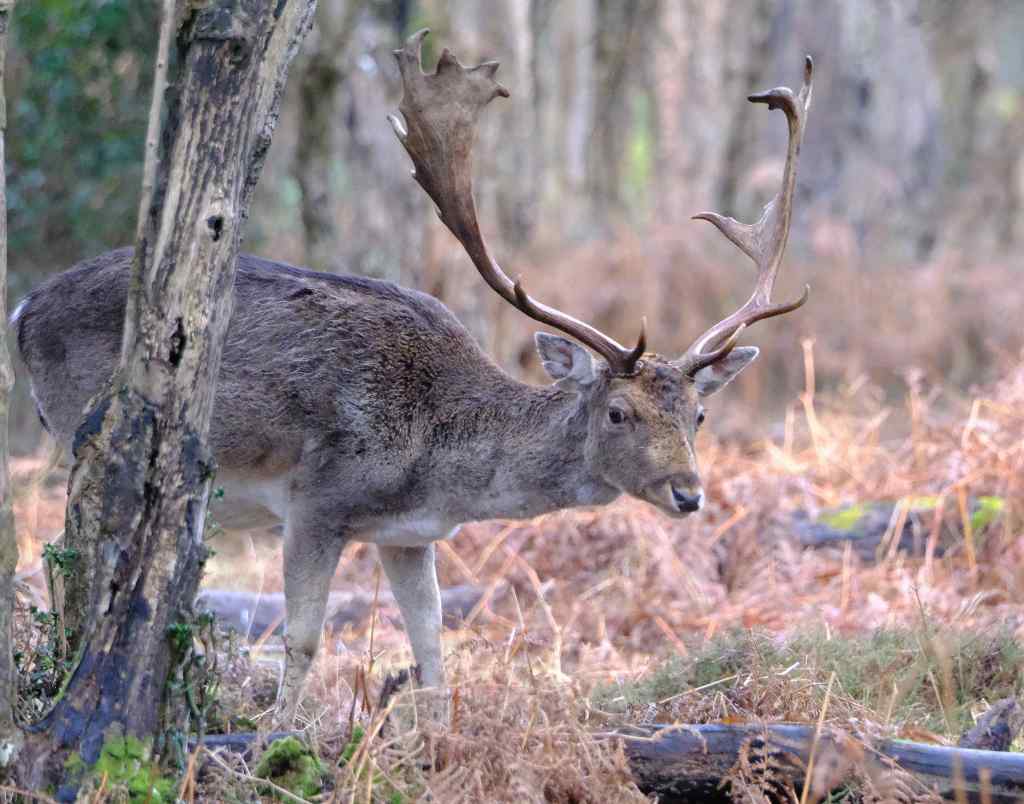


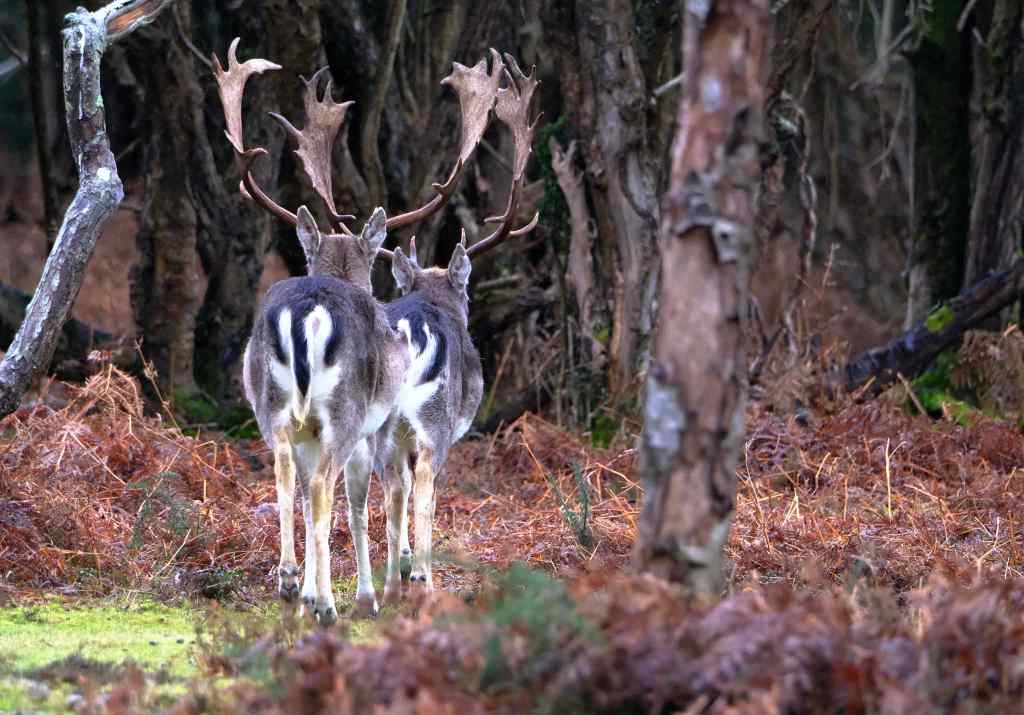
A few big Fallow bucks gave me the eye. They seemed to be without any obvious care in the world. Then they wandered off deep into the forest. It is always a treat to see these animals at close quarters and have eye contact with them.
First sprinkle of snow in the New Forest of the year.

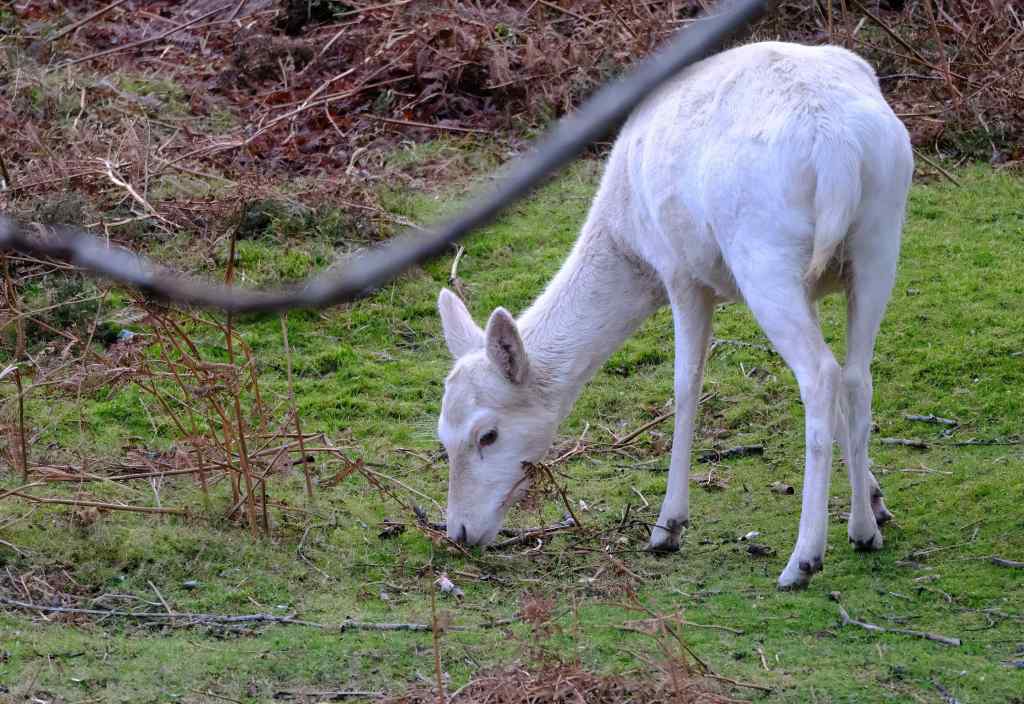
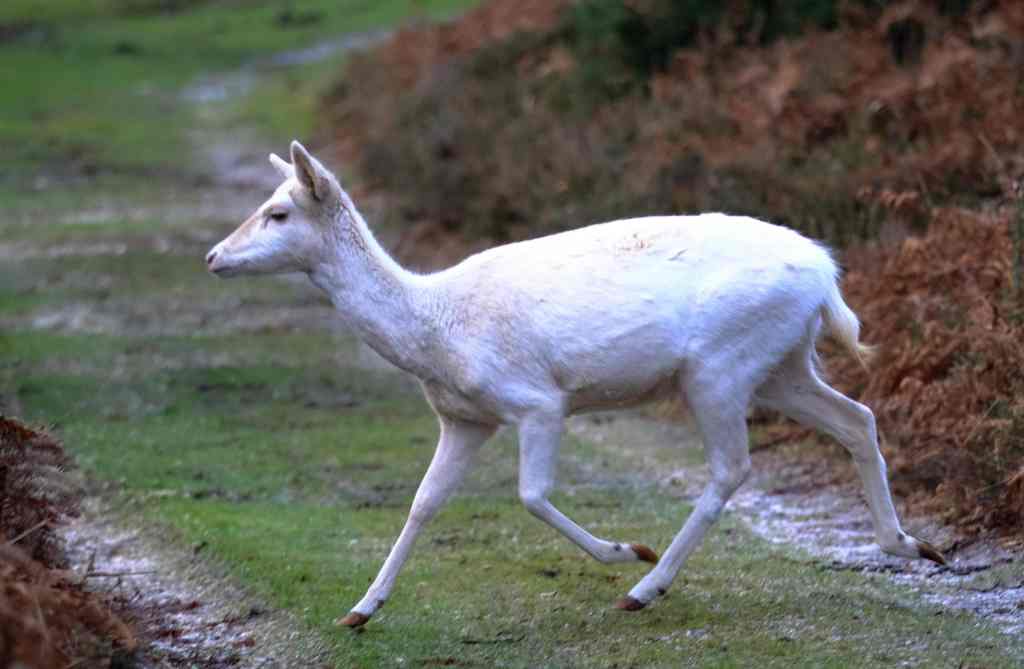
Seeing one of the white Fallow Deer in the New Forest this morning was nice.
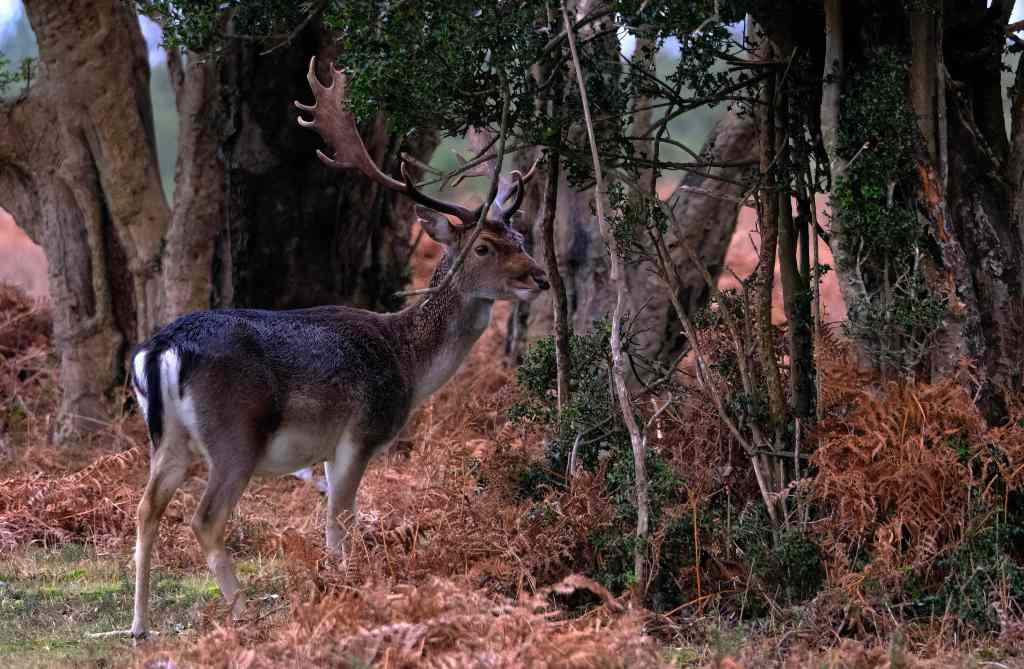


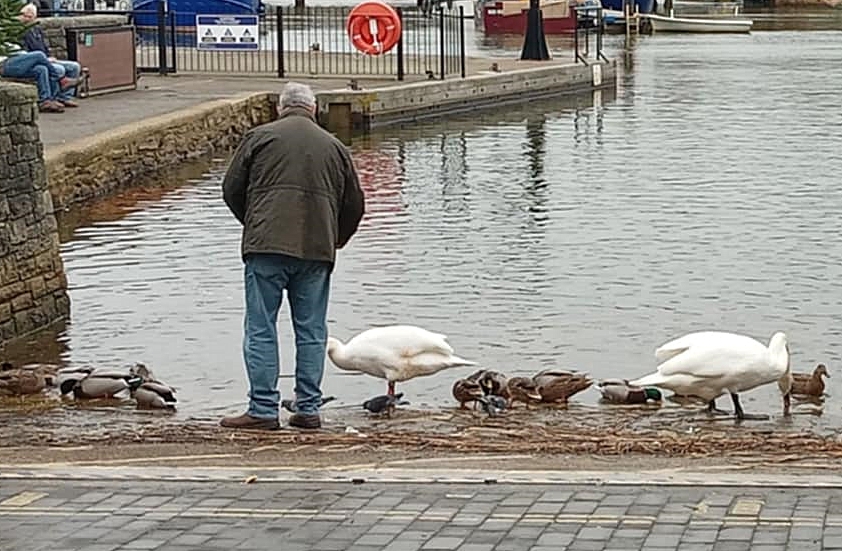
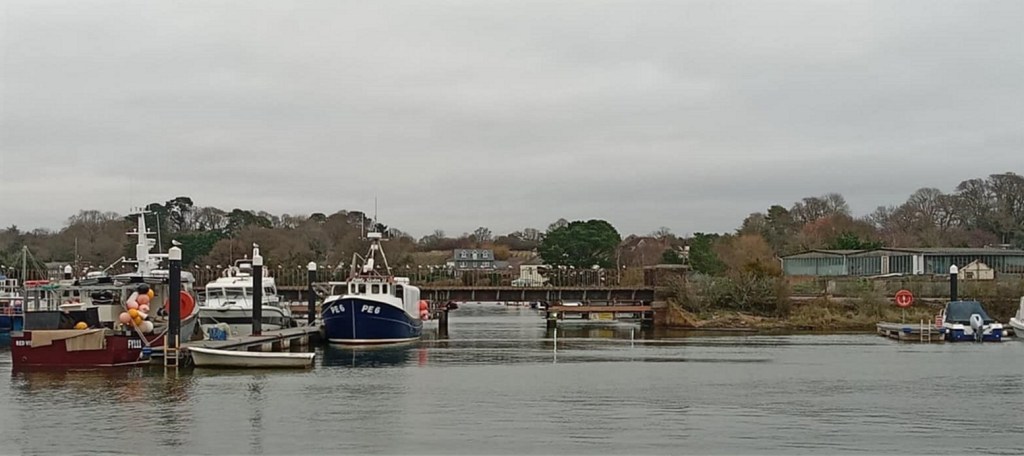
Lymington Quay on the Beaulieu River on the edge of the New Forest hints at its fishing past but now meets up with the modern leisure sailing world.



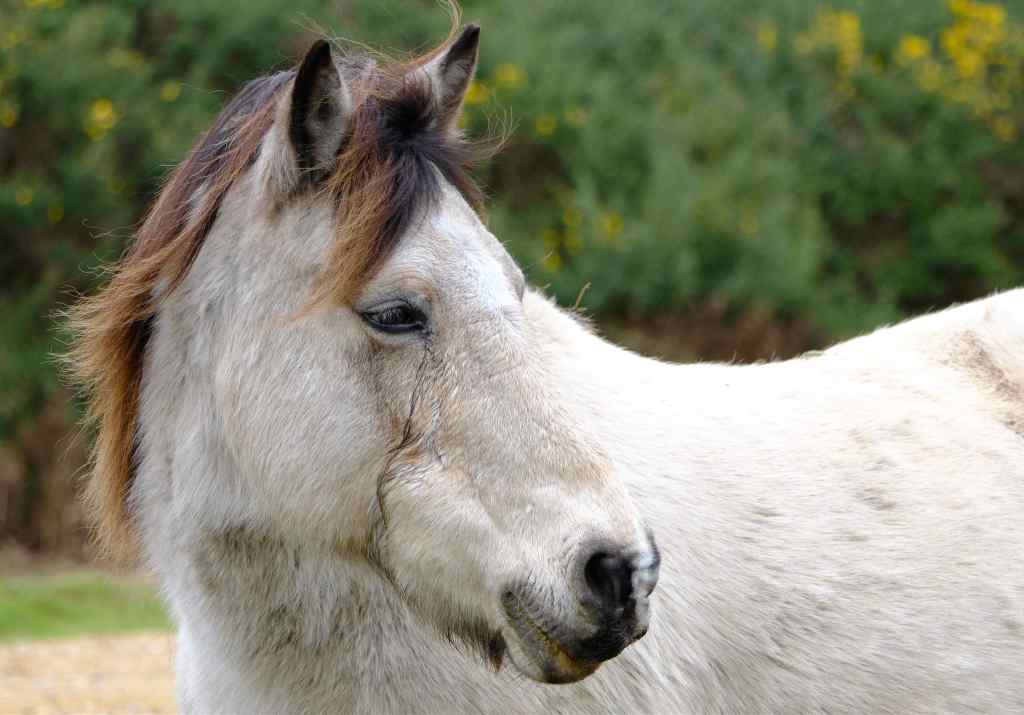

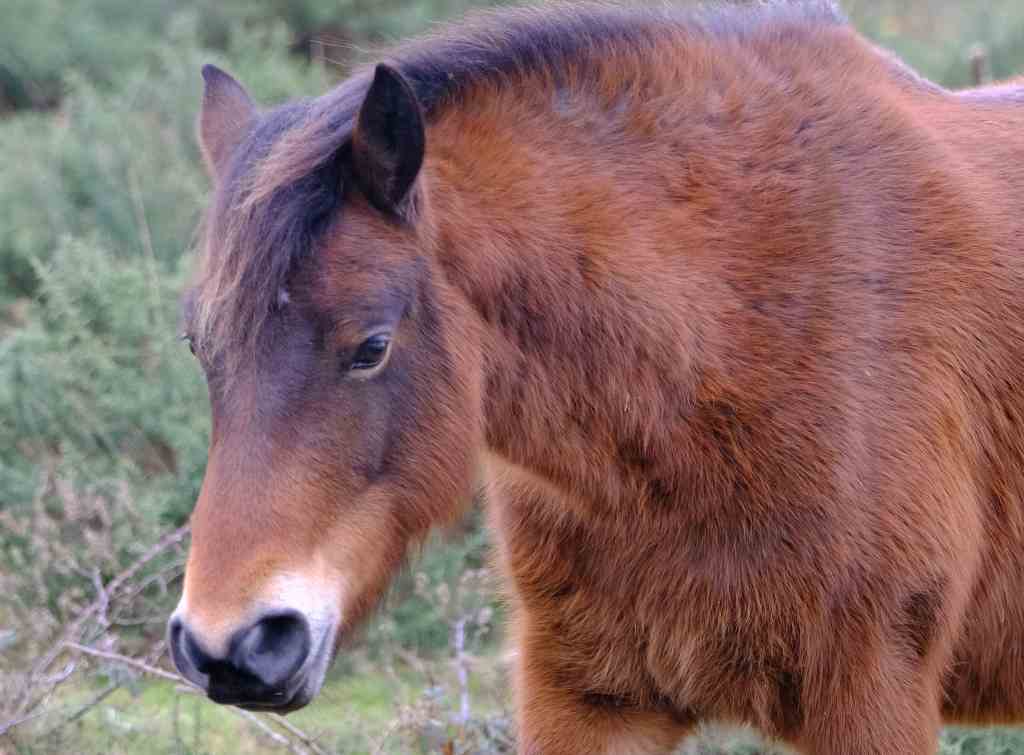
The number of animals killed on New Forest roads has shown a downward trend following high-profile safety campaigns in recent years. Although in 2023 there were 92 accidents involving animals up by 10 in 2022. I saw a sign up last week saying 52 animals have been killed on the Forest roads to date this year.
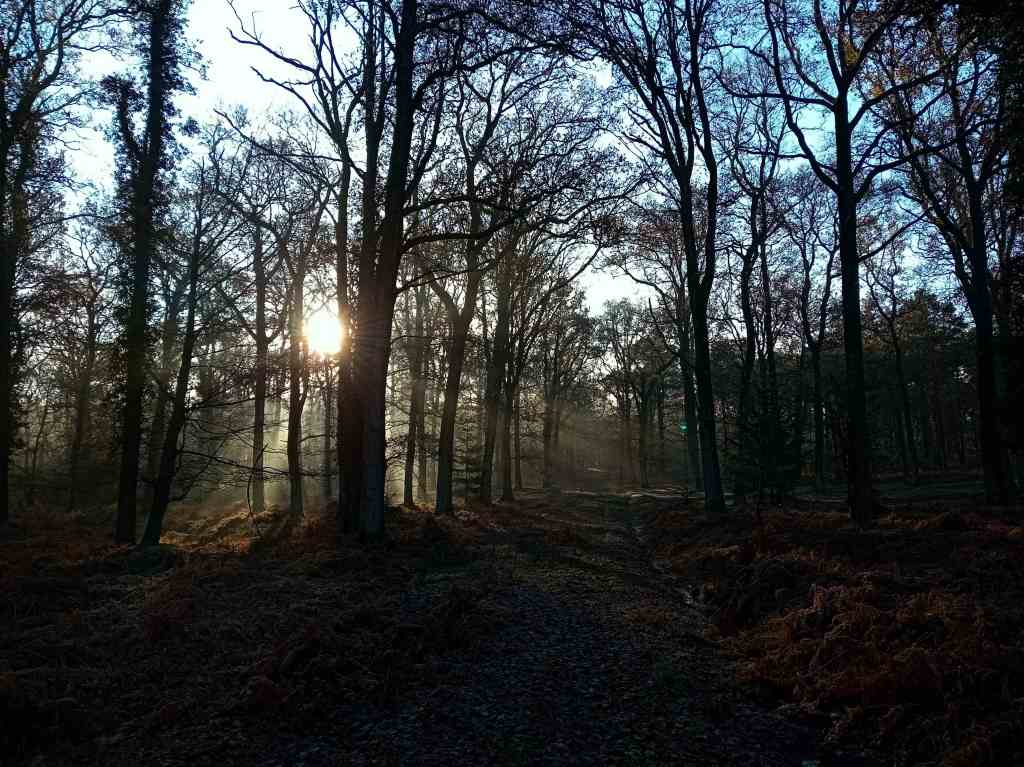
An early start for a walk in the New Forest.

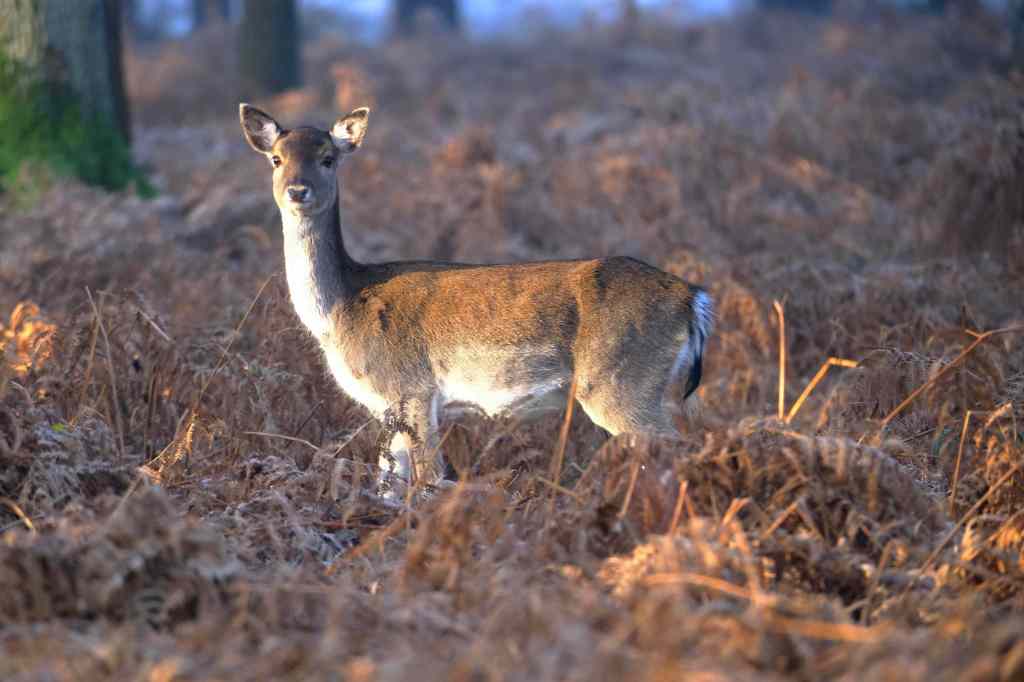
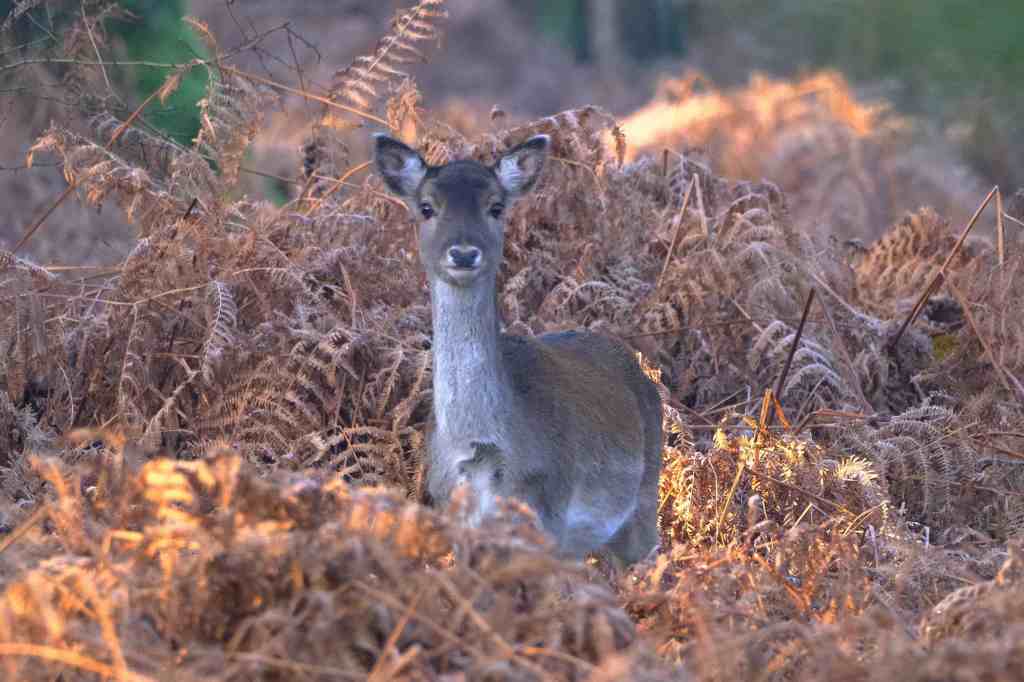
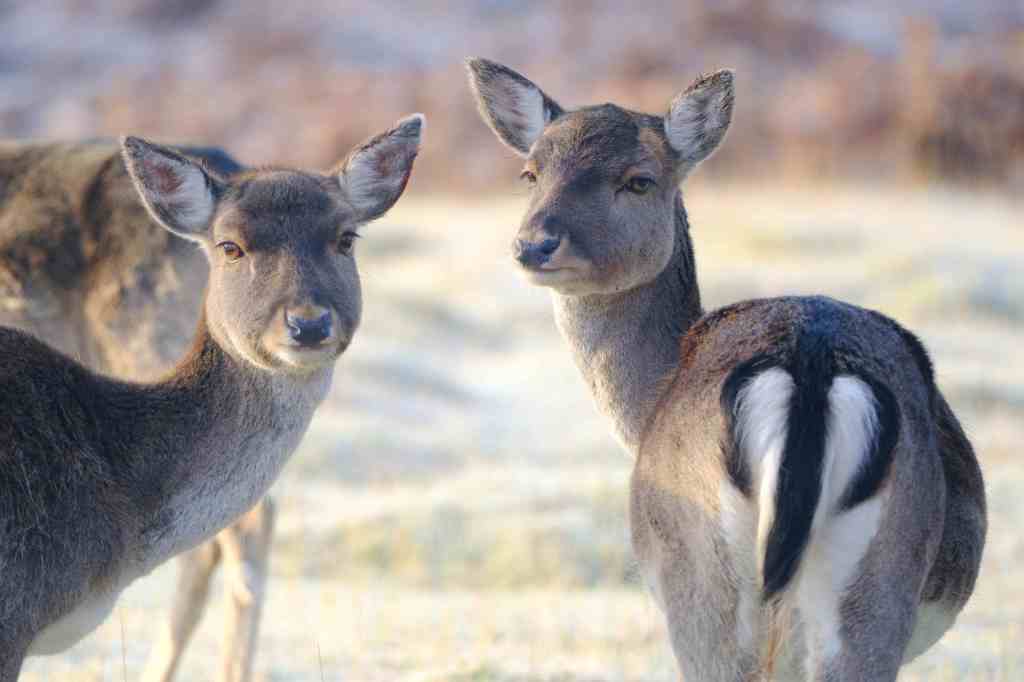
There are lots of young Fallow Deer about. The deer were introduced by the Normans. The deer have been in the UK so long that they are considered naturalised.




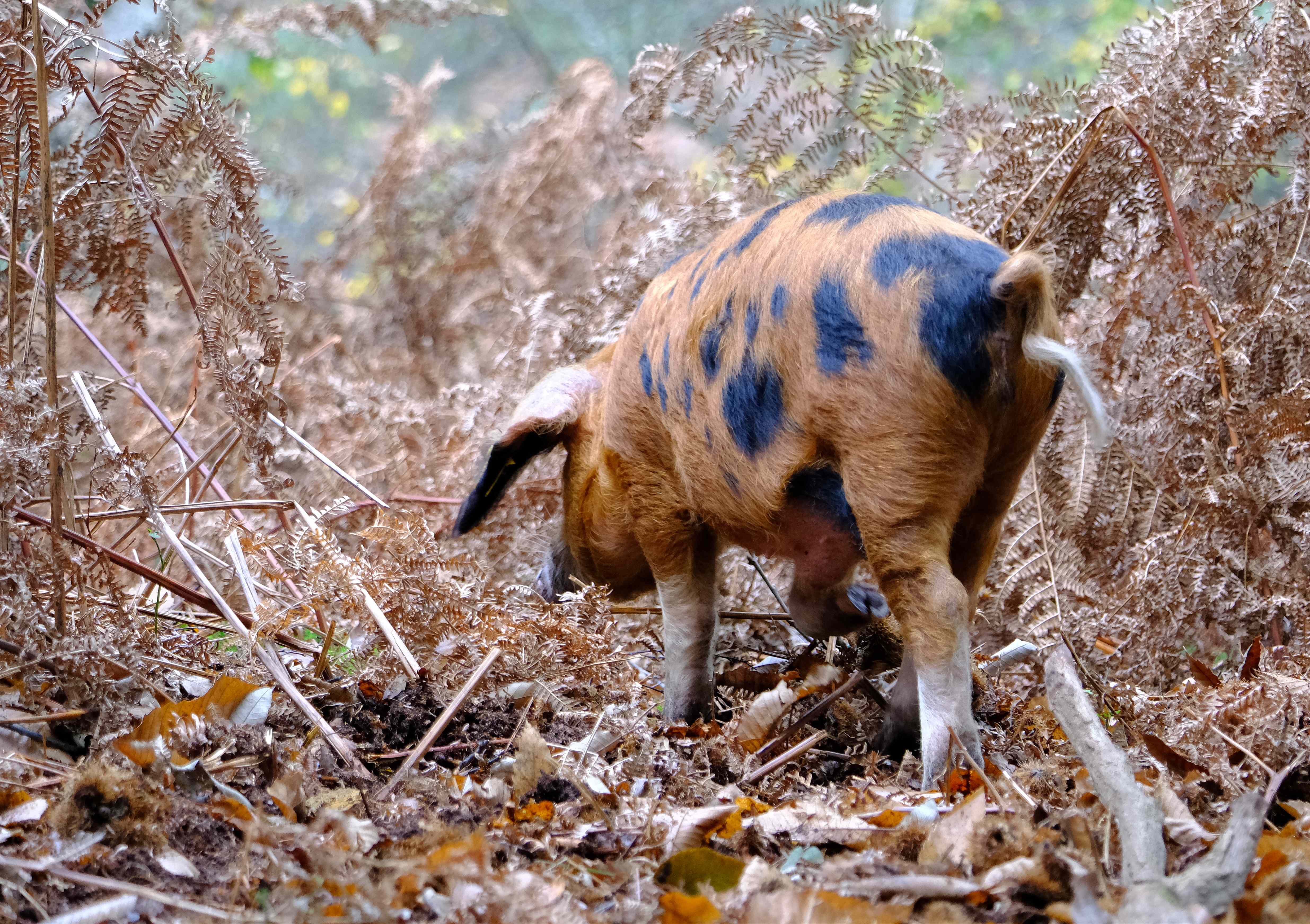
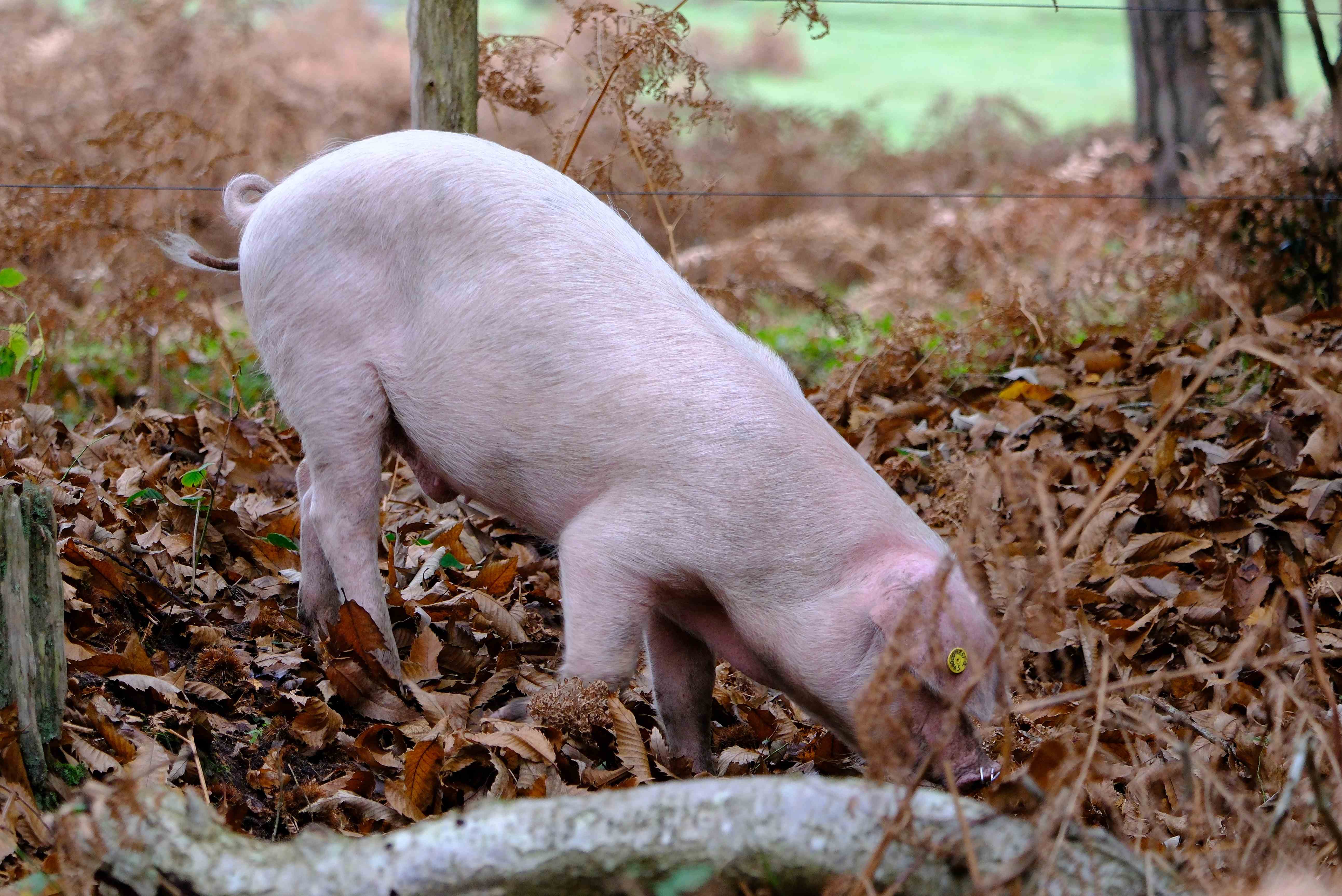
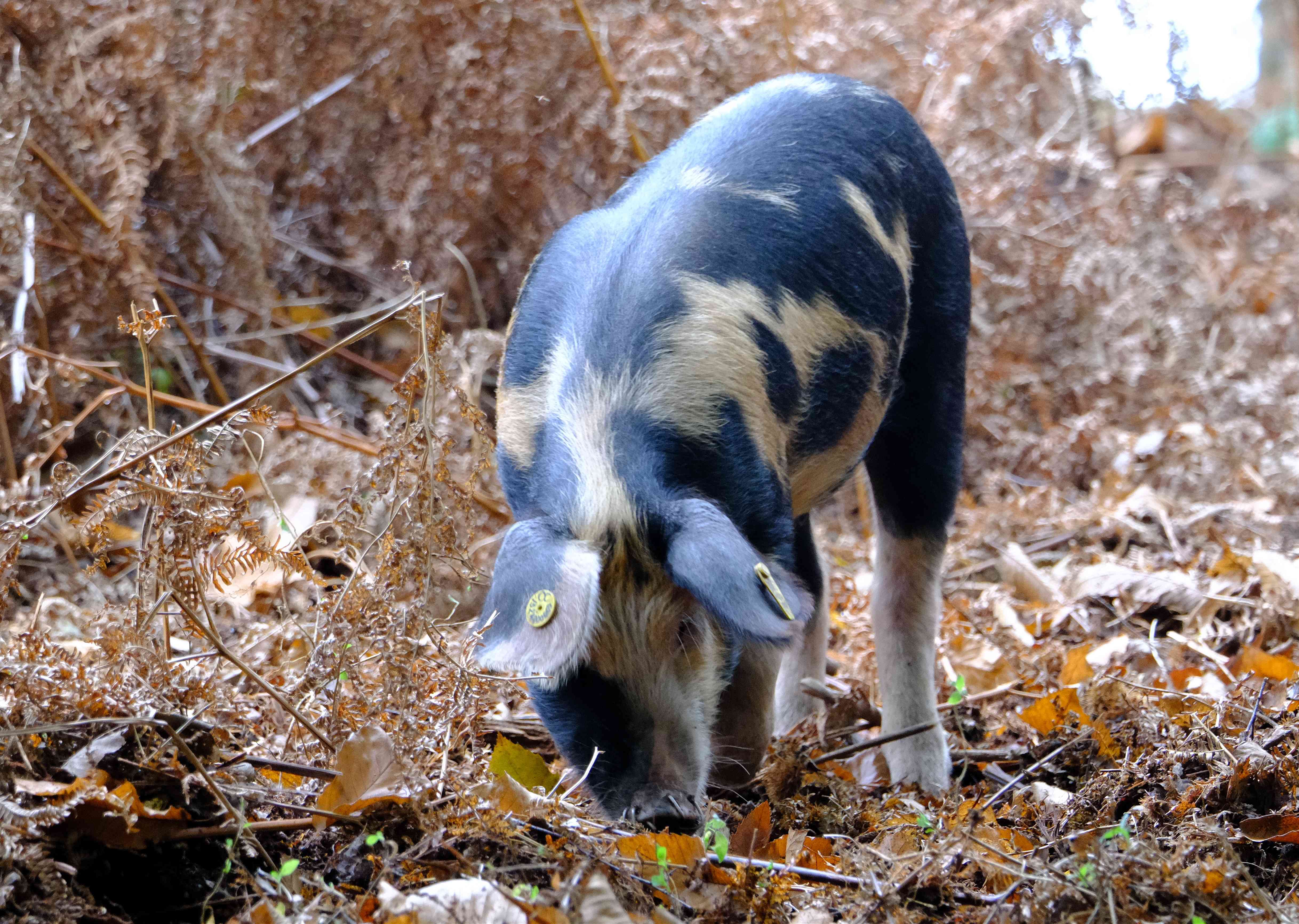
This year, Pannage will take Place in the New Forest from Monday, September 16th, until Friday, November 22nd. During the autumn months, it’s common to see pigs roaming the forest floor. Pannage is the practice of releasing domestic pigs into a forest (also known as ‘Common of mast’).It goes all the back to William the Conqueror, who founded the New Forest in 1079.
The pigs are released into the forest to eat fallen acorns, beech mast, chestnuts, and other nuts. Green acorns are poisonous to New Forest ponies and cattle, that roam the forest.
Up to 600 pigs and piglets will wander through the forest eating the acorns and nuts from the forest floor. It is the only time of year that the pigs are allowed to ‘roam’ the open forest, the rest of the time they are kept in their smallholdings by the commoners. In the 19th century, the number of pigs released for pannage was as high as 6,000.





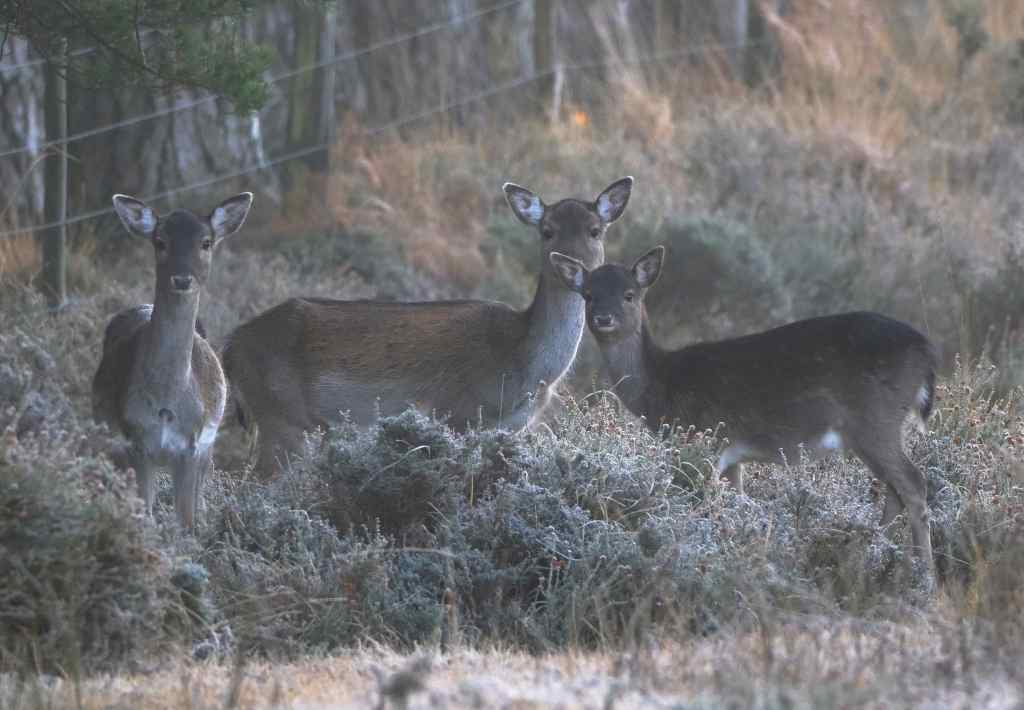
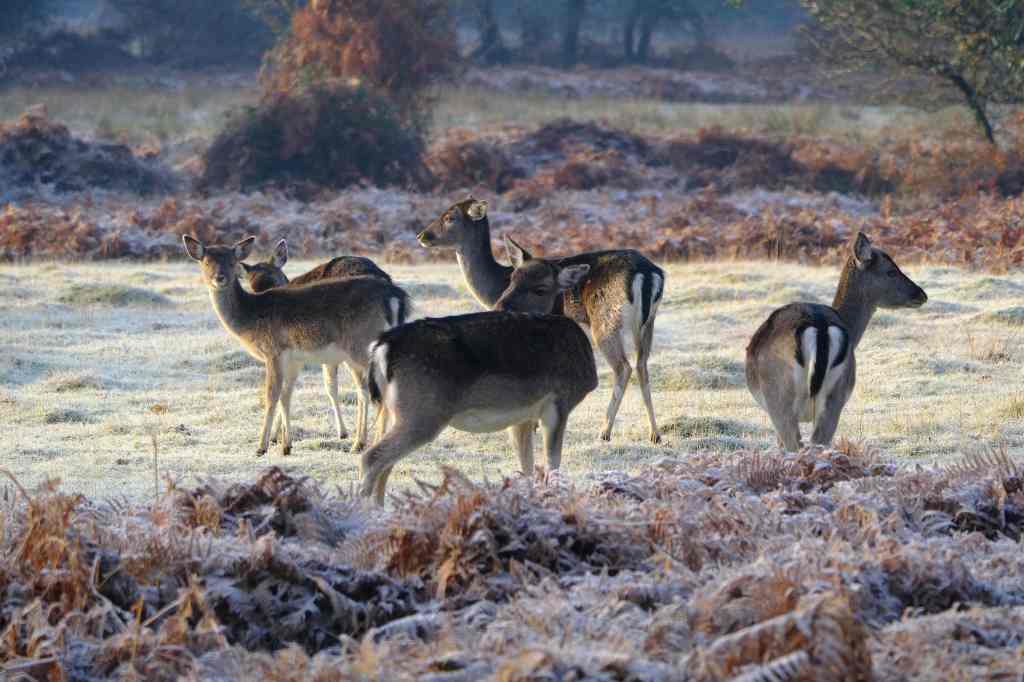
Family groups and youngsters Fallow Deer in the New Forest.

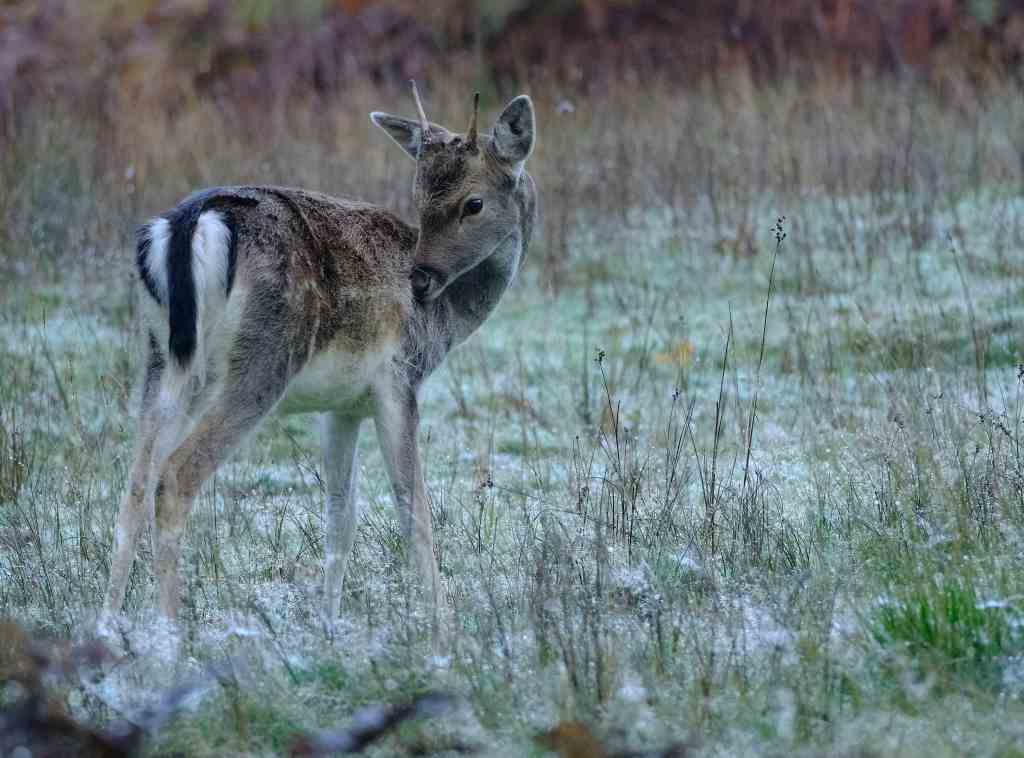
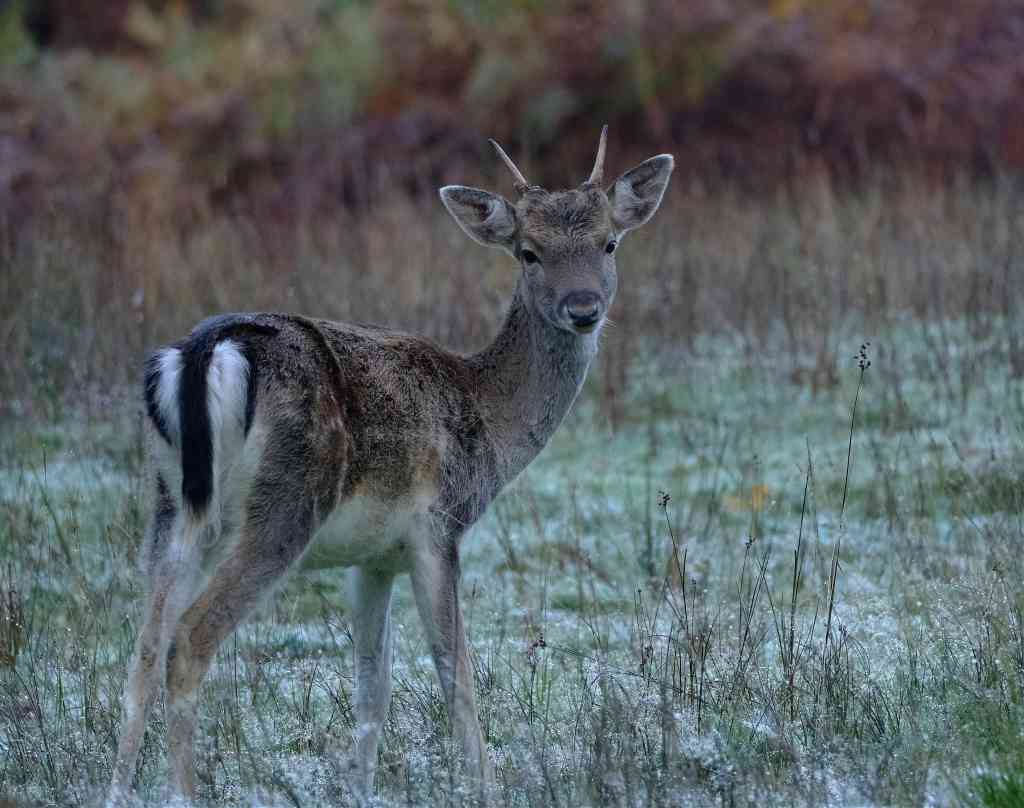
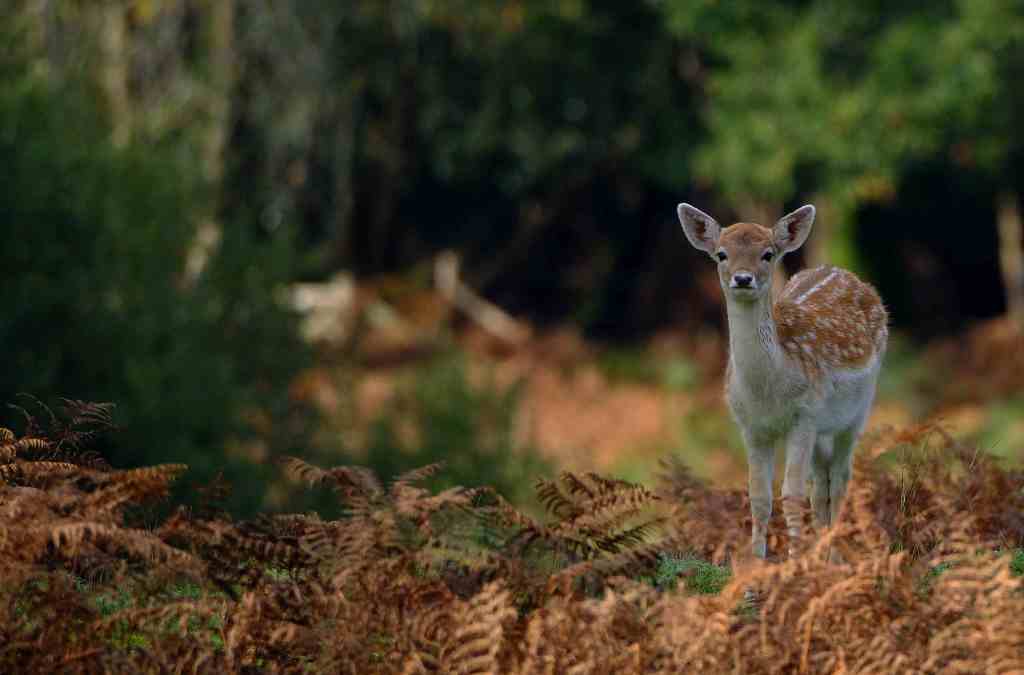
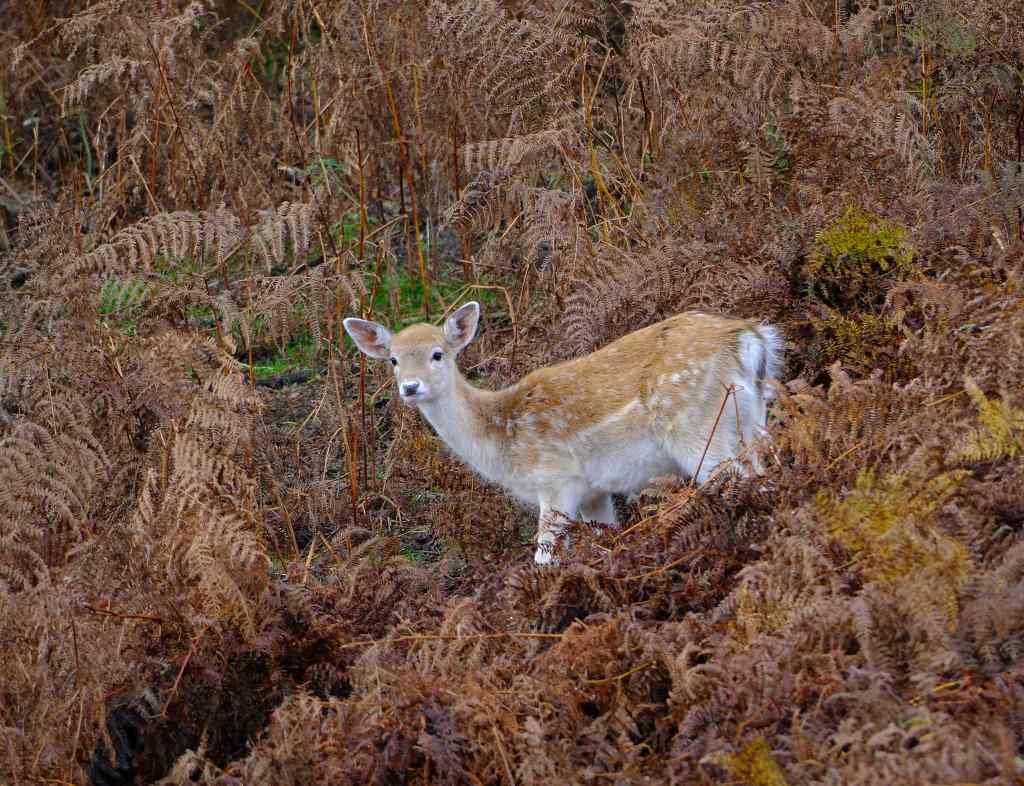
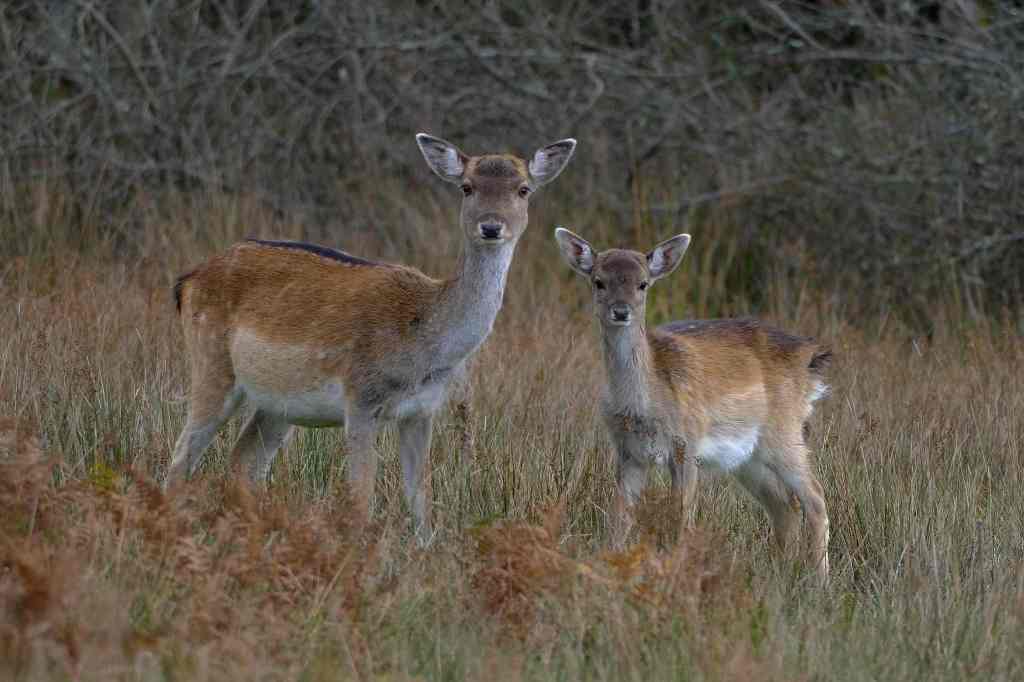
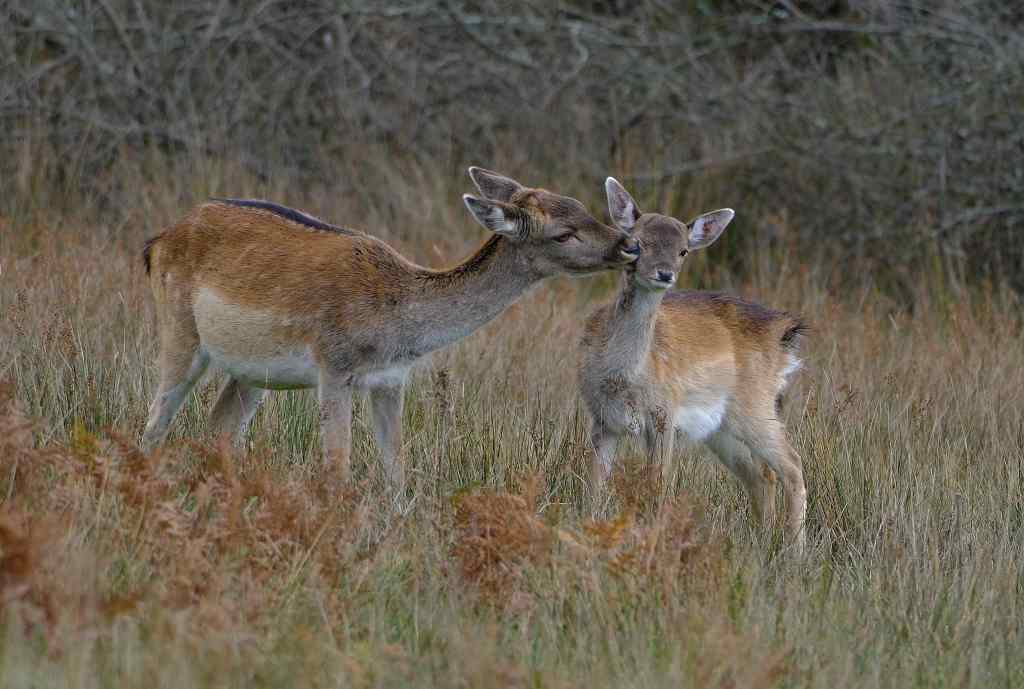
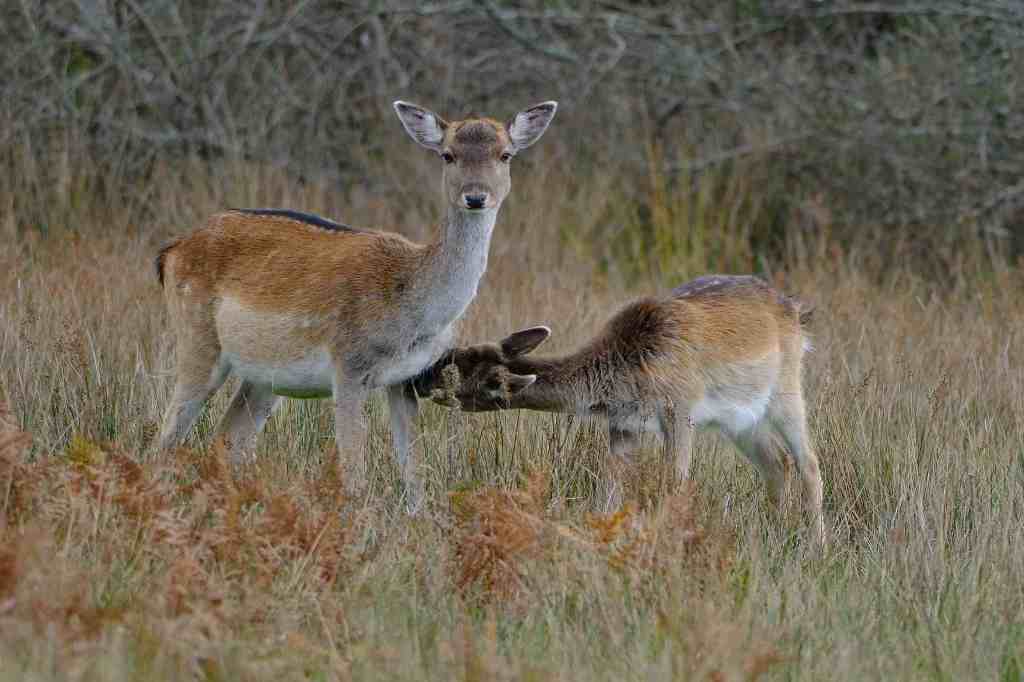

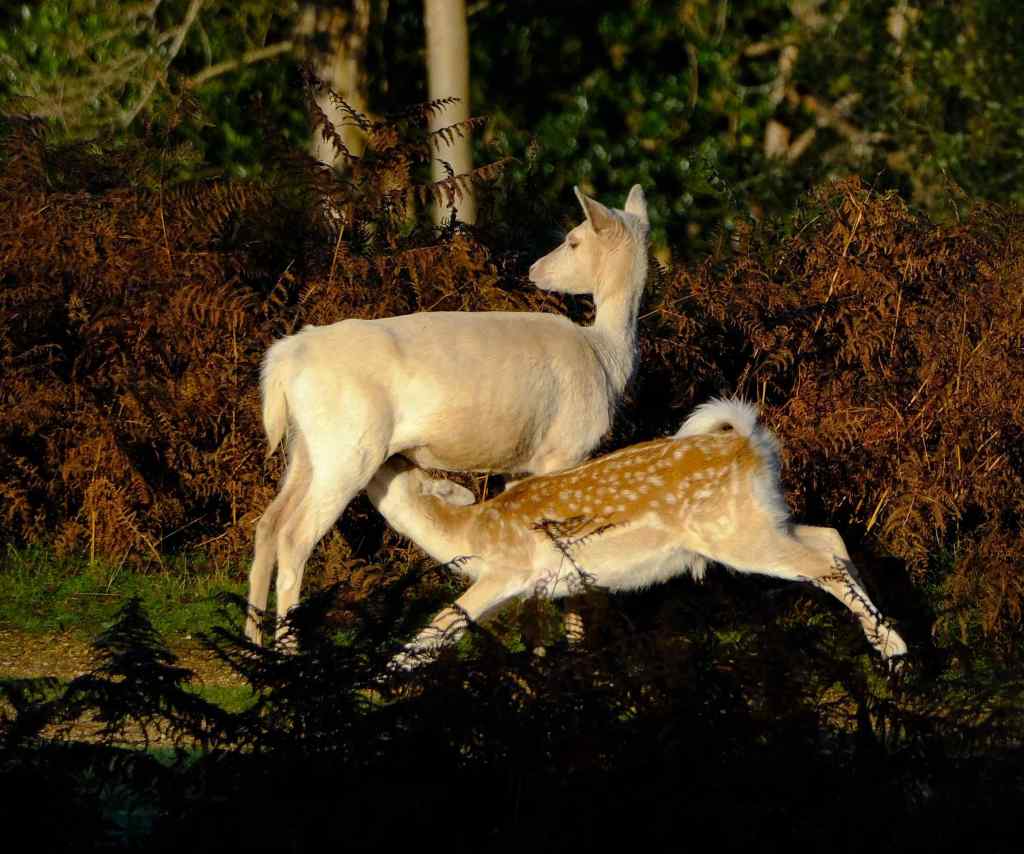
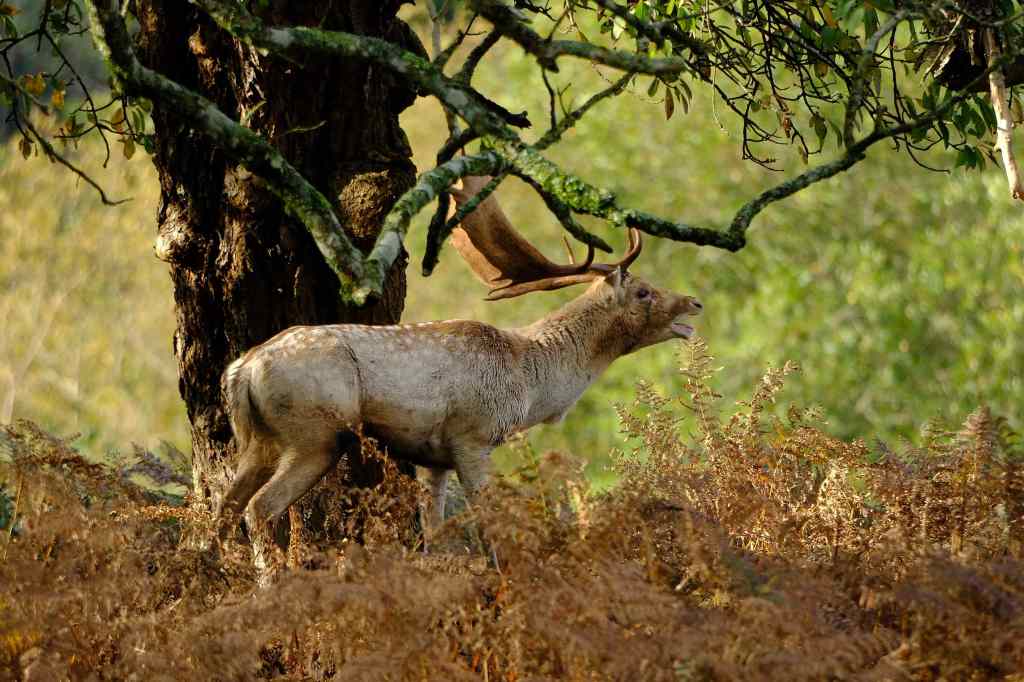
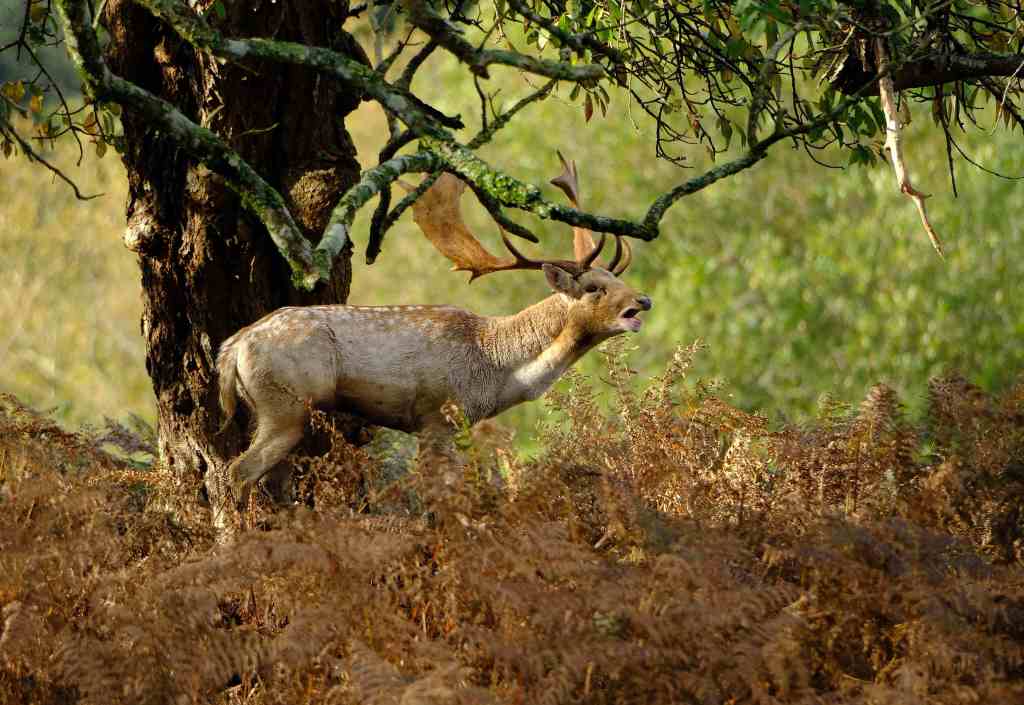
This was another trip into the New Forest to look for Fallow Deer and see if we could watch the rut. Although no confrontations were seen between adult male Bucks, one dominant male was calling, and I think the competition from others were not a match for him and they made no challenge to his status and just kept their distance.

A short film best viewed with sound on.
 Continued Reflections from my World.