Over 80 birds at Titchfield Haven and a joy to watch. Jut a few pictures from today visit.


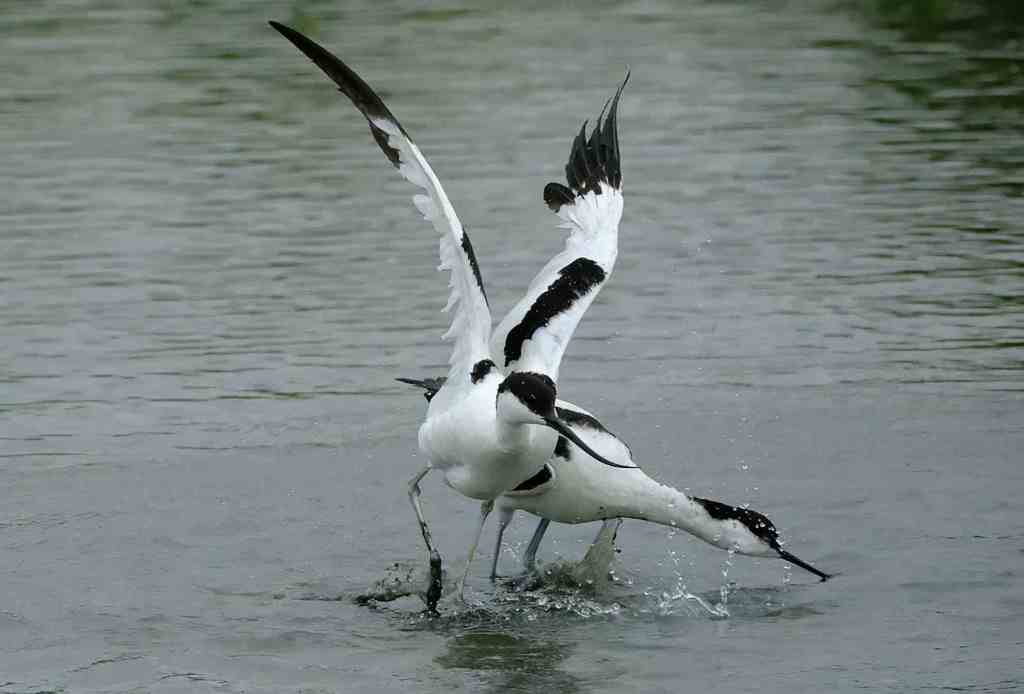
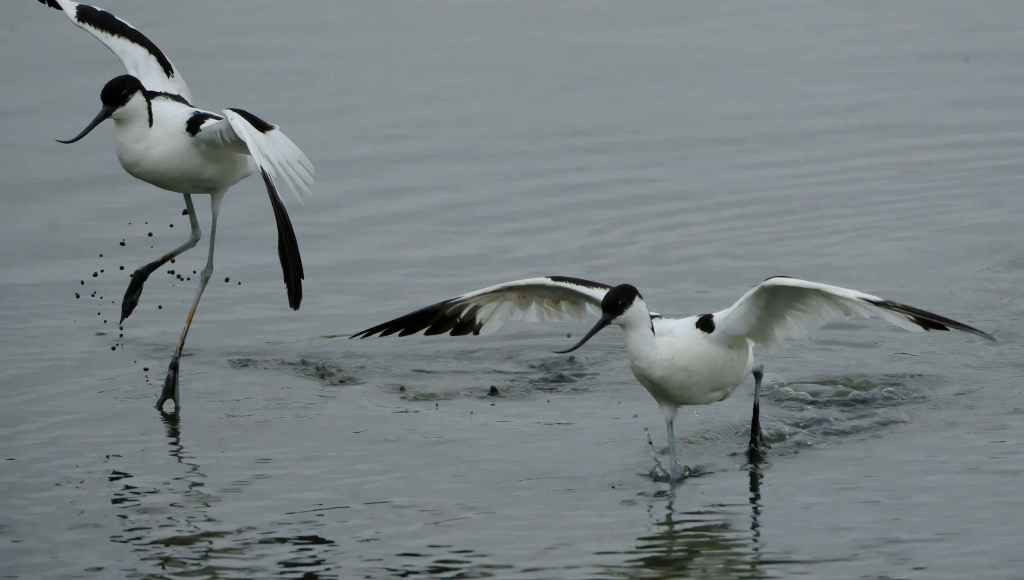

Over 80 birds at Titchfield Haven and a joy to watch. Jut a few pictures from today visit.
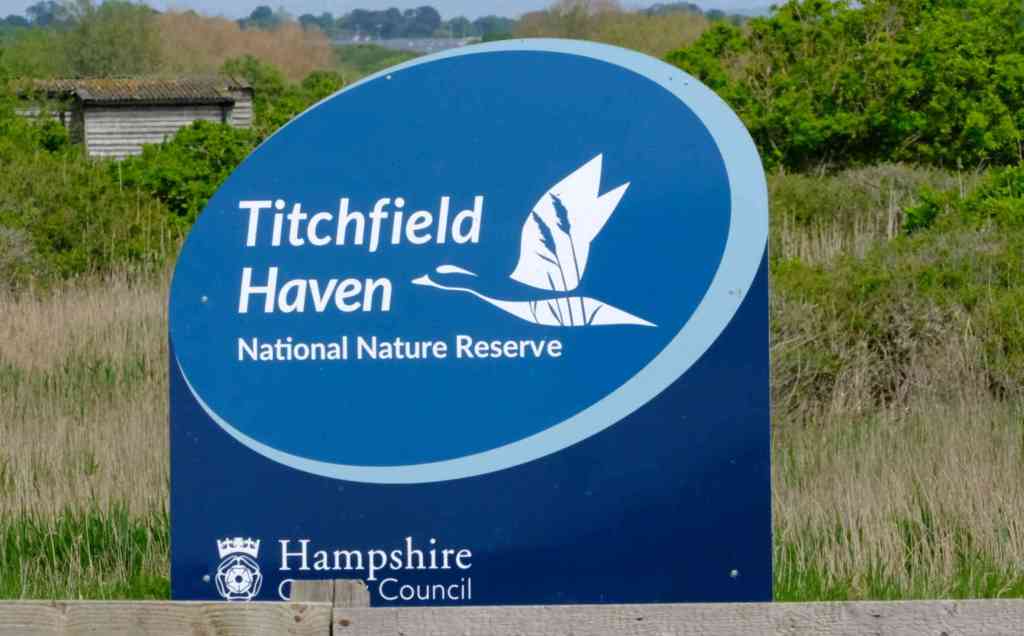
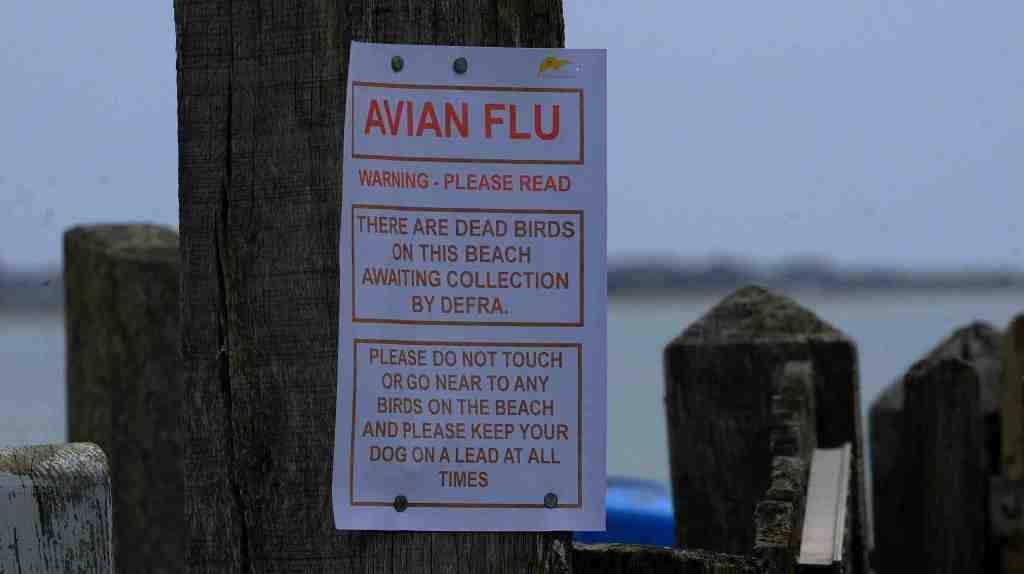
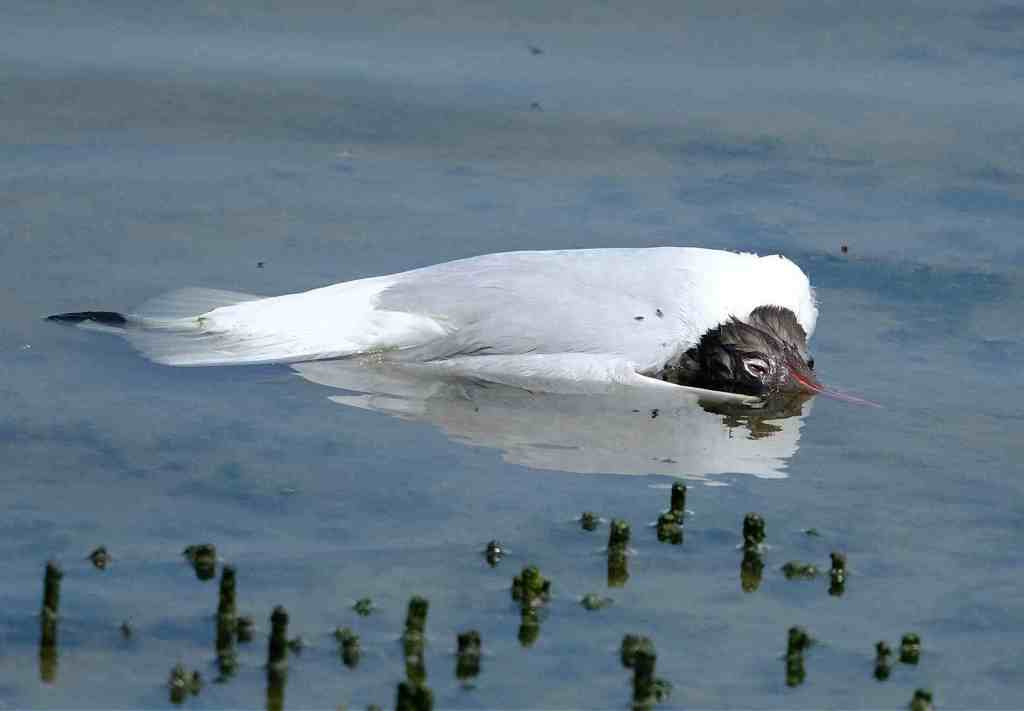
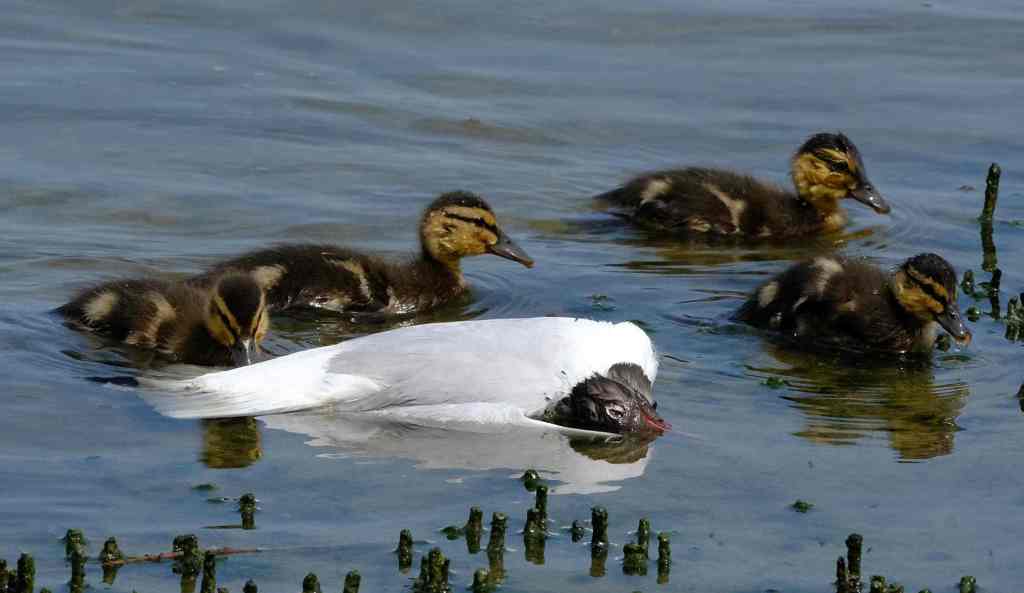
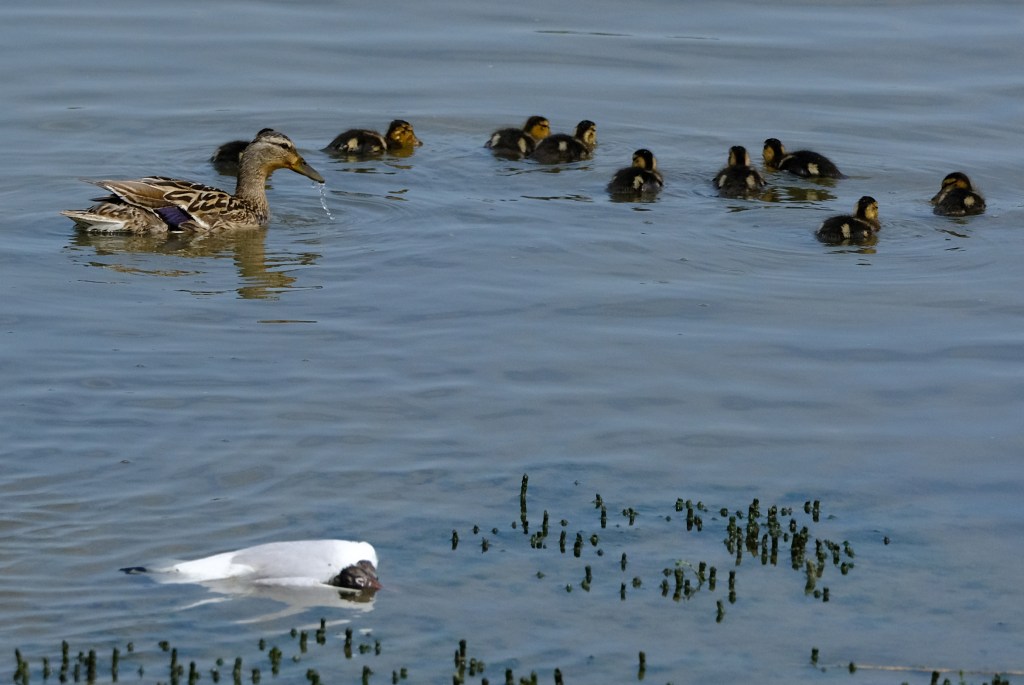
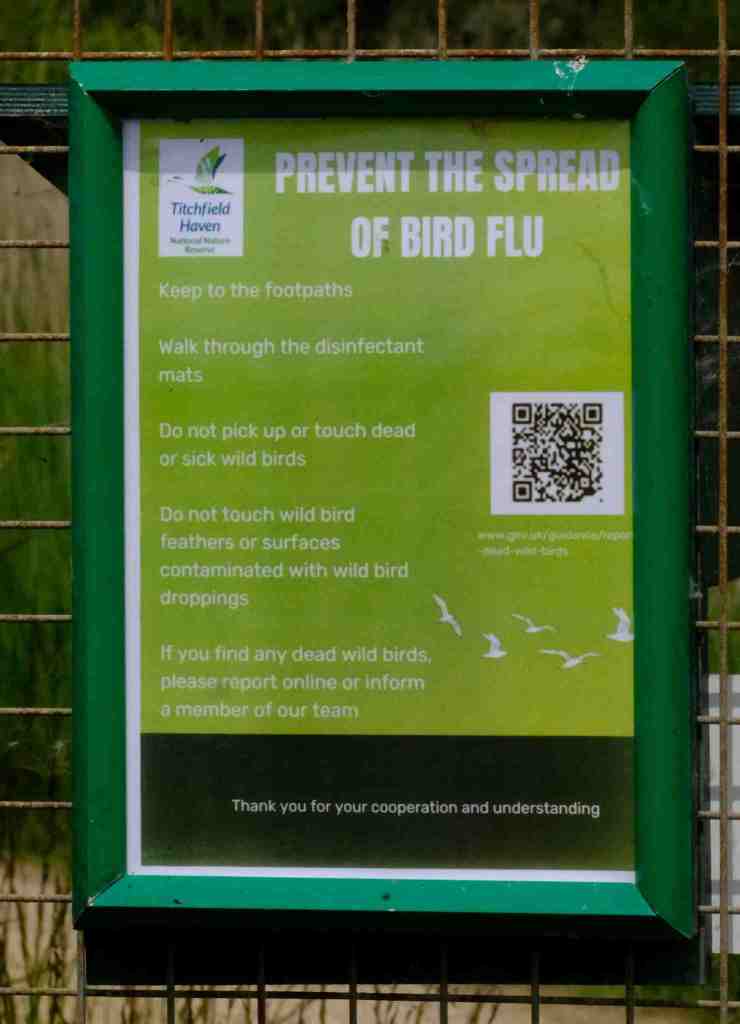
Bird flu (avian influenza) has devastated the Black-headed gull colony at Titchfield Haven National Nature Reserve this year. My estimate is gull numbers are reduced by some 75%. The Common Terns failed to arrive in any numbers. Larger Gull – such as Herring Gulls, Great and Lesser Black-backed Gulls number are fewer. So this has given Avocets space to build their nests and without predators, the Avocet chicks get a head start.
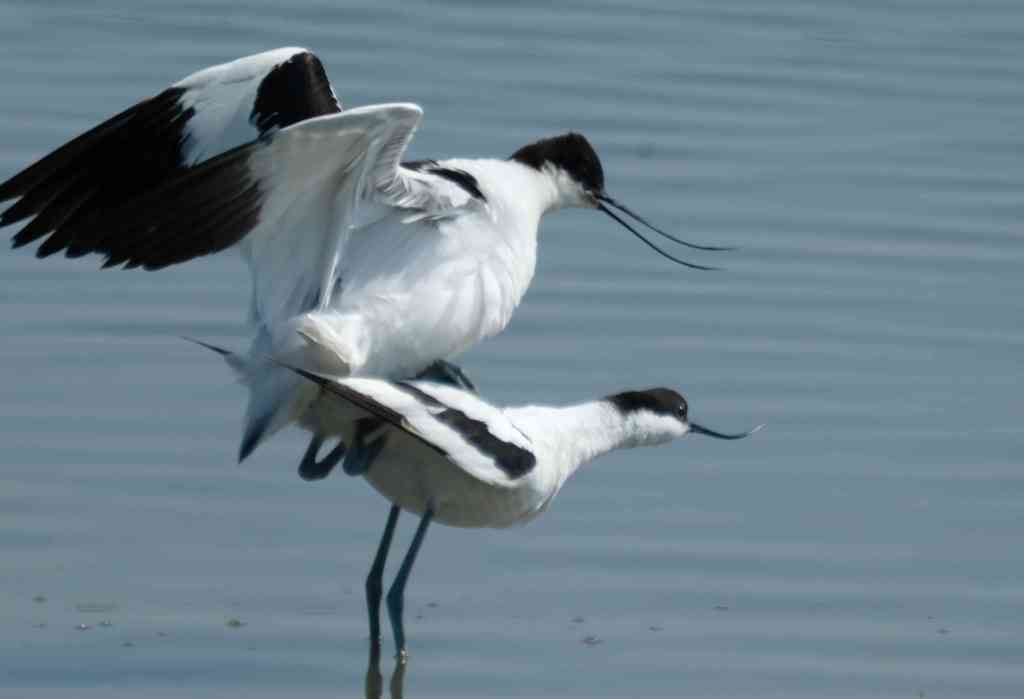
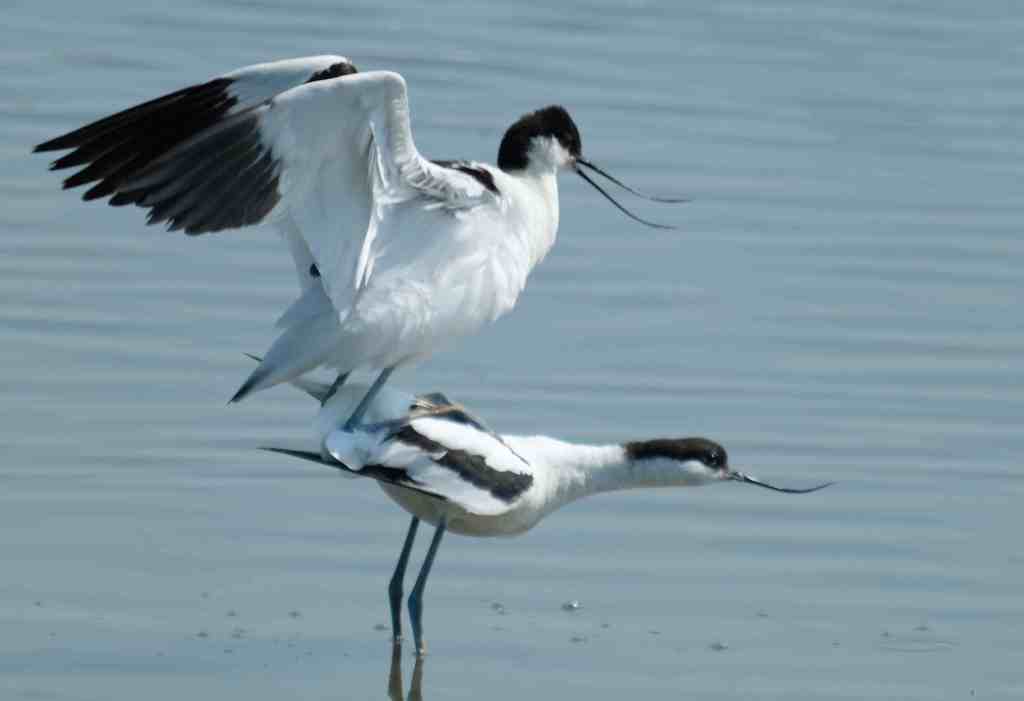
A pair of Avocets mate.


Despite its tatty wings, this Four Spotted Chaser was not affected in flight. Males and females: Both look alike. They have obvious dark spots on each wing.

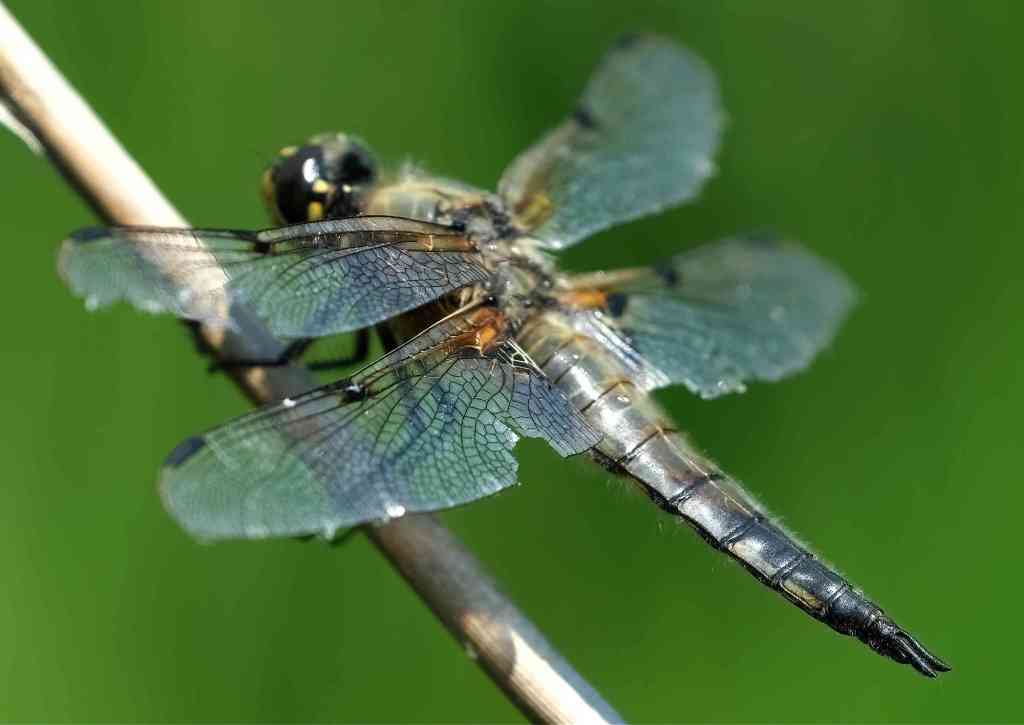
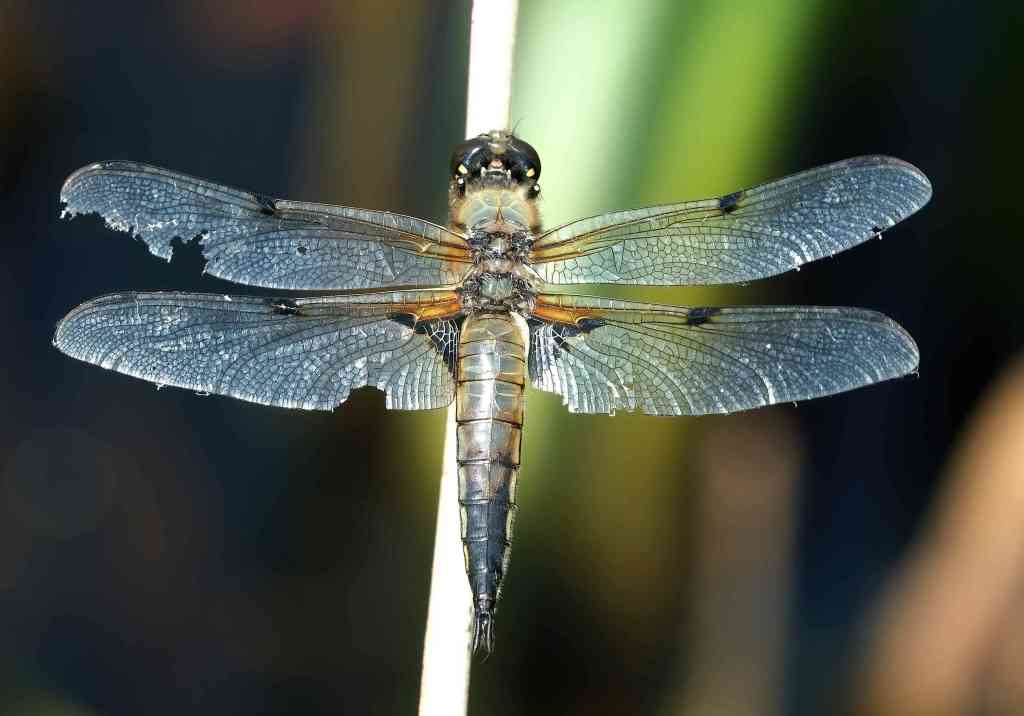
#Wordless Wednesday

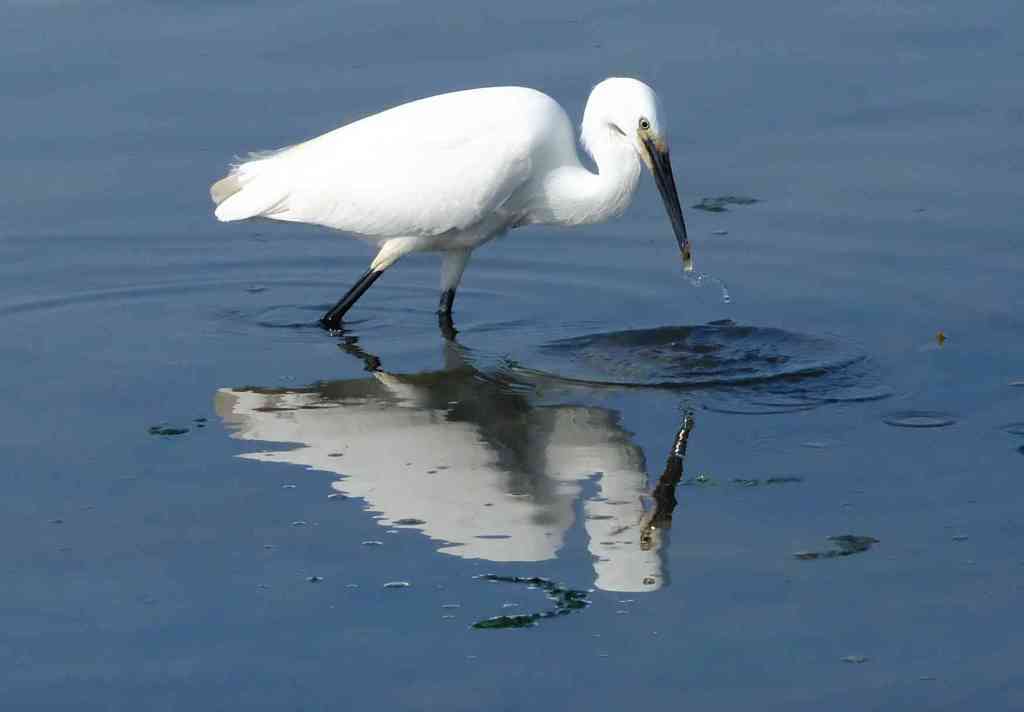
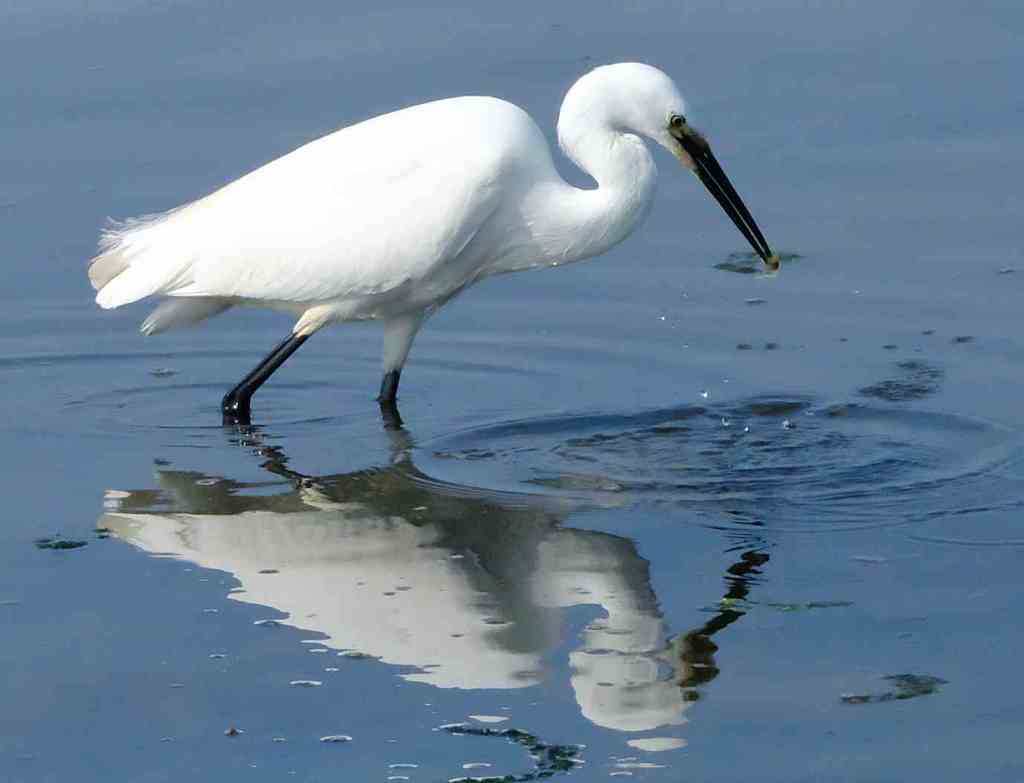
I try and get out in the environment not only is it physical exercise it is mental exercise. I always take a camera with me I never know what I will see on my trips out. A couple of times a week I go to the coast on Southampton Water. There were 3 Grey Heron fishing together at the Haven this morning. The 1st 5 pictures are of an adult bird the other pictures show young immature birds probably born last year.


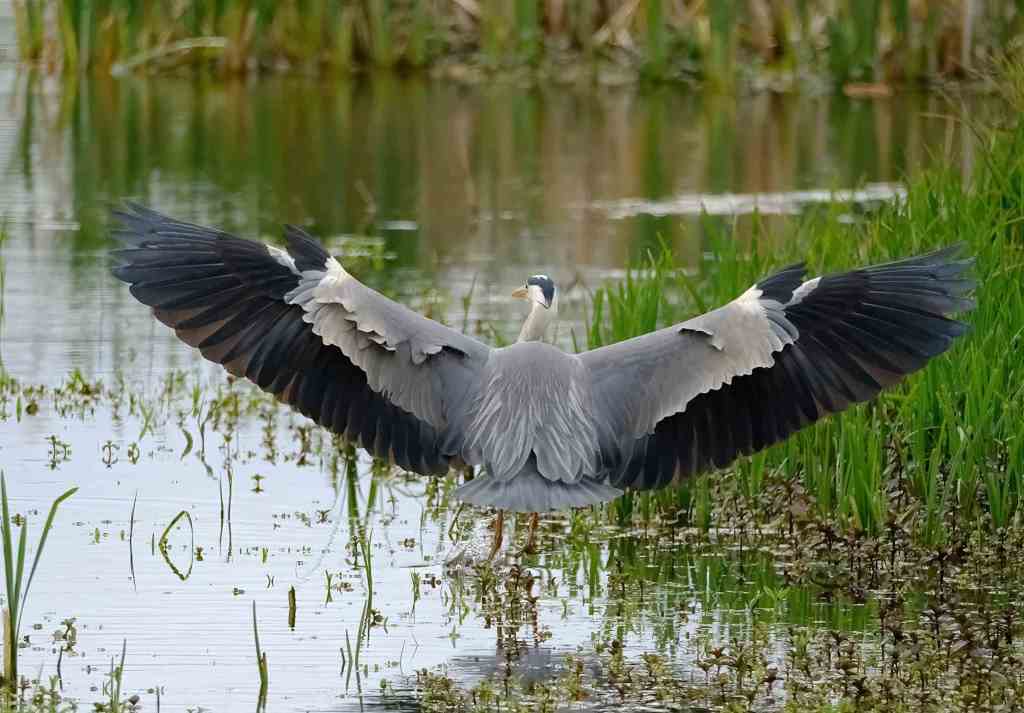

The collective noun for Herons is a ‘siege‘,


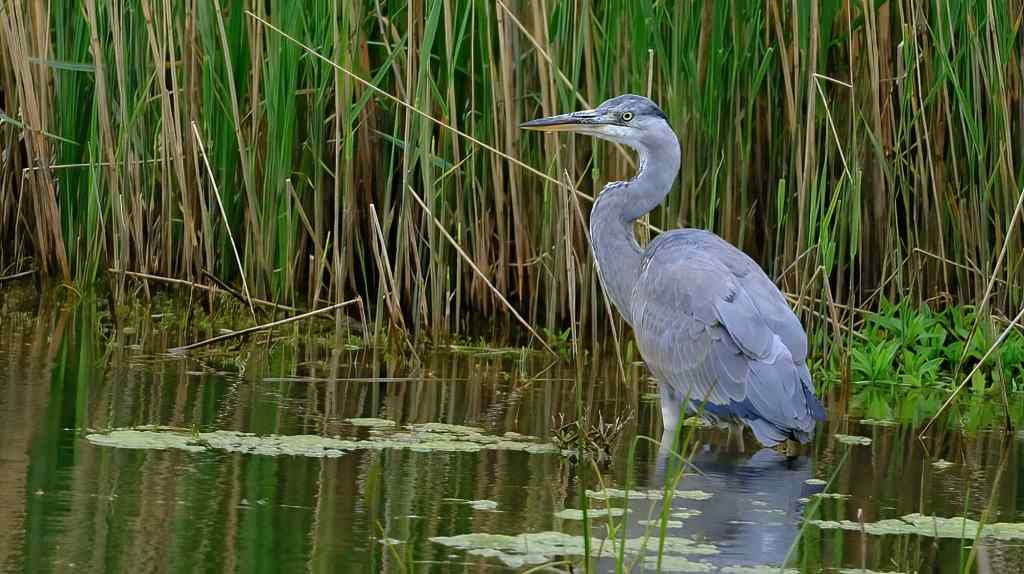

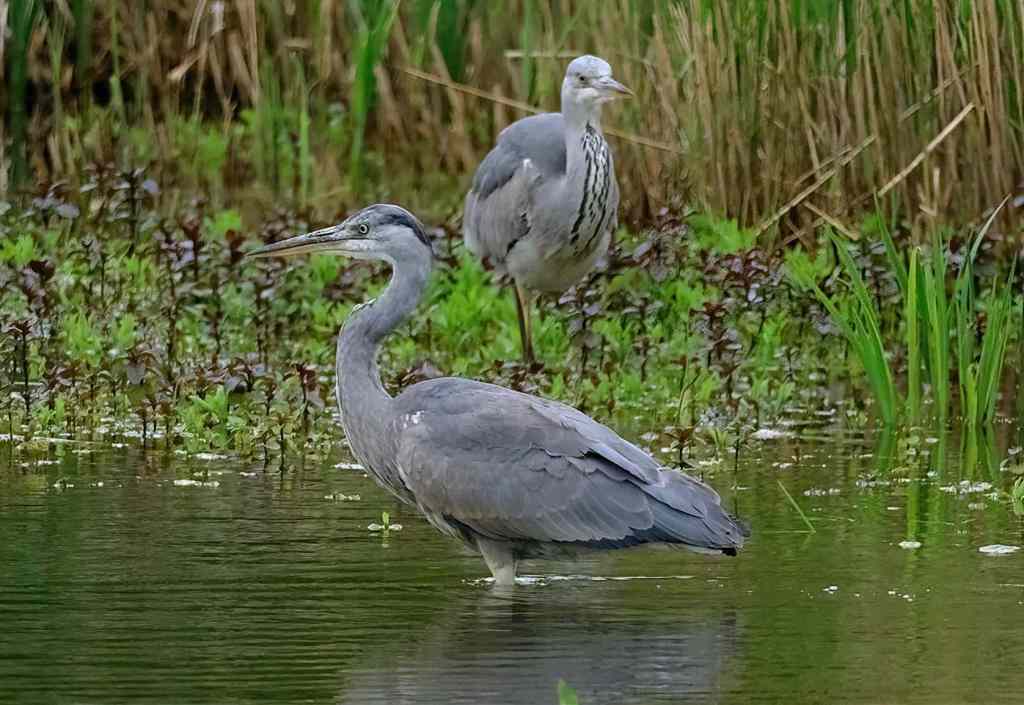
Heron eat, lots of fish and eels, but also small birds such as ducklings, small mammals like voles and amphibians.
Wordless Wednesday.
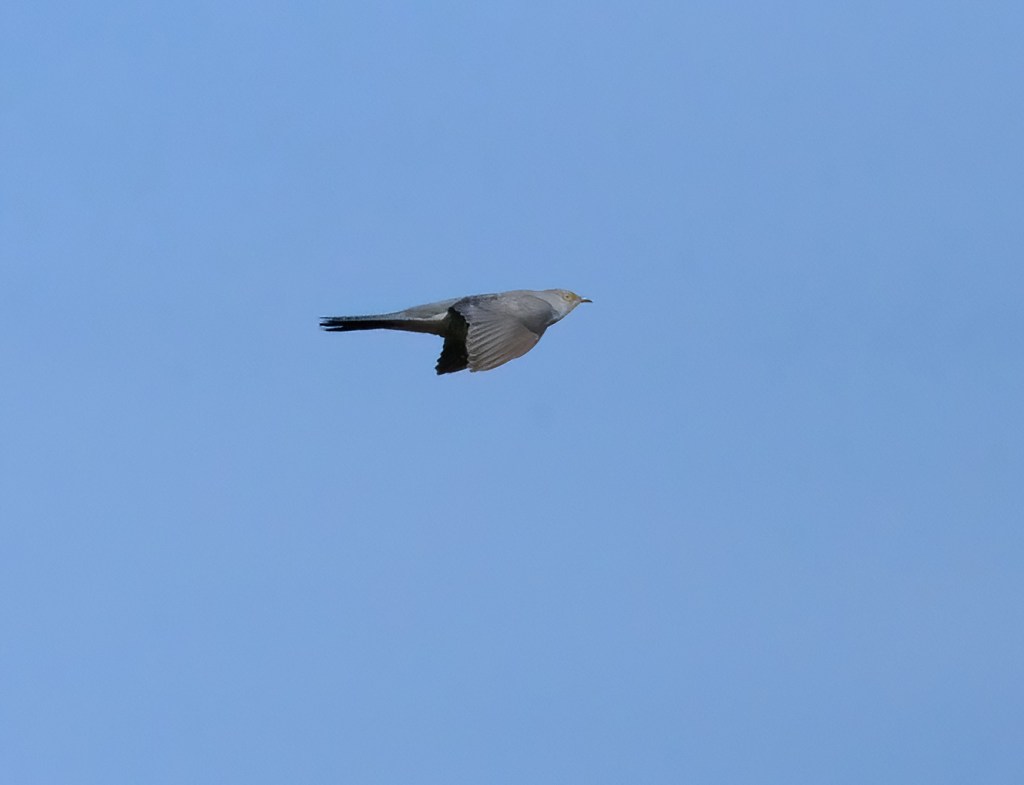


Common Terns have returned to the Solent and Southampton Water in the past week – I always look forward to their arrival and their numbers are increasing daily as they reach our shores from Africa. My 1st pictures this year which I am very pleased with. I have until September to practise when they will again leave.

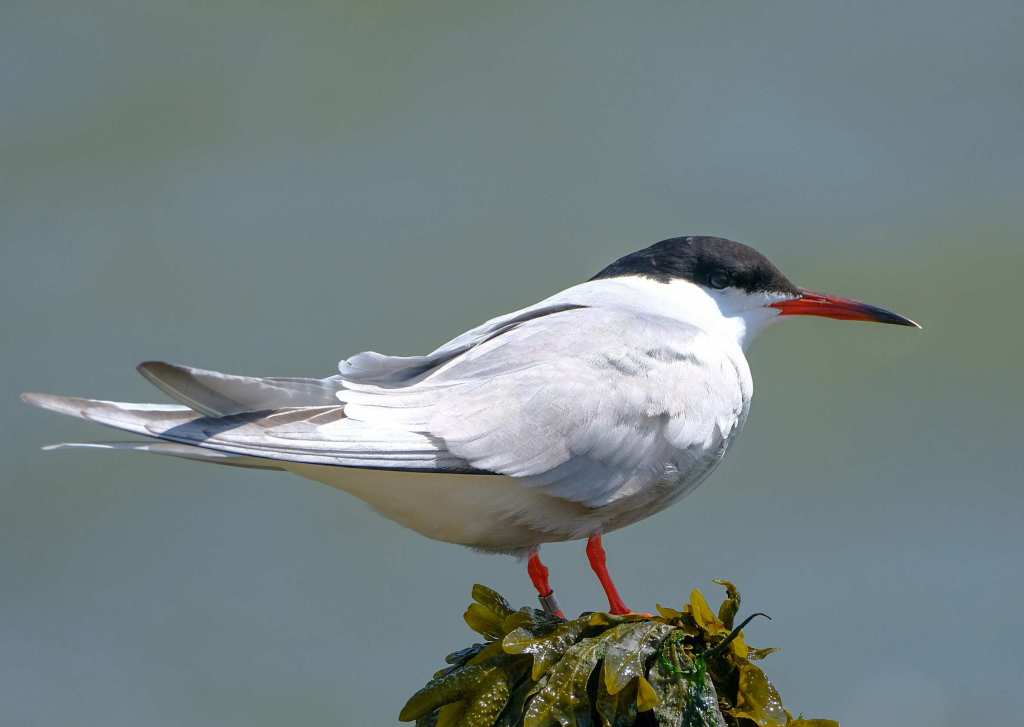
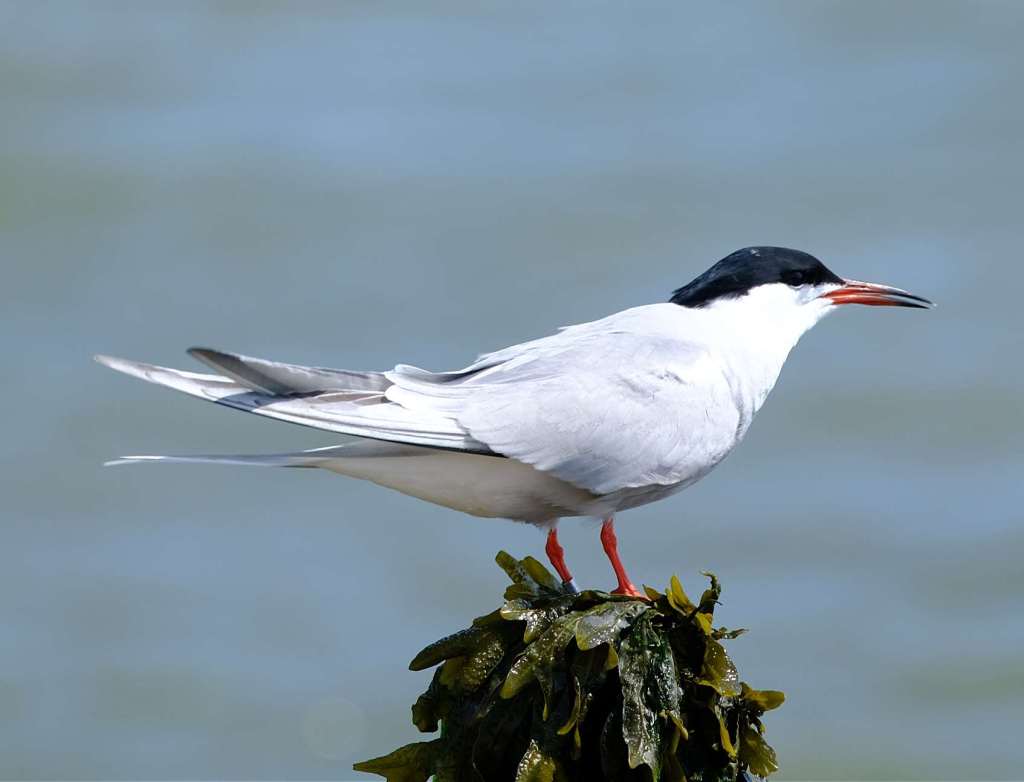
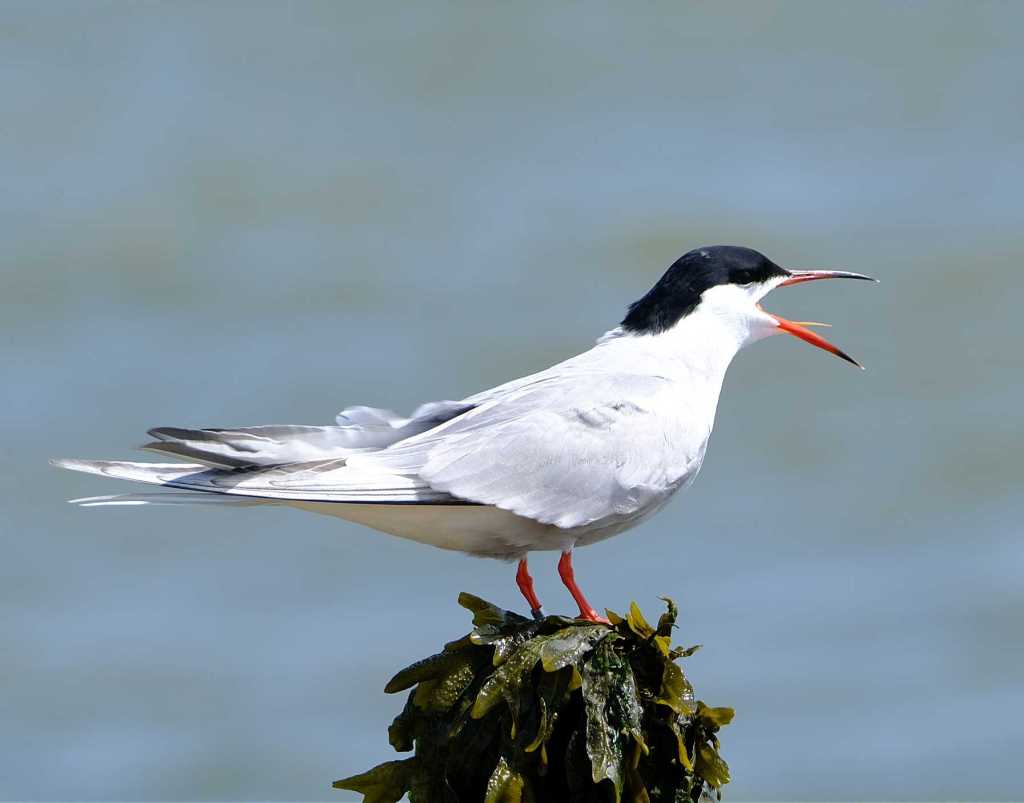

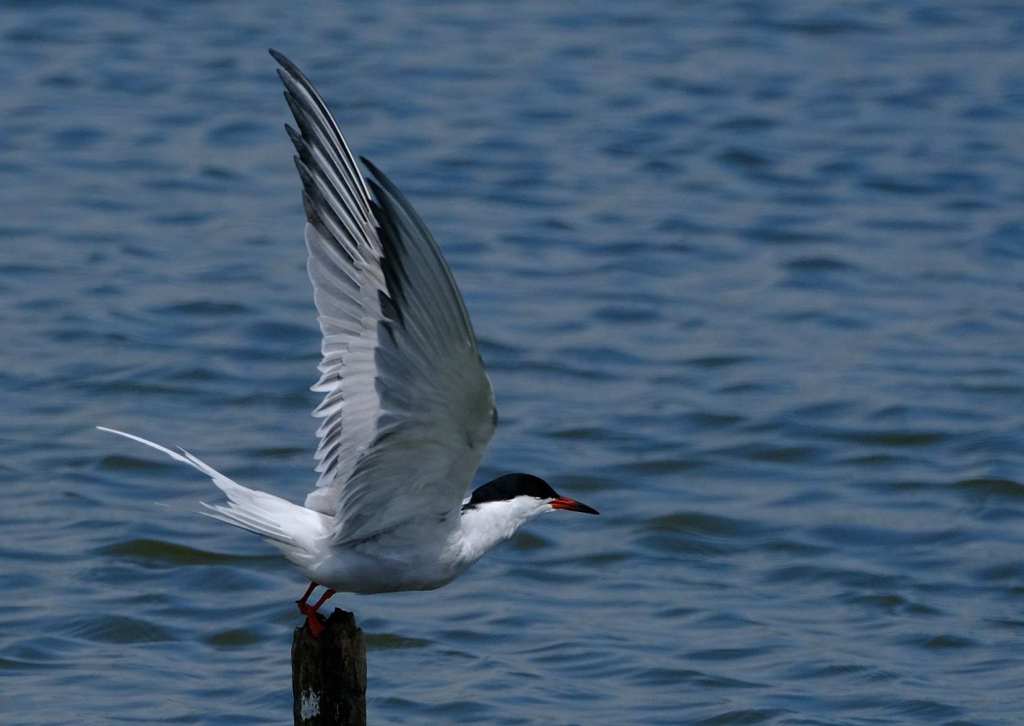

#Wordless Wednesday



The Osprey became extinct in the British Isles in 1916 but recolonised in 1954. Scandinavian birds migrate through Britain on the way to their breeding sites.
The Ospreys’ main UK stronghold is now in Scotland. In 2001, they began breeding in England in Cumbria, at Rutland Water. {here they were introduced}.
UK breeding:240+ pairs.
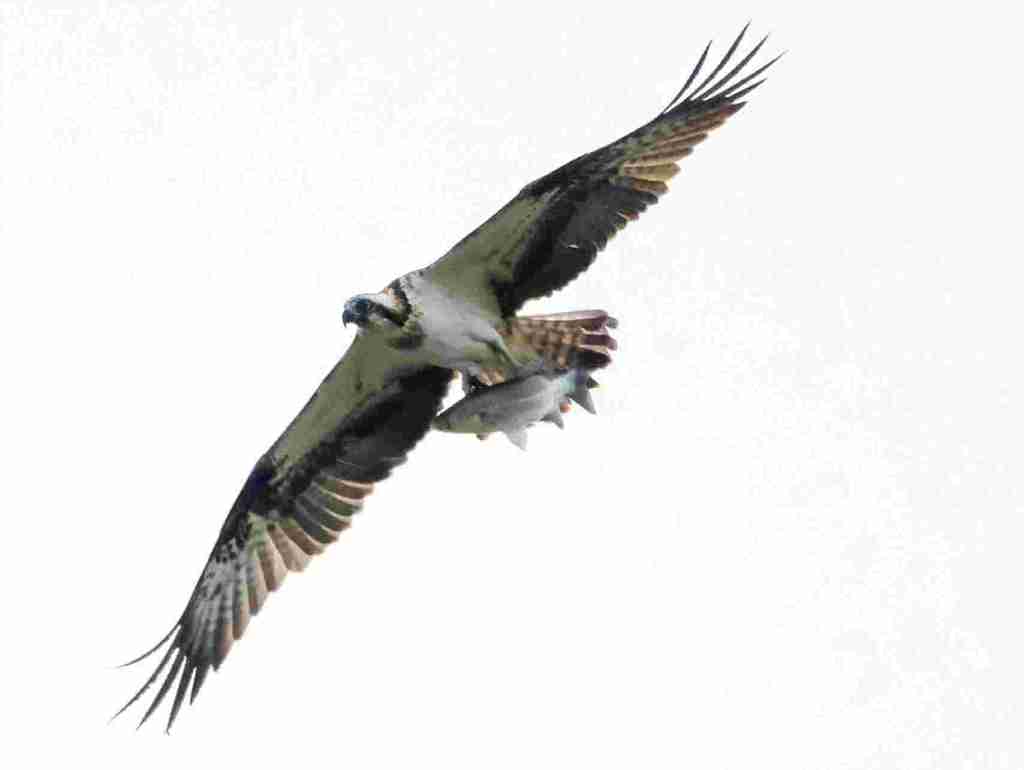
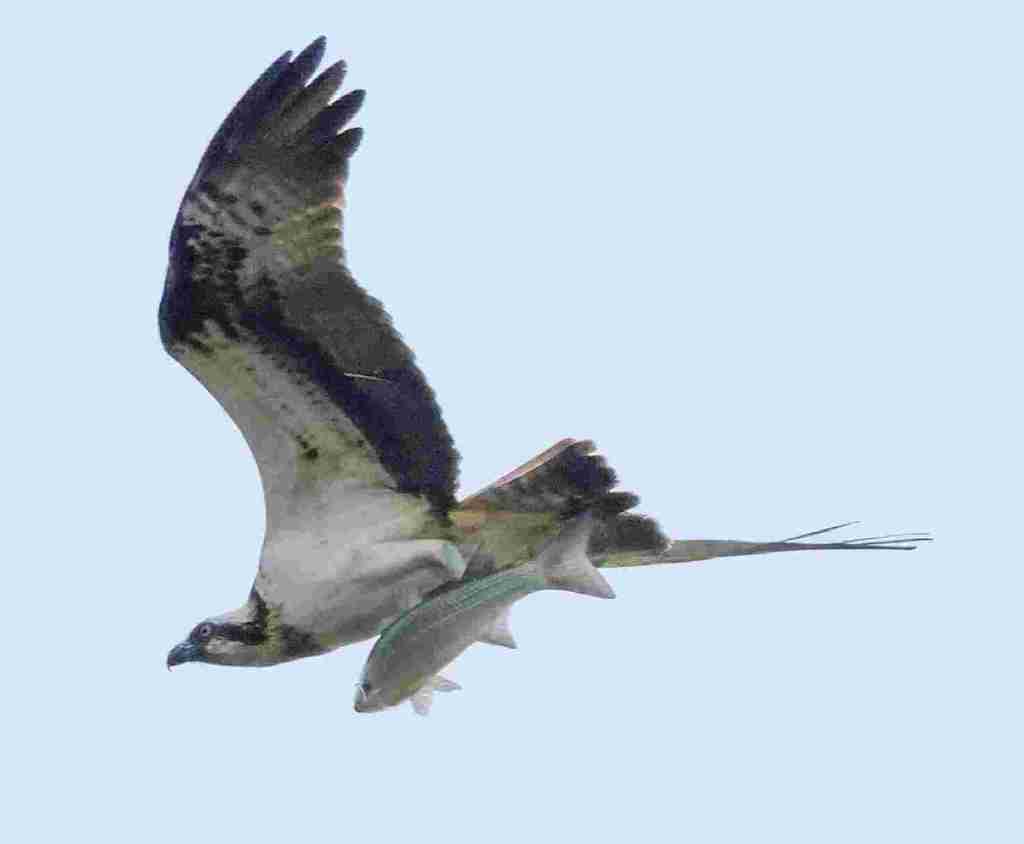
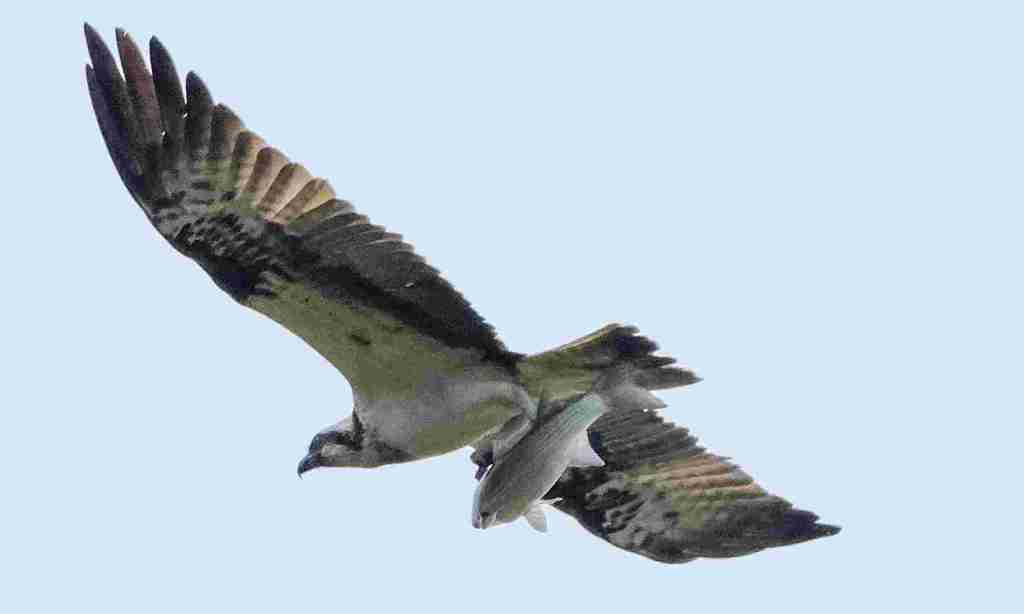
Birds are seen in our area on migration – We spotted this bird with fish today at Titchfield Haven which I expect stopped off for lunch on passage North.
Far off so zoomed in. A rare spot for me in the UK.


 Continued Reflections from my World.