Coastal spring.

Down on the coast along Meon Shore and Titchfield Haven, spring is advancing. Birds are starting to pair up courtship is in the air. Soon the Brend Geese and the Sanderlings will be off to their breeding grounds. Other birds who breed on our shores will arrive Avocents have started to arrive and soon I expect to spot returning Common Terns.

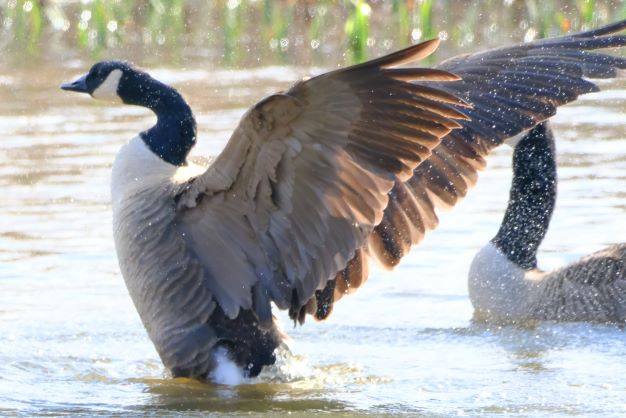
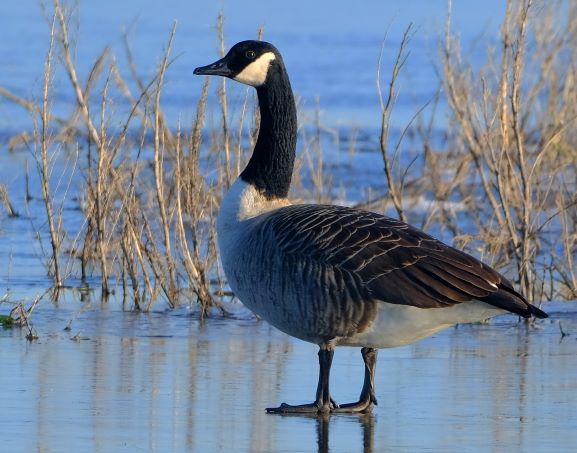
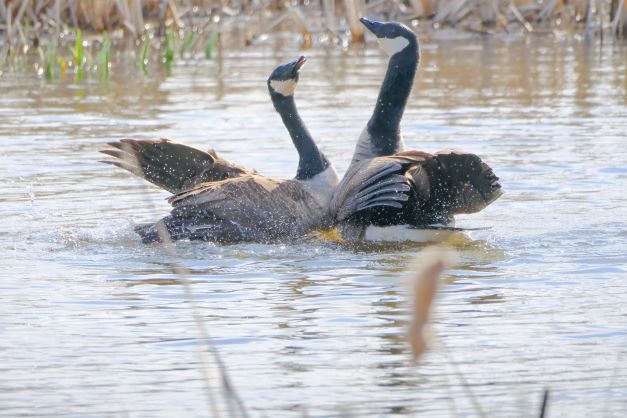
Canada Geese are no native birds, having been introduced from North America some 300 years ago. After the Second World War, they spread across the UK. They are now found in large numbers. These birds do not migrate from the UK and in some areas are now considered a pest.

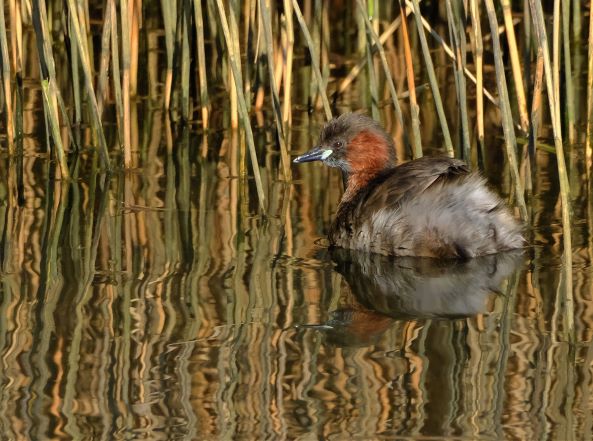
Cormorant and Little Greebe fishing.
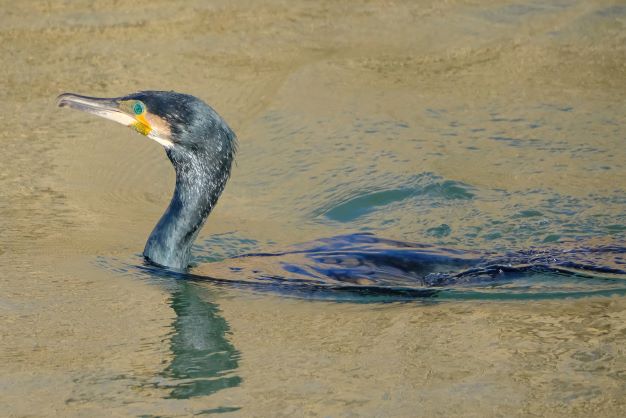
Some regular birds on at the Haven.

Lapwing.
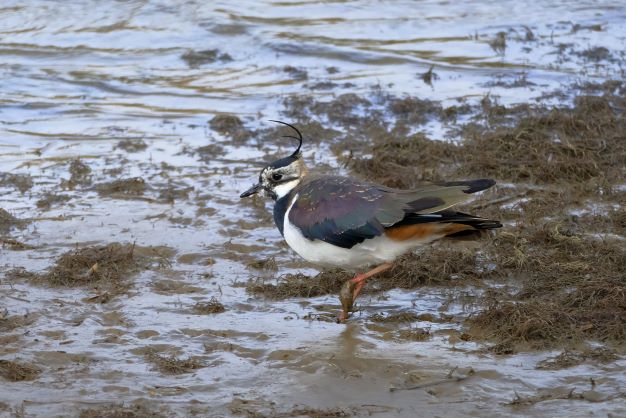
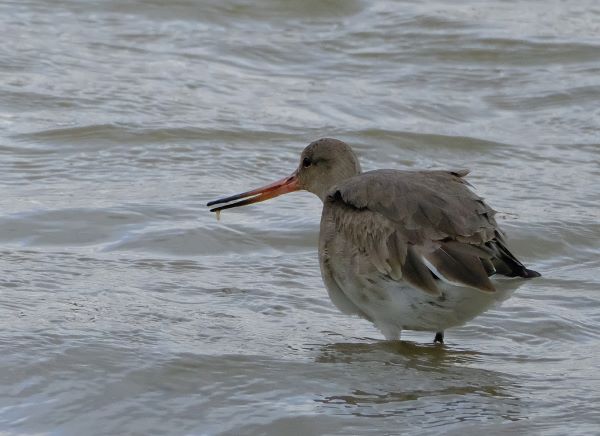
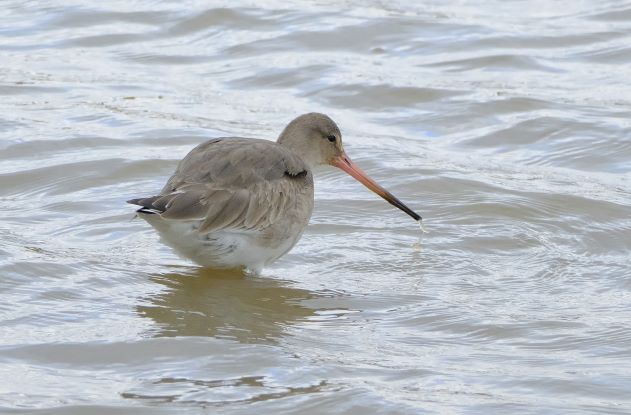
Godwit
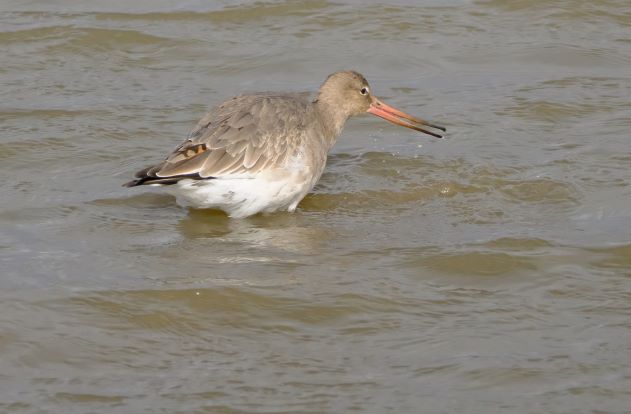
Redshank.

Raptors.

Raptors on film, a short film of recent local raptor encounters. Buzzards – Kestrel – Marsh Harrier.

Buzzard from trail camera others from standard digital camera. All wild birds.

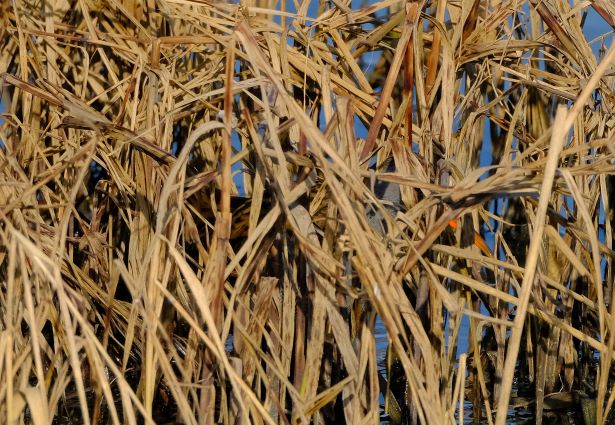
Hiding in the reeds.

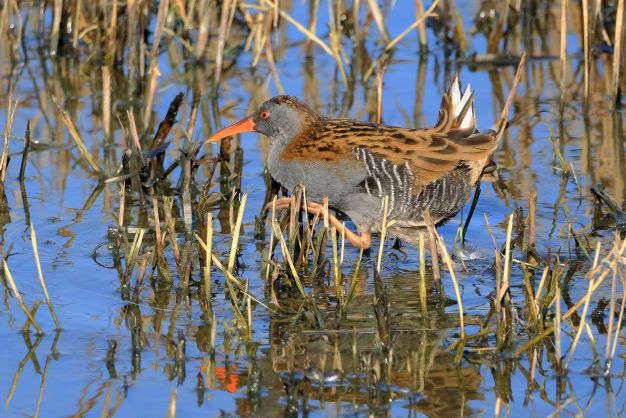
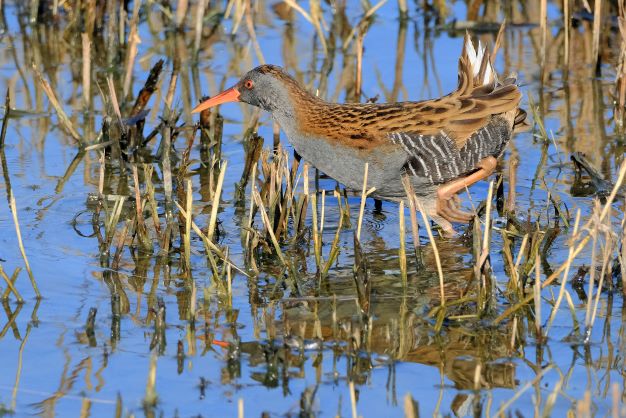
I quote the RSPB website “the water rail is a fairly common but highly secretive inhabitant of freshwater wetlands.” Look hard at my 1st picture; this is often the best view of this rail you get!

This afternoon I was lucky that the bird at Titchfield Haven broke cover and ran for the next clump of Reeds.

Walking on thin ice.

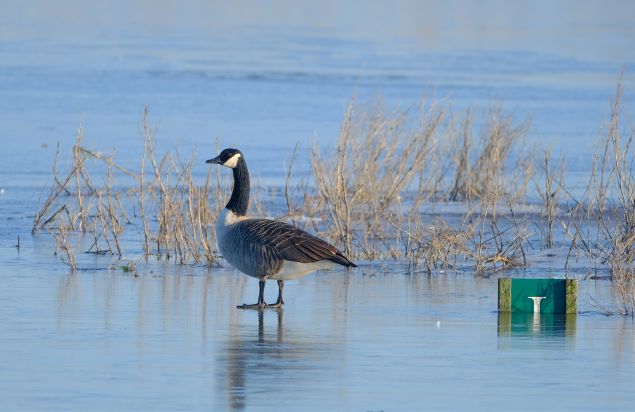
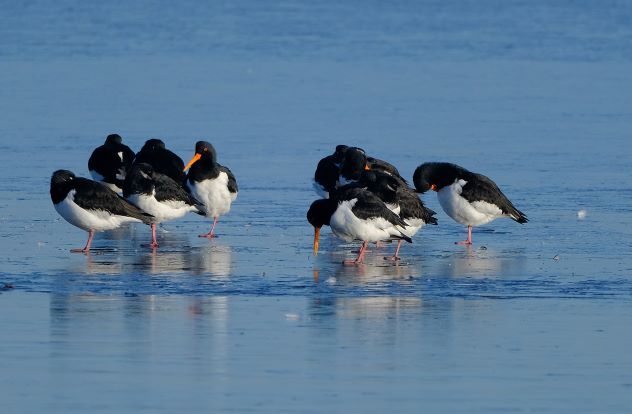
With current low temperatures, all the lagoons at Tichfield Haven have frozen over. No snow but everywhere was just very cold.

A lone Canada Goose walks the line!

Island “I” is underwater today.

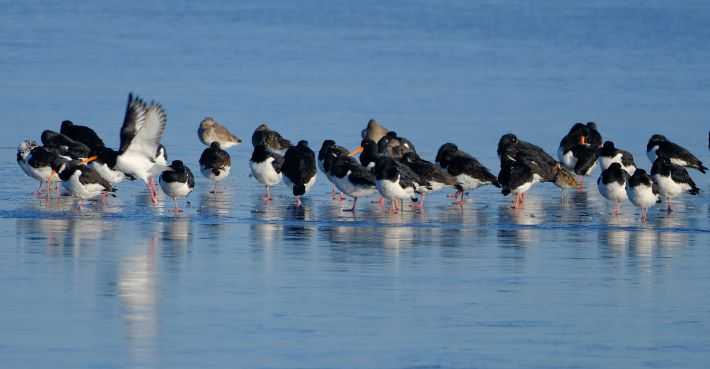
The Oystercatchers are resting where another island should be.

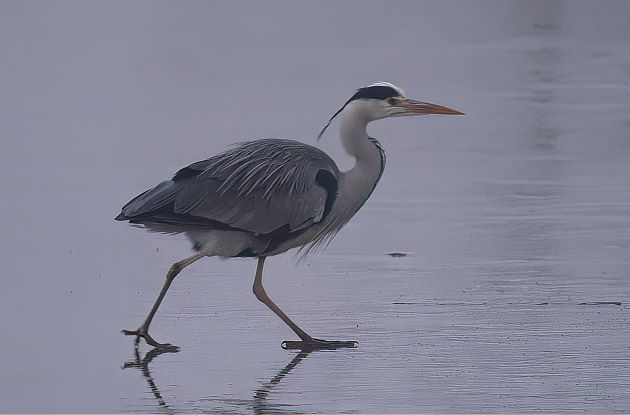
This Heron is using the small stream to look for fish due to the lack of open water because of the ice.

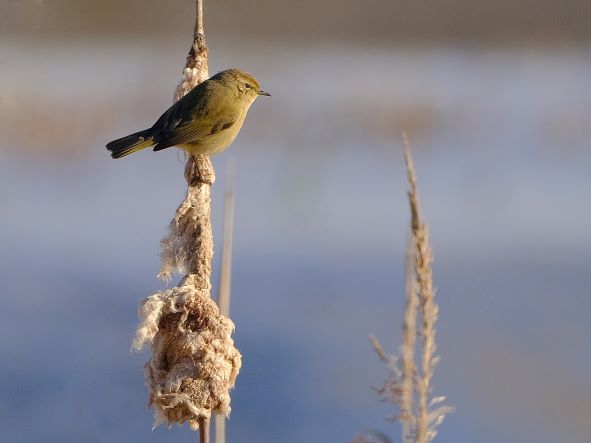
Chiffchaff on Bullrush.

Dull end to the year.

The last bird-watching trip of 2022. A walk around Titchfield Haven in the wind and rain on a really dull morning. Not good for taking photographs with slow shutter speeds and poor colours due to the conditions. Although a nice walk around with few other people venturing out.

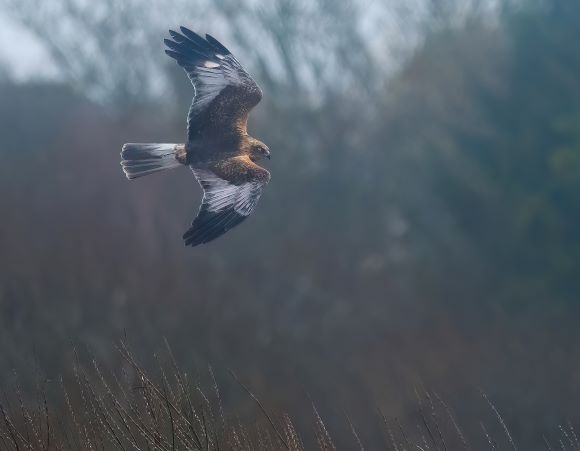
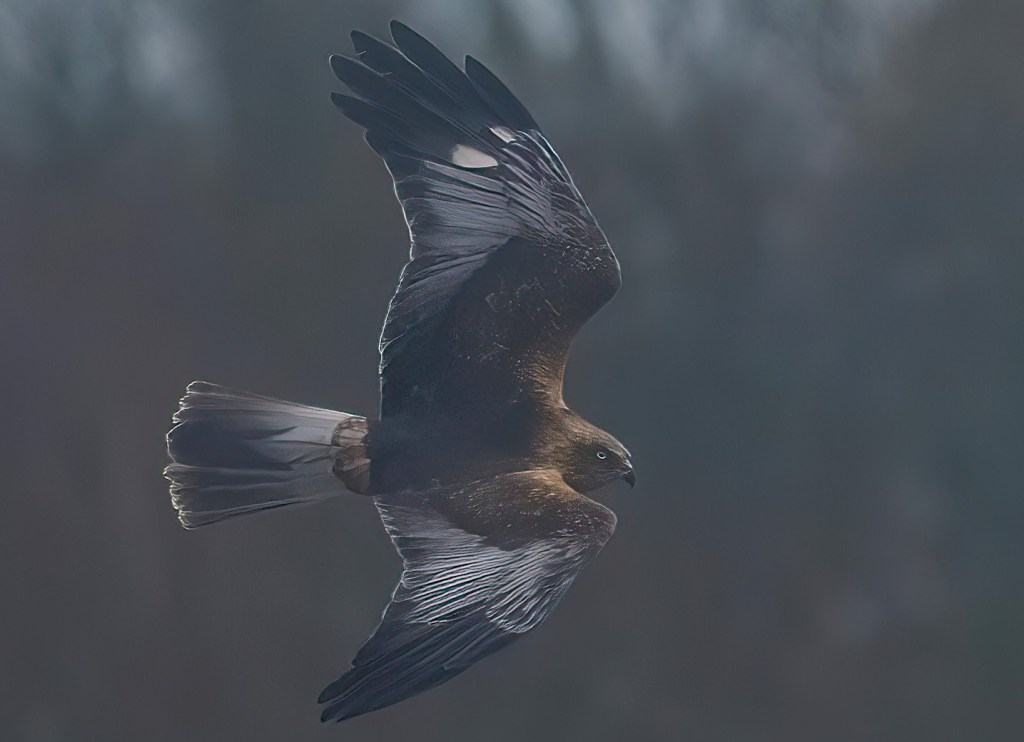
A Marsh Harrier hunting the small waders.

The Mash Harrier has a wingspan of about 4 feet. There are only about 600 pairs in the UK. This bird is a male. (the female has a creamy head).

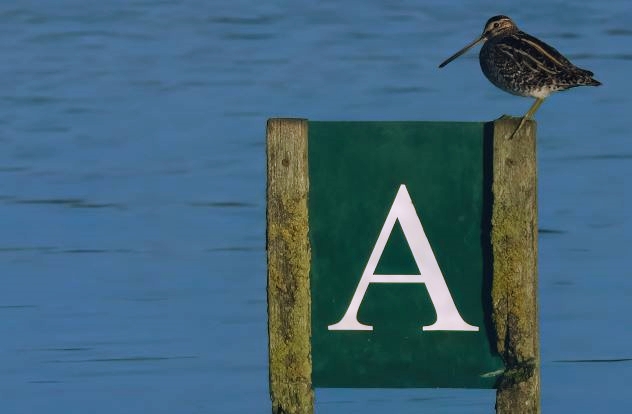
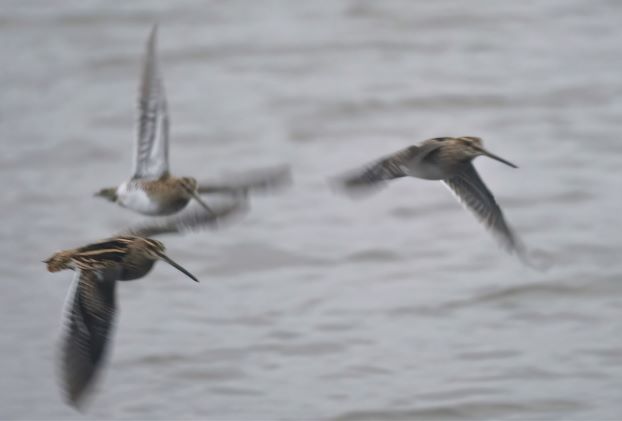
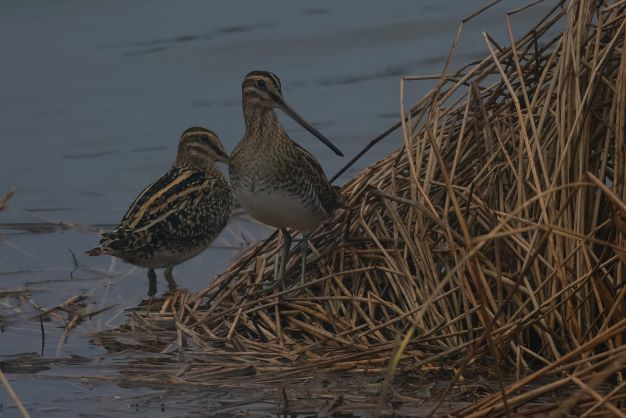
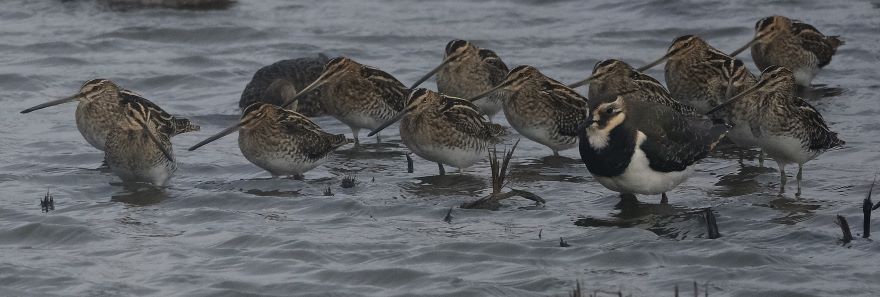
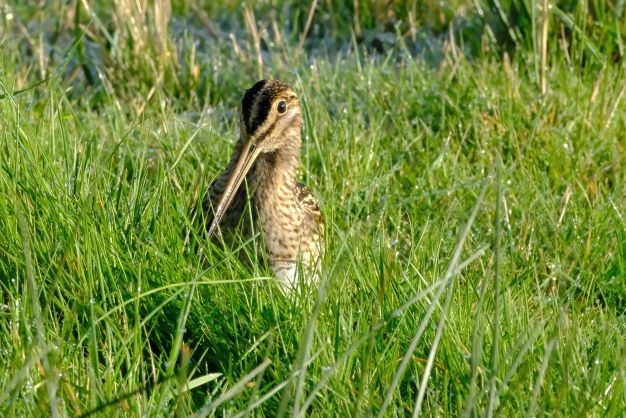
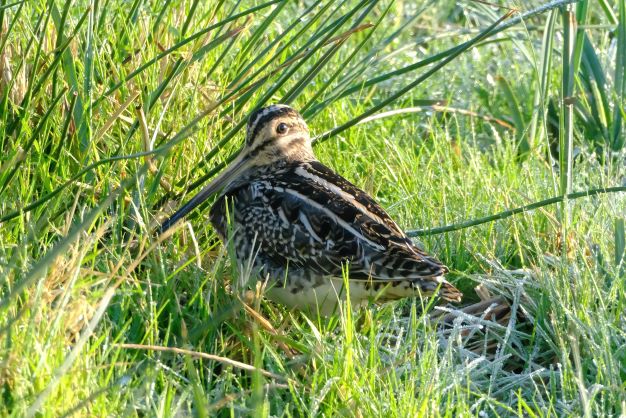
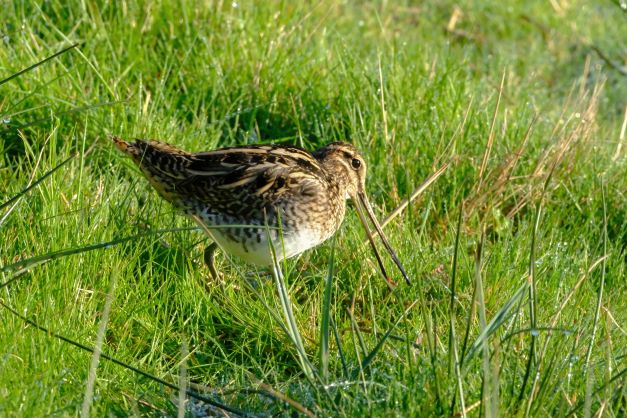
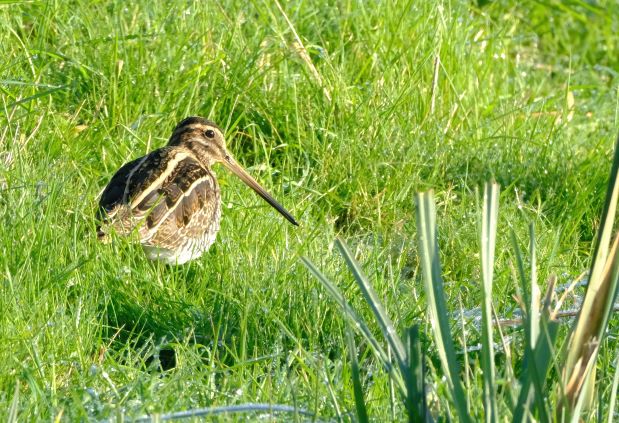
High numbers of Common Snipe were on the ponds today. In the UK some 66,500 pairs are present in the breading season however these numbers increase to 1.1 million birds during our winter months.

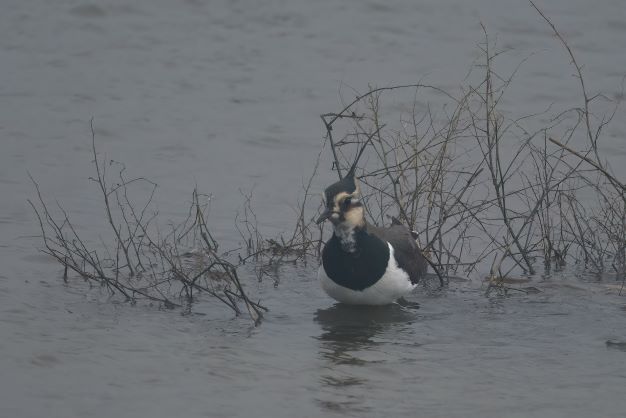
As well as the Snipe Lapwing numbers also increase during the Winter to some 635,000 birds.

See you next year.