A Snipe or Two!
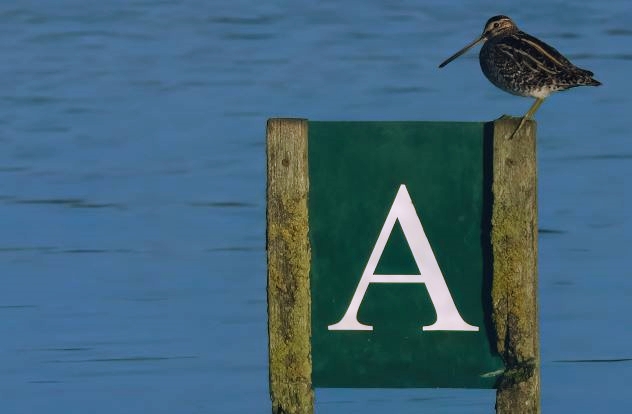


A Snipe or Two!
The last bird-watching trip of 2022. A walk around Titchfield Haven in the wind and rain on a really dull morning. Not good for taking photographs with slow shutter speeds and poor colours due to the conditions. Although a nice walk around with few other people venturing out.
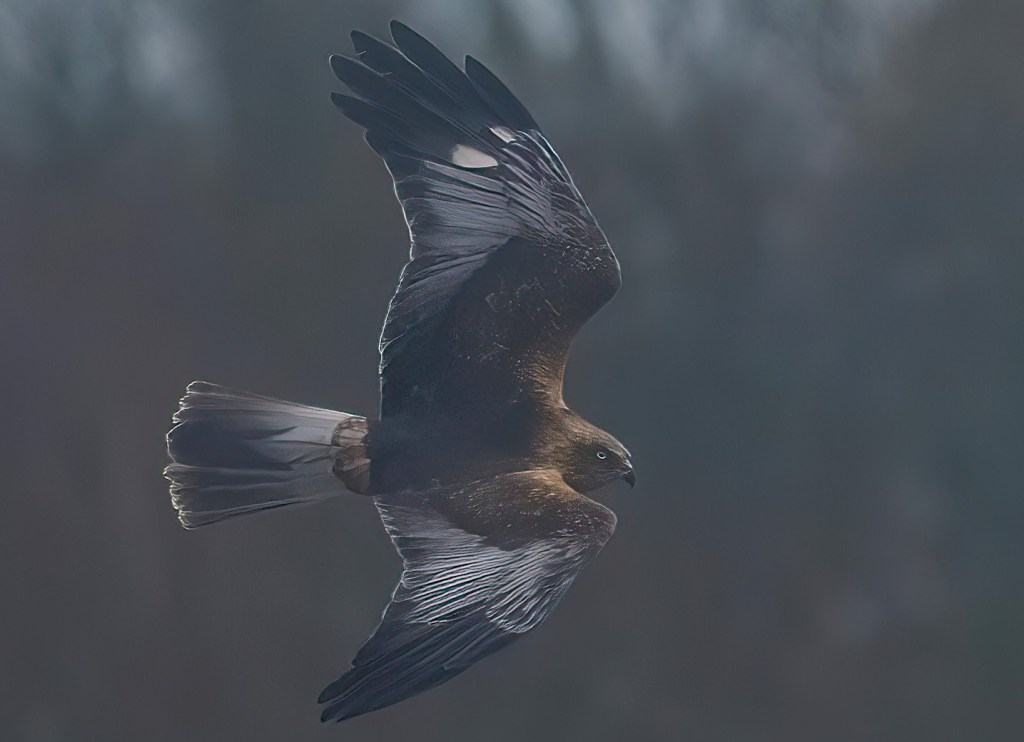
A Marsh Harrier hunting the small waders.
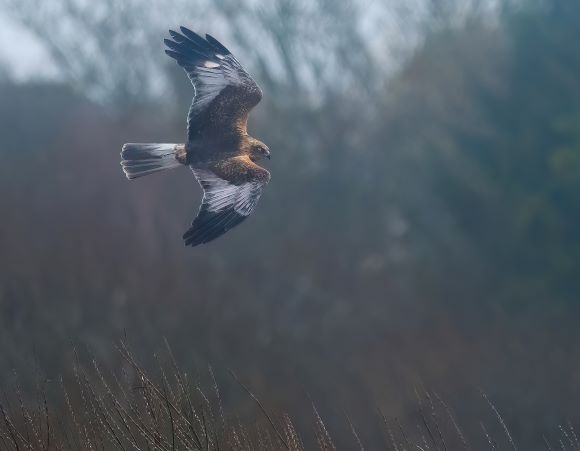
The Mash Harrier has a wingspan of about 4 feet. There are only about 600 pairs in the UK. This bird is a male. (the female has a creamy head).
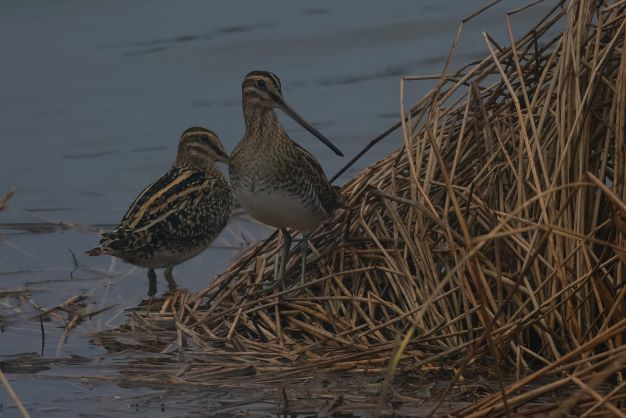
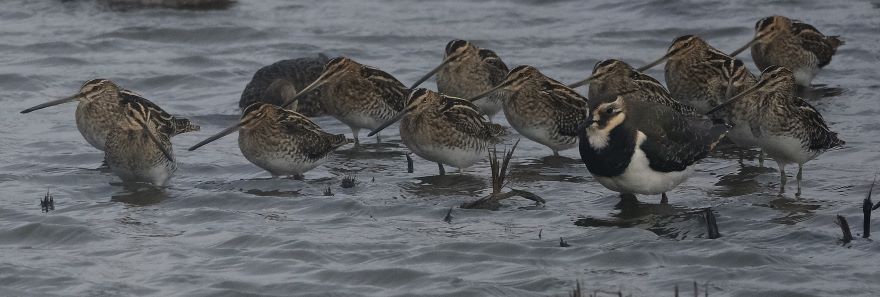
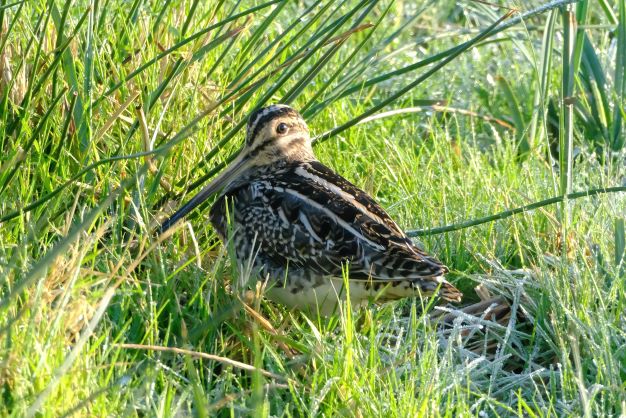
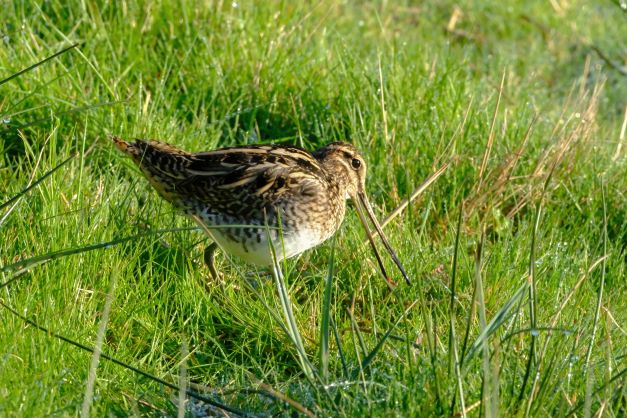
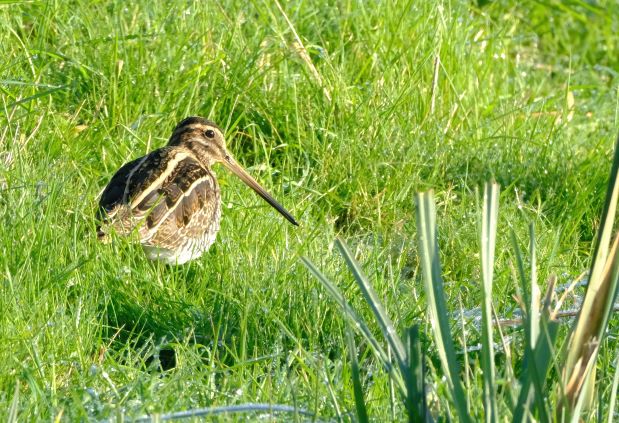
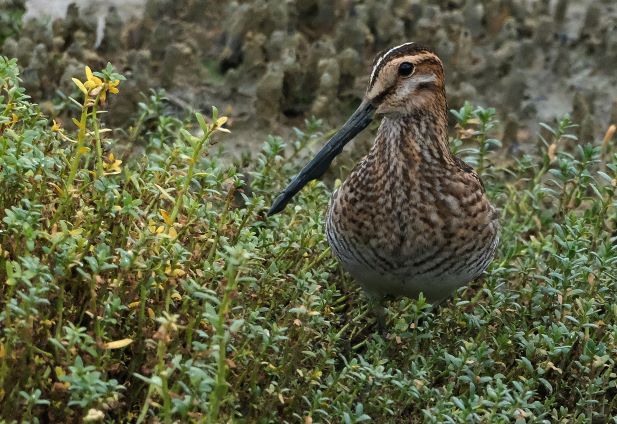
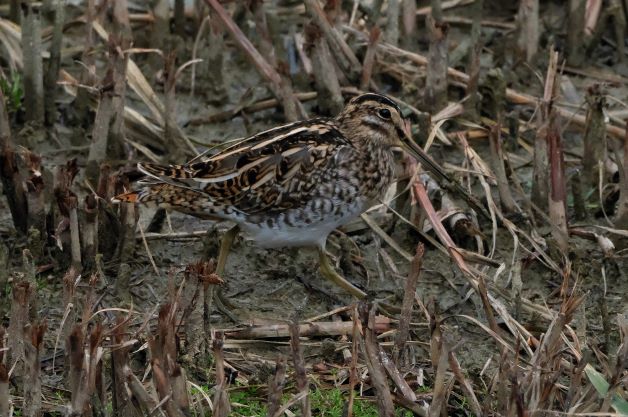
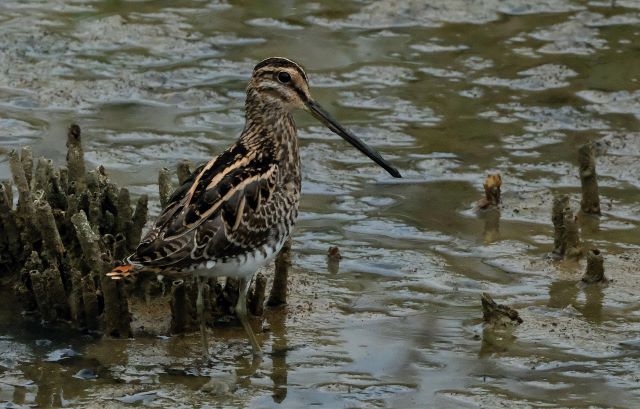
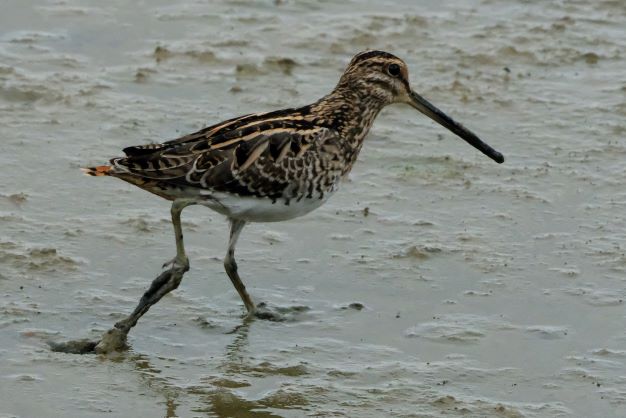
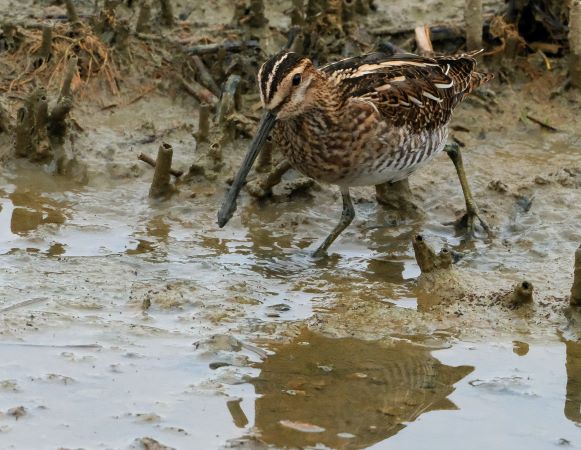
High numbers of Common Snipe were on the ponds today. In the UK some 66,500 pairs are present in the breading season however these numbers increase to 1.1 million birds during our winter months.

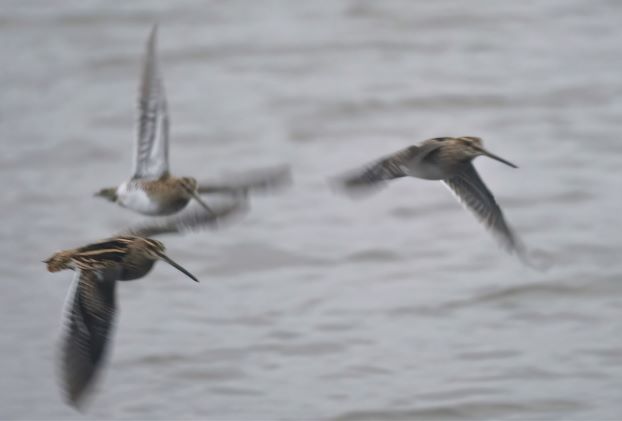



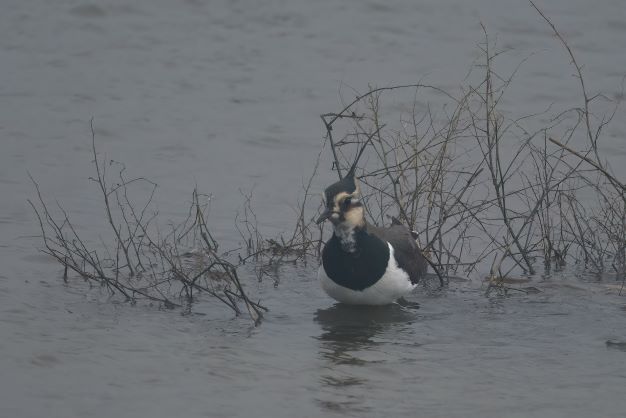
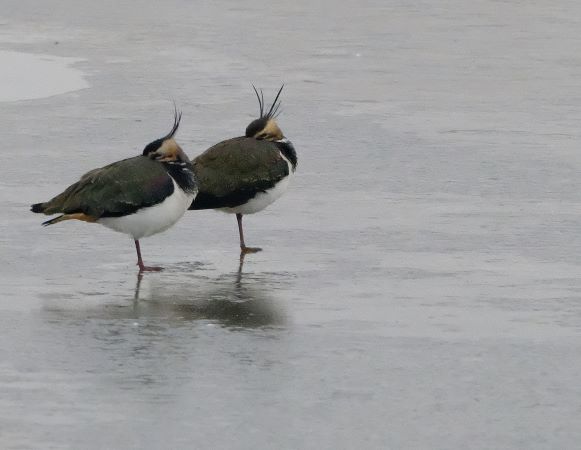
As well as the Snipe Lapwing numbers also increase during the Winter to some 635,000 birds.

See you next year.
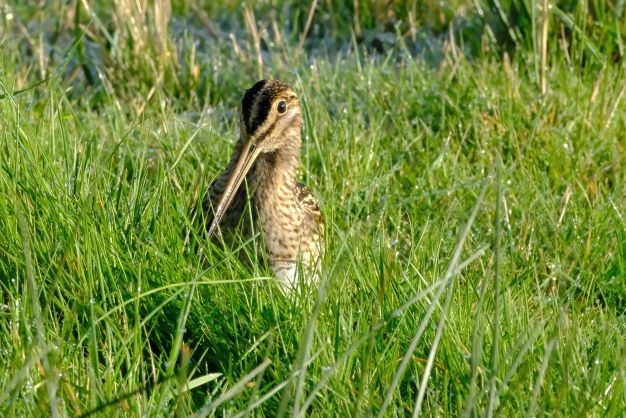
Snipe feeding on the field at Titchfield haven this morning.

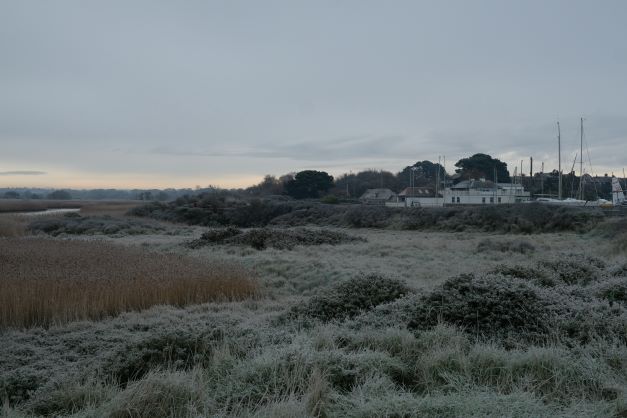
A cold and frosty morning at the coast this morning at 10.30 am but most people appear to be at home!
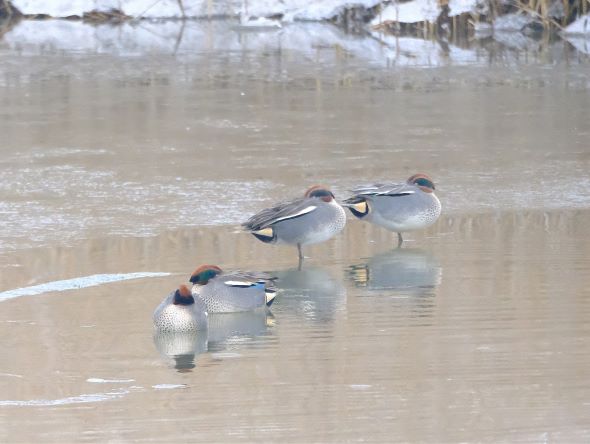
Teal
Lapwing.
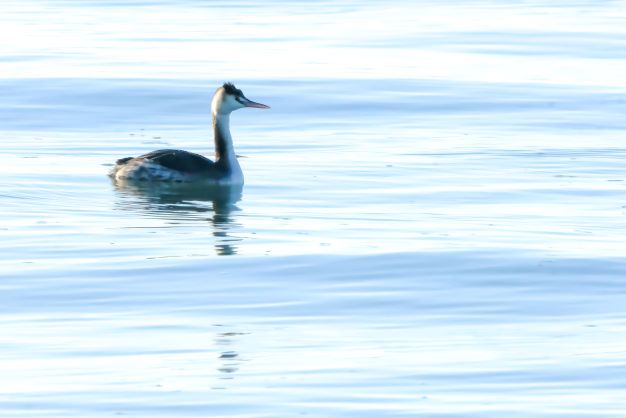
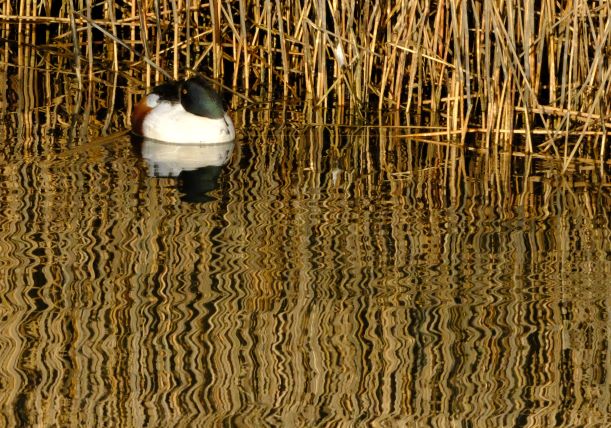
A cold bright morning Great Crested Grebe and a Shoveler Duck on calm water.

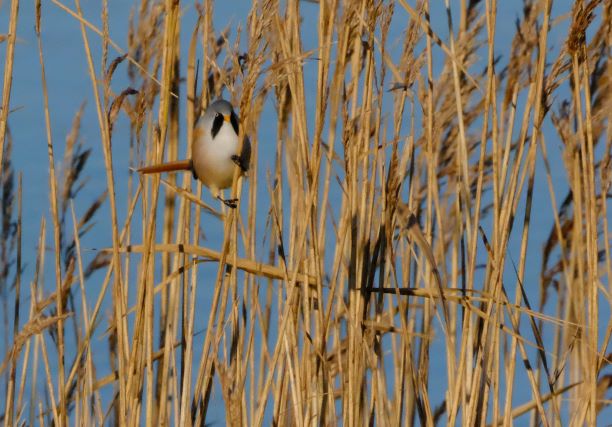
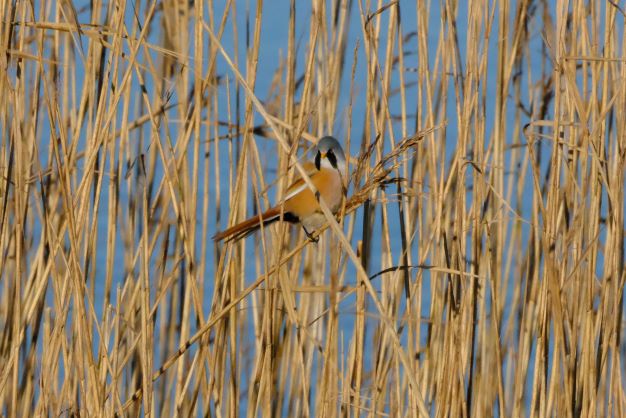
Just a glimpse in the reeds this morning a bit of brightness on a dull day.
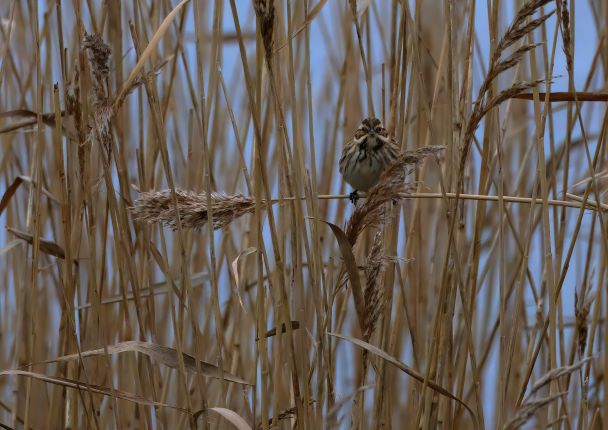
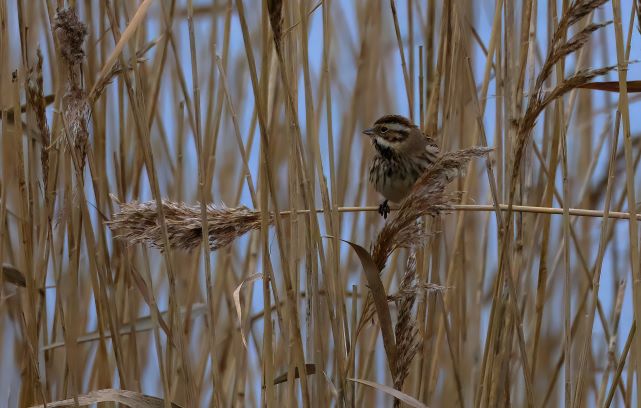

They are small brown, long-tailed birds, a bird of the reedbeds. Males have black ‘moustaches’.They are sociable and have a noisy, call.
With modern thinking – scientists have decided this is not actually related to the tit family. It was removed from the tit family and instead placed in the parrotbills, before further research revealed it belonged alone in its own family, “Panuridae”.
Now known as Bearded reedling or Bearded Parrotbill but to me, I will stick with what I know them as!
Thursday morning I was lucky to spot a flock of 16 birds at Titchfield Haven. They were some way off but I was able to capture some acceptable images of these pretty birds.

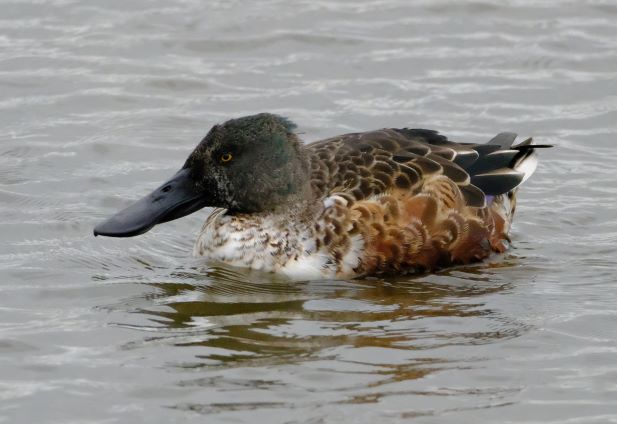
Male.
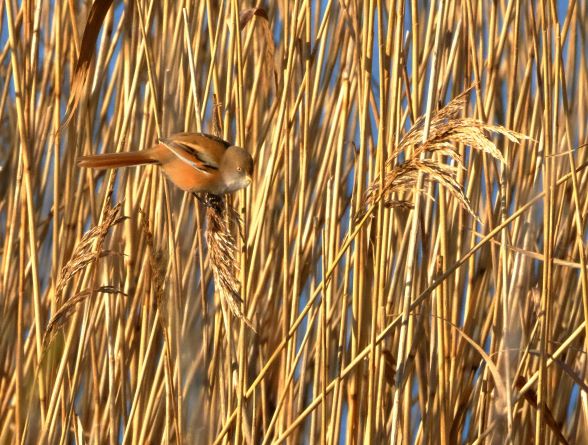
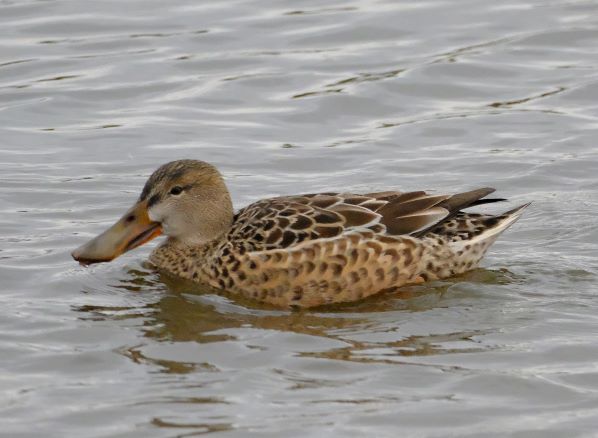
Female


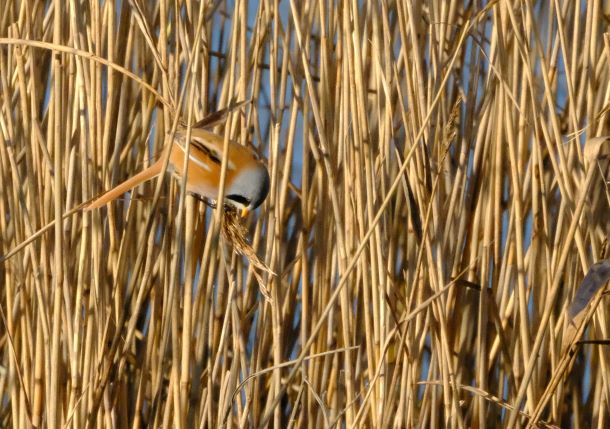

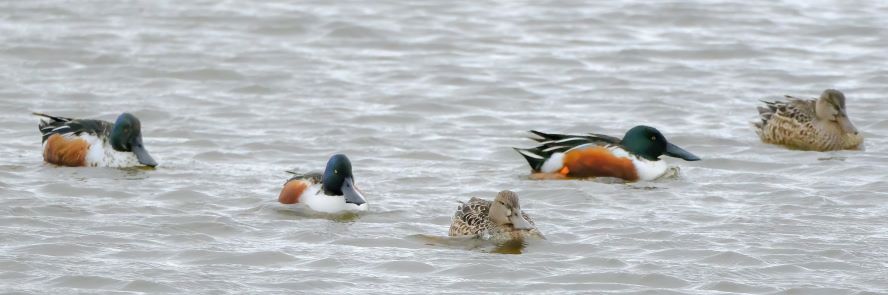
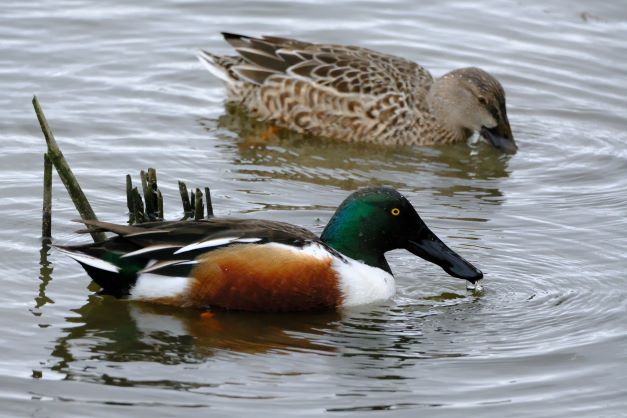
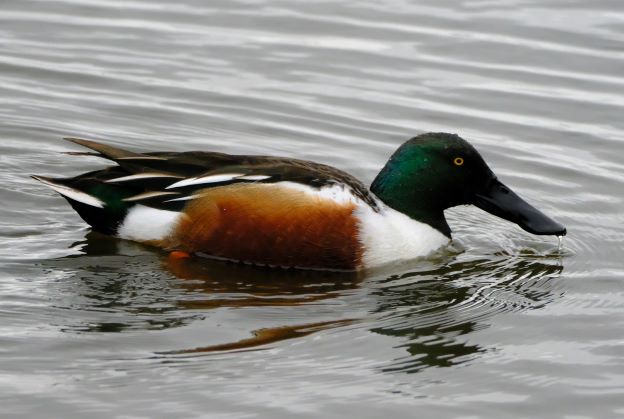
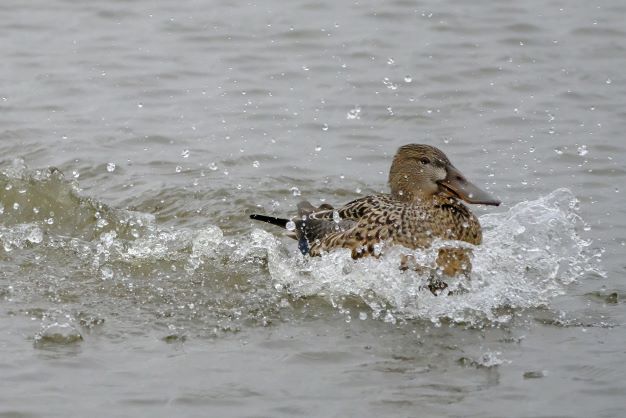
The northern shoveler, known in Britain as the Shoveler. The UK has around 1,100 breeding pairs of this duck but wintering numbers increase to nearly 20,000 birds. Last week there were a few birds in Titchfield Haven nature reserve today the numbers have increased – I counted at least 30 birds.

Some views of a Grey Heron.


I thought this photograph gives a good chance to see the size of the Grey Heron with a Little Egret.


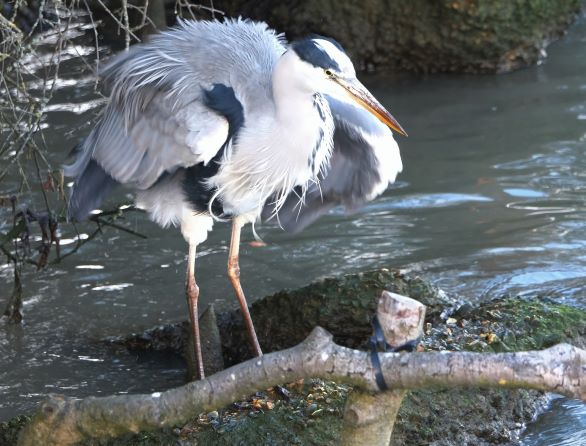

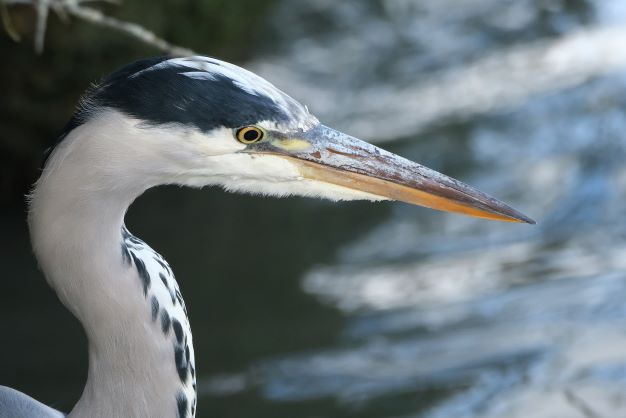

The numbers of Snipe have started to increase as we approach winter. In winter, birds from northern Europe join our resident birds. The RSPB states there are around 80,000 breeding pairs of these birds in the UK this numbers increase to over 1 million birds.


 Continued Reflections from my World.