Kestrel hunting over Titchfield Haven this morning.
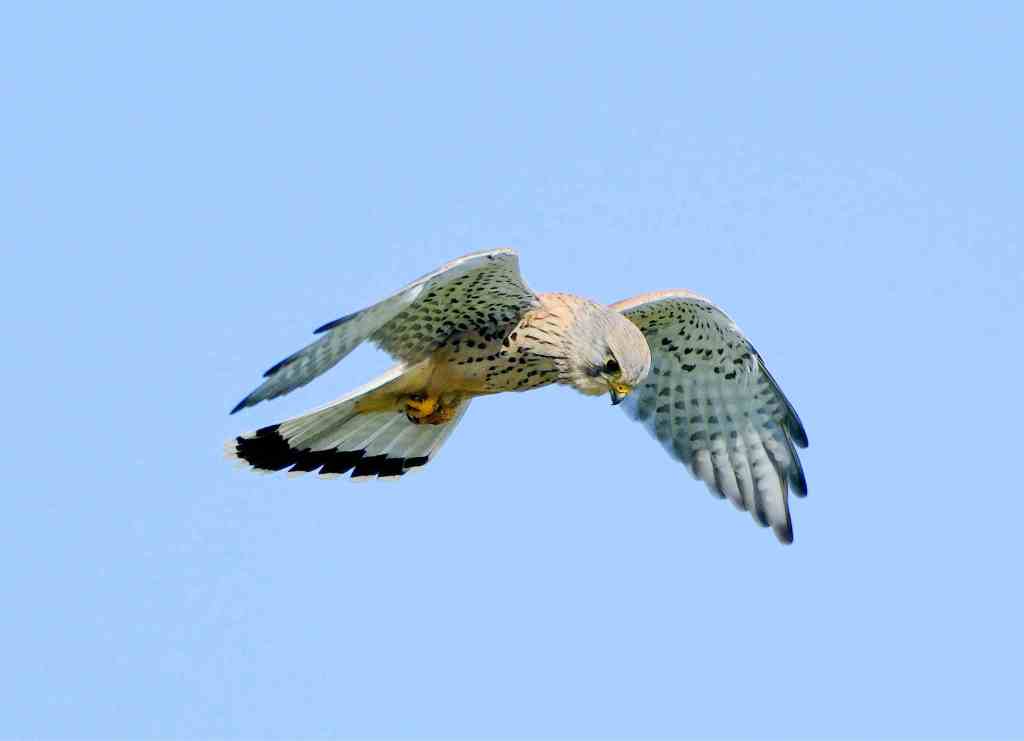
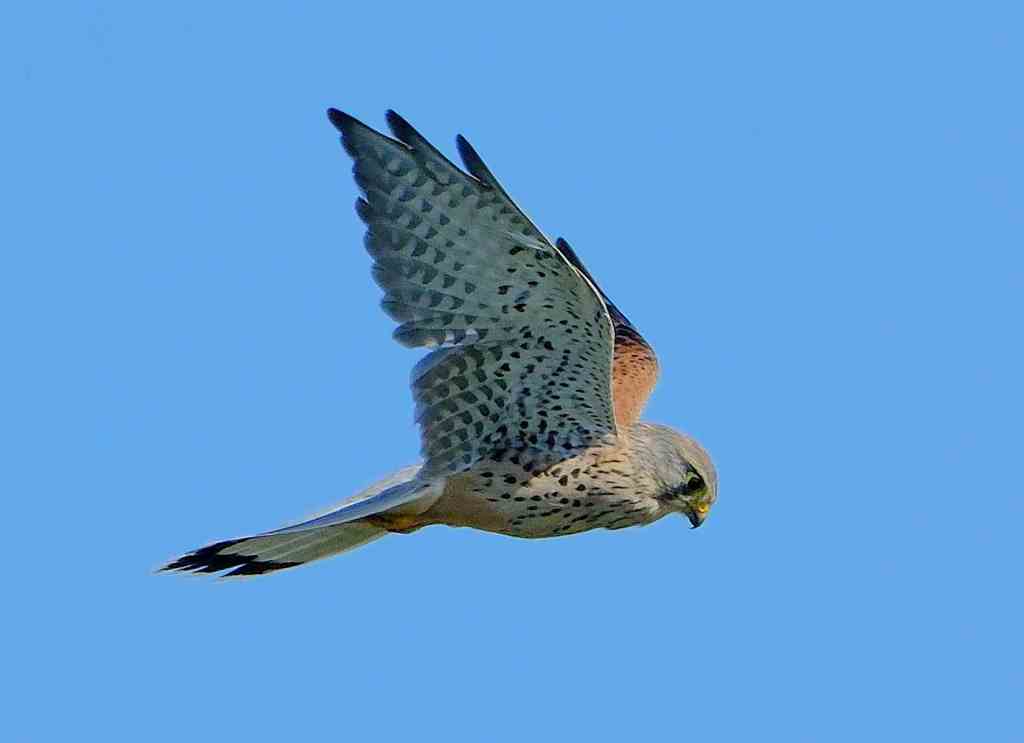

Kestrel hunting over Titchfield Haven this morning.
Heavy rain continues, and the forecast predicts ongoing showers most of the day, so the advantage at Titchfield Haven is that you can dodge the showers and keep dry in the bird hides.
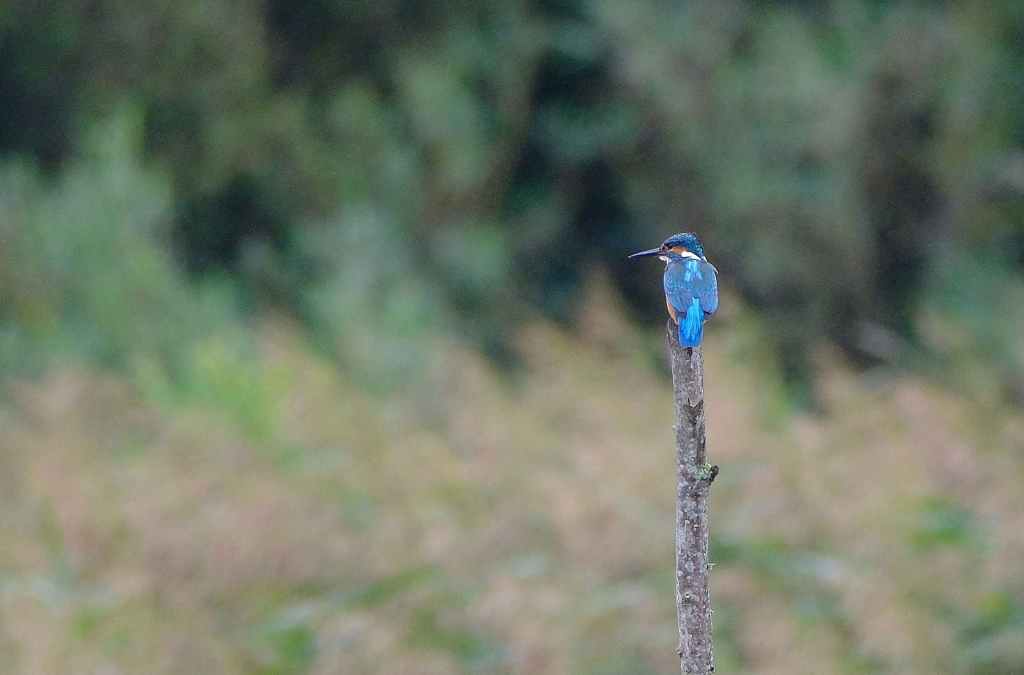
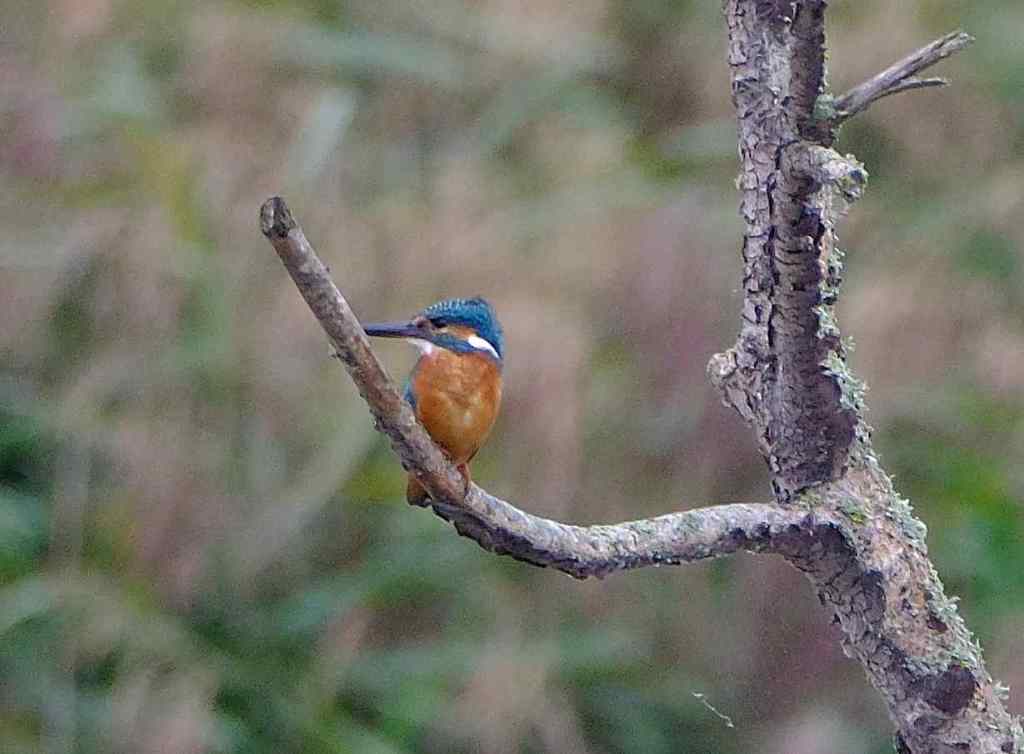
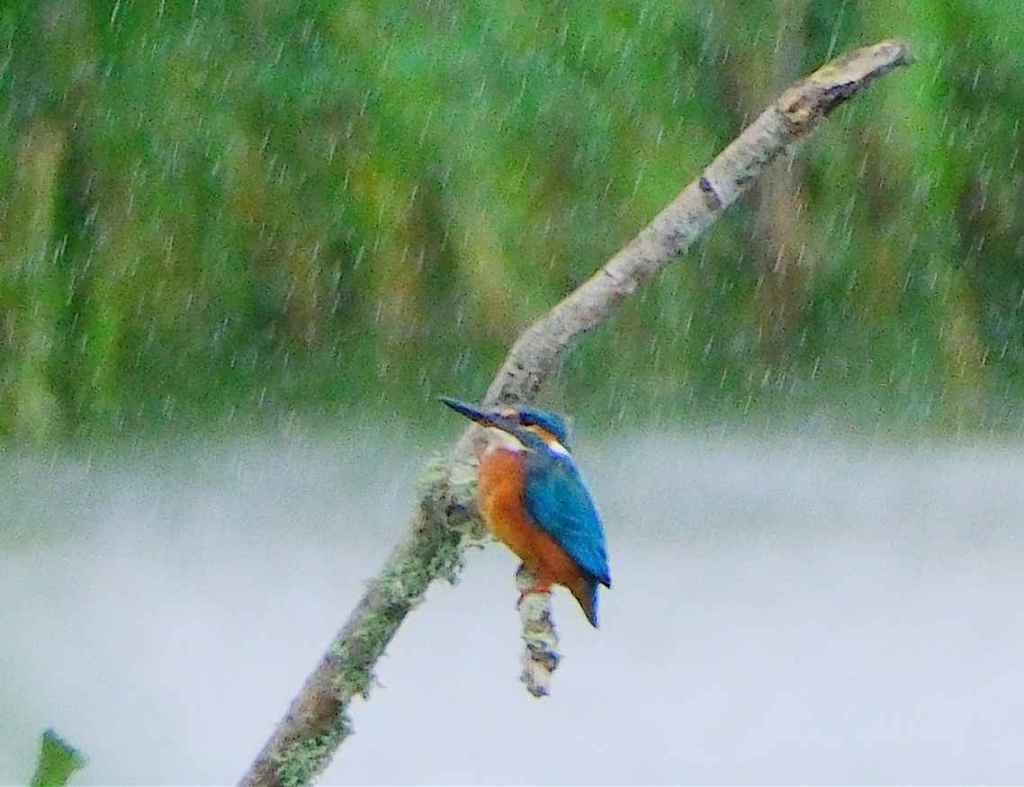
Finally spotted a Kingfisher, although some 60 metres away, they have been avoiding me for the past couple of months.

Another first for me and a rare sighting in the UK. A very distant Grey Phalarope.

An Arctic-breeding wader that sometimes arrives on UK coasts after storms. Under 200 birds are seen each year.
I also saw a Ruff, one of two that are at the Haven at the moment, now in their winter plumage; they are still a good-looking wader.
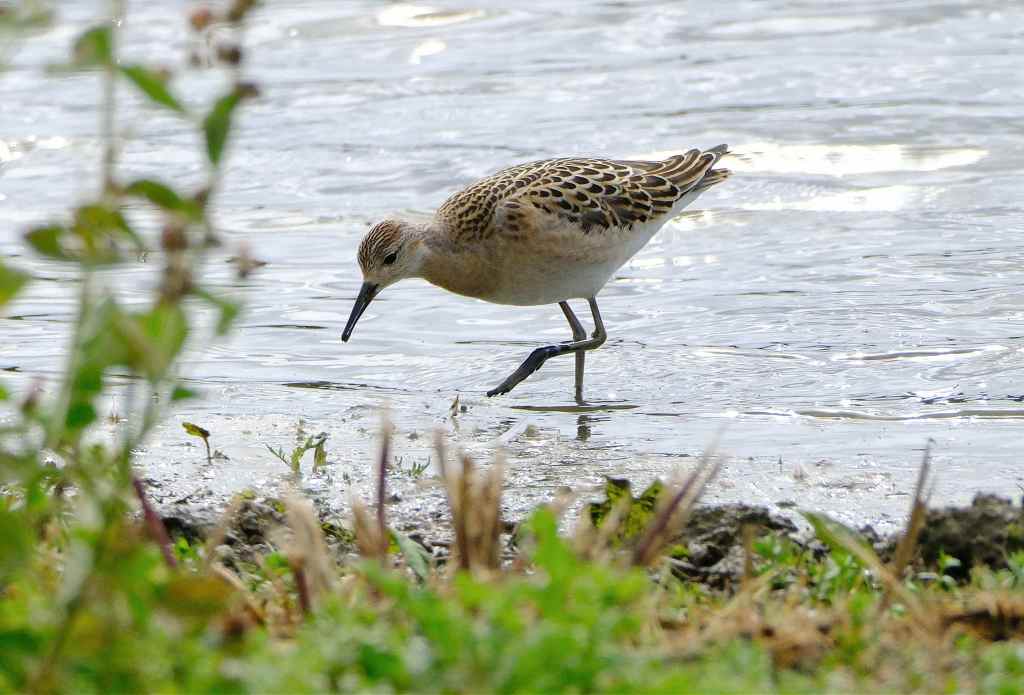


Below is a post showing the Ruff in summer plumage.https://skylid.travel.blog/2025/06/17/ruff/
Ruff’s are a member of the sandpiper family – some Common Sandpiper were also at the Haven this morning.


This morning, I made an early start with the aim of spotting some Kingfishers from one of the hides at Titchfield Haven. There are several well-placed posts which are often frequented by Kingfishers.

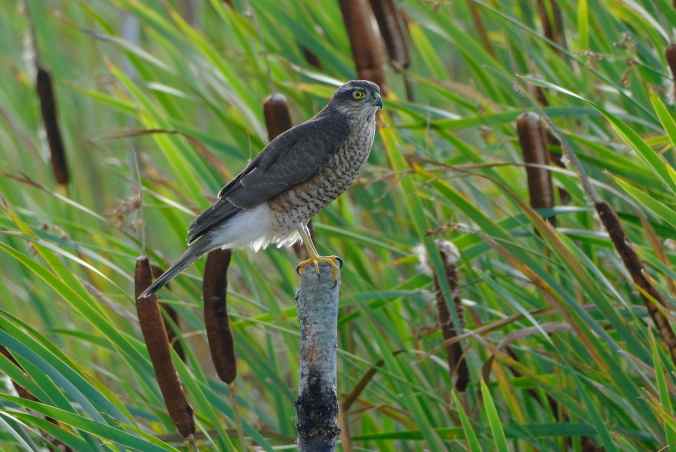
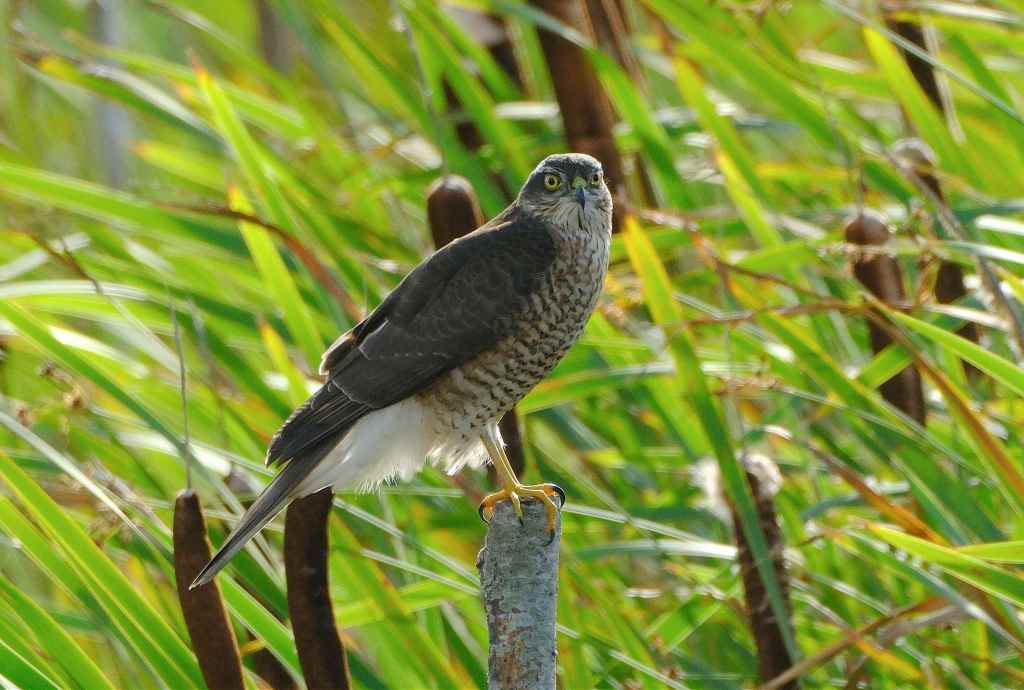
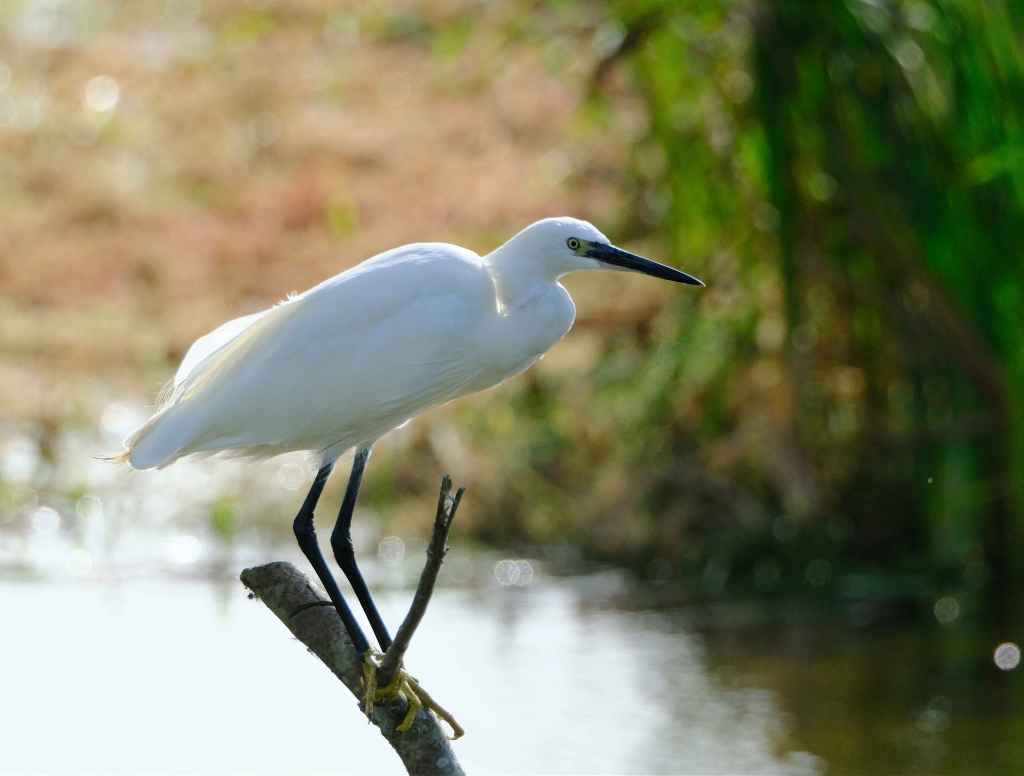
As nothing goes to plan, there was not a Kingfisher in sight. However, a Sparrowhawk decided to land on one post. Then, within a few minutes of the Hawk leaving, a Little Egret landed on another of the posts.



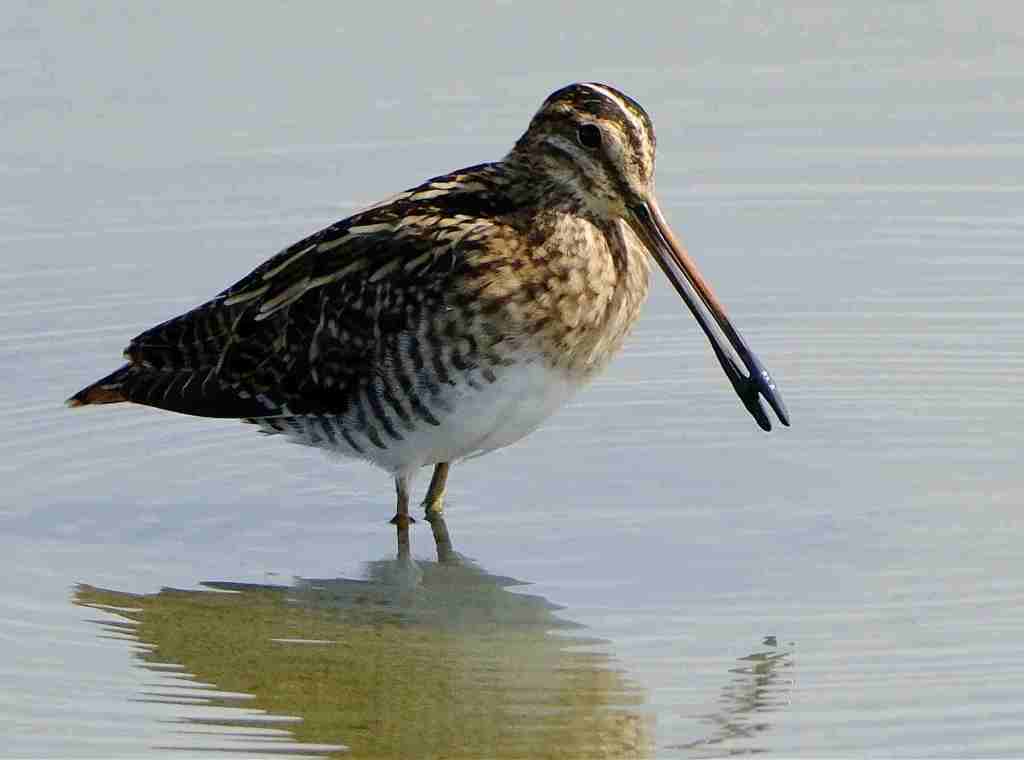
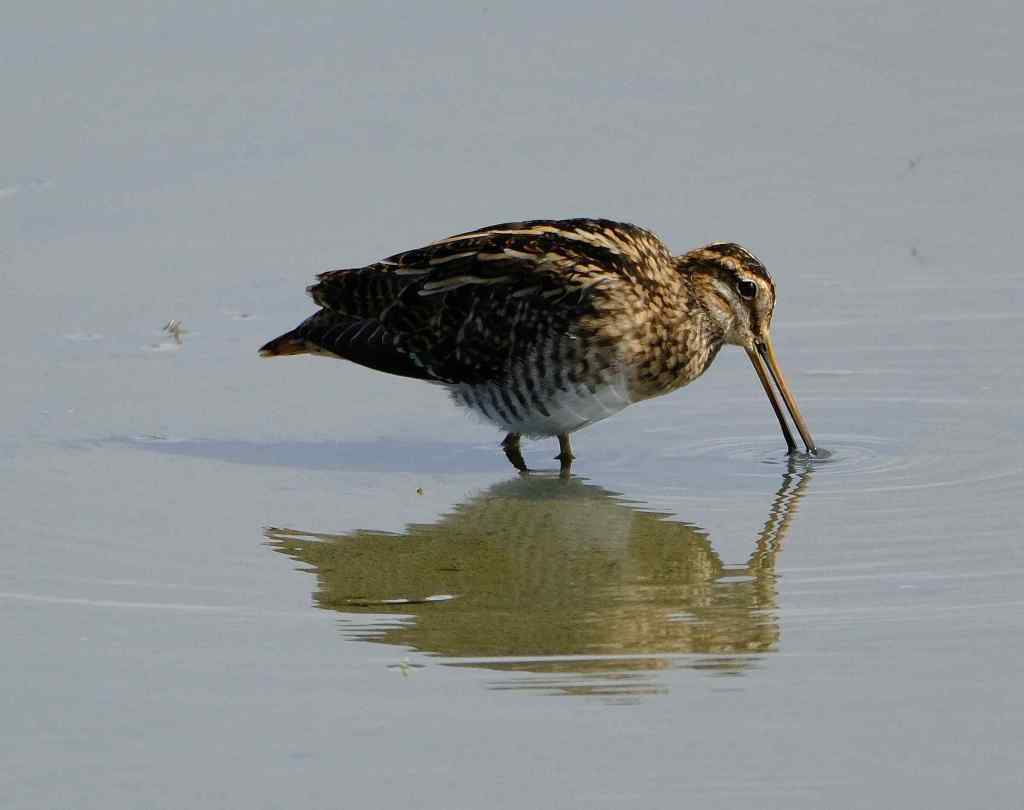
Between showers today, this Snipe came out into the open for a few minutes during my morning walk . Also spotted a Water Vole, but he was too quick for me to get a photograph!


Spotted the Leucism Oystercatcher today at Titchfield Haven, see old blog – he has been around since 2017. So nice to spot him again.


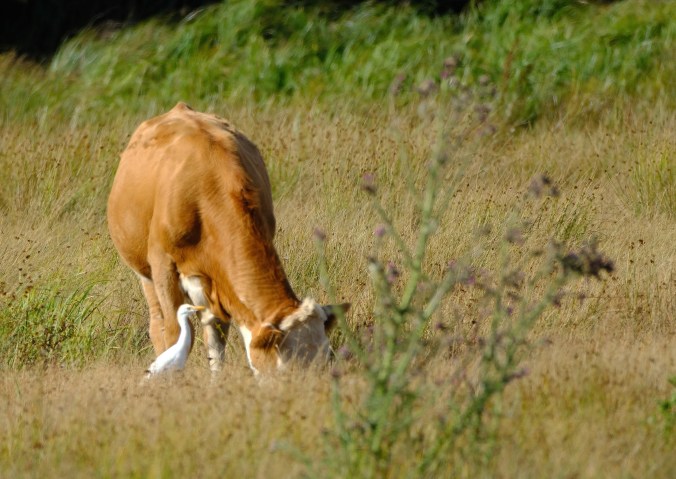
Occasionally, I see Cattle Egrets; numbers in the UK are rising. They often spend time close to livestock, such as cows, and they grab the insects and worms that their hooves disturb. Cattle Egrets have yellow or greyish legs and a yellow beak,
Some distant pictures of an alone Cattle Egret at Titchfield Haven yesterday.



Willow Emerald Damselfly and Southern Hawker Dragonfly at Titchfield Haven this morning.


Wordless Wednesday


Grey Heron and Great White Egret in competition for the same fishing spot and airspace at Titchfield Haven; after a bit of argy-bargy, they flew off in different directions.
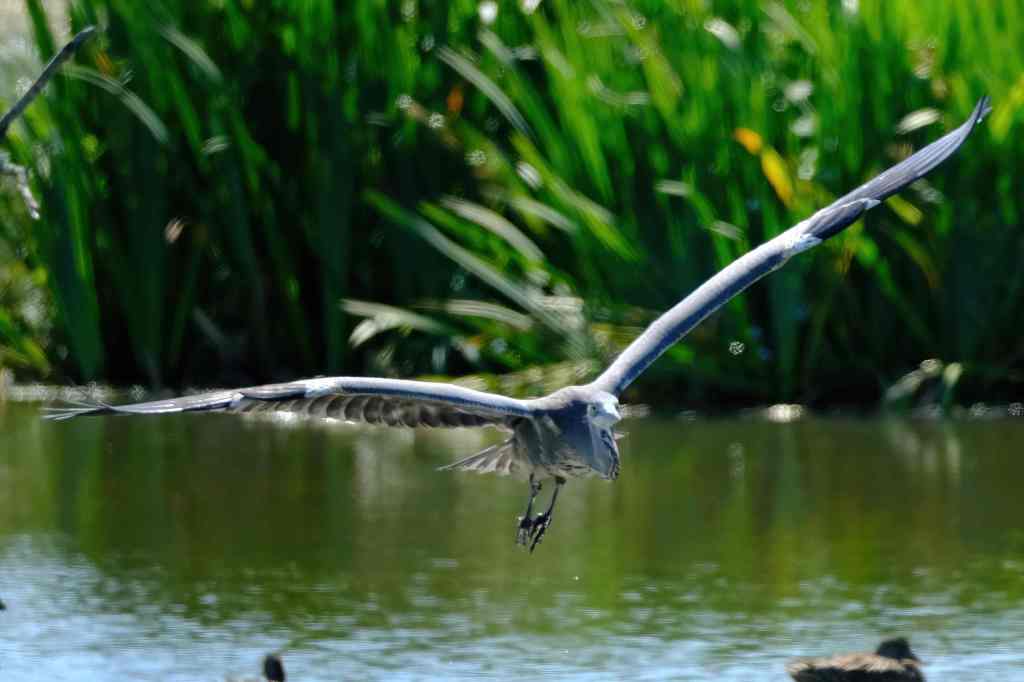
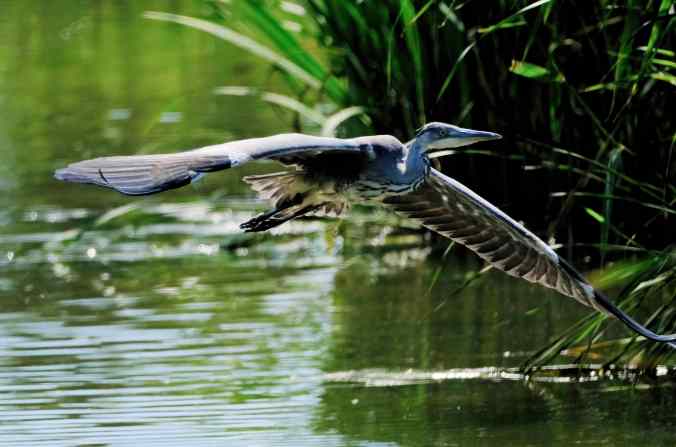
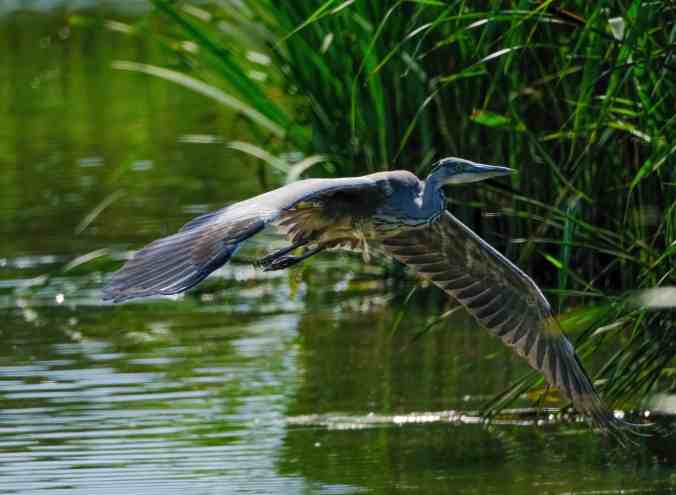
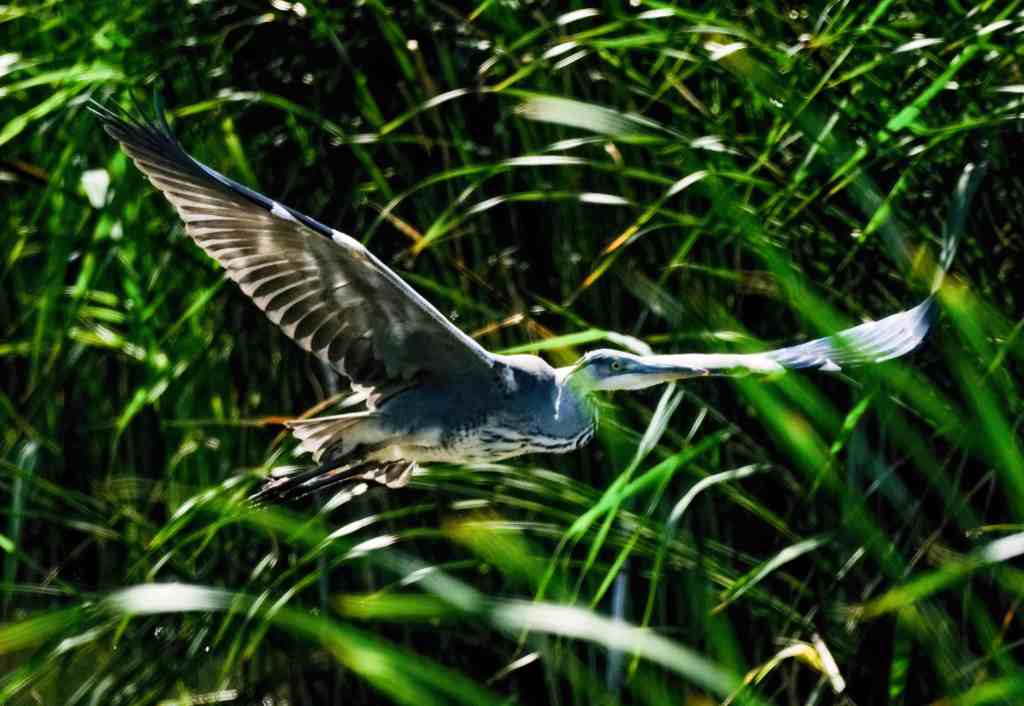
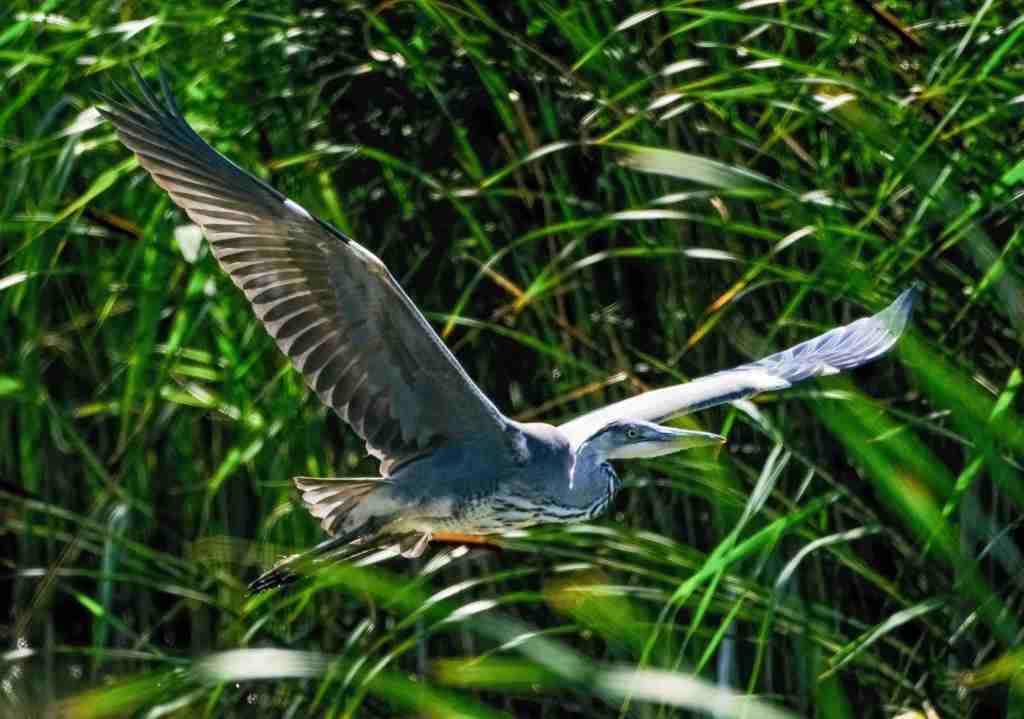
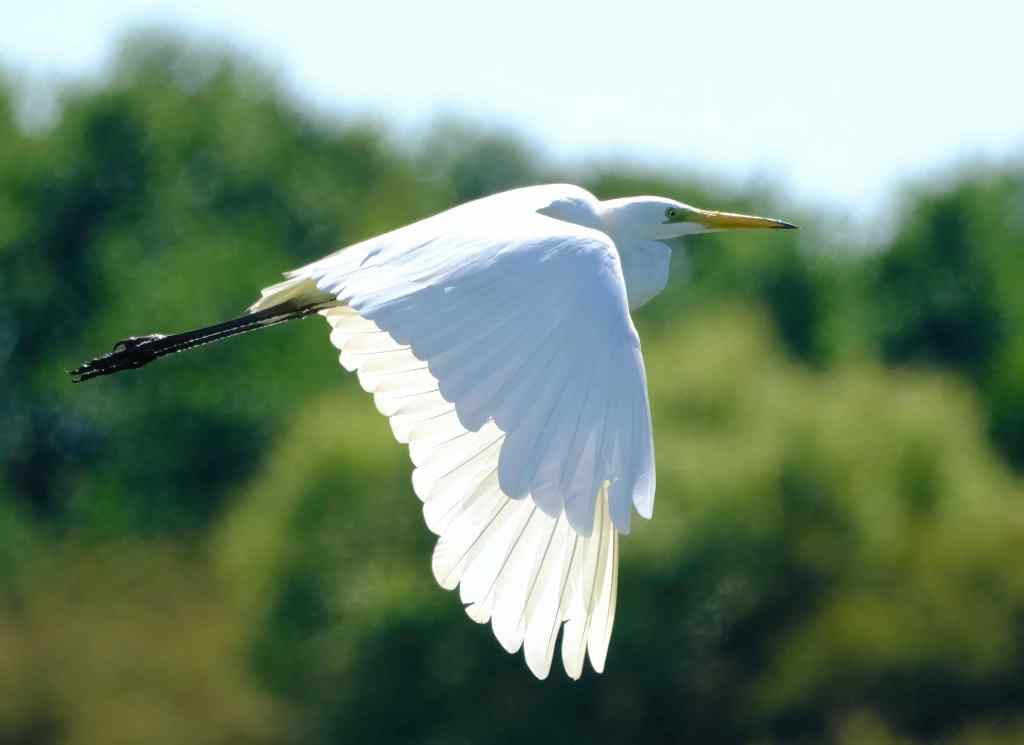
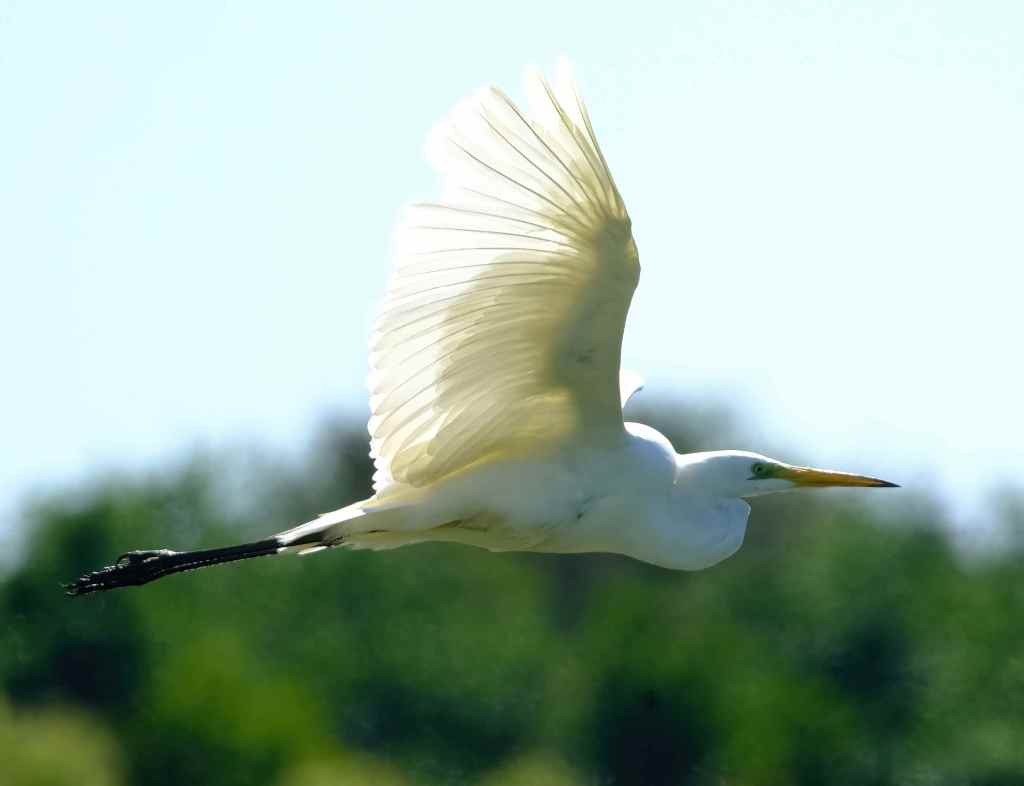
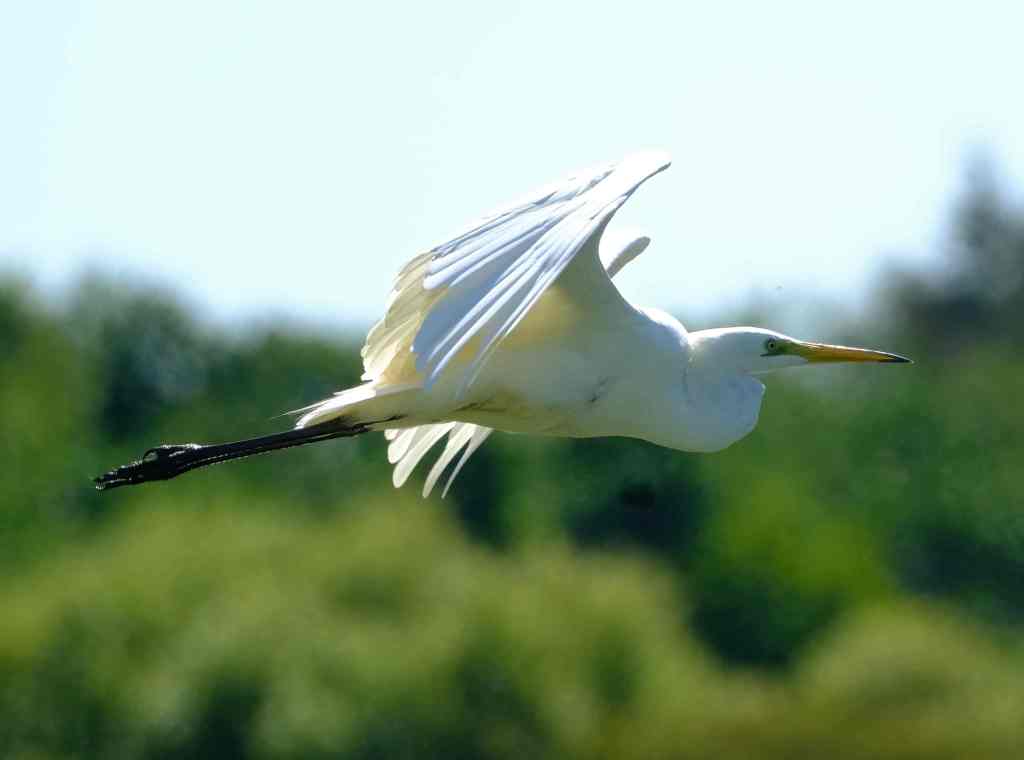
Grey Heron Titchfield Haven.


 Continued Reflections from my World.