Wordless Wednesday.
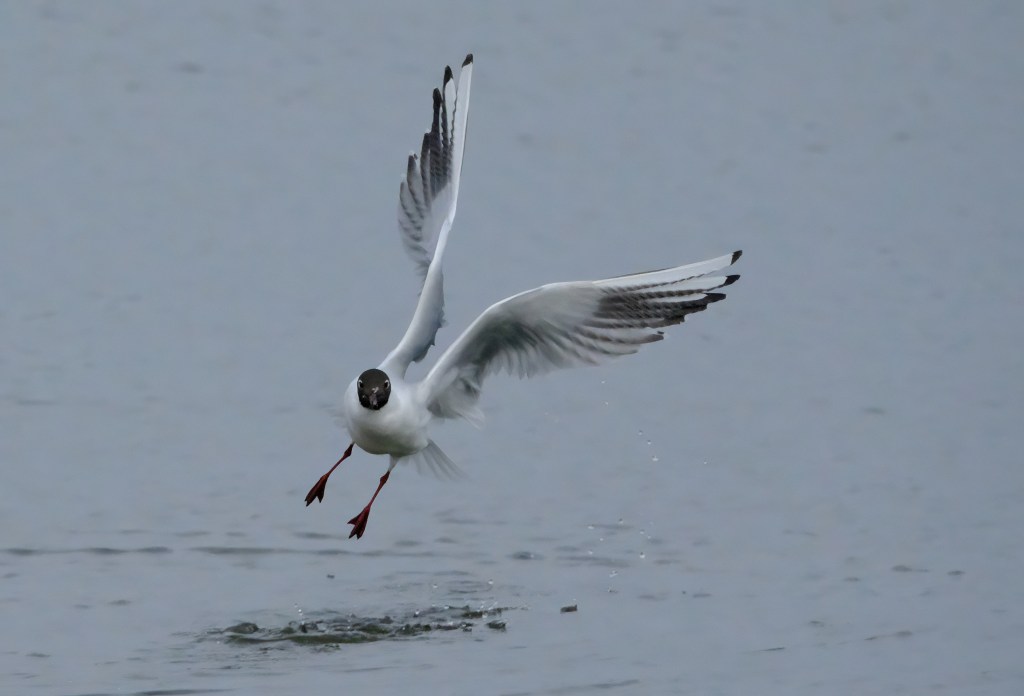

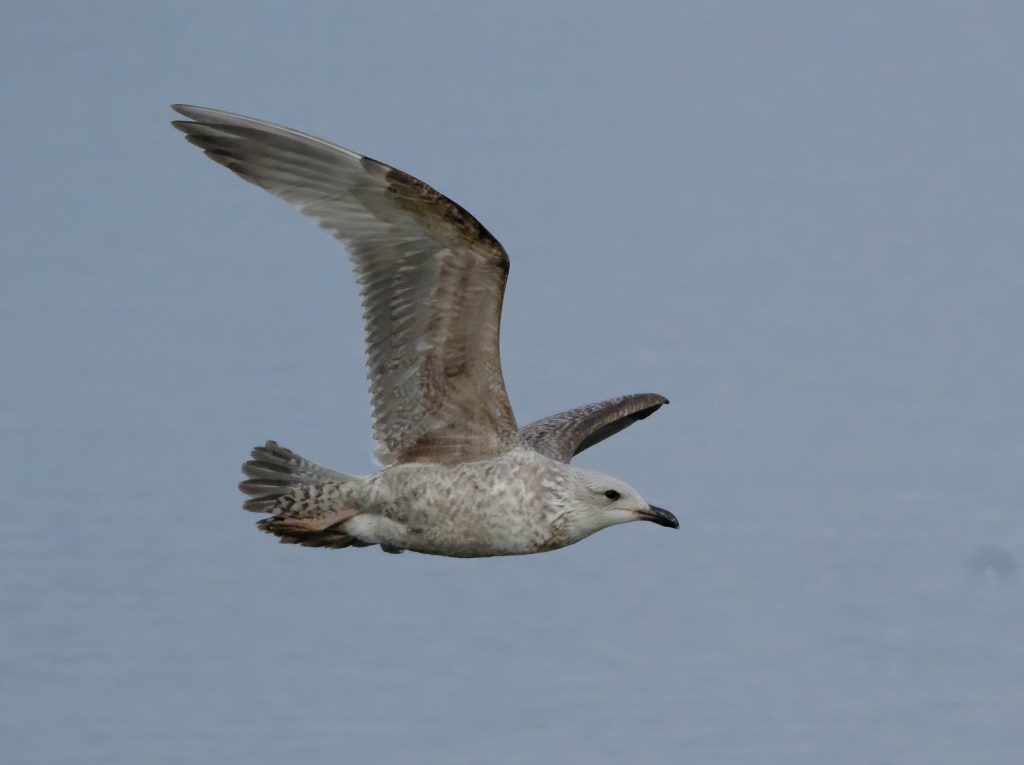
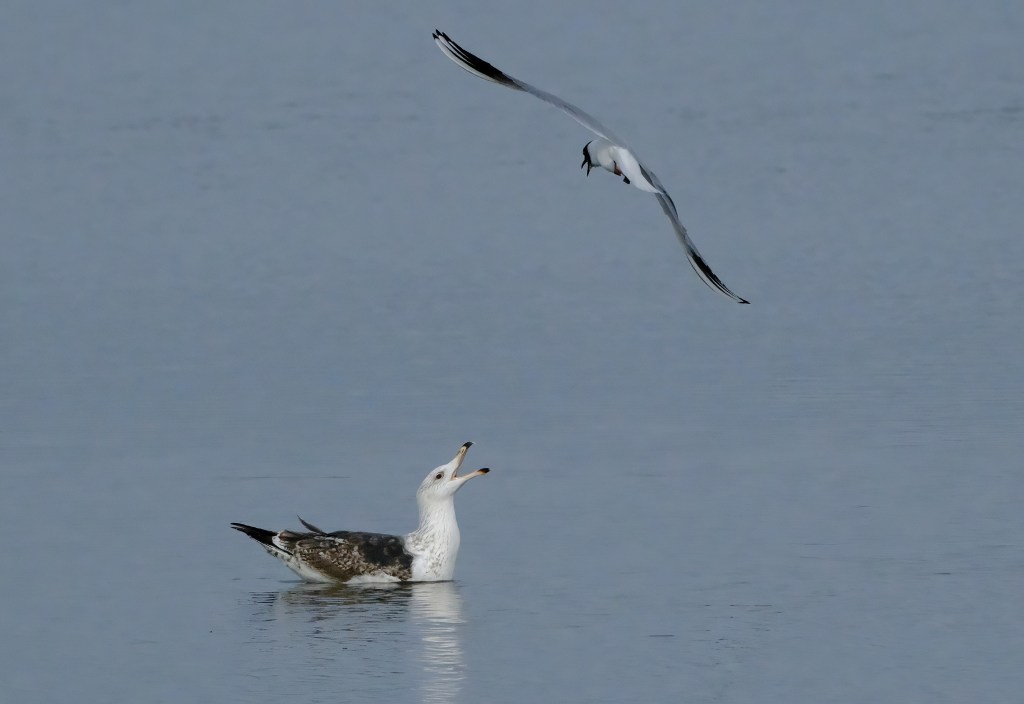
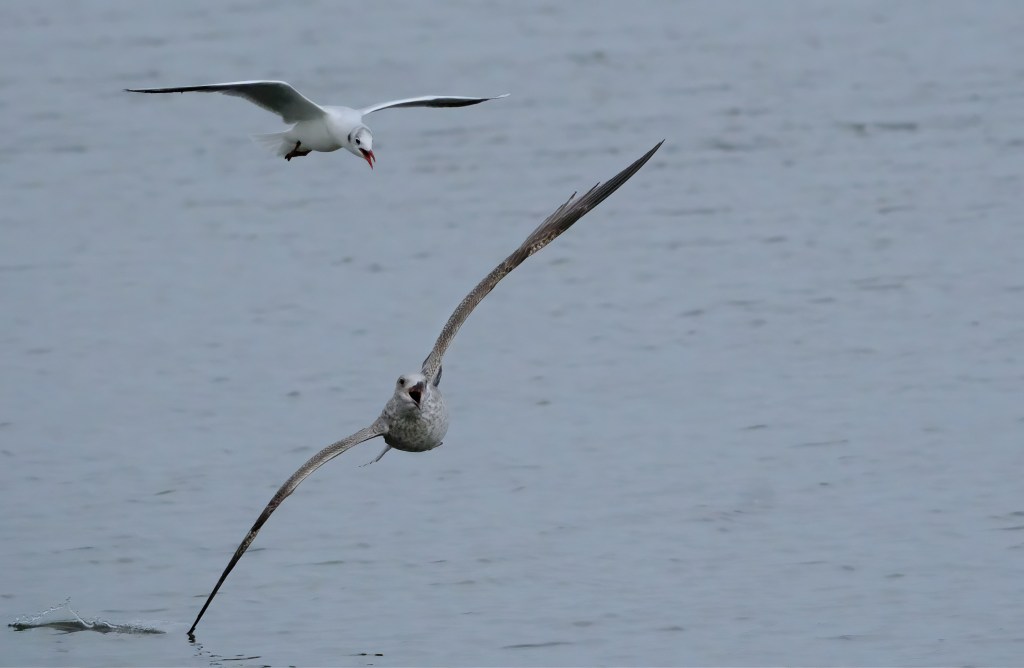


Wordless Wednesday.
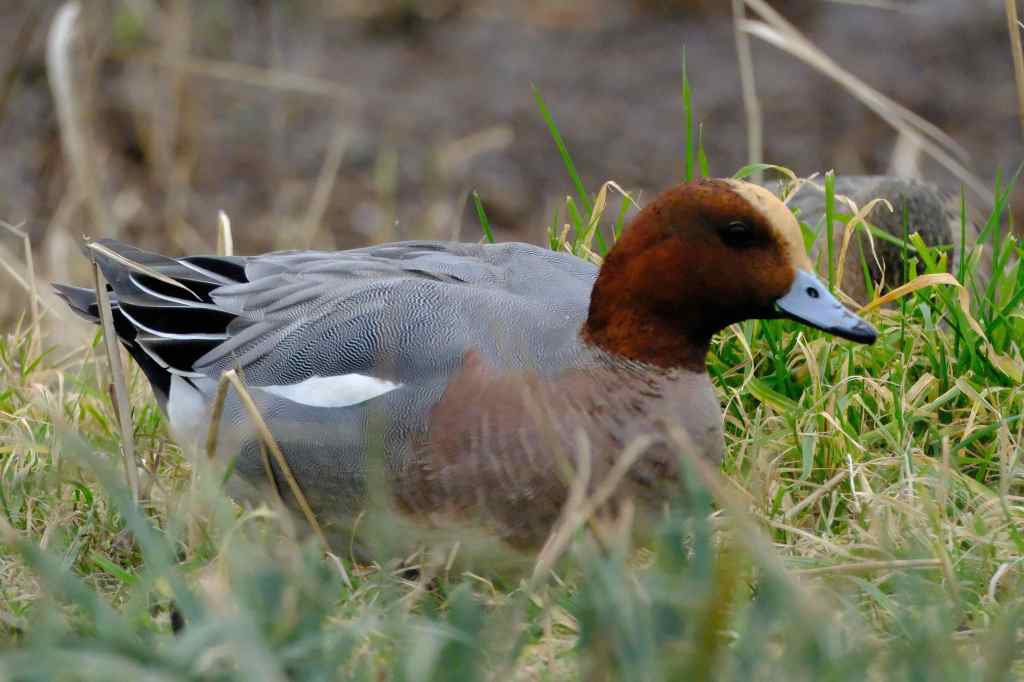
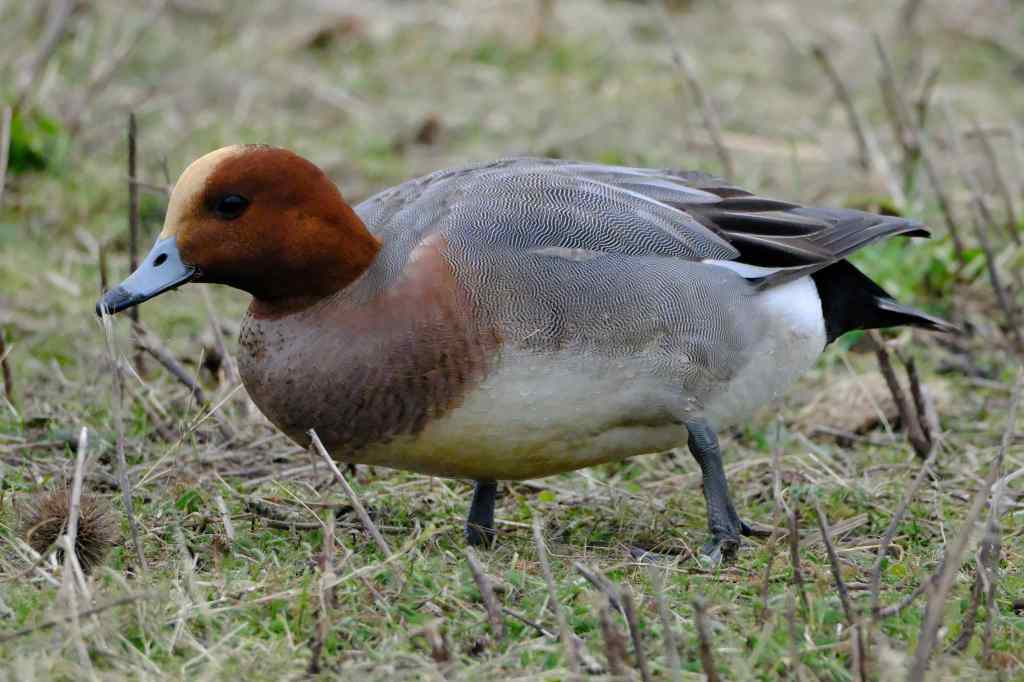
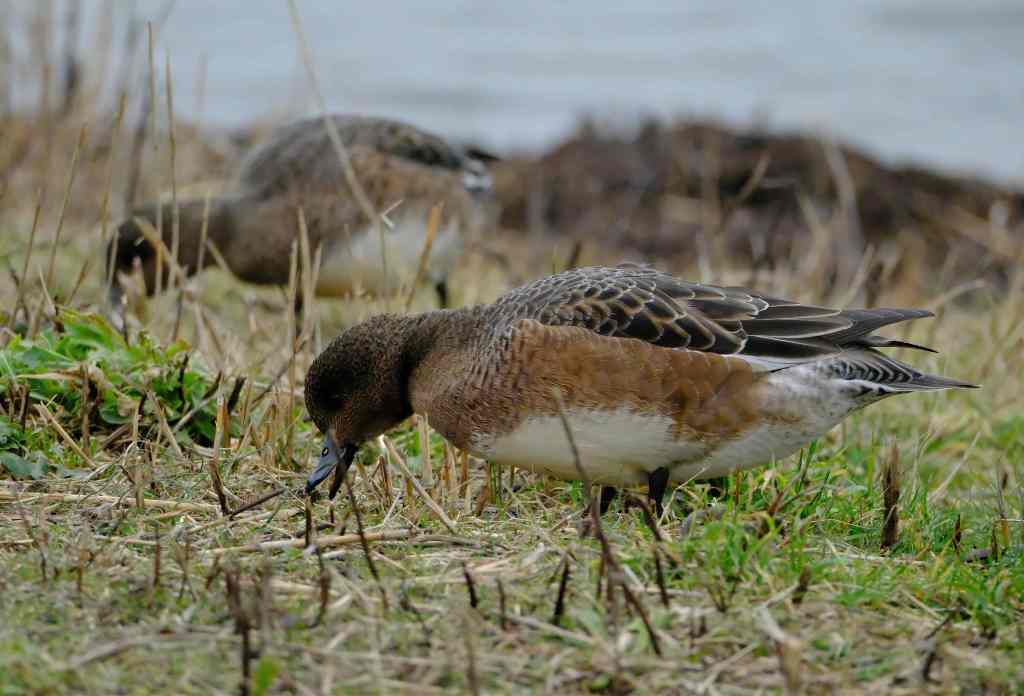
A good number of Wigeon are on-site at Titchfield Haven Nature Reserve at the moment. They are medium-sized dabbling ducks. In the UK they breed in central and northern Scotland. Many birds over winter here these come from Iceland, Scandinavia, and Russia.



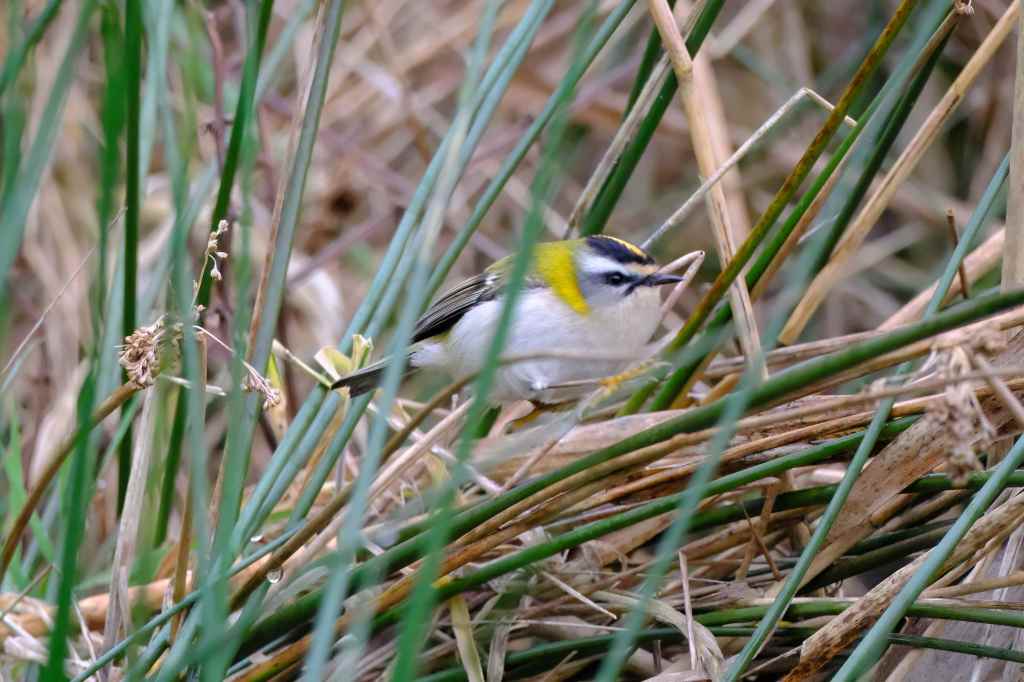
This tiny bird vies with the Goldcrest for the title of the UK’s smallest bird. The Firecrest has a brighter green back, a white belly, and a bronze ‘collar.’ It also features a black and white eye stripe. They have a yellow and black stripe on their heads. They move quickly through trees and bushes in search of small insects.


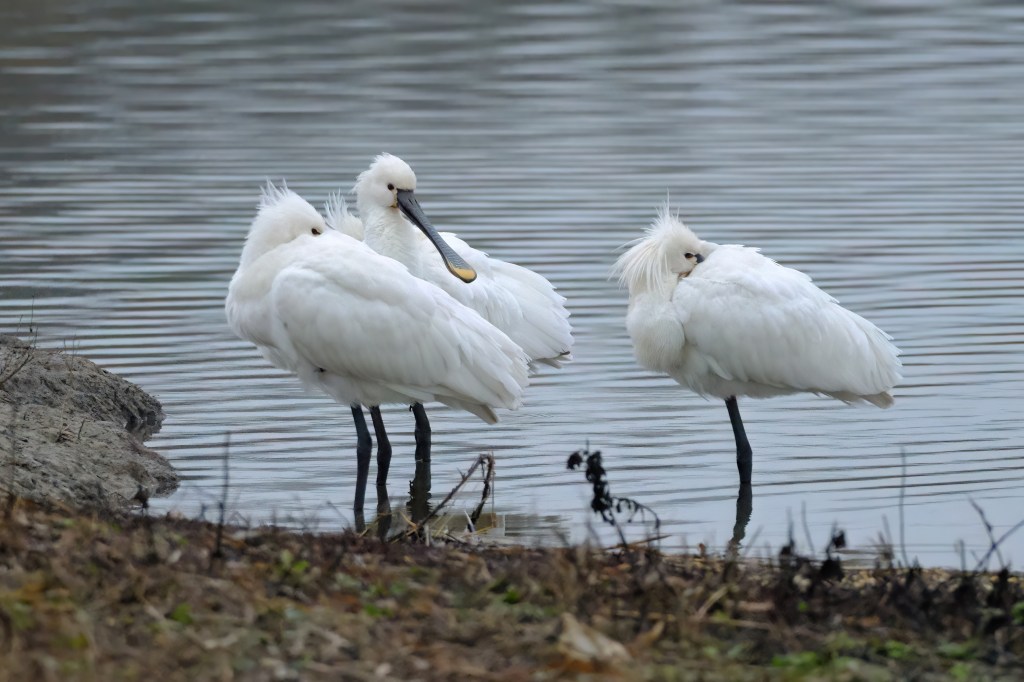
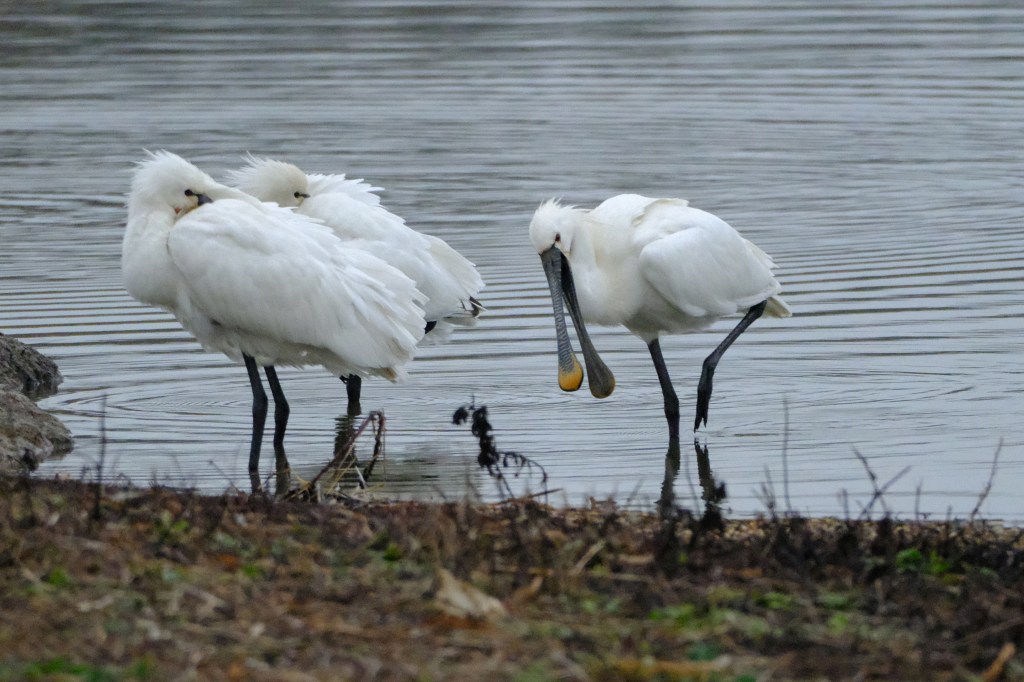
It was another dull day with overcast skies until we spotted the Spoonbills!
Spoonbills arrived back at Titchfield Haven on Monday according to the wardens. This morning we saw 5 birds in the reserve. Several of these birds have been spotted down the coast towards the New Forest at Keyhaven Marshes.



This was my last visit before Christmas to our local nature reserve, Titchfield Haven. A couple of hours’ break there today, but the reserve is closed on Christmas Day.

Common Buzzard on his observation spot.

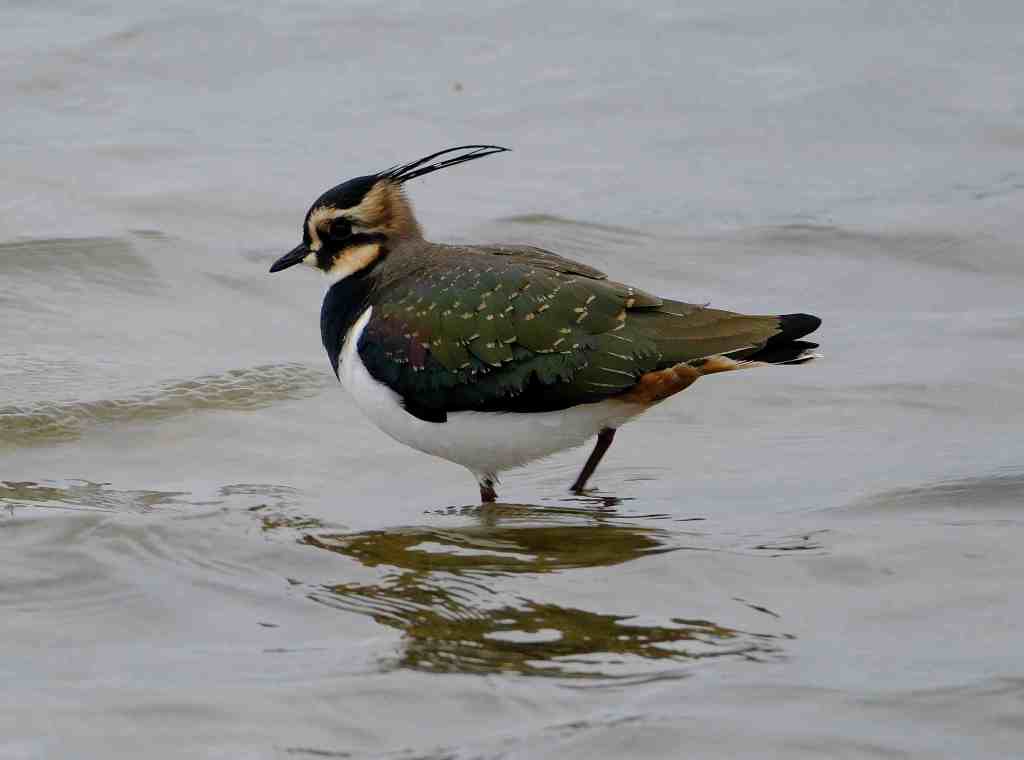
Lapwing landing.

Teal a pretty small duck.


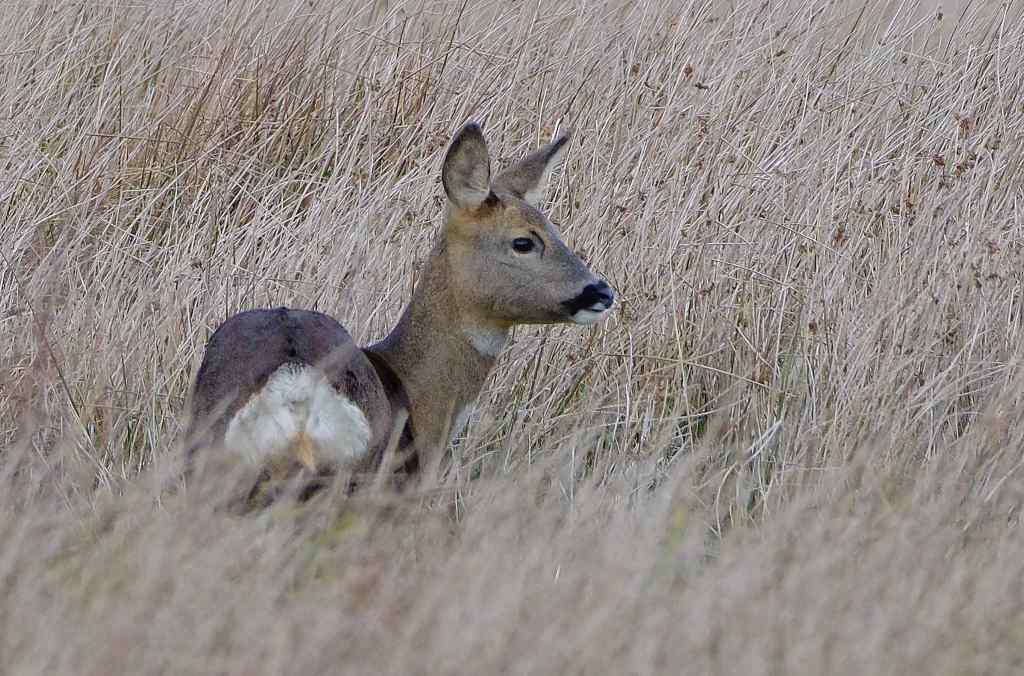
Roe doe.

Mute Swan.

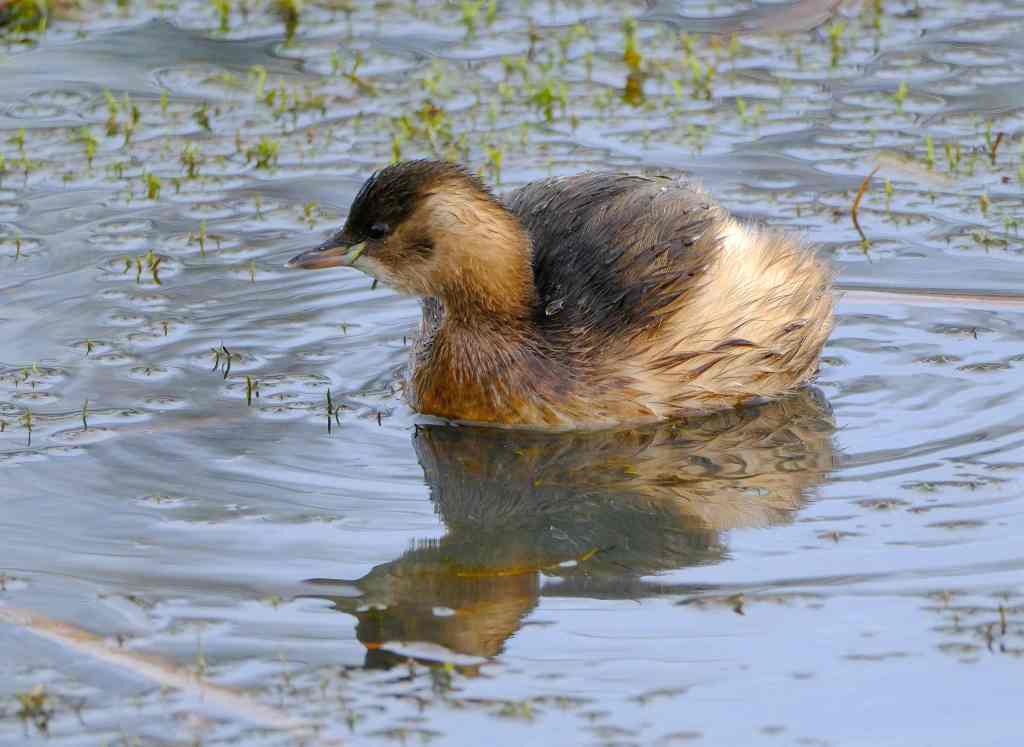
Fishing with no luck!
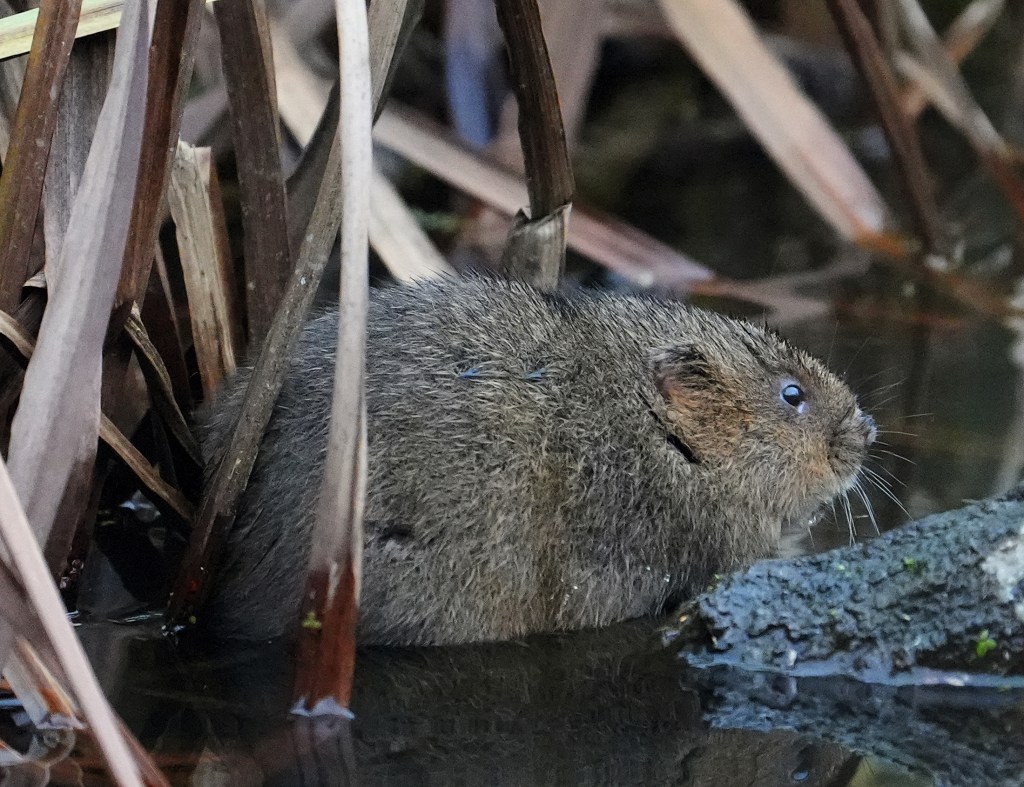
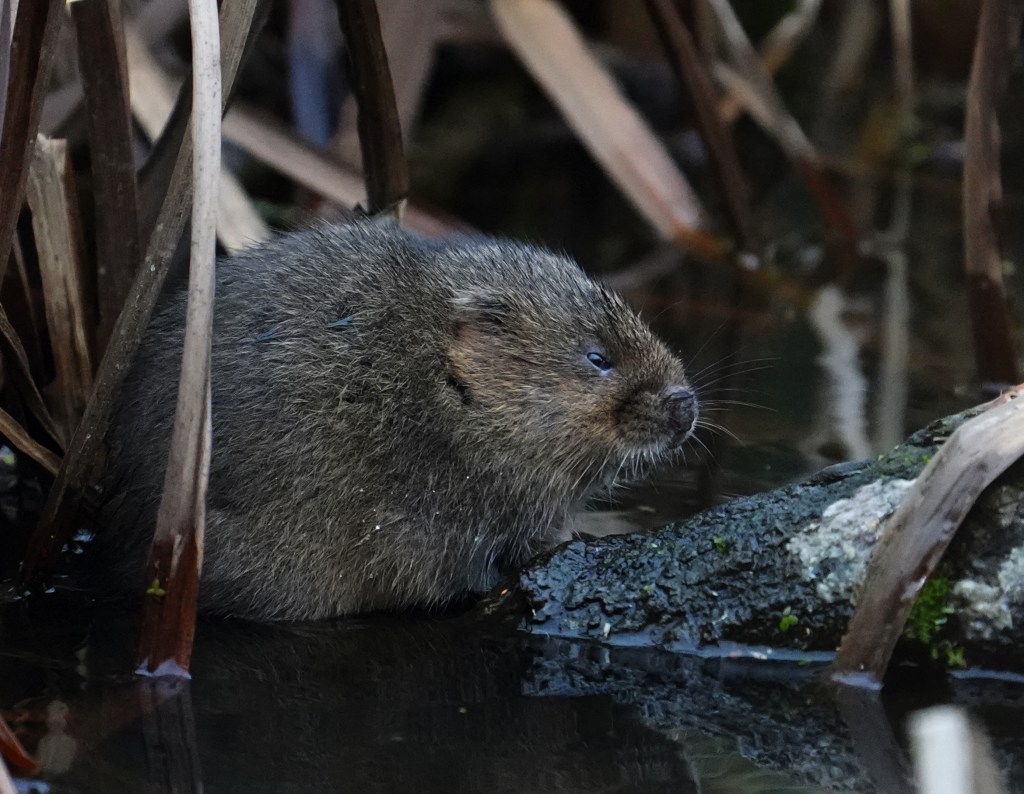
A walk later in the day paid off yesterday when I spotted a Water Vole in the reeds at Titchfield Haven. Water Voles were once widespread and common in the UK. They have undergone a serious decline in Britain, which has continued in the last 10 years. They are our fastest-declining mammal. They were given full legal protection in 2008 including protection of their habitat. In 1900 there were some 8 million Water Voles in the UK today their numbers are said to be less than 100,000. Ratty is one of the four main characters in the 1908 book “The Wind of the Willows”. He is referred to as a water rat in the book who lives on a riverbank in England. One spring day, he meets and befriends Mole, who had left his underground home to explore the outside world after getting bored of spring cleaning. Mole goes on to become Ratty’s housemate and meets his other friends Otter and Mr. Toad.





 Continued Reflections from my World.