Views in Old Portsmouth. Old Navy and New Navy.
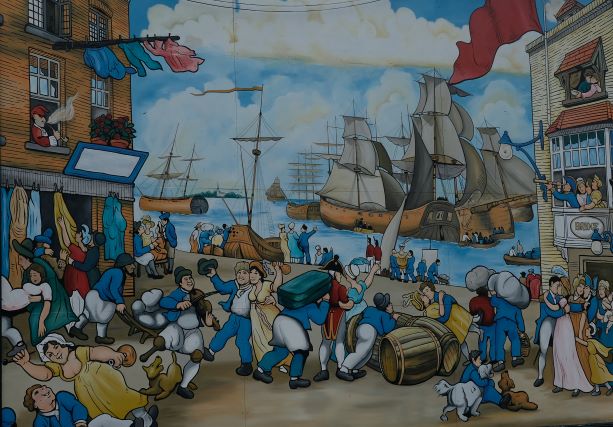
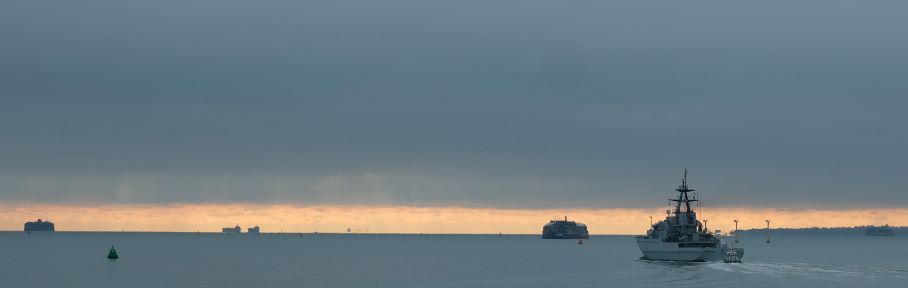
Views in Old Portsmouth. Old Navy and New Navy.
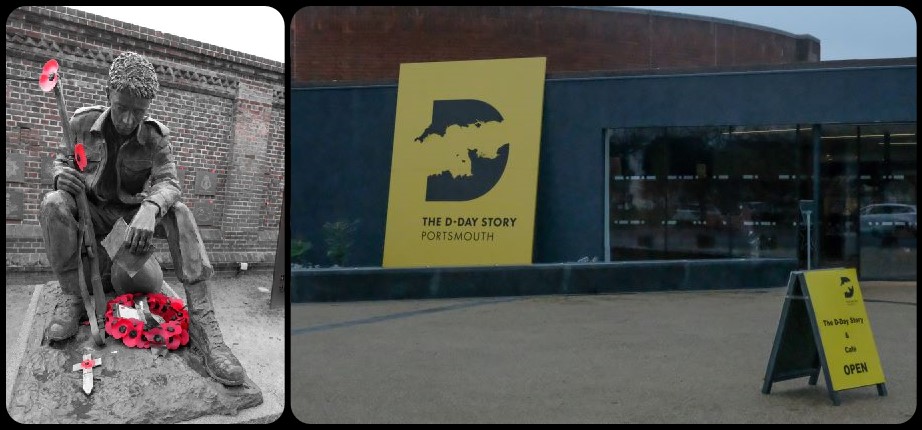
Operation Overlord was the code name for the Allied invasion of Normandy in northwest Europe. The assault phase of Operation Overlord was known as Operation Neptune. The D-Day operation of June 6, 1944, brought together the land, air and sea forces of the allied armies in what became known as the largest invasion force in human history.
The invasion force was made up of 7,000 ships and landing craft manned by over 195,000 naval personnel from the allied countries. Some 133,000 troops from England, Canada and the United States landed on D-Day. Casualties from the three countries during the landing numbered 10,300. By June 30th, over 850,000 men, 148,000 vehicles, and 570,000 tons of supplies had landed on the Normandy shores.
Here on the South coast of England, there are many links to these operations. Today I made a visit to “The D-Day Story”. a museum on the seafront at Southsea Portsmouth.
Museum
The museum tells the story of D-Day through artefacts pictures and personal accounts from veterans.
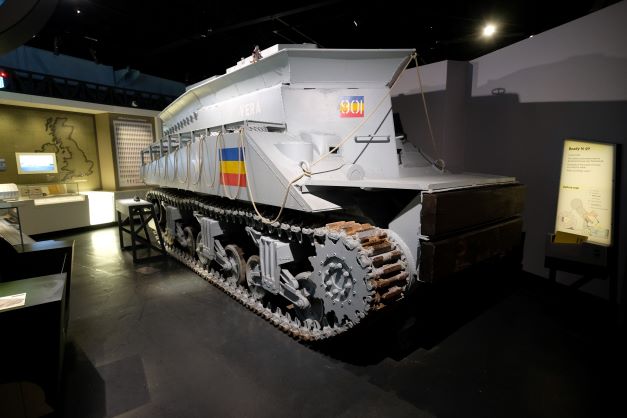
Beach Armored Recovery Vehicle based on a Sherman tank body
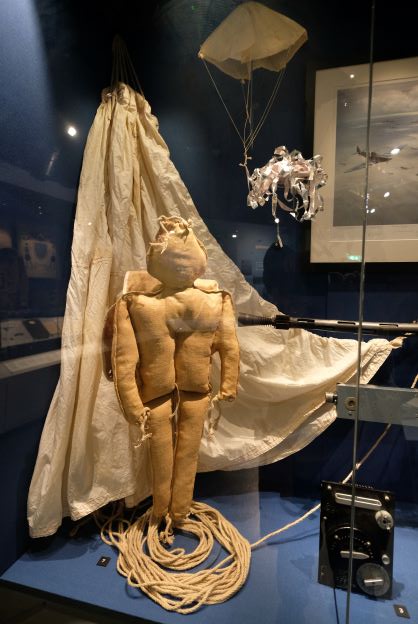
Rupert!
On D-Day, hundreds of burlap and sand dummies with cotton parachutes were dropped across France, far from where the real paratroopers were landing in Normandy. Just a third the size of a person, the fakes nicknamed “Rupert” looked larger in the air and fooled many on the ground.
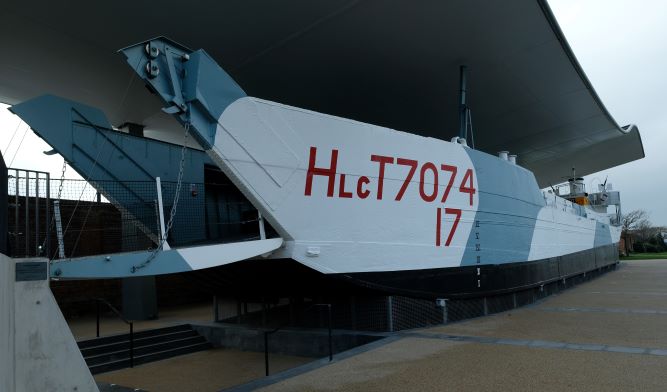
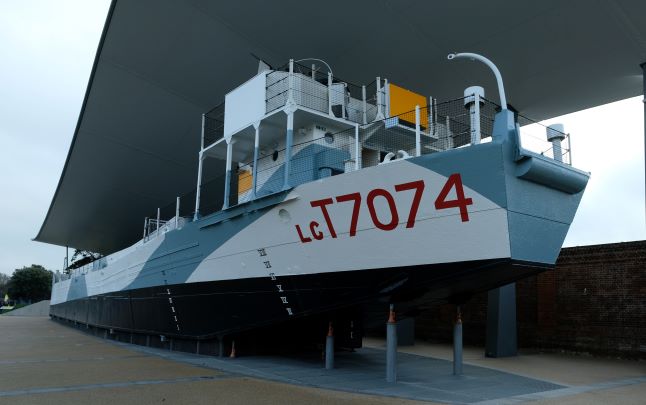
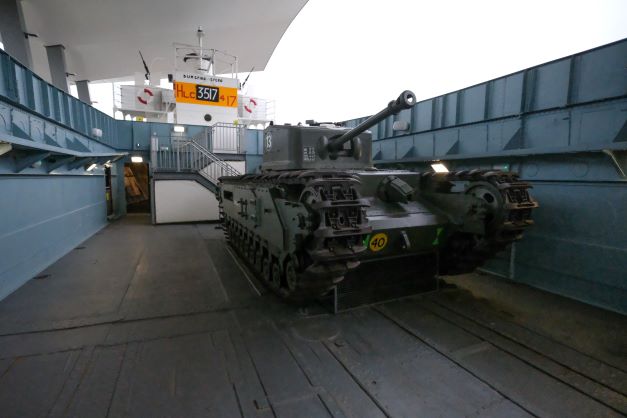
Landing Craft Tank LCT 7074
This tank landing craft was saved from Birkenhead docks where after being used as a nightclub she sank after falling into disrepair. She played a vital role in transporting men and supplies across the English Channel. On D-Day, LCT 7074 carried 10 tanks. Now restored with a Sherman Tank and a Churchill Tank in her load bay.

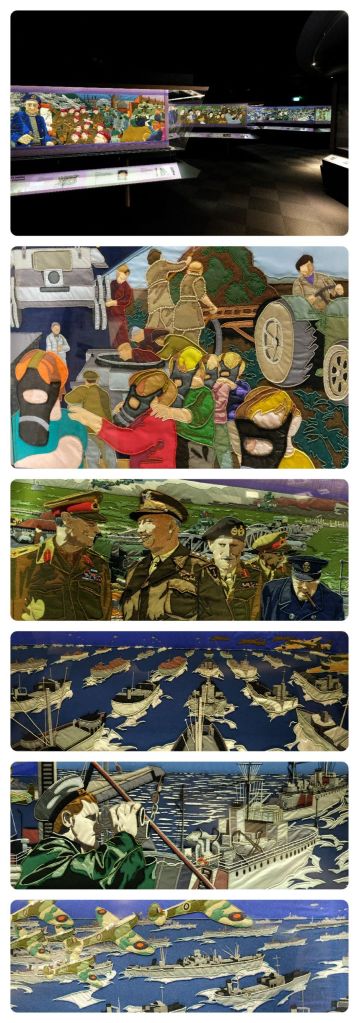
Embroidery.
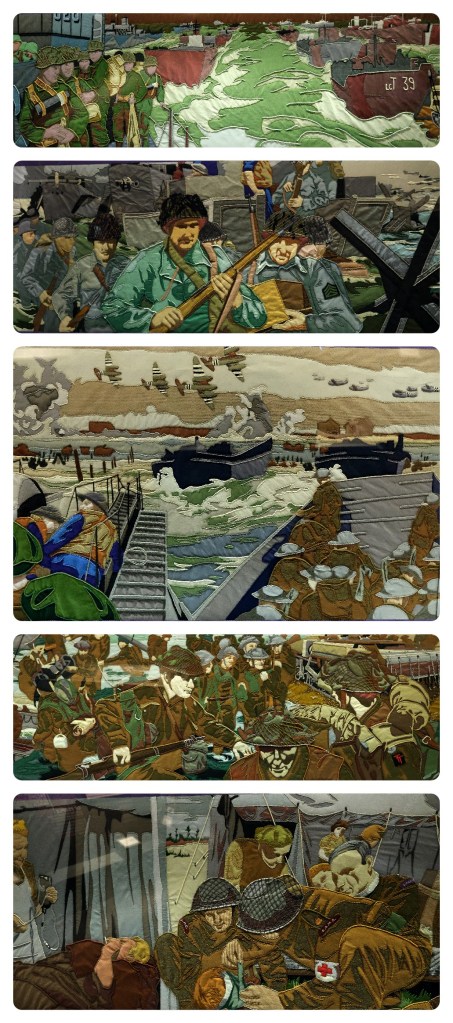
The Overlord Embroidery tells the story of D-Day and the Battle of Normandy in 34 hand-stitched panels based on photographs taken at the time. It has a total length of 83 metres.
Lord Dulverton commissioned the embroidery in 1968. He set up an advisory committee including retired senior officers from the army, navy and air force to help him with the project. Together they decided what events the embroidery would represent.
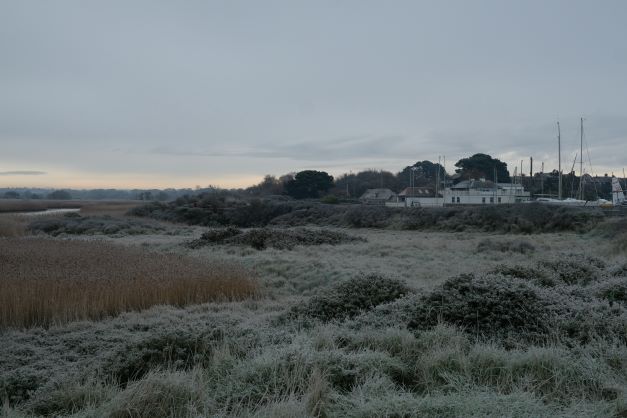
A cold and frosty morning at the coast this morning at 10.30 am but most people appear to be at home!
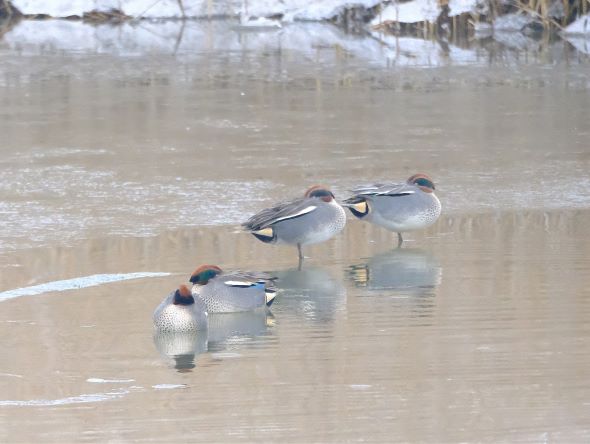
Teal
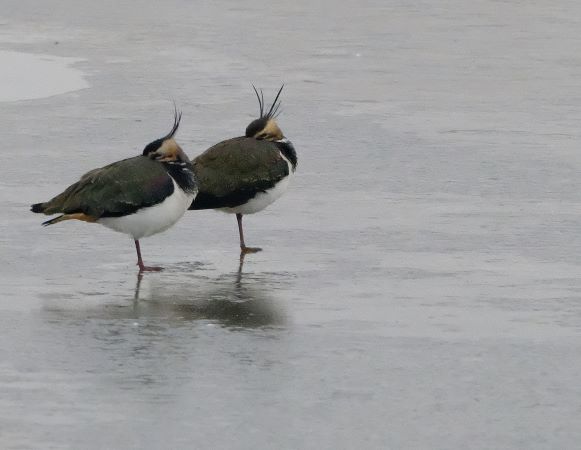
Lapwing.

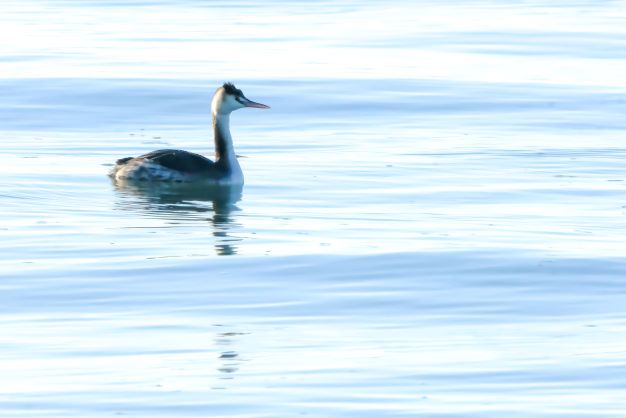
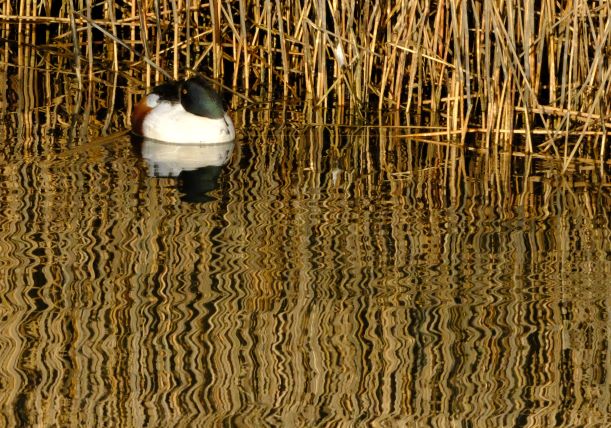
A cold bright morning Great Crested Grebe and a Shoveler Duck on calm water.

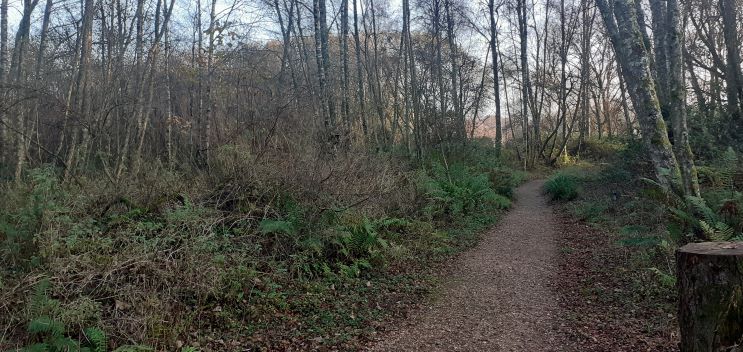
A trip out to some old gravel pits which are now filled with water and are now a nature reserve Blashford Lakes near Fordingbridge. The area is managed by Hampshire & Isle of Wight Wildlife Trust. Although only 30 miles from home this was my first visit to the reserve.


There is a suggested entrance fee of £4 good parking and a small information area the lakes are large and a telescope is useful as many of the waterfowl are a long way off. Post Code BH24 3PJ.


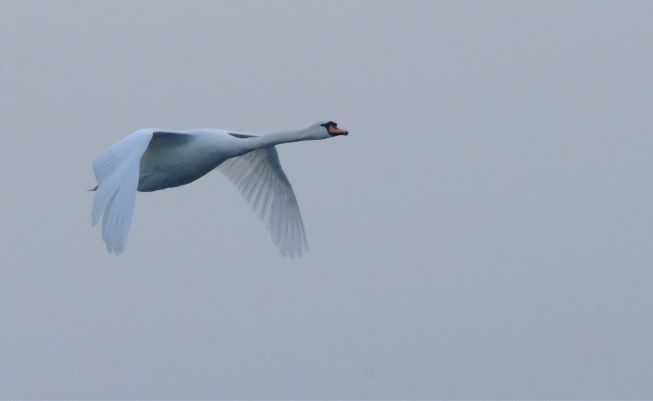
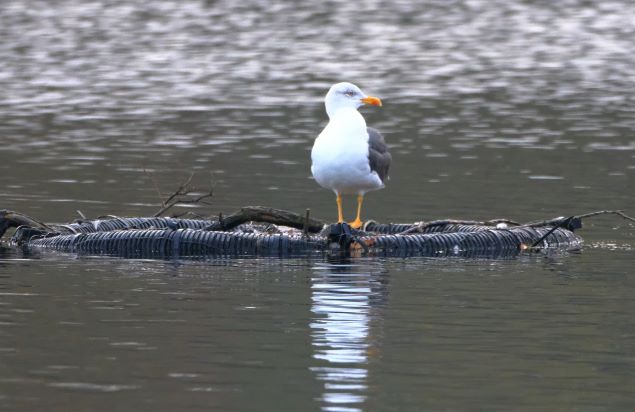
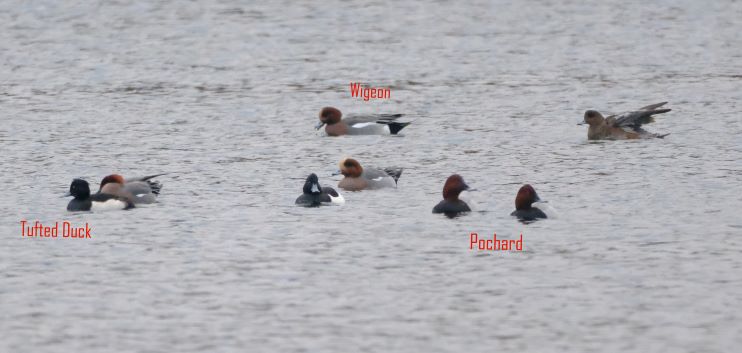
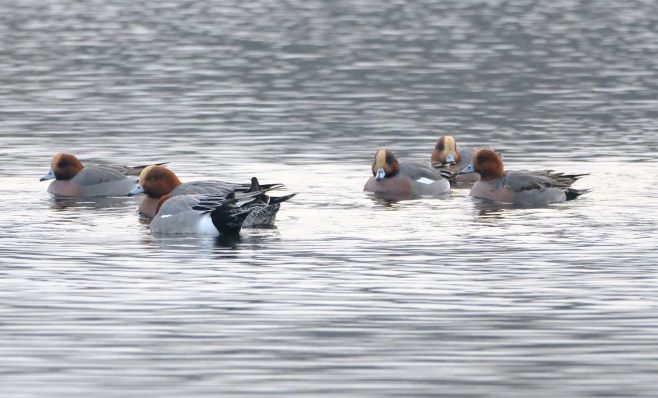
Some interesting bird spots included a Great White Egret {no Photo} Tufted Duck, Wigeon and Pochards as well as a pair of Egyptian Geese.


Great Crested Grebe in winter colours.

Cormorant.
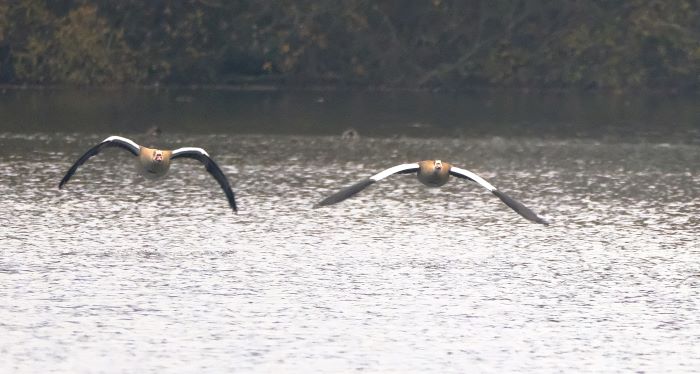
Egyptian Geese.

There was also a good number of woodland birds in the Reserve.
Goldfinch.
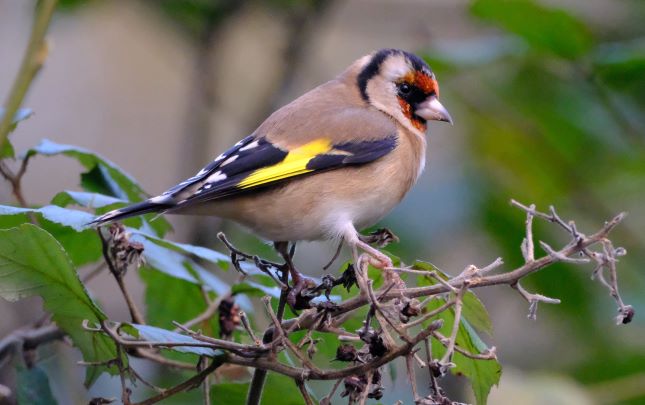
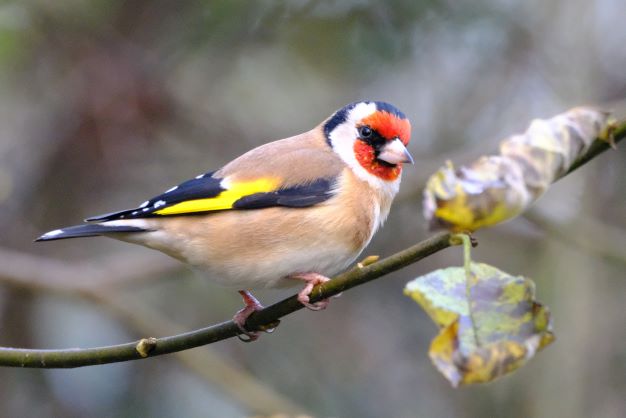

Long Tailed Tit.

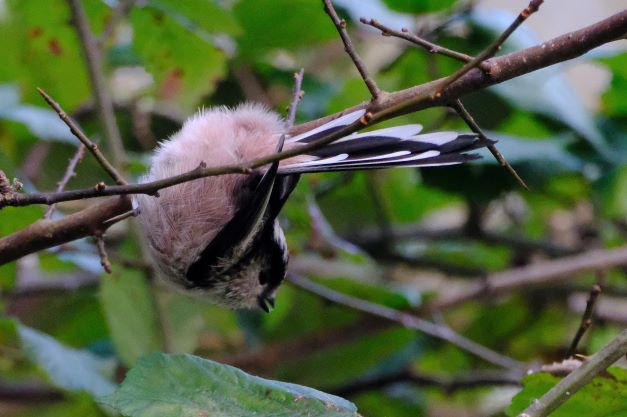
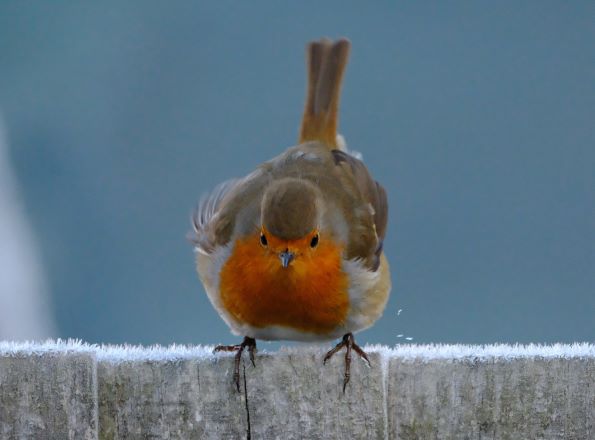
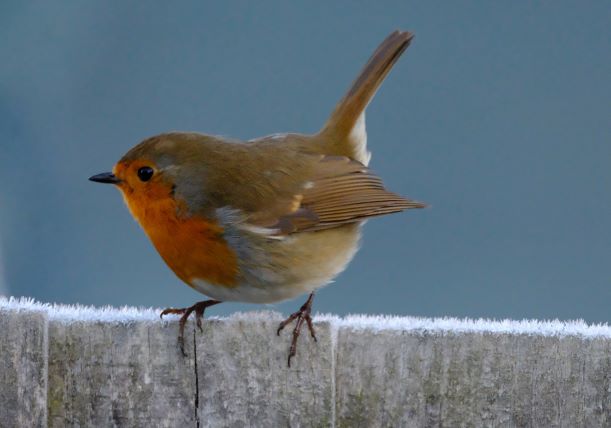
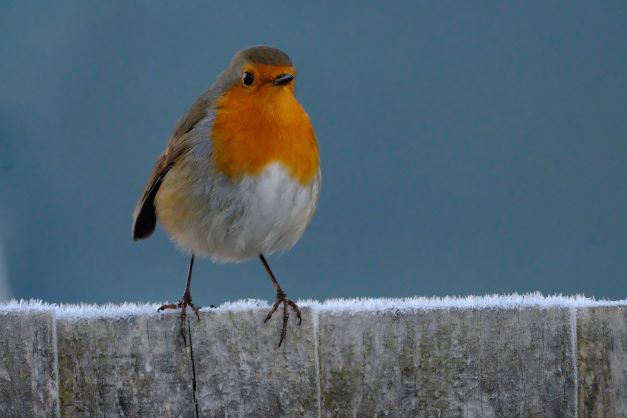
Robin.
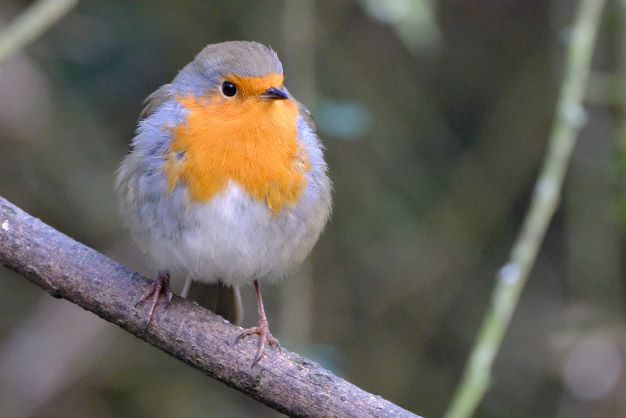
#Wordless Wednesday

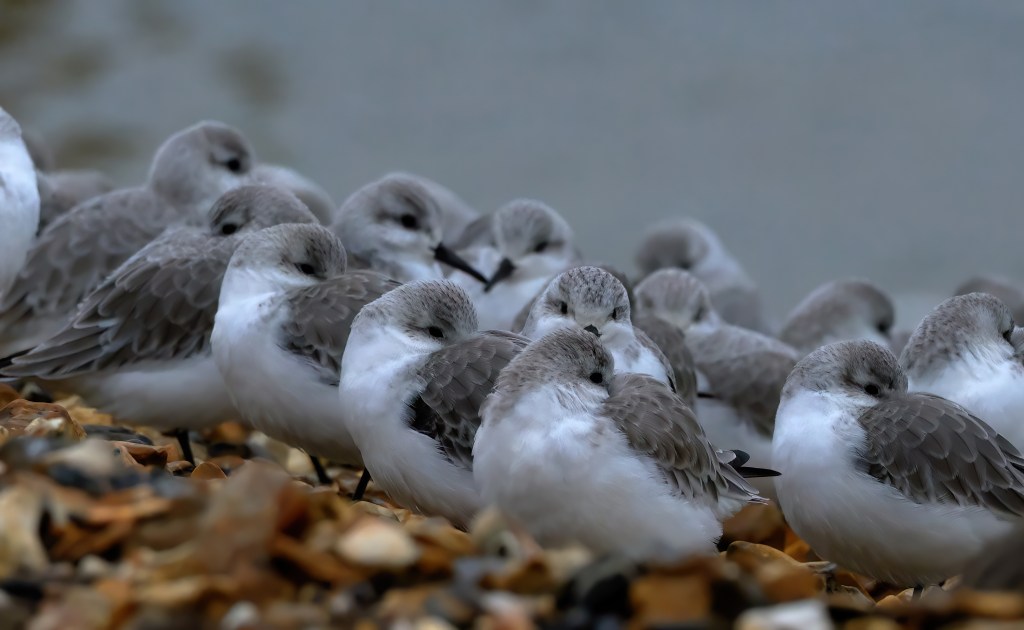
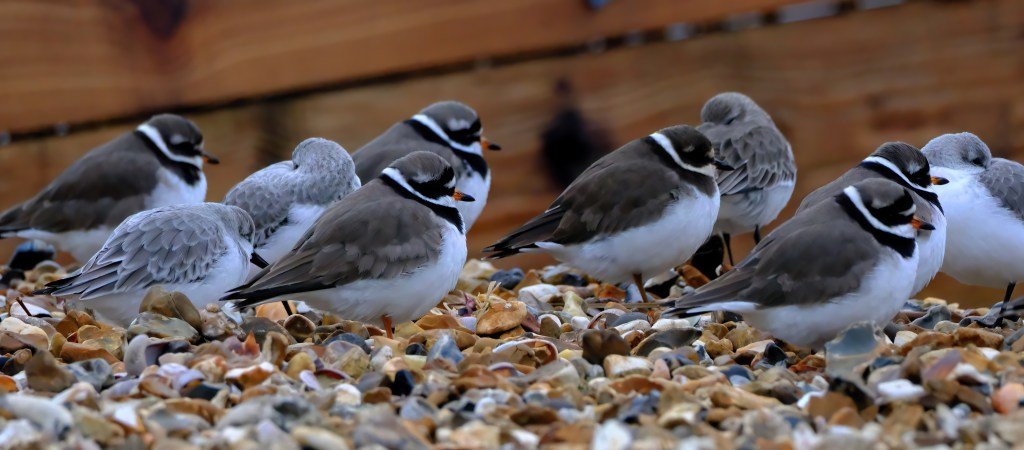
Ringed Plovers and Sanderlings gathering at high tide rest out of the wind





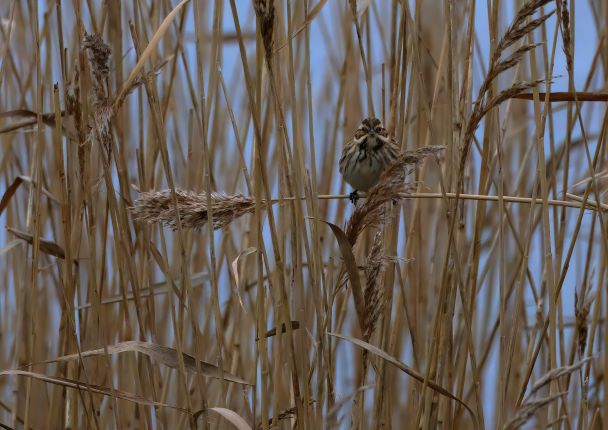
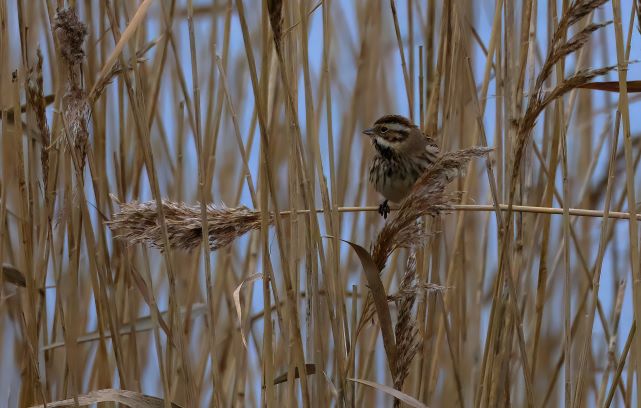
Just a glimpse in the reeds this morning a bit of brightness on a dull day.

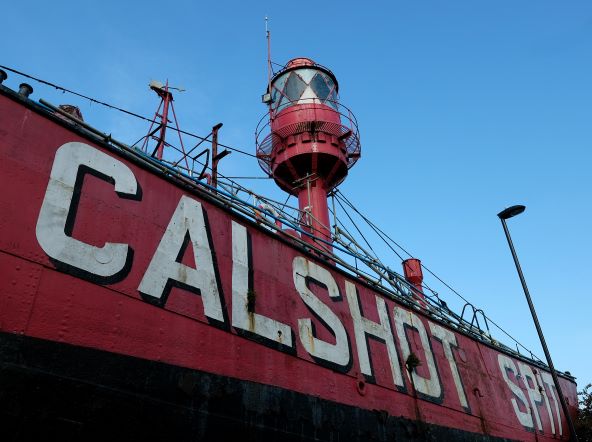
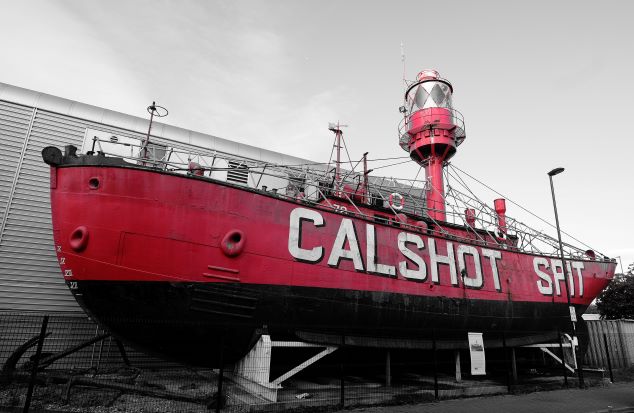
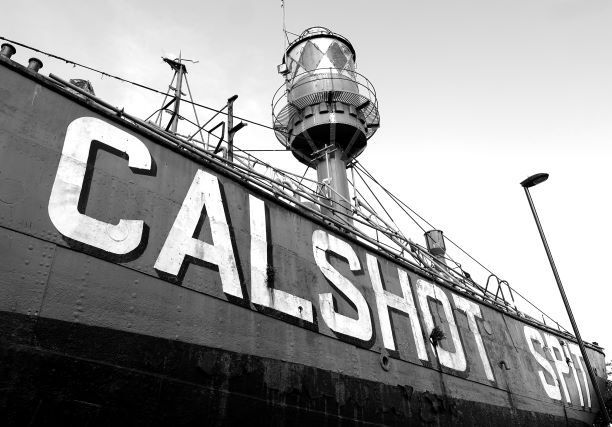
Originally moored at Calshot Spit, this lightship was a floating lighthouse at the entrance to Southampton Water. It guided flying boats into their terminals and warning ships of sandbanks at the Brambles.
Six crew lived in cramped conditions keeping the light and foghorn operating. It was replaced by a buoy in the mid-1960s.


 Continued Reflections from my World.