

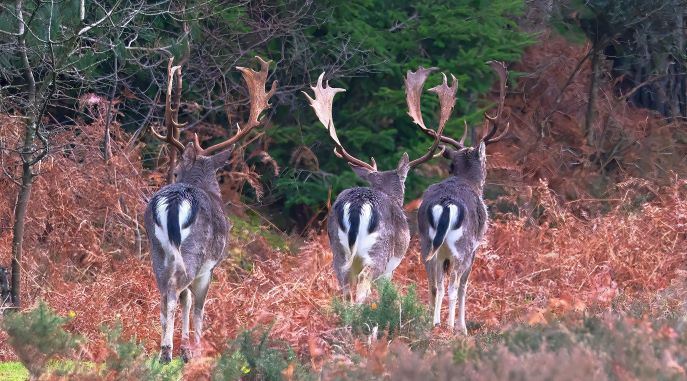
In 1079 when William The Conqueror named the area his ‘new hunting forest’, close to 1,000 years later his ‘New Forest’ remains as a National Park. The ancient systems established by William The Conqueror to protect and manage the woodlands and heaths are still in place today.
Hunting Deer required planning, good horsemanship and the ability to handle weapons. It was dangerous. King William’s second son, Richard, and third son, William, were killed whilst hunting in the New Forest as was his grandson, Richard. Hunting was seen at that time as a method of practising many of the skills required for battle.
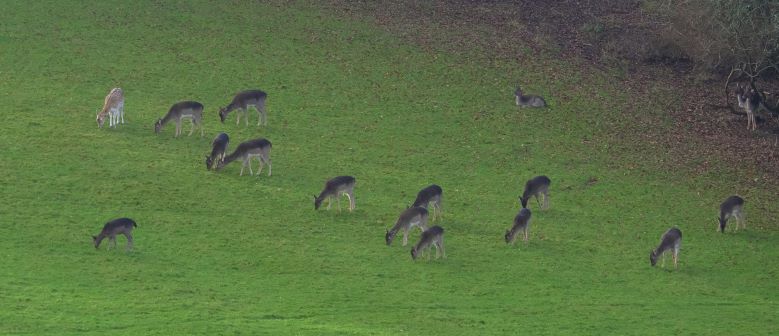
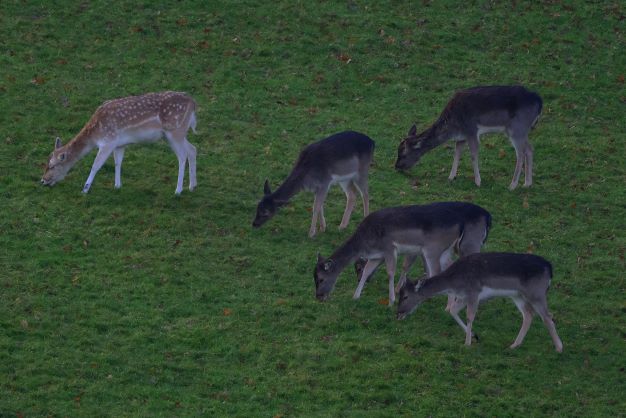
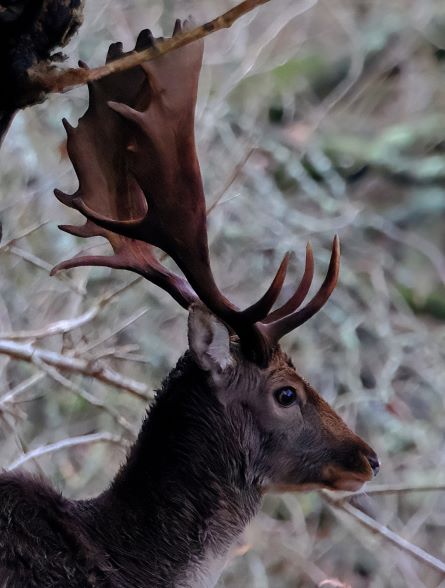
Fallow deer are today the most commonly seen deer in the New Forest. Numbers are maintained at about 1,300 on the Crown lands. Although not a native species to the UK, they have been present since Norman times and have the longest continuous lineage of any deer species in the Forest.
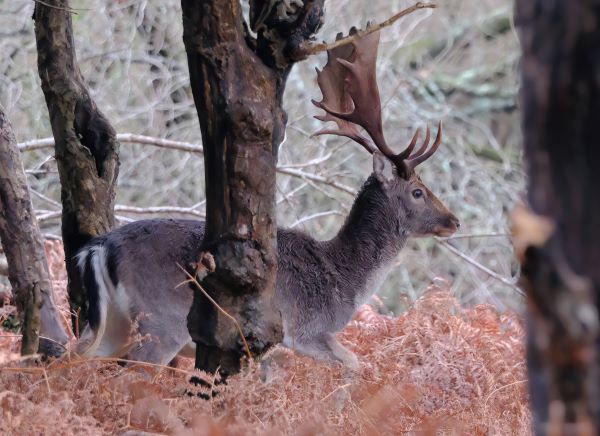

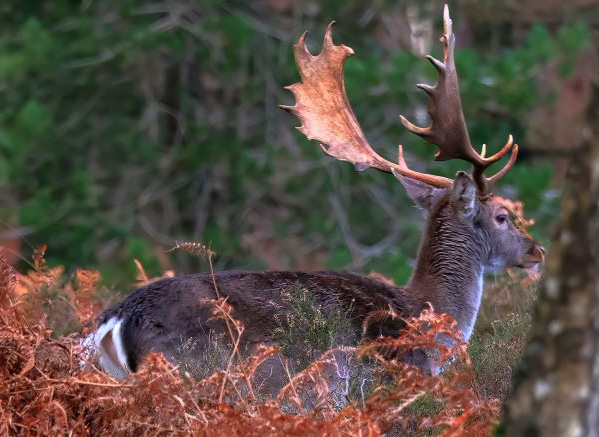

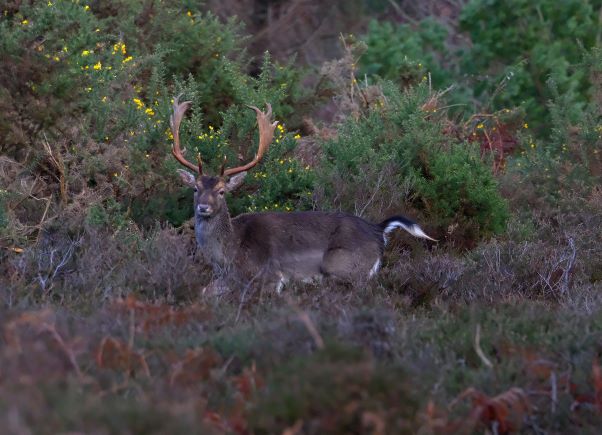
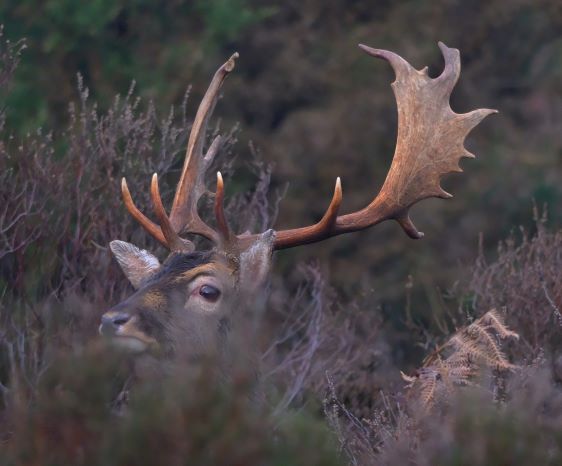
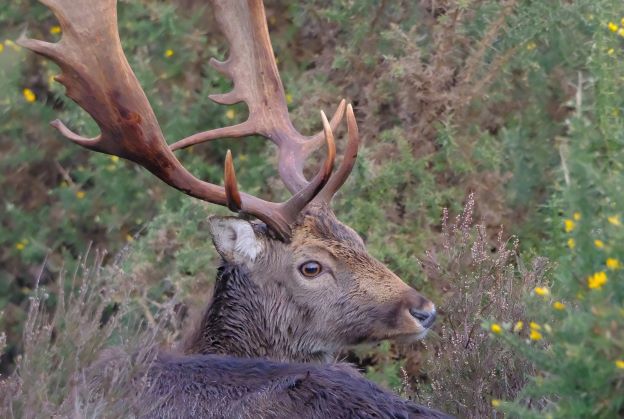
This time of year the Deer keep in their herds – Stags together separate from the young female deer.

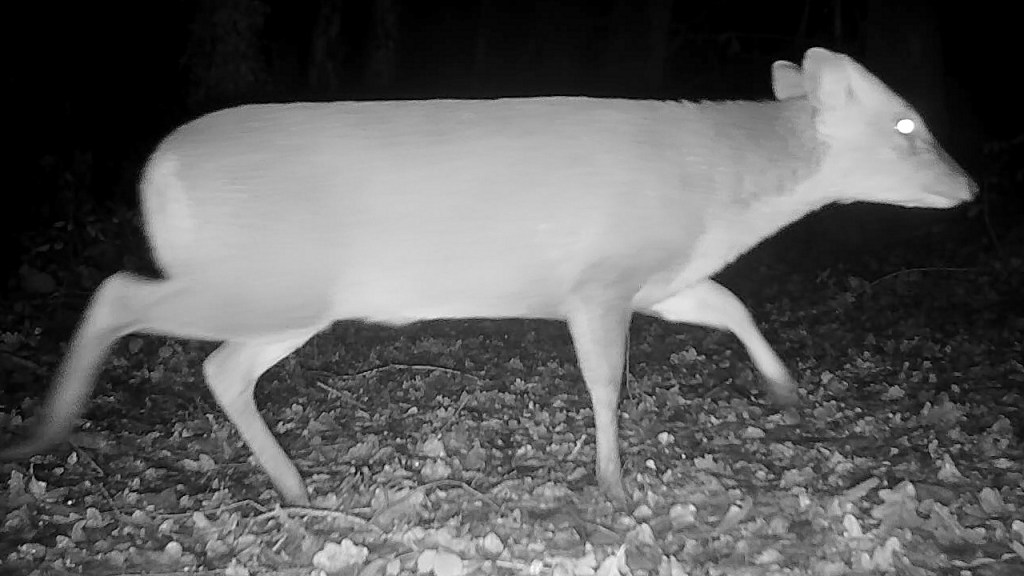
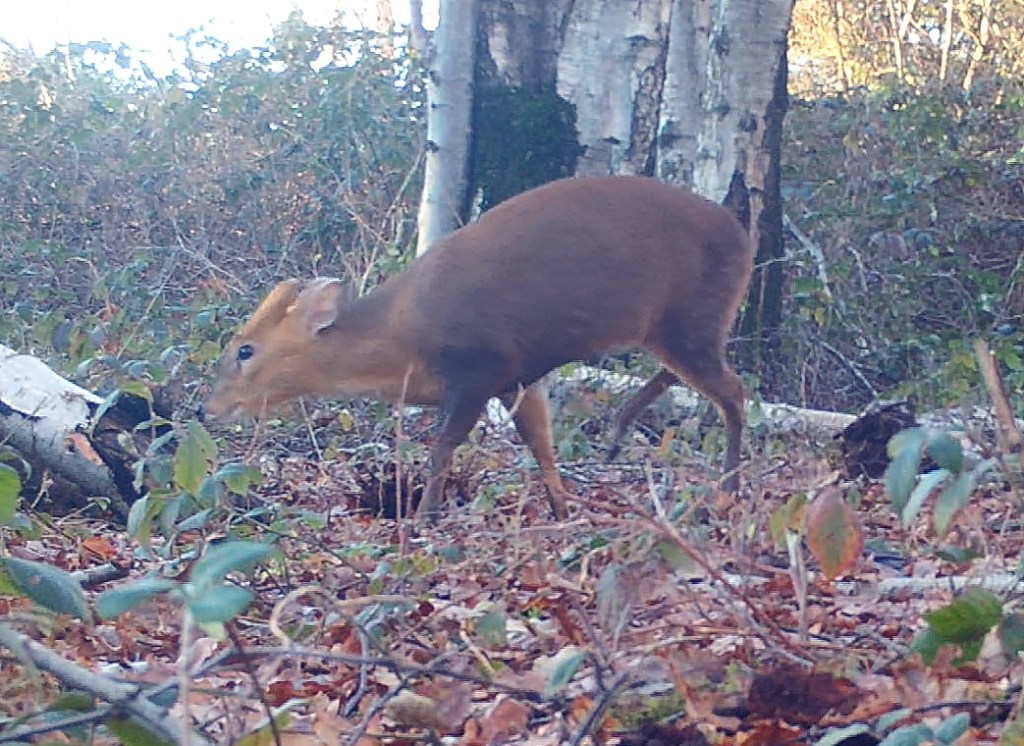
Chinese muntjac deer was introduced to Woburn Park in Bedfordshire at the start of the 20th century. A very small, shy stocky deer, the muntjac deer is about the same fox. It is gingery-brown, with a pale underside, darker stripes in its face, and small, single-pointed antlers. It also has a short tail. It is now considered a common animal across southeast England and can be found in woodland, parkland and even gardens. Muntjac deer are also known as ‘barking deer’ because of their dog-like calls.
We have filmed this Male deer a couple of times over the last 2 years on our trail cameras – we are yet to see him in the flesh!


Great Crested Grebe in toned down non-breading Winter plumage.
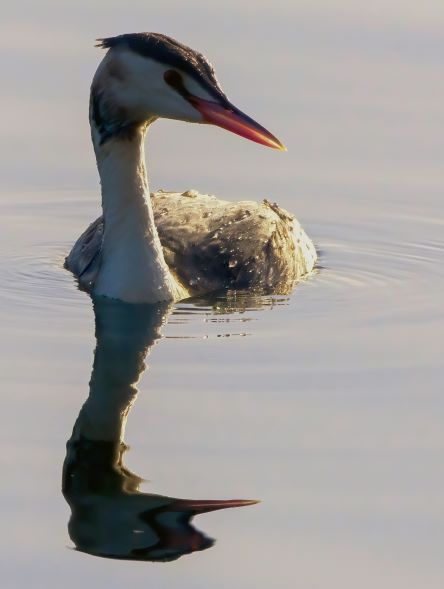
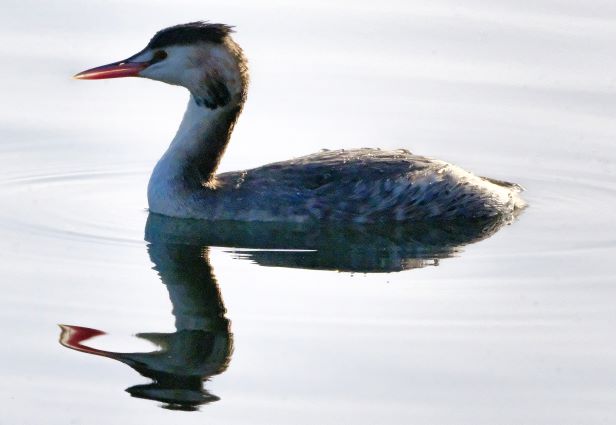
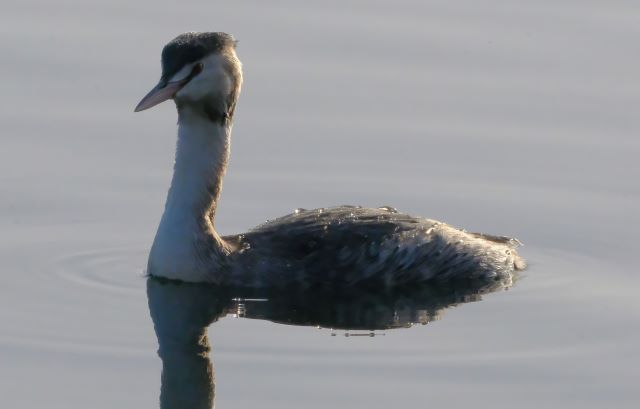
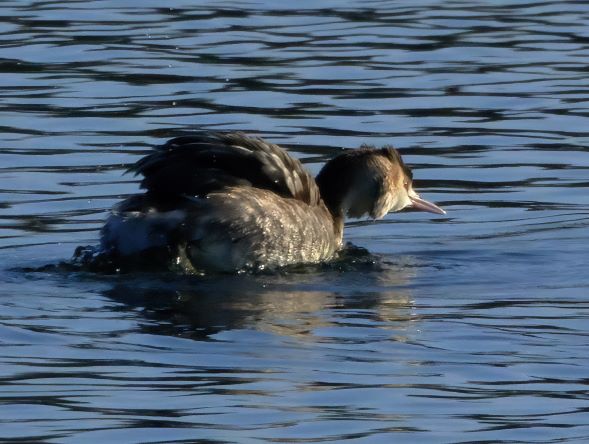

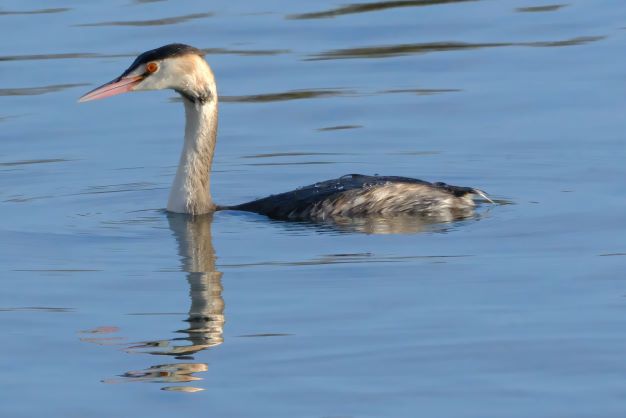
Then it was gone! Great Crested Grebes dive to feed and also to escape, preferring this to flying. On land, they are clumsy because their feet are placed so far back on their bodies.

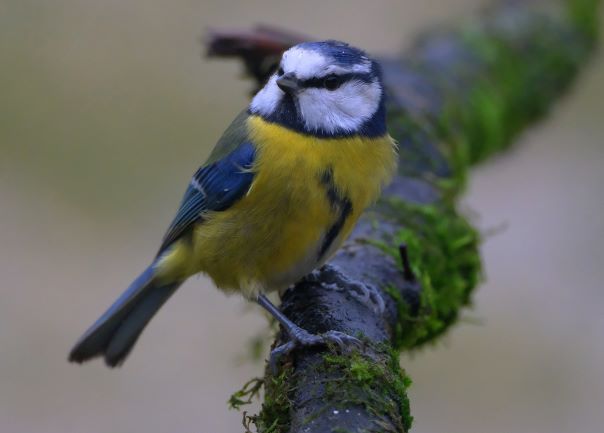
Blue tits are common in woodland and gardens birds They’re widespread and found across most of the UK.


After my post about the Male Marsh Harrier at the end of last year this morning I got the chance to take some pictures of the female bird with her distinctive cream head cap.
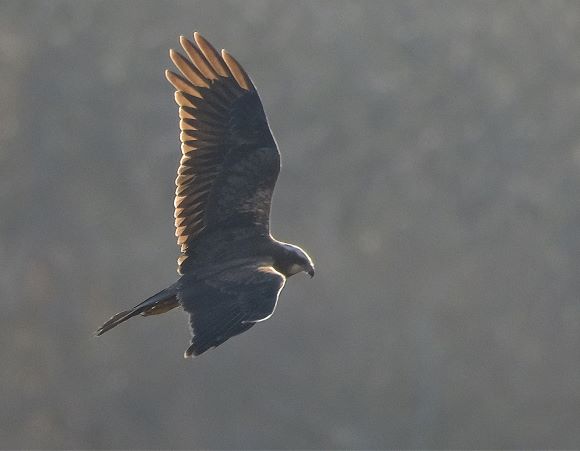

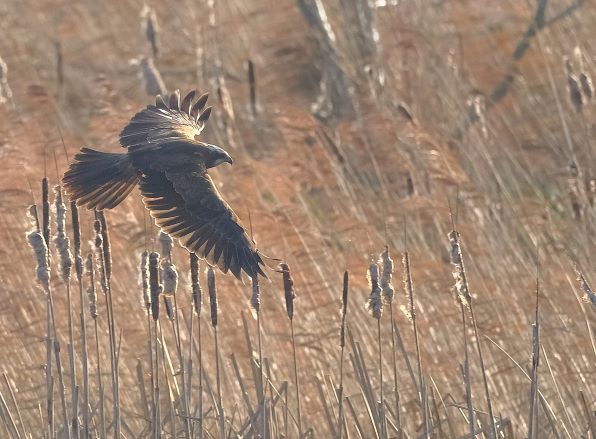

Link to Male Marsh Harrier post below.
Short film of the female bird flying past full speed and then in slow motion.
#Wordless Wednesday
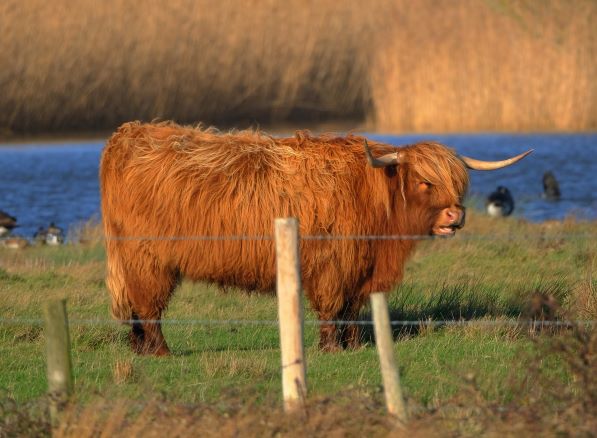
Cattle (Belted Galloway and Highland Cattle) are on loan at the top part of Titchfield Haven Nature reserve to help maintain the pasture land. Both breeds are Scottish and are well-adapted to living on poorer soils and scrubland.


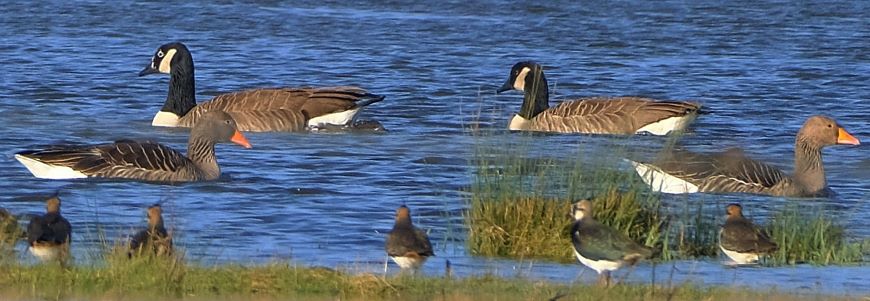
Graylag Geese heading up river with Canada’s heading down river watched by Lapwing!
A Cock Pheasant started by keeping low but soon decided he could show off his colours.


Spot the Warbler in the Bullrushes.

Long-tailed Tit.

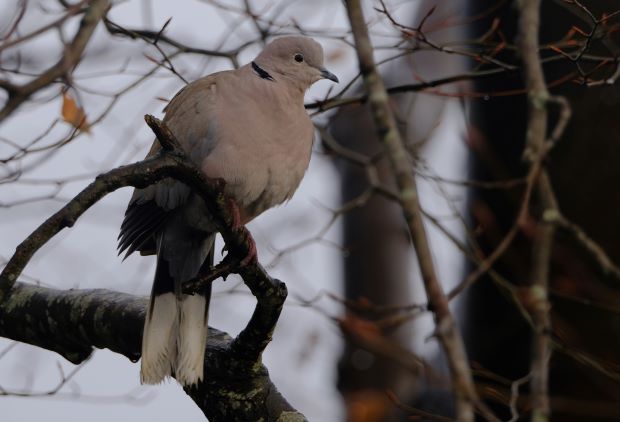
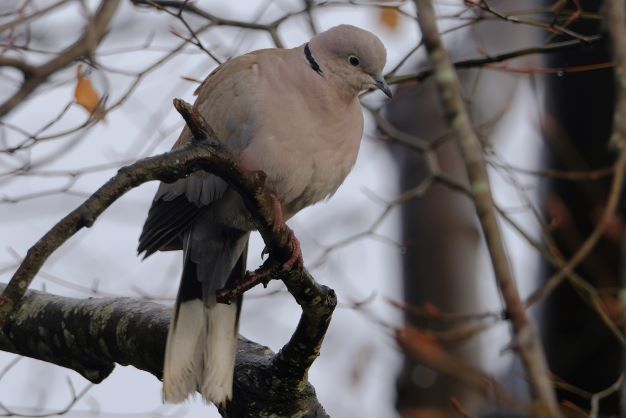
View from a window of a Collared Dove.

A small pigeon found on farmland and in woodland, parks and gardens across the UK they 1st bred in the 1950s, since their numbers have increased and the collared dove is now one of our most familiar garden birds. Collared doves feed on seeds and grain on the ground and are usually seen singularly or in pairs, although small flocks may form where there is enough food. The RSPB records there are now breeding:810,000 pairs across the UK.


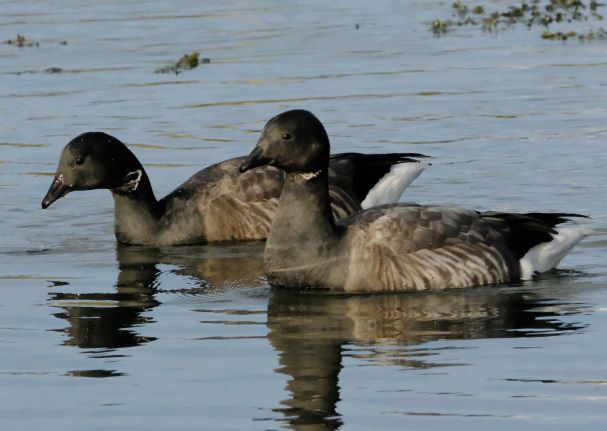
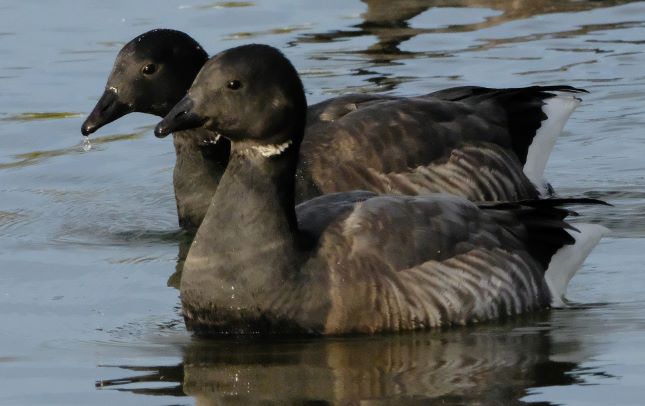
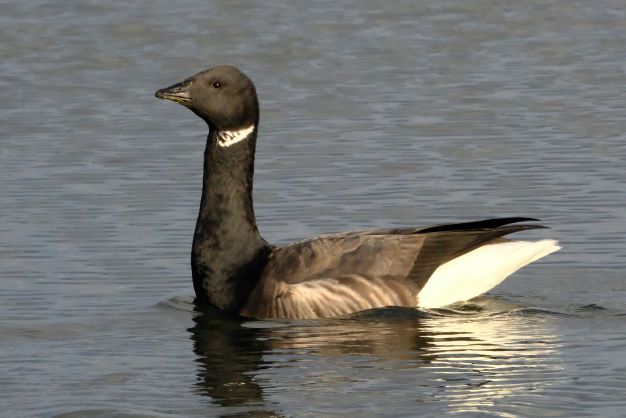
Our smallest goose, around the same size as a mallard duck the brent goose spends the winter feeding on vegetation such as eelgrass in our estuaries and grazing in coastal fields. They arrive in the UK in large numbers in autumn and leave for the long journey back to Arctic Russia in early February. Numbers are over 100,000 birds. These birds were on the estuary of Hamble River.


 Continued Reflections from my World.