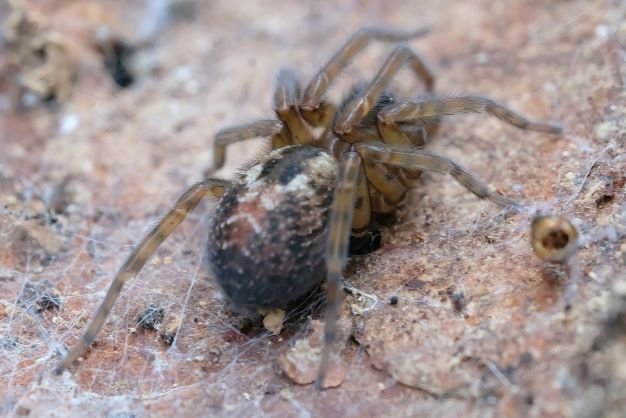
Eastbourne.

Eastbourne seafront first thing in the morning before the beach wakes up.

Eastbourne is a seaside resort town on England’s southeast coast it is about 2 hours from London. On the seafront are Victorian hotels, and the 19th-century Eastbourne Pier. West along the coast, in South Downs National Park, are the tall chalk cliffs of Beachy Head and its striped lighthouse.

The Eastbourne Pier Company Ltd was formed in 1865. Work started on the structure in1866. Lord Edward Cavendish officially opened the pier, designed by Eugenius Birch, in June 1870. However, work on the 1000-foot pier, the landing stage, kiosk and windbreak were finally completed in 1872.

The beach is popular but 1st thing in the morning it is quiet with only a few dog walkers and runners.

shrinking gap.

A coastal hamlet nestled between the Seven Sisters and Beachy Head is Birling Gap a place where you can get down to the beach via a stairway. The area is managed by the National Trust above the beach is a visitor centre car park and a cafe.
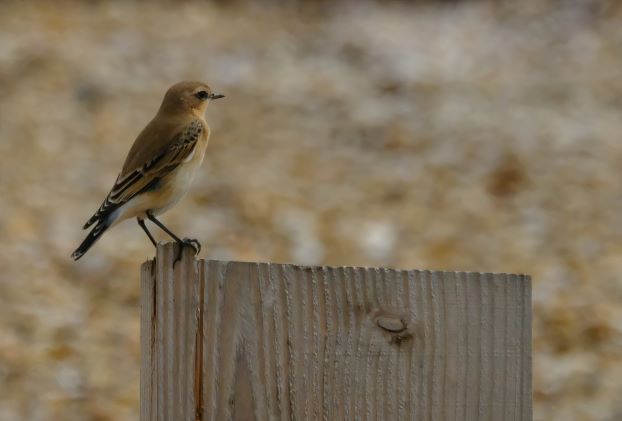
Eight cottages were built at Birling Gap for the Coastguard in 1878. Today only 3 remain in 1973 due to the eroding cliff, one of the cottages was demolished again in 1994 another cottage was demolished. 2002 and 2014 lead to the loss of 2 more homes!

This is the first time I visited the gap when the tide was out. You can access the beach via a staircase.

Seven Sister – is what the cliffs are known to the west of the gap.

The cliffs to the east.

A view of the gap in the 1920s from an old postcard showing the row of coastguard cottages and coastguard rocket house.

Morrell.

Dungeness Lifeboat Station has a Shannon class lifeboat. The Morrell was named on 31 May 2014 by HRH Princess Royal. In 1940, the Dungeness lifeboat was one of 19 that took part in the evacuation of Allied troops from Dunkirk in northern France. We were lucky to see the lifeboat out of the lifeboat house when we visited as she had just had a wash and was drying in the sunshine.

EDIT.

I have edited and added the launching tractor of a Shannon class lifeboat at Hastings just along the coast I filmed in 2018

On the beach.

Early Saturday evening and a few hours down on the beach enjoying the fresh air and watching windsurfers and kitesurfers.

While sitting on the beach two of the local Mute Swans came out of the water to say hello so I popped back to the van to get some bird seed and my small underwater camera.

T4C ringed bird I have known this bird for several years. The unringed bird with him took a liking to my arm!

Moorland wanders.

A Moorland walk in the New Forest this morning.

Common cotton grass has fluffy, white seed heads that dot boggy moorlands and heaths its bright heads show up across the landscape which looks like something has been dropped until you get close enough to see it is a seedhead. Despite its name, common cotton grass is a member of the sedge family, rather than being a true grass.

In the winter we came across a small pond on the moor and decided to return in the summer as it

looked like a good site for Dragonflies, we returned today and it was.

Female Broad-bodied Chaser.

Male Broad-bodied Chaser.

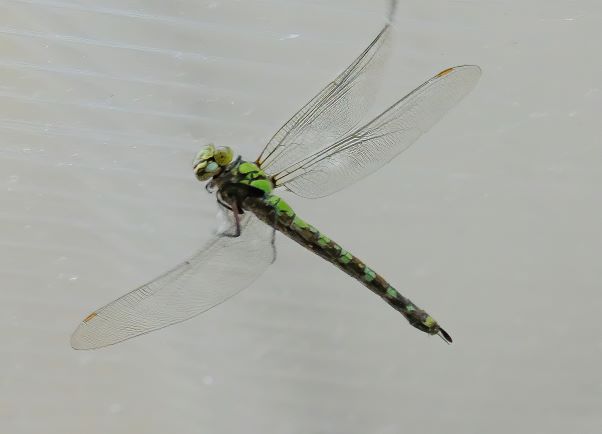
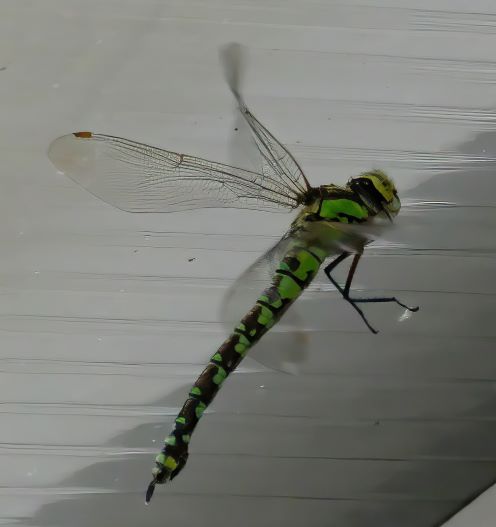
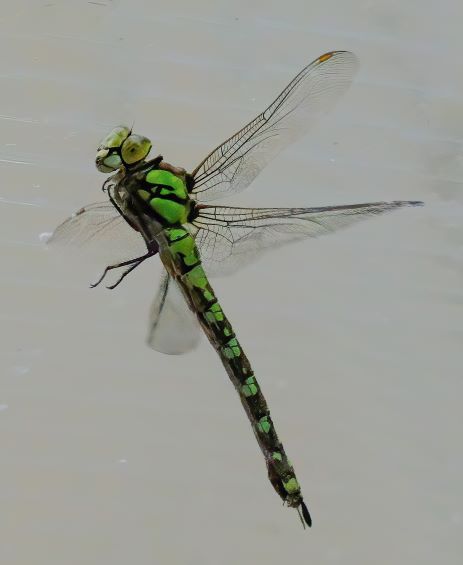
Male Emperor Dragonfly.
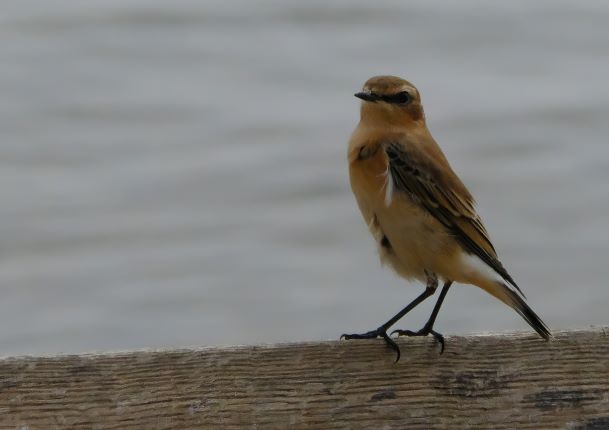
Female Emperor Dragonfly. Egg-laying.
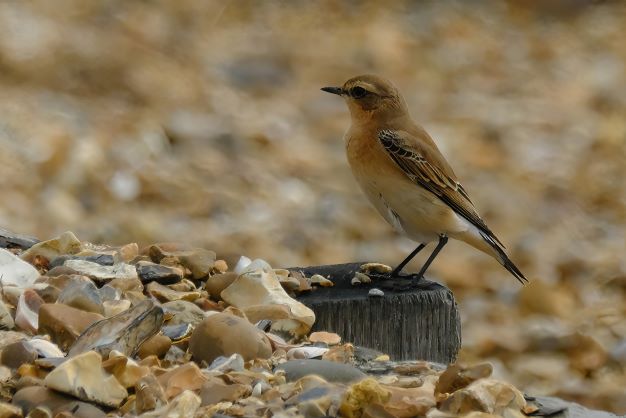
A Male Stonechat keeping its distance from the pond.

Foxgloves are now in full flower.

Fallow Deer are never far away on a New Forest walk.

Summer Godwits.

The Black-tailed Godwit is a large, long-legged, long-billed shorebird. ( it is one of Europe’s larger wading birds). A number of these remain in the UK all year rather than migrate to their breeding grounds in Iceland. We are lucky to have a number of these birds all year round in Titchfield Haven