Wheatear sitting on the fence at Meon Shore.
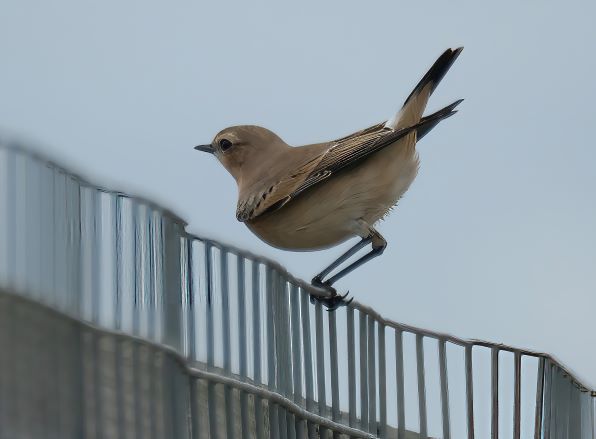
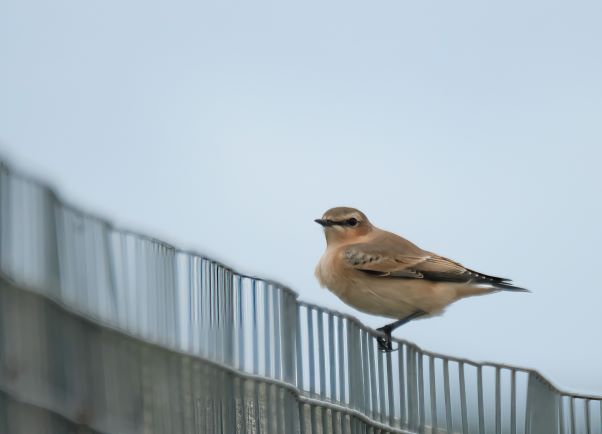
Wheatear sitting on the fence at Meon Shore.
Wordless Wednesday.


Back in the 1990s, I visited HMS Excellent originally Whale Island in Portsmouth Harbour.
While there I saw the Royal field gun carriage. On the carriage is a brass plaque which reads.
THIS
FIELD GUN CARRIAGE
PRESENTED TO H.M.S. EXCELLENT BY
HIS MAJESTY KING GEORGE V
WAS USED
ON 2ND FEBRUARY 1901 AT THE FUNERAL OF
HER MAJESTY QUEEN VICTORIA
MANNED IN EMERGENCY BY SEAMEN OF THE ROYAL NAVY
UNDER THE COMMAND OF LT. THE HON. A.D.E.H. BOYLE R.N. & S/LT P.L.H. NOBLE
ALSO ON 20TH MAY 1910 AT THE FUNERAL OF
HIS MAJESTY KING EDWARD VII
MANNED BY SEAMEN OF H.M.S. EXCELLENT
UNDER THE COMMAND OF CAPTAIN R.G. TUPPER A.D.C. R.N.
ALSO ON 28TH JANUARY 1936 AT THE FUNERAL OF
HIS MAJESTY KING GEORGE V
MANNED BY SEAMEN OF H.M.S. EXCELLENT
UNDER THE COMMAND OF CAPTAIN A.J. POWER R.N.
ALSO ON 15TH FEBRUARY 1952 AT THE FUNERAL OF
HIS MAJESTY KING GEORGE VI
MANNED BY SEAMEN OF H.M.S. EXCELLENT
UNDER THE COMMAND OF CAPTAIN R.F. ELKINS O.B.E. A.D.C. R.N.
ALSO ON 30TH JANUARY 1965 AT THE FUNERAL OF
SIR WINSTON LEONARD SPENCER CHURCHILL K.G. O.M. C.H.
MANNED BY SEAMEN OF H.M.S. EXCELLENT
UNDER THE COMMAND OF CAPTAIN A.M. POWER M.B.E. R.N.
ALSO ON 5TH SEPTEMBER 1979 AT THE FUNERAL OF
ADMIRAL OF THE FLEET LORD LOUIS MOUNTBATTEN
K.G. G.C.B. O.M. G.C.S.I. G.C.I.E. G.C.V.O. D.S.O.
MANNED BY MEN OF THE ROYAL NAVY
UNDER THE COMMAND OF CAPTAIN R.K.S. BETHELL O.B.E. R.N.
Royal Horse Artillery in January 1901 were tasked with the final phase of the funeral of Queen Victoria. This was to move her coffin from the railway station at Windsor to Windsor Castle. As the coffin was placed on the gun carriage the horses who had been waiting for some time on the snow-covered ground and with the noise of the train panicked and reared up. It looked as though the coffin would be toppled off the carriage. Naval ratings were ordered to take the lead, the sailors grounded arms and formed fours at the head of the cortege. Improvised drag ropes were brought in and pulled Queen Victoria to her destination. The horses were unharnessed and moved safely out of the way. Another story tells how the Naval ratings took over when a pin broke and the horses could not pull the carriage.
The death of Queen Elizabeth II has made me think of my visit to Whale Island and seeing the Royal field gun carriage all those years ago. I understand it will be used on Monday for the Queen’s funeral pulled by Royal Naval Ratings as they have done for all State funerals since Queen Victoria’s.


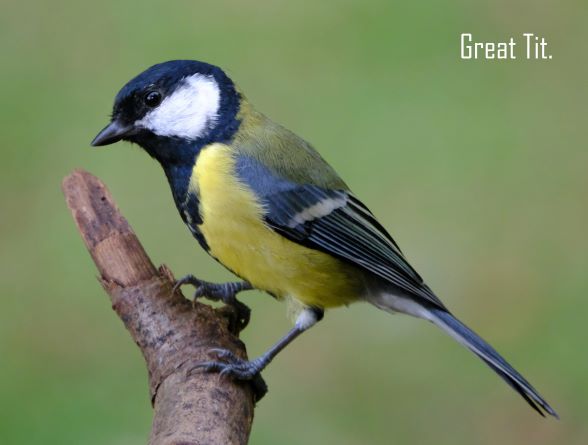
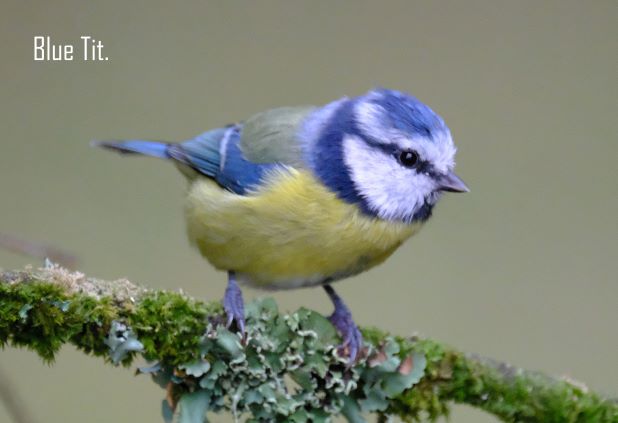
Bird spotting around a bird feeding station. I placed a small camera trail on a tripod and let it run. The sounds of the forest are worth listening to in the film.

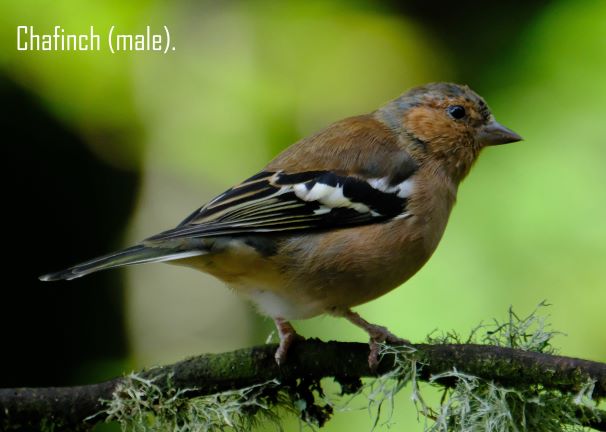
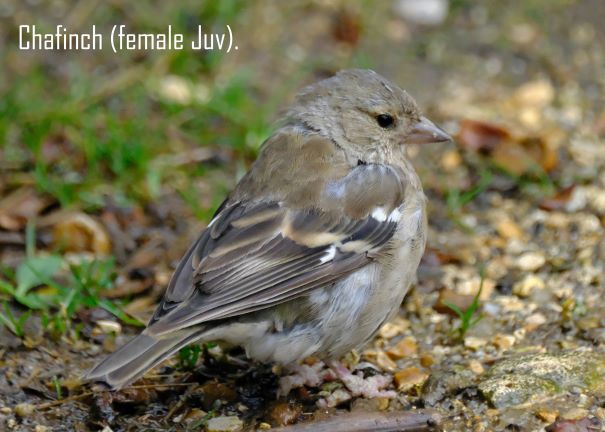
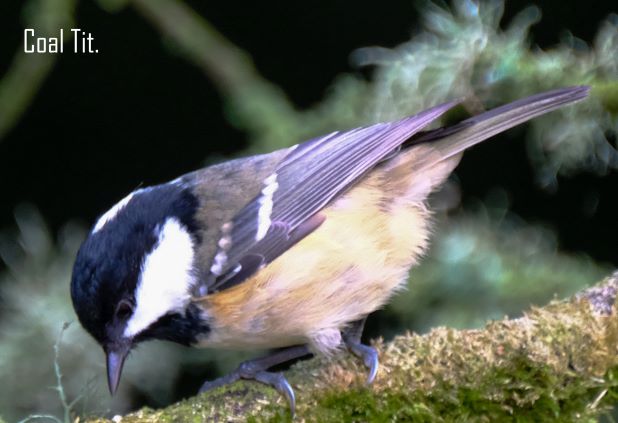


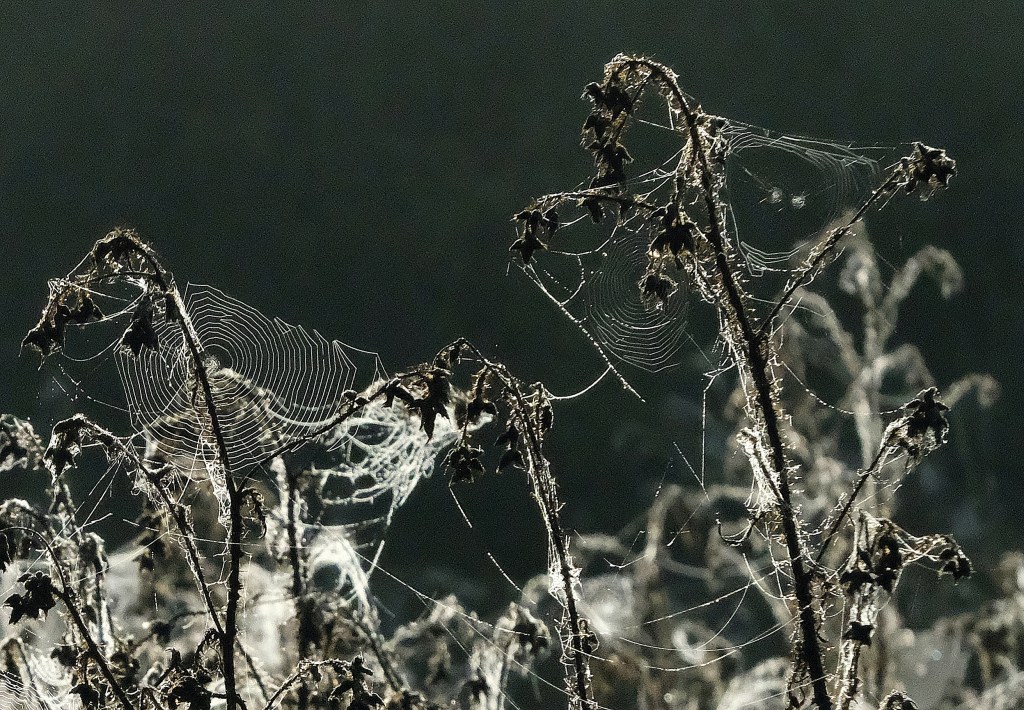
This morning’s walk (Sunday) showed a marked change in the season with dew on the grass and the numerous spider’s webs were highlighted with moisture. Given the changeability of the seasons at the moment I am not sure if such mornings will be the norm for a while or if it was just a one-off for the time being.

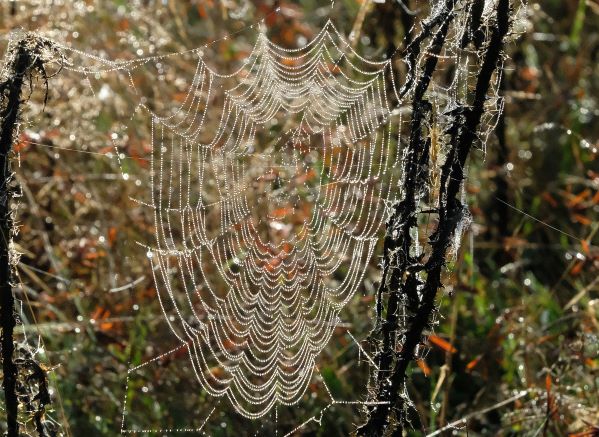
Marbled Orbweb Spider. This one is yellow I saw some previously that were white.
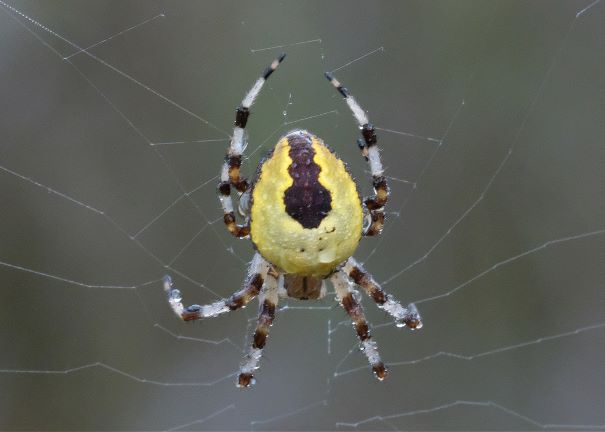
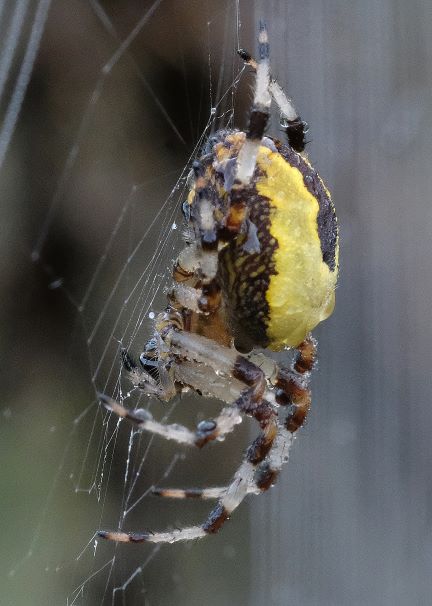
Four-spotted orb weaver spider building a new web.

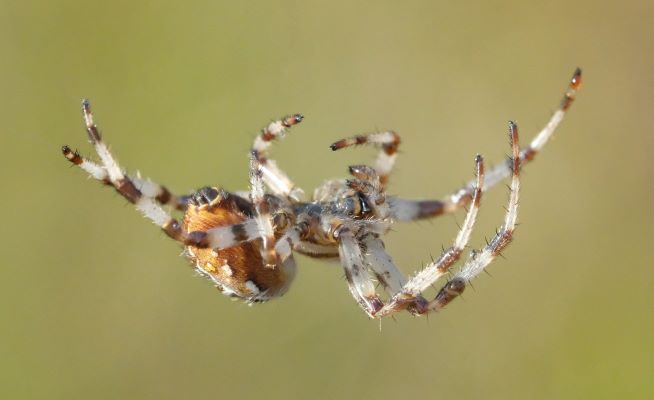
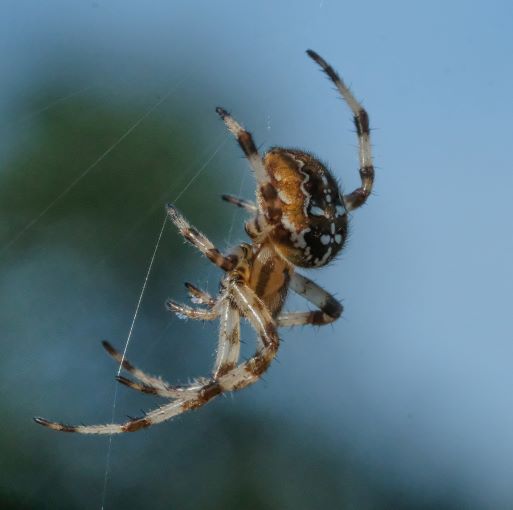


Garden Spider. Encrusted in dew.


Beaulieu Airfield was a major wartime airfield in the New Forest that saw a large amount of action including Coastal Command. Many anti-submarine operations were flown from Beaulieu, It was an important role in the airfield’s history.
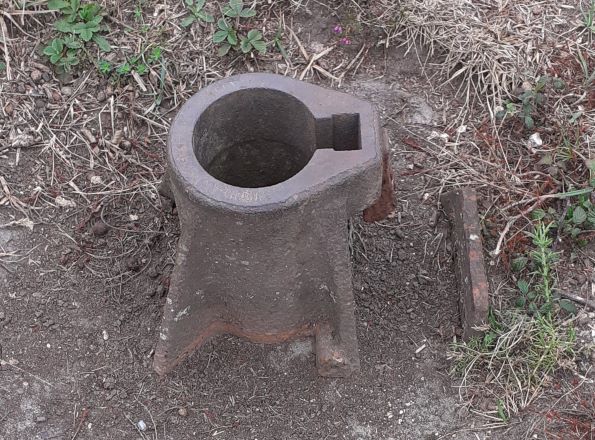
A large concrete BL is set into the ground. This is located in front of where the airfield control tower once stood. BL was the airfield pundit code for RAF Beaulieu It helped airborne aircraft identify the airfield. Each airfield would have its own code letters. You can see a metal socket which is a short thick-walled mortar which would have had a tube fitted this signal mortar would have been used to alert aircraft approaching the field – for example, landing gear not down!


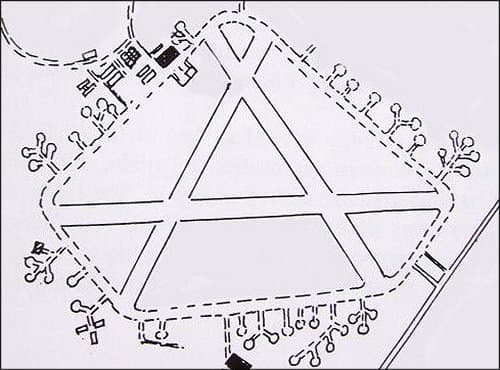
Some nature spots on the heathland around the airfield site.
Excited to see Cukoo’s but only some distance away.

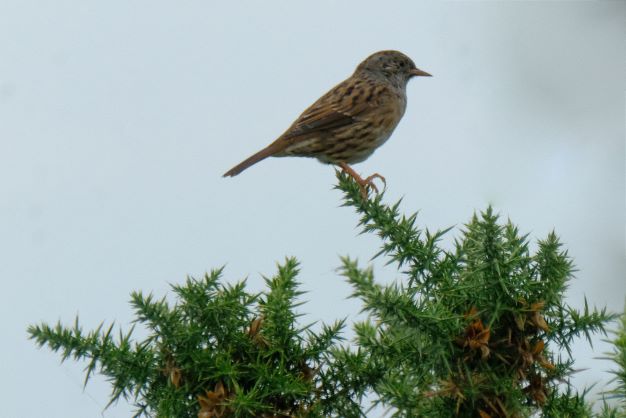
Dunnock

Raven
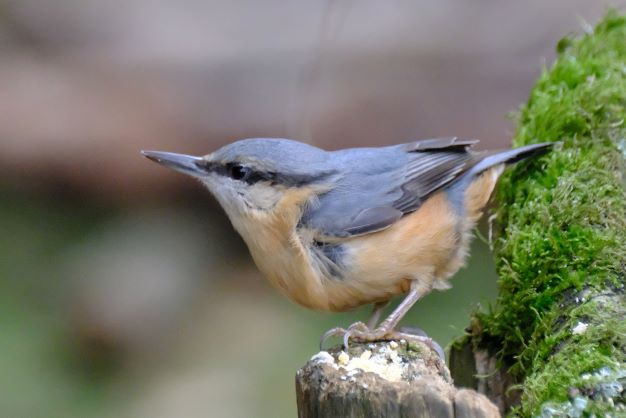
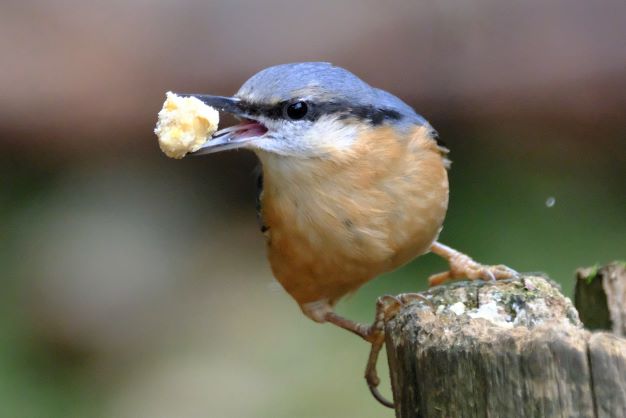
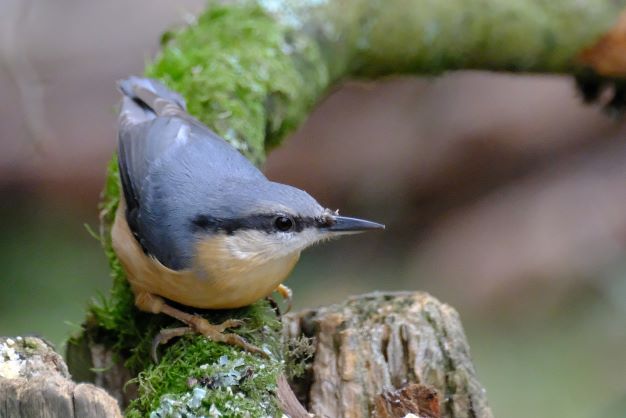
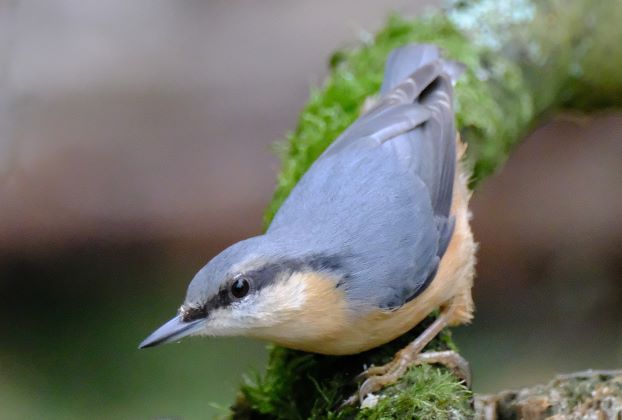
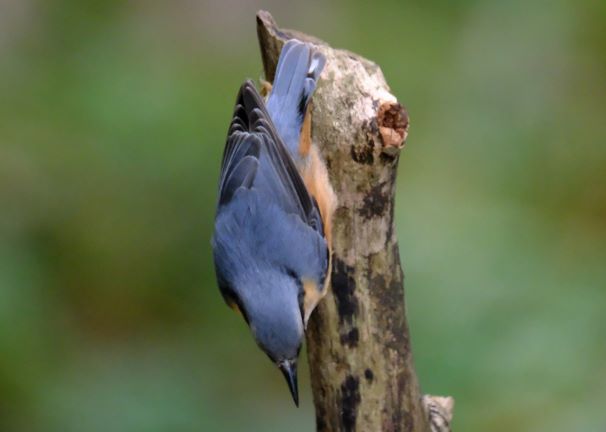
There is one species of nuthatch in the UK, Our species is a woodland bird. It has the unique habit in the UK of plastering mud around the entrance to its nest hole.



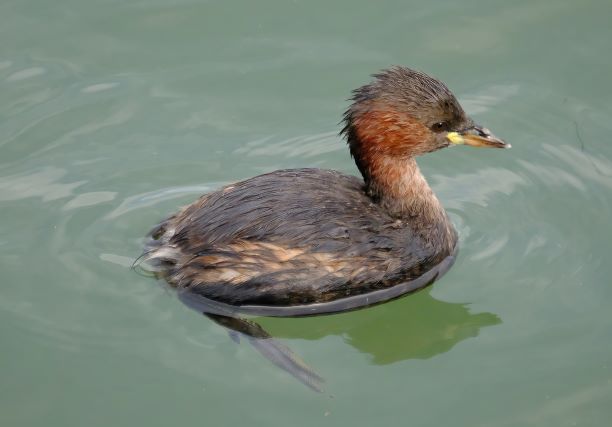
The little grebe, also known as dabchick, is a member of the grebe family of water birds. they are a small bird with a weight:100-140g. They eat – Insects, larvae and small fish.
UK breeding:5,300 pairs
UK wintering:16,000 individuals

Female

Male


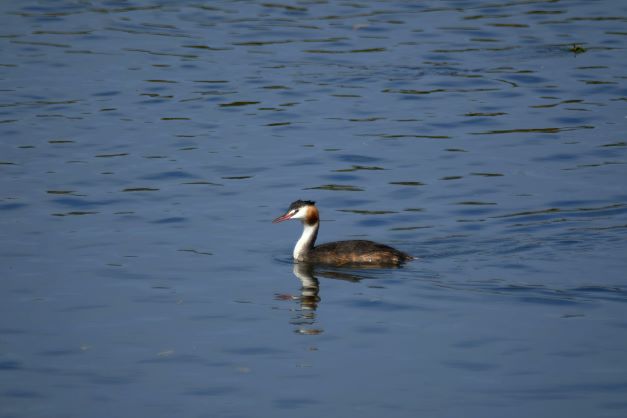
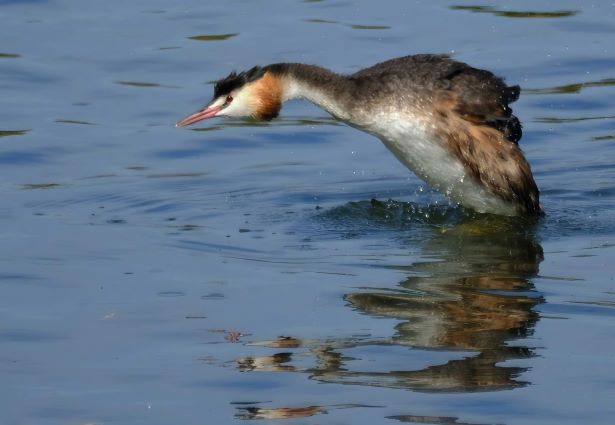
This elegant waterbird with ornate head plumes led to its being hunted for its feathers, almost leading to its extermination in the UK. The wintering population increases so I hope to get some closer sightings of this bird as we move into autumn and winter.
UK breeding:4,600 pairs
UK wintering:19,000 individuals


Duck! no “Buzard” in coming straight at our trail cameras – he actually clipped it with his feet knocking it over.


