#Wordless Wednesday

#Wordless Wednesday
New Forest Blue Tit.


I went for a walk in the New Forest this morning to look for some fungi but there were very few about I think that even though it is prohibited in the National Park that they had been “collected” – It has become an issue in recent years as commercial quantities are being taken and sold on.
However, not all was lost as I enjoyed watching this Nuthatch.


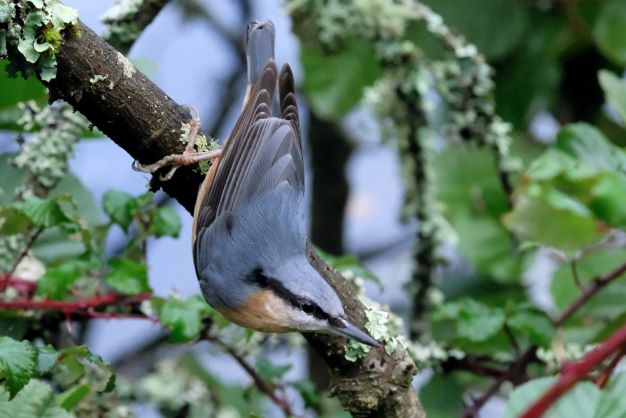


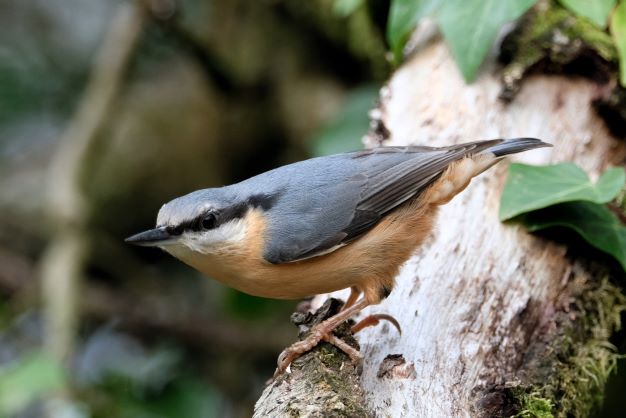
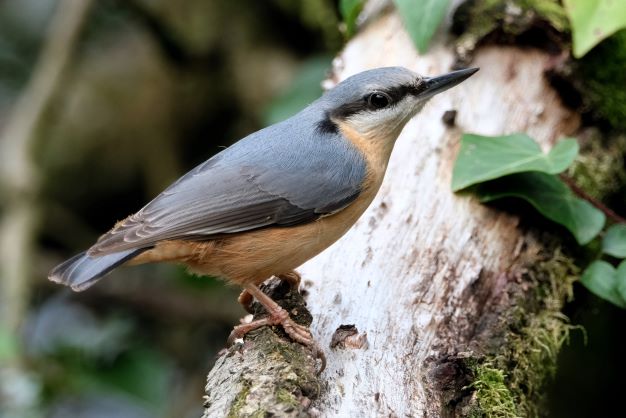
Length: 14 cm Wingspan: 22.5-27 cm Weight: 20-25 g UK breeding: 220.000. {facts from RSPB}
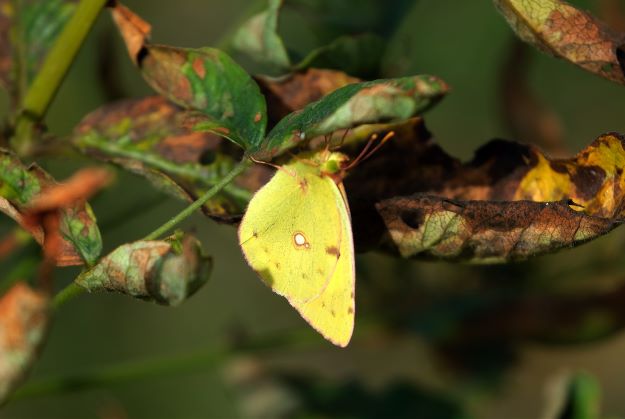
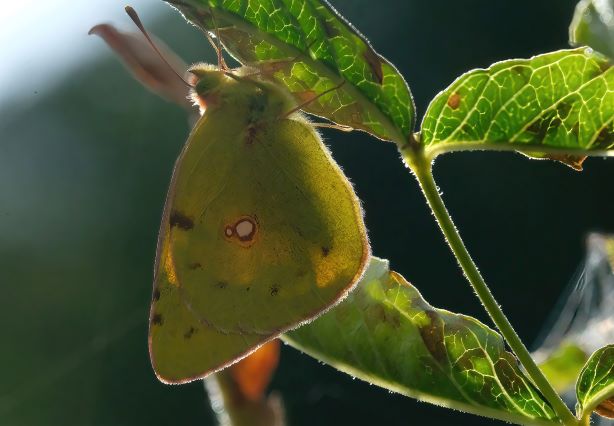
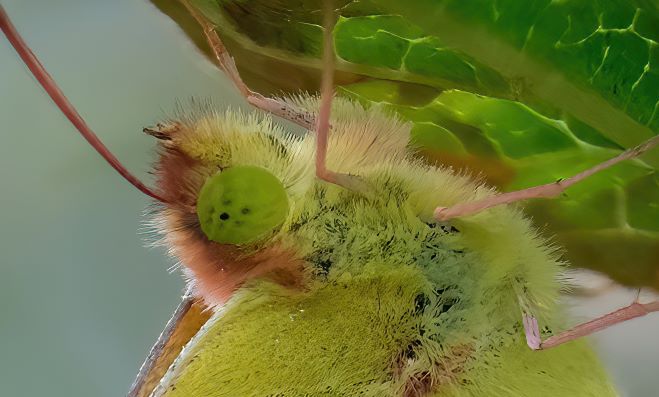
This Clouded Yellow is the first I have seen this year and in fact the first I have seen for several years. They are a medium-sized, butterfly. It is a migrant species that fly here from North Africa and southern Europe. They appear in small numbers most years, but occasionally turn up on mass.

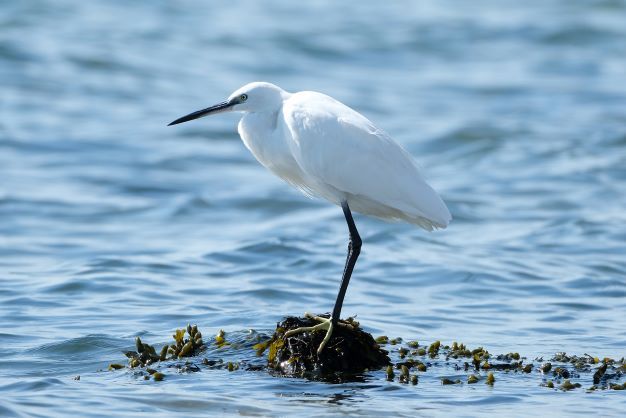
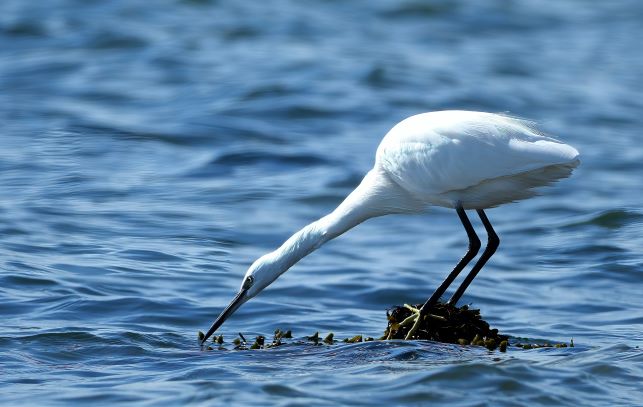
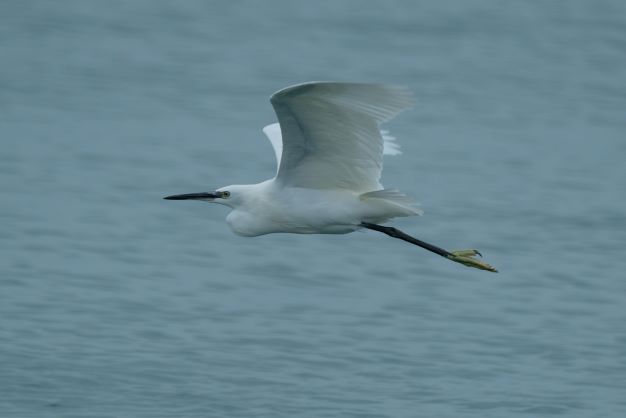
Our local Little Egrets have found a new way of fishing I have been watching these beautiful Herons for several years on Meon Shore but only in recent weeks, have seen them on a slack tide standing on the wooden sea groin post fishing. Normally they wait until low tide to fish at the waters edge.




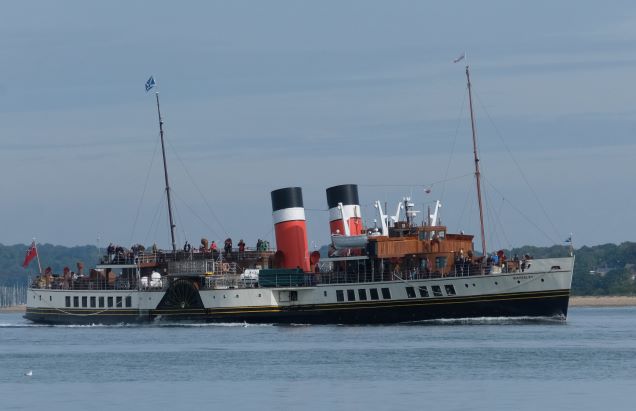
Sitting on the beach on Tuesday morning around Calsholt spit came the Paddle Steamer Waverly making speed towards the Isle of Wight. Every time I see this paddle steamer I think of the Section in H G Wells’ book The War of the Worlds when HMS Thunderchild a Royal Navy warship sacrifices herself by ramming two tripods in order to protect the evacuation fleet including a paddle-steamer off the Essex coast.
PS Waverley is the last seagoing passenger-carrying paddle steamer in the world. Built-in 1946, she sailed from Craigendoran on the Firth of Clyde to Arrochar on Loch Long until 1973. Bought by the Paddle Steamer Preservation Society and restored to her 1947 appearance and now operates passenger excursions around the British coast. I did a trip on her in 2015. {see link}
A Paddle Steam along the coast. | REFLECTIONS ON MY WORLD (wordpress.com)
She has been listed on the National Historic Fleet by National Historic Ships UK as “A vessel of importance”.



Wordless Wednesday.


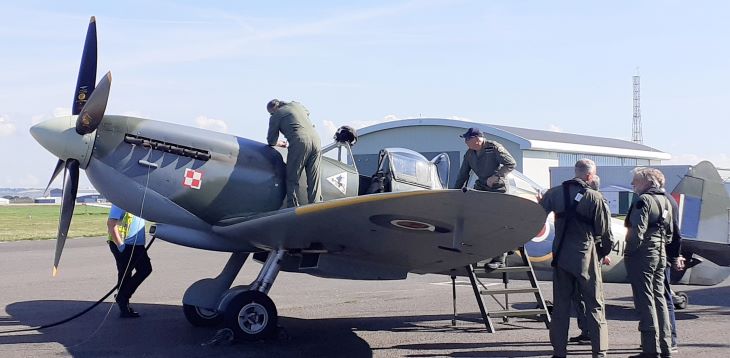
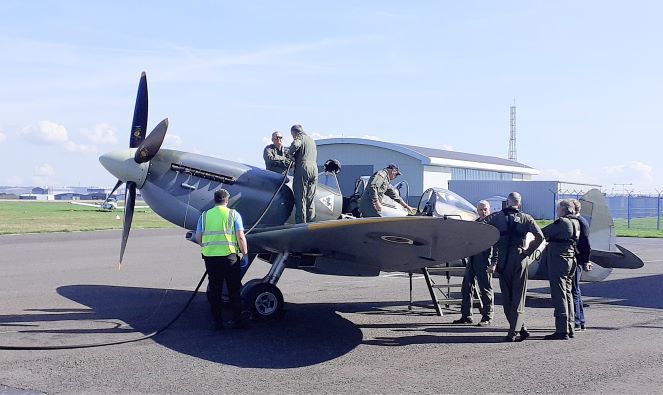

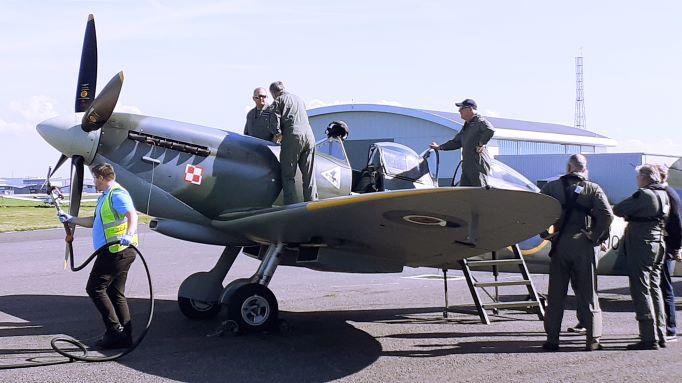

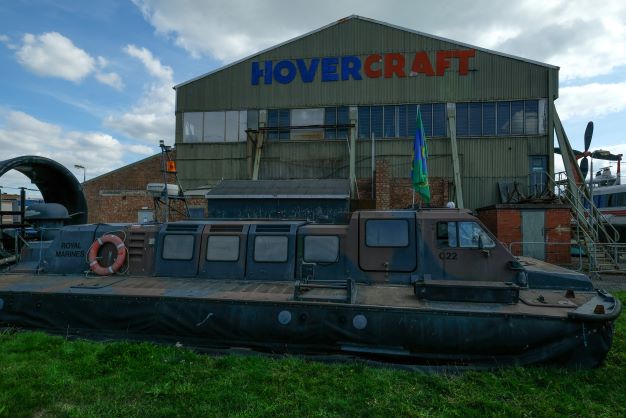
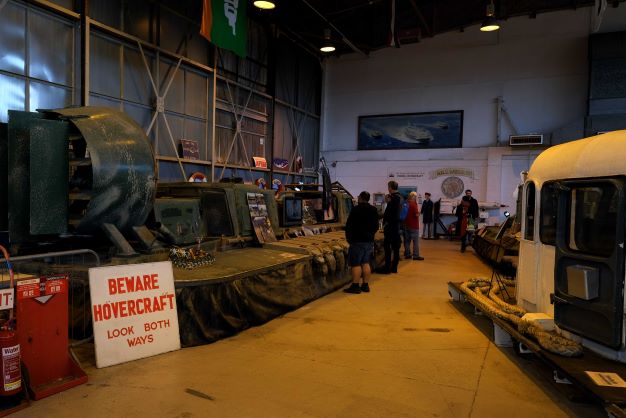
At a 1917 HM Seaplane training school and commissioned as HMS Daedalus a Royal Naval air service base in 1939, it was the busiest airfield on the South Coast of England in 1944 on D-Day. {The airport remains and is known as Solent Airport.} Today on the front of the site at Lee on Solent overlooking the Solent where the seaplane ramp runs down to the sea is The Hover Craft museum. The museum dates back to 1988.
The first practical design for hovercraft was a British invention dating back to the 1950s. The idea of the modern hovercraft is most often associated with Sir Christopher Cockerell he built and tested several models of his hovercraft design in Somerleyton, Suffolk, during the early 1950s.
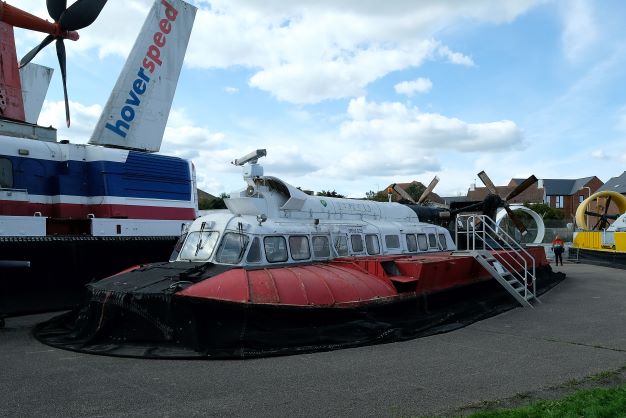
The Hovercraft museum has over 50 crafts ranging from small one-person crafts to the largest commercial car-carrying hovercraft ever built.


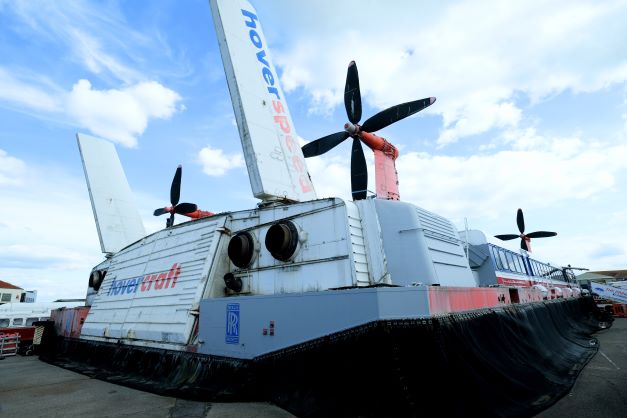
Princess Anne SRN4 MK3. 300tones over 55 metres long can carry 418 passengers and 60 cars. Built-in 1969 she is the only remaining example of this mammoth hovercraft which was used to cross the English Channel.
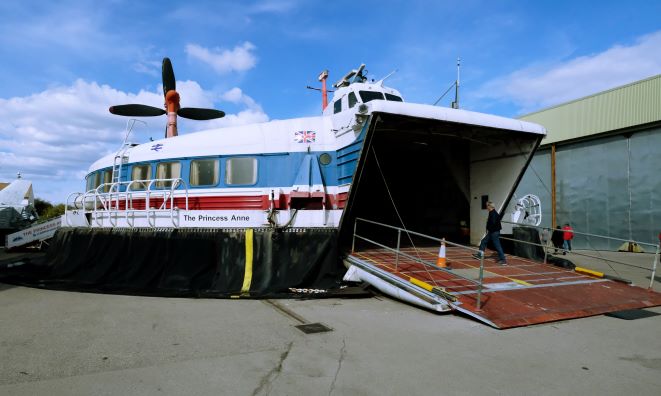

SRN4 car deck.

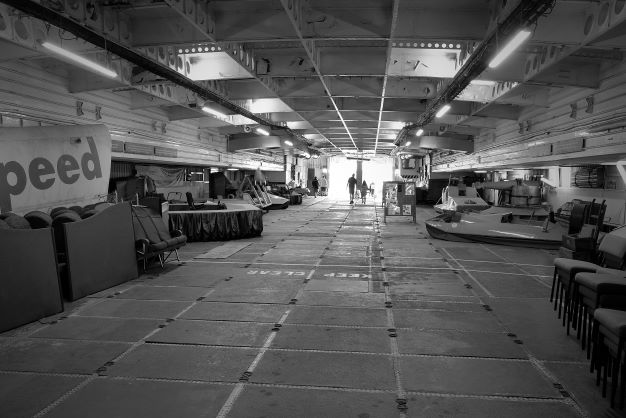
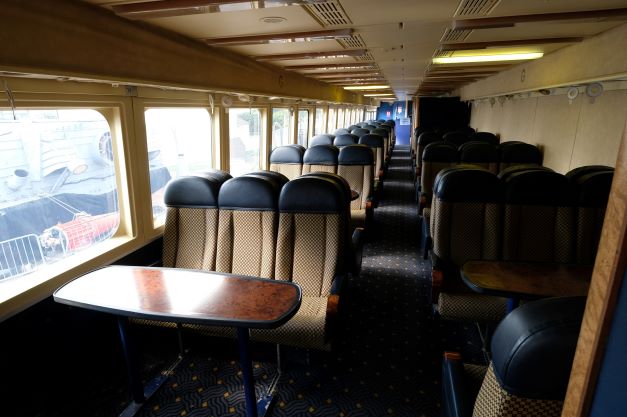
Passenger Lounges.

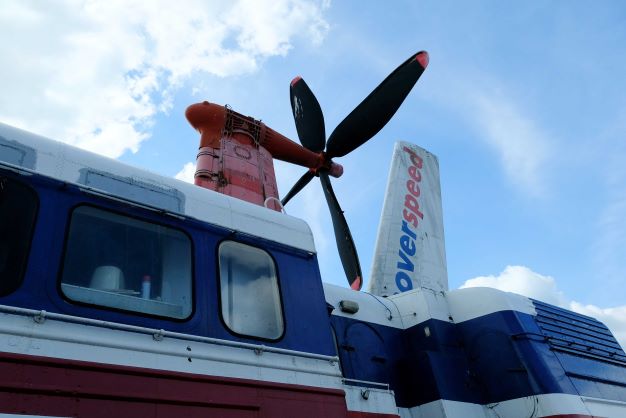
21 ft propellers were a world record!
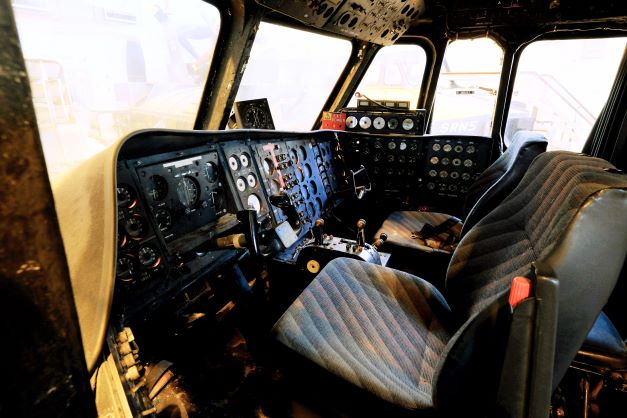
SRN4 cockpit Hovercraft travel is a flight deck the person in charge is a pilot.
Another large Hovercraft at the museum is the BH7 built for the Navy in 1969 she flew to the Artic Cycle and back.
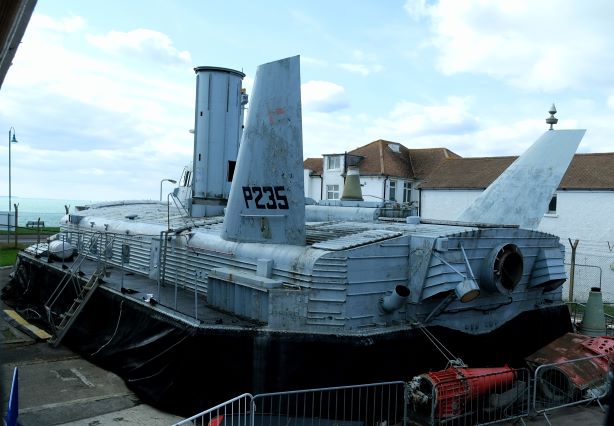
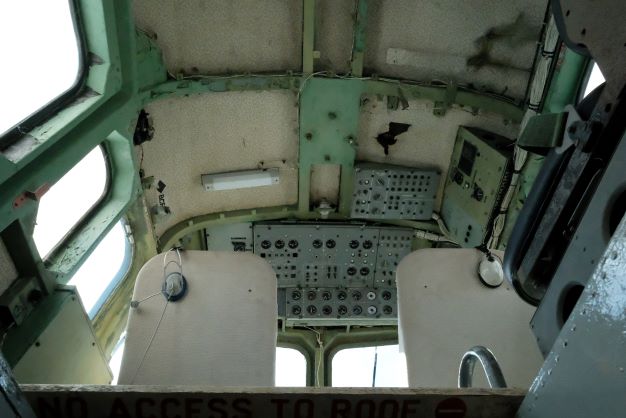

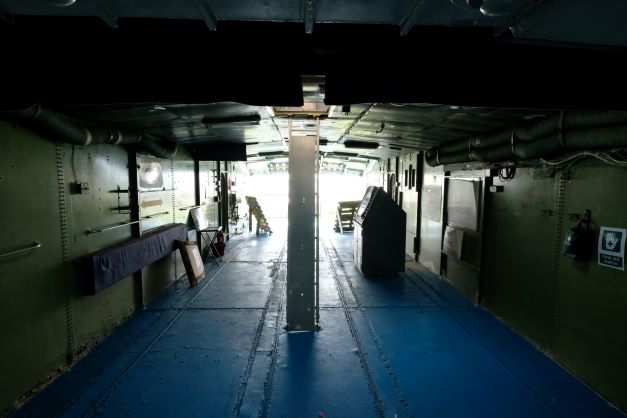
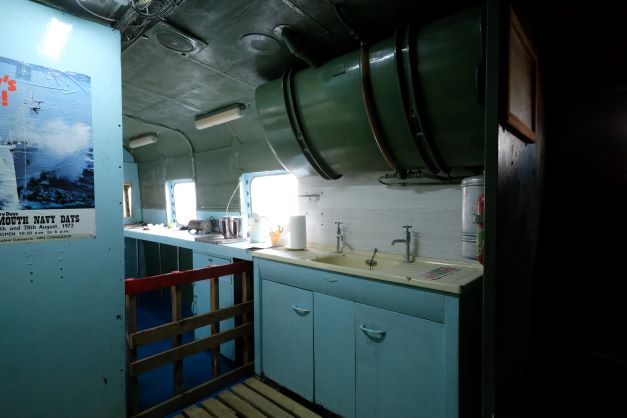
Some of the other craft in the museum.


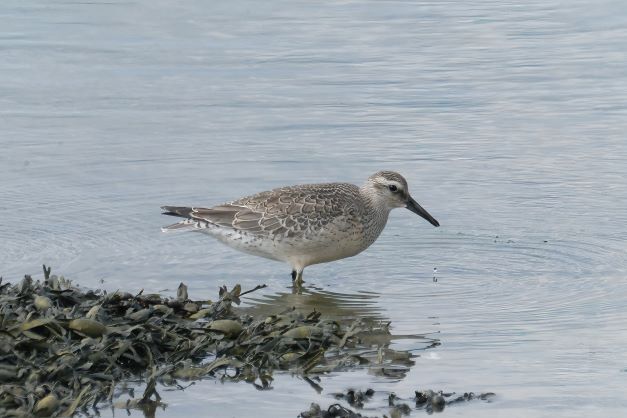
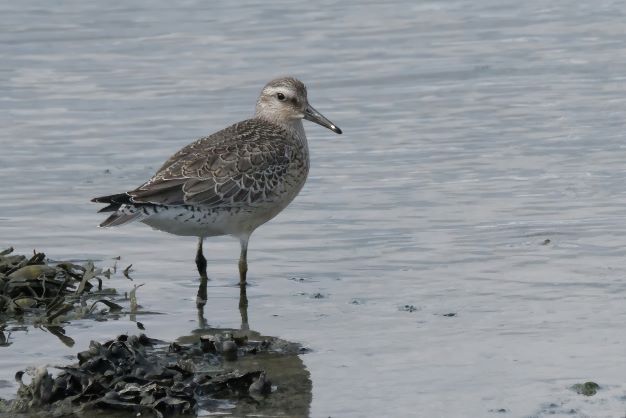
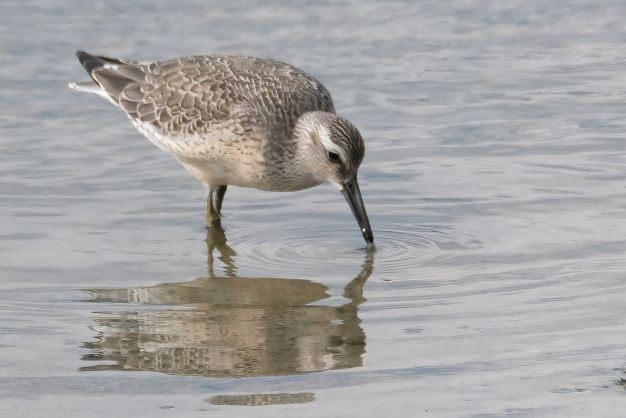
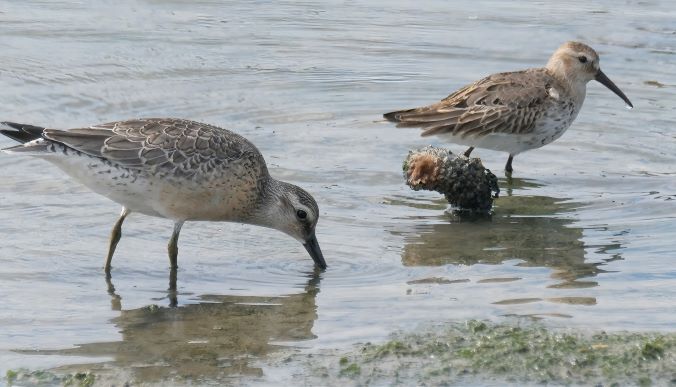
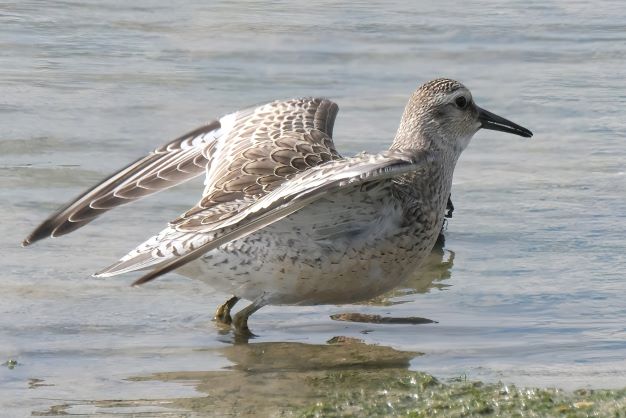
The knot is a medium-sized, wader a bit larger that a Dunlin {see picture 5}. They migrate to the UK in very large numbers during winter from their Arctic breeding grounds. Knots eat invertebrates, molluscs and crustaceans which they find by probing their bills in the mud and sand; special sensory organs in their bill tips help them to detect buried prey in a similar fashion to the way echolocation works in bats. For me, although not the 1st time I have seen Knots yesterday was the first time I was able to get some pictures of this bird.
UK wintering population:320,000 birds.


Today Calsholt Castle was open so I could get some good views of Southampton Water from the castle roof. This small artillery fort was built by Henry VIII to defend the entrance to Southampton Water. It served as an RAF and Military base and was active during and between the wars.


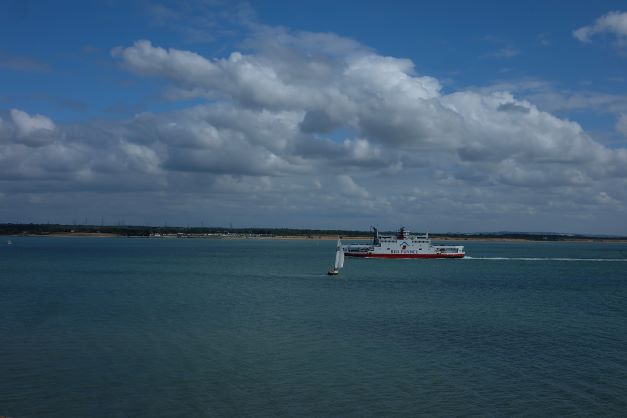

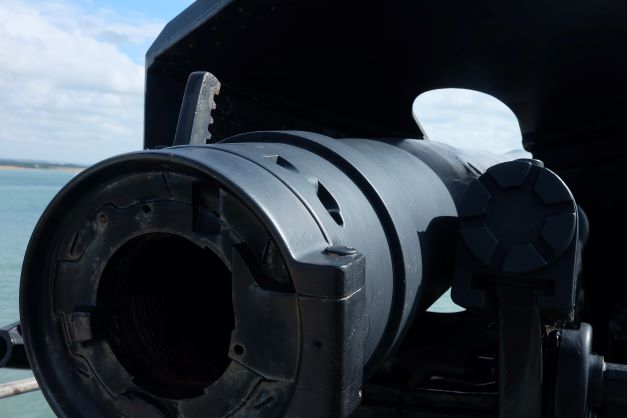

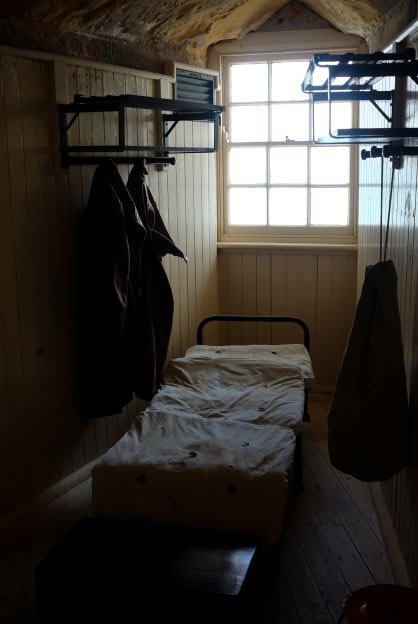

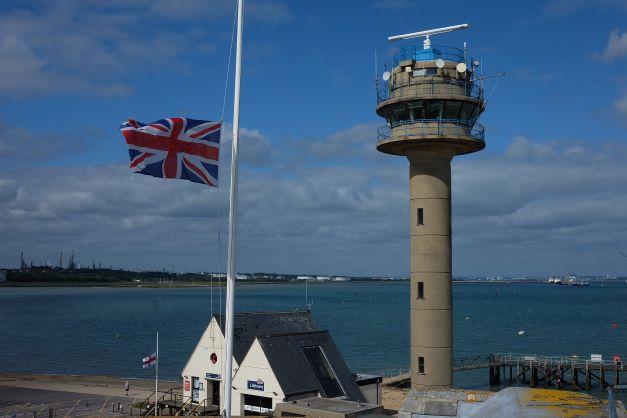
There were times in history when a boat sailing past the fort flying the French flag would have had the guns of the fort firing at it!


