#WordlessWednesday

#WordlessWednesday

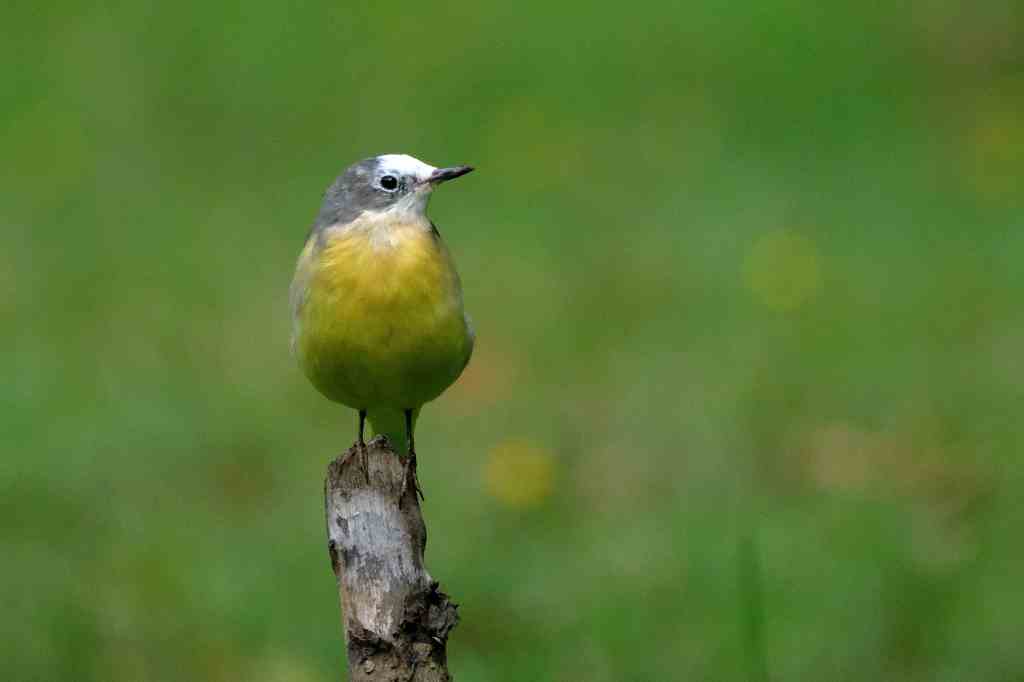
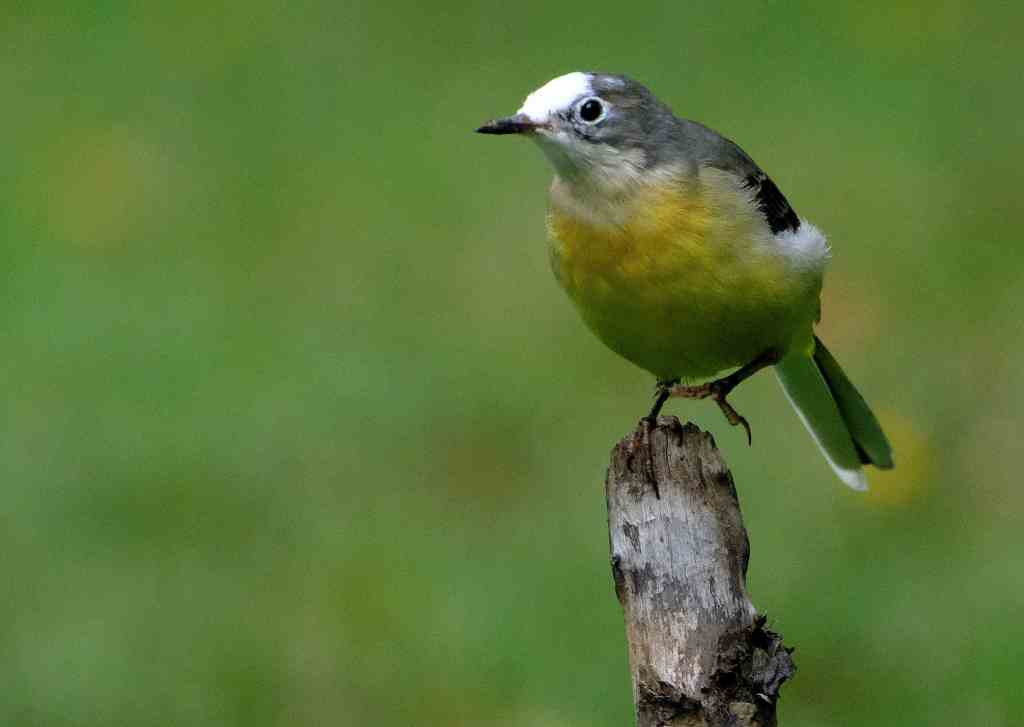
Leucistic birds have affected plumage which lacks the melanin pigment due to the cells responsible for melanin production being absent. This results in white feathers, unless the normal plumage colour also comprises carotenoids, these remain unaffected by the condition.
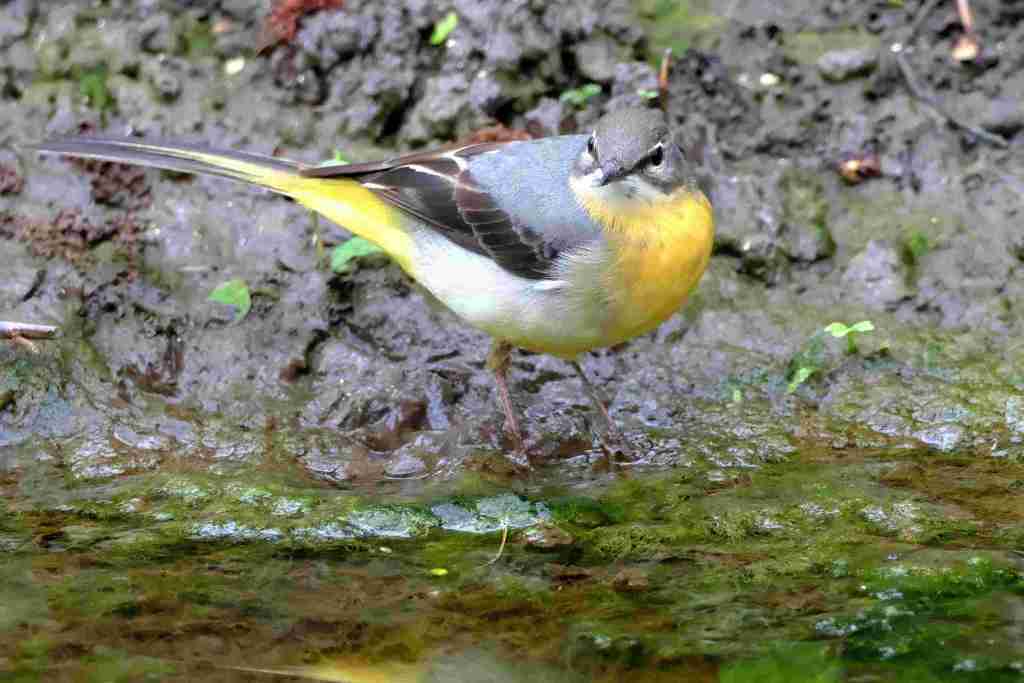
Below is a Grey Wagtail I photographed and posted earlier in the year.

Today in the New Forest we spotted A Grey Wagtail with a Leucistic head cap.


#Wordless Wednesday


#Wordless Wednesday


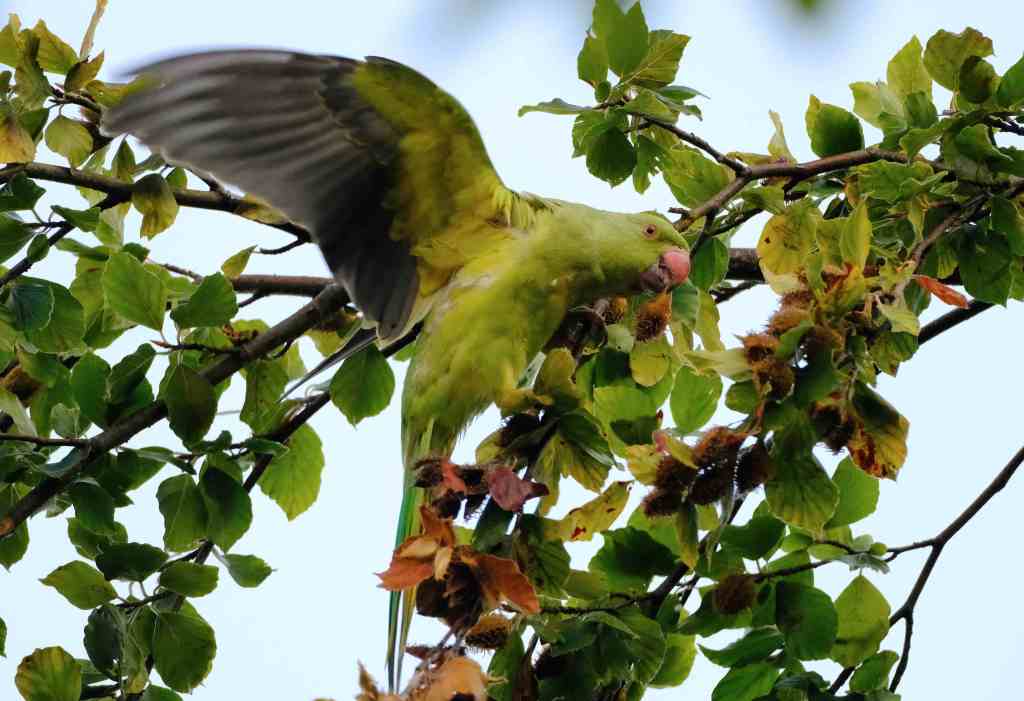
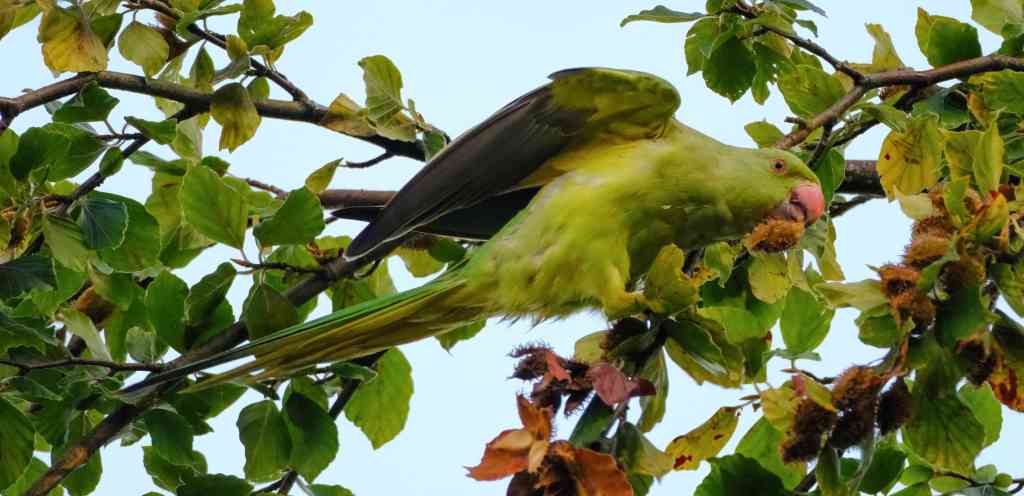
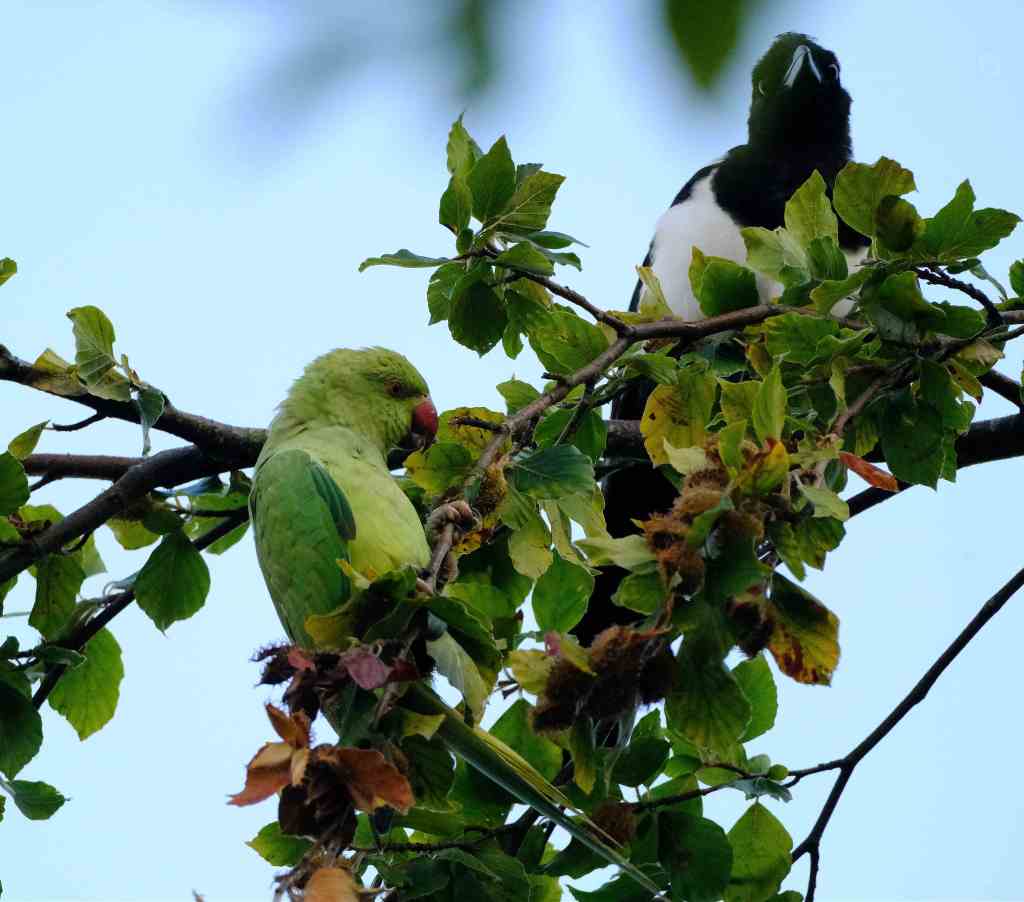
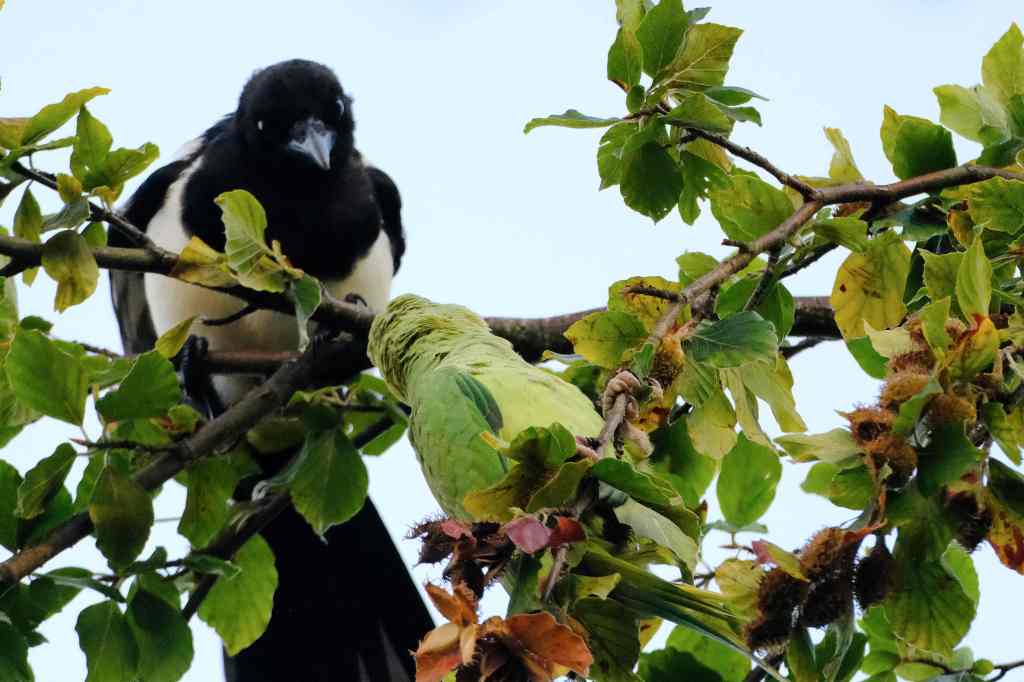
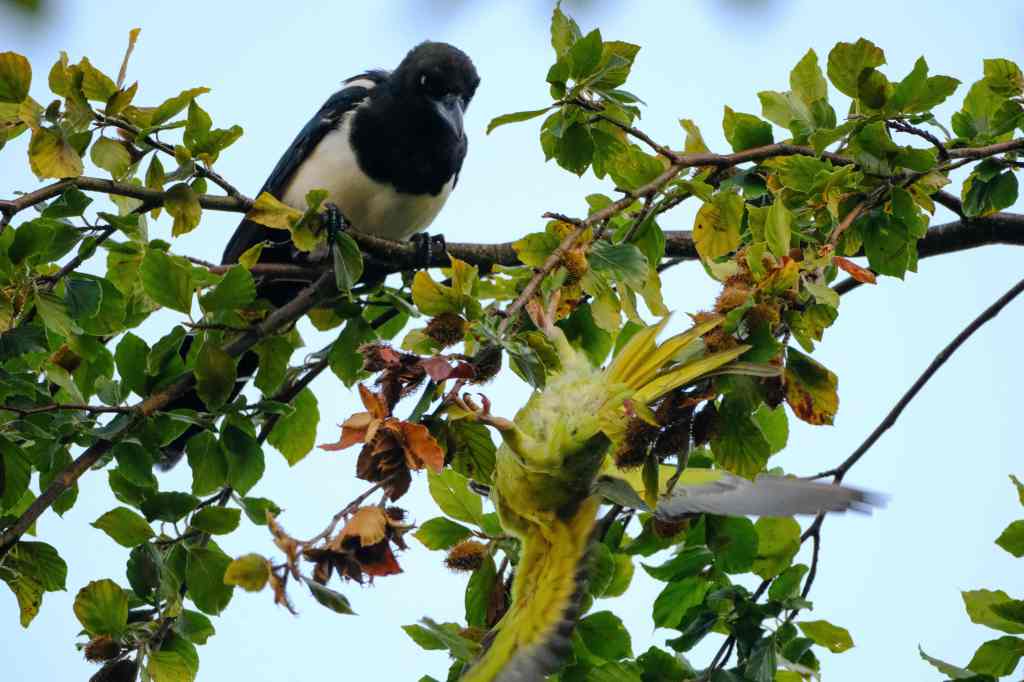
Garden visitors or just passing through. Yesterday morning I thought I was dreaming as I woke I heard parrots! The noise got louder and interrupted by the cackle of Magpies. Our garden is small and divided at the bottom of the garden by large Beech and Sycamore trees.
Four Ring-necked parakeets were high in the Beech trees eating the beach nuts. With their strong beaks they can easily remove the nuts from the husks. At this point the Magpies try to steal the nuts.


Yesterday evening and this morning the sound of parakeets are again in the trees although I did not see them again.
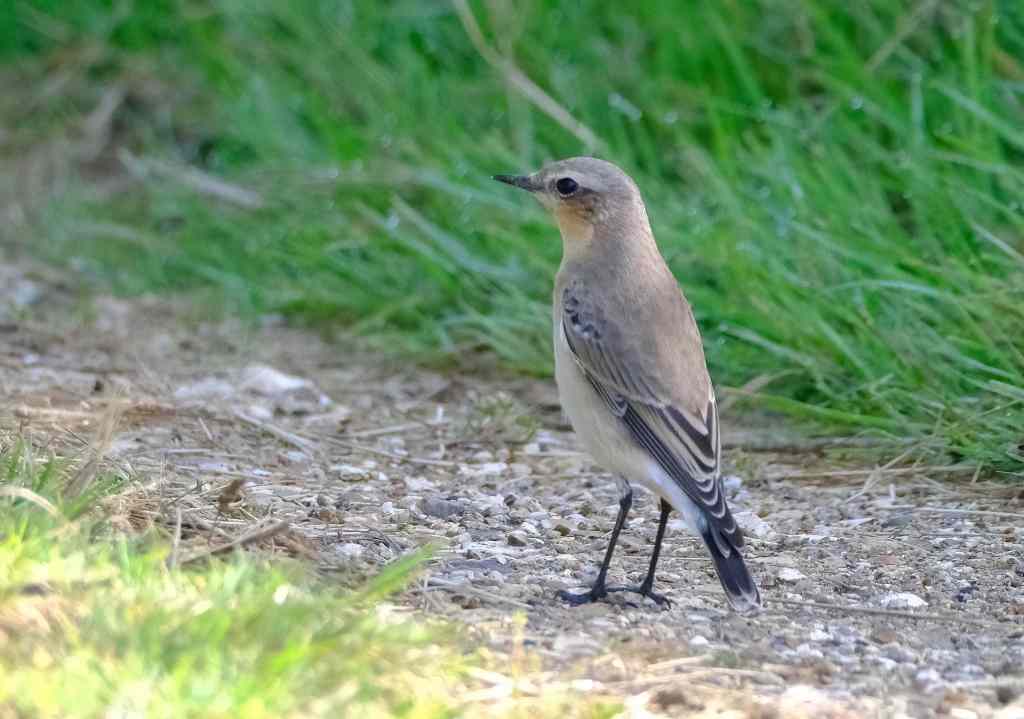
Around this time of year on our local beaches Wheatears start to appear. This bird was near Meon Shore this morning at Titchfield Haven. It will have bred in the north of the UK and is on passage back to central Africa for the winter.


#Wordless Wednesday.


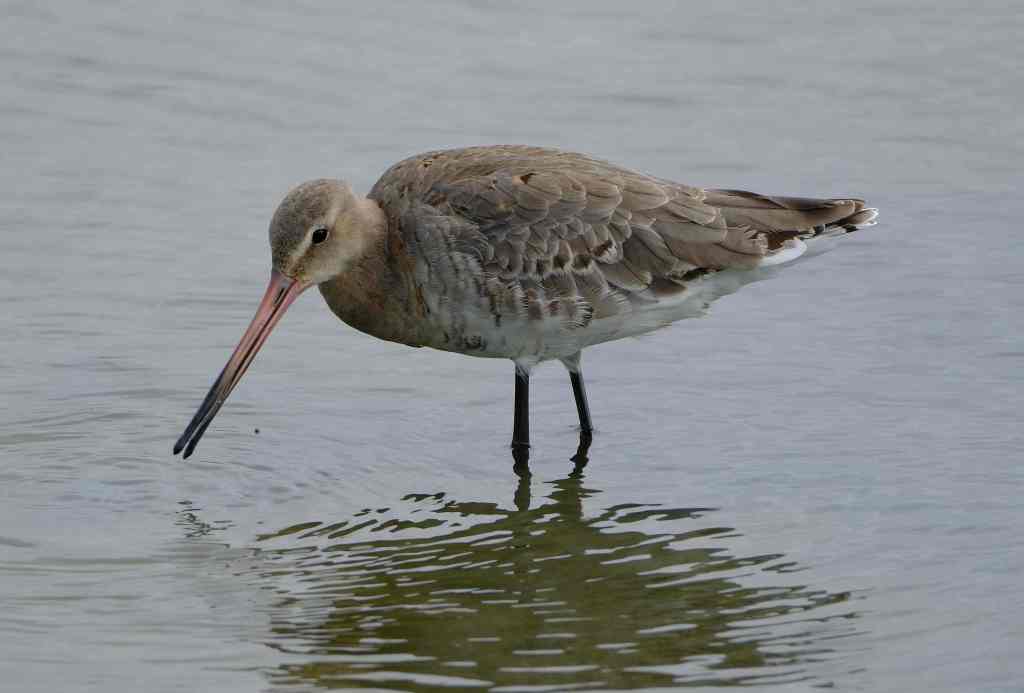
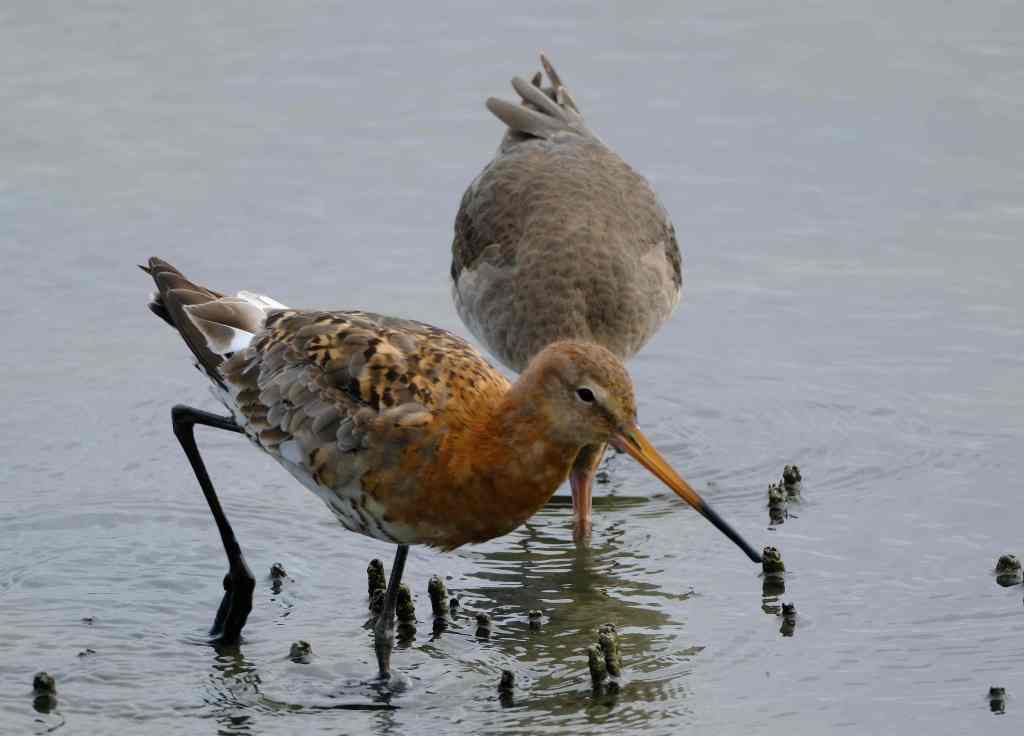
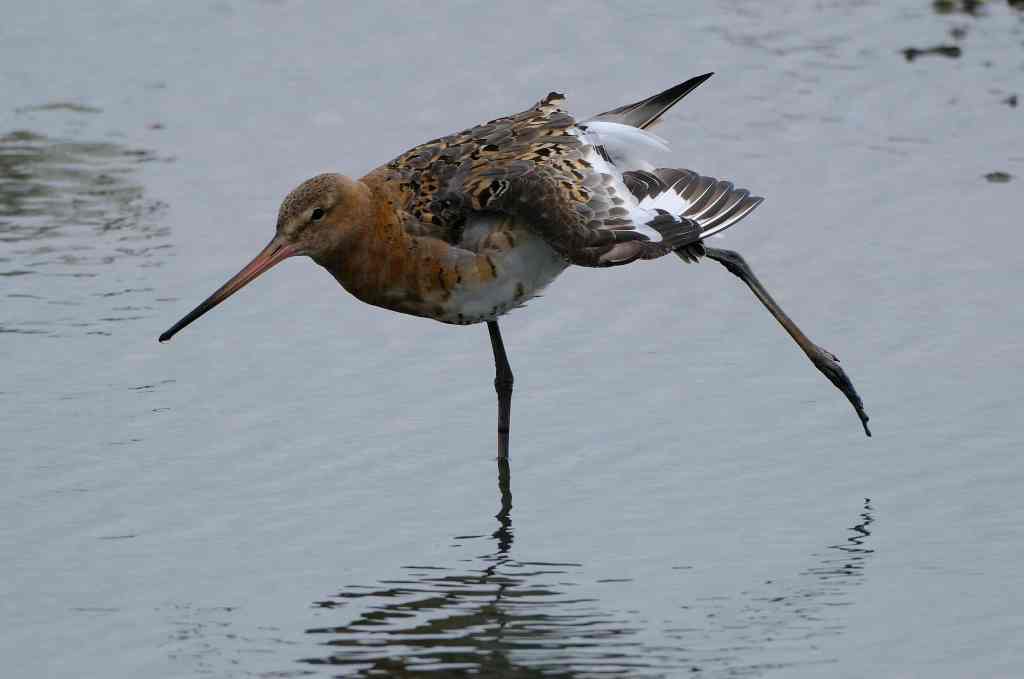
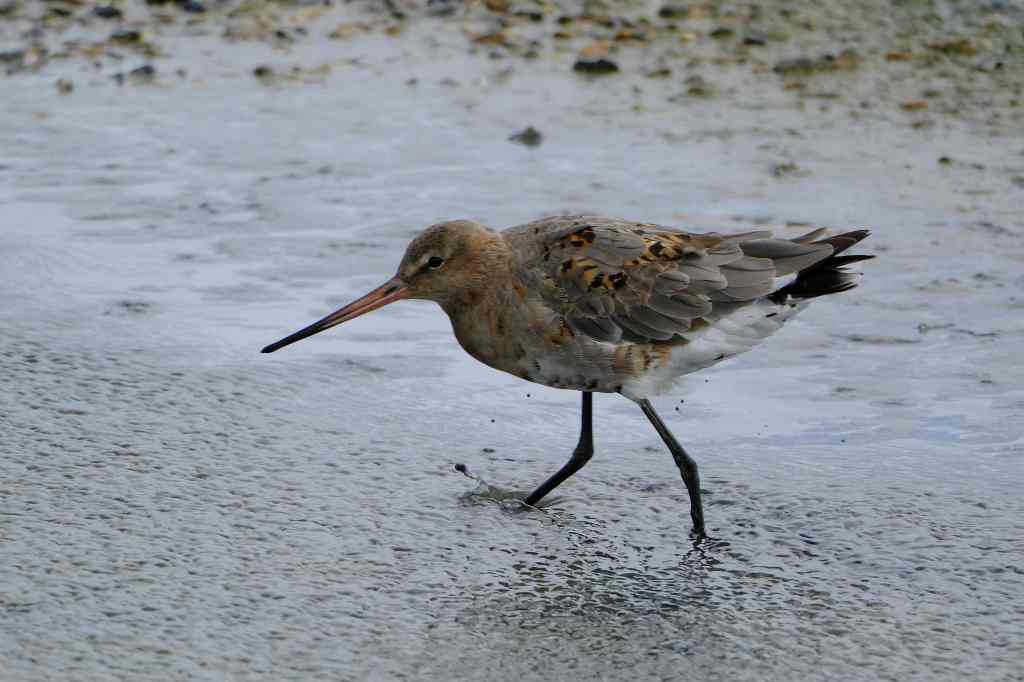
Black-tailed Godwits at Tichfield Haven.


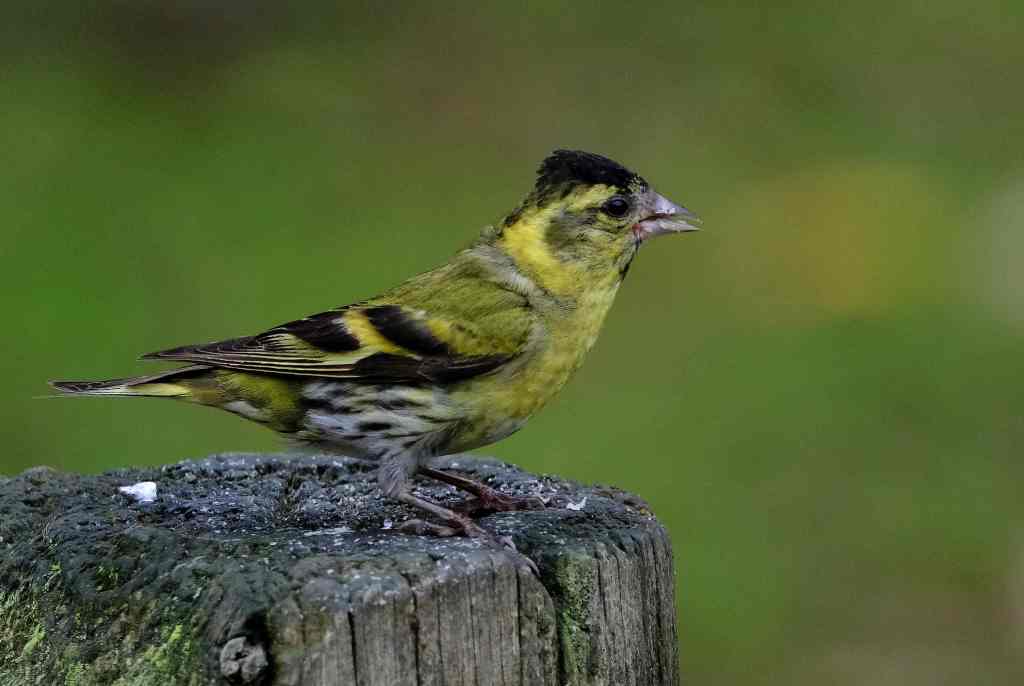
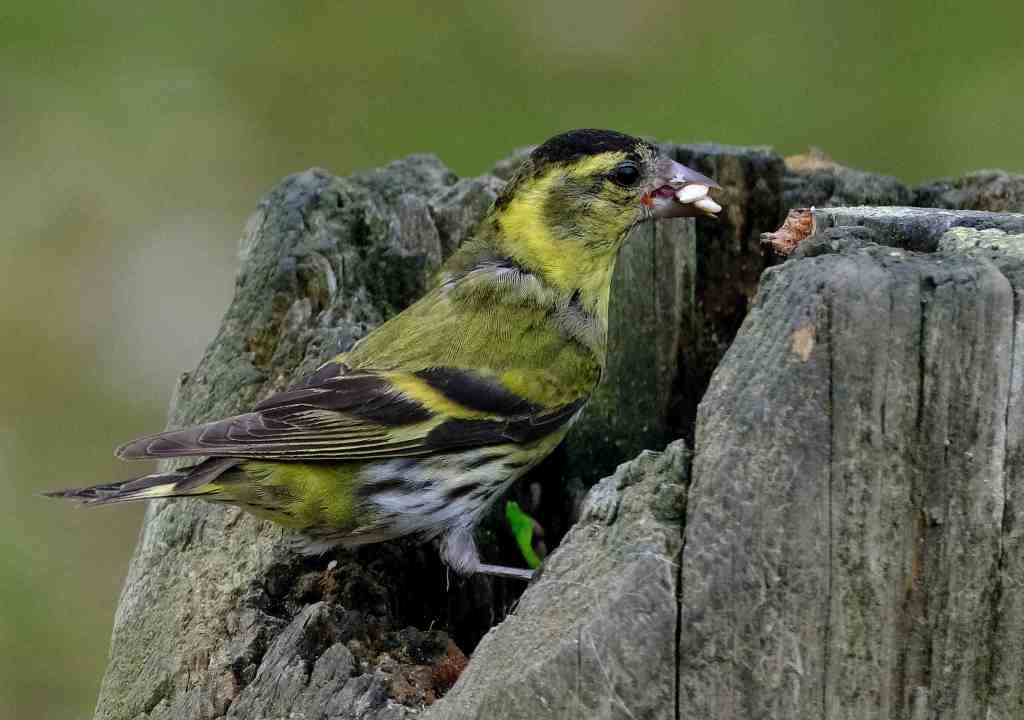
The Siskin is a small, finch it has a distinctly forked tail and a long narrow bill. The male as pictured here has a streaky yellow-green body and a black crown and bib. There are yellow patches on the wings and tail.


An update on past posts following the Great Crested Grebes family on a local lake. The chicks are growing well and all four have survived. They remain close to their parents but are fishing independently. The group comes together but a lot of the time 2 chicks stay with each parent bird.


The chicks are about the same size as the adult birds but remain in their humbug juvenile plumage.