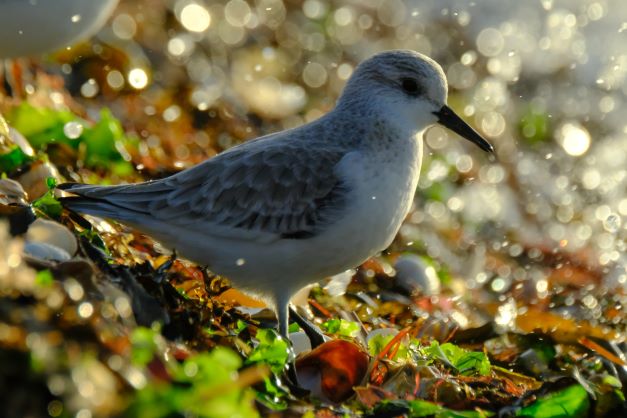
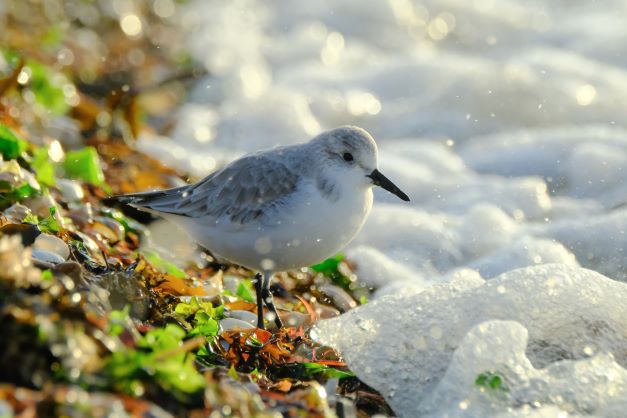
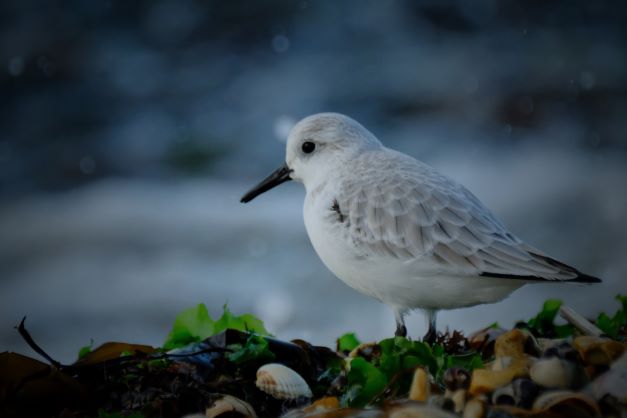
Seaside Ambush.

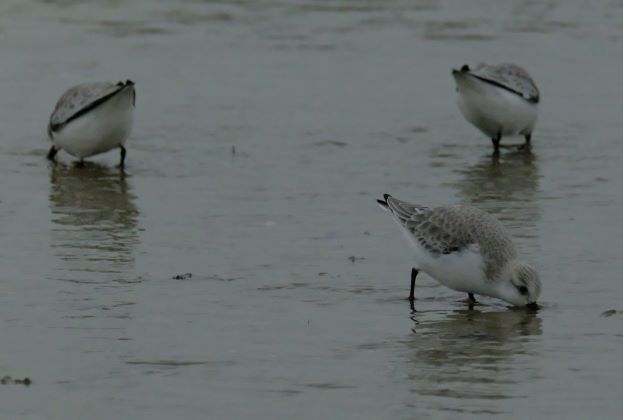
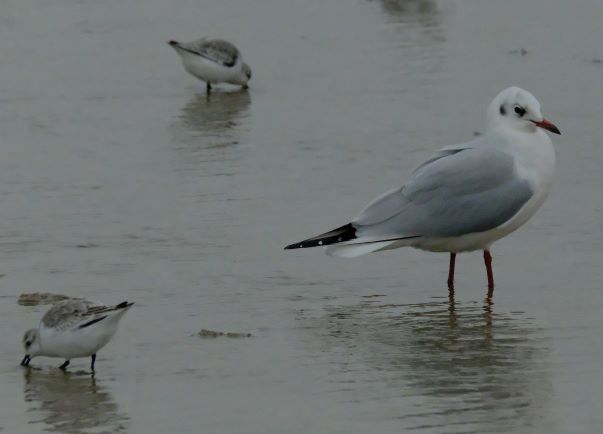
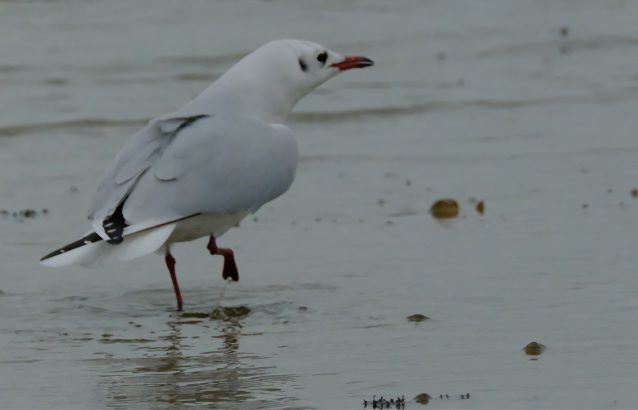
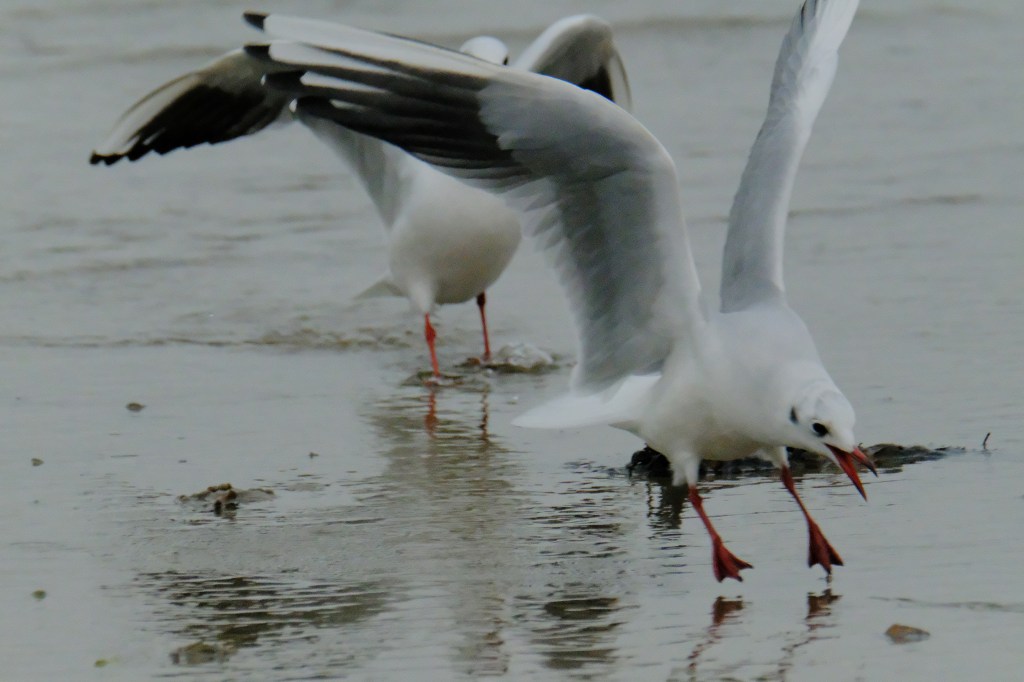
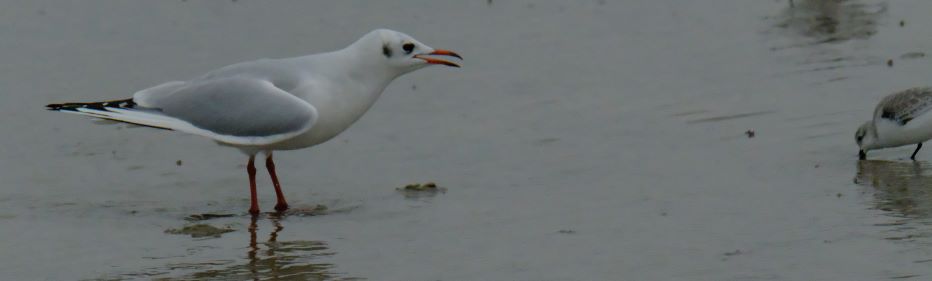
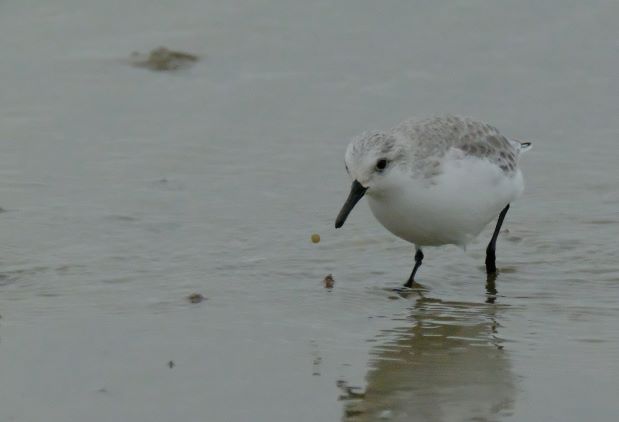
The drama unfolds on the shore often over food. Sanderlings feed on little invertebrates, worms and shrimps at low tide. The Black-headed gulls have worked out it is easier to steal a meal rather than catch their own.

A Sanderling weight is 50 -60 grams and a Black-headed gull’s weight is 200-400g so the gull is the bully but the Sanderling is extremely fast so they do not give up their meal that often.
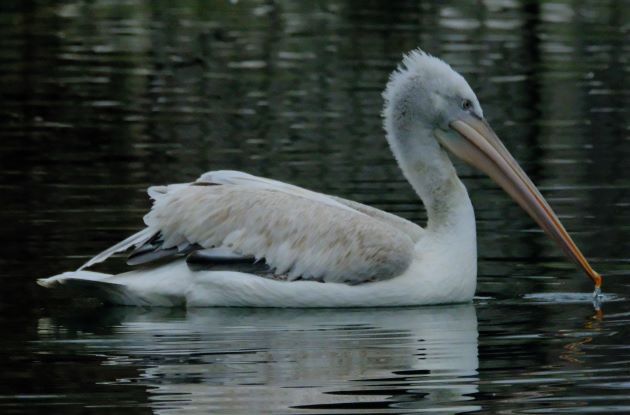
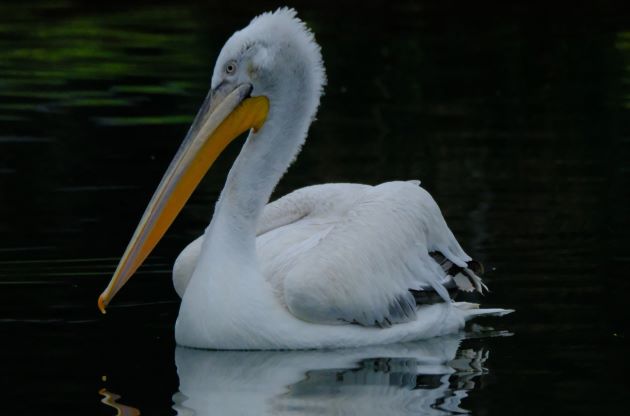
Pelicans.

Dalmatian pelican – Are the largest and rarest of the pelican species with a wingspan up to 11 feet. Once a common sight in the UK (2000 years ago). Sadly they became extinct here, due to the loss of wetlands and being hunted for food.

After the storm.

The morning after Storm Barra hit the south coast.

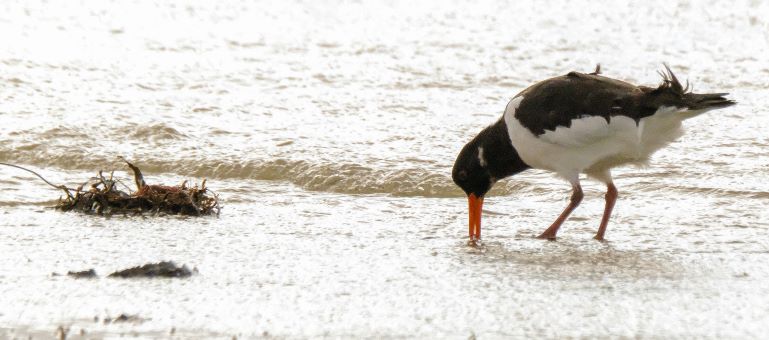
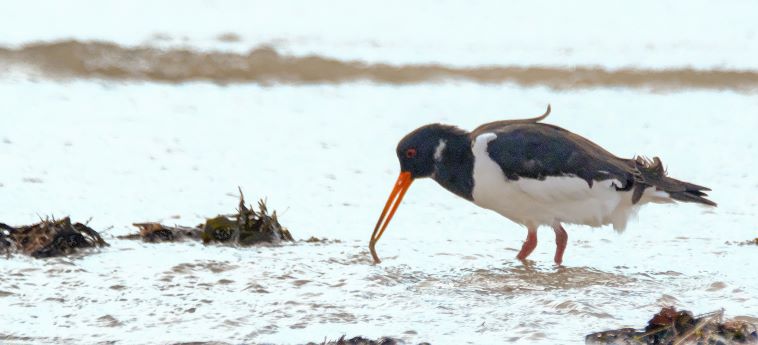
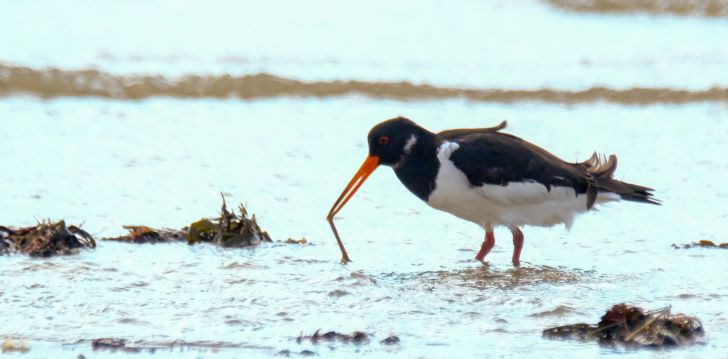
An Oystercatcher gets an early morning feed on a lugworm.

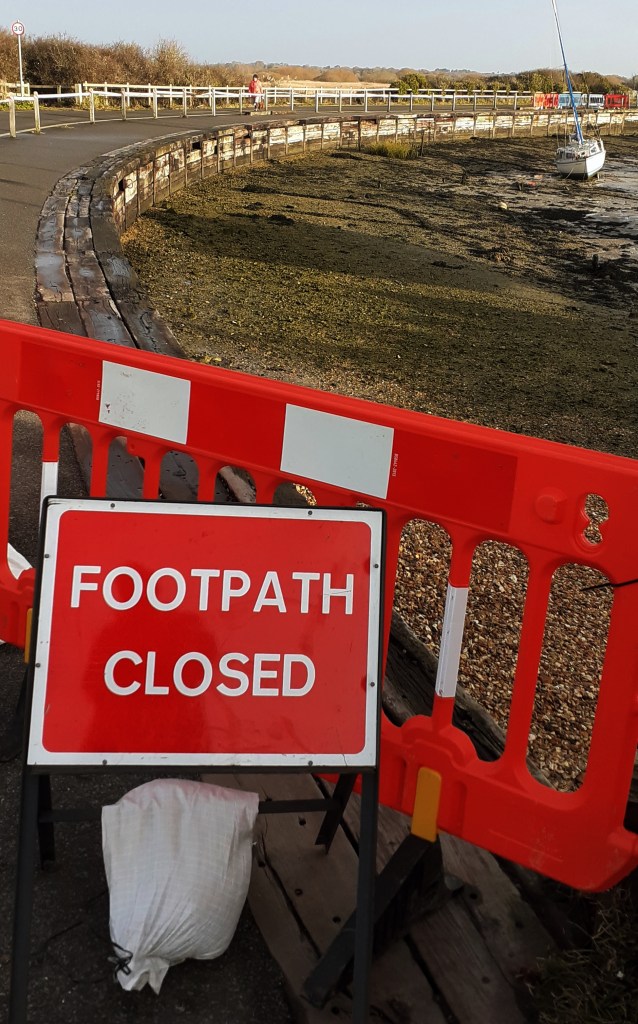
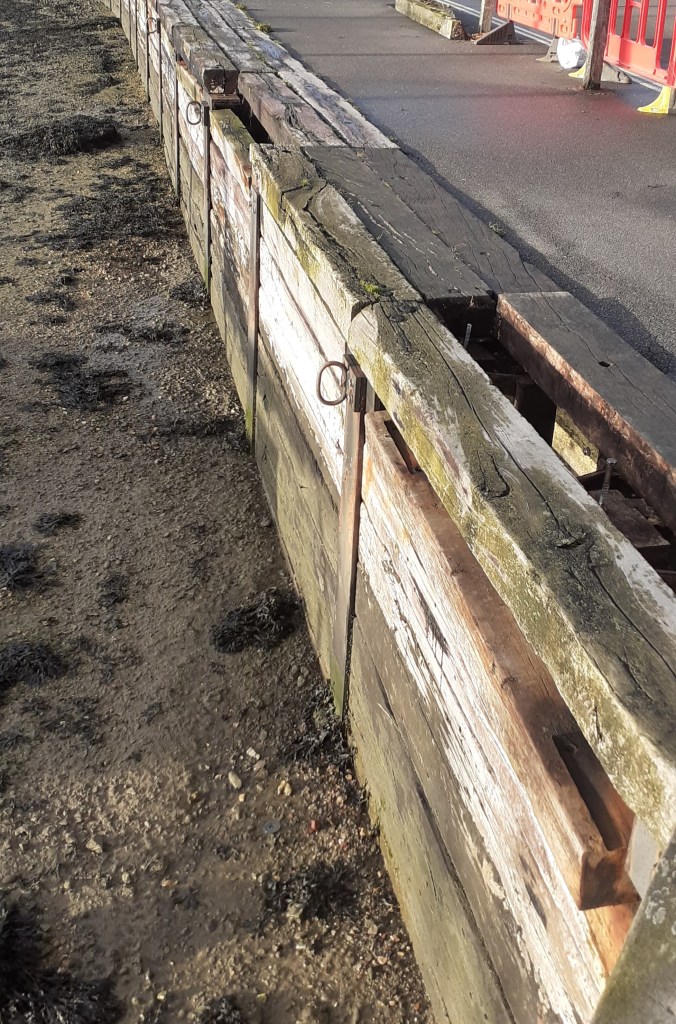
On Tuesday (7th December 2021) afternoon and evening the high tide plus storm-force winds meant local flooding. The coastguard had to rescue a number of car occupants stuck in the floodwaters. By Wednesday morning the water had gone but there was damage to the wooden sleepers on the walkway at the back of Titchfield harbour, the council had been around and cordened off the footpath and swept the road of shingle and sand.

A few bird spots within the nature reserve.

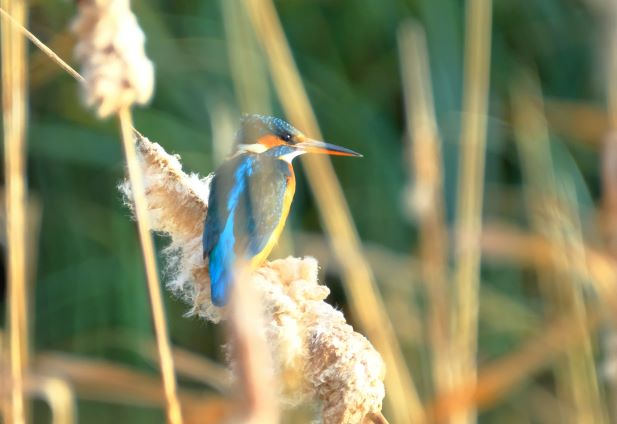
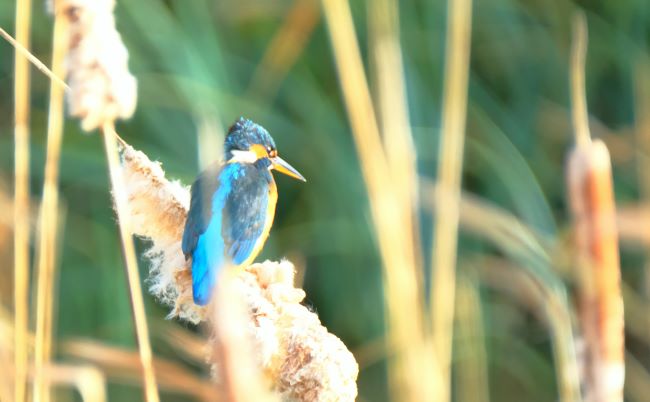
A kingfisher in the reeds.

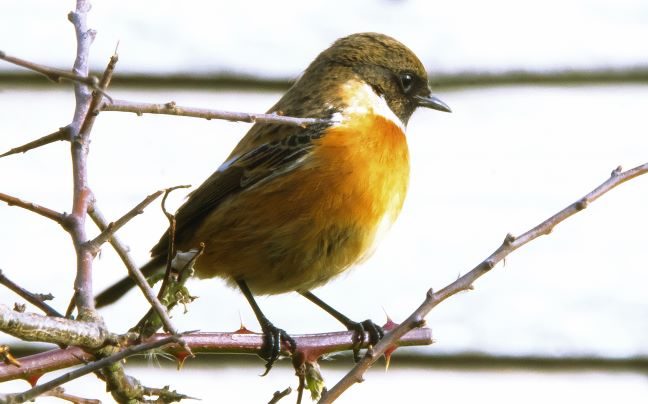
A Male House Sparrow.

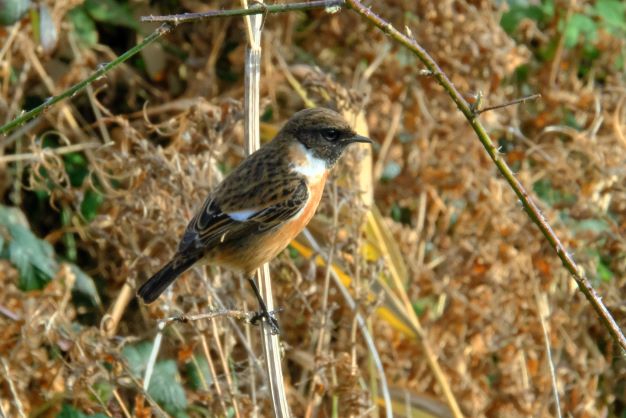
And a male Stone Chat.

New bird spots.

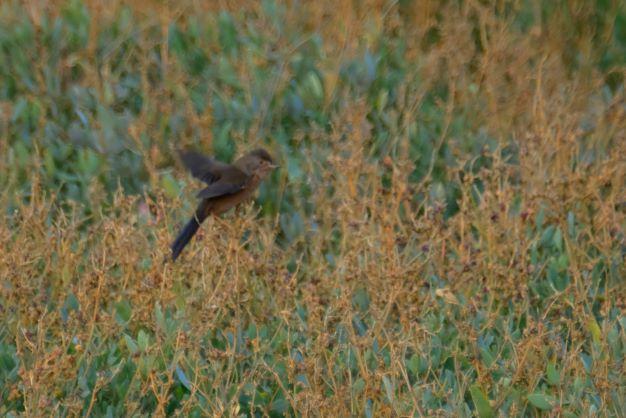
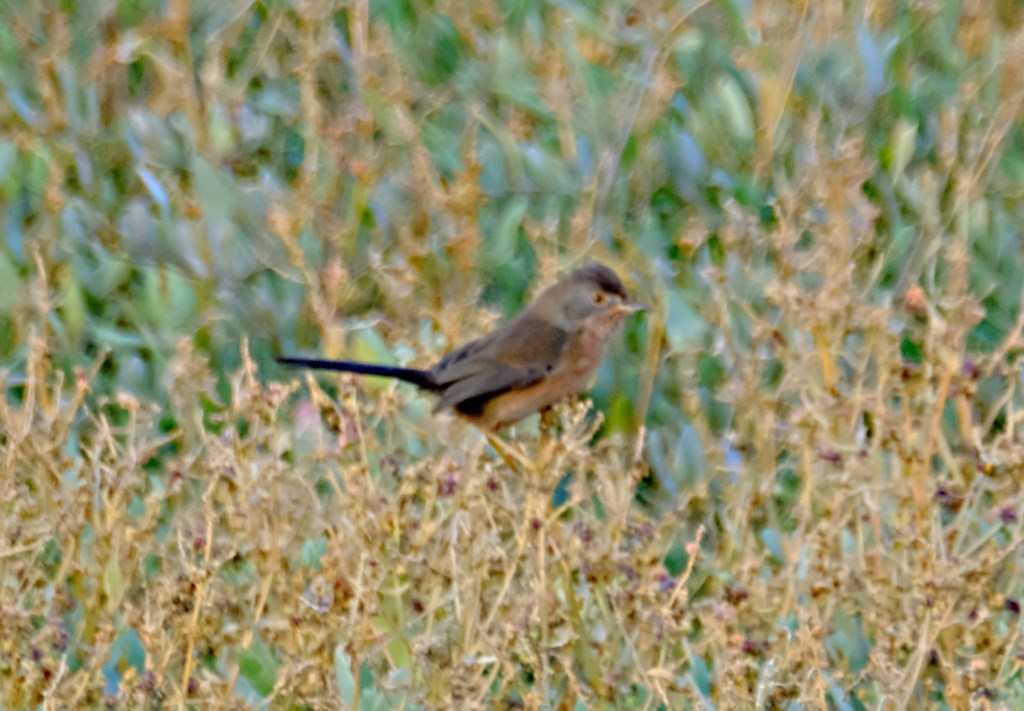
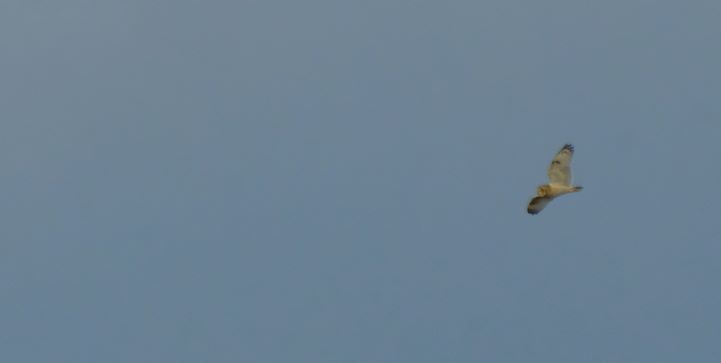
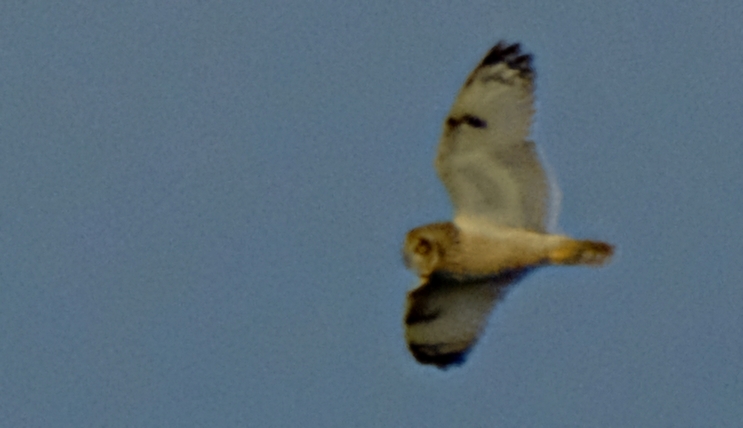
Last week I spotted 2 birds at Titchfield haven that are relatively rare and I have not seen them very often. I caught them both on film (well memory card) not that close so not the quality I like but I thought I would post as I have not posted these birds before.
Dartford Warbler.

Dartford Warblers live on lowland heathland in the south of England the UK breeding birds are recorded at 3,200 pairs.

Short-Eared Owl.

Short-Eared Owls, are often seen hunting during the day over reed beds the UK breeding population is recorded between 620-2,180 pairs.

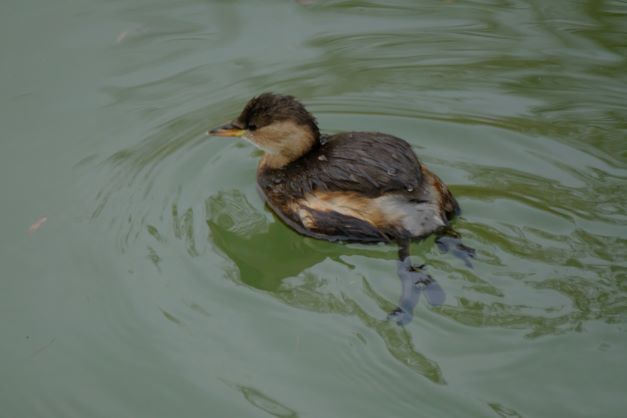
Little Grebe.

The Little grebe is also known as a dabchick, there are often up to 5 near the road bridge at Titchfield harbour. Yesterday I just spotted 2. In their non-breeding colours, they are quite toned down against their summer colours they have a bright chestnut throat and cheeks with a pale gape patch at the base of the bill.

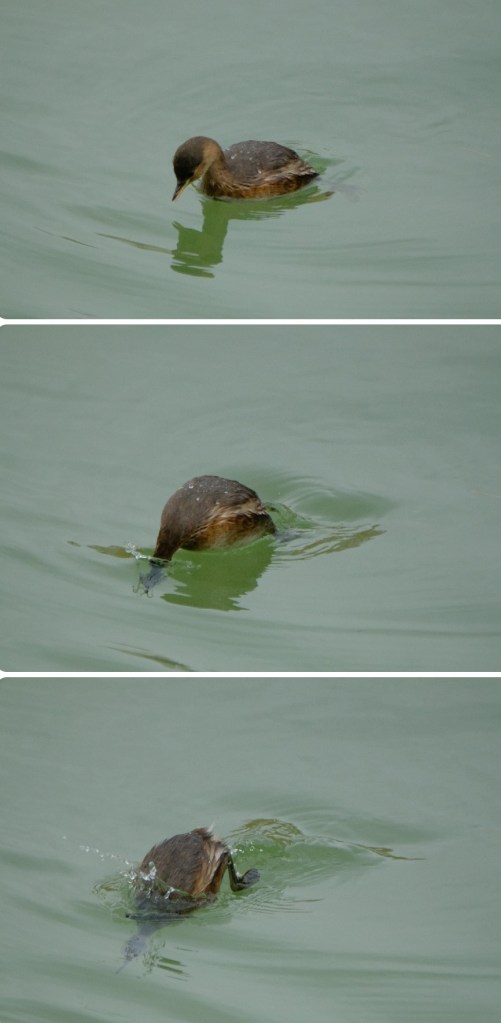
They feed on little fish which they dive down for.

Gone fishing!

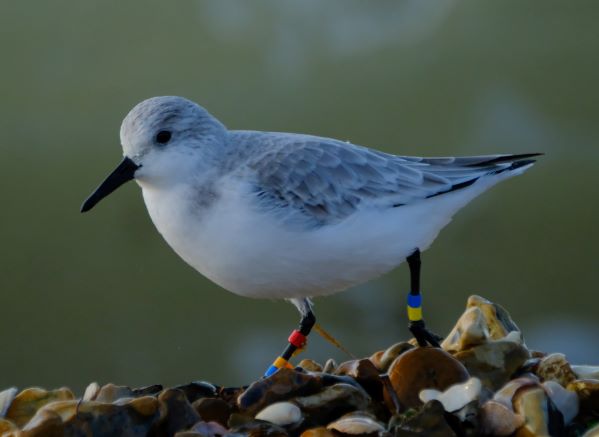
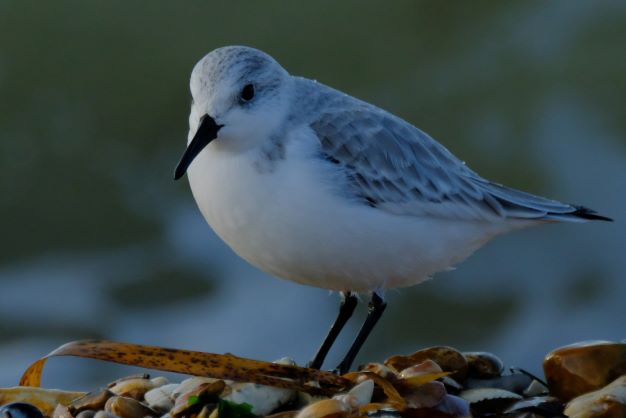
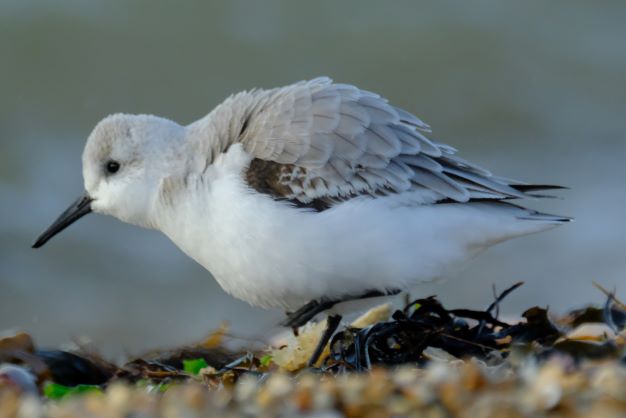
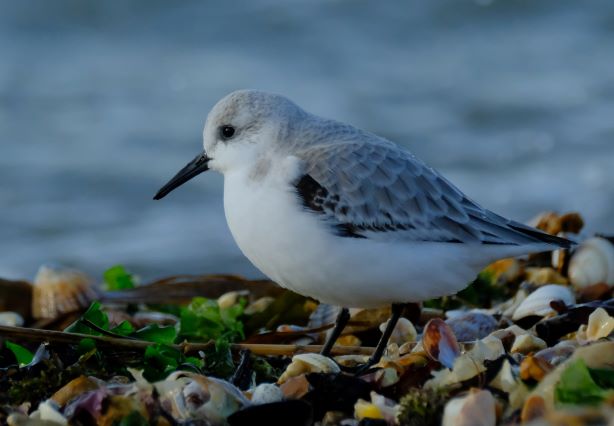
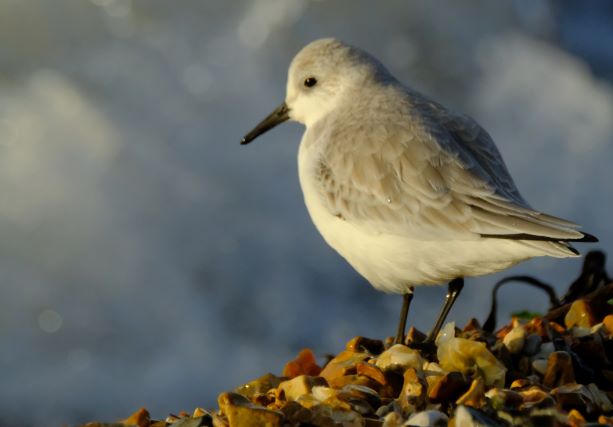
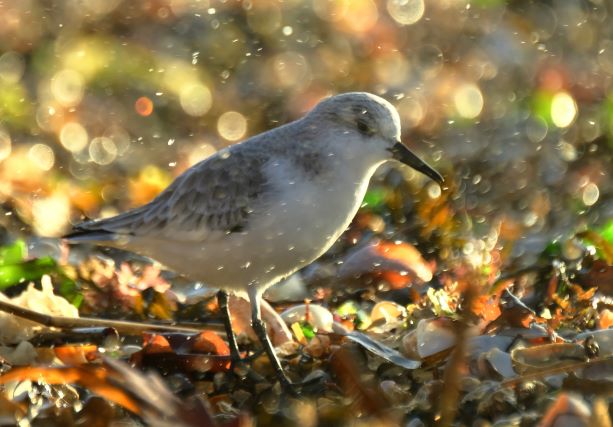
Sanderlings at breakfast time.

If you have been following my post any length of time you will know I have posted a lot of pictures of one of my favourite shorebirds “Sanderlings”.

Facts – Length:20-21cm Wingspan:36-39cm Weight:50-60g

Today was a dull and damp morning by 08.30 I was led flat on the beach enjoying some close views of a large flock of about 100 of these busy little birds feeding along the shoreline and dodging the spray.

Today’s post gives just a “few” of the pictures I took this morning.

The longest living sanderling was from Nova Scotia and was recorded to be 13 years and one month old.

 The birds we see in the UK are long-distance migrants who have moved south to winter from their Arctic breeding grounds