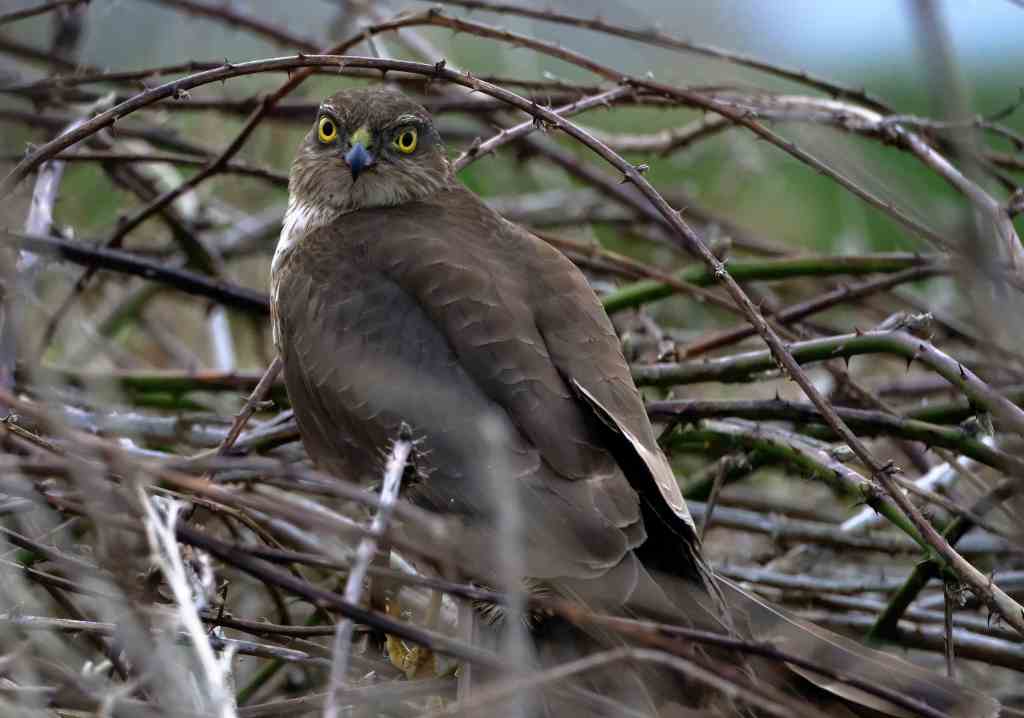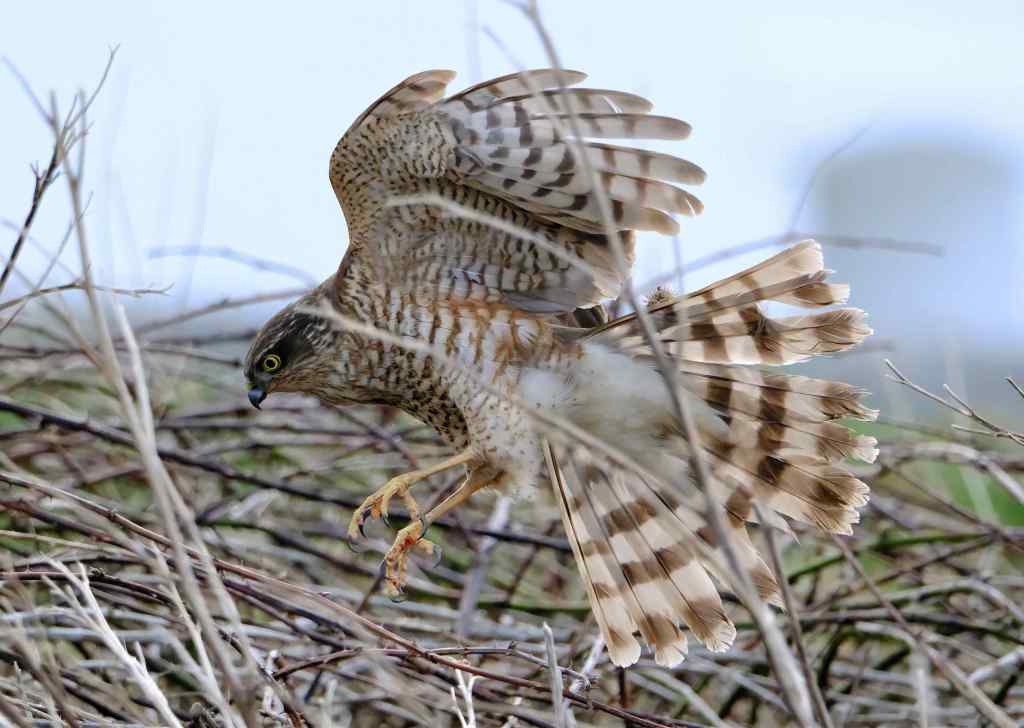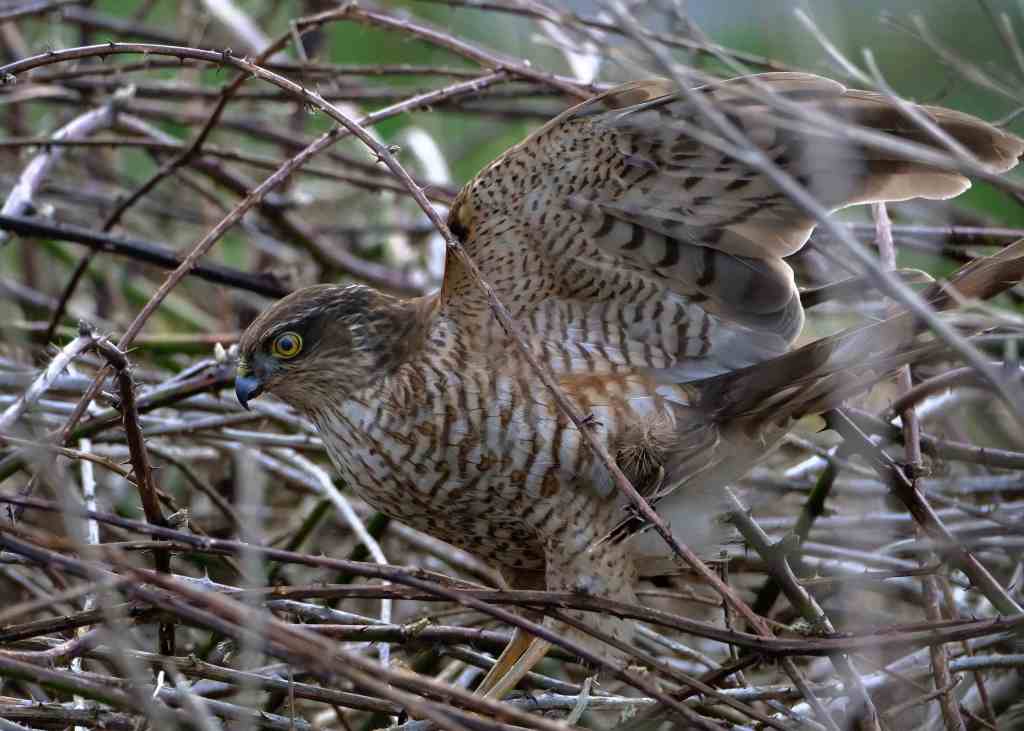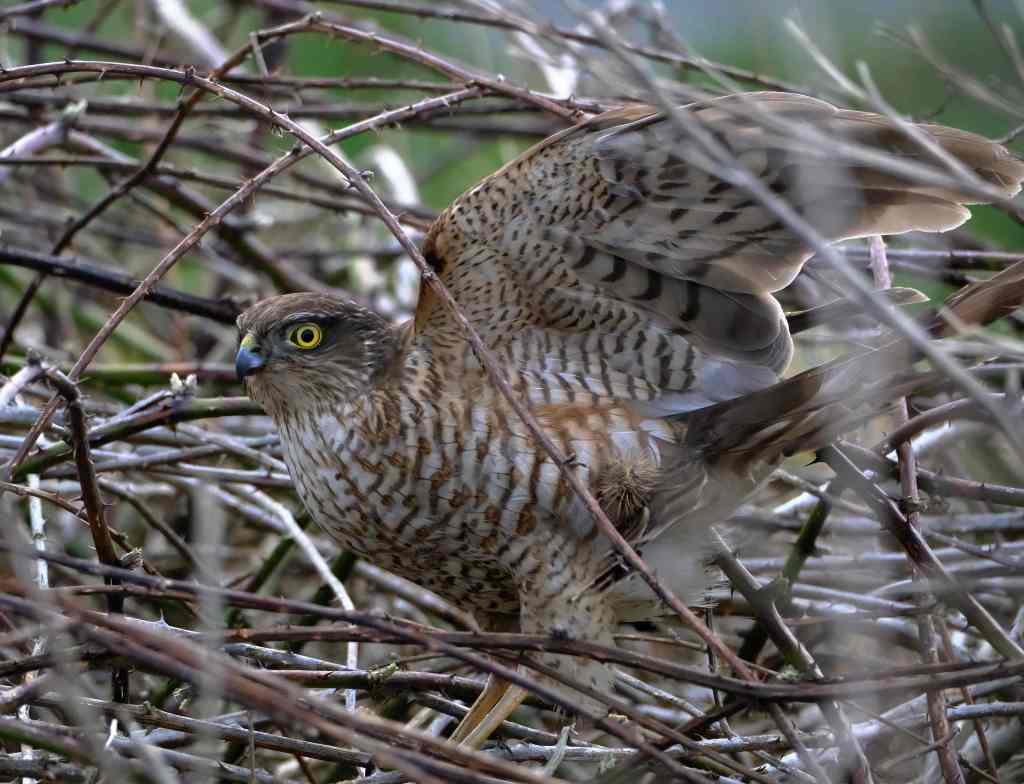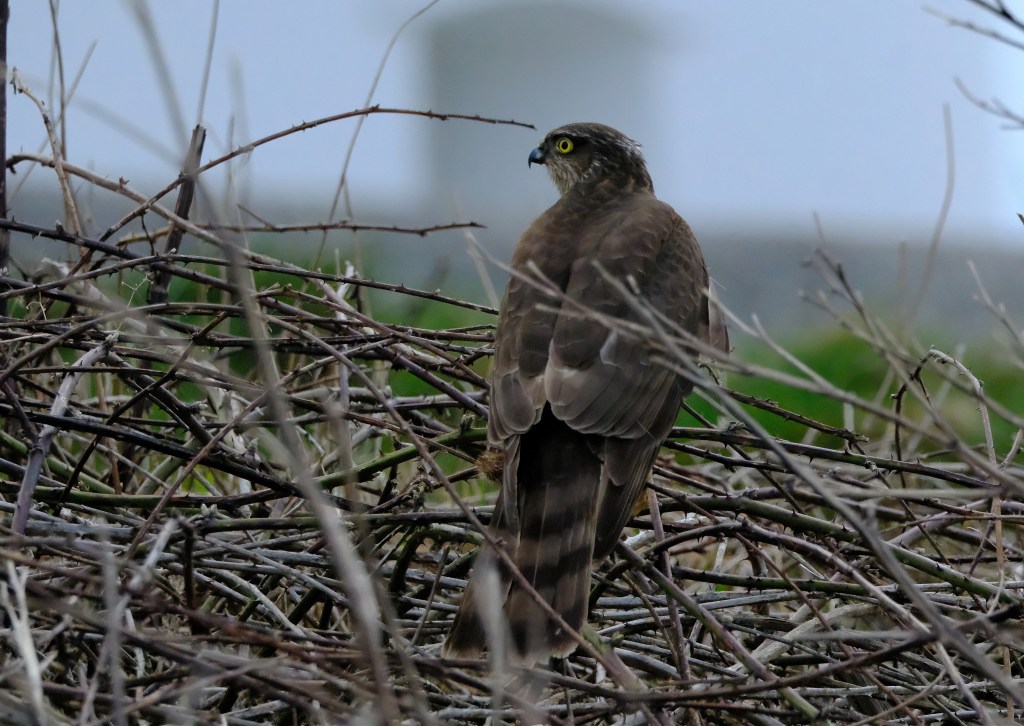
Sparrowhawk.

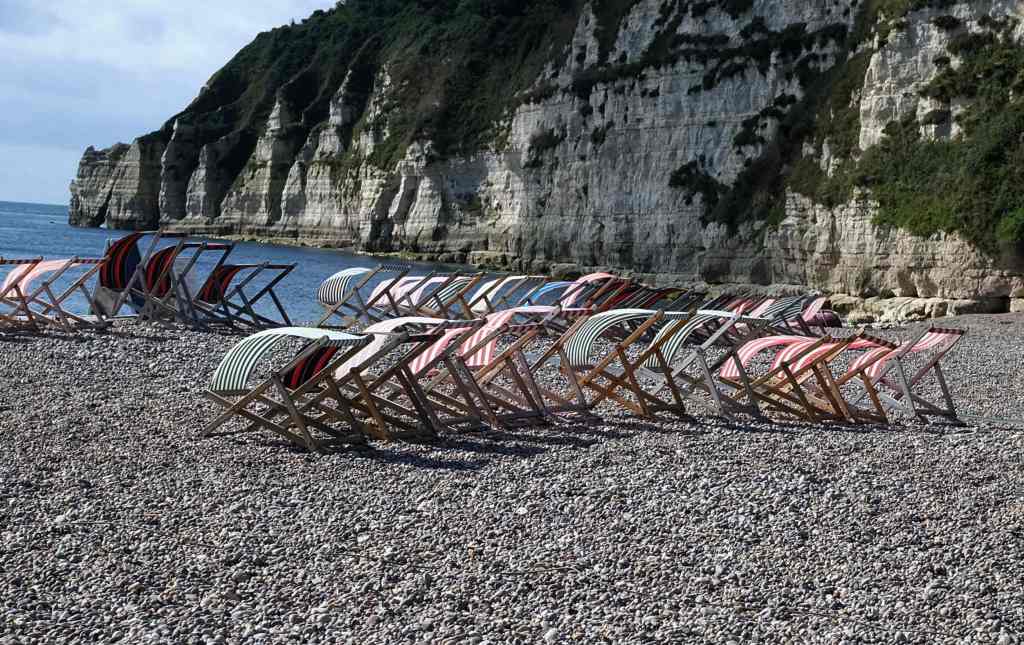
A few days away on the Dorset Coast in our Camper van. The best spot of the holiday was Female Sparrowhawk. This bird had caught another bird, probably a Starling. It had landed in a bush to eat it, but the Starling escaped into the bush. She was unhappy and spent a few minutes trying to find it before flying off. Sparrowhawks are small birds of prey; they are fairly common in the UK. Adapted for hunting birds in confined spaces such as woodlands or gardens. Adult Male Sparrowhawks have a bluish-grey back and wings and rusty-brown stripes on their chest and belly. Females have brown backs and wings and brown stripes underneath. Sparrowhawks have bright yellow eyes, yellow legs and feet. The Female is larger than Males (as with all birds of prey).
Beer Caves.

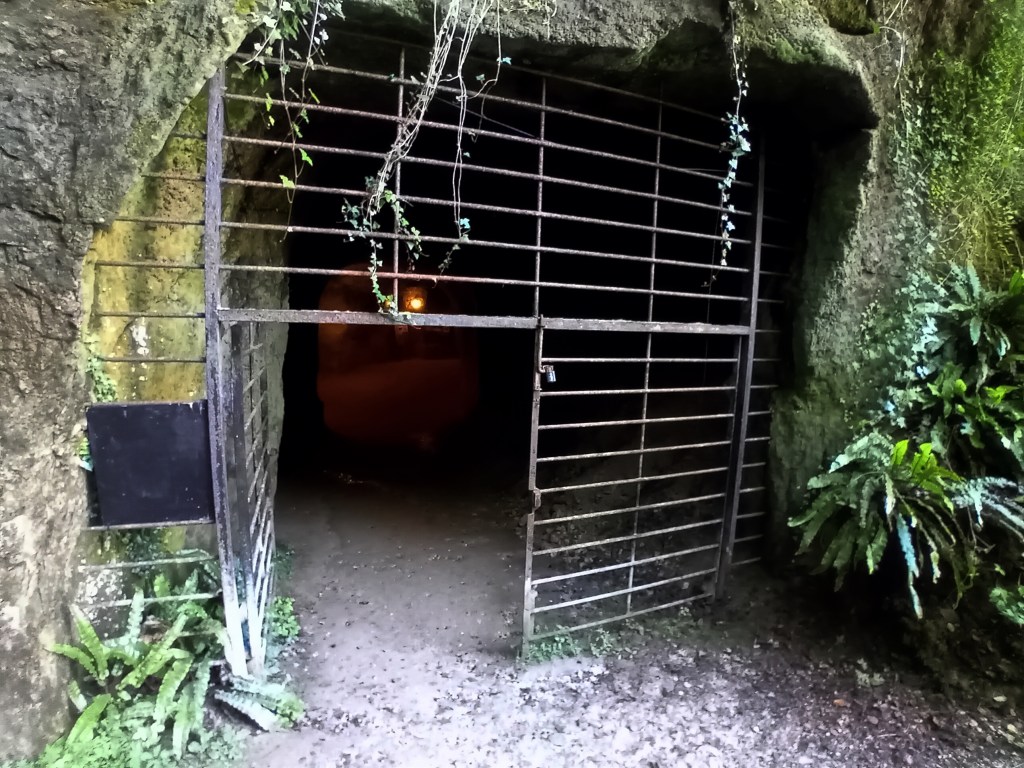
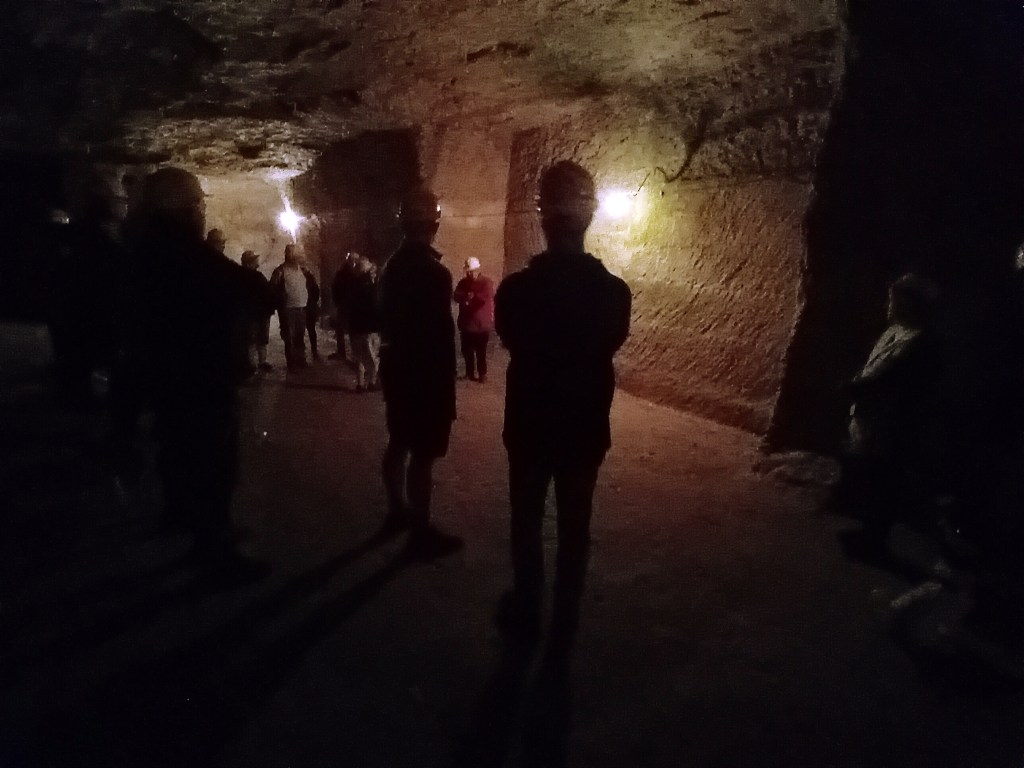
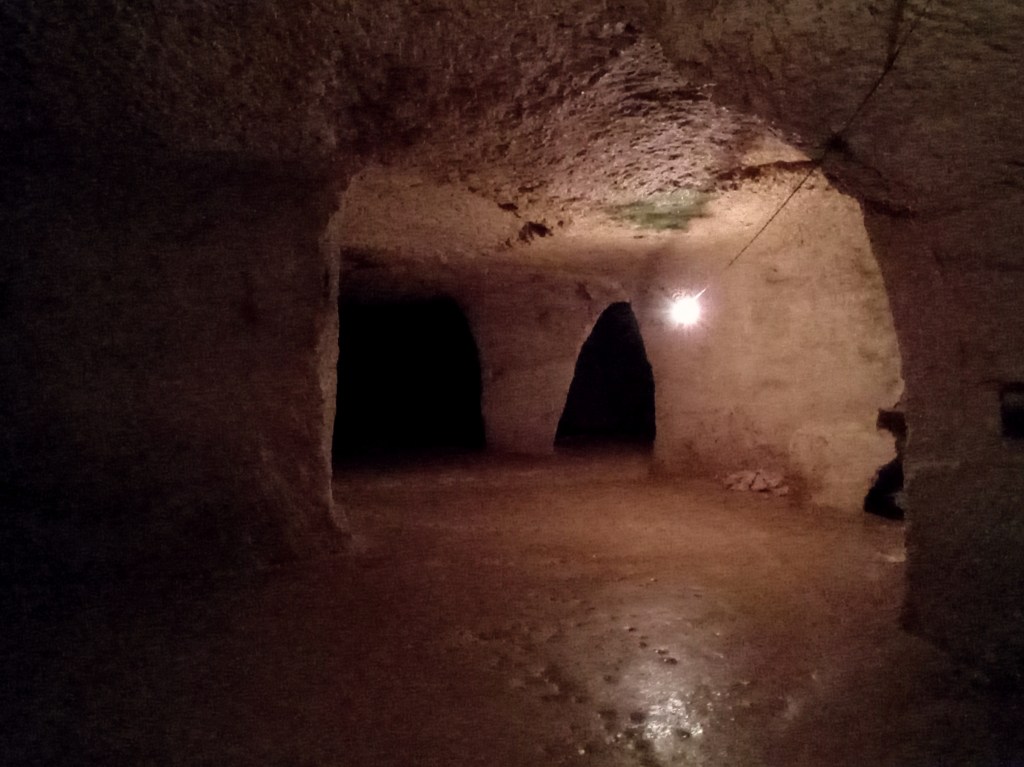
Beer Quarry Caves are a man-made underground complex located a mile west of the village of Beer, Devon. The tunnels resulted from 2,000 years of quarrying Beer stone, which was particularly favoured for the cathedral and church features such as door and window surrounds because of its colour and workability for carving. Stone from the quarry was used to construct several of Southern England’s ancient cathedrals and other important buildings, as well as many town and village churches and some buildings in the United States. Extraction was particularly intense during the Middle Ages the quarry closed in the 1920s.

Today you can visit the caves on an hour-long underground tour through the vast man-made complex of underground caverns There are large halls with vaulted roofs and pillars of Beer Stone which have been likened to a vast underground cathedral.

Guinea fowl.

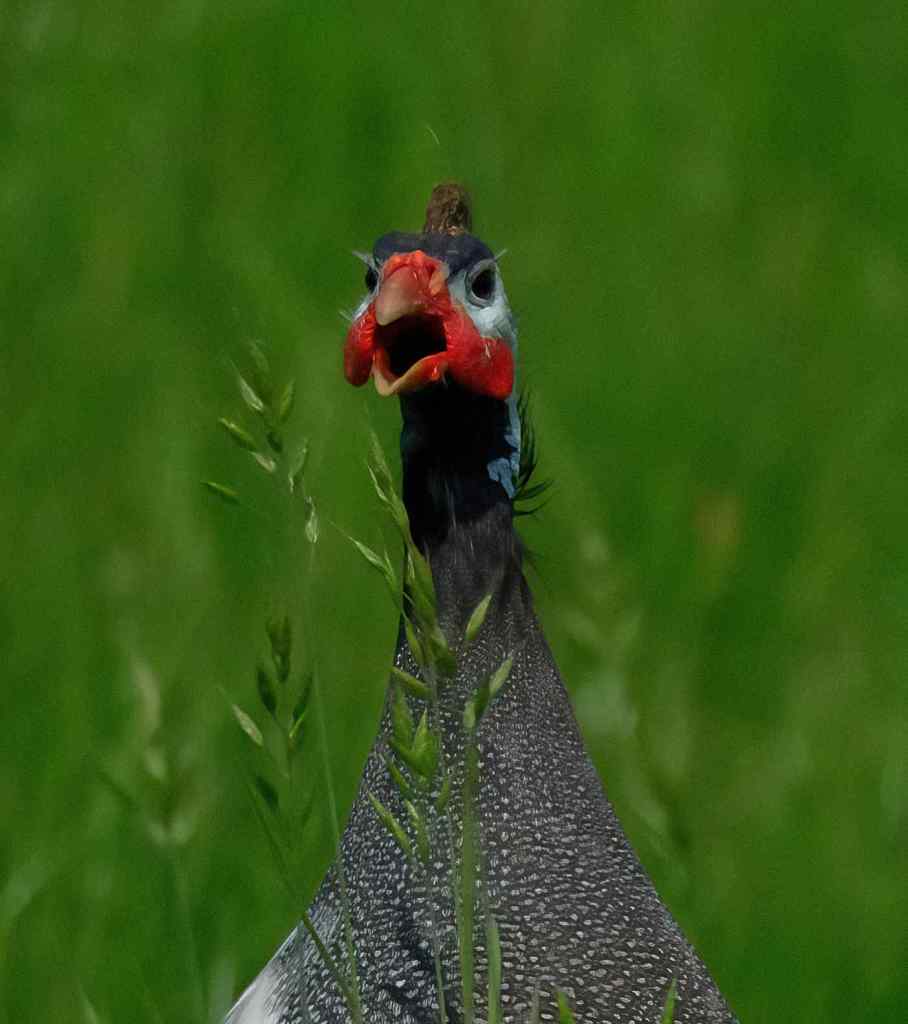
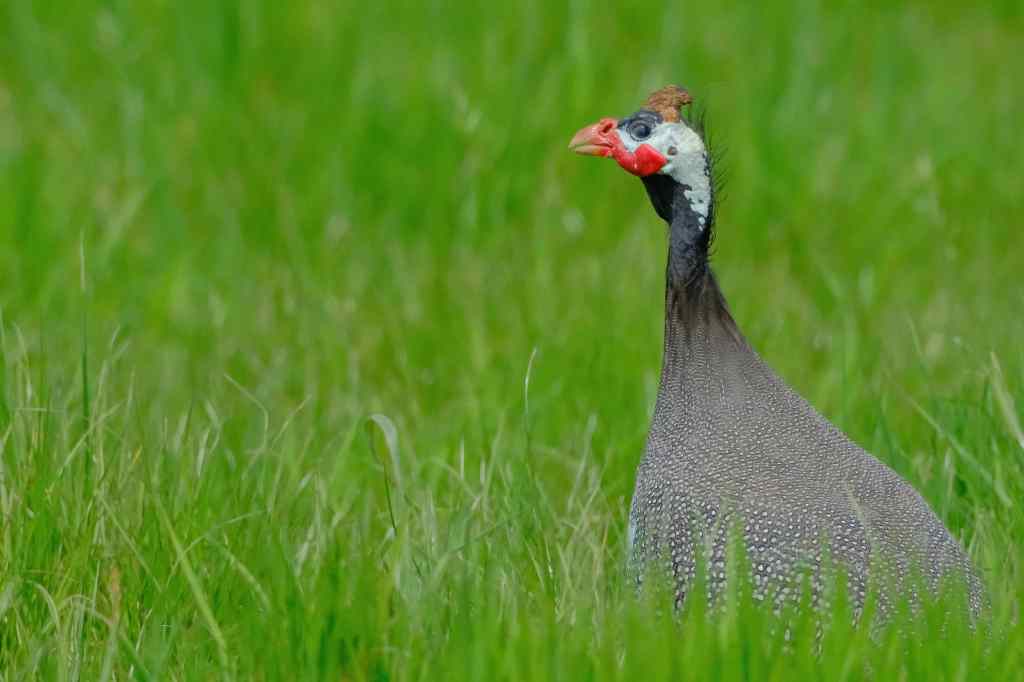
Guinea fowls are often seen roaming the plains of Africa and picking at the ground for food. These were seen in Salisbury Plain around some farm buildings. They resemble turkeys and pheasants. They are not wild birds here in the UK.

Flying Kites.

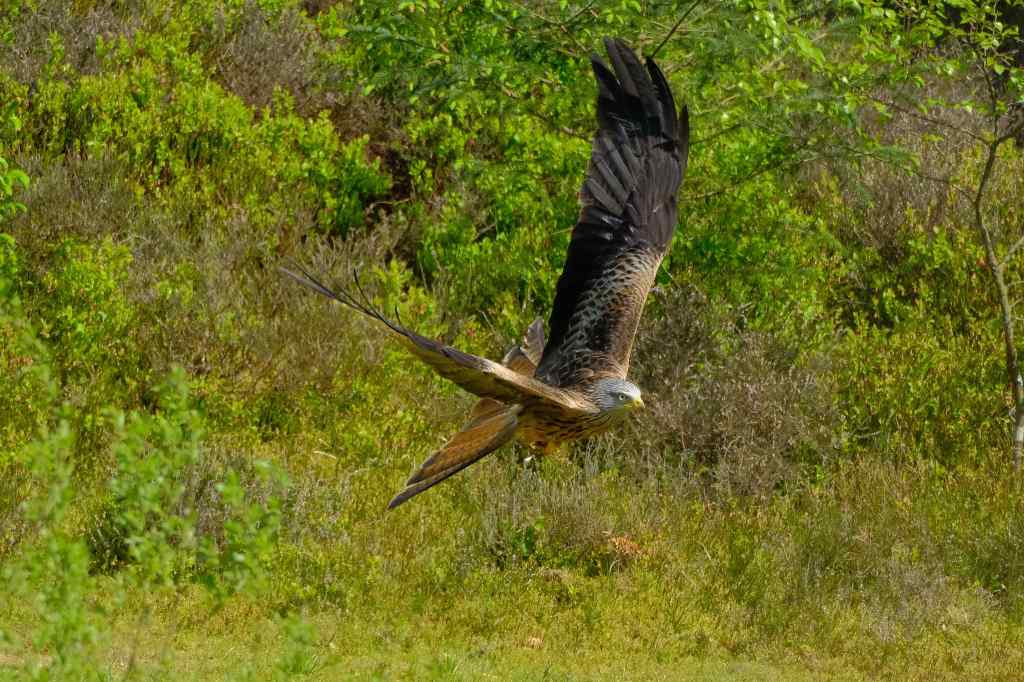
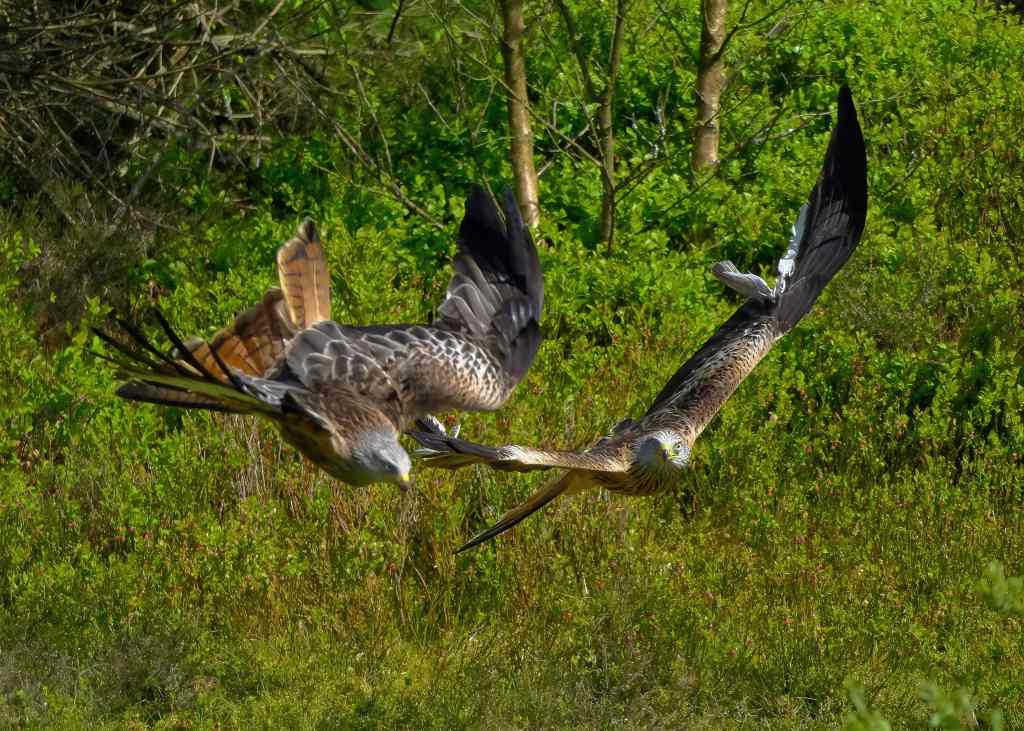
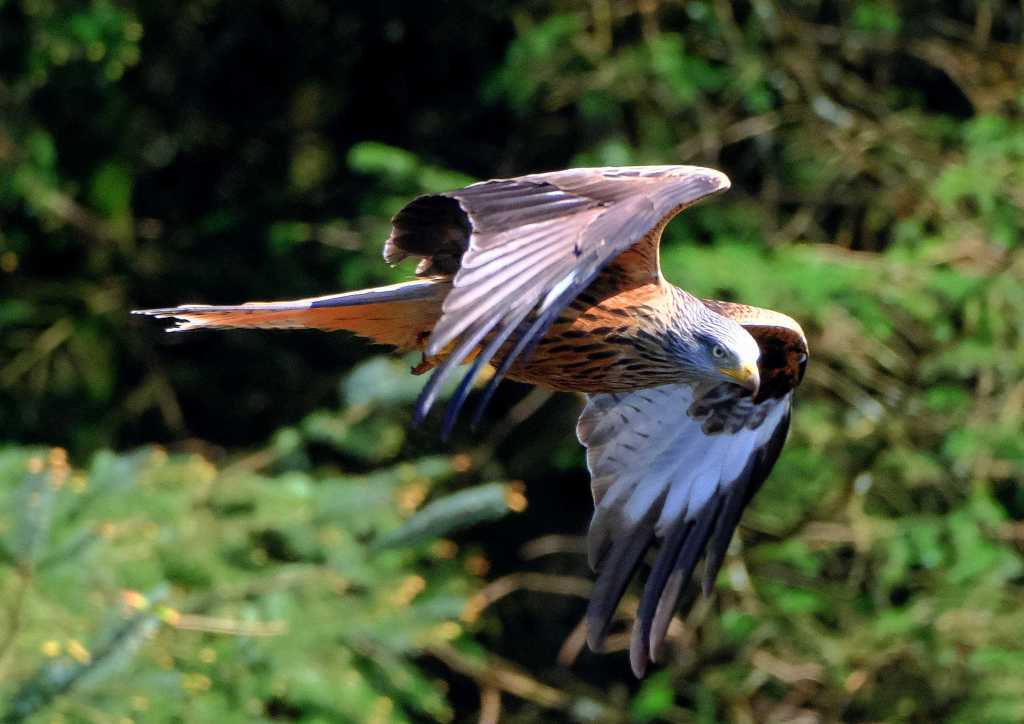
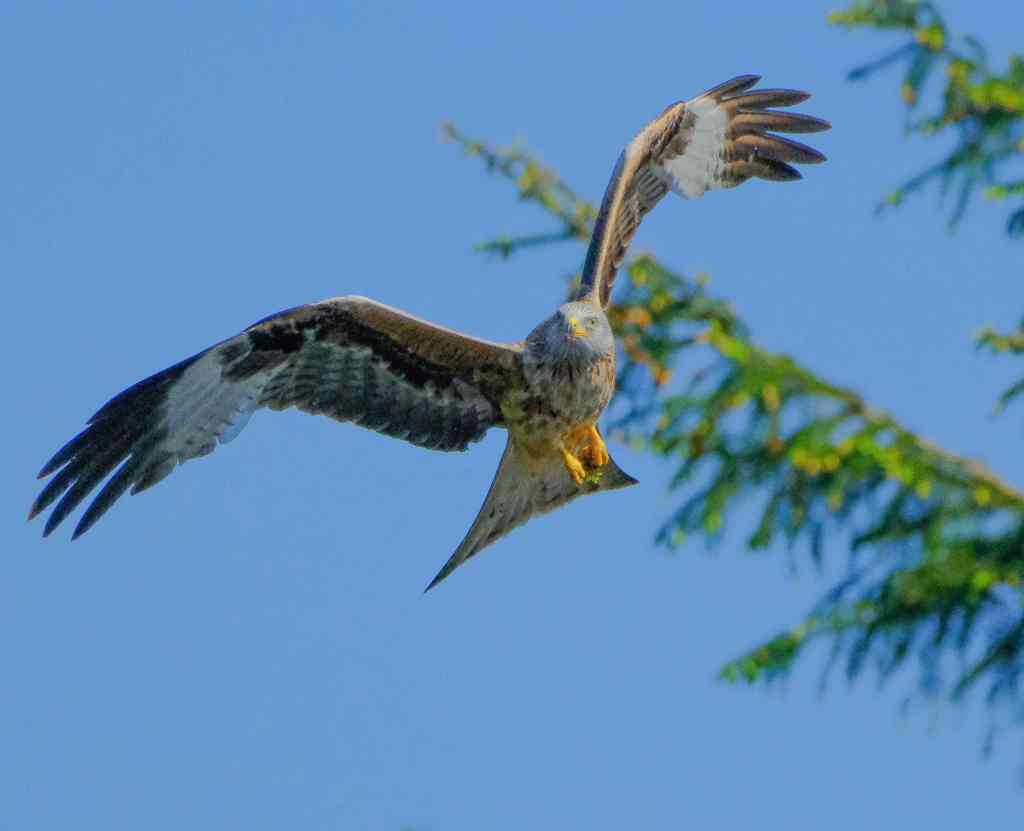
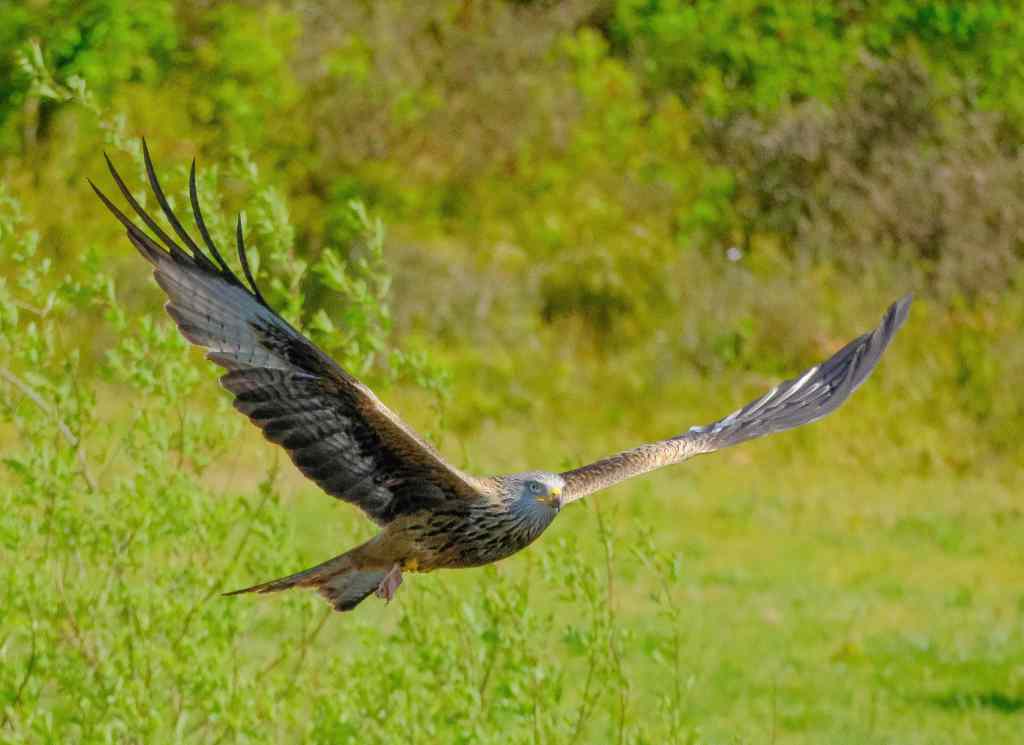
By the early 20th Century due to persecution numbers of Red Kites’ were reduced to just a handful confined to the uplands of mid-Wales. When I was a teenager there were said to be about 25 pairs. With conservation work, their numbers started to build in the 1980’s. Today they are seen as a conservation success. The RSPB website gives the numbers in the UK of 4600 breeding pairs. I have even seen this beautiful bird over the outskirts of Southampton

In Mid Wales there are several Red Kite feeding stations We visited one while away this week.

This post is photo heavy !

wingspan: 155-180 cm Length: 60-65 cm Weight: 750-1,300 g

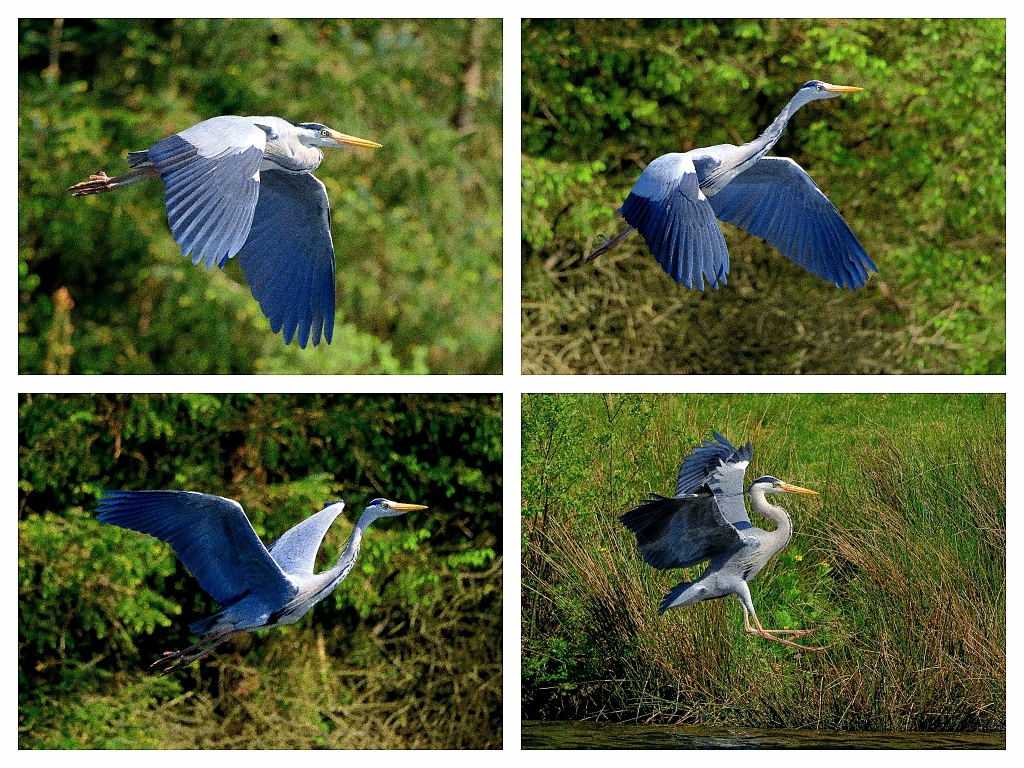
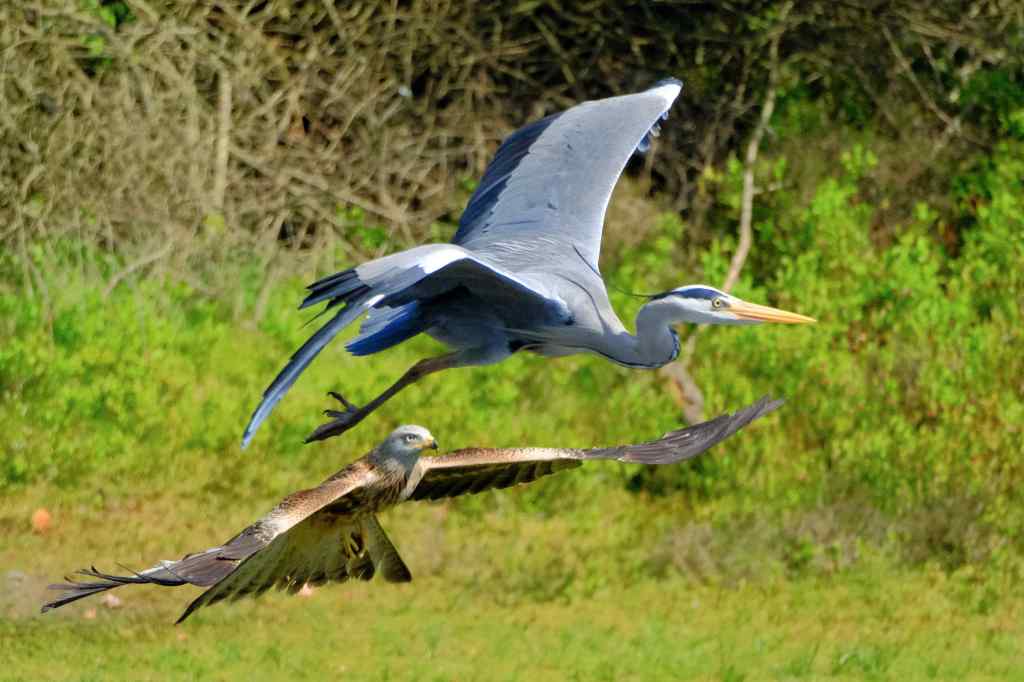
This Heron thought he would steal some of the Kites’ food!

Cwmystwyth Mines.

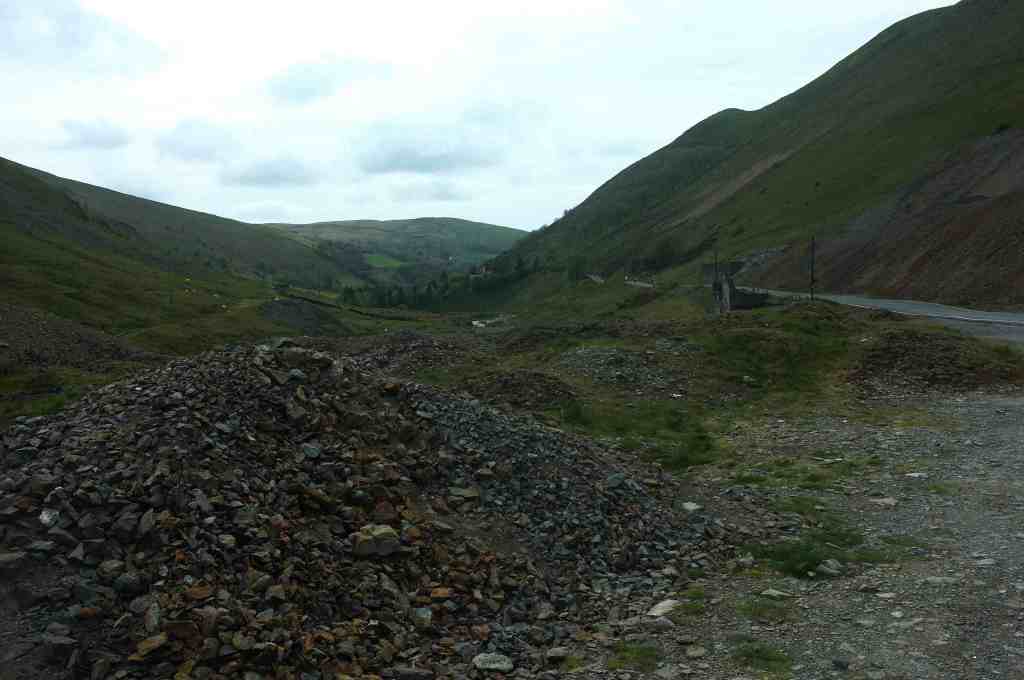
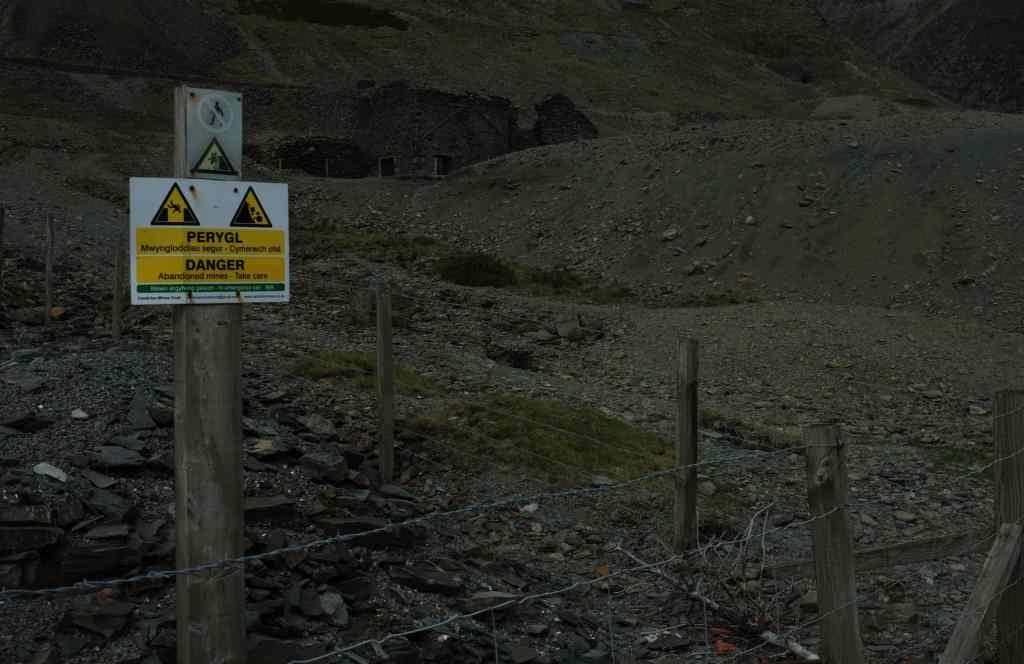
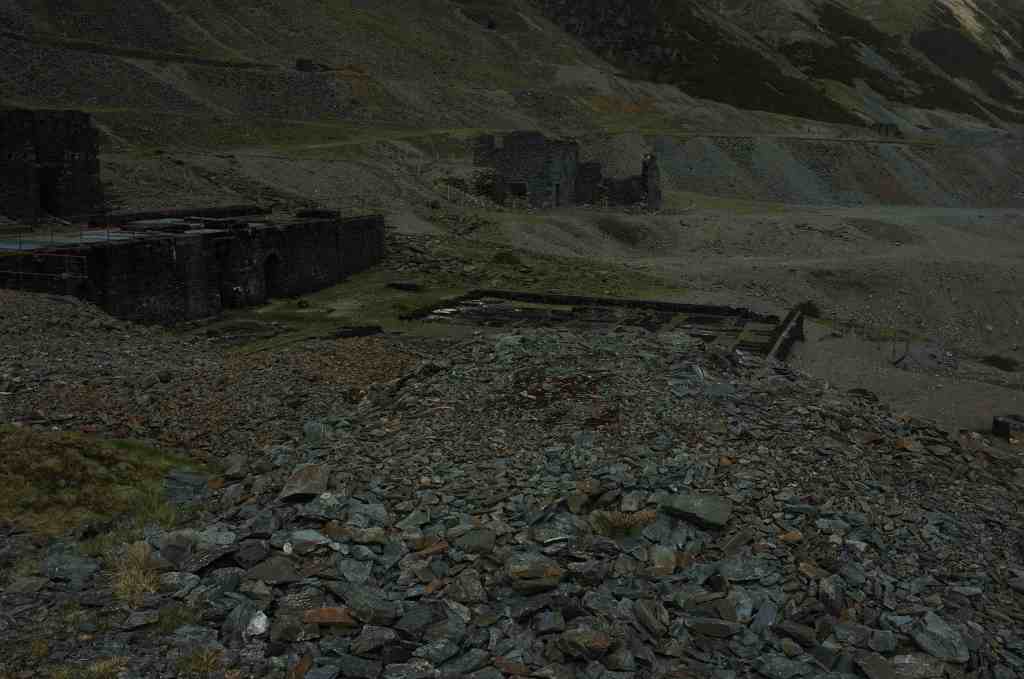
The Cwmystwyth Mines site has extensive remains of lead and other non-ferrous metal mines. The site was first mentioned in 1535, although much earlier workings were known to have existed. Today even on a sunny day the site looks dark and dead. On much of the site little grows due to the contamination of the soil.

Exmoor Waters.

A walk from Lynmouth up the river towards Watersmeet.

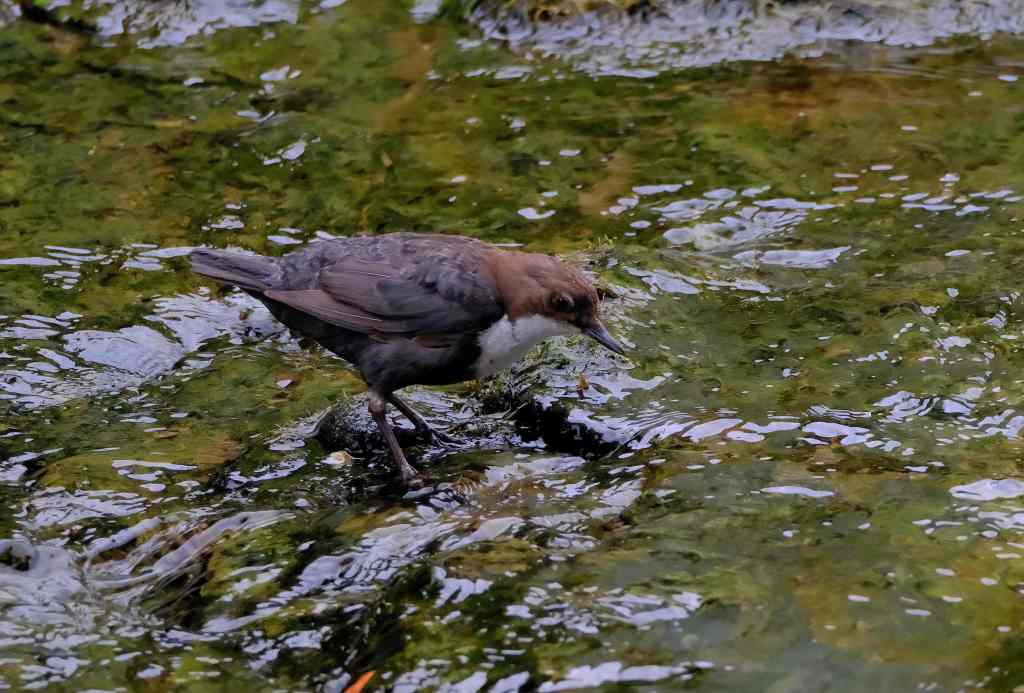
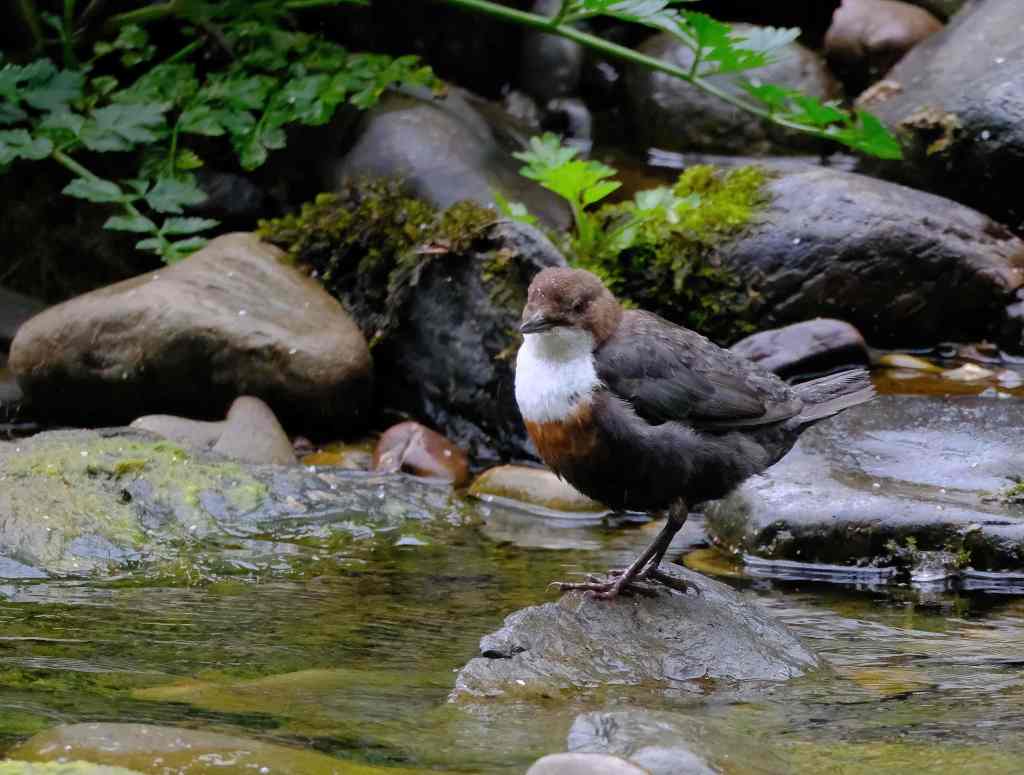
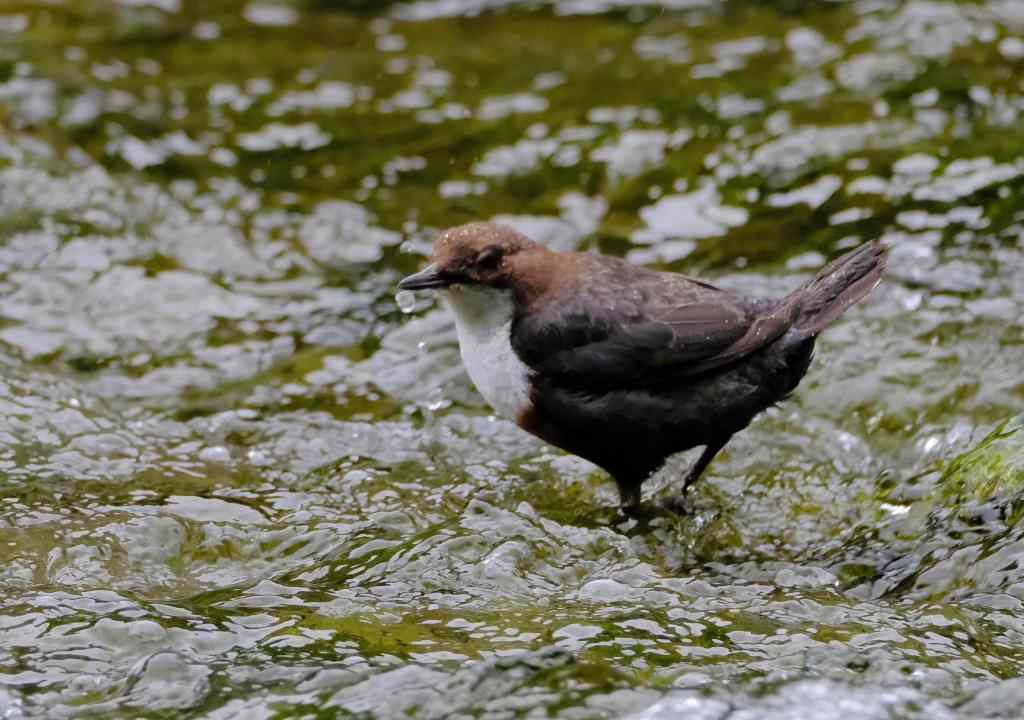
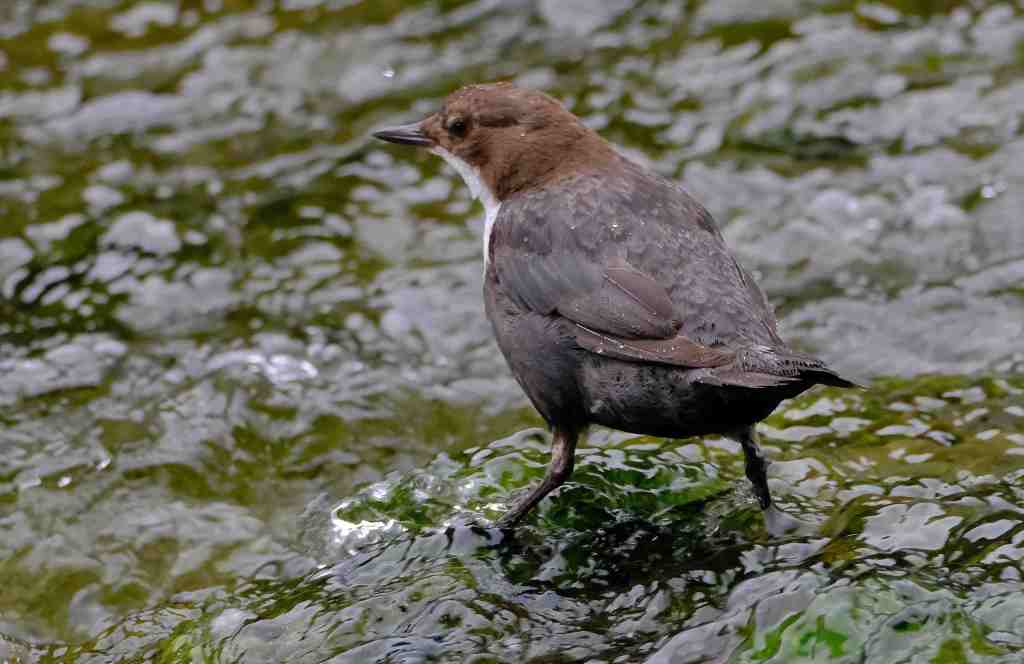
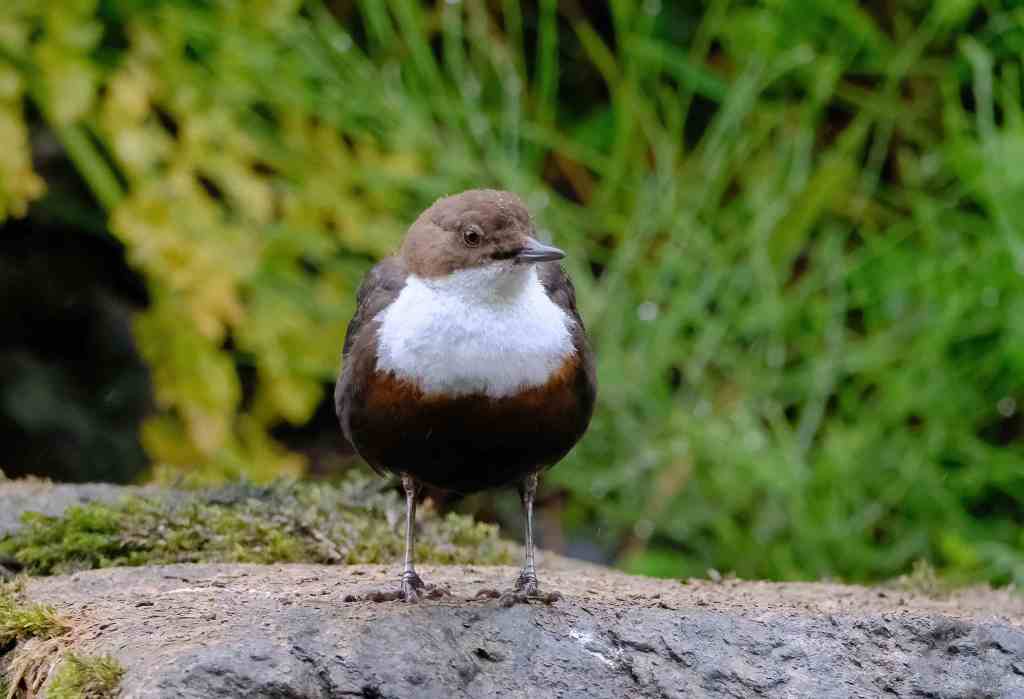
We have been away for a few days on Exmoor in the campervan. An objective of our trip was to see if I could find some Dippers. Dippers are a short-tailed, plump birds found on fast-flowing rivers and streams. When perched on a rock it habitually bobs up and down and frequently cocks its tail. They can be seen bobbing up and down on a stone in the fast-flowing river. They feed on underwater insects by walking straight into, and under, the water.

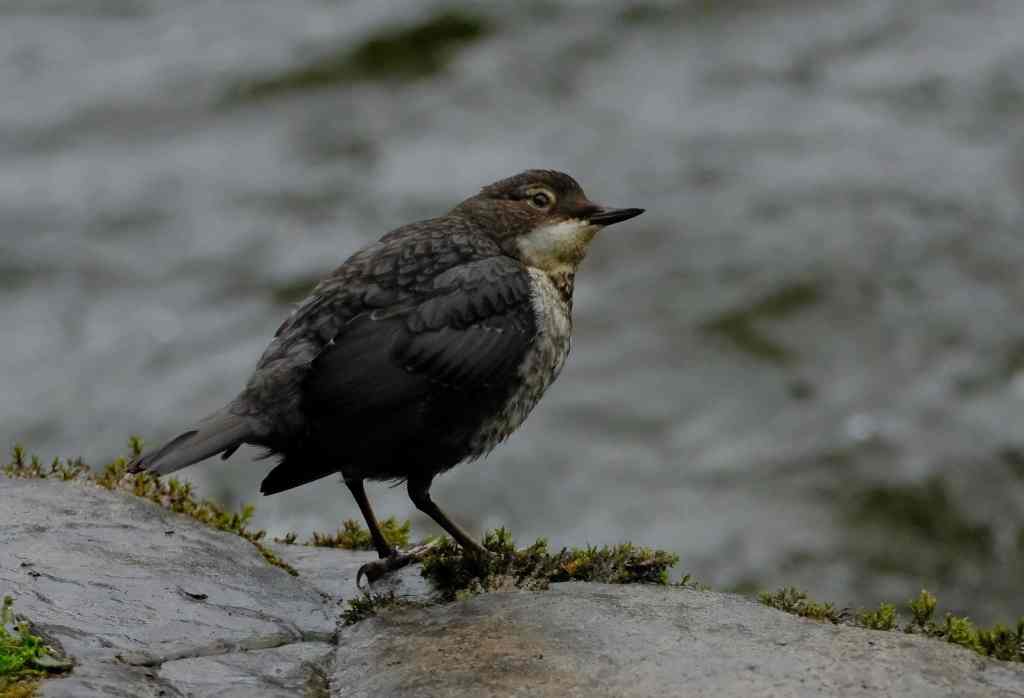
As well as several adult birds I also saw a juvenile bird.

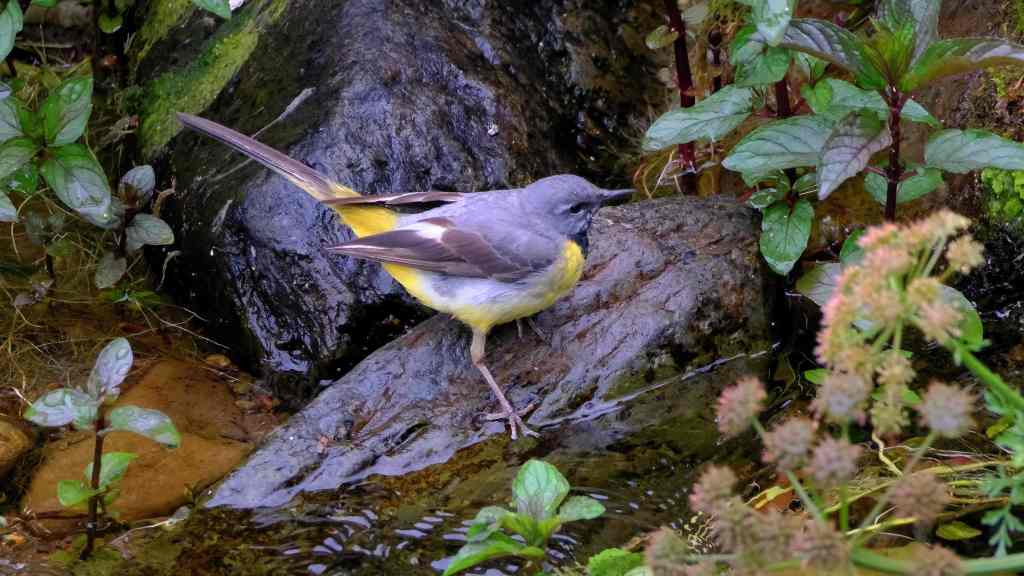
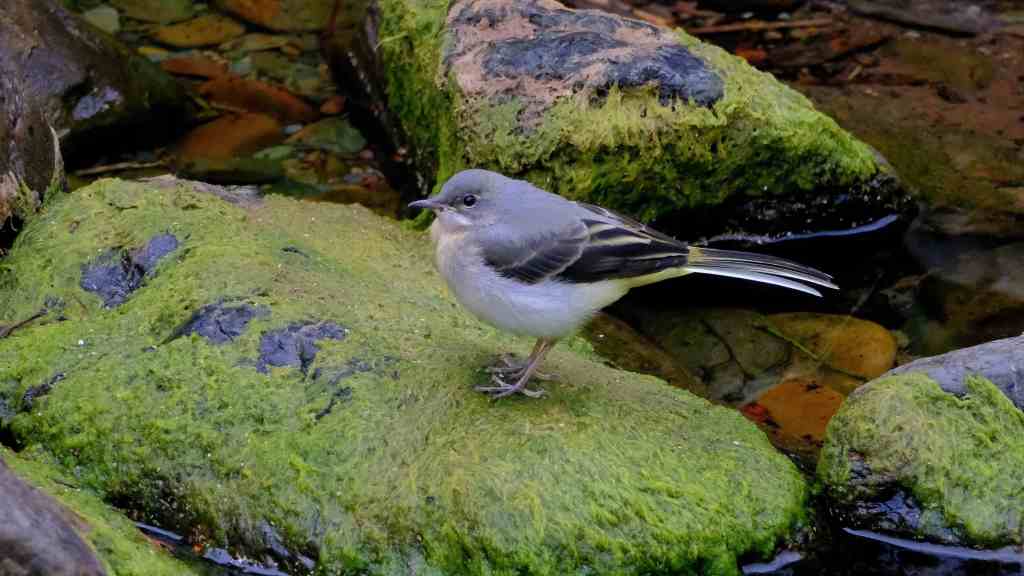
There was also a family of Grey Wagtails on the river walk.