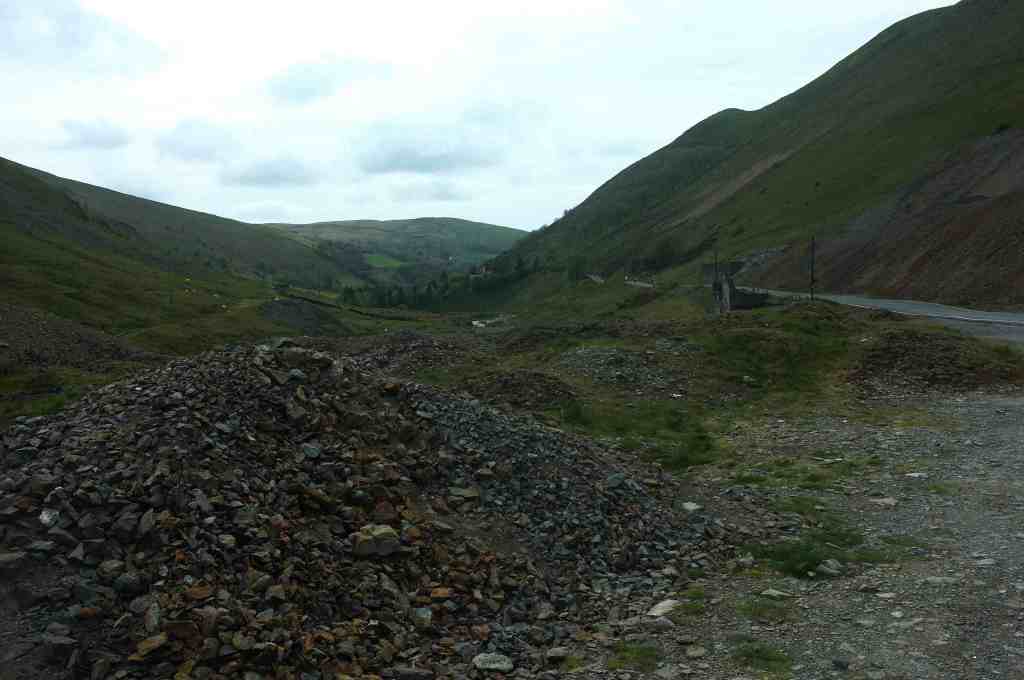
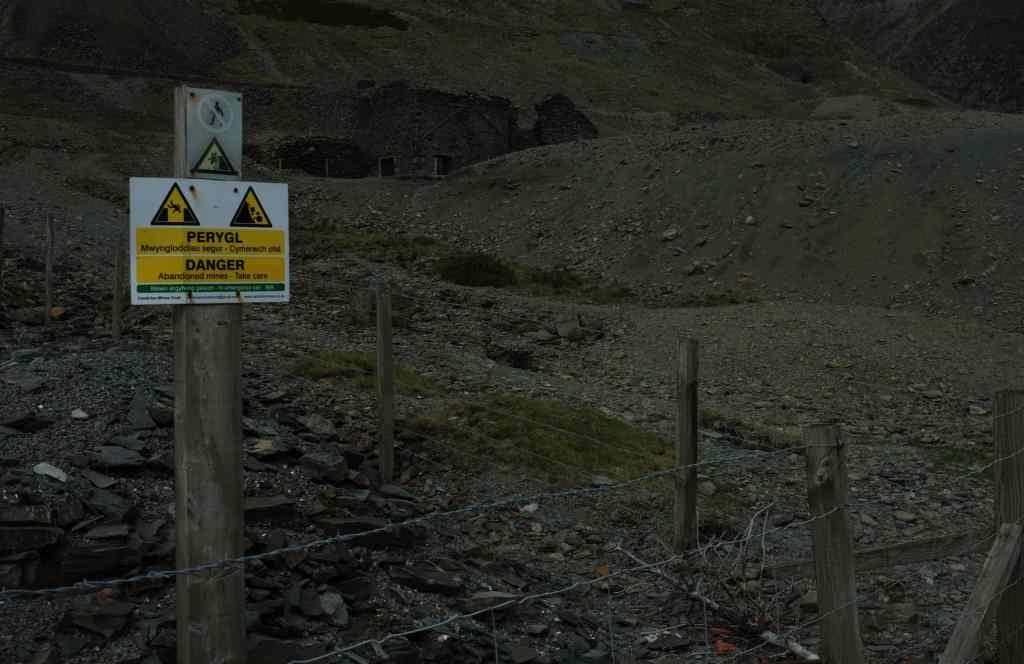
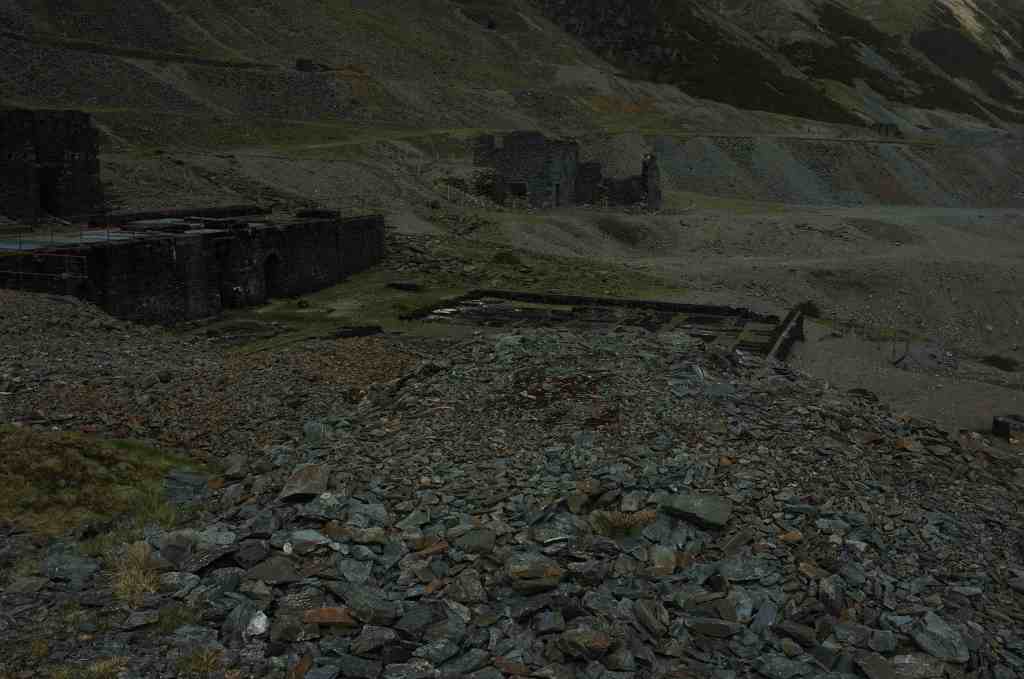
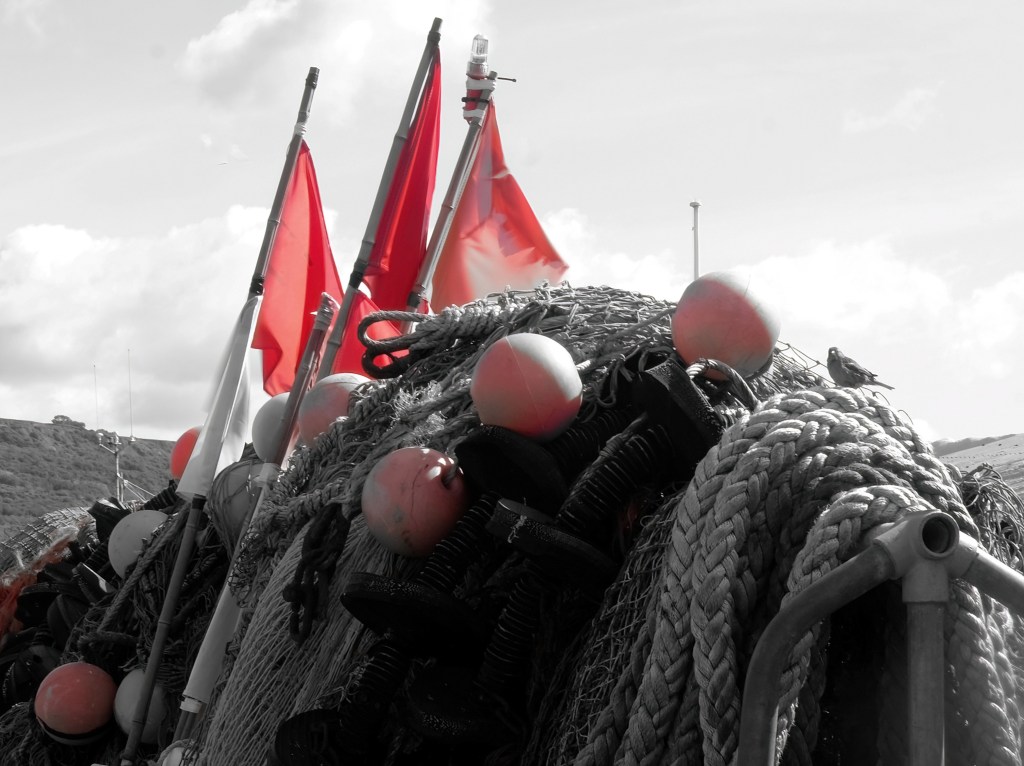
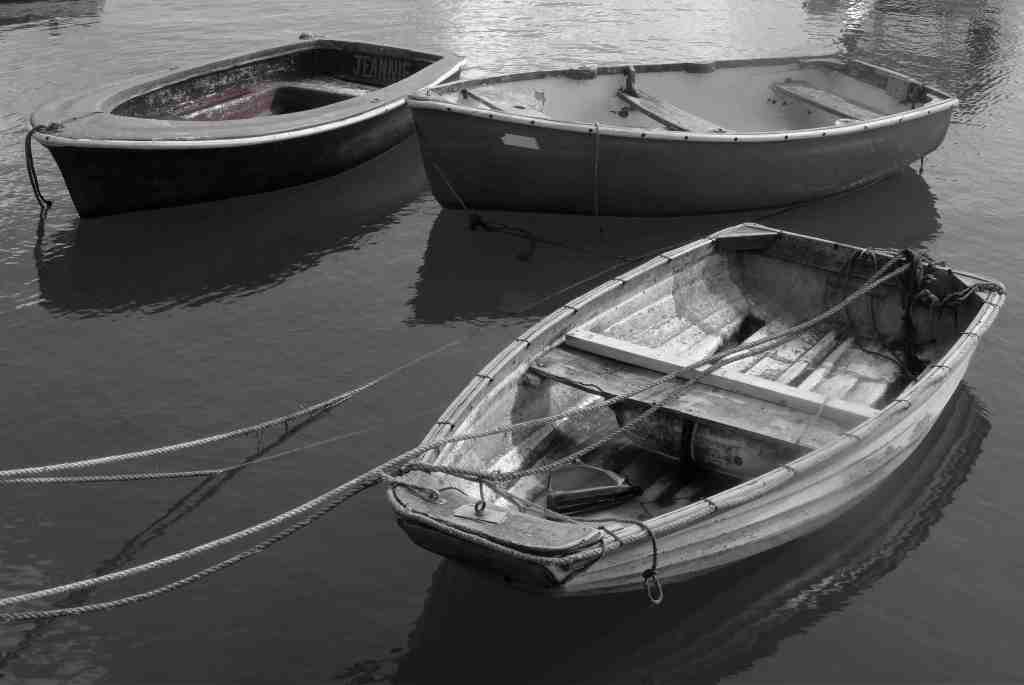
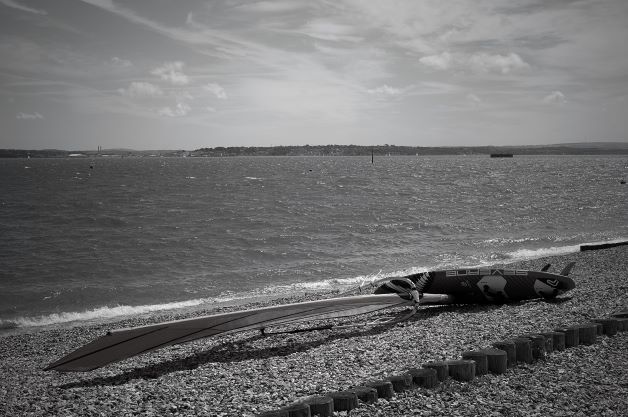
Cwmystwyth Mines.

The Cwmystwyth Mines site has extensive remains of lead and other non-ferrous metal mines. The site was first mentioned in 1535, although much earlier workings were known to have existed. Today even on a sunny day the site looks dark and dead. On much of the site little grows due to the contamination of the soil.

Exmoor Waters.

A walk from Lynmouth up the river towards Watersmeet.

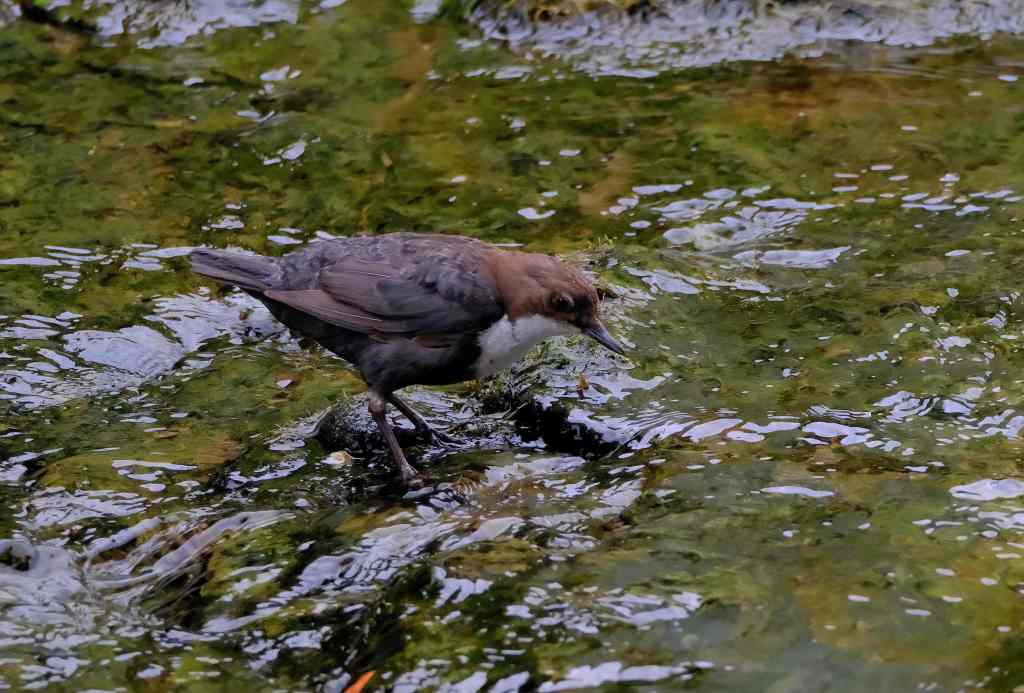
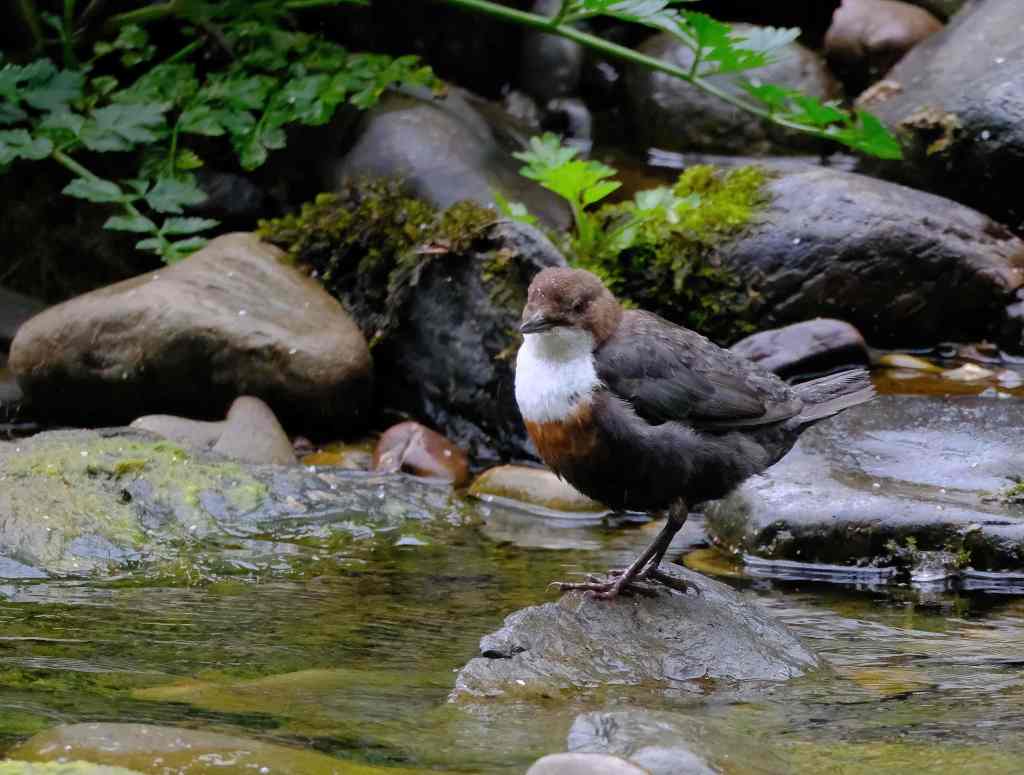
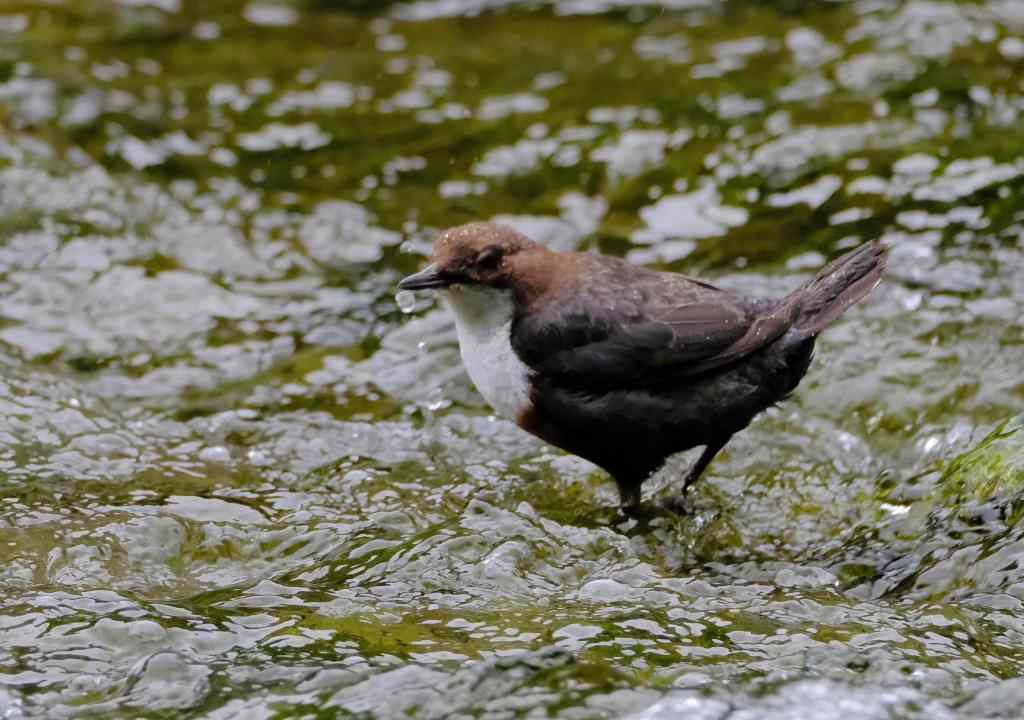
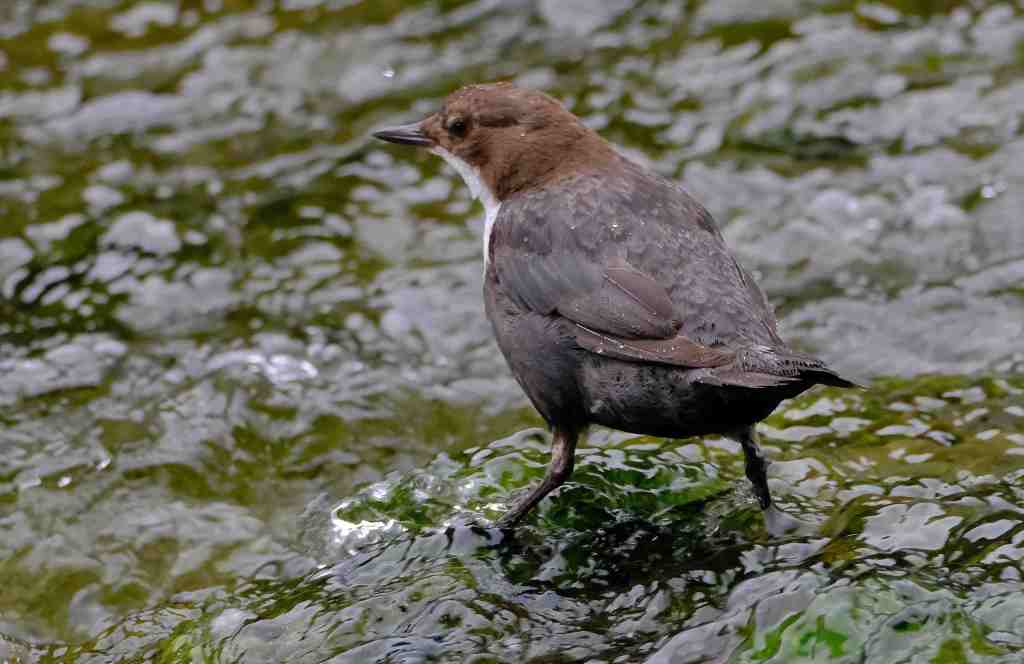
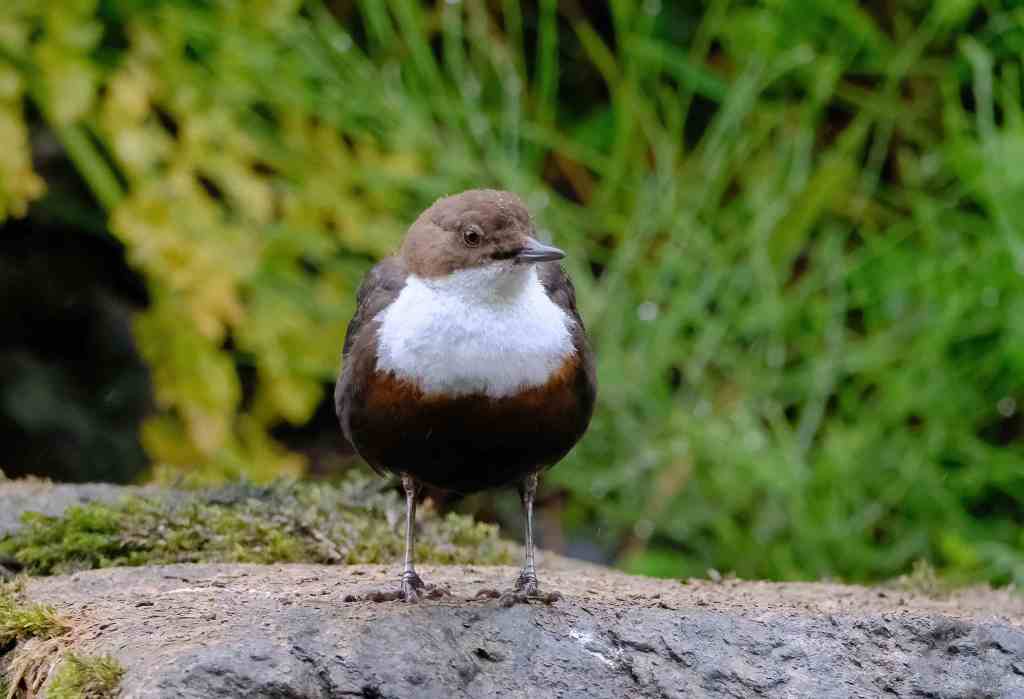
We have been away for a few days on Exmoor in the campervan. An objective of our trip was to see if I could find some Dippers. Dippers are a short-tailed, plump birds found on fast-flowing rivers and streams. When perched on a rock it habitually bobs up and down and frequently cocks its tail. They can be seen bobbing up and down on a stone in the fast-flowing river. They feed on underwater insects by walking straight into, and under, the water.

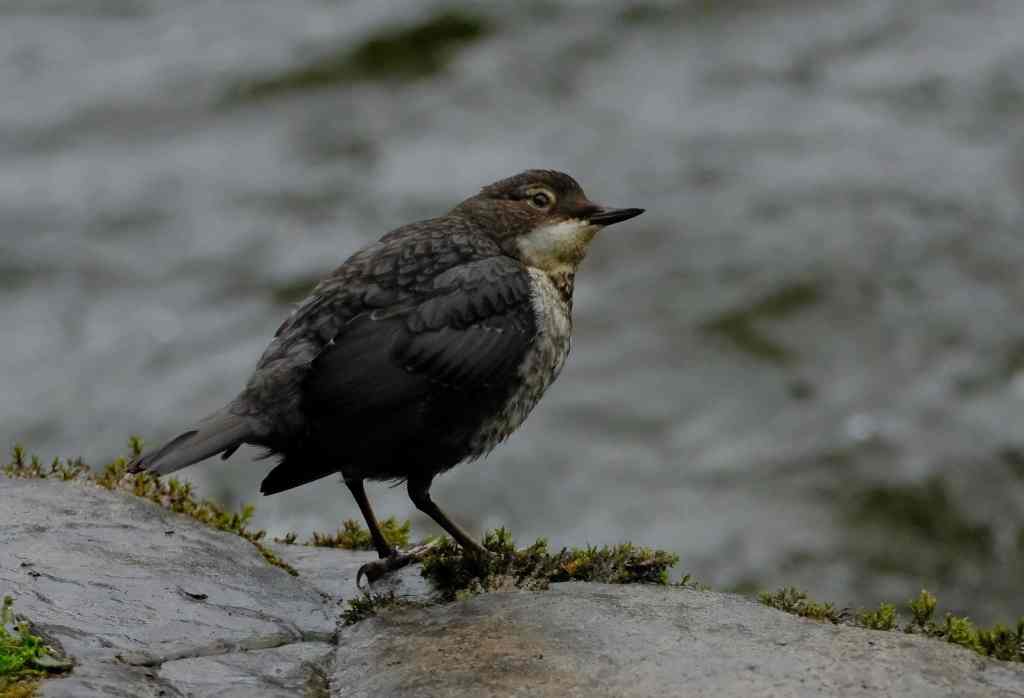
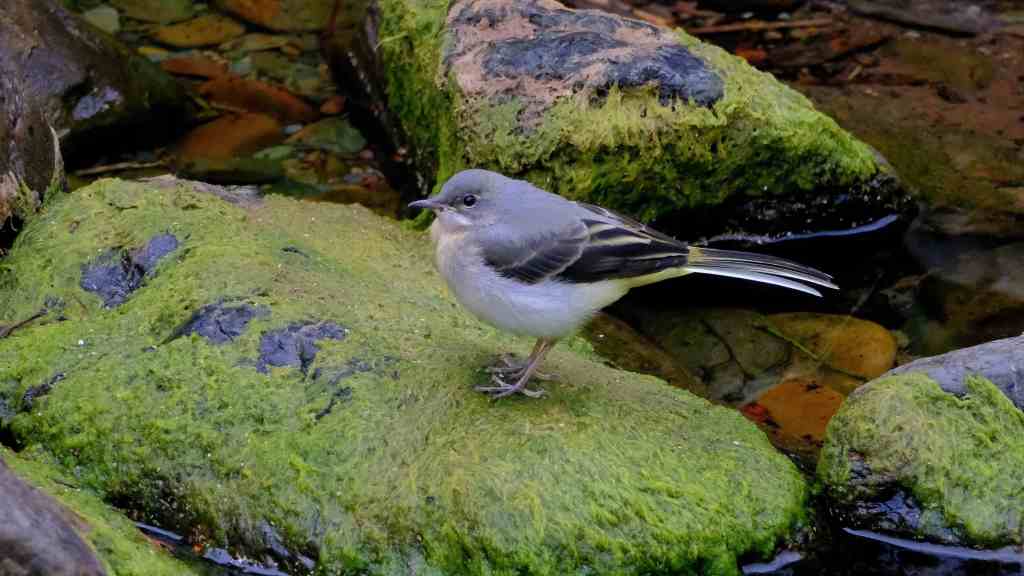
As well as several adult birds I also saw a juvenile bird.

There was also a family of Grey Wagtails on the river walk.

Beach structure.

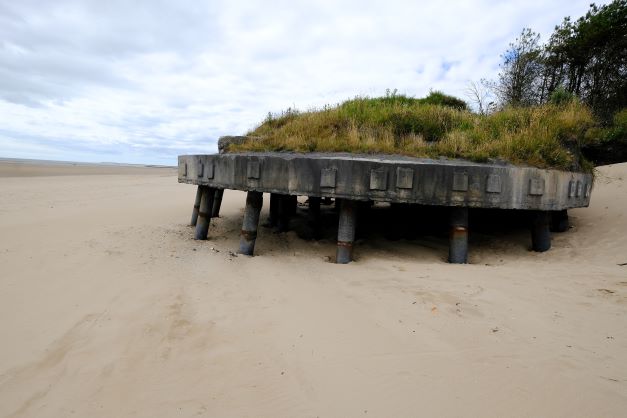
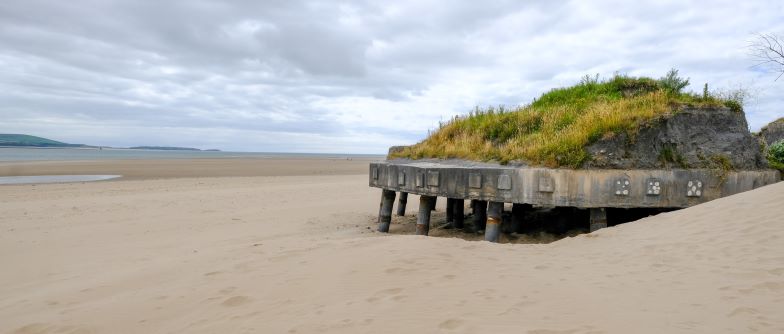
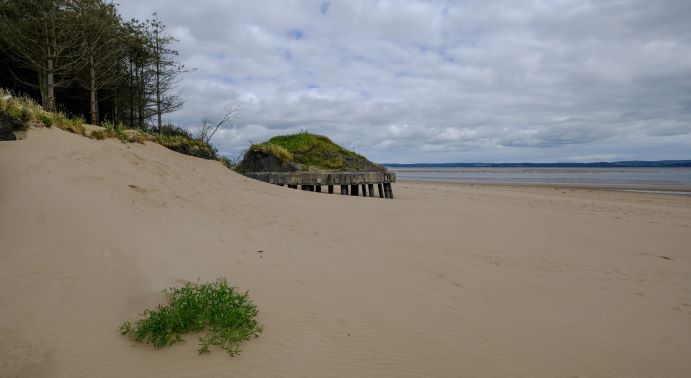
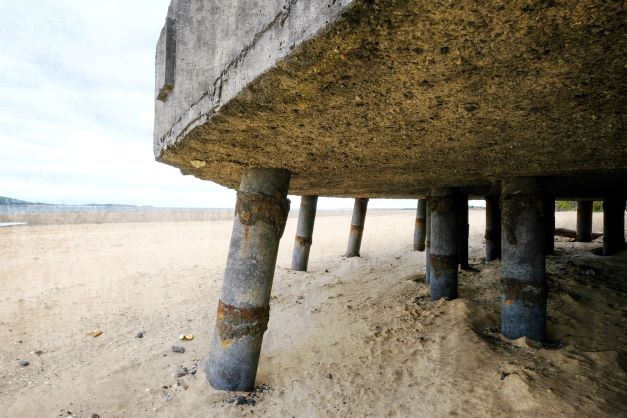
Looking like a UFO or some structure from another world this mysterious-looking structure on Burry Port beach revealed itself in 2018, after a period of bad weather and storms which caused coastal erosion at the site of an old power station. It is actually the base of an experimental wind turbine left behind from the 1980s and 1990s.

Newport Transporter Bridge.

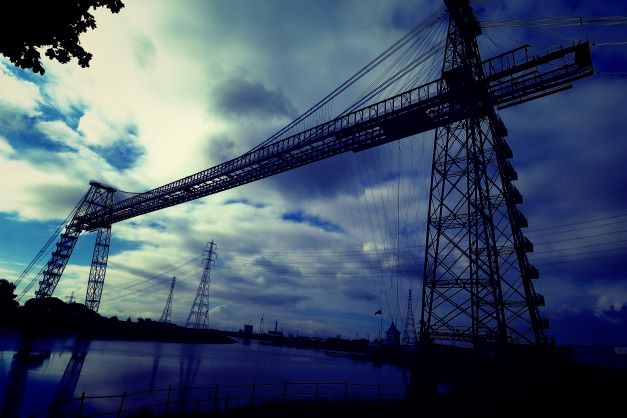
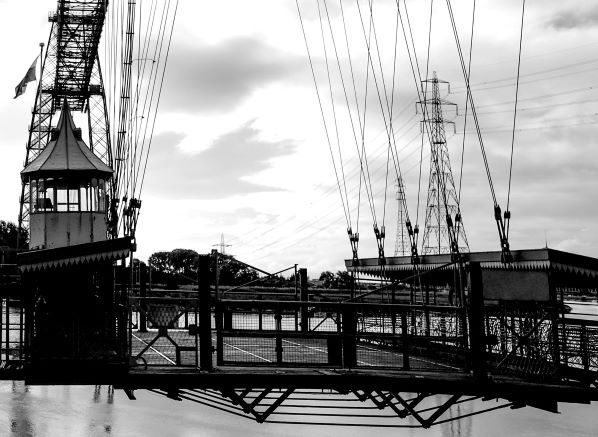
In the town of Newport Wales crossing the river Usk is the largest of the 8 surviving transporter bridges in the world. Designed by Ferdinand Arnodin and opened in 1906, it is the largest of the 8 surviving transporter bridges in the world. At the moment the bridge is closed for refurbishment but still worth a visit.

Amroth Beach.

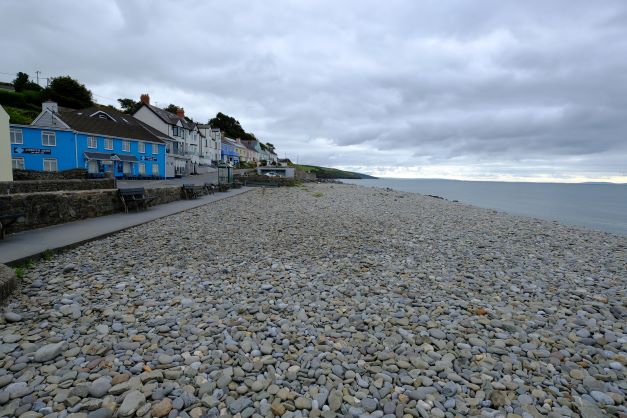
Amroth is a 20-mile drive from the popular Pembrokeshire Town of Tenby. Amroth marks the beginning (or end) of the Pembrokeshire Coast Path. The town at low tide has its own wide sandy beach which is south-facing. The top of the beach is pebble covered.
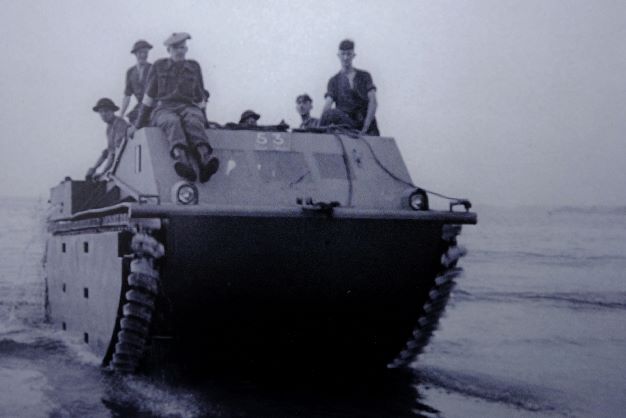
During July 1943, more than 100,000 soldiers descended onto Saundersfoot, Tenby and Amroth in Pembrokeshire to prepare for the D-Day landings the 13-day exercise saw 16,230 tonnes of supplies brought ashore. Known as Operation Jantzen, it was a rehearsal of the D-Day landings.

Picture from an information board on the beach.

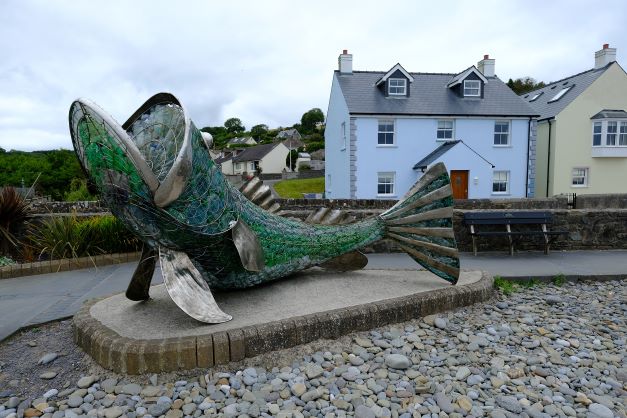
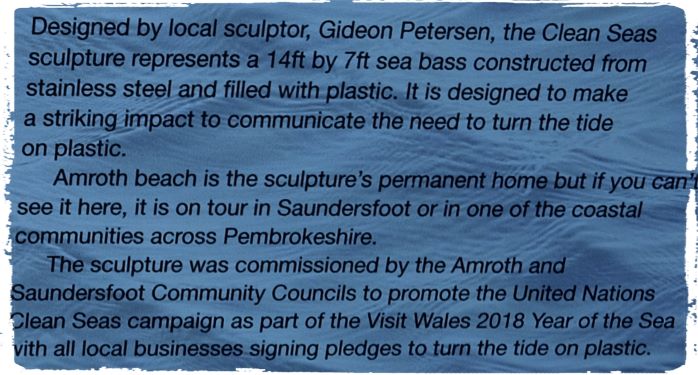
Beach Sculpture highlighting plastic waste in our seas.

A Castle on the hill.

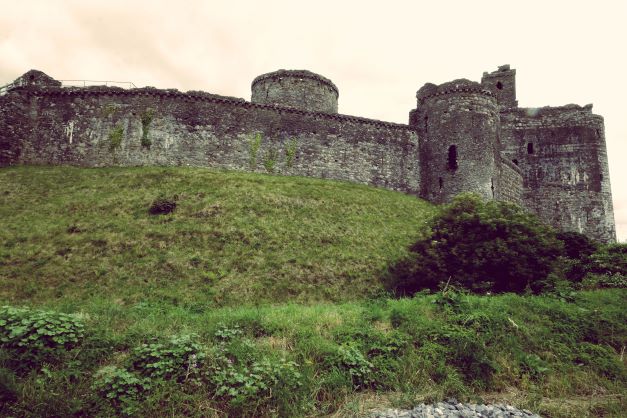
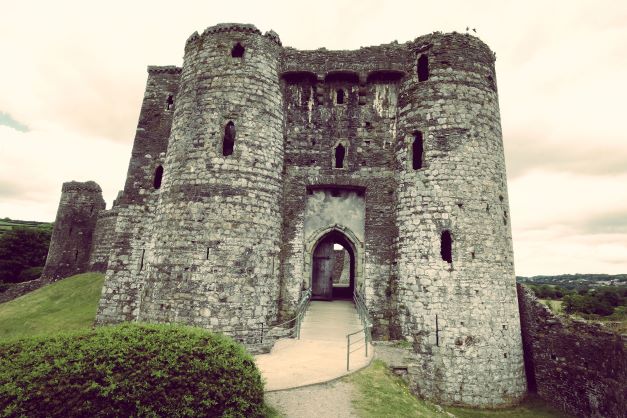
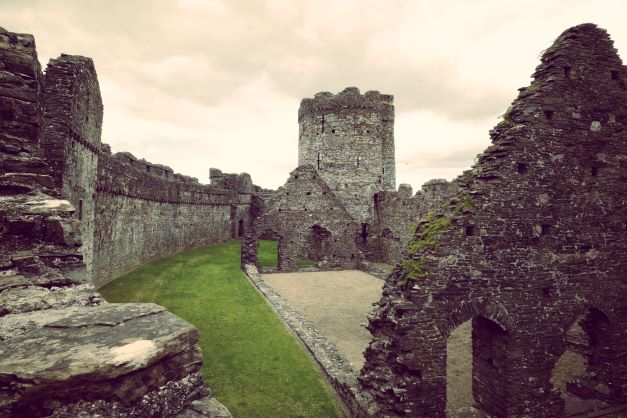
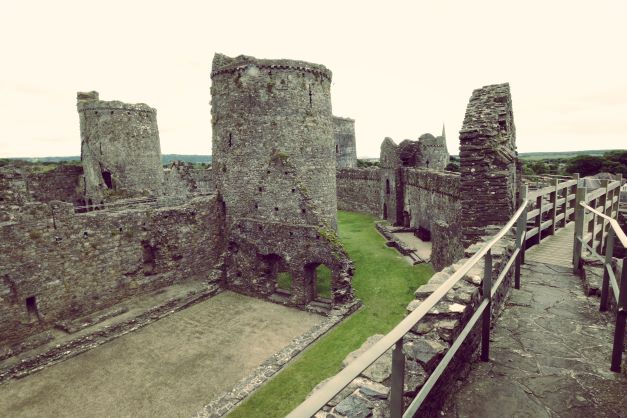
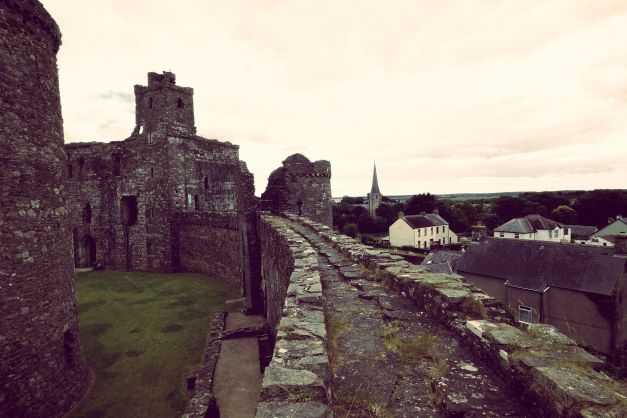
Kidwelly Castle is an imposing Norman castle overlooking the River Gwendraeth and the town of Kidwelly, Carmarthenshire, Wales. This ruin is in the care of Cadw (historic Wales). Although it saw much conflict the castle is in fairly good condition Kidwelly began in the early 12th century as a Norman ‘ringwork’ castle made of wood and protected only by an earthen bank and ditch.

Under constant attack by Welsh princes, it was captured by Lord Rhys in 1159. Decades later the Normans were in charge and by the 1280s it had been transformed into the stone castle we see today.

The first scene of Monty Python and the Holy Grail was filmed on the walls of Kidwelly.

Drunk in charge.

Roadside historical monument.

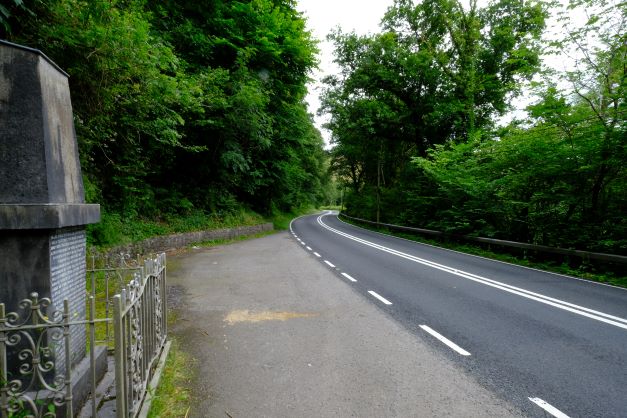
Over the years I have passed this monument on the A40 it has been slowly deteriorating this week I spotted it had been restored. It is said to be the first memorial in the UK to note drunk driving! The road was quiet so stopped to take a closer look.

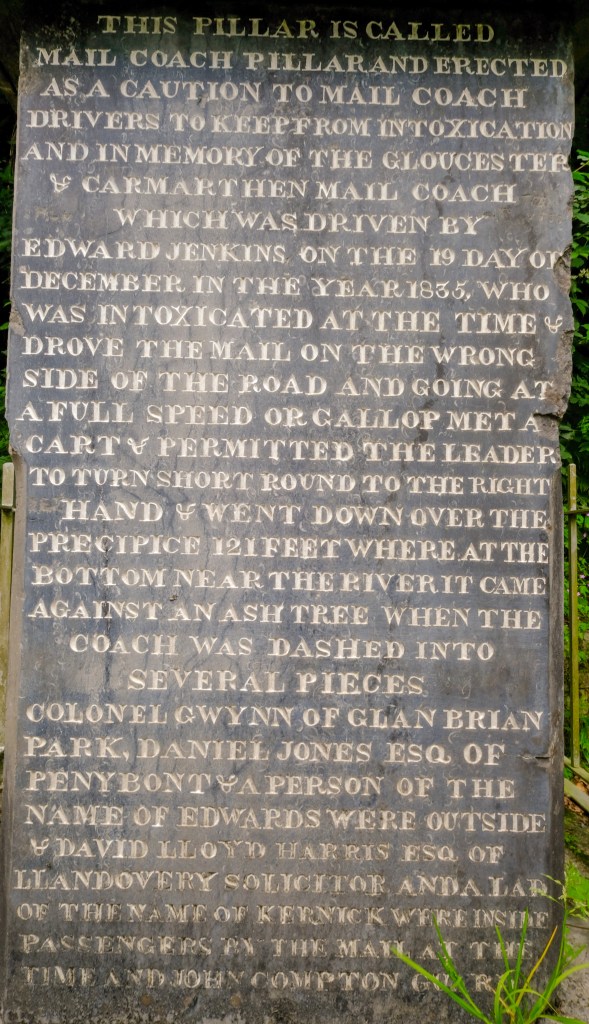
“This pillar is called mail coach pillar and erected as a caution to keep from intoxication and in memory of the Gloucester & Carmarthen Mail Coach which was driven by Edward Jenkins on the 19th Day of December in the year 1835, who was intoxicated at the time & drove the mail on the wrong side of the road and going at full speed or gallop met a cart & permitted the leader to turn short round to the right and went down over the precipice 121 feet where at the bottom near the river it came against and ash tree when the coach was dashed into several pieces. Colonel Gwynn of Glan Brian Park, Daniel Jones Esq of Penybont & a person of the name of Edwards were outside & David Lloyd Harris Esq of Llandovery Solicitor and a lad of the name Kernick were inside passengers by the mail at the time and John Compton outside.

Crossing an Ocean.

In May 1932, Amelia Earhart became the first woman—and the only person since Charles Lindbergh—to fly nonstop and solo across the Atlantic.

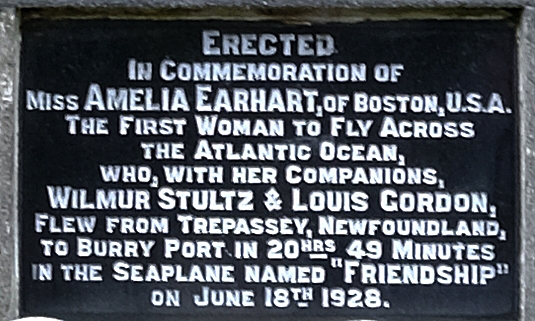
In 1928, as a member of a three-person crew, although her only function during the crossing was to keep the plane’s log, the event won her international fame, The trio made their crossing in a Fokker F. VII Tri-Motor seaplane named “Friendship”.

The team departed from Trepassey Harbour, Newfoundland the plan to cross the Atlantic and land on Southampton Water. Pilots Wilmer Stultz and Lou Gordon landed at Pwll near Burry Port, South Wales, precisely 20 hours and 40 minutes later. Earhart received a hero’s welcome on June 19, 1928, when she flew, onto Southampton. She flew the Avro Avian 594 owned by fellow aviator Lady Mary Heath. 

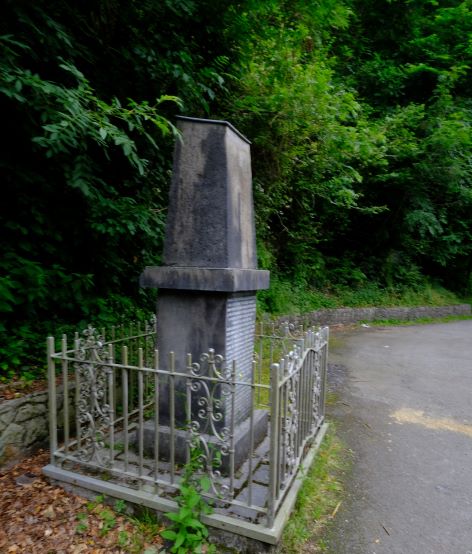
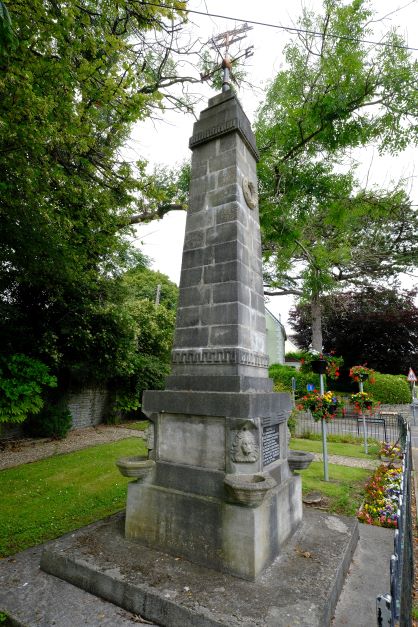
Memorial at Burry Port.

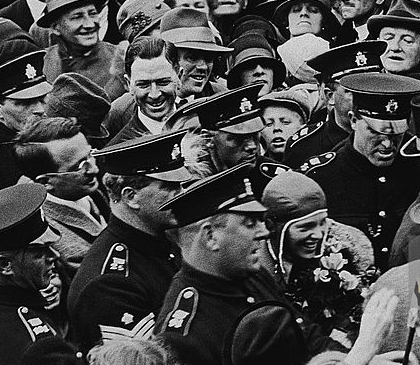
Southampton Police escort Earhart through the crowds after her arrival in the city.