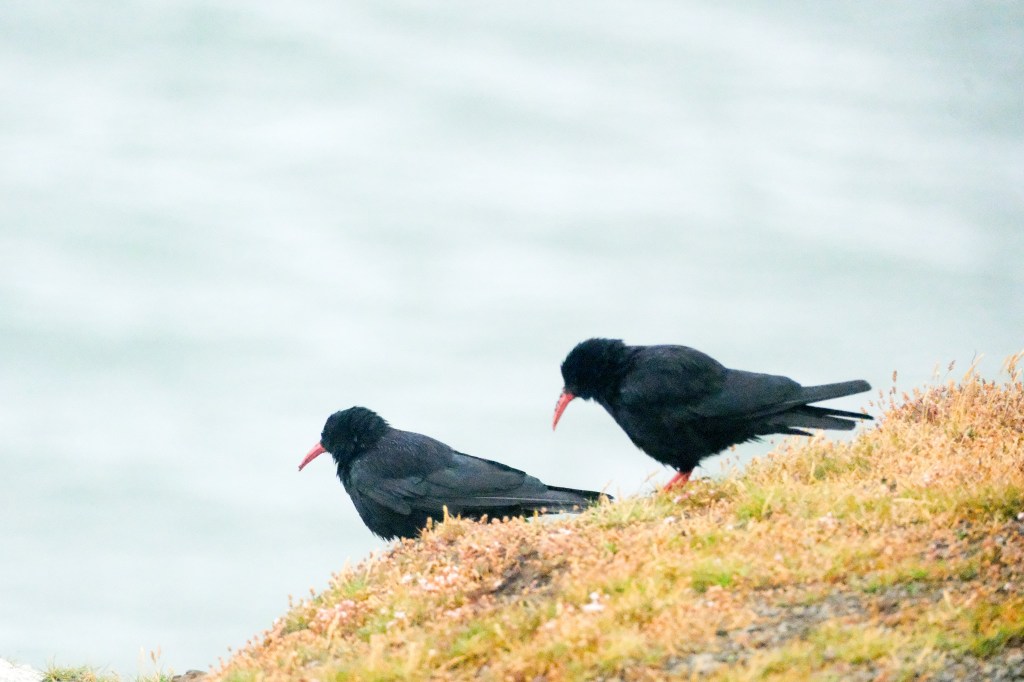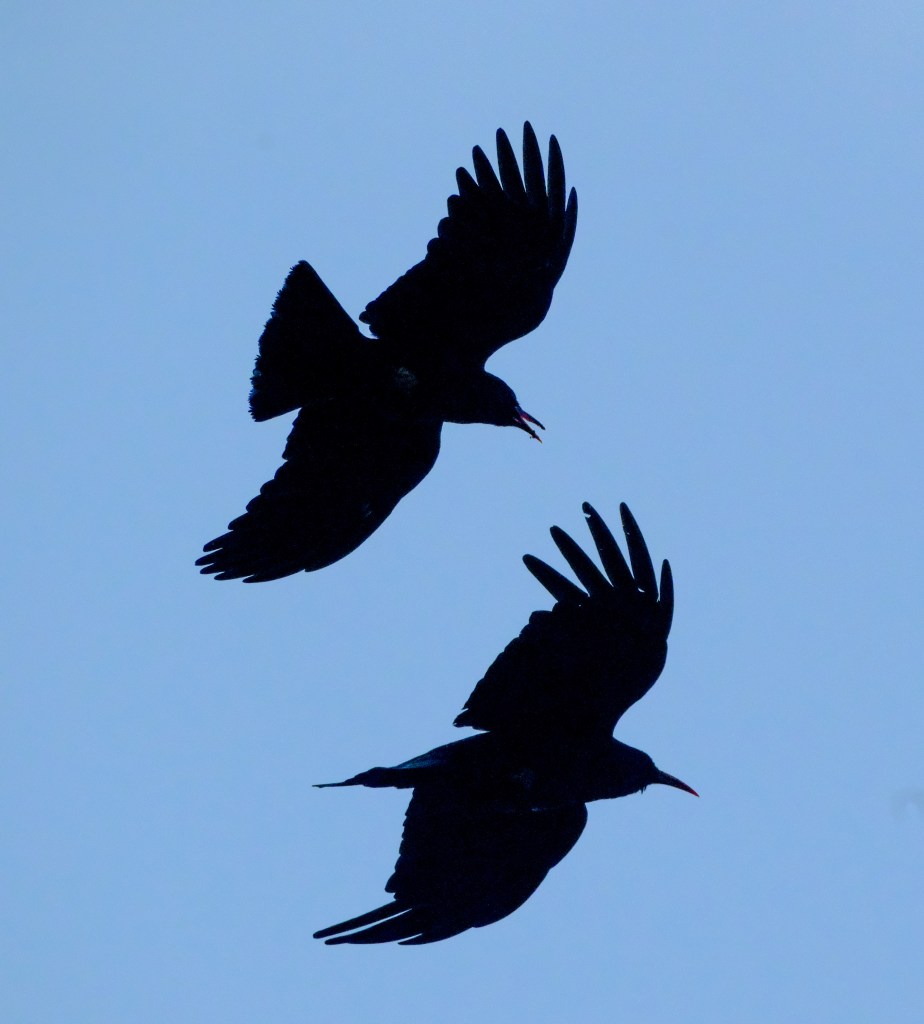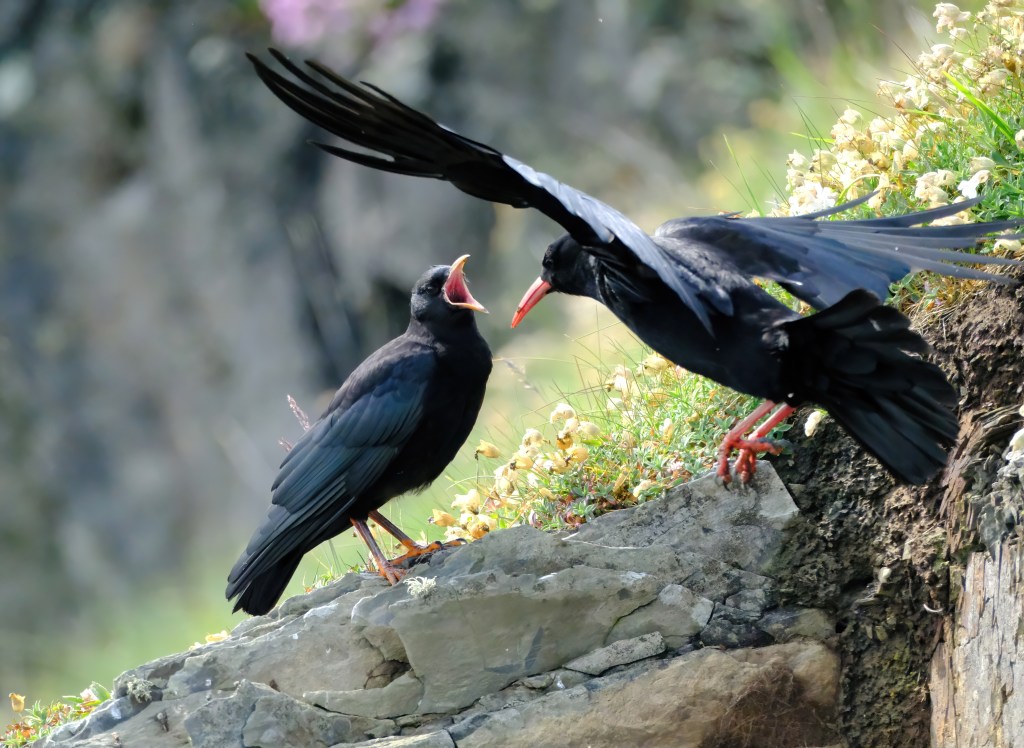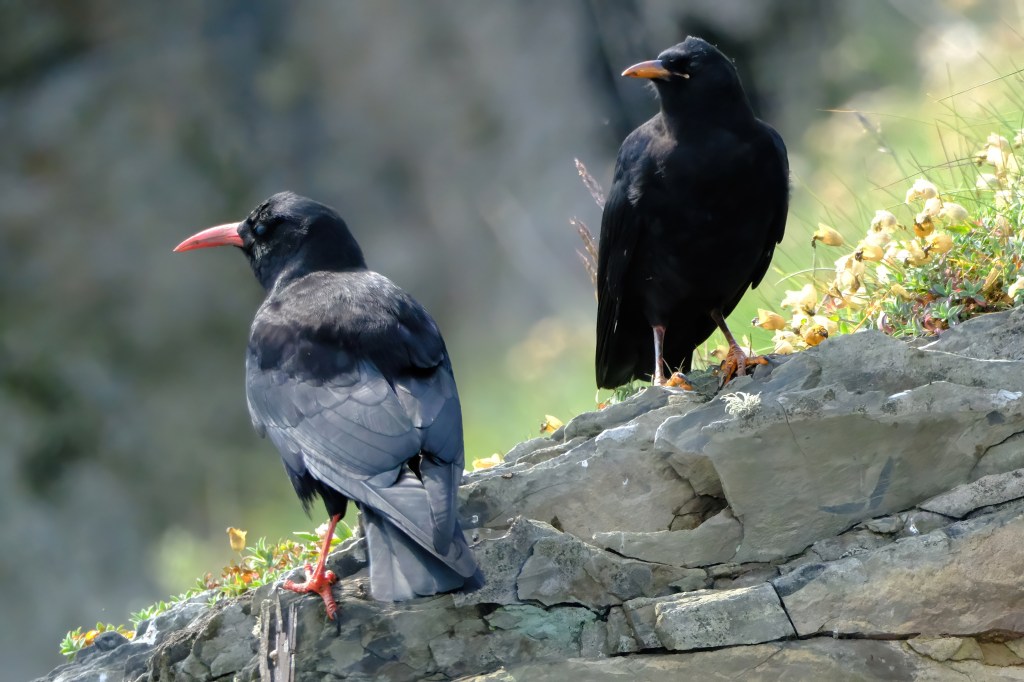
Chough.

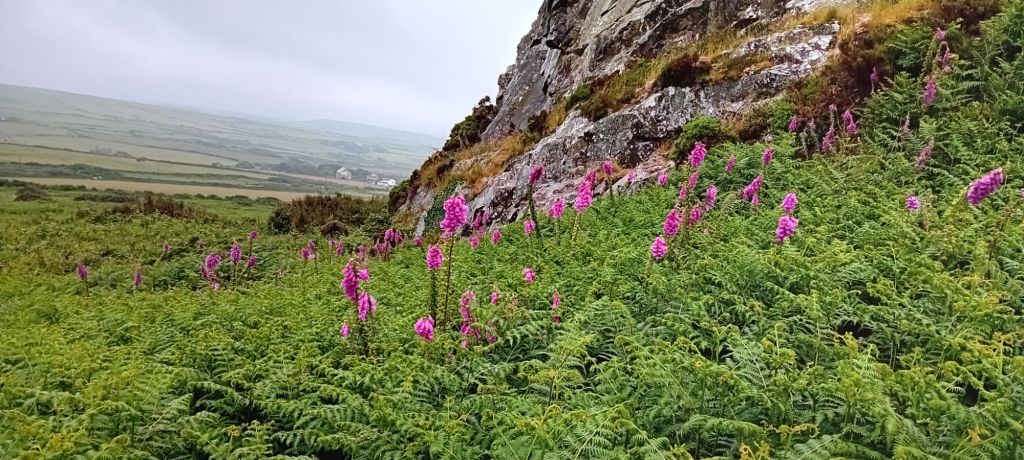
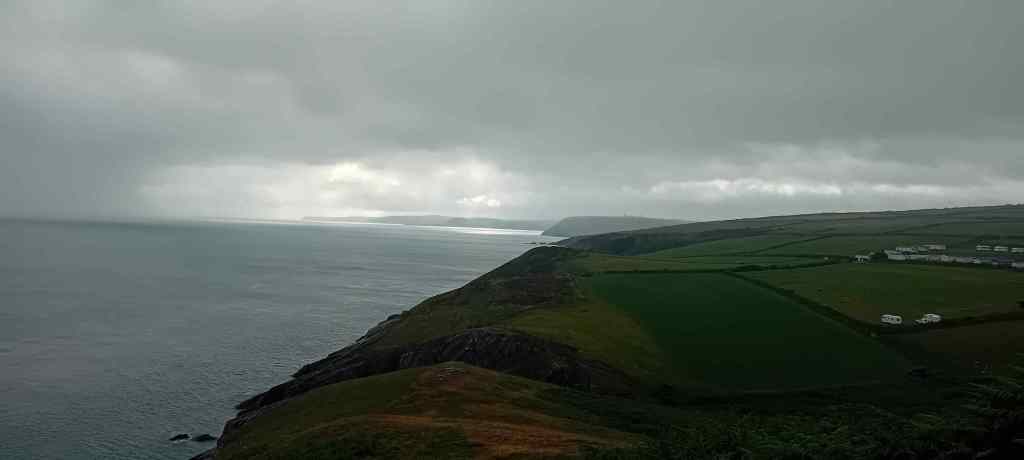
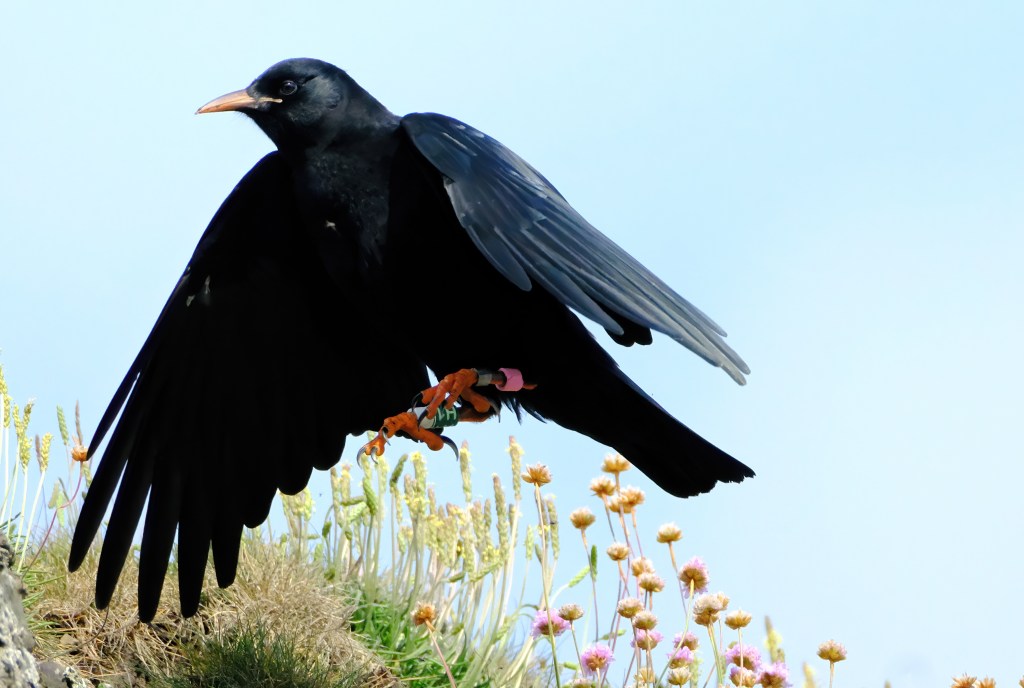
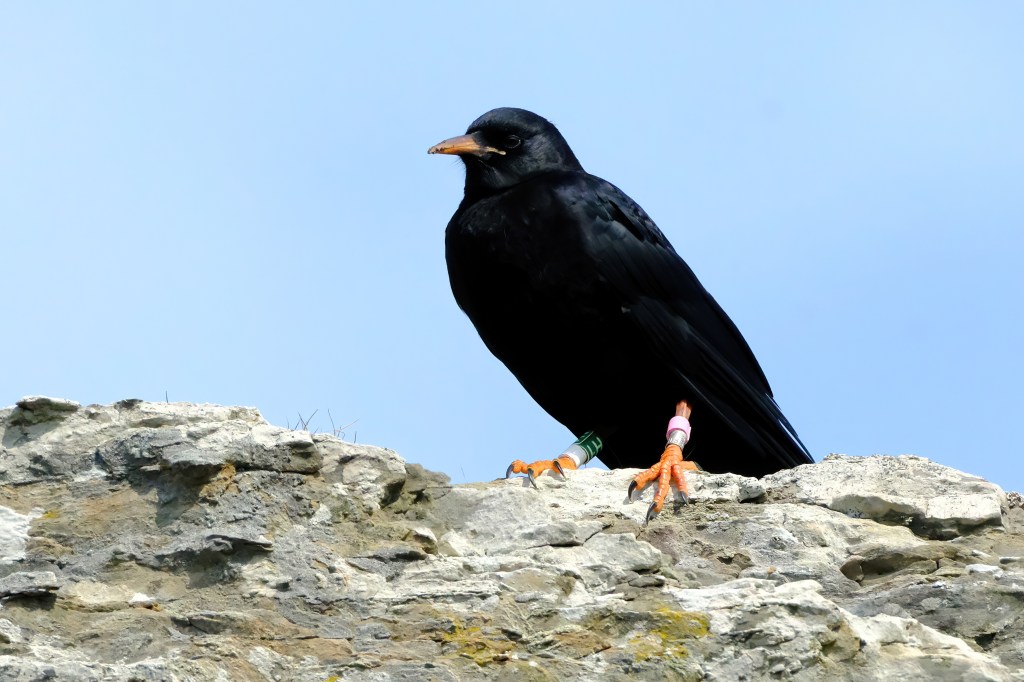
I visited an area in Pembrokeshire, Wales, on our camping trip where, several years before, I had seen Choughs. On a few miles of rugged coastline, I was lucky to see about 15 birds. This included two family groups – both had two parent birds and at least 3 juvenile birds in their group. One set of chicks had been ringed.

Unfortunately, the weather was very wet with high winds, so getting photographs was challenging.

The Chough—pronounced ‘chuff’— is a member of the crow family, but unlike any crow, it has an orange bill and legs. It is found only on the west of the British Isles. It’s a master aerobatics with dramatic aerial displays of diving and swooping. These birds are rare, with only 500 breeding pairs in the UK and the Isle of Man. They are Schedule 1 species.

They feed on short grassland and coastal heathland, where they probe the ground with their long bill for insects, such as leatherjackets and beetle larvae. Nests are in crevices and fissures, on rock ledges and cliff faces.. The female lays three to five eggs, and both parents help to raise the chicks.
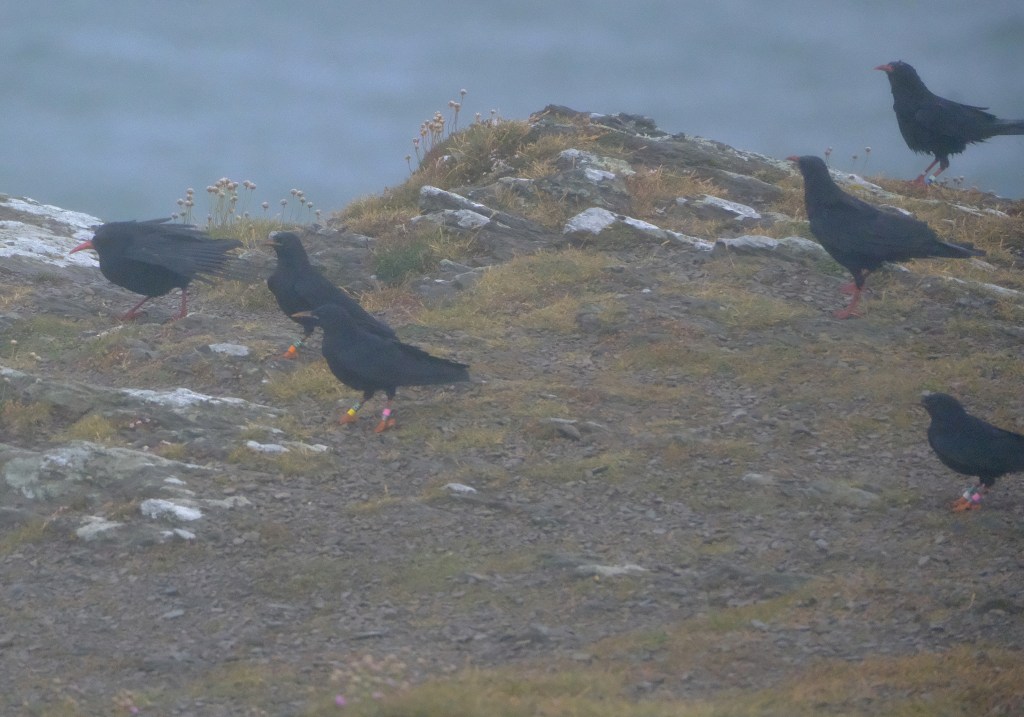
Later in the morning the weather improved so did the light so my pictures improved.

Below is a juvenile bird (ringed), note the paler bill.
Dorset Coast trip.

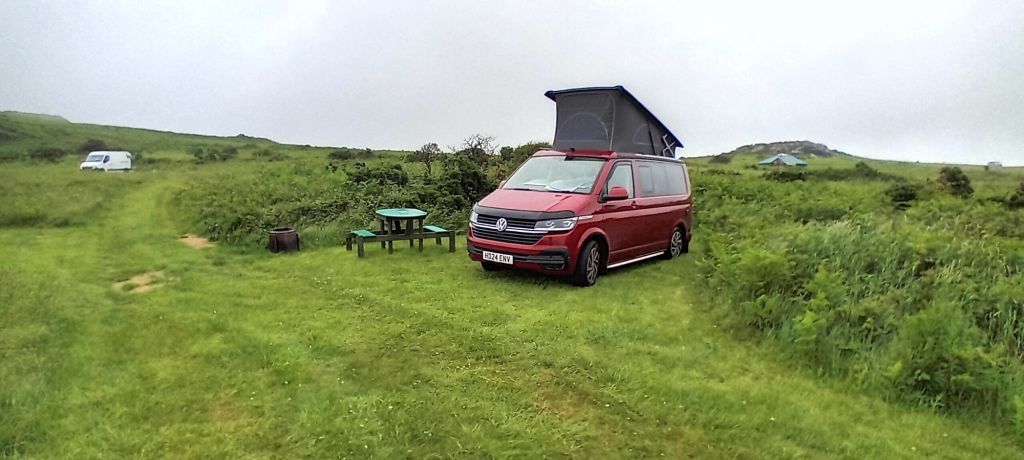
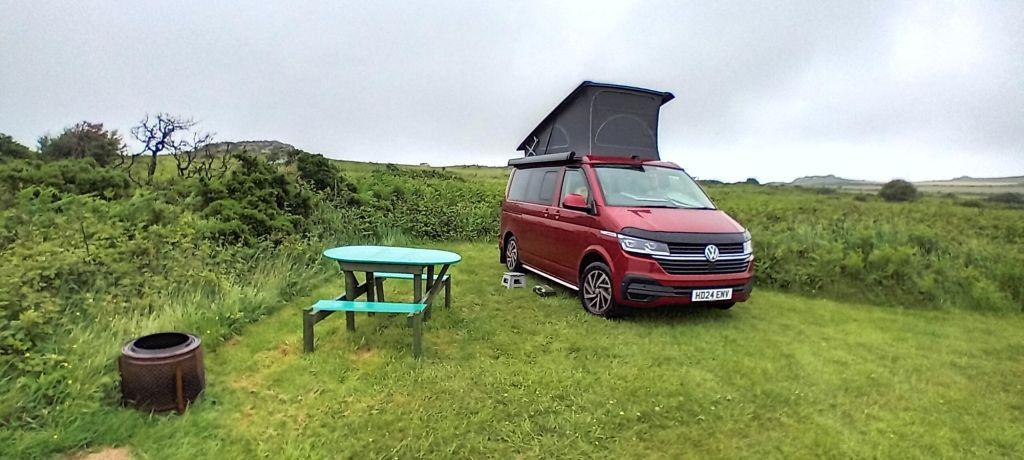
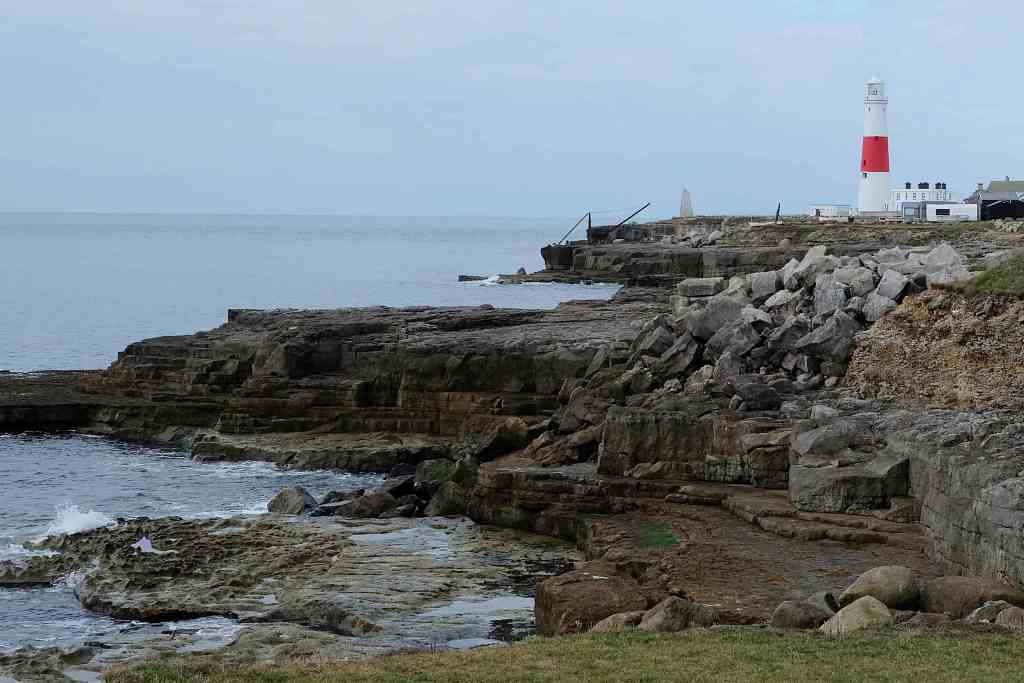
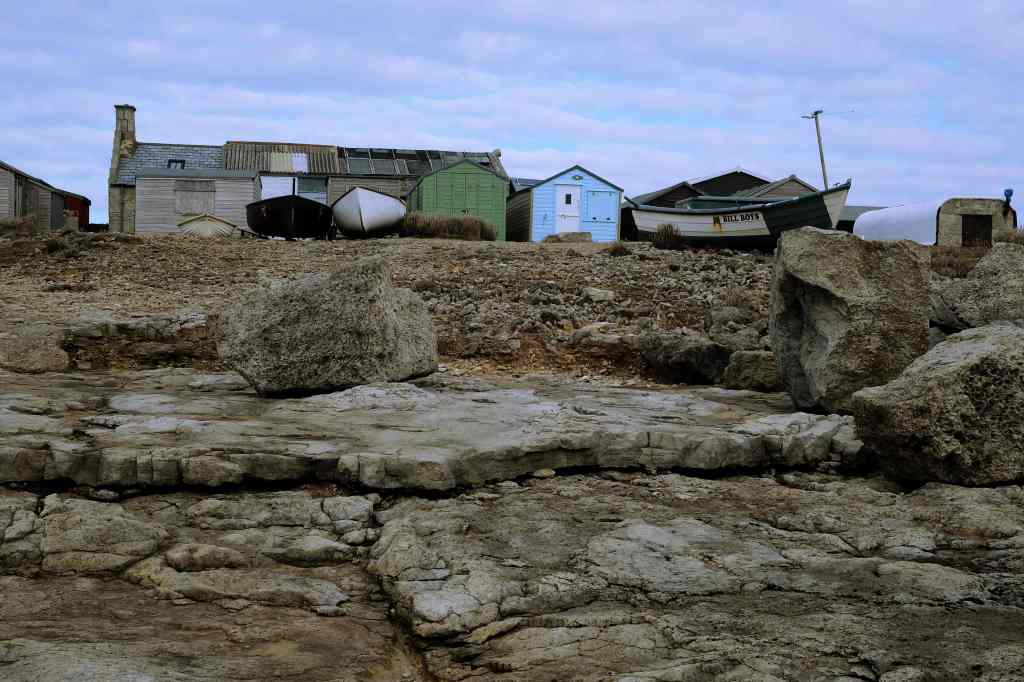
Our 1st Camper Van Trip of 2025 was just a couple of hours’ drive from home. It gave us a return visit to the Dorset Coast around Portland Bill.

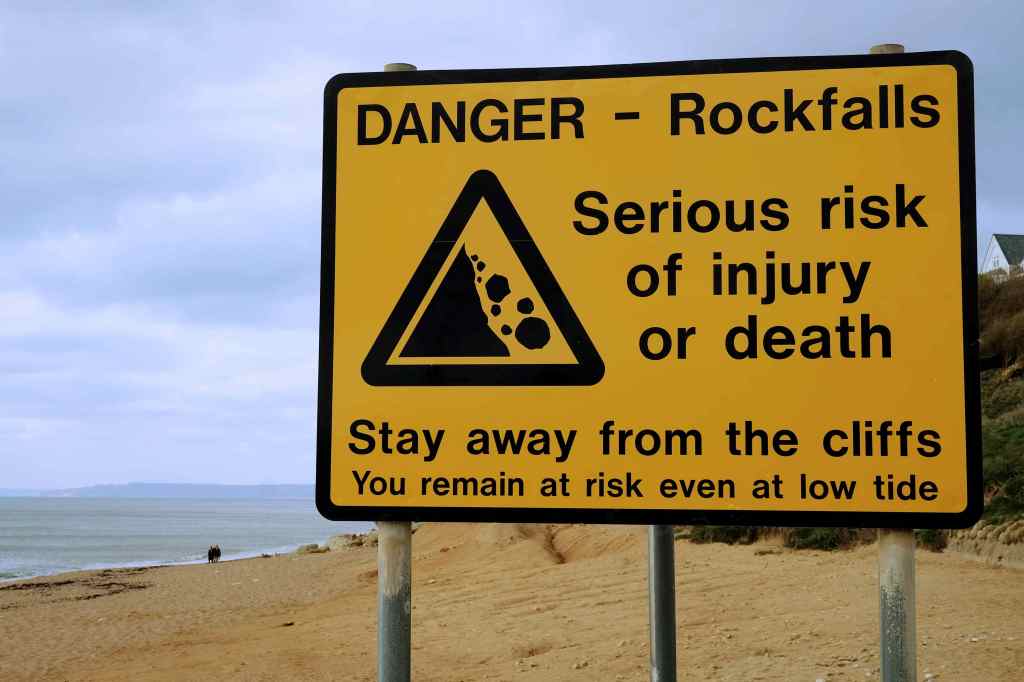
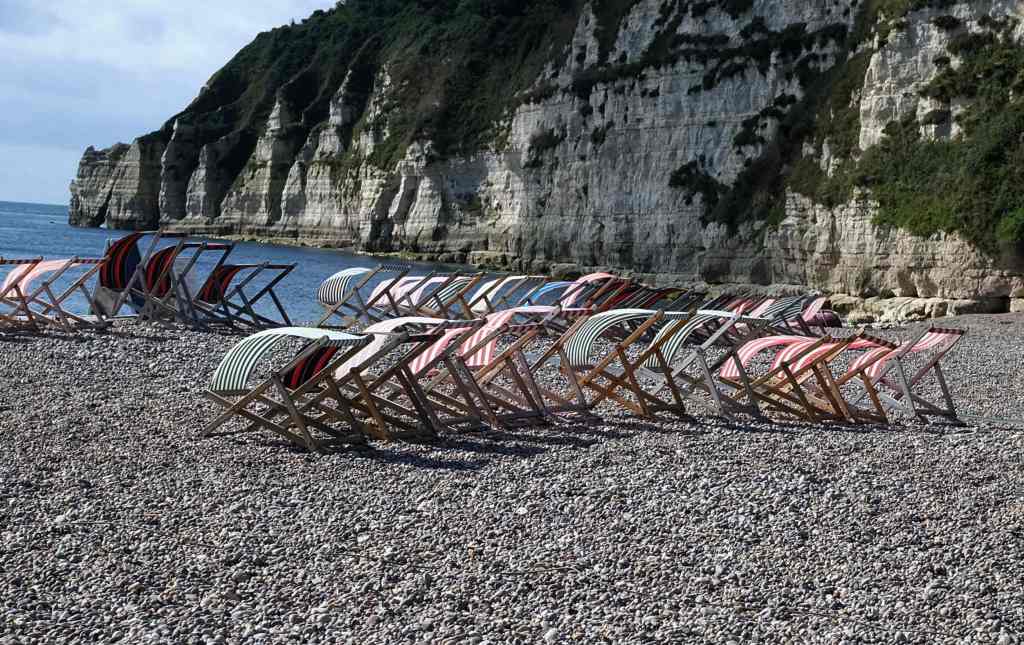
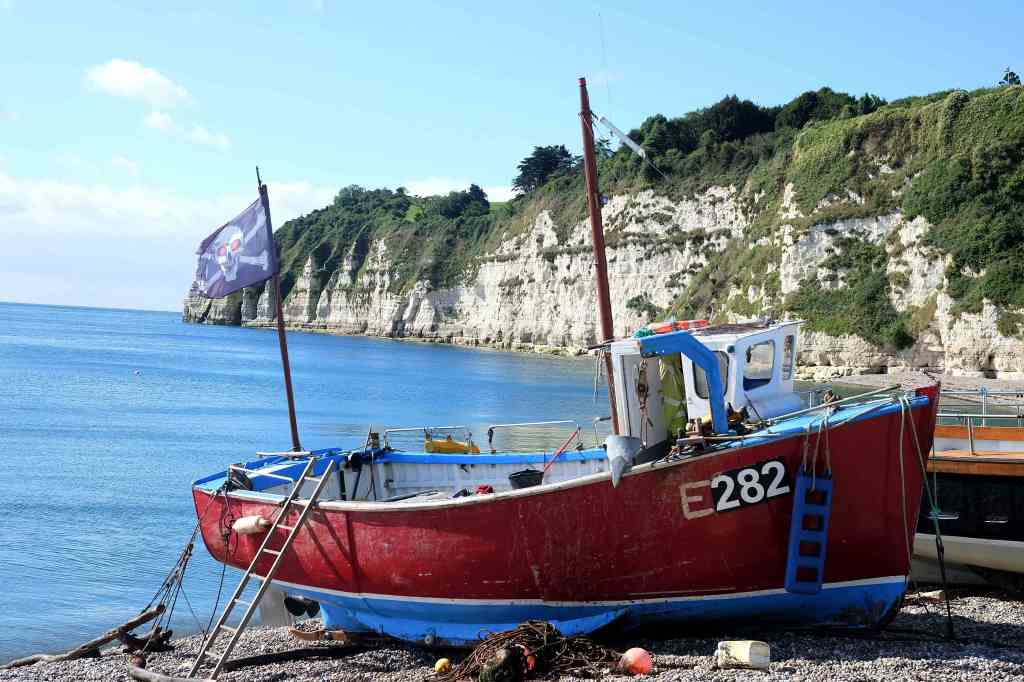
Hive Beach is, made up of shingle, surrounded by striking sandstone cliffs. It forms part of the larger Chesil Beach. It is part of the Jurassic Coast World Heritage Site. It is also the largest shingle ridge in the world. Burton Cliff offers one of the finest examples of the distinctive geology of this Bridport Sands area. The cliffs glow bright gold in the sunlight.

Chesil Bank looking towards the Isle of Portland and Portland Bill.
The Hardy Monument stands on a hill above the village of Portesham. It has uninterrupted views across the Dorset countryside. It was built in 1844 to honor Vice-Admiral Sir Thomas Masterman Hardy. He was the Flag Captain of HMS Victory at the Battle of Trafalgar. Lord Nelson died in his arms, saying the immortal words ‘Kiss me Hardy’.

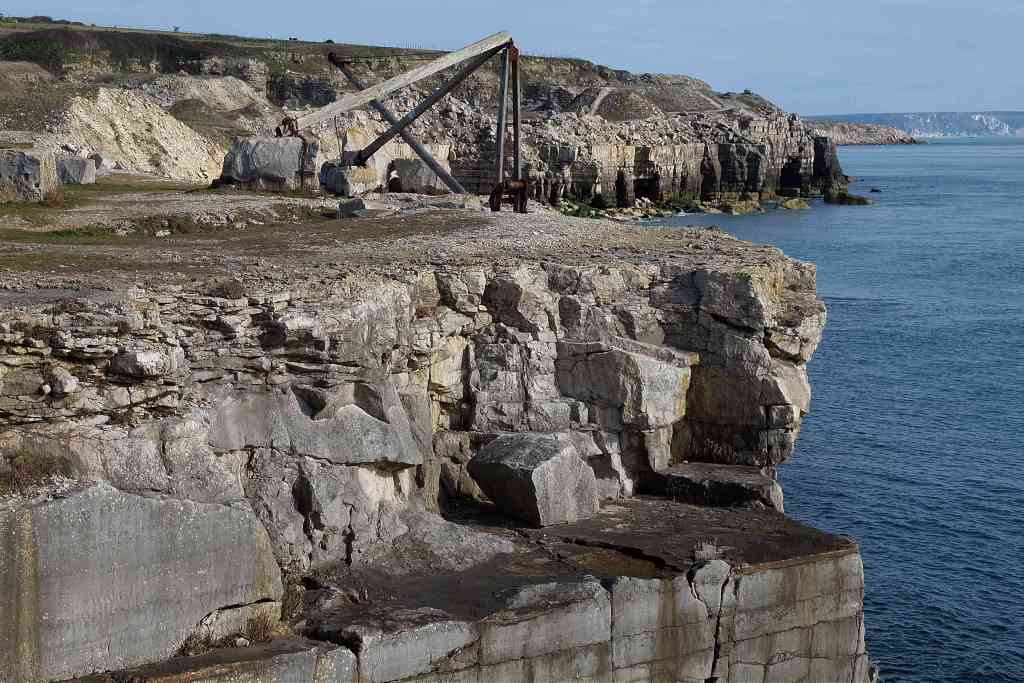
The Isle of Portland is an island linked to the mainland by the Chesil bank. It is 6 kilometers long and 2.7 kilometers wide. The southern tip is known as Portland Bill. It lies 8 kilometers south of the resort of Weymouth. This location forms the southernmost point of the county of Dorset.
Portland stone is a limestone geological formation. It dates to the Tithonian age of the Late Jurassic period. It is quarried on the Isle of Portland. The quarries are cut in beds of white-grey limestone. It has been used extensively as a building stone throughout the British Isles. It is notably used in major public buildings in London, like St Paul’s Cathedral and Buckingham Palace. Portland stone has been exported to many countries. For example, it is used at the United Nations headquarters in New York City.

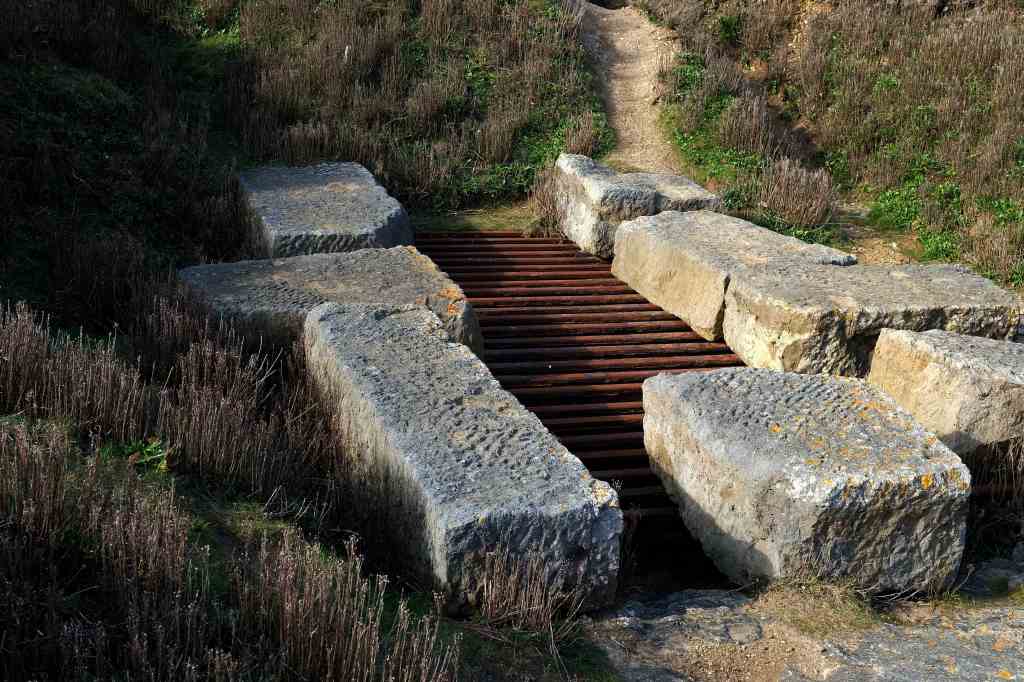
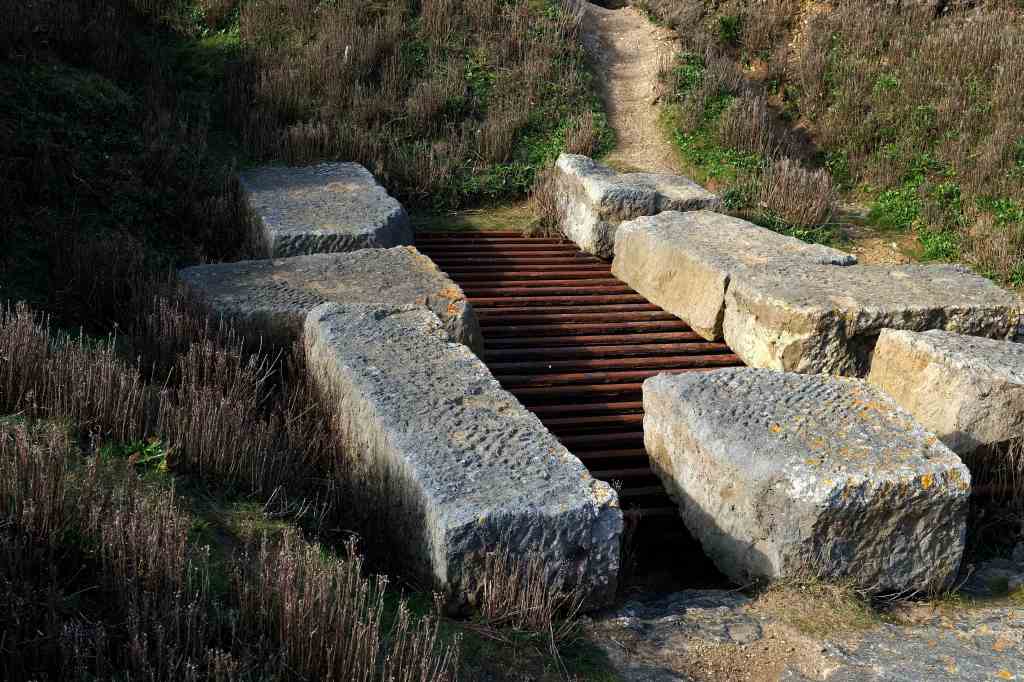
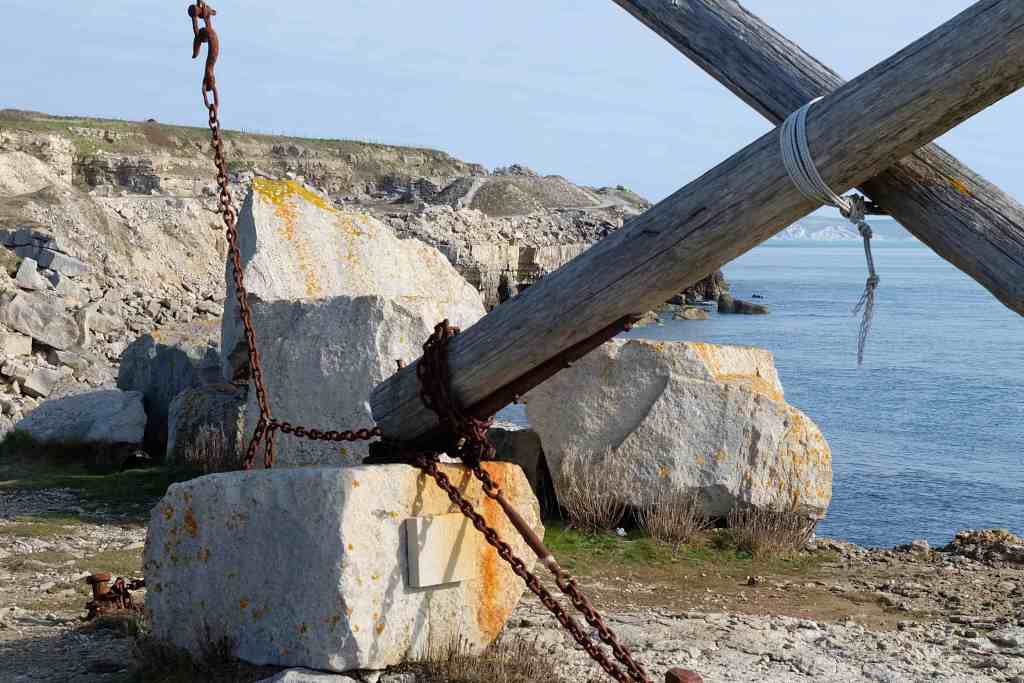
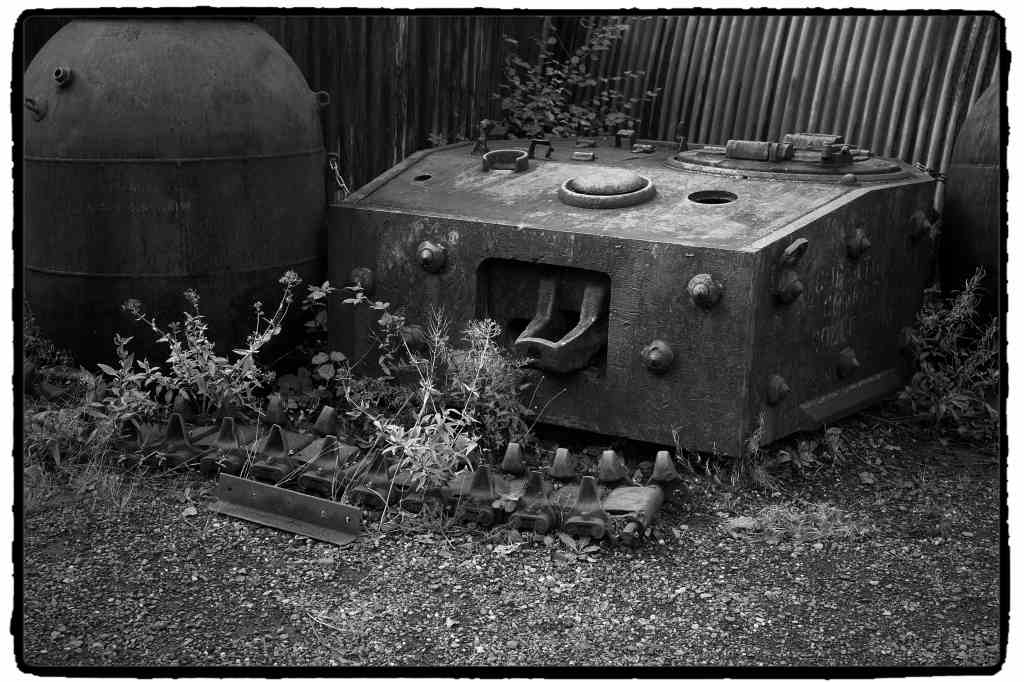
Portland’s quarries are interesting places to explore. They are full of tunnels and gullies. Many tramways and cranes can be found as you walk the area.

Sparrowhawk.

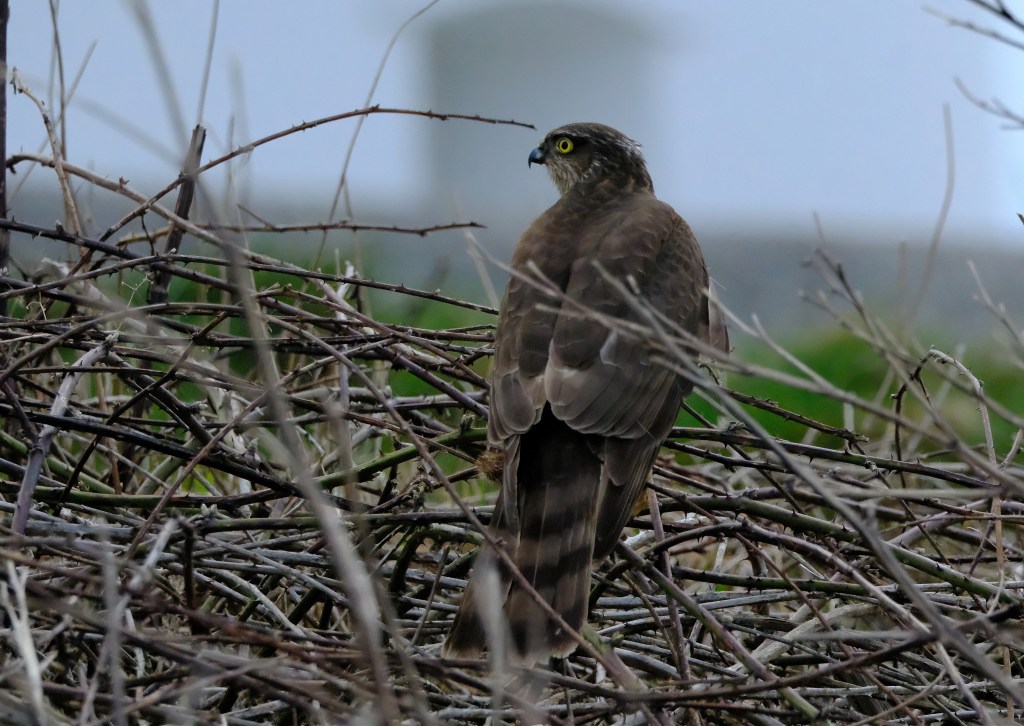
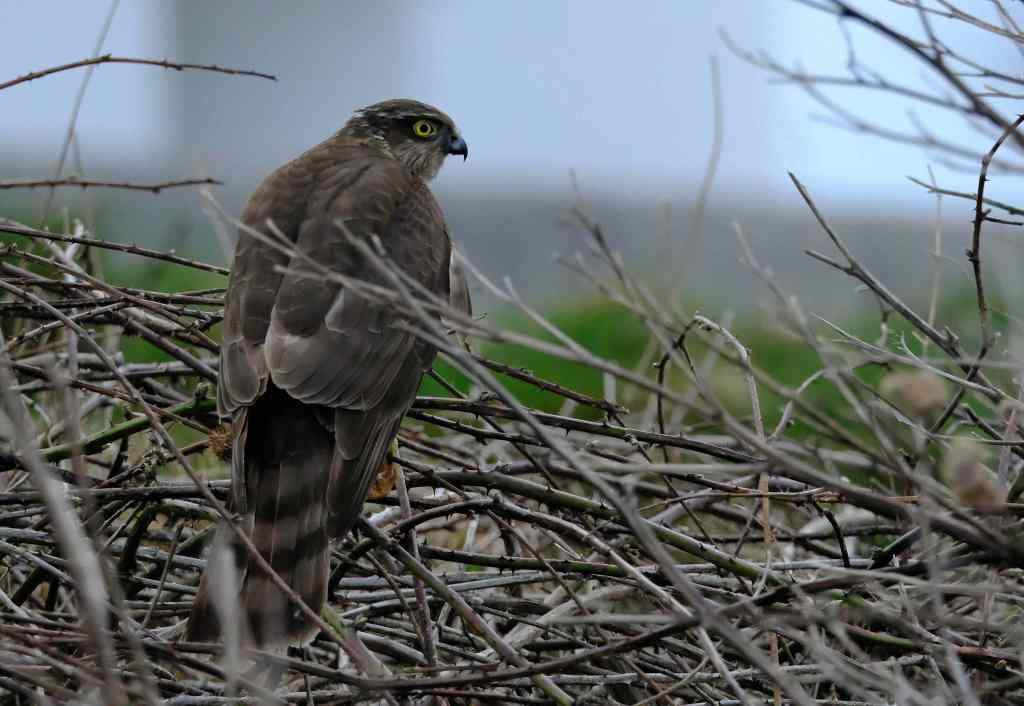
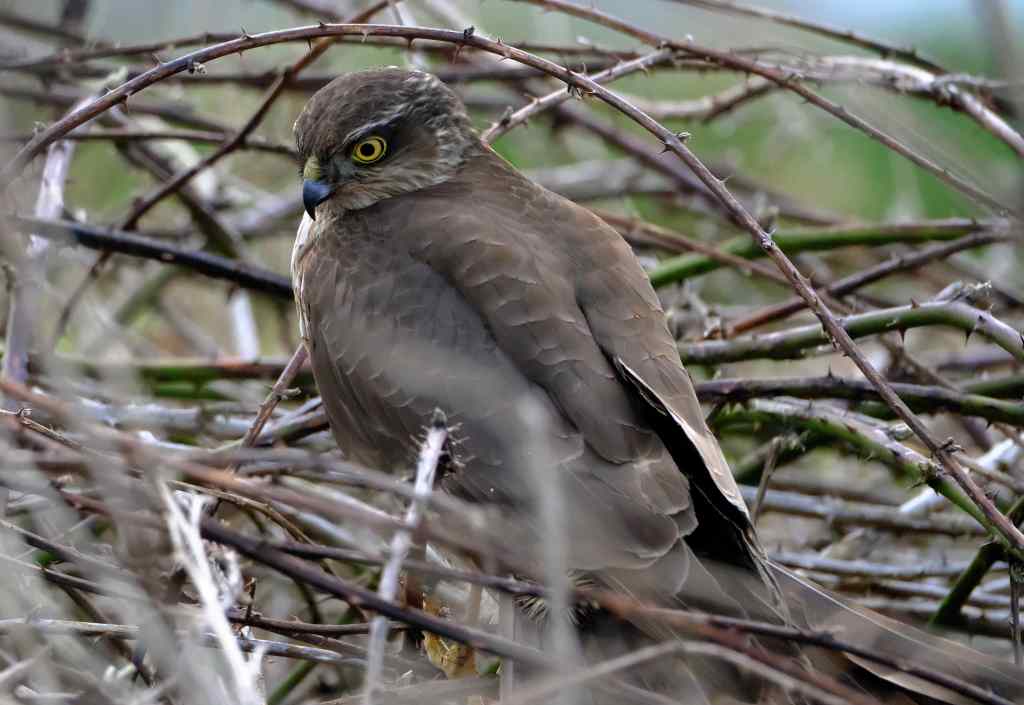
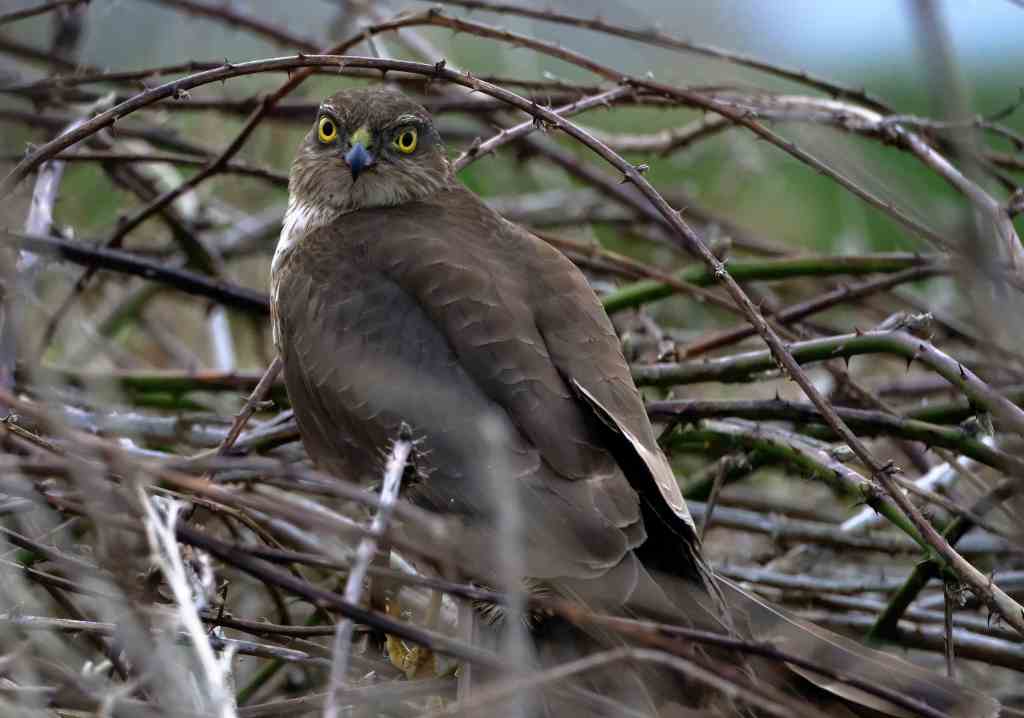
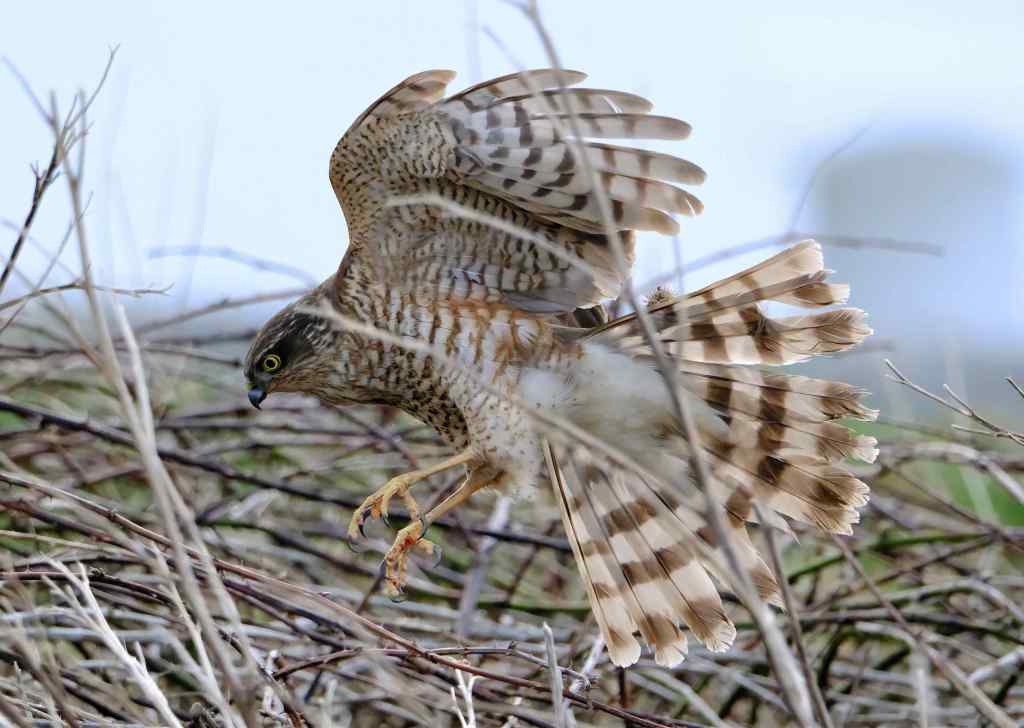
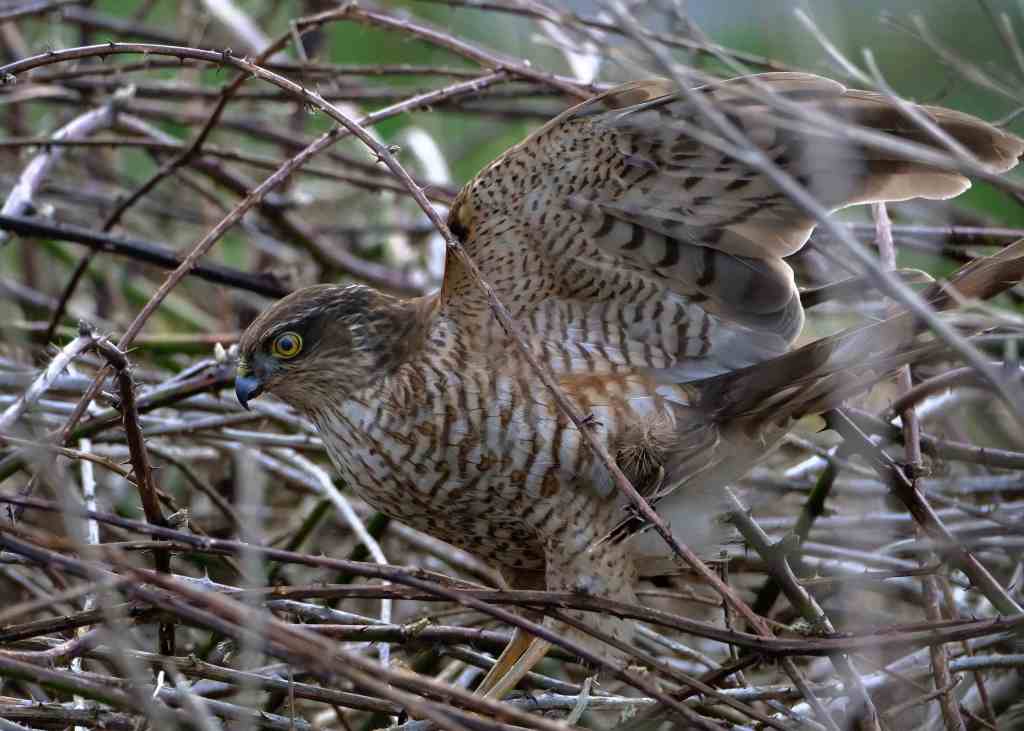
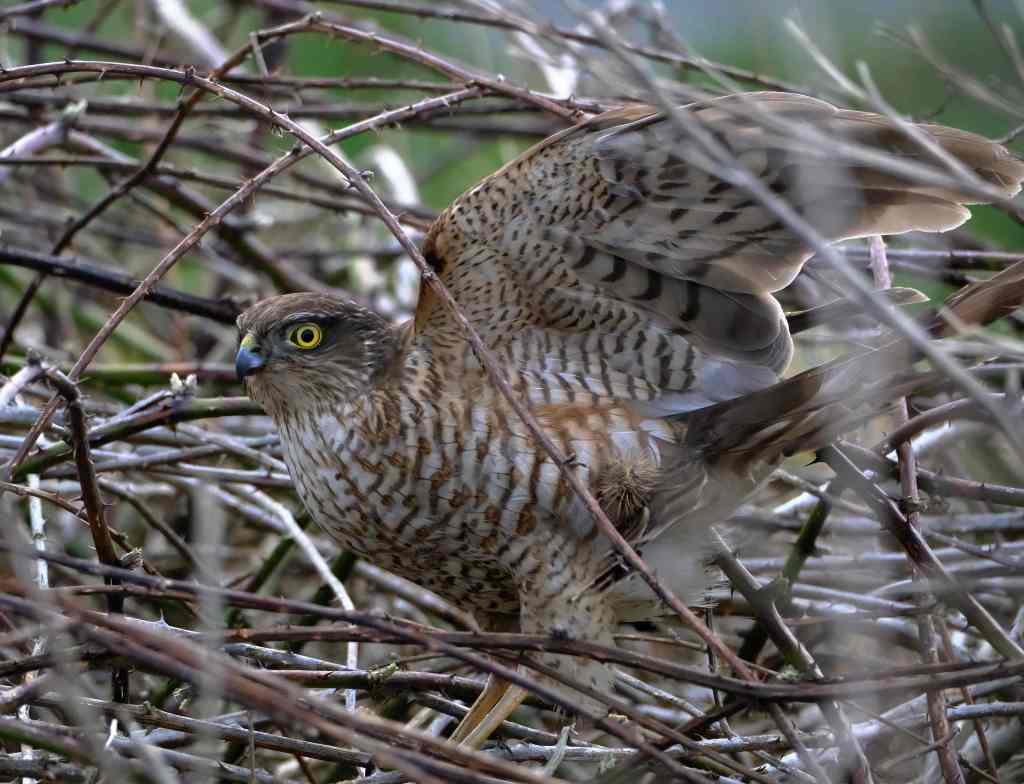
A few days away on the Dorset Coast in our Camper van. The best spot of the holiday was Female Sparrowhawk. This bird had caught another bird, probably a Starling. It had landed in a bush to eat it, but the Starling escaped into the bush. She was unhappy and spent a few minutes trying to find it before flying off. Sparrowhawks are small birds of prey; they are fairly common in the UK. Adapted for hunting birds in confined spaces such as woodlands or gardens. Adult Male Sparrowhawks have a bluish-grey back and wings and rusty-brown stripes on their chest and belly. Females have brown backs and wings and brown stripes underneath. Sparrowhawks have bright yellow eyes, yellow legs and feet. The Female is larger than Males (as with all birds of prey).

Beer Caves.

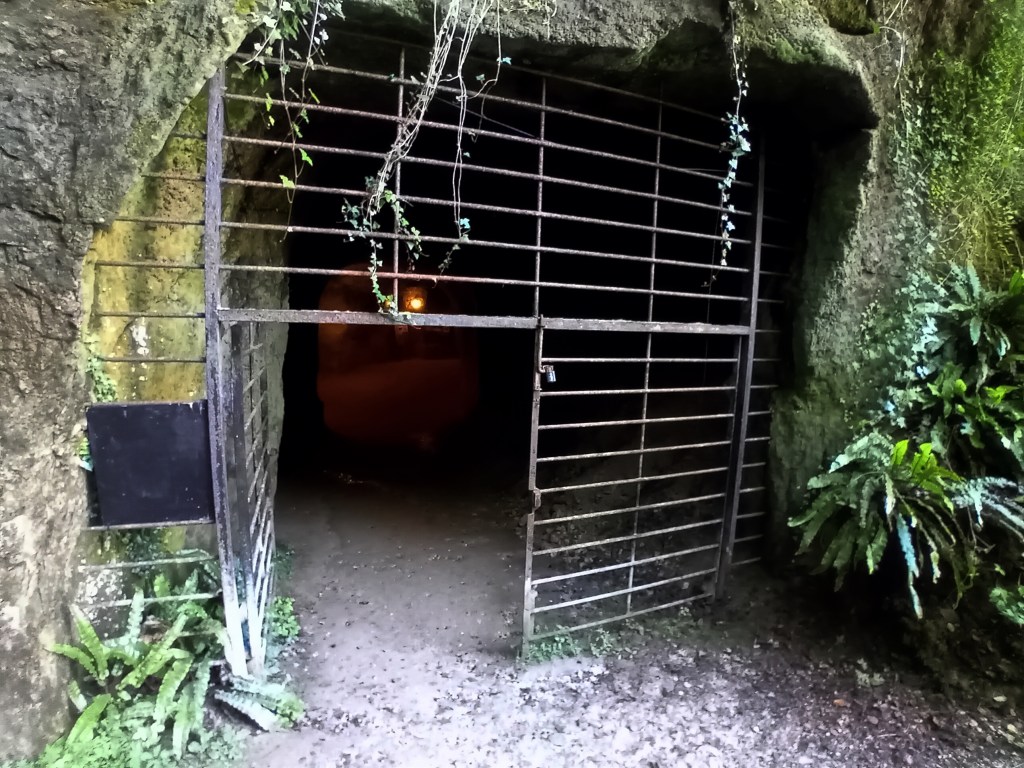
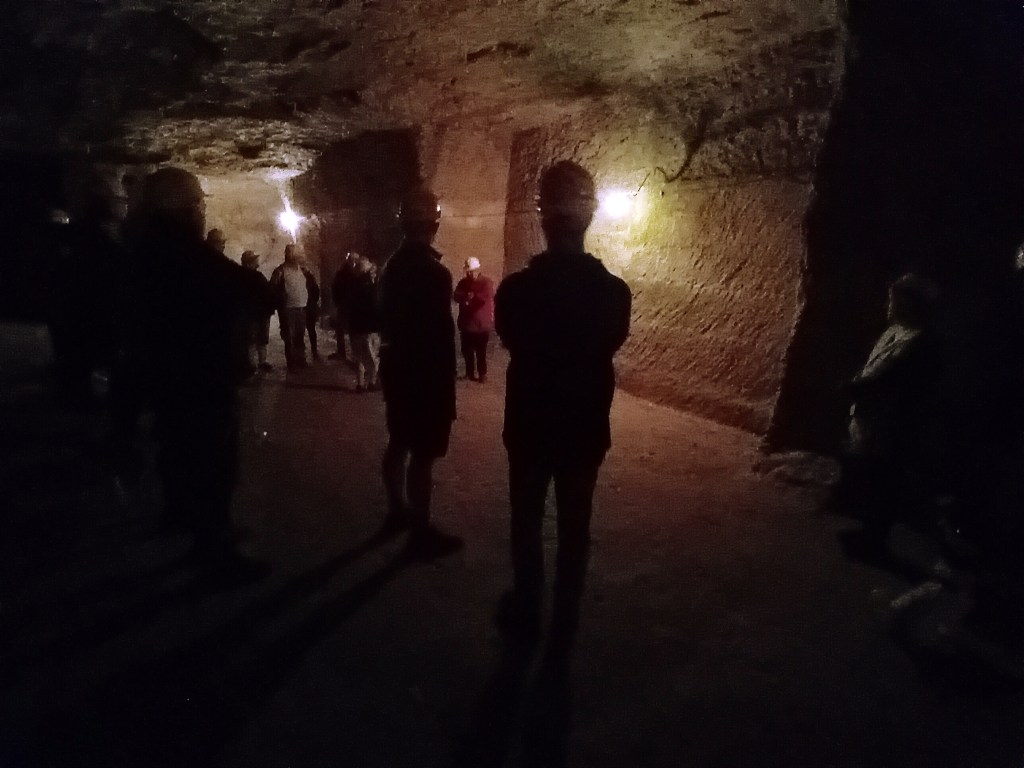
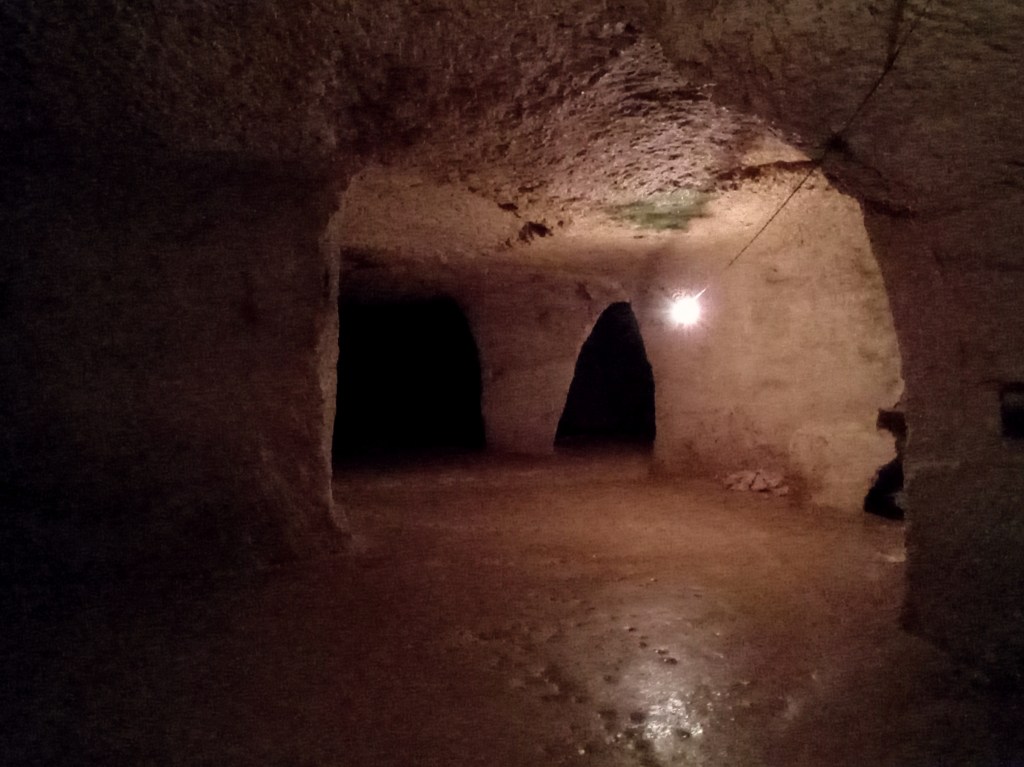
Beer Quarry Caves are a man-made underground complex located a mile west of the village of Beer, Devon. The tunnels resulted from 2,000 years of quarrying Beer stone, which was particularly favoured for the cathedral and church features such as door and window surrounds because of its colour and workability for carving. Stone from the quarry was used to construct several of Southern England’s ancient cathedrals and other important buildings, as well as many town and village churches and some buildings in the United States. Extraction was particularly intense during the Middle Ages the quarry closed in the 1920s.

Today you can visit the caves on an hour-long underground tour through the vast man-made complex of underground caverns There are large halls with vaulted roofs and pillars of Beer Stone which have been likened to a vast underground cathedral.

Guinea fowl.

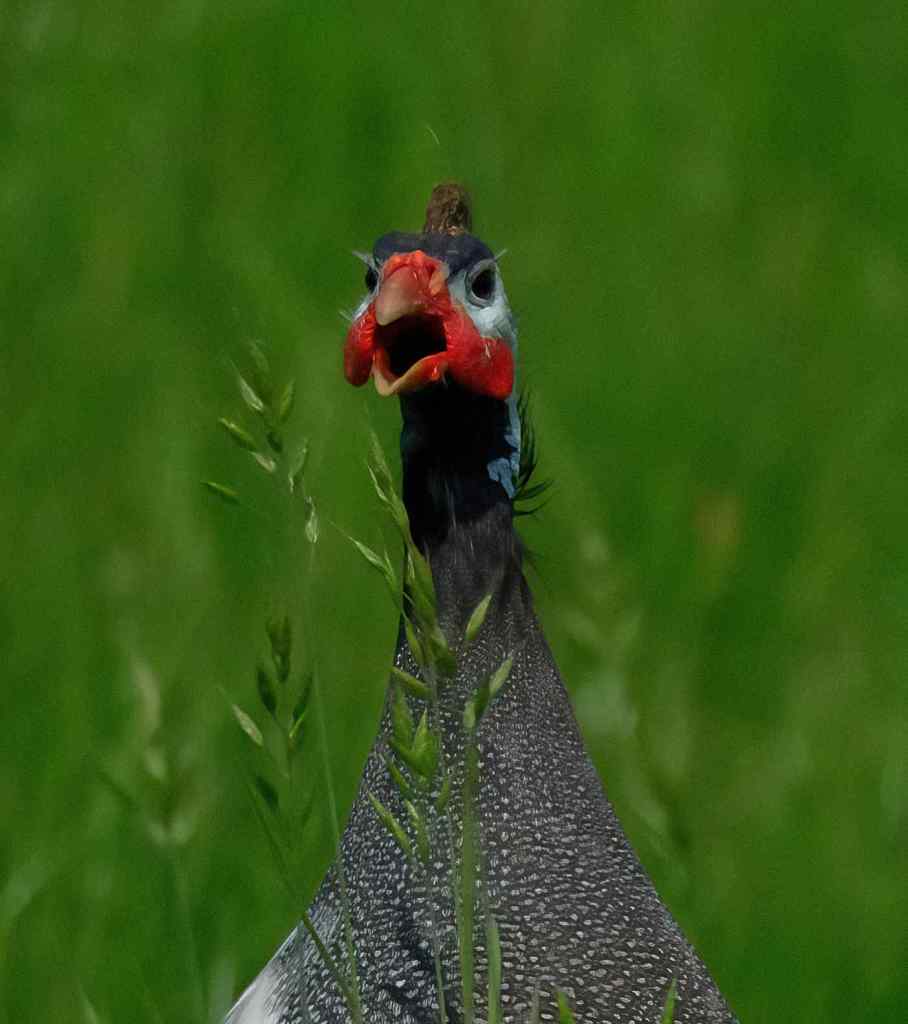
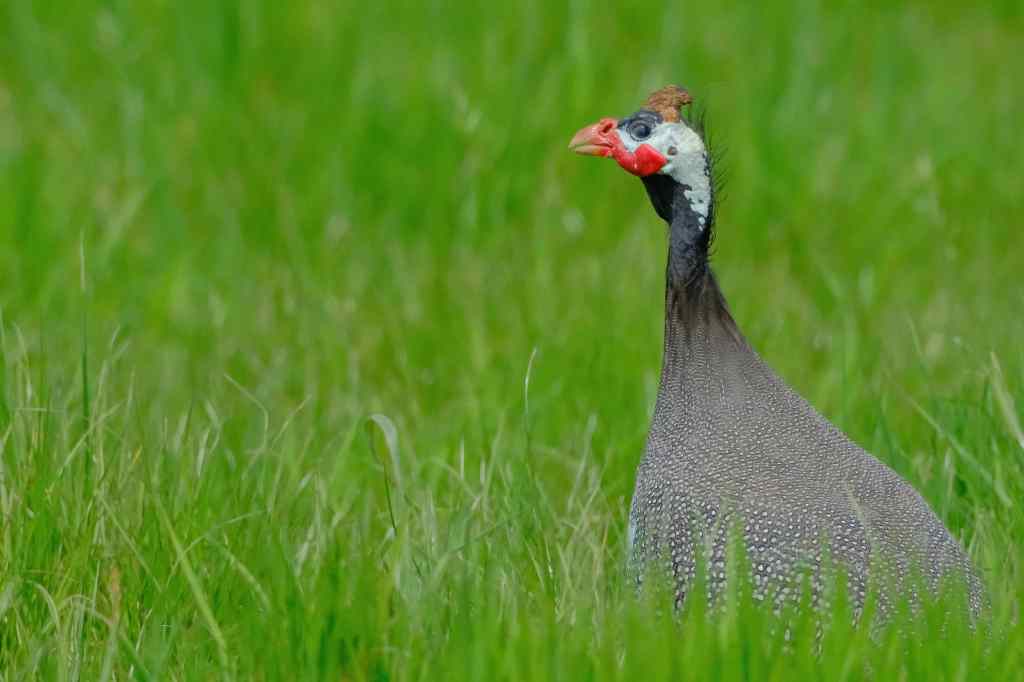
Guinea fowls are often seen roaming the plains of Africa and picking at the ground for food. These were seen in Salisbury Plain around some farm buildings. They resemble turkeys and pheasants. They are not wild birds here in the UK.

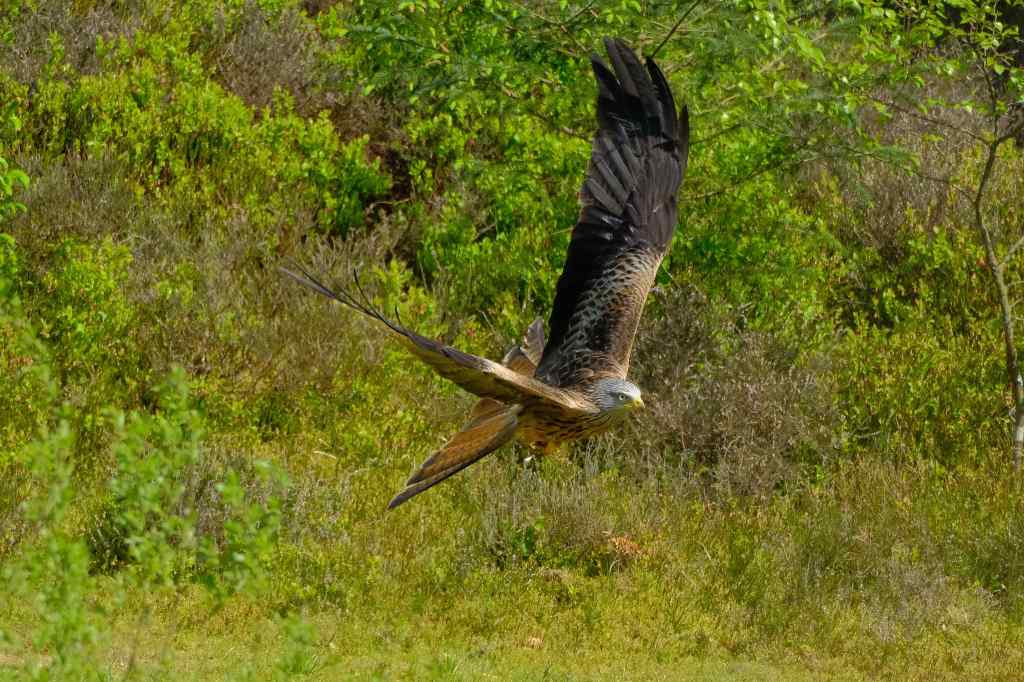
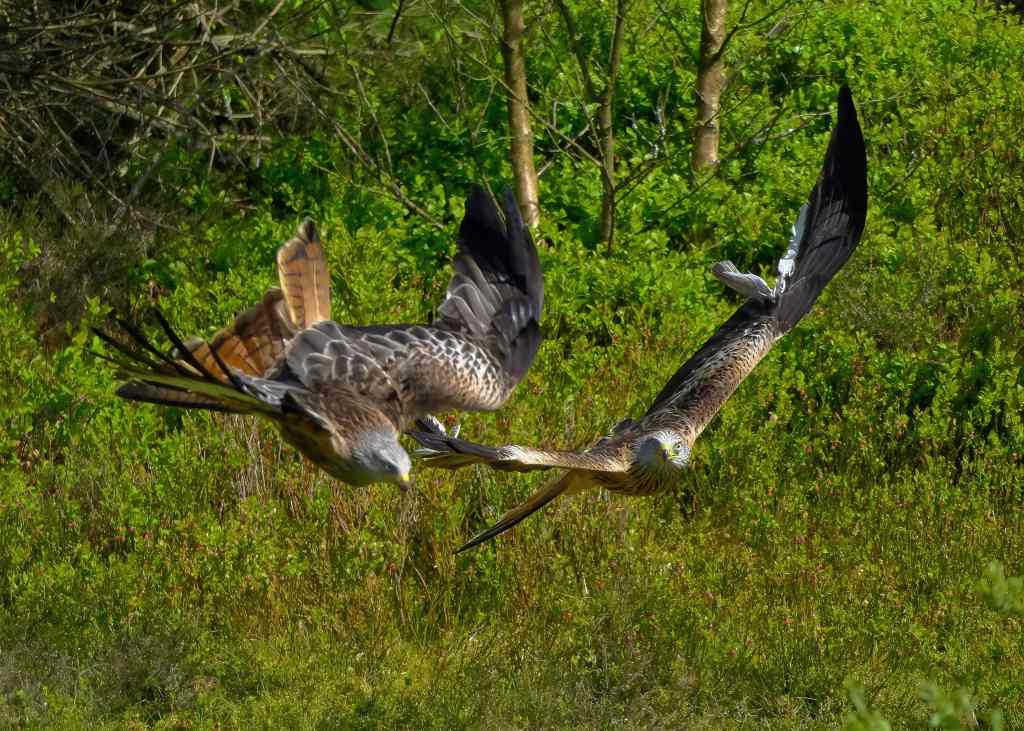
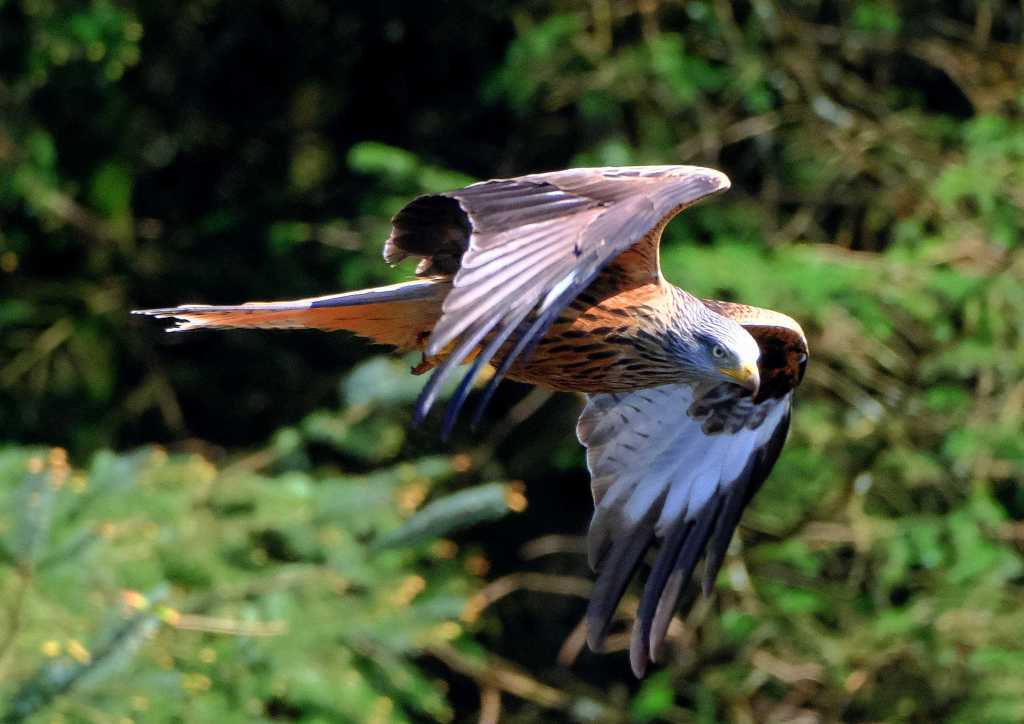
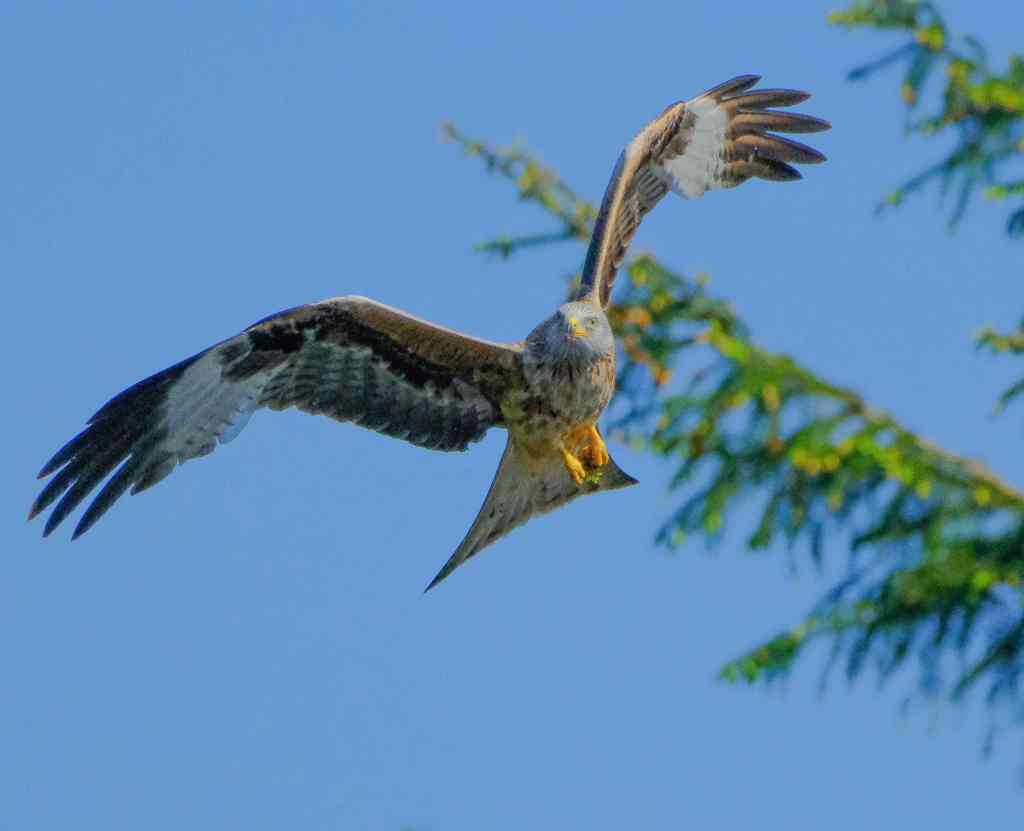
Flying Kites.

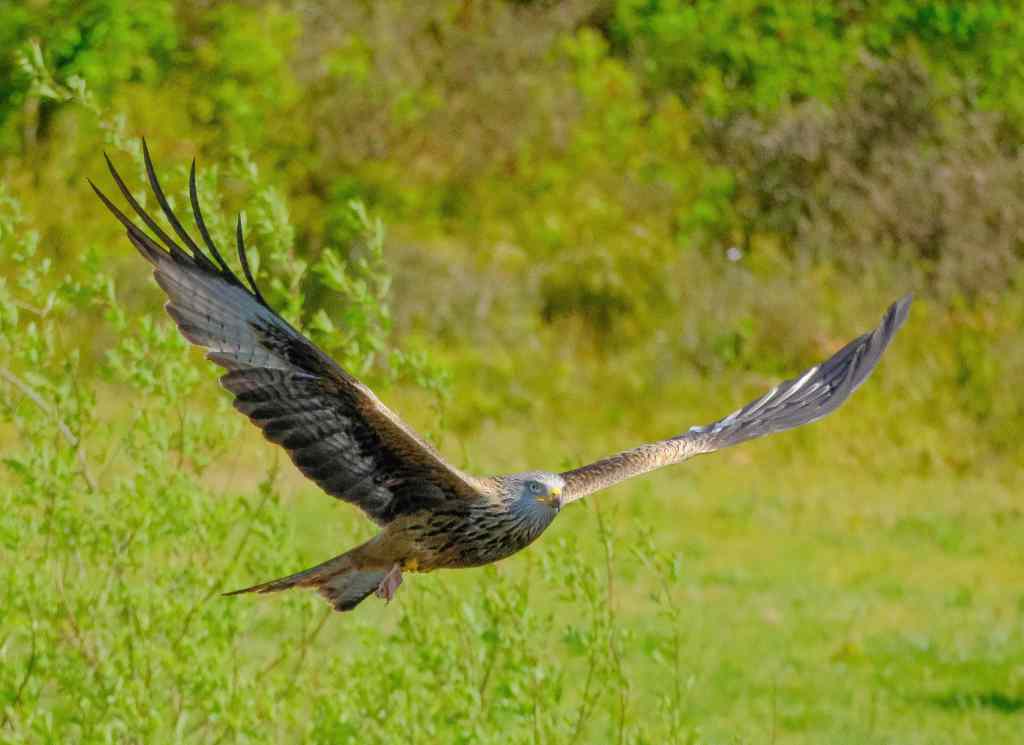
By the early 20th Century due to persecution numbers of Red Kites’ were reduced to just a handful confined to the uplands of mid-Wales. When I was a teenager there were said to be about 25 pairs. With conservation work, their numbers started to build in the 1980’s. Today they are seen as a conservation success. The RSPB website gives the numbers in the UK of 4600 breeding pairs. I have even seen this beautiful bird over the outskirts of Southampton

In Mid Wales there are several Red Kite feeding stations We visited one while away this week.

This post is photo heavy !

wingspan: 155-180 cm Length: 60-65 cm Weight: 750-1,300 g

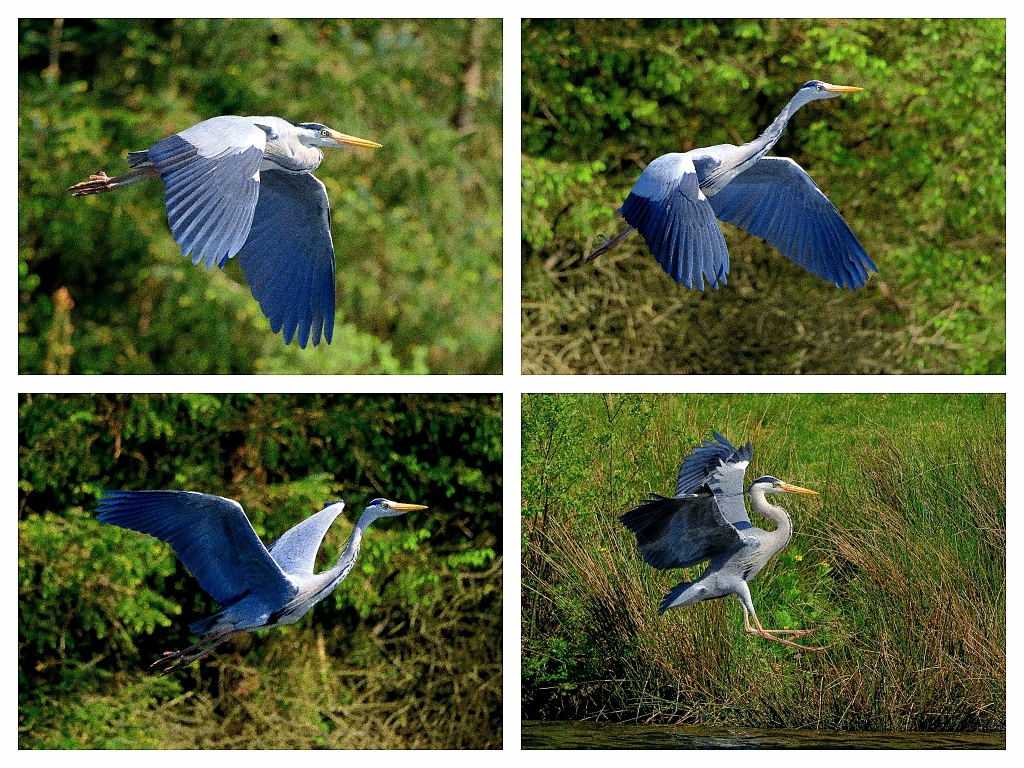
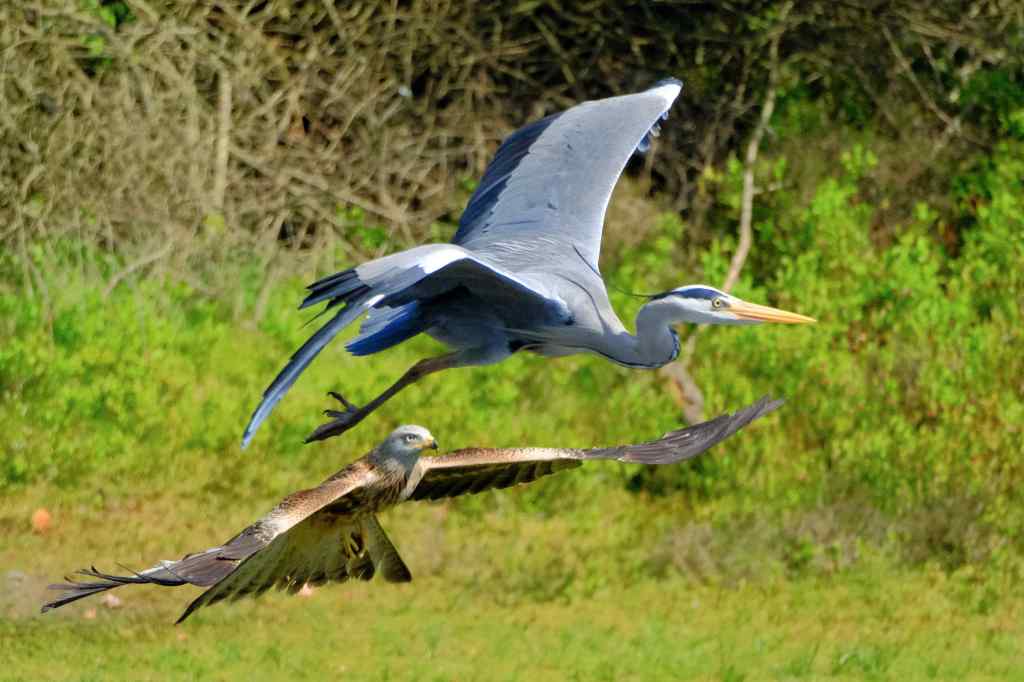
This Heron thought he would steal some of the Kites’ food!