Hastings fishing fleet – old school small beach launched fleet.
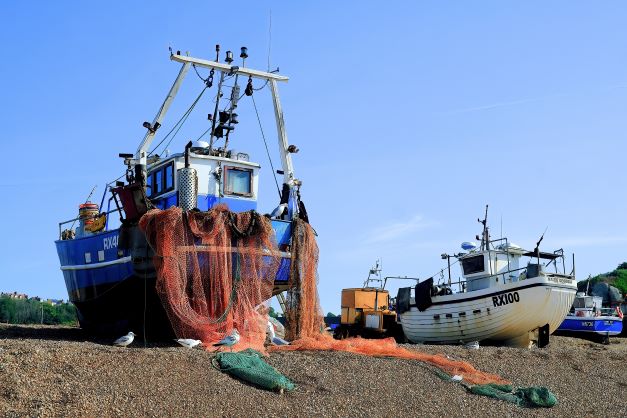

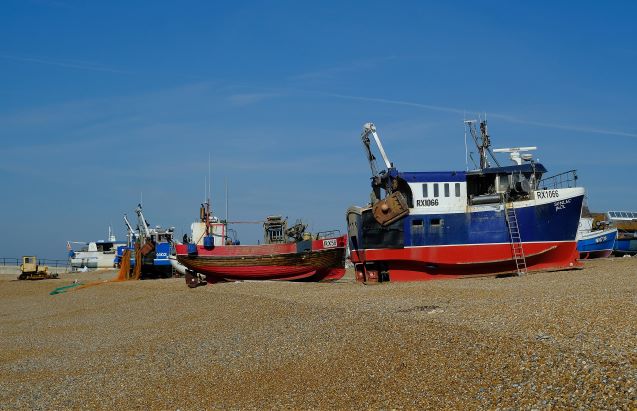
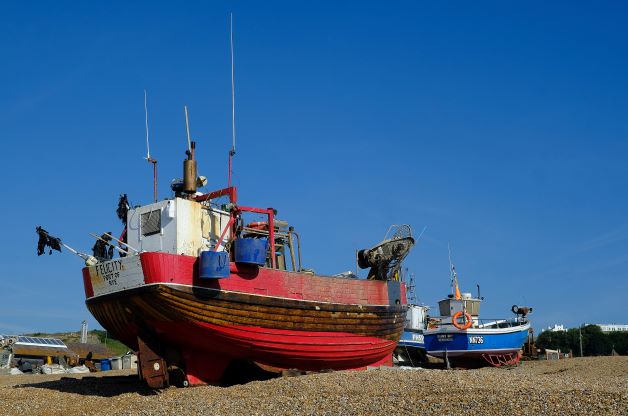
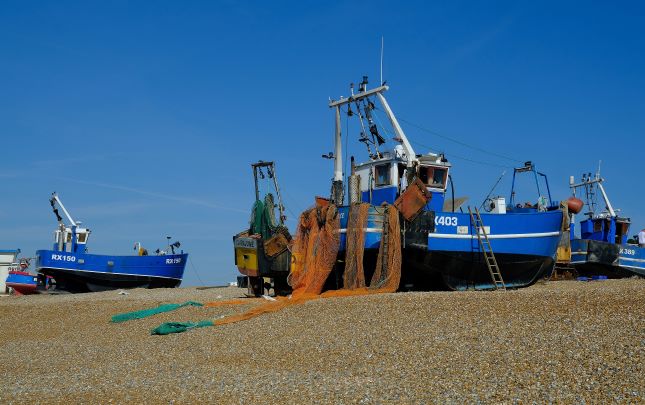
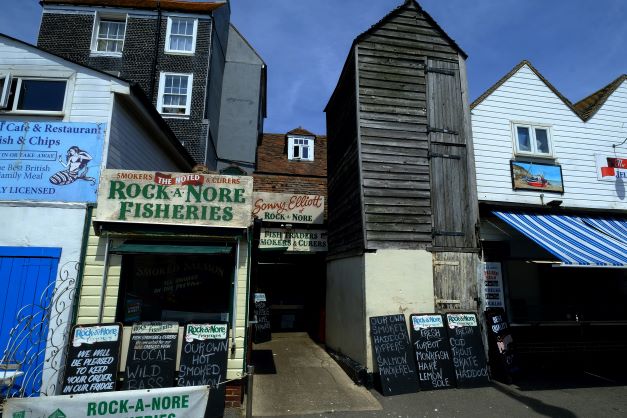
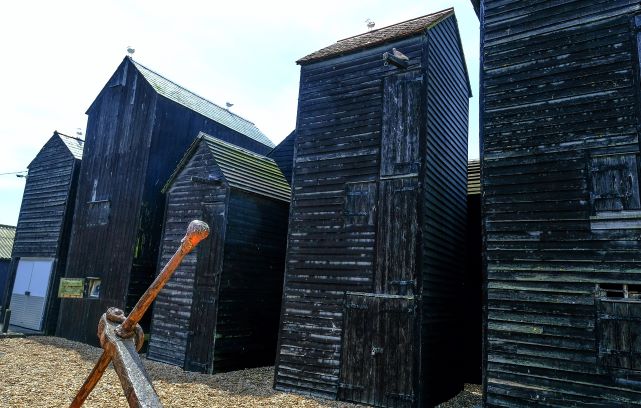
Hastings fishing fleet – old school small beach launched fleet.

By 1780, the development of the Georgian development of Brighton was underway with the development of grand Georgian terraces – the fashionable resort was regularly frequented by the Prince Regent later King George IV. Spending much of his leisure time here he constructed the Royal Pavilion. with the coming of the Railways and only 47miles from London Brighton continued to develop and became a popular Victorian holiday resort.
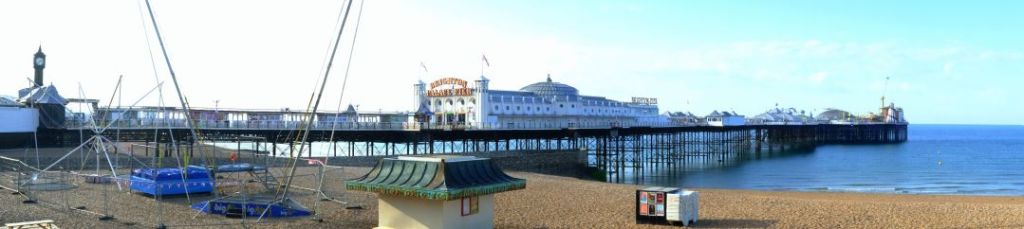
Brighton had 2 piers the West Pier was constructed during a boom in pleasure pier building in the 1860s, it was designed to attract tourists to the town. The West Pier was developed further in 1893, and a concert hall was added in 1916. It complimented the first pier the Royal Suspension Chain Pier which was built in 1823. It was replaced by the Palace Pier in 1889.
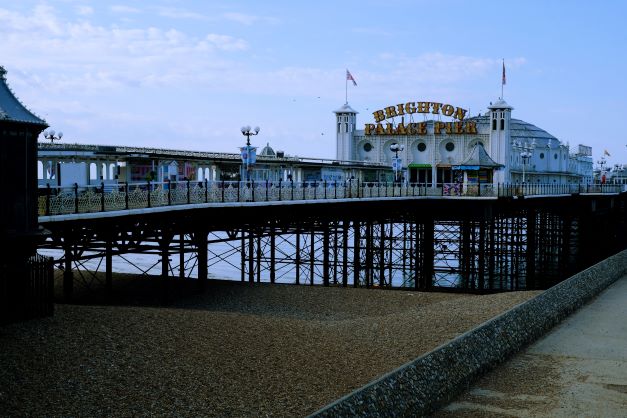
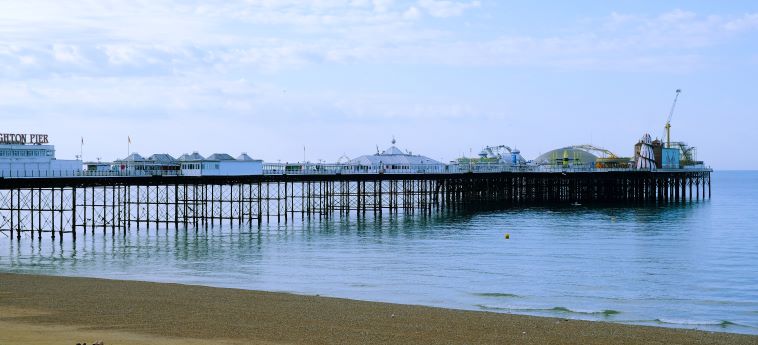
Today only the Palace Pier remains the West Pier was closed to the public in 1975 and fell into disrepair and gradually collapsed. After a number of fires, the pier is now just a frame.

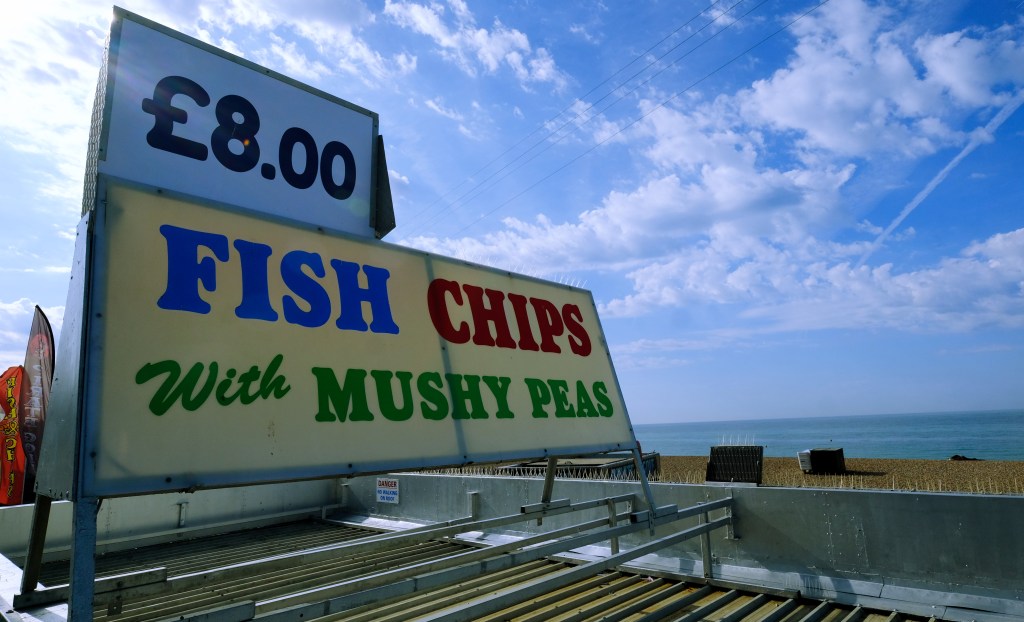
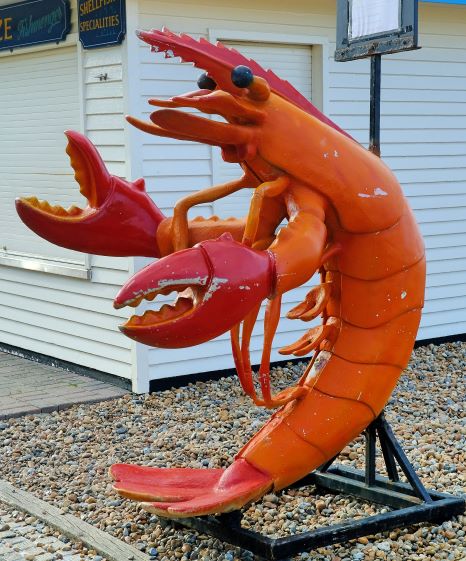
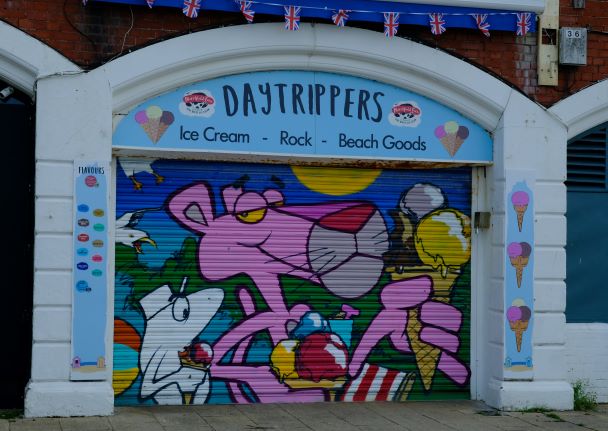
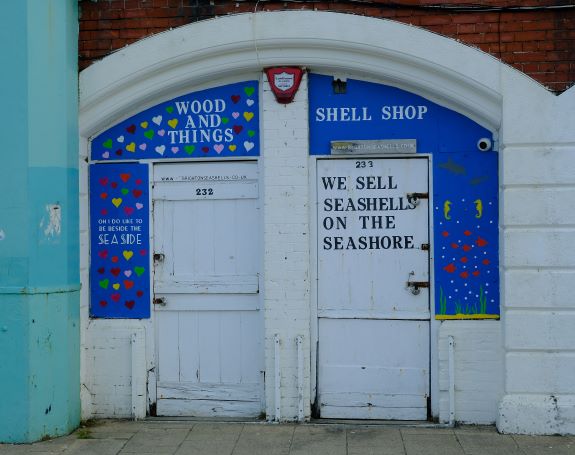
The seafront has all the trimmings of a British seaside destination.



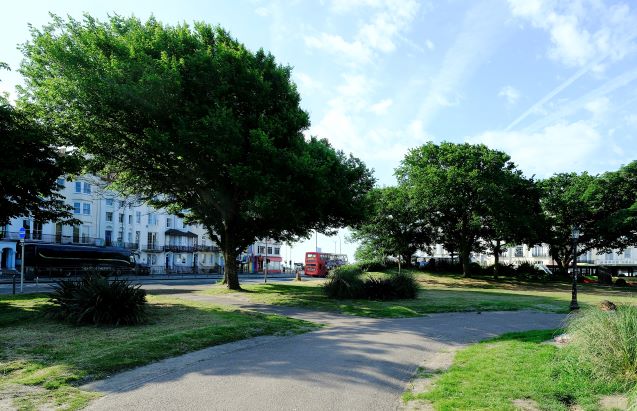
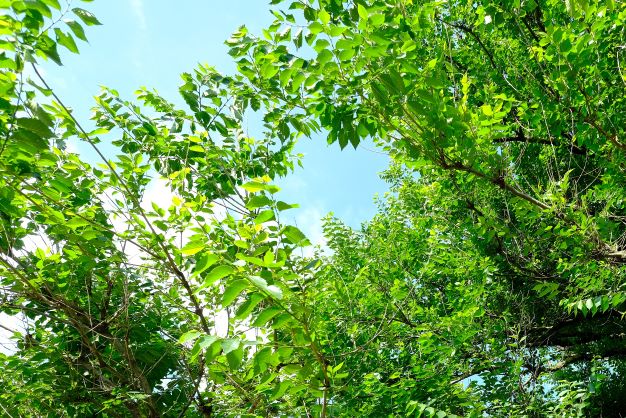
Just a tree!
English Elm trees dominated the British landscape, especially in Southern England, but were ravaged by Dutch elm disease in the1960s. Today it is only found occasionally in hedgerows or woodland. This rare tree has a small number of mature trees in Brighton. They are carefully managed by the council. I can not recall seeing an Elm Tree so one off the bucket list on our visit to Brighton.
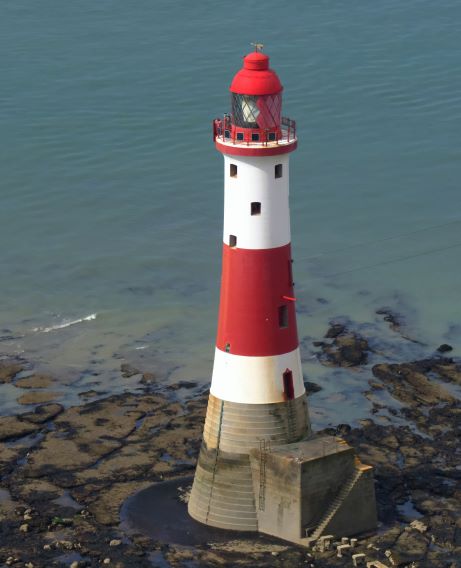
Beachy Head Lighthouse is located below the cliffs of Beachy Head in East Sussex it stands 141ft high and became operational in October 1902. It was the last traditional-style rock tower offshore lighthouse built by Trinity House.

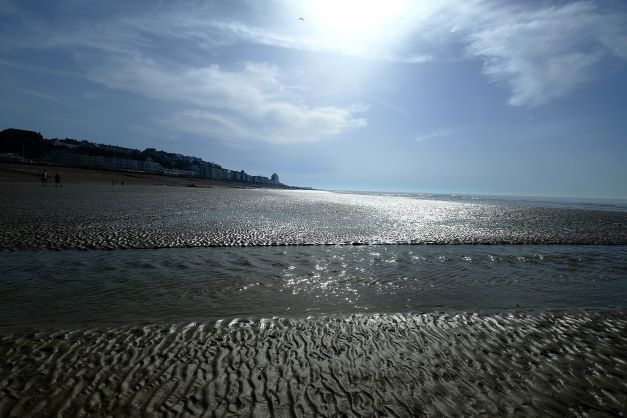
Eastbourne seafront first thing in the morning before the beach wakes up.
Eastbourne is a seaside resort town on England’s southeast coast it is about 2 hours from London. On the seafront are Victorian hotels, and the 19th-century Eastbourne Pier. West along the coast, in South Downs National Park, are the tall chalk cliffs of Beachy Head and its striped lighthouse.

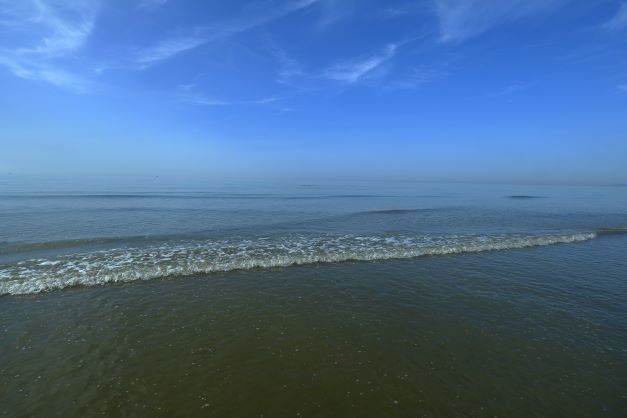
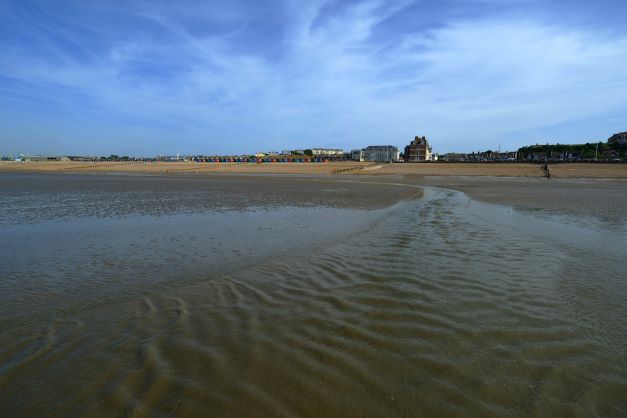
The Eastbourne Pier Company Ltd was formed in 1865. Work started on the structure in1866. Lord Edward Cavendish officially opened the pier, designed by Eugenius Birch, in June 1870. However, work on the 1000-foot pier, the landing stage, kiosk and windbreak were finally completed in 1872.


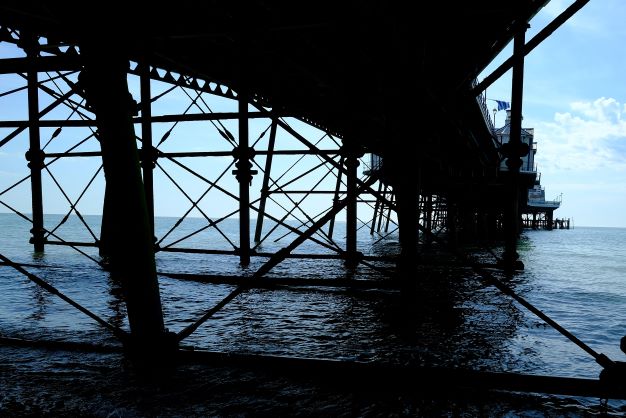
The beach is popular but 1st thing in the morning it is quiet with only a few dog walkers and runners.
A coastal hamlet nestled between the Seven Sisters and Beachy Head is Birling Gap a place where you can get down to the beach via a stairway. The area is managed by the National Trust above the beach is a visitor centre car park and a cafe.
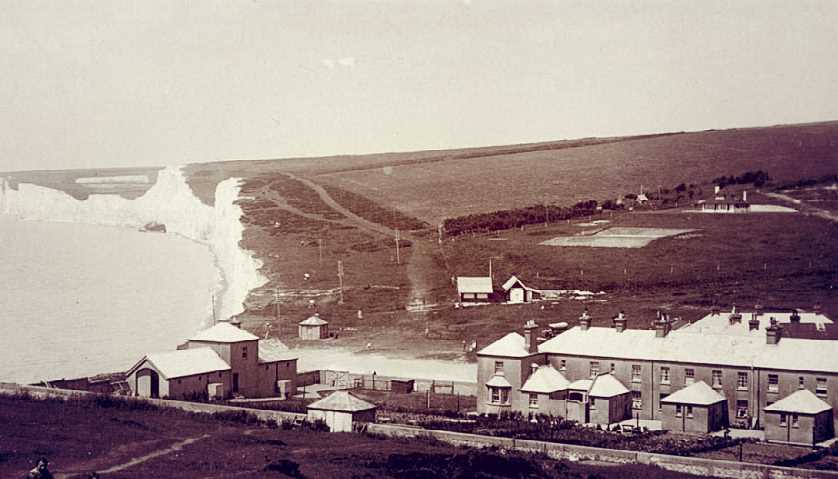
Eight cottages were built at Birling Gap for the Coastguard in 1878. Today only 3 remain in 1973 due to the eroding cliff, one of the cottages was demolished again in 1994 another cottage was demolished. 2002 and 2014 lead to the loss of 2 more homes!
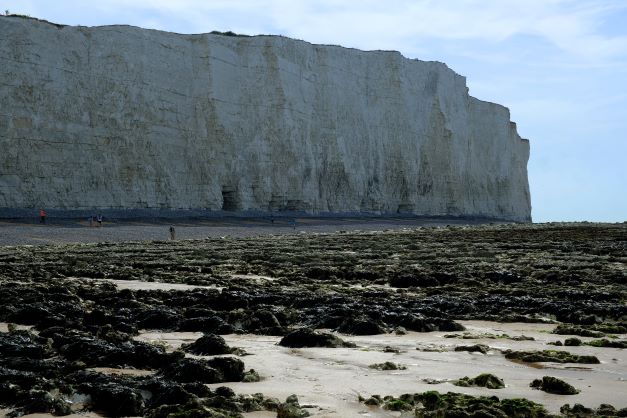
This is the first time I visited the gap when the tide was out. You can access the beach via a staircase.

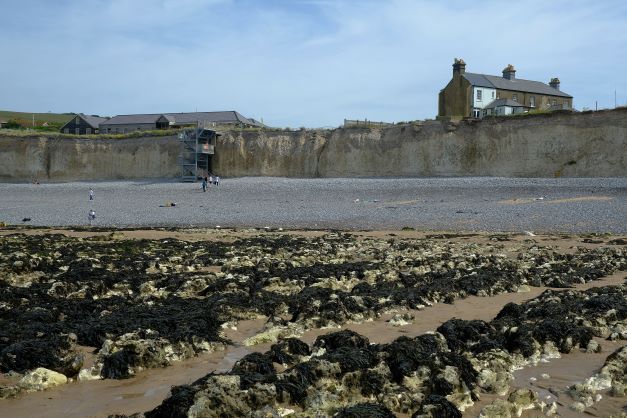

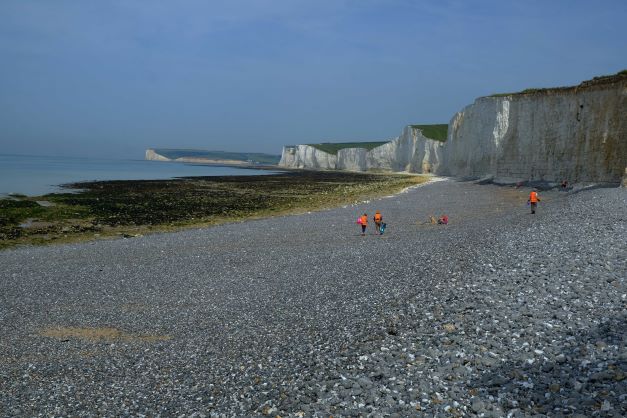
Seven Sister – is what the cliffs are known to the west of the gap.

The cliffs to the east.
A view of the gap in the 1920s from an old postcard showing the row of coastguard cottages and coastguard rocket house.
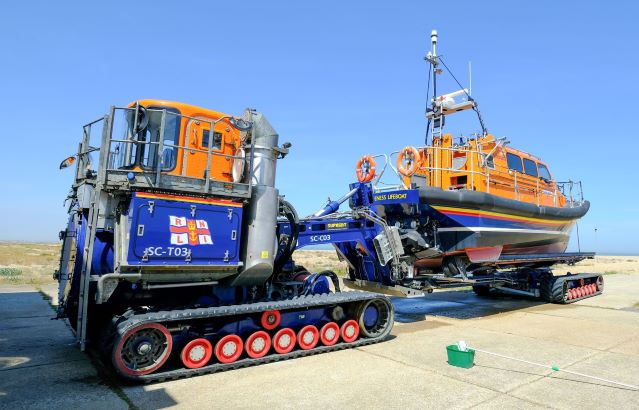
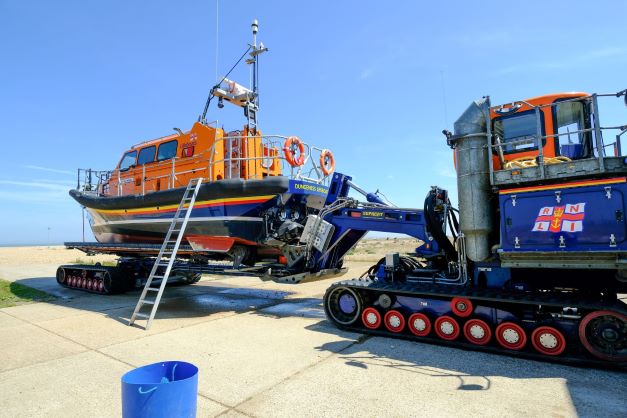
Dungeness Lifeboat Station has a Shannon class lifeboat. The Morrell was named on 31 May 2014 by HRH Princess Royal. In 1940, the Dungeness lifeboat was one of 19 that took part in the evacuation of Allied troops from Dunkirk in northern France. We were lucky to see the lifeboat out of the lifeboat house when we visited as she had just had a wash and was drying in the sunshine.
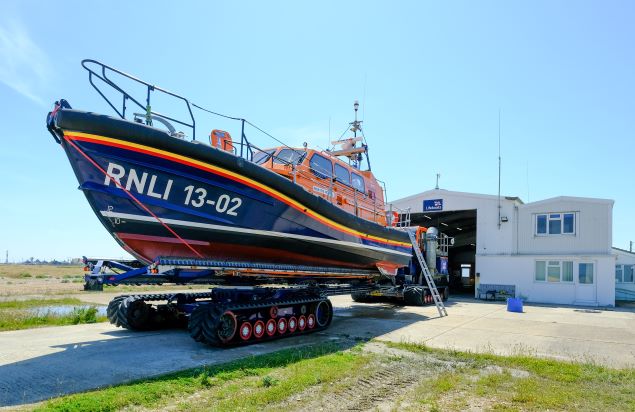

EDIT.
I have edited and added the launching tractor of a Shannon class lifeboat at Hastings just along the coast I filmed in 2018

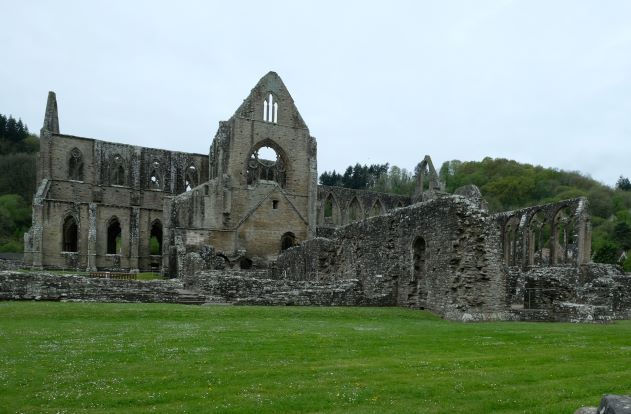
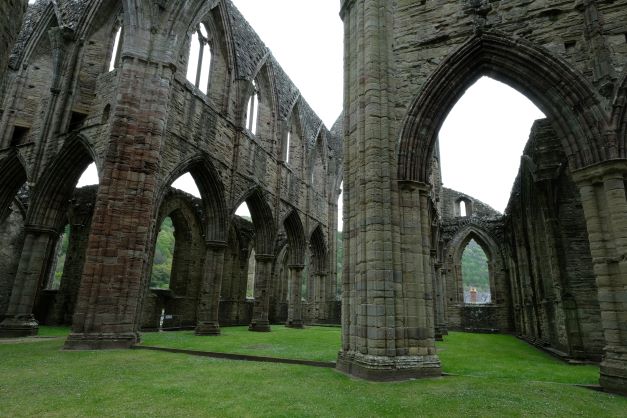
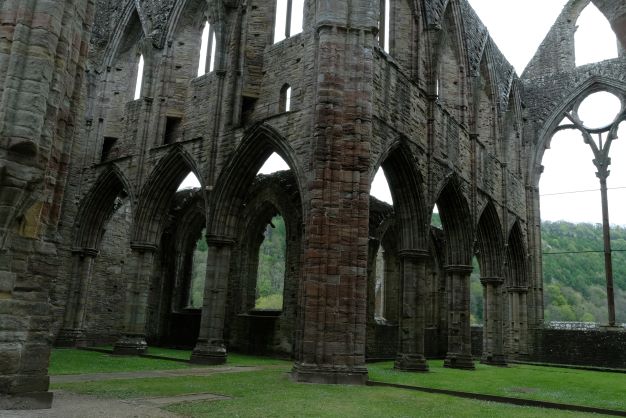
Tintern Abbey was founded in 1131 by Cistercian monks, standing on the banks of the River Wye is now a romantic ruin and is a natural place to stop if you are traveling into Wales via the old Severn Bridge and heading for the A40. We stop here for the toilet and a cup of tea on most trips into Wales.


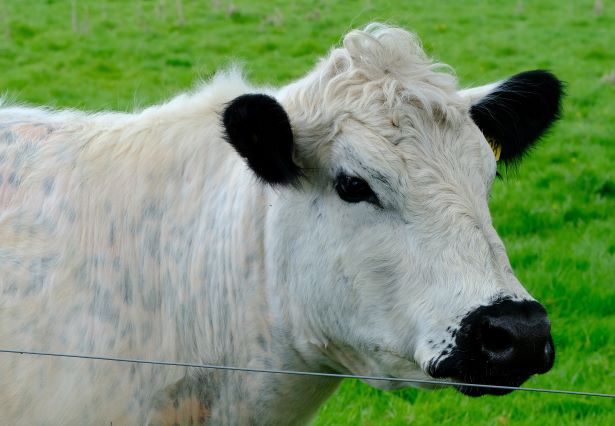
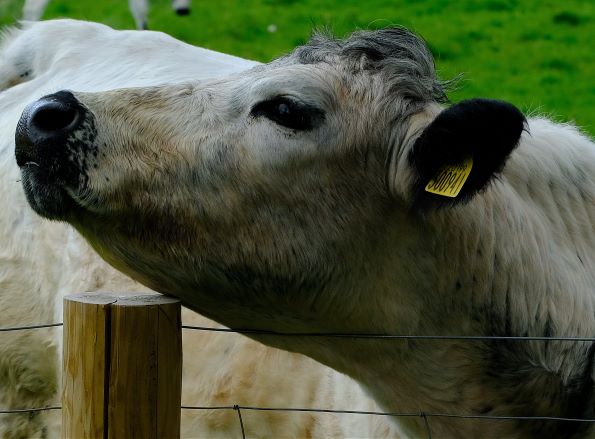
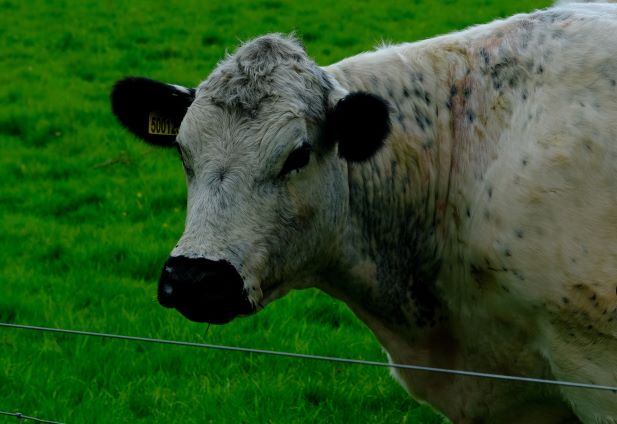
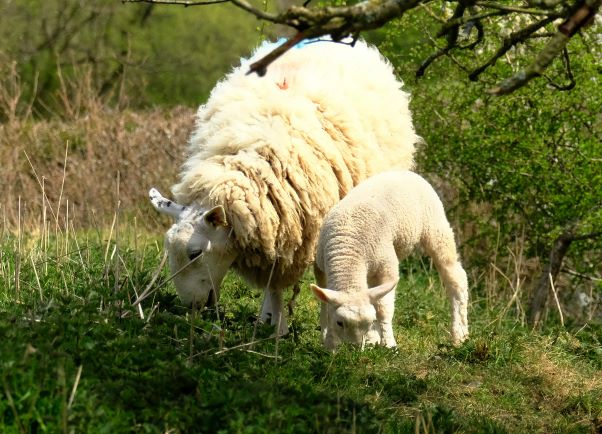
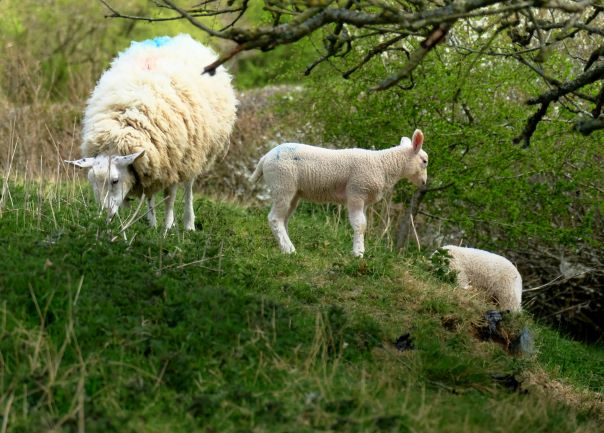
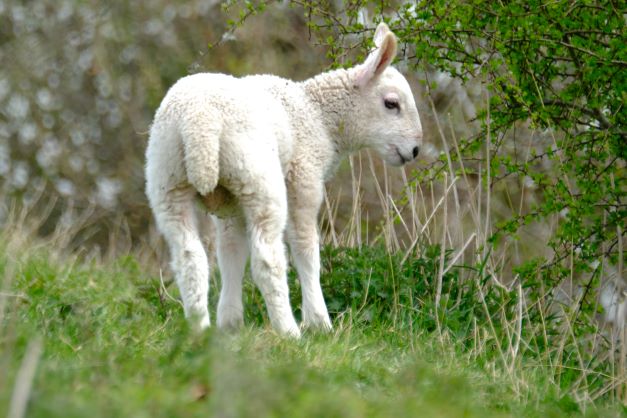
Farming views from Wales.



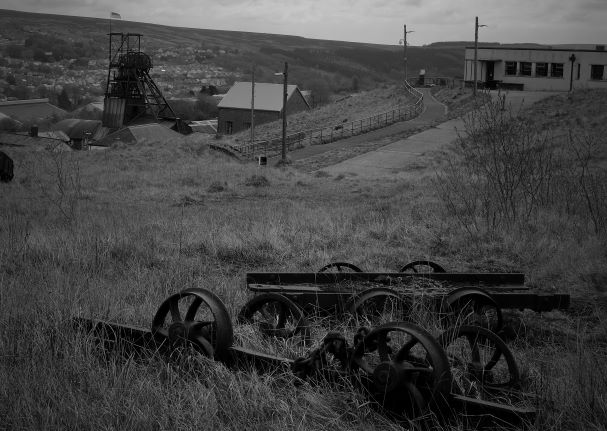
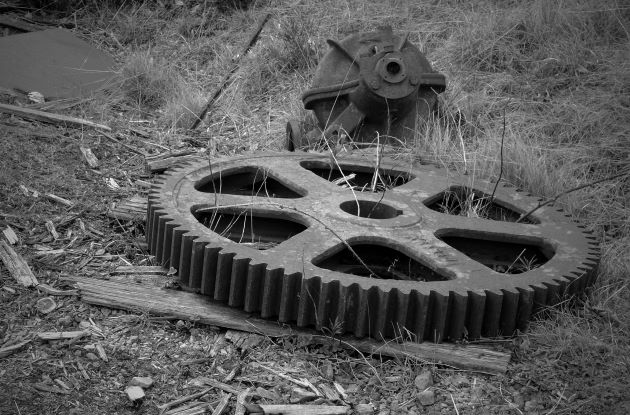
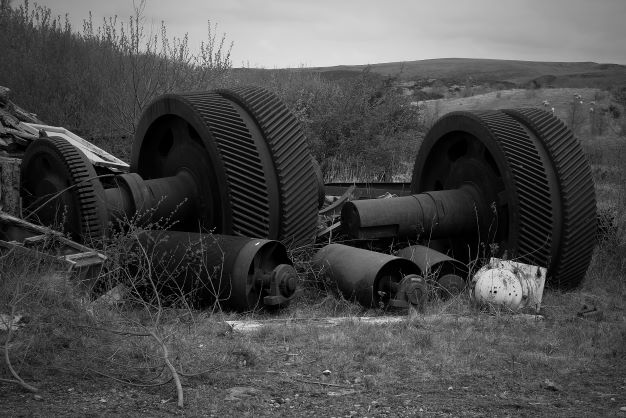
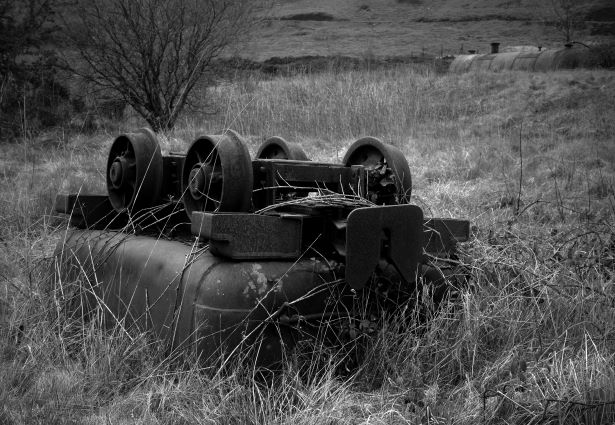
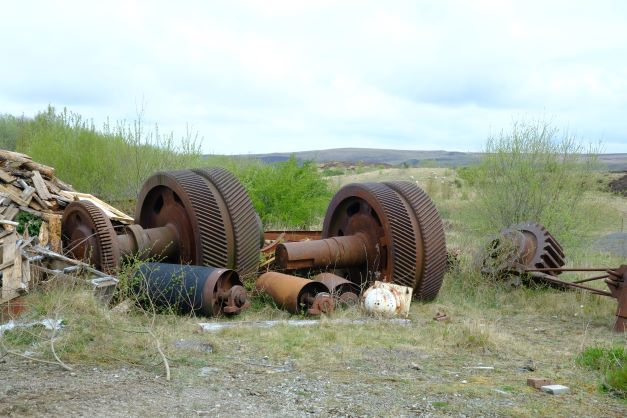
Coal mining in Wales is an industry of the past and the scars of mining litter the landscape. The black seams of coal became too expensive to mine and carbon-based fuel lost favor as a form of energy. Big Pit today is the National Coal Museum of Wales. The pit was a working coal mine from 1880 to1980. Big Pit is part of the Blaenavon Industrial Landscape a World Heritage site.

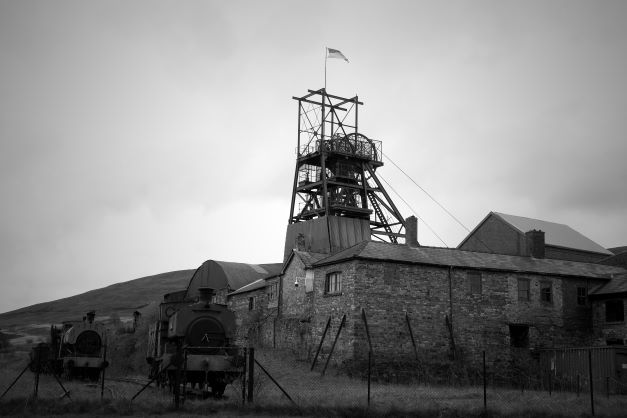
Big Pit has a depth of 300ft – underground tours are available which I have done in the past but due to covid, I decided to stay in the open air on this visit. At its peak in 1923, this one mine employed 1,399 in coal production.


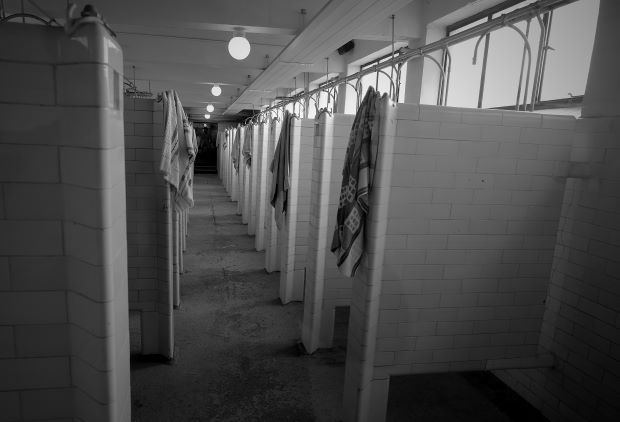
Lockers and Shower block.

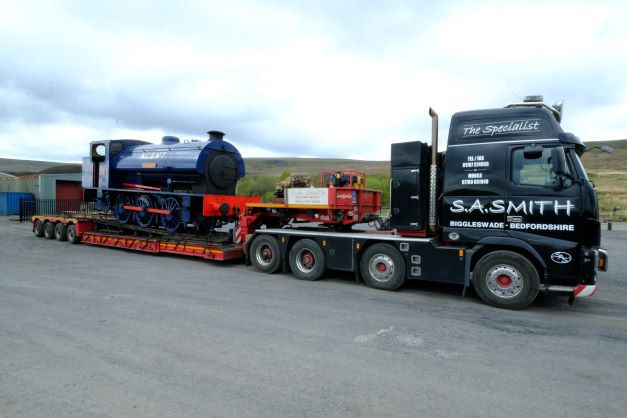
Restored locomotive being returned to the museum site.
Some facts:- In 1913, 232,000 men worked in 620 mines. The largest number of men ever to work in the Welsh coal mines was 271,000 in 1920.

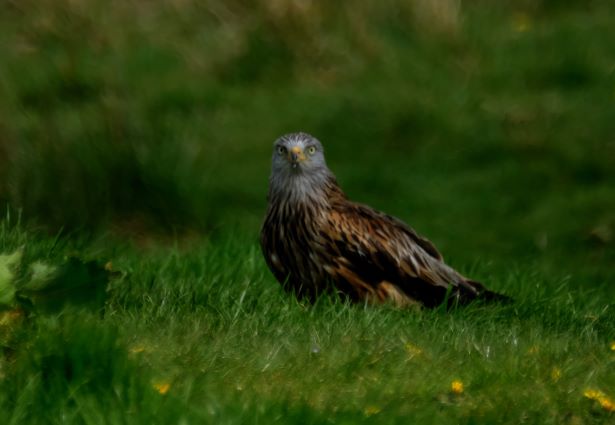
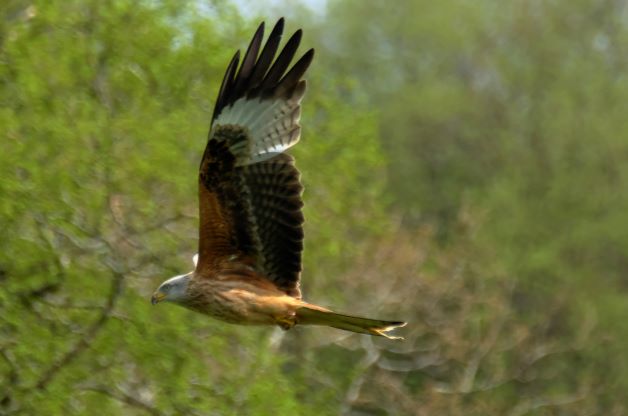
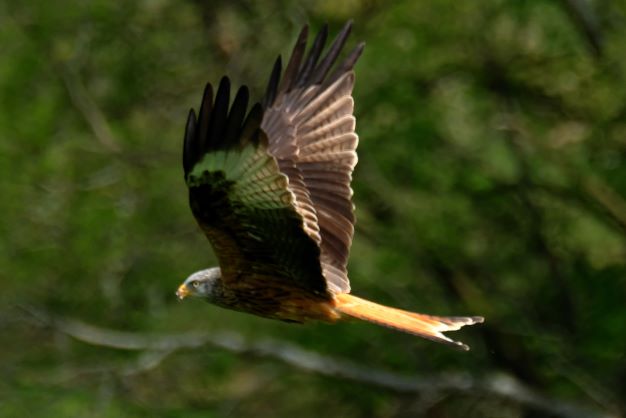
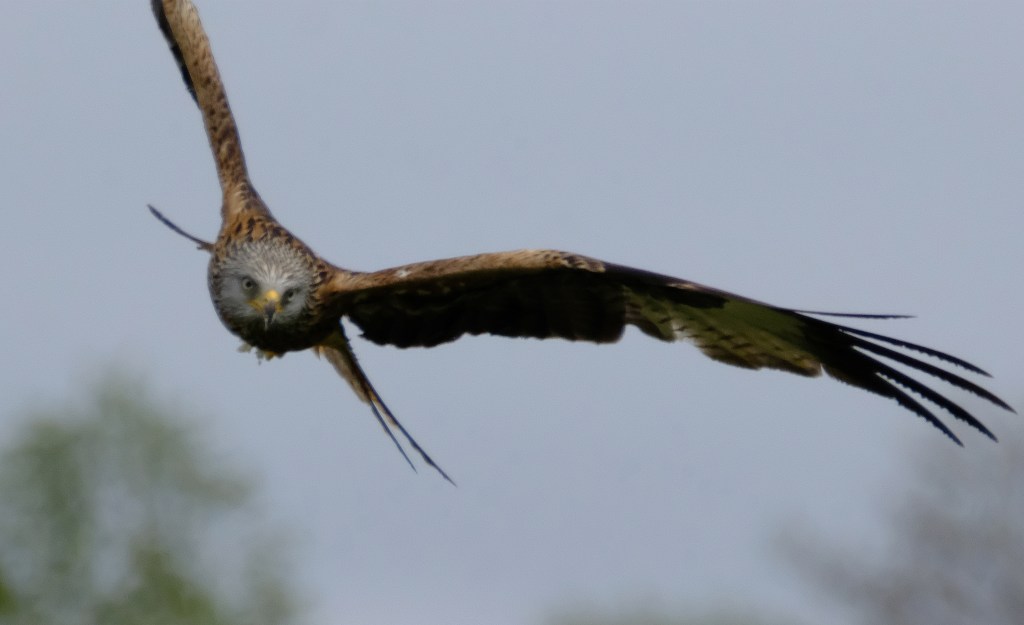
Red Kites in the Brecon Beacons- A success story. 35 years ago I saw my 1st Red Kite they were on the brink at that time and about only 25 pairs were in a stronghold in the Brecon Beacons. Over the years their numbers have increased and their range increased. It has now been successfully re-introduced to England and Scotland. It is estimated that there are now 4600 pairs in the UK, While we were on our recent campervan trip to Mid-Wales we visited a Red Kite feeding station at Gigrin Farm near Rhayader.
The farm became an official Kite Feeding Station in the winter of 1992/93 following a request from the RSPB. Today it welcomes many visitors for a daily feeding session where up to 600 birds come to feed.