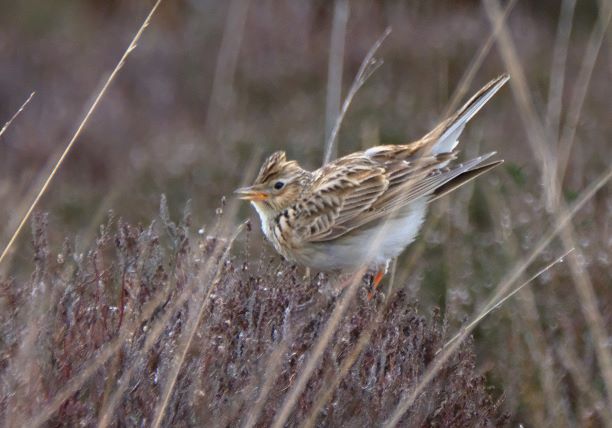
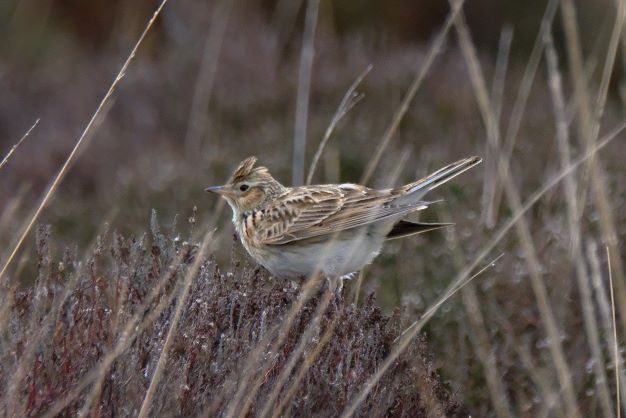
The Skylark is a LBB {a little brown bird}. It is a streaky brown colour with a small crest, which can be raised when the bird is excited or alarmed and a white-sided tail. It can fly, vertically up in the air. Often you can hear them high above fields singing their hearts out. When you locate it , it is often just a tidny speck up in the sky – it is a bird you hear before you see it.
In the Brecon Beacons in Mid Wales, I spotted this Skylark on the ground.Thenfirst time I was able to photograph one. They are ground-nesting birds and this is one of the reasons why their numbers have dramatically decreased in recent years and are now on the “Red List”.
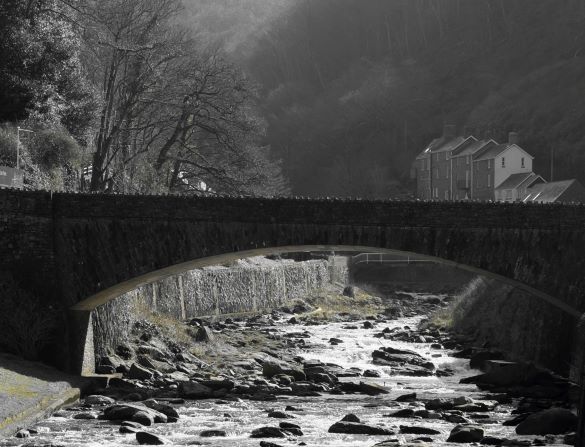
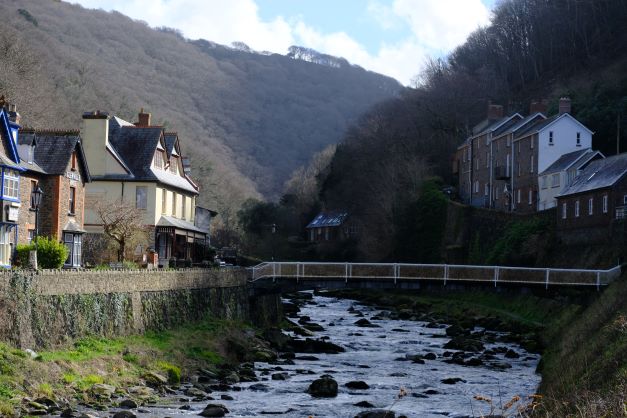
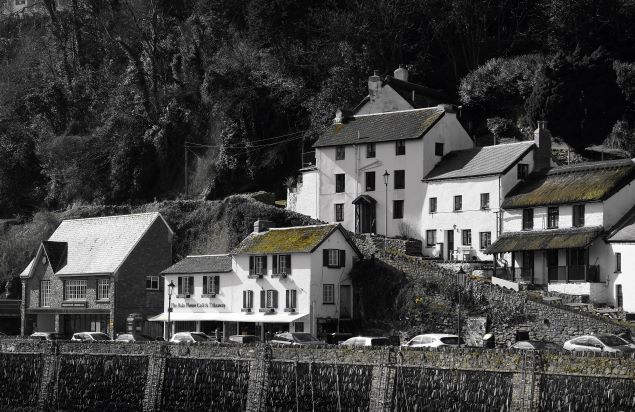
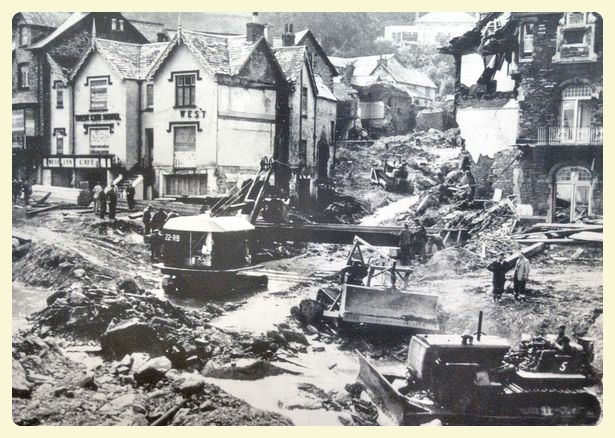
River at Lynmouth – On the 15th and 16th of August 1952, a storm broke over south-west England, depositing 9 inches of rain within 24 hours on the already saturated soil of Exmoor and Devon. Debris in the floodwaters cascaded down streams and rivers converging upon the village of Lynmouth. Above the village in the upper West Lyn valley, fallen trees and other debris formed a dam, which in due course gave way, sending a huge wave of water and debris down the river. Overnight, more than 100 buildings were destroyed or seriously damaged 38 cars were washed out to sea, 34 people died.
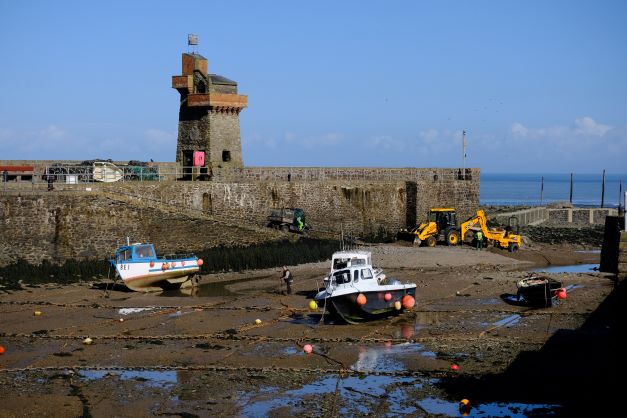
The rebuilt Rhenish Tower survived the main flood but was seriously undermined. The tower collapsed into the river the next day. A digger is in the harbour removing gravel that built up after a recent storm blocking some of the harbour.
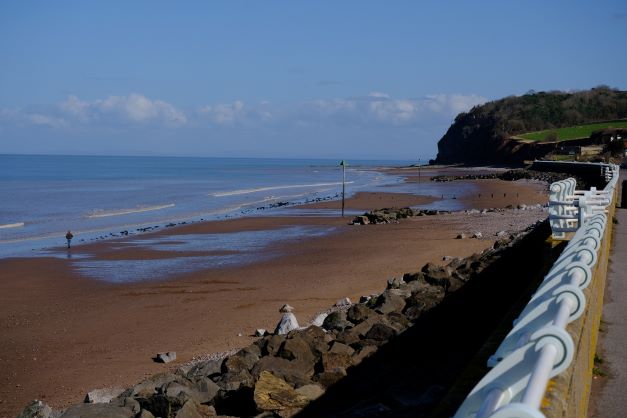
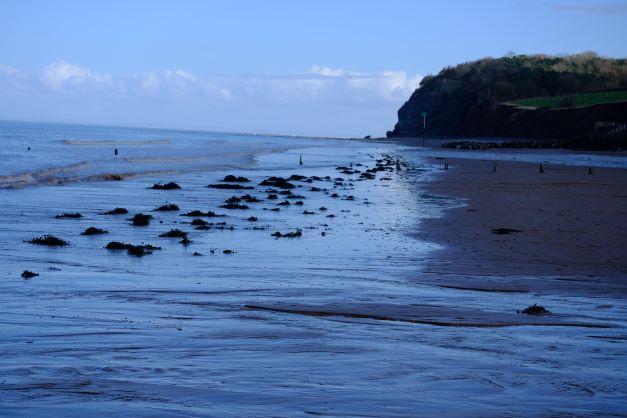
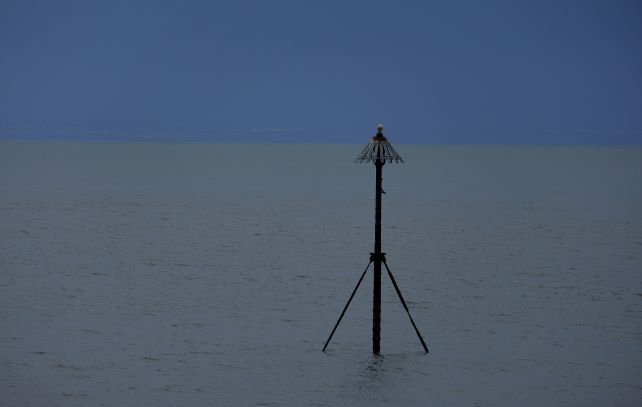
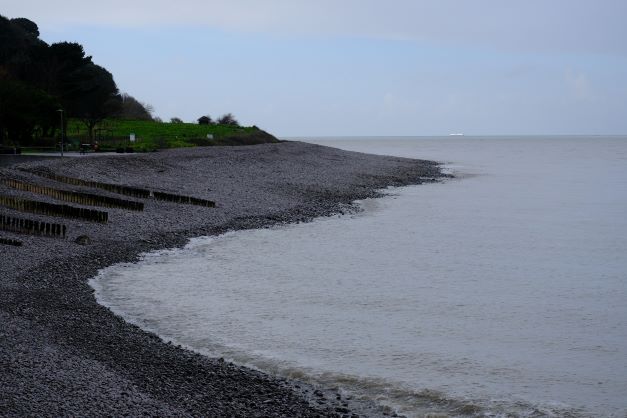
Views along the coast views of the sea at Blue Anchor and Minehead.
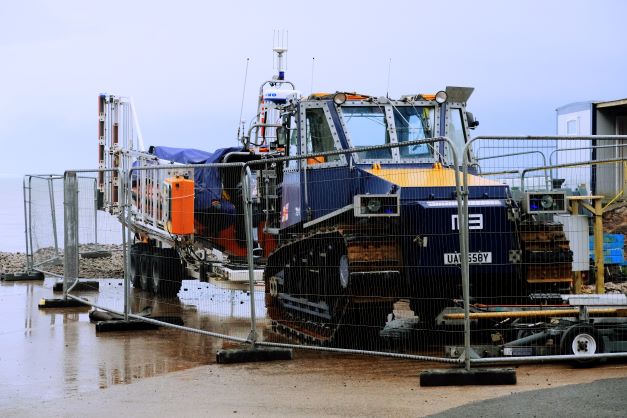
Minehead RNLI B Class rigid-hulled lifeboat and launch tractor are housed in the car park while the 1901 lifeboat house is being refurbished and extended – always ready for the call.
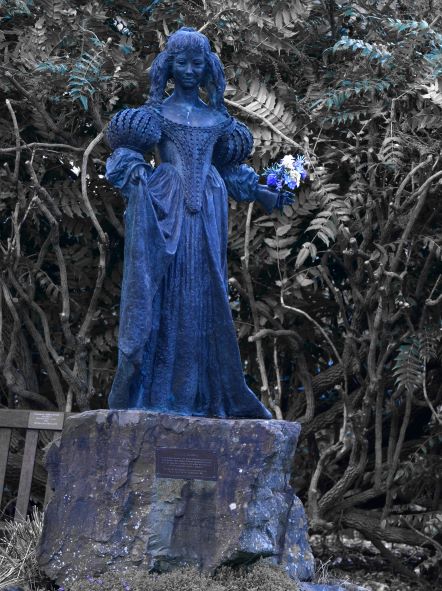
Statue of Lorna Doone at Dulverton. Lorna Doone a Romance of Exmoor is a novel by author Richard Doddridge Blackmore, published in 1869. It is a romance based on a group of historical characters and set in the late 17th century in Devon and Somerset, particularly around the East Lyn Valley area of Exmoor.
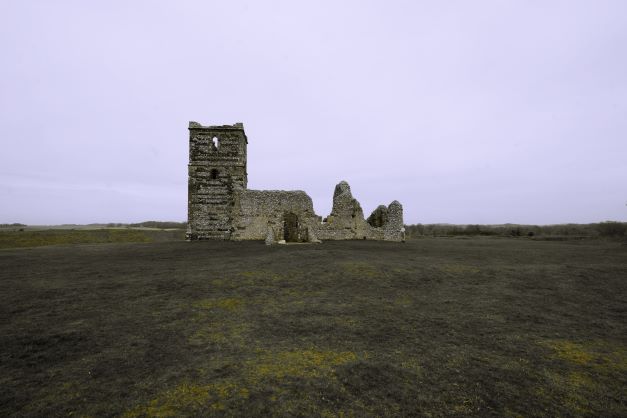
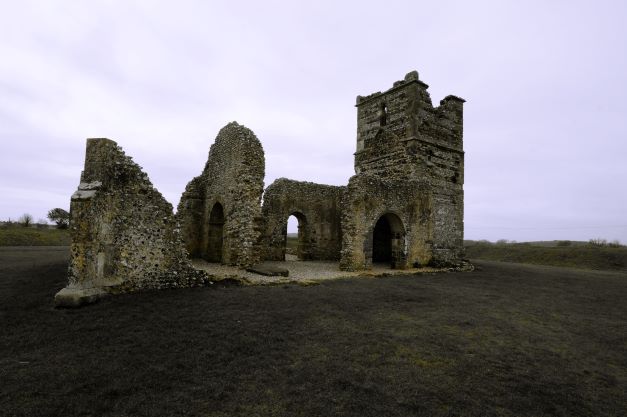
On the way home after our trip away, we stopped at Knowlton Church And Earthworks (a usual stopping place for us). Situated near the village of Cranborne in Dorset it is on a route we regularly take to avoid the city of Salisbury where there is a traffic bottleneck. The site is now in the care of English Heritage. It is an interesting historic site with a ruin of a 12th-century Norman Church situated at the centre of a Neolithic henge earthwork. Like other Christian sites, it symbolises a transition from much older sites of importance and pagan worship to Christian worship.
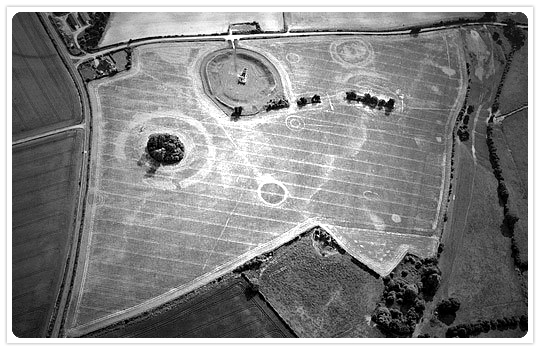
As well as the main earthworks the landscape around the church is a part of a larger Neolithic and Bronze Age ceremonial area most of which can now only be seen from aerial study as crop marks.
Below a picture that was taken from online shows an overview of the area and its features.
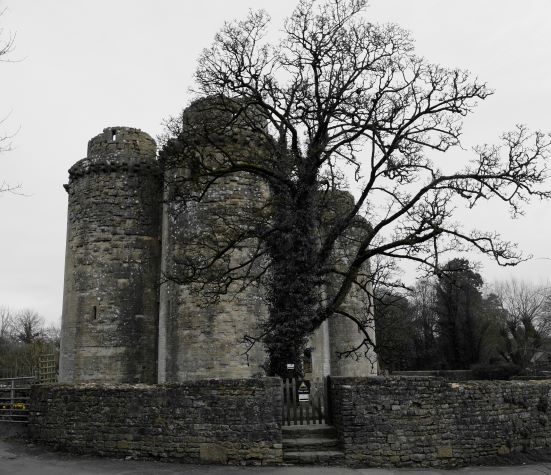
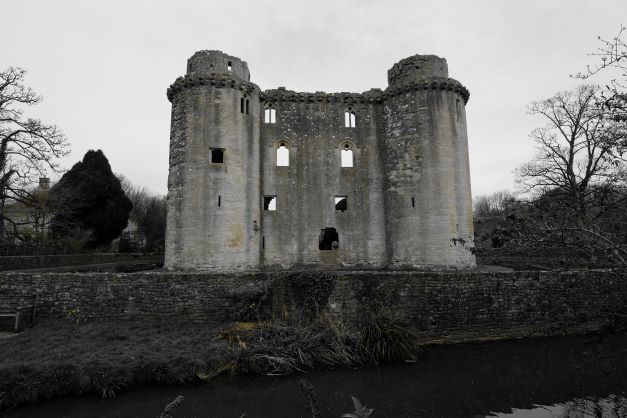
Nunney Castle in Somerset dates from the 1370s. It was built for Sir John de la Mare, a local knight. His castle was inspired by French castles seen on campaigns. The castle was modernised in the late 16th century, the castle was besieged and damaged by the Parliamentarians in 1645, during the English Civil War.
Today the ruin is picturesque the moated tower is well preserved and dominates the centre of the village.
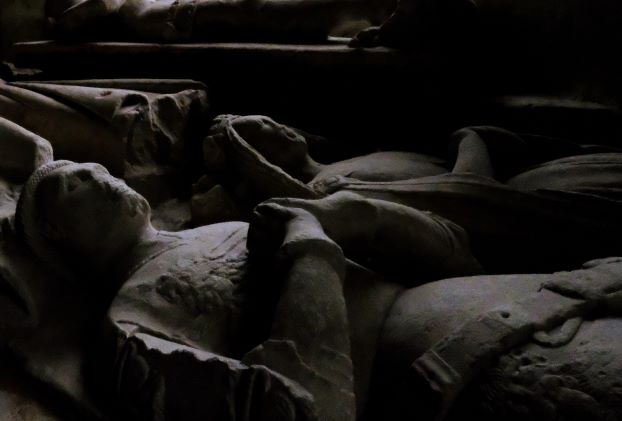
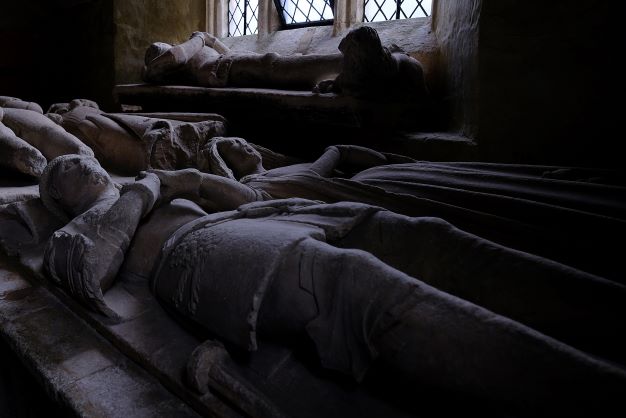
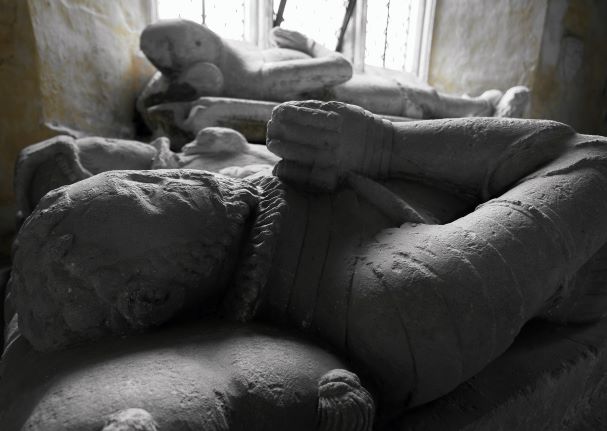
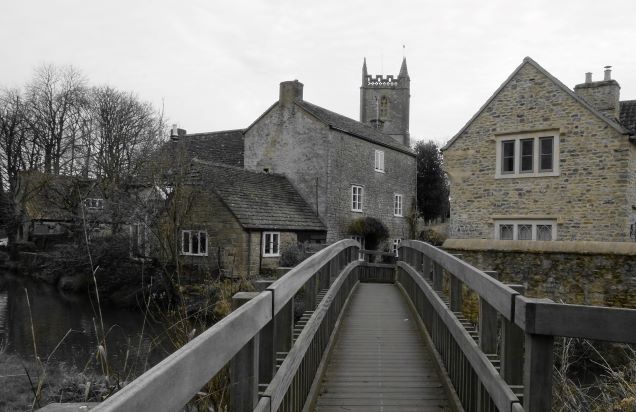
Sir John de la Mare and other lords of Nunney Castles are buried in the village church. The Church is a grade1 listed building dating from the 12th century it is said it was built on the site of an earlier church dating from an earlier Saxon or Norman Church.
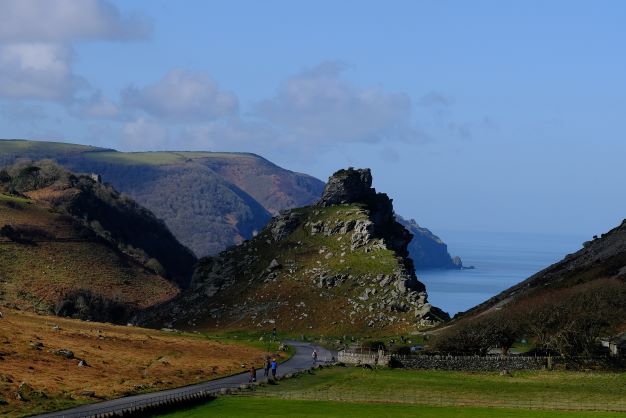
Camper van trip {pt2}. Valley of the Rocks or Goats
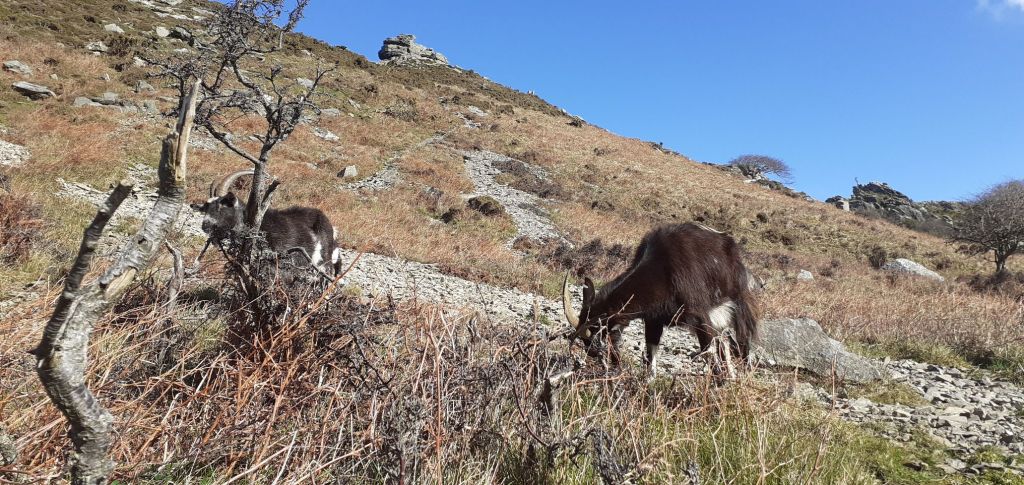
Valley of the Rocks is a dry valley that runs parallel to the coast in north Devon, near the village of Lynton. A spot visited by tourists for years to walk and see the landscape and geology.
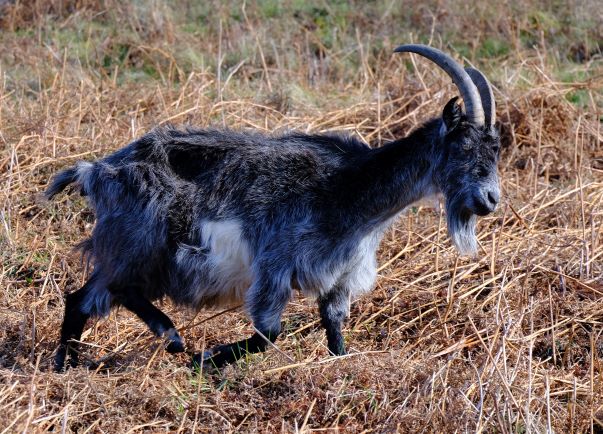
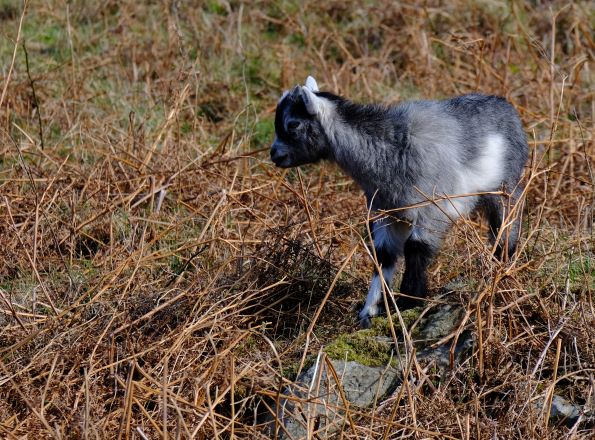
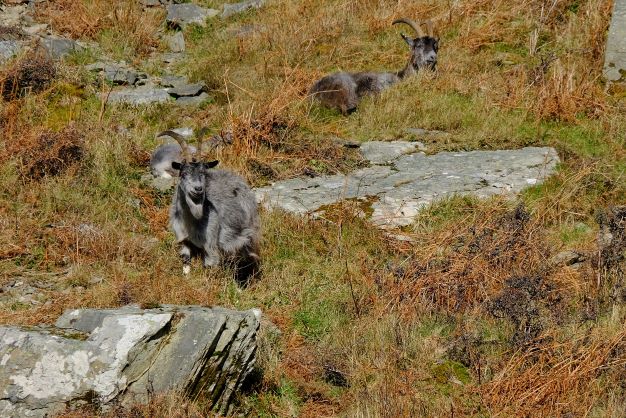
There is a herd of feral goats wandering, in the valley, A herd of 75 goats were recorded in the valley in the Domesday Book in 1086. In 1976 the current herd was introduced to the valley when it was realised that they had a role in controlling the vegetation growth. I have visited the valley and seen no goats other times I have had to walk up the rock outcrops to see them but when we visited this week many came down near the car park.
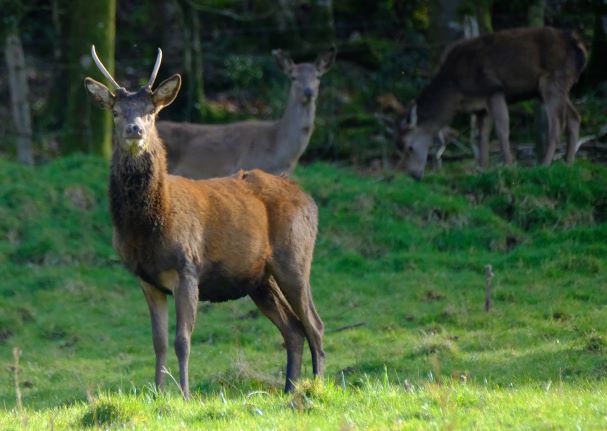
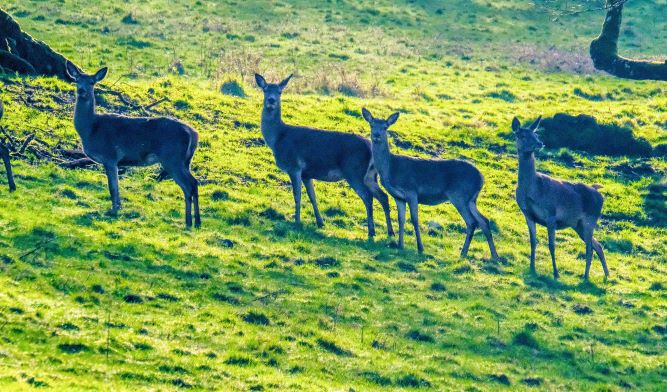
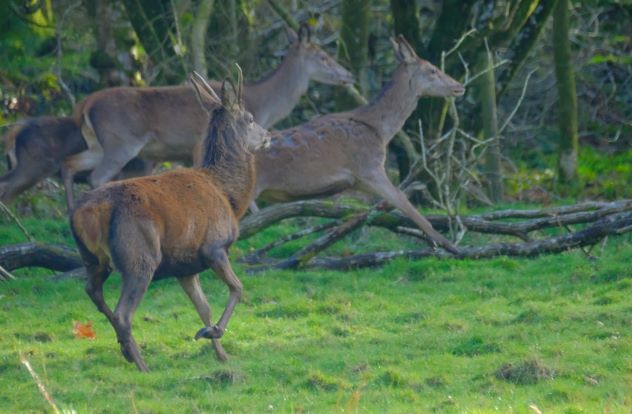
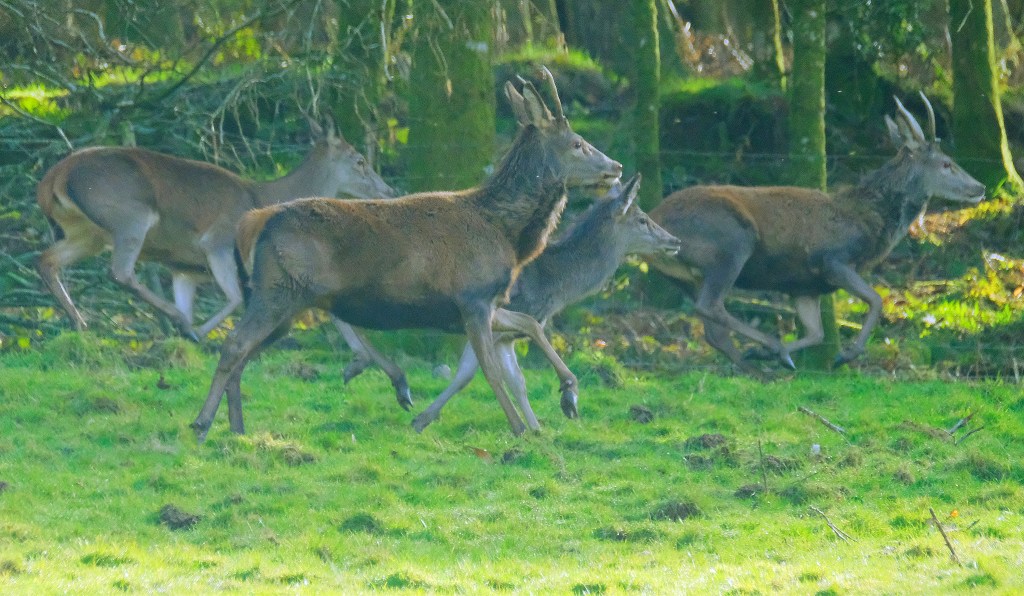
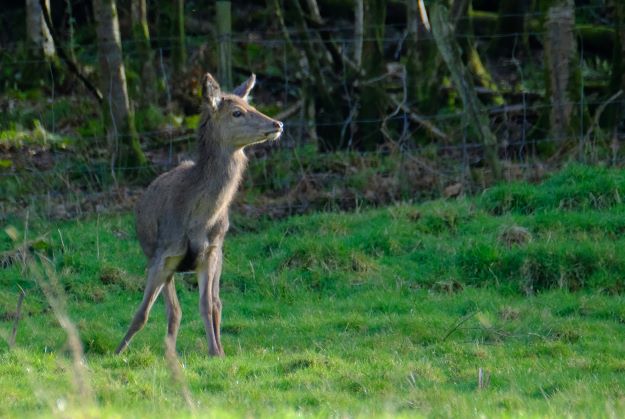
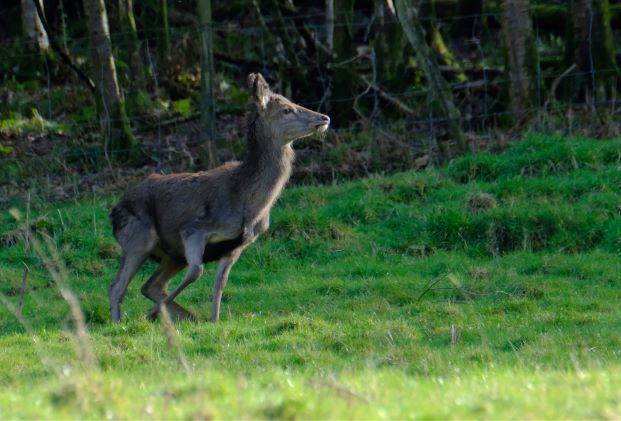
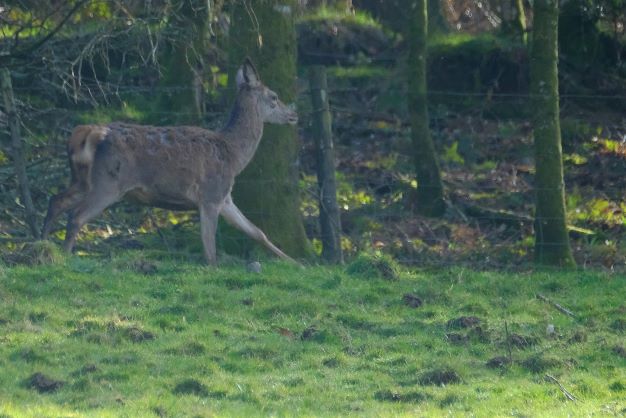
Returning to our campsite and as the light was starting to drop we spotted a herd of Red Deer young Stags (males) and Hinds (females). From the lane, they were interested in us as much as we were in them after a good look at each other they moved off back into the woodland.
Red Deer are the UK’s largest deer. Males have large, branching antlers, increasing in size as they get older. The Stags spotted are young animals given he had fairly small non-branching antlers. Red Deer live on moorland and mountainsides, as well as grasslands near to woodland. They are common in Scotland, particularly the Highlands and Islands. Red Deer are also found in the Lake District, Exmoor, as well as the New Forest.
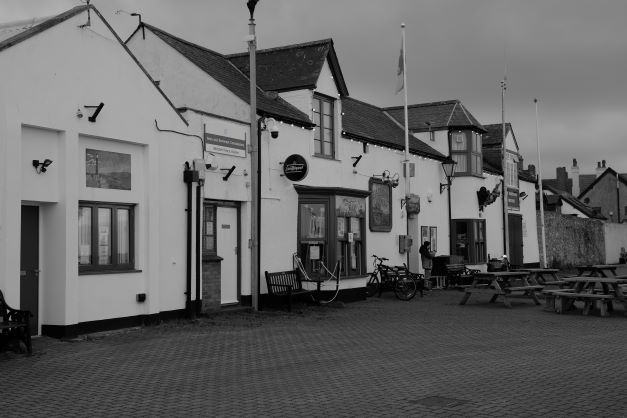
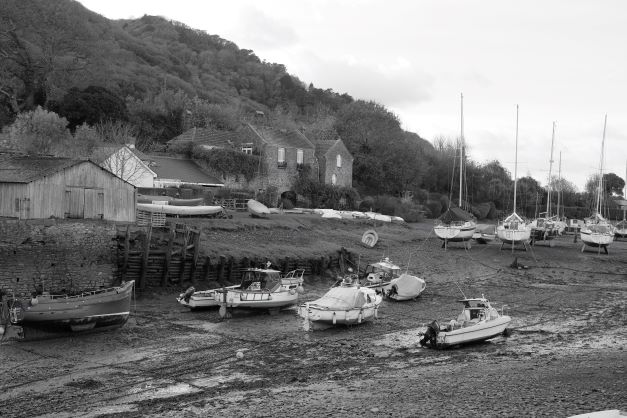
The seaside towns we visit along the coast at North Devon and Somerset are empty of most holidaymakers seasonal shops are closed for the winter. Pleasure boats have been taken out of the water and many car parks have become winter boat parks.
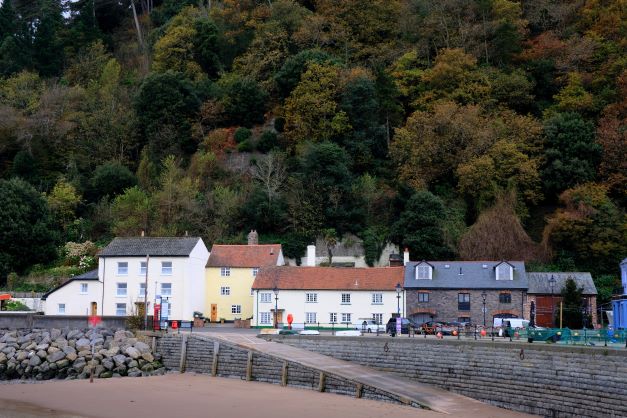
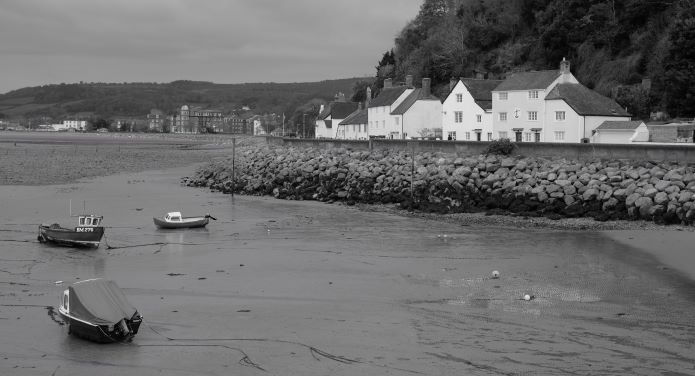
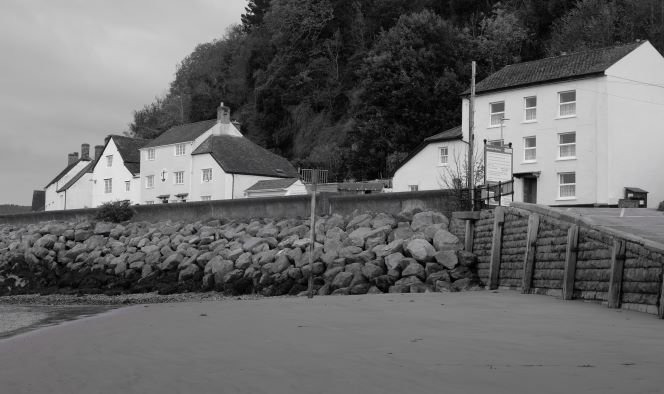
MINEHEAD. old harbour area.
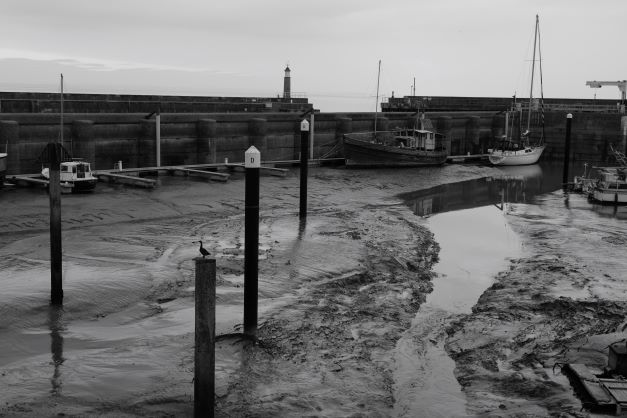
WATCHET. a small historic harbour town.
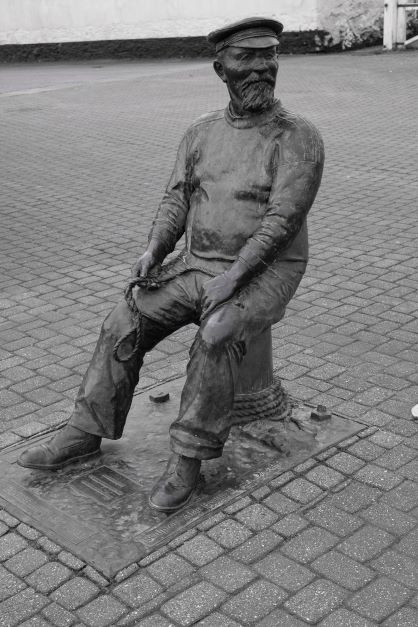
John Short was born near Watchet in 1839. He first went to sea from Watchet as a boy in 1860’s joined a Yankee ship in the American Civil War. At the age of 61 he retired and returned to Watchet. He brought the songs of the sea home with him. He became known as ‘Yankee Jack’ he became known for sea shanties. They were collected and collated by Cecil Sharp and Sir Richard Terry for our English musical heritage. A statue of “Jack” was placed overlooking the harbourside.
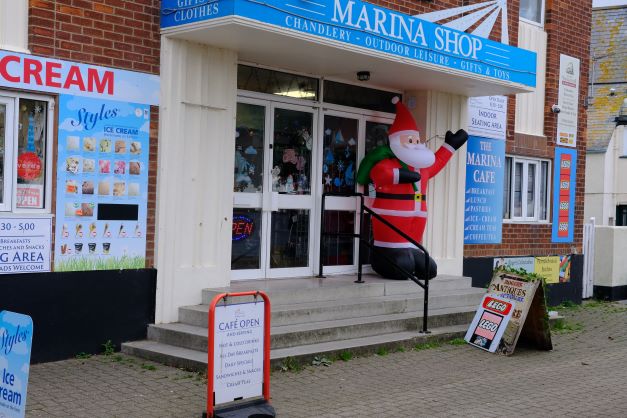
Christmas has started in the town of Watchet.
Watchet harbour became the inspiration for the epic poem The Ancient Mariner by the poet Samuel Taylor Coleridge. He walked over the Quantock Hills from his home in Nether Stowey, with his friends William and Dorothy Wordsworth. It has been said that looking down on Watchet from St. Decuman’s Church gave him inspiration for his poem.
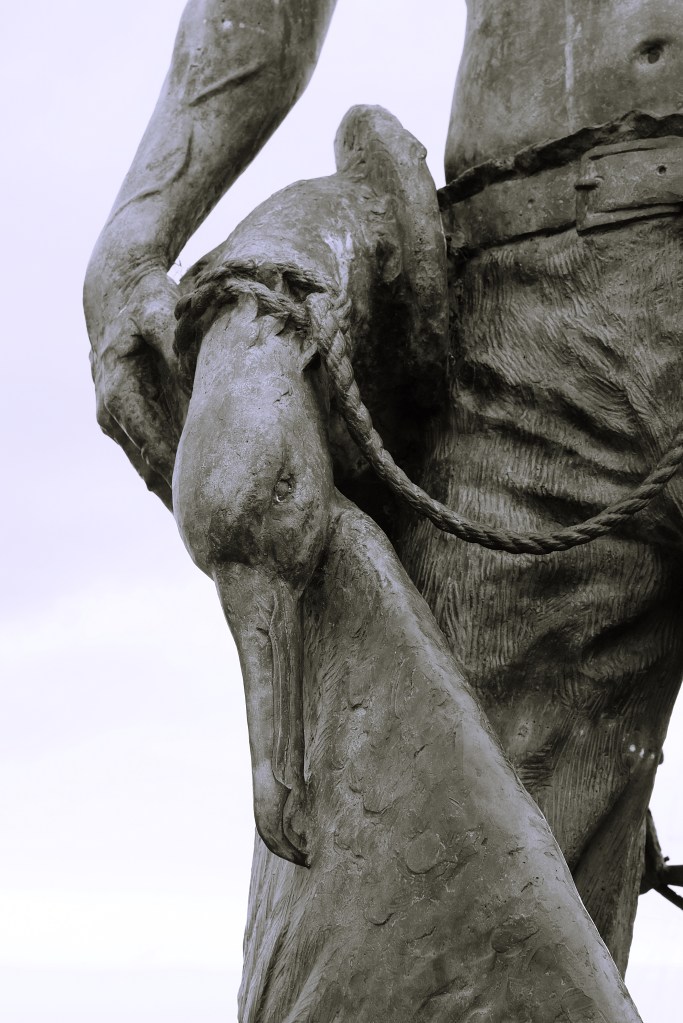
2003 statue of the Ancient Mariner also on the harbourside.
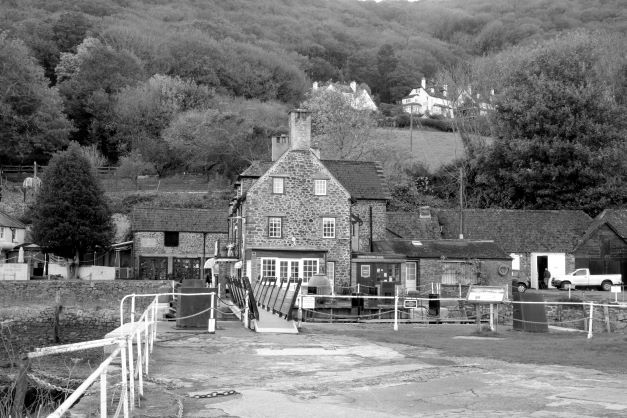
PORLOCK WEIR. The settlement at the sea here is like stepping back in history and if it was not for the modern cars and TV ariel you could be could get lost in the moment.
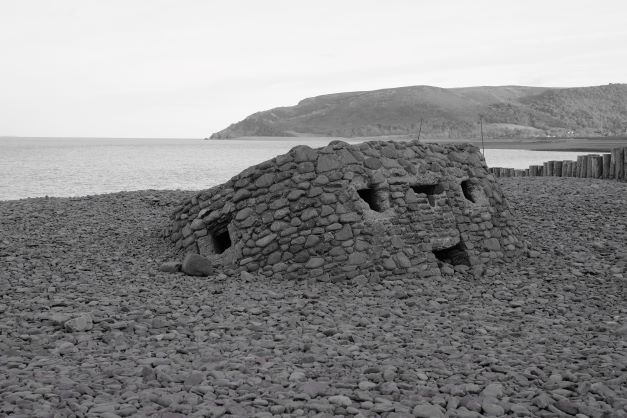
WW2 Pillboxes using local beach stones to camouflage their outline.
ILFRACOMBE. you can tell the season is over in this town many of the waterfront businesses have shut and are boarded up for the winter, the hustle and bustle has now gone – it is so different here in the summer. The boat trip kiosks on the harbour are waiting for spring.
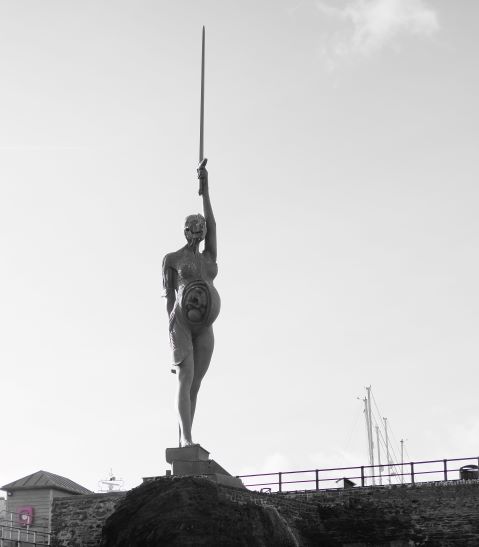
A 66 foot stainless steel and bronze sculpture named Verity, created by artist Damien Hirst, stands on the pier at the entrance to the harbour looking out over the Bristol Channel towards South Wales.
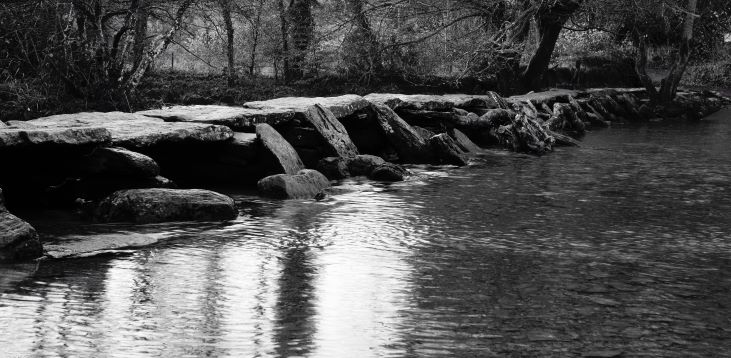
Tarr Steps is a clapper bridge across the River Barle in the Exmoor National Park, Somerset, England.
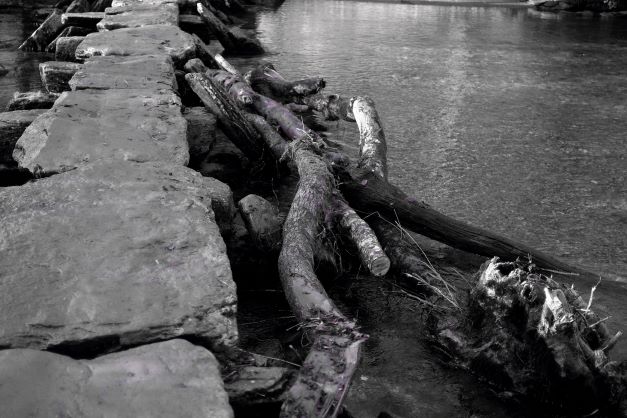
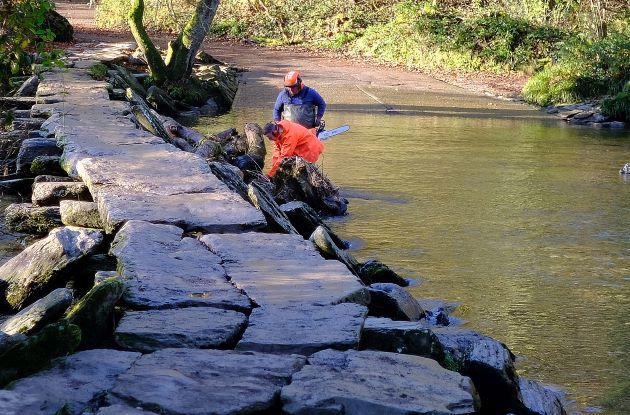
Its age is unknown, as several theories claim that Tarr Steps dates from the Bronze Age but others date them from around 1400 AD. The stones forming the spans weigh between one and two tons each. Over the years the bridge has been badly damaged by floodwaters and branches floating down with the flood and smashing into the bridge. After the flood of 1952 debris has been trapped by cables strung across the river upstream of the bridge. These cables were damaged in 2016 and failed which caused the bridge to be damaged so again had to be repaired.
While visiting the steps workmen arrived to remove a build up of logs.
log build up.
Upstream, the log catcher looks like a damaged suspension foot bridge.